Around the world, many individuals will have some reaction to the foods they consume. This type of reaction can lead to a series of unwanted symptoms that affect not only the vital organs of the body but also the musculoskeletal system. This allergic reaction can cause inflammatory effects that lead to joint pain and swelling while affecting a person’s quality of life. Inflammation is the body’s natural defense response from the immune system to repair the body inside and out. When food allergies start to affect the entire body, it can cause the individual to be in constant pain, and many individuals will go to treatments to reduce the symptoms caused by food allergic reactions; however, the residual effects of the allergic reaction can still interfere with the body and affect the musculoskeletal system. Today’s article focuses on food allergies, how they are associated with inflammation in the musculoskeletal system, and how MET therapy can help relieve inflammation associated with food allergies. We utilize and provide valuable information about our patients to certified medical providers who use soft tissue stretching methods like MET to reduce inflammation associated with food allergies affecting the musculoskeletal system. We encourage patients by referring them to our associated medical providers based on their findings. We support that education is a marvelous way to ask our providers the most interesting questions at the patient’s acknowledgment. Dr. Alex Jimenez, D.C., incorporates this information as an educational service. Disclaimer
What Are Food Allergies?
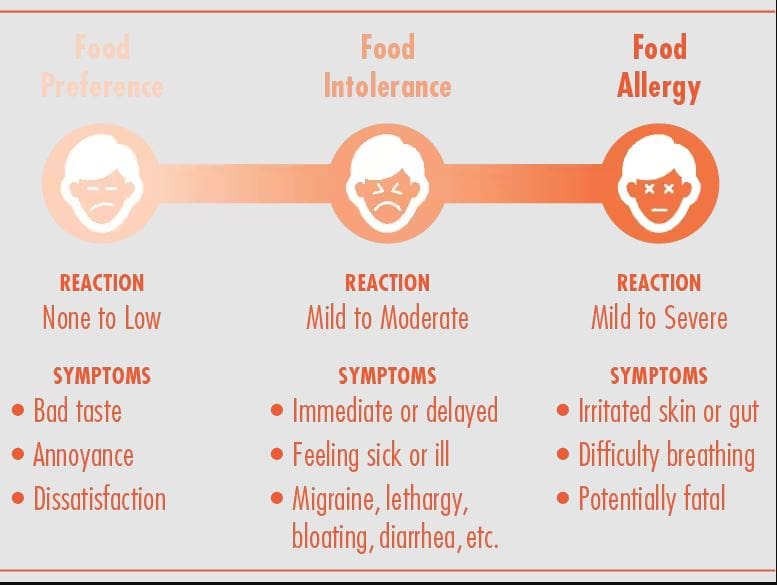
Have you been dealing with muscle swelling in different locations of your body? Do you see redness or feel a burning sensation in your muscles? Or do your muscles and joints feel achy throughout the day? Many of these pain-like symptoms are associated with inflammatory effects caused by food allergies. Research studies have revealed that food allergies are often defined as an immune reaction to food proteins that many individuals worldwide and, when indigested, are responsible for various symptoms that involve the skin, gastrointestinal tract, and respiratory tract. Many individuals would often confuse a food allergy with food intolerance since the musculoskeletal and gastrointestinal systems are caused by inflammation. Research studies have found that food intolerances are non-immunological responses that cause numerous symptoms and hypersensitivity to the body. Many factors correlate to food intolerances, and food allergies can affect the musculoskeletal system with pain-like symptoms like inflammation.
Food Allergies Associated With Inflammation In The Musculoskeletal System
When food allergies or food intolerances occur in the body, it can cause the individuals to have unwanted pain-like symptoms to cause inflammation to appear in the body. When it comes to inflammation in the body, it is produced by the immune system. It helps repair old cells and attack foreign invaders affecting the musculoskeletal system. In “Clinical Applications of Neuromuscular Techniques,” Dr. Leon Chaitow, N.D., D.O., and Dr. Judith Walker DeLany, L.M.T. stated that specific individualized pathophysiological responses exist to many foods and liquids that are being taken accounted for a significant amount of overlapping symptoms being produce. The book also states that it includes pain and discomfort to the musculoskeletal system. To that point, to figure out these presenting symptoms, whatever allergic pathogen is being derived from the food itself could be the result. Additional studies mentioned that food allergies and tolerances are sometimes not established when inflammation from the GI tract and causing pain-like symptoms associated with the musculoskeletal system. Fortunately, there are various treatments to reduce the effects of food allergies and intolerances while restoring the musculoskeletal system.
The Benefits Of A Healthy Diet & Chiropractic Care-Video
Have you been dealing with gut inflammation that is affecting your musculoskeletal system? Are you experiencing aches and pains throughout your entire body? Or do you have joint issues that are causing you limited mobility? Many of these issues are associated with food intolerances and allergies that can cause inflammation of the musculoskeletal system leaving the individual in pain. Fortunately, there are many ways to reduce the effects of inflammation associated with food allergies. The video above explains how eating the right foods while being considerate of food allergies can be combined with treatment like chiropractic care, which can help reduce inflammation while realigning the body through manual manipulation. Chiropractors also use soft tissue techniques like MET to help regain joint mobility and reduce the effects of inflammation-causing muscle and joint stiffness.
MET Therapy Relieving Inflammation Associated With Food Allergies
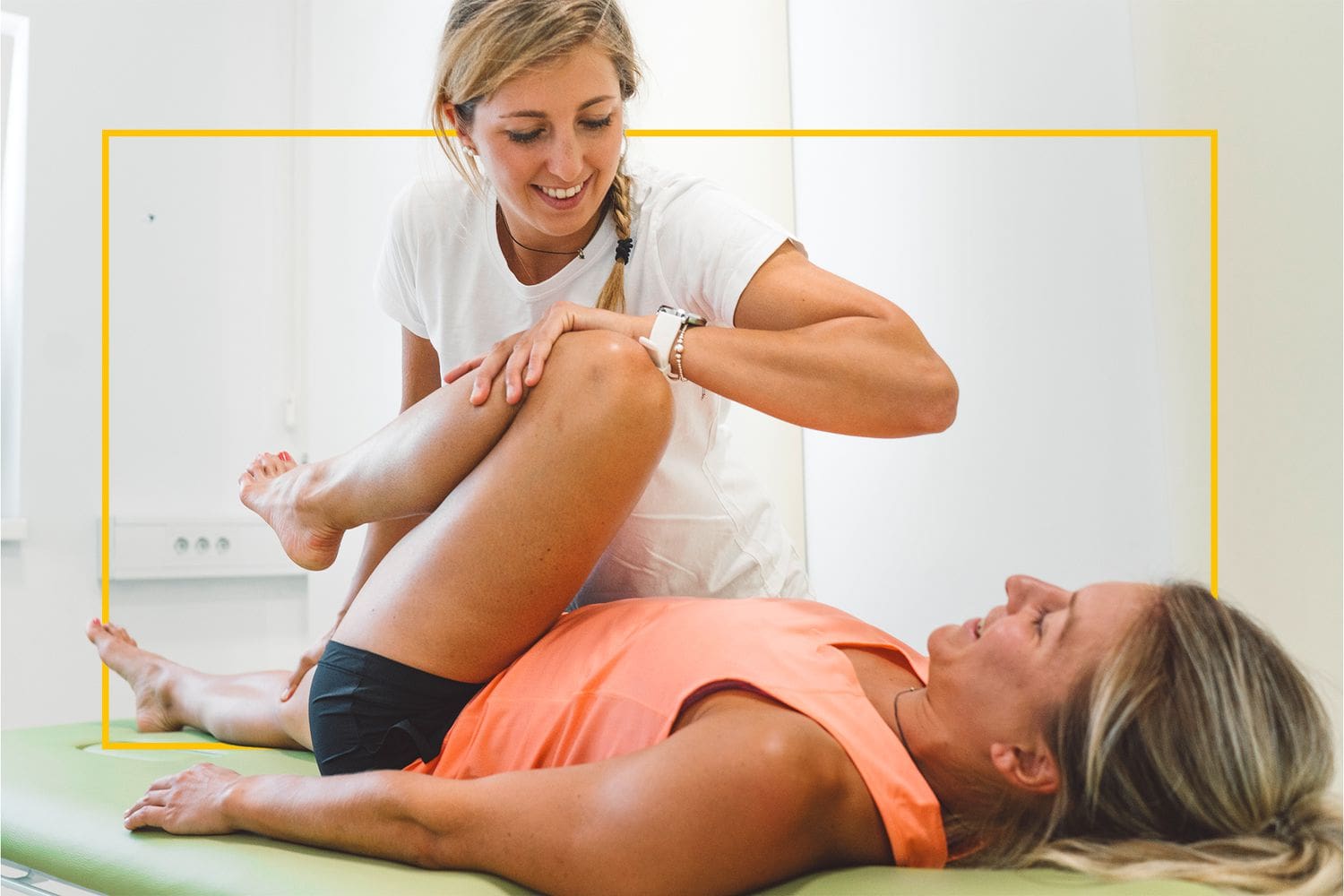
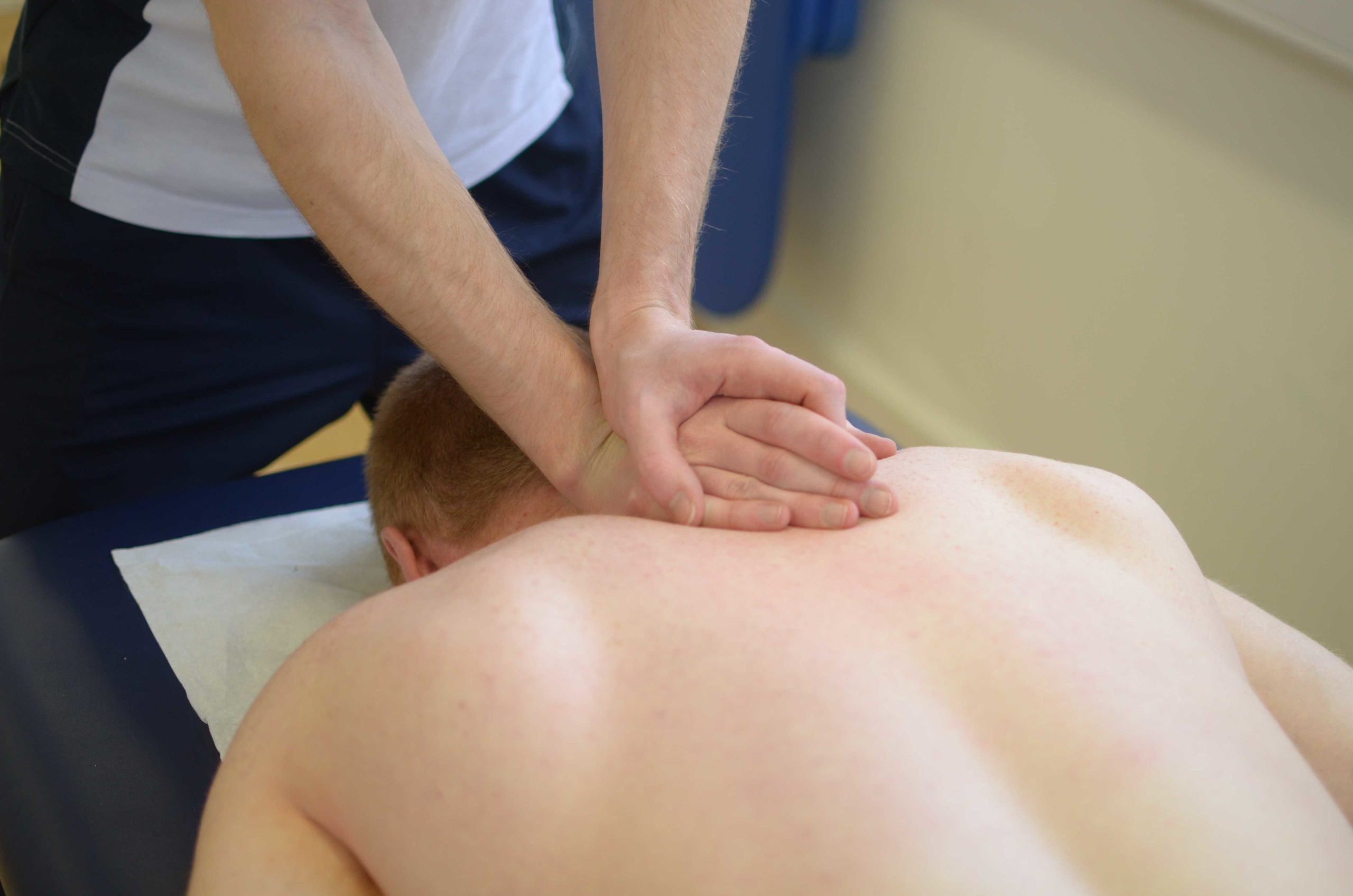
Therapies like soft tissue massages, massage therapy, physical therapy, or chiropractic care all work together with having a nutritional diet plan to prevent flare-ups from food allergies and intolerances. Research studies have found that MET helps stretch the affected muscles induced by inflammation associated with food allergies. This technique allows the body to naturally heal itself and prevent inflammation from exceeding more into the body. Combined with anti-inflammatory foods, many individuals know what food they can and can not consume. Additionally, it allows them to be more mindful of their bodies and sends them on the right track of their health and wellness journey.
Conclusion
Overall, many individuals often confuse food allergies and food intolerances, which can cause the musculoskeletal system to be dealing with symptoms of inflammation and pain. Since inflammation is the body’s natural defense system, it is important to be mindful of what is consumed to prevent overlapping risk profiles from causing muscle and joint pain. Luckily, numerous treatments are available to reduce the effects of chronic inflammation associated with food allergies and help the body naturally heal itself. Combining treatments like MET and a healthy nutritional diet can help the body reduce the effects of inflammation from affecting the musculoskeletal system while also allowing the individual to make smart choices in their health and wellness journey.
References
Chaitow, Leon, and Judith Walker DeLany. Clinical Applications of Neuromuscular Techniques. Churchill Livingstone, 2003.
Lopez, Claudia M, et al. “Food Allergies – Statpearls – NCBI Bookshelf.” In: StatPearls [Internet]. Treasure Island (FL), StatPearls Publishing, 31 Jan. 2023, https://www.ncbi.nlm.nih.gov/books/NBK482187/.
Ohtsuka, Yoshikazu. “Food Intolerance and Mucosal Inflammation.” Pediatrics International : Official Journal of the Japan Pediatric Society, U.S. National Library of Medicine, 2015, https://pubmed.ncbi.nlm.nih.gov/25442377/.
Sbardella, Silvia, et al. “Muscle Energy Technique in the Rehabilitative Treatment for Acute and Chronic Non-Specific Neck Pain: A Systematic Review.” Healthcare (Basel, Switzerland), U.S. National Library of Medicine, 17 June 2021, https://www.ncbi.nlm.nih.gov/pmc/articles/PMC8234422/.
Tuck, Caroline J, et al. “Food Intolerances.” Nutrients, U.S. National Library of Medicine, 22 July 2019, https://www.ncbi.nlm.nih.gov/pmc/articles/PMC6682924/.
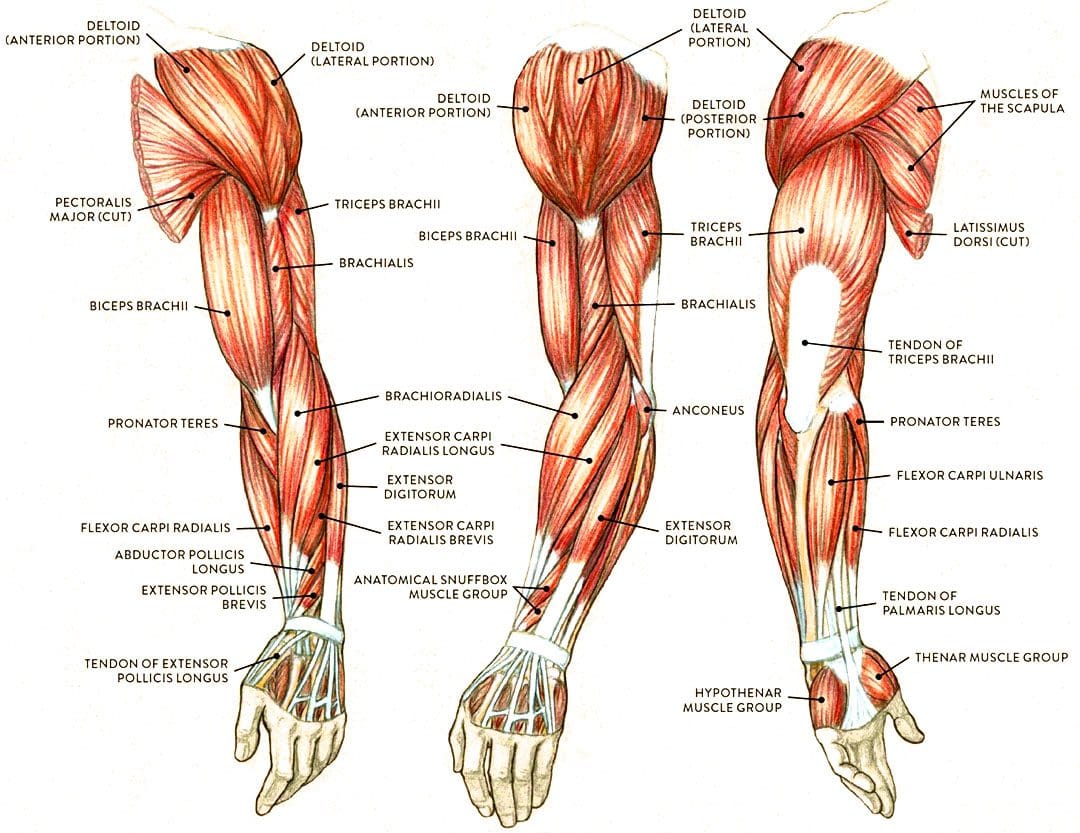
The function of the arm is to allow for movement of the wrist and hand. Various muscles initiate the arm’s actions, large muscles flex and extend, pronate and supinate, and the more sensitive muscles allow fine motor control. Lifting capacity and grip strength come from the arm muscles, making them essential for all types of activities. Because of the many functions and jobs the hands and arms do, added stress is placed on them. Arm discomfort symptoms, radiating pain, weakness, numbness, and tingling are common conditions. Chiropractic care can relieve injury symptoms and restore mobility and function.
Arm Discomfort Symptoms
The muscles of the upper arm, the biceps, and the triceps, control the movement and positioning of the elbow joint, and the muscles of the forearm control the wrist and hand. There are 30 bones from the top of the arm to the tip of the finger that include:
The humerus in the upper arm.
Ulna and radius in the forearm.
Carpal bones in the wrist.
Metacarpals and phalanges make up the hand and fingers.
The joints allow movement between the bones and are stabilized by ligaments and joint capsules.
Symptoms
Discomfort or Radiation
Symptoms vary based on the severity of the injury but commonly include.
Numbness and tingling in the elbow, forearm, or hand can develop.
Pain sensations often radiate to other areas.
Causes
Individuals that work with their hands related to work, home tasks, sports, or hobby activities, such as construction workers, hair stylists, store cashiers, graphic artists, automotive technicians, carpenters, painters, butchers, and more, have an increased risk of injury and developing chronic conditions. Work that involves manually cutting, writing, typing, gripping, operating motorized tools, hair clippers, working with animals, etc., makes the arms susceptible to injury from the constant stress on the ligaments. Common overuse injuries affecting the upper extremity include:
Carpal Tunnel Syndrome and Cubital Tunnel Syndrome
These conditions involve the nerves of the forearm.
Prolonged or repetitive bending or flexing of the wrist or elbow can generate swelling pressure that compresses the nerve/s.
Symptoms include numbness, coldness, tingling, and/or weakness in the hand and fingers.
Tennis, Golfer, and Pitcher Elbow
These conditions involve the inflammation of the tendon structures surrounding the elbow joint.
Repeating the same motion over and over causes damage.
This leads to tenderness and pain inside and surrounding the elbow.
De Quervain’s syndrome affects tendon structure in the wrist.
Swelling near the base of the thumb.
Individuals have difficulty grasping objects.
This is common for landscapers, gardeners, and sports where constant gripping is involved.
Tendonitis
Tendons attach muscles and bones
The condition causes tendon inflammation, presenting pain in the area around single or multiple joints.
Common types include wrist tendonitis, pitcher’s shoulder, and swimmer’s shoulder.
Tendon Tears
Overuse and frequent stress from continuous motion can wear tendons to the point of partial or complete tearing.
Rotator cuff tears in the shoulder are often caused by overuse wearing down.
Chiropractic Treatment
Chiropractic and massage therapy can rehabilitate arm injuries, restore function and reduce arm discomfort symptoms. Treatment includes:
Ice or heat treatment.
Manual therapy – soft tissue massage and trigger point alleviation.
Joint mobilization.
Taping or bracing support.
Rehabilitation targeted exercises.
Work and sports modification training.
Training on upper extremity overuse, practicing caution, and knowing when to seek professional medical help.
Shoulder Pain Rehabilitation
References
Bass, Evelyn. “Tendinopathy: why the difference between tendinitis and tendinosis matters.” International Journal of therapeutic massage & Bodywork vol. 5,1 (2012): 14-7. doi:10.3822/ijtmb.v5i1.153
Cutts, S et al. “Tennis elbow: A clinical review article.” Journal of Orthopaedics vol. 17 203-207. 10 Aug. 2019, doi:10.1016/j.jor.2019.08.005
Hoe, Victor C W, et al. “Ergonomic design and training for preventing work-related musculoskeletal disorders of the upper limb and neck in adults.” The Cochrane Database of systematic reviews vol. 2012,8 CD008570. 15 Aug. 2012, doi:10.1002/14651858.CD008570.pub2
Konijnenberg, H S et al. “Conservative treatment for repetitive strain injury.” Scandinavian Journal of Work, Environment & Health vol. 27,5 (2001): 299-310. doi:10.5271/sjweh.618
Luger, Tessy, et al. “Work-break schedules for preventing musculoskeletal symptoms and disorders in healthy workers.” The Cochrane Database of systematic reviews vol. 7,7 CD012886. 23 Jul. 2019, doi:10.1002/14651858.CD012886.pub2
Pitzer, Michael E et al. “Elbow tendinopathy.” The Medical Clinics of North America vol. 98,4 (2014): 833-49, xiii. doi:10.1016/j.mcna.2014.04.002
Verhagen, Arianne P et al. “Conservative interventions for treating work-related complaints of the arm, neck or shoulder in adults.” The Cochrane Database of systematic reviews vol. 2013,12 CD008742. 12 Dec. 2013, doi:10.1002/14651858.CD008742.pub2
Zaremski, Jason L et al. “Sport Specialization and Overuse Injuries in Adolescent Throwing Athletes: A Narrative Review.” Journal of athletic training vol. 54,10 (2019): 1030-1039. doi:10.4085/1062-6050-333-18
Breathing nourishes the whole body and regulates important functions like heart rate and blood pressure. It also reinforces proper body mechanics to lessen the stress on the body when moving. Busy lives combined with sedentary work and lifestyle can condition the body to take only quick, shallow breaths, which can weaken lung muscles and cause tension to build, worsening posture and leading to other adverse symptoms and conditions. Learning deep breathing can positively affect heart rate, mental alertness, and blood pressure and improve posture. Injury Medical Chiropractic and Functional Medicine Clinic can create personalized postural treatment and training plans.
Breathing and Posture
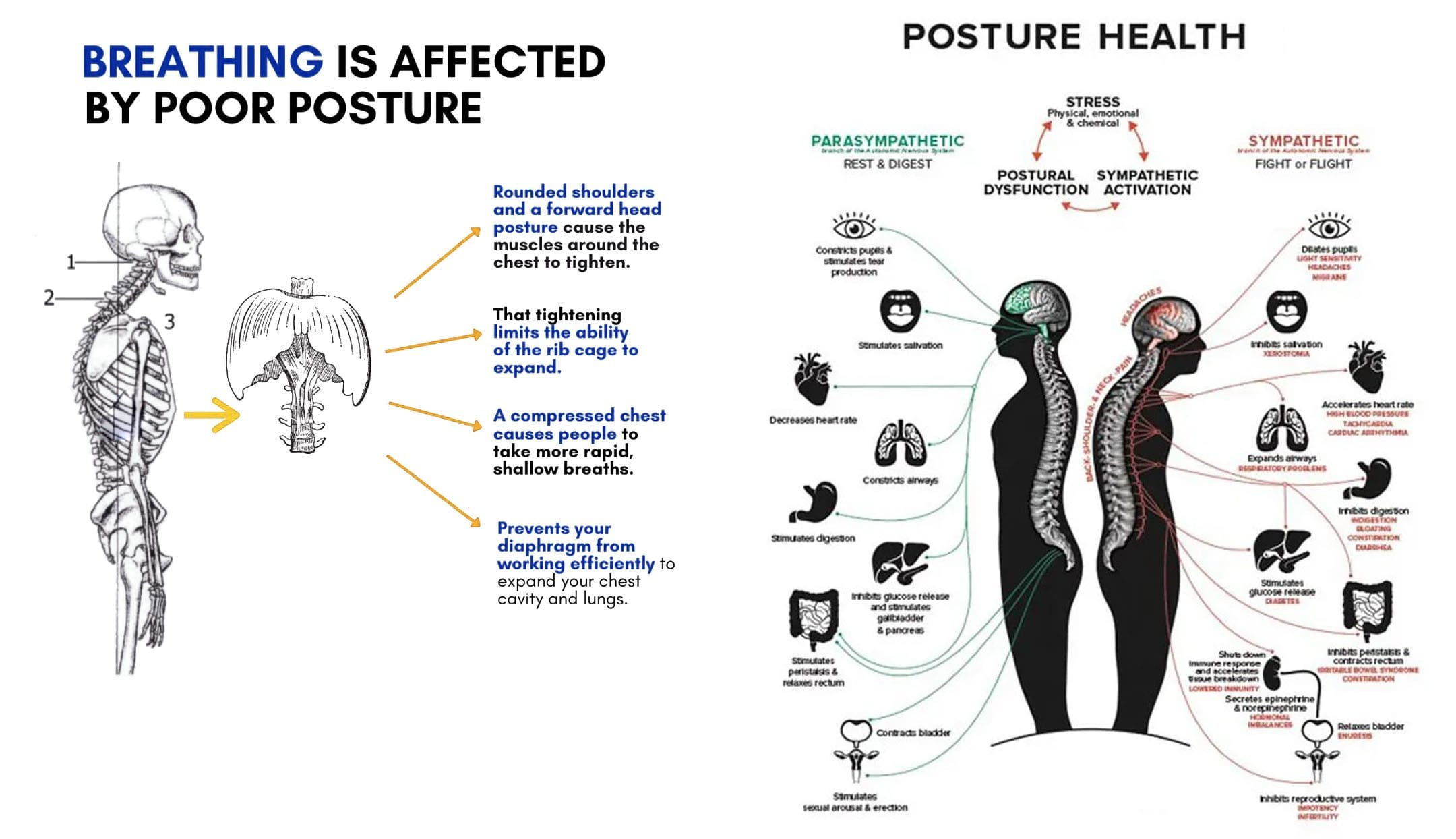
Inhalation causes the lungs to get filled with air, and exhalation releases and empties the lungs. For the lungs to work optimally, the rib cage needs to expand constantly in a gentle, rhythmic way. The respiratory muscle/diaphragm muscle needs to go up and down with each breath cycle. This can only happen when the muscle is not contracted or tense. Tension in the upper body can increase unhealthy postures and undermine health. Continued unhealthy postures at school, work, and home will compress the ribs, intercostal muscles, diaphragm, and base of the neck. This prevents the ribcage from expanding fully, which impairs optimal breathing. Over time, the strength of the respiratory muscles weakens.
Healthy Posture
Proper body alignment reduces strain on supportive structures like ligaments, muscles, joints, and discs. A healthy posture allows individuals to breathe more easily, move more efficiently, relax, and sleep better.
Symptoms Of Unhealthy Posture
Research shows that prolonged practice of unhealthy posture can lead to health problems, including:
Aching and chronic pain in the back, neck, and shoulders.
Tight, sore muscle knots/trigger points.
Tension headaches, limited sleep, and digestive problems.
Brain fog.
Shifting moods.
Digestive problems.
Breathing from the chest relies on secondary muscles around the neck and collarbone instead of the diaphragm. Shallow breathing patterns accompanied by unhealthy postures cause muscles in the upper body to function improperly. The longer the body sits, the less the body can resist the force of gravity and maintain a stable core. Tight muscles around the chest cause rounded shoulders and forward head posture, further weakening the muscles that help maintain an upright posture. Chest and rib discomfort symptoms can result from the tight intercostal muscles and inadequate expansion of the ribs.
Chiropractic Treatment
Shallow breathing can be reversed by regular physical activity, and sessions of respiratory muscle training will help to improve posture and quality of life. Deep or belly breathing involves learning to use the abdominal muscles. Inhaling slowly and deeply through the nose fills the lungs with air and expands the stomach. Learning to breathe deep regularly provides benefits like stress reduction, improved cardiovascular health, stronger lungs, and improved cognitive performance.
Posture correction techniques relieve back and neck pain, improve muscle and joint function, maintain brain health, increase mood stability, and improve spinal health.
Learning how to breathe deeply takes practice.
One beginning technique is to breathe deeply and count to 4 before slowly releasing the breath with another count to 4.
Individuals will notice their abdomen, ribs, and chest push forward as they breathe.
The shoulders, neck, and spine properly align during this action.
Place a hand on the abdomen to check for correct breathing.
It should move outwards slightly as air fills the lungs.
Real Patients, Real Results
References
Albarrati, Ali, et al. “Effect of Upright and Slouched Sitting Postures on the Respiratory Muscle Strength in Healthy Young Males.” BioMed research international vol. 2018 3058970. 25 Feb. 2018, doi:10.1155/2018/3058970
Aliverti, Andrea. “The respiratory muscles during exercise.” Breathe (Sheffield, England) vol. 12,2 (2016): 165-8. doi:10.1183/20734735.008116
Pickering, Mark, and James F X Jones. “The diaphragm: two physiological muscles in one.” Journal of Anatomy vol. 201,4 (2002): 305-12. doi:10.1046/j.1469-7580.2002.00095.x
Sheel, A William. “Respiratory muscle training in healthy individuals: physiological rationale and implications for exercise performance.” Sports medicine (Auckland, N.Z.) vol. 32,9 (2002): 567-81. doi:10.2165/00007256-200232090-00003
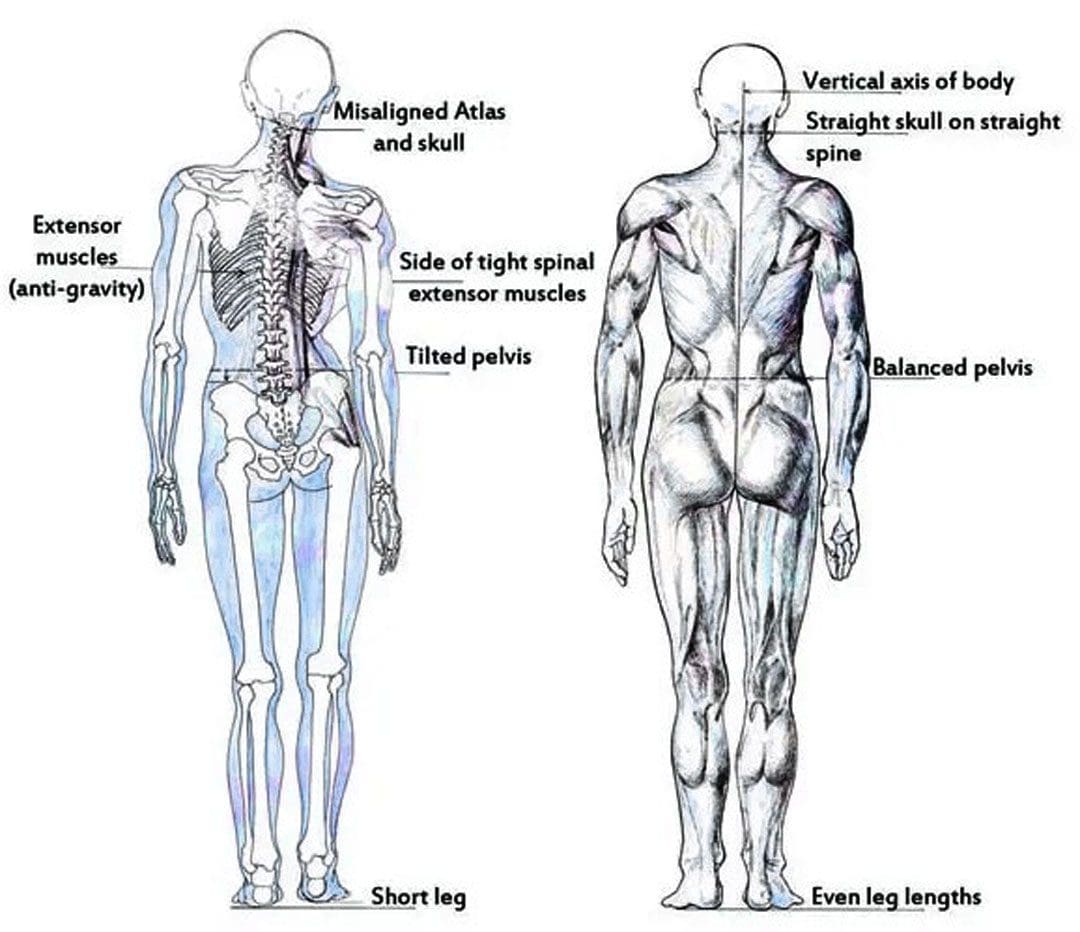
As humans, there are a variety of stressors experienced daily. Stress collects in various body areas, most commonly the upper back, jaw, and neck muscles. Stress leads to tension in the muscles. The built-up tension can cause the spinal bones to shift out of alignment, irritating the nerves between the spinal bones. A cycle begins as increased nerve tension causes the muscles to continue to contract/tighten. The extra muscle tension continues to pull the spinal bones out of alignment, making the spine stiff and less flexible affecting posture, balance, coordination, and mobility, causing the spine to become further unstable. Chiropractic treatment at regular intervals is recommended to help realign and maintain proper position.
Why The Spine Goes Out of Alignment
The nerves in the body are intricately linked to the spinal cord, and small distortions in the alignment can cause nerves to misfire and malfunction. When the spine goes out of alignment, the nervous system/brain and nerves get stuck in a stressed or tense state. Even a minor misalignment can cause a series of discomfort symptoms to travel throughout the body.
Causes
Causes of misalignment that creates tension in the nerves and muscles include:
A chiropractor will feel/palpate the spine to see if the bones are in alignment, move well, or are out of alignment and not moving correctly or moving at all.
Posture Exam
If the head, shoulders, and hips are uneven or the shoulders and head are pulling forward, the spinal bones are out of alignment/subluxations.
Balance and Coordination
Unhealthy balance and coordination can indicate the brain, nerves, and muscles are malfunctioning by spinal misalignment.
Range of Motion
A loss of spinal movement flexibility can show tension in the nerves, muscles, and misalignments.
Muscle Test
Loss of strength in a muscle can indicate the nerve signals are weak.
Orthopedic Tests
Tests that put the body in stressful positions focus on what tissue/s may be injured and the causes.
X-rays
X-rays look for abnormalities, dislocations, bone density, fractures, hidden/invisible injuries, and infections.
Injury Medical Chiropractic and Functional Medicine Clinic provide personalized treatment plans. These specific therapies are made to generate long-term spine benefits. Spinal manipulation, deep tissue massage, MET, and other manual therapy techniques, combined with exercise, help get the bones moving properly, the muscles functioning correctly, and the spine back into proper form. Treatment relieves muscle spasms, tension, and joint dysfunction, increases circulation, and retrains the muscles to remain relaxed.
The Natural Way to Heal
References
Ando, Kei et al. “Poor spinal alignment in females with obesity: The Yakumo study.” Journal of Orthopaedics vol. 21 512-516. 16 Sep. 2020, doi:10.1016/j.jor.2020.09.006
Le Huec, J C et al. “Sagittal balance of the spine.” The European spine journal: official publication of the European Spine Society, the European Spinal Deformity Society, and the European Section of the Cervical Spine Research Society vol. 28,9 (2019): 1889-1905. doi:10.1007/s00586-019-06083-1
Meeker, William C, and Scott Haldeman. “Chiropractic: a profession at the crossroads of mainstream and alternative medicine.” Annals of internal medicine vol. 136,3 (2002): 216-27. doi:10.7326/0003-4819-136-3-200202050-00010
Oakley, Paul A et al. “X-Ray Imaging is Essential for Contemporary Chiropractic and Manual Therapy Spinal Rehabilitation: Radiography Increases Benefits and Reduces Risks.” Dose-response: a publication of International Hormesis Society vol. 16,2 1559325818781437. 19 Jun. 2018, doi:10.1177/1559325818781437
Shah, Anoli A, et al. “Spinal Balance/Alignment – Clinical Relevance and Biomechanics.” Journal of biomechanical engineering, 10.1115/1.4043650. 2 May. 2019, doi:10.1115/1.4043650
When the body sustains an injury or a virus, the immune system springs into action by sending out cytokines to the affected area and causes a process known as inflammation. Inflammation in the body is good for eliminating numerous pathogens, damaged cellular structures, viruses, or infections. Inflammation causes the affected area to be warm to the touch and causes swelling that will decrease in the recovery state. However, inflammation in the body can be positive and negative depending on the severity of the injury. When inflammation is in its chronic form, it can cause muscle and tissue damage to the musculoskeletal system while being associated with other conditions in the body’s system, like the gastrointestinal, nervous, and reproductive systems. In today’s article, we will focus on how chronic inflammation affects the body’s muscles and how the MET technique can help relieve muscle inflammation in soft tissues. We utilize valuable information about our patients to certified medical providers who use methods like MET combined with manual stretching therapy to reduce inflammation associated with musculoskeletal conditions. We encourage patients by referring them to our associated medical providers based on their findings. We support that education is a marvelous way to ask our providers the most interesting questions at the patient’s acknowledgment. Dr. Alex Jimenez, D.C., incorporates this information as an educational service. Disclaimer
How Inflammation Works In The Body
Have you been experiencing pain in different muscle areas in your body? What about dealing with aches and pains in the morning? Or do your muscles feel tight and hurt more when you bend to pick up an object? Many of these issues affecting the musculoskeletal system are associated with inflammation. As stated earlier, inflammation can positively and negatively impact the body depending on the severity of the injury. Inflammation is a natural healing process for the body that is characterized by redness, swelling, and heat to the soft tissues so that they can be repaired within a few days to weeks. Studies reveal that when the body deals with various pathogenic factors, the immune system releases inflammatory cytokines to the pathogenic factor and starts to heal the affected area.
Inflammation helps the sprained muscle tissues heal naturally and can be healed within 2-3 days to a few weeks in its acute stage. However, when inflammation is in a chronic state of the body, it causes damage to not only the affected muscle and tissue areas but can even affect the surrounding ligaments, joints, and vital organs. A great example is when a person has a sprained ankle, the affected area swells up, becomes red, and is tender to the touch when its acute inflammation. For chronic inflammation, the body is in constant pain that can be slow and long, and it takes several months to years to heal. Another great example would be gut disorders associated with chronic muscle inflammation.
What Does Chronic Inflammation Do To The Body’s Muscles?
So what does chronic inflammation do to the body’s muscles, and how does it affect the surrounding structures? According to research studies, chronic inflammation has been associated with musculoskeletal disorders that can cause an impact in reducing muscle strength and muscle mass. When this happens, it can cause the muscles to weaken and generate the surrounding muscle groups to compensate by working harder. This leads to misalignment in the body and causes overlapping risk profiles in the various muscle groups. In “Clinical Applications of Neuromuscular Techniques,” Dr. Leon Chaitow, N.D., D.O., and Dr. Judith Walker DeLany, L.M.T., stated that numerous factors associated with inflammation could impact how a person sleeps, eat, and function throughout the day. The book also noted that when pathogens can disrupt the natural cycling between the defensive and repair modes of inflammation correlating with the immune system can be disrupted in ill health. A chronic inflammatory cytokine shift could lock the body into a pro-inflammatory state.
Reducing Inflammation In The Body- Video
Have you been dealing with constant inflammation in your muscles? Do you feel muscle weakness or strain when you are in motion? Or do other portions of your body starts to feel aches or pains? Many of these issues are associated with chronic inflammation affecting the musculoskeletal system. Inflammation is part of the immune system’s natural defense that sends cytokines to the affected area and starts the healing process. Inflammation has two patterns: acute and chronic. Acute inflammation is associated with sprains from a twisted ankle or wrist, a sore throat, or an infection. While at the same time, chronic inflammation is associated with muscle pain, sleep disorders, or rashes that affect the skin. When the body is suffering from chronic inflammation, it can be due to many overlapping factors that can cause the body to be in pain. Luckily numerous treatments can help the body and reduce the effects of inflammation. The video above explains how incorporating an anti-inflammatory diet and chiropractic care can help reduce chronic inflammation effects in the body.
The MET Technique & Muscle Inflammation
Regarding chronic muscle inflammation, the musculoskeletal system deals with numerous symptoms like pain, stiffness, and weakness associated with various pathological factors. Chronic inflammation can develop from insufficient sleep, eating high-cholesterol foods, not getting enough exercise, and being stressed, which can affect the body and its systems. Fortunately, numerous available treatments can reduce inflammation. Studies reveal that treatments like MET therapy can help reduce pain correlated with muscle inflammation and increase the range of motion to the joints. The body can reduce the effects of chronic inflammation and keep it under control when MET therapy is combined with an anti-inflammatory diet. Also, practicing mindfulness can help reduce the stress contributing to chronic inflammation, which can help relax the body and naturally heal itself. Making these small changes can benefit many individuals trying to be healthier.
Conclusion
When it comes to inflammation in the musculoskeletal system, it can lead to overlapping risk profiles that can cause the body to be misaligned and have many pain-like symptoms that can make a person’s life miserable. Since inflammation is part of the immune system’s natural response to fight off infections, incorporating anti-inflammatory diets and MET stretching can help reduce the effects of inflammation and help the body heal itself from the inside out.
References
Chaitow, Leon, and Judith Walker DeLany. Clinical Applications of Neuromuscular Techniques. Churchill Livingstone, 2003.
Chen, Linlin, et al. “Inflammatory Responses and Inflammation-Associated Diseases in Organs.” Oncotarget, U.S. National Library of Medicine, 14 Dec. 2017, https://www.ncbi.nlm.nih.gov/pmc/articles/PMC5805548/.
Thomas, Ewan, et al. “The Efficacy of Muscle Energy Techniques in Symptomatic and Asymptomatic Subjects: A Systematic Review.” Chiropractic & Manual Therapies, U.S. National Library of Medicine, 27 Aug. 2019, https://www.ncbi.nlm.nih.gov/pmc/articles/PMC6710873/.
Tuttle, Camilla S L, et al. “Markers of Inflammation and Their Association with Muscle Strength and Mass: A Systematic Review and Meta-Analysis.” Ageing Research Reviews, U.S. National Library of Medicine, 26 Sept. 2020, https://pubmed.ncbi.nlm.nih.gov/32992047/.
Learning how to stay active with busy lives and schedules takes practice. There are daily ways to incorporate physical movement into the everyday routine and shed sedentary habits in favor of more active ones resulting in improved overall health, elevated mood, and better energy levels. Regular movement lowers body weight and reduces the risk of medical conditions like cardiovascular disease, diabetes, and arthritis. And regularly incorporating small physical activities throughout the day can make the exercise more fun and not like a chore that begins to become second nature.
Daily Ways To Stay Active
Like most individuals, much time is spent sitting in the car, workstation/desk, or couch. Research has found that maintaining physical activity can reduce the risk of colon and breast cancer.
Movement
Everyone is different, and there is no one-size-fits-all daily or weekly movement plan. The Centers for Disease Control and Prevention recommends that adults ages 18 to 64 get around 150 minutes of moderate-intensity weekly exercise combined with functional strength training. This can seem like a lot, but still, some activity is better than none. Wherever an individual is in physical fitness, it is never too late to make incremental adjustments and rebuild health one step at a time.
Brisk walking is an example of moderate-intensity exercise.
Individuals with busy schedules can break up their daily movement into smaller chunks.
5 or 10 minutes here and there add up to significant health benefits.
Start With Stretching
A quick morning stretch of 10 minutes can help limber up the muscles, get circulation pumping, and reduce stress.
A study found that a regular 10-minute stretching plan helped reduce anxiety and physical pain and increase flexibility.
Stand Up and Walking Around More
Standing up every 20-30 minutes at home or work is recommended during seated activities.
Walking and thinking increases creative output.
Mobility gets the blood pumping and increases caloric output.
With regular practice, individuals learn to feel their muscles tensing from too much sitting and know it’s time to get up and move.
One way to stand and move is to pace the room during a phone call.
Take the Long Way
Take the stairs or park farther from the store to increase walking steps.
Physical activity in small bursts creates a mindset of an added challenge.
Choosing to go the long way does make a difference and can significantly affect other areas of life.
Move to Music
Research shows that music has amazing effects on physical activity.
It distracts from pain and fatigue.
It increases endurance.
Makes physical activity and exercise feel like less of an effort.
Playing moving music around the office, if possible/headphones and house can get the body naturally moving more.
This could be washing dishes after dinner, using the whole body
Vacuuming the house can work the muscles and elevate the heart rate.
A 150-pound person can burn serious calories from a full hour of cleaning and chores.
Added mental health benefits from the work reduce anxiety, depression, and negative mood.
Get Up When Commercials Come On
Get up and move during commercial breaks.
But with streaming services, commercials aren’t the same.
When watching shows or movies without built-in commercials, make a habit of getting up.
For shows or movies with no commercials, pause and take a quick stretch, do a quick round of jumping jacks, or walk to the other end of the house or twice in an apartment and back.
A brief break is not an actual workout, but it will get the heart pumping more than staying sedentary.
The more you do it, the more natural it will become.
Military Training and Chiropractic Care
References
Habay, Jelle, et al. “Interindividual Variability in Mental Fatigue-Related Impairments in Endurance Performance: A Systematic Review and Multiple Meta-regression.” Sports medicine – open vol. 9,1 14. 20 Feb. 2023, doi:10.1186/s40798-023-00559-7
Hotta, Kazuki, et al. “Daily muscle stretching enhances blood flow, endothelial function, capillarity, vascular volume and connectivity in aged skeletal muscle.” The Journal of Physiology vol. 596,10 (2018): 1903-1917. doi:10.1113/JP275459
Kruse, Nicholas T, and Barry W Scheuermann. “Cardiovascular Responses to Skeletal Muscle Stretching: “Stretching” the Truth or a New Exercise Paradigm for Cardiovascular Medicine?.” Sports medicine (Auckland, N.Z.) vol. 47,12 (2017): 2507-2520. doi:10.1007/s40279-017-0768-1
Maltese, Paolo Enrico et al. “Molecular foundations of chiropractic therapy.” Acta bio-medica : Atenei Parmensis vol. 90,10-S 93-102. 30 Sep. 2019, doi:10.23750/abm.v90i10-S.8768
Ma, Peng, et al. “Daily sedentary time and its association with risk for colorectal cancer in adults: A dose-response meta-analysis of prospective cohort studies.” Medicine vol. 96,22 (2017): e7049. doi:10.1097/MD.0000000000007049
Rangul, Vegar, et al. “The associations of sitting time and physical activity on total and site-specific cancer incidence: Results from the HUNT study, Norway.” PloS one vol. 13,10 e0206015. 23 Oct. 2018, doi:10.1371/journal.pone.0206015
Shen, Dong, et al. “Sedentary behavior and incident cancer: a meta-analysis of prospective studies.” PloS one vol. 9,8 e105709. 25 Aug. 2014, doi:10.1371/journal.pone.0105709
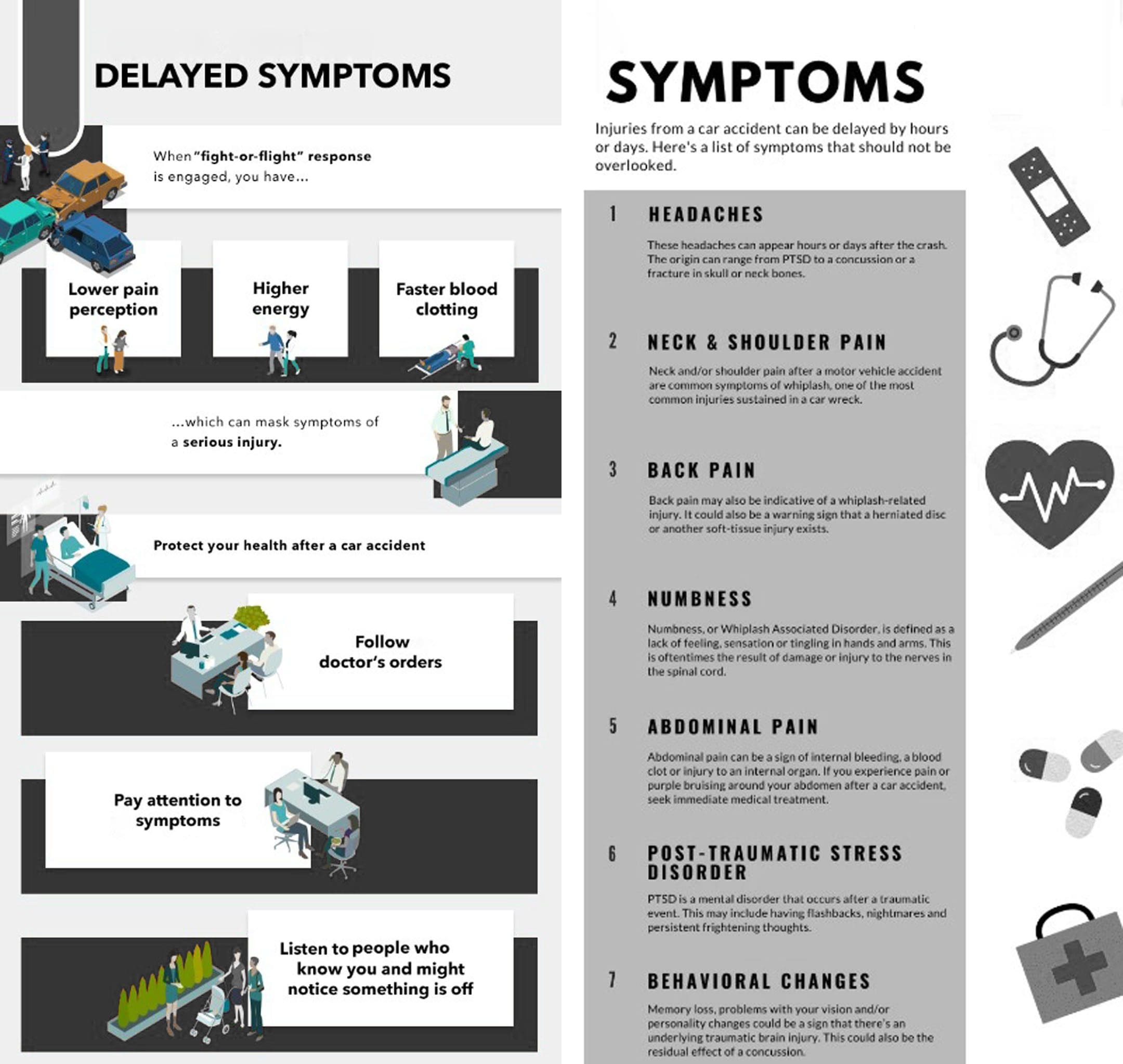
Automobile accidents are emotionally and physically traumatic events. After an accident, individuals assume that they are okay if they don’t have any broken bones or gashing cuts. However, even minor accidents can lead to significant damage, but the individual doesn’t know it. An invisible/delayed injury is any injury that is not immediately obvious or is not experienced by the individual until hours, days, or weeks later. The most common are soft tissue injuries, back injuries, whiplash, concussions, and internal bleeding. This is why it is imperative to see a doctor or chiropractic accident specialist as soon as possible after an accident.
Invisible Injuries Auto Accidents
The body goes into a fight or flight mode in a vehicle accident. That means a massive adrenaline surge makes anything happening to the body go unnoticed and unfelt. The individual does not feel pain and discomfort symptoms until later or much later.
Soft Tissue
A soft tissue injury affects muscles, tendons, ligaments, and body parts other than bone.
Even at low speeds, accidents, and collisions generate a significant force on the body.
Drivers and passengers often come to a sudden stop along with the vehicle or get thrown around.
This places intense stress on joints and other areas of the body.
Whiplash
The most common invisible soft-tissue injury is whiplash.
Where the neck muscles are suddenly and forcefully thrown forward and then back, causing the muscles and ligaments to stretch beyond their normal range of motion.
The injury typically results in pain, swelling, reduced mobility, and headaches.
Symptoms may not present right away.
Left untreated, whiplash can lead to long-term chronic pain.
Head Injuries
Head injuries are another common invisible injury.
Even if the head did not hit/impact anything, the force and momentum can cause the brain to collide with the inside of the skull.
This can lead to a concussion or even more serious brain injuries.
Concussion
A concussion is a traumatic brain injury. Individuals can have a concussion without losing consciousness, depending on the accident’s severity. Symptoms may be delayed or not experienced, but delayed treatment can lead to a longer recovery. Symptoms can include:
Fatigue.
Headache.
Confusion.
Inability to remember the accident.
Nausea.
Ringing in the ears.
Dizziness.
Back Muscles or Spine Injuries
Back muscles and spinal cord injuries are invisible injuries that can happen after an automobile accident. Signs of a back injury include:
The back muscles can be strained due to the impact and tension build-up.
Sore muscles or pain may not present until a day or two later.
Body stiffness.
Reduced mobility.
Muscle spasms.
Trouble walking, standing, or sitting.
Headaches.
Numbness and tingling.
Injuries to the spine, even serious ones, may not be apparent immediately.
The impact can cause the spine to shift out of alignment profoundly.
Swelling and bleeding in or around the spinal cord can cause numbness or paralysis that can gradually progress.
This invisible injury can have long-term consequences, including paralysis.
Chiropractic Care
Chiropractic is an effective treatment for neuromusculoskeletal injuries. The chiropractor will assess the damage and its severity to determine the best treatment for the individual. It relieves pain and discomfort symptoms, loosens and relaxes the muscles, and restores alignment, mobility, and a full range of motion. Chiropractic uses several tools and techniques to restore the spine and body balance. Results include:
Barach, P, and E Richter. “Injury prevention.” The New England Journal of Medicine vol. 338,2 (1998): 132-3; author reply 133. doi:10.1056/NEJM199801083380215
Binder, Allan I. “Neck pain.” BMJ clinical evidence vol. 2008 1103. 4 Aug. 2008
Duncan, G J, and R Meals. “One hundred years of automobile-induced orthopedic injuries.” Orthopedics vol. 18,2 (1995): 165-70. doi:10.3928/0147-7447-19950201-15
“Motor Vehicle Safety.” Annals of emergency medicine vol. 68,1 (2016): 146-7. doi:10.1016/j.annemergmed.2016.04.045
Sims, J K et al. “Automobile accident occupant injuries.” JACEP vol. 5,10 (1976): 796-808. doi:10.1016/s0361-1124(76)80313-9
Vassiliou, Timon, et al. “Physical therapy and active exercises–an adequate treatment for prevention of late whiplash syndrome? Randomized controlled trial in 200 patients.” Pain vol. 124,1-2 (2006): 69-76. doi:10.1016/j.pain.2006.03.017
IFM's Find A Practitioner tool is the largest referral network in Functional Medicine, created to help patients locate Functional Medicine practitioners anywhere in the world. IFM Certified Practitioners are listed first in the search results, given their extensive education in Functional Medicine




 Why The Spine Goes Out of Alignment