ESWT for Car Accident Injuries in El Paso Treatment
ESWT for Car Accident Injuries in El Paso: How El Paso Back Clinic Uses Shockwave Therapy With Integrative Chiropractic + NP Care
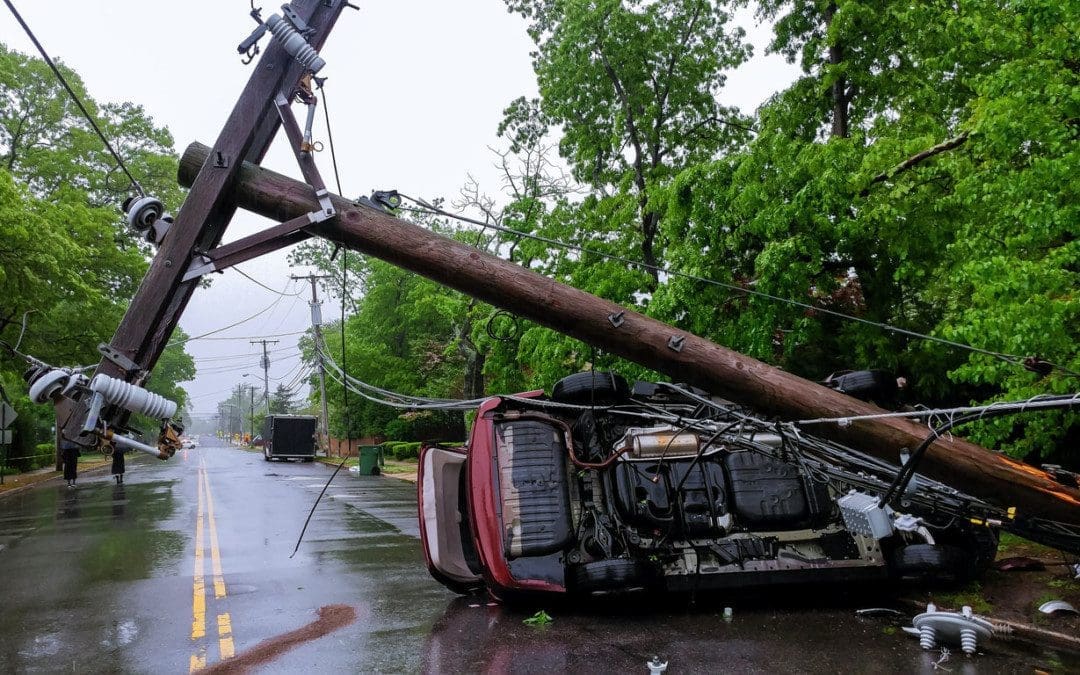
 Motor vehicle accidents (MVAs) can cause injuries that do not always show up clearly on basic imaging. You might be told, “Nothing is broken,” but still feel real pain, stiffness, tightness, and limited movement. That is because many car accident injuries involve soft tissue injuries such as muscle strains, tendon irritation, ligament sprains, fascia tightness, and painful scar tissue (adhesions). These injuries can lead to chronic pain when tissues remain inflamed, circulation remains poor, and the body continues to guard the area.
At El Paso Back Clinic, an integrative approach can help people recover more completely. The clinic’s content emphasizes non-invasive care, structural assessment, chiropractic and rehab, and broader healing support as part of a multi-disciplinary recovery plan. This matters because post-MVA pain is rarely caused by just one issue. It is often a combination of tissue injury, movement dysfunction, and ongoing sensitivity.
One tool that can make a big difference in stubborn cases is genuine Extracorporeal Shockwave Therapy (ESWT). True ESWT delivers therapeutic acoustic waves into injured tissues to help break down tight scar tissue, reduce pain signaling, improve circulation, and stimulate tissue repair. Mayo Clinic describes shockwave therapy as a noninvasive option used in musculoskeletal care with generally minimal adverse effects when appropriately applied.
This article explains, in plain language, how genuine ESWT can help with MVA injuries and why it works even better when combined with integrative chiropractic care and nurse practitioner (NP) oversight, a care model frequently discussed across El Paso Back Clinic content.
What “genuine ESWT” means (and why it matters)
Not all “shockwave” or “acoustic wave” treatments are the same. Real ESWT is designed to deliver a measurable therapeutic dose of acoustic energy into tissue. In simple terms, it is meant to do more than feel like a massage tool. The goal is to create a controlled mechanical stimulus that tells your body, “Restart repair here.”
A major review in the medical literature describes ESWT as working through mechanotransduction, meaning the mechanical stimulus triggers biological healing responses in the tissue. These responses can include improved signaling for healing, pain modulation, and tissue remodeling.
At El Paso Back Clinic, ESWT is presented as a non-surgical option that can be especially useful for deeper, stubborn pain patterns and chronic soft tissue problems.
Why car accident injuries can linger for months
After an accident, your body tries to protect you. It tightens muscles, limits motion, and increases inflammation around the injured area. That is normal at first. The problem happens when this protective pattern sticks around too long.
Common reasons MVA injuries become chronic include:
-
Scar tissue and adhesions that limit motion and pull on pain-sensitive tissue
-
Poor micro-circulation around the injury, slowing repair
-
Trigger points and muscle guarding that keep joints stiff
-
Altered biomechanics (compensation patterns) that overload nearby areas
-
Nervous system sensitivity, where pain signals stay “turned up”
El Paso Back Clinic’s approach highlights that many chronic pain cases improve when you combine structural assessment, conservative care, and a plan that supports true recovery rather than temporary relief.
How ESWT helps MVA injuries heal
Genuine ESWT can help through several overlapping effects. Think of it as improving the tissue environment so your body can complete the healing process.
It helps break down thick, painful scar tissue
Many chiropractic and rehab clinics describe shockwave therapy as useful for breaking down scar tissue and adhesions that form after injuries, especially when those tissues stay tight and painful.
It increases circulation to injured tissue
Better blood flow helps deliver oxygen and nutrients needed for repair. This is one reason ESWT is often used for chronic injuries that feel “stuck.” UCHealth describes shockwave therapy as promoting a reparative healing process that includes changes in circulation and tissue response.
It stimulates tissue remodeling and collagen repair
Tendons, ligaments, and fascia rely heavily on collagen structure. ESWT is commonly discussed as supporting tissue regeneration and collagen-related remodeling in musculoskeletal injuries.
It can reduce pain signaling
Pain relief from ESWT is not just “numbing.” Research reviews describe pain reduction effects that may involve changes in nerve sensitivity and local biochemical signaling.
It can support recovery in stubborn muscle injuries
Some reviews describe ESWT as associated with improvements in pain and function in certain muscle injury contexts (including sports-related muscle injuries), which can be relevant when car accidents result in deep strains and protective tightness.
MVA conditions that may respond well to ESWT
ESWT is commonly used for soft tissue and chronic pain patterns. In post-accident care, it may be considered for:
-
Whiplash-related muscle strain patterns (neck/upper back tightness)
-
Shoulder strain and rotator cuff irritation
-
Thoracic and rib region soft tissue pain and stiffness
-
Low back sprains/strains and persistent tight bands
-
Hip and glute strain patterns (piriformis-type tightness, trigger points)
-
Hamstring and calf strains from bracing during impact
-
Tendon irritation that does not respond well to rest alone
-
Chronic “knots” and trigger points that restrict motion
El Paso Back Clinic’s ESWT-focused content specifically points toward accident-related soft tissue injury and stubborn pain that has not improved as situations where this approach may fit well.
How many sessions does ESWT usually take?
Many patients report improvement early, but full remodeling can take time. A common pattern described in clinic-based educational resources is:
-
Noticeable changes often occur within 2–3 sessions
-
Full treatment plans commonly range from 4 to 12 sessions, depending on severity and how long the injury has been present
What often improves first:
-
Reduced sharpness or intensity at the worst pain points
-
Better range of motion (turning the neck, lifting the shoulder, bending)
-
Less stiffness the next morning
-
Improved tolerance to rehab exercises and daily activities
Why ESWT works best when paired with integrative chiropractic + NP care
ESWT helps tissue repair, but most MVA injuries also involve movement dysfunction. If a joint is not moving well, the tissue around it can stay irritated. That is why combining tissue work and structural care often produces better results.
What chiropractic contributes after an accident
-
Restores joint motion (neck, thoracic spine, ribs, pelvis)
-
Reduces compensation patterns that keep re-injuring the area
-
Helps normalize posture and mechanics that affect healing
El Paso Back Clinic often frames recovery as more than pain relief, emphasizing a structural and functional approach.
What NP care adds to post-accident recovery
NP oversight matters because car accidents can involve more than muscles and joints. NP-level care supports:
-
Screening for red flags and complications
-
Coordinating imaging/diagnostics when appropriate
-
Managing inflammation drivers (sleep disruption, stress load, medication effects)
-
Coordinating referrals when needed
-
Clear documentation of progress and functional improvement
El Paso Back Clinic’s content highlights the value of an integrated chiropractic + nurse practitioner approach.
Why the combination accelerates healing
When ESWT improves tissue quality and pain sensitivity, it often becomes easier to:
-
Move better
-
Accept and benefit from adjustments and mobility work
-
Build strength and stability through rehab
-
Return to work, training, and daily life with fewer flare-ups
Some integrative therapy articles describe combining chiropractic care with shockwave therapy (and sometimes laser therapy or rehab) to address both tissue injury and mechanical contributors.
What an ESWT session is like at a practical level
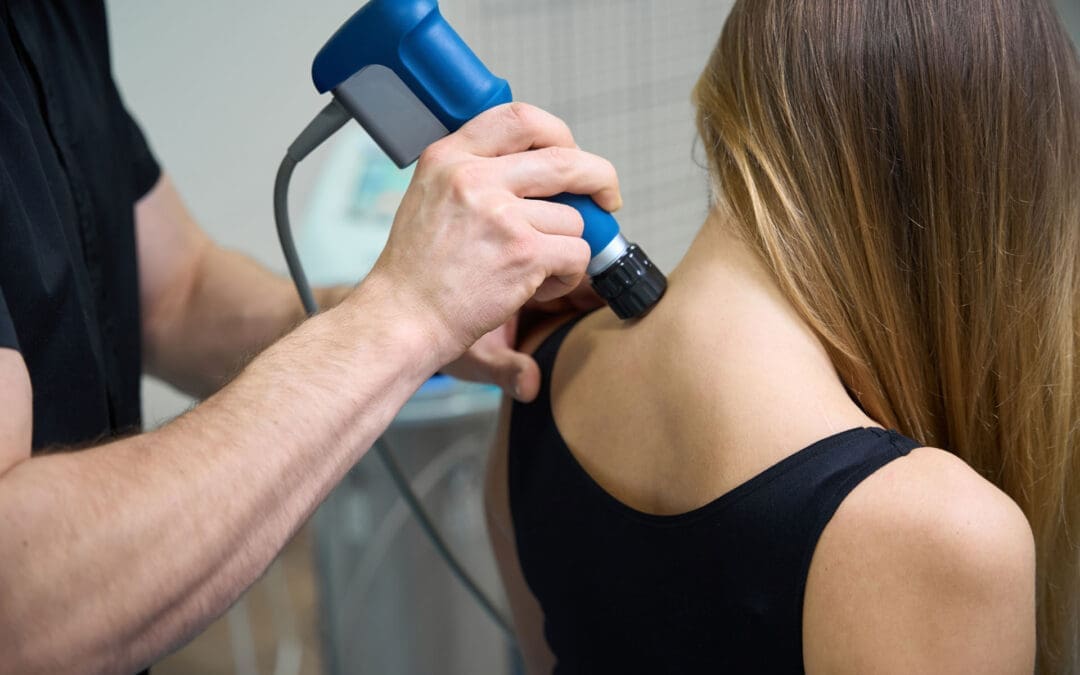
ESWT is typically done with a handheld applicator placed on the skin over the injured area. You may feel a tapping or pulsing sensation that can be intense in tight spots.
Many people experience:
-
Mild soreness afterward (similar to deep tissue work)
-
Temporary redness or sensitivity
-
A sense of looseness or improved motion over the next day or two
Mayo Clinic notes that shockwave therapy is generally associated with minimal adverse effects when used appropriately in musculoskeletal care.
Simple ways to get more out of ESWT after a car accident
ESWT is not magic by itself. It works best as part of a plan. Helpful steps often include:
-
Hydrate and walk after treatment (gentle circulation support)
-
Avoid overloading the area the same day (do not “test it” aggressively)
-
Follow rehab instructions (mobility + strengthening keeps gains)
-
Improve sleep (tissue repair is sleep-dependent)
-
Track function, not just pain (turning your neck, lifting, walking, sitting tolerance)
Signs your plan is working:
-
You can do more with less flare-up
-
Your range of motion is improving
-
Pain is less frequent or less intense
-
Rehab feels more doable and less aggravating
Clinical perspective aligned with Dr. Alexander Jimenez’s educational approach
Across El Paso Back Clinic’s content, Dr. Alexander Jimenez presents a multidisciplinary, evidence-informed style that connects tissue healing, biomechanics, rehab, and whole-person factors. In this framework, ESWT fits as a regenerative tool that supports deeper tissue recovery, while chiropractic and rehab restore movement quality.
The practical takeaway is simple:
-
ESWT supports tissue repair and pain reduction
-
Chiropractic care supports structure and motion
-
NP oversight supports safer decision-making and whole-body recovery planning
That combination is often what helps MVA patients move from “surviving day to day” to building a stable recovery.
References
-
Advanced Back & Neck Care. (n.d.). Shockwave therapy for MVA injury recovery.
-
El Paso Back Clinic. (2026). El Paso Back Clinic ESWT for chronic pain relief.
-
El Paso Back Clinic. (n.d.). Blog | El Paso Back Clinic.
-
El Paso Back Clinic. (n.d.). Chiropractic and Nurse Practitioners: A unique approach.
-
UCHealth. (n.d.). Shockwave therapy can help those who have chronic injuries.
-
Mayo Clinic. (n.d.). Shockwave treatment: A new wave for musculoskeletal care.
-
Simplicio, C. L., Purita, J., Murrell, W., Santos, G. S., dos Santos, R. G., Lana, J. F. S. D., & Abreu, F. G. (2020). Extracorporeal shockwave therapy: Mechanisms of action in musculoskeletal disorders.
-
Mazin, Y., et al. (2023). Extracorporeal shock wave therapy in the treatment of muscle injuries: Review.
-
Trinity Advanced Health. (n.d.). Enhancing recovery: How chiropractic care, shockwave therapy, and laser therapy work together for soft tissue injuries.
-
HealthWorks. (n.d.). Combining shockwave therapy and chiropractic: A powerful duo for chronic back pain.