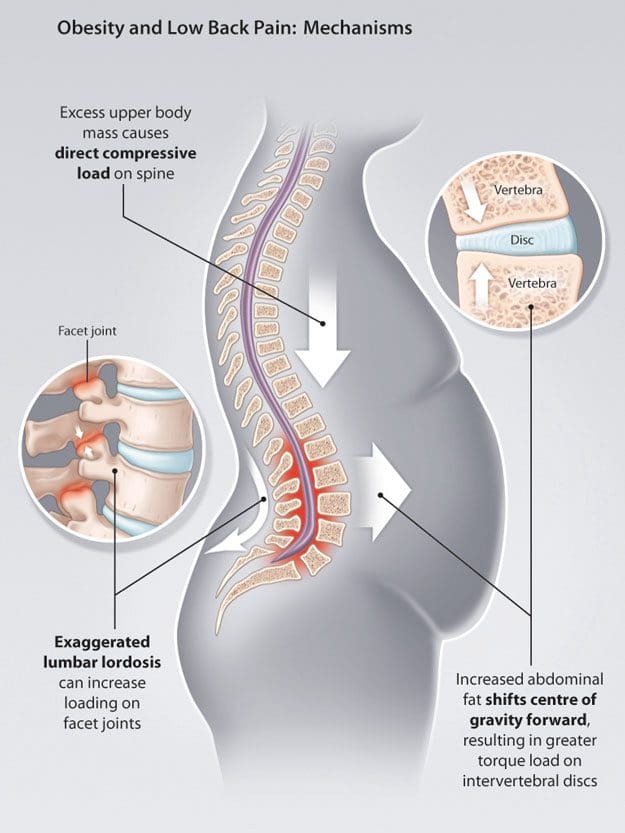
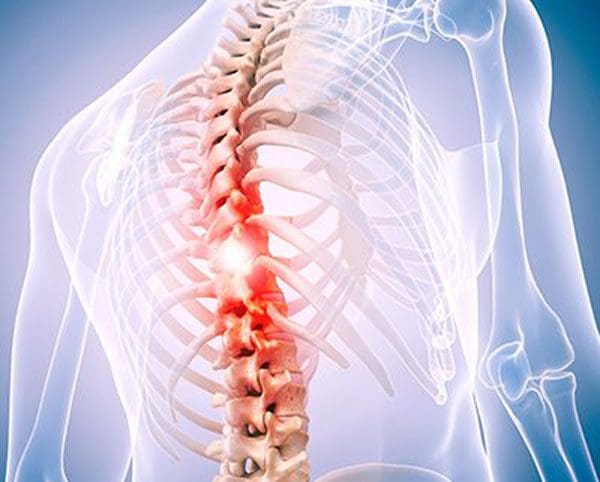
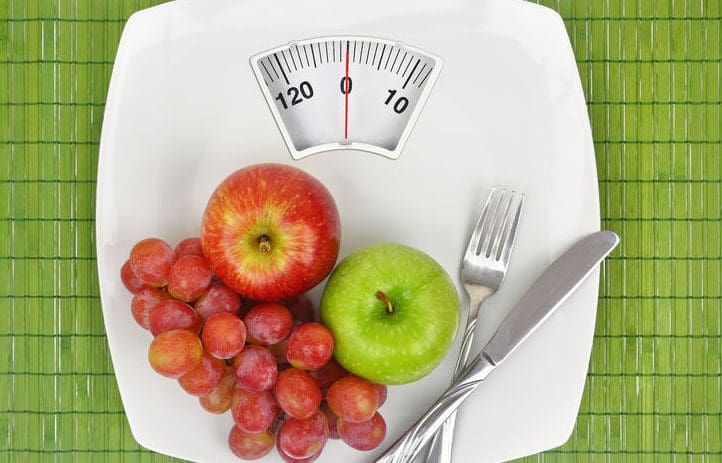
Back pain combined with sciatica is the number one cause of temporary disability all over the world. The spine is a complex interconnected system that supports the entire body. Being overweight does not help. Losing weight can help relieve sciatica and prevent future episodes. It can be done through chiropractic health coaching. According to research, overweight individuals have a higher risk of developing sciatica. The more weight the body carries the more stress is placed on the spine and joints, which can irritate/inflame the sciatic nerve.
Causes and Symptoms
To understand how sciatica is affected by the weight of the body one needs to understand how it works. A breakdown of the causes and symptoms.
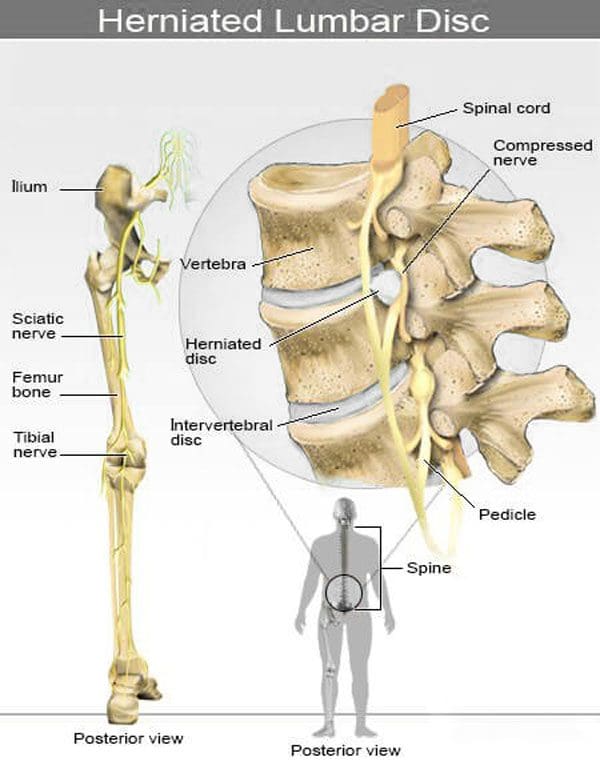
The sciatic nerve runs from the lower spine, through the glutes, down the back of the thigh, and is attached under the foot.
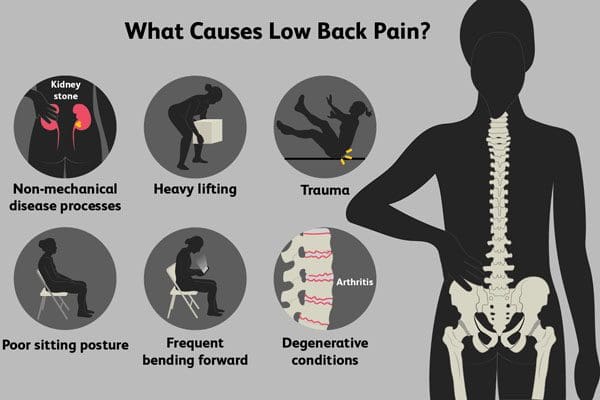
The nerve becomes compressed or irritated where it exits the lower spine. This can be caused by a bulging or herniated disc, narrowing of the spinal canal, or bone spurs.
Symptoms include a sharp pain that spreads out from the low back and down the back of the leg. It also causes tingling, numbness, and weakness.
Indirect Cause Being Overweight
Being overweight can indirectly cause sciatica. When the body has to support added/extra weight it can cause problems. That extra weight also places tremendous stress on the joints, especially those in the spine. The lower back takes most of the force from this stress, which is how sciatica develops. The stress slowly pulls the spine out of alignment and compresses the discs between the vertebrae, which then compresses the sciatic nerve, causing pain and discomfort.
Sciatica and Weight Loss
Keep in mind that weight loss is not a cure for sciatica. Weight loss will surely help relieve sciatica pain but there are other issues at work that are combined with excess weight and are causing sciatica. Weight loss is only a step in the right direction. The most recommended and effective ways to lose weight and relieve sciatica pain is having a healthy diet, exercise, and chiropractic health coaching. Other things that can be done to relieve sciatic nerve pain include:
Regular exercise will help reduce the symptoms and strengthen the body’s core and leg muscles. There are a variety of things that make sciatica worse like:
Sitting too much
Sedentary lifestyle
Wearing shoes with no support
Lifting, bending, twisting, reaching, overuse
Exercise is the best antidote to sitting too much and living a sedentary. Exercising with sciatica does not mean a full gym routine but doing the right exercises that will not worsen the condition. The important thing is staying active. Avoiding exercise will only make sciatica worse. For example, yoga is great for sciatica and health in general. A 30-minute session of yoga 3 times a week combined with another form of exercise twice a week can produce optimal results.
Weight Training
Weight training will work with sciatica with certain adjustments and avoiding specific exercises that can cause pain and should be discussed with a doctor, chiropractor, physical therapist depending on the individual’s sciatic condition.
Form and Posture
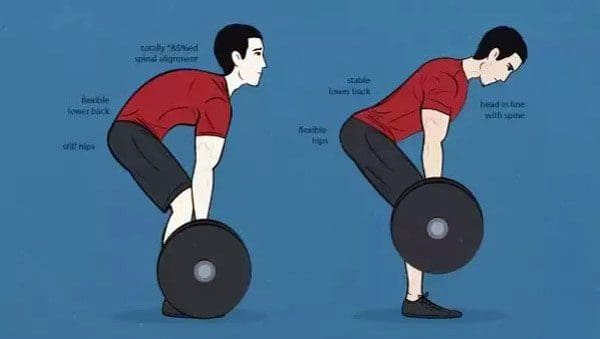
Weight training form is essential. Practice slow repetitions with special attention to physical form. Proper posture, maintaining a neutral spine, and avoiding rounding the lower back will help avoid worsening sciatica, and prevent further injury/s.
Avoid Overhead and Straight Leg Exercises
Not until the sciatica pain reduces avoid overhead lifting exercises and straight leg exercises, as these can cause flare-ups. Also, avoid intensive abdominal exercises that require doing crunches.
Know The Limits
When sciatica is present, the body is in healing mode, the key is to not overdo it. This exercise is minimal, to help in the recovery process, and strengthen the muscles. Too much exercise can prolong the recovery.
Losing Belly Fat
Losing belly fat with sciatica is possible. But it will take a sustained effort that will be well worth it when sciatica. Losing the fat needs concentration on three things:
Nutrition
Eating whole nutritious foods with plenty of vegetables, and staying away from processed and sugary foods. This is where a health coach and nutritionist can offer the greatest recommendations and develop a customized diet/health plan.
Exercise
Weight training, yoga, cardio, or a combination of all is probably best. Whatever regimen is chosen the objective to stick with it.
Lifestyle adjustments
This includes improving posture, workstation set up, adjusting sitting routines, and limiting activities that cause back pain/sciatica.
Chiropractic Health Coaching
The full-body approach outlined is how chiropractic treats sciatica. Chiropractic can relieve the pain quickly with massage, spinal adjustments, and physical therapies. This is why chiropractic health coaching is ideal for those who have a hard time making nutrition, exercise, and lifestyle changes on their own. Numerous studies show that chiropractic promotes weight loss, reduced pain, improved posture, and increased well being. And it is done in a safe, non-invasive, medication-free way.
Body Composition
Eating Out A Significant Contributor For Weight Gain
When eating out, there is a tendency to consume excess empty calories and increase fat storage. This is why preparing food is so important. It gives the individual direct control over what is being consumed and allows trying out different dietary approaches to see which one works best for improving body composition and gut health. Even for those that don�t enjoy cooking, consult a chiropractic health coach to see what options are available.
Dr. Alex Jimenez�s Blog Post Disclaimer
The scope of our information is limited to chiropractic, musculoskeletal, physical medicines, wellness, and sensitive health issues and/or functional medicine articles, topics, and discussions. We use functional health & wellness protocols to treat and support care for injuries or disorders of the musculoskeletal system. Our posts, topics, subjects, and insights cover clinical matters, issues, and topics that relate and support directly or indirectly our clinical scope of practice.*
Our office has made a reasonable attempt to provide supportive citations and has identified the relevant research study or studies supporting our posts. We also make copies of supporting research studies available to the board and or the public upon request. We understand that we cover matters that require an additional explanation as to how it may assist in a particular care plan or treatment protocol; therefore, to further discuss the subject matter above, please feel free to ask Dr. Alex Jimenez or contact us at 915-850-0900. The provider(s) Licensed in Texas& New Mexico*
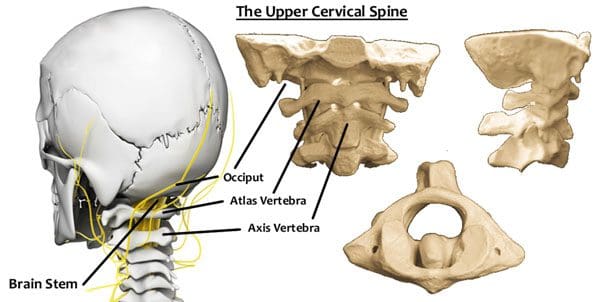
The Atlas vertebra is named for the mythological figure who held the world on their back/neck. The vertebrae are located at the top of the spine, where the cranium and spine connect. More than just a foundation for support, the vertebrae could be the most important vertebrae of the body. It consists of a complex bundle of nerves, vertebral arteries, and is the point where the entire weight of the cranium makes contact.
The myth requires Atlas to be careful while holding the world carefully and confidently at all times, otherwise it will come crashing down. The key is being able to balance it perfectly. The vertebra has the same job to hold the head up properly and maintain posture. If not problems with balance and alignment will begin to develop, and affect the entire spine.
The Atlas Vertebra
Balance
The Atlas vertebrae’s role in maintaining balance is based on its ability to adjust to the weight of the head. The actual vertebra is wider than the other cervical vertebrae. This creates a center of gravity that is reinforced through proper posture. It distributes the weight of the head (10-12lb) evenly to centralize the weight and is supported by the natural curvature of the spine.
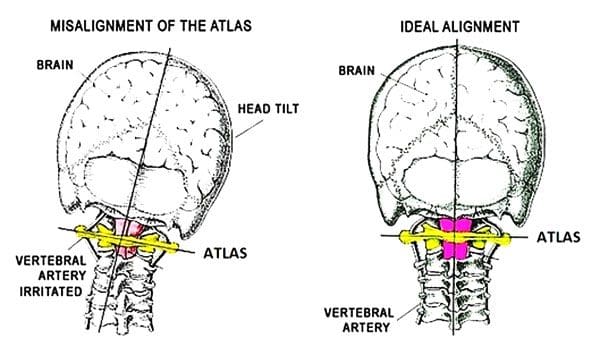
If the center of gravity shifts, the Atlas vertebra will tilt in that direction as well. This creates instability in the cervical spine and can increase the amount of weight the spine is taking and trying to redistribute. This creates spinal issues and leads to everything from poor posture, overcompensation that leads to injury.
Shifting Causes
Disruption to the vertebra and its ability to balance can come from a variety of causes and can occur as a result of chronic and acute conditions. Some include:
Auto accidents, sports, work injuries can cause cervical soft tissue damage
Dislocation of cervical vertebrae below the Atlas results in instability
Poor posture/s make individuals overcompensate to one side of the body straining muscles, ligaments, tendons causing pain and other issues
Herniated, bulging, and slipped discs
Unbalanced effects
Spinal issues range from simple neck pain and soreness to full-on chronic pain. Because the Atlas can alter the balance of the entire spine, combined with cranium support, issues can be localized and referred creating further complications. Addressing the root problems requires a comprehensive chiropractic approach. Chiropractic will assess the position of the spine and determine the degree to which Atlas has shifted out of place. An adjustment treatment plan makes it possible to undo the widespread damage.
Body Composition
Muscle Loss
Individuals do not realize that muscle loss occurs throughout their lifetime. This is because muscles, like other tissues in the body, must go through cell turnover and protein synthesis. This means that the body is constantly breaking down protein in the muscles and rebuilding them.
Skeletal muscle can be developed with proper nutrition and includes consuming a proper amount of protein to provide the necessary amino acids and from physical activity. The reverse is also true, if an individual becomes less physically active and/or their diet no longer supports the development of increased muscle tissue, the body enters a catabolic/tissue-reducing state known as muscle atrophy.
Dr. Alex Jimenez�s Blog Post Disclaimer
The scope of our information is limited to chiropractic, musculoskeletal, physical medicines, wellness, and sensitive health issues and/or functional medicine articles, topics, and discussions. We use functional health & wellness protocols to treat and support care for injuries or disorders of the musculoskeletal system. Our posts, topics, subjects, and insights cover clinical matters, issues, and topics that relate and support directly or indirectly our clinical scope of practice.*
Our office has made a reasonable attempt to provide supportive citations and has identified the relevant research study or studies supporting our posts. We also make copies of supporting research studies available to the board and or the public upon request. We understand that we cover matters that require an additional explanation as to how it may assist in a particular care plan or treatment protocol; therefore, to further discuss the subject matter above, please feel free to ask Dr. Alex Jimenez or contact us at 915-850-0900. The provider(s) Licensed in Texas& New Mexico*
References
Woodfield, H Charles 3rd et al. �Craniocervical chiropractic procedures – a pr�cis of upper cervical chiropractic.��The Journal of the Canadian Chiropractic Association�vol. 59,2 (2015): 173-92.
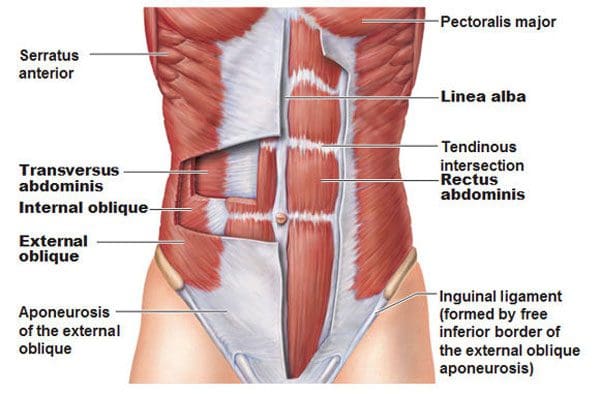
The core and the muscles involved are a group of muscles that wrap around the body’s torso. The front, back, and sides. Strengthening these muscles will improve and ultimately alleviate lower back pain. One of the main muscles that are overlooked is the transverse abdominis muscle. It is vital to a healthy core, especially if back pain is presenting. It’s known as the seatbelt muscle as it is deep in the abdomen and wraps around the waist. It has everything to do with long-term core strength and function. A properly developed transverse abdominus functions like a lumbar support belt that protects the spine. When the transverse abdominus is strong the muscle contracts to generate the correct amount of support and stability when in motion. �
�
For example, individuals that do not have low back pain engage the transverse abdominus around 30 milliseconds before moving the shoulder, while individuals that have low back pain have a delayed contraction of the transverse abdominus muscles that makes them take on awkward postures, and move in an awkward fashion contributing to back pain and continuing to weaken the core muscles. Individuals that regularly do transverse abdominus strengthening exercises greatly reduce the risk of experiencing low back pain for the first time and reduce the recurrence of those already with back pain. �
Core Muscle Anatomy
The first step to strengthening is understanding the moves and how to do them correctly with basic anatomy. Think of the core as a muscle box where the:
The body flexes and extends whenever bending forward and standing up
The body does a lateral side bend when bending the trunk to one side
The body rotates the trunk when twisting the torso
�
Muscle Weakness
The transverse abdominus tends to suffer from neglect which is one reason why it becomes weakened. This increases the risk of developing back pain. Another reason is that individuals have a weak muscle is they exercise in one-plane of movement. Not working out the core muscles in all planes of motion can contribute to back pain. For example, if an individual performs pelvic tilts, they are only moving in one plane when tilting the hips forward and back, known as flexion and extension. To achieve optimal/functional strength, the core workout needs to include side bending and twisting movements. �
Strengthening The Transverse Abdominus
Pigeon Pose
Many individuals sit for extended amounts of time and are excessively tight along the sides and hips. The first step should be to increase the hip’s mobility before strengthening the core. If the hip muscle’s fibers become shortened, it can affect hip joint function and efficiency during core movement. The Pigeon Pose is a hip opener. How to do it:
Get on the floor with the knees and palms on the ground.
Slide the left leg back so the hip is extended, then externally rotate the right hip/turn the right leg out from the hip. Focus on positioning the right shin perpendicular to the body.
Extend the trunk so the body is upright, lifting the chest, arching the back, and looking toward the ceiling, while resting the fingertips on the floor a little forward of the hips.
Hold the pose for 30 seconds and switch sides.
This stretches the hip flexor muscles in the extended leg and the rotator and outer hip muscles in the flexed leg.
�
Pay Attention To The Engaged Muscles
Individuals can train the transverse muscles to activate faster and more effectively throughout the day by slowing down and paying attention to moving with more intent. Place the hands around the waist and engage the core to feel the muscles contracting. This will help get a feel for the movement. Once comfortable remember to engage these abdominal musclesbefore and while reaching, twisting, or lifting items. �
Pelvic Tilt
This exercise is vital for building the smaller muscles that support a healthy core. How to do it:
Lie on back with knees bent and feet on the floor.
Engage the transverse muscles and gently tilt the pelvis upward.
Return the pelvis to a neutral position.
Repeat.
Start with 3 sets of 10-12 reps.
When this is no longer challenging and can be completed without increasing back pain, advance to more challenging exercises like the bird dog, planks, or plank variations.
�
Standing Exercises
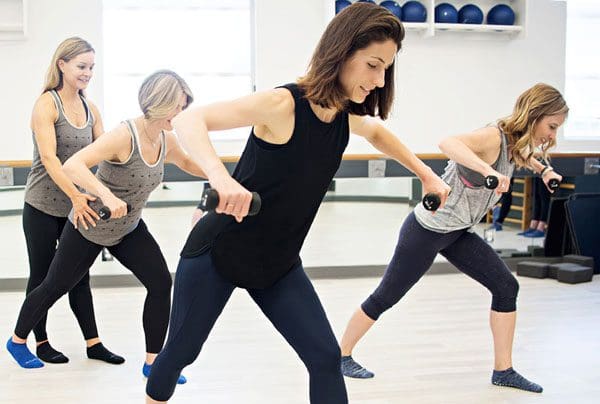
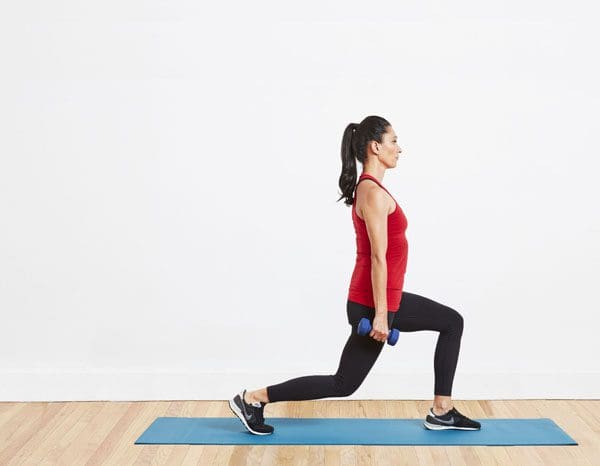
Translating core strength into functional strength and pain-free movement progresses to standing exercises that require rotation. One example is a standing lunge with rotation. How to do it:
Get into a lunge stance with the front leg flexed 90 degrees at the hip, knee, and ankle. The rear leg should be extended at the hip with the knee touching or almost touching the floor.
Twist from the waist. When comfortable doing this movement, hold weight like a dumbbell, medicine ball, or gallon jug of water in both hands, and gradually increase the weight as the muscles get stronger.
When in the process of strengthening the core, consistency is the key. Commit to a short workout every day instead of one massive workout once or twice a week. Ten minutes a day is enough to build strength, improve function, and decrease back pain. �
Improved Body Composition
Functional fitness and the ability to move about comfortably not only benefit physical wellness but also improves body composition. The aging process reduces the metabolic rate, which leads to increased body fat. Lean Body Mass gets lost from age and inactivity. Lean Body Mass contributes to the overall Basal Metabolic Rate, also known as the body’s metabolism. It is the number of calories the body needs to support essential functions. Engaging in strength training or resistance exercises will help regain the muscle loss from aging/inactivity, and can lead to an increase in lean body mass.
Dr. Alex Jimenez�s Blog Post Disclaimer
The scope of our information is limited to chiropractic, musculoskeletal, physical medicines, wellness, and sensitive health issues and/or functional medicine articles, topics, and discussions. We use functional health & wellness protocols to treat and support care for injuries or disorders of the musculoskeletal system. Our posts, topics, subjects, and insights cover clinical matters, issues, and topics that relate and support directly or indirectly our clinical scope of practice.*
Our office has made a reasonable attempt to provide supportive citations and has identified the relevant research study or studies supporting our posts. We also make copies of supporting research studies available to the board and or the public upon request. We understand that we cover matters that require an additional explanation as to how it may assist in a particular care plan or treatment protocol; therefore, to further discuss the subject matter above, please feel free to ask Dr. Alex Jimenez or contact us at 915-850-0900. The provider(s) Licensed in Texas& New Mexico*
References
People who regularly engaged in TVA-strengthening exercises were less likely to experience a recurrence of low back pain:�Australian Journal of Physiotherapy�(2002), �Specific spinal exercise substantially reduces the risk of low back pain recurrence��https://www.sciencedirect.com/science/article/pii/S000495141460283X?via%3Dihub
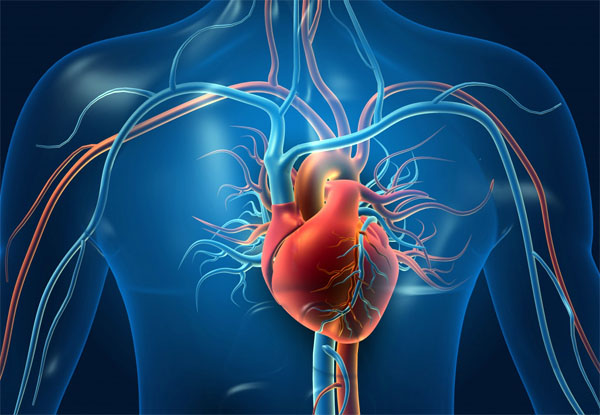
Heart health and proper function circulate millions of gallons of blood to the entire body. The circulation moves:
Oxygen
Fuel
Hormones
Essential cells
Other compounds
Removes metabolic waste products
If the heart stops, vital functions can fail almost instantly. Family history and genetics play a role in the development of heart disease, but lifestyle choices also play a part. Heart health disease prevention focuses on:
Chiropractic treatment can help improve overall heart health.
Heart Health
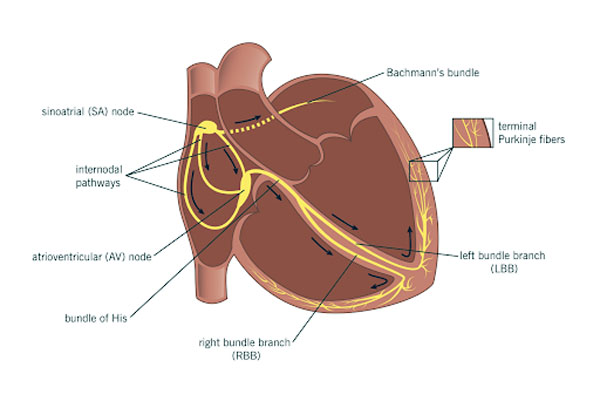
If every nerve was disconnected, the heart would continue to beat. There is a small node of the heart muscle that rhythmically contracts and relaxes inherently, and sets the heartbeat pace. It can be thought of as a natural pacemaker and is called the sinoatrial node.
In an average adult, the node maintains a rhythm of around 70 beats per minute. This natural pacemaker keeps the heart working, while the nerves that accelerate and decelerate (the sympathetic and parasympathetic nerves) can affect the sinoatrial node affecting the heartbeat.
Sympathetic and Parasympathetic Nerves
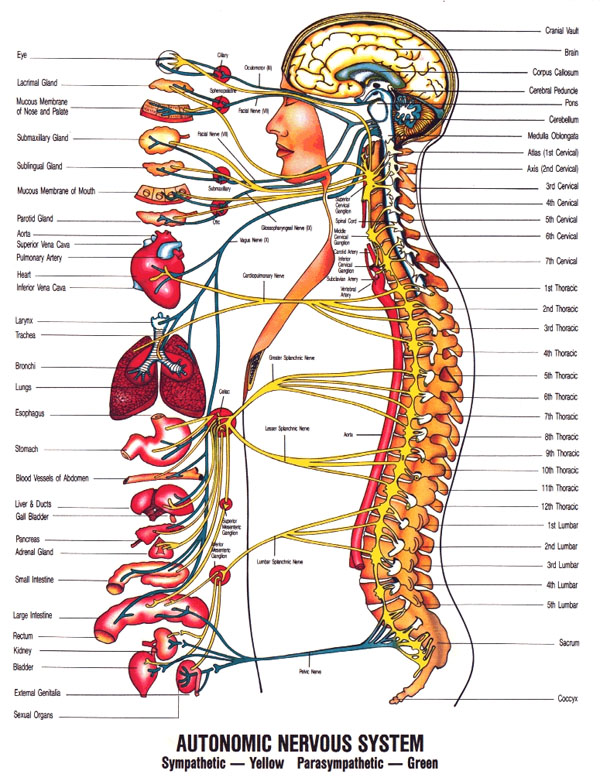
The sympathetic and parasympathetic nerves are located in the thoracic and upper cervical spine. With chiropractic, any spinal misalignments, pressure, stress, and restrictions are properly addressed, and able to normalize the cardiac rhythm and heart rate. Corrective treatment of the cervical spine will also help lower blood pressure and remove any stress on the cardiovascular system. Heart and spinal health are vital, contact a local chiropractor today.
Healthy Body Composition
Aerobic Training Strengthens The Heart
Aerobic exercise will strengthen the heart, as well as, train the heart to be more efficient in circulating blood. The chamber of the heart that pumps blood to the rest of the body literally gets larger and squeezes out more blood with each pump, meaning the stroke volume gets increased.
This improves cardiac output, which is the quantity of blood pumped by the heart per minute. A strong, efficient heart is the objective to live a long and healthy life. When the heart is stronger and pumps more blood it doesn�t have to beat as much and as rapidly. Lowering the resting heart rate is associated with a reduced risk of cardiovascular disease.
Cardiac adaptations are helped with an increase in blood volume that happens with aerobic exercise training. What happens is the expanded blood volume improves the heart�s contractility/fill capacity pumping more blood per beat. The heart contracts to move blood throughout the body. By making it stronger and more efficient, the heart�s responsibilities are lightened by decreasing the different types of resistance.
Dr. Alex Jimenez�s Blog Post Disclaimer
The scope of our information is limited to chiropractic, musculoskeletal, physical medicines, wellness, and sensitive health issues and/or functional medicine articles, topics, and discussions. We use functional health & wellness protocols to treat and support care for injuries or disorders of the musculoskeletal system. Our posts, topics, subjects, and insights cover clinical matters, issues, and topics that relate and support directly or indirectly our clinical scope of practice.*
Our office has made a reasonable attempt to provide supportive citations and has identified the relevant research study or studies supporting our posts. We also make copies of supporting research studies available to the board and or the public upon request. We understand that we cover matters that require an additional explanation as to how it may assist in a particular care plan or treatment protocol; therefore, to further discuss the subject matter above, please feel free to ask Dr. Alex Jimenez or contact us at 915-850-0900. The provider(s) Licensed in Texas& New Mexico*
References
Yang, Jian et al. �Physical Exercise Is a Potential “Medicine” for Atherosclerosis.��Advances in experimental medicine and biology�vol. 999 (2017): 269-286. doi:10.1007/978-981-10-4307-9_15
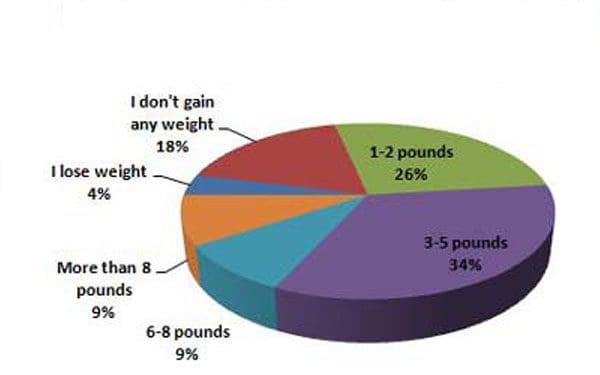
Chiropractic recommendations to avoid holiday weight gain and back pain. All the food, gravy, pies, cookies, candy, chocolate, wine, eggnog, hot cocoa, and whipped cream are great, but moderation is key to keeping unwanted weight gain that can lead to back pain. Research has found that up to 70% of individuals typically gain weight during the holidays.
Holiday weight gain
Also known as the seasonal seven or a month-long celebration with the diet starting in the new year. Any type of extra weight can contribute to back discomfort and pain. A body that is overweight can begin to overwork the spine, as it tries to adjust to bear the extra weight. This can contribute to injury and back pain. When the body is overweight, the potential for a back injury increases and can be more difficult to recover from, which can result in chronic back pain. Too much weight can exacerbate and/or lead to symptoms of:
Degenerative disc disease
Compression fracture
Osteoporosis
Osteoarthritis
Spinal stenosis
Spondylolisthesis
Losing the weight
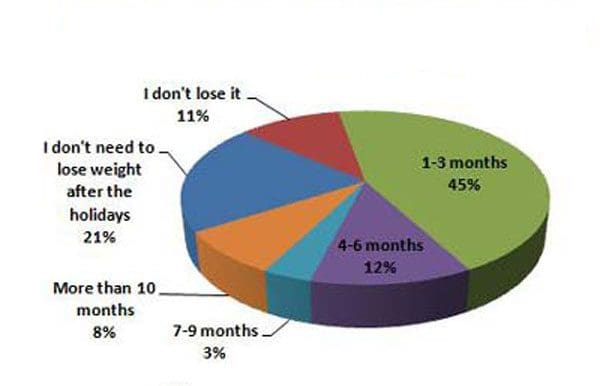
However, most individuals struggle to lose the holiday weight. Research has found that around 10% of individuals are unable to lose the holiday weight until the following fall. Another 11% say that they never lose the weight gained. Year after year the holiday weight gain adds up.
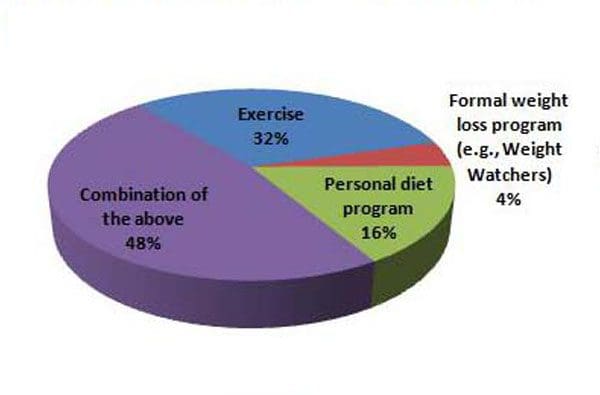
To stay healthy and protect the spine, here are some recommendation to fight the holiday weight gain:
Physical Activity
Physical activity is the best way to lose or maintain a healthy weight. Walking is a quick and perfect way to get in some quick exercise. With all the shopping, wrapping, and unwrapping, it can be challenging to find time to exercise. It does not have to be a full workout. Just a quick walk around the block is a perfect option. Don’t get frustrated up over not being able to exercise regularly. A 10-20 minute walk is better than no physical activity at all.
Enjoy in moderation
Don’t try to avoid all the food during the holidays, instead develop an action plan. The objective is to eat and drink in moderation. An example could be before eating, eat a healthy snack so there is no temptation to fill up on sweets, pastries, etc. Also at the dinner, pass on the gravy and share the dessert.
Lose weight effectively
Keeping the holiday weight off can be done with a few adjustments keeping the spine and whole-body healthy.One way is to think about keeping the spine healthy as a gift to yourself. Contact our chiropractic and health coaching team for spinal adjustments, exercises, stretches, and diet.
Weight Loss Chiropractic Treatment
�
Dr. Alex Jimenez�s Blog Post Disclaimer
The scope of our information is limited to chiropractic, musculoskeletal, physical medicines, wellness, and sensitive health issues and/or functional medicine articles, topics, and discussions. We use functional health & wellness protocols to treat and support care for injuries or disorders of the musculoskeletal system. Our posts, topics, subjects, and insights cover clinical matters, issues, and topics that relate and support directly or indirectly our clinical scope of practice.*
Our office has made a reasonable attempt to provide supportive citations and has identified the relevant research study or studies supporting our posts. We also make copies of supporting research studies available to the board and or the public upon request. We understand that we cover matters that require an additional explanation as to how it may assist in a particular care plan or treatment protocol; therefore, to further discuss the subject matter above, please feel free to ask Dr. Alex Jimenez or contact us at 915-850-0900. The provider(s) Licensed in Texas& New Mexico*
References
Diaz-Zavala RG, Castro-Cantu MF, Valencia ME, et al. Effect of the holiday season on weight gain: A narrative review.�Obesity. 2017; article ID 2085136. https://www.hindawi.com/journals/jobe/2017/2085136/ Accessed November 28, 2017.
Superfoods are nutrient-rich foods that can be incorporated into an individual’s diet to achieve optimal health. We look at which foods contain the most nutrients, and how to create meals with the best variety of foods to improve overall health and support strong body composition.
Superfoods have a high-levels of antioxidants, along with many vast amounts of essential vitamins and minerals. These are fresh, colorful foods that are packed with nutrients. The more vibrant the color, the more antioxidant power. What to look for in different foods to optimize health and improve your body composition is the objective.
Superfoods
Superfoods can be defined as food that is rich in compounds that are highly beneficial for health. Foods like phytochemicals, fiber, and Omega-3 fatty acids. National nutritional guidelines consider these foods as powerhouse fruits and vegetables. Research shows that a diet rich in fruits and vegetables is associated with a reduced risk of chronic disease.
Antioxidants like polyphenols have anti-inflammatory properties. Inflammation can be caused by infection, injury, and disease. A diet rich in antioxidants helps lead to faster recovery time from injury, illness, as well as, exercise-induced stress.
Antioxidants reduce free radicals, prevent and repair damage caused by oxidative stress. Oxidative stress happens when free radicals start to accumulate in the body. It can play a significant role in chronic and degenerative illnesses like cancer, arthritis, and cardiovascular disease.
Anthocyanins are a type of polyphenol that acts as antioxidants that can help reduce the chance of chronic disease. Pigments are found in plants, which give certain fruits and vegetables their vibrant colors. These include:
Berries
Cherries
Peaches
Pomegranates
Black beans
Eggplant
Purple sweet potatoes
Evidence suggests that a diet rich in anthocyanins helps:
Reduce oxidative stress and inflammation
Prevent cardiovascular disease
Control of diabetes
Prevent diabetes
Superfoods can help individuals with:
Weight loss
Improved muscular function
Body composition improvement
Boosting the immune system
Key Nutrients
Antioxidant properties are found in many superfoods along with nutrients to be aware of. The nutrients listed can be beneficial in optimizing health. Remember to consult a doctor before making or supplementing dietary changes.
Vitamin B
Vitamin C
Omega-3 Fatty Acids
Magnesium
Zinc
Omega-3’s
Omega-3 fatty acids promote many health benefits, which include reduced risk of obesity, heart disease, and other chronic illnesses. Omega-3�s contain anti-inflammatory properties and help enhance recovery after exercise. A standard diet usually contains a higher ratio of Omega-6 fatty acids compared to Omega-3’s. This unbalance increases inflammation and reduces immune system response. Omega-6 acids include vegetable oils that do offer health benefits. However, it is important to keep a healthy balance between the two. Top sources of Omega-3’s include:
Fatty fish
Fish oils – salmon, mackerel, and cod liver
Oysters
Chia seeds
Flaxseeds
Magnesium
Magnesium supports the health of the immune system. It supports and maintains healthy bone structure, muscle function, and insulin levels. It assists the body with energy, metabolism, and acts as a calcium blocker. This reduces cramping and aids in muscle relaxation after working out. Magnesium is essential for over 300 biochemical reactions in the body. A deficiency can increase the risk of cardiovascular disease.
Research shows that magnesium deficiency can lead to a higher risk of insulin resistance. Magnesium-rich foods like dark leafy greens, nuts, legumes, and whole grains are also high in fiber. Individuals that have a diet rich in magnesium have a higher intake of dietary fiber, as well. Fiber helps with digestion, control weight, reduce cholesterol, and stabilize blood sugar. The best sources of Magnesium include:
Green vegetables such as spinach, swiss chard, and turnip greens
Nuts such as almonds and cashews
Seeds
Legumes
Cocoa
Zinc
Zinc is an essential nutrient for overall immune function support. It is an antioxidant that helps with anti-inflammatory and oxidative stress responses. Chemical reactions within the body require zinc. Zinc is a necessary element for muscle protein synthesis and hormone regulation.
Zinc deficiency is common in seniors and can be connected with degenerative diseases like rheumatoid arthritis, atherosclerosis, and age-related macular degeneration. Deficiency can also cause weight loss, delayed growth, and muscle atrophy. Zinc supplements are not recommended for healthy individuals as they can interfere with other essential vitamins and micronutrient interactions. Top sources of Zinc include:
Chicken
Red meat
Legumes
Nuts
Oysters
Vitamin C
Vitamin C is one of the immune systems supporting vitamins. It is an antioxidant that helps reduce free radicals and protects macromolecules from oxidative damage that could contribute to chronic diseases. Vitamin C deficiency has shown an increased risk of developing cardiovascular diseases, which include coronary heart disease, ischemic stroke, and hypertension.
Vitamin C has a significant role in collagen synthesis and provides support in vascular function, which helps reduce inflammation and inflammatory diseases like atherosclerosis. Vitamin C has been found to play a role in possibly lowering blood pressure. Evidence suggests that vitamin C can help prevent obesity and obesity-related illnesses. Top sources of Vitamin C include:
Eight vitamins that make up the B vitamin complex all have various responsibilities for energy production and DNA synthesis. An increased intake of vitamin B is associated with improved metabolic pathways like glucose metabolism and reduces obesity risk. Consuming enough of the vitamins is essential. Having a deficiency in just one vitamin can lead to decreased energy, poor cognition, and muscle weakness.
The eight vitamins in the B complex are:
B1 – Thiamine
B2 – Riboflavin
B3 – Niacin
B5 – Pantothenic acid
B6 – Pyridoxine
B7 – Biotin
B9 – Folic acid
B12
The best sources for B vitamins include:
Asparagus
Avocado
Bananas
Beef /liver
Eggs
Lentils
Nuts
Spinach
Eating Superfoods
Leafy greens that are rich in vitamin A, C, and K, iron, and more
Salmon is a great source of Omega-3s
Cherries are rich in vitamin C and polyphenols
Berries are rich in Vitamin C and high in antioxidants
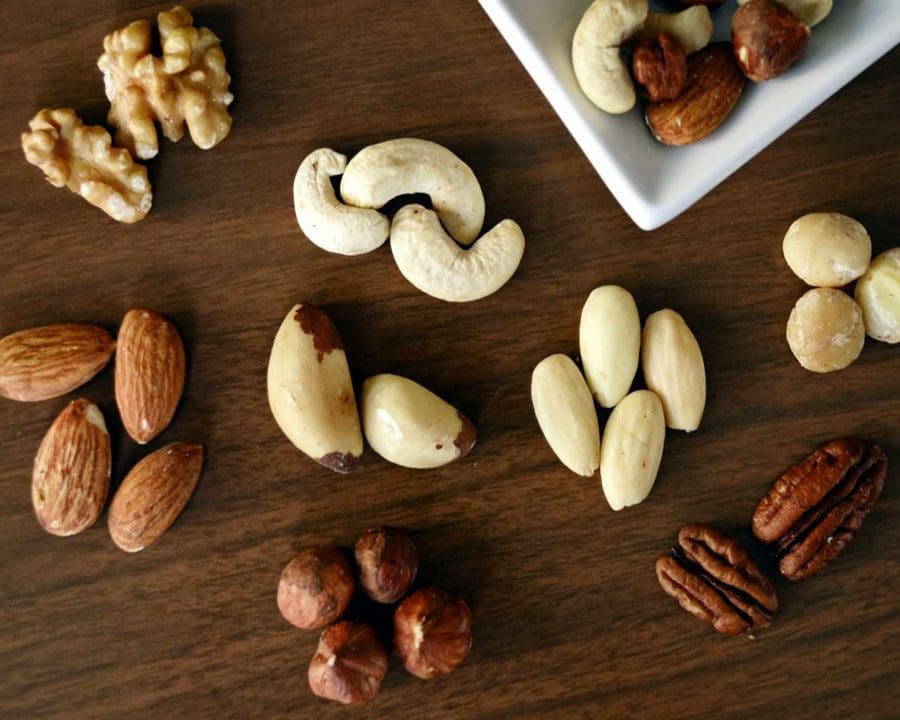
Nuts are packed with essential vitamins, minerals, and healthy fats
Garlic is a great source of Vitamin C and B-Complex
Turmeric contains potent anti-inflammatory and antioxidants
Cacao is packed with nutrients, and contain magnesium, zinc, iron, potassium, and more
Manuka Honey is packed with antioxidants and anti-inflammatory properties
Tea/s are filled with antioxidant properties and polyphenolic compounds
These superfoods have been shown to:
Improve body composition
Reduce the risk of chronic illnesses
Provide immune support
Antioxidant properties
Reduce inflammation, oxidative stress, and free radicals
Leafy Greens
Leafy greens like spinach, kale, turnip greens, and collard greens have been shown to reduce the risk for type II diabetes and cancer, which includes breast cancer, and they help protect against depression symptoms. Leafy greens contain many nutrients, which makes them a superfood staple. Leafy greens contain vitamins A, C, and K, iron, folate, zinc, and magnesium. They are a great source of fiber, carotenoids, and antioxidants that help to protect the cells.
Salmon
Salmon is a perfect source of Omega-3s. These help in improving the immune system’s response, neuromuscular functioning, and enhanced cognition. Eating plenty of salmon, and other fatty fish helps reduce blood pressure and symptoms associated with coronary heart disease. Consuming whole-food proteins like salmon help with workout/exercise muscle protein synthesis better than a protein supplement. Omega-3’s can improve body composition because the fatty acids counteract muscle atrophy and promote recovery from muscles not being used brought on by surgery and inactivity.
Cherries
Cherries contain a high source of vitamin C and polyphenols. Both contain antioxidant and anti-inflammatory properties that help reduce oxidative stress. Oxidative stress contributes to inflammation and atherosclerosis, which can contribute to cardiovascular disease. Cherries promote health, provide cardioprotective support, help to reduce blood pressure and LDL cholesterol.
Berries
Berries are known for containing antioxidant properties. Berries like:
Blueberries
Strawberries
Lingonberries
Blackberries
All contain flavonoids and anthocyanins. Both of these help in reducing oxidative stress. Eating berries has been shown to improve cardiovascular health. Moderate consumption of berries helps improve blood platelet function and HDL cholesterol, as well as helps reduce blood pressure. Anthocyanins, flavonoids, and phytochemicals are believed to reduce the risk of cancer, primarily of the GI tract and breast. Berries can also provide neuroprotective support, that can help prevent a decrease in cognitive functions and dementia.
Nuts
Nuts are considered a nutritious superfood. They contain essential vitamins, minerals, and healthy fats. However, nuts are recommended in limited amounts because of their high-fat content. Also, nuts that are salted or flavored, lower health benefits. Individuals that eat a handful of nuts as part of a healthy diet have shown to be able to maintain and improve body composition.
Healthy lifestyle diets like the DASH Diet and the Mediterranean Diet recommend moderate consumption of nuts. They help lower blood pressure, improve heart function, and reduce contributing factors to coronary heart disease and diabetes. Nuts include a variety of nutrients like vitamins:
B3
B6
B9
E
All help in the reduced risk of metabolic syndrome and related illnesses. Nuts also provide antioxidants which include phytochemicals:
Carotenoids
Polyphenols
Tocopherols
These compounds contain anti-inflammatory properties. And nuts have the potential to reduce the risk of cardiovascular disease, diabetes, and types of cancer.
Garlic
Garlic is an antioxidant and has been shown to improve immune function along with the cardiovascular system. It is a good source of vitamin C and B-complex vitamins. Both enhance the effectiveness of immune system protection. Eating garlic has been shown to help lower cholesterol, blood pressure, delays the progression of atherosclerosis, and improves circulation. Studies have shown that garlic is highly effective in preventing yeast infections, as well as, treating ear infections. There is a compound known as allicin and helps shield the stomach from the spread of Helicobacter pylori, a bacterium related to gastrointestinal cancer.
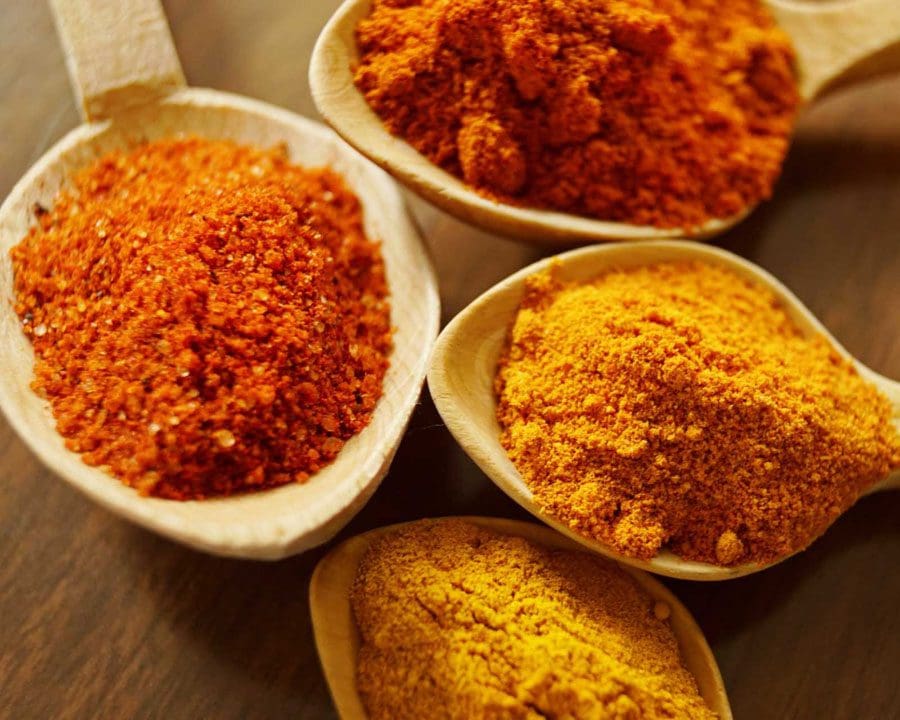
Turmeric
Turmeric is another antioxidant. It helps manage inflammatory conditions like metabolic syndrome and arthritis. The polyphenol antioxidant is curcumin. It has been shown to help reduce inflammation, pain, and benefits the kidneys. Curcumin has been shown to reduce symptoms resulting from metabolic syndrome. Curcumin has been shown to:
Improve insulin sensitivity
Reduce the accumulation of fat storage that can lead to obesity
Lower blood pressure
Lower oxidative stress
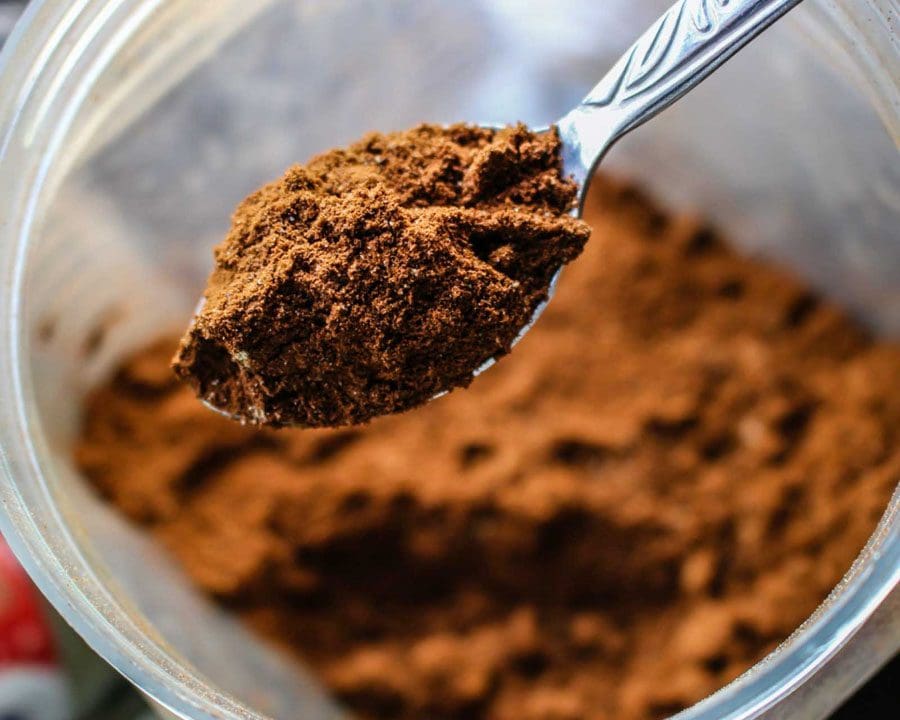
Cacao
Cacao is chocolate in the purest form. It is packed with nutrients and contains:
Magnesium
Zinc
Iron
Potassium
Calcium
Copper
Manganese
Cocoa is the processed form that generally contains sugars and dairy products. The beans contain antioxidants and phytochemicals like polyphenols and flavonoids that protect cells against free radicals along with oxidative stress. There is a flavanol called epicatechin and is linked to improved cognition and a better mood. Dark chocolate helps reduce metabolic syndrome risk factors, including:
Reduced blood pressure
Improved insulin sensitivity
Stabilized glucose levels
Heart function is improved by reducing platelet reactivity and inhibiting oxidant production.
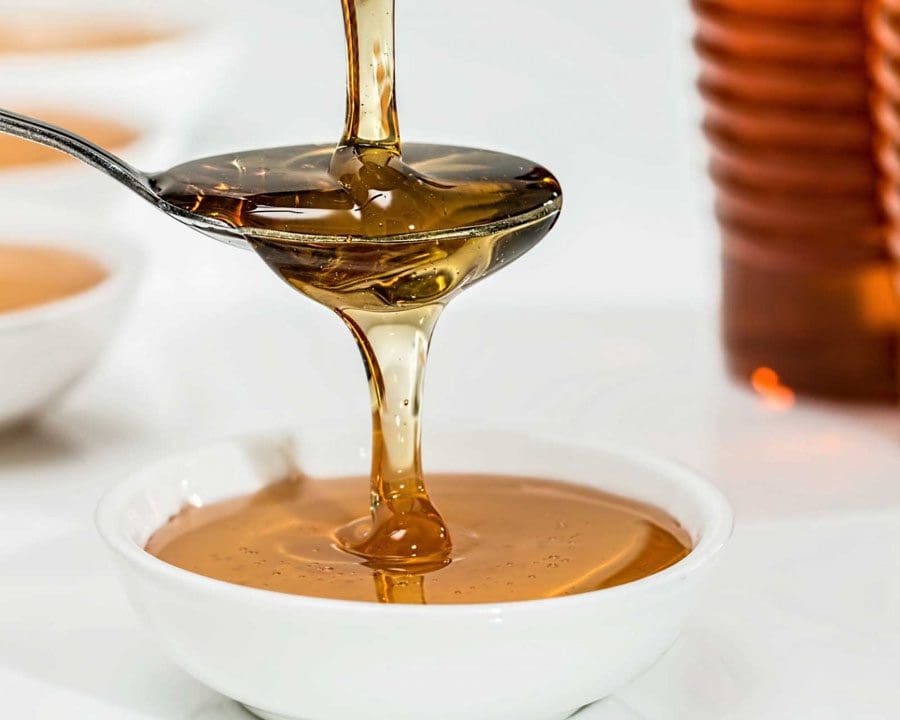
Manuka Honey
Honey has antioxidant properties and provides anti-inflammatory and anti-cancer benefits. It is made up of:
Sugars
Flavonoids
Phenolic acids
Enzymes
Amino acids
Proteins
Other compounds have anti-tumor and anti-leukemic properties
Manuka honey also has antibacterial properties and is very beneficial in healing wounds. Store-bought honey should not be used to treat cuts and wounds. Manuka honey is darker, and thicker that comes specifically from the manuka plant. It has more microbial properties than other types of honey.
All honey has antioxidants, but Manuka has high levels of organic compounds that correlate with increased antibacterial activity. It is among the most powerful antioxidants that benefit athletes. Honey can easily be incorporated into a daily diet as a sweetener for tea, or as a topping for yogurt or oatmeal. However, it is not recommended for infants under one year of age. This is because babies have a higher risk of contracting botulism.
Tea
Tea contains antioxidant properties and polyphenolic compounds. Studies show the polyphenols, specifically in green tea have anti-inflammatory properties. This is a common treatment for preventing osteoarthritis. The catechins are a type of phenol that helps reduce free radicals and the presence of oxidative stress.
It has also been shown to effectively improve body composition. Drinking 3-4 cups of tea a day can significantly reduce weight gain and risks associated with metabolic syndrome. However, drinking 3-4 cups a day might not be the answer for everybody, it can be something to consider.
Incorporation
The objective is achieving optimal health, along with improved body composition. Choosing a diet that is nutrient-packed and includes a variety of fresh, whole foods is the primary focus. There is no miracle food or effective cure for cancer, but when nutrient and antioxidant-rich superfoods are part of an individual’s diet overall health will improve. These are known as lifestyle diets and are meant to change habits and are not just for losing weight. These lifestyle diets include:
Dash Diet
The DASH diet stands for Dietary Approaches to Stop Hypertension. This diet is non-restrictive and promotes the consumption of fresh, whole foods while focusing on serving and portion sizes. The National Institute of Health developed this as a means to reduce blood pressure and improve cardiovascular health.
Mediterranean Diet
This diet is based on the eating habits of those living in countries that surround the Mediterranean. Studies determined individuals living in this region were among the healthiest with the lowest chances of cardiovascular-related conditions/diseases, obesity, and improved mental wellbeing. It emphasizes physical activity and consistent consumption of fresh, whole foods, including heart-healthy foods like fish and various seafood.
Flexitarian Diet
The flexitarian is a semi-vegetarian diet that is primarily vegetarian with occasional meat or fish. It focuses on sustainability and recognizes the vitally important protein, vitamins, and other nutrients that meat contains. However, meat is not eaten every day.
Individuals that switch from mostly meat diets to flexitarian have shown to improve body composition reduce the risk of developing metabolic syndrome along with diabetes, and cancer. Making adjustments do not have to be huge changes. Small changes will go a long way. Adding these essential superfood nutrients can promote significant benefits for overall health and well-being.
Detox Diet
Dr. Alex Jimenez�s Blog Post Disclaimer
The scope of our information is limited to chiropractic, musculoskeletal, physical medicines, wellness, and sensitive health issues and/or functional medicine articles, topics, and discussions. We use functional health & wellness protocols to treat and support care for injuries or disorders of the musculoskeletal system. Our posts, topics, subjects, and insights cover clinical matters, issues, and topics that relate and support directly or indirectly our clinical scope of practice.*
Our office has made a reasonable attempt to provide supportive citations and has identified the relevant research study or studies supporting our posts. We also make copies of supporting research studies available to the board and or the public upon request. We understand that we cover matters that require an additional explanation as to how it may assist in a particular care plan or treatment protocol; therefore, to further discuss the subject matter above, please feel free to ask Dr. Alex Jimenez or contact us at 915-850-0900. The provider(s) Licensed in Texas& New Mexico*
Nutritional relief for acute and chronic back pain can be achieved by eating specific fruits and vegetables. Individuals dealing with acute and chronic back pain have recently been asking if their diets can be modified to reduce back pain. Absolutely, eating healthier will lead to weight loss and will help reduce back pain symptoms.
The big surprise was a nutritionist that did not know about this recommendation to help ease back pain symptoms. Life seems to throw a lot of curveballs especially in the midst of pain. Stress eating and just eating great tasting food is one method/technique of dealing with the pain, as it makes you feel good and forget the pain for a little while.
However, the problem is still present and becomes worse with the added weight. Not to mention the consequences of eating too much unhealthy food, like diabetes, high blood pressure, etc. Eating junk food and suffering in silence can become a way of life.
Pain Relief With Healthy Food
Most individuals will experience back pain at some point. There are a variety of causes from disease to injury and just normal wear and tear.Fortunately, for most, it will be short-lived. But for some chronic pain can develop, creating a new set of health issues and makes achieving back pain relief more complicated. It may sound too easy but making adjustments to your diet can make all the difference in dealing with and eliminating back pain.
Manage and eradicate back pain
Constantly going for the wrong foods, speeds up the inflammation process. Various studies show certain foods contain components that have anti-inflammatory properties. Experts agree that choosing healthy foods for and/or chronic illnesses reduces flare-ups, inflammation and helps heal the body back to top form.
The pain reduces because the inflammation triggers are kept in check. This means the grocery store and healthy foods can be a powerful tool for fighting inflammation. Our ancestors lived off the land eating organic natural foods and healed themselves without refined products.
Multi-colored vegetables and fruits
Dark green vegetables supply powerful nutrients that fight inflammation. Added benefits are they help remove cancer-causing free radicals. Examples include:
Spinach
Broccoli
Kale
Collard greens
Orange and yellow vegetables like:
Carrots
Squash
Pumpkin
Peppers
Pineapple
Carrots contain vitamin E and C and antioxidants that protect the healthy tissue around the inflamed area. Pineapple contains natural enzymes that help break down fibrin that forms around any acute injury. As the barrier is broken down nutrients are allowed to penetrate the area and ease the inflammation.
Nutritional Relief
The ability to heal the body with proper food choices should be a no brainer. But because humans are creatures of habit, breaking away from what is normal for the individual can be a challenge. Some simple ways to start eating toward healing:
Reduce the fat intake like butter, corn, red meat, and simple carbohydrates that are high in sugar and low in fiber.
When eating fill up with vegetables, fruits, and herbs and reduce the meat intake. Eat two to three servings of fruits and vegetables at all meals.
There are plenty of choices that can aid in healing the body from the inside out. Take nutritional relief steps now and start on the road to recovery.
Back Pain During Pregnancy Treatment
Dr. Alex Jimenez�s Blog Post Disclaimer
The scope of our information is limited to chiropractic, musculoskeletal, physical medicines, wellness, and sensitive health issues and/or functional medicine articles, topics, and discussions. We use functional health & wellness protocols to treat and support care for injuries or disorders of the musculoskeletal system. Our posts, topics, subjects, and insights cover clinical matters, issues, and topics that relate and support directly or indirectly our clinical scope of practice.*
Our office has made a reasonable attempt to provide supportive citations and has identified the relevant research study or studies supporting our posts. We also make copies of supporting research studies available to the board and or the public upon request. We understand that we cover matters that require an additional explanation as to how it may assist in a particular care plan or treatment protocol; therefore, to further discuss the subject matter above, please feel free to ask Dr. Alex Jimenez or contact us at 915-850-0900. The provider(s) Licensed in Texas& New Mexico*
IFM's Find A Practitioner tool is the largest referral network in Functional Medicine, created to help patients locate Functional Medicine practitioners anywhere in the world. IFM Certified Practitioners are listed first in the search results, given their extensive education in Functional Medicine