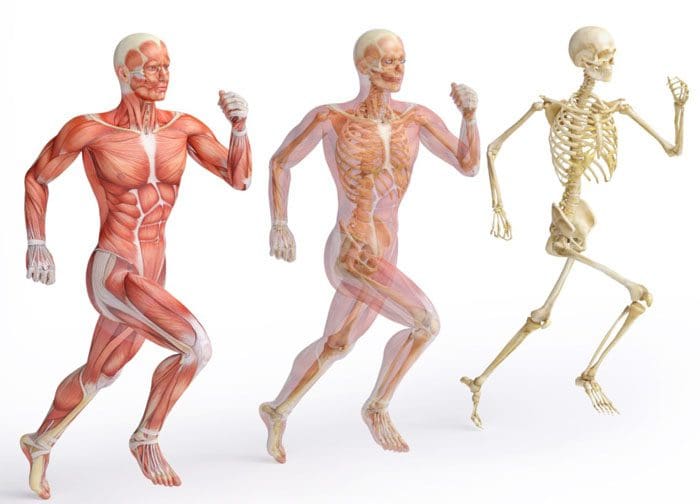
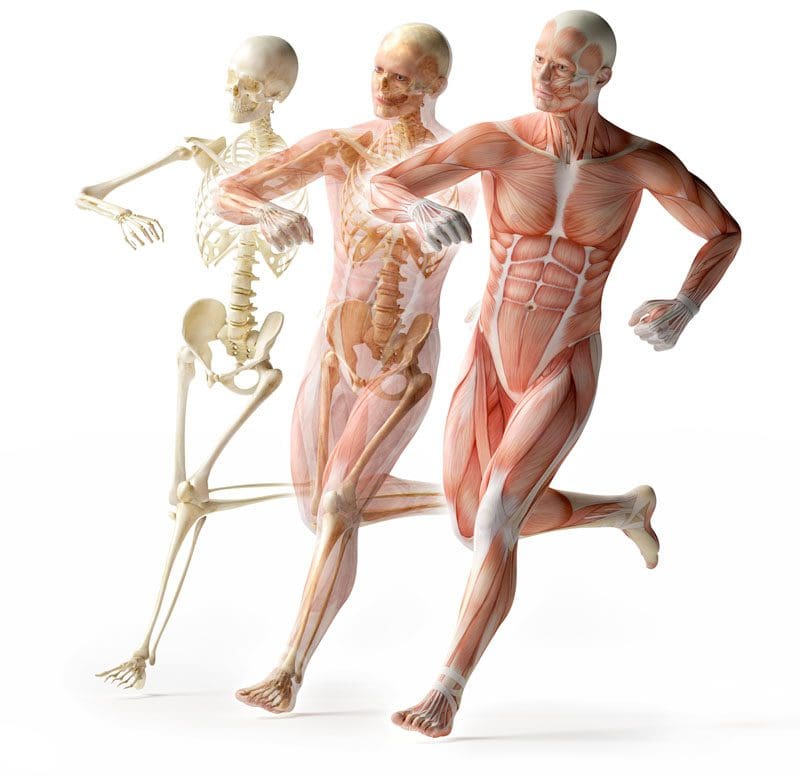
Maintaining the body’s musculoskeletal system and keeping it strong can be done through chiropractic and by managing general overall health. This system includes the:
Bones
Muscles
Tendons
Ligaments
Soft tissues
These all work together to support the body’s weight and allow for movement.Injuries, disease, and aging can cause stiffness, pain, and other issues with mobility, function that can lead to various conditions and/or disease.
The musculoskeletal system
The skeleton provides the framework for the muscles and other soft tissues. Working together, they support the body’s weight, help to maintain proper posture and the ability for movement. Various disorders and conditions can lead to problems with the musculoskeletal system. This includes:
Focusing on overall health and maintaining it will keep the system in top form. This is done by:
Eating a healthy balanced diet
Maintaining a healthy weight
Regular physical activity/exercise
Chiropractic support will take the body to optimal health levels.
How does the system work?
The nervous system is the body’s central command center. It controls voluntary muscle movements. Voluntary muscles are controlled intentionally. Large muscle groups are utilized to do activities like lifting a large object. Smaller groups are used for movements, like pressing a button. Movement/motion occurs when:
The nervous system which includes the brain and nerves, transmits a signal to activate the skeletal/voluntary muscles.
The muscle fibers contract/tense in response to the signal.
When the muscle activates, it pulls on the tendon.
Tendons attach muscles to bones.
The tendon pulls the bone, generating movement.
For the muscle to relax, the nervous system sends another signal.
This signal triggers the muscle/s to relax/deactivate.
The relaxed muscle releases tension
The bone is moved to a resting position.
System Parts
The musculoskeletal system functions to help stand, sit, walk, run and move in general. The adult body has 206 bones and more than 600 muscles. These are connected by ligaments, tendons, and soft tissues. The parts of the system are:
Bones
Bones support the body, protect organs and tissues, store calcium, fat and produce blood cells.
A bone’s outside shell encapsulates a spongy center.
Bones provide structure and form to the body.
They work with the muscles, tendons, ligaments, and other connective tissues to help with movement.
Cartilage
This is a type of connective tissue.
Cartilage provides cushion to the bones inside the joints, along the spine, and ribcage.
It is firm and rubbery.
It protects bones from rubbing against each other.
It is also found in the nose, ears, pelvis, and lungs.
Joints
Bones come together and form joints.
Some have a large range of motion, for example, the ball-and-socket shoulder joint.
Others, like the knee, allow bones to move back and forth but do not rotate.
Muscles
Every muscle is made of thousands of fibers.
The muscles allow the body to move, sit upright, and remain still.
Some muscles help with running, dancing, and lifting.
Others are for writing, fastening something, talking, and swallowing.
Ligaments
Ligaments are made of tough collagen fibers
They connect the bones and provide stability to the joints.
Tendons
Tendons connect the muscles to the bones.
They are made of fibrous tissue and collagen
They are tough but not as stretchable.
Conditions and disorders
Various conditions can cause problems with the musculoskeletal system. They can affect the way an individual moves. The most common causes of inflammation, pain, and mobility issues are:
Aging
With the natural aging process, bones lose density.
Less-dense bones can lead to osteoporosis and bone fractures/broken bones.
As the body ages, muscles lose their mass, and cartilage starts to wear down.
This can lead to pain, stiffness, and decreased range of motion.
After an injury, an individual might not heal as quickly.
Arthritis
Pain, inflammation, and joint stiffness are the result of arthritis.
Older individuals are more likely to develop osteoarthritis. This is from the cartilage inside the joints breaking down. However, the condition can affect individuals of all ages.
Other types of arthritis also cause pain and inflammation. This includes:
Rheumatoid arthritis
Ankylosing spondylitis
Gout
Back problems
Back pain and muscle spasms can result from muscle strains or injuries, for example, a herniated disc.
Some conditions like spinal stenosis and scoliosis can cause structural problems in the back.
This can lead to pain and limited mobility.
Cancer
Different types of cancer affect the musculoskeletal system, for example, bone cancer.
Congenital abnormalities can affect the body’s structure, function, and appearance. For example, clubfoot is a common musculoskeletal condition that babies can be born with. It causes stiffness and reduces the range of motion.
Disease
A wide range of diseases can affect bones, muscles, and connective tissues functionality.
For example, osteonecrosiscauses the bones to deteriorate and the cells to die.
Other disorders, like fibrous dysplasia and brittle bone disease, cause the bones to fracture/break easily.
All types of injuries can affect bones, muscles, cartilage, and connective tissues.
Injuries can occur from repetitive overuse. Examples include:
Carpal tunnel syndrome, Bursitis, and Tendinitis
Sprains
Muscle tears
Broken bones
Injuries to the tendons, ligaments and other soft tissues can lead to chronic conditions.
Maintaining musculoskeletal health
Recommended ways of maintaining a healthy musculoskeletal system are to keep the bones and muscles healthy by getting:
Regular physical activity and exercise
This includes weight-bearing exercises combined with cardiovascular activities. Strengthening the muscles will support the joints and protect/prevent damage.
Proper sleep
This is so the bones and muscles can recover and rebuild.
Maintain a healthy weight
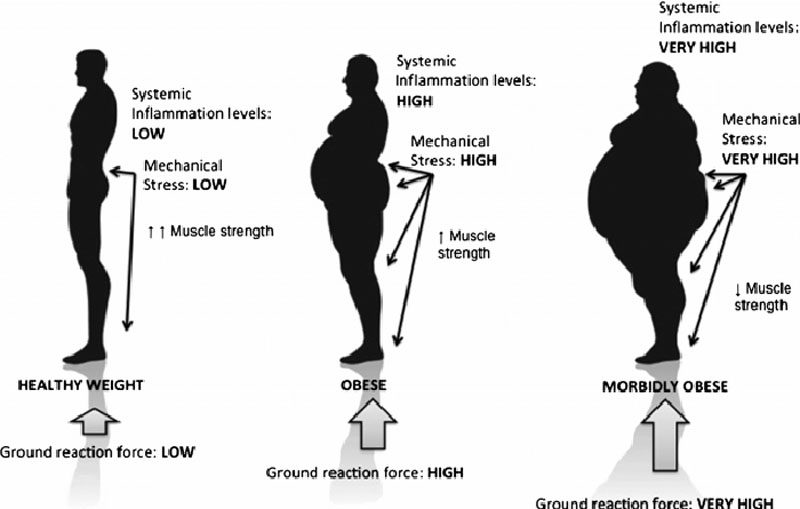
Added weight places pressure on the bones and joints.
This causes various health problems.
If there is added weight, it is recommended to consult a health coach and nutritionist about a personalized weight-loss plan.
They can help make healthy food choices that will make for strong bones and include anti-inflammation foods.
Quit tobacco use
Smoking decreases blood flow in the body.
The bones, muscles, and soft tissues need proper blood circulation to maintain health.
Regular chiropractic adjustments
Adjustments will help maintain the body’s balance and alignment.
This, along with recommended stretches and exercises, will take the body to optimal health.
Healthy Body Composition
Bodyweight Squat
This is one of the best strength exercises for building general functional low body strength. The muscle groups that get worked include the:
Quadriceps
Hamstrings
Glutes
Deep abdominals
Hip abductors
Hip rotators
Squats work almost every muscle in the legs. This also builds core strength to help with everyday movements like pushing, pulling, and lifting. There is no need to load added weight on the back to benefit from this exercise. Using the body’s weight is a perfect workout. This can be done with several variations once strength is built up. The objective is to focus on strict form for maximum effectiveness.
The feet should be shoulder-width apart.
Bend at the hips
Don’t let the knees go past the toes.
Lower the body until the thighs are parallel to the floor
References
American Chiropractic Association. Back Pain Facts and Statistics. Accessed 1/5/2021.
Centers for Disease Control and Prevention. Arthritis. Accessed 1/5/2021.
Centers for Disease Control and Prevention. Arthritis-Related Statistics. Accessed 1/5/2021.
Centers for Disease Control and Prevention. Work-Related Musculoskeletal Disorders & Ergonomics. Accessed 1/5/2021.
Merck Manuals. Effects of Aging on the Musculoskeletal System. Accessed 1/5/2021.
National Institute of Arthritis and Musculoskeletal and Skin Diseases. Healthy Muscles Matter. Accessed 1/5/2021.
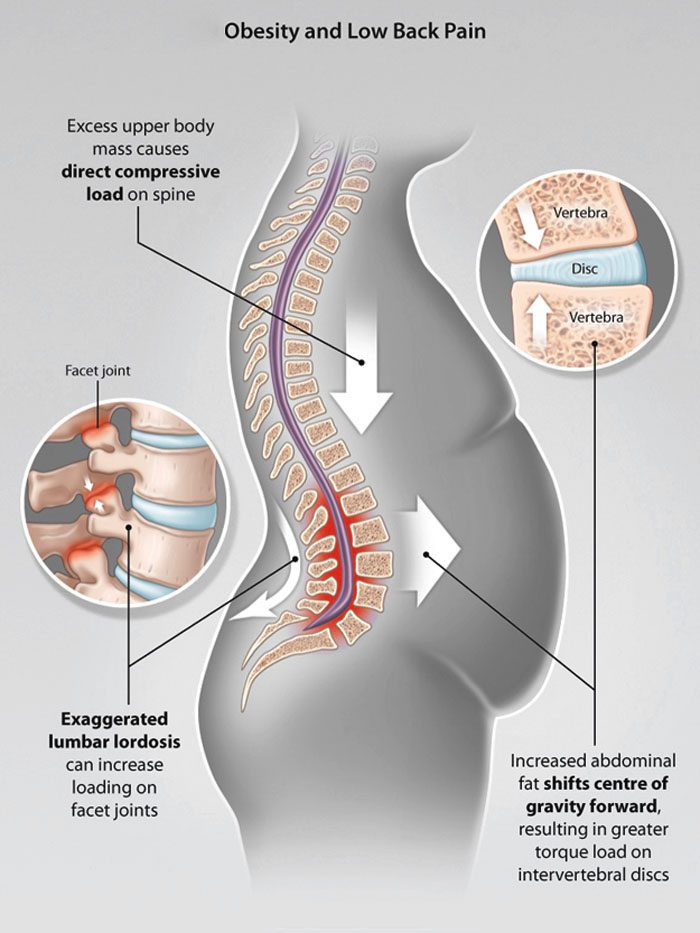
Belly fat is a gateway to back pain/spinal issues that can lead to various health problems. The bulging belly population has grown a bit since the beginning of the COVID-19 pandemic. 37% of individuals have gained weight since it began, according to a global Ipsos survey. If back pain is presenting and there is excess weight around the abdomen known as abdominal obesity, this could be a contributing factor.
Belly fat and posture
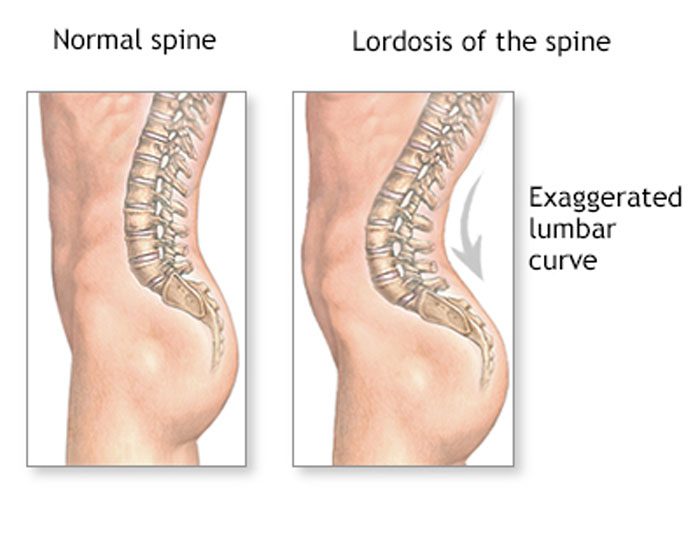
When the natural curves of the spine are normal, the core is stable and well-supported. Excessive weight, including a large abdomen, shifts these curves out of correct alignment. Excessive abdominal fat has been associated with lordosis, which is an excessive inward curve of the spine toward the lower back. One study found that severely obese individuals had pain and changes in posture. This was especially visible in the spine, knees, and feet.
Front-loading shift
The back pain felt from a bulging belly can be caused by a shift in posture and body mechanics. Studies show these can have a negative impact on back pain and body positioning. All or most of the weight is placed on the lower back.
Overloaded discs
Abdominal obesity can damage/injure the discs/shock absorbers of the spine. This leads to:
And a bulging belly can flatten the height of the intervertebral discs.
Fat pollutants in the blood
Fat can accumulate and secrete toxins that contribute to swelling and inflammation that can be painful. Over time, these toxins wear down components of the skeletal system.A study found potential links between obesity and degenerative disc disease. Scientists found a connection in obese men, but not obese women. This is believed to be because men tend to store fat in their bellies, and women tend to store fat in the buttocks and thighs.
Damage to the musculoskeletal system
The bones constantly renew themselves, but when there is excess body fat it can interfere with the process. This has the potential to turn into osteoporosis over time. Studies associate visceral fat with lower bone mineral density, and an increase in the risk of fractures.
Ankylosing spondylitis treatment and fat interference
Ankylosing spondylitis is an inflammatory disease that causes chronic back pain and can cause the vertebrae to fuse. The back can be extremely stiff, and the condition can lead to a permanently hunched posture. There are medications to improve symptoms and slow the disease. However, being overweight reduces the drugs’ effectiveness. This is because belly fat can cause medication absorption problems.
Rare spinal condition linked to obesity
Obesity along with a high Body Mass Index increases the risk of a rare condition called spinal epidural lipomatosis or SEL. This is an overgrowth of body fat in the spinal canal. Spinal epidural lipomatosis can cause various types of back pain. This is why it is recommended to have a doctor examine and evaluate any aches or pains.
Body Composition
Kombucha beneficial for gut bacteria
Kombucha contains a wide variety of bacteria and fungi that helps ferment the sugar in kombucha drinks. It is able to affect the existing microbes in the gut by inhibiting the growth of various gut-dwelling pathogens. These include:
It is a probiotic drink made from fermenting green or black tea
It is made up of healthy bacteria that produce acetic acid that is beneficial for blood sugar, insulin levels, and body composition
It helps the body process food by lowering insulin levels after a meal
It contains polyphenols that reduce oxidative stress, to help fight disease risks
It destroys unhealthy bacteria in the gut
It helps increase healthy bacteria
Kombucha can be thought of as a natural antibiotic. However, it does not come with the weight-gain side effect. Improving the health of the gut through fermented foods like kombucha help reduce the risk for weight gain/obesity, as well as restore gut health for those trying to lose weight by creating a healthy gut environment.
Disclaimer
The information herein is not intended to replace a one-on-one relationship with a qualified health care professional, licensed physician, and is not medical advice. We encourage you to make your own health care decisions based on your research and partnership with a qualified health care professional. Our information scope is limited to chiropractic, musculoskeletal, physical medicines, wellness, sensitive health issues, functional medicine articles, topics, and discussions. We provide and present clinical collaboration with specialists from a wide array of disciplines. Each specialist is governed by their professional scope of practice and their jurisdiction of licensure. We use functional health & wellness protocols to treat and support care for the musculoskeletal system’s injuries or disorders. Our videos, posts, topics, subjects, and insights cover clinical matters, issues, and topics that relate to and support, directly or indirectly, our clinical scope of practice.* Our office has made a reasonable attempt to provide supportive citations and has identified the relevant research study or studies supporting our posts. We provide copies of supporting research studies available to regulatory boards and the public upon request. We understand that we cover matters that require an additional explanation of how it may assist in a particular care plan or treatment protocol; therefore, to further discuss the subject matter above, please feel free to ask Dr. Alex Jimenez or contact us at 915-850-0900.
Dr. Alex Jimenez DC, MSACP, CCST, IFMCP, CIFM, CTG* email: [email protected] phone: 915-850-0900 Licensed in Texas & New Mexico
Sciatica is a very common and painful issue. Keeping it in check can be difficult especially with various causes that can generate flare-ups. Individuals managing sciatica need to pay attention and be vigilant of the negative activities/movements that could cause symptoms to reappear. A few common causes include:
Excessively tight-fitting pants
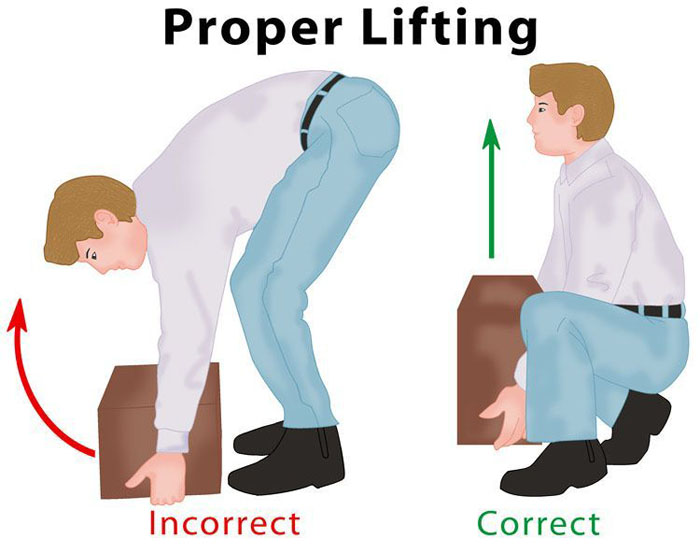
Improperly lifting heavy objects
Poor posture
Weight gain
Not stretching out
Wearing the wrong shoes
Knowing what not to do is just as effective for helping sciatica flare-ups as knowing what is best.
Sciatica Causes
The sciatic nerve is the longest nerve. It comes out the spine through the pelvis, down the leg to the foot. There is one sciatic nerve on each side of the body, and either can become irritated, injured, and inflamed. However, it�s rare that both are irritated at the same time. The underlying causes can vary. Most of the time the cause is a herniated disc that presses against the nerve, causing the pain. Even though this happens in the lower back, an individual might only feel pain in the buttocks and the back of the leg. Other causes of sciatic nerve pain include:
What makes sciatica worse depends on the underlying cause. For most, this is a herniated or bulging disc that presses against the nerve. With this type of case, any increase in pressure on the discs can worsen the symptoms. Sitting down in fact puts more pressure on the spinal discs, worsening the pain. Lying down can also worsen symptoms. When the pain is peaking, lying down for a little while can help, but for too long can worsen symptoms. Standing with a neutral spine, and walking around a bit, can help with nerve pain relief and the healing process.
Improper/Poor Posture
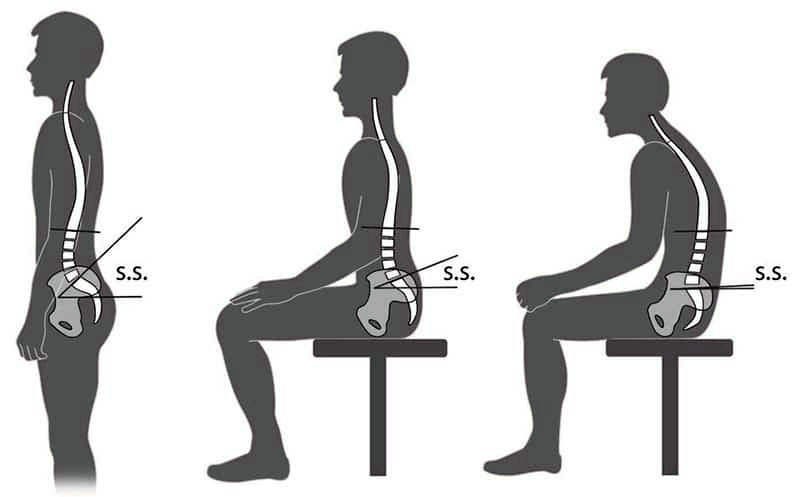
Poor posture, especially the rounding of the lower back. This usually happens when sitting. The rounded low back becomes a bad habit that individuals think will help with the pain. This can cause a flare-up. The spine has a natural S-curve and the more an individual can maintain that natural curve, the better off they will be.
Weight Gain
Too much weight can cause flare-ups with added stress/pressure on the spine, especially the low back. Maintaining a healthy weight will help relieve the added pressure, however, many who experience sciatica have trouble exercising. This is where a physical therapist and chiropractor can assist an individual with customized exercise and diet programs to overcome this obstacle. Eating is a way that individuals deal with pain, anxiety, and depression. But weight gain and poor health can worsen sciatica. Individuals that are overweight tend to experience more inflammation throughout the body, making sciatica even worse.
Stretching
Not stretching, especially as the body gets older tightens the muscles, ligaments, and tendons. And stretching improperly can injure these areas. There are recommended and non-recommended stretches for individuals dealing/managing sciatica. Stretches that require bending the low back can place added pressure on the lumbar spine, causing sciatica flare-ups.
Lifting Heavy Things
Lifting and improperly lifting heavy objects can worsen sciatica. This has to do with the rounding of the low back. Any time the spine is taken out of its natural S-curve, there is undue pressure on the joints and discs. When lifting heavy objects in this position the problem is worsened. When possible avoid lifting anything heavy while dealing with sciatica. It�s healthy to stay active, but there is no need to do intense workouts at home or the gym, especially heavy lifting.
Tight Pants
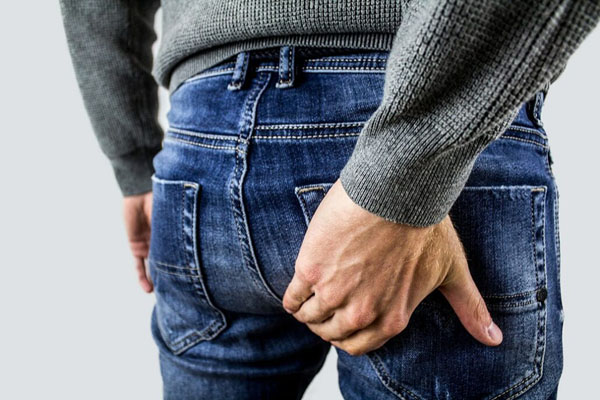
Tight pants can contribute to sciatica. Whether shorts, jeans, or skirts, wearing overly-tight, form-fitting pants should be avoided until the sciatica is gone. And even after it is not recommended to wear overly tight-fitting clothing, as this can cause blood and nerve circulation problems.
Shoes
Like tight pants, the wrong shoes without adequate support can cause flare-ups. For example, high heels force weight distribution to the front of the feet. For the body to compensate, it�s normal to push the pelvis and hips forward. When the body is in this position for a long time it starts to place stress on the hamstrings, which will exacerbate sciatica. Shoes without adequate support place added stress on the feet, which gets transferred up the leg to the hamstrings. Customized shoe inserts designed especially for individuals with sciatica can help in preventing symptoms.
Improvement
Sciatica takes time to heal. Avoiding making it worse and taking all the steps to help it heal, can bring the body back to normal within 2 weeks. For most, it takes around 4 weeks for the pain to go away. This depends on various factors. For example, if sciatica develops during pregnancy, it could take longer to get rid of the pain. One sign that shows improvement is called centralization meaning the pain is moving out of the leg and into the spine. This is a good sign that the individual is on the right track.
Body Composition
Meal Planning
The convenience of food delivery is wonderful, but remember that frequently eating food prepared away from home increases the risk of weight gain and obesity. Restaurants tend to serve oversized portions and prepare meals with excessive calories, sodium, and sugar. The benefit of eating from home is that individuals have more control over the ingredients and cooking methods used to prepare the food. It helps to plan meals and snacks in advance to make sure they are balanced. Here are the types of foods that should be included in a balanced meal plan:
A variety of whole fruits
Non-starchy vegetables – leafy greens, red and orange veggies
Starchy vegetables – potatoes, green peas, legumes, winter squash
Grains, with the goal to make at least � from whole-grain sources
Low-fat or fat-free dairy milk, yogurt, cheese
Protein from various sources – lean meats, seafood, eggs, nuts & seeds, and soy products
Healthy cooking oils – olive oil or canola oil
Nuts and nut butter
Fresh or frozen fruits
Dried herbs and spices
Dr. Alex Jimenez�s Blog Post Disclaimer
The scope of our information is limited to chiropractic, musculoskeletal, physical medicines, wellness, and sensitive health issues and/or functional medicine articles, topics, and discussions. We use functional health & wellness protocols to treat and support care for injuries or disorders of the musculoskeletal system. Our posts, topics, subjects, and insights cover clinical matters, issues, and topics that relate and support directly or indirectly our clinical scope of practice.*
Our office has made a reasonable attempt to provide supportive citations and has identified the relevant research study or studies supporting our posts. We also make copies of supporting research studies available to the board and or the public upon request. We understand that we cover matters that require an additional explanation as to how it may assist in a particular care plan or treatment protocol; therefore, to further discuss the subject matter above, please feel free to ask Dr. Alex Jimenez or contact us at 915-850-0900. The provider(s) Licensed in Texas& New Mexico*
References
Sciatica. MedlinePlus. https://medlineplus.gov/sciatica.html. Accessed November 29, 2018.
Sciatica Sciatic Nerve Pain During Pregnancy. babyMed. https://www.babymed.com/pregnancy/sciatica-pain-during-pregnancy. Updated on August 29, 2018. Accessed November 29, 2018.
Shiel WC. Degenerative Disc Disease and Sciatica. MedicineNet. https://www.medicinenet.com/degenerative_disc/article.htm#what_are_the_symptoms_of_radiculopathy_and_sciatica. Last reviewed August 10, 2018. Accessed November 29, 2018.
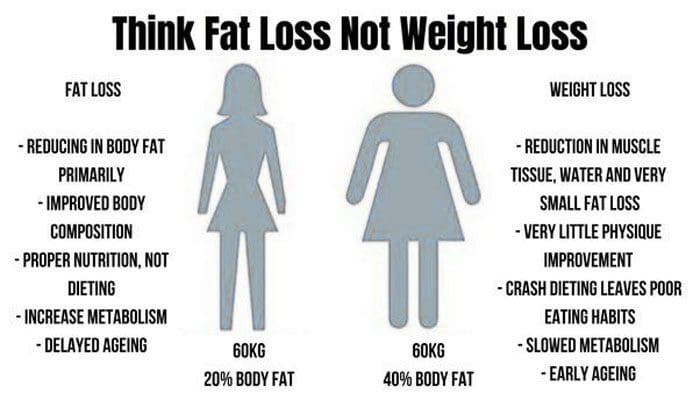
Understanding the difference between weight loss and fat loss will help promote a healthy change and improve an individual’s wellbeing. Fat loss can be a part of losing weight. However, individuals lose more than just fat. Fat loss is the goal for most individuals, so taking a deliberate, focused approach will generate the best results. Here we discuss how individuals can optimize for fat loss.
Understanding The Difference
Weight loss is the overall reduction in body weight
Fat loss is a reduction in body fat
When losing weight, the body is not just losing body fat, and changes are being made to each component of body composition. This includes:
Body fat
Lean Body Mass
Body Water
This is also true for weight gain. An individual cannot control how much is lost but can influence what is lost.
Weight Loss
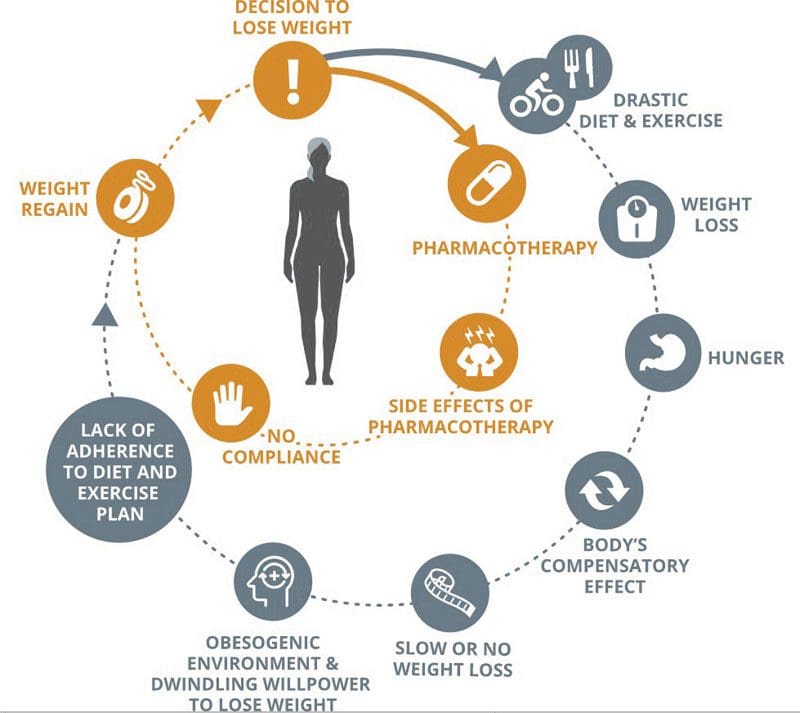
Hundreds of diet and exercise programs can help achieve fat loss, some better than others. The ones that tend to work better focus on the same thing: reducing energy intake from food/diet while increasing energy output through exercise and regular physical activity. This forces the body to compensate for the missing energy by breaking down the body’s tissues, including fat and muscle. As an individual loses weight, they will also lose some muscle in the form of Lean Body Mass in addition to body fat.
Fat Loss
Body fat is a combination of essential fat and storage fat. Storage fat is adipose tissue that has accumulated for reserved energy. This type of fat changes with diet modification and regular exercise. Too much storage fat can negatively impact physical and mental wellbeing, so this should be the focus for better health.
Focus on fat loss and not weight loss
There is a clear association between obesity and chronic disease. Focusing on weight loss can lead to unintended consequences like eating disorders. This is why focusing on weight loss, and healthy body composition is critical. This is the recommended approach because it encourages the individual to move more and eat healthily.
Understanding health benefits of losing fat
Body fat percentage works better as a gauge of health than weight.
Weight is composed of lean body mass, body fat, and water, so any changes in these areas can lead to weight gain and not just fat loss. Excess body fat, specifically storage fat, has a close association with chronic diseases like:
Type 2 Diabetes
Hypertension
Heart Disease
Various Cancers
The key is understanding that a healthy body fat percentage will help reduce the risk of these diseases and improve mental health and overall health.
Different ways to measure fat loss
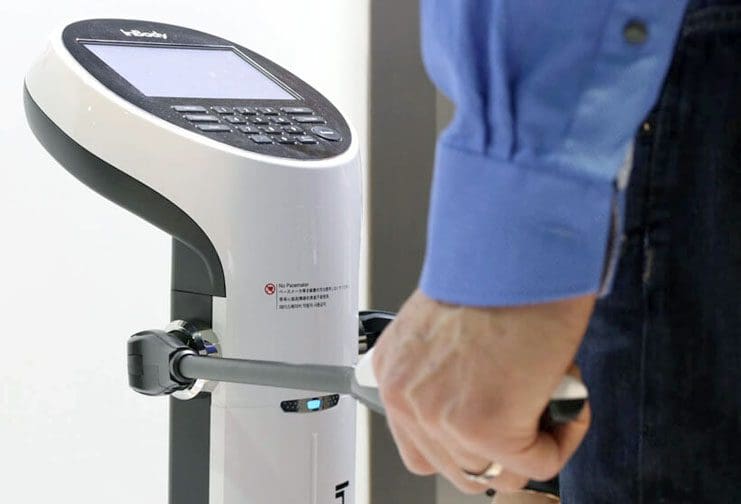
Tracking body fat loss means having body composition tracked and monitored. There are devices and methods for determining body composition, including:
For genuinely accurate results, get tested by a highly skilled professional who uses medical-grade tools for assessment. Cheap plastic calipers and at-home scales don’t tend to be the best options.
Metabolism changes with weight loss
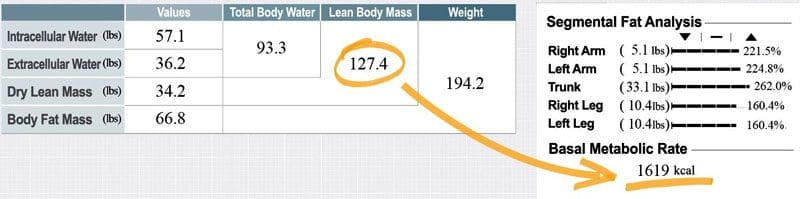
When losing weight, there is more loss than fat. One loss can be Lean Body Mass, which is critical because the amount of Lean Body Mass has directly influenced Basal Metabolic Rate or the body’s metabolism. The Basal Metabolic Rate (BMR) is the number of calories the body naturally burns when resting. When focusing on weight loss and not making changes to minimize lean body mass loss, the individual decrease the size of their metabolism. However, if an individual continues with the same eating habits, this could be a setup for weight regain.
Weight loss can slow down metabolism.
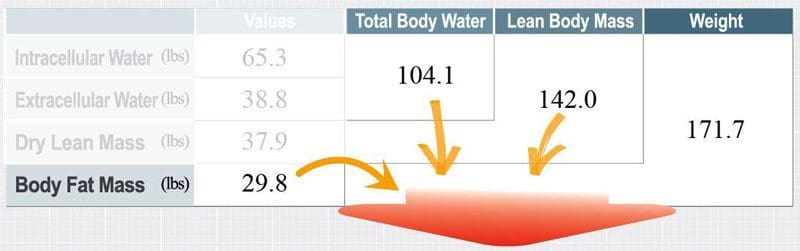
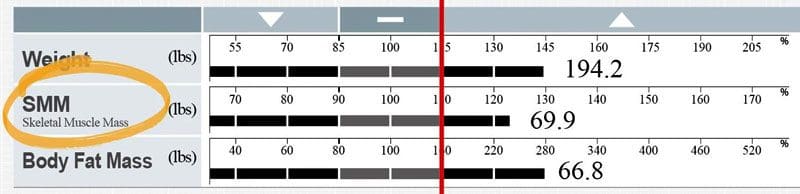
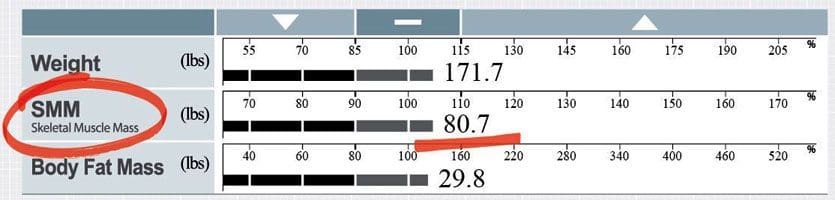
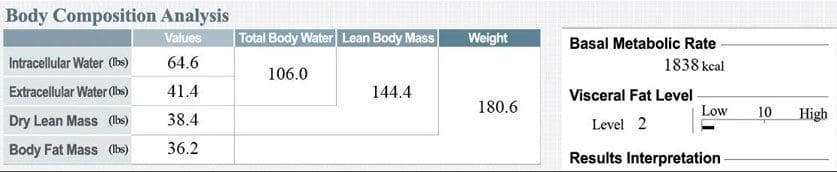
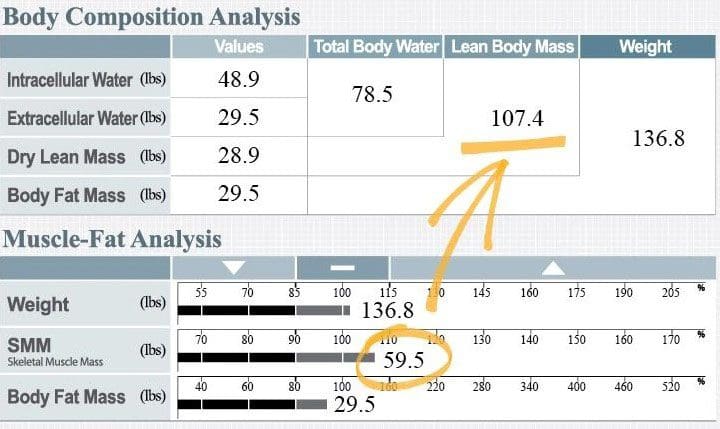
Here is an example of a typical set of body composition results of someone who would be clinically diagnosed as obese.
Along with weight and body fat mass measurements, the individual naturally developed muscles by carrying their body weight. This means that individuals that are obese also have relatively large metabolisms. Dramatic changes to Lean Body Mass and metabolism are not ideal, especially when the goal is maintaining a healthy body weight.
The weight and body fat bars on the above chart are significantly over average, and the Skeletal Muscle Mass bar. This is common for individuals that are obese. Individuals that are obese have developed this muscle by carrying a large amount of weight. Large amounts of muscle begin to build to move the heavy body. This is why it is essential to come up with a focused/customized approach for gaining strength, losing fat, and body recomposition, rather than just weight loss.
Stopping weight regain
Focusing on body composition, developing muscle, and Lean Body Mass is crucial. With weight loss, there will be some Lean Body Mass loss. This means a low metabolism and non-regulated eating habits can lead to regaining weight. With no development of Lean Body Mass and skeletal muscle to help grow the metabolism, there is an increased chance of weight retrieval. Along with continued changing eating habits after an individual reaches their target weight.
Building muscle, losing fat for healthy body composition
The main areas to focus on to change body composition, overall health, and wellbeing.
Focus on body composition, not on weight loss
Instead, track changes in body composition. This means optimizing programs for fat loss while minimizing Lean Body Mass loss. Weight loss will occur, but proper nutrition and strength training can reduce Lean Body Mass loss.
Develop new eating habits
An important step is understanding how to improve eating habits by choosing a diet plan that will be enjoyable. When optimizing for fat loss, it will take longer than weight loss. Effective dietary strategies go for half to one pound of fat loss per week. This is a manageable and sustainable goal that will not cause adverse effects on metabolism. Slow and steady is the better option and will lead to long-term changes.
Start strength training to increase metabolism.
Strength training/weight lifting is a great way to increase metabolism. Increased muscle benefits range from:
High ability to recover from disease/s
Reducing insulin resistance
Keeps the body mobile
Helps combat obesity by increasing BMR and metabolism
Body composition in the long-term
Fat loss is more important than weight loss and will lead to long-term changes. Understanding that working out smarter and finding out body composition numbers will promote getting fit while keeping the fat off. It will take longer than expected, but dropping 30 pounds in less than a year and then regaining it all back is counterproductive.Take the time to make minor, impactful adjustments that will lead to a lifetime of optimal health.
InBody
Dr. Alex Jimenez’s Blog Post Disclaimer
The scope of our information is limited to chiropractic, musculoskeletal, physical medicines, wellness, and sensitive health issues and/or functional medicine articles, topics, and discussions. We use public health & wellness protocols to treat and support care for injuries or disorders of the musculoskeletal system. Our posts, topics, subjects, and insights cover clinical matters, issues, and topics that relate to and support directly or indirectly our clinical scope of practice.*
Our office has reasonably attempted to provide supportive citations and identified the relevant research study or studies supporting our posts. We also make copies of supporting research studies available to the board and or the public upon request. We understand that we cover matters that require an additional explanation as to how it may assist in a particular care plan or treatment protocol; therefore, to further discuss the subject matter above, please feel free to ask Dr. Alex Jimenez or contact us at 915-850-0900. The provider(s) Licensed in Texas& New Mexico*
References
Hall, Kevin D et al. Calorie for Calorie, Dietary Fat Restriction Results in More Body Fat Loss than Carbohydrate Restriction in People with Obesity. Cell metabolism vol. 22,3 (2015): 427-36. doi:10.1016/j.cmet.2015.07.021
Merlotti, C et al. Subcutaneous fat loss is more significant than visceral fat loss with diet and exercise, weight-loss promoting drugs and bariatric surgery: a critical review and meta-analysis. International journal of obesity (2005) vol. 41,5 (2017): 672-682. doi:10.1038/ijo.2017.31
Tobias, Deirdre K et al. Effect of low-fat diet interventions versus other diet interventions on long-term weight change in adults: a systematic review and meta-analysis. The Lancet. Diabetes & endocrinology vol. 3,12 (2015): 968-79. doi:10.1016/S2213-8587(15)00367-8
The human body is a complex system, that requires consistent development in all areas. When it comes to weight loss being too strict can cause the body to rebel. Examples are individuals that have lost weight, then put it right back on, or get stuck in a plateau. The objective is to step off the weight loss rollercoaster and embrace weight-loss strategies that work. Here, we explore a few evidence-based weight loss strategies that focus on long-lasting success.
Improve insulin sensitivity
When consuming carbohydrates, it is broken down into sugar.
The body needs a certain amount of sugar to function. However, it is a narrow safety range. If the level gets too high for too long, cellular damage happens. The role of insulin is to guide the excess sugar/glucose into the cells. However, more individuals are experiencing high blood insulin levels, called hyperinsulinemia. Possible symptoms can include:
Sugar cravings
Unusual weight gain
Frequent hunger
Excessive hunger
Unable to concentrate
Anxiety or feelings of panic
Lack of focus
Extreme fatigue
Insulin rises because the blood sugar does. It�s dangerous to let glucose levels stay elevated, which is why more insulin gets produced to bring the blood sugar down. Given enough time constant hyperinsulinemia can result in a condition called insulin resistance, where the cells become resistant to the effects of insulin and are less effective.
Insulin sensitivity and weight loss
A high level of insulin in the blood can trigger weight gain and make losing it difficult. Results of high insulin:
Stress and stress eating could be contributing to an expanding waistline. Examples could be eating a favorite meal while barely being conscious of the process or the inability to resist a chocolate bar after a long, distressing day. Research published in the Journal of Health Psychology found that stress-related eating has a preference for calorie-dense and highly tasty foods. And when stress levels rise, food cravings rise, triggering fat gain.
Reducing stress
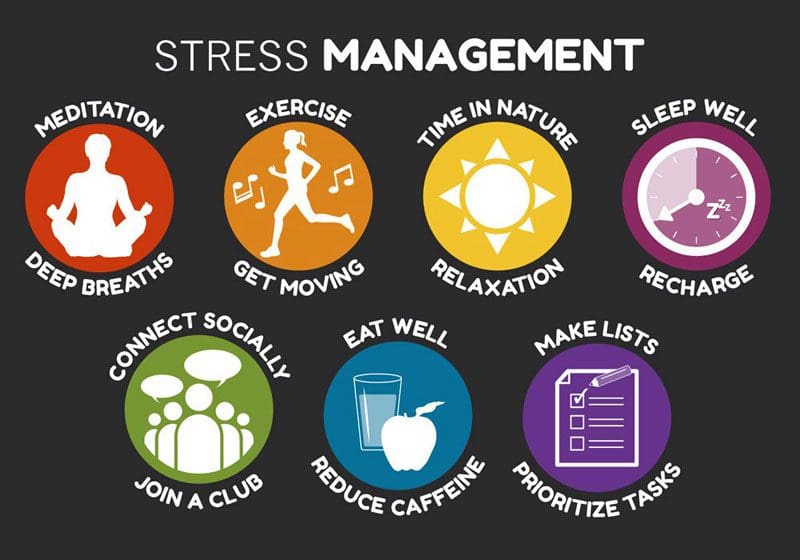
There are a variety of techniques that can help the mind and body relax turning off the stress response. Here are some science-based favorites:
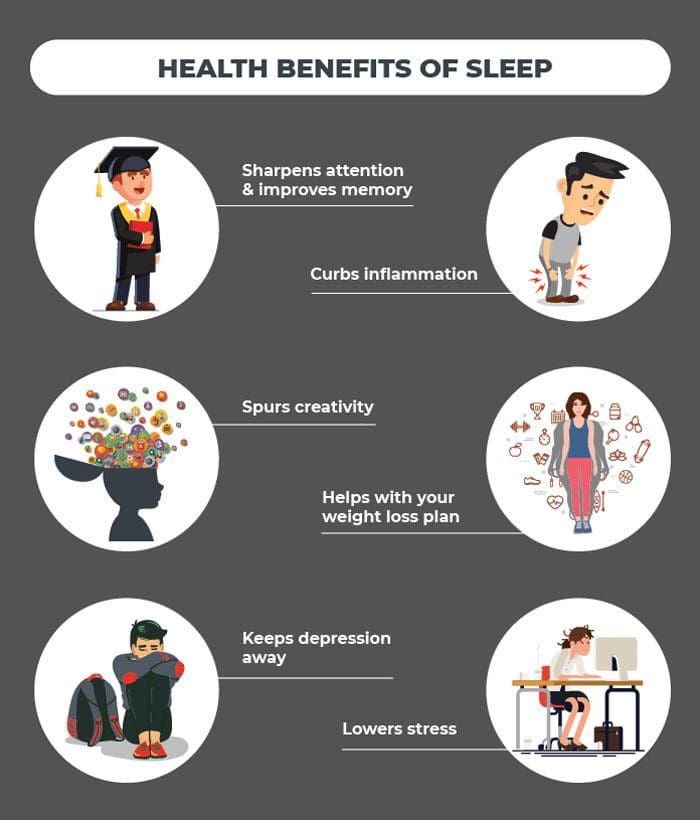
Proper sleep means sound sleep eight hours each night. Many individuals have convinced themselves that five or six hours is enough. Unfortunately, research shows otherwise. In a study published in PLOS Medicine, researchers studied the effects of short sleep duration on hormones that lessen or increase hunger, and on body mass index or BMI. They found the participants with short sleep had reduced leptin and elevated ghrelin which increases appetite and can contribute to weight gain.
Improving sleep quality
Developing a healthy sleep routine
Have the same sleep and waking time
Time to wind down
Meditate a little before sleep
Take a warm bath 90 minutes before bed
Avoid blue light at least 90 minutes before going to sleep
Limit caffeine intake as it can negatively affect sleep even when taken six hours before sleep
Avoid/limit alcohol in the evenings
Regular physical activity can help release stress and tension, tiring the body out so sleep comes naturally
30 to 40-minute endurance sessions a week are plenty. However, for some individuals, exercising too close to bedtime can have the opposite effect. Therefore, take note of whether this would be a problem.
High-Intensity Interval Training
There are a variety of approaches to exercising. But there is one evidence-based approach that has been proven to:
An increased amount of muscle increases the basal metabolic rate or BMR. This increases the body’s ability to burn fat and lose weight. A loss of lean body mass lowers resting energy expenditure and increases fatigue and injury risk. For individuals trying to lose weight the metabolic decline triggered by a loss of lean body mass can cause regaining the fat previously lost. What this means is that when muscle mass drops so does metabolism along with the ability to keep the weight off.
When muscle mass increases the body can easily burn fat, making it possible to achieve and maintain a healthy weight. It�s important to remember that as the body’s muscle mass increases the body needs more energy to nourish and support this new tissue. This means that higher calories are allowed, as not having enough calories becomes counterproductive. Muscle mass increase can be achieved by:
A healthy diet will help build muscle
Strength and resistance training
Taking protein supplements
Weight loss strategies takeaway
With the right approaches, permanent weight loss is possible. Instead of deprivation, focus on science-backed approaches that work:
This will make sticking to the weight loss strategies easier and will contribute to a happy, healthy life.
Body Composition
Dr. Alex Jimenez�s Blog Post Disclaimer
The scope of our information is limited to chiropractic, musculoskeletal, physical medicines, wellness, and sensitive health issues and/or functional medicine articles, topics, and discussions. We use functional health & wellness protocols to treat and support care for injuries or disorders of the musculoskeletal system. Our posts, topics, subjects, and insights cover clinical matters, issues, and topics that relate and support directly or indirectly our clinical scope of practice.*
Our office has made a reasonable attempt to provide supportive citations and has identified the relevant research study or studies supporting our posts. We also make copies of supporting research studies available to the board and or the public upon request. We understand that we cover matters that require an additional explanation as to how it may assist in a particular care plan or treatment protocol; therefore, to further discuss the subject matter above, please feel free to ask Dr. Alex Jimenez or contact us at 915-850-0900. The provider(s) Licensed in Texas& New Mexico*
References
Chao, Ariana et al. �Food cravings mediate the relationship between chronic stress and body mass index.��Journal of health psychology�vol. 20,6 (2015): 721-9. doi:10.1177/1359105315573448
Taheri, Shahrad et al. �Short sleep duration is associated with reduced leptin, elevated ghrelin, and increased body mass index.��PLoS medicine�vol. 1,3 (2004): e62. doi:10.1371/journal.pmed.0010062
The world of health and fitness has evolved with all kinds of technical jargon and terminology that can require a guide to get a handle on things. It can become confusing and terms like Lean Body Mass and Lean muscle can get mixed up. Body composition analysis allows an individual to understand their body in a much clearer way with insight into the body’s health. Here we break down this technical terminology to get a basic understanding of how it is relevant to the body’s health. Think of this as a combination glossary, and action guide. �
�
Guide to Basic Body Composition
Percent Body Fat Body/Fat Percentage
Percent Body Fat is a reflection of how much of the body’s weight is made up of fat.
It is calculated by dividing the weight of body fat mass by total weight.
It helps to track progress whether trying to lose weight or gain muscle.
�
Takeaway
This percentage can be applied to set percent body fat ranges.
The healthy ranges are around 10-20% percent body fat for men and 18-28% for women.
�
Lean Body Mass/Fat-Free Mass Guide
Lean Body Mass is sometimes used interchangeably with Fat-Free Mass.
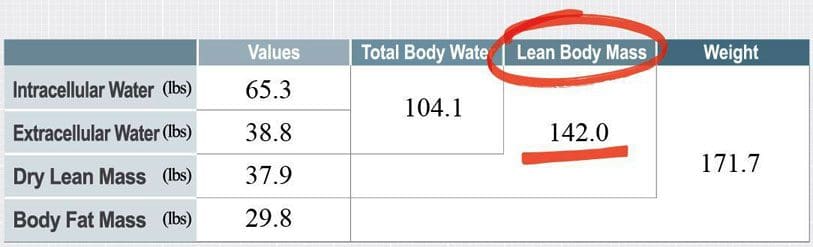
Lean Body Mass is the weight of everything in the body that is not fat.
This includes muscles, organs, bones, and body water.
Lean Body Mass plus Body Fat Mass make up entire body weight.
If the Lean Body Mass value is in pounds subtract this number from total body weight to get an approximation of Body Fat Mass.
Divide this number by body weight, results are percent body fat.
Lean Body Mass is closely related to the total number of calories the body needs every day.
The Lean Body Massforms the core of the body’s metabolism, and this number can be used to help determine unique dietary needs.
No more basing nutrition off the 2,000-calorie diet. This is a poor one-size-fits-all approach to food intake.
�
Skeletal Muscle Mass Guide
Skeletal muscle is one of four major muscle typesand governs all the movements that are consciously controlled. Everything from texting to deadlifting a barbell.
It is the muscle group that grows/builds when exercising.
Increased Skeletal Muscle Mass translates into increased strength.
When trying to build up the body and grow in size, this is the value to track and watch increase over time.
�
However, muscle is not just for strength.
Muscle is made up primarily of protein and can act as protein storage.
When the body is under severe stress like a traumatic injury, the recovery process is triggered and needs added protein, up to four times the amount.
When the body is not able to get the proper amount of protein from a normal diet, the body begins to get what it needs from the protein storage/muscles.
�
Basal Metabolic Rate/BMR
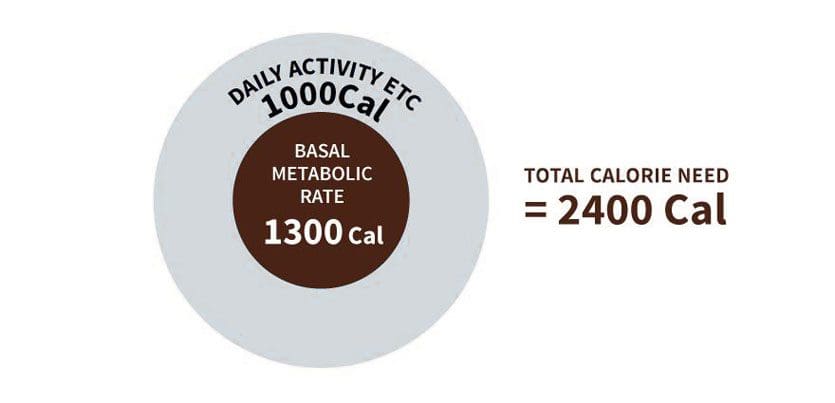
The Basal Metabolic Rate, or BMR, is the number of calories that the body needs to maintain Lean Body Mass. It is a significant component of overall metabolism.
An individual with more Lean Body Mass will have a higher Basal Metabolic Rate.
This is the reason why a 250-pound athlete needs to eat more than a 150-pound sedentary adult. Because the athlete has more Lean Body Mass.
�
BMR can help make a healthy diet plan designed for fat loss or muscle gain by helping understand how much energy/calories from food the body needs.
Using the TDEE as a baseline an individual can develop a nutritional plan based on body composition goals.
�
Body Water Guide
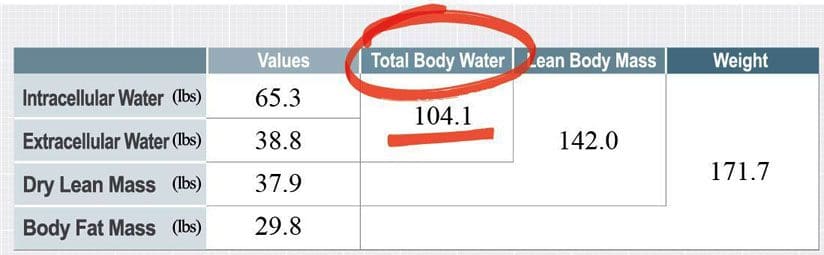
Body Water includes all the water in the body. This means everything from:
The water in the blood
Water in the organs
The water inside the bones
Body water can be subdivided into two types:
Intracellular
Extracellular
Intracellular means inside the cells and includes the water in the organs, muscles, composing 2/3 of total body water.
The remaining 1/3 is extracellular outside the cells and includes the water in the blood.
�
Takeaway
When the body is generally healthy it maintains a healthy balance of intracellular to extracellular water with a ratio of around 3:2.
When the balance becomes unbalanced or falls apart water monitoring becomes important.
For example, individuals with severe health problems, like kidney ailments/failure, are unable to rid the body of extracellular water. This causes a buildup of water and requires removal through procedures like dialysis.
�
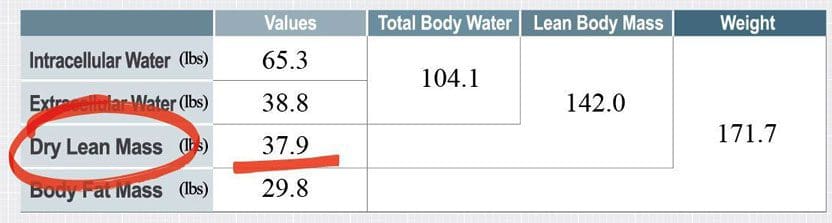
Dry Lean Mass
Lean Body Mass includes everything that�s not body fat and includes body water.
When all the water has been taken out what remains is known as Dry Lean Mass.
�
Lean Body Mass – Body Water = Dry Lean Mass
This amounts to the protein content of the muscles and the mineral content of the bones.
Most Dry Lean Mass will be found in these areas.
�
Takeaway
Water monitoring can help track real, physical changes in the body.
Lean Body Mass contains body water, and body water levels can be influenced by different factors like a recent workout or being low on carbohydrates.
Changes in body water are considered technical changes in Lean Body Mass.
When building muscle, the body is actually building new physical protein stores and reflects in Dry Lean Mass.
An increase in Lean Body Mass can signal muscle growth, or not.
However, an increase in Dry Lean Mass is a more favorable indicator that there is muscle growth.
�
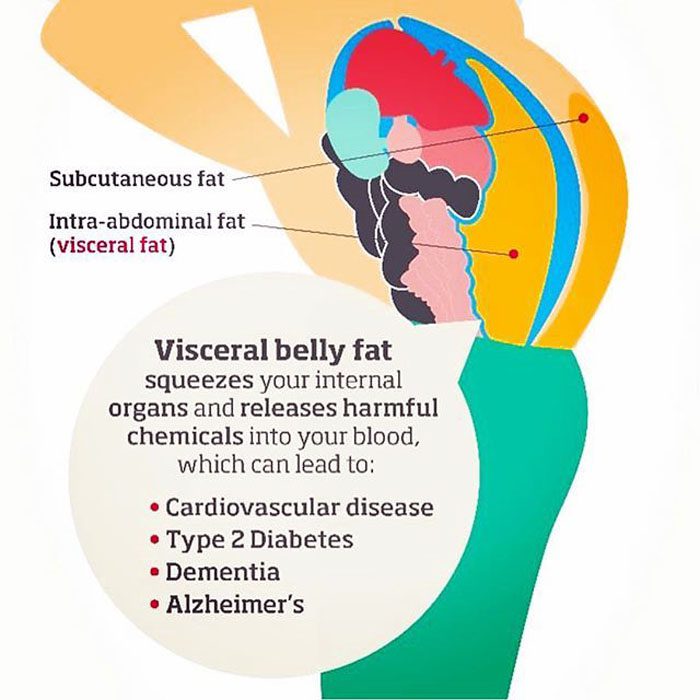
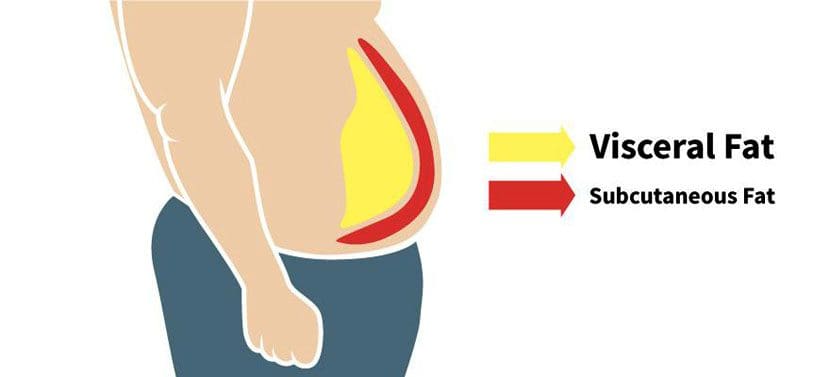
Visceral Fat
Two major categories of body fat.
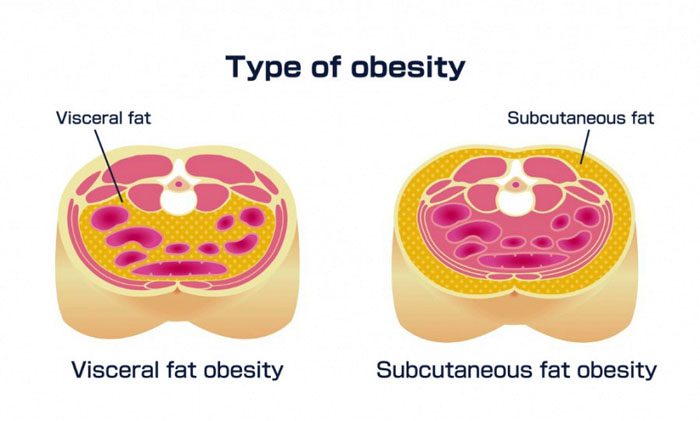
Subcutaneous fat is the fat under the skin and is the type that can be seen.
The second type is called visceral fat.
This fat collects inside the abdomen and wraps around the internal organs.
�
Takeaway
Just because it cannot be seen does not mean it is not there.
If it is there it is something definitely worth knowing about.
This is because visceral fat is not just extra pounds but an active organ that secretes harmful hormones into the body that triggers never-ending inflammation.
The more visceral fat, the greater risk of inflammation.
Inflammation over time places added stress on the heart that can lead to cardiovascular problems.
�
Get Tested Today
Hopefully, this guide has clarified some of the common body composition terminology. This is a basic overview designed to provide essential information about body composition and how it applies. A general understanding can help in making healthy lifestyle choices, like deciding to lose weight or dietary adjustments.
Body Health
Dr. Alex Jimenez�s Blog Post Disclaimer
The scope of our information is limited to chiropractic, musculoskeletal, physical medicines, wellness, and sensitive health issues and/or functional medicine articles, topics, and discussions. We use functional health & wellness protocols to treat and support care for injuries or disorders of the musculoskeletal system. Our posts, topics, subjects, and insights cover clinical matters, issues, and topics that relate and support directly or indirectly our clinical scope of practice.*
Our office has made a reasonable attempt to provide supportive citations and has identified the relevant research study or studies supporting our posts. We also make copies of supporting research studies available to the board and or the public upon request. We understand that we cover matters that require an additional explanation as to how it may assist in a particular care plan or treatment protocol; therefore, to further discuss the subject matter above, please feel free to ask Dr. Alex Jimenez or contact us at 915-850-0900. The provider(s) Licensed in Texas& New Mexico*
References
Westerterp, Klaas R. �Exercise, energy balance, and body composition.� European journal of clinical nutrition�vol. 72,9 (2018): 1246-1250. doi:10.1038/s41430-018-0180-4
Borga, Magnus et al. �Advanced body composition assessment: from body mass index to body composition profiling.��Journal of investigative medicine: the official publication of the American Federation for Clinical Research�vol. 66,5 (2018): 1-9. doi:10.1136/jim-2018-000722
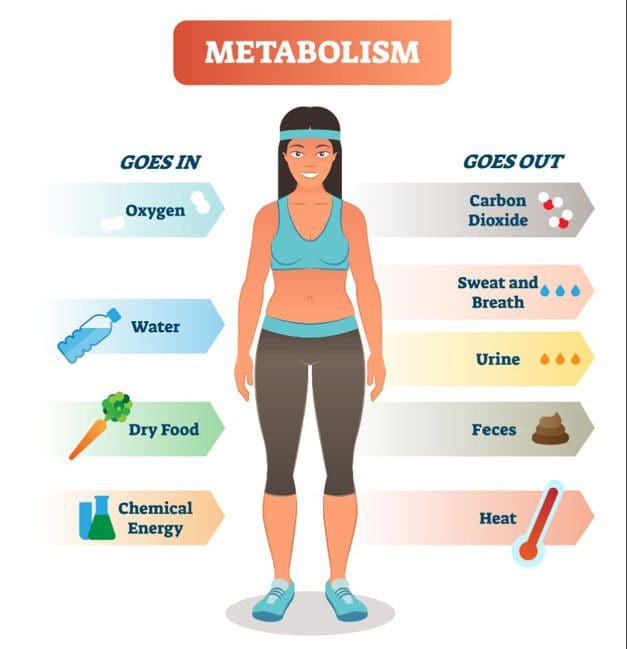
The body’s metabolism along with body composition go hand in hand. The higher the metabolism the faster the body burns calories. The slower the metabolism the longer it takes and leads to fat storage as well as other issues, which include:
Metabolism is linked with weight gain and loss because it is a biological process involved with energy and calories. The process of the body converting food and drink into energy. The process involves the calories in food and drinks that get combined with oxygen to release energy that the body needs to operate.
Body Composition Linked To Body’s Metabolism
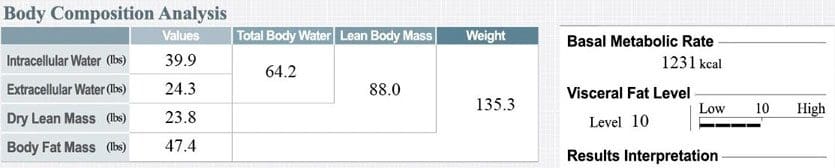
Metabolism varies for every individual. Here are two body composition profiles.
Individual A
Individual B
Individual A has a much smaller Basal Metabolic Rate than Individual B. This means individual B needs more calories than individual A to provide the body with the proper energy to function without losing weight. Because the Basal Metabolic Rate is bigger, the metabolism is bigger. The most important factor playing into Basal Metabolic Rate is the amount of Lean Body Mass every individual has.
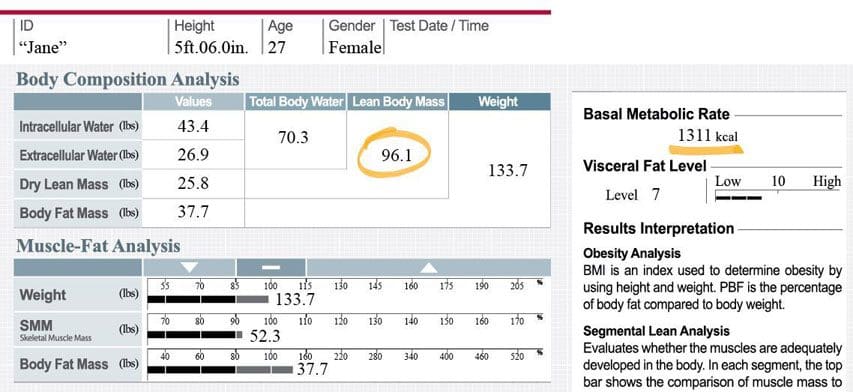
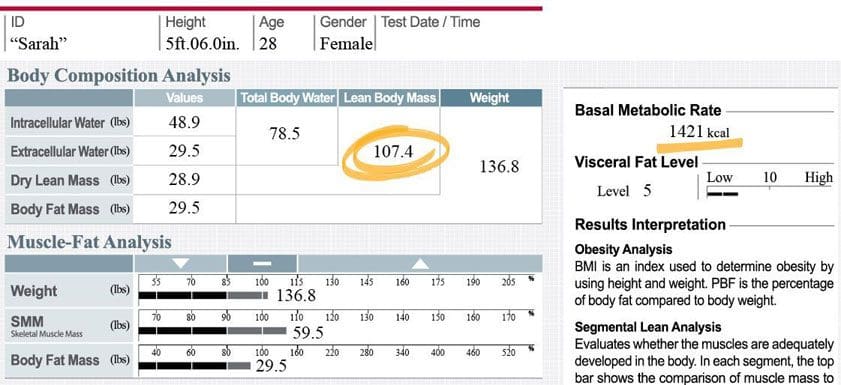
The more Lean Body Mass the greater the Basal Metabolic Rate will be. Strength training for muscle gain will increase lean body mass and is recommended to increase metabolism. For example: Take a look at Jane and Sarah, two individuals who are similar in age, height, weight, and gender.
Jane
Sarah
Despite being similar in age, height, weight, and gender, these two individuals have very different body compositions, as well as have different Basal Metabolic Rates.
Metabolism and Weight Gain
Take a deeper look at slow metabolism. It is not about being fast or slow but weight gain is almost always the result of caloric imbalance that goes on over a period of time. Two major factors are:
An individual’s energy level and how active they are
The thermic effect of food or the energy the body uses when digesting food
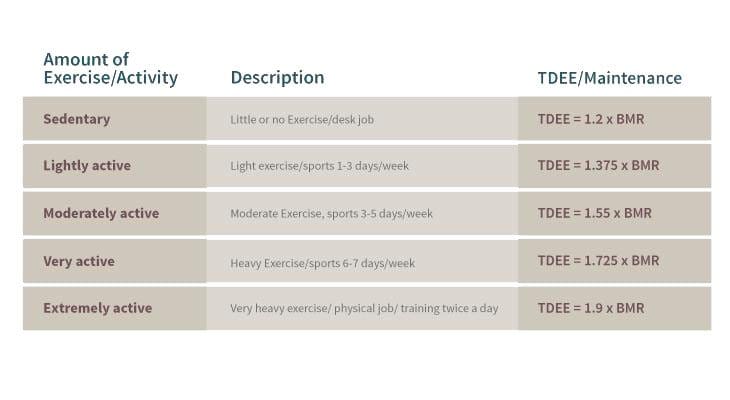
To take a closer look into the body’s metabolism and weight gain, take the two individuals above, Jane and Sarah, and see what could happen in real treatment development that includes diet and exercise. First, the TDEE for Jane and Sarah needs to be estimated, using their BMRs as a guide. Based on their compositions, it’s fair to assume that Jane is involved in less physical activity/exercise than Sarah. So an activity level of sedentary for Jane will be assigned and light activity will be assigned for Sarah.
Using these numbers and multiplying them by the appropriate activity factor, Jane�s TDEE can be estimated to be 1573 calories and Sarah�s 1953 calories, a difference of 380 calories. When activity levels are factored in, the difference in actual caloric needs gets magnified. This is an estimate of the calories Jane and Sarah will need to burn in a day. The nutritionist and/or health coach place both of them on a diet of 1,800 calories a day. This is the estimated calorie intake recommended by the USDA for sedentary women between 26-30 years of age.
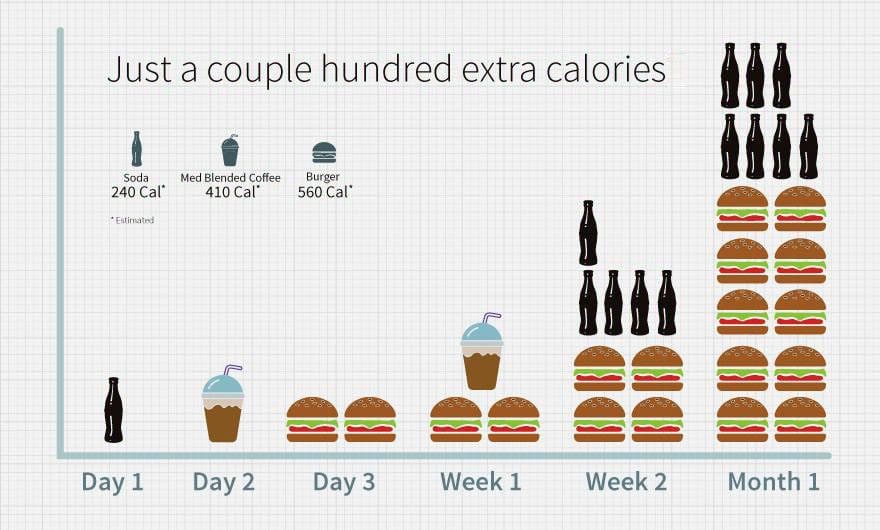
Let’s say they both follow the diet perfectly without any extra, high-calorie snacks/treats. Jane will end each day with a surplus of 227 calories, while Sarah ends each day with a slight calorie deficit of 153 calories a day. When in a calorie surplus taking more calories and living a sedentary lifestyle, weight gain, specifically, fat storage will be experienced. 227 extra calories a day doesn’t seem like a lot, but that is a single soda. However, over time, 227 calories a day becomes 1,589 extra calories a week and 7,037 extra calories a month, which is around 2 pounds of fat gain every month.
So despite the same height, gender, similar weight, and similar ages, the difference between Jane and Sarah is their body compositions. Jane will experience weight gain over time while Sarah might experience some weight loss because of the calorie deficit, even though the diets are the same. This is because each individual’s caloric needs are different and may seem small at first, but increases to significant differences over time.
Making The Body’s Metabolism Work
With the correct exercise and dietary plan, an individual can make their metabolism work for them. Because the body needs more energy to support itself when it has more Lean Body Mass, working to increase Lean Body Mass will increase Basal Metabolic Rate. Avoiding a decrease in metabolism can be done by maintaining the Lean Body Mass that is already present and also means maintaining Skeletal Muscle Mass. Skeletal Muscle Mass is not the same as Lean Body Mass but is the overall largest contributor. It is the muscles that will grow and develop through exercise.
Skeletal Muscle Mass is effectively developed through strength training, resistance exercise, and a healthy diet. This will help maintain Skeletal Muscle Mass. This is especially important as the body ages. Activity levels tend to drop and a healthy diet can become harder to maintain as responsibilities increase. Poor nutrition can lead to loss of Lean Body Mass over time, which leads to a decrease in overall metabolism. Balancing diet and metabolism. The example of Jane shows a well-intentioned dietary plan that does not match the metabolism of the person practicing it.
Even though Jane was told that 1,800 calories are right for her based on age and gender, her metabolism does not require that calorie intake. This will cause weight gain despite any efforts to eat a healthy diet. This is where a health coach and nutritionist come in. The first step is to get the information needed to get the answers by getting an accurate body composition analysis.
InBody Composition
Dr. Alex Jimenez�s Blog Post Disclaimer
The scope of our information is limited to chiropractic, musculoskeletal, physical medicines, wellness, and sensitive health issues and/or functional medicine articles, topics, and discussions. We use functional health & wellness protocols to treat and support care for injuries or disorders of the musculoskeletal system. Our posts, topics, subjects, and insights cover clinical matters, issues, and topics that relate and support directly or indirectly our clinical scope of practice.*
Our office has made a reasonable attempt to provide supportive citations and has identified the relevant research study or studies supporting our posts. We also make copies of supporting research studies available to the board and or the public upon request. We understand that we cover matters that require an additional explanation as to how it may assist in a particular care plan or treatment protocol; therefore, to further discuss the subject matter above, please feel free to ask Dr. Alex Jimenez or contact us at 915-850-0900. The provider(s) Licensed in Texas& New Mexico*
References
Westerterp, Klaas R. �Exercise, energy balance, and body composition.��European journal of clinical nutrition�vol. 72,9 (2018): 1246-1250. doi:10.1038/s41430-018-0180-4
Mazzoccoli, Gianluigi. �Body composition: Where and when.��European journal of radiology�vol. 85,8 (2016): 1456-60. doi:10.1016/j.ejrad.2015.10.020
IFM's Find A Practitioner tool is the largest referral network in Functional Medicine, created to help patients locate Functional Medicine practitioners anywhere in the world. IFM Certified Practitioners are listed first in the search results, given their extensive education in Functional Medicine