Can individuals add sparkling water to their diet to help lower blood sugar and aid with weight loss?
Sparkling Water
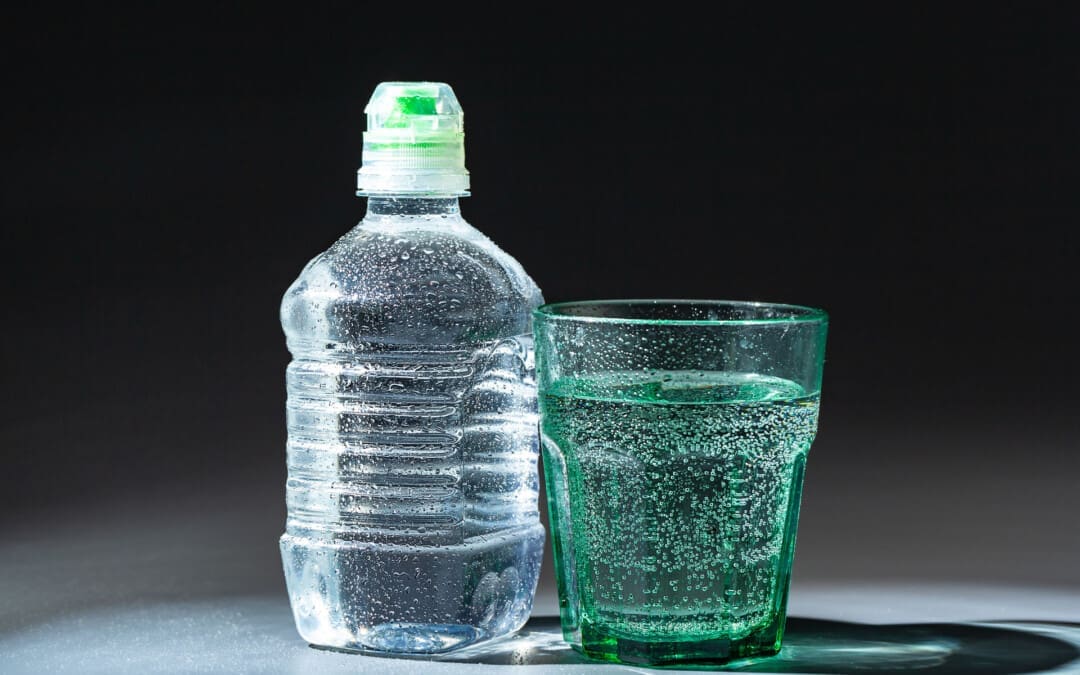
Sparkling water is generally considered a healthy drink with health benefits. It is refreshing, increases hydration, improves digestion, and may even help with weight loss (Takahashi A. 2025) (University of Chicago Medicine, 2023). This is nothing new. A previous study suggested that carbonated water makes the body feel full. The carbonation in sparkling water can trick the stomach into feeling fuller, potentially reducing overall calorie intake by curbing snacking between meals, which could prevent overeating and weight gain. (Wakisaka S. et al., 2012) However, a new report suggests carbonated water may help with weight loss by enhancing glucose/sugar uptake and metabolism. (Takahashi A. 2025) But further research is needed.
Lower Blood Sugar Levels
The report compared the effects of carbonated water to hemodialysis, a treatment that filters blood for individuals with kidney failure. (Takahashi A. 2025) Hemodialysis turns the blood alkaline, enhancing glucose absorption and metabolism. (EurekAlert, 2025)
Researchers assume that the carbon dioxide (CO2) absorbed after drinking sparkling water and the CO2 supplied during hemodialysis behave similarly. Carbonated water may consume glucose in the blood near the stomach, temporarily lowering blood sugar levels. However, the researchers suggested that follow-up continuous glucose monitoring (CGM) studies to measure blood sugar levels before and after drinking carbonated water would be necessary to validate the effect.
This does not mean that after drinking sparkling water, there will be major changes to an individual’s weight. Something metabolically is probably happening, but it’s still barely being discovered. The impact of CO2 in carbonated water is not a standalone solution for weight loss. (Takahashi A. 2025)
Adding To A Diet
If sparkling water can help manage blood glucose, it could also affect how the body stores fat. Over time, high blood sugar levels can overwhelm the body, and excess sugar becomes stored as body fat instead of being stored properly for energy use, causing weight gain. (Centers for Disease Control and Prevention, 2024) But for the most part, according to the research, the carbon dioxide in sparkling water may help to prevent this by stimulating glycolysis, or the process the body uses to break down glucose for energy and keep blood sugar levels low. (National Cancer Institute, N.D) (Takahashi A. 2025) Further research is needed to confirm and understand how sparkling water can proficiently and effectively work for weight loss.
Carbonated water alone is unlikely to contribute to significant weight loss. However, sparkling water can be a useful tool for weight loss as part of a healthy lifestyle (Takahashi A. 2025). A balanced diet and regular exercise are still essential for effective weight management.
Weight Gain
Some researchers have questioned whether sparkling water can lead to weight gain. A study on rats and humans found a link between drinking carbonated water and increased levels of the hunger-stimulating hormone ghrelin. (Eweis D. S., Abed F., & Stiban J. 2017) This could lead to increased appetite and higher calorie consumption, but more research is needed, as sleep, physical activity levels and hydration also impact hormones.
Individuals interested in including carbonated water in a balanced diet should check the labels for the caloric content, added sugars, and sugar alcohols, like xylitol or erythritol, which can cause gas or bloating. It is ideal if the label says water and carbonation; the fewer ingredients, the better.
Injury Medical Chiropractic and Functional Medicine Clinic
Injury Medical Chiropractic and Functional Medicine Clinic works with primary healthcare providers and specialists to build optimal health and wellness solutions. We focus on what works for you to relieve pain, restore function, prevent injury, and help mitigate issues through adjustments that help the body realign itself. They can also work with other medical professionals to integrate a treatment plan to resolve musculoskeletal problems.
Chiropractic Care and Metabolism: The Hidden Link
References
Takahashi A. (2025). Can carbonated water support weight loss? BMJ Nutr Prev Health. https://doi.org/10.1136/bmjnph-2024-001108
University of Chicago Medicine. (2023). Is sparkling water good for you? What about hard seltzer? https://www.uchicagomedicine.org/forefront/health-and-wellness-articles/is-carbonated-water-good-for-you
Wakisaka, S., Nagai, H., Mura, E., Matsumoto, T., Moritani, T., & Nagai, N. (2012). The effects of carbonated water upon gastric and cardiac activities and fullness in healthy young women. Journal of nutritional science and vitaminology, 58(5), 333–338. https://doi.org/10.3177/jnsv.58.333
EurekAlert. (2025). Fizzy water might aid weight loss by boosting glucose uptake and metabolism. BMJ Nutrition Prevention & Health. https://doi.org/10.1136/bmjnph-2024-001108
Centers for Disease Control and Prevention. (2024). About insulin resistance and type 2 diabetes. Retrieved from https://www.cdc.gov/diabetes/about/insulin-resistance-type-2-diabetes.html
National Cancer Institute. (N.D.). Glycolysis. Retrieved from https://www.cancer.gov/publications/dictionaries/cancer-terms/def/glycolysis
Eweis, D. S., Abed, F., & Stiban, J. (2017). Carbon dioxide in carbonated beverages induces ghrelin release and increased food consumption in male rats: Implications on the onset of obesity. Obesity research & clinical practice, 11(5), 534–543. https://doi.org/10.1016/j.orcp.2017.02.001
Can Tabata training help burn more calories during and after workouts for individuals who do interval training?
Tabata Training
Also known as the Tabata Protocol, Tabata training can bring variety to workouts, burn more calories, and get more out of exercise time. This workout is a form of high-intensity interval training, or HIIT, designed to increase heart rate in the hard anaerobic zone for short periods. The intervals are short, the workouts are fast, and the body benefits. The recommendation is to add Tabata training once a week to see how the body responds.
Protocol Format
This HIIT workout is so effective because of the work-to-rest ratio. Individuals only get 10 seconds of rest between each 20-second session of exercise. That short interval is insufficient to recover fully, but it is great for building endurance and getting in shape. The format consists of:
Twenty seconds of a very high-intensity exercise – sprints, burpees, squat jumps, etc.
Tabata training can improve two of the body’s main energy systems. It targets the anaerobic energy system responsible for short, high-intensity exercises like sprints and the aerobic energy system for endurance exercises like long, slow running. In traditional interval training, moderate intensity and steady-state cardio target the aerobic system. Still, unless the individuals work way out of their comfort zone, they don’t necessarily improve the anaerobic system. (Astorino, T. A. et al., 2012) However, high-intensity interval training with a rest period shorter than the work period can target both systems, providing benefits for athletes and fitness enthusiasts. (Tabata, I. et al., 1996)
Safety Precautions
However, these workouts are not for everyone. Tabata training is advanced and best suited to athletes and experienced fitness enthusiasts. Beginners should start with lighter interval training and gradually work their way up to this level of intensity. Try 20 seconds on/10 seconds off with easier exercises like walking or low-impact moves like marching in place, step touches, or knee lifts.
Workout Tips
Individuals can do Tabata training with almost any activity or cardiovascular machine. This Tabata cardio workout includes a variety of bodyweight exercises that, if done at full intensity, will increase heart rate.
Warm-Up
Before trying this type of workout, ensure the body is thoroughly warmed up for at least 10 minutes.
Start Slow
Individuals new to this type of training start with 5 to 6 cycles of each exercise and increase rest to 20 or 30 seconds.
As the body gets used to the workout and builds stamina, gradually shorten the rest periods and increase the number of cycles.
Rest Between Sets
Individuals who do more than one Tabata set as many workouts call for rest for at least 60 seconds between sets.
Monitor Intensity Frequently
Intensity accumulates through each cycle, peaking at the end of the workout when muscles are tired, and form becomes sloppy, increasing the risk of injury.
Take Rest Days
The recommendation is that the workout be done no more than 1 to 2 times a week, with rest in between, to avoid overtraining and injury.
Listen to your body when doing any high-intensity exercise. High-intensity interval training is very taxing on the body, so it’s easy to overdo it if you’re not careful. If you feel too breathless, extend recovery times or take extra breaks. If you are in pain or discomfort, take a break, try different exercises, or stop for the day.
Injury Medical Chiropractic and Functional Medicine Clinic
Injury Medical Chiropractic and Functional Medicine Clinic treats patients’ injuries and chronic pain syndromes. We focus on improving ability through flexibility, mobility, and agility programs tailored to the individual. We use in-person and virtual health coaching and comprehensive care plans to ensure every patient’s personalized care and wellness outcomes. Our providers use an integrated approach to create customized care plans that include Functional Medicine, Acupuncture, Electro-Acupuncture, and Sports Medicine principles. Our goal is to relieve pain naturally by restoring health and function to the body. If he feels the individual needs other treatment, they will be referred to a clinic or physician best suited for them as Dr. Jimenez has teamed up with the top surgeons, clinical specialists, medical researchers, and premier rehabilitation providers to provide our community with the best clinical treatments.
Improving Athletic Performance Through Chiropractic
References
Emberts, T., Porcari, J., Dobers-Tein, S., Steffen, J., & Foster, C. (2013). Exercise intensity and energy expenditure of a tabata workout. Journal of sports science & medicine, 12(3), 612–613.
Tabata, I., Nishimura, K., Kouzaki, M., Hirai, Y., Ogita, F., Miyachi, M., & Yamamoto, K. (1996). Effects of moderate-intensity endurance and high-intensity intermittent training on anaerobic capacity and VO2max. Medicine and science in sports and exercise, 28(10), 1327–1330. https://doi.org/10.1097/00005768-199610000-00018
Astorino, T. A., Allen, R. P., Roberson, D. W., & Jurancich, M. (2012). Effect of high-intensity interval training on cardiovascular function, VO2max, and muscular force. Journal of strength and conditioning research, 26(1), 138–145. https://doi.org/10.1519/JSC.0b013e318218dd77
Replenishing electrolytes and maintaining hydration is essential for individuals who work out, fitness enthusiasts, and those who play recreational or serious sports and want to improve overall health. Can making a homemade sugar-free electrolyte drink help individuals achieve health goals faster?
Homemade Electrolyte Drink
Sports drinks can help replenish the body’s lost electrolytes. Individuals who follow a low-carb diet and exercise or who are on a low-carb diet and get sick need double the added electrolytes. There is evidence that electrolytes are very effective in regulating the body’s fluid balance, especially during and after exercise or illness, and for those on a strict low-carb diet. (Maughan R. J. 1991)
Why More Electrolytes Are Needed
On a low-carb diet, insulin levels drop, so the kidneys retain less sodium. As the body excretes water, important minerals, such as the electrolytes calcium, sodium, magnesium, chloride, and potassium, are also excreted from the body’s system. Therefore, it is important to replenish them to avoid negative symptoms like lightheadedness and dehydration—especially when exercising or ill. (Bostock E. C. S. et al., 2020)
Two tablespoons of lemon juice contain almost the same amount of potassium in an 8-ounce sports drink.
A pinch of salt supplies 110 milligrams of sodium, the same amount in 8 ounces of a sports drink.
Individuals can make a low-carb homemade electrolyte sports drink. Many sports drinks contain a lot of sugar and other additives. The science behind why many of these drinks contain sugar is that a quick hit of sugar provides glucose for replenishing energy stores. Most individuals benefit from having small amounts of carbohydrates during heavy exercise. However, those who want to avoid sugar might want a sugar-free option to replace fluids and electrolytes.
Basic Recipe
Homemade Electrolyte Drink Mix:
1 cup or 8 ounces of non-carbonated water
Two tablespoons of lemon juice
A small pinch of salt—a teaspoon contains 2,300 milligrams of sodium, but the body needs 1/20th of a teaspoon.
Flavoring and sweetener for taste are optional. Try unsweetened Kool-Aid, Crystal Light Drink Mix, or sugar-free flavored syrups.
If avoiding artificial sweeteners, Stevia could be an option.
Sports Drink Ingredients
What goes into most sports drinks and adapting to a low-carb diet?
Water
Water is a primary ingredient, as the goal is to hydrate the body.
Sugar
Sports drinks can contain a lot of sugar, but only about half the sugar of most commercial beverages. For example,
A 20-ounce bottle of Gatorade has about 34 grams of sugar.
A 20-ounce soda has about 69 grams of sugar.
Sports drinks have less sugar to prevent gastrointestinal cramping during exercise and strenuous physical activity. Although Gatorade contains less sugar than soda, depending on individual health goals, it may not be the best option. Studies of nutritional needs during exercise for those restricting carbohydrates are not extensive. However, it is known that when individuals cut carbs, their bodies switch from primarily using carbohydrates to using fat for energy. This change, known as keto-adaptation, can take two to three weeks. Native populations, like the Inuit, traditionally ate a very low-carbohydrate diet and could maintain vigorous endurance for a long time without ill effects. (Phinney S. D. 2004) This suggests that bodies adapt to using fat for energy during physical activity and exercise over time. However, cutting carbohydrates too much and too soon can lead to symptoms like the keto flu. (Harvard Medical School, 2018). Individuals may need to replace carbohydrates during training for longer, more vigorous workouts, such as running longer than an hour. In addition, what is eaten before and after exercise can also affect physical performance. Working with a registered dietitian, nutritionist, or health coach could be helpful to achieve specific fitness goals.
Electrolytes
Electrolytes are molecules of certain minerals that contain an electrical charge. The nervous system runs on those charges generated by manipulating molecules called ions. (Faber D. S. and Pereda A. E. 2018) Every body function that depends on the nervous system, which includes muscle movement, breathing, digestion, thinking, etc., requires electrolyte activity. Those who exercise strenuously for long periods, individuals who follow a low-carb diet, or those with illness may need extra salt and potassium. Sports drinks contain small amounts of sodium and potassium. A balanced diet will supply plenty of minerals for electrolyte needs for individuals engaged in moderate exercise.
Using an integrated approach to treat and prevent injuries and chronic pain syndromes, improve flexibility, mobility, and agility, and help individuals return to normal activities, Injury Medical Chiropractic and Functional Medicine Clinic works with primary healthcare providers and specialists to develop a personalized treatment, nutrition, and fitness programs. Each case is different and requires reviewing individual medical history and physical examination to determine the proper and most effective plan. Dr. Jimenez has teamed up with top trainers, clinical specialists, medical researchers, and rehabilitation providers to provide the most effective treatments and training.
Is Intermittent Fasting the Ultimate Weight Loss Hack?
References
Maughan R. J. (1991). Fluid and electrolyte loss and replacement in exercise. Journal of sports sciences, 9 Spec No, 117–142. https://doi.org/10.1080/02640419108729870
Bostock, E. C. S., Kirkby, K. C., Taylor, B. V., & Hawrelak, J. A. (2020). Consumer Reports of “Keto Flu” Associated With the Ketogenic Diet. Frontiers in nutrition, 7, 20. https://doi.org/10.3389/fnut.2020.00020
Phinney S. D. (2004). Ketogenic diets and physical performance. Nutrition & metabolism, 1(1), 2. https://doi.org/10.1186/1743-7075-1-2
Harvard Medical School, Harvard Health Publishing, Marcelo Campos, M., Contributor. (2018). What is keto flu? Harvard Health Blog. https://www.health.harvard.edu/blog/what-is-keto-flu-2018101815052
Faber, D. S., & Pereda, A. E. (2018). Two Forms of Electrical Transmission Between Neurons. Frontiers in molecular neuroscience, 11, 427. https://doi.org/10.3389/fnmol.2018.00427
Gelatin is a stabilizer and thickener used to make desserts like fruit gelatin, pudding, mousse, marshmallows, candy, cakes, ice cream, and certain yogurts. It is also used in some shampoos and skincare products. Because animal products are used to make gelatin, it is not a vegan-friendly food, and even some non-vegans choose not to eat it. However, there are gelatin alternatives that are made from non-animal sources. The use of gelatin may provide certain health benefits, and there are some medical uses for pharmaceutical-grade gelatin.
Gelatin Health
Gelatin is affirmed as generally recognized as safe/GRAS by the U.S. Food and Drug Administration. Gelatin is made by boiling the skin, tendons, ligaments, or bones of animals – cows or pigs in water. This process releases collagen, a protein that provides structure and is the most abundant in the human body. Once the collagen is extracted, it is:
Concentrated
Filtered
Cooled
Extruded
Dried
Alternatives
Thickening agents can be made from different ingredients. These include:
Agar-agar
Also called agar, this thickener is made from cooked and pressed seaweed.
This gelling agent is available online and in some supermarkets in powdered, flaked, and bar form.
When cooking with it, substitute agar for gelatin using equal amounts if using the powder.
If using flakes, a tablespoon equals about a teaspoon of the powder.
Certain citrus fruits require more agar when substituting.
Agar does not gel well for recipes that include uncooked mangoes, papaya, and pineapple.
Pectin
Pectin is a gelling agent found naturally in apples and citrus fruits.
Food manufacturers use pectin to make some yogurts and candies and enhance fruit-based beverages.
It can also thicken jams, jellies, and other foods.
This thickener is usually for making softer gels and puddings.
Benefits
Improved Bone Health
A benefit of gelatin is the protection of bones; however, evidence supporting its use is limited.
An early study found that hydrolyzed gelatin, such as pharmaceutical grade, may help reduce pain symptoms in individuals with knee or hip osteoarthritis.
Researchers thought that it could have a beneficial effect on cartilage metabolism.
A study found that adding gelatin to an intermittent exercise program improved collagen synthesis and could aid in injury prevention and tissue repair.
Treatment of Diarrhea
Some studies have suggested that gelatin tannate, which contains tannic acid, can reduce chronic diarrhea.
One study found that using gelatin tannate and other products like probiotics could be effective.
However, further research is needed.
Recipe Alternative
Individuals following specific diets or nutritional plans can use gelatin to thicken foods instead of ingredients that they are avoiding or removing from their eating plan.
It can be used by those following low or no – carb or grain-free diets.
Individuals with wheat allergies, celiac disease, non-celiac gluten sensitivity, or who follow a gluten-free diet can use gelatin or other thickeners instead of flour.
Adding flour to foods like soups and stews can increase the carbohydrate count.
Cornstarch is one replacement that thickens when food is heated, like flour; however, gelatin thickens when food is cooled.
For example, some chefs use 1 ½ teaspoons of gelatin per cup of stock to thicken soups.
Nutrition
The USDA provides the following nutrition information for a single envelope or around one tablespoon/7 grams of gelatin.
Carbohydrates
There are about 30 calories per tablespoon, and none of the calories are from carbohydrates.
There are 0 grams of total carbohydrates, 0 grams of sugar, and 0 grams of fiber.
Because there are no carbohydrates, it will not impact blood sugar levels.
However, it is not usually consumed by itself.
It is commonly used to thicken desserts with sugar and carbohydrates that can elevate blood sugar levels.
Fats
There is no fat in a tablespoon serving of gelatin.
A 100-gram serving contains less than a gram of fat.
Protein
Gelatin provides about 6 grams of protein in one tablespoon serving.
It should not be considered a high-protein food.
Vitamins and Minerals
The powder does not contribute any significant micronutrients.
Does not provide vitamins or minerals.
Storage and Safety
It should be kept in a sealed container and stored in a cool, dry place.
It should stay fresh for about three years when unopened and stored correctly.
It should not be frozen.
Chiropractic Success Story
References
Blanco, Francisco J, and Ronald K June 2nd. “Cartilage Metabolism, Mitochondria, and Osteoarthritis.” The Journal of the American Academy of Orthopaedic Surgeons vol. 28,6 (2020): e242-e244. doi:10.5435/JAAOS-D-19-00442
Daneault, Audrey, et al. “Biological effect of hydrolyzed collagen on bone metabolism.” Critical Reviews in food science and Nutrition vol. 57,9 (2017): 1922-1937. doi:10.1080/10408398.2015.1038377
Florez, Ivan D et al. “Gelatin tannate for acute diarrhea and gastroenteritis in children: a systematic review and meta-analysis.” Archives of Disease in Childhood vol. 105,2 (2020): 141-146. doi:10.1136/arch dis child-2018-316385
Hölzl, Katja, et al. “Gelatin methacryloyl as an environment for chondrocytes and cell delivery to superficial cartilage defects.” Journal of tissue engineering and regenerative medicine vol. 16,2 (2022): 207-222. doi:10.1002/term.3273
Lopetuso, L et al. “Gelatin tannate and tyndallized probiotics: a novel approach for the treatment of diarrhea.” European Review for Medical and pharmacological sciences vol. 21,4 (2017): 873-883.
Shaw, Gregory, et al. “Vitamin C-enriched gelatin supplementation before intermittent activity augments collagen synthesis.” The American Journal of clinical nutrition vol. 105,1 (2017): 136-143. doi:10.3945/ajcn.116.138594
Tehranzadeh, J et al. “Cartilage metabolism in osteoarthritis and the influence of viscosupplementation and steroid: a review.” Acta radiologica (Stockholm, Sweden : 1987) vol. 46,3 (2005): 288-96. doi:10.1080/02841850510016027
Everybody understands that exercise is necessary for optimal physical and mental health. Beginning a workout routine can be simple, but sticking with it long-term is the challenge. Knowing how to stay motivated can be overwhelming when facing various fitness options. Understanding the benefits of exercise and identifying the most significant motivating factors will help stick to the fitness plan.
Benefits of Exercise
The first step is identifying why you want to start exercising and the principal motivator/s. For most individuals exercising regularly helps:
Contribute to weight loss
Decrease risk of disease
Increase lifespan
Improve the quality of life
Improve mental health
Sticking to a plan tends to dissolve after a few months without serious motivation. It is recommended to focus on making the why as specific and personal as possible. The more specific the why, the less likely the individual will stray from the plan. For example, a middle-aged father wants to get and stay in shape because he wants to keep up with his kids and set a healthy example.
Starting Out
A small amount of regular exercise positively affects the body’s health. This is a common cause of burnout and is not necessary. Those who have never exercised or worked out regularly are often tempted to start with intense hours-long exercise routines.
Current physical activity recommendations suggest at least 150-300 minutes of moderate-intensity exercise per week or
That means that 30 minutes a day of moderate exercise/activity or 15 minutes a day of vigorous exercise/activity is the recommended amount to see and feel health benefits like improved metabolism and mental health.
Getting the body physically fit is a long-distance marathon, not a quick sprint.
Consistency is the objective.
Increasing the frequency and/or duration of workouts is fine, but doing it in a way where the exercise is still enjoyable and not a chore is recommended.
Individuals who work out too hard and need to rest for a few days risk losing motivation.
Daily Activities
Becoming more active throughout the day outside of the workout regimen is recommended to increase physical activity levels and build and reinforce healthy habits. If exercising is too strenuous for the individual, start with increasing physical daily activities. This is an effective way to ease into regular exercise. Examples of physical activities include:
Developing healthy habits, physical and nutritional are the goals, which is why it is essential to find an exercise approach that doesn’t lose its appeal and continues to develop. One study found that working out with friends or joining group sports can generate greater enjoyment. There are a variety of activities that can include:
Structured workouts
HIIT
Yoga
Pilates
Strength training
Cycling
Running
Biking
Hiking
Organized sports leagues:
Soccer
Basketball
Softball
Volleyball
Tennis
Golf
Low-impact options:
Walking
Stretching
Water aerobics
What is essential is to find something that you will want to continue to do.
Personalized Training and Rehabilitation
References
Barranco-Ruiz, Yaira et al. “Dance Fitness Classes Improve the Health-Related Quality of Life in Sedentary Women.” International journal of environmental research and public health vol. 17,11 3771. 26 May. 2020, doi:10.3390/ijerph17113771
Dalle Grave, Riccardo. “Nutrition and Fitness: Mental Health.” Nutrients vol. 12,6 1804. 17 Jun. 2020, doi:10.3390/nu12061804
Higgins, John P. “Smartphone Applications for Patients’ Health and Fitness.” The American journal of medicine vol. 129,1 (2016): 11-9. doi:10.1016/j.amjmed.2015.05.038
Yang, Yun Jun. “An Overview of Current Physical Activity Recommendations in Primary Care.” Korean journal of family medicine vol. 40,3 (2019): 135-142. doi:10.4082/kjfm.19.0038
Today, there can be a lot of confusion when it comes to diet. The information received can be contradicting, confusing, and leave individuals feeling lost. This can often result in giving up on the diet and being left with joint pain, inflammation, discomfort, headaches and more.
The reason why there is more than one diet out there is because the research is always advancing. We have come to realize that everyone’s body reacts to different food sources and diets differently.
Genetic Code
As more and more research is being done, the more we are realizing how the genetic factor of individual cells directly correlate to a patient’s weight, diet, and changes as they age. For years, as one would get older and start gaining weight, we would attribute it to age. Although age is a factor, what we are finding now is that the genes are actually changing as we age and that is what creates this weight gain.
Sure enough, there are also genes that will tell us if you are susceptible to snacking. These genes can detect if you have a predisposition for heightened snacking or satiety. Satiety is the feeling of fullness after a meal. If you have reduced satiety, you tend to snack more because you do not feel as full after the meals you eat.
Getting your genes tested will allow the treatment plans created to be more personal and more geared to see results! Believe it or not, your genes can tell us if you are genetically prone to obesity,� if you have weight loss resistance when it comes to carbohydrates, and how your body responds to exercise! Using the genes, we can see how many hours per week you will need for weight loss or to maintain your current weight.
Proven Methods
The best option is to know your genes so the diet plan can be geared more towards you directly. However, if that is not a possibility right away, there has been one diet that has been proven time and time again to work for almost everyone. This diet is referred to as the Ketogenic Diet.
In simple terms, the ketogenic diet is a low carb, high-fat diet. This diet works by sending the body into a state of ketosis which burns fat as fuel.
Research shows that those using a ketogenic diet demonstrated a higher percentage of weight loss and kept the weight off longer when compared to those who did a low-fat diet.
Available Resources
Considering the fact that there is misinformation about diets out there, proper education is going to be the key. As someone who has gone through dietary changes myself and figuring out what works best with my body with type 1 diabetes for optimal health, the right team is what made me successful.
Surround yourself with those who are continuously educating themselves and have a system in place. For example, we make sure our patients get one on one time with the doctor and a health coach. From here, the health coach and patient become connected through a virtual database allowing the patient’s food, weight, supplements, hydration, BMI, BIA, and activity to be tracked by the health coach. The health coach can then instant message or video chat the patient throughout the week to ensure they are staying on track, staying motivated, and answer any questions they may have!
Do not be left confused over diets anymore! Remember that your genetic code holds the key to the right diet for you.
The right diet has the ability to make individuals see the results they have been waiting for. It all comes down to the genes. As mentioned, genes change over time but they hold the code. If you are someone who has struggled with diets, feeling good, or are stuck at a certain weight, I highly recommend getting tested! The information you gain from this is so beneficial! I have seen the results first hand, and they are eye-opening. They let you know if you have the genetics that will hold onto fat. This knowledge can help us prevent health issues such as metabolic syndrome! – Kenna Vaughn, Senior Health Coach�
Dr. Alex Jimenez�s Blog Post DisclaimerThe scope of our information is limited to chiropractic, musculoskeletal, and nervous health issues or functional medicine articles, topics, and discussions. We use functional health protocols to treat injuries or disorders of the musculoskeletal system. Our office has made a reasonable attempt to provide supportive citations and has identified the relevant research study or studies supporting our posts. We also make copies of supporting research studies available to the board and or the public upon request. To further discuss the subject matter above, please feel free to ask Dr. Alex Jimenez or contact us at 915-850-0900.
REFERENCES
Bueno, Nassib Bezerra, et al. �Very-Low-Carbohydrate Ketogenic Diet v. Low-Fat Diet for Long-Term Weight Loss: a Meta-Analysis of Randomised Controlled Trials.� British Journal of Nutrition, vol. 110, no. 7, 2013, pp. 1178�1187., doi:10.1017/s0007114513000548.
Irrespective of a continuous surge in interest regarding the ketogenic diet, exactly why is it that individuals have been utilizing this dietary pendulum swing from the�nutritional worries that have been spreading across the world? Many people appear to be�obsessed with the latest diet fads and trends associated with achieving and maintaining a balanced weight and supporting overall health and wellness. Research studies have demonstrated evidence outcomes regarding the benefits of dieting.
The National Weight Control Registry has stored data about these types of ongoing research studies. More than half of subjects involved in these varieties of tests and evaluations had revealed that they were following some sort of diet or intended to become involved in programs or routines for weight loss. You often see annual reports listing the very best diets, including: the Top 5 Diets to Try in 2018, According to Experts, published by Time magazine. Moreover, the report claims that healthcare professionals have ranked the DASH Diet as the number one diet, followed by the Mediterranean Diet, Weight Watchers, the MIND diet, the TLC Diet and Volumetrics, as the top diets to try this year. The article, however, additionally discusses the ketogenic diet and ranks it as being among one of the lowest-ranked diets to try this year. No further details are given about this diet and the consensus appeared to be that it is challenging to follow.
However, the ketogenic diet is actually one of the most popular diets people generally talk about, subtly out-ranking paleolithic diet in most conversations. As a matter of fact, you may have already read or heard about the ketogenic diet from a variety of sources or perhaps you may even known a friend or a family member who has been trying it out themselves. A frequent concern about popular or fad diets, though, is that there doesn’t seem to be an exact guide on how to properly follow them, what kinds of problems they may cause, and/or even for whom these might be most appropriate. With eating habits like those described in the ketogenic diet, there are frequently risks or disadvantages, often involving nutrient deficiencies or lack of efficacy, especially if they’re truly hard to follow. But, how can this common issue regarding the proper diet be solved? Foremostly, it’s essential for individuals to weigh the advantages and disadvantages when choosing to attempt the ketogenic diet.
What is the Ketogenic Diet?
Let’s start with some history of what, where and when the ketogenic diet begain. There are various diets out there today which may have a lot in common with this well-known diet. Simply take a peek at a newstand, a bodybuilding website, or maybe the blogs of practicing healthcare professionals. First developed in 1921 by Dr. Russell Wilder of the Mayo Clinic as an alternative for children with intractable epilepsy, a classical ketogenic diet is supposed to alter the human body’s natural inclination to metabolize carbohydrates for energy. This can be achieved by adjusting an individual’s nutritional daily value to a particular macronutrient intake ratio of 4:1 fat-to-carbohydrates and protein diet. In this arrangement, fat comprises approximately 90 percent of daily calories, together with 7 percent of proteins and 3 percent of carbohydrates. Some alternatives for the ketogenic diet include a Medium Chain Triglyceride Diet consisting of 70 percent of fats, 10 percent of proteins and 20 percent of carbohydrates, or a Modified Atkins Diet with much more protein including 70 percent of fats, 25 percent of proteins, and 5 percent of carbohydrates, and a Low-Glycemic Index Treatment consisting of 45 percent of fats, 28 percent of proteins and 27 percent of carbohydrates.
The consequence of eating in this manner mimics what occurs when engaging in physical activities or exercise as well as what happens when fasting, a process referred to as ketosis. In ketosis, there is a depletion of glycogen reserves in the muscles and in the liver, which ultimately causes the liver to produce ketone bodies that can be used as fuel instead. Some healthcare professionals advise using either ketone strips or a sugar ketone meter to test the levels of ketosis in urine or blood. There is also a breath ketone analyzer available for purchase on Amazon. Don’t confuse ketosis with ketoacidosis, or the potentially deadly condition common to Type 1 diabetics when there are incredibly substantial levels of blood glucose and ketones.
Proof the Ketogenic Diet Works
It goes without saying, when a new dietary routine is useful for weight loss, nutrition experts understand they may also be used therapeutically for the treatment of many different diseases and ailments, among other health issues. The ketogenic diet has been used for decades to help with the treatment of epilepsy, and it has gained recent traction in its use for the treatment of obesity, type 2 diabetes, cardiovascular disease and neurological disorders. It has even been demonstrated to positively affect the gut microbiota.
Research studies regarding the use of a very-low carbohydrate, high fat diet for obesity, however, is in its initial stages. One research study, retrospectively in comparison to a non-carb/ketogenic-style diet, utilized a classic low-carb diet in bariatric patients, focusing on weight loss. The researchers found comparable weight-loss between both diets by 12 months post-intervention. Nonetheless, the ketogenic dieters that obtained follow-up guidance on a restricted carbohydrate routine had the best success following 24 months, indicating importance of care regarding an individual’s specific dietary habits.
One masterpiece post from 2008 clearly outlines the benefits of restricting carbohydrates to cause a unique metabolic state that favorably impacts atherogenic dyslipidemia, fatty acid partitioning and metabolic syndrome. The report clearly demonstrates that ketone bodies represent an efficient fuel for the body, about 25 percent more efficient at producing ATP than glucose or fatty acid, with curative potential towards numerous health issues. Following a carbohydrate-restrictive diet might also lead to a decrease in the release of pro-inflammatory chemicals, substances and compounds, which ultimately has positive implications for cardiovascular health.
On the reverse side, another research study found that the information on the effects of ketogenic diets on cardiovascular disease appeared to be contradictory in animal and human studies to produce an astounding recommendation. Recently presented in the 2018 American Diabetes Association seminar, a research study consisting of a 2-year randomized controlled trial, compared a high-carbohydrate diet to some very-low carbohydrate, like the ketogenic diet, with a reduced saturated fat diet in type 2 diabetic subjects. Both diets provided similar weight loss and reductions in HbA1c, whereas the very-low carbohydrate diet enabled participants to reduce their use of drugs/medications and improved their diurnal blood glucose equilibrium and blood lipids.
Missing Link in Keto Diet
One challenge that many healthcare professionals often face, however, is that sometimes, the ketogenic diet can make you feel sick. There is even a term for this: the Keto Flu. This is mostly because of a change in electrolyte conditioning together decreased insulin levels, resulting in a greater need for potassium, magnesium and sodium. If not properly managed, it can lead to nutrient deficiencies of those electrolytes, among different micronutrients, that may have consequences not completely elucidated as a result of the paucity of research on the long-term use of the ketogenic diet. Sodium is generally over-consumed in a typical diet, and a lot of high-sodium foods make their way into ketogenic diet cured meats, cheeses, and other foods that are processed. But most individuals in Western cultures today do not get enough potassium or magnesium, found mainly in fruits and vegetables, which may play a fundamental role in the pathology of chronic diseases like stroke and kidney stones.
A 2007 research study emphasized the risk factors for kidney stones after following the ketogenic diet. Approximately 6.7percent of the children who have been prescribed the ketogenic diet for intractable epilepsy were reported to have developed kidney stones. In these cases, utilizing potassium citrate significantly diminished the incidence of kidney stones and increased the expression time on the ketogenic diet. Potassium citrate solubilizes calcium, thus decreasing concentrations of free calcium readily available to crystallize. Additionally, it will also help to improve urine pH, helping to dissolve uric acid crystals. The research study concluded that “oral potassium citrate in clinical and prospective studies, using this treatment empirically was justified.”
Dr. Alex Jimenez’s Insight
The ketogenic diet, or the keto diet for short, is a low-carb, high-fat diet which has been previously described to offer many heath benefits. As a matter of fact, numerous research studies have demonstrated how this type of diet can help with weight loss as well as help improve overall health and wellness. The ketogenic diet may often be described as a “difficult to follow” diet because it involves drastically reducing carbohydrate intake to replace it with fat. However, its this reduction in carbs which allows the human body to enter a metabolic state known as ketosis. Once the human body enters ketosis, it becomes tremendously efficient in burning fat and turning it into energy, additionally turning fats into ketones in the liver, supplying energy directly to the brain. This, along with reductions in blood sugar and insulin levels, can have a variety of health benefits, making the ketogenic diet suitable for individuals with specific health issues.
Advice on the Keto Diet
If you would like to try the ketogenic diet or feel like it would benefit you in any sort of way, first make sure to check with your healthcare professional. There are a number of resources online and in texts that aren’t all peer-reviewed. Use the information with care and listen to your own body. Remember: this kind of diet requires additional understanding of biochemical processes, it may behard to follow due to its limitations and possible lack of palatability, and it has to be limited in length. Also, based on one’s genetics, the keto diet can yield quite different outcomes.
Nutrition is a fundamental part of overall health and wellness. Proper nutrition can ultimately affect the way an individual’s bodily system’s functions and without it, a variety of structures and functions can be affected. If you are seeking treatment for a specific health issue, nutrition becomes even more important. Chiropractic care focuses on the natural treatment of the spine, through the use of spinal adjustments and manual manipulations, as well as through the implementation of lifestyle modifications, to provide the human body with all the necessary components it needs to heal itself, without the use of drugs/medications and/or surgery. Many chiropractors often recommend the ketogenic diet, alongside chiropractic care, to improve well-being. Be sure to talk to your doctor of chiropractic, or DC, regarding any nutrition plan you want to follow and they can discuss the best options for your specific health issues and basic treatment needs.
That made clear, there are some smart recipes available on the marketplace to rival those which have observed from the fantastic Paleo popularity. One standout origin for the ketogenic diet is the Charlie Foundation website, which was put up to give dietary advice for caregivers of young children with uncontrolled epilepsy. Check out their site for ideas to feed your keto. The scope of our information is limited to chiropractic as well as to spinal injuries and conditions. To discuss the subject matter, please feel free to ask Dr. Jimenez or contact us at�915-850-0900�.
Curated by Dr. Alex Jimenez
Additional Topics: Back Pain
Back pain is one of the most prevalent causes for disability and missed days at work worldwide. As a matter of fact, back pain has been attributed as the second most common reason for doctor office visits, outnumbered only by upper-respiratory infections. Approximately 80 percent of the population will experience some type of back pain at least once throughout their life. The spine is a complex structure made up of bones, joints, ligaments and muscles, among other soft tissues. Because of this, injuries and/or aggravated conditions, such as herniated discs, can eventually lead to symptoms of back pain. Sports injuries or automobile accident injuries are often the most frequent cause of back pain, however, sometimes the simplest of movements can have painful results. Fortunately, alternative treatment options, such as chiropractic care, can help ease back pain through the use of spinal adjustments and manual manipulations, ultimately improving pain relief.
IFM's Find A Practitioner tool is the largest referral network in Functional Medicine, created to help patients locate Functional Medicine practitioners anywhere in the world. IFM Certified Practitioners are listed first in the search results, given their extensive education in Functional Medicine