Should individuals wanting to engage in the exercise start with a warm-up and end with a cooldown to prepare the muscles for optimal performance and post-workout recovery?
Warming Up, Cooling Down
Warming up 5 to 10 minutes before exercise is beneficial for pumping blood to the muscles and preparing them for a run. Dynamic or active stretching and light aerobic activity are a few ways to warm up. This could be active stretching, such as walking lunges, brisk walking, or riding a stationary bike for a few minutes before running. However, individuals should avoid static stretches before running, as they can increase the risk of injury. The minimum length of time for an effective cooldown session is five minutes. Depending on the intensity of the workout, individuals may choose to extend that to 10 minutes.
Steps for a Running Warmup
Do five to 10 minutes of light aerobic exercise to loosen up muscles.
Walk briskly, march, jog slowly, or cycle on a stationary bike.
Don’t rush.
Perform dynamic stretches and movements during the warmup, including walking lunges, jumping jacks, or toe touches.
Begin the run with a slow jog and gradually increase speed.
Slow down if you run out of breath.
This is part of knowing how fast you should run; starting too fast is a common mistake.
Pay attention to posture and form.
Ensure you are using the best technique before speeding up.
Warm Up Benefits
When warming up, the blood vessels dilate. The increased blood flow primes the muscles with oxygen and prepares them to perform at their best. Blood flow also increases the temperature in the muscles for enhanced flexibility. Allowing the heart rate to increase gradually is beneficial, instead of going full max heart output by jumping full speed into the running. (The American Heart Association, 2024)
Properly Cooling Down
At the end of the run:
Cool down by walking or slowly jogging for five to 10 minutes.
Breathing and heart rate should gradually return to normal.
Drink water or an electrolyte-infused drink to rehydrate the body.
Benefits of a Cooldown
The cool-down keeps blood flowing throughout the body at a consistent level. Stopping immediately can cause light-headedness because heart rate and blood pressure can drop rapidly. Winding down slowly allows heart rate and blood pressure to fall gradually. The cooldown is also a good mental transition from the intensity and accomplishing the workout.
Before or After Stretching
Stretching evidence shows it doesn’t have the benefits once thought. Static stretching before, during, or after exercise has not been shown to prevent injury or delayed onset muscle soreness. (Herbert R. D., de Noronha M., & Kamper S. J. 2011) Stretching cold muscles is not recommended. However, there is some evidence that dynamic or active stretching after a warmup can benefit performance. Active stretching is done with exercises that take the muscles through their full range of motion and mimic the actions that will be done during the workout. (Van Hooren B., & Peake J. M. 2018)
Stretching After Running
Standard stretching includes the hamstring stretch, quad stretch, calf stretch, low lunge stretch, IT band stretch, butterfly stretch, hip and backstretch, arms and abs stretch, and triceps stretch. Tips for proper stretching:
Don’t Bounce
Avoid bouncing, as this mimics pulling a rubber band back and forth. You want the muscle to stay stretched.
Hold the stretch for 15 to 30 seconds.
Don’t Stretch Through Pain
Don’t stretch beyond the point where tightness is felt in the muscle.
Do not push through muscle resistance.
Never stretch to the point of pain.
Stretch Whole Body
Don’t just stretch the areas with tightness and/or soreness.
Stretch the whole body equally to prevent injury.
Don’t Hold Your Breath
Take deep breaths during the stretch.
Stay relaxed and breathe in and out slowly.
If starting a new fitness routine, consult your healthcare provider to determine the optimal running warmups and stretching exercises.
Injury Medical Chiropractic and Functional Medicine Clinic
Injury Medical Chiropractic and Functional Medicine Clinic works with primary healthcare providers and specialists to build optimal health and wellness solutions. We focus on what works for you to relieve pain, restore function, prevent injury, and help mitigate issues through adjustments that help the body realign itself. They can also work with other medical professionals to integrate a treatment plan to resolve musculoskeletal problems.
The Science of Motion
References
The American Heart Association. (2024). Warm up, cool down. https://www.heart.org/en/healthy-living/fitness/fitness-basics/warm-up-cool-down
Herbert, R. D., de Noronha, M., & Kamper, S. J. (2011). Stretching to prevent or reduce muscle soreness after exercise. The Cochrane database of systematic reviews, (7), CD004577. https://doi.org/10.1002/14651858.CD004577.pub3
Van Hooren, B., & Peake, J. M. (2018). Do We Need a Cool-Down After Exercise? A Narrative Review of the Psychophysiological Effects and the Effects on Performance, Injuries and the Long-Term Adaptive Response. Sports medicine (Auckland, N.Z.), 48(7), 1575–1595. https://doi.org/10.1007/s40279-018-0916-2
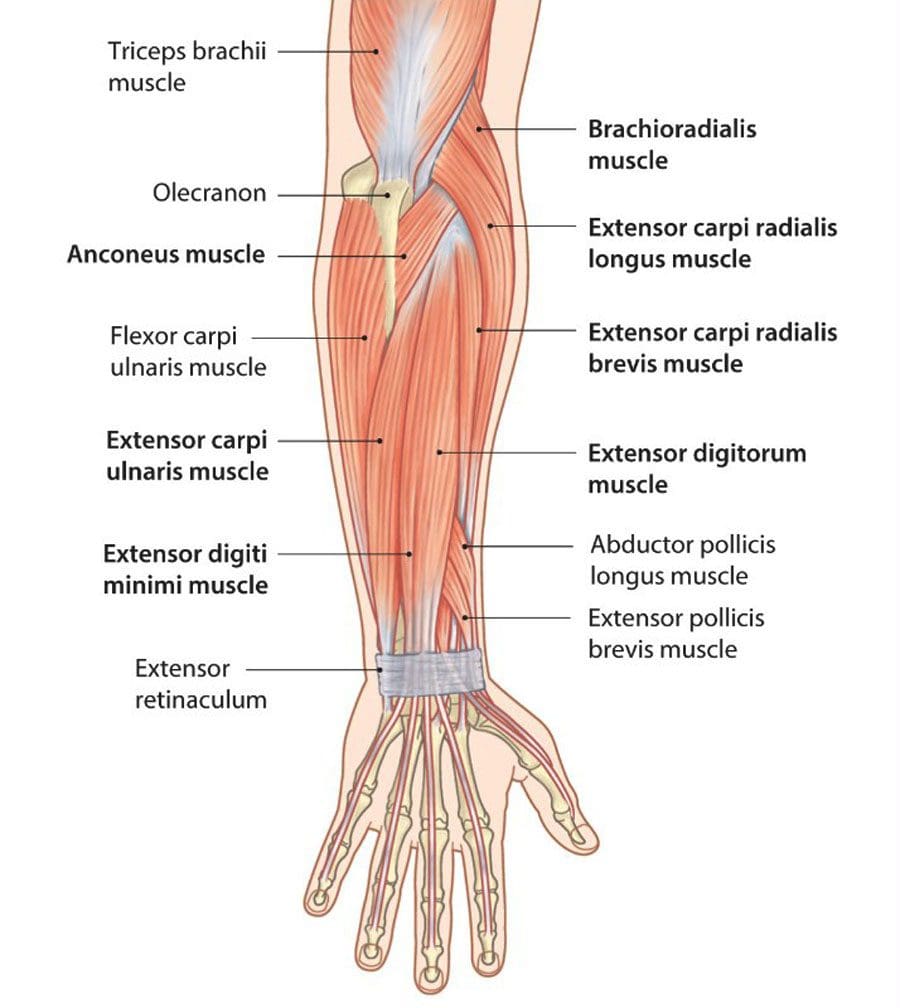
Forearm pain refers to soreness, aches, or discomfort between the wrist and the elbow. An injury or inflammation can affect any tissues, including muscles, bones, blood vessels, tendons, and the skin. The causes usually include overuse injuries, pinched nerves, accidents causing trauma, lifting or heaving heavy objects, sports injuries, and fractures. If left untreated, issues like chronic muscle pain and decreased and disrupted blood/nerve circulation can develop, leading to numbness and weakness. Chiropractic treatment can release tension, massage, reset, and stretch the muscles to expedite healing.
Anatomy
The forearm comprises the radius and ulna, which extend the forearm’s length and cross at the wrist.
The Radius
This bone starts at the elbow and connects to the wrist on the thumb side.
Ulna
This bone begins at the elbow and connects to the wrist on the side of the little finger.
Muscles
Several muscles operate to rotate the forearm up/supination and down/pronation and flex and extend the fingers.
Causes
Forearm pain can happen to anyone and is usually related to traumatic or repetitive use injury. In other cases, pain may be associated with a benign growth, like a cyst or possibly a malignant tumor. Common causes include:
Pulled and/or strained muscles
Muscle ruptures or small tears
A direct blow, fall, or any extreme twisting, bending or jamming action.
Tendonitis from tennis or golfers elbow.
Tennis elbow is caused by inflammation or tiny tears in the forearm muscles and tendons outside the elbow.
Golfers’ elbow is on the inside of the elbow.
Carpal Tunnel Syndrome is a repetitive stress disorder that affects the nerves and tendons of the wrist and forearm.
Musculoskeletal Causes
The musculoskeletal causes involve issues in how the forearm components operate together.
Repetitive actions like lifting, gripping, and typing can compress nerves and blood vessels throughout the forearm.
Forearm problems like dislocations or sprains can also lead to chronic inflammation and pain.
Traumatic Causes
Traumatic causes include those that result in injury to components of the forearm.
Anything that causes a direct injury to the forearm, including an automobile crash or accident, fall, or a direct hit, can fracture bones in the forearm.
A sprain can twist or stretch a ligament or tendon.
Activities that cause bending, twisting, quick sudden movement or direct impact can result in sprained multiple ligaments in the forearm.
Chiropractic Treatment
Healing forearm pain depends on the type of injury, location, and cause of the pain. Chiropractic addresses arm pain, tingling, and numbness in ways often overlooked by general physicians.
A chiropractor will perform a physical examination to determine if there are any underlying causes.
They may apply an ice pack to help control inflammation before the massage.
The chiropractor will perform gentle adjustments to the wrist, arm, and shoulder.
They may recommend a forearm brace to help retrain positioning and movement.
They will recommend exercises and stretches to strengthen and maintain the adjustments.
Carpal Tunnel Pain Treatment
References
Ellenbecker, Todd S et al. “Current concepts in examination and treatment of elbow tendon injury.” Sports health vol. 5,2 (2013): 186-94. doi:10.1177/1941738112464761
Shamsoddini, Alireza, and Mohammad Taghi Hollisaz. “Effects of taping on pain, grip strength and wrist extension force in patients with tennis elbow.” Trauma monthly vol. 18,2 (2013): 71-4. doi:10.5812/traumamon.12450
Suito, Motomu, et al. “Intertendinous epidermoid cyst of the forearm.” Case reports in plastic surgery & hand surgery vol. 6,1 25-28. 28 Jan. 2019, doi:10.1080/23320885.2018.1564314
A common symptom of sciatica is radiating/spreading pain running down the leg. However, the leg pain could be something to do with the blood vessels. If the pain travels from the low back to the hip, through the buttocks, down the leg, and into the foot, then more than likely it is sciatica. However, sciatica is just one condition that causes leg pain; other causes of leg pain include:
Bone spurs
Herniated disc
Arthritis
All can irritate the sciatic nerve causing sciatica.
The vascular system, also called the circulatory system, comprises the vessels that circulate blood and lymph throughout the body. Problems with the vascular system are a less common cause of leg pain but can be severe. Therefore, it is vital to learn to tell the difference.
Deep Vein Thrombosis
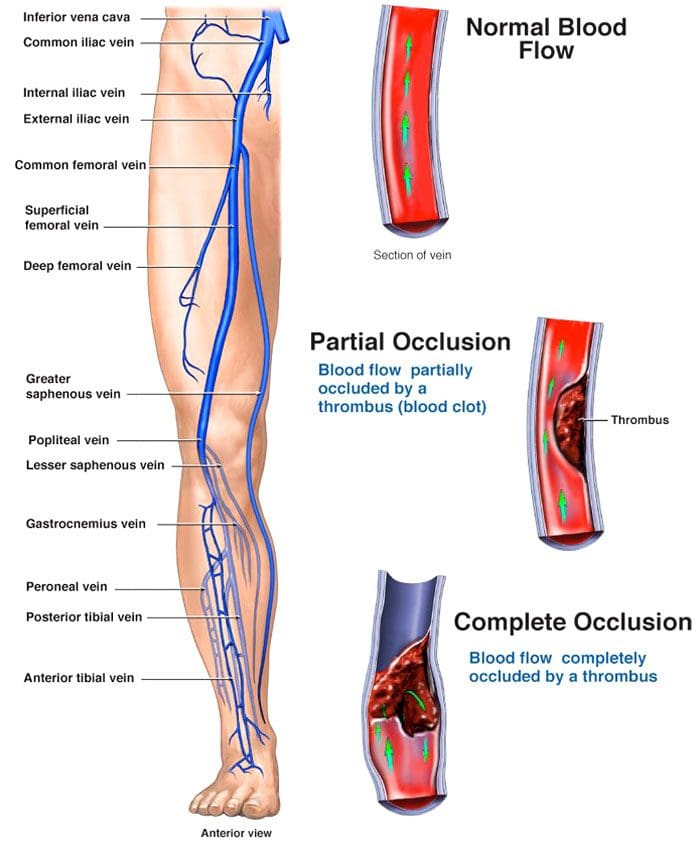
Deep vein thrombosis – DVT happens when a blood clot forms in a deep vein in the body and not the superficial veins just under the skin. The legs’ deep veins are susceptible to clotting. The formation of a clot can happen:
After surgery
From an accident
When recovering, bed resting and not moving.
When the body is in the same position for a long time with little to no movement, like a long plane ride.
On long plane rides, try to get up and walk around every hour. If unable to walk, do three sets of 20 reps of heel-to-toe exercises every hour.
Deep vein thrombosis can cause leg pain or swelling but can also present without causing any symptoms. Other risk factors include:
Blunt or penetrating injury to the blood vessel and/or its walls.
Pain running down the leg from a blood clot feels like:
Tightness
Cramping soreness
Throbbing
Possible warmth
Swelling.
Blood clots and sciatica are reported to feel relatively different. The pain from a blood clot does not spread out and does not extend from or to the back. Sciatica does not cause swelling, redness, and warmth. If a doctor suspects a blood clot is causing the pain, they will order an ultrasound to confirm the diagnosis. If it is deep vein thrombosis, blood thinners could be recommended for three to six months.
A doctor may recommend aspirin, which can help in the prevention of blood clots.
In some cases, the clot may have to be surgically removed.
Vascular Conditions and Pain Running Down The Leg
Other blood vessel conditions that can cause individuals to believe they have sciatica include:
Peripheral artery disease – PAD
This often presents in individuals with diabetes or who smoke. It causes pain in the calf area but does not radiate throughout the leg. The pain usually presents with physical effort movement. If the pain occurs when at rest, this could be a serious medical emergency. Peripheral artery disease is a chronic condition that can worsen if lifestyle changes are not made to reduce risk factors.
Acute limb ischemia
This condition can cause leg pain, but not the same as sciatica. What happens is the leg is not receiving blood, causing:
Intense pain in the extremity
Change in the color of the skin
Numbness
Weakness
Loss of a pulse
This vascular condition is a medical emergency and requires immediate treatment.
Acute compartment syndrome
This can happen after some kind of trauma to the leg.
The pain is acute, with the leg swelling up and a building up of tight pressure.
It usually affects the lower part of the leg.
This condition can also cause:
Numbness
Tingling
Visible swelling
Bruising
It is considered a medical emergency and needs to be treated quickly to avoid complications.
Varicose veins
Varicose veins can cause some pain running down the leg and/or aching, but the discomfort is not as intense. Treatment has come a long way, is less invasive, and includes:
Compression stockings, including prescription socks/stockings
Laser treatments
Minimally invasive procedures
Not staying on the feet too much
Elevating the legs
Maintaining an ideal weight can help
Vascular Disorder Prevention
Healthy lifestyle habits are recommended to keep the vascular system operating correctly. This includes:
If it is sciatica, fortunately, most cases go away on their own, but if treatment is needed, it is recommended to start with conservative treatments such as:
Chiropractic
Physical therapy
Anti-inflammatory medication
Muscle relaxants
Corticosteroid injections
In severe cases, surgery like a microdiscectomy or laminectomy will be performed to relieve pressure on the sciatic nerve.
Body Composition
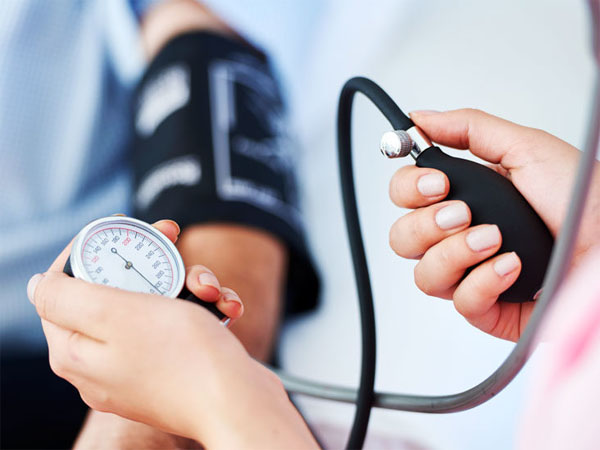
Why might blood pressure be different when measuring on each arm?
The heart sits just to the left of the midline in the chest cavity. The aorta is the largest blood vessel in the body. It leaves through the left side of the heart and transports blood to a network of blood vessels that branch out, supplying the body with oxygen and nutrients. The arteries that branch off the aorta and go to the left and right sides of the body are different.
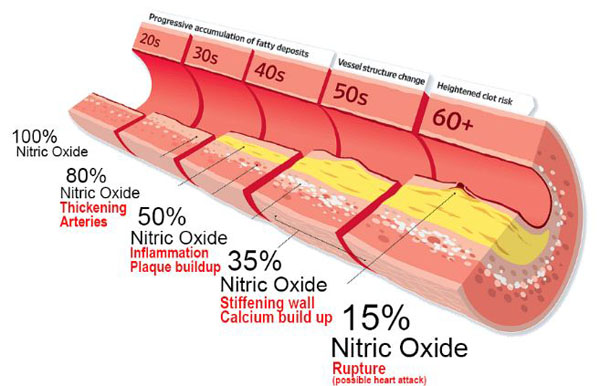
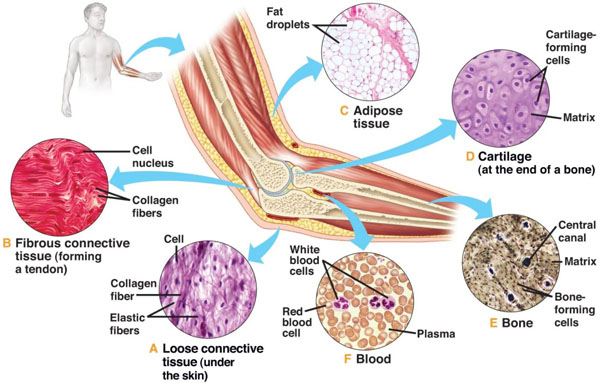
On the right, the brachiocephalic trunk comes off the aorta and splits into the right common carotid artery and right subclavian artery. The left common carotid and left subclavian arteries branch directly off the aorta. The differences mean that the risk for arterial thrombosis is not the same for the right and left subclavian arteries. Arterial thrombosis causes the blood vessels to become stiff, causing obstruction over time and is more likely to happen in the left subclavian than in the right. The difference in arterial branching affects blood pressure measurements on the left and right arms. The blood vessels are surrounded by:
Muscle
Fat
Connective tissue
When muscles place pressure on the blood vessels around the heart, it can cause short-term turbulence changes that can affect blood pressure.
References
American Heart Association. Atherosclerosis and cholesterol. https://www.heart.org/en/health-topics/cholesterol/about-cholesterol/atherosclerosis
American Heart Association. What is excessive blood clotting (Hypercoagulation?) https://www.heart.org/en/health-topics/venous-thromboembolism/what-is-excessive-blood-clotting-hypercoagulation
Centers for Disease Control and Prevention. What is venous thromboembolism? https://www.cdc.gov/ncbddd/dvt/facts.html
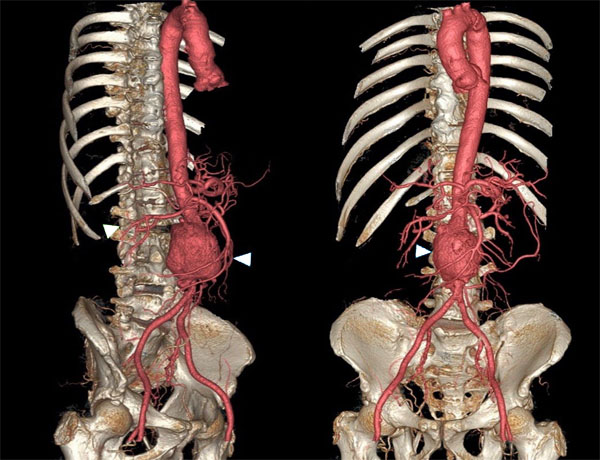
Underlying causes for an abdominal aortic aneurysm can be challenging to diagnose and identify. Combined with sciatica symptoms, doctors could misdiagnose the ailment and prescribe the wrong treatment protocol. Then an individual has to deal with two conditions that were not properly diagnosed, continue to develop, and worsen. This is why finding the right sciatica specialist that can also identify an abdominal aneurysm is so crucial to developing the right treatment plan. There can be a variety of factors that can lead to the development of an abdominal aneurysm. They include:
Health conditions associated with an increased risk for an abdominal aneurysm include:
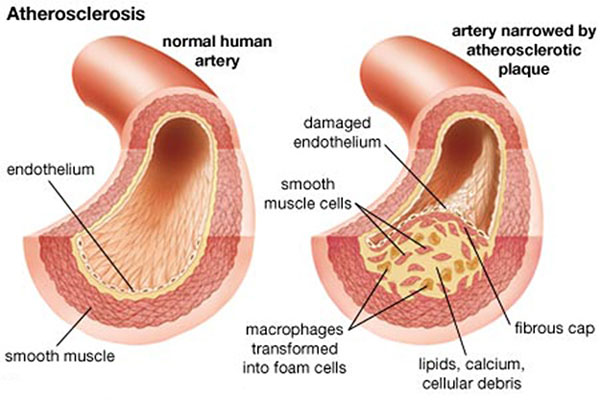
Atherosclerosis
This condition occurs when there is a buildup of fats, cholesterol, and other substances that create plaque buildup in the bloodstream. This causes vessels to harden and narrow. Atherosclerosis can develop during the young adult stage and becomes an issue later in life.
High Cholesterol
Cholesterol is a waxy, fat-type substance that is found in all the cells in the body. The body needs some cholesterol for the production of hormones, vitamin D, and substances to help digest foods. The body makes all the cholesterol it needs. Too much can build up in the blood vessels, which narrows the bloodstream and hardens the arterial walls.
High Blood Pressure
High blood pressure or hypertension refers to a sustained increased force of blood moving through the aorta that can weaken artery walls. It is a common condition that is widespread among individuals that are older, those that smoke, and those that are overweight. There is an estimated 60-70% of individuals over 60 that are diagnosed with high blood pressure.
Inflamed Arteries
When the arteries become inflamed, it can cause blood flow constriction and cause the arterial walls to weaken. This increases the risk of an aneurysm. Arteries can get inflamed through:
There are hereditary conditions that can weaken the body�s connective tissues. This can lead to degeneration of the aortic walls and raise an individual�s risk for an aneurysm. Two of the most common connective tissue disorders are Ehlers-Danlos syndrome, which affects collagen production, and Marfan Syndrome. This condition increases the production of fibrillin, which is a protein that helps to build the elastic fibers in connective tissue.
Other Risk Factors
Additional health factors can strain the cardiovascular system. This increases the risk of weakening or damaging blood vessels. This significantly raises the chances of developing an abdominal aortic aneurysm. Risk factors include:
Smoking and Tobacco
All types of tobacco use can contribute to diminished cardiovascular health. Individuals that smoke or use some tobacco product pose a significantly higher risk of developing an abdominal aneurysm.
Age
Aneurysms occur most often in older adults. This is because they are more likely to have cardiovascular issues and are more likely to have higher levels of plaque buildup.
Genetics and Family History
Immediate relatives of an individual with an abdominal aneurysm often have a 12-19% chance of developing the condition.
Lack of Physical Activity
Not getting adequate physical activity puts an individual at a higher risk for heart and cardiovascular disease. Aerobic activity done on a regular basis increases the heart rate and blood flow through the body. This keeps the tissues and blood vessels strong and flowing properly.
Gender
Both men and women can develop an abdominal aortic aneurysm. However, the majority of those that do develop the condition are men. This is because men are more likely to go through the heart and cardiovascular issues.
Diagnosis
Underlying conditions that can cause sciatic pain can vary or be a combination of several conditions. The most important action to take is to consult a doctor or chiropractic sciatica specialist for a clinical diagnosis. While rare, sciatica-type pain could be caused by medical conditions like:
Spinal tumor
Spinal infection
Cauda equina syndrome
These factors can contribute to an increased chance of developing an abdominal aortic aneurysm. However, individuals can have unknown risk factors and still develop the condition. Treatments may range from regular monitoring, lifestyle changes, and physical therapy/chiropractic to urgent or emergency surgery. If you feel symptoms of pain in the buttocks, leg, numbness, tingling, or other neurological symptoms in the back and/or leg, it is very important to see a doctor or chiropractor for clinical diagnosis that identifies the cause of the symptoms.
Sciatic Nerve Treatment
Dr. Alex Jimenez�s Blog Post Disclaimer
The scope of our information is limited to chiropractic, musculoskeletal, physical medicines, wellness, and sensitive health issues and/or functional medicine articles, topics, and discussions. We use functional health & wellness protocols to treat and support care for injuries or disorders of the musculoskeletal system. Our posts, topics, subjects, and insights cover clinical matters, issues, and topics that relate and support directly or indirectly our clinical scope of practice.*
Our office has made a reasonable attempt to provide supportive citations and has identified the relevant research study or studies supporting our posts. We also make copies of supporting research studies available to the board and or the public upon request. We understand that we cover matters that require an additional explanation as to how it may assist in a particular care plan or treatment protocol; therefore, to further discuss the subject matter above, please feel free to ask Dr. Alex Jimenez or contact us at 915-850-0900. The provider(s) Licensed in Texas& New Mexico*
Arachnoiditis arach�?noid�?itis (?- rak-n?id-??t-?s) is a condition that is characterized by stinging, burning pain and neurological problems.
A common symptom is chronic and persistent�low back pain, lower limb pain.
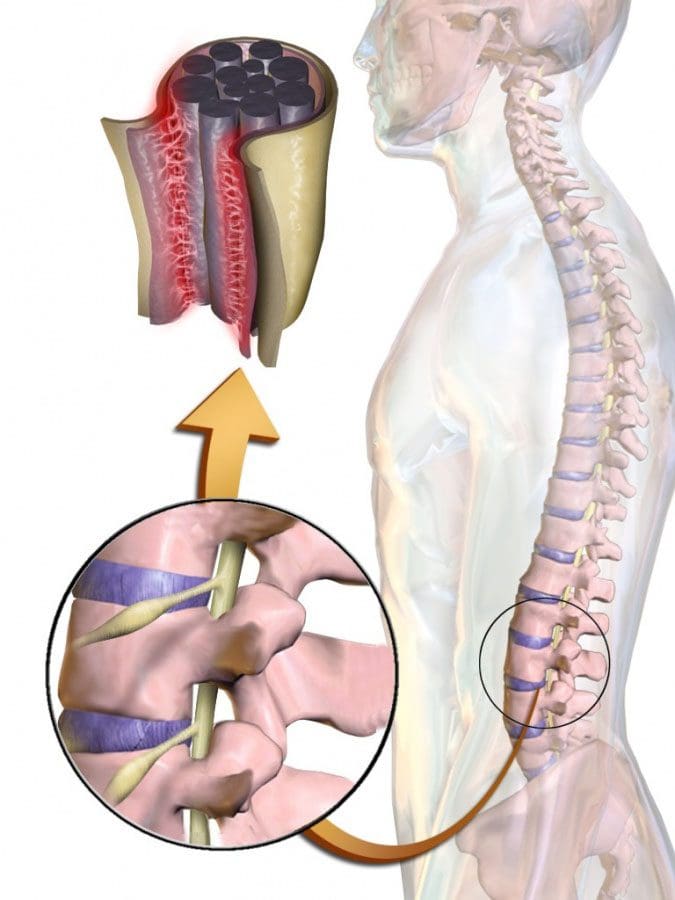
It is inflammation of the arachnoidlining. This is one of three linings that surround the brain and spinal cord.
This inflammation causes:
Constant irritation
Scarring
Binding of nerve roots
Binding blood vessels
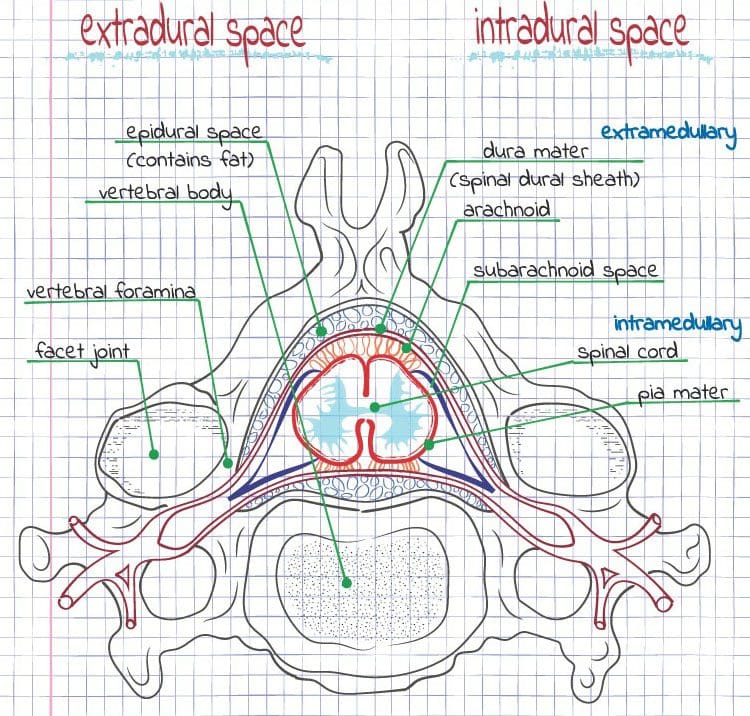
In the intradural space 3 meninges or protective membranes that surround the brain and spinal cord.
Dura mater
Arachnoid
Pia Mater
Symptoms of Arachnoiditis
Predominant symptoms are chronic pain in the:
Low back
Lower limbs
In severe cases the entire body
Other symptoms can include:
Leg tingling, numbness, and weakness
Weird sensations like the feeling of insects crawling on the skin or water running down the leg
Shooting pain like an electric shock sensation
Muscle cramps, spasms, and twitching
The bladder, bowel, and possible sexual dysfunction
Progression of the disease can make symptoms more severe and possibly permanent.
The pain is constant and incurable, which makes the disorder very debilitating. Those with arachnoiditis usually cannot work and have a disability.
Causes
Three main causes of arachnoiditis are:
Trauma/surgery
Arachnoiditis has been recognized as a rare complication of spinal surgery usually after multiple or complex surgeries.
It can also be caused by trauma to the spine.
Similar causes include:
Multiple lumbar punctures
Advanced spinal stenosis
Chronic degenerative disc disease
Chemical
Myelograms have come under scrutiny as being a possible cause of the condition.
A myelogram is a test where a radiographic contrast dye is injected into the area around the spinal cord and nerves.
The dye becomes visible on:
X-rays
CT
MRI scans
Used by physicians to diagnose spinal conditions.
Now there is a concern that repeated exposure to some of these dyes may cause arachnoiditis.
There is also a concern of the preservatives found in epidural steroid injections, that they may cause the condition, especially if the steroid medicine accidentally enters the cerebral spinal fluid.
Infection
The disorder can also be caused by certain infections that affect the spine like:
Viral and fungal meningitis
Tuberculosis
Treatment
Currently, there is no cure for arachnoiditis.
Therefore, treatment is aimed at pain relief and is similar to how other chronic pain conditions are treated.
Examples include:
Spinal cord stimulation: is one of the best treatment options. Spinal cord stimulation runs on a device that transmits electrical signals to the spinal cord for relief.
Lidocaine intravenous infusions: Lidocaine is a powerful anti-inflammatory.
Ketamine infusions: Ketamine is an anesthetic, that also helps with pain relief.
Low-dose naltrexone is an anti-inflammatory for chronic pain management.
Surgery is not recommended because it causes more scar tissue to develop and makes the irritated spine susceptible to more trauma.
Living with the Arachnoiditis
This condition can be extremely disabling.
Living with chronic pain is not an easy thing to do.
It affects the body and also causes mental stress.
People with the condition are encouraged to join support groups or find therapeutic outlets for stress.
Treatment plans are focused on pain relief and keeping a high quality of life.
Research is ongoing to find a cure.
*CHRONIC* pain Chiropractic Relief | El Paso, Tx
Patients with chronic pain discuss how their symptoms have affected their overall health and wellness. With chiropractic care, patients describe how Dr. Jimenez, a doctor of chiropractic or chiropractor in El Paso, Texas, has helped them recover their original quality of life.
Chiropractic care is an alternative treatment option that focuses on the diagnosis, treatment, and prevention of a variety of health issues, including chronic pain and personal injuries. Patients highly recommend Dr. Jimenez and his staff as the non-surgical choice for auto accident injuries and slip-and-fall accidents.
NCBI Resources
Those who continue to deal with the pain after a few weeks� time may choose to look for other solutions. This is also true for people who experience repeated flare-ups, or chronic lower back pain. One of the best and most popular options is chiropractic care. Chiropractic care doesn�t focus solely on the pain but helps the body heal itself. Chiropractors understand the bones, muscles, discs, and nerves in the back, and can figure out the reason for the pain.
From there, they can create a customized treatment plan from compresses to�spinal manipulation�to exercises that help heal the area and reduces the pain.
IFM's Find A Practitioner tool is the largest referral network in Functional Medicine, created to help patients locate Functional Medicine practitioners anywhere in the world. IFM Certified Practitioners are listed first in the search results, given their extensive education in Functional Medicine