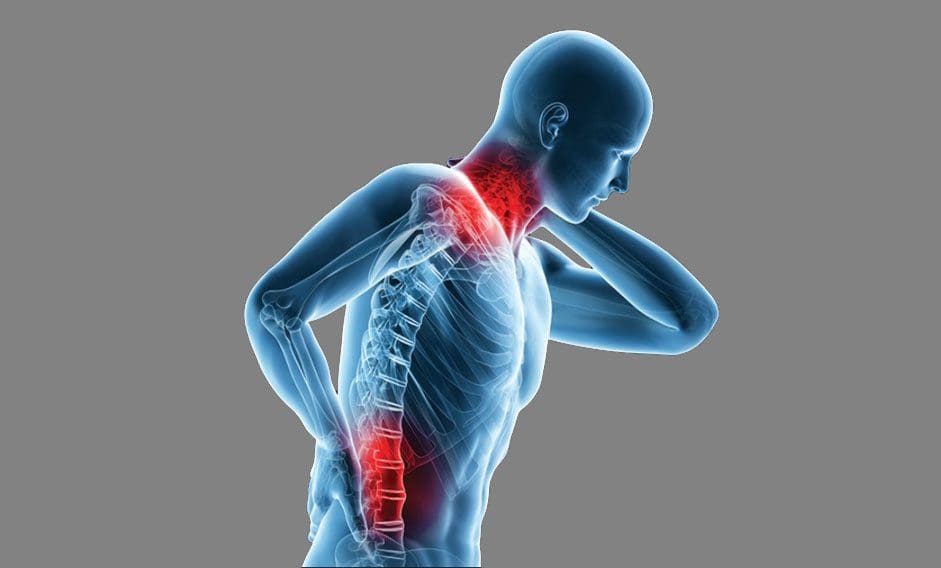
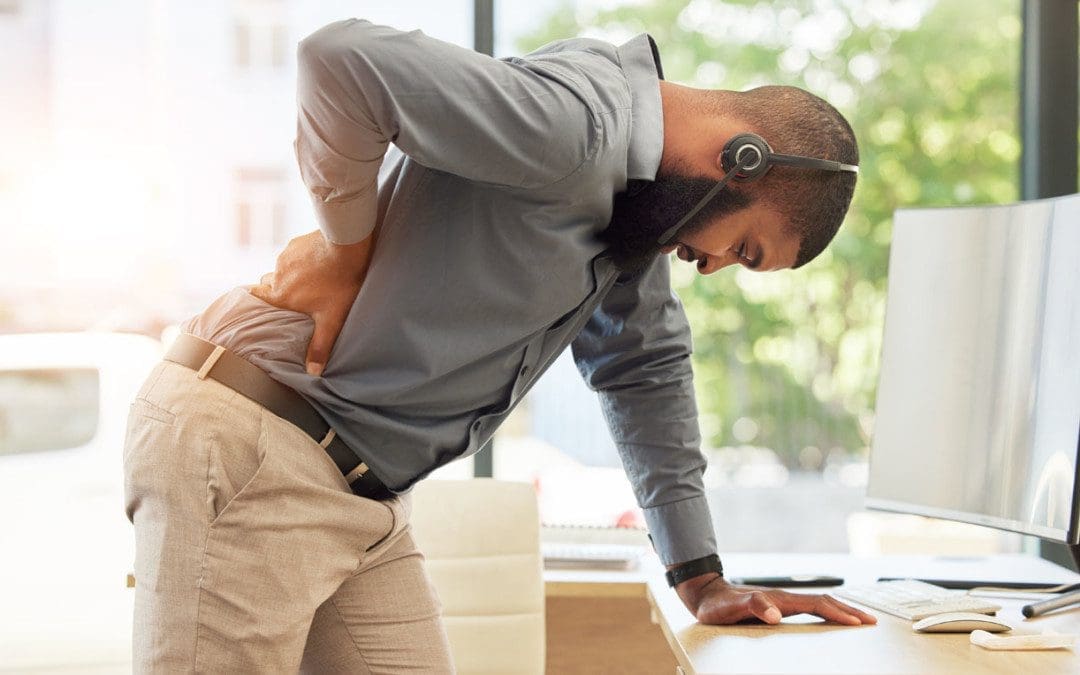
Many individuals attribute to some degree, their neck or back pain to unhealthy posture. Can knowing the causes and underlying factors help guide lifestyle adjustments and seeking medical rehabilitative treatment?
Unhealthy Posture Causes
Numerous factors can cause individuals to practice unhealthy postures regularly.
Unhealthy posture can also be brought on by an injury, illness, or genetics.
A combination of these factors is also common.
Practicing healthy posture is a form of exercise where the muscles support the skeleton in stable and efficient alignment that is present in stillness and movement.
Injury and Muscle Guarding
After an injury, muscles can spasm to protect the body and help stabilize injuries and protect against further injury.
However, movements become limited and can lead to pain symptoms.
Prolonged muscle spasms lead to weakened muscles over time.
The imbalance between muscles guarding the injury and those still operating normally can lead to posture problems.
Musculoskeletal treatment with massage, chiropractic, and physical therapy can help restore optimal functioning.
Muscle Tension and Weakness
If certain muscle groups become weak or tense, posture can be affected, and pain symptoms can develop.
Muscle weakness or tension can develop when individuals hold a prolonged position day after day or when performing routine tasks and chores in a way that places tension on the muscles or uses them in an unbalanced way.
Postural retraining and physical therapy adjustments can help strengthen the muscles and relieve pain symptoms.
Daily Habits
As individuals find ways to accommodate muscle spasms, weakness, tension, and/or imbalances, the mind and body can forget and abandon healthy posture.
The body then begins compensating using alternate, awkward, and counterproductive muscle contractions and stretching that compromise body and spinal alignment.
Use of Technology
Technology – whether sitting at a desk/workstation, using a tablet or cell phone, or working with several devices can gradually shift the body out of alignment. (Parisa Nejati, et al., 2015)
Individuals constantly looking down at their phone may develop a text neck, a condition in which the neck is held in flexion or forward tilting too long, which can lead to pain.
Mental Attitude and Stress
Individuals under stress or are experiencing stressful situations can begin to have posture problems. (Shwetha Nair et al., 2015)
Stress can contribute to over-contracting muscles, which can cause muscle tension, shallow breathing, posture problems, and pain symptoms.
Being aware of body position and correcting and adjusting posture can help to counteract stress. (Shwetha Nair et al., 2015)
Wearing down the outside or inside of the shoes faster from things like weight-bearing habits will imbalance kinetic forces that translate up the ankle, knee, hip, and lower back leading to pain symptoms in any or all of these joints.
Heredity and Genetics
Sometimes the cause is hereditary.
For example, Scheuermann’s disease is a condition in which adolescent males develop a pronounced kyphosis curve in the thoracic spine. (Nemours. KidsHealth. 2022)
Consult Injury Medical Chiropractic and Functional Medicine Clinic for an evaluation, and let us help you by developing a personalized treatment and rehabilitation program.
The Path To Healing
References
Czaprowski, D., Stoliński, Ł., Tyrakowski, M., Kozinoga, M., & Kotwicki, T. (2018). Non-structural misalignments of body posture in the sagittal plane. Scoliosis and spinal disorders, 13, 6. https://doi.org/10.1186/s13013-018-0151-5
Nejati, P., Lotfian, S., Moezy, A., & Nejati, M. (2015). The study of correlation between forward head posture and neck pain in Iranian office workers. International journal of occupational medicine and environmental health, 28(2), 295–303. https://doi.org/10.13075/ijomeh.1896.00352
Nair, S., Sagar, M., Sollers, J., 3rd, Consedine, N., & Broadbent, E. (2015). Do slumped and upright postures affect stress responses? A randomized trial. Health psychology : official journal of the Division of Health Psychology, American Psychological Association, 34(6), 632–641. https://doi.org/10.1037/hea0000146
Silva, A. M., de Siqueira, G. R., & da Silva, G. A. (2013). Implications of high-heeled shoes on body posture of adolescents. Revista paulista de pediatria : orgao oficial da Sociedade de Pediatria de Sao Paulo, 31(2), 265–271. https://doi.org/10.1590/s0103-05822013000200020
Factors that cause poor, unhealthy posture can be caused by the day-to-day effects of gravity on the body, personal, work, or sports injuries, illness, genetics, or a combination of these factors is also common. This leads to neck and back pain that leads to various musculoskeletal health issues. Achieving consistent healthy posture requires technique and practice. Chiropractic treatment with massage and/or physical therapy can restore muscles to optimal mobility and function.
Factors That Cause Unhealthy Posture
Factors that cause posture problems, like back pain, are often caused by issues with the strength and flexibility ratio between the body’s muscle groups that hold the body upright.
Muscle Guarding
After sustaining an injury, muscles can spasm to protect the injured and the surrounding area.
Muscle spasms can help keep injuries stable and protect them from worsening, but they can also limit movements and cause pain symptoms.
Prolonged muscle spasms can lead to weakened/vulnerable muscles, creating an imbalance between the muscles guarding against the injury and those still working normally.
This can cause the body posture to shift to compensate.
Muscle Tension
Muscle weakness or tension can develop when holding a prolonged position day after day or when doing daily tasks/chores in a way that places added stress on the body.
When certain muscle groups are weak or tense, posture will be affected.
Aches and pains begin to develop from the awkward positioning and the other muscles that must work overtime.
Unhealthy Habits
Compensation is when the body can still achieve its movement goal but with compromised and unhealthy alignment.
As the body compensates and accommodates muscle spasms, weakness, tension, and/or imbalance begin to present.
When this happens, the body may be forced to use alternate and less efficient muscle contraction and flexion patterns.
Technology
Using technology or working with several combined devices can slowly shift the body from correct alignment.
Incessant texting can cause text neck to develop, a condition in which the neck is held in too much flexion, or forward bending, for a prolonged time.
Discomfort, trigger points, and pain symptoms will develop, leading to further posture problems.
Stress and Mental Health
Individuals who experience stress regularly and easily are factors that cause posture problems.
Stress can contribute to shallow breathing or overly-contracted muscles, causing the body to shift out of alignment.
Adjusting posture can help counter the effects of stress.
Shoes
Footwear affects posture.
Heels extend the body’s weight forward, which can cause hip and spinal misalignment.
Individuals can wear down the outside or inside of their shoes faster because of things like:
Imbalanced kinetic forces will be translated up the ankle, knee, hip, and lower back.
This can lead to pain and discomfort in any of these joints.
Genetics
Sometimes, factors that cause unhealthy posture are hereditary.
For example, Scheuermann’s disease – a condition in which adolescent boys develop pronounced kyphosis in their thoracic spines.
It is recommended that the individual work with their primary/specialist healthcare provider in conjunction with a chiropractic specialist team for treatment and management.
Chiropractic treatment can help individuals achieve and maintain proper posture through various massage therapies to release tightness and relax the muscles, decompression to realign the spine, adjustments to realign the body, and postural training through exercises and stretches to develop healthy postural habits.
Quick Patient Intake
References
In, Tae-Sung et al., “Spinal and Pelvic Alignment of Sitting Posture Associated with Smartphone Use in Adolescents with Low Back Pain.” International Journal of Environmental Research and Public Health vol. 18,16 8369. 7 Aug. 2021, doi:10.3390/ijerph18168369
Korakakis, Vasileios, et al. “Physiotherapist perceptions of optimal sitting and standing posture.” Musculoskeletal Science & Practice vol. 39 (2019): 24-31. doi:10.1016/j.msksp.2018.11.004
Mansfield JT, Bennett M. Scheuermann Disease. [Updated 2022 Aug 21]. In: StatPearls [Internet]. Treasure Island (FL): StatPearls Publishing; 2023 Jan-. Available from: https://www.ncbi.nlm.nih.gov/books/NBK499966/
Mingels, Sarah, et al. “Is There Support for the Paradigm ‘Spinal Posture as a Trigger for Episodic Headache’? A Comprehensive Review.” Current pain and headache reports vol. 23,3 17. 4 Mar. 2019, doi:10.1007/s11916-019-0756-2
Mork, Paul Jarle, and Rolf H Westgaard. “Back posture and low back muscle activity in female computer workers: a field study.” Clinical biomechanics (Bristol, Avon) vol. 24,2 (2009): 169-75. doi:10.1016/j.clinbiomech.2008.11.001
Pope, Malcolm H et al. “Spine ergonomics.” Annual review of Biomedical Engineering vol. 4 (2002): 49-68. doi:10.1146/annurev.bioeng.4.092101.122107
Shaghayegh Fard, B et al. “Evaluation of forward head posture in sitting and standing positions.” The European Spine Journal: official publication of the European Spine Society, the European Spinal Deformity Society, and the European Section of the Cervical Spine Research Society vol. 25,11 (2016): 3577-3582. doi:10.1007/s00586-015-4254-x
Tinitali, Sarah, et al. “Sitting Posture During Occupational Driving Causes Low Back Pain; Evidence-Based Position or Dogma? A Systematic Review.” Human Factors vol. 63,1 (2021): 111-123. doi:10.1177/0018720819871730
Wernli, Kevin, et al. “Movement, posture and low back pain. How do they relate? A replicated single-case design in 12 people with persistent, disabling low back pain.” European Journal of Pain (London, England) vol. 24,9 (2020): 1831-1849. doi:10.1002/ejp.1631
Breathing nourishes the whole body and regulates important functions like heart rate and blood pressure. It also reinforces proper body mechanics to lessen the stress on the body when moving. Busy lives combined with sedentary work and lifestyle can condition the body to take only quick, shallow breaths, which can weaken lung muscles and cause tension to build, worsening posture and leading to other adverse symptoms and conditions. Learning deep breathing can positively affect heart rate, mental alertness, and blood pressure and improve posture. Injury Medical Chiropractic and Functional Medicine Clinic can create personalized postural treatment and training plans.
Breathing and Posture
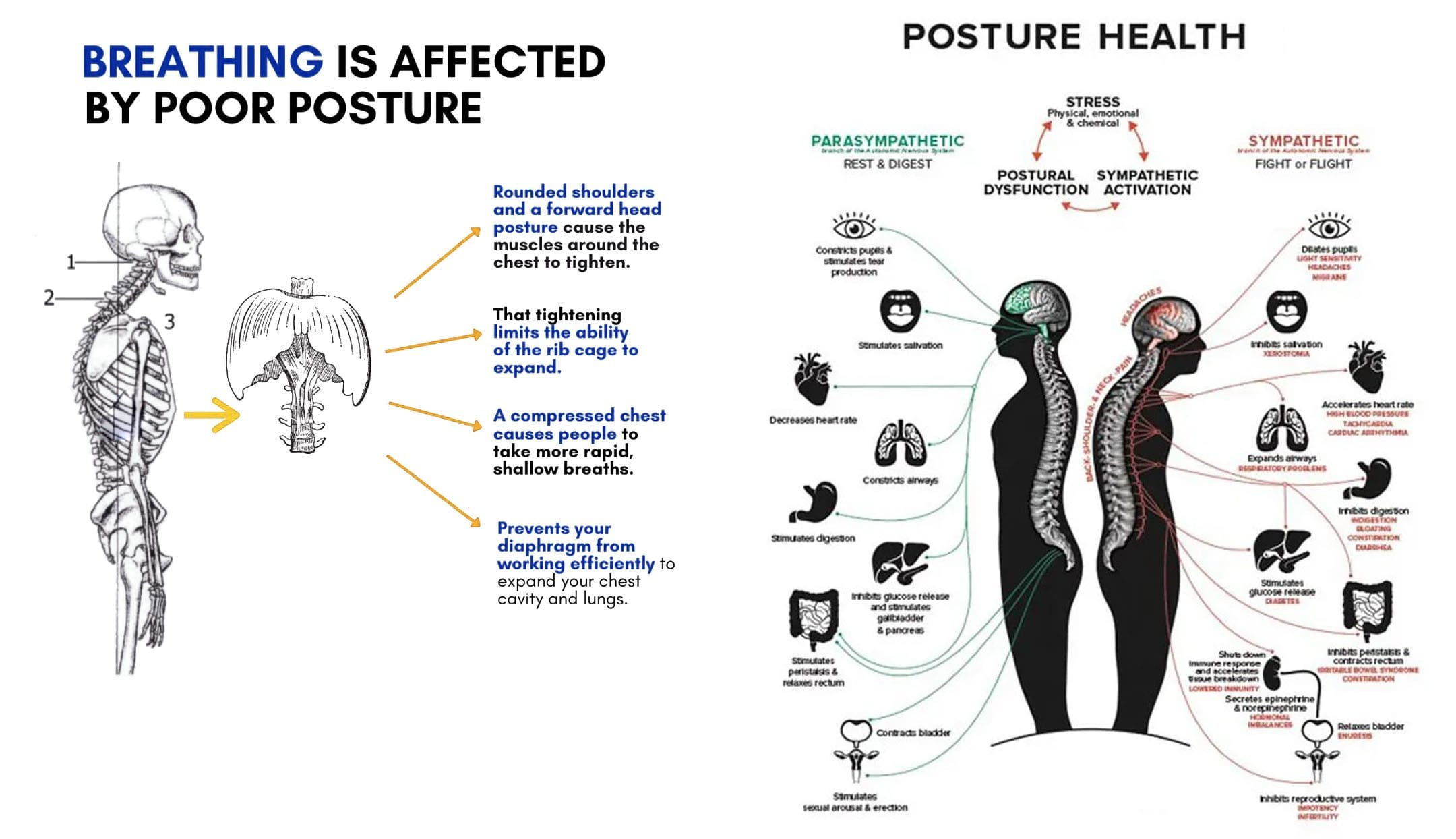
Inhalation causes the lungs to get filled with air, and exhalation releases and empties the lungs. For the lungs to work optimally, the rib cage needs to expand constantly in a gentle, rhythmic way. The respiratory muscle/diaphragm muscle needs to go up and down with each breath cycle. This can only happen when the muscle is not contracted or tense. Tension in the upper body can increase unhealthy postures and undermine health. Continued unhealthy postures at school, work, and home will compress the ribs, intercostal muscles, diaphragm, and base of the neck. This prevents the ribcage from expanding fully, which impairs optimal breathing. Over time, the strength of the respiratory muscles weakens.
Healthy Posture
Proper body alignment reduces strain on supportive structures like ligaments, muscles, joints, and discs. A healthy posture allows individuals to breathe more easily, move more efficiently, relax, and sleep better.
Symptoms Of Unhealthy Posture
Research shows that prolonged practice of unhealthy posture can lead to health problems, including:
Aching and chronic pain in the back, neck, and shoulders.
Tight, sore muscle knots/trigger points.
Tension headaches, limited sleep, and digestive problems.
Brain fog.
Shifting moods.
Digestive problems.
Breathing from the chest relies on secondary muscles around the neck and collarbone instead of the diaphragm. Shallow breathing patterns accompanied by unhealthy postures cause muscles in the upper body to function improperly. The longer the body sits, the less the body can resist the force of gravity and maintain a stable core. Tight muscles around the chest cause rounded shoulders and forward head posture, further weakening the muscles that help maintain an upright posture. Chest and rib discomfort symptoms can result from the tight intercostal muscles and inadequate expansion of the ribs.
Chiropractic Treatment
Shallow breathing can be reversed by regular physical activity, and sessions of respiratory muscle training will help to improve posture and quality of life. Deep or belly breathing involves learning to use the abdominal muscles. Inhaling slowly and deeply through the nose fills the lungs with air and expands the stomach. Learning to breathe deep regularly provides benefits like stress reduction, improved cardiovascular health, stronger lungs, and improved cognitive performance.
Posture correction techniques relieve back and neck pain, improve muscle and joint function, maintain brain health, increase mood stability, and improve spinal health.
Learning how to breathe deeply takes practice.
One beginning technique is to breathe deeply and count to 4 before slowly releasing the breath with another count to 4.
Individuals will notice their abdomen, ribs, and chest push forward as they breathe.
The shoulders, neck, and spine properly align during this action.
Place a hand on the abdomen to check for correct breathing.
It should move outwards slightly as air fills the lungs.
Real Patients, Real Results
References
Albarrati, Ali, et al. “Effect of Upright and Slouched Sitting Postures on the Respiratory Muscle Strength in Healthy Young Males.” BioMed research international vol. 2018 3058970. 25 Feb. 2018, doi:10.1155/2018/3058970
Aliverti, Andrea. “The respiratory muscles during exercise.” Breathe (Sheffield, England) vol. 12,2 (2016): 165-8. doi:10.1183/20734735.008116
Pickering, Mark, and James F X Jones. “The diaphragm: two physiological muscles in one.” Journal of Anatomy vol. 201,4 (2002): 305-12. doi:10.1046/j.1469-7580.2002.00095.x
Sheel, A William. “Respiratory muscle training in healthy individuals: physiological rationale and implications for exercise performance.” Sports medicine (Auckland, N.Z.) vol. 32,9 (2002): 567-81. doi:10.2165/00007256-200232090-00003
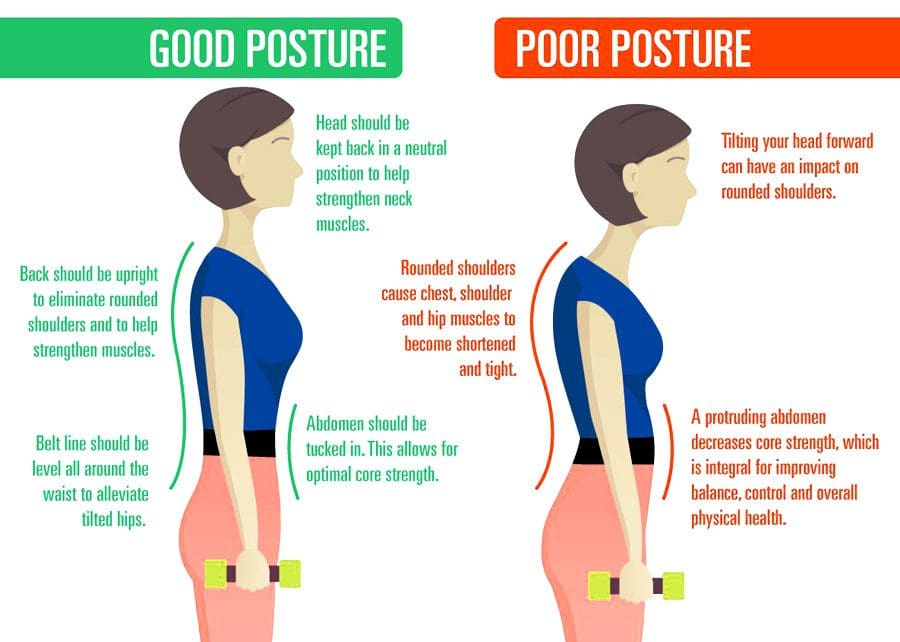
Look how young children position their backs. There is a natural S curve, and their movements are effortless. As the body ages, too much sitting, slouching, and inactivity can cause muscle fatigue and tension leading to posture issues. Rounded shoulders describe a resting position that has shifted the shoulders out of the body’s natural alignment, which can worsen if left untreated. Chiropractic care can realign the shoulders, as well as the spine, and restore musculoskeletal health to optimum levels.
Rounded Shoulders
Rounded shoulders are an excessive thoracic kyphosis referring to an uneven forward rounding or curvature of the middle and upper back. Rounded shoulders shift out of proper alignment with the spine, causing posture-related problems like shoulder/neck/back discomfort, tightness, stiffness, and pain. Overall unhealthy posture contributes to the following:
The head constantly being in a forward or backward position
Headaches
Body aches and pains
Muscle fatigue
Chronic back soreness
Bent knees when standing or walking
Body movement dysfunction
Joint problems
Potbelly
Rounded shoulders
Body responses to rounded shoulders include:
Chronic musculoskeletal aches and pains
Breathing problems
Limited body function
Impaired mobility performance
Increased mental and musculoskeletal stress
Causes
Rounded shoulders are typically caused by unhealthy posture, but can also be caused by muscle imbalances from, for example, overfocusing on building chest strength but neglecting the core and upper back. Other causes include:
Standing and sitting for long periods
Stress
Lack of physical activity
Environmental factors
Too much exercise, sports, and physical activities
Musculoskeletal Imbalance
Postural imbalances anywhere in the body can cause rounded shoulders.
For example, when an individual tilts their head forward to look at their phone, the upper back has to round forward to hold the head. Constantly tilting can begin to generate an unhealthy muscle memory causing the neck and shoulder muscles to remain in a semi-flexed position that starts to become the norm.
Another example is when the arms are held out and in front for prolonged periods, like driving, typing, and cooking, the chest muscles get shortened. As time goes on, this causes the shoulder blades to move forward on the ribcage, making the upper back and shoulder area hunch awkwardly and unhealthily.
Stress
When the brain perceives a threat, the body physically prepares to take action through the fight or flight response. Common reactions include:
Jaw tensing
Tightening the abdominal muscles
Holding one’s breath
Rounding the shoulders
Stressors can include:
Job worries
Money issues
Relationship problems
Family responsibilities
All can cause changes in the body that result in rounded shoulders.
Environmental Factors
Respiratory conditions like asthma, COPD, and allergies can affect the body’s breathing and the ability of the diaphragm to contract and relax correctly.
Ribcage restrictions caused by chronic breathing problems can result in the thoracic/middle back tightening up, causing excessive shoulder rounding.
Exercise and Physical Activities
Exercise and physical activities can contribute to rounded shoulders because of the long periods of spinal flexion. These can include:
Bike riding, martial arts, and swimming.
Knitting requires the arms to be out in front.
Gardening requires kneeling and being hunched over.
Chiropractic Treatment
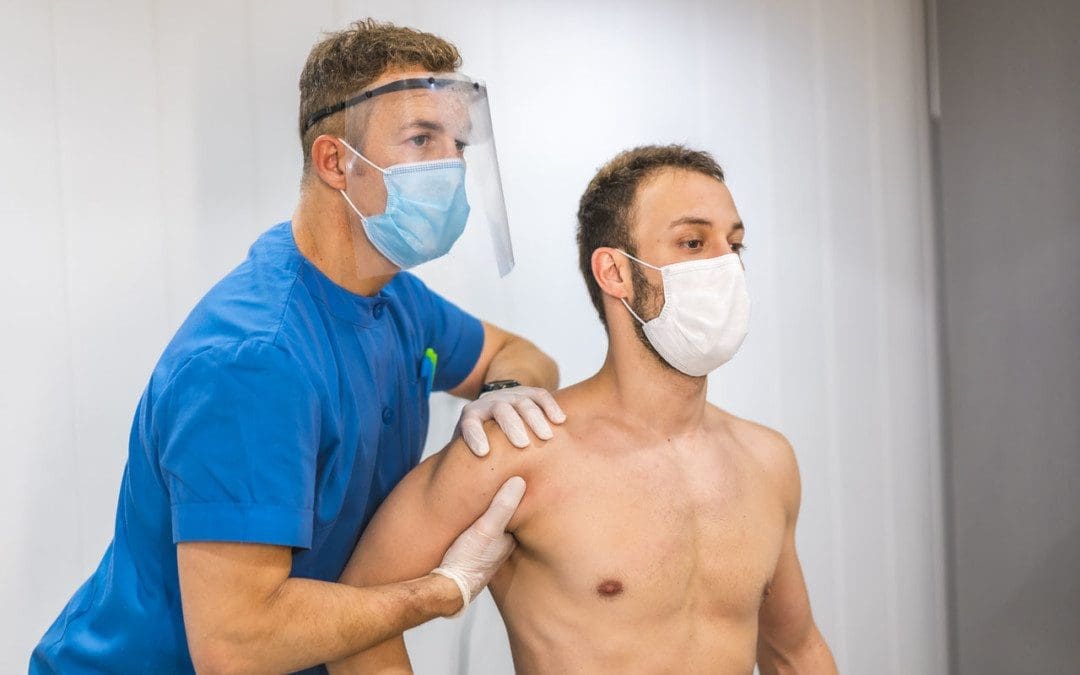
Chiropractic adjustments, therapeutic massage, and decompression therapy can unlock tight shoulder and chest muscles. A chiropractor uses gentle targeted adjustments to relieve pain, restore function, and retrain the muscles.
The doctor will look at the individual’s resting position while standing.
An individual with slumped shoulders can slouch, even when standing up straight.
Their hands will likely face behind them, with their thumbs pointed at each other.
Once the adjustments are made, a correct standing posture will make the hands face the body with the thumbs facing ahead.
Exercises will be recommended to strengthen the core and stretches to maintain the adjustments.
Posture Chiropractic
References
Fathollahnejad, Kiana, et al. “The effect of manual therapy and stabilizing exercises on forward head and rounded shoulder postures: a six-week intervention with a one-month follow-up study.” BMC musculoskeletal disorders vol. 20,1 86. 18 Feb. 2019, doi:10.1186/s12891-019-2438-y
Go, Seong-Uk, and Byoung-Hee Lee. “Effects of scapular stability exercise on shoulder stability and rehabilitative ultrasound images in office workers.” Journal of physical therapy science vol. 28,11 (2016): 2999-3002. doi:10.1589/jpts.28.2999
Kwon, Jung Won, et al. “Changes in upper-extremity muscle activities due to head position in subjects with a forward head posture and rounded shoulders.” Journal of physical therapy science vol. 27,6 (2015): 1739-42. doi:10.1589/jpts.27.1739
Lee, Do Youn, et al. “Changes in rounded shoulder and forward head posture according to exercise methods.” Journal of physical therapy science vol. 29,10 (2017): 1824-1827. doi:10.1589/jpts.29.1824
Park, Sang-In, et al. “Effects of shoulder stabilization exercise on pain and functional recovery of shoulder impingement syndrome patients.” Journal of physical therapy science vol. 25,11 (2013): 1359-62. doi:10.1589/jpts.25.1359
Low-back, neck, shoulder, hip, leg, and foot pain are all causes of everyday discomfort and a bad mood. Chronic pain exacerbates the discomfort and bad mood times 10. Chiropractic treatment can help realign the spine and alleviate the pain. However, to maintain pain relief, individuals need to make healthy lifestyle adjustments. One of the most important adjustments is eating habits. Those dealing with chronic pain may not realize their diet is contributing to the pain.
At Injury Medical Chiropractic and Functional Medicine Clinic, we have a combined team of chiropractors, physical therapists, a health coach, and a nutritionist to help educate, develop, and support a personalized treatment plan on spinal health, posture, physical activity/exercise, balance, and eating habits.
Salt, Sugar, and Fat Affects the Body
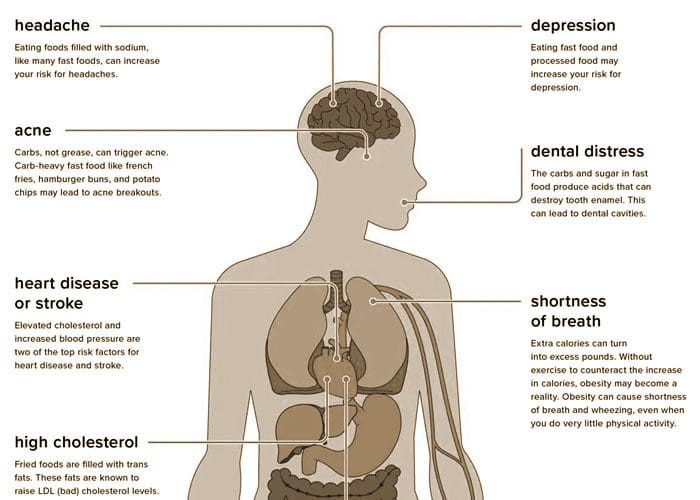
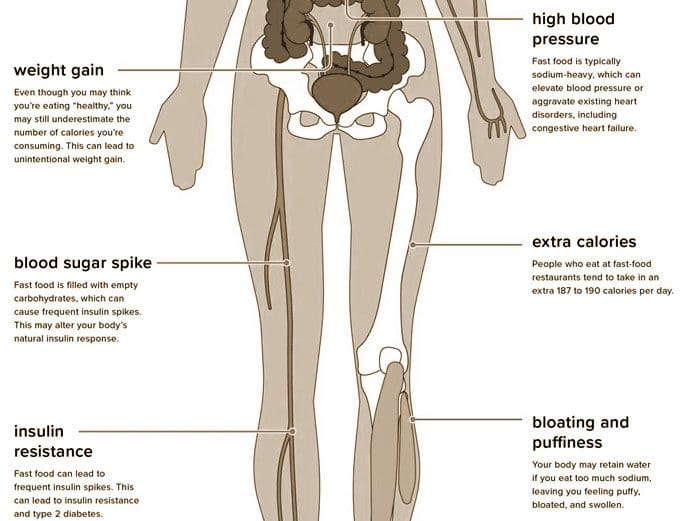
A sedentary lifestyle is a significant contributor to chronic pain, but unhealthy eating habits also play a role. Poor diet adds weight to the body. This stresses the body’s biomechanical structure. It also aggravates inflammation. Too much salt, sugar, and fats ingested through processed foods, fast food, and unhealthy habits affect the body’s regulating systems. They can affect everything from the nervous system, nerves, proper circulation, even the limbic system. The inflammation and stress generate and exacerbate chronic pain symptoms.
Changing unhealthy eating habits is up to the individual.
Individuals can be advised to cut back or cut out unhealthy diet choices; however, it is easier said than done. A doctor, health coach, and nutritionist have no control over what individuals do when they leave the clinic. Individuals themselves can have little control over their own eating habits. Many have an addiction to unhealthy food, which is a disease in itself. To help change poor eating habits, individuals need to be educated on how their eating habits affect the total body and mental health.
Nutrition Discussion
Chronic pain associated with inflammation linked to a poor diet is the first step in the diagnosis and developing an optimal treatment plan. It could be as simple as informing an individual that eating cheeseburgers are causing the inflammation that is hurting their back. However, there is more to it, but individuals are more inclined to avoid the foods causing the inflammation upon hearing a full explanation. Targeting specific foods is the first step in alleviating pain.
The temptation is always there, especially when stress comes into the picture. This is why it is important to have ready-to-go adjustments/alternatives that keep the individual eating healthy, despite the chaos going on around them. A treatment plan will include quick alternatives that can happen instages. An example could be:
Having one cheeseburger and not two.
Having a burger without cheese.
Eating a burger without the buns.
Switching to a plant-based burger.
There are many options to be explored to improve eating habits in small steps.
Willpower also has to be addressed in a controlled and supportive setting. This is where the whole team comes in. Many individuals’ eating habits are part of who they and adjusting them can be an uphill challenge. To educate on:
Having the family or friends eat healthy with them
These are techniques and methods to increase willpower to make healthy changes.
Body Composition
Foods Can Support Body Detoxing
The proper foods can support the body in detoxifying toxins and counter the negative effects like brain fog, neurodegenerative disorders, and chronic pain. The foods help to:
Neutralize oxidative stress
Lower inflammation
Increase immunity
Strengthen the musculoskeletal system
Foods and nutrients that detoxify can be a part of a healthy lifestyle.
References
Bjørklund, Geir et al. “Insights on Nutrients as Analgesics in Chronic Pain.” Current medicinal chemistry vol. 27,37 (2020): 6407-6423. doi:10.2174/0929867326666190712172015
Elma, Ömer et al. “Chronic Musculoskeletal Pain, and Nutrition: Where Are We and Where Are We Heading?.” PM & R: the journal of injury, function, and rehabilitation vol. 12,12 (2020): 1268-1278. doi:10.1002/pmrj.12346
Gómez-Pinilla, Fernando. “Brain foods: the effects of nutrients on brain function.” Nature reviews. Neuroscience vol. 9,7 (2008): 568-78. doi:10.1038/nrn2421
It�s easy to get a quick sugar fix from foods that might be lying around (hello, blueberry muffins in the office kitchenette). Chances are, though, that you’re already eating way too much sugar; the average person takes in 22 teaspoons of�sugar daily�more than three times the amount suggested by the American Heart Association. A growing body of research links the sweet stuff to high cholesterol and blood pressure, increased risk for cancer, diabetes, and heart disease, and�of course�excess weight gain. Plus, a sweet treat can cause a blood sugar spike and crash, leaving you feeling sluggish, moody, and hungry (again).
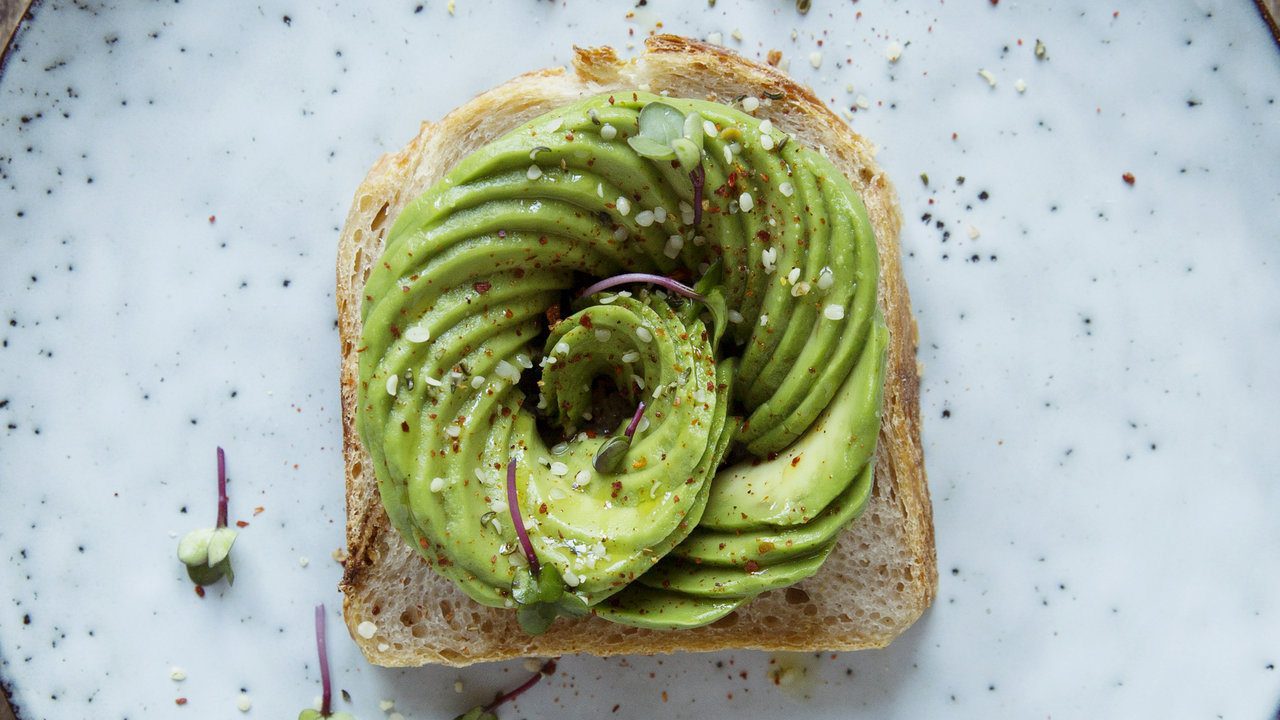
Reach For A Piece Of Fruit Instead
You’ll be satisfied�we promise. �When you craving something cold, creamy and sweet, think healthier options like frozen bananas, grapes, organic fruit purees, or homemade frozen yogurt pops,� suggests Natalia Levey, certified health and nutrition coach and author of Cravings Boss. Low-fat Greek or plain yogurt with some fruit on top is another nutrient-packed option. �The yogurt provides calcium which is good for your bones and the berries are packed with immune boosting antioxidants,� says Keri Gans, RD, New York City-based nutritionist and author of The Small Change Diet
IFM's Find A Practitioner tool is the largest referral network in Functional Medicine, created to help patients locate Functional Medicine practitioners anywhere in the world. IFM Certified Practitioners are listed first in the search results, given their extensive education in Functional Medicine