Back pain and soreness are widespread conditions that affect all genders, races, and lifestyles. The causes for back pain are varied from injury, poor posture, arthritis, age, overuse, etc. If back pain is frequent, perhaps the last assumption is that the pain could be caused by cancer. While it’s far from the most common causes, cancer back pain is possible, which makes consulting a doctor that will figure out the root cause, especially if there are other non-related symptoms, and treat the back pain very important.
Cancer Back Pain
Back pain that could be caused by cancer usually occurs with other symptoms and include:
Back pain that is not related to movement.
Pain does not get worse with activity.
Back pain usually presents at night or early in the morning and fades away or improves as the day progresses.
Back pain persists even after physical therapy or other treatments.
Changes in bowel movements or blood in urine or stool.
Like lung cancers, some breast cancer tumors can press on nerves connected to the spine, causing discomfort and pain.
Gastrointestinal
Cancers of the stomach, colon, and rectum can cause back pain.
The pain radiates from where the cancer is to the back.
Tissue and Blood Cancers
Blood and tissue cancers like:
Multiple myeloma
Lymphoma
Melanoma
Can cause back pain.
Diagnosing Cancer and Back Pain
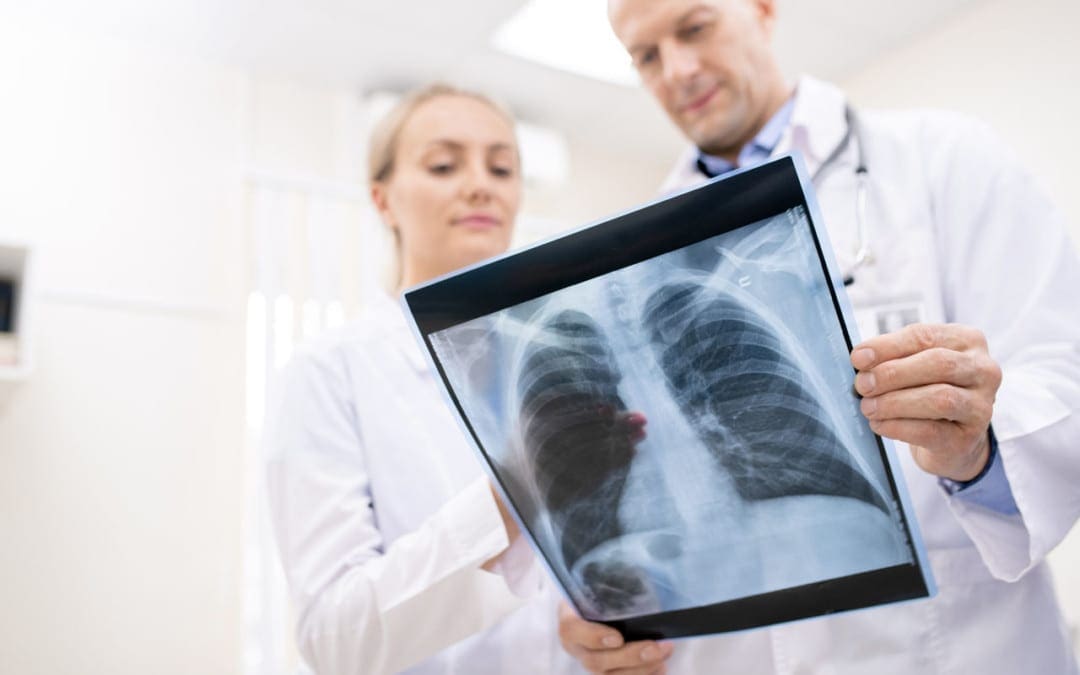
Medical treatments for back pain-related cancer depend on its type and how advanced it is. A doctor will consider symptoms and medical history when diagnosing possible back pain causes. Because cancer is a rare cause of back pain, a doctor may recommend various treatments before a full cancer work-up. The doctor may order imaging studies and blood testing if the pain persists after chiropractic, physical therapy, or anti-inflammatory medications. These tests will help identify potential cancer markers causing back pain.
Treatments usually include chemotherapy and radiation to shrink a tumor.
A doctor will recommend surgery to remove a tumor.
Chiropractic
Cancer patients have found chiropractic treatment to be effective for:
Pain management.
Flexibility improvement.
Mobility improvement.
Strengthening muscles.
Helping to reduce stress.
Helping the body function more efficiently.
Chiropractic physiotherapy benefits patients undergoing chemotherapy, as it helps the body withstand the debilitating effects of the treatment based on the whole-body approach.
Body Composition
Don’t Hate Dieting
Individuals hate dieting, usually because they go about it the wrong way. Individuals do not need to starve themselves and live at the gym. Reaching quick weight loss goals might sound appealing; however, going through it for an extended time can make individuals feel:
Tired
Depressed
Unmotivated
Individuals can find a nutrition plan/exercise balance that works for them and their lifestyle. For some individuals, dieting alone is effective, but more than likely, they have increased metabolisms. Trying to lose fat by only cutting calories can be difficult for individuals with smaller metabolisms. The goal is to find a balance between diet and exercise. This does not mean having to go on an extreme diet, skip meals, or cut out entire macronutrient groups like fat or carbs, as the body needs both of these nutrients. Finding a sustainable long-term nutrition plan takes planning and support. A dietician, nutritionist, or health coach can offer a variety of nutrition and exercise plans customized to the individual.
References
Downie, Aron et al. “Red flags to screen for malignancy and fracture in patients with low back pain: a systematic review.” BMJ (Clinical research ed.) vol. 347 f7095. 11 Dec. 2013, doi:10.1136/bmj.f7095
Mabry, Lance M et al. “Metastatic cancer mimicking mechanical low back pain: a case report.” The Journal of manual & manipulative therapy vol. 22,3 (2014): 162-9. doi:10.1179/2042618613Y.0000000056
Vasser, Melinda, and Matthew Koroscil. “When Back Pain Turns Deadly: An Unusual Presentation of Lung Cancer.” Respiratory medicine case reports vol. 29 101009. 28 Jan. 2020, doi:10.1016/j.rmcr.2020.101009
Verhagen, Arianne P et al. “Red flags presented in current low back pain guidelines: a review.” The European spine journal: official publication of the European Spine Society, the European Spinal Deformity Society, and the European Section of the Cervical Spine Research Society vol. 25,9 (2016): 2788-802. doi:10.1007/s00586-016-4684-0
A spinal tumor is an uncommon cause of back pain. They rarely occur and can be either benign or malignant. Some tumors can metastasize or spread out to other parts of the body. This is done through the arteries, veins, the lymphatic system, and directly depending on the location.
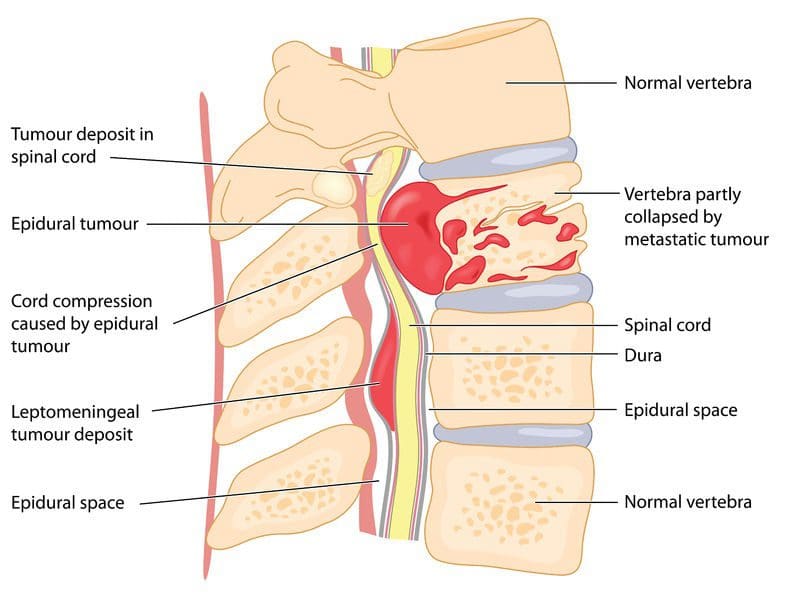
A tumor of the breast, prostate, lung, and kidney can metastasize into the spine increasing the risk of spinal compression. This could lead to neurologic dysfunction and paralysis. Many individuals present with back pain as the key symptom. The pain can worsen at night and have no relation to certain activities. Other symptoms include:
Aneurysmal bone cysts or ABCs usually cause pain and swelling. They can be large and typically affect children and adolescents.
Eosinophilic Granuloma
This type of spinal tumor usually develops in the vertebral bodies of children and adolescents. If the tumor is systemic it is called histiocytosis X. However, these tumors rarely lead to vertebral collapse and paraparesis. And also rarely but on occasion, they can heal spontaneously on their own.
Giant Cell Tumor
This type of spinal tumor affects children, adolescents, and young adults. They can be found around the cervical, thoracic, or lumbar segments of the spine, but are more common in the sacrum region.
Hemangioma
Hemangiomas develop most often in the thoracic or middle back. These affect adults and are known to be vascular masses that are progressive and can cause vertebral collapse and slight paralysis.
Osteoblastoma
These tumors can be large, aggressive, and painful. They affect children and adolescents. They can sometimes cause spinal deformity and paralysis.
Osteochondroma
This a slow-growing spinal tumor that comes from cartilage and usually affects adolescents. It is uncommon and typically found in the posterior or rear of the spine.
Osteoid Osteoma
A very small bone tumor that is less than 2 cm. It typically affects adolescents. It is known to cause night pain and can result in spinal deformity.
Malignant – Cancerous
Chordoma
This is typically seen in adults. About 50% involves the sacrum, but it can affect other regions of the spine. These tumors usually require aggressive treatment.
Chondrosarcoma
This tumor affects the spinal cartilage in middle-aged adults. It grows slowly but can be dangerous. Aggressive medical treatment is required.
Ewing/Ewing’s Sarcoma
An aggressive spinal tumor that affects adolescents and young adults. In certain cases, it can metastasize.
Lymphoma
Lymphoma can present in one or more vertebral bodies. It affects middle-aged and older adults. The lymphatic system can sometimes be involved.
Osteosarcoma
This is a bone cancer that develops in adolescents and middle-aged adults. It can metastasize and require aggressive medical treatment.
Plasmacytoma
Plasmacytoma typically presents in middle-aged and older adults. They usually present in the pedicle and vertebral body and can cause paraparesis.
Back pain does not always mean that there is a tumor present. But if back pain does not resolve or if neurologic symptom/s are experienced, early medical intervention/treatment is definitely warranted. A primary spinal tumor or those that originate in the spine are uncommon. However, metastatic spinal tumors are.
Spinal tumors are not a common cause of back pain, but if there is pain whose cause cannot be identified and continues with no change, it could be an indicator of something more going on. Persistent pain, specifically if it is not brought on with activity or if it worsens at night, could be a potential red flag needing further examination by x-ray, CT, or MRI. Metastatic tumors, that spread from another area such as the lung, breast, colon, and prostate are a more common type of spinal tumor. Individuals with a family history of cancer that develop back pain out of nowhere should be examined to exclude a spinal tumor.
Neck and Low Back Pain Treatment
Dr. Alex Jimenez�s Blog Post Disclaimer
The scope of our information is limited to chiropractic, musculoskeletal, physical medicines, wellness, and sensitive health issues and/or functional medicine articles, topics, and discussions. We use functional health & wellness protocols to treat and support care for injuries or disorders of the musculoskeletal system. Our posts, topics, subjects, and insights cover clinical matters, issues, and topics that relate and support directly or indirectly our clinical scope of practice.*
Our office has made a reasonable attempt to provide supportive citations and has identified the relevant research study or studies supporting our posts. We also make copies of supporting research studies available to the board and or the public upon request. We understand that we cover matters that require an additional explanation as to how it may assist in a particular care plan or treatment protocol; therefore, to further discuss the subject matter above, please feel free to ask Dr. Alex Jimenez or contact us at 915-850-0900. The provider(s) Licensed in Texas& New Mexico*
Osteoid osteoma refers to a benign tumor/s that can grow on the spine as well as other areas of the body. They are not cancerous, but they can cause pain and abnormal curvature of the spine. It can begin as a small benign spinal tumor that can cause pain, especially at night. They do respond well to over-the-counter pain relievers and can go away on its own. However, if symptoms are unmanageable, other treatments are available.
Osteoid Osteoma
Osteoid means a type of tissue that eventually turns to bone. Osteoma means a type of tumor unique to bones. They are small typical size is less than one inch across. These growths represent around ten percent of all benign bone tumors, with one percent representing spinal tumors.
They can appear and also affect the bones of the arms, hands, fingers, ankles, or feet. They are discovered on the spine around fifteen percent of the time. Osteoid osteomas of the spine affect the posterior, or back area of the vertebrae rather than the anterior, or front region. However, any area of the spine could be affected. But they are most common in the low back.
60% affect the lumbar spine lower back
27% affect the cervical spine or neck region
12% affects the thoracic spine or middle back
Risks
Osteoid osteoma is not cancerous and will not spread out to the various organ systems the way malignant cancer does. It can be discomforting, painful, and could have to be removed. There are some risks associated with osteoid osteomas including:
Scoliosis
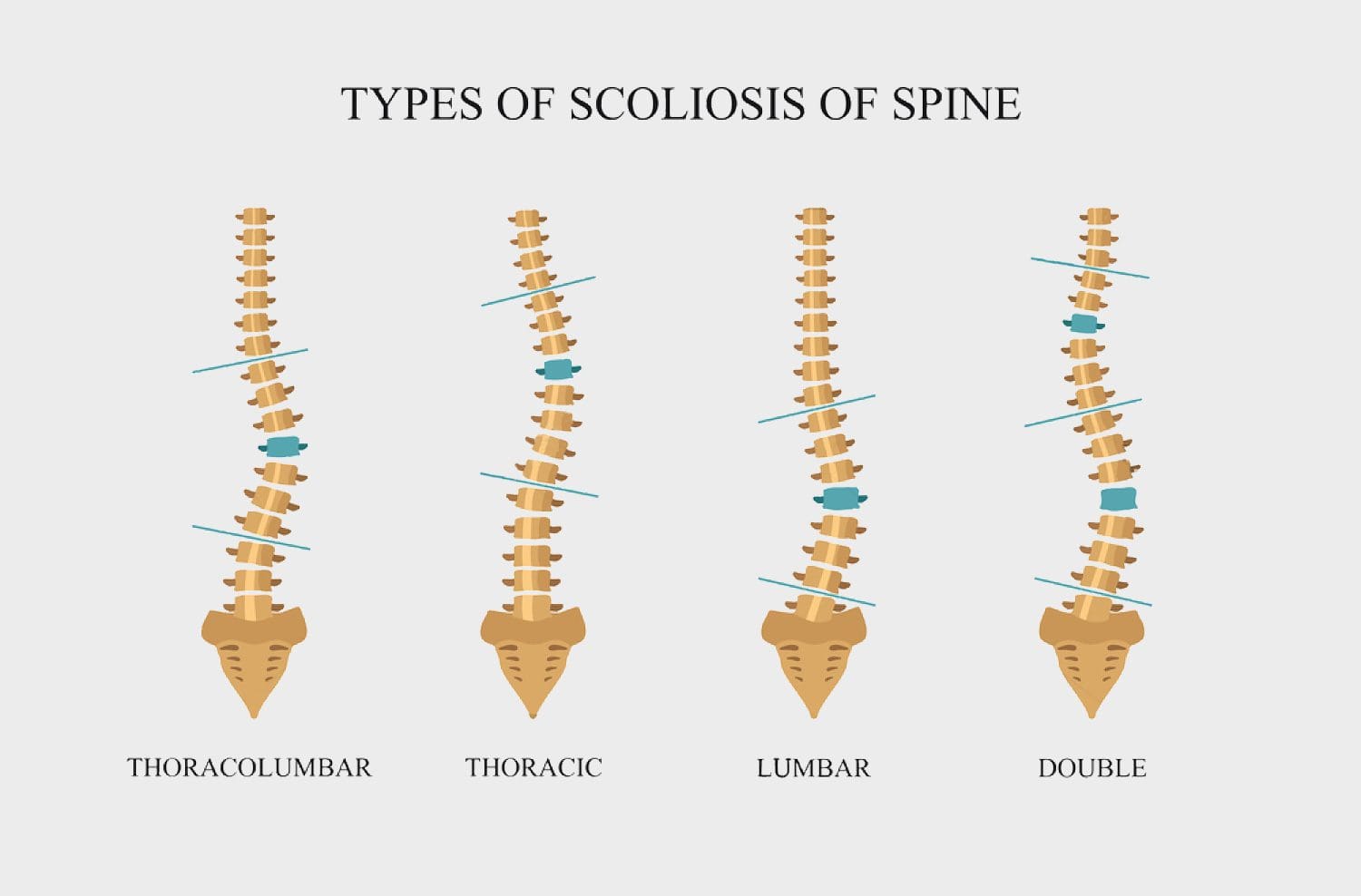
It could provoke muscle spasms of the erector spinae. These are the muscles that support the spine and could lead to scoliosis. The spine has a natural curvature. Scoliosis generates an S or C shaped curve to the left, right, or both ways affecting function and mobility. This type is more likely to contribute to the left or right curve of the spine affecting the lower back.
Incorrect diagnosis
Because osteoid osteoma can cause scoliosis, sometimes a doctor will focus on treating the abnormal curve instead of the osteoma.
Nerve root compression
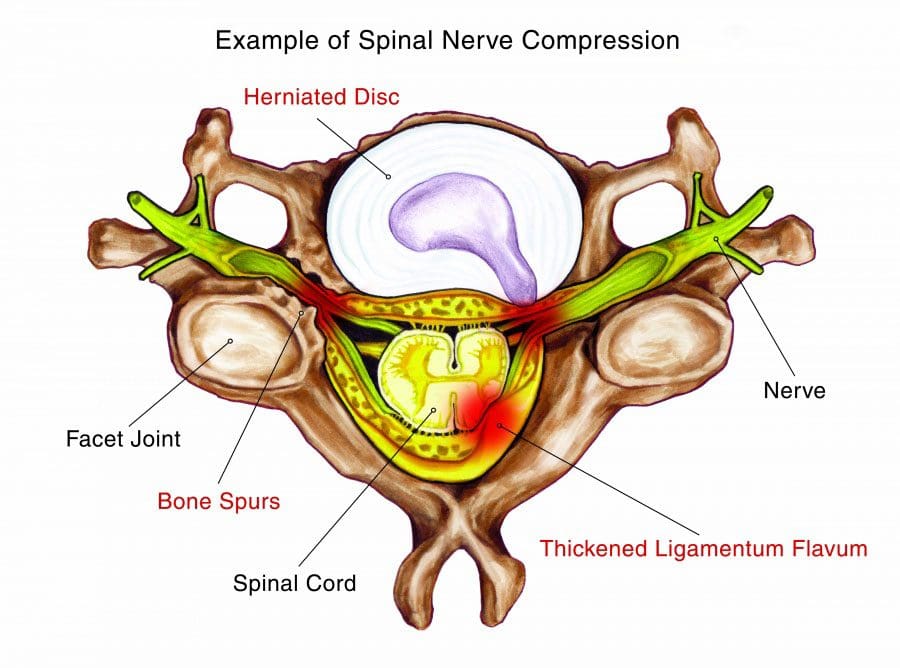
Most individuals do not pose a risk for nerve root compression. But there is a risk if the growth begins to press against the spinal cord, as it can interfere with nerve function. This can lead to spreading/radiating pain and sciatica.
Causes
The causes of osteoid osteoma are not completely understood. What is known is that men are three times more likely to be diagnosed than women. Young people also pose a risk at development. It can develop at any age, but around eighty percent are diagnosed in individuals under 30 years of age. The core of an osteoma is a growth called a nidus. Inside are growing tumor cells, blood vessels, along with cells that progress to bone. A bony shell encapsulates the whole thing.
Signs and Symptoms
Osteoid osteomas usually cause a dull ache at the site of the tumor along with muscle spasms. The pain often gets worse at night. It can be relieved with non-steroidal anti-inflammatory medications like ibuprofen and aspirin. The pain can also be sharp, and occur during the day, worsening with activity and sometimes progressing to severe pain over time. In some cases, however, there are no symptoms.
Diagnosis
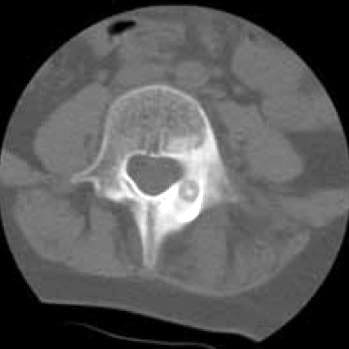
Doctors usually notice painful or swollen soft tissue around the tumor during a physical examination. There could be a lump, but this is rare. Imaging tests like an X-ray or a CT scan will be ordered. An x-ray can show the bone thickening, but a CT scan will show the nidus clearly as a dark center surrounded by white cortical bone. Sometimes a CT and MRI imaging scan is used in conjunction to diagnose osteoid osteomas. In some cases, a biopsy could be needed. This is taking a tissue sample and sending it to a lab to be examined under a microscope. However, this is rarely needed.
Treatment
Nonsurgical
Non-steroidal anti-inflammatory medications can be effective relieving symptoms. If it can be controlled with just medication, then this could be the only treatment necessary. Some patients do well trying a different painkiller if the preferred medication no longer works. This needs to be discussed with your doctor, as chronic medication use is associated with issues like ulcers, kidney damage, and concerns about opioid addiction. When this approach is taken, the pain lasts for about three years with the lesion breaking down in five to seven years.
Surgical
If the pain cannot be controlled or the osteoma develops to scoliosis, surgery could be the next step. Most spinal osteomas are surgically removed with open curettage. It is a small incision. The nidus is scooped/scraped out and the cavity walls are removed with a motorized burr. Often a small amount of bone graft material is used to fill in the area. Unfortunately, surgical resection means having to stay at the hospital. Recovery time can be painful.
Radiofrequency ablation
For osteomas that affect the bones other than the spine, radiofrequency ablation. It is a minimally invasive outpatient procedure with a short recovery time. During the procedure, radiofrequency waves generate heat within the nidus around six minutes destroying the tumor. Surgeons use CT scans to precisely target the tumor. The procedure takes one to two hours and afterward, the patient waits in a recovery room for up to four hours.
However, radiofrequency ablation is not as commonly used to treat spinal osteomas. This comes from the risk of thermal nerve damage. The needle tip can reach 194 degrees Fahrenheit, which is more than enough to damage the nerves. Candidates for radiofrequency ablation are usually young patients with no history of neurological problems. Osteoid osteoma is not as scary as it sounds, remember the best defense is a knowledgeable doctor and chiropractor. If back pain is presenting, do not wait to get treatment. There is a spine specialist who can help.
Chronic Pain Chiropractic Relief
Dr. Alex Jimenez�s Blog Post Disclaimer
The scope of our information is limited to chiropractic, musculoskeletal, physical medicines, wellness, and sensitive health issues and/or functional medicine articles, topics, and discussions. We use functional health & wellness protocols to treat and support care for injuries or disorders of the musculoskeletal system. Our posts, topics, subjects, and insights cover clinical matters, issues, and topics that relate and support directly or indirectly our clinical scope of practice.*
Our office has made a reasonable attempt to provide supportive citations and has identified the relevant research study or studies supporting our posts. We also make copies of supporting research studies available to the board and or the public upon request. We understand that we cover matters that require an additional explanation as to how it may assist in a particular care plan or treatment protocol; therefore, to further discuss the subject matter above, please feel free to ask Dr. Alex Jimenez or contact us at 915-850-0900. The provider(s) Licensed in Texas& New Mexico*
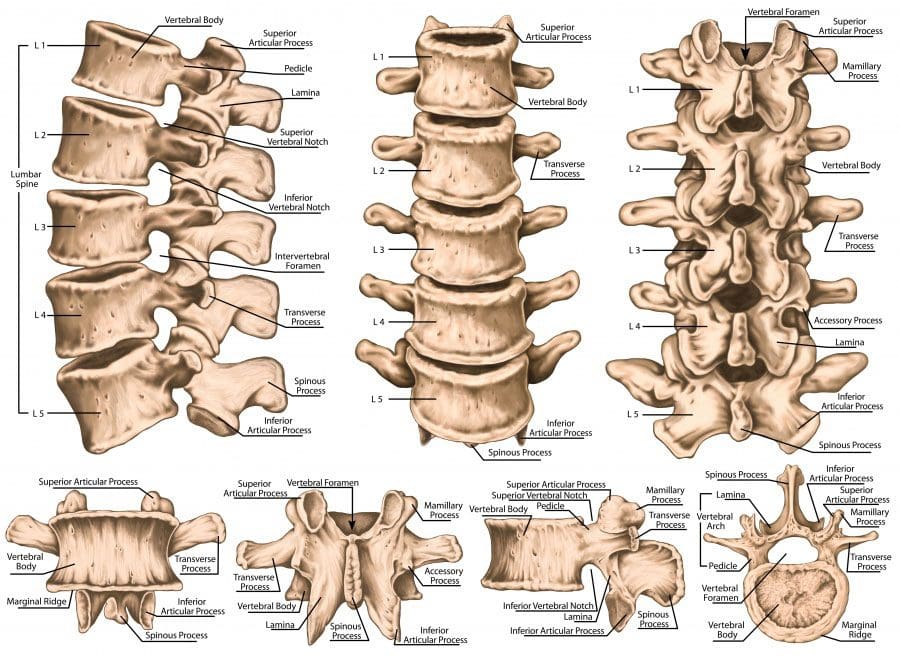
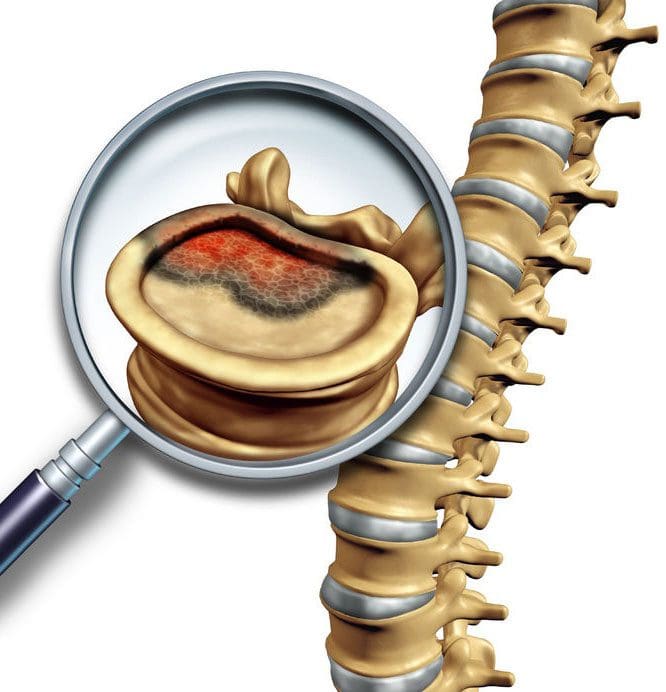
A spinal tumor is an abnormal mass of tissue either inside the spine or outside. It is also called a neoplasm meaning a new abnormal growth. They can develop in the bone, spread to other parts of the spine, or outside the spine, like the lungs and chest. Tumor cells can multiply slowly or very rapidly. Tumors are either cancerous or non-cancerous. They can develop anywhere in the spine:
Cervical – neck
Thoracic – mid-back
Lumbar – low-back
Sacral – sacrum
It is not uncommon for spinal tumors to develop out of a tumor from the individual’s breast, lung, kidney, prostate, or another area of the body that has spread out.
Symptoms
Whether cancerous or not, spinal tumors can cause a variety of symptoms, including:
Pain not related to an injury or physical activity.
Pain in the back or neck that presents suddenly, quickly worsens, especially at night. This can be an indicator of a spinal tumor.
Pain that radiates to other parts of the body, like the arms, hands, legs, and feet.
The pain continues even when resting.
Muscle weakness or loss of sensation, especially in the legs, arms, or chest.
Difficulty walking
Abnormal curvature of the spine not from poor posture
Paralysis
Loss of bladder or bowel control
Lowered sensitivity to heat and cold
An individual could have a dominating symptom/s or a combination.
Causes
As previously mentioned these tumors can originally develop in another part of the body and then metastasize to the spine. These types of tumors are secondary tumors. Research scientists are still trying to figure out what exactly causesprimary tumors that originate in the spine. One theory believes genetics plays a role.
Early diagnosis
The most common symptom of a spinal tumor is pain. Examinations and diagnostic tests will be conducted both physical and neurological. A doctor or specialist needs to see and evaluate the spine. This is essential in diagnosing a potential tumor. A doctor could also order:
CT scan
MRI
PET scan – Positron Emission Tomography
Myelogram if there are symptoms of spinal cord compression
If the imaging reveals a tumor, a biopsy could be performed. A sample of tissue will be examined under a microscope to see if the tumor is cancerous or not. If the tumor is cancerous, the biopsy will show the type of cancer and determine the stage of the disease. Depending on the tumor type and location, other tests/procedures could be recommended.
Treatment
There are many factors that go into creating an optimal treatment plan. This includes whether the tumor is cancerous or not, size, location, and symptoms. Types of treatment:
Observe and wait as small non-cancerous tumors that are not growing or impinging/pinching other spinal structures could only need to be monitored for changes.
Surgery
Radiation treatment
Stereotactic radiosurgeryworks by delivering a high dose of radiation specifically targeted at the tumor
Chemotherapy
Chiropractor Personal Injury Attorney Recommended
Dr. Alex Jimenez�s Blog Post Disclaimer
The scope of our information is limited to chiropractic, musculoskeletal, physical medicines, wellness, and sensitive health issues and/or functional medicine articles, topics, and discussions. We use functional health & wellness protocols to treat and support care for injuries or disorders of the musculoskeletal system. Our posts, topics, subjects, and insights cover clinical matters, issues, and topics that relate and support directly or indirectly our clinical scope of practice.*
Our office has made a reasonable attempt to provide supportive citations and has identified the relevant research study or studies supporting our posts. We make copies of supporting research studies available to the board and or the public upon request. We understand that we cover matters that require an additional explanation as to how it may assist in a particular care plan or treatment protocol; to further discuss the subject matter above, please feel free to ask Dr. Alex Jimenez or contact us at 915-850-0900. The provider(s) Licensed in Texas& New Mexico*
IFM's Find A Practitioner tool is the largest referral network in Functional Medicine, created to help patients locate Functional Medicine practitioners anywhere in the world. IFM Certified Practitioners are listed first in the search results, given their extensive education in Functional Medicine