Alfonso J. Ramirez, now retired, found follow-up treatment with Dr. Alex Jimenez for his neck pain. Mr. Ramirez experienced chronic pain and headaches, but after receiving chiropractic care, he found relief from his symptoms. Since then, Alfonso Ramirez has continued to maintain the alignment of his spine with Dr. Jimenez. Mr. Ramirez is grateful for the chiropractic care he’s received for his neck pain and for his shoulder and knee pain. Alfonso J. Ramirez recommends Dr. Alex Jimenez as the non-surgical choice for neck pain.
Chiropractic Care Neck Pain Treatment
Neck pain (or cervical Gia) is a frequent problem, together with two-thirds of the population experience neck pain at any time in their lives. Neck pain, although felt in the neck, can be brought on by many other spinal issues. Neck pain may arise because of muscular tightness in both the neck and upper back, or pinching of the nerves emanating from the cervical vertebrae. Joint disruption in the neck also creates pain, as does joint disruption in the top back. Neck pain affects about 5 percent of the global population as of 2010.
We are blessed to present to you�El Paso�s Premier Wellness & Injury Care Clinic.
As El Paso�s Chiropractic Rehabilitation Clinic & Integrated Medicine Center,�we passionately are focused treating patients after frustrating injuries and chronic pain syndromes. We focus on improving your ability through flexibility, mobility and agility programs tailored for all age groups and disabilities.
If you have enjoyed this video and/or we have helped you in any way please feel free to subscribe and share us.
Benign paroxysmal positional vertigo, or BPPV, is a mechanical issue in the inner ear. It occurs when some of the calcium carbonate crystals (otoconia) that are normally embedded in gel at the utricle become dislodged and migrate to at least one of those 3 fluid-filled semicircular canals, where they are not supposed to be. When enough of these particles accumulate in one of the canals they interfere with the normal fluid motion that these canals utilize to sense head motion, causing the inner ear to send false signals to the mind.
Fluid in the semi-circular canals doesn’t normally react to gravity. However, the crystals do proceed with gravity, thereby shifting the fluid when it normally would be still. When the fluid moves, nerve endings in the canal are eager and send a message to the brain the mind is moving, even though it is not. This false information doesn’t match what another ear is sensing, together with what the eyes are seeing, or with what the joints and muscles are doing, and also this mismatched information is perceived by the brain as a turning sensation, or vertigo, which generally lasts less than one minute. Between vertigo spells some people today feel symptom-free, while some feel a mild sense of imbalance or disequilibrium.
A healthcare professional will execute a collection of tests and evaluations in order to properly diagnose the individual’s BPPV. Regular medical imaging (e.g. an MRI) is not helpful in diagnosing BPPV, because it doesn’t show the crystals which have moved to the semi-circular canals. But when someone with BPPV has their own head moved into a position that produces the dislodged crystals move within a tube, the error signals cause the eyes to move in a very specific pattern, called”nystagmus”.
The nystagmus will possess distinct characteristics that let a trained practitioner to identify which ear the crystals that are displaced are in, and then canal(s) they have moved into. Tests such as the Dix-Hallpike or Roll Tests involve moving the head into specific orientations, allowing gravity to move the dislodged crystals and activate the vertigo while the professional watches for the tell-tale eye movements, or nystagmus.�To execute the Dix-Hallpike test, a healthcare professional will ask the patient to sit on the test table with their legs stretched out. They will then turn the head 45 degrees to one side, which contrasts the right posterior semicircular canal with the sagittal plane of the body, then they are going to allow the patient to lie back quickly, while the eyes are open, so that their head hangs slightly over the edge of the desk.
When the health care provider has finished the diagnosis, then they can perform the appropriate treatment maneuver. The maneuvers make use of gravity to guide the crystals back to the room where they are supposed to be via a very specific series of head movements, commonly referred to as Repositioning Maneuvers. Repositioning maneuvers are highly effective in treating BPPV, inexpensive, and easy to apply.
Dr. Alex Jimenez’s Insights
While the use of surgical interventions as well as that of drugs and/or medications are occasionally recommended to relieve the symptoms associated with benign paroxysmal positional vertigo, or BPPV, they do not treat the underlying health issue. Repositioning maneuvers, like the ones demonstrated below, are considered to be safe yet effective treatment options for BPPV. There is good evidence to support the treatment of BPPV with the Epley maneuver. Although less amounts of research studies have been conducted on other repositioning maneuvers, outcome measures of a variety of patients with BPPV have benefitted from the other treatment options for benign paroxysmal positional vertigo.
Considering that the therapeutic efficacy among maneuvers for every canal is comparable, the option of treatment is generally predicated on clinician preference, complexity of their maneuvers themselves, therapy response to certain maneuvers, as well as musculoskeletal considerations, such as arthritic changes and range of motion of the cervical spine. Below, many repositioning maneuvers are demonstrated, for instance, deep mind hanging maneuver, the Lempert (BBQ) maneuver and the Epley maneuver.
The deep head hanging maneuver is a repositioning maneuver which is used for one of the least common places where BPPV occurs, the superior semi-circular canal, amounting to only about 2 percent of most benign paroxysmal positional vertigo instances. However, the advantage of deep head hanging maneuvers is that they may be effectively performed without knowledge of the side involved. It consists of three steps with four position changes at intervals of approximately 30 seconds.
The deep head hanging maneuver is performed with the patient at the long-sitting position, while the head is brought to a minimum of 30� below the horizontal with the head straight up. When the nystagmus induced by this measure is finished, the head is brought up rapidly to touch the chest while the patient remains supine, and after 30 seconds, the individual has been brought back to a seated position with head flexion maintained. Finally, the patient will be brought back to a neutral head position.
The Lempert maneuver, also referred to as the Barbeque maneuver or the Roll maneuver, is a repositioning maneuver commonly utilized to help treat canilithiasis of the horizontal and lateral canal. It might occur as a complication of posterior canal BPPV treatment repositioning maneuvers. The side with the most notable horizontal nystagmus is assumed to be the affected side.
To perform the Lempert maneuver, the patient should lie supine on the exam table, using the affected ear facing down. Afterward, the healthcare professional will quickly turn the head 90� towards the unaffected side, facing up, waiting 15-20 minutes between each head turn. The medical professional will subsequently turn the head 90� so the affected ear is currently facing up. The next step includes having the individual tuck their arms to their torso, in order to allow the doctor to roll the patient to a more moderate position with their head down. The individual must be turned on their side since the physician rolls their head 90� (returning them to their original position, with the affected ear facing down ). At length, the medical professional should place the patient so that they are face up and bring them into a sitting posture.
Treatment with the Lempert maneuver is efficient approximately 75% of the moment, however, the effectiveness can vary from individual to individual. It is important to keep in mind that longer periods of time between head turns may provoke nausea. This sort of repositioning maneuver shouldn’t be done on patients in which it isn’t safe to move their mind, including in the case of cervical spine injuries.
Epley Maneuver for BPPV
The most common repositioning maneuver for the treatment of benign paroxysmal positional vertigo, or BPPV, is known as the Epley maneuver. The Epley maneuver, occasionally referred to as the canalith repositioning maneuver, is a process which involves a series of head movements, normally performed by a healthcare professional who’s experienced and qualified in the treatment of vestibular disorders, so as to relieve the symptoms associated with BPPV, including dizziness.
The Epley maneuver is performed by placing the patient’s mind at an angle in where gravity can help alleviate the symptoms. Tilting the mind can move the crystals out of the semicircular canals of the inner ear. This means that they will quit displacing the fluid, relieving the dizziness and nausea they may have been causing. In this manner, the Epley maneuver alleviates the symptoms of BPPV. But, it may have to be repeated more than once, as occasionally, some head movements can once again displace the small crystals of the internal ear, once they had been repositions after the first treatment.
Research studies have shown that the Epley maneuver is a safe and effective treatment for the specific vertigo disorder, offering both long-term and immediate relief. The Epley maneuver, named after Dr. John Epley, has been named the canalith repositioning maneuver because it helps to reposition the small crystals at a person’s inner ear, which might be causing the sensation of dizziness.
Repositioning these tiny crystals called otoconia helps to ease BPPV symptoms.�There are two types of BPPV: one where the loose crystals can move freely in the fluid of the canal (canalithiasis), and, more rarely, one where the crystals are thought to be �hung up� on the bundle of nerves that sense the fluid movement (cupulolithiasis).�It is important to make this distinction, as each repositioning maneuver may affect each variant differently. The scope of our information is limited to chiropractic as well as to spinal injuries and conditions. To discuss the subject matter, please feel free to ask Dr. Jimenez or contact us at 915-850-0900 .
Curated by Dr. Alex Jimenez
Additional Topics: Sciatica
Sciatica is medically referred to as a collection of symptoms, rather than a single injury and/or condition. Symptoms of sciatic nerve pain, or sciatica, can vary in frequency and intensity, however, it is most commonly described as a sudden, sharp (knife-like) or electrical pain that radiates from the low back down the buttocks, hips, thighs and legs into the foot. Other symptoms of sciatica may include, tingling or burning sensations, numbness and weakness along the length of the sciatic nerve. Sciatica most frequently affects individuals between the ages of 30 and 50 years. It may often develop as a result of the degeneration of the spine due to age, however, the compression and irritation of the sciatic nerve caused by a bulging or herniated disc, among other spinal health issues, may also cause sciatic nerve pain.
Ankle pain and injury are not issues reserved solely for athletes. In the United States, more than 25,000 people deal with ankle sprains or pain every day. Studies show that somewhere around 40 percent of ankle sprains are not treated correctly or are misdiagnosed, which leads to disability or chronic ankle pain.
When the ankle does not function properly, it can affect the entire body. The muscles on either side of the leg or even under the foot can become sore or painful. This can lead to loss of mobility, an uneven gait, and hip and back pain.
Anatomy Of The Ankle
Three bones connect to the joint that is the ankle. The lower ends of the tibia (shinbone) and the fibula (lower leg small bone) meet to form a socket that the talus (ankle bone) sits in.
The bottom of the talus rests on the calcaneus (heel bone). There is about an inch-thick lining of somewhat soft cartilage in the joint, which provides shock absorption for carrying body weight, but it is tough and durable so that, provided there is no injury, it will last for a lifetime.
The bones are held together by ligaments and the muscles are attached to the bones by tendons. When there is an injury, it can impact the bone, muscles, tendons and ligaments.
Treatment For Ankle Injury & Pain
The typical treatment for pain, such as with a sprain, is R.I.C.E., which is rest, ice, compression and elevation. A somewhat newer treatment approach replaces the R with an M, meaning that instead of rest, movement is required instead.
However, it is important that the movement is done safely and carefully. Certain types of ankle injuries can be exacerbated by movement so it should be approached with care.
Other types of traditional treatment include varying methods of pain control from ibuprofen to opioids. Severe injuries, such as a torn ligament, may require surgery. When a patient experiences pain, an x-ray is often used to see if there is an injury and to determine the extent of that injury. Sometimes, though an x-ray is not able to see the injury. In such cases, an MRI may be used.
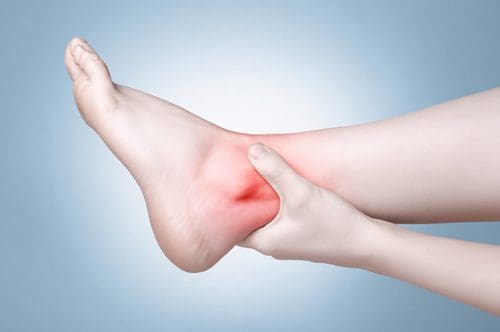
Chiropractic For Ankle Pain
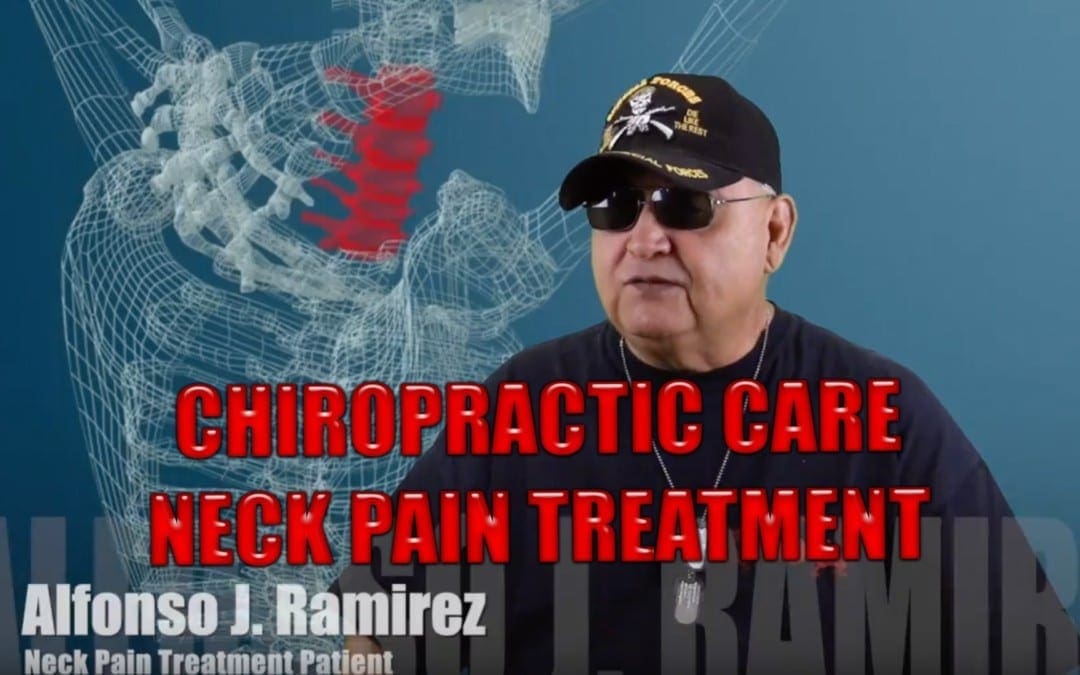
Chiropractic is very effective for treating foot and ankle pain. The chiropractor will begin by assessing the patient�s source of pain and determine what is causing it. They may use x-rays, MRI, CT scan, and other types of diagnostic tools to help them select the best course or treatment.
When an injury is new and the area is inflamed and tender, the course of treatment may include ultrasound, iontophoresis and whirlpool baths. This is in addition to rest, ice, compression and elevation. As it heals, the inflammation subsides and it becomes more stable, chiropractic adjustments to the foot may be introduced.
Chiropractic can help reduce pain without prescription medication and the associated side effects. This alone is often a great draw for many patients. However, there are other benefits that chiropractic can provide for ankle pain.
Regular chiropractic treatment can help strengthen the ankle and increase its stability while increasing mobility and flexibility. Often nerves and soft tissue can become damaged. Chiropractic treatments done on a consistent basis facilitates blood flow, which speeds healing and reduces the chance of injury. It also uses a whole body approach so that the patient can get recommendation on diet and lifestyle changes, such as losing weight or exercising.
Chiropractic care is a very effective therapy for treating ankle pain and injury. It is non-invasive and a natural approach to healing that allows the body to heal itself.
Injury Medical Chiropractic Clinic: Migraine Treatment & Recovery
Auto Accident Injuries: Alfonso J. Ramirez, retired, has been pursuing a life full of health and wellness. Before he began following this type of lifestyle, however, Mr. Ramirez was hit by a car and suffered many injuries. He was treated accordingly at the time but was then referred to Dr. Alex Jimenez for chiropractic care. Once he received his first spinal adjustment, Alfonso Ramirez experienced tremendous relief from his symptoms. Grateful for all the medical services he’s been provided with, Mr. Ramirez expresses how Dr. Jimenez has helped restore his quality of life. Alfonso J. Ramirez recommends Dr. Alex Jimenez as the non-surgical choice for a variety of injuries and conditions.
Auto Accident Injuries Chiropractor
Millions of people are injured in automobile accidents every year, and many of these incidents can unfortunately result in long-term injuries and disability. Even if you are not in immediate pain following a car crash, seeking prompt chiropractic care may help prevent years of chronic pain. Chiropractic care is among one of the most popular ways for treating auto accident injuries. Chiropractic adjustments correct misalignments in the spine and help restore normal function to the nervous system so that the body can heal naturally. A chiropractor can help cure auto accident injuries without drug use. Also, chiropractic care can help with recovery without surgery.
We are blessed to present to you�El Paso�s Premier Wellness & Injury Care Clinic.
As El Paso�s Chiropractic Rehabilitation Clinic & Integrated Medicine Center,�we passionately are focused treating patients after frustrating injuries and chronic pain syndromes. We focus on improving your ability through flexibility, mobility and agility programs tailored for all age groups and disabilities.
If you have enjoyed this video and/or we have helped you in any way please feel free to subscribe and share us.
Although the cerebellum has many responsibilities, its central function is to coordinate and handle motor activities. Balance, coordination, posture, equilibrium and eye motion are controlled in part by the cerebellum. Additionally, it works to calibrate motor actions in order for our movements to have a smooth, flowing nature to them. The cerebellum receives data from various other structures, like the inner ear and the vestibular system, and fine-tunes incoming sensorimotor information to achieve naturally smooth movements.
Cerebellum Exercises
Many cerebellum exercises are available which help the cerebellum enhance the operation of its neurons. Essentially, neurons want stimulation to be able to function accordingly. When neurons do not get enough stimulation, they become unstable, which can lead to a lot of behavioral difficulties, such as the ones connected with ADHD, among others. But, exercising the cerebellum can increase operation as well as decrease negative symptoms.
Exercises that require focused attention are demonstrated to help cerebellar development. Deliberate and purposeful physical movements, such as balancing on a balance board or working with a rehabilitation ball, will help neurons get the stimulation they need to maximize their functioning. Because there’s a substantial connection between physical activity and mental functioning, pairing physical tasks with psychological exercises is also very beneficial towards enhancing cerebellar functioning. By way of instance, a child diagnosed with ADHD may be requested to keep their balance on a balance board whilst simultaneously reciting the alphabet.
If a child or individual demonstrates weak cerebellar development in one quadrant, doing physical exercises between the legs and arms on the exact same side of the body is able to help that portion of the cerebellum “catch up” to the level of development of it’s other half. These exercises might involve arm or leg stretches or complex motions that include the hands, wrists, elbows and shoulders. Vestibular-based actions, such as catching and throwing a ball or performing balance exercises such as standing on one leg, are also great cerebellum exercises that ease the stabilization, growth and development of neurons.
Cerebellar rehabilitation programs incorporate each of these exercises into an extensive regimen for tapping into the brain’s neuroplasticity. The exercises involved require patients to perform tasks that involve balance, spatial judgments, and motor actions, all which enhance cerebellar functioning and operation. Basically, since the brain’s neural networks arrange the incoming sensory information, they improve their functioning and become more effective.
Dr. Alex Jimenez’s Insight
Cerebellar ataxia is a disorder which affects the normal functioning of the brain and the nervous system by decreasing balance and coordination, most commonly in the back, arms and legs. Cerebellar rehabilitation exercises are often utilized to help alleviate the symptoms associated with cerebellar ataxia. Cerebellar exercises can also be recommended by a chiropractor or physical therapist for children and individuals in order to stimulate the brain and help with cerebellar development. Participating in cerebellar exercises has been demonstrated to improve balance, coordination and posture as well as promote more natural and smooth motor activities.
Many cerebellar exercises can be utilized in order to help stimulate specific regions of the brain, particularly the cerebellum. Each zone of the cerebellum is in charge of performing essential functions, therefore, enhancing these different regions is fundamental towards ultimate function and operation. Below, a series of exercises have been divided to enhance specific zones of the cerebellum.
General Cerebellar Exercises
Spinning in a desk seat can stimulate the ipsilateral cerebellum
Vertical muscle stretch can stimulate the ipsilateral cerebellum
Squeezing a tennis ball can stimulate the ipsilateral cerebellum
Passive or active non-linear complex movements can stimulate the ipsilateral cerebellum
Finger to nose extending can stimulate the ipsilateral cerebellum
Vermal and Paravermal Exercises
Passive and active gaze stabilization exercises using central fixation
Wobble board/unsteady surface exercises
Balance beam exercises and tandem walking
Bouncing a ball against the floor or throwing it against the wall
Core exercises, such as planks, sit-ups and yoga
Learning how to balance on a bicycle
Supine cross crawl action
Lateral Cerebellum Exercises
Cognitive procedures
Learning a musical instrument
Tracing a maze
Playing “catch”
Tapping fingers/hand or toes/feet to the beat of a metronome
Seeking to compose with eyes shut
Strategic board games
Cerebellar Rehabilitation Exercises for Cerebellum Dysfunction
When the cerebellum is damaged or not fully developed, individuals can display erratic or slow movements, demonstrate an inability to judge distance, have difficulty performing rapid moves, and walk with an unnatural gait. Dysfunction from the cerebellum have also been linked to symptoms of ADHD and other behavioral disorders. Cerebellar rehabilitation exercises can be helpful towards enhancing the indications of cerebellum dysfunction, most commonly, cerebellar ataxia.
Cerebellar ataxia is a disease which originates from the cerebellum. Cerebellar ataxia can happen as a result of several ailments and presents with symptoms of an inability to coordinate balance, gait, upper/lower extremity and eye motions. Healthcare professionals frequently use visual monitoring of people performing motor tasks so as to look for signs of ataxia. Research studies have shown that cerebellar rehabilitation exercises can be helpful towards improving symptoms related to cerebellum dysfunction.
Treatment of cerebellar ataxia generally involves treating the underlying illness in addition to the symptoms. Cerebellar rehabilitation exercises are used to improve balance and increase the independence of the patient using methods focusing on balance, posture and coordination control. Stabilizing the back and proximal muscles ought to begin with mat activities, like moving onto the forearms out of a lying face down position and crawling/moving onto the knees into a sitting posture. Gait training should also be performed, since it’s an excellent indicator of balance and insertion.
Cerebellar rehabilitation exercises for cerebellum dysfunction can also improve proprioception. Proprioception is controlled by the cerebellum and involves knowing which body parts are situated in space and in connection with each other. Treatment entails plyometric exercises, balance board and mini trampoline exercises. Vibration and match treatment can also be utilized to enhance proprioception, posture and movement. Yoga and other body-awareness exercises might also be included in the treatment plan to increase proprioception.
Rehabilitation goals include enhancing balance and posture against external stimuli, increasing joint stabilization as well as creating independent, practical gait to promote independence. Training principles include progressing from simple to complicated exercises and providing support with home exercise and sports activities. Cerebellar rehabilitation exercises should be prescribed by a healthcare professional who specializes in cerebellum dysfunction, such as a chiropractor or physical therapists. The language of the brain is repetition, and rehabilitation can enhance brain function. The scope of our information is limited to chiropractic as well as to spinal injuries and conditions. To discuss the subject matter, please feel free to ask Dr. Jimenez or contact us at 915-850-0900 .
Curated by Dr. Alex Jimenez
Additional Topics: Sciatica
Sciatica is medically referred to as a collection of symptoms, rather than a single injury and/or condition. Symptoms of sciatic nerve pain, or sciatica, can vary in frequency and intensity, however, it is most commonly described as a sudden, sharp (knife-like) or electrical pain that radiates from the low back down the buttocks, hips, thighs and legs into the foot. Other symptoms of sciatica may include, tingling or burning sensations, numbness and weakness along the length of the sciatic nerve. Sciatica most frequently affects individuals between the ages of 30 and 50 years. It may often develop as a result of the degeneration of the spine due to age, however, the compression and irritation of the sciatic nerve caused by a bulging or herniated disc, among other spinal health issues, may also cause sciatic nerve pain.
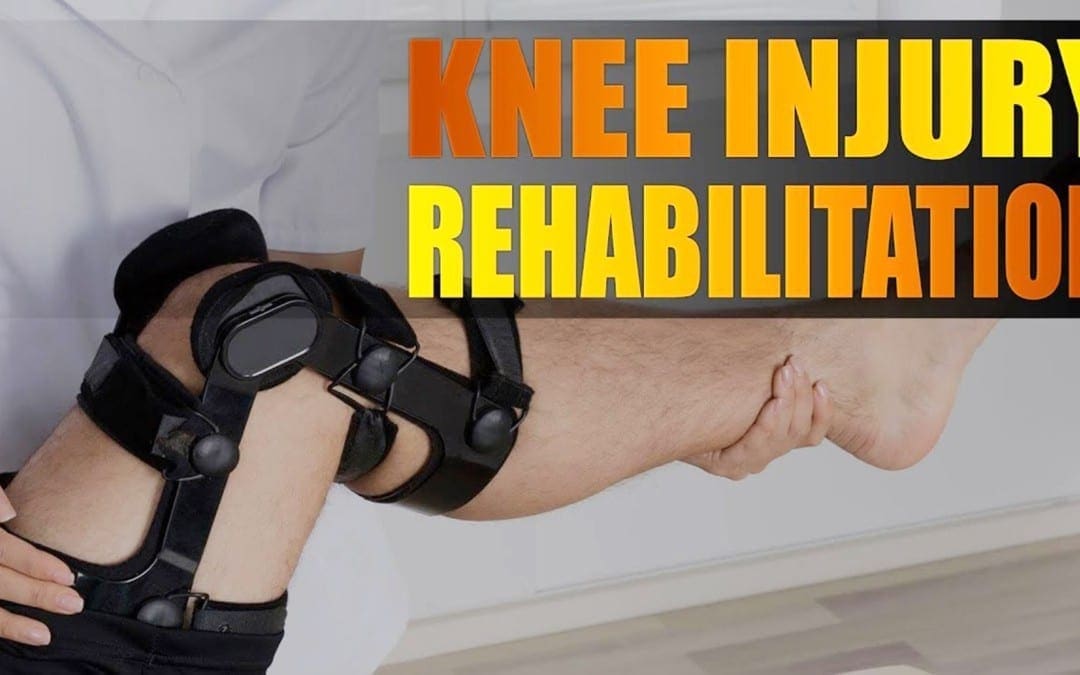
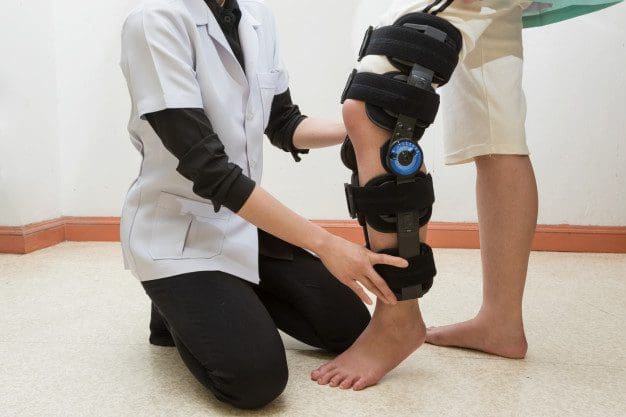
Knee Injuries: Alex Jimenez was a wrestler for 15 years when he suffered an ACL tear. Once diagnosis confirmed his knee injury, Alex Jimenez began an extensive care regimen, consisting of chiropractic care with Dr. Alex Jimenez and crossfit rehabilitation, in order to help him recover. Now that Alex Jimenez dedicates himself to health and fitness, he’s always mindful of engaging in the proper exercises to avoid suffering another sports injury. With a positive mentality, Alex Jimenez was able to find his life plan when his ACL tear healed completely.
Chiropractic Care For Knee Injuries
The anterior cruciate ligament (ACL) is one of the most commonly injured ligaments of the knee. The prevalence of ACL injury is higher in athletes who take part in sports, such as basketball, soccer, skiing, and football. Roughly half of ACL injuries occur together with injury to the meniscus, articular cartilage, or other ligaments. Furthermore, patients may have lumps of the bone beneath the cartilage surface. These might be seen on a magnetic resonance imaging (MRI) scan and might indicate injury to the overlying articular cartilage.
We are blessed to present to you�El Paso�s Premier Wellness & Injury Care Clinic.
As El Paso�s Chiropractic Rehabilitation Clinic & Integrated Medicine Center,�we passionately are focused treating patients after frustrating injuries and chronic pain syndromes. We focus on improving your ability through flexibility, mobility and agility programs tailored for all age groups and disabilities.
If you have enjoyed this video and/or we have helped you in any way please feel free to subscribe and share us.
Benign paroxysmal positional vertigo is a common type of vertigo, a sensation of spinning or whirling and loss of balance, which has been reported to account for as many as 17 percent of all cases of dizziness. Benign paroxysmal positional vertigo, or BPPV, is believed to be caused by a health issue in the inner ear. While it is typically associated with aging, head injuries have also been found to cause BPPV.
BPPV occurs when several of the small crystals found in the inner ear, known as otoconia, become loose and wind up in one or more of the three fluid-filled semicircular canals of the ear. Whenever these crystals move around the inner ear, they can cause the fluid in the semicircular canals to become displaced. This ultimately results in a spinning or whirling sensation, otherwise referred to as vertigo. The symptoms of BPPV can often come on suddenly when an individual with benign paroxysmal positional vertigo moves their head in a certain position. By way of instance, symptoms may trigger when turning over in bed during night time. Symptoms of BPPV can last anywhere from several seconds to several minutes, and may include:
Dizziness;
A feeling that surroundings are spinning or moving (vertigo);
A loss of equilibrium or balance;
Nausea; and
Vomiting.
BPPV Treatment
Although many healthcare professionals often prescribe drugs and/or medications for BPPV, there is not enough evidence to support their use as treatment for this condition. In other, very rare cases, surgical interventions are considered. However, in the majority of instances, BPPV can safely and effectively be adjusted mechanically.
Once a healthcare professional specializing in vestibular disorders, such as a vestibular rehabilitation therapist, a chiropractor, a specially trained physical therapist, an occupational therapist or audiologist, or an ENT (ear, nose & throat specialist who specializes on vestibular disorders), has properly diagnosed the individual’s type of benign paroxysmal positional vertigo by performing tests like the Dix-Hallpike Test, then they’ll have the ability to understand which of the semicircular canal(s) the crystals are in, and whether it is canalithiasis, where the loose crystals can move freely in the fluid of the tube, or cupulolithiasis, where the crystals are believed to be ‘hung up’ on the bundle of nerves that feel the fluid motion, then they can recommend you the appropriate therapy maneuver.
Other Auditory & Vestibular Function Tests
The Dix-Hallpike Test is commonly used to diagnose BPPV, however, if the diagnosis is negative, healthcare professionals may utilize a variety of other auditory and vestibular function tests in order to properly diagnose the patient’s source of their symptoms.
The most common treatment for benign paroxysmal positional vertigo, or BPPV, is called the Epley maneuver. The Epley maneuver, sometimes referred to as canalith repositioning, is a procedure which involves a succession of head movements, normally performed by a healthcare professional who is qualified and experienced in the treatment of vestibular disorders, in order to relieve the symptoms associated with BPPV.
Research studies have demonstrated that the Epley maneuver is a safe and effective treatment for the condition, offering both immediate and long-term relief. The Epley maneuver, named after Dr. John Epley, has been named the canalith repositioning maneuver because it�helps reposition the small crystals in a individual’s ear, which may be causing the sensation of dizziness. Repositioning these small crystals, also known as otoconia, ultimately helps to relieve BPPV symptoms.
The Epley maneuver is performed by placing the patient’s head at an angle from where gravity can help alleviate the symptoms. Tilting the head can move the crystals from the semicircular canals of the inner ear. This means that they will stop displacing the fluid, relieving the dizziness and nausea they may have been causing. In this way, the Epley maneuver alleviates the symptoms of BPPV. But, it may need to be repeated more than once, as occasionally, some head movements can once again displace the small crystals of the inner ear, once they had already been repositions after the initial treatment.
When a healthcare professional carries out the Epley maneuver, they’ll perform the following measures:
Ask the patient to sit upright in an examination table, completely extending their legs out in front of them.
Rotate the patient’s head in a 45-degree angle to the side they’re experiencing the worst vertigo.
Instantly push the patient back, so they are lying with their shoulders touching the table. The patient’s head is retained facing the side most negatively affected by vertigo but at a 30-degree angle, so that it is lifted slightly off the table. The healthcare professional holds the patient in this position for between 30 seconds and two minutes, until their symptoms stop.
Rotate the patient’s head 90 degrees from the opposite direction, stopping when the other ear is 30 degrees away from the table. Again, the doctor holds the patient in this position for between 30 minutes and two minutes, until their symptoms cease.
Next, the healthcare professional will roll the patient in precisely the same direction that they are facing, onto their side. The moment they encounter the worst vertigo on will be facing upward. The physician holds the patient in this position for between 30 minutes and 2 minutes, until their symptoms stop.
Eventually, the healthcare professional will bring the patient back up into a sitting position.
The whole process is repeated up to three times, until the patients’s symptoms have been completely relieved.
A healthcare professional specializing in vestibular disorders, such as a chiropractor or physical therapist, will utilize the Epley maneuver to help alleviate an individual’s dizziness and nausea, among other symptoms, when they have decided that BPPV is the cause. As mentioned before, the Epley maneuver isn’t suitable to treat vertigo brought on by another health issue aside from BPPV. If the individual is unsure of what is causing their vertigo, they ought to talk to a doctor and ask to be properly diagnosed. Other causes of vertigo may include:
Migraine headaches
Ear infections
Anemia
Cerebellar stroke
After performing the Epley maneuver, a doctor will advise the patient who has BPPV to prevent specific movements that may dislodge the crystals. These movements include:
Bending quickly
Lying down fast
Leaning the head
Moving the head back and forth
Many research studies have been done on the safety and effectiveness of therapy maneuvers for BPPV, such as the Epley maneuver, together with results and outcome measures demonstrating that the rates of recovery are well into the 90 percent range by 1 to 3 treatments. The more infrequent cupulolithiasis, or ‘hung-up’ version of BPPV, can be a little more stubborn to resolve, as this type of BPPV is generally the consequence of trauma or injury.
Dr. Alex Jimenez’s Insight
If you’ve ever experienced a sudden spinning or whirling sensation, dizziness and nausea when you make certain head movements, especially while rolling over in bed at night or when getting out of bed in the morning, you may be suffering from a common condition called benign paroxysmal positional vertigo, or BPPV. This type of vertigo can be frustrating to deal with and it can tremendously affect an individual’s quality of life. A healthcare professional who specializes in vestibular disorders, including chiropractors and physical therapists, frequently diagnose BPPV using the Dix-Hallpike Test before following up treatment for benign paroxysmal positional vertigo using the Epley maneuver.
Benign Paroxysmal Positional Vertigo, or BPPV, is a frequent health issue, and will be encountered more and more as our population ages. The effect can vary from a mild annoyance to a highly debilitating condition, and can affect function and safety as well as increase the risk of falls. Fortunately, symptoms tend to decrease in intensity over time as the brain gradually adjusts to the strange signals it is receiving, or as the condition resolves on its own. However, with a healthcare professional who’s suitably qualified and experienced in the diagnosis and treatment of BPPV, most patients will find overall relief of their problem once it readily corrected and their world stops spinning or whirling. The scope of our information is limited to chiropractic as well as to spinal injuries and conditions. To discuss the subject matter, please feel free to ask Dr. Jimenez or contact us at 915-850-0900 .
Curated by Dr. Alex Jimenez
Additional Topics: Sciatica
Sciatica is medically referred to as a collection of symptoms, rather than a single injury and/or condition. Symptoms of sciatic nerve pain, or sciatica, can vary in frequency and intensity, however, it is most commonly described as a sudden, sharp (knife-like) or electrical pain that radiates from the low back down the buttocks, hips, thighs and legs into the foot. Other symptoms of sciatica may include, tingling or burning sensations, numbness and weakness along the length of the sciatic nerve. Sciatica most frequently affects individuals between the ages of 30 and 50 years. It may often develop as a result of the degeneration of the spine due to age, however, the compression and irritation of the sciatic nerve caused by a bulging or herniated disc, among other spinal health issues, may also cause sciatic nerve pain.
IFM's Find A Practitioner tool is the largest referral network in Functional Medicine, created to help patients locate Functional Medicine practitioners anywhere in the world. IFM Certified Practitioners are listed first in the search results, given their extensive education in Functional Medicine






 Chiropractic For Ankle Pain
 We are blessed to present to you�El Paso�s Premier Wellness & Injury Care Clinic.