Why does localized damage or injury caused by trauma lead to chronic, intractable pain in certain patients? What’s in charge of the translation of local injury with acute pain into a chronic pain condition? Why does some pain respond to anti-inflammatory drugs and/or medications, whereas other forms of pain require opiates?
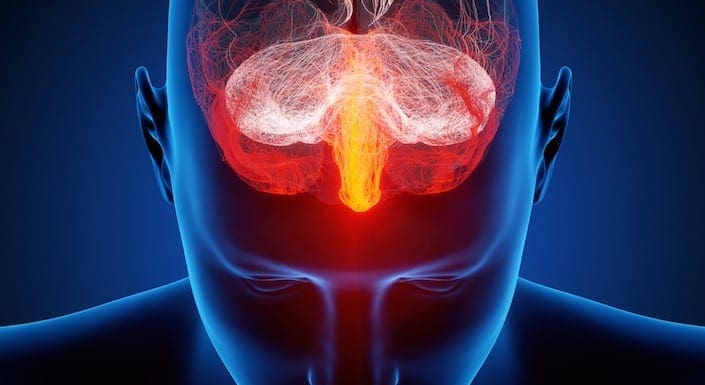
Pain is an intricate process involving both the peripheral nervous system (PNS) and the central nervous system (CNS). Tissue injury triggers the PNS, which transmits signals via the spinal cord into the brain, in which pain perception occurs. However, what causes the intense experience of pain to develop into an unremitting phenomenon? Can anything be done to prevent it? Evidence indicates that chronic pain results from a combination of mechanisms, such as neurological “memories” of preceding pain.
Nociception: The Simplest Pathway
Acute or nociceptive pain is characterized as the regular experience of discomfort which occurs in response to very basic damage or injury. It is protective, warning us to move away from the origin of the insult and take care of the trauma. The mechanisms that create nociceptive pain include transduction, which extends the external traumatic stimulation into electrical activity in specialized nociceptive primary afferent nerves. The afferent nerves then conduct the sensory information from the PNS to the CNS.
In the CNS, the pain data is transmitted by the primary sensory neurons into central projection cells. After the information is transferred to all those areas of the brain which are responsible for our perception, the actual sensory experience happens. Nociceptive pain is a relatively simple reaction to a particularly simple, acute stimulus. But the mechanics in charge of nociceptive pain cannot identify phenomena, such as pain that persists despite removal or healing of the stimulation, such as in the instance of phantom limb pain.
Pain and the Inflammatory Response
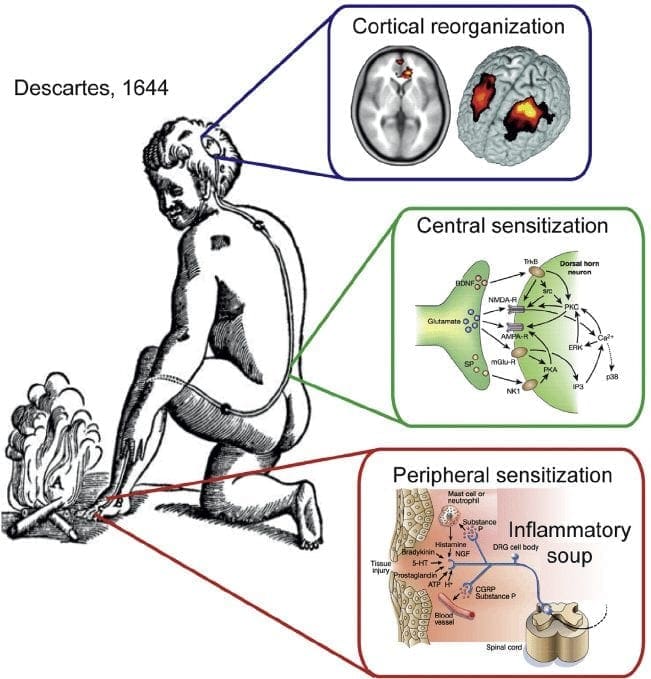
In circumstances of more severe injury, such as surgical wounds, tissue damage may stimulate an inflammatory reaction. However, other conditions, especially arthritis, can also be characterized by continuing cases of inflammation associated with intense pain symptoms. The mechanisms for this type of pain related to tissue damage and an inflammatory response are different from early-warning nociceptive pain.
Observing the incision or site of other damage or injury, a cascade of hyperexcitable events occur in the nervous system. This bodily “wind-up” phenomenon begins at the skin, where it is potentiated along the peripheral nerves, and culminates at a hypersensitivity response along the spinal cord (dorsal horn) and the brain. Inflammatory cells then surround the regions of tissue damage and also produce cytokines and chemokines, substances which are intended to mediate the process of healing and tissue regeneration. But, these agents may also be considered irritants and adjust the properties of the primary sensory neurons surrounding the area of trauma.
Thus, the major factors which trigger inflammatory pain include damage to the high-threshold nociceptors, known as peripheral sensitization, changes and alterations of the neurons in the nervous system, and the amplification of the excitability of neurons within the CNS. This represents central sensitization and is accountable for hypersensitivity, where areas adjacent to those of the true injury will experience pain as if these were injured. These tissues can also react to stimulation which normally doesn’t create pain, such as a touch, wearing clothing, light pressure, or even brushing your own hair, as if they were truly painful, referred to as allodynia.
Neuropathic pain results from damage or injury to the nervous system, such as carpal tunnel syndrome, postherpetic neuralgia and diabetic neuropathy. Although some of the mechanisms which seem to cause neuropathic pain overlap with those responsible for inflammatory pain, many of them are different, and thus will need a different approach towards their management.
The process of peripheral and central sensitization is maintained, at least theoretically and experimentally, during the excitatory neurotransmitter, glutamate, which is believed to be released when the N-methyl-D-aspartate (NMDA) receptor is activated.
The nervous system is made up of either inhibitory or excitatory neurotransmitters. Most of what permits our nervous system to respond appropriately to damage or injury is the fine-tuning or inhibition of a variety of processes. The overexcitation of the nervous system is seen to be an issue in a number of different disorders. For instance, overactivation of an NMDA receptor can also be related to affective disorders, sympathetic abnormalities, and even opiate tolerance.
Even ordinary nociceptive pain, to some degree, activates the NMDA receptor and is believed to lead to glutamate release. Nonetheless, in neuropathic pain, oversensitivity to the NMDA receptor is key.
With other types of chronic pain, such as fibromyalgia and tension-type headaches, some of the mechanisms active in inflammatory and neuropathic pain may also create similar abnormalities in the pain system, including central sensitization, higher excitability of the somatosensory pathways, and reductions in central nervous system inhibitory mechanisms.
Peripheral Sensitization
Cyclo-oxygenase (COX) also plays an essential function in both peripheral and central sensitizations. COX-2 is one of the enzymes which are induced during the inflammatory process; COX-2 converts arachidonic acid into prostaglandins, which increase the sensitivity of peripheral nociceptor terminals. Virtually, peripheral inflammation also causes COX-2 to be produced from the CNS. Signals from peripheral nociceptors are partially responsible for this upregulation, but there also seems to be a humoral component to the transduction of the pain signals across the blood-brain barrier.
For instance, in experimental models, COX-2 is generated from the CNS even if animals receive a sensory nerve block prior to peripheral inflammatory stimulation. The COX-2 that is expressed over the dorsal horn neurons of the spinal cord releases prostaglandins, which act on the central terminals, or the presynaptic terminals of nociceptive sensory fibers, to increase transmitter release. Additionally, they act postsynaptically on the dorsal horn neurons to produce direct depolarization. And finally, they inhibit the activity of glycine receptor, and this is an inhibitory transmitter. Therefore, the prostaglandins create an increase in excitability of central neurons.
Brain Plasticity and Central Sensitization
Central sensitization describes changes which happen in the brain in reaction to repeated nerve stimulation. After repeated stimuli, amounts of hormones and brain electric signals change as neurons develop a “memory’ for reacting to those signs. Constant stimulation creates a more powerful brain memory, so the brain will respond more rapidly and effectively when undergoing the identical stimulation in the future. The consequent modifications in brain wiring and reaction are referred to as neural plasticity, which describe the capability of the brain to alter itself readily, or central sensitization. Therefore, the brain is activated or sensitized by previous or repeated stimuli to become more excitable.
The fluctuations of central sensitization occur after repeated encounters with pain. Research in animals indicates that repeated exposure to a painful stimulation will change the animal’s pain threshold and lead to a stronger pain response. Researchers think that these modifications can explain the persistent pain that could occur even after successful back surgery. Although a herniated disc may be removed from a pinched nerve, pain may continue as a memory of the nerve compression. Newborns undergoing circumcision without anesthesia will react more profoundly to future painful stimulation, such as routine injections, vaccinations, and other painful processes. These children haven’t only a higher hemodynamic reaction, known as tachycardia and tachypnea, but they will also develop enhanced crying too.
This neurological memory of pain was studied extensively. In a report on his previous research studies, Woolf noted that the improved reflex excitability following peripheral tissue damage or injury doesn’t rely on continuing peripheral input signals; rather, hours after a peripheral trauma, spinal dorsal horn neuron receptive fields continued to enlarge. Researchers also have documented the significance of the spinal NMDA receptor to the induction and maintenance of central sensitization.
Significance for Pain Management
Once central sensitization is established, bigger doses of analgesics are often required to suppress it. Preemptive analgesia, or therapy before pain progresses, may lower the effects of all of these stimulation on the CNS. Woolf demonstrated that the morphine dose required to stop central hyperexcitability, given before short noxious electrical stimulation in rats, was one tenth the dose required to abolish activity after it had grown. This translates to clinical practice.
In a clinical trial of 60 patients undergoing abdominal hysterectomy, individuals who received 10 mg of morphine intravenously at the time of induction of anesthesia required significantly less morphine for postoperative pain control. Furthermore, pain sensitivity around the wound, referred to as secondary hyperalgesia, was also reduced in the morphine pretreated group. Preemptive analgesia was used with comparable success in an assortment of surgical settings, including prespinal operation and postorthopaedic operation.
A single dose of 40 or 60 mg/kg of rectal acetaminophen has a clear morphine-sparing effect in day-case surgery in children, if administered in the induction of anesthesia. Furthermore, children with sufficient analgesia with acetaminophen experienced significantly less postoperative nausea and vomiting.
NMDA receptor antagonists have imparted postoperative analgesia when administered preoperatively. Various reports exist in the literature supporting the use of ketamine and dextromethorphan in the preoperative period. In patients undergoing anterior cruciate ligament reconstruction, 24-hour patient-controlled analgesia opioid consumption was significantly less in the preoperative dextromethorphan category versus the placebo group.
In double-blind, placebo-controlled research studies, gabapentin was indicated as a premedicant analgesic for patients undergoing mastectomy and hysterectomy. Preoperative oral gabapentin reduced pain scores and postoperative analgesic consumption without gap in side effects as compared with placebo.
Preoperative administration of nonsteroidal anti-inflammatory drugs (NSAIDs) has demonstrated a significant decrease in opioid use postoperatively. COX-2s are preferable due to their relative lack of platelet effects and significant gastrointestinal safety profile when compared with conventional NSAIDs. Celecoxib, rofecoxib, valdecoxib, and parecoxib, outside the United States, administered preoperatively reduce postoperative narcotic use by more than 40 percent, with many patients using less than half of the opioids compared with placebo.
Blocking nerve conduction in the preoperative period appears to prevent the development of central sensitization. Phantom limb syndrome (PLS) has been attributed to a spinal wind-up phenomenon.�Patients with amputation
often have burning or tingling pain in the body part removed. One possible cause is that nerve fibers at the stump are stimulated and the brain interprets the signals as originating in the amputated portion. The other is the rearrangement within the cortical areas so that area say for the hand now responds to signals from other parts of the body but still interprets them as coming for the amputated hand.
However, for patients undergoing lower-extremity amputation under epidural anesthesia, not one of the 11 patients who received lumbar epidural blockade with bupivacaine and morphine for 72 hours before operation developed PLS. For people who underwent general anesthesia without prior lumbar epidural blockade, 5 of 14 patients had PLS at 6 weeks and 3 continued to experience PLS at 1 year.
Woolf and Chong have noted that perfect preoperative, intraoperative, and postoperative treatment comprises of “NSAIDs to reduce the activation/centralization of nociceptors, local anesthetics to block sensory inflow, and centrally acting drugs such as opiates.” Decreasing perioperative pain with preemptive techniques enhances satisfaction, hastens discharge, spares opioid use, along with diminished constipation, sedation, nausea, and urinary retention, and may even stop the development of chronic pain. Anesthesiologists and surgeons should consider integrating these techniques in their everyday practices.
When pain occurs as a result of damage or injury in consequence of surgery, the spinal cord can attain a hyperexcitable state wherein excessive pain reactions occur that may persist for days, weeks or even years.
Why does localized injury resulting from trauma result in chronic, intractable pain in some patients? Tissue injury leads to a constellation of changes in spinal excitability, including elevated spontaneous firing, greater response amplitude and length, decreased threshold, enhanced discharge to repeated stimulation, and expanded receptive fields. The persistence of these changes, which are collectively termed central sensitization, appears to be fundamental to the prolonged enhancement of pain sensitivity which defines chronic pain. Numerous drugs and/or medications as well as local anesthetic neural blockade may limit the magnitude of the central nervous system (CNS) windup, as evidenced by diminished pain and diminished opioid consumption in the preemptive analgesic models.
Dr. Alex Jimenez’s Insight
Chiropractic care is an alternate treatment option which utilizes spinal adjustments and manual manipulations to safely and effectively restore as well as maintain the proper alignment of the spine. Research studies have determined that spinal misalignments, or subluxations, can lead to chronic pain. Chiropractic care is commonly utilized for pain management, even if the symptoms are not associated to an injury and/or condition in the musculoskeletal and nervous system. By carefully re-aligning the spine, a chiropractor can help reduce stress and pressure from the structures surrounding the main component of out body’s foundation, ultimately providing pain relief.
Enteric Nervous System Function and Pain
When it comes to the diminished use of drugs and/or medications, including opioids, in order to prevent side-effects like gastrointestinal health issues, the proper function of the enteric nervous system may be at play.
The enteric nervous system (ENS) or intrinsic nervous system is one of the key branches of the autonomic nervous system (ANS) and consists of a mesh-like system of nerves which modulates the role of the gastrointestinal tract. It’s capable of acting independently of the sympathetic and parasympathetic nervous systems, even though it might be affected by them. The ENS can also be called the second brain.�It is derived from neural crest cells.
The enteric nervous system in humans is made up of some 500 million neurons, including the numerous types of Dogiel cells, approximately one two-hundredth of the amount of neurons in the brain. The enteric nervous system is inserted into the lining of the gastrointestinal system, beginning at the esophagus and extending down to the anus. Dogiel cells, also known as cells of Dogiel, refers to some kind of multipolar adrenal tissues within the prevertebral sympathetic ganglia.
The ENS is capable of autonomous functions, such as the coordination of reflexes; even though it receives considerable innervation in the autonomic nervous system, it does and can operate independently of the brain and the spinal cord.�The enteric nervous system has been described as the “second brain” for a number of reasons. The enteric nervous system may operate autonomously. It normally communicates with the central nervous system (CNS) via the parasympathetic, or via the vagus nerve, and the sympathetic, that is through the prevertebral ganglia, nervous systems. However, vertebrate studies reveal that when the vagus nerve is severed, the enteric nervous system continues to function.
In vertebrates, the enteric nervous system includes efferent neurons, afferent neurons, and interneurons, all of which make the enteric nervous system capable of carrying reflexes and acting as an integrating center in the absence of CNS input. The sensory neurons report on mechanical and chemical conditions. The enteric nervous system has the ability to change its response based on such factors as nutrient and bulk composition. In addition, ENS contains support cells that are much like astroglia of the brain and a diffusion barrier around the capillaries surrounding ganglia that’s like the blood-brain barrier of blood vessels.
The enteric nervous system (ENS) plays a pivotal role in inflammatory and nociceptive processes. Drugs and/or medications that interact with the ENS have recently raised considerable interest because of their capacity to regulate numerous aspects of the gut physiology and pathophysiology. In particular, experiments in animals have demonstrated that�proteinase-activated receptors (PARs) may be essential to neurogenic inflammation in the intestine. Moreover, PAR2 agonists seem to induce intestinal hypersensitivity and hyperalgesic states, suggesting a role for this receptor in visceral pain perception.
Furthermore, PARs, together with the proteinases that activate them, represent exciting new targets for therapeutic intervention on the ENS. The scope of our information is limited to chiropractic as well as to spinal injuries and conditions. To discuss the subject matter, please feel free to ask Dr. Jimenez or contact us at 915-850-0900 .
Curated by Dr. Alex Jimenez
Additional Topics: Sciatica
Sciatica is medically referred to as a collection of symptoms, rather than a single injury and/or condition. Symptoms of sciatic nerve pain, or sciatica, can vary in frequency and intensity, however, it is most commonly described as a sudden, sharp (knife-like) or electrical pain that radiates from the low back down the buttocks, hips, thighs and legs into the foot. Other symptoms of sciatica may include, tingling or burning sensations, numbness and weakness along the length of the sciatic nerve. Sciatica most frequently affects individuals between the ages of 30 and 50 years. It may often develop as a result of the degeneration of the spine due to age, however, the compression and irritation of the sciatic nerve caused by a bulging or herniated disc, among other spinal health issues, may also cause sciatic nerve pain.
Pain perception varies across different people based on their mood, psychological condition and previous experience, even when pain is brought on by similar physical stimulation and ends in a similar level of damage. In 1965, Ronald Melzack and Patrick Wall summarized a scientific theory about the psychological influence on pain perception; known as the gate control theory.
If it wasn’t for this theory, pain perception would still be connected to the intensity of the pain stimulation and the degree of damage caused to the affected tissue. But Melzack and Wall made it clear that pain perception is far more complicated than we believe.
Based on the gate control theory, pain signals aren’t free to travel to the brain as soon as they’re generated in the region of the damaged or injured tissues. These first need to encounter specific neural gates found at the level of the spinal cord level, where these gates ascertain whether the pain signals should reach the brain or not. To put it differently, pain is perceived when the gate gives way to the pain signals and it is not as intense or it is not sensed at all when the gate closes for the signs to pass through.
This theory provides the explanation for why people find relief by massaging or rubbing a damage, injured or painful site. Although the gate control theory cannot demonstrate the whole picture of the fundamental system which underlies pain, it’s visualized the mechanism of pain perception and it has created a pathway to various pain management treatment approaches.
Nerve Fibers in Transmission of Sensory Signals
Every organ, or portion of the human body, has its own nerve supply which are in charge of carrying electric impulses generated in reaction to several senses, such as touch, temperature, pressure and pain. These nerves, which make up the peripheral nervous system, transmit these sensory signals, to the central nervous system, or the brain and the spinal cord. These impulses are then translated and perceived as senses. The peripheral nerves send signals to the dorsal horn of the spinal cord and from there, the sensory signals are transmitted into the brain through the spinothalamic tract. Pain is a sensation which alarms a person that a tissue or certain portion of the human body has been damaged or injured.
Due to their axonal diameter and their conduction speed, nerve fibers can be categorized into three different types, nerve fibers A, B and C. The C fibers are considered to be the smallest among the three different types. Moreover, there are four subtypes within the A fibers: A-alpha, A-beta, A-gamma and A-delta. From the A fiber subtypes, the A-alpha fibers are the largest and the A-delta fibers are the smallest.
The A fibers which are larger compared to the A-delta fibers, carry sensations, such as touch, pressure, etc., into the spinal cord. The A-delta fibers as well as the C fibers carry pain signals into the spinal cord. A-delta fibers are faster and carry sharp pain signals while the C fibers are slower and carry diffuse pain signals.
When thinking about that the conduction velocity of nerve fibers, the A-alpha fibers, which are the biggest A nerve fibers, have greater conduction speed compared to A-delta fibers and C fibers, which are considered to be the smallest nerve pathways. When a tissue is damaged or injured, the A-delta fibers are activated first, followed by the activation of the C fibers. These nerve fibers have a tendency to carry the pain signals to the spinal cord and then to the brain. However, the pain signals are transmitted through a much more complex process than what is simply explained above.
The gate control theory implies that the sensory signals or impulses which are transmitted by the nerve fibers encounter neural gates at the level of the spinal cord and these will need to get cleared through those gates to reach the brain. Various factors determine how the pain signals ought to be treated in the neurological gates, including:
The intensity of the pain signals
The degree of another sensory signal, such as touch, temperature and pressure, if produced at the site of damage or injury
The message from the brain itself to deliver the pain signals or not
As previously mentioned, the nerve fibers, both large and small, carrying the sensory signals, end in the dorsal horn of the spinal cord from where the impulses are transmitted into the brain. According to the original postulate of Melzack and Wall, the nerve fibers project to the substantia gelatinosa, or SG, of the dorsal horn and the initial central transmission (T) cells of the spinal cord. The SG consists of inhibitory interneurons that behave as the gate and ascertain which sensory signals should get to the T cells then go further throughout the spinothalamic tract to finally reach the brain.
When the pain signals carried by the small nerve fibers, or the A-delta fibers and the C fibers, are somewhat less intense compared to another non-pain sensory signal like touch, temperature and pressure, the inhibitory neurons stop the transmission of the pain signals through the T cells. The non-pain signals override the pain signals and therefore the pain is not perceived by the brain. When the pain signals are somewhat more intense compared to the non-pain signals, the inhibitory neurons are inactivated and the gate is opened. The T cells transmit the pain signals into the spinothalamic tract which carries those impulses to the brain. As a result, the neurological gate is influenced by the relative amount of activity from the large and the small nerve fibers.
How Emotions and Thoughts Affect Pain
The gate control theory also suggests that the pain signal transmission could be affected by thoughts and emotions. It’s well known that people do not feel that a chronic pain or, more appropriately, the pain does not disturb them if they concentrate on other activities which interest them. Whereas, people who are depressed or anxious may often feel intense pain and can also find it challenging to cope with. This is due to the fact that the brain sends messages through descending nerve fibers which stop, reduce or enhance the transmission of pain signals through the gate, depending on the emotions and thoughts someone may be going through.
Gate Control Theory in Pain Management
The gate control theory has caused a radical revolution within the field of pain management. The theory suggested that pain management can be accomplished by influencing the larger nerve fibers that carry non-pain stimulation. The concept has also paved way for more research on cognitive and behavioral strategies to achieve pain relief.
Among the most tremendous advances in pain management research is the arrival of Transcutaneous Electrical Nerve Stimulation (TENS). The gate control theory forms the cornerstone of TENS. In this procedure, the selective stimulation of the large diameter nerve fibers taking non-pain sensory stimulation from a particular region nullifies or reduces the impact of pain signals from the region. TENS is a non-invasive and affordable pain control strategy that has been widely used for the treatment of chronic and intractable pain by various healthcare professionals, which may otherwise have been non-responsive to analgesics and surgical interventions. TENS is tremendously advantageous over pain drugs from the aspect that it does not have the problem of medication interactions and toxicity.
For instance, many doctors of chiropractic, or chiropractors, utilize TENS and other electrotherapeutic procedures in their practice. These are generally utilized along with spinal adjustments and manual manipulations to increase circulation as well as to aid in the support of chiropractic care. Several other invasive and noninvasive electrical stimulation techniques are discovered to be helpful in several chronic pain conditions such as arthritic pain, diabetic neuropathy, fibromyalgia, etc.. The theory has also been extensively studied in treating chronic back pain and cancer pain. However, favorable results are not attained in some conditions and the long term efficacy of these techniques based on the theory still remains under consideration.
Dr. Alex Jimenez’s Insight
Chiropractic care is widely utilized to benefit patients with chronic pain. Symptoms of persistent pain and discomfort have become a big health issue in the United States where many years of research have found that drugs and/or medications are not necessarily a solution to the problem. The gate control theory, which was first proposed over half a century ago, has offered healthcare professionals new insights on the perception of pain, providing a variety of pain management treatment methods, such as the use of transcutaneous electrical nerve stimulation, or TENS, as well as other electrotherapeutic procedures. Chiropractors can help with pain management through spinal adjustments and manual manipulations, and through the use of TENS.
Nevertheless, the gate control theory has radically revolutionized the area of pain research and it has achieved to get numerous studies which aim at presenting a pain-free lifestyle into the patients who suffer from chronic pain. The scope of our information is limited to chiropractic as well as to spinal injuries and conditions. To discuss the subject matter, please feel free to ask Dr. Jimenez or contact us at 915-850-0900 .
Curated by Dr. Alex Jimenez
Additional Topics: Sciatica
Sciatica is medically referred to as a collection of symptoms, rather than a single injury and/or condition. Symptoms of sciatic nerve pain, or sciatica, can vary in frequency and intensity, however, it is most commonly described as a sudden, sharp (knife-like) or electrical pain that radiates from the low back down the buttocks, hips, thighs and legs into the foot. Other symptoms of sciatica may include, tingling or burning sensations, numbness and weakness along the length of the sciatic nerve. Sciatica most frequently affects individuals between the ages of 30 and 50 years. It may often develop as a result of the degeneration of the spine due to age, however, the compression and irritation of the sciatic nerve caused by a bulging or herniated disc, among other spinal health issues, may also cause sciatic nerve pain.
Infantile Colic: If you have ever cared for an infant with colic, you know how frustrating and helpless it can make you feel. It is so hard to see a little one in such obvious discomfort and you can�t help them no matter what you do. When you have a baby who experiences frequent colic it can be heartbreaking. An infant is so small and they can�t tell you where it hurts or what is wrong; all they can do is cry.
Chiropractic has been proven to help with infantile colic. It can soothe fussy babies and ease the nerves of frazzled parents. Some moms and dads may be a little ambivalent about the idea of having a chiropractor �work� on their baby, but the benefits are incredible � and baby�s comfort is definitely worth it.
What Is Colic?
Colic is a condition that has frustrated parents since the beginning of time. The most prevalent symptom is the severe distress that occurs over predictable periods of time. It is labeled colic when there is no obvious underlying condition that could cause the distress, and occurs in babies that are newborn to 3 months (sometimes up to 6 months), healthy and well fed.
The bouts of crying and distress can last hours, days, or even weeks. Often it seems that there is no way to comfort the baby or provide relief. Symptoms of colic include:
Crying that does not seem to have a reason
Crying that is intense and indicates obvious distress
Crying that occurs at predictable times
Changes in posture that include tense abdominal muscles, clenched fists, and curled legs.
What To Expect When You Take Your Infant To A Chiropractor
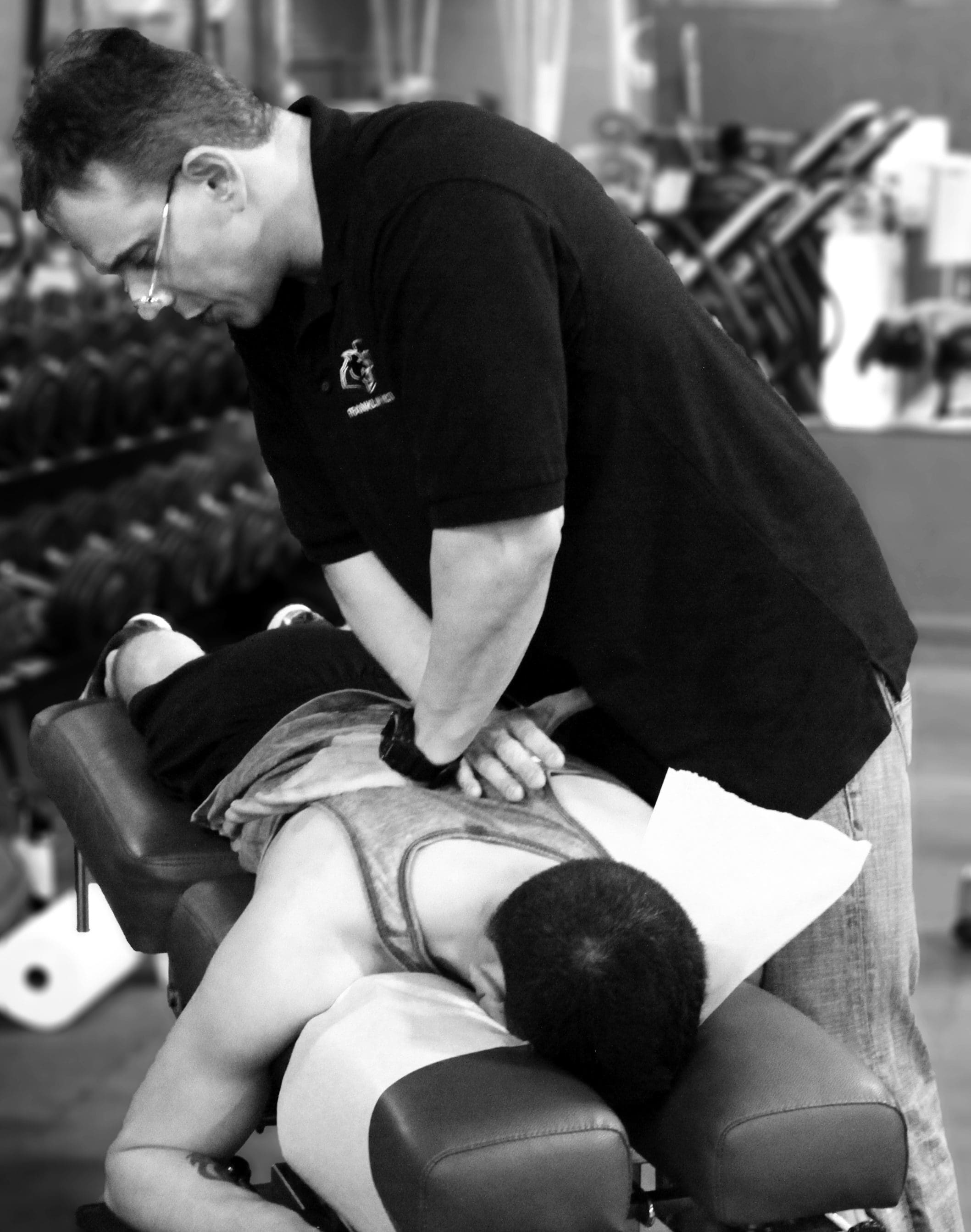
Some parents may balk at taking their infant to a chiropractor, their minds filled with images of the stereotypical snap, crackle, and pop that is so often associated with the practice. However, infant chiropractic is different and much milder. Chiropractic adjustments for infants are very gentle.
The chiropractor will use his fingers to gently apply pressure to areas on the back and neck. Most babies completely relax as the doctor corrects the misalignments � some even fall peacefully asleep. When you are choosing a chiropractor for your baby, ask if he or she is experienced in working with babies.
How Chiropractic To Treat Colic Works
Childbirth is not a gentle experience. As the baby�s tiny body is compressed and stretched as it is emerging into the world, it can cause the vertebrae of the neck and back to become misaligned. If the delivery included vacuum extraction, forceps, or prolonged pushing, or other things that doctors or midwives must do to assist in delivery, the chances that the baby will experience misalignment are very good.
When these misalignments, called vertebral subluxations, are significant enough, it can impede on how well other major systems in the body are able to function. Digestion is one area that can be greatly impacted and when digestion of formula or breastmilk is compromised it can be the cause of major distress and discomfort for the baby. This can lead to episodes of colic.
Studies That Support How Chiropractic Helps Infantile Colic
There have been several studies that explores the efficacy of chiropractic for colic. The majority of this research has shown that it is a very effective treatment.
A 1999 study published in the Journal of Manipulative and Physiological Therapeutics reported that spinal manipulation for colic is a very effective treatment for the condition. Babies treated using chiropractic experienced a decrease in crying by 67 percent. Babies who received medication experienced a decrease in crying by 38 percent. Another study showed similar results. Chiropractic improved crying behavior in babies that had colic.
Chiropractic is an effective, gentle, and drug free way to treat colic. Babies can thrive and be free of distress and discomfort while mom and dad can get some much needed sleep � and peace of mind.
Injury Medical Clinic: Migraine Treatment & Recovery
Robert “Bobby” Gomez was born with cerebral palsy. Bobby describes how he felt like an outcast, growing up with the disorder, but he explains how much he can accomplish when he’s not underestimated. While Robert Gomez describes experiencing no setbacks due to his cerebral palsy, he suffered from pain and limited mobility. That’s when he decided to seek chiropractic care with Dr. Alex Jimenez and found much more help than he expected. Through spinal adjustments, manual manipulations, and rehabilitation exercises, Robert “Bobby” Gomez has regained some mobility and has experienced decreased pain symptoms. Bobby recommends Dr. Jimenez as the non-surgical choice for back pain and encourages others to educate themselves on cerebral palsy.
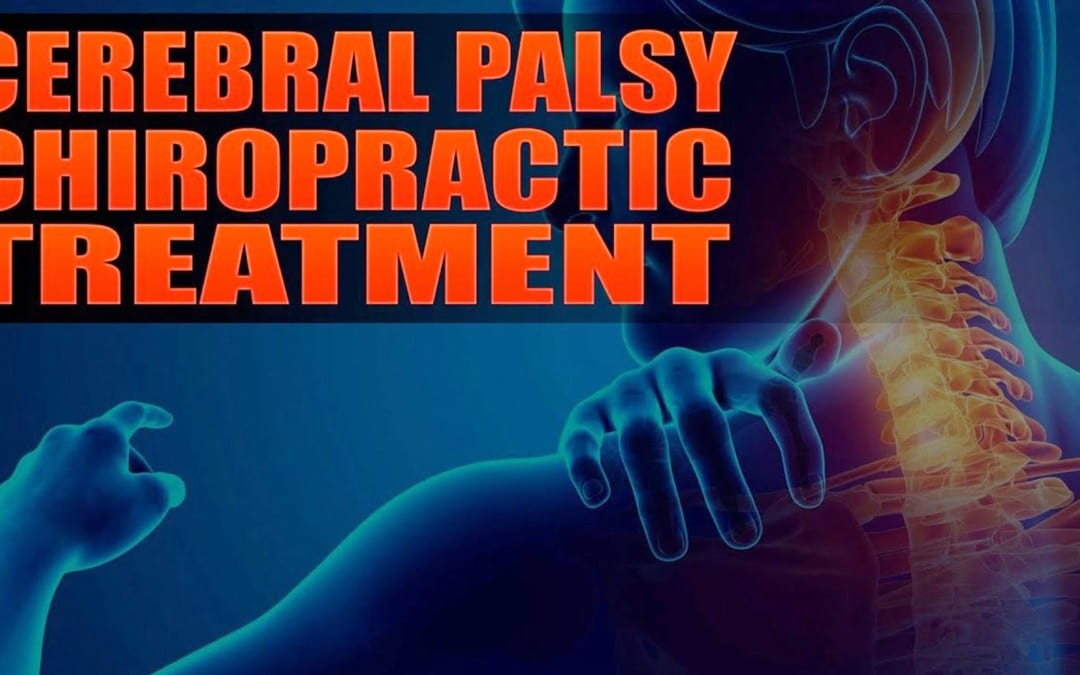
Chiropractic Treatment For Cerebral Palsy
Cerebral palsy is a permanent movement disorder that appears in early youth. Signs and symptoms vary among people. Symptoms often include poor coordination, stiff muscles, weakness, and tremors. There may be problems with feeling, vision, hearing, swallowing, and talking. Usually, infants with cerebral palsy don’t roll over, sit, walk or crawl as early as other kids of their age. Other symptoms may include seizures and problems with reasoning or thinking, which happen in about one-third of individuals with cerebral palsy. While the symptoms may get more noticeable over the first few years of life, the underlying problems don’t worsen. Cerebral palsy is caused by abnormal development or damage to the areas of the brain that control movement, balance, and posture. Most often, the problems occur during pregnancy; however, they may also happen during childbirth or soon after birth.
We are blessed to present El Paso s Premier Wellness & Injury Care Clinic to you.
At El Paso’s Chiropractic Rehabilitation Clinic & Integrated Medicine Center, we are passionately focused on treating patients after frustrating injuries and chronic pain syndromes. We focus on improving your ability through flexibility, mobility, and agility programs tailored for all age groups and disabilities.
Please feel free to subscribe and share if you have enjoyed this video and we have helped you.
Malik Decquir is an athlete who has learned how to accomplish anything he sets his mind to through chiropractic rehabilitation. The trainer’s at Push have taught Malik never to give up, always being there to help him achieve his fitness goals and offering nutritional as well as fitness advice when he needs it. Malik Decquir has found tremendous mental and physical support with the trainers at Push.
Chiropractic Rehabilitation
Sports medicine, also referred to as sport and exercise medicine is a branch of medicine that deals with physical fitness and the treatment and prevention of injuries related to exercise and sports. Although most sports clubs have used team doctors for several years, it is only because the late 20th century that sports medicine has emerged as a distinct field of healthcare in order to help treat sports injuries.
We are blessed to present to you�El Paso�s Premier Wellness & Injury Care Clinic.
As El Paso�s Chiropractic Rehabilitation Clinic & Integrated Medicine Center,�we passionately are focused treating patients after frustrating injuries and chronic pain syndromes. We focus on improving your ability through flexibility, mobility and agility programs tailored for all age groups and disabilities.
If you have enjoyed this video and/or we have helped you in any way please feel free to subscribe and share us.
Autoimmunity:�One of the most common things is to leave the doctor�s office with a diagnosis of an autoimmune disease and no nutritional or lifestyle changing insight. Autoimmune diseases are related to inflammation. Keeping� the inflammation down is the goal with autoimmune attacks. The foods you eat make a huge difference in the frequency and severity of flare-ups. Steady dietary changes can help you reach your optimal self.
Is Autoimmune Disease A Result Of The Collective Perturbations Of The Exposome & Its Impact On The Immunometabolic System?
Integrated: Brian Filidor is an aspiring wrestler who’s had a life-changing experience through chiropractic and agility training with Dr. Alex Jimenez. Over a variety of lifestyle modifications, Brian Filidor has achieved a higher conditioning, including improved performance in his strength, reaction time and overall health. Brian Filidor appreciates the help of all the trainers towards helping him become a better athlete.
Integrated Chiro & Rehab
Physical fitness is a state of health and well-being and, more specifically, the capacity to perform aspects of sports, jobs and daily activities. Physical fitness is usually accomplished through proper nourishment, moderate-vigorous physical exercise, and adequate rest. Fitness is defined as the quality or state of being healthy.
We are blessed to present to you�El Paso�s Premier Wellness & Injury Care Clinic.
As El Paso�s Chiropractic Rehabilitation Clinic & Integrated Medicine Center,�we passionately are focused treating patients after frustrating injuries and chronic pain syndromes. We focus on improving your ability through flexibility, mobility and agility programs tailored for all age groups and disabilities.
If you have enjoyed this video and/or we have helped you in any way please feel free to subscribe and share us.
IFM's Find A Practitioner tool is the largest referral network in Functional Medicine, created to help patients locate Functional Medicine practitioners anywhere in the world. IFM Certified Practitioners are listed first in the search results, given their extensive education in Functional Medicine













 We are blessed to present to you�El Paso�s Premier Wellness & Injury Care Clinic.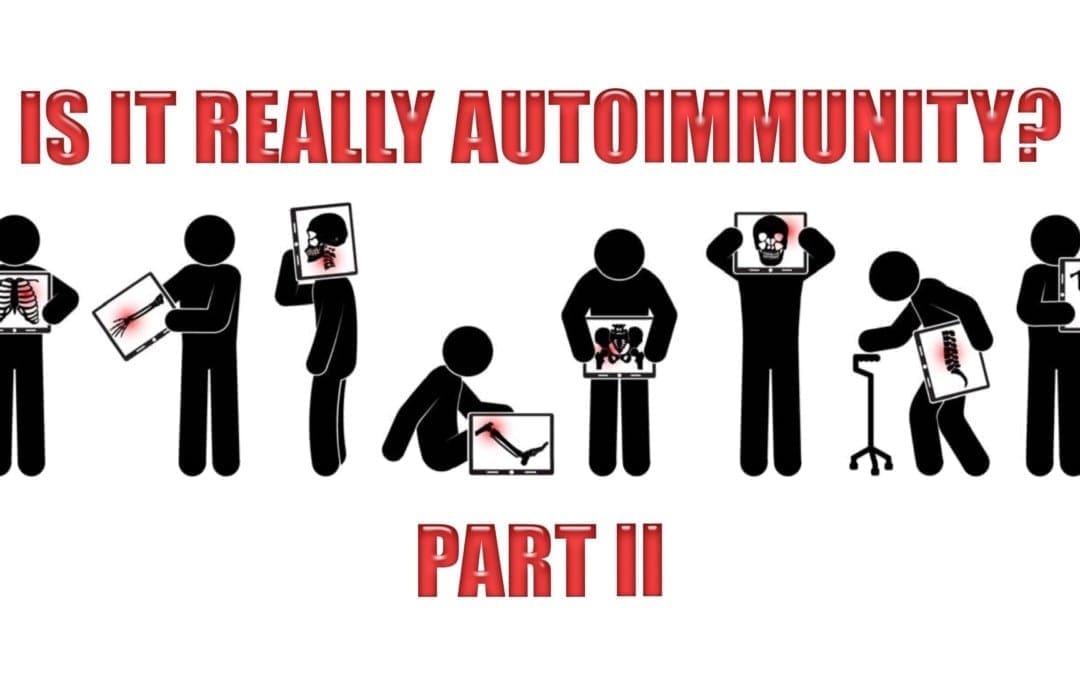
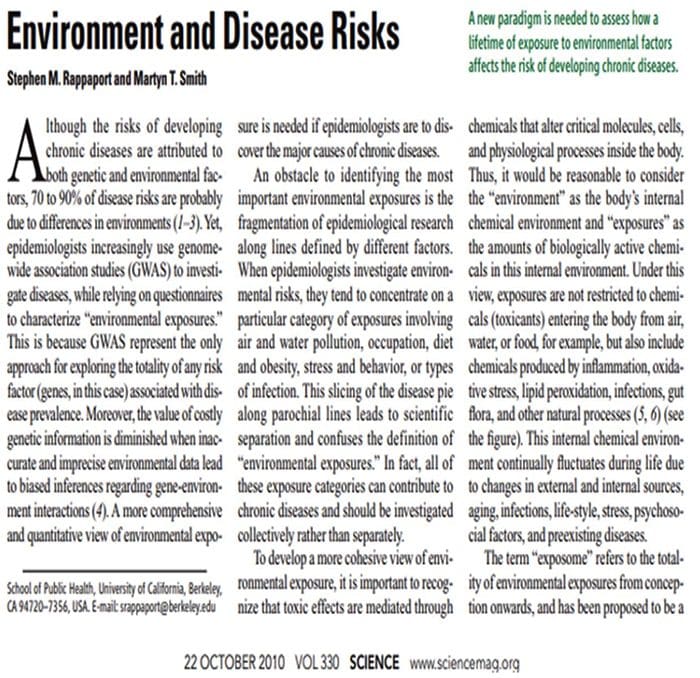
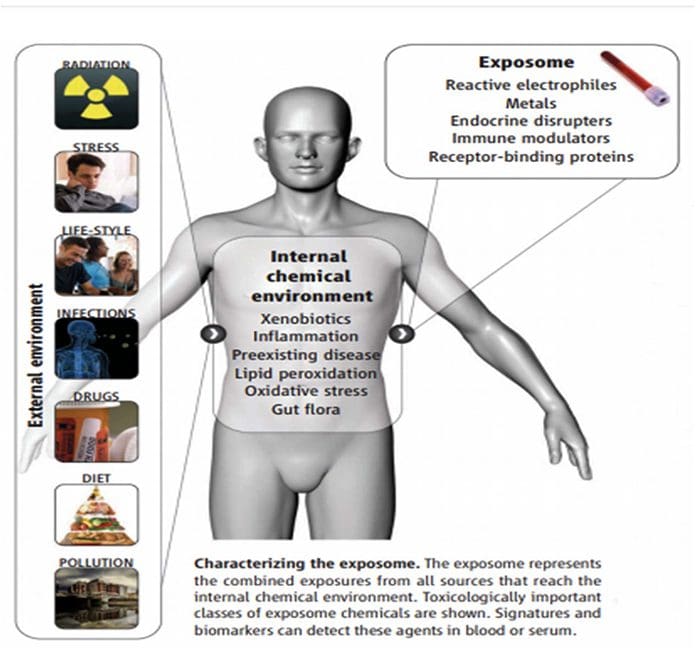
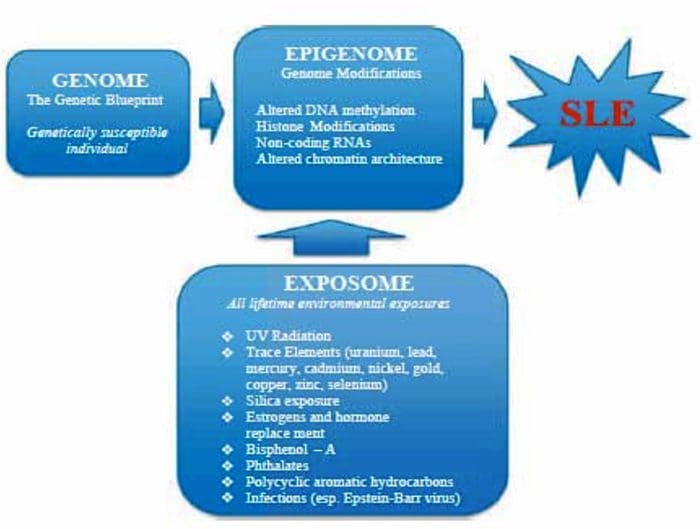
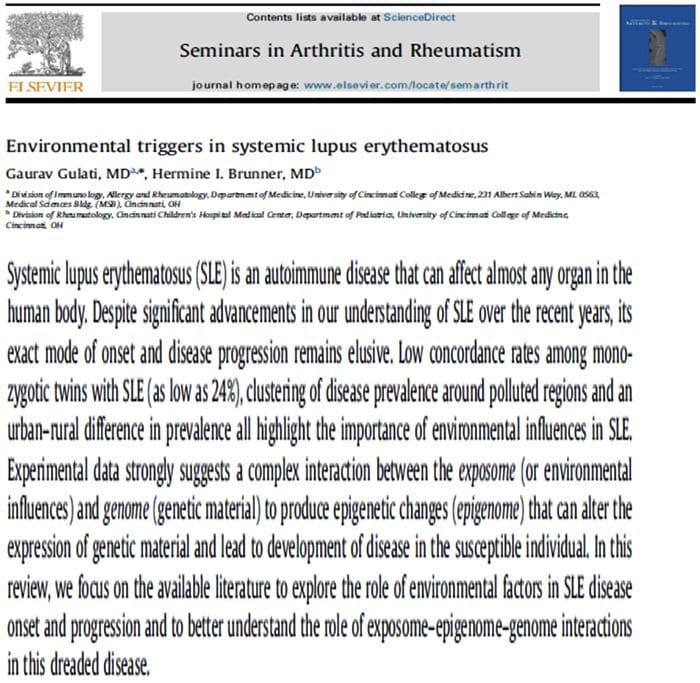
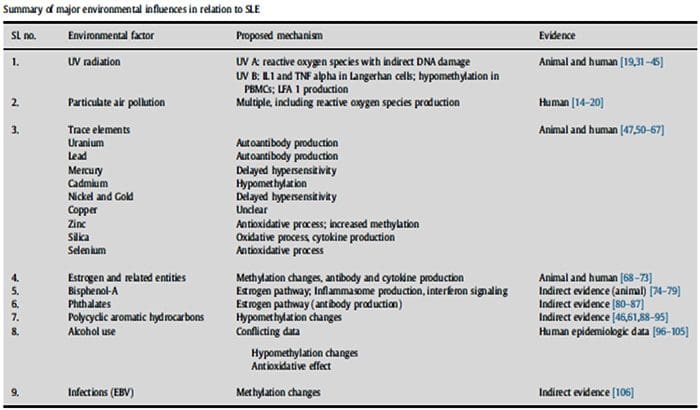 The Ecology Of The Exposome
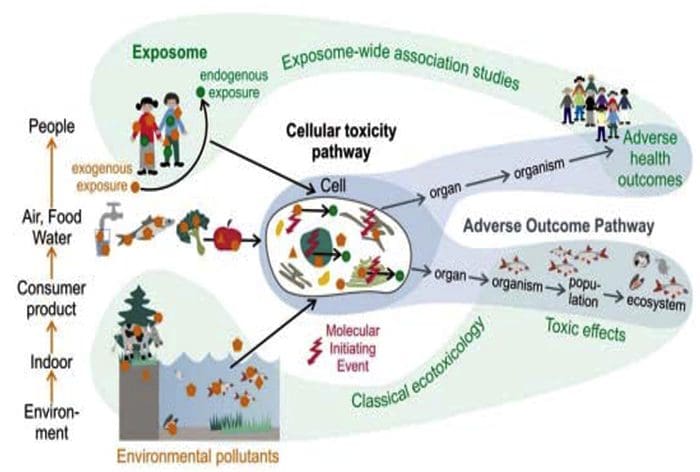 Exposome & The Alteration Of �Self�
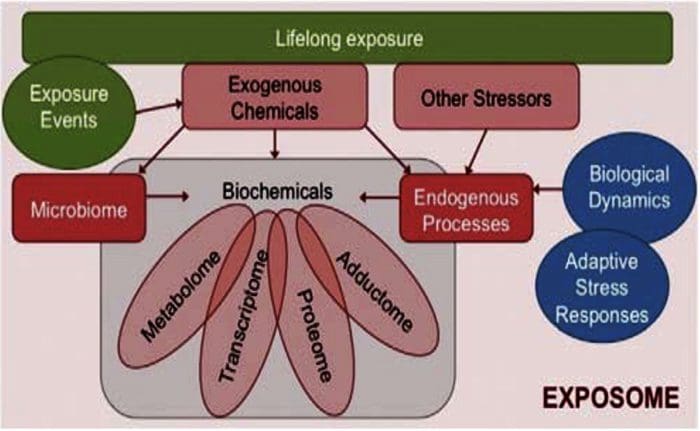 The Exposome Connections To Autoimmune Diseases Converting Self Into Non?Self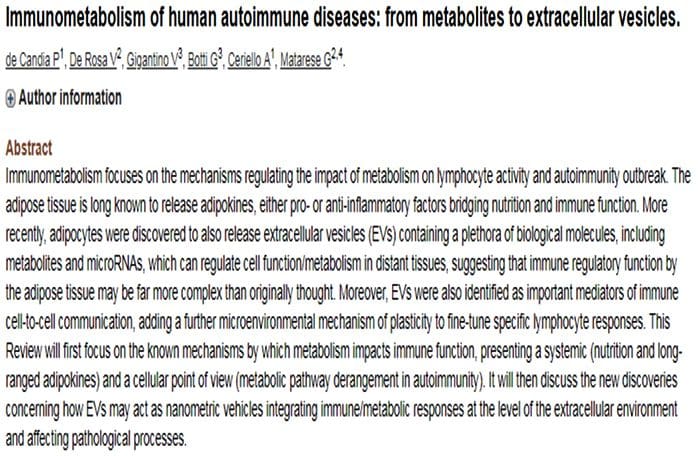
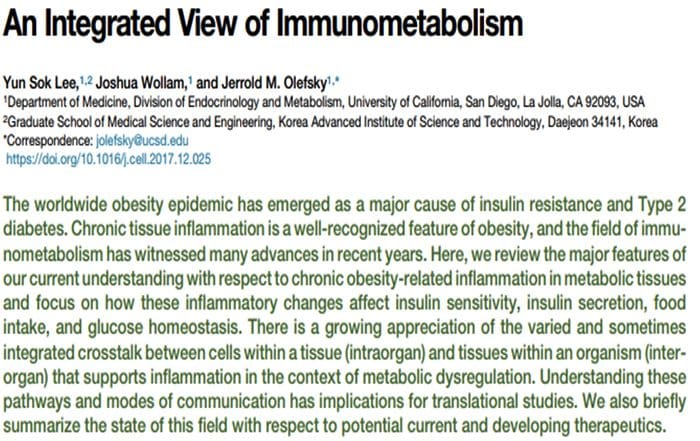
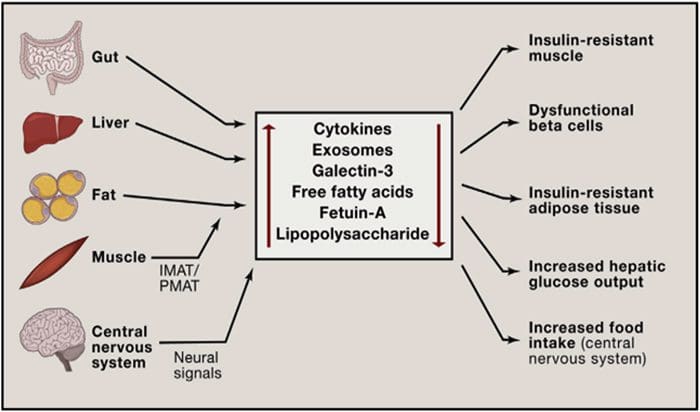
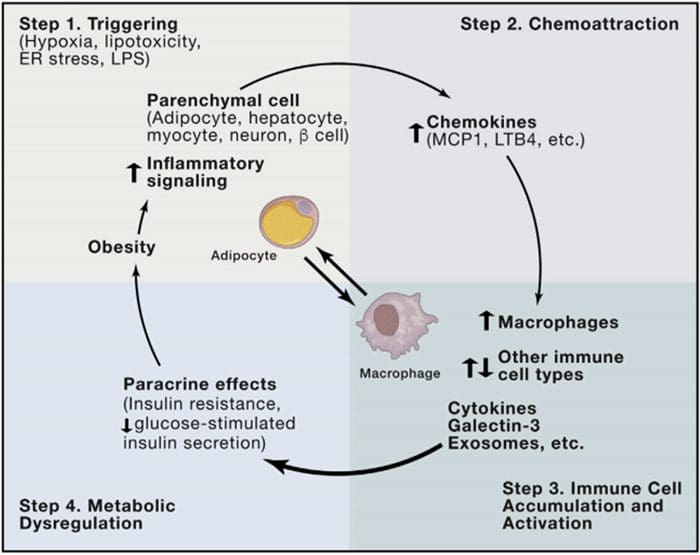 Multi?Organ Network Biology
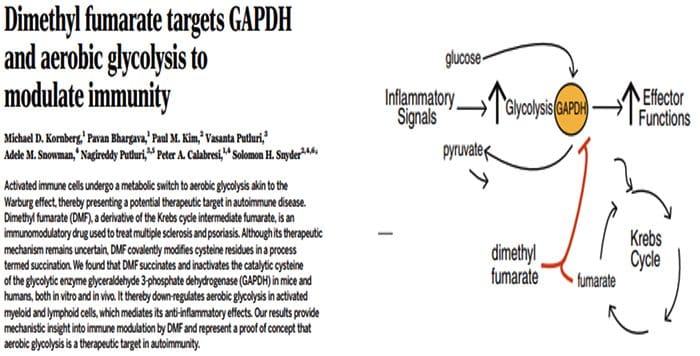
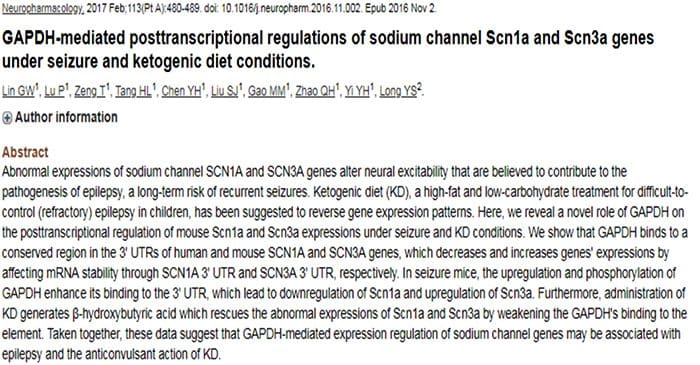
 In Autoimmunity, Warburg Metabolism Is Increased Through Increased Activity Of GAPDH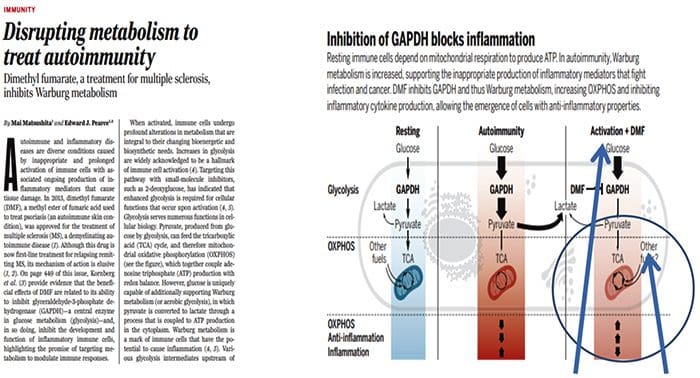
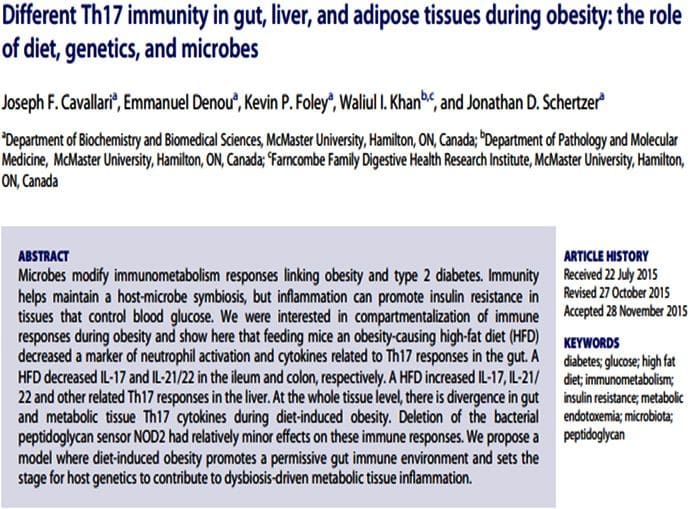
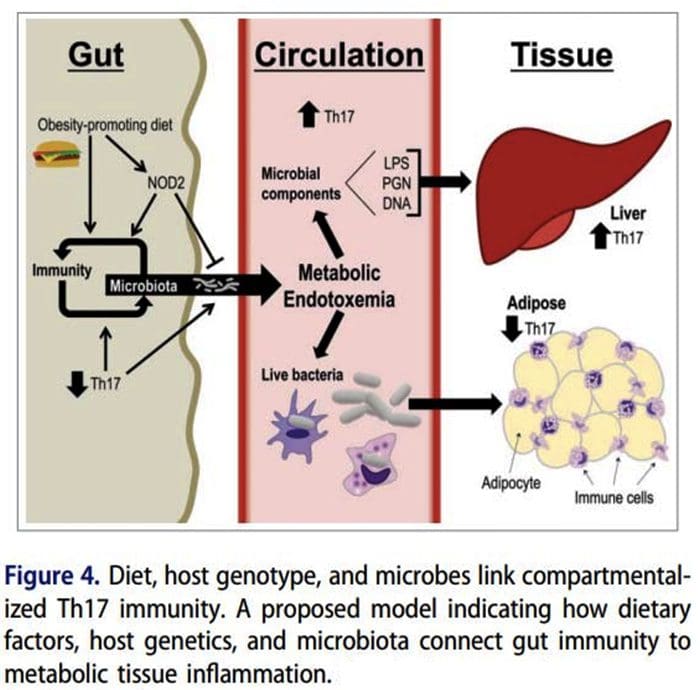
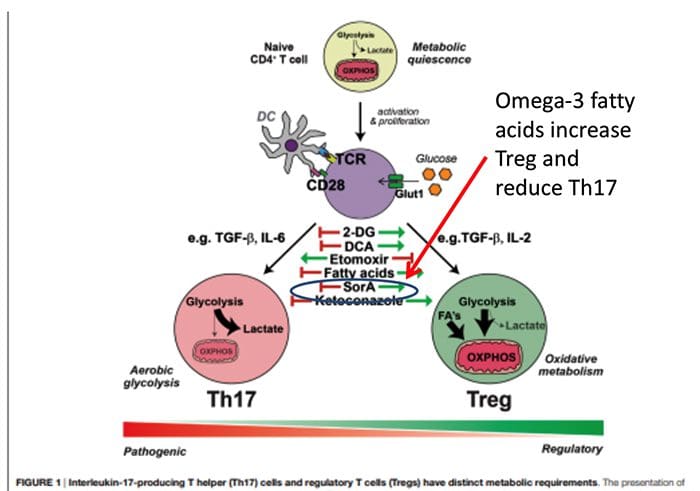
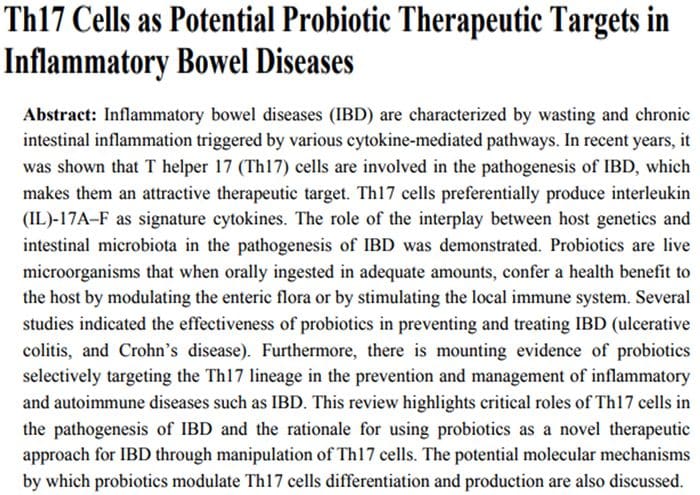
 Origin Of IL?17 Producing Th17 Cells
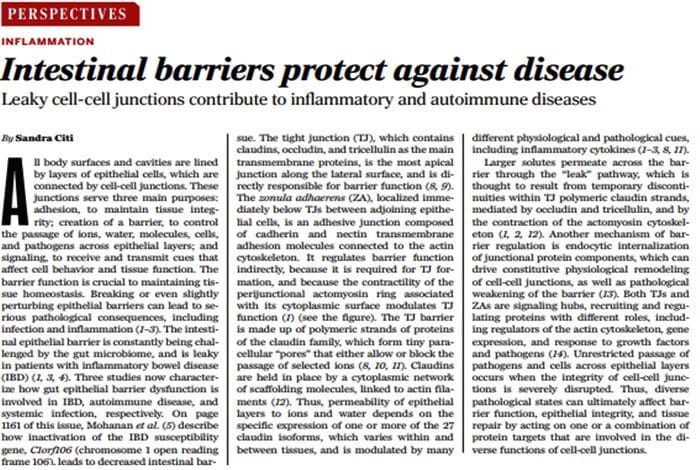
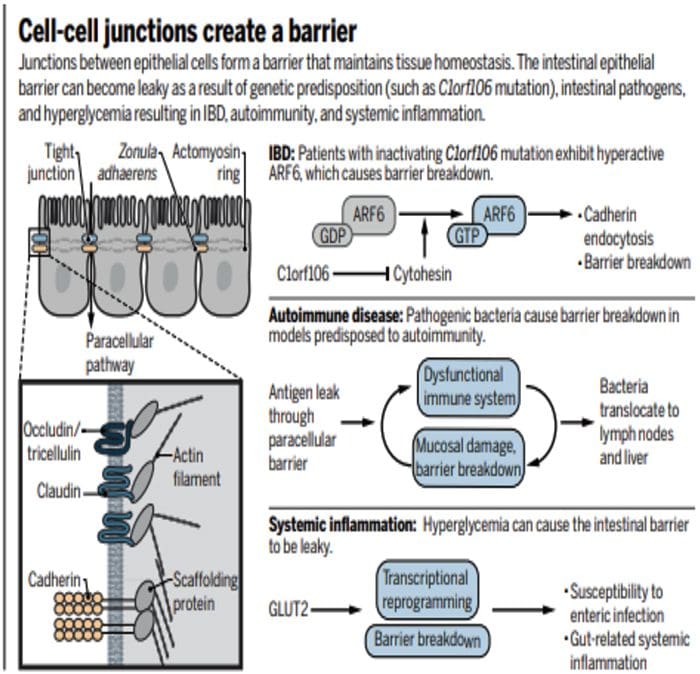
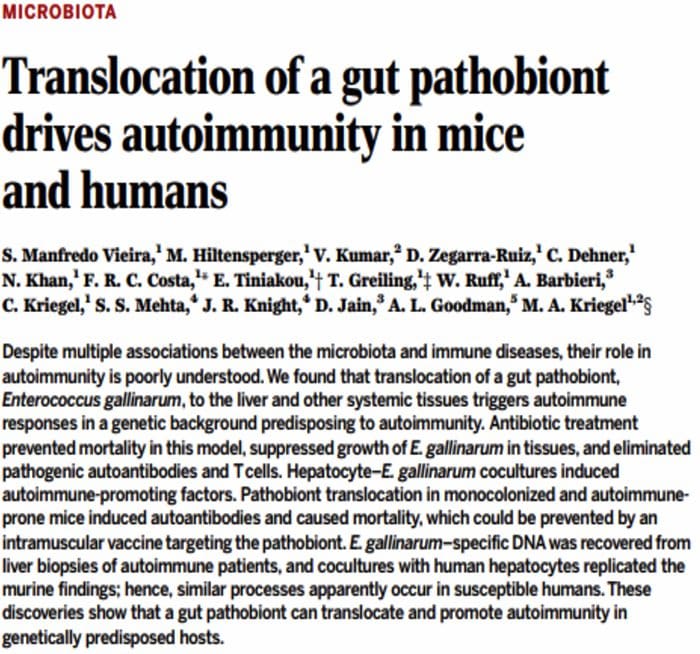
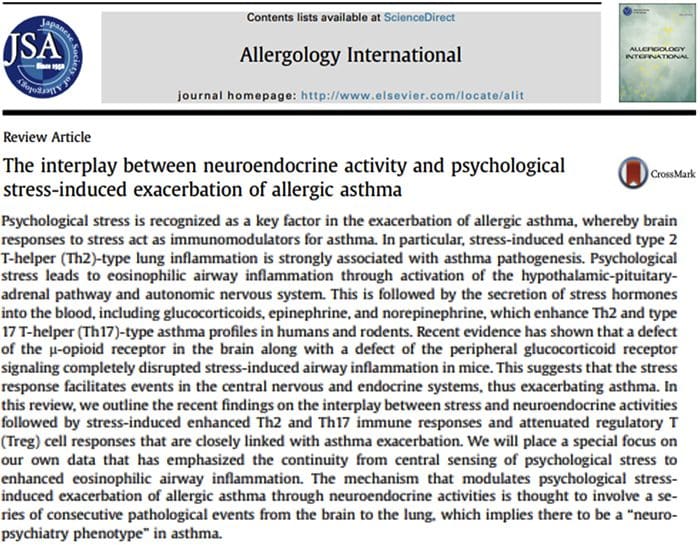
 What Is The Relationship Of The Gut Microbiome To Autoimmune Disease?

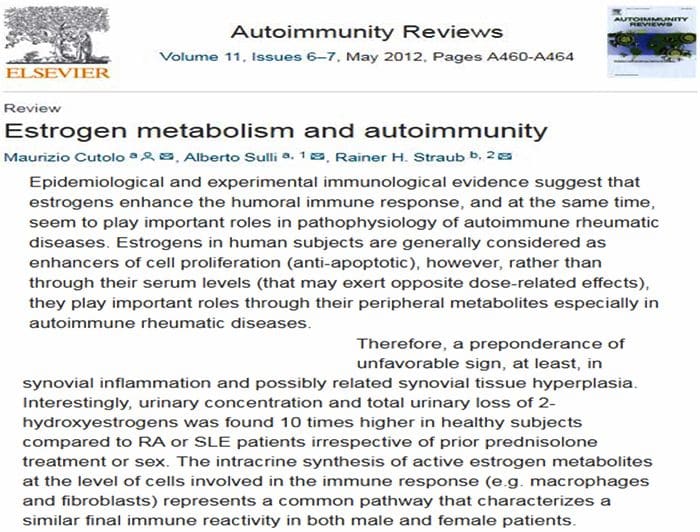
 80% Of Patients With Autoimmune Disease Are Female

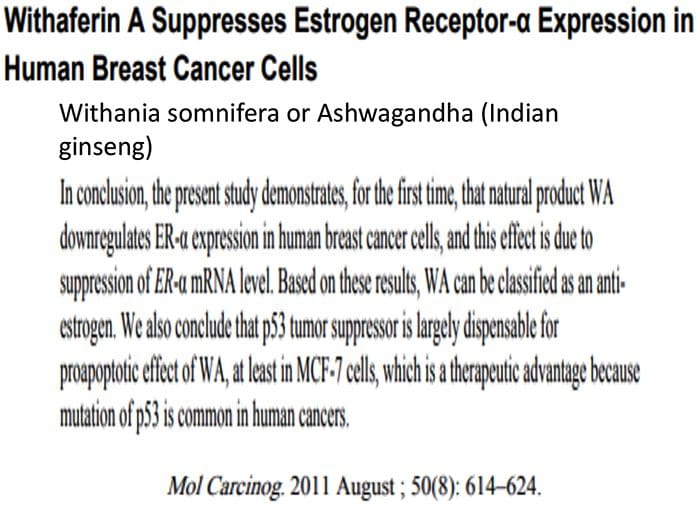
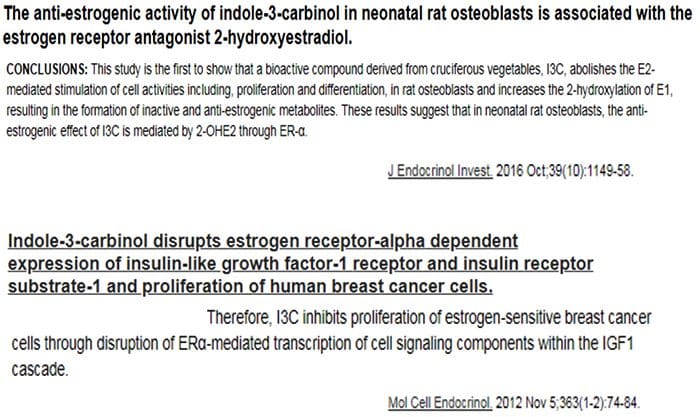
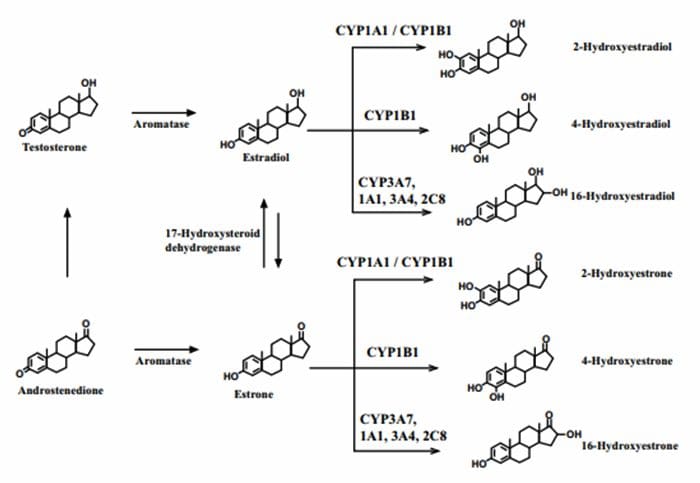 4?Hydroxyestrogens & DNA reactivity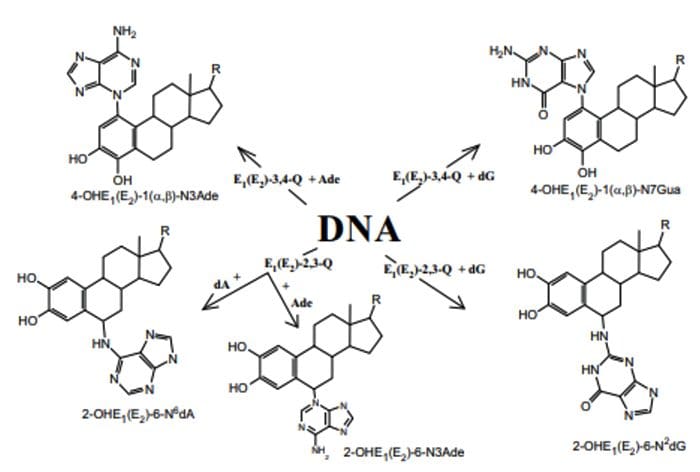
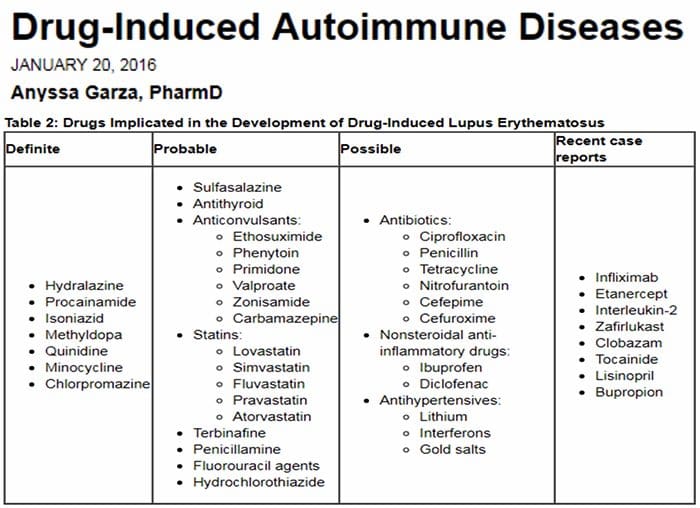 Relationship Of Hepatic Drug Detoxification To Anti?Nuclear Antibody Development