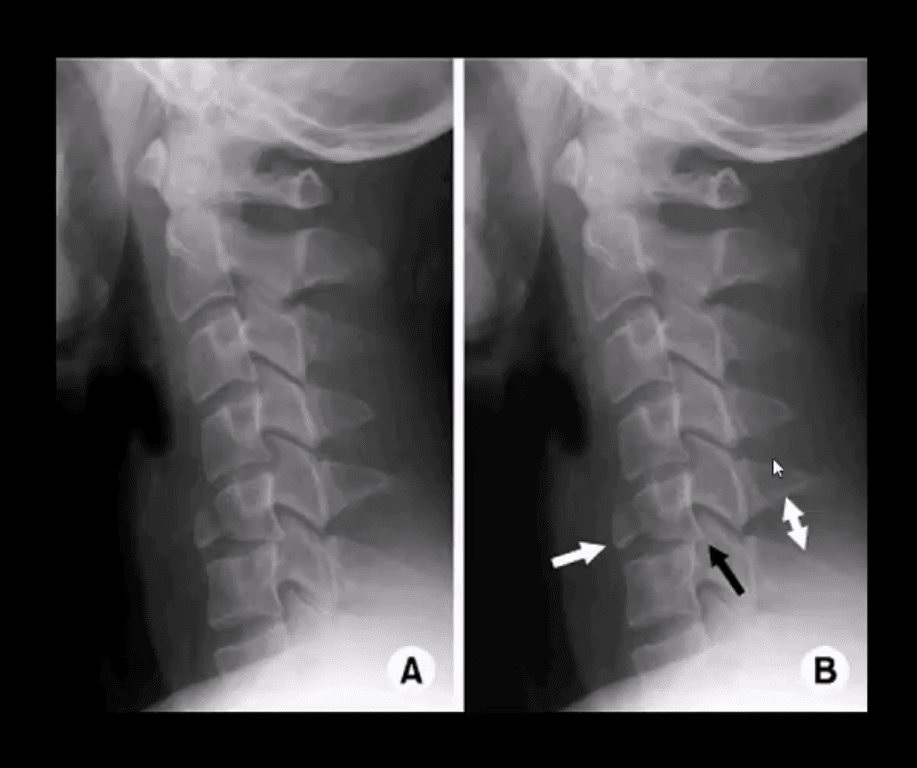
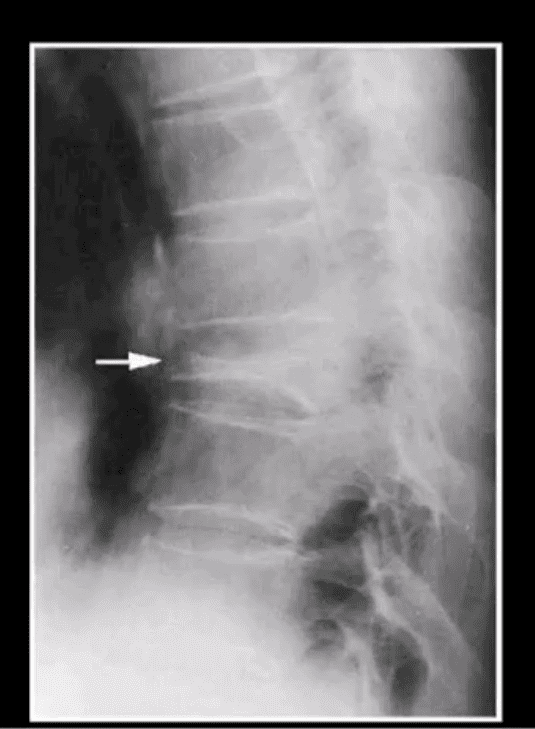
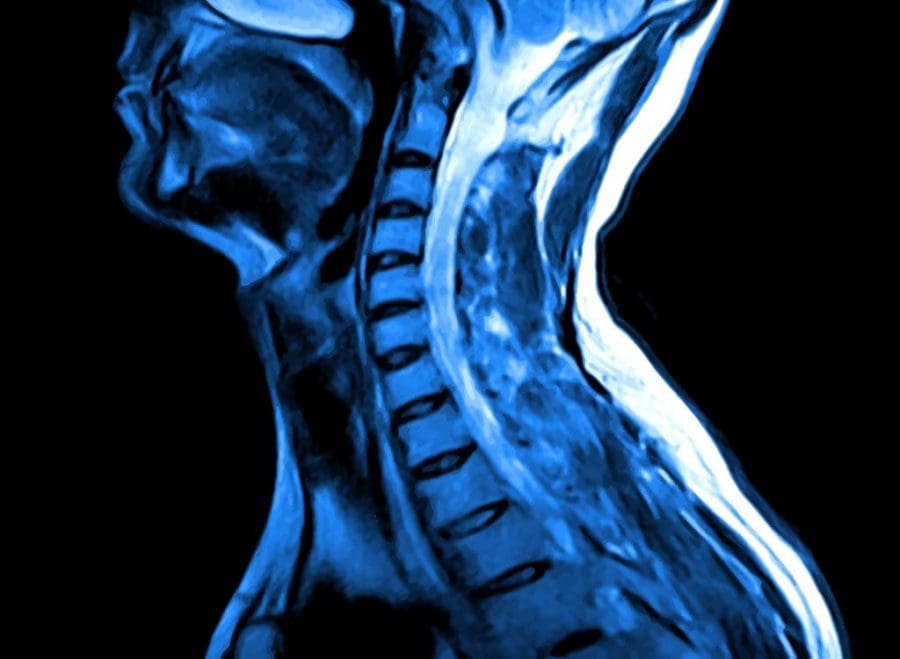
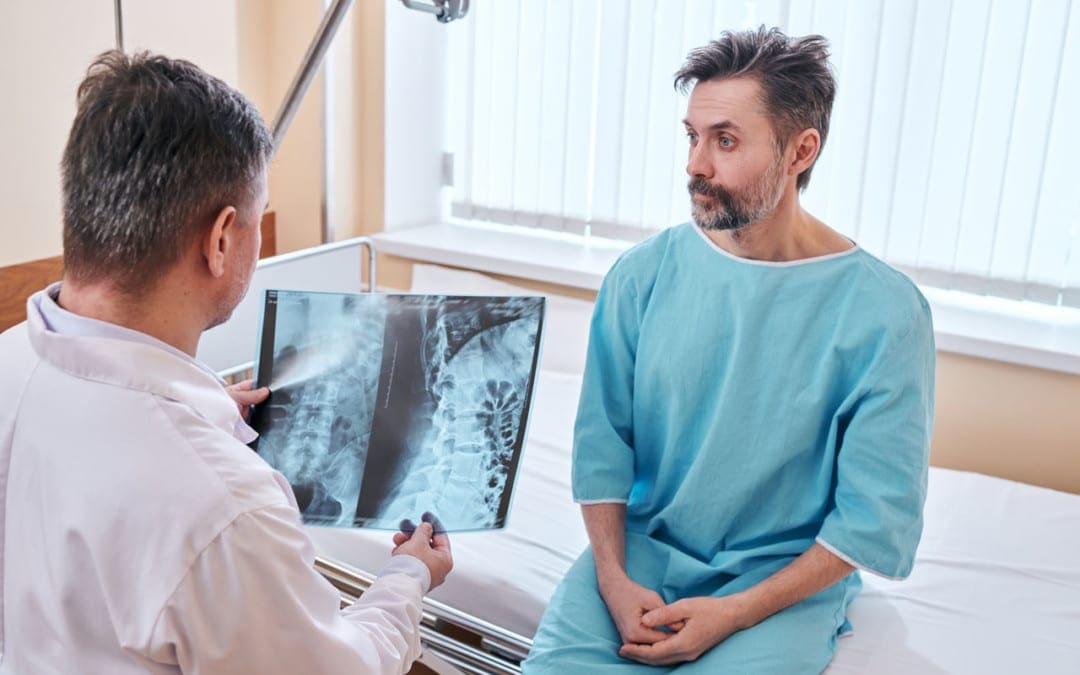
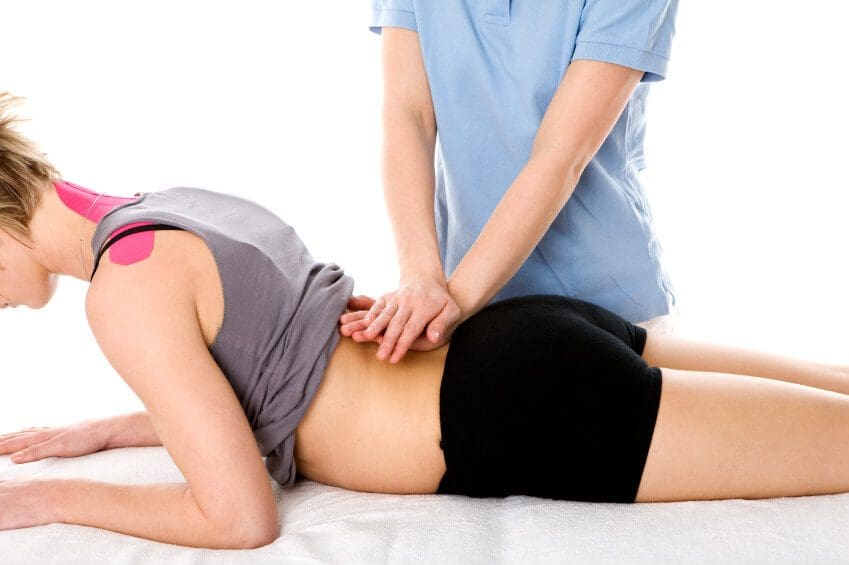
Finding ways to manage chronic pain is a priority. Chiropractic testing and treatment could be an option that is effective and affordable. Various chiropractic care can help manage chronic pain caused by a condition like herniated disc/s. Chiropractic testing involves diagnosing the root cause/origin of the pain. Getting a proper diagnosis usually involves:
X-rays
CT scan
MRI
DNA
�
�
�
Chiropractic testing
The correct diagnosis is essential to creating an optimal treatment plan. It is a complicated disorder that can be difficult to treat because it can present with no apparent cause. But, researchers are working to find answers to many of the questions surrounding chronic pain. When treating spine-related pain other tests can include:
Discography
Bone scans
Nerve studies
Electromyography
Nerve conduction study
Myelography
A pain specialist might consult with and refer the individual to a neurosurgeon or orthopedic spine surgeon to determine if the pain requires surgery. This is because untreated and not fully treated chronic pain is one of the leading causes of limited mobility and flexibility. Other associated issues are:
There are some experts that believe tests like MRIs are overused. There is a fear that too many tests could expose individuals to unnecessary radiation and increase medical expenses. However, determining the cause/s holds the key to a successful treatment plan. Therefore, choosing the right diagnostic strategy will help in:
Creating the most effective and optimal treatment plan
Quality of life improvement
Prevent potential complications
Reduce the cost of diagnosis
Reduce the cost of treatment
�
Chiropractic Management
Chronic pain does not respond to typical pain management techniques. Chiropractic management deals with chronic pain inflammation and muscle tension. Chiropractors use a variety of non-surgical techniques like:
�
Soft Tissue
Manual release therapy stretches the muscle/s while pressure is applied
Trigger point therapy applies pressure on the area of the tensest muscle/s
Instrument-assisted soft tissue therapy uses a tool/s to apply gentle pressure.
�
Manual Therapy
When the joints are not moving correctly, a chiropractor may utilize this technique to regain a full range of joint motion. This is accomplished through joint mobilization which is slow, gentle stretches of the affected joint and manipulation, which are quick but gentle movement/thrusts that stretch the joint.
�
Exercise Therapy combined with Self-care
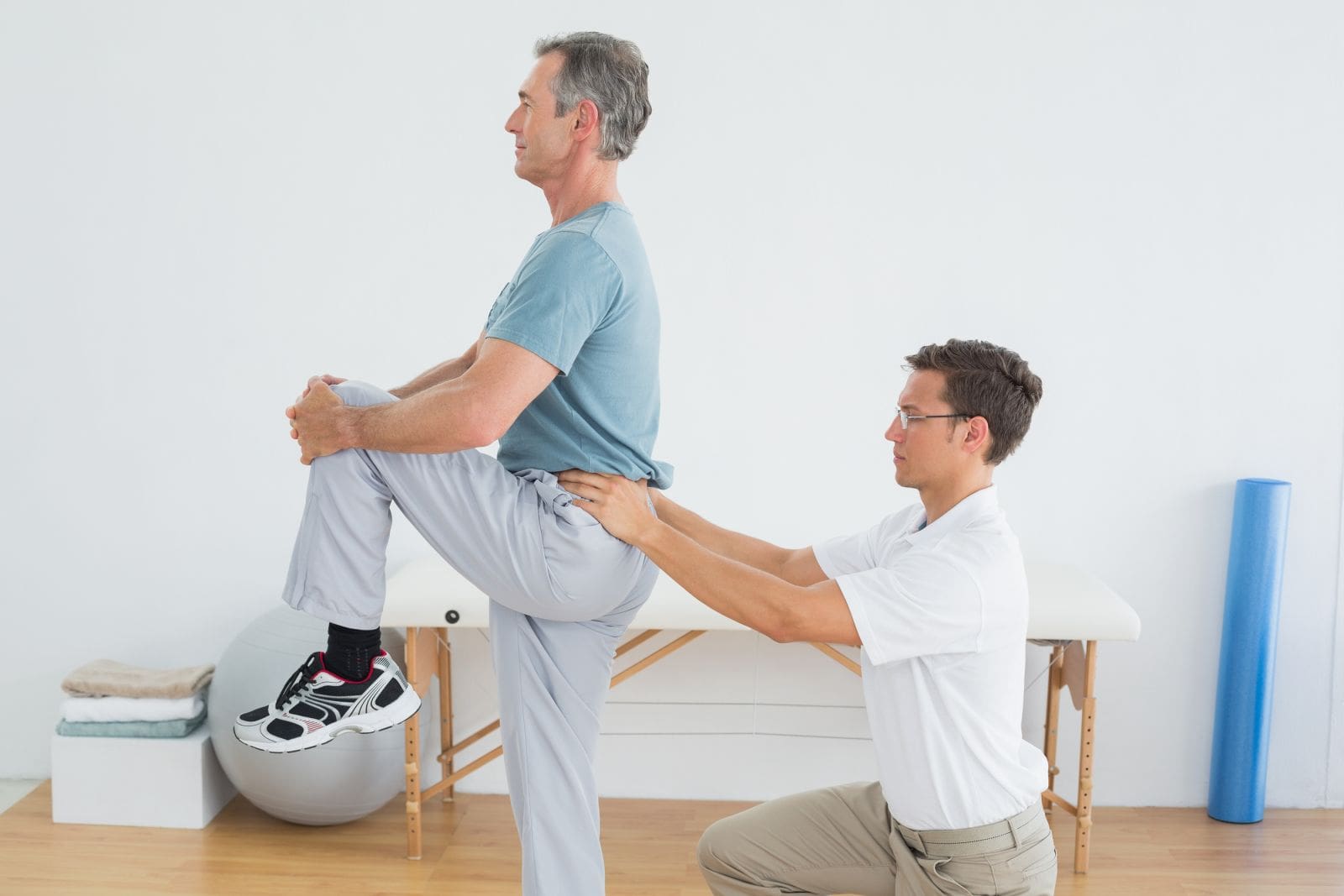
A chiropractor will provide simple therapeutic exercises and stretches that can be done at home to help with the pain and to help with prevention. Also provided:
Safe lifting techniques
Posture exercises/tips
Dietary strategies to manage pain and prevent re-injury
Once diagnosed with a pain condition, a chiropractor will develop a unique customized treatment plan. Don't be afraid to talk with your chiropractor. The more they know the better the treatment plan. Once the pain is fully addressed, patients will be able to gradually increase daily activities.
�
Piriformis Syndrome Chiropractic Treatment
Dr. Alex Jimenez�s Blog Post Disclaimer
The scope of our information is limited to chiropractic, musculoskeletal, physical medicines, wellness, and sensitive health issues and/or functional medicine articles, topics, and discussions. We use functional health & wellness protocols to treat and support care for injuries or disorders of the musculoskeletal system. Our posts, topics, subjects, and insights cover clinical matters, issues, and topics that relate and support directly or indirectly our clinical scope of practice.*
Our office has made a reasonable attempt to provide supportive citations and has identified the relevant research study or studies supporting our posts. We also make copies of supporting research studies available to the board and or the public upon request. We understand that we cover matters that require an additional explanation as to how it may assist in a particular care plan or treatment protocol; therefore, to further discuss the subject matter above, please feel free to ask Dr. Alex Jimenez or contact us at 915-850-0900. The provider(s) Licensed in Texas& New Mexico*
There are various chronic treatment/management options available. Chronic pain treatment focuses on treating and managing the root cause and underlying condition that is causing the pain. The physical and psychological aspects of chronic pain need to be balanced in order for a treatment plan to work.
�
�
That is why a complete treatment plan can sometimes be necessary to address both the physical and psychological factors generating the pain. Because of this treatment plans often involve different pain specialists working in conjunction with a customized treatment/management plan according to the individual's needs. This can include a combination of treatment protocols, like:
Health coaching
Psychological therapy
Chiropractic
Physical therapy
Medication
Acupuncture
Yoga, Pilates
�
Treatment/Management
The focus of chronic pain treatment is to:
Lessen pain frequency and intensity
Help individuals get back to work
Improve mobility and flexibility
Maintain quality of life
Reduce or eliminate reliance on pain meds
Reduce possible re-injury or new injury
Reduce mental and emotional symptoms like anxiety and depression
�
Pain Meds
�
Non-Opioids
Nonsteroidal anti-inflammatory medications are usually the first treatment for chronic mild to moderate pain. Examples are ibuprofen, aspirin, and naproxen. These medications work by blocking enzymes and reduce prostaglandinsthroughout the body that cause pain and swelling. Acetaminophen used in Tylenol is similar to these medications but works differently. Instead, these meds block the production of inflammatory chemicals in the brain.
�
Opioids
Opioids are narcotics and can be extremely powerful pain relievers. These are used to relieve severe pain symptoms temporarily. Narcotics work by blocking the pain signals before they get to the brain. However, these meds are highly addictive and can lead to abuse. Doctors prescribe narcotics when non-opioids and all forms of non-pharmacological treatment/s fail or don't work in providing sufficient pain relief. Examples include:
Anticonvulsants or anti-epileptics are used to treat seizures. They can also help in relieving pain that is associated with nerve injury/damage and fibromyalgia. Examples include:
Muscle relaxants can be used for chronic pain but there is division among medical experts as to how effective they are and of their addictiveness. Plus there are few studies supporting their use in individuals with chronic pain.
�
Corticosteroids
Corticosteroids are hormone-based medications that help reduce inflammation. They are generated naturally in the body while some are synthesized in a laboratory. Injectable steroids can help relieve pain brought on from pinched nerves or joint disorders.
�
Antirheumatics
Antirheumatic meds are used to control and manage rheumatoid arthritis symptoms. They prevent or inhibit the immune system and help reduce joint damage. Examples include:
Methotrexate
Leflunomide
Hydroxychloroquine
Sulfasalazine
�
Antidepressants
Antidepressants are used to treat anxiety disorders and depression disorders but are also used to relieve chronic pain. They are used to treat pain caused by:
Arthritis
Migraine
Nerve damage
Fibromyalgia
These medications increase the brain's chemical levels like serotonin, dopamine, and norepinephrine. They can also be used even when an individual has no depression symptoms. Examples include:
Amitriptyline
Venlafaxine
Paroxetine.
�
Alternative Treatment
Alternative treatment/management can also help with the pain. It's recommended to discuss any type of alternative treatment with a doctor or medical professional. Doctors encourage alternative treatments along with keeping a journal of how an individual feels after a series of treatment sessions. If the individual feels better, and the treatment is working, then consider continuing for an extended period. Here are some alternative treatments/therapies to think about.
Acupuncture: Works by releasing endorphins, the natural pain-relieving chemicals, and affects the brain region that controls serotonin, the chemical that regulates mood.
Massage: Helps relieve pain by keeping muscles, ligaments loose and proper blood flow throughout the body
Meditation: Has been shown to help improve pain perception and reducing depressive symptoms
Hypnosis: Has been found to be useful in treating cancer and back pain
�
Psychological Therapy
Psychotherapy, also known as talking therapy could be part of a chronic pain treatment plan. What it does is to help improve the associated symptoms/conditions which include:
Depression
Anxiety
Fear of pain
Psychotherapy has shown promising results and has various forms. They are:
�
Acceptance/Commitment Therapy
Acceptance commitment therapy is short-term psychotherapy. There are two approaches to pain perception. One, it teaches the individual to accept things beyond what they control. Second, it encourages the individual to feel things the way they are, work towards relief instead of questioning and being skeptical. It opens an individual's psychological perspective. It can be used to treat low back, leg, and neck pain.
�
Cognitive-Behavioral Therapy
This therapy educates individuals on pain, mood, behavior, and how they all relate to each other. It also trains an individual on relaxation strategies. Individuals learn techniques to replace negative thoughts concerning their pain with positive thoughts. Cognitive-behavioral therapy has been shown to be effective in treating pain caused by:
The scope of our information is limited to chiropractic, musculoskeletal, physical medicines, wellness, and sensitive health issues and/or functional medicine articles, topics, and discussions. We use functional health & wellness protocols to treat and support care for injuries or disorders of the musculoskeletal system. Our posts, topics, subjects, and insights cover clinical matters, issues, and topics that relate and support directly or indirectly our clinical scope of practice.*
Our office has made a reasonable attempt to provide supportive citations and has identified the relevant research study or studies supporting our posts. We also make copies of supporting research studies available to the board and or the public upon request. We understand that we cover matters that require an additional explanation as to how it may assist in a particular care plan or treatment protocol; therefore, to further discuss the subject matter above, please feel free to ask Dr. Alex Jimenez or contact us at 915-850-0900. The provider(s) Licensed in Texas& New Mexico*
Anybody can have chronic pain. Adults typically complain of joint pain, low back pain, and neurogenic pain. While children and teenagers are more likely to have more headaches, abdominal pain, leg, and hand pain. Regardless there are individuals that have a higher risk because of their age, gender, and job. It isn't always clear what causes chronic pain. There are several possibilities: �
�
Injury - Even after the injury has healed, the nerves keep sending pain signals to and from the brain. Doctors are still not sure why this occurs.
Disease - Conditions can cause chronic pain like fibromyalgia and osteoarthritis.
Nerve problems - Part of the nervous system can be injured, the nerves themselves. This is called neuropathic pain.
Unknown Cause/s - Pain that presents with no obvious injury, disease, or nerve problem.
�
Military Veterans
Chronic pain is quite common in veterans according to a National Veterans Affairs Study. Around one in five veterans receiving primary care have chronic pain. While one in ten has chronic pain syndrome. Veterans recently served in a war, tend to report a variety of causes for their pain. This includes:
Multiple injuries
Brain trauma
Muscle injuries
Bone/s injuries
�
Athletes
Most sports require a certain level of fitness. Athletes train with all types of activities to help maintain their body's. Unfortunately, they are still not immune to chronic pain. Chronic pain is common with:
Spinal stenosis is a narrowed spinal canal, which creates added pressure on the nerves that travel through the low spine into the legs
�
Seniors
Age is a high-risk factor for chronic pain. Around 30-40% of individuals older than sixty-five have or are beginning to deal with chronic pain. The severity in anybody forty-five to sixty-five is the greatest. Common conditions that cause chronic pain in older adults are:
Cancer
Arthritis and gout
Heart disease
Kidney disease
Damaged nerves
Stroke
Shingles
�
Women
Men and women experience pain differently. Several factors contribute to this. These include:
Hormones
Menstruation
Puberty
Reproductive health
Women have a higher risk of developing disorders that cause chronic pain. Examples include:
Arthritis
Brittle bones
Migraines
Irritable bowel syndrome
�
Anybody dealing with chronic pain, finding relief can be difficult and time-consuming. Individuals are often sent back and forth between primary care, specialists, and therapists for a solution.
�
Improved Nervous System
When there is a communication breakdown between the brain and the body�s tissues, organs, and cells it can lead to a variety of health problems. There are manychronic and even degenerative health conditions that are impacted by the nervous system. Studies have shown that chiropractic is a highly effective treatment for numerous neurological conditions which include:
Ataxia
Autism
Cerebral palsy
Epilepsy
Multiple sclerosis
Parkinson�s
Tourette�s Syndrome
Vertigo
Anybody can seek treatment and they will experience the benefits. Chiropractic provides a safe, effective treatment for an improved nervous system function. The type, frequency, and intensity of treatment depend on the patient and condition. Chiropractic positively affects the nervous system and as a result, positively affects the whole body.
�
Chronic Body Pain Treatment
Dr. Alex Jimenez�s Blog Post Disclaimer
The scope of our information is limited to chiropractic, musculoskeletal, physical medicines, wellness, and sensitive health issues and/or functional medicine articles, topics, and discussions. We use functional health & wellness protocols to treat and support care for injuries or disorders of the musculoskeletal system. Our posts, topics, subjects, and insights cover clinical matters, issues, and topics that relate and support directly or indirectly our clinical scope of practice.*
Our office has made a reasonable attempt to provide supportive citations and has identified the relevant research study or studies supporting our posts. We also make copies of supporting research studies available to the board and or the public upon request. We understand that we cover matters that require an additional explanation as to how it may assist in a particular care plan or treatment protocol; therefore, to further discuss the subject matter above, please feel free to ask Dr. Alex Jimenez or contact us at 915-850-0900. The provider(s) Licensed in Texas& New Mexico*
Surgery for sciatica is sometimes necessary if medications, chiropractic, and physical therapy are not working to relieve sciatica symptoms, but don�t worry. Individuals sometimes have sciatica that just does not respond to conservative treatment can find relief through surgical procedures.
�
Questions begin to pop up, as to which procedure makes the most sense, what will the experience be like, and how long will it be until you can get back to a normal, pain-free life?
�
Sciatica
Sciatica is pain that runs down the longest nerve in the body, known as the sciatic nerve. Pain starts in the lower back and spreads down one leg, into the calf and possibly the foot. It is rare but sciatica can occur in both legs. The pain is mild to severe and feels worse when sneezing, coughing, bending, and standing/sitting in certain positions. The pain is often accompanied by numbness, tingling, or weakness in affected legs. �
�
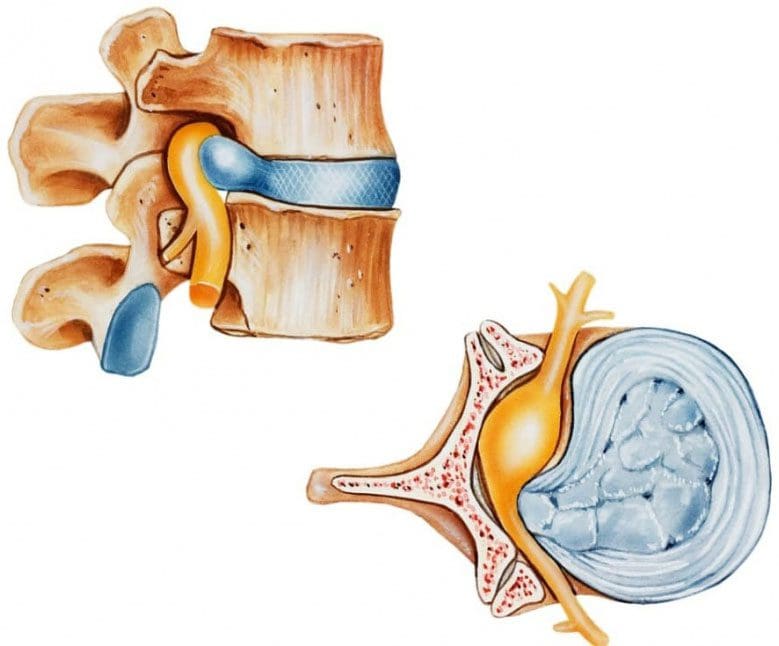
Sciatica a set of symptoms caused by other medical problems like an injury, tumor, or the most common cause around 90% of the time is a herniated disc in the lower back. The soft-gel center of the disc pushes through the tough exterior, where it can pinch or press on the sciatic nerve causing pain.
Research shows that sciatica affects 1% to 5% of the population, and around 40% will experience sciatica at some point in their life. Men between the ages of 30 and 50 have a higher risk along with smokers, individuals that sit for a long time, and those that perform physically strenuous work. Doctors and chiropractors can diagnose cases of sciatica with a medical history and physical exam. Diagnostic imaging can also be used in some cases.
�
When it's Time to Consider Surgery for Sciatica
�
Most individuals with sciatica respond positively with non-surgical treatments like chiropractic, physical therapy, acupuncture, medication, spinal injection/s, etc. This makes spine surgery a rarely needed treatment for low back and leg pain caused by sciatic nerve compression. But there are situations when surgery for sciatica could be beneficial.
Symptoms become severe and non-surgical treatment is no longer effective
There are different types of surgical procedures for spine surgery. A spine surgeon will recommend the best approach for each patient's sciatica. Which procedure they recommend will be based on the disorder causing sciatica with the entire procedure clearly explained so that you understand completely. Ask any questions to better understand the surgeon's recommendation. Remember, the final decision is always up to you. A second opinion is recommended before deciding.
Sciatica usually goes away on its own with the majority of cases managed with conservative treatment. Depending on the cause, this could be heat or ice packs, chiropractic, therapeutic massage, pain medication, stretching exercises, physical therapy, or injections. �
Sciatica for Surgery Options
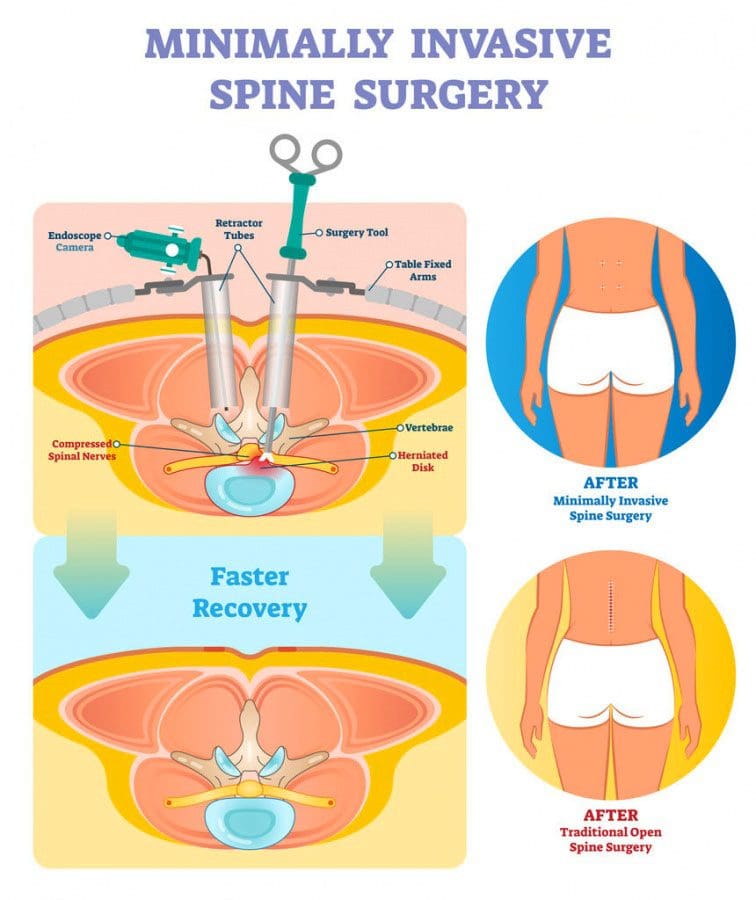
Surgery for sciatica is performed to relieve the added compression/pressure on the nerves and relieve the pain. Options include a microdiscectomy and laminectomy. Each has its similarities and differences when it comes to the preparation, process, and recovery for the operation. �
�
Microdiscectomy
During a microdiscectomy, part or all of the herniated disc is removed. Research has shown the effectiveness of relieving pain to be around 80 to 95 percent of patients. The operation is done in a hospital or surgery center and requires about one hour to complete. General anesthesia is administered during this procedure.
A surgeon will make an incision over the affected disc.
Skin and tissue covering the disc will be opened and moved for better access. Some of the bone could be taken out as part of the procedure called a laminotomy.
The surgeon will use various tools to remove all or part of the herniated disc.
Once the removal is done, the surgeon will close the incision and send you to a recovery room.
To quicken the healing process patients are encouraged to start walking within hours of the procedure.
Most go home the same day. Some patients will have to stay at the hospital for observation. This could be from other conditions present.
You will not be allowed to operate a vehicle the same day. Therefore a designated driver will be necessary.
�
Laminectomy
�
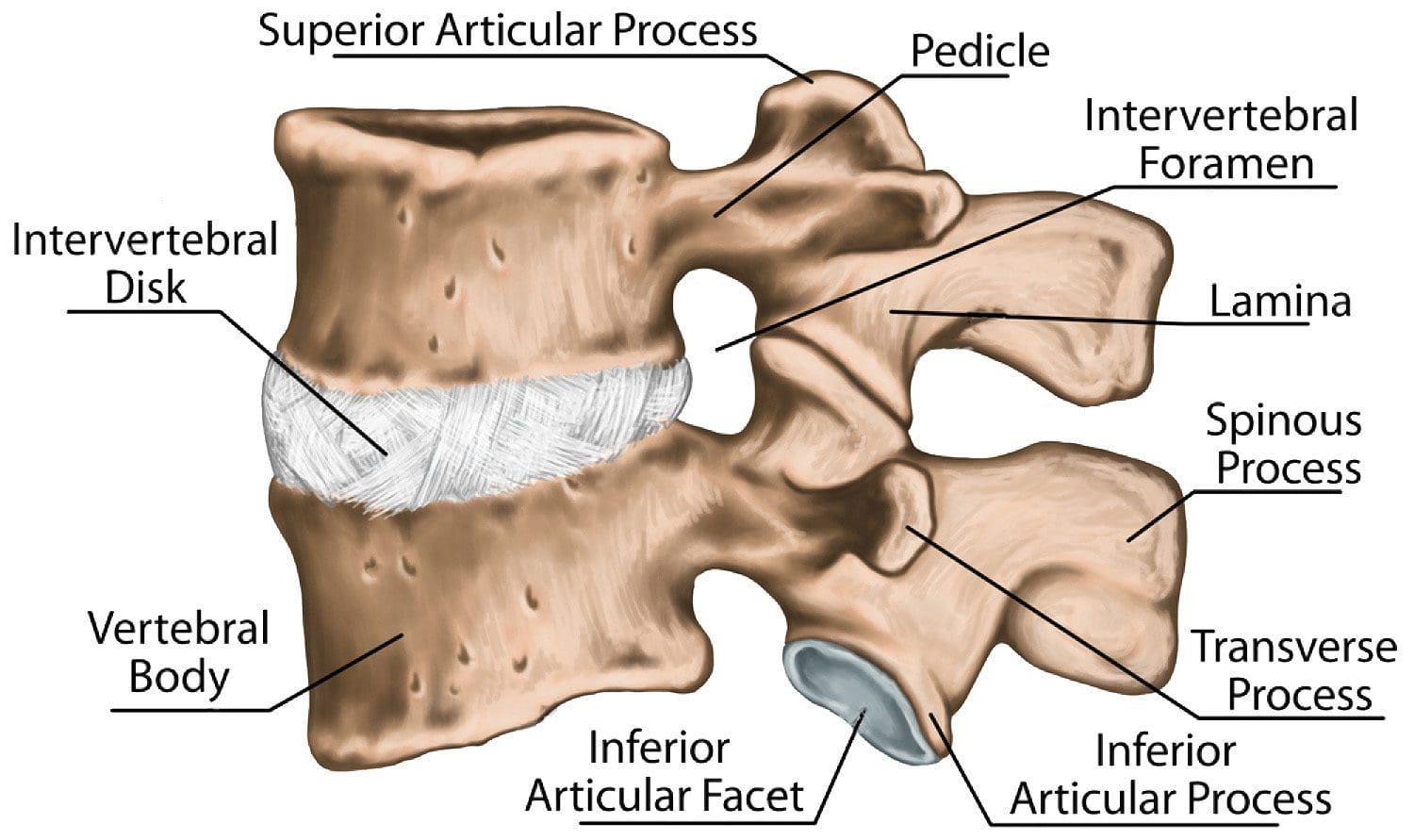
Preparation for a laminectomy is similar to a microdiscectomy. The lamina is the back part of the vertebrae, which protects the spinal canal. This procedure relieves pain by creating space for the nerves to move around.
The procedure takes about one to three hours from start to finish.
Both sides of the laminae are removed, along with the spinous process in the middle.
The patient lies face-down as the surgeon makes an incision near the affected vertebrae.
Skin and muscles are moved around and various tools/instruments are used to remove all or part of the lamina. Overgrowth of bone or spinal disc could also be removed.
The incision is stitched or stapled, bandaged, and sent to a recovery room.
Just like a microdiscectomy the individual will be encouraged to begin walking the same day.
Most individuals leave the hospital after surgery, however, a one to possible three-night could be required for others.
A driver does need to be designated for the ride home.
A microdiscectomy is recommended for stenosis caused by a herniated disc. However, if the stenosis is caused by another health issue/condition like bone spurs developed from arthritis, then a laminectomy could be the best approach. Laminectomies are usually performed on individuals in their 50s or 60s. While micro discectomies vary when it comes to age but are usually performed on younger individuals.
�
Recovery
�
At home, post-op rules need to be followed no matter what surgery for sciatica was performed. The incision area needs to stay clean and no lifting of heavy objects, bending and sitting for extended times. Surgery for sciatica is considered safe with complications being uncommon. All operations come with risks. These include nerve damage, blood clots, and infection.
The provider needs to know about unusual symptoms after the procedure. This could be fever, excess drainage, or pain around the incision area. Pain meds could be prescribed to ease the post-surgery pain, and chiropractic along with physical therapy could be implemented to speed recovery. Individuals are typically cleared to return to work two to four weeks after the procedure. It could be six to eight weeks if their job/occupation is physically demanding and strenuous.
Depending on how complex the spine surgery is an individual could be sitting upright the same day and walking within 24 hours. A course of pain meds could be prescribed to help manage postoperative pain. Instructions will be given on how to sit, rise, get out of bed, and stand in a careful manner. The body needs time to heal, so a doctor could recommend activity restriction. This could be anything that moves the spine too much. For sure contact sports, twisting, or heavy lifting during recovery are to be avoided. Report any problem/s like fever, increased pain, infection right away.
�
Spine Surgery Relief
Many individuals benefit from sciatica surgery, but it doesn�t work for everyone. A small percentage of individuals continue to feel discomfort in the weeks/months after. And sciatica can return in the future and in a different location. Your healthcare provider can help you decide if surgery for sciatica is the right choice for you.
�
Treating Severe & Complex Sciatica Syndromes
�
�
Dr. Alex Jimenez�s Blog Post Disclaimer
The scope of our information is limited to chiropractic, musculoskeletal, physical medicines, wellness, and sensitive health issues and/or functional medicine articles, topics, and discussions. We use functional health & wellness protocols to treat and support care for injuries or disorders of the musculoskeletal system. Our posts, topics, subjects, and insights cover clinical matters, issues, and topics that relate and support directly or indirectly our clinical scope of practice.*
Our office has made a reasonable attempt to provide supportive citations and has identified the relevant research study or studies supporting our posts. We also make copies of supporting research studies available to the board and or the public upon request. We understand that we cover matters that require an additional explanation as to how it may assist in a particular care plan or treatment protocol; therefore, to further discuss the subject matter above, please feel free to ask Dr. Alex Jimenez or contact us at 915-850-0900. The provider(s) Licensed in Texas& New Mexico*
Accident/Collisions are seeing a rise and along with those crashes are spinal injuries. What you need to know about:
Accident-related injuries
Treatment
Recovery
Legal issues
We take a risk, however small, every time we get in the car/truck, of being involved in a car wreck that results in injuries and specifically a spinal injury/s. The National Spinal Cord Injury Statistical Center has seen that motor vehicle accidents/collisions with the majority being car/truck accidents. �
�
However, with all the construction taking place nowadays, excavators, bulldozers, steamrollers, forklifts, and other vehicles are also seeing a rise in accidents. This is also generating a rise in spinal cord injury/s. Auto accidents are now ranked as the number one cause of spinal injury. The risk of an accident is small and the risk of a resulting serious spine injury is smaller still, it�s not anything. What you need to know about a motor vehicle accident/collision includes:
Injuries
Treatment
Recovery
Insurance
Legal issues
Common Motor Vehicle Accidents/Collisions
�
Whiplash
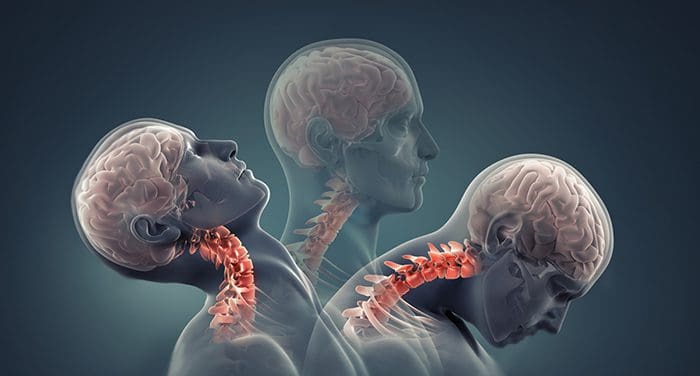
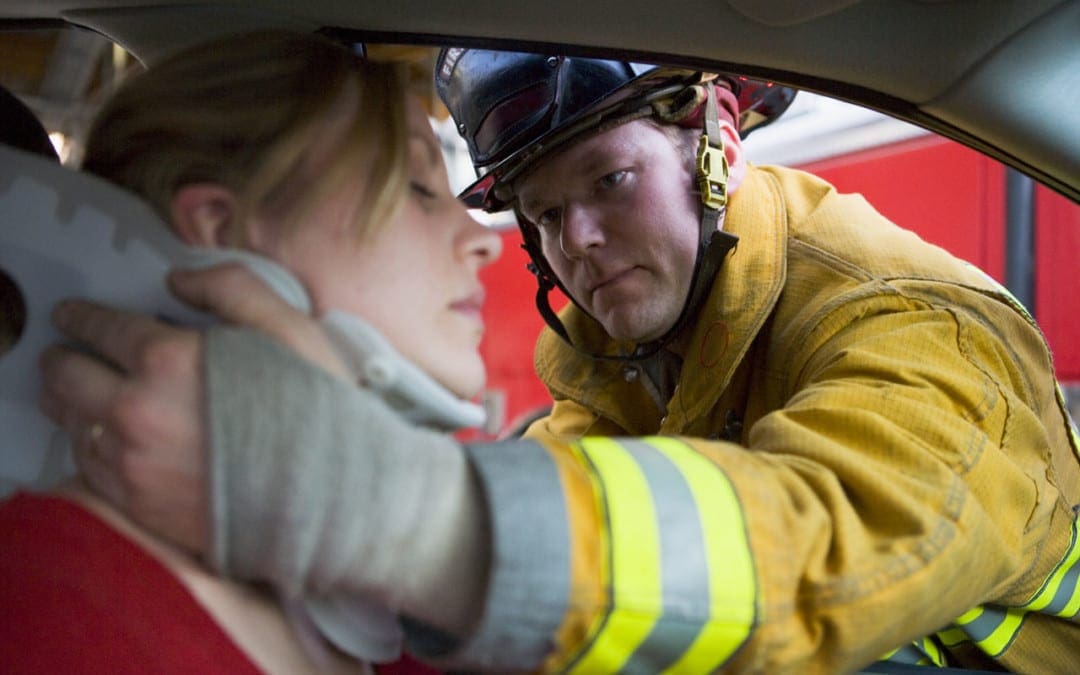
Whiplash is one of the most typical injuries following an accident, especially when rear-ended or a rear-end collision. Its a neck injury that happens when the neck snaps suddenly back and forth causing trauma to the tissues in the neck. Symptoms often develop a few days after the accident including:
Limited neck movement
Stiffness and pain in the neck
Pain or tenderness in the upper back, shoulders, and arms
Numbness or tingling in the arms
Dizzyness
Headaches starting at the base of the skull
Problems with concentration or memory
Ringing in the ears
Sleep issues
Depression
Herniated Disc
�
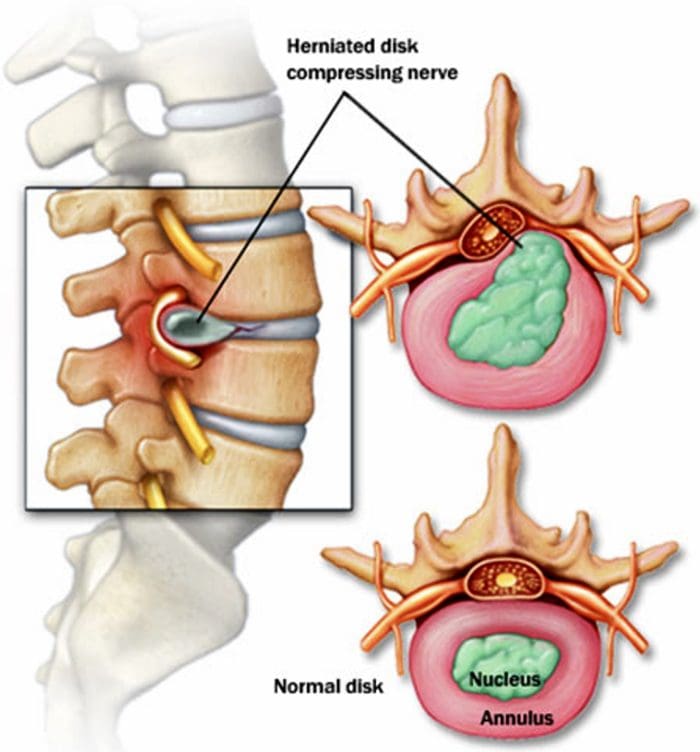
The discs in the spine cushion the vertebrae by absorbing the weight, force, and overall impact of a regular day. They are made of a soft, gel-like substance in the center that behaves like the gel in foot orthotics, shoes, mattresses, etc made to feel soft and comfortable. It has a tough outer membrane.
A herniated disc happens when that soft gel springs a leak/s out from a tear, meaning the shock-absorbing cushion has been compromised and is not delivering the absorption it's supposed to and places added pressure on the surrounding nerve/s and roots. Herniations can happen naturally from age and from jobs that involve consistent and constant repetitive:
Pushing
Pulling
Bending
Twisting
Herniations also happen after going through some type of physical trauma like a motor vehicle accident/collision. Symptoms depend on where the herniation occurs and include:
Muscle weakness around the affected nerve/s
Sharp shooting pain that can spread out from the shoulders to the arms, legs and low back
Tingling in arms or legs
Numbness
There could also be no symptoms and no discovery of a herniated disc until tested for something else.
�
Vertebral Fractures
�
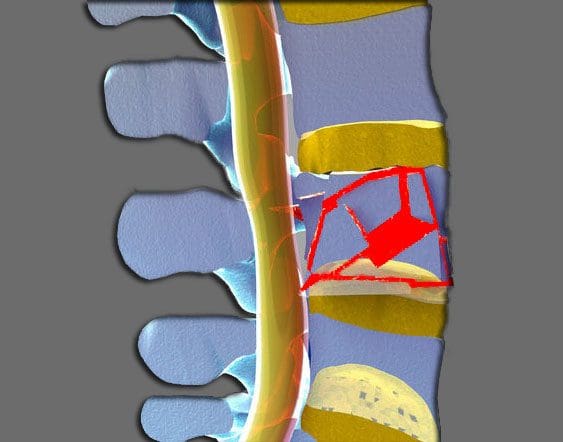
The vertebrae are highly susceptible to fractures of all types and can appear at any spot along the spine. For many, the injuries are mild and heal with non-surgical treatment and time. Major trauma to the spine can cause severe injuries/conditions which include:
Burst fractures
�
This is where the vertebra fractures in multiple places into bony fragments that fall into the spinal cord getting lodged inside with the jagged edges of the bones creating tears, cuts, etc that can result in paralysis and even death.
Flexion fracture
�
This is an injury seen in head-on collisions where the upper part of the body gets thrown forward and the bottom part stays in place likely from the seatbelt. This tears the vertebra apart resulting in a flexion teardrop fracture.
Vertebral compression
�
These types cause the front of the vertebra to collapse while the back keeps its position that forms a wedge-like shape. However, more often it is associated with osteoporosis, healthy individuals can experience a vertebral compression fracture from a serious traumatic event like an auto accident. Fractures can cause mild to severe pain that is exacerbated with movement. If the spinal cord is injured the individual could experience:
Tingling
Numbness
Weakness in the limbs
Loss of bladder/bowel function
Because of the increased safety features in today's vehicles, fractures of the spine are rare except for severe motor vehicle accidents/collisions.
�
Diagnosis and treatment
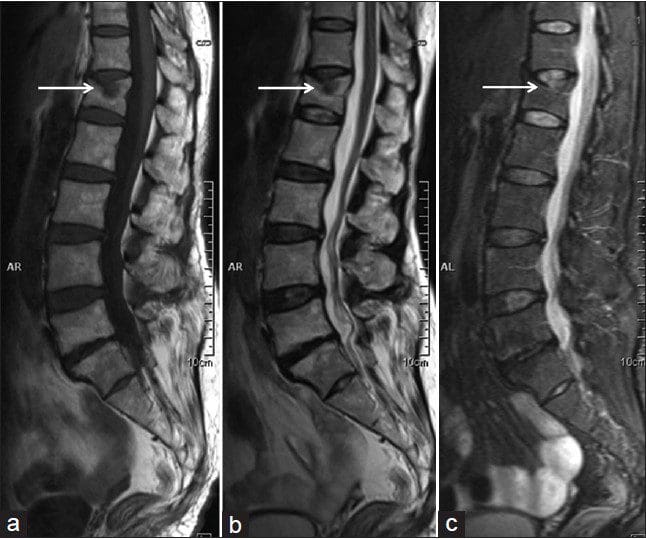
A doctor will review medical history along with the accident information. Imaging tests will follow like:
X-ray
CT or computed tomography scan
MRI or magnetic resonance imaging
�
The way these techniques of imaging are done depends on the accident and the state of the spine. Being brought into the hospital from a motor vehicle accident/collision with a suspected spinal injury means the imaging will be done first to rule out or not potentially life-threatening injury/s to the spine. Treatment for spinal injuries can range from:
Soft collar
Chiropractic
Over-the-counter anti-inflammatory medications
Corticosteroid injection/s
Nerve blocks
Physical therapy
Surgery to correct certain injuries when all other forms of treatment are not working
�
Recovery
Every case, accident, and injury is different�and depends on several factors, like age, health, and how severe the accident/collision was. Severe and extreme injures like a burst fracture can take a long time to heal. �
�
Legal Issues
Individuals with a spinal injury can face thousands in medical bills. If there is medical equipment involved along with therapeutic services for long-term care, like physical therapy then bills will accumulate.
Also, a personal injury claim could be necessary to pay for everything, especially, if the accident/collision is no fault of your own. Compensation could help with:
Loss of employment
Employment benefits
Wages lost
Ability to work/earn income
Medical expenses
Pain
Suffering
Consult with a specialist when considering filing a personal injury claim
�
Work Compensation
If a spinal injury accident happens at work there could be worker's compensation. Workers� compensation is insurance that replaces wages and medical benefits to workers that have been injured while doing their job. These are injuries that happened during the operation of a motor vehicle, like a truck, or forklift. The worker must file an injury report immediately so there is documentation supporting the injury claim. Waiting to file can make the employer question if there even was an injury. A workers� compensation claim works differently than a personal injury claim, based primarily on what is covered under the job's insurance policies.
An example is the legal term pain and suffering. This is not covered by workers� compensation. However, a work training accident would be covered by work comp in the event that the individual cannot return to their job/occupation after the injury. However, any injury/s after a motor vehicle accident/collision should never be taken lightly or ignored. Individuals must be proactive in their treatment after an accident/collision. This is to prevent and avoid further injury.
�
Auto Accident Doctors & Chiropractor Treatments
Dr. Alex Jimenez�s Blog Post Disclaimer
The scope of our information is limited to chiropractic, musculoskeletal, physical medicines, wellness, and sensitive health issues and/or functional medicine articles, topics, and discussions. We use functional health & wellness protocols to treat and support care for injuries or disorders of the musculoskeletal system. Our posts, topics, subjects, and insights cover clinical matters, issues, and topics that relate and support directly or indirectly our clinical scope of practice.*
Our office has made a reasonable attempt to provide supportive citations and has identified the relevant research study or studies supporting our posts. We also make copies of supporting research studies available to the board and or the public upon request. We understand that we cover matters that require an additional explanation as to how it may assist in a particular care plan or treatment protocol; therefore, to further discuss the subject matter above, please feel free to ask Dr. Alex Jimenez or contact us at 915-850-0900. The provider(s) Licensed in Texas& New Mexico*
Spinal injections are exactly what the name says. They are administered direct injections of medicine/s in a specific location of the spine. These are used to treat various conditions affecting the spine when non-invasive treatment/s are not working.
This could be an area along the upper cervical/neck spine all the way down to the sacrum. Injections are also utilized in helping to diagnose neck or back pain that radiates or spreads into an individual�s arms and legs. These are known as:
Cervical radiculopathy
Lumbar radiculopathy
Spinal injection/s for diagnostic or treatment purposes could be a part of an overall treatment plan along with chiropractic/physical therapy and possible medication.
�
�
The medicine in the injection
The medicine could be comprised of a local anesthetic on its own, steroid on its own, or a combination of the two. Steroids are short for corticosteroid, which is a strong anti-inflammatory medication. A contrast dye like an x-ray dye could be added to the injection mix. This dye acts as a guide for precise placement of the needle using image guidance.
�
Spinal disorders that could benefit
Proceeding with an injection treatment plan is based on an individual's unique factors that apply to their condition/state. This decision will be made after consultation, and diagnosis with your doctor, spine specialist, or chiropractor.
Healthcare providers recommend conservative treatment first. A treatment plan typically runs around 4-6 weeks. If there is no change or improvement in the individual's condition from the conservative therapy then injection treatment/s could be recommended. Conditions, where injection/s are used, include:
Disc herniation
Facet joint pain
Failed back syndrome
Sacroiliac joint pain
Sciatica
Spinal stenosis
�
Spinal injection and nerve block difference
Spinal injections are a general term that could mean any type of injection involving the spine. Nerve blocks are a precise type of injection that targets a specific nerve. As the medicine is injected into the target nerve/s, it blocks or creates a blockade of the pain signals being sent from the area (ex. neck, low back, etc.) that is generating the pain.
�
Injection types
Epidural
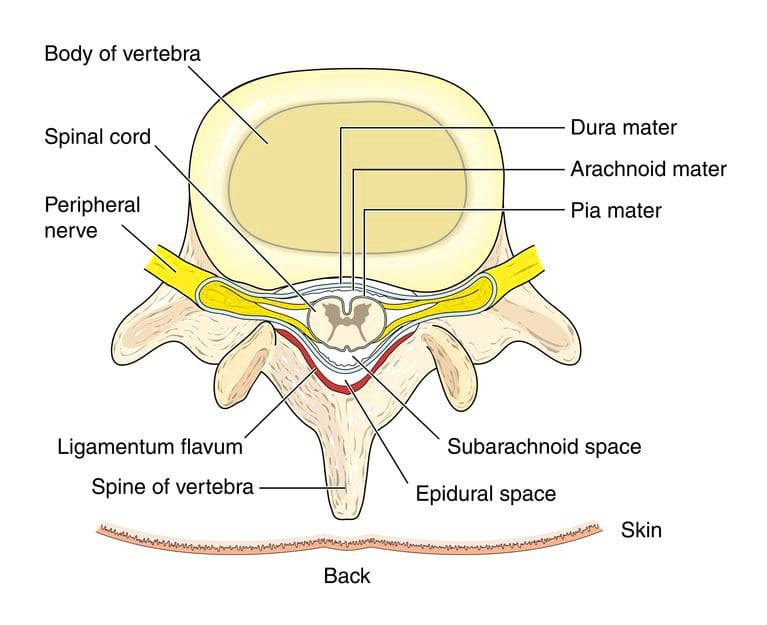
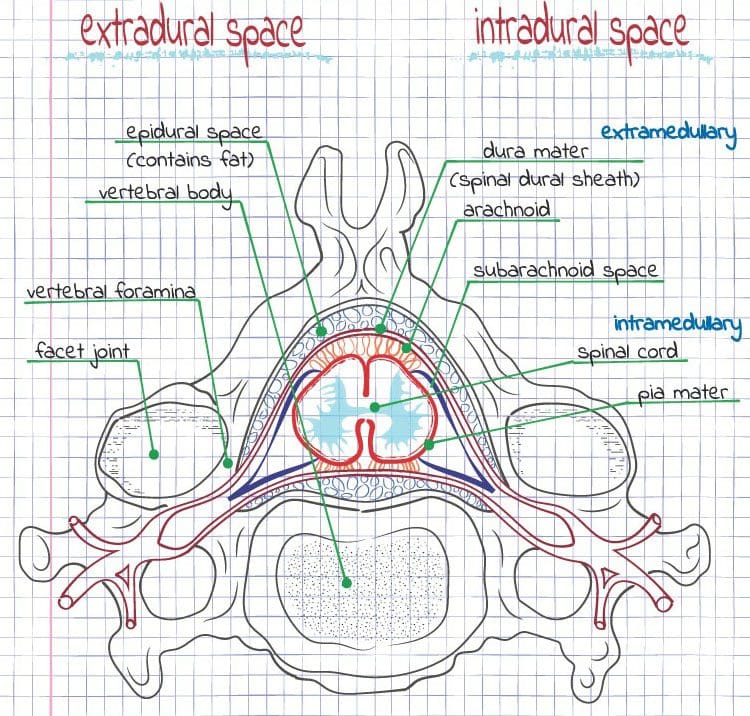
An epidural means an injection on the dura. The dura is the outermost layer that encloses the spinal cord. �
�
3 types of epidurals. They are named according to the direction and angle the needle takes to get to the dura.
Caudal epidural:
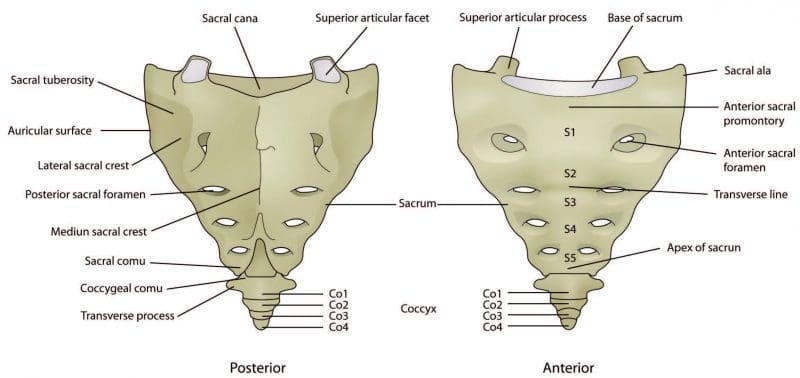
The spinal canal ends at an opening at the end of the sacrum called the spinal hiatus. The medicine is injected into the epidural space through the sacral hiatus. This is the method that is used to provide anesthesia to pregnant women when they're in labor. �
�
Transforaminal epidural:
There are nerve roots that come out of the spinal canal at each level through a bony opening called the intervertebral foramen or neuroforamen. The medicine is injected into the epidural space in these areas.
Interlaminar epidural:
The lamina is a section that forms the arch of each level and forms the spinal canal. The lamina at each level lays on top of the lamina right below. The needle is inserted between the lamina for delivery of the medicine into the epidural space. �
�
Selective Nerve Root Block - SNRB
These involve the injection of a local anesthetic onto a targeted nerve. They are typically used for diagnostic purposes. For individuals with multi-spinal compression/s, these combined with:
Medical history
Physical exam
MRI
These can help identify the pain generator such as spinal stenosis.
�
Medial Branch Block - MBB
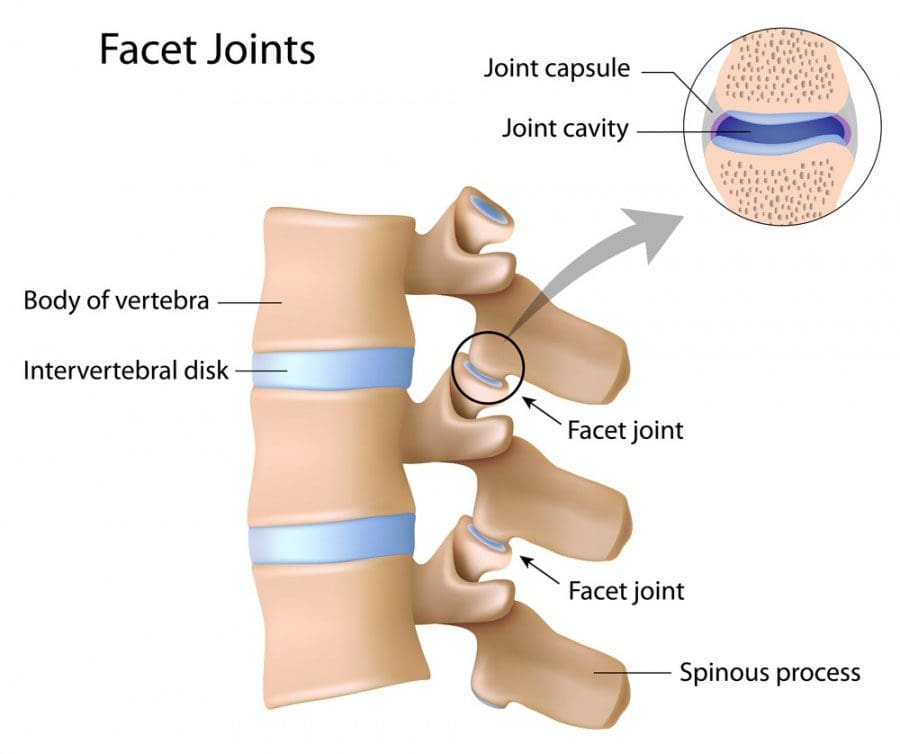
The facet joints are bony projections that connect a vertebral level to the levels above and below. These can become arthritic and is responsible for different forms of back pain.
This type of spinal injection is local anesthetic injected on the medial branch nerves. These are the nerves that send pain signals from the facet joint/s. They are useful in determining if the facet joint is the pain generator. �
�
Facet Joint
These are injections directly into the facet joint itself. Much like injecting anti-inflammatory and pain meds into a knee with arthritis.
�
Sacroiliac Joint
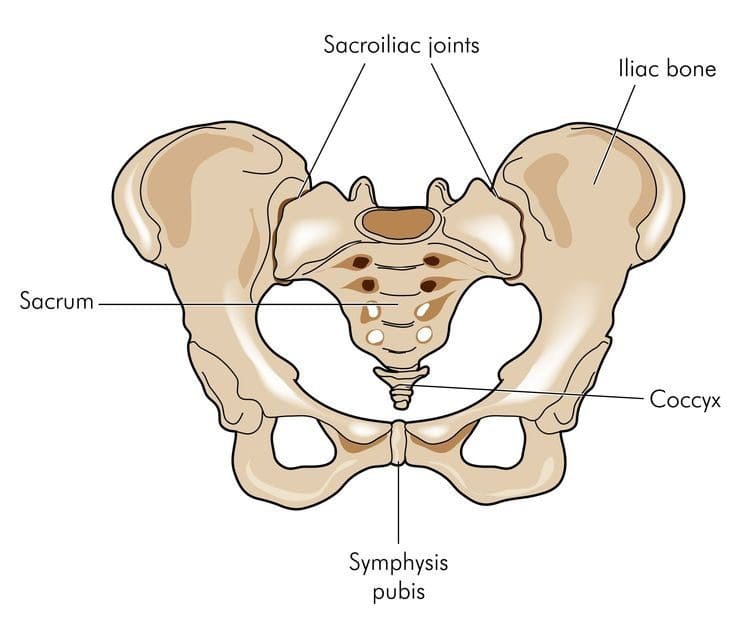
The two sacroiliac joints help connect either side of the sacrum to the hip joint. Like other joints, these can get inflamed and cause painful symptoms. This is an injection directly into one or both of the sacroiliac joints.
�
Administration of the spinal injection or nerve block
Injections are only to be performed by doctors trained specifically in spinal injections. Injections are usually performed by an:
Anesthesiologist
Neurologist
Neurosurgeon
Orthopedic surgeon
Physiatrist
Radiologist
�
Role of these procedures
Reasons why an injection could be used:
Help as a diagnostic to identify the pain generator
Therapeutically to provide pain relief
As a prognostic pain predictor of the relief, an individual could expect from a more invasive procedure like nerve ablation.
�
How often
A maximum of 6 injections for one year is the recommended treatment protocol. Each injection should be based on the effect/s of the previous injection.
�
Potential benefits
The main benefit is to bring pain relief and the ability to function.
Major complications happen in less than one percent of those undergoing the treatment. Individuals with diabetes could see a temporary elevation of their blood sugar.
�
Lasting effects
How long the medicine lasts is different for everyone and comes with variables like:
Type of injection
Type of pathology
Diagnosis
Cause
How long the symptoms last
Most can expect to have one and a half to three months of relief. However, with some, they may only provide minimal relief, while others may see improvements for up to a year.
�
Treating Severe & Complex Sciatica Syndromes
�
Dr. Alex Jimenez�s Blog Post Disclaimer
The scope of our information is limited to chiropractic, musculoskeletal, physical medicines, wellness, and sensitive health issues and/or functional medicine articles, topics, and discussions. We use functional health & wellness protocols to treat and support care for injuries or disorders of the musculoskeletal system. Our posts, topics, subjects, and insights cover clinical matters, issues, and topics that relate and support directly or indirectly our clinical scope of practice.*
Our office has made a reasonable attempt to provide supportive citations and has identified the relevant research study or studies supporting our posts. We also make copies of supporting research studies available to the board and or the public upon request. We understand that we cover matters that require an additional explanation as to how it may assist in a particular care plan or treatment protocol; therefore, to further discuss the subject matter above, please feel free to ask Dr. Alex Jimenez or contact us at�915-850-0900. The provider(s) Licensed in Texas& New Mexico*
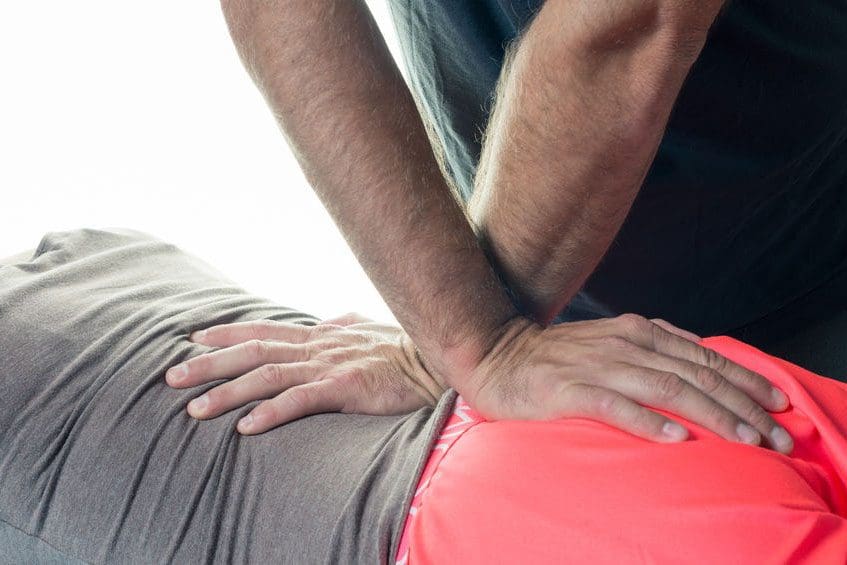
An overview of chiropractic treatment for lower lumbar back pain, how it works, how safe it is, and how often treatment is necessary. Along with the principles of chiropractic for the relief of lower/lumbar back pain, whether acute or chronic. Seeing a doctor ofchiropractic/DC, a chiropractor�or a chiropractic physician can be highly beneficial towards effectively treating low back pain. �
�
�
Practice
Chiropractic medicine utilizes a variety of treatments/therapies that are designed to manipulate/adjust the:
Spine
Joints
Tissues
These treatments focus on the entire body to relieve pain and improve functional ability. This is referred to as spinal manipulative therapy or SMT, but there are many other treatment methods and techniques.
Every chiropractor has a personal treatment approach based on the patient's condition/s, medical history, and personalized treatment plan. A chiropractor will begin traditionally starting off with soft, natural, less-invasive treatments. If these do not generate positive results they will move on to more aggressive techniques.
�
Consent Form
At every stage of the chiropractic process, there is a strict emphasis maintained on proactively discussingwith the patient exactly what is taking place and what is going to happen. A chiropractor makes sure that the patient understands everything that occurs during:
Diagnosis
Examination
Procedure/s
This is all done in order to educate the patient and receive direct permission to start the treatment. The emphasis on informed consent is essential. This is because some chiropractic techniques could carry material risk. This means that a certain technique or particular procedure could possibly cause injury.
A chiropractor also informs the patient of the possible risks of not being treated. It is not meant to scare a patient. It is to eliminate any misunderstandings and make sure that the patient has full control over their body, so they can make an informed decision, as to which way they want to go. �
�
Examination
A chiropractor will thoroughly examine a patient before making any sort of diagnosis or treatment plan. The assessment can include:
�
Medical history
The characteristics of the pain, any red flag symptoms that require further diagnostic testing will be conducted to remove any potentially serious medical issues that can be associated with neck or lower lumbar back pain-like:
Neurological disorders
Fractures
Infections
Tumors
There can be many reasons as to why low lumbar back pain happens. A chiropractor will investigate and develop a personally customized treatment plan. Next, a physical exam will be performed. This includes an orthopedic and neurological exam. These will test the:
Reflexes
Sensory nerves
Joints
Muscles
Other areas of the body
�
Advanced Diagnostic Testing
Imaging and laboratory tests are not always used for non-specificlower lumbar back pain, but they could be necessary if there are signs/symptoms of an underlying condition.
�
Severity/Duration of Condition
Chiropractic medicine looks at the symptoms and conditions of an injury or ailment and classifies them on how severe they are, and how long they last. Symptoms can be divided into degrees of severity: They are:
Mild
Moderate
Severe
For the duration period, pain and other symptoms are referred to as:
Acute pain - lasts for less than 6 weeks
Subacute - lasts between 6 and 12 weeks
Chronic - lasts for at least 12 weeks
Flare-ups - the same symptoms happen irregularly or from an exacerbation of the original injury
�
Treatment Trial
If an individual is dealing with acute or subacute lower lumbar back pain, then a chiropractic trial could be an option. This could be two to three weekly sessions over the course of two to four weeks adding up to twelve total sessions. This can be a sufficient treatment to completely alleviate the pain. However, when the pain does not go away then additional treatments could be necessary, especially if an individual has other issues/conditions.
�
Measured Outcomes
Outcome measurements are a valuable tool because they help determine whether or not the treatment is producing significant results. Some outcome measurements of treatments include:
Numeric Pain Scale for patients to rate the pain
Pain diagram so patients can describe the location and character of the pain
Increases and decreases in normal daily practices, like work, exercise, and sleep
Testing functions
Lifting ability
Strength
Flexibility
Endurance
For some low lumbar back pain could last and go over the 12-week mark making it a chronic pain condition. A chiropractor will look for signs/symptoms to see if there is a risk of developing chronic pain. �
�
Chiropractic How Often
When the pain is acute lower lumbar back pain, a standard treatment plan can be six to ten sessions over the course of two to four weeks. These treatments emphasize the passive non-exercise approach of manual therapy for relieving pain and improving function.
If the non-exercise method doesn't deliver positive results then a more active exercise-based treatment can be utilized to increase function and return an individual back to normal life.
�
Back Pain That Doesn't Go Away
Often acute symptoms are resolved within the first 4-weeks. But it is possible that the pain can become chronic, meaning that it lasts longer than 12 weeks. Some individuals can hit a plateau during the recovery process.
This is referred to as MTB or that the patient has met the therapeutic benefits. A chiropractor will want to see if pausing/stopping chiropractic treatment will have a residual effect, exacerbate the pain, or reduce function and activity.
Example: If mild to severe chronic lower lumbar back pain has worsened, a patient could need one to six more visits with each pain episode. And this would be two to three weekly treatments for two to four weeks. However, patients rarely need continuing or ongoing care of one to four visits per month.
�
Re-Evaluation
Chiropractors will not continue treatment/s if they are not helping the patient. Therefore, every 2 to 4 weeks there is a re-evaluation of the patient to see if the treatment is still having a positive and beneficial effect. Here are some of the criteria for continuing treatment:
Individual still responds positively to the treatment
The individual has met the therapeutic benefits and worsens when they are not treated
Proof shows that self-care alone will not be sufficient to maintain the therapeutic benefits
�
Continuing Treatment
Living with chronic lower lumbar back pain can be a challenge, but chiropractors want to emphasize to individuals that self-care is an essential component for pain management. This includes physical rehabilitation combined with range-of-motion exercises. A chiropractic physician may encourage a variety of treatment options, like:
Chiropractic treatment and the benefits are different for everybody. This is why it is important to communicate with your chiropractor every step of the way and to be open-minded about the different treatment options they offer.
�
Lower Back Pain Chiropractic Treatment
Dr. Alex Jimenez�s Blog Post Disclaimer
The scope of our information is limited to chiropractic, musculoskeletal, physical medicines, wellness, and sensitive health issues and/or functional medicine articles, topics, and discussions. We use functional health & wellness protocols to treat and support care for injuries or disorders of the musculoskeletal system. Our posts, topics, subjects, and insights cover clinical matters, issues, and topics that relate and support directly or indirectly our clinical scope of practice.*
Our office has made a reasonable attempt to provide supportive citations and has identified the relevant research study or studies supporting our posts. We also make copies of supporting research studies available to the board and or the public upon request. We understand that we cover matters that require an additional explanation as to how it may assist in a particular care plan or treatment protocol; therefore, to further discuss the subject matter above, please feel free to ask Dr. Alex Jimenez or contact us at 915-850-0900. The provider(s) Licensed in Texas*& New Mexico*�
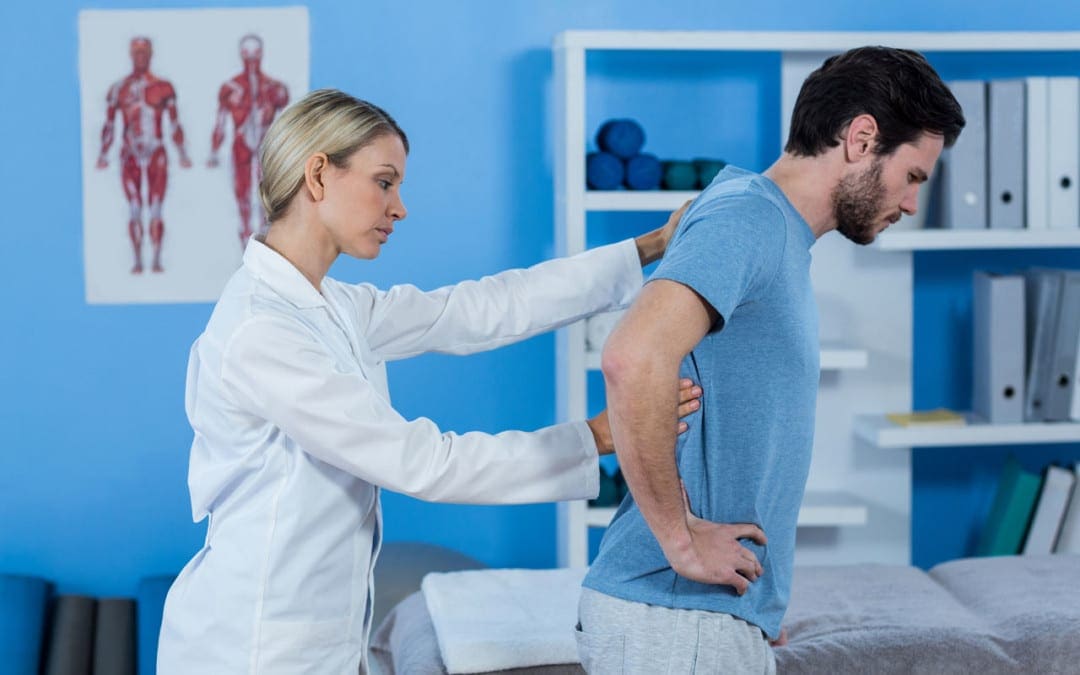
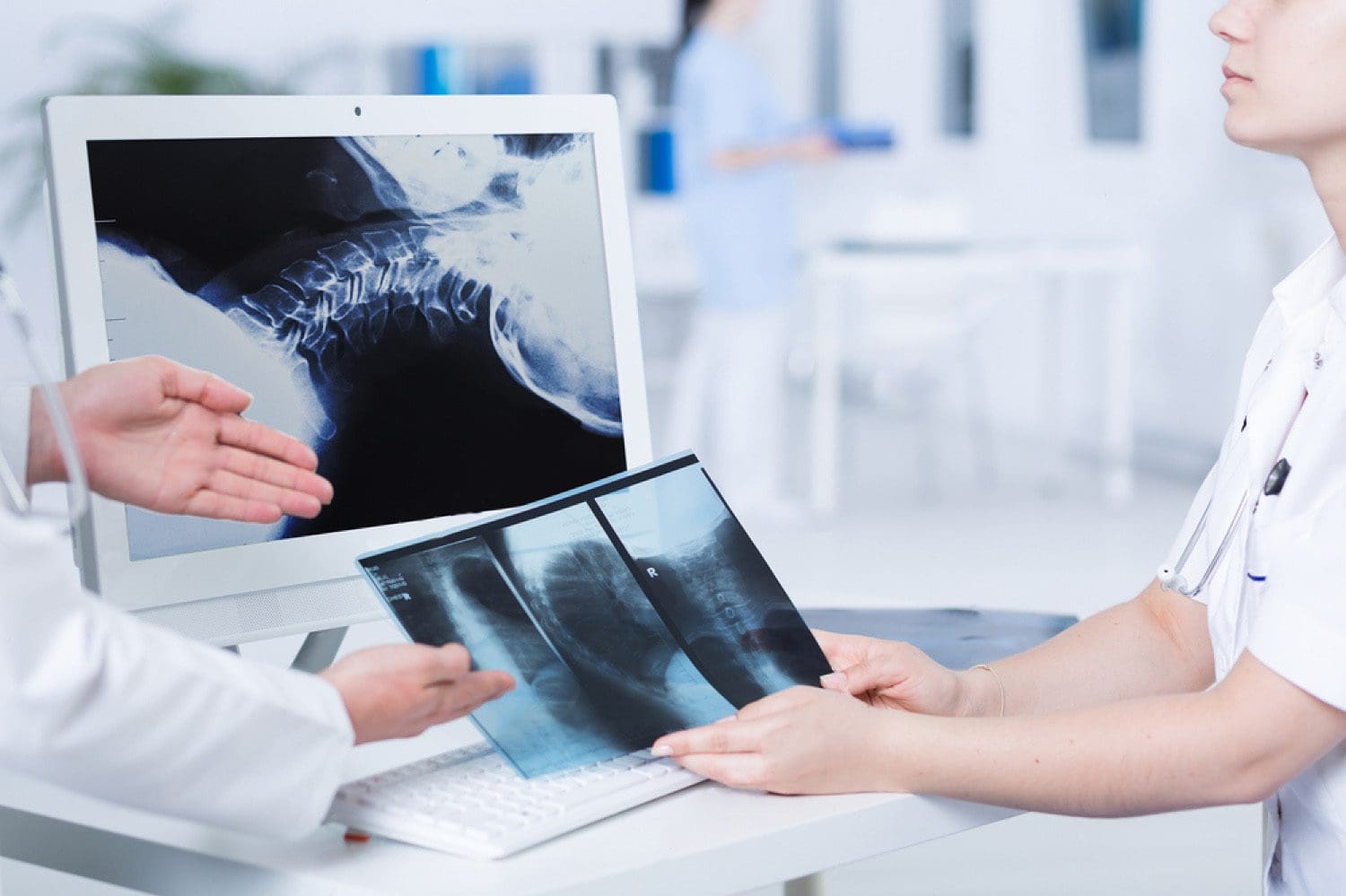
IFM's Find A Practitioner tool is the largest referral network in Functional Medicine, created to help patients locate Functional Medicine practitioners anywhere in the world. IFM Certified Practitioners are listed first in the search results, given their extensive education in Functional Medicine













 �
�