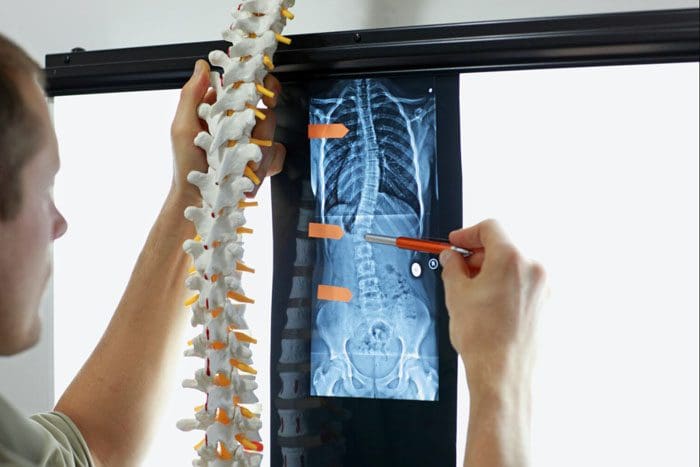
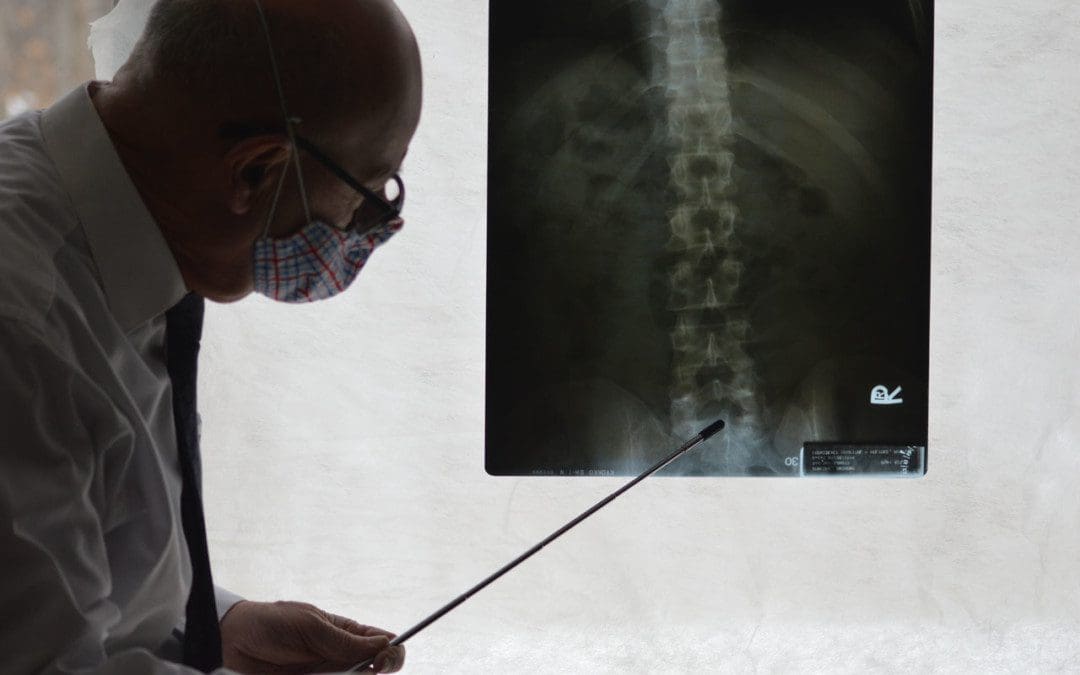
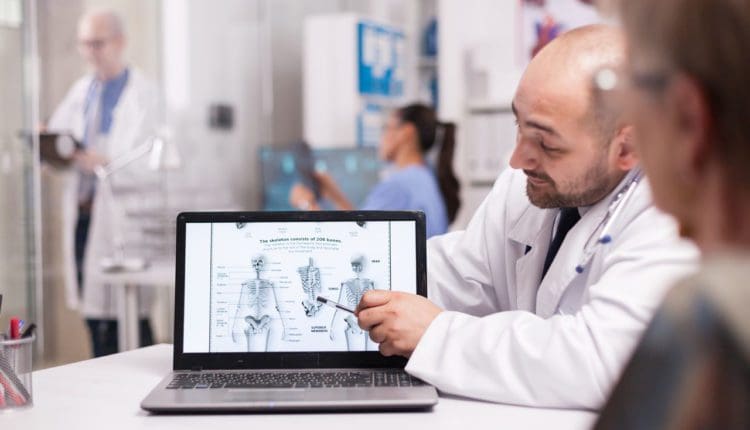
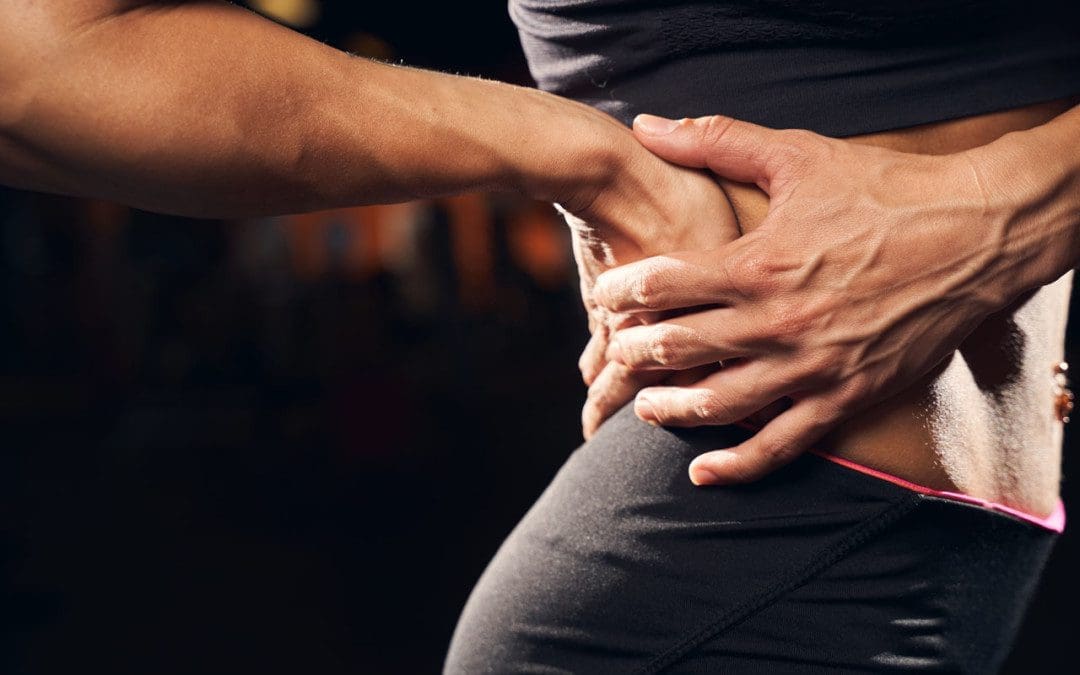
Scoliosis causes the spinal curvature to go sideways and can cause various symptoms. One of the most common symptoms is scoliosis hip pain. This happens because the spine’s curvature can pull the hips out of alignment, causing one side to be raised higher than the other. A result of this is one hip begins to take on more weight. This overloads the hip causing strain, soreness, aches, and pain, especially after standing or walking.
Scoliosis Hip Pain
Idiopathic scoliosis typically occurs in children, but often there are no pain symptoms. This type of scoliosis can go on unnoticed and undiagnosed for years even until adulthood. When the spine stops growing, even a small scoliosis curve can cause hip pain. The hip pain varies but generally presents with:
Sharp pain.
Throbbing pain.
Pain that increases with activity like walking, running, standing for a long time.
Stiffness with combined pain after sitting or lying down for a long time.
The type of scoliosis – degenerative or idiopathic.
Bodyweight. Individuals that are obese are more likely to have severe hip pain because of the added weight.
Activity level. Physical activity can cause the pain to worsen.
Lifestyle.
It varies from person to person.
The Higher Hip
When scoliosis has progressed enough, the curvature and uneven hips are pretty apparent. However, only around 10% of scoliosis cases get this far. If the curvature is minimal, which is usually the case, trying to determine which hip is higher usually requires medical assistance.
The hip that presents with pain is generally the one taking on more weight.
This causes the muscles to fatigue faster and places added stress on that hip joint.
A way to tell which hip is higher stand on bare feet in front of a mirror holding a piece of yarn, or string with both hands.
Place the heel of each hand on the corresponding hip bone.
The string will be tilted if the hips are uneven or will be straight if they are not.
Adult Scoliosis
Hip pain caused by scoliosis is most common in adults. However, it is not the only cause of hip pain. Unless diagnosed with scoliosis as a child, individuals may be suffering from de novo scoliosis or degenerative scoliosis.
De Novo/Degenerative Scoliosis
As the body ages, the spinal discs between the vertebrae begin to wear down. The worn-down discs can cause the spine to develop a sideways curve, that can pull the hips out of alignment. Studies are showing that this type of scoliosis is widespread. Loss of bone density can be a contributor to scoliosis in older adults. Bone density loss from menopause means women are more susceptible than men. Past the age of 70, both men and women lose on average, the same amount of bone density. There are effective integrative, natural treatment therapies that incorporate:
Exercises
Nutrition
Posture correction
Chiropractic
Physical therapy
Scoliosis Hip Exercises
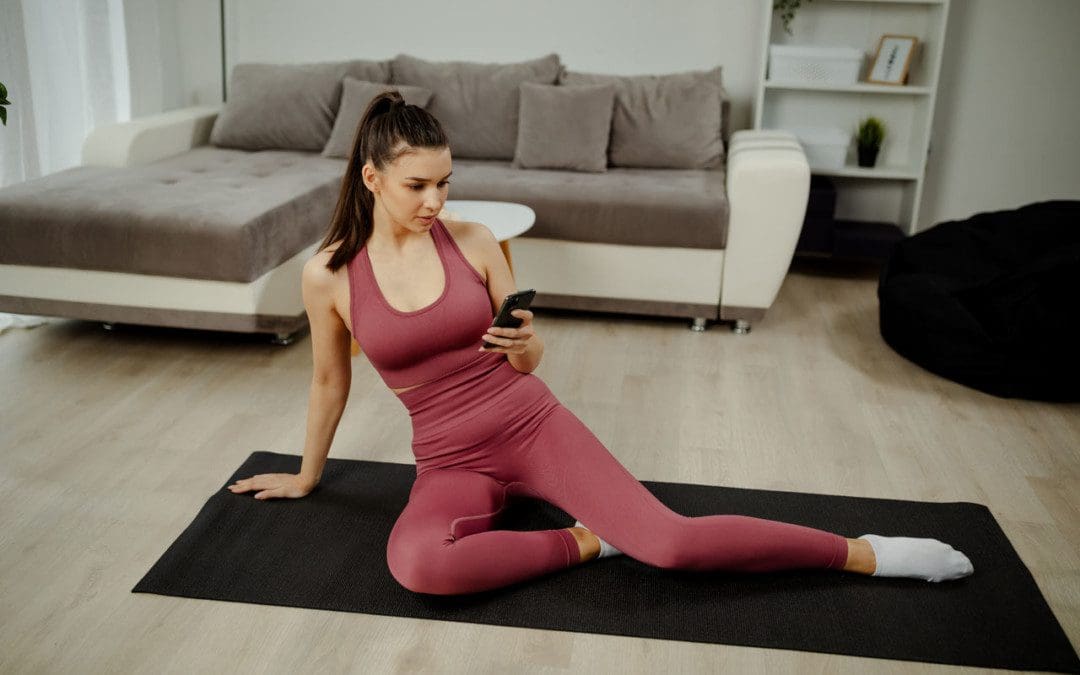
For uneven hips, there are exercises to help relieve pain and strengthen weak muscles.
Hip Stretch
Lie on the back with both legs straight out.
Lift the right leg
Using the hands pull the knee toward you, keeping the foot pointed up.
Pull the knee to your chest as far as you can without causing discomfort or pain.
With the right hand, reach toward the left foot, touching if possible.
Return to the original position.
With the left hand, reach toward the right foot.
Repeat 6 to 8 times.
Chiropractic
If misaligned and uneven hips are causing pain, chiropractic care for scoliosis is recommended. Spine and hip realignments help relieve pain, stretch the muscles, and corrects posture. One study showed that multi-approach chiropractic for adult scoliosis was found to be beneficial even two years after treatment was finished. Injury Medical Chiropractic and Functional Medicine Clinic can help with recommending nutrition and lifestyle tips. Instead of just treating symptoms, our team helps manage the cause.
Body Composition
Body Analysis for Disease Prevention
Early identification of disease is imperative for developing the proper treatment plan. Testing can help improve long-term health outcomes. Testing is made easy with the data being easily implemented into patient management software. A comprehensive printout is ready for engaging and educating patients in understanding health risk management and reduction. In 60 seconds, an InBody Test will generate easy-to-understand, accurate, and objective measurements to evaluate potential disease risk. Medical providers can use the InBody to:
Monitor muscle, and visceral fat to provide an accurate measure of health risk.
Monitor muscle distribution to determine specific health risks related to diseases.
Identify fluid imbalances associated with certain diseases.
Track changes for effective long-term risk identification and reduction.
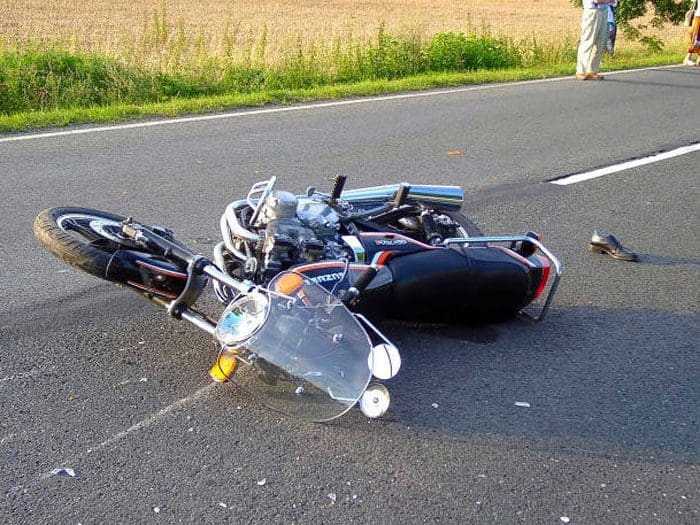
A motorcyclist has an increased risk of injury every time they get on their bike and get on the road. There is no barrier to protect them in the case of a crash or accident. Because of this, motorcycle injuries sustained can be life-changing. The most common injuries that motorcycle riders sustain and suffer when involved in accidents and crashes tend to be related to high traffic, speed, distracted drivers, and construction. This means that most common motorcycle accidents and crash injuries are severe.
Road Rash
Also known as road burn. This is a type of burn that is caused when the body’s skin gets badly scraped and shredded from the road. This often happens when a rider is thrown from the motorcycle skidding down the road before coming to a stop. Road rash can happen on any part of the body. For motorcyclists, it is common on the legs, hands, arms, and back. It can be excruciating even though the injury is not considered fatal, complications and overlapping injuries can develop. This is usually in the form of infections that can affect mobility and flexibility issues that can require further medical intervention and rehabilitation. In severe cases, it can require skin grafts. Depending on the severity it can leave permanent scarring. Treatment often includes antibiotics, bandage dressings, burn soothing and disinfectant creams.
Fractures and Broken Bones
When a motorcycle and a vehicle collide, it is very common for the motorcyclist to get thrown or knocked off with intense force. When the rider hits the ground, the impact alone can cause fractures and breaks. If the rider lands at an awkward angle this can definitely cause a fracture or break. Broken bones can happen anywhere on the body, but are most commonly sustained in the arms and legs. Broken ribs are also common and usually occur when the motorcyclist gets hit or falls hard. Motorcycle endorsement classes emphasize the ATGATT system that stands for All The Gear, All The Time. This means wearing motorcyclist protective clothing and ankle-high boots. Ankle injuries and fractures are commonly sustained from operating a motorcycle.
Spinal Cord Injuries
If the spinal cord gets injured or damaged the results can be devastating. Depending on the area of the injury, an individual might not be able to walk, use their arms, or move at all. Spinal cord injuries tend to happen when the motorcyclist gets thrown hard or up in the air landing hard on their neck, back, or the body gets pierced by an object. Spine fractures often happen when the rider gets pinned or crushed between vehicles and objects. This can cause temporary or permanent paralysis.
Traumatic Brain Injury
This is one of the most serious injuries sustained in a motorcycle crash. Traumatic brain injury – TBI is when the brain sustains trauma. These injuries usually happen when a motorcyclist is involved in an accident and is not wearing a helmet, their head hits an object forcefully, the head is shaken violently back and forth, or if the skull gets punctured. Around 15% of motorcyclists involved in accidents that receive medical treatment are diagnosed with a traumatic brain injury. When a person sustains a TBI, they can develop physical and cognitive deficits. Depending on the severity, brain injuries can be treated with surgery, traction, and rehabilitation, but can have lifelong effects.
Organ Injury and Damage
Intense and forceful impacts can cause internal organ damage. Internal bleeding is common in motorcycle accidents. This can be fatal if not diagnosed and treated. Injuries that prove to be fatal, more than three-quarters are caused by traumatic brain injury.
Therapy Rehabilitation
Our experienced team of accident physical therapists and chiropractic team will review the details of the collision, medical treatments and develop a thorough rehabilitation plan. Call our team today and let us help you put your life back together.
Body Composition
Breakfast and Mental Health
Beyond an individual’s physical health, breakfast can significantly impact mood and mental health. According to a 2018 study, a healthy high-quality breakfast has been shown to reduce stress and depression in adolescents. Breakfast nutritional quality was based on individual responses to the following questions:
Do you have cereal or other grain-based products bread, toast, etc?
Do you have some type of dairy product for breakfast?
Do you have commercially baked goods like biscuits or pastries for breakfast?
If a participant stated they consumed commercially baked goods and did not eat bread/toast/cereal or dairy products for breakfast, this was considered a poor quality breakfast. Avoiding commercially baked goods altogether and eating whole bread, healthy cereals, and/or dairy products was considered a good quality breakfast. Choosing grain-based foods along with dairy products was considered healthy because these foods provide a wide range of nutrients. Healthy cereals can provide:
Protein
Carbohydrates
Micronutrients
Results found that individuals that ate healthy quality breakfasts had:
Reduced mental distress
Reduced depressive symptoms
Increased positive mood
Improved quality of life
References
Alicioğlu, Banu et al. “Motosiklet kazalarina bağli yaralanmalar” [Injuries associated with motorcycle accidents]. Acta orthopaedica et traumatologica turcica vol. 42,2 (2008): 106-11.
Araujo, Miguel et al. “Effectiveness of interventions to prevent motorcycle injuries: a systematic review of the literature.” International journal of injury control and safety promotion vol. 24,3 (2017): 406-422. doi:10.1080/17457300.2016.1224901
Dupaix, John P et al. “A Comparison of Skeletal Injuries Arising from Moped and Motorcycle Collisions.” Hawai’i journal of health & social welfare vol. 78,10 (2019): 311-315.
Elsemesmani, Hussein et al. “Association Between Trauma Center Level and Outcomes of Adult Patients with Motorcycle Crash-Related Injuries in the United States.” The Journal of emergency medicine vol. 59,4 (2020): 499-507. doi:10.1016/j.jemermed.2020.06.018
Peng, Yinan et al. “Universal Motorcycle Helmet Laws to Reduce Injuries: A Community Guide Systematic Review.” American journal of preventive medicine vol. 52,6 (2017): 820-832. doi:10.1016/j.amepre.2016.11.030
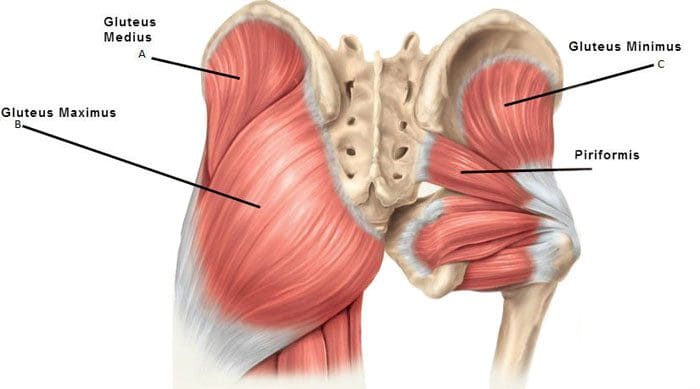
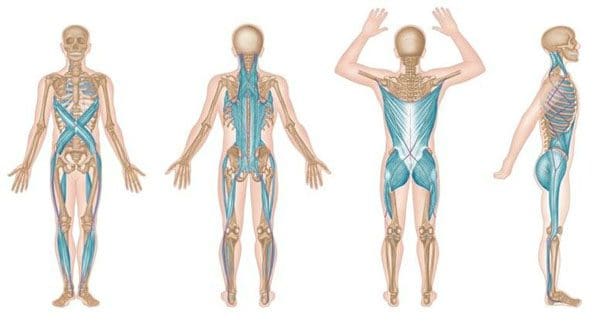
The Gluteus Maximus Muscle is the largest and the outermost of the gluteal muscles. It stretches from the sacrum and coccyx, parts of the spinal column, down to the femur. The other gluteal muscles include the gluteus minimus and medius. They each have a role in the normal function of the hips and legs. They are prone to tightness resulting in soreness, aches, and pain around the hips and in and around the buttocks.
The Gluteal/Rear End Muscles
There are three rear-end muscles:
The Gluteus Maximus extends the hip and rotates the thigh outwards, straightens the legs when moving, and provides strength.
Gluteus Minimus
Gluteus Medius
The minimus and medius are underneath the Maximus and stabilize the hip when:
Walking
Jumping
Other physical activities
There is another group of diagonal muscles under the gluteus minimus that attaches to the femur. The uppermost is the piriformis that is attached to the sacrum. The sciatic nerve and major arteries run below it.
Tightness and Irritation
The primary function of the muscles is to open the hips and push the legs out. Sitting for long periods shortens the gluteal muscles causing them to become tight, limiting normal hip function. The gluteal muscles are susceptible to tightness brought on from overuse and lack of development/strength. This can develop into tender/tight muscle bands that interfere with the normal function of the muscles. To get an example of what is happening imagine flexing and contracting one of the bicep muscles 6-10 hours a day. It would be extremely sore, tight, and tender.
Sports and Physically Active
Athletes and individuals that are physically active can also have tight gluteal muscles. This can cause post-game/exercise muscle soreness. Intense activities force the gluteal muscles to work overtime to support the back and knees. Sports that require a lot of leg muscle activation include:
Running
Soccer
Football
Crossfit
Dancing
Weight training
Awkward Walking Gait
Individuals that move with an unusual gait are vulnerable to straining the muscles. What happens is the muscles become stiff from the awkward positions/postures. This places additional strain on the back and hip muscles and worsens their overall posture. The hip muscles are also attached to the pelvis, and when the muscles begin to tighten they can pull on the gluteal muscles. Irritation of the sacroiliac joint can also place pressure on the piriformis, causing spasms that affect the gluteal muscles. Piriformis muscle spasms can also place pressure on the sciatic nerve, causing sciatica.
Diagnosis and Treatment
An examination will be necessary to diagnose whether the soreness or pain is due to muscle inflammation or other cause. Sciatica symptoms and problems at the hip level that involves the gluteus minimus and medius can be felt in the leg. The examination includes seeing and feeling muscle reactions, responses, contractions through a series of motion exercises and movements that involve different muscles. Common treatment includes:
Range of motion exercises
Strengthening exercises like bridging and resistance bands
Deep tissue massages
Heat and cold packs
Physical therapy
Electric muscle stimulation
Tightness in the glutes can be managed with chiropractic treatment. This includes:
Soft tissue work
Spinal joint manipulation
Lifestyle adjustments
Stretching
Diet
Health coaching
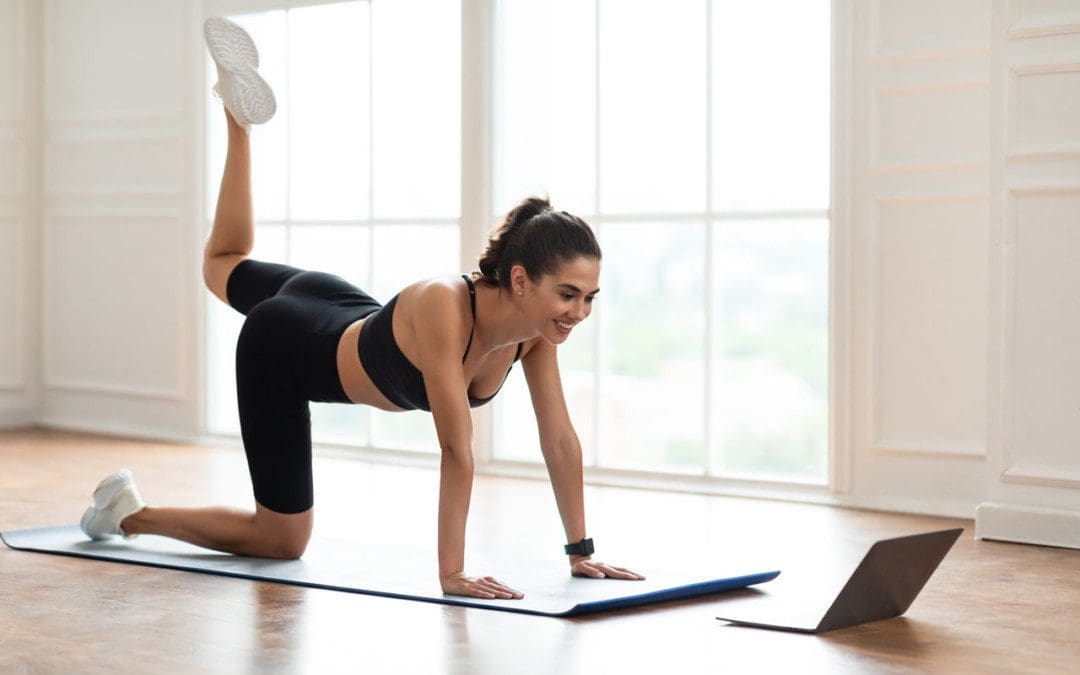
Simple exercises can help engage and strengthen the muscles. These include:
Individuals that sit for long periods of time, don’t get enough physical activity, and have an unhealthy diet can experience insulin resistance. This happens when insulin is not able to transport excess blood sugar out of the blood and into the muscles. A study found that women who sat for eight hours a day had an increased chance of developing diabetes. Diabetics can be inclined to have more fat within the body, specifically visceral fat. This further encourages insulin resistance. Diabetics also experience rapid loss of muscle mass as they age, intensifying symptoms and further affecting body composition.
References
Cochrane, Darryl J et al. “Does short-term gluteal activation enhance muscle performance?.” Research in sports medicine (Print) vol. 25,2 (2017): 156-165. doi:10.1080/15438627.2017.1282358
Coratella, Giuseppe et al. “The Activation of Gluteal, Thigh, and Lower Back Muscles in Different Squat Variations Performed by Competitive Bodybuilders: Implications for Resistance Training.” International journal of environmental research and public health vol. 18,2 772. 18 Jan. 2021, doi:10.3390/ijerph18020772
Distefano, Lindsay J et al. “Gluteal muscle activation during common therapeutic exercises.” The Journal of orthopedic and sports physical therapy vol. 39,7 (2009): 532-40. doi:10.2519/jospt.2009.2796
Kalyani, Rita Rastogi et al. “Age-related and disease-related muscle loss: the effect of diabetes, obesity, and other diseases.” The lancet. Diabetes & endocrinology vol. 2,10 (2014): 819-29. doi:10.1016/S2213-8587(14)70034-8
Selkowitz, David M et al. “Which exercises target the gluteal muscles while minimizing activation of the tensor fascia lata? Electromyographic assessment using fine-wire electrodes.” The Journal of orthopedic and sports physical therapy vol. 43,2 (2013): 54-64. doi:10.2519/jospt.2013.4116
Recent studies have begun to show that back pain apps can enhance the body’s recovery when combined with conservative treatments and physical activity/exercise. Low back pain – LBP can interfere with everyday activities, work, school, and sleep making life miserable. All around the world low back pain is one of the leading causes of disability. Studies have shown how physical activity/exercise, mindfulness, and spinal manipulation can reduce symptoms more effectively. Exercise has been shown to reduce anxiety and increase positive outlook/mood. However, the biggest problem for individuals is finding activities/exercises that they can enjoy and sticking with them. Individuals that use back pain apps have reported the benefits of being guided through the exercises and meditation that help decrease their pain.
Back Pain Apps
Several back pain apps utilize the brain and body connection. They provide exercises for the body and meditation to help the mind relax and work out and through the pain. The brain is the computer, the software is the mind and the hardware is the body. The brain is linked to the nervous system. Apps that help with psychosocial and behavioral issues have shown the ability to reverse the negative thinking of individuals with chronic pain. For individuals that don’t like exercising, there are apps to help address various barriers and obstacles.
They’re ready when and where you are
They track progress
They match guidance messages based on responses
They provide positive reinforcement
Before starting, if the answer is yes to any of the following questions consult with a physician first:
Is leg pain presenting?
Is there constant pain at night?
Is there a history of a recent accident or injury?
Effectiveness of Apps
A 12-week controlled trial in 2019, of individuals with low back pain, found that those who used an app did statistically better, in reducing their pain compared to the control group. The trial consisted of:
Those in the treatment group that completed the program found their pain level (based on a 100-point scale) had reduced 62% from a level of 44 to 14. Compared to an 8% reduction in the control group. However, scientific evidence on specific apps is limited and requires further research. However, the apps that scientists studied include:
A review of 25 apps for low back pain found the higher the price, the higher the app scored in the scientific study. The apps with the top scores included:
Strengthening exercises
Stretching
Core stability exercises
They were:
Interesting
Entertaining
Interactive
Customizable
The Lower Back Pain App, developed by a physiotherapist, scored the highest. It is a 10-week program where users are directed each week to perform three exercises twice daily. The exercises focus on:
Spinal mobility
Stability
Muscle strengthening
Instructions are given through videos and writing.
Back Pain Specific Apps
A variety of back pain-specific applications are available. Try them out and see which fits your style. They are there to guide, strengthen the body, help relax, and lessen the pain.
Body Composition
Chronic Stress
Chronic stress is like poison to the body. It negatively impacts every aspect of the body’s health and is more dangerous because of its ability to present without realizing it. One of the body’s systems responsible for handling difficult situations is the immune system. Specifically, cells of the immune systems have receptors that recognize stress hormones like cortisol. Acute stress can cause immune system problems by increasing the release of inflammatory cytokines that are a special type of immune cell. Stress, immunity, and disease can affect each other. But these relationships can be moderated by:
What is important is to develop a healthy strategy to relieve the symptoms of stress like meditating, exercising, and spending time with friends/family.
References
Best Evidence Rehabilitation for Chronic Pain Part 3: Low Back Pain https://www.ncbi.nlm.nih.gov/pmc/articles/PMC6679058/
Current Directions in Stress and Human Immune Function. Current opinion in psychology vol. 5 (2015): 13-17. doi:10.1016/j.copsyc.2015.03.007 https://www.ncbi.nlm.nih.gov/pmc/articles/PMC4465119/
The Role of Psychosocial Processes in the Development and Maintenance of Chronic Pain https://pubmed.ncbi.nlm.nih.gov/27586832/#affiliation-1
Assessment of the Quality of Mobile Applications (Apps) for Management of Low Back Pain Using the Mobile App Rating Scale (MARS) https://www.ncbi.nlm.nih.gov/pmc/articles/PMC7763508/#B12-ijerph-17-09209
Surgical versus nonsurgical treatment of chronic low back pain: A meta-analysis based on current evidence https://pubmed.ncbi.nlm.nih.gov/26406211/
Randomized controlled trial of a 12-week digital care program in improving low back pain https://www.ncbi.nlm.nih.gov/pmc/articles/PMC6550254/#CR8
Evaluation of Self-Management Support Functions in Apps for People With Persistent Pain: Systematic Review https://mhealth.jmir.org/2019/2/e13080/
App-based multidisciplinary back pain treatment versus combined physiotherapy plus online education: a randomized controlled trial https://www.nature.com/articles/s41746-019-0109-x
Anyone from young children, adults, and the elderly can get a spinal infection. Individuals can have an infection:
In vertebral bone tissue
An intervertebral disc
The spinal canal – space where the spinal cord runs through
The spinal cord’s protective lining
These types of infections can happen anywhere along the spine, from the atlas at the base of the neck to the coccyx all the way to the lowest part of the back. Individuals should expect unpredictability if dealing with a spinal infection. During testing, lab results could be misleading or inaccurate. What can happen is white blood cell counts are normal, X-rays might not show any abnormalities, and sensitive diagnostic tests like a CT or MRI scan might not show positivity of infection for a week or more. What to know about spinal infections.
Spinal Infection Types
They are classified according to the type of tissue they infect. The most common include:
Vertebral Osteomyelitis
This is a common infection type. Bacteria most often cause the cause. It can develop after trauma to the spine, post-surgery, or bacterial infections located in other body parts that travel via the blood to the vertebra. Symptoms include:
Persistent, chronic back pain that can become severe worsens at night and becomes aggravated from moving.
The pain radiates/spreads into the arms and legs
Tingling, numbness, and burning sensations
Inflammation
Fever
Weight loss
Vomiting
Post-surgery wound drainage, redness, and swelling near the surgical site
Treatment includes:
Intravenous antibiotics
Antibiotics
Over-the-counter analgesics like nonsteroidal anti-inflammatory meds for pain relief.
Prescription pain medications
Back brace
Surgery is recommended if antibiotic treatment fails, nerve damage develops, a spinal deformity develops, or to remove infected bone and/or soft tissues.
Discitis
This type of infection develops between the intervertebral discs. It is also rare, but it is more common in children and adolescents, but it can still happen in adults. Discitis can be potentially deadly, despite advanced treatment. The most common causes are bacterial and viral infections.
Symptoms
Individuals with discitis can present with minimal symptoms when the infection initializes, but it does worsen and can cause:
Abdominal pain and discomfort
Posture changes
Mobility issues
Difficulty performing everyday tasks
Fever
Severe back pain that worsens at night or by moving
Treatment options include:
Antibiotics
Anti-inflammatory medications
Supportive devices
Rest
Steroids to alleviate inflammation in chronic and severe cases
Severe cases could require surgery to restructure areas of the affected spine to improve function and mobility
Epidural Abscess
This is an infection that can develop in the spaces between the bones of the spine, the skull, or soft tissues surrounding the brain and spinal cord. This is a medical emergency that needs to be addressed immediately. The infection is often caused by a bacterial or fungal infection in or around the affected area. This is commonly a Staphylococcus aureus bacteria. In some cases, an abscess can develop from an infection in another part of the body. This could be a urinary tract infection that spreads out to the spine. Symptoms include:
Inflammation and swelling
Mid to low back pain
Headache
Fever
Nausea and/or vomiting
Neurological weakness, numbness in the arms and legs, bowel or bladder incontinence
Walking problems
Treatment consists of intravenous antibiotics to combat the infection that caused the abscess. In some cases, if there is difficulty moving around or are experiencing numbness, then surgery is required to drain the abscess or completely remove it.
Risk Factors
Spine infections can affect anyone. However, there are individuals with certain chronic health problems that have an increased risk. They include those with:
Kidney disease
Liver disease
Auto-immune diseases
Immune systems compromised like cancer and HIV
Individuals that have undergone a spinal surgical procedure are at greater risk post-surgery
Risk factors include:
Individuals that have had a spinal infection could be more susceptible to developing another.
Age – older adults
Malnutrition
Diabetes mellitus
Obesity
Smoking
Intravenous drug use
Certain areas of the back are more prone to infection. This includes the cervical/back of the neck and the lumbar/low back.
Surgical risk factors:
Long surgical procedure
Massive loss of blood
Multiple surgeries of the same area
Diagnosis
Early diagnosis can be the difference in treating the infection before damage to the spine develops or before the damage worsens. They are diagnosed through a variety of lab and imaging tests. These include:
Various lab tests
Blood work to examine white blood cell counts and markers for inflammation
X-Rays
CT scan
MRI
Outcome
These infections are rare, but they are serious and early treatment is recommended for optimal outcomes. Early diagnosis in the early stages can be successfully treated with antibiotics, rest, and spinal braces. Doctors, spine specialists, chiropractors, and physical therapists will work with the individual to provide a thorough diagnosis, personalized treatment plan, and long-term outcomes.
Body Composition
Practice Mindfulness
Practicing mindfulness can help identify triggers of negative thoughts and behavior. Mindfulness is unique to each individual. Sitting quietly and meditating for 20 minutes is not for everyone. Instead, try a five-minute guided meditation, writing, or music listening. The best time to meditate is in the morning after waking up. This helps set the day’s objectives, what’s important and what can wait in a clear fashion. Mindfulness practice has been shown to reduce stress and feelings of anxiety.
Journaling is a great way to find out about yourself. It can be done with pencil/pen and paper, on a computer, tablet, or phone. Take a few minutes to write some ideas, feelings, emotions that can help put things in perspective. Examples could be, writing something that makes you happy/proud, something that you want to improve, and a goal. There is also mindful listening that can help reduce stress by focusing attention. Instead of turning on the news or checking email first thing, listen to a favorite podcast or music. The same applies to over-phone use. During some downtime instead of scrolling through social media, etc, take a breath and listen to your mind and self.
References
American Association of Neurological Surgeons. Spinal Infections. http://www.aans.org/Patient%20Information/Conditions%20and%20Treatments/Spinal%20Infections.aspx. Published May 2016. Accessed December 29, 2016.
Stat Pearls. (2021). Diskitis. https://www.ncbi.nlm.nih.gov/books/NBK541047/
Stat Pearls. (2021). Spinal Epidural Abscess. https://www.ncbi.nlm.nih.gov/books/NBK441890/
Frontiers in Medicine. (2014). Surgical site infections following spine surgery: eliminating the controversies in the diagnosis. https://www.frontiersin.org/articles/10.3389/fmed.2014.00007/full
Microorganisms. (2020). Spinal Infections: An Update. https://www.ncbi.nlm.nih.gov/pmc/articles/PMC7232330/
The Spine Journal. (2021.) “Long term quality of life outcome after spondylodiscitis treatment.” https://www.thespinejournalonline.com/article/S1529-9430(21)00783-X/fulltext
Muscle cramp and muscle spasm: Three types of muscles make up the body.
Cardiac muscle makes up the heart.
Smooth muscle cells line the blood vessels, gastrointestinal tract, and organs.
Skeletal muscles attach to the bones and are used for voluntary movements.
A muscle spasm happens when skeletal muscle contracts and does not go back to its relaxed state. Spasms are forceful and involuntary. A muscle spasm that sustains/continues is a muscle cramp. The leg muscles, especially the quadriceps/thigh, hamstrings/back of the thigh, and gastrocnemius/calves, are prone to cramping, but any skeletal muscle can cramp. Charley horse is another name for a muscle cramp.
Causes
There can be a variety of causes for muscle cramps. This includes:
Physical exertion in hot weather
Overexertion
Dehydration
Electrolyte imbalance
Physical deconditioning
Certain medications and supplements could contribute to muscle cramping.
They can interfere with electrolyte levels, contribute to the breakdown of muscle tissue, and/or interfere with blood circulation. Any medication-related muscle cramping should be reported to a doctor.
Night Cramping
Night cramping, especially in the calves, is common and affects up to 60% of adults. Women are more prone to night-leg cramps than men. They are also common with age and a common contributor to insomnia. Muscle fatigue and nerve dysfunction are believed to be a factor. Management remedies include:
Stretching
Self-Massage
Topical muscle pain ointments/creams
Ice therapy
Remedies and Treatment
The majority of cramps resolve on their own within a few minutes without treatment.
It is recommended that as soon as a cramp begins, stop the activity.
Stretch and massage the area,
Hydrate with water and, if necessary healthy sports drink to replenish sodium, vitamins, electrolytes, and more.
Apply heat to help relax the muscle.
Apply an ice pack.
Nonsteroidal anti-inflammatory medications (NSAIDs) can help if the pain is substantial.
Consult a doctor if cramps are severe or are recurring often.
Prevention
Strategies for reducing the risk include:
To vary exercise routines
Maintain proper hydration
Maintain proper levels of electrolytes. Sodium and potassium are lost during physical activity, especially in the heat and with consistent sweating.
Regular Stretching
Warm-up with a quick jog or quick walk before stretching the body.
Body Composition
Insulin and the body
Insulin assists the transport and storage of energy glucose to cells, tissues, and organs. These include the body’s glucose storage like the skeletal muscles and liver. Once the blood sugar returns to a base level as the glucose is absorbed, the pancreas begins producing glucagon instead of insulin. Glucagontells the liver to release the stored sugar, which typically happens between meals. What happens to the body when eating too much sugar and carbohydrates than the glucose-storing organs can handle?
Individuals with Type 1 diabetes have a pancreas that does not produce insulin. Type 1 diabetics need to control their glucose levels with lifelong insulin therapy.
With Type 2 diabetes, the pancreas ends up producing insulin through frequent outbursts. When this starts to happen more than normal, the cells eventually lessen their insulin sensitivity. The body becomes numb to the signaling that there is excess blood sugar in the body. This is what happens in individuals with insulin resistance or Type 2 diabetes. This type of diabetes can be managed or prevented with diet adjustments.
References
AAOS: “Muscle Cramps.” Jun. 2017.
American Academy of Orthopedic Surgeons: “Muscle Cramp.”
American Academy Physician: “AAN Recommendations on Symptomatic Treatment for Muscle Cramps.”
American Family Physician: “Nocturnal Leg Cramps.”
American Osteopathic Association: “Muscle Cramp – A Common Pain.”
Journal of the American Academy of Orthopedic Surgeons: “The Athlete With Muscular Cramps: Clinical Approach.”
National Cancer Institute: “Muscle Types.”
National Institute of Mental Health: “What Is Generalized Anxiety Disorder?”
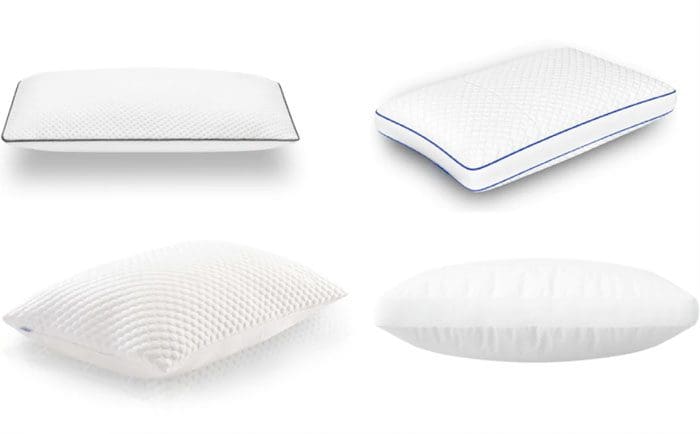
Many individuals do not realize the importance of the type of pillow they use for sleep. Sleeping on the wrong pillow is the perfect set-up for neck, shoulder, and back pain. Here are a few chiropractic tips on what to know about picking the best pillow. Knowing which is the right pillow for you can be the key to proper sleep and waking up pain-free.
Importance of Pillows
Neck and shoulder pain can be a nightmare, especially when the body cannot get decent rest. The right pillow/s can help with neck and back pain symptoms and recover from injuries quicker. When the head is in an awkward position for sleep duration, this causes neck, shoulder, and headache problems. The importance of finding the right pillow follows a set of guidelines.
Shape
The shape of the pillow has a definitive role in the cervical/neck’s curvature.
Posture
Sleep posture is important in preventing neck, shoulder, and back musculoskeletal pain.
Sleep quality
Craniocervical pressures and cervical spine alignment are height-specific. Any changes can affect an individual’s sleep quality.
Height
Cervical alignment can become significantly impacted by the shape and height of the pillow.
Pillow Comfort Importance
Trying to find the right pillow will require trial and error. The basics to consider include:
One sign that it’s time for a new pillow is waking up with pain.
Age of current pillows. The recommendation is they should be replaced every year or two. This depends on the stuffing/material used as different types wear down quicker.
If problems are getting comfortable and being able to fall asleep.
Constantly readjusting or fluffing the pillow/s.
The pillow has become lumpy or lost its shape.
It is flat with no cervical support or, too high placing the head in a forward tilt.
This is an online quiz along with a personalized process in their stores.
The process helps choose a pillow based on individual support preferences and sleep position for the best spinal alignment.
Customizable or adjustable pillows are another option. These pillows allow the individual to change the amount of filling to fit their needs.
Research, personal preference, and advice from a doctor and or chiropractor will help find the pillow that is right for you.
A third of an individual’s life is spent in bed. Make it as comfortable as possible.
Body Health
Sleep Body Composition Importance
Not getting enough sleep makes it difficult to gain muscle.
Not getting enough sleep means that the body experiences less short wave sleep, affecting the body’s ability to secrete Growth Hormone and develop muscle.
Testosterone is negatively affected by lack of sleep.
Not enough sleep increases cortisol levels, impairing muscle development.
Not getting enough sleep makes it difficult to lose fat.
Irregular sleep throws off the body’s ghrelin/leptin cycles, causing hunger.
Not getting enough sleep has been linked to eating more.
Not getting enough sleep can cause reductions in the body’s Basal Metabolic Rate, reducing total energy output.
Tiredness reduces spontaneous movements.
References
“Effect of sleep posture on neck muscle activity.” Journal of Physical Therapy. June 2017. https://pubmed.ncbi.nlm.nih.gov/28626314/
“Effect of pillow height on the biomechanics of the head-neck complex: investigation of the craniocervical pressure and cervical spine alignment.” PeerJ. August 2016. https://pubmed.ncbi.nlm.nih.gov/27635354/
“How Often Should You Replace Your Pillows?” Sleep Foundation, Seattle, WA. https://www.sleepfoundation.org/bedding-information/how-often-should-you-replace-your-pillows
“Improving the quality of sleep with an optimal pillow: a randomized, comparative study.” Tohoku Journal of Experimental Medicine. July 2014. https://pubmed.ncbi.nlm.nih.gov/25008402/
“The effects of pillow designs on neck pain, waking symptoms, neck disability, sleep quality and spinal alignment in adults: A systematic review and meta-analysis.” Clinical Biomechanics. May 2021. https://pubmed.ncbi.nlm.nih.gov/33895703/
Okamoto-Mizuno, Kazue, and Koh Mizuno. “Effects of thermal environment on sleep and circadian rhythm.” Journal of physiological anthropology vol. 31,1 14. 31 May. 2012, doi:10.1186/1880-6805-31-14
IFM's Find A Practitioner tool is the largest referral network in Functional Medicine, created to help patients locate Functional Medicine practitioners anywhere in the world. IFM Certified Practitioners are listed first in the search results, given their extensive education in Functional Medicine