When everyday factors affect how many of us function, our back muscles begin to suffer. The back muscles in the cervical, thoracic, and lumbar section surround the spine and spinal cord, which helps the body stay upright and promotes good posture. The muscles allow the upper portions of the body to bend down and twist without pain while providing stability to the lower parts of the body. However, when the body ages or everyday activities cause issues, it can develop low back pain associated with weak back muscles. There are many ways to prevent these issues from escalating with various hyperextension exercises for low back pain. This 2-part series examines how low back pain affects the body and how different hyperextension exercises can help strengthen the back. Part 1 examines how hyperextension affects the body and how it is associated with low back pain. We mention our patients to certified medical providers that provide available therapy treatments for individuals suffering from chronic low back pain. We encourage each patient when it is appropriate by referring them to associated medical providers based on their diagnosis or needs. We understand and accept that education is a marvelous way when asking our providers’ crucial questions at the patient’s request and acknowledgment. Dr. Jimenez, D.C., makes use of this information as an educational service. Disclaimer
Low Back Pain Affecting The Body
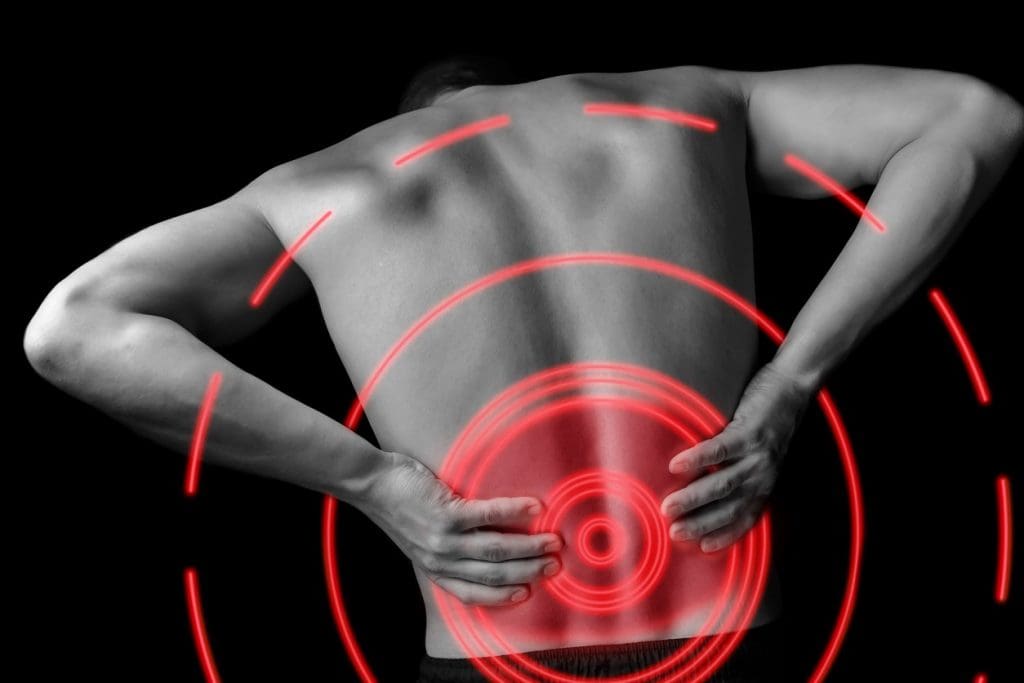
Have you been dealing with aches and pains when bending down? Do you feel stiffness in your torso when twisting? Or have you experienced limited mobility in your hips? Many of these symptoms correlate with low back pain. Studies reveal that back pain is one of the most common issues in the emergency room. Low back pain is associated with many factors that put pressure on the various muscles in the back and can lead to underlying conditions that can cause symptoms to make the body dysfunctional. Additional studies have revealed that chronic low back pain can have influenced overlapping risk profiles, which include:
Stress
Dietary habits
Lifting heavy objects
Musculoskeletal disorders
When these factors affect the back, many individuals will be in constant pain and take medication to relieve their pain. However, medicine can only go so far as it only masks the pain, but there are other ways to reduce low back pain and help strengthen the various muscles surrounding the low back.
An Overview Of Hyperextension (Part 2)
Biomedical physiologist Alex Jimenez explains how there are a couple of different variations that you can do to prevent low back pain. The first one is the elbows in front. The second one is the elbows in front while pointing them forward and keeping them pointed forward throughout the entire movement. The third one is the hands behind the head. And then the fourth variation is putting weight behind your back once you work up to this level. And then using that weight to put more stress on a pivot point. You can also hold the weight to your chest, but putting it behind your head gives you a further pivot point or a further point on the fulcrum, which are your hips putting more stress on your spinal rectors. The repetitions and frequency should be performed at the beginning of most workouts, before or after your abdominal exercises on leg days. You can use this exercise as a warmup before deadlifting or squatting. I’ll remember you don’t have to go as much weight or as many reps when you’re doing this on leg days. So we recommend starting with four sets of 20 reps and slowly working up to four sets of 40 reps. This seems like a lot, but it will be beneficial in the end.
Various Hyperextension Exercises For The Back
When it comes to low back pain, the various muscles are weak, which can lead to multiple symptoms affecting a person’s mobility. Luckily making small changes in a daily structure, like incorporating exercises that target the back, can be beneficial. Studies reveal that exercises targeting the back muscles can help strengthen the targeted muscles to have mobility and stability in the back. As a bonus, exercises combined with chiropractic treatments can help restore the body and allow the spine to be realigned. When it comes to back exercises, hyperextension exercises can help prevent low back symptoms from reoccurring and strengthen weak back muscles. Here are some of the various hyperextension exercises that benefit the back.
Reverse Flys
There are different variations of how to do reverse flys. You can pick a moderate or lightweight dumbbell or a resistance band. This exercise is great for the upper back muscles and rear deltoids.
Sit in a chair where the dumbbells are in front of you. *For resistance bands, make sure the bands are under your feet.
Pick up the dumbbells/resistance bands with the palms of your hands and bend forward.
Squeeze the shoulder blades together, lift the arms to shoulder level with slightly bent elbows, and lower them.
Repeat for three sets of 12 reps and rest in between.
Hip Thrust
Different variations to this exercise can help with the posterior muscles in the lower back. You can use barbells, dumbbells, resistance bands, or your body weight to strengthen your core back muscles.
Lean against a bench with the knees bent and the feet flat on the floor.
Rest the shoulder blades on the bench for support and have the weight placed near your core.
Raise your body slightly by pushing your heels down to the floor and walking out slowly beyond your knees.
Push through your heels to have your hips at shoulder level, hold for a second, and lower your hips back down.
Repeat for three sets of 12 reps and rest in between.
Supermans
This exercise has two different variations and makes you aware of your back muscles. This exercise helps improve muscle mobility in all three sections of the back.
Lay on the mat face down with your arms in front and your legs straight.
Keep the head in a neutral position and raise both the arms and legs off the mat. This allows the body to be in a banana shape in a comfortable position. *If you want more challenge, lift the opposite arms and legs simultaneously.
Hold for a couple of seconds for the upper and lower back and hamstrings to maintain their positions.
Lower down with control.
Repeat for three sets of 12 reps and rest in between.
Fire Hydrants
This exercise helps the lower back and glute muscles reduce the effects of low back pain and make it more challenging to use a resistance band.
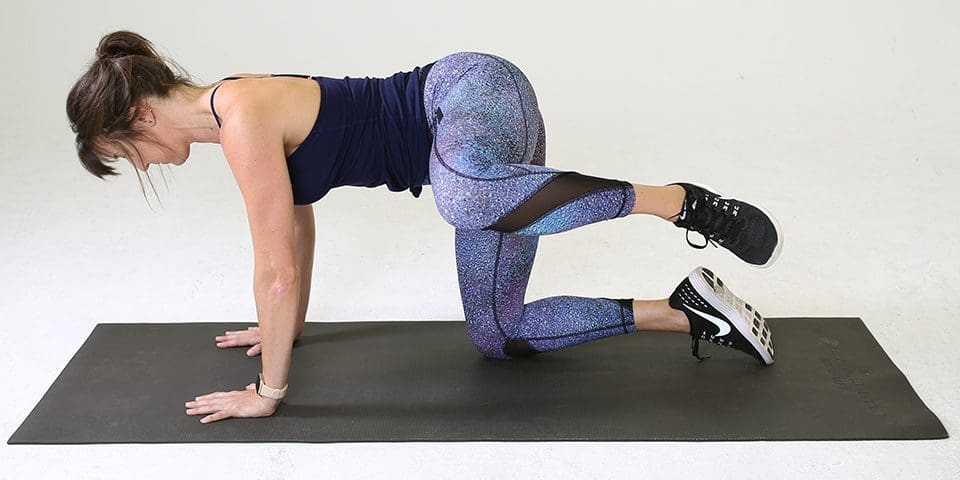
Be in a cat/cow position on your mat, allowing the wrist to be aligned under the shoulders and the knees to be aligned under the hips.
Maintain a neutral spine while engaging the core.
Squeeze the glutes and lift your right leg off the mat, keeping the knee at 90 degrees. *The hips should be the only ones moving to keep the core and pelvis stable.
Lower the right leg down with control.
Repeat for three sets of 12 reps and rest before repeating the motion on the left leg.
Conclusion
All in all, having low back pain doesn’t mean your life is over. Incorporating hyperextension exercises as part of your daily routine can help strengthen your back muscles and ensure that you won’t have reoccurring symptoms from low back pain. Making these small changes can lead to beneficial results in the long run for your health and wellness journey.
References
Allegri, Massimo, et al. “Mechanisms of Low Back Pain: A Guide for Diagnosis and Therapy.” F1000Research, U.S. National Library of Medicine, 28 June 2016, https://www.ncbi.nlm.nih.gov/pmc/articles/PMC4926733/.
Casiano, Vincent E, et al. “Back Pain – Statpearls – NCBI Bookshelf.” In: StatPearls [Internet]. Treasure Island (FL), StatPearls Publishing, 4 Sept. 2022, https://www.ncbi.nlm.nih.gov/books/NBK538173/.
Koes, B W, et al. “Diagnosis and Treatment of Low Back Pain.” BMJ (Clinical Research Ed.), U.S. National Library of Medicine, 17 June 2006, https://www.ncbi.nlm.nih.gov/pmc/articles/PMC1479671/.
In cold weather, it’s normal to experience cold hands and fingers. But if there is a coldness in only one finger while the rest of the hand is normal, changes to skin color, numbness, tingling, or pain symptoms could be a sign of poor circulation or an underlying medical condition. Cold fingers could indicate various problems, including overuse injuries, vitamin deficiencies, Raynaud’s syndrome, hypothyroidism, anemia, arterial disease, or an autoimmune condition. Chiropractic care and massage therapy can increase circulation, release compressed nerves, relax the muscles, and restore mobility and function.
Cold Fingers
Blood circulates throughout, nourishing and maintaining body warmth. When compression, obstructions, or narrowing paths inhibit blood flow, the body cannot achieve proper circulation. Unhealthy circulation can cause several symptoms, including:
Pins and needles sensations along the shoulder, arm, hand, and fingers.
Weakened arm and hand muscles.
Numbness.
Cold finger/s.
Muscles aches, soreness, and tightness.
Swelling.
Pale or bluish skin color.
Overuse Injury
Repeating one movement or motion constantly over time can lead to overuse syndrome/repetitive motion disorder in the hands and arms. Certain jobs and activities can cause overuse syndrome, including:
Cashiers.
Food service work.
Graphic sign work.
Computer work.
Sewing work.
Landscaping.
All of these jobs and activities can put a lot of repeated stress on the hands and arms.
Vitamin B-12 Deficiency
Vitamin B-12 is required for proper red blood cell formation and neurological function. It is found in many foods, including eggs, fish, meat, poultry, and dairy products. A vitamin B-12 deficiency can cause neurological symptoms like numbness, tingling, and coldness in the hands and feet. Other symptoms include:
Anemia
Fatigue
Weakness
Difficulty maintaining balance
Depression
Soreness of the mouth
A doctor requires a blood sample to test for the deficiency. A common treatment is a high dose of an oral supplement or injections for individuals that have difficulties absorbing B-12 through the digestive tract.
Raynaud’s Syndrome
Raynaud’s syndrome is a condition that causes some areas of the body, usually the fingers, to feel cold and numb when exposed to cold temperatures or high-stress levels. This happens because the small arteries that supply blood to the skin are experiencing spasms. During an episode, the arteries narrow, which prevents blood from circulating correctly. The fingers can change color, going from white to blue to red. When the flare-up ends, and the blood flow returns to normal, there may be tingling, throbbing, or swelling. The condition isn’t usually debilitating, and treatment options often include medications that expand the blood vessels to improve circulation. These include calcium channel blockers,alpha-blockers, and vasodilators.
Hypothyroidism
Hypothyroidism is when the thyroid doesn’t produce enough hormones. Hypothyroidism comes on gradually and rarely generates symptoms in the early stages. Hypothyroidism doesn’t cause cold fingers but increases the body’s sensitivity to cold. Other symptoms include:
Fatigue
Muscle weakness, tenderness, and achiness.
Joint swelling, stiffness, and pain.
Puffiness.
Dry skin.
Hoarseness.
Weight gain.
High or elevated cholesterol levels.
Thinning hair and hair loss.
Depression.
Over time, the condition can cause complications such as obesity, joint pain, heart disease, and infertility. A doctor can detect hypothyroidism with a simple blood test. Treatment involves taking a daily dose of synthetic thyroid hormone.
Anemia
Anemia is when the blood has a lower-than-normal amount of red blood cells. It also occurs when the red blood cells lack a crucial iron-rich protein called hemoglobin. Hemoglobin assists red blood cells in delivering oxygen from the lungs to the rest of the body. A low supply of hemoglobin to carry oxygen to the hands can result in cold fingers. There may also be fatigue and weakness. Iron deficiency is what typically causes most cases. A doctor may suggest nutritional adjustments if blood work indicates low iron levels. An iron-rich nutritional plan and taking iron supplements can help relieve symptoms.
Arterial Diseases
Diseases that affect the arteries can reduce blood flow to the hands, causing cold fingers. This can be from plaque buildup or inflammation in the blood vessels. Any blockage in the blood vessels can prevent blood from circulating normally. Another arterial problem is primary pulmonary hypertension, which affects the lungs’ arteries and can lead to Raynaud’s syndrome.
Chiropractic Care
Chiropractic adjustments can remove misalignments, restore proper nerve communication, increase blood flow, and correct an overactive sympathetic nervous system. Massaging the shoulders, arms, and hands relaxes the nerves, and muscles, breaks up compressed tissues, and increase blood flow. The circulation of lymphatic fluid around the body is also promoted, which carries toxins away from the muscles and tissues. To improve circulation, the following may be utilized:
Deep tissue pressure is effective at relieving congestion and tension.
Percussive massage to break up scar tissue.
Non-surgical Decompression to stretch the spine and body out.
Lymphatic drainage is designed to improve the circulation of the fluid.
Bilić, R et al. “Sindromi prenaprezanja u saci, podlaktici i laktu” [Overuse injury syndromes of the hand, forearm and elbow]. Arhiv za higijenu rada i toksikologiju vol. 52,4 (2001): 403-14.
Ernst, E. “Manual therapies for pain control: chiropractic and massage.” The Clinical journal of pain vol. 20,1 (2004): 8-12. doi:10.1097/00002508-200401000-00003
InformedHealth.org [Internet]. Cologne, Germany: Institute for Quality and Efficiency in Health Care (IQWiG); 2006-. How does the blood circulatory system work? 2010 Mar 12 [Updated 2019 Jan 31]. Available from: https://www.ncbi.nlm.nih.gov/books/NBK279250/
Pal, B et al. “Raynaud’s phenomenon in idiopathic carpal tunnel syndrome.” Scandinavian journal of rheumatology vol. 25,3 (1996): 143-5. doi:10.3109/03009749609080004
Waller, D G, and J R Dathan. “Raynaud’s syndrome and carpal tunnel syndrome.” Postgraduate medical journal vol. 61,712 (1985): 161-2. doi:10.1136/pgmj.61.712.161
Dr. Alex Jimenez, D.C., presents how anti-inflammatory phytochemicals can reduce inflammation and treat other chronic conditions that inflammation is correlated with. We dive into what medicines can trigger inflammatory cytokines and some treatments that work together to reduce chronic inflammation. We refer our patients to certified medical providers incorporating multiple therapies for many individuals suffering from chronic inflammation and its correlating symptoms affecting the body. We encourage each of our patients by mentioning them to associated medical providers based on their analysis appropriately. We understand that education is a delightful way when asking our providers questions at the patient’s request and understanding. Dr. Jimenez, D.C., only makes use of this information as an educational service. Disclaimer
How Medications Associate With Inflammation
Dr. Alex Jimenez, D.C., presents: When it comes to a person’s health and wellness, it is important to know that when you are introducing them to potential antigenic medication, that person’s immune system is already imbalanced and much more likely to make abnormal immune responses, which then can lead to inflammatory effects in the body’s system. You see them mostly with chimeric human marine antibodies, which are the ones that make antibodies for the immune system, to that point, will elicit a much higher immune response. When this happens, it becomes a challenge to long-term pharmacotherapy. So when people go to their doctors for a prescription, about 20-30% of medication prescriptions are never filled because, most of the time, the prescription will never fill them in the drugstore, which can cascade into various issues.
And when people follow their prescription, sometimes they’ll take it for a little while, and after six months, they stop taking it. So the drop in prescriptions taken for longer than six months is quite low. In the last article, we discussed NSAIDs, DMARDs, and biologics, and we will touch base with acetaminophen. Acetaminophen is another one that’s just really widely used, and it’s because it’s put into all of these different cold and flu, and pain products. They sneak it into many other medications; you must read the labels. This is because some people metabolize acetaminophen quickly, which can become toxic. This can lead to individuals getting random headaches throughout the day and causes their glutathiones to be used promptly. So when looking for cold and flu medicine, it is best to look at the labels for acetaminophen because it doesn’t have anti-inflammatory responses since it is used for pain control.
How Acetaminophen Affects the Immune System
Dr. Alex Jimenez, D.C., presents: So even though we do not know how exactly how the analgesic effects work when people take cold and flu medicines, however, we do know that when people take a ubiquitous amount of acetaminophen, it could increase the pain threshold by inhibiting nitric oxide pathways in the body through mediation through the receptors for NMDA and substance P. We still don’t have a great handle on that, but that’s how it works. So, these drugs can be quite useful in the short term, but long-term use has serious side effects.
When looking for medications, it is important to read the labels that have a black box warning, which is the highest warning that the FDA issues for any potential overlapping risk profiles that the FDA issues. This can include severe liver injuries or serious possible allergic reactions that can develop into chronic inflammation of the muscles and joints. Now there are ways to reduce inflammation and prevent the body from being in more pain by slowly introducing anti-inflammatory botanicals and phytochemicals to detoxify the medication causing these complications.
Some individuals may not realize that constant medication for various pains and issues affecting the body can mask other problems involving the body’s systems. This can include:
Endocrine system
Cardiovascular system
Gastrointestinal system
Reproductive system
When these systems have been affected by medications, they can develop inflammatory markers in the vital organs and cause lead to visceral-somatic dysfunction in the body. When pain medications target pain localized in one location, but the issue is in a different area, this is known as referred pain. Referred pain is where the pain is in one muscle group location but is felt in another area of the body. When the organs are involved, it can cause inflammatory symptoms in the system. To that point, this causes the immune system to be induced into autoimmunity.
How The Immune System Is Induced Into Autoimmunity
Dr. Alex Jimenez, D.C., presents: When the immune system has been induced with autoimmunity, the corticosteroids can develop side effects that can be long termed and delay the healing process. Some of the physical symptoms that are visible with autoimmunity include:
Muscle weakness
Diabetes
High blood pressure
Thin bones
Delay wound healing
Flare-ups
Rheumatoid arthritis
Mood changes
When dealing with these inflammatory symptoms associated with pain, there are fundamental functional treatment approaches that can reduce the inflammatory cytokines causing joint and muscle pain.
Treatments To Target Inflammation
Dr. Alex Jimenez, D.C., presents: Some of the treatments that target inflammation include the following:
Slowly incorporating healthy lifestyle choices into a person’s daily lifestyle can reduce the effects of inflammatory cytokines affecting the vital organs, muscles, and joints. It is important to know that incorporating antioxidants, phytonutrients, and anti-inflammatory supplements can reduce residual symptoms in the body. All these treatments are some of the foundations that can address these inflammatory triggers and help reduce muscle and joint pain associated with inflammation.
Anti-Inflammatory Vitamins & Supplements
Dr. Alex Jimenez, D.C., presents: Another important note about these treatments is that vitamins and supplements can combine to help treat inflammatory effects that are causing issues in the body. These anti-inflammatory botanicals and phytochemical agents can not only act on the different pathways in the body but also have different mechanisms similar to healthy nutritional foods. Incorporating anti-inflammatory botanicals and phytochemical agents into the body will help modulate the inflammatory cascades and provide multiple synergistic activities to the body.
These agents down-regulate the inflammatory pathways caused by NF-kappaB. They can act as modulators that dissociate the cytokines from causing more issues like oxidative stress or infections triggering inflammation. However, we need inflammation to heal the body from wounds and infections. We mustn’t want the cytokines too high to cause inflammatory effects. So incorporating anti-inflammatory botanicals and phytochemicals provides a much safer option to the body and can be used in many chronic inflammatory conditions.
Conclusion
Since many botanicals and phytochemicals have anti-inflammatory properties, it can be difficult to find a good amount that the body needs to reduce chronic inflammation. Since many cultures and places have used many nutritional plants and herbs for years worldwide, it can be exhausting. Some of the botanical supplements include:
Zinc
Green tea extract
Capsaicin
S-adenosylmethionine
Ginger
To summarize how it is important to know which supplements have anti-inflammatory properties, doing research and incorporating small changes into a daily lifestyle can provide amazing results and allow the individual to be pain-free and have good health when combining botanicals and phytonutrients.
Making healthy posture adjustments is a process, especially for individuals that have been practicing unhealthy postures for years. Not only does the body have to relearn how to position itself correctly, but the muscles, especially those that haven’t been working, also have to adjust. This takes time and is usually at the beginning of postural training that individuals want to give up. This is because of the discomfort and soreness that goes with reactivating the core muscles. This is why it is recommended to go through the process with chiropractic care. A chiropractic therapy team can relieve sore muscles, strengthen the body, and help individuals gradually develop and maintain a healthy posture.
Posture Adjustments
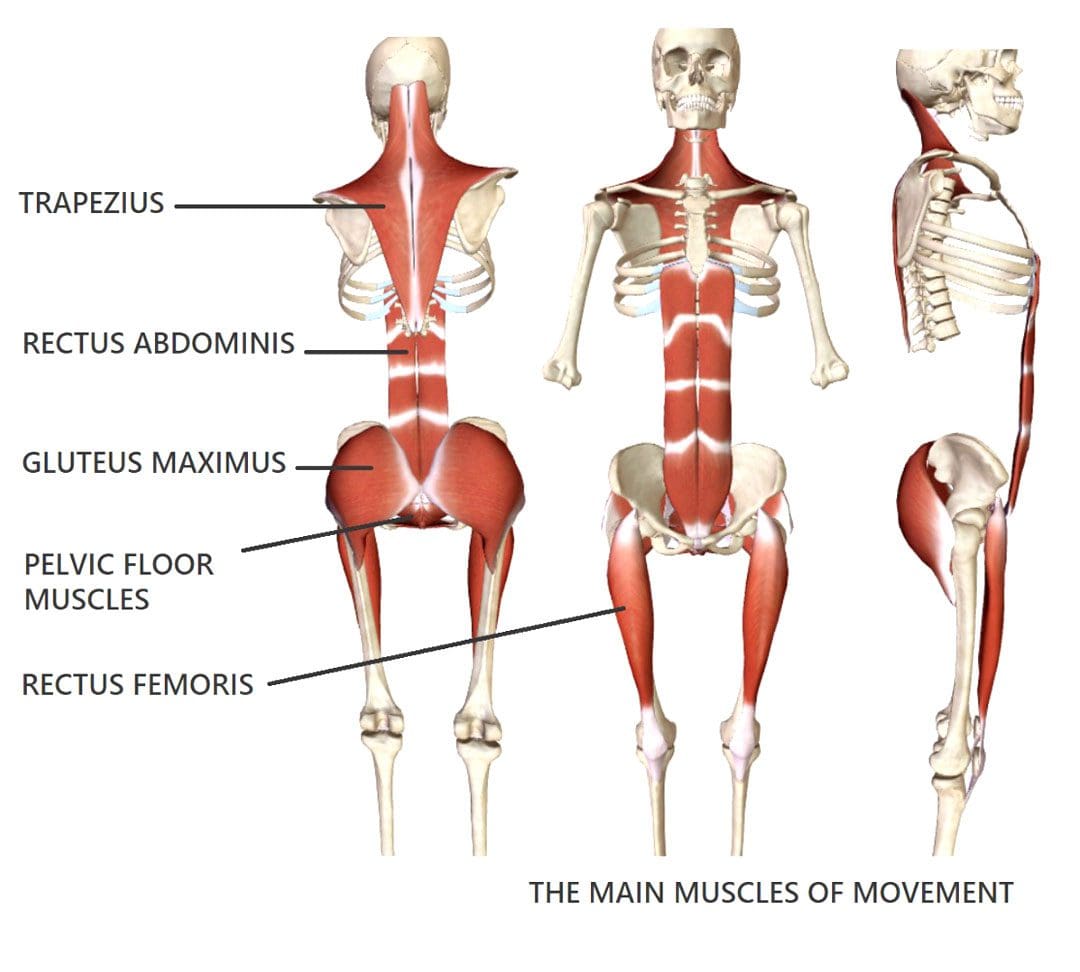
Unhealthy postures shift the body out of balance, straining and stressing the muscles, especially those that have to work overtime every day. This causes the muscles to stiffen and tighten up to the point that they begin to pull the skeletal system in different directions, causing various symptoms that can lead to chronic conditions. Muscles can stay tight for years, with individuals getting used to the feeling. Individuals stretch out, thinking the muscles are loose but don’t realize that they return to their tight position because of the unhealthy muscle memory that developed.
Muscle Imbalance
Muscle imbalances usually progress over time and are typically caused by daily habitual physical routines.
This causes premature and advanced wear and tear on the body.
Postural Dysfunction
Individuals all have positions they spend a lot of time in.
Postural dysfunction begins with unhealthy positioning that shifts the spine and other joints out of balance and alignment.
The muscles become compromised, which leads to various neuromusculoskeletal symptoms.
Muscle fatigue and weakness occur from being overworked.
Headaches can present throughout the day.
Chiropractic Realignment
The muscles have become like tough meat, and the underlying imbalances are straining the neuromusculoskeletal system. The muscle tissues need to be broken up/tenderized and loosened up. Then they can be thoroughly stretched and strengthened to optimal health. Chiropractic care will identify and correct the underlying imbalance, and massage therapy will break up and release the compacted muscle tissue. A personalized treatment plan will consist of the following:
Mobilizing the joints and stretching/releasing shortened tight muscles and soft tissues.
Strengthening the elongated, weaker muscles to correct the body’s alignment and movement control.
Health coaching to identify and recommend lifestyle and nutritional adjustments.
This will restore the bio-mechanical systems, ensuring that equal muscle length and strength on both sides of the system joint or motion segment are maintained.
Posture Adjustments and Foot Orthotics
References
Aino, Masaki, et al. “Comparison of spinal column alignment and autonomic nervous activity using the intersegmental tenderness test in the segment above.” Journal of physical therapy science vol. 33,8 (2021): 570-575. doi:10.1589/jpts.33.570
Creze, Maud, et al. “Posture-related stiffness mapping of paraspinal muscles.” Journal of anatomy vol. 234,6 (2019): 787-799. doi:10.1111/joa.12978
Joshi, Reema, and Nishita Poojary. “The Effect of Muscle Energy Technique and Posture Correction Exercises on Pain and Function in Patients with Non-specific Chronic Neck Pain Having Forward Head Posture-a Randomized Controlled Trail.” International journal of therapeutic massage & bodywork vol. 15,2 14-21. 1 Jun. 2022, doi:10.3822/ijtmb.v15i2.673
Langford, M L. “Poor posture subjects a worker’s body to muscle imbalance, nerve compression.” Occupational health & safety (Waco, Tex.) vol. 63,9 (1994): 38-40, 42.
McLean, Linda. “The effect of postural correction on muscle activation amplitudes recorded from the cervicobrachial region.” Journal of electromyography and kinesiology: official journal of the International Society of Electrophysiological Kinesiology vol. 15,6 (2005): 527-35. doi:10.1016/j.jelekin.2005.06.003
Szczygieł, Elżbieta et al. “The Impact of Deep Muscle Training on the Quality of Posture and Breathing.” Journal of motor behavior vol. 50,2 (2018): 219-227. doi:10.1080/00222895.2017.1327413
Cue sports use a cue stick to strike billiard balls off and around a pool or equivalent table. The most common game is pool. Although these are not contact sports, various musculoskeletal injuries can manifest. Therefore, it is recommended to know the common injuries so that they can be self-treated or treatment can be sought before the condition worsens. Injury Medical Chiropractic and Functional Medicine Clinic can relieve symptoms, rehabilitate the body, and restore mobility and function.
Cue Sports Injuries
Sports medicine doctors say cue sports players suffer from sprains, strains, and fractures, among other injuries. Cue sports players are constantly:
Bending
Reaching
Twisting
Stretching their arms
Using their hands and wrists
Performing these constant movements and motions for extended periods increases the risk of sustaining injuries. Common symptoms include:
Inflammation
Warmth or heat in affected areas
Swelling
Tightness in the affected areas
Pain
Decreased range of motion
Injuries
Back and Waist
The posturing can cause individuals to tense their muscles, increasing the likelihood of injury. With all the bending, waist and back injuries are common. Back issues include:
Pinched nerves
Sciatica
Sprains
Strains
Herniated discs
Individuals with existing spine conditions or osteoarthritis have an increased risk of injury.
Shoulder, Arm, Wrist, Hand, and Finger
The shoulders, hands, wrists, and fingers are in constant use.
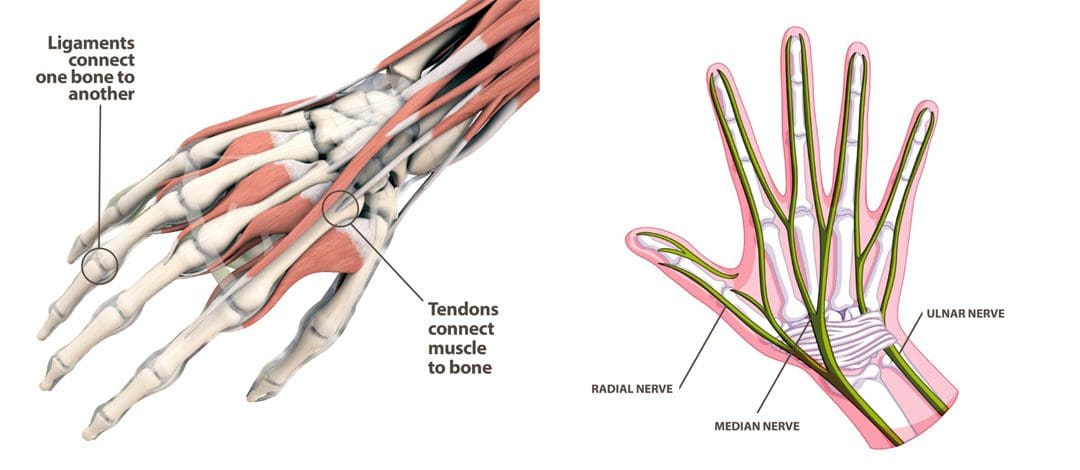
This can lead to overuse injuries affecting the muscles, tendons, ligaments, nerves, and bones.
Consistent stress can lead to sprains, strains, or bursitis.
Tendonitis
Tendonitis occurs when too much pressure is applied, causing tendons to inflame.
This could lead to swelling and pain and could lead to long-term damage.
Foot and Ankle
The feet can slip when stretching too far while setting up and taking a shot.
This injury usually happens when trying to balance on one foot.
Slipping can lead to a sprained ankle or something worse, like a torn ligament or fractured foot.
Chiropractic Care
Chiropractic adjustments combined with massage therapy and functional medicine can treat these injuries and conditions, relieving symptoms and restoring mobility and function. When the tendons, muscles, ligaments, and bones are properly aligned, recovery and rehabilitation progress faster. A chiropractor will also recommend stretching and exercise programs to help maintain the adjustments and prevent injuries.
Physical Therapy and Exercises
References
Garner, Michael J et al. “Chiropractic care of musculoskeletal disorders in a unique population within Canadian community health centers.” Journal of manipulative and physiological therapeutics vol. 30,3 (2007): 165-70. doi:10.1016/j.jmpt.2007.01.009
Hestbaek, Lise, and Mette Jensen Stochkendahl. “The evidence base for chiropractic treatment of musculoskeletal conditions in children and adolescents: The emperor’s new suit?.” Chiropractic & osteopathy vol. 18 15. 2 Jun. 2010, doi:10.1186/1746-1340-18-15
Orloff, A S, and D Resnick. “Fatigue fracture of the distal part of the radius in a pool player.” Injury vol. 17,6 (1986): 418-9. doi:10.1016/0020-1383(86)90088-4
Dr. Jimenez, D.C., presents how to reverse dyslipidemia and atherosclerosis through various therapies that can help the body function. By understanding the risk factors causing these issues, many specialists associated with these cardiovascular risk factors can develop a solution to reduce these and other pre-existing symptoms that correlate with the vital organs and muscles. We acknowledge patients to certified providers that provide treatment options for cardiovascular disorders that can restore body functionality and improve a person’s health. We assess each individual and their symptoms by entrusting them to our associated medical providers based on their diagnosis results for a better understanding. We recognize that education is a tremendous way to ask our providers questions that apply to the patient’s knowledge and symptoms. Dr. Jimenez, D.C., implements this information as an educational service. Disclaimer
Coming Up With A Treatment Plan
Dr. Alex Jimenez, D.C., presents: Today, we will look at how to reverse dyslipidemia and atherosclerosis functionally. In the previous article, we observed the risk factors of dyslipidemia and how it is associated with metabolic syndrome. Today’s objective looks at the emerging biomarkers that could lead to dyslipidemia and atherosclerosis. Looking at the fundamental guidelines from lifestyle, nutrition, physical activity, stress response, and incorporating supplements and nutraceuticals can help many individuals transform their health from a personal perspective. To that point, everyone is different, and their treatment plans are unique as they cater to each individual regarding health and wellness.
When it comes to functional medicine, tools like the Living Matrix and the IFM allow doctors to look at results that are being presented to the patient allowing them to see their cholesterol and the history that could lead to these cardiovascular disorders. Some of the earlier studies would enable doctors to prescribe their patients to go through nutrient depletion from statin therapy to reduce the effects of cardiovascular diseases. Supplements like CoQ10, vitamin K2, omega-3 fatty acids, vitamin D, zinc, and copper are all heart-healthy supplements that can give an insight into what the individual is missing to prevent dyslipidemia and atherosclerosis. Another thing is that statin therapies could also note how the hormone levels are also being affected in the body as these cardiovascular risk factors can cause hormone levels to be lower than they are and can affect both men and women.
Cardiovascular Risk Factors & Treatments
Dr. Alex Jimenez, D.C., presents: Now, this can be a double edge sword because we know that erectile dysfunction is a vascular issue, and it allows blood flow to the reproductive system. So say, for example, if someone has poor endothelial function reduction in nitric oxide vascular disease, they will have erectile dysfunction. So when this happens, statin therapy can help the individual and improve endothelial function. Utilizing these therapies is important when dysfunction in the body can cause overlapping risk profiles to the cardiovascular system and disrupt hormone reproduction. Without these various treatments, it can lead to pain associated with these symptoms that make the body have an imbalance of hormones, high cholesterol, and other issues that affect the body. As stated earlier, everybody is different, and the treatment plans are unique as they cater to each individual.
How can we tell when a person is dealing with dyslipidemia and atherosclerosis? After the examination and listening to how the patient is doing, many doctors would combine the AAPIER and SBAR protocol to come up with a diagnosis and look at the risk factors that correlate with these disorders. When the body is dealing with various environmental factors like poor sleep quality, being under constant stress, eating food high in saturated fats, and not getting enough exercise, it can cause the body to develop high cholesterol that can lead to building up plaque in the artery walls, causing chest pain associated with the heart. This is known as somato-visceral referred pain, where the affected muscle is causing issues to the corresponding organs related to pain. Another thing is that these environmental risk factors could overlap with inflammation and cause muscle and joint pain, which can cause complaints of limited mobility and stiffness that can cause a person to feel tight and miserable.
Inflammation Is A Key Factor
Dr. Alex Jimenez, D.C., presents: Factoring inflammation as a key player affecting the body is the first step in functional medicine. When it comes to the body being in constant pain due to inflammation, chronic stress, dyslipidemia, or atherosclerosis, it can cause the brain to transmit signals through the spinal cord and cause the surrounding muscles to be sensitive. The inflammatory markers can cause many individuals to be easily confused as they think they are dealing with back pain instead of somato-visceral pain. This is because inflammation can be good or bad, depending on the severity. When the immune system begins to release inflammatory cytokines, despite no infections, bacteria, or viruses, into the cardiovascular, gut, and musculoskeletal systems, it can cause symptoms of swelling, pain, redness, and heat that can affect the corresponding organs. So inflammation affects the heart; it can cause overlapping symptoms of shortness of breath, fluid buildup, and mimic chest pains. At the same time, inflammation in the gut can lead to unwanted factors that can cause harmful changes that can impair the homeostatic mechanism and activate multiple pathways that can trigger cardiovascular disease risk factors like atherosclerosis and dyslipidemia.
Now how would atherosclerosis be correlated with the heart? When the body deals with factors that can correlate with inflammation, many factors like high blood pressure or plaque buildup cause a blockage in the arteries, which can cause blood flow reduction to the heart for circulation. When this happens, it can lead to cardiovascular disease associated with chest pains. In functional medicine, figuring out where the inflammatory effects are coming from, which is most likely in the gut, can help many individuals to reduce and reverse dyslipidemia and atherosclerosis.
Reducing Cardiovascular Risk Factors
Dr. Alex Jimenez, D.C., presents: When it comes to reducing the development of dyslipidemia and atherosclerosis, various ways can help protect vital organs and reduce the inflammatory effects in the musculoskeletal system. One of the treatments that functional medicine corresponds with is chiropractic treatment. When it comes to the organs and spinal nerves in the body, there is a connection, as all internal organs are connected through the spinal cord that sends signals to the brain. When the transmitted signals are blocked or interrupted by risk factors that have entered the body, the vital organs can not function properly. So how would chiropractic treatment help with this? A chiropractor would use manual and mechanized manipulation to realign the spine from subluxation. This will allow the blockage to interrupt the transmitted signals to function properly and restore joint function while preventing degeneration, slowing the disease’s progress in the bones, muscles, and organs.
Another way to reduce inflammatory effects in the body is by incorporating heart and gut-healthy foods that can lower inflammation and improve gut microbiome health. Eating nutritious foods that are rich in prebiotics, have anti-inflammatory properties, and have soluble fibers can help the body turn them into SCFAs (short-chain fatty acids) that allow the large intestines to create more energy for the body. Incorporating these various ways as part of the treatment plan for individuals dealing with dyslipidemia or atherosclerosis can help reverse the effects slowly.
Conclusion
Combining heart-healthy foods, exercising regularly, and changing lifestyle habits can provide amazing results when these small changes are gradually incorporated. This will allow the person to see what works and what doesn’t while constantly communicating with their medical providers to ensure they get the amazing benefits that will improve their health and wellness.
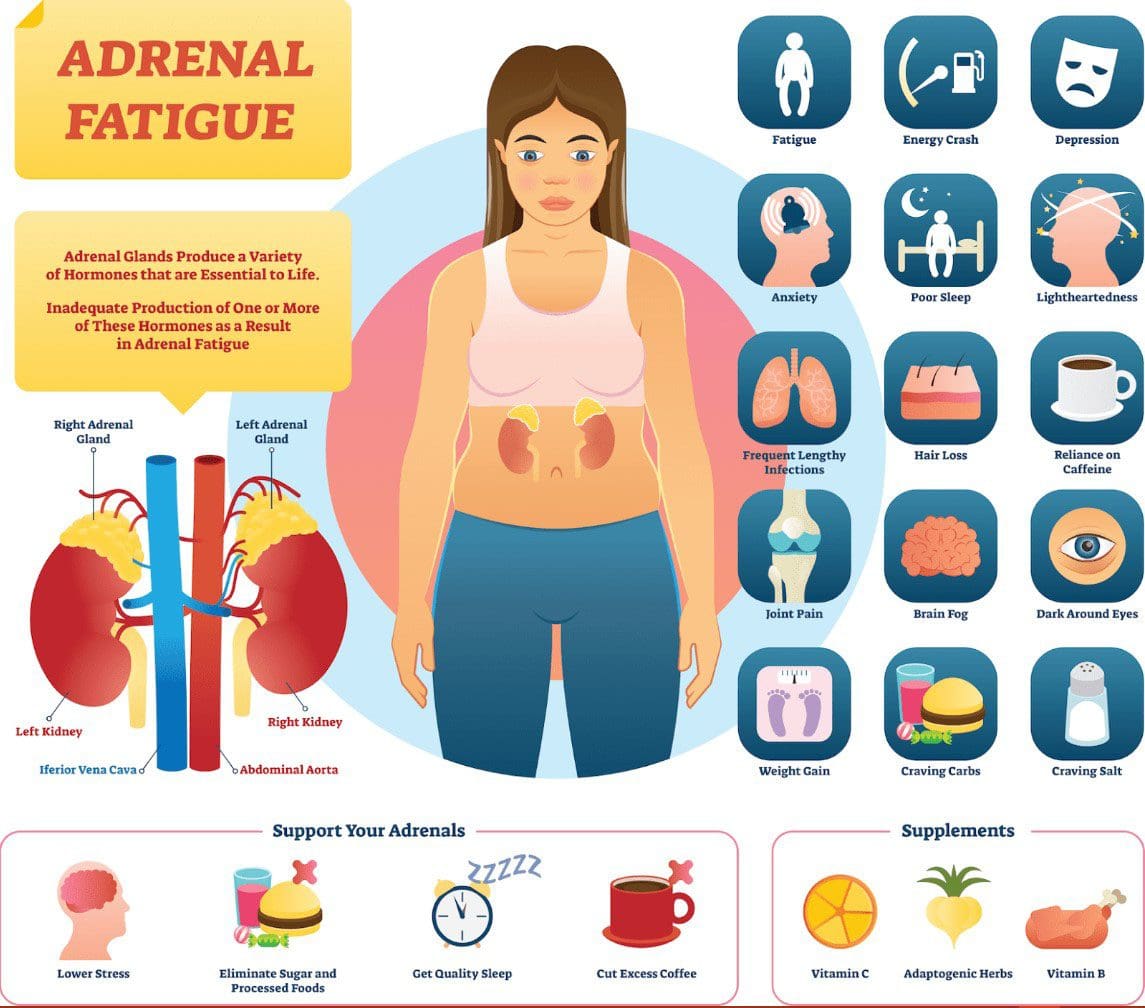
The adrenal glands are small and sit above the kidneys. The glands help the body burn fat and protein and regulate sugar, blood pressure, and stress response. They create, release, and regulate hormones like cortisol and adrenaline. Conditions like chronic fatigue, brain fog, and burnout cause individuals to be exhausted during the day and unable to fall asleep at night. Symptoms can also include hair loss, weight fluctuation, increased cravings, and difficulty recovering from illness. Nutrition support plays a major role in healing adrenal fatigue.
Nutrition Support
Adrenal fatigue nutrition support is a food-based approach to optimize adrenal gland function. The objective is to increase energy levels naturally, so the body doesn’t burn stored nutrients. Adrenal gland optimization involves learning ways to reduce and manage stress, getting healthy sleep, and making lifestyle adjustments.
Adrenal Fatigue
When stress activates, the adrenal glands release cortisol. Researchers theorize that when the body experiences high levels of chronic stress, the adrenal glands may not be able to produce enough cortisol to maintain healthy function, which can lead to adrenal fatigue.
Adrenal fatigue should not be confused with adrenal insufficiency, a verified medical condition where the adrenal glands cannot produce enough hormones.
Fatigue Symptoms
Symptoms of adrenal fatigue include:
Chronic low energy levels
Difficulty waking up
Difficulty falling asleep
Increased cravings for salt or sugar
Dependence on stimulants like caffeine
Other health conditions could also cause symptoms.
Foods to Avoid
Decreasing foods and drinks high in refined and processed sugar and unhealthy fats are recommended. Some foods to limit include:
It’s also recommended to time meals to help manage blood sugar levels. Skipping meals forces the body to burn stored nutrients that can reduce energy levels. Maintaining breakfast and lunch and regular balanced snacks can help maintain energy levels throughout the day. Maintaining hydration is also important, as dehydration can influence stress levels and cause the adrenal glands to produce cortisol.
Recommended Foods
Doctors and nutritionists recommend balancing nutrient-dense sources of protein, healthy fats, and carbohydrates. Nutrition support foods include:
Lean meats
Fatty fish – Salmon and sardines are great protein sources as they are loaded with healthy omega-3 fatty acids, which can reduce inflammation and promote improved brain health.
Leafy greens – These vegetables contain magnesium, like spinach, kale, and Swiss chard. The body needs magnesium to carry out various functions, which also helps the body relax and manage stress more effectively. When there is trouble falling asleep, it could be a deficiency in this mineral.
Sea salt – Individuals with adrenal fatigue experience electrolyte imbalances. This is caused by a deficiency in the steroid hormone aldosterone. Adding sea salt will help balance electrolytes and minimize symptoms, specifically those related to blood pressure.
Olive oil
Avocado – The body needs a good amount of healthy fat to help the body heal. A low-fat diet is not ideal for dealing with hormonal issues like adrenal fatigue, as the body needs fat and cholesterol to produce hormones. Avocados contain high monounsaturated fats and fiber that help the body detox and digest food more efficiently.
Healing
A nutrition plan addressing adrenal fatigue can increase energy levels, regulate blood pressure, and promote healthier eating habits. Talking with your doctor and a nutritionist is recommended for optimal results, as they can develop a personalized health plan that addresses the following:
Lifestyle adjustments
Healthy sleep schedule
Managing stress
Physical activity
We are here for you at Injury Medical Chiropractic and Functional Wellness Clinic to learn more about adrenal fatigue and how to manage it. Contact us for more information on our services or to schedule an appointment for a consultation.
Adrenal Dysfunction Patterns
References
ABDULLA, Jehan, and B. DJ Torpy. “Chronic Fatigue Syndrome.” Endotext, edited by Kenneth R Feingold et al., MDText.com, Inc., 20 April 2017.
Allen, Loyd V Jr. “Adrenal fatigue.” International journal of pharmaceutical compounding vol. 17,1 (2013): 39-44.
Galland, Leo. “The gut microbiome and the brain.” Journal of medicinal food vol. 17,12 (2014): 1261-72. doi:10.1089/jmf.2014.7000
IFM's Find A Practitioner tool is the largest referral network in Functional Medicine, created to help patients locate Functional Medicine practitioners anywhere in the world. IFM Certified Practitioners are listed first in the search results, given their extensive education in Functional Medicine






 Posture Adjustments