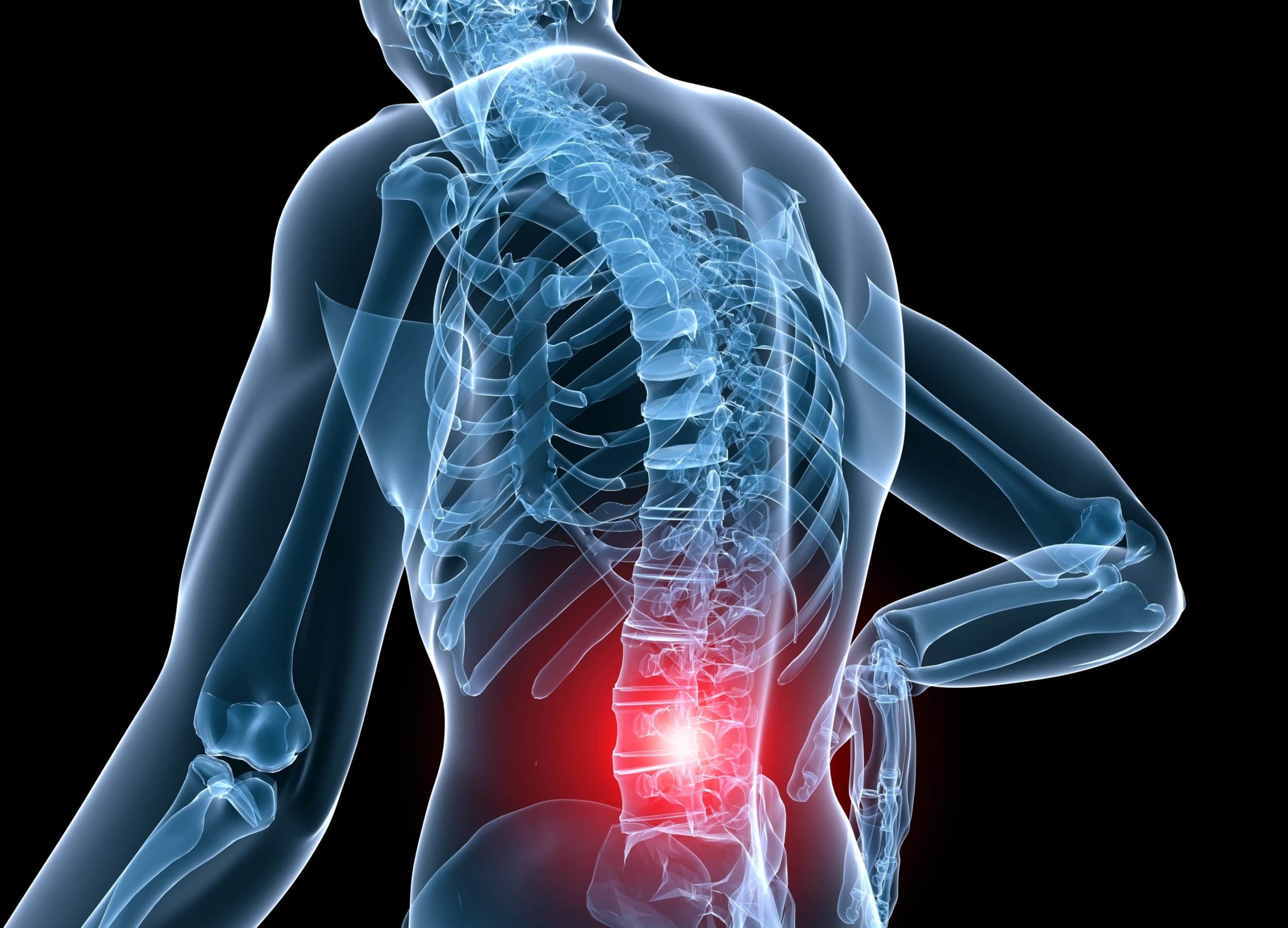
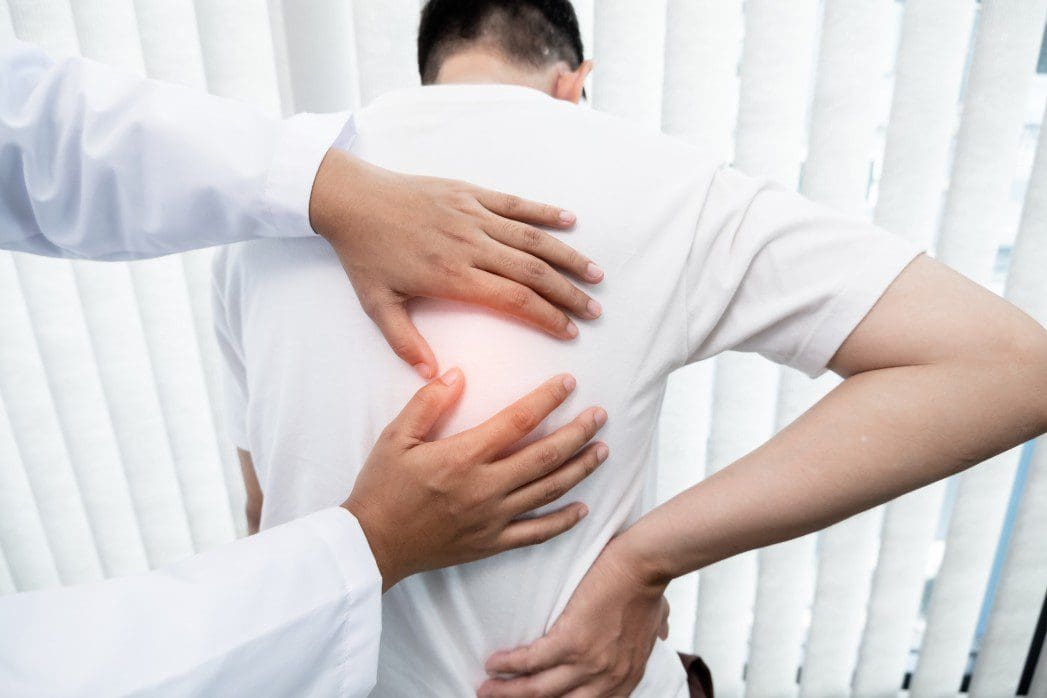
For individuals with back pain, how can health practitioners incorporate non-surgical solutions to reduce spinal pain?
Introduction
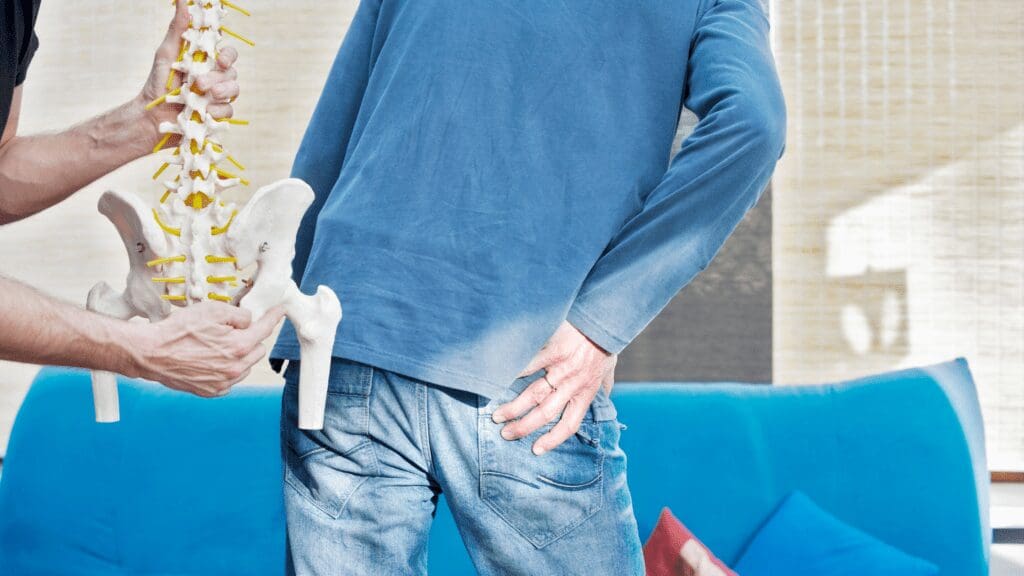
The spine is one of the most important structures in the human body, providing host mobility and stability when vertical pressure is pressing on the spinal structure. The spine is surrounded by various muscles, ligaments, and tissues that help support the upper and lower body portions and extremities. When normal factors like heaving lifting, improper stances, obesity, or pre-existing conditions start to affect the body, it can cause the spinal structure to potentially cause unwanted issues that lead to back, neck, and shoulder pain. When experiencing these three common body pains often correlate with other associated symptoms that can affect the other extremities. When this happens, many individuals begin to miss out on work or daily activities that can cause them to be miserable, and they even try to look for various solutions to reduce the pain they are experiencing. Today’s article looks at one of the common body pains like back pain and how it can cause numerous issues that affect a person’s ability to function, and how non-surgical solutions can not only reduce the pain-like effects but also provide the necessary relief that many people deserve in their health and wellness journey. We speak with certified medical providers who incorporate our patients’ information to provide numerous treatment plans to ease the pain-like symptoms associated with spinal issues causing back pain. We also inform our patients that there are non-surgical options to reduce these pain-like issues and restore spinal mobility to the body. We encourage our patients to ask intricated and educational questions to our associated medical providers about the pain-like symptoms they are experiencing correlating with the lower back. Dr. Alex Jimenez, D.C., utilizes this information as an academic service. Disclaimer.
Back Pain Affecting The Spine
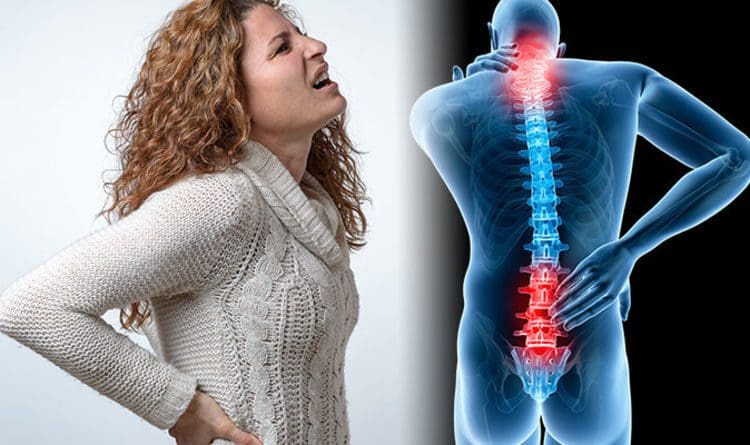
Do you often experience radiating pain in your lower back that causes symptoms of numbness or tingling sensations down to your legs and feet? Do you feel muscle stiffness in the morning while getting up, only to slowly disappear throughout the day? Or do you feel symptoms of muscle aches and pain when carrying a heavy object from one location to another? Many individuals, more often than not, have dealt with back pain associated with various factors. With back pain being in the top three common problems in the workforce, many individuals have dealt with the common problem in multiple ways. From improper heavy lifting to excessive sitting at a desk, back pain can cause musculoskeletal issues that many are trying to find relief. Low back pain can either be acute or chronic, depending on the severity. It can lead to mobility impairment within the thoracic, lumbar, and sacroiliac spinal regions, causing referred pain to the lower extremities. It can lead to a life of impairment without any symptoms or signs of serious medical or psychological conditions associated with environmental factors. (Delitto et al., 2012) Back pain is also associated with spinal conditions like inflammation, asymmetric loading, and muscle strain, which can cause the spinal structures to be compressed, thus causing disc herniations. (Zemková & Zapletalová, 2021)
Additionally, back pain is a multifactorial musculoskeletal condition that causes many individuals to be in a socio-economic situation that can decrease their quality of life. Many examples of back pain are correlated with altered motor control within the spinal erector muscles that causes impaired proprioception in the spine. (Fagundes Loss et al., 2020) When this happens to many individuals, they often experience a hindrance of lumbar stability, body balance, posture, and postural control. At the same time, when many working individuals are having severe back pain associated with everyday factors, the amount of pain they are in can change the threshold of the mechanoreceptors that are transmitting the pain signals through the spinal cord. To this point, back pain can affect the neuromuscular response and affect normal musculoskeletal functionality. Fortunately, numerous treatments can help reduce back pain and provide relief to spinal pain that is affecting many individuals.
The Role Of Chiropractic Care- Video
How many times a day do you experience back pain associated with stiffness, general aches, or pains that are affecting your ability to work? Do you notice you hunching more when moving from one location to another? Or do you feel aches and pain in your back after stretching in the morning? Many individuals dealing with these common environmental factors are closely associated with back pain. Back pain is in the top three most common problems many individuals have experienced at some point in their lives. More often than not, many people have dealt with back pain by using home remedies to reduce the pain-like effects. However, research studies reveal that when many individuals start to ignore the pain, it can lead them to a life of disability and cause numerous amounts of distress if not treated right away. (Parker et al., 2015) Hence, non-surgical treatments can not only reduce the pain associated with back pain but also help restore spinal mobility. Non-surgical treatments like chiropractic care incorporate spinal manipulation, which can positively affect the spine. (Koes et al., 1996) What chiropractic care does is that it includes mechanical and manual manipulation techniques to stretch out tight muscles and reduce trigger points from reforming. The video above shows how chiropractic care can positively affect the individual while being part of a health and wellness journey to reducing back pain.
Non-Surgical Spinal Decompression For Back Pain
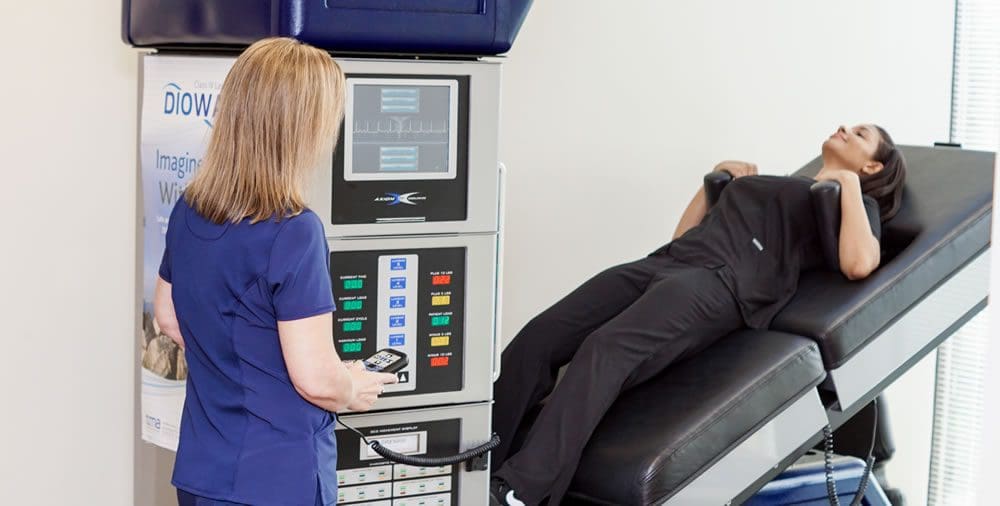
Just like chiropractic care, spinal decompression is another non-surgical treatment that uses traction to gently pull and stretch the spine to alleviate compressed spinal discs associated with back pain and help stretch out tight muscles. When many people start to incorporate spinal decompression as part of their routine, they will notice that spinal decompression can reduce intradiscal pressure within the negative range. (Ramos, 2004) What this does is that when the spinal discs are being pulled by gentle traction, all the fluids and nutrients that were not hydrating the disc flow back and help kickstart the body’s natural healing process. When many people begin to utilize spinal decompression for their back pain, they will notice a huge reduction in their pain after a few consecutive sessions. (Crisp et al., 1955) When many people start to combine other various non-surgical therapies with spinal decompression, they will be able to regain their spinal mobility while being more mindful of what environmental factors are affecting their spine and not repeat the issue to allow back pain to return.
References
Crisp, E. J., Cyriax, J. H., & Christie, B. G. (1955). Discussion on the treatment of backache by traction. Proc R Soc Med, 48(10), 805-814. https://www.ncbi.nlm.nih.gov/pubmed/13266831
Delitto, A., George, S. Z., Van Dillen, L., Whitman, J. M., Sowa, G., Shekelle, P., Denninger, T. R., & Godges, J. J. (2012). Low Back Pain. Journal of Orthopaedic & Sports Physical Therapy, 42(4), A1-A57. https://doi.org/10.2519/jospt.2012.42.4.a1
Fagundes Loss, J., de Souza da Silva, L., Ferreira Miranda, I., Groisman, S., Santiago Wagner Neto, E., Souza, C., & Tarrago Candotti, C. (2020). Immediate effects of a lumbar spine manipulation on pain sensitivity and postural control in individuals with nonspecific low back pain: a randomized controlled trial. Chiropr Man Therap, 28(1), 25. https://doi.org/10.1186/s12998-020-00316-7
Koes, B. W., Assendelft, W. J., van der Heijden, G. J., & Bouter, L. M. (1996). Spinal manipulation for low back pain. An updated systematic review of randomized clinical trials. Spine (Phila Pa 1976), 21(24), 2860-2871; discussion 2872-2863. https://doi.org/10.1097/00007632-199612150-00013
Parker, S. L., Mendenhall, S. K., Godil, S. S., Sivasubramanian, P., Cahill, K., Ziewacz, J., & McGirt, M. J. (2015). Incidence of Low Back Pain After Lumbar Discectomy for Herniated Disc and Its Effect on Patient-reported Outcomes. Clin Orthop Relat Res, 473(6), 1988-1999. https://doi.org/10.1007/s11999-015-4193-1
Ramos, G. (2004). Efficacy of vertebral axial decompression on chronic low back pain: study of dosage regimen. Neurol Res, 26(3), 320-324. https://doi.org/10.1179/016164104225014030
Zemková, E., & Zapletalová, L. (2021). Back Problems: Pros and Cons of Core Strengthening Exercises as a Part of Athlete Training. International Journal of Environmental Research and Public Health, 18(10), 5400. https://doi.org/10.3390/ijerph18105400
Facet hypertrophy is an incurable, chronic disease that affects the facet joints in the spine. Can recognizing symptoms, help in diagnosis, and treatment?
Facet Hypertrophy
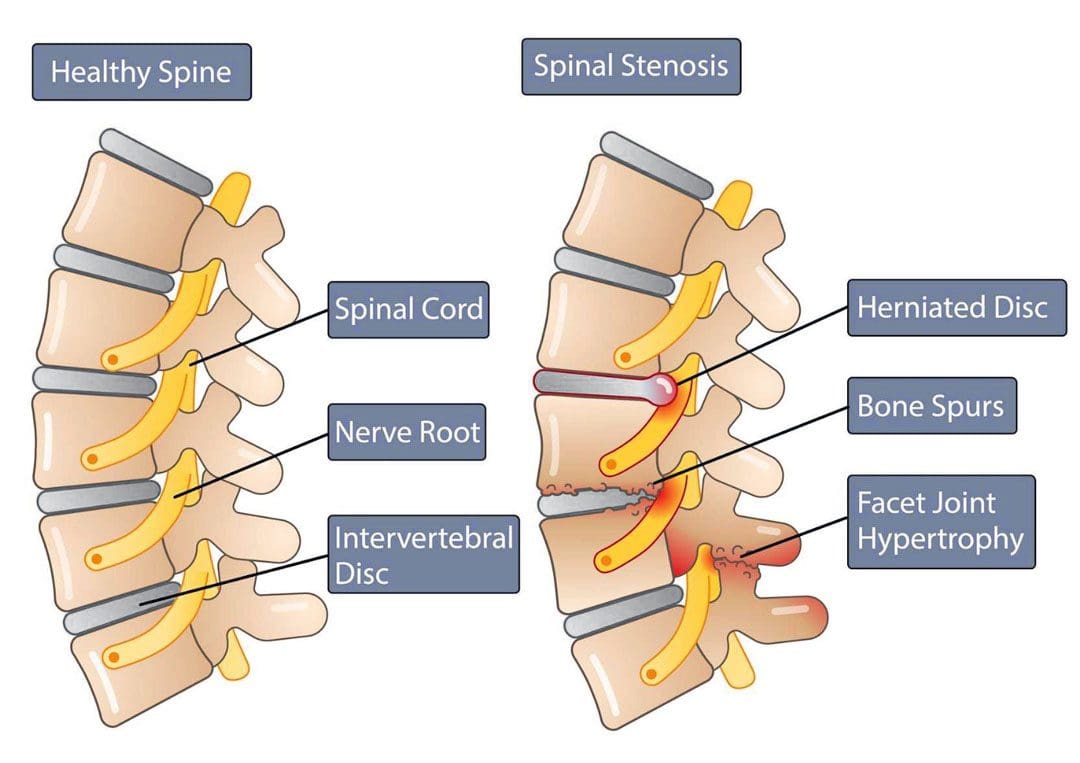
Facet hypertrophy causes the facet joints in the spine to enlarge. They are found where the vertebrae come into contact on the back of the vertebrae that form the backbone. These joints stabilize the spine when twisting and bending. Hypertrophy results when damage wears down the cartilage that cushions the bones that meet in the joint. This can include:
Aging
Wear and tear
Arthritis
Other joint diseases can damage facet joints.
Swelling, new bone growth, and bone spurs can occur as the joint tries to repair the damaged cartilage. The swelling and new bone growth can narrow the spinal canal and compress surrounding nerves, causing pain and other sensation symptoms. This ailment does not have a cure and worsens over time. The objective of treatment is to manage the pain symptoms and slow down the disease’s progress.
Types
Facet hypertrophy can be described as unilateral or bilateral.
Symptoms can have a wide range of intensity, from a dull ache to chronic, disabling pain. The location of symptoms depends on the affected joint and the nerves involved, Pain manifests when the enlarged joints and new bone growth compresses the nearby nerves. The result leads to nerve damage and the following symptoms: (Weill Cornell Medicine Brain & Spine Center. 2023) (Cedars Sinai. 2022)
Stiffness, especially when standing up or getting out of a chair.
Inability to stand straight when walking.
Inability to look up to the left or right without turning the whole body.
Reduced range of motion and mobility.
Numbness or a tingling sensation of pins and needles.
Radiating pain from the affected joint into the buttocks, hips, and upper thigh when the affected joint/s are in the lower back.
Radiating pain from the affected joint into the shoulder, neck, and back of the head when the affected joint/s are in the upper back.
Headaches when the affected joint is in the neck.
Causes
A common cause is the age-related degeneration of the joints, called spondylosis. Research indicates that more than 80% of individuals who are 40 or older have radiologic evidence of spondylosis, even though they may not have symptoms. (The University of Toledo Medical Center. N.D.) The following conditions can also increase the risk of facet hypertrophy (Weill Cornell Medicine Brain & Spine Center. 2023)
Unhealthy posture
Being overweight or obese
Sedentary lifestyle
Injury or trauma to the spine
Inflammatory conditions like rheumatoid arthritis or ankylosing spondylitis
Osteoarthritis
Genetic predisposition to the condition
Diagnosis
Diagnosis can be challenging when neck or back pain is the main complaint, as symptoms can mimic conditions such as sciatica from a herniated disc or hip arthritis. (Weill Cornell Medicine Brain & Spine Center. 2023)
A healthcare provider will conduct a complete physical examination, medical history, and discussion of symptoms.
CT scans with or without myelogram – the use of contrast dye in the space around the spinal cord.
MRI
X-rays with or without a myelogram
A diagnosis is confirmed by injecting a diagnostic block that involves administering an anesthetic injection, sometimes with an anti-inflammatory like cortisone, into the joint or nerves near the affected joint. Two injections are given at different times to confirm the effect. (Romain Perolat et al., 2018)
If immediate relief improves after each injection, the facet joint is confirmed as the source of the pain symptoms.
If the block does not decrease the pain, the facet joint is probably not the source of the pain symptoms. (Brigham and Women’s Hospital. 2023)
Treatment
There is no cure for facet hypertrophy.
The goal of treatment is to make the pain more manageable.
Conservative treatment is usually successful in making a difference.
Nonsteroidal anti-inflammatory – aspirin, ibuprofen, and naproxen.
Muscle relaxers – cyclobenzaprine or metaxalone.
Steroid injection into the facet joints.
Injection of platelet-rich plasma/PRP into the joints.
Medial Branch or Facet Block
A medial branch block injects local anesthetic near the medial nerves that connect to an inflamed joint.
Medial nerves are small nerves outside the joint space near the nerve that transmit signals and other impulses to the brain.
A facet block injects the medication outside the joint space near the nerve that supplies the joint called the medial branch.
Neurolysis
Neurolysis, also known as rhizotomy or neurotomy, is a procedure that destroys affected nerve fibers to relieve pain, reduce disability, and reduce the need for analgesics. This treatment can relieve pain for six to 12 months until the nerve regenerates, where further treatments may be necessary. (Matthew Smuck et al., 2012) Neurolysis can be performed using one of the following techniques (Romain Perolat et al., 2018)
Radiofrequency ablation RFA – the application of heat through radiofrequency.
Cryoneurolysis – the application of cold temperatures to the targeted nerve.
Chemical neurolysis – applying chemical agents, like a combination of phenol and alcohol.
Severing the nerves with surgical instrumentation.
Surgery
When one or more facet joints are severely damaged, they can become nonfunctional and painful. Surgery may be recommended when symptoms are not relieved by other therapies. (Ali Fahir Ozer, et al., 2015)
Prognosis
Facet hypertrophy is a chronic condition that progresses with age and does not affect life expectancy. (Weill Cornell Medicine Brain & Spine Center. 2023) The disorder is incurable, but symptoms can be managed with conservative therapies
A healthcare provider can help develop a treatment plan based on the extent and location of the joint affected.
Early diagnosis and treatment can help individuals achieve the best results.
Maintaining an active lifestyle and healthy weight can help prevent further joint stress. Individuals may be recommended to do regular stretching and strengthening exercises to lower inflammation, reduce stress, and improve overall health.
Facet Syndrome Treatment
References
Perolat, R., Kastler, A., Nicot, B., Pellat, J. M., Tahon, F., Attye, A., Heck, O., Boubagra, K., Grand, S., & Krainik, A. (2018). Facet joint syndrome: from diagnosis to interventional management. Insights into imaging, 9(5), 773–789. https://doi.org/10.1007/s13244-018-0638-x
Smuck, M., Crisostomo, R. A., Trivedi, K., & Agrawal, D. (2012). Success of initial and repeated medial branch neurotomy for zygapophysial joint pain: a systematic review. PM & R : the journal of injury, function, and rehabilitation, 4(9), 686–692. https://doi.org/10.1016/j.pmrj.2012.06.007
Ozer, A. F., Suzer, T., Sasani, M., Oktenoglu, T., Cezayirli, P., Marandi, H. J., & Erbulut, D. U. (2015). Simple facet joint repair with dynamic pedicular system: Technical note and case series. Journal of craniovertebral junction & spine, 6(2), 65–68. https://doi.org/10.4103/0974-8237.156049
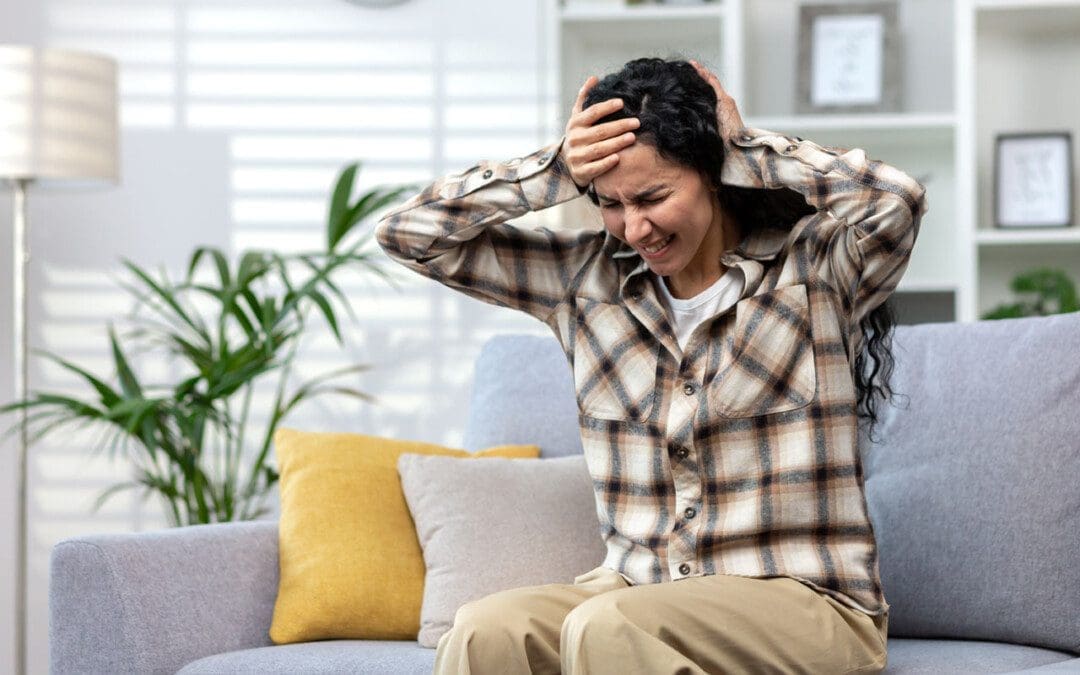
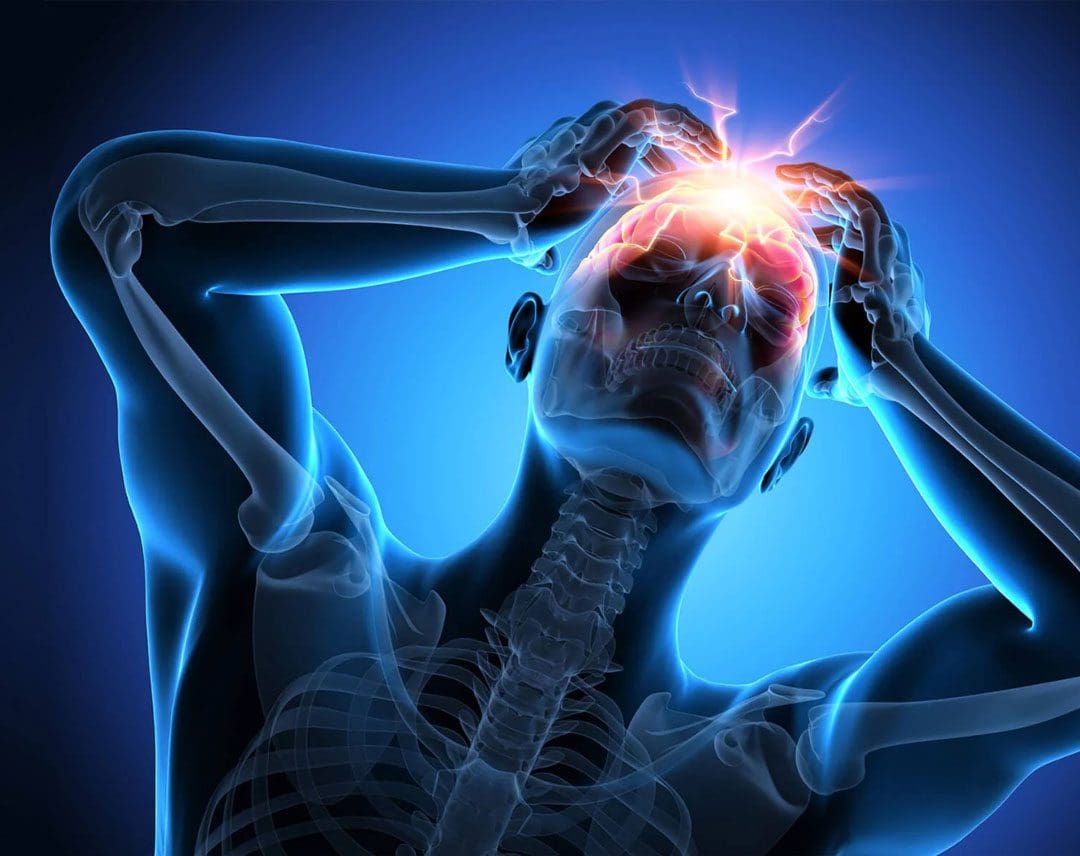
Individuals experiencing headaches on top of the head could be caused by different factors. Can recognizing what triggers pain or pressure help prevent this type of headache, and healthcare providers develop effective treatment plans?
Headache On Top of The Head
Various factors could cause a headache on top of the head; common causes include:
Stress
Sleep problems
Eye strain
Caffeine withdrawal
Dental problems
Hormonal changes
Alcohol consumption
Causes
Many causes have to do with underlying issues happening in other parts of the body.
Stress
Stress is a common cause of headaches, including one on top of the head.
Researchers don’t know exactly how stress causes headaches, but they think it causes tightening of the muscles in the back of the head or neck, which
pulls the tissues down, resulting in pain or pressure in the scalp and/or forehead area.
These are also called tension headaches.
Headaches caused by stress generally feel like dull pressure rather than throbbing pain.
Sleep Problems
Not getting enough sleep can induce a headache on top of the head.
When the mind and body do not get proper sleep, it can interfere with body functions like temperature, hunger, and sleep-wake cycles, which can lead to headaches.
It is common to feel more stressed when sleep-deprived, which can cause or compound a headache and other symptoms.
Eye Strain
You may develop a headache on the top of your head after you’ve been reading, watching, or otherwise focusing on something for a while.
Over time, your eye muscles tire and have to work harder, causing them to contract.
These spasms can lead to headaches. Squinting can make the muscle contractions even worse.
Caffeine Withdrawl
Individuals may feel pain on the top of their heads if they skip their regular coffee.
Regular caffeine consumption can lead to dependency and withdrawal symptoms, which include headaches when intake is reduced or stopped.
This type of headache can be moderate to severe and can feel worse with activity.
Teeth issues like cracks, cavities, or impaction can irritate the trigeminal nerve, setting off head pain.
Teeth grinding can also lead to headaches.
Hormonal Changes
Individuals who have a low level of thyroid hormone may experience headaches.
This could be from having too little thyroid or a symptom of the condition.
Like stress-induced headaches, this type is generally dull and not throbbing.
Some women may feel pain on the top of their heads before menstruation triggered by estrogen levels dropping.
Alcohol
Some individuals develop a headache on the top of their head or elsewhere within a few hours after drinking alcohol.
This is known as a cocktail headache.
Alcohol-induced headaches usually resolve within 72 hours.
The mechanism behind this headache is not fully researched, but it’s been thought that the widening of blood vessels in the brain/vasodilation when consuming alcohol may trigger head pain.
This type of headache is different than a hangover headache that comes from overconsumption and is based on dehydration and the toxic effects of alcohol. (J G Wiese, M. G. Shlipak, W. S. Browner. 2000)
Rare Causes
Top-of-the-head pain can also result from more serious and rare causes:
Brain Tumor
Headaches are one of the most common symptoms of brain tumors.
A headache on the top of the head depends on the location and size of the tumor. (MedlinePlus. 2021)
Brain Aneurysm
This is a weak or thin area in a brain artery that bulges and fills with blood, which can cause a life-threatening rupture.
A medical professional will be able to help identify the type of headache being experienced, offer treatment options, and advise on how to manage triggers.
Wiese, J. G., Shlipak, M. G., & Browner, W. S. (2000). The alcohol hangover. Annals of internal medicine, 132(11), 897–902. https://doi.org/10.7326/0003-4819-132-11-200006060-00008
Individuals dealing with chronic knee discomfort, hip tightness, and lower back pain could be experiencing dormant gluteal-butt syndrome. Can recognizing the symptoms and signs and incorporating lower body and core fitness help prevent and treat the condition?
Dormant Gluteal Butt Syndrome
Knee, hip, and lower back problems could be traced back to weakened buttocks. Some scientists call the condition “dormant butt syndrome” (Ohio State University, .2023). However, researchers are learning about the important role the gluteal muscles provide in maintaining the lower body strong and healthy. (Hal David Martin, Manoj Reddy, Juan Gómez-Hoyos. 2015)
What Is It?
The syndrome is defined as weak buttock muscles and tight hip flexors. Experts from the Ohio State Wexner Medical Center have worked with individuals dealing with knee, hip, or back injuries and believe many of these issues are linked to weakened gluteal muscles. (Ohio State University.2023) The glutes are the muscles of the hips and buttocks. Weakened muscles fail to absorb the shock they’re supposed to during activities, which results in overloading the surrounding muscles and joints and increases the risk of injury. (Ohio State University, .2023)
Dormant gluteal-butt syndrome can result from a sedentary lifestyle and prolonged inactivity, like sitting for long periods.
The condition also occurs in runners and other physically active individuals who forget about these muscles with targeted exercises.
Exercises
Exercises to target the gluteals and prevent dormant gluteal-butt syndrome include activities/exercises that work the hips and core.
When walking properly, the gluteals should execute hip extension naturally.
Unhealthy postures, excessive sitting, and continued dysfunctional biomechanics mean walking without achieving optimal hip extension. (Hadi Daneshmandi. 2017)
When this happens, the gluteal muscles never get to fully function work, ending up with a series of aches and pains.
Pilates exercises can be adjusted to address order, repetition, and variation to strengthen the gluteals. (Laís Campos de Oliveira, 2015)
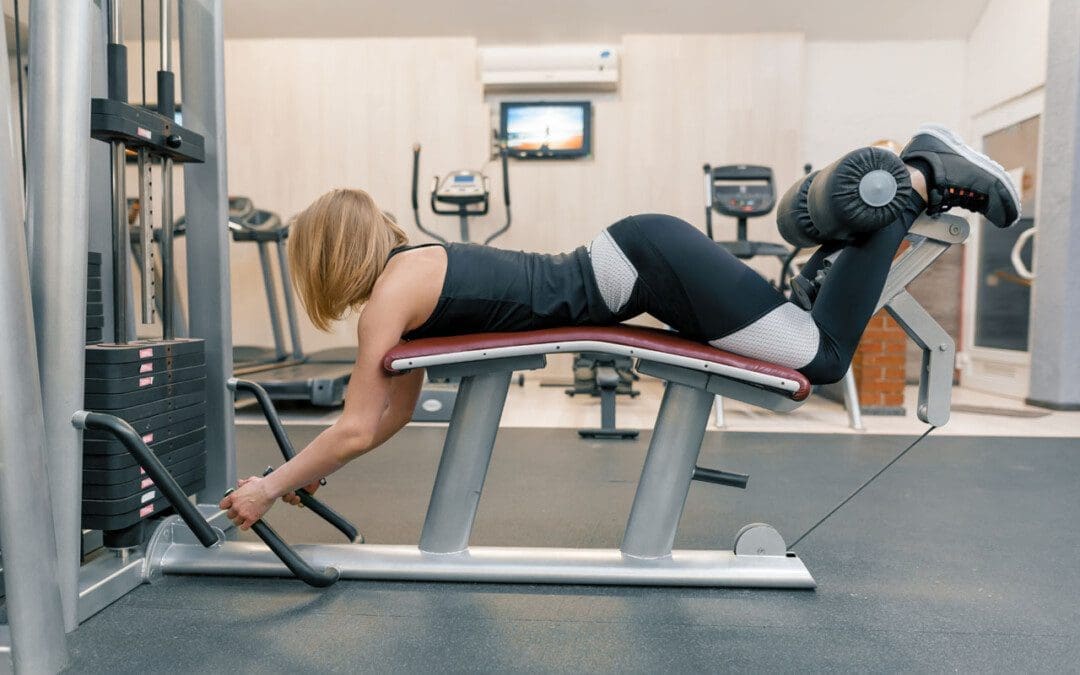
Hamstring Curls
Lie face down on an exercise mat.
Use your hands to create a cushion for the forehead.
Bend both knees so the feet point up towards the ceiling.
Let the knees be slightly apart, but keep the heels together.
Squeeze the heels together and tighten the gluteal muscles.
Hold for 3 seconds, then release the buttocks.
Repeat 10 times and then rest.
Hamstring curls can also be done using a weight machine.
Place the hands just behind the backside with the fingers pointing forward if possible.
Raise the body up.
Keep your head up and look straight ahead.
Raise one leg as high as possible.
Hold for as long as possible.
Lower and raise the other leg.
Repeat for a total of 3 reps.
Lining Up With A Wall Posture Helper
Standing posture is important to proper buttock function. Lining the body up with a wall can help train the body to maintain proper posture.
Find a wall and stand against it from the heels to the back of the head.
Work the backs of the legs and spine as firmly as possible into the wall.
Work to get the back of the skull into the wall as well.
Add some abdominal work by working the waistline inward and upward.
Hold for up to one minute.
The alignment is how you want to hold your body.
As you move off the wall, learn to maintain that posture throughout the day and night.
Repeat the wall exercise several times for reinforcement.
If aching of the hip, back, or knee is part of daily struggles, working out the gluteal muscles may be the solution. Contact the Injury Medical Chiropractic and Functional Medicine Clinic for a full consultation.
Martin, H. D., Reddy, M., & Gómez-Hoyos, J. (2015). Deep gluteal syndrome. Journal of hip preservation surgery, 2(2), 99–107. https://doi.org/10.1093/jhps/hnv029
Daneshmandi, H., Choobineh, A., Ghaem, H., & Karimi, M. (2017). Adverse Effects of Prolonged Sitting Behavior on the General Health of Office Workers. Journal of lifestyle medicine, 7(2), 69–75. https://doi.org/10.15280/jlm.2017.7.2.69
Campos de Oliveira, L., Gonçalves de Oliveira, R., & Pires-Oliveira, D. A. (2015). Effects of Pilates on muscle strength, postural balance and quality of life of older adults: a randomized, controlled, clinical trial. Journal of physical therapy science, 27(3), 871–876. https://doi.org/10.1589/jpts.27.871
Individuals diagnosed with peripheral neuropathy, or with small fiber neuropathy, can understanding symptoms and causes help with potential treatments?
Small Fiber Neuropathy
Small fiber neuropathy is a specific classification of neuropathy, as there are different types, which are nerve injury, damage, disease, and/or dysfunction. Symptoms can result in pain, loss of sensation, and digestive and urinary symptoms. Most cases of neuropathy like peripheral neuropathy involve small and large fibers. Common causes include long-term diabetes, nutritional deficiencies, alcohol consumption, and chemotherapy.
Small fiber neuropathy is diagnosed after diagnostic testing showing it is clear that the small nerve fibers are involved.
The small nerve fibers detect sensation, temperature, and pain and help regulate involuntary functions.
Isolated small-fiber neuropathy is rare, but research is ongoing on the type of nerve damage and potential treatments. (Stephen A. Johnson, et al., 2021)
Small fiber neuropathy is not specifically dangerous but is a sign/symptom of an underlying cause/condition that is damaging the body’s nerves.
Pain – symptoms can range from mild or moderate discomfort to severe distress and can happen at any time.
Loss of sensation.
Because the small nerve fibers help with digestion, blood pressure, and bladder control – symptoms of autonomic dysfunction can vary and can include:
Constipation, diarrhea, incontinence, urinary retention – the inability to completely drain the bladder.
If there is progressing nerve damage, the intensity of the pain can decrease, but the loss of normal sensation and autonomic symptoms can worsen. (Josef Finsterer, Fulvio A. Scorza. 2022)
Hypersensitivity to touch and pain sensations can cause pain without a trigger.
The loss of sensation can make individuals unable to accurately detect sensations of touch, temperature, and pain in affected areas, which can lead to various types of injuries.
Although more research is needed, certain disorders that were not considered neuropathies may have small fiber neuropathy components involved.
A study suggested that neurogenic rosacea, a skin condition, could have some elements of small fiber neuropathy. (Min Li, et al., 2023)
These small nerve fibers are distributed throughout the body including the tops of the fingers and toes, trunk, and internal organs.
These fibers are usually located in the superficial areas of the body, such as close to the skin’s surface. (Mohammad A. Khoshnoodi, et al., 2016)
The small nerve fibers that get damaged are involved in transmitting pain and temperature sensations.
Most nerves have a special type of insulation called myelin that protects them and increases the speed of nerve impulses.
Small nerve fibers may have a thin sheath, making them more susceptible to injury and damage at earlier stages of conditions and diseases. (Heidrun H. Krämer, et al., 2023)
Individuals At Risk
Most types of peripheral neuropathy cause damage to the small and large peripheral nerve fibers. Because of this, most neuropathies are a mix of small-fiber and large-fiber neuropathy. Common risk factors for mixed fiber neuropathy include: (Stephen A. Johnson, et al., 2021)
Diabetes
Nutritional deficiencies
Overconsumption of alcohol
Autoimmune disorders
Medication toxicity
Isolated small-fiber neuropathy is rare, but there are conditions that are known to contribute to the cause and include: (Stephen A. Johnson, et al., 2021)
Sjogren Syndrome
This autoimmune disorder causes dry eyes and mouth, dental problems, and joint pain.
It can also cause nerve damage throughout the body.
Fabry Disease
This condition causes a buildup of certain fats/lipids in the body that can lead to neurological effects.
Amyloidosis
This is a rare disorder that causes a buildup of proteins in the body.
The proteins can damage tissues like the heart or nerves.
Lewy Body Disease
This is a neurological disorder that causes dementia and impaired movement and can lead to nerve damage.
Lupus
This is an autoimmune disease that affects joints, skin, and sometimes nerve tissue.
Viral Infection
These infections typically cause a cold or gastrointestinal/GI upsetness.
Less often they can cause other effects like small fiber neuropathy.
These conditions have been seen to cause isolated small-fiber neuropathy or begin as small-fiber neuropathy before progressing to the large nerve fibers. They can also begin as a mixed neuropathy, with small and large fibers.
Progression
Often the damage progresses at a relatively moderate rate, leading to added symptoms within months or years. The fiber nerves that are affected by the underlying condition usually progressively deteriorate, regardless of where they are located. (Mohammad A. Khoshnoodi, et al., 2016) Medications can help alleviate damage to the peripheral nerves. For individuals that are diagnosed in the early stage, it is possible to stop the progression, and potentially prevent involvement of the large fibers.
Treatments
Treatment toward preventing the progression requires controlling the underlying medical condition with treatment options depending on the cause. Treatments that can help prevent the progression include:
Blood sugar control for individuals with diabetes.
Immune suppression for control of autoimmune diseases.
Plasmapheresis – blood is taken and the plasma is treated and returned or exchanged for the treatment of autoimmune diseases.
Symptom Treatment
Individuals can get treatment for the symptoms that will not reverse or cure the condition but can help with temporary relief. Symptomatic treatment can include: (Josef Finsterer, Fulvio A. Scorza. 2022)
Pain management can include medications and/or topical analgesics.
Physical therapy – stretching, massage, decompression, and adjustments to keep the body relaxed and flexible.
Rehabilitation to help improve coordination, which can be impaired by loss of sensation.
Medications to relieve GI symptoms.
Wearing specialized clothes such as neuropathy socks to help with foot pain symptoms.
Treatment and medical management of neuropathies usually involve a neurologist. A neurologist may prescribe medication to help alleviate pain symptoms and provide medical interventions like immunotherapy if there is concern that an autoimmune process could be the cause. Additionally, treatment could include the care of a physical medicine and rehabilitation physician or a physical therapy team to provide stretches and exercises to help strengthen the body and maintain mobility and flexibility.
Peripheral Neuropathy Myths & Facts
References
Johnson, S. A., Shouman, K., Shelly, S., Sandroni, P., Berini, S. E., Dyck, P. J. B., Hoffman, E. M., Mandrekar, J., Niu, Z., Lamb, C. J., Low, P. A., Singer, W., Mauermann, M. L., Mills, J., Dubey, D., Staff, N. P., & Klein, C. J. (2021). Small Fiber Neuropathy Incidence, Prevalence, Longitudinal Impairments, and Disability. Neurology, 97(22), e2236–e2247. https://doi.org/10.1212/WNL.0000000000012894
Finsterer, J., & Scorza, F. A. (2022). Small fiber neuropathy. Acta neurologica Scandinavica, 145(5), 493–503. https://doi.org/10.1111/ane.13591
Krämer, H. H., Bücker, P., Jeibmann, A., Richter, H., Rosenbohm, A., Jeske, J., Baka, P., Geber, C., Wassenberg, M., Fangerau, T., Karst, U., Schänzer, A., & van Thriel, C. (2023). Gadolinium contrast agents: dermal deposits and potential effects on epidermal small nerve fibers. Journal of neurology, 270(8), 3981–3991. https://doi.org/10.1007/s00415-023-11740-z
Li, M., Tao, M., Zhang, Y., Pan, R., Gu, D., & Xu, Y. (2023). Neurogenic rosacea could be a small fiber neuropathy. Frontiers in pain research (Lausanne, Switzerland), 4, 1122134. https://doi.org/10.3389/fpain.2023.1122134
Khoshnoodi, M. A., Truelove, S., Burakgazi, A., Hoke, A., Mammen, A. L., & Polydefkis, M. (2016). Longitudinal Assessment of Small Fiber Neuropathy: Evidence of a Non-Length-Dependent Distal Axonopathy. JAMA neurology, 73(6), 684–690. https://doi.org/10.1001/jamaneurol.2016.0057
Can individuals with low back pain find relief with spinal decompression combined with chiropractic care to reduce muscle pain?
Introduction
Everyone worldwide has dealt with low back pain, a multifactorial common problem that can mask other musculoskeletal disorders. Low back pain can develop naturally through spinal degeneration, normal environmental factors people put their bodies through, or traumatic factors that can gradually affect the lumbar region over time. The lower back is part of the lumbar spine region as it takes most of the upper body’s weight and stabilizes the lower body when in motion. The lumbar region is thick to support the upper body’s weight and is protected by the surrounding ligaments, muscles, and tissues; however, it is the most susceptible to injury. Many people don’t realize they are experiencing low back pain until an accident or repetitive motions begin to affect the surrounding ligaments or the lumbar intervertebral discs are severely compressed. To that point, many individual are experiencing radiating pain in their lower extremities. However, all is not lost, as there are numerous ways to alleviate low back pain and provide relief to many individuals. Today’s article focuses on the factors that lead to the development of low back pain and how treatments like chiropractic care and spinal decompression can help reduce low back pain and its symptoms. We speak with certified medical providers who incorporate our patients’ information to provide numerous treatment plans to ease low back pain and its associated symptoms. We also inform our patients that there are non-surgical options like chiropractic care and spinal decompression to minimize the radiating pain associated with low back pain. We encourage our patients to ask intricated and educational questions to our associated medical providers about the pain-like symptoms they are experiencing correlating with the lower back. Dr. Alex Jimenez, D.C., utilizes this information as an academic service. Disclaimer
Factors That Lead To The Development Of Low Back Pain
Do you feel muscle aches and pains in your lower back when stretching? Does the pain cause issues in your mobility when going to run errands? Or do you feel sudden or gradual pain after a long workday of carrying heavy objects or excessively sitting at your desk? When many individuals are experiencing pain in these various scenarios, it can lead to the development of a lower back that correlates with these environmental factors. Low back pain is a common nuisance that many working and non-working individuals experience occasionally. When various risk factors are associated with low back pain, it can cause many individuals to deal with the physical and psychological demands that cause them to do multiple things like heavy lifting, awkward positions, and excessive bending, which can develop pain-like symptoms in the lumbar region. (To et al., 2021) At the same time, compared with other health conditions, low back pain is the highest global burden, causing many individuals to miss out on important events like work and daily activities. (Petrozzi et al., 2020) This causes them to live a life of disability and causes them to feel miserable. Low back pain can affect a person’s socioeconomic demographic and the functionality that they seek the treatment they deserve.
Many individuals who experience low back pain will often lead a life of disability and socioeconomic burden correlated with these factors. (Wong et al., 2022) Many people often think that low back pain only happens to older adults, but low back pain can happen to anybody at any age. Many factors that correlate to the development of low back pain include:
Improper heavy lifting
Walking incorrectly
Being in a slouched or hunched position
An auto accident
Obesity
Gastrointestinal issues
Referred musculoskeletal disorders
Physical inactivity
Many of these environmental factors are associated with low back pain that many people are unaware of when doing their routine. This is due to the surrounding tissues, ligaments, and muscles being overused and affected and the intervertebral disc being constantly compressed from repetitive motions. When this happens, many individuals will often seek treatment to reduce the painful effects of low back pain.
How Chiropractic Care Can Transform Pain Into Relief- Video
When it comes to reducing low back pain, many individuals will try home remedies to mitigate muscle pain and reduce inflammation associated with low back pain. This provides temporary relief to acute low back pain, but many will seek non-surgical treatment when it comes to chronic low back pain. Non-surgical treatments can help reduce low back pain and its associated symptoms through mechanical and manual techniques. Non-surgical treatments, which include chiropractic care and spinal decompression, could help alleviate low back pain. Since low back pain is associated with altered motor control within the lumbar region, it can hinder lumbar stability, cause impaired detection of passive motion, and affect postural stability. (Fagundes Loss et al., 2020) With non-surgical treatments, many pain specialists can incorporate vertebral mobilizations and manipulation procedures to improve spinal mobility and reduce pain in the lumbar region. The video above explains how chiropractic care and spinal decompression can alleviate lower back pain and help restore functionality in the body.
Chiropractic Care & Low Back Pain
When it comes to reducing low back pain associated with environmental factors, many pain specialists can look at the physical distress cognitive, and functional patterns that are correlated with faulty lumbar movement. (Khodadad et al., 2020) This allows the pain specialist to create a personalized treatment plan for low back pain. Non-surgical treatments like chiropractic care are excellent for reducing low back pain. Chiropractic care incorporates spinal manipulation techniques to realign the spine and help stretch the affected surrounding muscles. Many individuals who include chiropractic care in their routine find significant pain reduction and reduced disability after a few consecutive treatments. (Gevers-Montoro et al., 2021) Chiropractic care can be combined with physical and massage therapy to stretch and strengthen the affected muscles. This, in turn, helps the individual regain spinal mobility and reduce pain.
Spinal Decompression & Low Back Pain
Spinal decompression is another non-surgical treatment that can help alleviate low back pain, like chiropractic care. Spinal decompression utilizes gentle traction on the lumbar spine to be gently pulled to relieve the affected muscles causing lower back pain. Spinal decompression can also ease leg pain associated with low back pain and reduce referred pain affecting the lower extremities. (Wang et al., 2022) Spinal decompression can also improve spinal disc height and help improve muscle strength and trunk endurance. (Kang et al., 2016) The combination of spinal decompression and chiropractic care to reduce lower back pain is effective as these two forms of non-surgical treatments can effectively reduce many people’s musculoskeletal pain and make them aware of the environmental factors that are the root causes of their lower back pain and prevent it from returning.
References
Fagundes Loss, J., de Souza da Silva, L., Ferreira Miranda, I., Groisman, S., Santiago Wagner Neto, E., Souza, C., & Tarrago Candotti, C. (2020). Immediate effects of a lumbar spine manipulation on pain sensitivity and postural control in individuals with nonspecific low back pain: a randomized controlled trial. Chiropr Man Therap, 28(1), 25. https://doi.org/10.1186/s12998-020-00316-7
Gevers-Montoro, C., Provencher, B., Descarreaux, M., Ortega de Mues, A., & Piche, M. (2021). Clinical Effectiveness and Efficacy of Chiropractic Spinal Manipulation for Spine Pain. Front Pain Res (Lausanne), 2, 765921. https://doi.org/10.3389/fpain.2021.765921
Kang, J.-I., Jeong, D.-K., & Choi, H. (2016). Effect of spinal decompression on the lumbar muscle activity and disk height in patients with herniated intervertebral disk. Journal of Physical Therapy Science, 28(11), 3125-3130. https://doi.org/10.1589/jpts.28.3125
Khodadad, B., Letafatkar, A., Hadadnezhad, M., & Shojaedin, S. (2020). Comparing the Effectiveness of Cognitive Functional Treatment and Lumbar Stabilization Treatment on Pain and Movement Control in Patients With Low Back Pain. Sports Health, 12(3), 289-295. https://doi.org/10.1177/1941738119886854
Petrozzi, M. J., Rubinstein, S. M., Ferreira, P. H., Leaver, A., & Mackey, M. G. (2020). Predictors of low back disability in chiropractic and physical therapy settings. Chiropr Man Therap, 28(1), 41. https://doi.org/10.1186/s12998-020-00328-3
To, D., Rezai, M., Murnaghan, K., & Cancelliere, C. (2021). Risk factors for low back pain in active military personnel: a systematic review. Chiropr Man Therap, 29(1), 52. https://doi.org/10.1186/s12998-021-00409-x
Wang, W., Long, F., Wu, X., Li, S., & Lin, J. (2022). Clinical Efficacy of Mechanical Traction as Physical Therapy for Lumbar Disc Herniation: A Meta-Analysis. Comput Math Methods Med, 2022, 5670303. https://doi.org/10.1155/2022/5670303
Wong, C. K., Mak, R. Y., Kwok, T. S., Tsang, J. S., Leung, M. Y., Funabashi, M., Macedo, L. G., Dennett, L., & Wong, A. Y. (2022). Prevalence, Incidence, and Factors Associated With Non-Specific Chronic Low Back Pain in Community-Dwelling Older Adults Aged 60 Years and Older: A Systematic Review and Meta-Analysis. J Pain, 23(4), 509-534. https://doi.org/10.1016/j.jpain.2021.07.012
Ankylosing spondylitis is an inflammatory arthritis that causes changes in posture that occur over time. Can exercise and maintaining spinal alignment help improve posture problems?
Ankylosing Spondylitis Posture Improvement
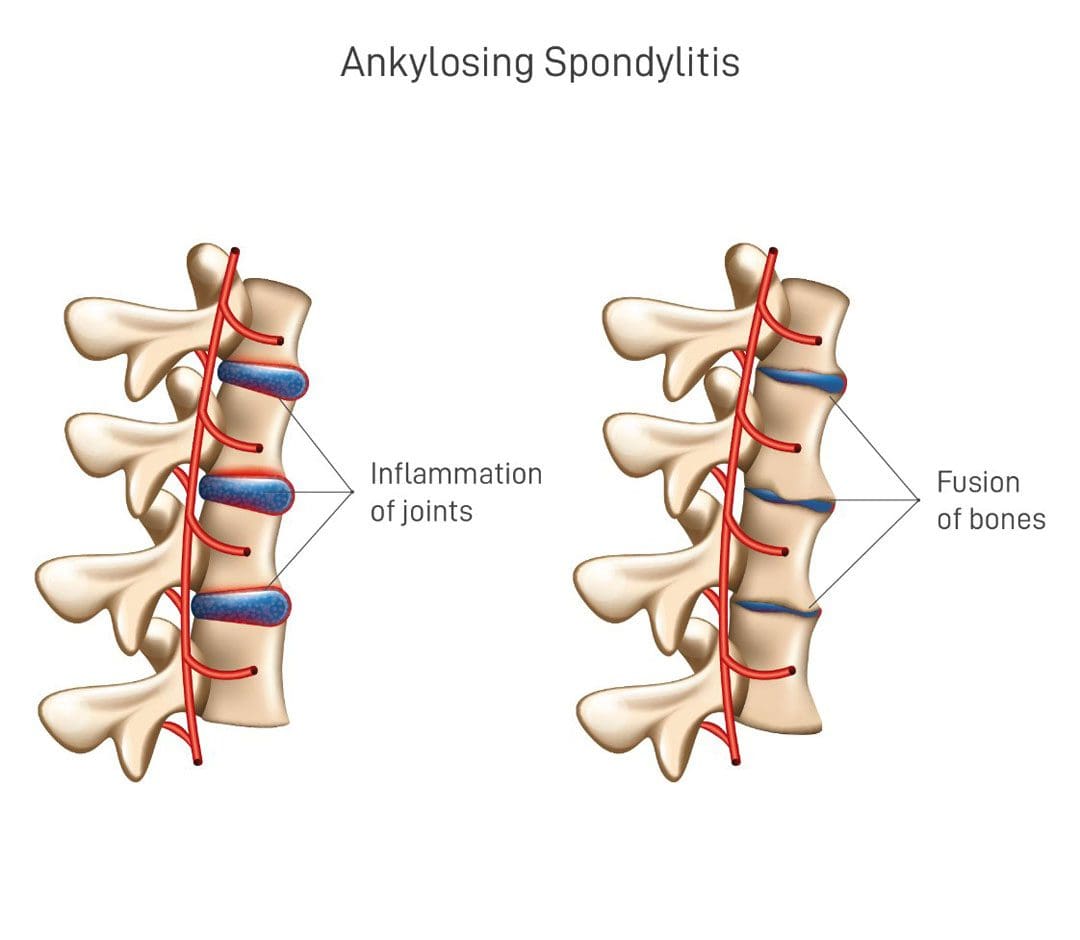
Ankylosing spondylitis/AS is an autoimmune arthritis that primarily affects the spine. It can also spread to other joints of the body and affect the internal organs. Back pain problems are a common side effect of the condition and depending on the severity of damage to the spine, it can have a serious impact on posture.
Affects Posture
The condition usually first affects the sacroiliac joints at the bottom of the spine where they attach to the pelvis. As the condition progresses it works its way to the upper spine. The spine consists of 26 vertebrae/bones stacked on top of each other.
Line up the ears, shoulders, hips, knees, and ankles in a straight line.
Squeeze the shoulder blades together and down toward the back pockets.
Relax the arms at the sides.
Look straight ahead.
Tuck the chin back slightly.
Sitting
The natural curves of the spine need support for proper posture when sitting. Try these tips when at a desk or at a table:
Position the height of the chair so the hips and knees are bent at 90-degree angles.
Place the feet flat on the floor or use a footstool based on chair height.
Place a lumbar support pillow or rolled-up towel behind the lower back.
Position the screen monitor at eye level to keep the upper back straight.
Keep the keyboard and mouse close to the body to prevent overreaching which can increase the rounding of the shoulders and upper back.
Lying Down
Ankylosing spondylitis can make lying down uncomfortable. To support the spine while lying down try to:
Sleep on a semi-firm mattress or type like memory foam to conform to the body.
Place a pillow between the knees to maintain a straight spine when lying on the side.
Use a specialized pillow to prevent placing the upper back in a rounded position.
Posture Exercises
For individuals with ankylosing spondylitis stretching and strengthening exercises can help improve body posture. Individuals are recommended to talk to their healthcare provider before beginning an exercise program.
Chin Tucks
Sit up straight.
Squeeze the shoulder blades together.
Rest the arms at your sides.
Look straight ahead, pull the chin back and in until the stretch is felt along the muscles of the neck.
Hold for three to five seconds and relax.
Repeat 10 times.
Corner Stretch
Stand facing a corner.
Raise the arms to shoulder height.
Place one forearm flat against each wall.
Stagger the feet.
Slowly shift weight over the front leg and lean in toward the corner.
Stop once the stretch is felt across the chest.
Hold for 10 to 20 seconds and relax.
Repeat three times.
Scapular Squeezes
Sit up straight with arms resting at the sides.
Squeeze the shoulder blades together like they are holding an object between them.
Hold for three seconds and relax.
Repeat 10 times.
Maintaining spinal alignment will help decrease back pain that occurs with AS.
Targeted exercises can help stretch tight muscles and strengthen the muscles responsible for maintaining spinal alignment.
Maintaining healthy posture when sitting, standing, and sleeping can help prevent deformities in the spine.
Regular physical activity can help combat stiffness and help maintain overall strength.
For an individualized exercise program, see a physical therapist or chiropractor on incorporating posture exercises to help prevent complications from developing.
Arthritis
References
National Institute of Arthritis and Musculoskeletal and Skin Diseases. Ankylosing spondylitis.
De Nunzio, A. M., Iervolino, S., Zincarelli, C., Di Gioia, L., Rengo, G., Multari, V., Peluso, R., Di Minno, M. N., & Pappone, N. (2015). Ankylosing spondylitis and posture control: the role of visual input. BioMed research international, 2015, 948674. https://doi.org/10.1155/2015/948674
IFM's Find A Practitioner tool is the largest referral network in Functional Medicine, created to help patients locate Functional Medicine practitioners anywhere in the world. IFM Certified Practitioners are listed first in the search results, given their extensive education in Functional Medicine