El Paso, TX. Chiropractor Dr. Alex Jimenez examines the “lats,” along with exercises and stretches.
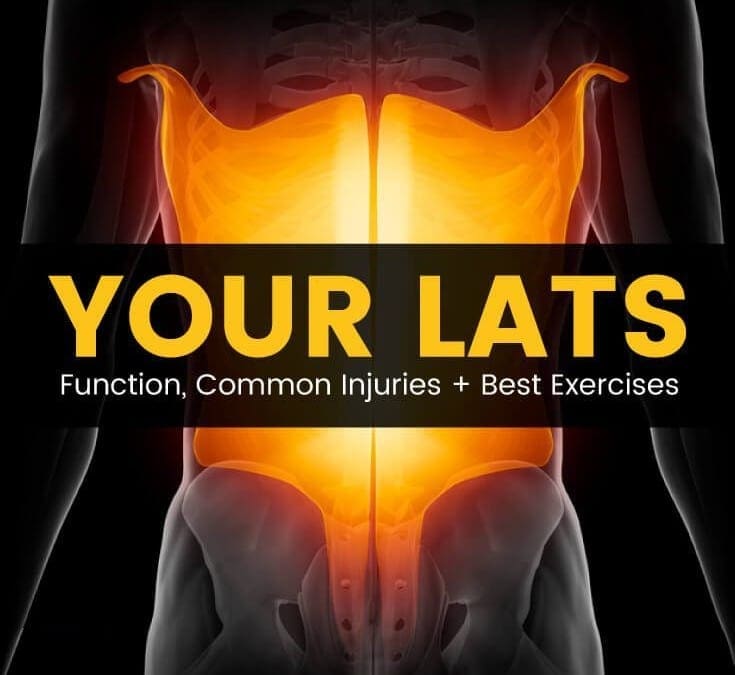
The latissimus dorsi muscles � generally only called �the lats� � are the two biggest, broadest muscles in your back and, overall, one of the largest muscle groups in the entire body. As extensor muscles, the lats mostly have the job of assisting to lift upward the arms as they reach and lengthen. The lats take part in other important functions beyond shoulder extension too, including internal rotation of supporting core equilibrium and the torso.
In case you perform pulldowns, rows or lifting exercises for the shoulders using a resistance band or machine, odds are you�re already strengthening and participating your lats. Nevertheless, it�s common even for sportsmen to wind up growing latissimus dorsi muscles that are tight due to overuse or little stretching � lower back pain and considered to be an important cause of both long-term shoulder.
For individuals who are performing strength-training moves, back and the lats are crucial areas to concentrate on. Based on a report in the Journal of Orthopedics, �Because the latissimus dorsi connects the spine to the humerus, tightness in this muscle can show as either sub-optimal glenohumeral joint function (which results in persistent shoulder pain) or tendinitis in the fasciae linking the latissimus dorsi to the thoracic and lumbar spine.�
Considering the primary function of the latissimus dorsi muscle would be to help in movement of the arms and protection of the spine, just about everyone may benefit from incorporating lat exercises in their day to help with range of motion, equilibrium, improving equilibrium and upper body strength.
What’s The Latissimus Dorsi?
Both latissimus dorsi muscles situated in the middle of the back are big, level, normally strong muscles that are posterior (next to) to the trapezius muscles in the arms. They help connect the back to the arms/upper extremities and support stability and overall strength of the entire torso. Considering that the lats are linked to the arms and upper back, they can play a role in preventing slouching help hold the back erect and so are used to maintain good posture.
The underparts of the the lats extend to the tops of glutes, lower back and close to the tailbone. Twisting or spinning movements in the back, plus lifting the arms overhead, both engage these muscles, making them important for general coordination, balance and upper body strength. Due to their size, strength and involvement in numerous motions of the body, exercising the heart, including the lats, along with being confident to stretch them enough are vital for preserving range of movement and a healthier back into older age.
What Do The Lats Do?
There are there are only three main muscles in the upper back: the trapezius, latissimus dorsi (lats), and erector spinae. Here�s a breakdown of the fundamental functions of the lats:
Extension of the arms overhead, backward and downward � The lats are also generally used simply because they keep the back and core upright when folks walk and swing their arms from side to side.
Adduction (motion of the shoulder toward the midline) and transverse extension, which is also called flat abduction � One Among the most crucial occupations of the lats is enabling both arms to move towards the torso within an adduction movement.
Medial (internal) rotation of the shoulder joint, which really helps to transfer the scapulae.
Flexion when standing location that is lengthy, within an erect � Including extension and lateral flexion of the lumbar spine, helping to contract and lengthen�the back muscles with moves up and down
What exactly are a few of the essential benefits of getting strong lats? Based on the way the lats support the back, arms and core advantages of building strength and flexibility in this region include:
1. Keeping strength in the shoulders, upper back and arms
You�re likely conscious that the shoulders are just one of the very most utilized parts of the body � whether you�re an athlete or only someone going about your day-to-day routine. The shoulders are involved in motions like throwing, holding up heavy items or weights, like getting reaching before you or behind, and functions, swinging, reaching and lifting the arms overhead.
The lats help support many motions of the shoulder muscles, joints and bones and are participated during many common shoulder exercises like boards, presses, lifts and pulls. Should you previously suffer with shoulder pain � for example on account of factors that degenerate connective tissue rotator cuff injury, such as older age, osteoarthritis or overuse � studies imply stiffness and your symptoms will likely just get worse if your lats/back become weaker. (2)
2. Stability through the center, which can be important for posture, balance and preventing falls
Both the lower back as well as the outer-middle part of your back (sidelong back muscles) are a part of your �core,� which means both must be powerful and flexible to support you as you stand erect. Bad position due to a weak back is linked to many different difficulties you might not comprehend � such as respiratory difficulties, headaches, digestive issues, poor sleep and also tingling.
A powerful core, all of the way from your font body (abs) wrapping around to your back, acts like a built-in girdle so you�re shielded as you sit, stand and walk each day. Strengthening your lats will help in keeping your abdominal muscles pulled in your shoulders pulled back and your body from entire feeling tired or weak through the day. This is essential for maintaining equilibrium and keeps extra pressure off the lower back, particularly as you age.
3. Help with sports or exercise performance (including twisting and rotating the torso/trunk)
Included in maintaining appropriate posture and preventing back pain, your lats help support the back during turnings, when lowering the hips down or when twisting and bending over. Your back muscles work together with abdominal muscles and your obliques to support the spinal column and provide you greater range of motion during all kinds of movements.
If you play with sports such as for instance rowing, golf, gymnastics, swimming, tennis, football, wrestling or basketball � or you work out by running and lively walking � a strong core is indispensable. A number of these actions include having enough flexibility and balance to remain strong on your own feet, keeping the core stable and lifting the arms.
About the Latissimus Dorsi Area
The latissimus dorsi and the teres major, fibres of the deltoid, long head of the triceps and many other stabilizing muscles connect to:. The teres major muscle is placed over the latissimus dorsi muscle. The lats insert to the tubercular groove in the front of the humerus and are partly covered by �the traps� (the upper back muscles) and connect to the deltoids (the front, side and rear of the shoulder).
Here�s an overview of the structure and area of the body enclosing the lats:
Lats originate in the iliac crest located at the base of the spine by the hip bones
They join to thoracolumbar fascia, rough membranes composed of three layers of tissue that cover the deep muscles beneath the trunk, which support the backbone
Lats are encouraging of poor six thoracic vertebrae and inferior three or four ribs
The nerve roots which make up the long thoracic nerve, especially those called C6, C7 and C8, which run through the trunk supply them
Reinforcing the labs usually causes the elbows to bend (flexion) and includes engaging the shoulders, biceps and trapezius muscles. One of the most frequently employed antagonist muscle pairs in the human body range from the pectorals/latissimus dorsi muscles. These antagonist muscles have opposing functions, helping to generate total range of movement. Agonists and antagonists usually exist on opposite sides near a joint, helping to lower and lift. The deltoids and latissimus dorsi muscles lift and lower the entire arm in the shoulder joints.
Common Injuries Affecting the Lats
Motives which you may have lats that are poor or stressed contain:
Not lifting the arms often enough, resulting in arms and stiff or poor shoulders
Developing pain which restricts you from rotating back, exercising, writhing and engaging the back muscles correctly. Risk factors for back pain include history of back injuries or disorder, having muscular tension due to anxiety/worry, and smoking or using tobacco, being overweight or fat, pregnancy, lack of sleep or sleeping in positions that are unsupportive.
Bad position, which often causes low back pain and reduced range of motion
Sitting for too long, for example at work for many hours of the day, which weakens the upper and mid-back
Injuring the low or shoulders back, which prevents flexion adduction and extension
Even though it doesn�t occur very frequently, lat tears have been reported related to sports activities like rock climbing, wrestling, golfing, body-building, gymnastics, basketball among others.
What kinds of side effects or limits can result from these lat-related harms? While rupturing or tearing of the lats is rare, other related pains are common and include:
Shoulder pain: The latissimus dorsi joins the humerus and the backbone, so weakness or tightness in the lats/mid-back can cause pain in the shoulder joints and decrease of upper body functions. Occasionally this results in frozen shoulder or persistent tendonitis pain affecting the fasciae connective tissue.
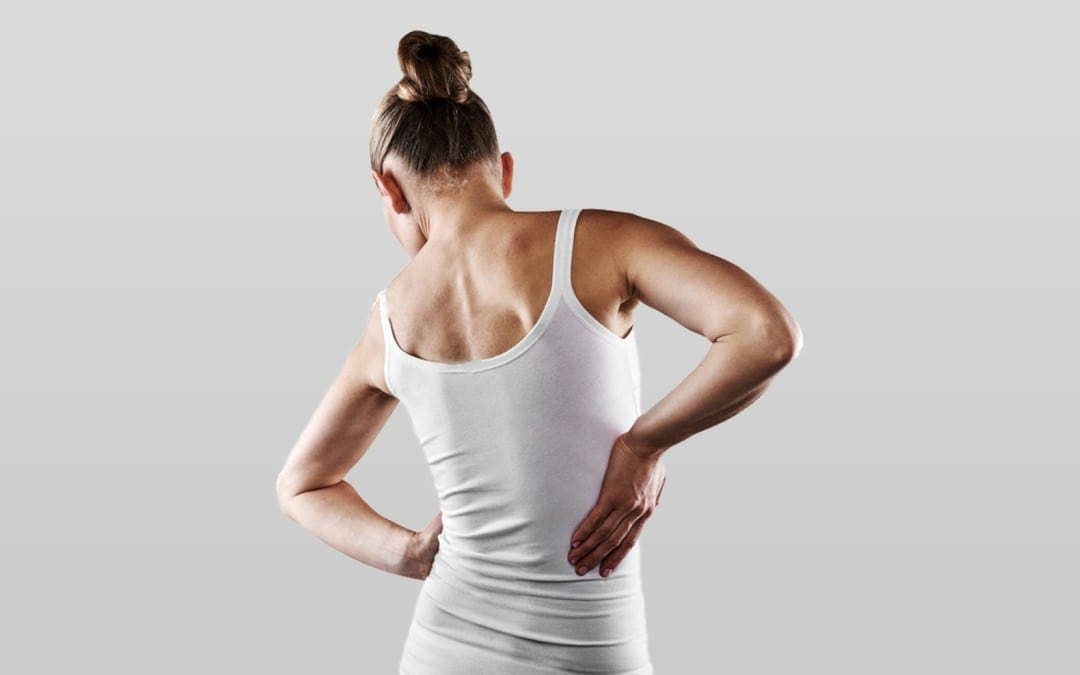
Back pain: The latissimus dorsi support the thoracic and lumbar regions of the spine, two areas that will develop pain due to factors like bad posture, forward head posture, a sedentary lifestyle (such as hunching over a desk all day) or due to impact and/or trauma. Back pain, whether light or severe, is one of the most typical complaints among adults and experienced by about 80 percent of men and women at one point or another. In many cases of low back pain, the trouble can generally be traced back to not having a powerful enough core, which is often overcome through routine exercise plus stretching (see below). Routinely performing lower back muscles, plus standing and moving throughout the day, can do amazing things to assist in preventing persistent back pain and injury.
Muscle and instability imbalances: Based on Men�s Journal, it�s not unusual for guys to have irregular lat strength which contributes to lack of balance and pressure set on the spine. (9) Postural problems, including spinal abnormalities or injuries that stem to the legs, together with muscle settlements or inactivity put added pressure on the rear. People of all ages experience bad position, but you�re particularly at risk for dealing with side effects because of weak back in the event that you don�t rest enough between workouts, you�re sedentary, elderly than middle aged or heavy. Exercises and strength training will help reduce back pain by increasing flexibility, reducing inflammation, improving posture and reducing muscle damages /weakness in the pelvis or hips.
Finest Stretches and Lat Exercises to Build Strength
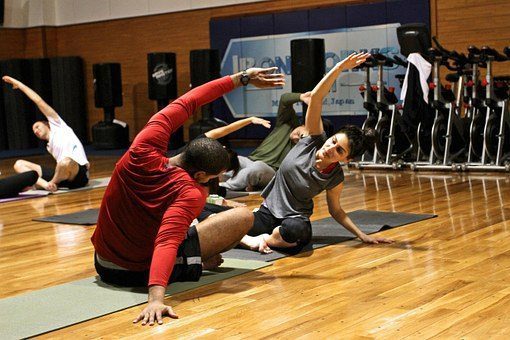
Even though you don�t belong to some fitness center or wish to attend some sort of strength-training or yoga course, you practice simple bodyweight exercises and stretches at home improve total flexibility and to be able to build lat strength. Regularly performing several full- body motions and crucial stretches will help relieve core weakness, stiffness in muscle settlements and the low back that extend down through your hips legs.
Do 2�3 of the exercises below, about 1�2 times each week, for important body parts such as the lats. Purpose for 10�15 reps, unless otherwise stated. Follow with the two stretch moves later.
Lat work outs are often best complemented by either 1) a torso workout or 2) a biceps workout.
LAT EXERCISES
Lat Pulldowns Employing A Machine OR
Fundamental pulldown exercises employing a machine in the gym are just one of the greatest methods to engage the lats. You can either take a seat on the machine�s seat or kneel on one or both knees (whichever can help you grasp the bar evenly above your head). Pull down on the bar evenly to bring it down your chest while maintaining your back upright, then lift the bar to starting place back.
Lat Pulldowns Using Exercise Bands OR
Utilizing a resistance band that is economical in the home or the fitness center is a great method to boost latissimus dorsi strength, as well as strength in core and your shoulders. Start by anchoring a band to some steady high point, such as around a pole, and catching each end of the band using your hands. As you bring your hands closer to the very front of your torso, begin with your arms straight and in front of your face, then pull the arms back to flex your elbows.
Chin Ups
Utilizing a pullup bar, face and grab the bar along with your palms facing toward you. Your arms will be stretched overhead in the starting location. Pull your torso up until your head and keep your torso as straight as possible as you lift is the degree of the bar. From this caught position, slowly lower your torso back to the starting spot until your arms are fully extended again. Breath and repeat for about 5-10 repetitions. If this can be too problematic for you personally, try utilizing a seat under your feet for many assistance or a pull up help if accessible.
Seated Rows OR
Employing a machine, sit together with your knees bent so that your shoulders are level with the machine handles as well as your back straight. With a handle in every hand, sit tall as you bend the elbows and pull the handles toward you and transfer the shoulder blades together. Return to starting position and repeat.
Dumbbell One-Arm Rows
Stand near one side of a bench and place your opposite knee and palm flat at the very top of the seat. Maintaining your arm on the bench while you bend over torso and straight horizontal, hold a dumbbell in your hanging hand. Lift the dumbbell up toward your torso/side of your chest while bending the elbow, then lower and repeat. Squeeze your abdomen in and attempt to work with strength and go slowly in both directions, in the place of just relying on momentum.
Setting Torso Lifts (Aka �Supermans�) OR
Placing down on the floor with your fingers interlaced behind your face, lift your torso and shoulders off the floor to engage your back. You are able to either keep your ankles/feet anchored to a floor by placing them under a bar or having someone lift the toes somewhat, or support you. Raise and lower about 5�10 times, going slowly and breathing. Take care never to overextend or yank on your neck.
Yoga Chair Pose (Held Squat)
So your big toes touch lift your arms above your head bringing the palms to face inward, place your feet together. Imagine a seat behind you that�s backward and prepared to catch your hips as you sink your pelvis down and bend your knees. While looking to maintain a straight back, tuck your tailbone down and keep your arms stretched overhead. Hold for 5�10 breaths as you lower further down on your exhales and lengthen through your back on your inhales.
LAT REACHES
Standing Overhead Reach
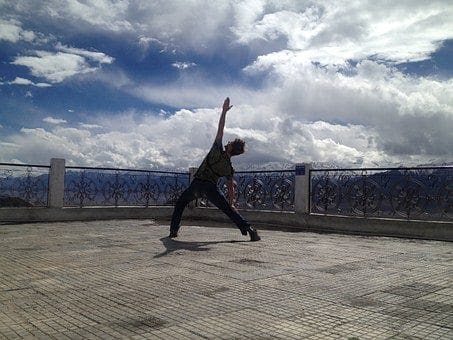
Although they�re simple to stretch (you only need to extend your arms overhead), the lats are commonly disregarded during most post-workout cool downs. Extend and to gently engage your lats, stand upright with your arms reaching above your face. You might want to slightly bend side to side, but go in order to avoid yanking. Hold your reach for between 10 tucking the tailbone down, continuing to span the rib cage upward and �30 seconds at a time.
Cat- Cows or Kneeling Arm Stretches
You can duplicate the same type of arms-overhead movement as described above when kneeling on a floor on your own shins/knees. Reach your fingertips overhead as you stretch your shoulders to touch the floor and engage your back muscles. Do this while keeping your hips lifted or down near your heels. Hold the stretch for 10�30 seconds while breathing deeply to soften your muscles. This is known as �kid�s pose if you�re if you�re hips remain lifted hips remain low to the ground or �pup pose� �. You may also try other yoga poses by staying kneeled down on your shins while breathing through �cat-cow� moves. Do these as the back in a single direction stretch upward by lifting your torso as you turn and tailbone, then down towards the bottom.
Precautions When Activating the Latissimus Dorsi
If the lats lasts more than 2�3 days and or the rest of your back begin to feel pain through your workout, or pain increases after, back away from exercising the region and rest for at least several days. Start don�t overdo stretches and exercises. In the event you are feeling throbbing, stiffness or notice swelling extending around the upper body, avoid resistance training including the painful areas and consider seeing a doctor or physical therapist for guidance.
Final Thoughts On the Lats
The Latissimus Dorsi (aka �the lats�) are large muscles found in the upper-mid back that help support movement of the arms. Functions of the lats comprise backward or overhead to extension of the arms and shoulders and downward, plus core/torso stability.
The lats stressed due to being overweight overtraining with degenerative problems like arthritis, or deficiency of stretches or can be weak. This can cause chronic low back pain or shoulder pain in some instances.
Exercises for the lats comprise dumbbell raises and presses, pulldowns or pulls, supermans.
El Paso, TX. Chiropractor Dr. Alex Jimenez looks at sleep posture for back pain.
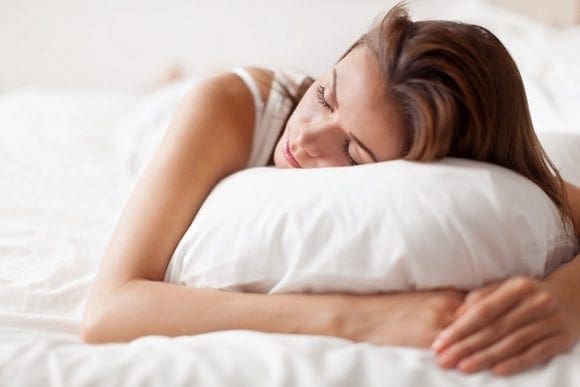
Whether you got back, neck, or pregnancy pain, your slumber posture makes a big difference in the way you feel each morning.
Great posture is a key to a healthier spine, but posture isn�t just about sitting or standing straight. Your sleep bearing has a significant effect on neck and your back. While some postures allow you to feel refreshed morning, come, others can leave you stiff, sore, and in pain.
Believe neutral, as it pertains to locating the very best sleep pose to your back and neck. Postures that put your spine in a neutral, or direct, alignment place the smallest amount of pressure on your own back and neck. Learn which postures set your back in a neutral state and those who must be prevented below.
The Very Best Sleep Posture For The Back: On Your Own Back
Sleeping in your back is for putting your spine in a neutral alignment, the very best, but only 8% of people sleep in this pose.
A few strategically placed pillows can boost the advantages of back sleep. A little pillow underneath your head and neck (but not your shoulders) will help to keep your back straight. Including a pillow under your knees will provide comfort and much more support, as it encourages your back to preserve its natural curve.
It’s a few drawbacks, though back sleeping is the best on your spine:
It�s not best for individuals with sleep apnea. Back sleeping may create the tongue to obstruct the breathing tube, so those with sleep apnea must not sleep on their backs. Instead, they ought to sleep on their side with legs right.
It�s not best for snorers. Back sleeping can worsen snoring. People who snore should sleep on their side with legs right.
It’s not best for women that are pregnant. Pregnant women who sleep on their backs danger growing a multitude of health issues, from back pain to low blood pressure. Plus, the on-the-back position decreases blood flow to the baby and also the heart. The very best sleep position during pregnancy is sleeping on the side with legs bent.
�
The Next Best Choice: On Your Side With Legs�Straight
For those that snore or have sleep apnea�or in the event you just discover sleeping on your back uncomfortable�side sleeping with your torso and legs is a fantastic choice. That is the perfect sleeping pose for people and snorers with sleep apnea because it keeps your airways open. Adding a tiny pillow between your legs will also help in keeping your back neutral.
In Third: On Your Side With Legs Bent Upwards
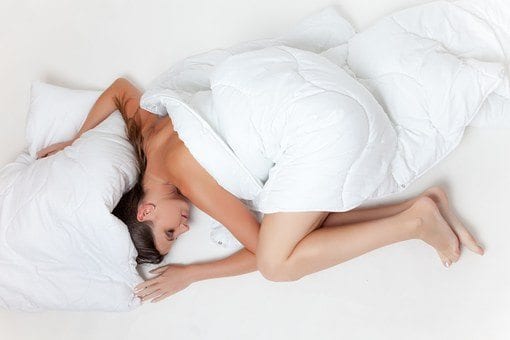
Sleeping on your side together with your legs bent upwards�also generally known as the fetal position�is the most typical sleep pose (41% of adults sleep this manner). This posture keeps your neck and upper back, though it�s a popular alternative. The fetal position also promotes an uneven distribution of weight, which can cause tender joints and back pain. You can help reduce your odds of waking up by pulling your knees and maintaining your turning angle up as high as they can go.
While this is the third-best slumber pose for most, sleeping on your side with bent legs is the best sleeping position for women that are pregnant. It supplies the most comfort and safety for a growing abdomen, and sleeping on the left side adds the additional benefits of boosting blood and nutrients to the baby. For additional support, pregnant women may put in a pillow between their bent legs and knees.
The One Sleep Position Everyone Should�Avoid
No matter the sort of pain you might have, whether it�s neck, low back, joint, or related to pregnancy, sleeping on your stomach just isn’t recommended. This posture places the most pressure on joints and your back�s muscles as it flattens the natural curve of your back. Sleeping on your stomach also compels you to turn your neck, which may cause neck and upper back pain.
Getting the sleep you need is much more important while stomach sleeping is better prevented. You are able to calm some pressure off your back by placing a pillow under your pelvis and lower abdomen, and another pillow under your head if stomach sleeping is the sole way you can snooze soundly. In the event the pillow under your head causes pain, remove.
Still Feeling Sleepy?
You struggling to get a great night�s rest, although when you yourself have sleep bearing that is healthful, factors outside your sleep position may be the offender. As an example, environmental disruptions (for example bright lights in your bedroom) or dietary customs (like eating a substantial meal before bed) could be interfering together with your slumber. Learn about some common sleep burglars and how you can combat them in Sensible Sleep Advice to get a Wholesome Spine.
El Paso, TX. Chiropractor Dr. Alex Jimenez takes a look at the psoas muscle and its relation to back pain.
All too often we find ourselves experiencing aches and pains in our bodies, especially in the low back. If you find yourself commonly searching for remedies for fast back pain relief, it might be time to research the psoas muscle.
Technically named iliopsoas, the psoas major, may very well be among the main muscles within the body. Why? This deep-seated heart muscle helps support your back and much more. In the event the psoas is weak, it might be the cause of neck pain, back pain and many other issues. In fact, the psoas major muscle is especially distinctive, particularly as it pertains to postural function. It�s the only muscle which joins reduced body and the lumbar spine. It�s clear to see taking care of this deep psoas muscle is essential to a powerful, pain free body. Many others believe a healthy psoas is very important for spiritual and mental health, also.
What’s the Psoas Muscle? Why Is It Important?
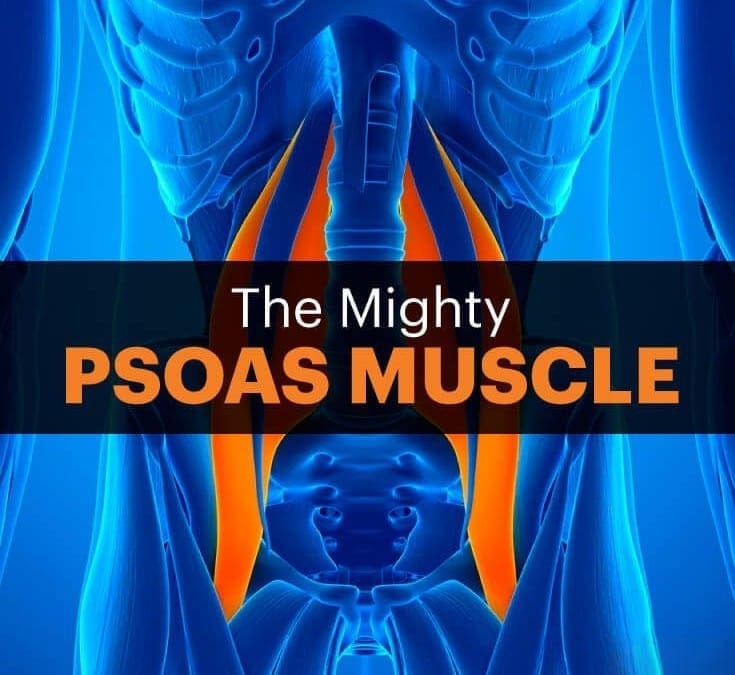
There are two psoas muscles on each side of the back. The larger one is called the psoas major and the smaller the psoas minor. The psoas major, often known as �the might psoas, � originates in the back round the bottom of the rib cage and runs down the thigh over the femur. The psoas major works by bending the hip. It runs to the bony pelvis, although the psoas minor also originates in the back across the bottom of the rib cage. It acts to bend the back that is reduced.
The psoas helps us perform including freeing the legs for walking and running all sorts of day-to-day activities. The psoas muscle is also critical in providing good posture. Anyone who takes Pilates knows the psoas intimately � the type of exercise is praised for enhancing psoas muscle health and associated back pain. Olympic weightlifters, runners, triathletes, gymnasts � heavily rely on the support of the psoas, too.
Let�s delve into where the muscle is situated. There are two muscles that create what is called the group that is iliopsoas. They may be the psoas major and iliacus. You have likely learned your fitness teacher indicate stretching the hip flexors at the end of your strength class. The psoas major and iliacus are very important to the hip flexor muscles since they help support and secure the lower back. There’s an alternative muscle known as the psoas minor, but it is useful for 4 legged animals than for people.
The word psoas means loin area and is Greek. The psoas muscle group makes an upside down V, linked to the back working its way down to the very top of the femur and beginning at about the bottom point of the rib cage. Specifically, it’s a long spindle-like muscle, found between the pelvic inlet as well as the pelvic floor. It joins the iliacus muscle which can be what forms the iliopsoas. A chiropractor can in fact use pressure in the pelvic inlet region to aid release a tight psoas. This can be commonly done to stretches for athletes in addition, though it should always be achieved by way of a soft tissue professional with expertise in psoas release.
Why Do We Need A Strong Psoas Muscle: Possible Issues
A strong psoas supports regular action, however so much as the simplest task can be made as well as causing larger problems such as power back a challenge by a weak psoas. The psoas is a vital messenger of the central nervous system and the way your body reacts to gravity is significantly diffent than intended, when there is dearth of support from it.
Muscle imbalances can often make the entire body to compensate in a different place and that may cause even and added problems harm. Some people are even identified as having psoas syndrome or iliopsoas tendonitis. These ailments cause pain in the hip area. They’re often described similarly, while these are two different illnesses; nonetheless, psoas syndrome is a condition involving a stretch, tear or rupture of tendon or the iliopsoas muscle. Iliopsoas tendonitis demands an inflamed muscle. The piriformis syndrome is also closely related with this kind of pain and may be referenced when seeking a diagnosis.
Yoga therapist Danielle Prohom Olson calls the psoas muscle �the muscle of the soul.� Olson says on her site: � The psoas is connected to the diaphragm through fascia or connective tissue which impacts our breath and anxiety reflex. This is because the psoas is linked to the most early inside part of the brain stem, the reptilian brain and spinal cord.� In fact, author of The Psoas Book, psoas specialist Liz Koch, says that lack or mental trauma of psychological support can leak to a chronically contracted psoas. This results in too little core awareness. This makes sense as your historical limbic system is closely related to emotions like fear and worry.
�
Symptoms Of Psoas Difficulties
Discomfort, pain and aches in the front hip socket
Restriction�in the hip socket
Iliopsoas bursitis/tendinitis
Restriction moving the thigh backwards
Deep pelvic pain
Deep �bellyache�
Chronic constipation
Twisted�pelvis
What Causes A Weak Psoas
There are just two common behaviours that generally cause a weak psoas: sitting poor posture and all day. The National Association of Sports Medicine notes sitting causes a psoas that is feeble. And a weak psoas can lead to lower back issues. All that sitting can cause the psoas, iliopsoas and rectus femoris to remain in a shortened position for lengthy amounts of time. What goes on is these muscles get used to this shortened state and that makes them overactive and tight. This shortening or tightening of the muscles can lead to a forward tilt of the pelvis and weakness in the gluteal muscles because these muscles are attached to the pelvis and lumbar spine. United, this may cause lower back pain. Consider a standing desk to lower your sitting time each day.
If not corrected awful posture, whether standing or sitting, can create a lot of suffering. Rounded shoulders or a forward head position might appear to be the easiest on the body, but it is going to weaken the supporting muscles of the body over time, since we’re always working against gravity.
3 Major Benefits of a Strong, Healthy Psoas Muscle
1. May Reduce Low Back Pain
A published in the Journal of American Osteopathic Association identified the psoas as a vital muscle linked to our core muscle development. The psoas had been initially missed as an alternative for back pain that the 48-year-old man was experiencing. (7) He received osteopathic manipulative treatment, defined as hands on care with a trained physician. Utilizing the hands, with extending techniques, gentle pressure and resistance by transferring the muscles and joints, a skilled professional can help diagnose, treat and even prevent illness or injury. The patient enjoyed critical development, confirming that without surgery, back pain can be removed with a the help of a professional, combined with the devotion of the patient to execute special stretches at home.
2. Can Affect Your Sports Activities
I noted previously that the psoas is actually the muscle which allows one to run. Each knee lift causes a contraction of the rope-like each time the leg swings back to its first location and muscle, the psoas will lengthen. Runner�s World reports a runner lengthen and will contract the psoas more than 5,000 times during an hour long run The psoas can be a big aspect in great carriage. The psoas, combined with other core muscles, like the abdominals and obliques, in addition to the ones that help form and support the lower back, supplies firmness offering a strong posture. Therefore it’s wise that if there is a problem with the psoas, it’ll probably change your sports actions, in particular those that need jogging.
3. Provides a More Pain-Free Pregnancy
Creates a lot of developments in the torso, certainly one of which is the shift in your center of gravity. It shifts forwards as the baby grows, causing the pelvis to go toward the front of the body. This could cause the muscles in the low back area the hamstrings and glutes and also to tighten weaken as well as to stretch out. Additionally, the ligaments connected to the uterus can come under a great deal of anxiety, causing pain and lower back. The psoas and surrounding muscles take on much of the anxiety, which may cause discomfort on account of imbalances and tightness. But, by performing stretches and exercises which help to fortify the psoas, you can remove most if not all of the pain.
Psoas Stretches & Exercises
Whether an athlete, not lively in any respect or pregnant, it�s important to release the psoas to make sure that it’s in excellent working order giving you the support you must perform any tasks � picking up those markets or your toddler. Yoga, Pilates and my core routine are excellent choices, by performing a some key stretches right at home however you can make a major difference. Here are some psoas stretches and exercises which you can do a few days a week. If possible, in the event that you sit at a desk throughout the day, I recommend which you perform these exercises daily. It just requires a couple of minutes and can alter how you go throughout your day.
Foam Rolling
While releasing the psoas must be left to your soft-tissue professional, NASM suggests foam rolling tight hip muscles that are other, such as the TFL and hip adductors. As you roll, hold on spots that are tender for 30 to 90 seconds. (16) Check by means of your physician to be sure foam rolling is OK with you. NASM notes it�s not appropriate for certain states, including aneurysms, blood clots, malignancies, anticoagulant treatment, congestive heart failure, open wounds or skin lesions, bursitis, obstructive edema, or certain other health conditions.
Hip Flexor Stretch (Thomas Stretch)
Sit tall at the end of a table. Thighs are midway off the table. Catching one knee, lean back until your lower back and sacrum and pull it to your torso are level on the table. Notice that when the back is rounding and the pelvis is tipping, you�re pulling on the knee too much. To correct, just loosen your hold. Allow the other leg to hang free. Hold for 30 to 60 seconds. Perform a few repeats on each side.
Kneeling Lunge
It is a very common exercise performed in the fitness center through the stretch segment of plenty of group fitness classes. To get it done, kneel down on one knee (you might want to have a pad below if you’re on a hard surfaced floor), with all the front leg forward at a 90-degree angle. Tuck your pelvis and softly lunge forwards. Continue to lean into the stretch ensuring that there is no uncommon pain. A tight psoas may cause you to arch your back; yet, try to keep the back straight. To include a little extending to the core, raise your arms and lean the hips forward another inch or two. Holding the lunge for 30 seconds finishing, 3 repeats on each side.
Leg Lifts
Lie on your back and extend your legs facing you. Put your hands either underneath your bottom in case your back arches too much, or above your mind by focusing on bringing your belly button to the spinal column provided that your lower back is pressed into the ground. Lift your left leg several inches above the earth and support for 3 to 5 seconds. Do 10 to 15 repetitions on each leg. As you get stronger, you can do these using ankle weights.
Ball Bridge
Lie on a stability ball like you would to perform crunching, along with your neck and shoulder resting. Make sure to engage your heart , not let your hips sag, with your feet straight ahead with toes pointing forwards, shoulder-width apart. Slowly and controlled, drop your glutes toward the floor (don�t go too far that the shoulders come away from the ball) and then push up through the heels to engage the glutes and push your hips back up in line by means of your spine.
This exercise can be used to fortify weak gluteal muscles generally associated with a tight psoas.
Psoas Massage and Release
The psoas is surrounded by vital organs is deeply embedded into the central cavity region and may be tough to find. Physical therapist or a chiropractor might be capable of help you best as it pertains to actually release the psoas. It requires complete relaxation of the patient and is a sensitive place. To really get working with a trained professional is recommended, although total body massage that is general can certainly help.
Working on releases and extending other hip muscles nearer to the surface of the body is able to go a long way in reducing total tension and will ultimately help in enhancing psoas wellness.
Precautions
It is always better to require any new exercise slow. Ahead of performing the exercises consult with your sports medicine doctor, physical therapist or chiropractor. When it comes to a psoas release, there are negative effects that are potentially dangerous in case you don�t work with someone trained and certified in this region, so you need to talk a professional.
Closing Thoughts on the Powerful Psoas Muscle
The psoas muscle is a deep-seated abdominal muscle in close proximately. Your psoas major is the muscle that joins your lower back to your lower body. The psoas muscle is many times tight and overactive, as well as other hip muscles, due and due to things like sitting that is persistent possibly as a result of chronic stress. A soft tissue professional just like a physical therapist or chiropractor should does releasing your psoas muscle. Everything you could do to boost your psoas function in the home is focus on strengthening weak gluteal muscles, extend them and perform foam rolling of other tight hip muscles such as TFL and the adductors.
While surgery is frequently prescribed for back pain, researchers are finding that focusing on enhancing psoas health can radically enhance lower back pain.
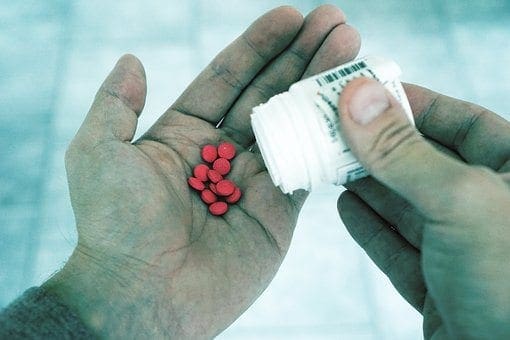
El Paso, TX. Chiropractor Dr. Alex Jimenez focuses on the rise in opioid use among older adults.
SpineUniverse reported on a study that indicated a 10% increase in opioid addiction or dependency in patients prescribed such drugs to take care of postoperative pain. Although spine surgery was not among the forms of operations included in the research, it�s intriguing to see that 3% of the patients ages 55-years plus, disclosed addiction and opioid use.
Older adults as well as the elderly are part of about 100 million adults in the USA (US) affected by severe or chronic pain. Low back pain is neck pain, and among the most frequent causes of pain, followed by headache/ migraine pain. Spinal stenosis, spinal osteoarthritis, and degenerative disc disease are frequent investigations in elderly residents and our mature adult.
In a presentation by Sullivan in 2003 about chronic pain and prescription opioid abuse and dependence in mature adults, it had been reported that �the prevalence of pain increases with each decade of life Additionally, 80% were grown by pain criticisms in adults age 65 and older. Moreover, as the number of opioid prescriptions increased, so did use by older adults�but some medical studies regularly blown off addiction as temporary or rather rare.
Regulators React
Acknowledge and its particular bureaus and the government started to recognize opioid use and the potential risks in elderly Americans. In 2012, a study revealed that more than 700,000 adults (ages 45 to 84) were hospitalized particularly for opioid abuse. Mature adults as well as the elderly accounted for a five-time increase in hospitalizations for opioid abuse compared to younger Americans.
Adults of any age taking an opioid may experience drug unwanted effects that are possibly dangerous. But for mature adults or senior -aged individuals, the hazards are weightier. Why? Old people frequently take several medications simultaneously to treat different medical problems (eg, diabetes, hypertension). It may be a challenge for the patient to keep an eye on when to take a drug that is prescribed or remember if the medicine was taken, which may result in unintentional doses. An opioid drops, and introduces another tier of potential risks, including respiratory depression, lack of balance, confusion, dizziness, drowsiness, nausea.
In 2015, Congress introduced a Medicare-specific bill called �Ceasing Drug Exploitation and Shielding Seniors Act.� Now, we see changes dispensed, and monitored to prevent physician- shopping and other ways drugs could possibly be obtained and abused.
Managing Opioid Medications
Elderly patients or some adult live alone, in a household setting, receive home-health support, or reside in a assisted-living facility or alternative scenario. In some cases, the direction of the medication, including pain-relieving drug is managed by healthcare or nursing staff.
Many older adults and aged patients are quite capable of handling physician�s visits, their drugs, and everyday life. Then there are other people who want support. They might not realize they need help or may not ask. This is where friend, a family member or caregiver might help by being observant and step in to help. By way of example, does the patient take their medication as prescribed, but nevertheless look to be in pain? Does he /she stumble easily or fall, complain about feeling dizzy, confused, constipated, or have a few other criticisms?
Remember that people so do their needs for drugs and change with age. In unwanted effects and handling pain, the alternative can be an alternate kind of drug or a dose change. Considering many senior adults and aged men take multiple medications, it’s an excellent idea to bring OTC medication all prescription and nutritional supplements to each physician�s visit for review. This creates a superb chance for you and the individual to talk together with the doctor about new challenges and health changes.
El Paso, TX. Chiropractor Dr. Alex Jimenez takes a look at sit/stand desks to see if they help with back pain and burn calories.
Regular utilization of sit-stand desks at work can help burn off calories and stop weight gain when coupled with other low-intensity tasks, according to findings from a current study in Occupational Medicine. The sit- stand desks did not increase pain or reduce productivity.
�In fact, other longer-term studies are demonstrating that using a sit-stand desk may actually reduce pain,� clarified lead writer Bethany Barone Gibbs, PhD, FAHA, Assistant Professor of Health and Physical Activity, Clinical, and Translational Science in the Physical Activity and Weight Management Research Center at the University of Pittsburgh.
For patients who have back pain or have lately experienced spinal surgery, the recommendation to stand on and off during the day is very important, commented A. Nick Shamie, MD, Chief of Orthopaedic Spine Surgery and Professor of Orthopaedic Surgery and Neurosurgery at UCLA School of Medicine.
�Sitting down puts significant pressure on disks and the backbone,� Dr. Shamie said. �In addition, the pressure on discs is extremely high when one is seated and bends forward to pick something off of the flooring,� he noted.
The Way The Study Was Performed
For the study, 18 people (9 men, 9 women) performed standardized deskwork at different positions for three independent one-hour sessions: 60 minutes sitting, 60 minutes standing, and 60 minutes spent alternating between sitting and standing for 30 minutes each. Standardized deskwork contained posts that were typing from a magazine, copying definitions from a dictionary, and math exercises. Areas completed experimental sessions in a haphazard order, at least and within four weeks.
All participants were between the ages of 22 and 57 years old, had earned at least a high school degree, and worked sedentary office occupations having an average daily sitting time of 8.8 hours.
Sit-Stand Desks May Burn Off 50-60 Calories Each Day
The research found that if your person stood for thirty minutes during each hour, they might burn 5.5 more calories than they’d have by sitting for the entire hour. Standing for the full hour burned an extra 8.2 calories. Changing evenly between sitting and standing on the course of an 8-hour day�4 hours sitting and 4 hours standing �could burn off as much as 56.9 calories for guys and 48.3 calories for girls.
While the number of calories is comparatively small, it may be sufficient to stop weight gain from working a sedentary job. In reality, the researchers pointed to other studies showing that modest increases in daily activity, the equivalent of burning 100 calories per day, prevents weight gain in most individuals. Routine usage of sit-stand desks could be one of many small tasks that would help weight is maintained by office workers, the researchers noted.
The Advantages Of Sit-Stand Desks
�Sit-stand desks are an easy way to get an increase in energy cost that matches into America�s present office culture. By combining the action of standing for part of the day with other occasional actions�say, electing to walk to the printer farthest away from your work space or selecting to make use of the restroom that�s found a few flights of stairs away�you can attain a significant amount of extra energy cost while at work which could help in weight control,� Dr. Barone Gibbs said.
�It’s essential that we understand standing at work isn�t going to burn off as many calories as choosing a brisk walk or a long term,� Dr. Barone Gibbs said. �However, our findings add to an increasing area of research that demonstrates the advantages of sit-stand desks, including increases in energy and productivity, blood sugar, and lower pain, and potentially blood pressure.�
Folks can certainly go online and also read reviews of the greatest sit-stand desks and how to incorporate them into work setting, Dr. Shamie said. He included that sit-stand desks are simply one part of back care. Eating a healthy diet, sleep, regular exercise, are all factors that play a job in an overall healthy lifestyle and back care, he explained.
El Paso, TX. Chiropractor Dr. Alex Jimenez examines scoliosis.
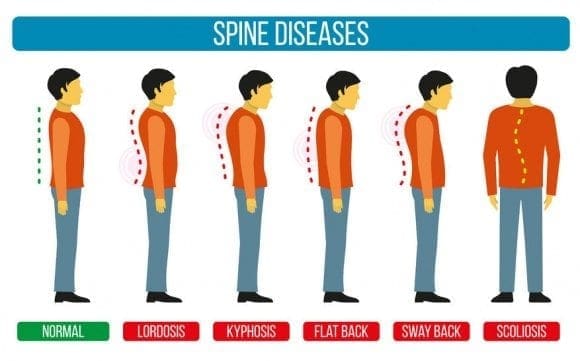
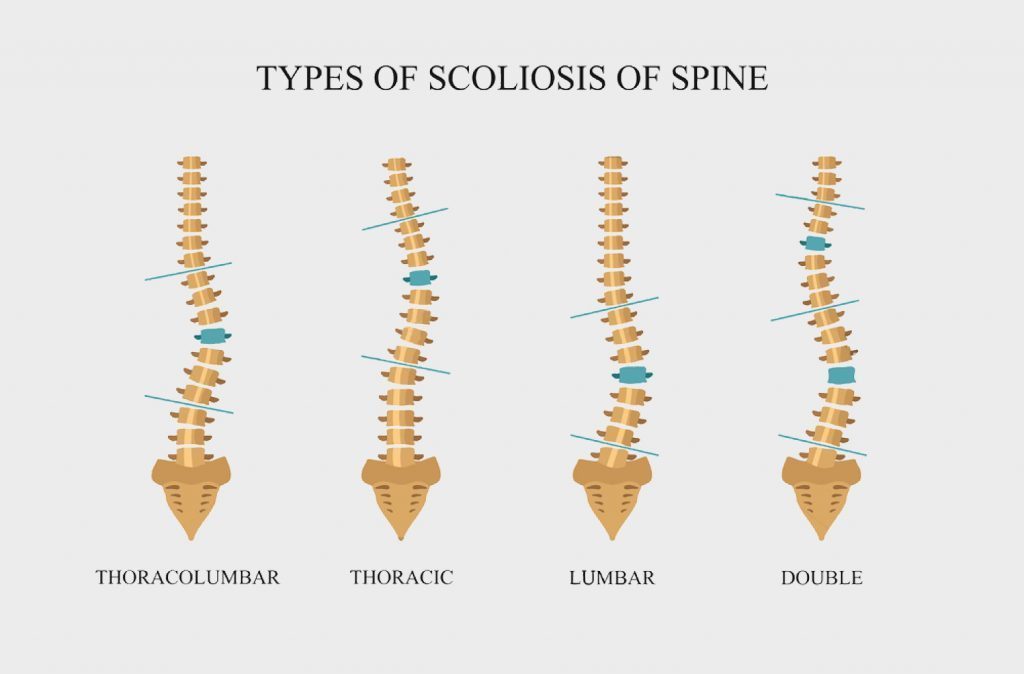
We all have curves in our backs, but scoliosis causes the spine to curve in the wrong direction. It causes sideways curves, and those are not the same as the normal curves of the spine. In case you looked at your spine from your side, you had see it curves out at your neck (cervical spine), in at your mid-back (thoracic spine), and out again at your low back (lumbar spine). Your back is likely to curve that way.
However, if your spine was looked at by you from behind, you shouldn’t see any curves. When there are sideways curves in the back from the back view, that is scoliosis. The curves can seem like an “S” or a “C.”
Spine Anatomy: Quick�Lesson
You first need to know what a healthy back looks like, to comprehend scoliosis. You will find four areas in your back:
Cervical Spine:
That is your neck, which begins at the base of your skull. It features seven little spinal bones (called vertebrae), which doctors label C1 to C7 (the “C” means cervical). The numbers one to seven signify the level of the vertebrae. C1 is closest for your skull, while C7 is closest to your torso.
Thoracic Spine:
Your mid-back has 12 vertebrae which are labeled T1 to T12 (the “T” means thoracic). Vertebrae in your thoracic spine connect to your own ribs, making this a part of your back comparatively stiff and stable. Your thoracic spine doesn’t move as the other areas of your back.
Lumbar Spine:
In your low back, you’ve got five vertebrae that are tagged L1 to L5 (the “L” means lumbar). These vertebrae are your strongest and biggest vertebrae, responsible for carrying lots of the weight of your body’s. The lumbar vertebrae are also your last “authentic” vertebrae; down from this region, your vertebrae are fused. The truth is, L5 may be fused with part of your sacrum.
Sacrum & Coccyx:
The sacrum has five vertebrae that usually fuse by adulthood to form one bone. The coccyx�commonly known as your tail bone�has four (but occasionally five) fused vertebrae.
Normal Spinal Curves: Lordosis & Kyphosis
When viewed in the side, you can observe the spine has both outward and inward curves. These curves help your back are also very important to flexibility and hold your weight.
There are just two types of normal curves in your back, and they’re called lordosis and kyphosis. Kyphosis means the spine curves inward, and lordosis means the spine curves out.
There are two spinal curves that are lordotic and two kyphotic in an ordinary back. Your cervical and lumbar spinal columns each possess a lordotic curve. Sacrum and your thoracic back have kyphotic curves.
While lordosis and kyphosis refer to a healthy curvature in your back, in addition they describe abnormal spinal curves which might be different than scoliosis. Lordosis that is strange is an extreme inward spinal curve. Kyphosis that is strange is a state that results in a hunchback or slouching posture, and you also will read about it in our Kyphosis Center.
Types Of�Scoliosis
Scoliosis is ordinarily associated with kids, but adults can have it, also. This generally occurs the disorder progresses aggressively or when scoliosis is not discovered during childhood. Most cases of scoliosis�more than 80%, in fact�are idiopathic, meaning they don�t possess a cause that is known.
Listed here are the various kinds of scoliosis:
Infantile idiopathic scoliosis is diagnosed in kids ages 0 to 3.
Congenital scoliosis happens when the spine doesn’t grow properly in the womb.
Neuromuscular scoliosis is caused by brain, spinal cord, and muscular system disorders..
Syndromic scoliosis grows as part of an illness or an underlying syndrome.
Juvenile idiopathic scoliosis is diagnosed in kids ages 4 to 10.
Adolescent idiopathic scoliosis is diagnosed in young people ages 11 to 18.
Adult degenerative or idiopathic scoliosis is diagnosed in individuals older than 18.
Along with the types noted above, your back specialist may refer to your scoliosis early-onset scoliosis�a term for scoliosis detected before 10 years of age. Syndromic scoliosis, congenital scoliosis, neuromuscular scoliosis, infantile idiopathic scoliosis, and juvenile idiopathic scoliosis may all be considered early-onset scoliosis.
Treating Scoliosis
Scoliosis brings up images of braces and perhaps memories of being examined for it by the school nurse. Bracing is one of the most common treatment choices for scoliosis as the curve may be fixed by it without back surgery.
Sometimes, though, the curve is too extreme and bracing does not help enough. Because scenario, you could have scoliosis surgery to correct the curve. You can find out more on the topic of surgical treatment for scoliosis in scoliosis surgery for scoliosis and adults operation for kids.
For kids, particularly, it can be frightening to learn they have scoliosis. Having that label makes them different at a time in their own lives when they do not need to be different. They may not enjoy the concept of wearing a brace, either. But scoliosis is nothing to be scared or ashamed of. With the correct treatment, scoliosis doesn’t have to define your life.
El Paso, TX. Chiropractor Dr. Alex Jimenez looks at exercise as treatment for back injuries.
Since 1992 Opioid Prescriptions Rose From 112 Million To More Than 249 Million As Of 2015
In 2004, there were enough written opioid prescriptions to ensure every American could have their own bottle. According to studies, a written prescription of a pain-killer should not be used for a back related injury; but rather, exercise is the most effective tool for recovery.
The First &�Foremost Way To Heal & Prevent Further Injury To The Back Is By Simply Moving Around
Vidan Family Chiropractic explains that �what made the body-heals the body.” They suggest exercise such as walking, stretching and yoga instead of requesting an opioid prescription.
Dr. Alex Vidan from Vidan Family Chiropractic joins us more information on the excessive use and prescription of opioids for injuries.
IFM's Find A Practitioner tool is the largest referral network in Functional Medicine, created to help patients locate Functional Medicine practitioners anywhere in the world. IFM Certified Practitioners are listed first in the search results, given their extensive education in Functional Medicine