After ruling out a herniated disc is not causing your sciatic nerve problems, you should look to the pelvis and many times the culprit is the piriformis muscle.
When the piriformis becomes tight or inflamed, it can put pressure on the sciatic nerve and you can get the sensations going down the leg. �Symptoms such as numbness, tingling, and sharp shooting pain.
A common mistake I�ve seen on YouTube videos and at different gyms and clinics, is people using a tennis ball, lacrosse ball, or foam rollers to apply pressure to the piriformis muscle in order to relax it.
If your sciatica is caused by piriformis syndrome, applying pressure to an area that�s already compressed will only add more pressure to the sciatic nerve and cause more pain.
What you should do instead, is stretch the muscle causing the problem so that it relaxes and takes pressure off the sciatic nerve. In this video you�ll learn an easy stretch you can do on the floor.
You simply lay on your back with both legs bent. Then cross the painful leg over the good one. And pull the affected leg towards the opposite shoulder and hold that stretch for 30 seconds.
Repeat the stretch as needed.
This will help to relieve the sciatic pain associated with piriformis syndrome.
As with any conditions, there is no quick fix. You have to consistently perform sciatica stretches and exercises to achieve the best results.
In the first part of the 2-part article on femoro-acetabular impingement (FAI), chiropractor, Dr. Alexander Jimenez discussed FAI and how it can lead to insidious onset abdominal pain and damage the hip joint labrum, leading to early arthritic changes. Given that conservative management generally fails in young athletes and needs operation, part two describes the post-operative rehabilitation period required to take an athlete back to full competition.
The post-operative rehabilitation period is highly dependent on the magnitude of pathology and the subsequent procedure; weight-bearing development is consequently variably reported in the literature.
If the labrum is surgically repaired, then protected weight bearing is encouraged to allow the repair site in order to be protected during the early healing phase. Also, avoiding extremes of flexion (beyond 60�) and also internal/external rotation for the initial 4 to 6 weeks is important to safeguard the repaired labrum. Any positions that possibly create an impingement and boost inflammation ought to be prevented. These include:
Deep squatting
Prolonged sitting
Low couch sitting
Lifting off the ground
Pivoting on a fixed foot
These positions are more safely tolerated following the six week post-operative period. But on account of the selection of hip flexion limitations imposed in the initial six months, usual activities of daily living are rather restricted, making yield to work and daily chores challenging if not impossible from the first few weeks following surgery. Therefore, the post- surgical patient does have to make substantial lifestyle changes and they need assistance in the first six weeks following surgery.
Special precautions in certain types of FAI processes. Reshaping of the femoral head- neck junction can weaken the rectal neck so particular care must be taken in this post- operative period. Fracture of the femoral neck is an unlikely but potentially serious complication after a reshaping process. The athlete may be allowed to bear full weight, but crutches are needed to avoid twisting movements during the initial four weeks after surgery. High impact pursuits and high torsion moves should be prevented in the first 3 months, as bone grafting requires around three weeks to attain full structural integrity.
Furthermore, if microfracture of this femoral head is also done for femoral head cartilage defects, then the athlete ought to be restricted to partial weight- bearing for two weeks so as to optimize the premature maturation of the fibrocartilaginous healing response.
Key points
1. Weight bearing status is dependent on the kind of reshaping procedure, whether the labrum was repaired, and also what the surgeon favors
2. Steer clear of hip flexion beyond 60� in the first 4-6 Weeks
3. Avoid extremes of rotation
Post-Surgical Rehab
Rehabilitation protocols provided in the literature have a tendency to be quite generic in their own advice and at best explain broad transitional phases during the rehab process. They usually describe the transition in weight bearing status, the development of gait through walking into jogging, and give general guidelines as to how to and when to progress activity based on a time dependant strategy.
They then progress describing transitions into twisting and affect actions — usually explained as beginning at 3 weeks following surgery — and generally the guidance is that the speed with which the athlete progresses is variable and might need yet another 1 to 3 months to get full return based on the game. Trainers are usually advised that return to sports after surgical correction of FAI can require 4 to 6 weeks. However it’s critical that progression through rehabilitation phases is driven more by subjective and objective measures during the transition phases. This allows the athlete and therapist to track load (type and quantity) and ascertain whether the joint arrangements are able to withstand changes in load securely.
Wahoff et al (2014) have provided some standards which may be utilized to guide the transition from one point to the next(1). They describe their rationale and supply a complete description of all of the cited tests in their printed clinical comment. Essentially, the exit criteria they offer in each phase are as follows;
So as to advance through the six clarified stages, the athlete may undergo extensive physiotherapy, focusing on hip range of movement exercises, manual therapy and trigger point releases, active stretching, potentially deloaded activities like hydrotherapy or Alta G walking/ running and strong hip rotator and gluteal strengthening exercises. Much of this will be ‘controlled’ and led by the wishes of the surgeon as they will provide the framework on if and what happens concerning loading.
But more direct physiotherapy Interventions have been devised to direct the physiotherapist through the rehabilitation protocol. The Takla-O�Donnell Protocol (TOP) is a validated physiotherapy intervention program which may be utilized to induce the arthroscopically handled FAI patient (Bennel et al)(2).)�This protocol is shown in box 2.
Hip Muscle Control
The focus of the rest of this article Will be to summarize some common yet powerful hip strengthening exercises which may be used to progress the hip muscle control throughout the rehabilitation phases.
Regaining hip muscle power, particularly in the heavy hip external rotator group, is imperative from the FAI recovering athlete. Good muscle endurance and strength in those muscle groups will ensure adequate hip joint compression happens with motion to reduce any shearing effect between the head of femur and acetabulum(3). The muscle groups needing focus are (see figure 5):
Posterior fibres Gluteus Medius (PGMed)
Gluteus minimus
Superior and Inferior Gemellus
Internal and External Obturator
Quadratus Femoris
Piriformis
There’s plenty of exercises that can be utilized to fortify the hip joint musculature. The chosen ones below are a sample of some effective exercises that can be used throughout the rehabilitation phases. However, the key requirements of the contained exercises include:
1. Performed in neutral stylish places to no more than 60 degrees hip flexion. This range of movement protects the hip joint from any possibly damaging impingement.
2. Minimal rotation of the hip, letting them be used in most stages of the rehabilitation process.
3. Performed isometrically or utilizing little oscillating concentric/eccentric contractions — to contract and hold to maintain the hip joint compacted and stable. This represents how these muscles work in individual function.
Summary
In many ways. hip joint labral tears, capsule sprains, cartilage and muscle accidents and bony architectural issues like FAI can all lead to debilitating hip pain. FAI is a real concern for the athlete as the existence of a bone abnormality may lead to a painful hip impingement, damage to the acetabular labrum and premature onset degeneration. FAI’s don’t respond to conservative management. If the athlete suffers debilitating pain that affects competition then the options are either to cease competition all together or have the FAI surgically corrected. Once corrected by the surgeon, regaining complete motion and muscle strength and ultimate game related functional skills will require some time. Hip rotator muscle strengthening must shape the foundation of all handling post-surgical FAI issues.
References
1. International Journal of Sports Physical Therapy. 9(6); pp 813-826
2. Arthroscopy. 2006;22(12):1304-1311
3. Int J Sports Phys Ther. 2012;7(1):20-30.
Fractures of the cervical spinous processes are considered to be rare injuries. Isolated spinous process fractures are even rarer instances, some of which are rare injuries in rare case reports. Approximately xixteen percent of isolated process fractures of the cervical spine involve more than one level. Isolated cervical spinous process fractures are in fact, commonly referred to as clay-shoveler’s fractures.
The term “fracture” can be employed in medical scenarios that deal with a broken bone. This can vary from acute breaks to small fractures, or anything which will impact the integrity and stability of the bone.
Bone fractures could result from numerous distinct situations. Women in particular that suffer from osteoporosis or other conditions, or older people, may lose strength in their bones, making them more fragile and vulnerable to breaks and cracks, even with minimal impact. As the bones have not fully grown, young children are also vulnerable to bone fractures, particularly because they frequently participate in activities that heighten the risk of injury.
However, falls, automobile accidents, and also a number of other dangers can lead to bone fractures, and depending on the severity, these may often require a range of short and long-term treatment options.
What is a Clay Shoveler’s Fracture?
A clay shoveler’s fracture is an avulsion fracture of the spinous process. It happens with flexion of the head, like that reported with automobile accidents, diving, or even wrestling injuries. It also occurs with repeated stress caused by the pulling of the trapezius and rhomboid muscles on the cervical and thoracic spinous processes. Repetitive and forceful muscle contraction breaks the spinous process and pulls the avulsion segment away from the original spinous process.
A clay shovelers fracture commonly occurs from the cervical and upper thoracic spinous processes C6, C7, and T1. The avulsion and fractures are caused by damage or injury from direct blows to the base of the neck. This is usually a stable fracture and doesn’t create any additional deficits.
X-ray examination of the spine can help diagnose a clay-shoveler’s fracture. On the lateral side (side view) x-rays, an oblique radiolucent fracture line could be seen through the base of the spinous process. It’s more likely to maintain the trunk or distal tip of the lower cervical and upper thoracic spinous process. Serrated edges or rough margins are generally seen with the fractures, which distinguishes it from nonunion of this secondary growth centre of the process. Additionally, bones from the head and neck would not be displaced or have the serrated margins. The distal portion of the fractured spinous process is often displaced downward (caudally or poor). This is due to the pull on the avulsion segment of bone.
Chiropractic Care for Clay Shoveler’s Fractures
Chiropractors can help alleviate some of the long-term and immediate concerns associated with bone fractures, such as clay shoveler’s fractures. A chiropractor may not perform treatment procedures to the fracture until the damage or injury has started to heal and inflammation is reduced. A chiropractor can help with compression techniques which are beneficial in maintaining the bone in place for healing. A chiropractor may also advocate wellness techniques, such as appropriate diet, and this will optimize the body’s ability to restore its original health and wellness. Chiropractors may also educate a patient on a variety of exercises and stretches to reduce the likelihood of complications and which, if done properly and at fixed intervals, will promote quicker recovery.
The advantages of seeing a chiropractor for wellness and health are many and well documented, but chiropractors are particularly effective as first line and treatment practitioners for bone fractures of any sort. When many kinds of fractures and acute breaks may require immediate therapy, a chiropractor can help rebuild strength and ensure proper recovery, which makes the chiropractic procedure an excellent cure and ensuring long-term good health.
The scope of our information is limited to chiropractic and spinal injuries and conditions. To discuss options on the subject matter, please feel free to ask Dr. Jimenez or contact us at 915-850-0900 .�
By Dr. Alex Jimenez
Additional Topics: Automobile Accident Injuries
Whiplash, among other automobile accident injuries, are frequently reported by victims of an auto collision, regardless of the severity and grade of the accident. The sheer force of an impact can cause damage or injury to the cervical spine, as well as to the rest of the spine. Whiplash is generally the result of an abrupt, back-and-forth jolt of the head and neck in any direction. Fortunately, a variety of treatments are available to treat automobile accident injuries.
Thomas M Kosloff1*�, David Elton1�, Jiang Tao2� and Wade M Bannister2�
CHIROPRACTIC & MANUAL THERAPIES
Abstract
Background: There is controversy surrounding the risk of manipulation, which is often used by chiropractors, with respect to its association with vertebrobasilar artery system (VBA) stroke. The objective of this study was to compare the associations between chiropractic care and VBA stroke with recent primary care physician (PCP) care and VBA stroke.
Methods: The study design was a case�control study of commercially insured and Medicare Advantage (MA) health plan members in the U.S. population between January 1, 2011 and December 31, 2013. Administrative data were used to identify exposures to chiropractic and PCP care. Separate analyses using conditional logistic regression were conducted for the commercially insured and the MA populations. The analysis of the commercial population was further stratified by age (<45 years; ?45 years). Odds ratios were calculated to measure associations for different hazard periods. A secondary descriptive analysis was conducted to determine the relevance of using chiropractic visits as a proxy for exposure to manipulative treatment.
Results: There were a total of 1,829 VBA stroke cases (1,159 � commercial; 670 � MA). The findings showed no significant association between chiropractic visits and VBA stroke for either population or for samples stratified by age. In both commercial and MA populations, there was a significant association between PCP visits and VBA stroke incidence regardless of length of hazard period. The results were similar for age-stratified samples. The findings of the secondary analysis showed that chiropractic visits did not report the inclusion of manipulation in almost one third of stroke cases in the commercial population and in only 1 of 2 cases of the MA cohort.
Conclusions: We found no significant association between exposure to chiropractic care and the risk of VBA stroke. We conclude that manipulation is an unlikely cause of VBA stroke. The positive association between PCP visits and VBA stroke is most likely due to patient decisions to seek care for the symptoms (headache and neck pain) of arterial dissection. We further conclude that using chiropractic visits as a measure of exposure to manipulation may result in unreliable estimates of the strength of association with the occurrence of VBA stroke.
Keywords: Chiropractic, Primary care, Cervical manipulation, Vertebrobasilar stroke, Adverse events
Background
The burden of neck pain and headache or migraine among adults in the United States is significant. Survey data indicate 13% of adults reported neck pain in the past 3 months [1]. In any given year, neck pain affects 30% to 50% of adults in the general population [2]. Prevalence rates were reportedly greater in more eco- nomically advantaged countries, such as the USA, with a higher incidence of neck pain noted in office and com- puter workers [3]. Similar to neck pain, the prevalence of headache is substantial. During any 3-month time- frame, severe headaches or migraines reportedly affect one in eight adults [1].
Neck pain is a very common reason for seeking health care services. �In 2004, 16.4 million patient visits or 1.5% of all health care visits to hospitals and physician offices, were for neck pain� [4]. Eighty percent (80%) of visits occurred as outpatient care in a physician�s office [4]. The utilization of health care resources for the treatment of headache is also significant. �In 2006, adults made nearly 11 million physician visits with a headache diagno- sis, over 1 million outpatient hospital visits, 3.3 million emergency department visits, and 445 thousand inpatient hospitalizations� [1].
In the United States, chiropractic care is frequently utilized by individuals with neck and/or headache com- plaints. A national survey of chiropractors in 2003 re- ported that neck conditions and headache/facial pain accounted respectively for 18.7% and 12% of the patient chief complaints [5]. Chiropractors routinely employ spinal manipulative treatment (SMT) in the management of patients presenting with neck and/or headache [6], either alone or combined with other treatment approaches [7-10].
While evidence syntheses suggest the benefits of SMT for neck pain [7-9,11-13] and various types of headaches [10,12,14-16], the potential for rare but serious adverse events (AE) following cervical SMT is a concern for researchers [17,18], practitioners [19,20], professional organizations [21-23], policymakers [24,25] and the public [26,27]. In particular, the occurrence of stroke affecting the vertebrobasilar artery system (VBA stroke) has been associated with cervical manipulation. A recent publication [28] assessing the safety of chiropractic care reported, �…the frequency of serious adverse events varied between 5 strokes/ 100,000 manipulations to 1.46 serious adverse events/ 10,000,000 manipulations and 2.68 deaths/10,000,000 manipulations�. These estimates were, however, derived from retrospective anecdotal reports and liability claims data, and do not permit confident conclusions about the actual frequency of neurological complications following spinal manipulation.
Several systematic reviews investigating the association between stroke and chiropractic cervical manipulation�have reported the data are insufficient to produce definitive conclusions about its safety [28-31]. Two case�control studies [32,33] used visits to a chiropractor as a proxy for SMT in their analyses of standardized health system databases for the population of Ontario (Canada). The more recent of these studies [32] also included a case-crossover methodology, which reduced the risk of bias from confounding variables. Both case�control studies reported an increased risk of VBA stroke in association with chiropractic visits for the population under age 45 years old. Cassidy, et al. [32] found, how- ever, the association was similar to visits to a primary care physician (PCP). Consequently, the results of this study suggested the association between chiropractic care and stroke was non-causal. In contrast to these studies, which found a significant association between chiropractic visits and VBA stroke in younger patients (<45 yrs.), the analysis of a population-based case-series suggested that VBA stroke patients who consulted a chiropractor the year before their stroke were older (mean age 57.6 yrs.) than previously documented [34].
The work by Cassidy, et al. [32] has been qualitatively appraised as one of the most robustly designed investigations of the association between chiropractic manipulative treatment and VBA stroke [31]. To the best of our knowledge, this work has not been reproduced in the U.S. population. Thus, the main purpose of this study is to replicate the case�control epidemiological design published by Cassidy, et al. [32] to investigate the association between chiropractic care and VBA stroke; and compare it to the association between recent PCP care and VBA stroke in samples of the U.S. commercial and Medicare Advantage (MA) populations. A secondary aim of this study is to assess the utility of employing chiropractic visits as a proxy measure for exposure to spinal manipulation.
Methods
Study design and population
We developed a case�control study based on the experience of commercially insured and MA health plan members between January 1, 2011 and December 31, 2013. General criteria for membership in a commercial or MA health plan included either residing or working in a region where health care coverage was offered by the in- surer. Individuals must have Medicare Part A and Part B to join a MA plan. The data set included health plan members located in 49 of 50 states. North Dakota was the only State not represented.
Both case and control data were extracted from the same source population, which encompassed national health plan data for 35,726,224 unique commercial and 3,188,825 unique MA members. Since members might be enrolled for more than one year, the average�annual commercial membership was 14.7 million members and the average annual MA membership was 1.4 million members over the three year study period, which is comparable to ~5% of the total US population based on the data available from US Census Bureau [35]. Administrative claims data were used to identify cases, as well as patient characteristics and health service utilization.
The stroke cases included all patients admitted to an acute care hospital with vertebrobasilar (VBA) occlusion and stenosis strokes as defined by ICD-9 codes of 433.0, 433.01, 433.20, and 433.21 during the study period. Pa- tients with more than one admission for a VBA stroke were excluded from the study. For each stroke case, four age and gender matched controls were randomly se- lected from sampled qualified members. Both cases and controls were randomly sorted prior to the matching using a greedy matching algorithm [36].
Exposures
The index date was defined as the date of admission for the VBA stroke. Any encounters with a chiropractor or a primary care physician (PCP) prior to the index date were considered as exposures. To evaluate the impact of chiropractic and PCP treatment, the designated hazard period in this study was zero to 30 days prior to the index date. For the PCP analysis, the index date was excluded from the hazard period since patients might consult PCPs after having a stroke. The standard health plan coverage included a limit of 20 chiropractic visits. In rare circumstances a small employer may have selected a 12-visit limit. An internal analysis (data not shown) revealed that 5% of the combined (commercial and MA) populations reached their chiropractic visit limits. Instances of an employer not covering chiropractic care were estimated to be so rare that it would have had no measurable impact on the analysis. There were no limits on the number of reimbursed PCP visits per year.
Analyses
Two sets of similar analyses were performed, one for the commercially insured population and one for the MA population. In each set of analyses, conditional logistic regression models were used to examine the association between the exposures and VBA strokes. To measure the association, we estimated the odds ratio of having the VBA stroke and the effect of total number of chiropractic visits and PCP visits within the hazard period. The analyses were applied to different hazard periods, including one day, three days, seven days, 14 days and 30 days for both chiropractic and PCP visits. The results of the chiropractic and PCP visit analyses were then compared to find evidence of excess risk of having stroke for patients with chiropractic visits during the
hazard period. Previous research has indicated that most patients who experience a vertebral artery dissection are under the age of 45. Therefore, in order to investigate the impact of exposure on the population at different ages, separate analyses were performed on patients stratified by age (under 45 years and 45 years and up) for the study of the commercial population. The number of visits within the hazard period was entered as a con- tinuous variable in the logistic model. The chi square test was used to analyze the proportion of co-morbidities in cases as compared to controls.
A secondary analysis was performed to evaluate the relevance of using chiropractic visits as a proxy for spinal manipulation. The commercial and MA databases were queried to identify the proportions of cases of VBA stroke and matched controls for which at least one chiropractic spinal manipulative treatment procedural code (CPT 98940 � 98942) was or was not recorded. The analysis also calculated the use of another manual therapy code (CPT 97140), which may be employed by chiropractors as an alternative means of reporting spinal manipulation.
Ethics
The New England Institutional Review Board (NEIRB) determined that this study was exempt from ethics review.
Results
The commercial study sample included 1,159 VBA stroke cases over the three year period and 4,633 age and gender matched controls. The average age of the patients was 65.1 years and 64.8% of the patients were male (Table 1). The prevalence rate of VBA stroke in the commercial population was 0.0032%.
There were a total of 670 stroke cases and 2,680 matched controls included in the MA study. The aver- age patient age was 76.1 years and 58.6% of the patients were male (Table 2). For the MA population, the prevalence rate of VBA stroke was 0.021%.
Claims during a one year period prior to the index date were extracted to identify comorbid disorders. Both the commercial and MA cases had a high percentage of comorbidities, with 71.5% of cases in the commercial study and 88.5% of the cases in the MA study reporting at least one of the comorbid conditions (Table 3). Six comorbid conditions of particular interest were identified, including hypertensive disease (ICD-9 401�404), ischemic�heart disease (ICD-9 410�414), disease of pulmonary circulation (ICD-9 415�417), other forms of heart disease (ICD-9 420�429), pure hypercholesterolemia (ICD-9 272.0) and diseases of other endocrine glands (ICD-9 249�250). There were statistically significant differences (p = <0.05) between groups for most comorbidities. Greater proportions of comorbid disorders (p = <0.0001) were reported in the commercial and MA cases for hyper- tensive disease, heart disease and endocrine disorders (Table 3). The commercial cases also showed a larger proportion of diseases of pulmonary circulation, which was statistically significant (p = 0.0008). There were no significance differences in pure hypercholesterolemia for either the commercial or MA populations. Overall, cases in both the commercial and MA populations were more likely (p = <0.0001) to have at least one co- morbid condition.
Among the commercially insured, 1.6% of stroke cases had visited chiropractors within 30 days of being admit- ted to the hospital, as compared to 1.3% of controls visit- ing chiropractors within 30 days prior to their index date. Of the stroke cases, 18.9% had visited a PCP within 30 days prior to their index date, while only 6.8% of controls had visited a PCP (Table 4). The proportion of exposures for chiropractic visits was lower in the MA sample within the 30-day hazard period (cases = 0.3%; controls = 0.9%). However, the proportion of exposures for PCP visits was higher, with 21.3% of cases having PCP visits as compared to12.9% for controls (Table 5).
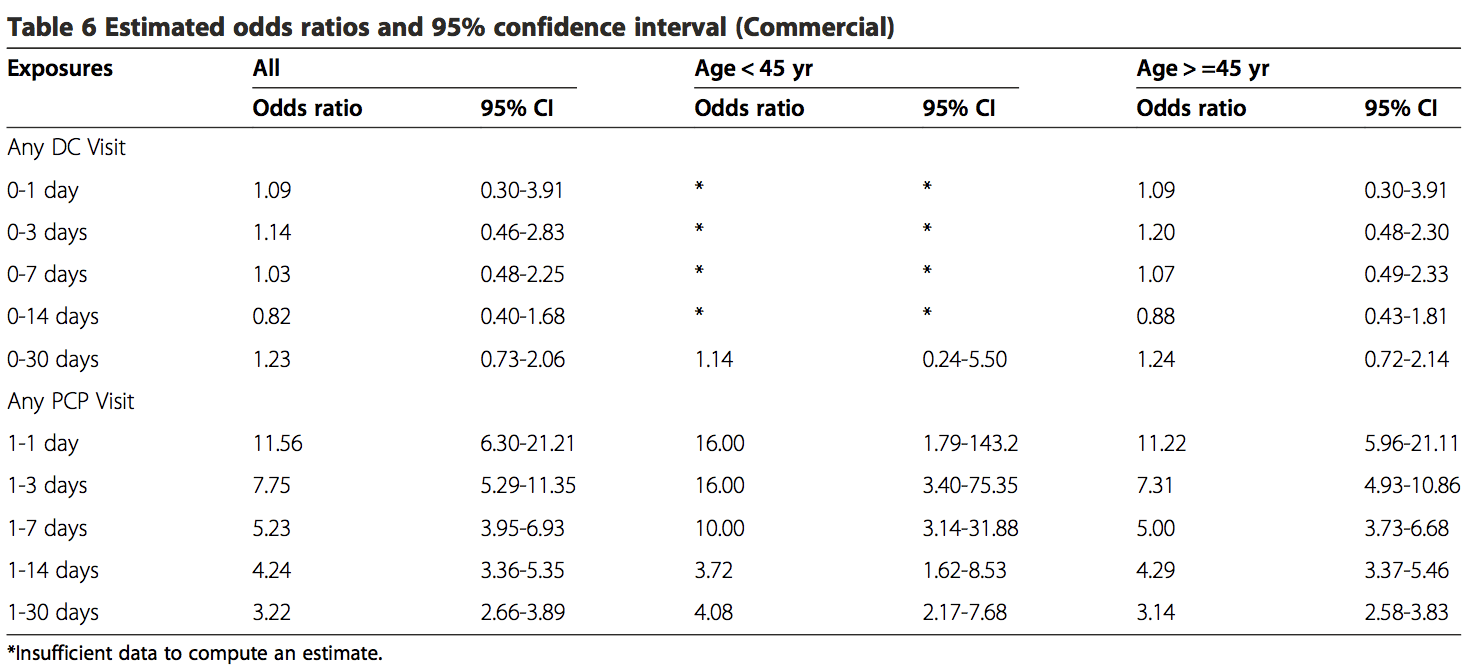
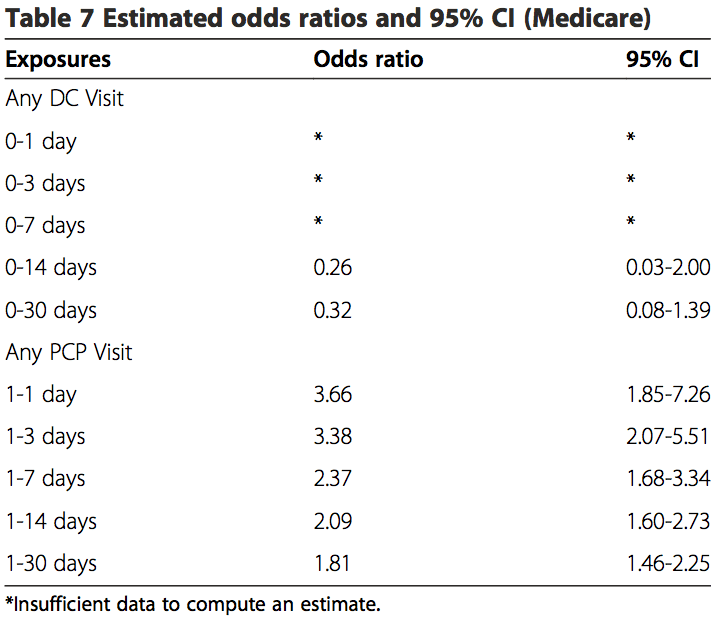
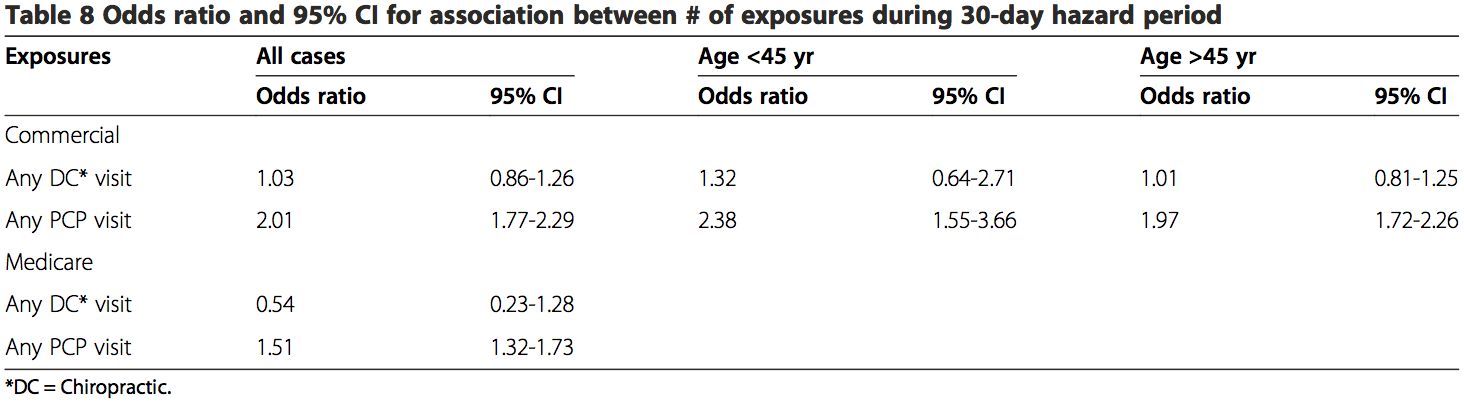
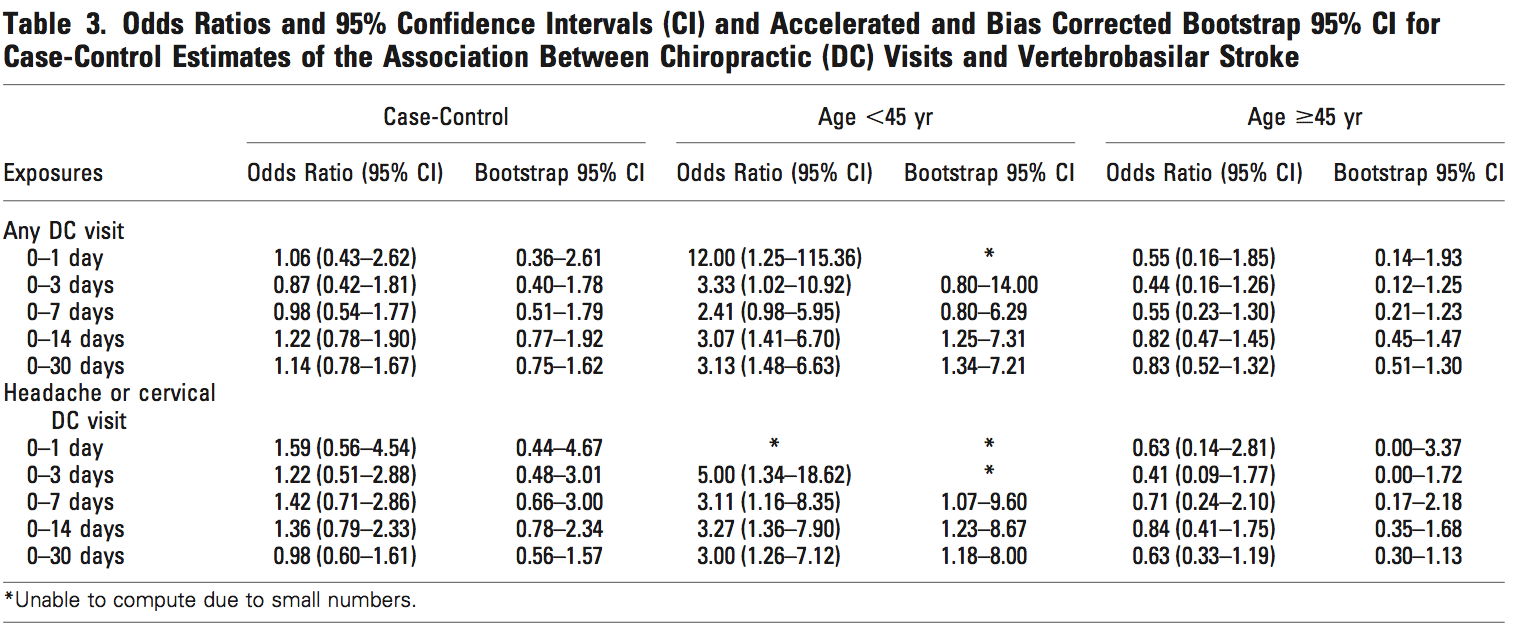
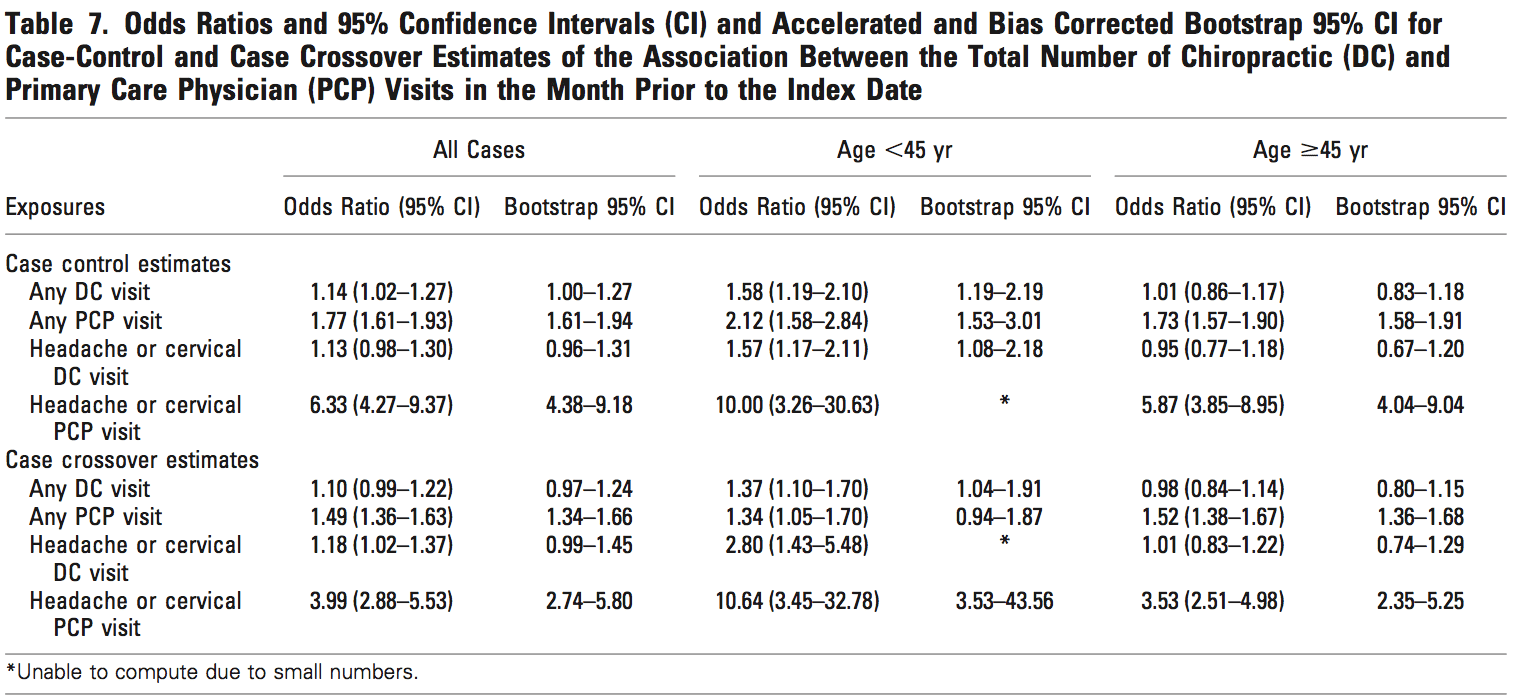
The results from the analyses of both the commercial population and the MA population were similar (Tables 6, 7 and 8). There was no association between chiropractic visits and VBA stroke found for the�overall sample, or for samples stratified by age. No estimated odds ratio was significant at the 95% confidence level. MA data were insufficient to calculate statistical measures of association for hazard periods less than 0�14 days for chiropractic visits. When stratified by age, the data were too sparse to calculate measures of association for hazard periods less than 0�30 days in the commercial population. The data were too few to analyze associative risk by headache and/or neck pain diagnoses (data not shown).
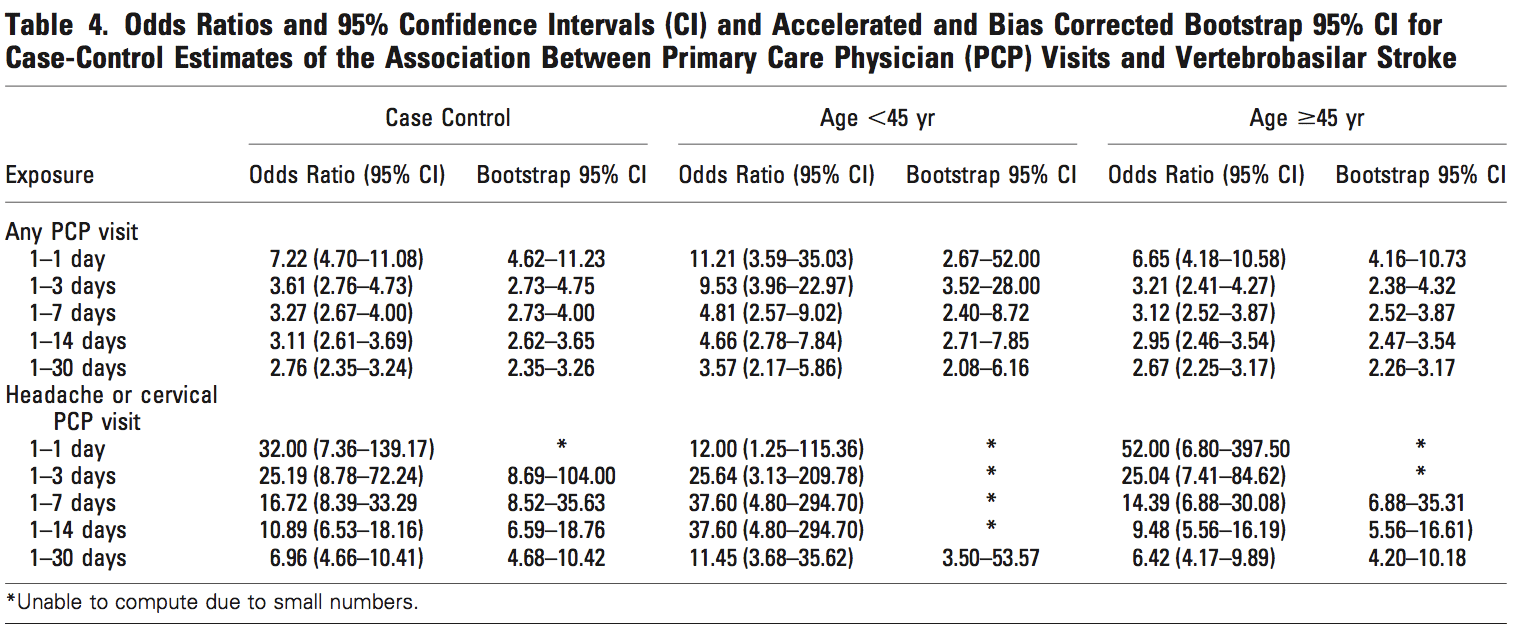
These results showed there is an association existing between PCP visits and VBA stroke incidence regardless of age or length of hazard period. A strong association was found for those visits close to the index date (OR 11.56; 95% CI 6.32-21.21) for all patients with a PCP visit within 0�1 day hazard period in the commercial sample. There was an increased risk of VBA stroke associated with each PCP visit within 30-days prior to the index date for MA patients (OR 1.51; 95% CI 1.32-1.73) and commercial patients (OR 2.01; 95% CI 1.77-2.29).
The findings of the secondary analysis showed � that of 1159 stroke cases from commercial population � there were a total of 19 stroke cases associated with chiropractic visits for which 13 (68%) had claims documentation indicating chiropractic SMT was performed. For the control group of the commercial cohort, 62 of 4633 controls had claims of any kind of chiropractic visits and 47 of 4633 controls had claims of SMT. In the commercial control group, 47 of 62 DC visits (76%) included SMT in the claims data. Only 1 of 2 stroke cases in the MA population included SMT in the claims data. For the MA cohort, 21 of 24 control chiropractic visits (88%) included SMT in the claims data (Table 9).
None of the stroke cases in either population included CPT 97140 as a substitute for the more conventionally re- ported chiropractic manipulative treatment procedural codes (98940 � 98942). For the control groups, there were three instances where CPT 97140 was reported without CPT 98940 � 98942 in the commercial population. The CPT code 97140 was not reported in MA control cohort.
Discussion
The primary aim of the present study was to investigate the association between chiropractic manipulative treatment and VBA stroke in a sample of the U.S. population. This study was modeled after a case�control design previously conducted for a Canadian population [32]. Administrative data for enrollees in a large national health care insurer were analyzed to explore the occurrence of VBA stroke across different time periods of exposure to chiropractic care in comparison with PCP care.
Unlike Cassidy et al. [32] and most other case�control studies [33,37,38], our results showed there was no significant association between VBA stroke and chiropractic visits. This was the case for both the commercial and MA populations. In contrast to two earlier case�control studies [32,33], this lack of association was found to be irrespective of age. Although, our results (Table 8) did lend credence to previous reports that VBA stroke occurs more frequently in patients under the age of 45 years. Additionally, the results from the present study did not identify a relevant temporal impact. There was no significant association, when the data were sufficient to calculate estimates, between chiropractic visits and stroke regardless of the hazard period (timing of most recent visit to a chiropractor and the occurrence of stroke).
There are several possible reasons for the variation in results with previous similar case�control studies. The younger (<45 yrs.) commercial cohort that received chiropractic care in our study had noticeably fewer cases. The 0�30 days hazard period included only 2 VBA stroke cases. There were no stroke cases for other hazard periods in this population. In contrast, earlier studies reported sufficient cases to calculate risk estimates for most hazard periods [32,33].
Another factor that potentially influenced the difference in results concerns the accuracy of hospital claims data in the U.S. vs. Ontario, Canada. The source population in the Province of Ontario was identified, in part, from the Discharge Abstract Database (DAD). The DAD includes hospital discharge and emergency visit diagnoses that have undergone a standardized assessment by a medical records coder [39]. To the best of our know- ledge, similar quality management practices were not routinely applied to hospital claims data used in sourcing the population for our study.
An additional reason for the disparity in results may be due to differences in the proportions of chiropractic visits where SMT was reportedly performed. Our study showed that SMT was not reported by chiropractors in more than 30% of commercial cases. It is plausible that a number of the cases in earlier studies also did not�include SMT as an intervention. Differences between studies in the proportion of cases reporting SMT may have affected the calculation of risk estimates.
Also, there were an insufficient number of cases having cervical and/or headache diagnoses in our study. Therefore, our sample population may have included proportionally less cases where cervical manipulation was performed.
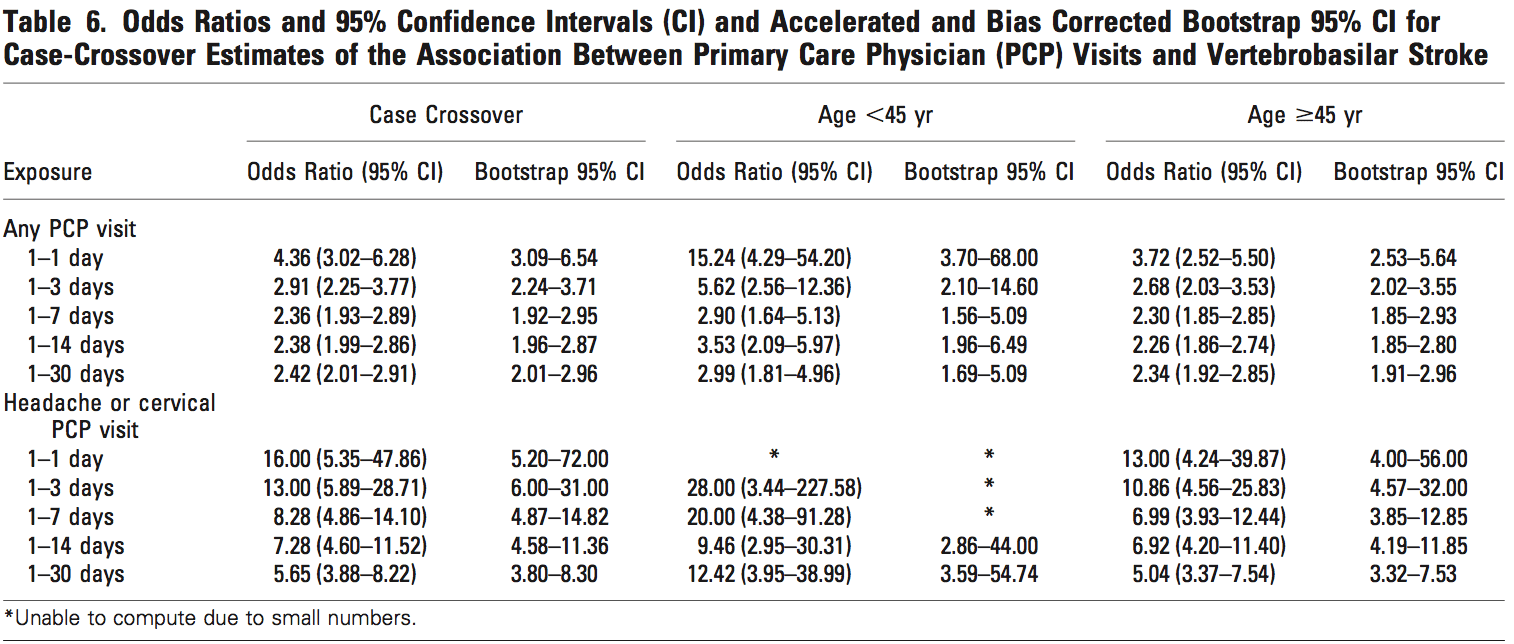
Our results were consistent with previous findings [32,33] in showing a significant association between PCP visits and VBA stroke. The odds ratios for any PCP visit increase dramatically from 1�30 days to 1�1 day (Tables 6 and 7). This finding is consistent with the hypothesis that patients are more likely to see a PCP for symptoms related to vertebral artery dissection closer to the index date of their actual stroke. Since it is unlikely that the services provided by PCPs cause VBA strokes, the association�between recent PCP visits and VBA stroke is more likely attributable to the background risk related to the natural history of the condition [32].
A secondary goal of our study was to assess the utility of employing chiropractic visits as a surrogate for SMT. Our findings indicate there is a high risk of bias associated with using this approach, which likely overestimated the strength of association. Less than 70% of stroke cases (commercial and MA) associated with chiropractic care included SMT. A somewhat higher proportion of chiropractic visits included SMT for the control groups (commercial = 76%; MA = 88%).
There are plausible reasons that support these findings. Internal analyses of claims data (not shown) consistently demonstrate that one visit is the most common number associated with a chiropractic episode of care. The single visit may consist of an evaluation without treatment such as SMT. Further; SMT may have been viewed as contraindicated due to signs and symptoms of vertebral artery dissection (VAD) and/or stroke. This might explain the greater proportion of SMT provided to control groups in both the commercial and MA populations.
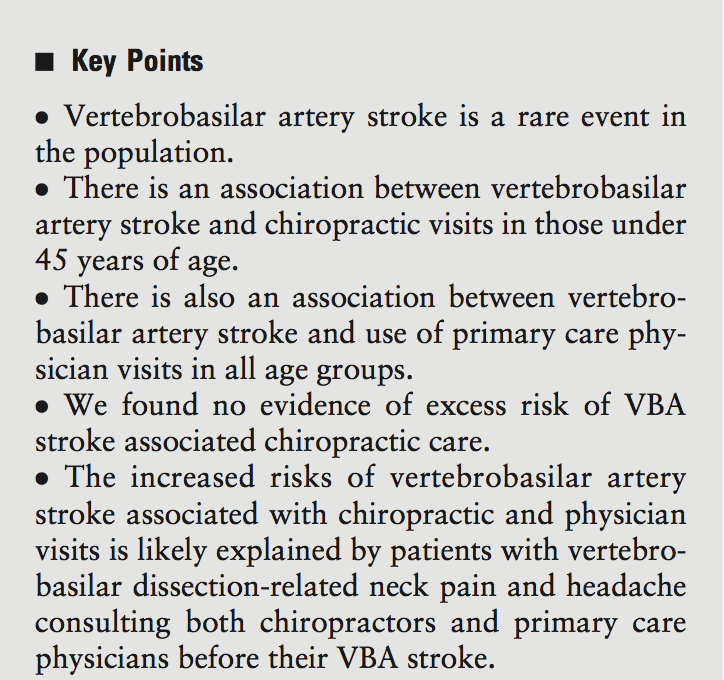
Overall, our results increase confidence in the findings of a previous study [32], which concluded there was no excess risk of VBA stroke associated chiropractic care compared to primary care. Further, our results indicate there is no significant risk of VBA stroke associated with chiropractic care. Additionally, our findings highlight the potential flaws in using a surrogate variable (chiropractic visits) to estimate the risk of VBA stroke in association with a specific intervention (manipulation).
Our study had a number of strengths and limitations. Both case and control data were extracted from the same source population, which encompassed national health plan data for approximately 36 million�commercial and 3 million MA members. A total of 1,829 cases were identified, making this the largest case� control study to investigate the association between chiropractic manipulation and VBA stroke. Due to the nationwide setting and large sample size, our study likely reduced the risk of bias related to geographic factors. However, there was a risk of selection bias � owing to the data set being from a single health insurer � including income status, workforce participation, and links to health care providers and hospitals.
Our study closely followed a methodological approach that had previously been described [32], thus allowing for more confident comparisons.
The current investigation analyzed data for a number of comorbid conditions that have been identified as potentially modifiable risk factors for a first ischemic stroke [40]. The differences between groups were statistically significant for most comorbidities. Information was not obtainable about behavioral comorbid factors e.g., smoking and body mass. With the exception of hypertensive disease, there are reasons to question the clinical significance of these conditions in the occurrence of ischemic stroke due to vertebral artery dissection. A large multinational case-referent study investigated the association between vascular risk factors (history of vascular disease, hypertension, smoking, hypercholesterolemia, diabetes mellitus, and obesity/overweight) for ischemic stroke and the occurrence of cervical artery dissection [41]. Only hypertension had a positive association (odds ratio 1.67; 95% confidence interval, 1.32 to 2.1; P <0.0001) with cervical artery dissection.
While the effect of other unmeasured confounders cannot be discounted, there is reason to suspect the absence of these data was not deleterious to the results. Cassidy, et al. found no significant differences in the results their case-crossover design, which affords better control of unknown confounding variables, and the findings of their case�control study [32].
Our results highlight just how unusual VBA stroke is in the MA cohort (prevalence = 0.021%) and � even more so � for the commercial population (prevalence = 0.0032%). As a result, some limitations of this study re- lated to the rarity of reporting VBA stroke events. Despite the larger number of cases, data were insufficient to calculate estimates and confidence intervals for seven measures of exposure (4 commercial and 3 MA) for chiropractic visits. Additionally, we were not able to compute estimates specifically for headache and neck pain diagnoses due to small numbers. Confidence intervals associated with estimates tended to be wide making the results imprecise [42].
There were limitations related to the use of administrative claims data. �Disadvantages of using secondary data for research purposes include: variations in coding from hospital to hospital or from department to department, errors in coding and incomplete coding, for example in the presence of comorbidities. Random errors in coding and registration of discharge diagnoses may dilute and attenuate estimates of statistical association� [43]. The recordings of unvalidated hospital discharge diagnostic codes for stroke have been shown to be less precise when compared to chart review [44,45] and validated patient registries�[43,46]. Cassidy, et al. [32] conducted a sensitivity analysis to determine the effect of diagnostic misclassification bias. Their conclusions did not change when the effects of misclassification were assumed to be similarly distributed between chiropractic and PCP cases.
A particular limitation in using administrative claims data is the paucity of contextual information surround- ing the clinical encounters between chiropractors/PCPs and their patients. Historical elements describing the occurrence/absence of recent trauma or activities reported in case studies [47-51] as potential risk factors for VBA stroke were not available in claims data. Confidence was low concerning the ability of claims data to provide accurate and complete reporting of other health disorders, which have been described in case�control designs as being associated with the occurrence of VBA stroke e.g., migraine [52] or recent infection [53]. Symptoms and physical examination findings that would have permitted further stratification of cases were not reported in the claims data.
The reporting of clinical procedures using current pro- cedural terminology (CPT) codes presented additional shortcomings concerning the accuracy and interpretation of administrative data. One inherent constraint was the lack of anatomic specificity associated with the use of standardized procedural codes in claims data. Chiropractic manipulative treatment codes (CPT 98940 � 98942) have been formatted to describe the number of spinal regions receiving manipulation. They do not identify the particular spinal regions manipulated.
Also, treatment information describing the type(s) of manipulation was not available. When SMT was re- ported, claims data could not discriminate among the range of techniques including thrust or rotational manipulation, various non-thrust interventions e.g., mechanical instruments, soft tissue mobilizations, muscle energy techniques, manual cervical traction, etc. Many of these techniques do not incorporate the same bio- mechanical stressors associated with the type of manipulation (high velocity low amplitude) that has been investigated as a putative risk factor for VBA stroke [54-56]. It seems plausible that the utility of future VBA stroke research would benefit from explicit descriptions of the particular type of manipulation performed.
Moreover, patient responses to care � including any adverse events suggestive of vertebral artery dissection or stroke-like symptoms � were not obtainable in the data set used for the current study.
In the absence of performing comprehensive clinical chart audits, it is not possible to know from claims data what actually transpired in the clinical encounter. Further, chart notes may themselves be incomplete or otherwise fail to precisely describe the nature of interventions [57]. Therefore, manipulation codes represent surrogate
measures, albeit more direct surrogate measures, than simply using the exposure to chiropractic visits.
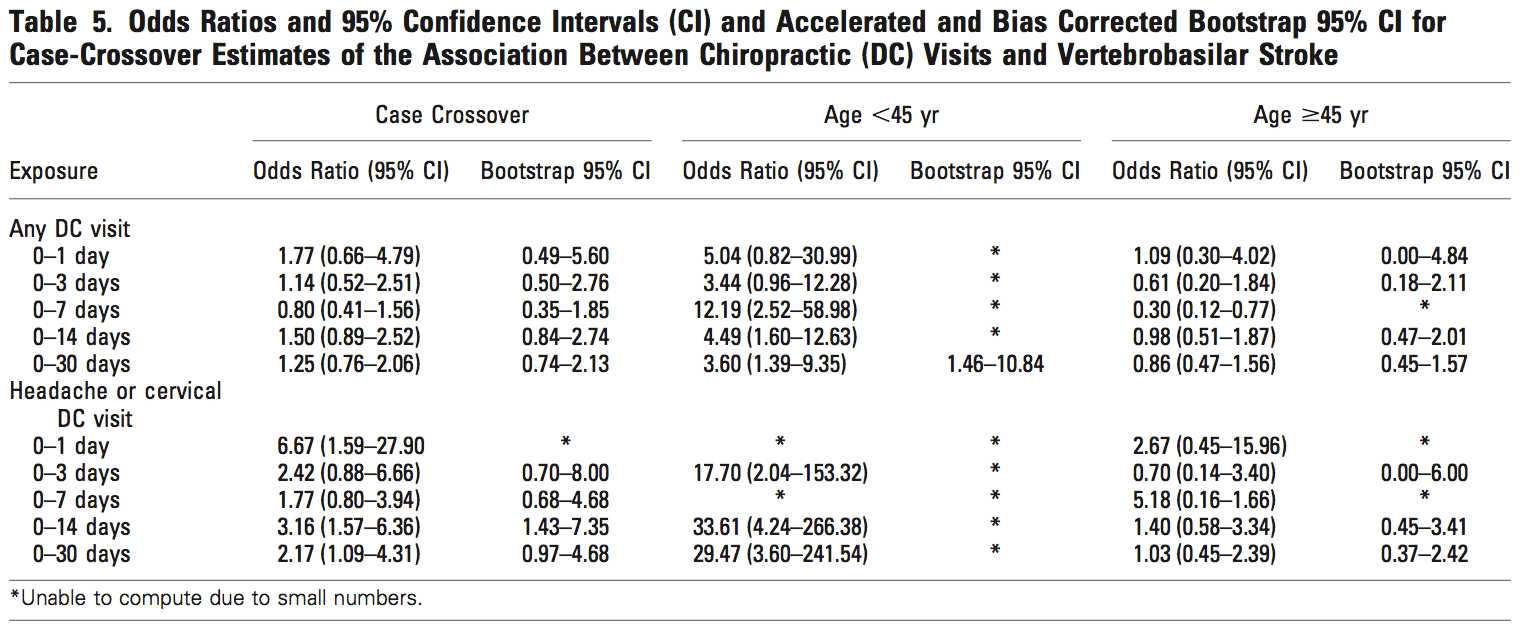
Our study was also limited to replication of the case� control design described by Cassidy, et al. [32]. For pragmatic reasons, we did not attempt to conduct a case-crossover design. While the addition of a case- crossover design would have provided better control of confounding variables, Cassidy, et al. [32] showed the results were similar for both the case control and case crossover studies.
The findings of this case�control study and previous retrospective research underscore the need to rethink how to better conduct future investigations. Researchers should seek to avoid the use of surrogate measures or use the least indirect measures available. Instead, the focus should be on capturing data about the types of services and not the type of health care provider.
In alignment with this approach, it is also important for investigators to access contextual data (e.g., from electronic health records), which can be enabled by qualitative data analysis computer programs [58]. The acquisition of the elements of clinical encounters � including history, diagnosis, intervention, and adverse events � can provide the infrastructure for more action- able research. Because of the rarity of VBA stroke, large data sets (e.g., registries) containing these elements will be necessary to achieve adequate statistical power for making confident conclusions.
Until research efforts produce more definitive results, health care policy and clinical practice judgments are best informed by the evidence about the effectiveness of manipulation, plausible treatment options (including non-thrust manual techniques) and individual patient values [20].
Conclusions
Our findings should be viewed in the context of the body of knowledge concerning the risk of VBA stroke. In contrast to several other case�control studies, we found no significant association between exposure to chiropractic care and the risk of VBA stroke. Our secondary analysis clearly showed that manipulation may or may not have been reported at every chiropractic visit. Therefore, the use of chiropractic visits as a proxy for manipulation may not be reliable. Our results add weight to the view that chiropractic care is an unlikely cause of VBA strokes. However, the current study does not exclude cervical manipulation as a possible cause or contributory factor in the occurrence of VBA stroke.
Authors’ Contributions
DE conceived of the study, and participated in its design and coordination. JT participated in the design of the study, performed the statistical analysis and helped to draft the manuscript. TMK participated in the design and coordination of the study, and wrote the initial draft and revisions of the manuscript. WMB participated in the coordination of the study and the statistical analysis, and helped to draft the manuscript. All authors contributed to the interpretation of the data. All authors read and approved the final manuscript.
Author Details
1Optum Health � Clinical Programs at United Health Group, 11000 Optum Circle, Eden Prairie MN 55344, USA. 2Optum Health � Clinical Analytics at United Health Group, 11000 Optum Circle, Eden Prairie MN 55344, USA.
Received: 14 October 2014 Accepted: 28 April 2015
Published Online: 16 June 2015
References
1. Paulose R, Hertz R. The burden of pain among adults in the United States. In Pfizer Facts. Edited by Pfizer Inc. 2008. [http://www.pfizer.com/files/products/PF_Pain.pdf] Accessed May 14, 2014.
2. Carroll L, Hogg-Johnson S, van der Velde G, Haldeman S, Holm L, Carragee E, et al. Bone and Joint Decade 2000�2010 Task Force on Neck Pain and Its Associated Disorders: Course and prognostic factors for neck pain in the
general population: results of the Bone and Joint Decade 2000�2010 Task Force on Neck Pain and Its Associated Disorders. Spine (Phila Pa 1976).2008;33(4 Suppl):S75�82.
3. Hoy D, Protani M, De R, Buchbinder R. The epidemiology of neck pain. Best Pract Res Clin Rheumatol. 2010;24(6):783�92.
4. Jacobs J, Andersson G, Bell J, Weinstein S, Dormans J, Gnatz S, et al. Spine: low back and neck pain. In The Burden of Musculoskeletal Diseases in the United States. Chapter 2. Edited by Bone and Joint Decade USA
2002�2011. Rosemont, IL: The American Academy of Orthopaedic Surgeons; 2008:21�56.
5. Christensen M, Kollasch M, Hyland J, Rosner A. Chapter 8 � Patient Conditions. In Practice Analysis of Chiropractic: A Project Report, Survey Analysis, and Summary of the Practice of Chiropractic Within the United States. Greeley, CO: The National Board of Chiropractic Examiners. 2010:95�120.
6. Christensen M, Kollasch M, Hyland J, Rosner A. Chapter 9 � Professional functions and treatment procedures. In Practice Analysis of Chiropractic: A Project Report, Survey Analysis, and Summary of the Practice of
Chiropractic Within the United States. Greeley, CO: The National Board of Chiropractic Examiners. 2010:121�136.
7. D�Sylva J, Miller J, Gross A, Burnie S, Goldsmith G, Graham N, et al. Manual therapy with or without physical medicine modalities for neck pain: a systematic review. Man Ther. 2010;15(4):415�33.
8. Gross A, Miller J, D�Sylva J, Burnie S, Goldsmith G, Graham N, et al. Manipulation or mobilisation for neck pain: A Cochrane review. Man Ther. 2010;15(4):315�33.
9. Bryans R, Decina P, Descarreaux M, Duranleau M, Marcoux H, Potter B, et al. Evidence-based guidelines for the chiropractic treatment of adults with neck pain. J Manipulative Physiol Ther. 2014;37(1):42�63.
10. Bryans R, Descarreaux M, Duranleau M, Marcoux H, Potter B, Ruegg R, et al. Evidence-based guidelines for the chiropractic treatment of adults withheadache. J Manipulative Physiol Ther. 2011;34(5):274�89.
11. Childs J, Cleland J, Elliott J, Teyhen D, Wainner R, Whitman J, et al. Neck pain: clinical practice guidelines linked to the International Classification of Functioning, Disability, and Health from the Orthopaedic
Section of the American Physical Therapy Association. J Orthop Sports Phys Ther. 2008;38(9):A1�A34.
12. Clar C, Tsertsvadze A, Court R, Hundt G, Clarke A, Sutcliffe P. Clinical effectiveness of manual therapy for the management of musculoskeletal and non-musculoskeletal conditions: systematic review and update of UK
evidence report. Chiropr Man Therap. 2014;22(1):12.
13. Vincent K, Maigne J, Fischhoff C, Lanlo O, Dagenais S. Systematic review of manual therapies for nonspecific neck pain. Joint Bone Spine. 2013;80(5):508�15.
14. Bronfort G, Assendelft W, Evans R, Haas M, Bouter L. Efficacy of spinal manipulation for chronic headache: a systematic review. J Manipulative Physiol Ther. 2001;24(7):457�66.
15. Chaibi A, Tuchin P, Russell M. Manual therapies for migraine: a systematic review. J Headache Pain. 2011;12(2):127�33.
16. Racicki S, Gerwin S, Diclaudio S, Reinmann S, Donaldson M. Conservative physical therapy management for the treatment of cervicogenic headache: a systematic review. J Man Manip Ther. 2013;21(2):113�24.
17. Cassidy J, Bronfort G, Hartvigsen J. Should we abandon cervical spine manipulation for mechanical neck pain? No BMJ. 2012;344, e3680.
18. Wand B, Heine P, O�Connell N. Should we abandon cervical spine manipulation for mechanical neck pain? Yes BMJ. 2012;344, e3679.
19. Moloo J. What’s the Best Approach for Managing Neck Pain? NEJM Journal Watch 2012. [http://www.jwatch.org/jw201202090000004/2012/02/09/whats-best-approach-managing-neck-pain] Accessed May 14, 2014.
20. Schneider M, Weinstein S, Chimes G. Cervical manipulation for neck pain. PM&R. 2012;4(8):606�12.
21. Biller J, Sacco R, Albuquerque F, Demaerschalk B, Fayad P, Long P, et al. Cervical arterial dissections and association with cervical manipulative therapy:a statement for healthcare professionals from the American Heart Association/American Stroke Association. Stroke 2014, Epub ahead of print.
22. American Chiropractic Association: ACA Response to AHA Statement on Neck Manipulation. 2014 (Aug 7). [http://www.acatoday.org/press_css.cfm? CID=5534] Accessed August 15, 2014.
23. American Physical Therapy Association: APTA responds to American Heart Association cervical manipulation paper. 2014 (Aug 7). [http://www.apta.org/Media/Releases/Consumer/2014/8/7/] Accessed August 15, 2014.
24. Kardys JA. Declaratory ruling regarding informed consent. Connecticut State Board of Chiropractic Examiners � State of Connecticut Department of Public Health. 2010. [http://www.ctchiro.com/upload/news/44_0.pdf]
Accessed May 14, 2014.
25. Wangler M, Fujikawa R, Hestb�k L, Michielsen T, Raven T, Thiel H, et al. Creating European guidelines for Chiropractic Incident Reportingand Learning Systems (CIRLS): relevance and structure. Chiropr Man
Therap. 2011;19:9.
26. Berger S: How safe are the vigorous neck manipulations done by chiropractors? Washington Post 2014 (Jan. 6). [http://www.washingtonpost.com/national/health-science/how-safe-are-the-vigorous-neck-manipulationsdone-by-chiropractors/2014/01/06/26870726-5cf7-11e3-bc56-c6ca94801fac_story.html] Accessed January 10, 2014.
27. Group wants provincial ban on some neck manipulation by chiropractors. Winnipeg Free Press 2012 (Oct 4). [http://www.winnipegfreepress.com/local/Group-wants-provincial-ban-on-some-neck-manipulation-bychiropractors-172692471.htm] Accessed May 14, 2014.
28. Gouveia L, Castanho P, Ferreira J. Safety of chiropractic interventions: a systematic review. Spine (Phila Pa 1976). 2009;34(11):E405�13.
29. Carlesso L, Gross A, Santaguida P, Burnie S, Voth S, Sadi J. Adverse events associated with the use of cervical manipulation and mobilization for the treatment of neckpain in adults: a systematic review. Man Ther. 2010;15(5):434 44.
30. Chung C, C�t� P, Stern P, L’Esp�rance G. The association between cervical spine manipulation and carotid artery dissection: a systematic review of the literature. J Manipulative Physiol Ther 2014, [Epub ahead of print].
31. Haynes M, Vincent K, Fischhoff C, Bremner A, Lanlo O, Hankey G. Assessing the risk of stroke from neck manipulation: a systematic review. Int J Clin Pract. 2012;66(10):940�7.
32. Cassidy J, Boyle E, Cote P, He Y, Hogg-Johnson S, Silver F, et al. Risk of vertebrobasilar stroke and chiropractic care: results of a population-based case�control and case-crossover study. Spine (Phila Pa 1976).
2008;33 Suppl 4:S176�83.
33. Rothwell D, Bondy S, Williams J. Chiropractic manipulation and stroke: a population-based case�control study. Stroke. 2001;32(5):1054�60.
34. Choi S, Boyle E, C�t� P, Cassidy JD. A population-based case-series of Ontario patients who develop a vertebrobasilar artery stroke after seeing a chiropractor. J Manipulative Physiol Ther. 2011;34(1):15�22.
35. U.S. Census Bureau: State and County QuickFacts. Data derived from Population Estimates, American Community Survey, Census of Population and Housing, State and County Housing Unit Estimates, County Business
Patterns, Nonemployer Statistics, Economic Census, Survey of Business Owners, Building Permits. 2014 (rev July 8). [http://quickfacts.census.gov/qfd/states/00000.html] Accessed August 19, 2014.
36. Kosanke J, Bergstralh E. GMatch Macro (SAS program): Mayo Clinic College of Medicine. 2004. [http://www.mayo.edu/research/departments-divisions/department-health-sciences-research/division-biomedical-statisticsinformatics/software/locally-written-sas-macros]Accessed June 6, 2014.
37. Smith W, Johnston S, Skalabrin E, Weaver M, Azari P, Albers G, et al. Spinal manipulative therapy is an independent risk factor for vertebral artery dissection. Neurology. 2003;60(9):1424�8.
38. Engelter S, Grond-Ginsbach C, Metso T, Metso A, Kloss M, Debette S, et al. Cervical Artery Dissection and Ischemic Stroke Patients Study Group: Cervical artery dissection: trauma and other potential mechanical trigger
events. Neurology. 2013;80(21):1950�7.
39. Ardal S, Baigent L, Bains N, Hay C, Lee P, Loomer S: The health analyst�s toolkit. Ministry of Health and Long-Term Care Health Results Team – Information Management. Ontario (CA) 2006 (January) [http://www.health.gov.on.ca/transformation/providers/information/resources/analyst_toolkit.pdf]
Accessed January 12, 2015.
40. Sacco RL, Benjamin EJ, Broderick JP, Dyken M, Easton JD, Feinberg WM, et al. American Heart Association Prevention Conference. IV. Prevention and rehabilitation of stroke. Risk factors. Stroke. 1997;28(7):1507�17.
41. Debette S, Metso T, Pezzini A, Abboud S, Metso A, Leys D, et al. Cervical Artery Dissection and Ischemic Stroke Patients (CADISP) Group: Association of vascular risk factors with cervical artery dissection and ischemic stroke in
young adults. Circulation. 2011;123(14):1537�44.
42. Guyatt G, Oxman A, Kunz R, Brozek J, Alonso-Coello P, Rind D, et al. GRADE guidelines 6. Rating the quality of evidence � imprecision. J Clin Epidemiol. 2011;64(12):1283�93.
43. Krarup L, Boysen G, Janjua H, Prescott E, Truelsen T. Validity of stroke diagnoses in a National Register of Patients. Neuroepidemiology. 2007;28(3):150�4.
44. Goldstein L. Accuracy of ICD-9-CM coding for the identification of patients with acute ischemic stroke: effect of modifier codes. Stroke. 1998;29(8):1602�4.
45. Liu L, Reeder B, Shuaib A, Mazagri R. Validity of stroke diagnosis on hospital discharge records in Saskatchewan, Canada: implications for stroke surveillance. Cerebrovasc Dis. 1999;9(4):224�30.
46. Ellekjaer H, Holmen J, Kr�ger O, Terent A. Identification of incident stroke in Norway: hospital discharge data compared with a population-based stroke register. Stroke. 1999;30(1):56�60.
47. Braksiak R, Roberts D. Amusement park injuries and deaths. An Emerg Med. 2002;39(1):65�72.
48. Dittrich R, Rohsbach D, Heidbreder A, Heuschmann P, Nassenstein I, Bachmann R, et al. Mild mechanical traumas are possible risk factors for cervical artery dissection. Cerebrovasc Dis. 2007;23(4):275�81.
49. Mas J, Bousser M, Hasboun D, Laplane D. Extracranial vertebral artery dissection: a review of 13 cases. Stroke. 1987;18(6):1037�47.
50. Slankamenac P, Jesic A, Avramov P, Zivanovic Z, Covic S, Till V. Multiple cervical artery dissection in a volleyball player. Arch Neuro. 2010;67(8):1024�5.
51. Weintraub M. Beauty parlor stroke syndrome: report of five cases. JAMA. 1993;269(16):2085�6.
52. Tzourio C, Benslamia L, Guilllon B, A�di S, Bertrand M, Berthet K, et al. Migraine and the risk of cervical artery dissection: a case control study. Neurology. 2002;59(3):435�7.
53. Guillon B, Berthet K, Benslamia L, Bertrand M, Bousser M, Tzourio C. Infection and the risk of cervical artery dissection: a case�control study. Stroke. 2003;34(7):e79�81.
54. Symons B, Leonard TR, Herzog W. Internal forces sustained by the vertebral artery during spinal manipulative therapy. J Manip Physiol Ther.2002;25(8):504�10.
55. Wuest S, Symons B, Leonard T, Herzog W. Preliminary report: biomechanics of vertebral artery segments C1-C6 during cervical spinal manipulation. J Manip Physiol Ther. 2010;33(4):273�8.
56. Herzog W, Leonard TR, Symons B, Tang C, Wuest S. Vertebral artery strains during high-speed, low amplitude cervical spinal manipulation. J Electromyogr Kinesiol. 2012;22(5):747�51.
57. Centers for Medicare & Medicaid: Comprehensive error rate testing (CERT). 2015 (Jan. 15). [http://www.cms.gov/Research-Statistics-Data-and-Systems/Monitoring-Programs/Medicare-FFS-Compliance-Programs/CERT/index.html?redirect=/cert] Accessed February 4, 2015.
58. Welsh E: Dealing with data: using NVivo in the qualitative data analysis process. Forum: Qualitative Social Research 2002, 3(2): Art. 26 [http://nbnresolving.de/urn:nbn:de:0114-fqs0202260] Accessed February 4, 2015.
Disclosures can be found in Additional Information at the end of the article
Background
Case reports and case control studies have suggested an association between chiropractic neck manipulation and cervical artery dissection (CAD), but a causal relationship has not been established. We evaluated the evidence related to this topic by performing a systematic review and meta-analysis of published data on chiropractic manipulation and CAD.
Methods
Search terms were entered into standard search engines in a systematic fashion. The articles were reviewed by study authors, graded independently for class of evidence, and combined in a meta-analysis. The total body of evidence was evaluated according to GRADE criteria.
Results
Our search yielded 253 articles. We identified two class II and four class III studies. There were no discrepancies among article ratings (i.e., kappa=1). The meta-analysis revealed a small association between chiropractic care and dissection (OR 1.74, 95% CI 1.26-2.41). The quality of the body of evidence according to GRADE criteria was “very low.”
Conclusions
The quality of the published literature on the relationship between chiropractic manipulation and CAD is very low. Our analysis shows a small association between chiropractic neck manipulation and cervical artery dissection. This relationship may be explained by the high risk of bias and confounding in the available studies, and in particular by the known association of neck pain with CAD and with chiropractic manipulation. There is no convincing evidence to support a causal link between chiropractic manipulation and CAD. Belief in a causal link may have significant negative consequences such as numerous episodes of litigation.
� Copyright 2016
Church et al. This is an open access article distributed under the terms of the Creative Commons Attribution License CC-BY 3.0., which permits unrestricted use, distribution, and reproduction in any medium, provided the original author and source are credited.
How to cite this article
Church E W, Sieg E P, Zalatimo O, et al. (February 16, 2016) Systematic Review and Meta-analysis of Chiropractic Care and Cervical Artery Dissection: No Evidence for Causation. Cureus 8(2): e498. DOI 10.7759/cureus.498
Neck pain is a common complaint in physicians� and chiropractors� offices. Data from the Centers for Disease Control and from national surveys document 10.2 million ambulatory care visits for a neck problem in 2001 and 2002. By comparison, there were 11 million office-based visits for ischemic heart disease [1]. Many patients with neck pain seek chiropractic care and undergo cervical manipulation. As many as 12% of North Americans receive chiropractic care every year, and a majority of these are treated with spinal manipulation [2].
In contrast to the frequency of neck pain and chiropractic treatments, spontaneous cervical artery dissection (CAD) is rare. The annual incidence of internal carotid artery dissection has been estimated at 2.5�3 per 100,000 patients and that of vertebral artery dissection at 1�1.5 per 100,000 [3]. Stroke occurs in a small proportion of those with CAD, and its true incidence is difficult to estimate. Overall, dissection accounts for two percent of all ischemic strokes [4].
Case reports and case series of cervical dissection following manipulation have been published. Despite their rarity, these cases are frequently publicized for several reasons. Patients are often young and otherwise in good health. Dissection accounts for 10�25% of ischemic strokes in young and middle aged patients [4]. If dissection is caused by cervical manipulation it is potentially a preventable condition. Recent reports, including case control studies, have suggested an association between chiropractic neck manipulation and cervical dissection [5- 10]. Notably, a recent study from the American Heart Association evaluated the available evidence and concluded such an association exists [11]. This report did not include a meta- analysis, nor did it seek to classify studies and grade the body of evidence. We sought to examine the strength of evidence related to this question by performing a systematic review, meta-analysis, and evaluation of the body of evidence as a whole.
Materials & Methods
Search terms �chiropract*,� �spinal manipulation,� �carotid artery dissection,� �vertebral artery dissection,� and �stroke� were included in the search. We used the Medline and Cochrane databases. We additionally reviewed references of key articles for completeness. A librarian with expertise in systematic review was consulted throughout the search process.
Two study authors independently reviewed all articles (EC, ES). They selected any applicable studies for evaluation based on pre-specified inclusion and exclusion criteria. We included only human trials examining patients with carotid or vertebrobasilar artery dissection and recent chiropractic neck manipulation. We excluded non-English language studies. The articles were independently graded using the classification of evidence scheme adopted by the American Academy of Neurology [12-14]. A third author (MG) arbitrated any discrepancies in the class- of-evidence ratings for the included studies.
Data from all class II and III studies were included in a meta-analysis. A second meta-analysis excluding class III studies was also performed. The inverse variance method and a fixed effects model were employed. Additionally, we report results using a variable effects model. The analyses were performed using RevMan 5.3 software from the Cochrane Informatics and Knowledge Management Department. We did not compose a protocol for our review, although PRISMA and MOOSE methodologies were used throughout [15-16].
We evaluated the total body of evidence for quality using the GRADE system [17-20]. A final GRADE designation was achieved by consensus after discussions involving all study authors as recommended by GRADE guidelines. This system is designed to assess the total body of evidence rather than individual studies. The criteria include study design, risk of bias, inconsistency, indirectness, imprecision, publication bias, effect size, dose response, and all plausible residual confounding. Four possible final designations are specified: high, moderate,�low, and very low quality.
Results
Results of the systematic review
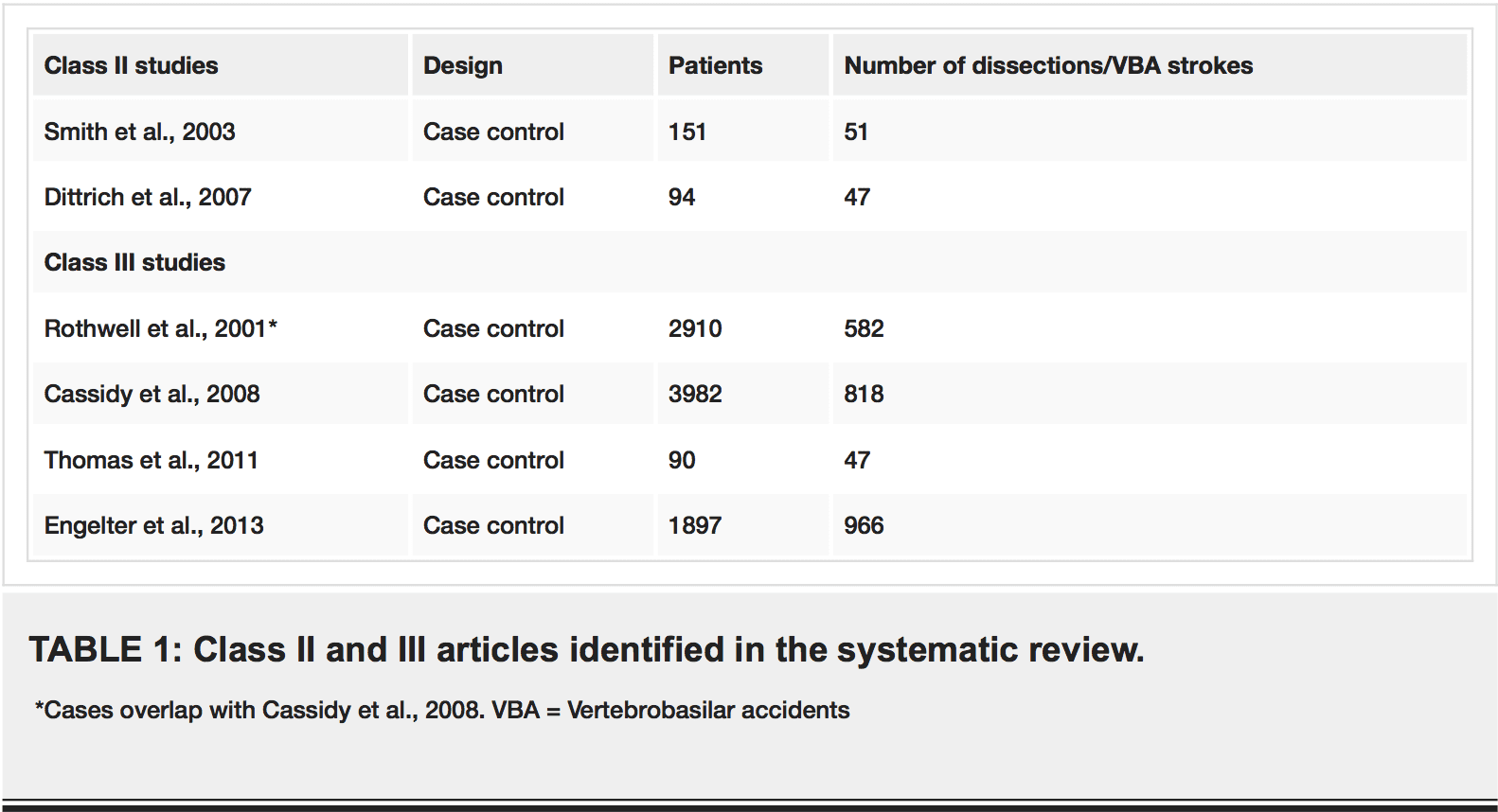
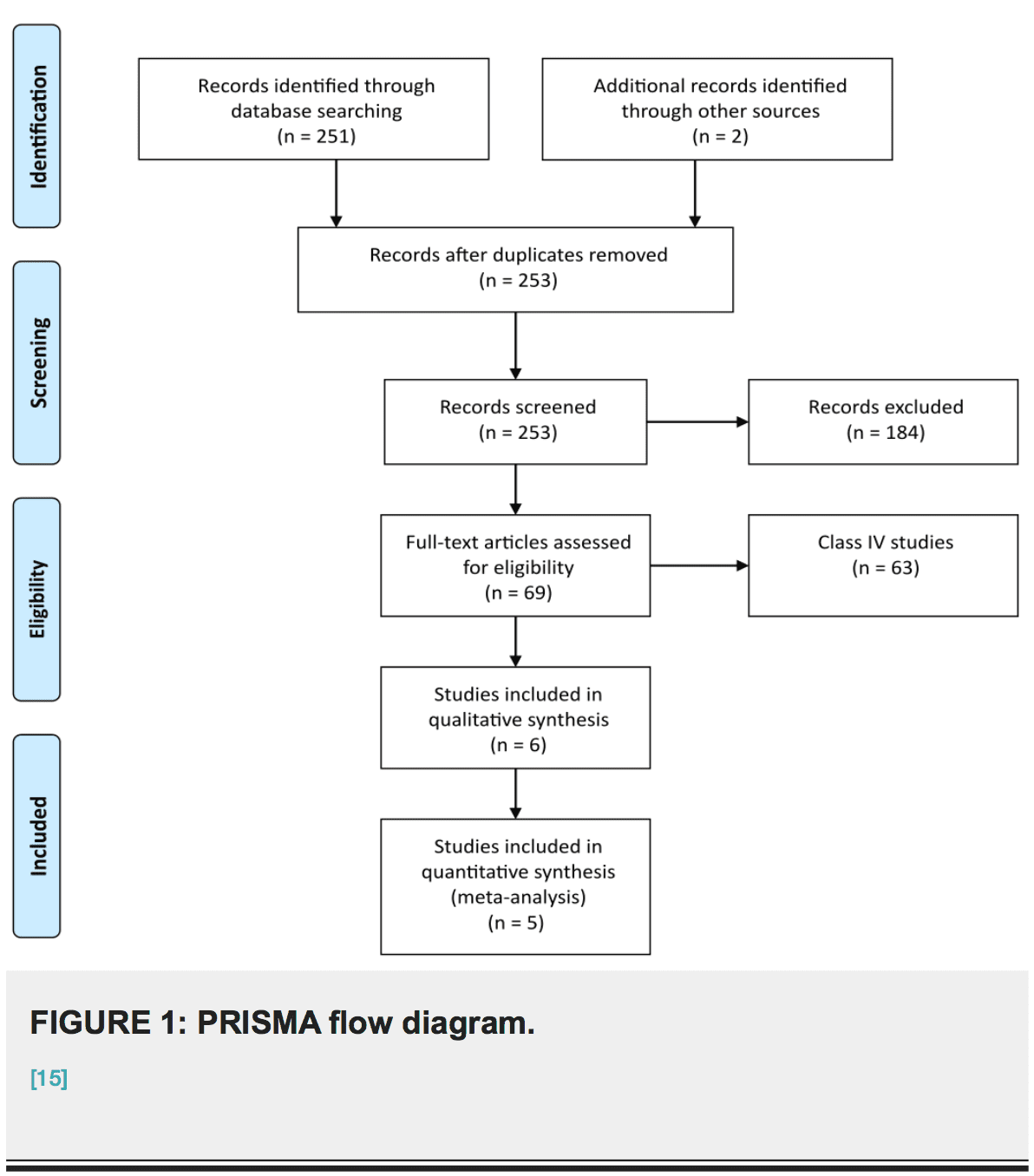
Our search strategy yielded 253 articles. Seventy-seven were judged by all reviewers to be non- relevant. Four articles were judged to be class III studies, and two were rated class II. There were no discrepancies between the independent ratings (i.e., kappa=1). Studies rated class III or higher are listed in Table 1. Figure 1 outlines our process of selecting studies for inclusion in the meta-analysis.
Meta-Analysis
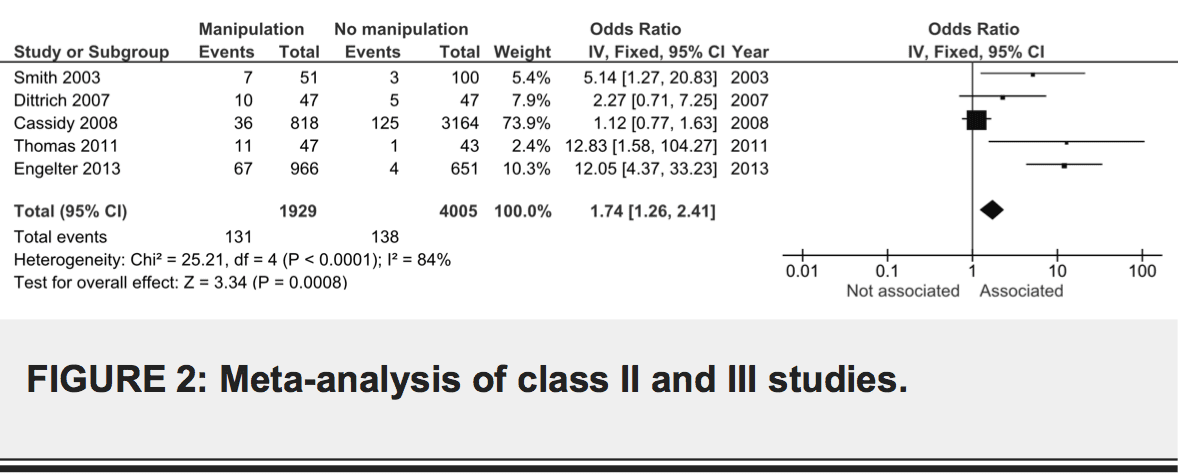
Combined data from class II and III studies suggests an association between dissection and chiropractic care, OR 1.74, 95% CI 1.26-2.41 (Figure 2). The result was similar using a random effects model, OR 4.05, 95% CI 1.27-12.91. We did not include the study by Rothwell et al. because it describes a subset of patients in the study by Cassidy et al. [5,8]. There was considerable heterogeneity among the studies (I2=84%).
We repeated the meta-analysis excluding class III studies. The combined effect size was again indicative of a small association between dissection and chiropractic care, OR 3.17, 95% CI 1.30-7.74). The result was identical when using a random effects model.
Class II Studies
Smith et al. used a retrospective case control design, combining databases from two academic stroke centers to identify cases of arterial dissection [9]. They found 51 cases and 100 controls. Exposure to spinal manipulative therapy (SMT) was assessed by mail survey. The authors reported an association between SMT and VBA (P = .032). In multivariate analysis, chiropractor care within 30 days was associated with VBA, even when adjusting for neck pain or headache (OR 6.6, 95% CI 1.4-30). While this study controlled for possible confounders such as neck pain, there were several limitations. Head and neck pain as well as chiropractor visit were assessed in a retrospective fashion by mail survey, very possibly introducing both recall and survivor bias. The reason for reporting to the chiropractor (e.g., trauma) was not assessed. Further, there was significant variability among diagnostic procedures, which may reflect increased motivation by physicians to rule out dissection in patients with a history of SMT. Such motivation could result in interviewer bias.
Dittrich et al. compared 47 patients with CAD to a control group with stroke due to etiologies other than dissection [6]. They assessed for risk factors using a face-to-face interview with blinding. These authors found no association between any individual risk factor and CAD, including cervical manipulative therapy. They blame the small sample size for the negative result, and they point out that cumulative analysis of all mechanical risk factors <24 hours prior to symptom onset showed an association (P = .01). This study is subject to recall bias.
Class III Studies
Rothwell et al. used a retrospective case control design to test for an association between chiropractic manipulation and vertebrobasilar accidents (VBA) [8]. They reviewed Ontario hospital records for admissions for VBA from 1993�1998. There were 582 cases and 2328 matching controls. The authors report an association between VBA and visit to a chiropractor within one week (OR 5.03, 95% CI 1.32-43.87), but this was only true for young patients (<45 years). This study represented the first attempt to delineate the association between chiropractic manipulation and extremely rare VBA with controls. Limitations included requisite use of ICD-9 codes to identify cases and associated classification bias, as well as potential unmeasured confounders (e.g., neck pain).
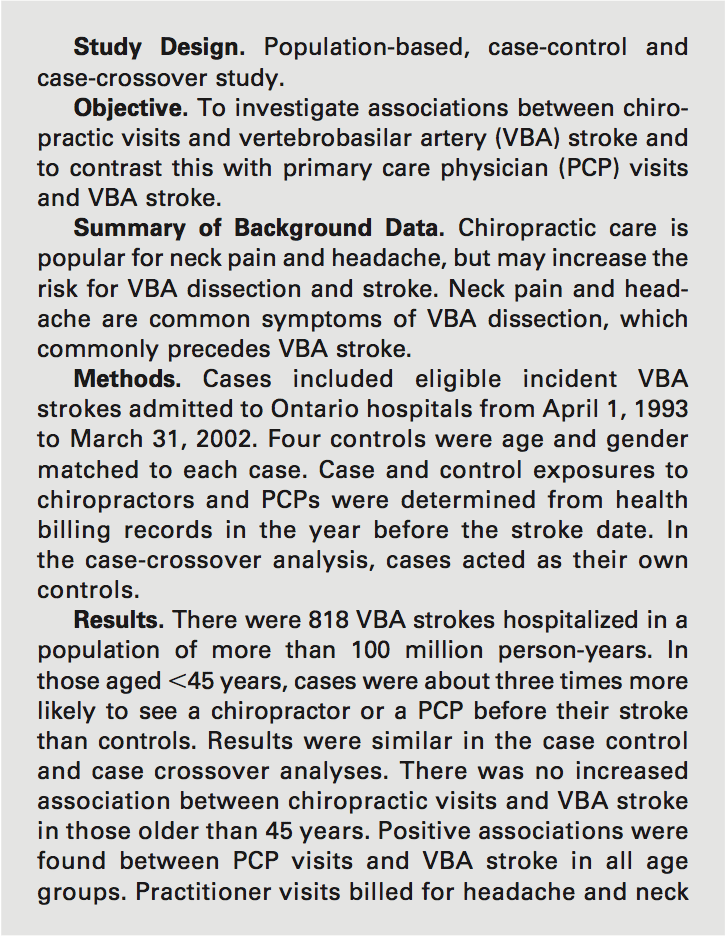
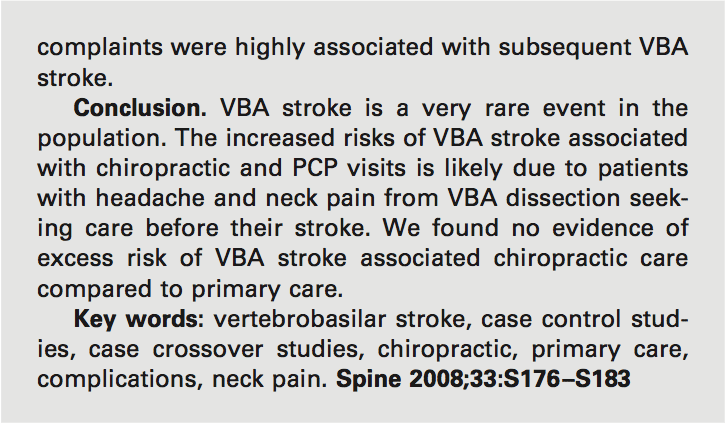
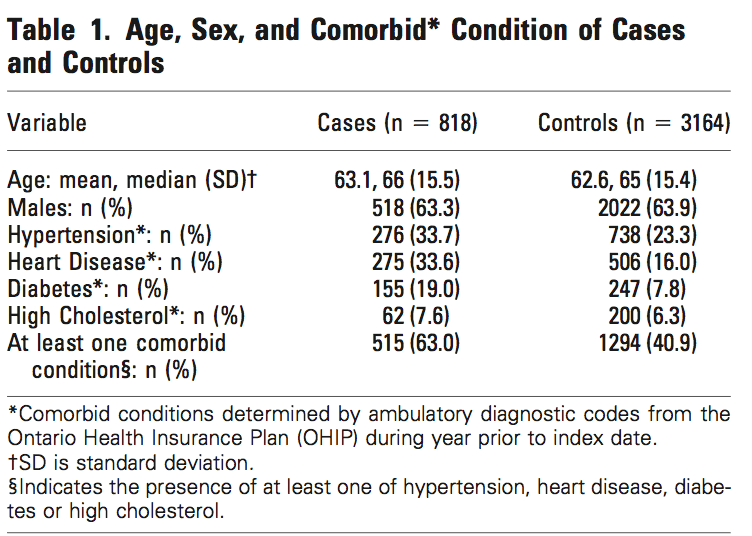
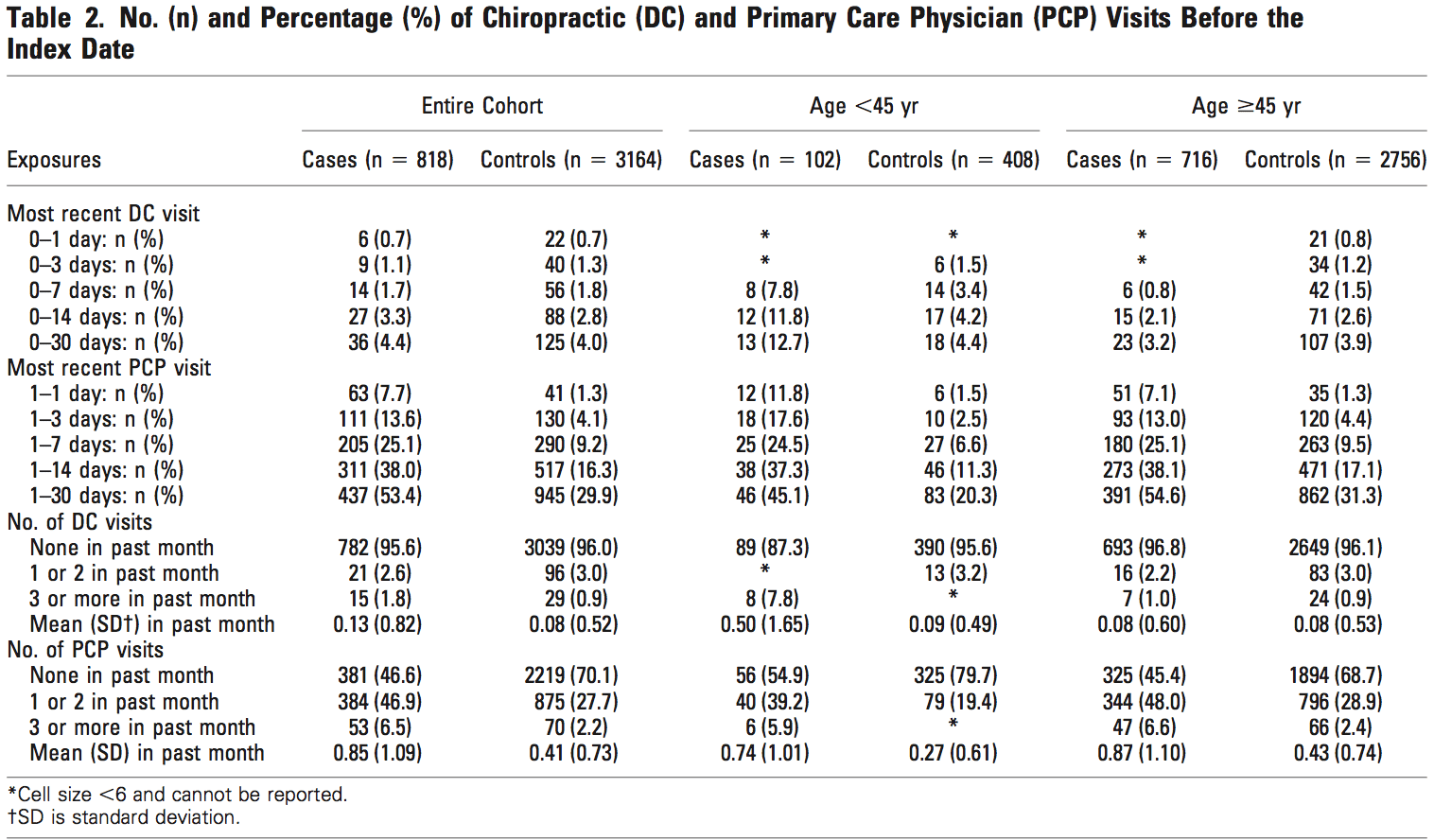
In 2008, Cassidy et al. set out to address the problem of neck pain possibly confounding the association between chiropractic care and VBA [5]. Again using a retrospective case control design, they included all residents of Ontario over a period of 9 years (1993�2002, 109,020,875 person years of observation). They identified 818 VBA strokes resulting in hospitalization and randomly selected age and sex matched controls. Next, they examined ambulatory encounters with chiropractors and primary care physicians (PCPs) in the one year preceding the stroke, limited to cervical manipulation, neck pain, and headache. Associations between chiropractor visit and VBA versus PCP visits and VBA were compared. Indeed, there were associations between both chiropractor visit and VBA (<45yrs OR 1.37, 95% CI 1.04-1.91), and PCP visit and VBA (<45 yrs OR 1.34, 95% CI .94-1.87; >45 yrs and OR 1.53, 95% CI 1.36-1.67). The association for chiropractor visit was not greater than for PCP visit. This data was interpreted as evidence that a confounder such as neck pain may account for the association between chiropractor visit and VBA. This study was subject to many of the same limitations as previous efforts. Canadian health records would not reveal whether a patient with cervical complaints underwent cervical manipulation, and the researchers could not review each chart for imaging confirming dissection. Additionally, the incidence of comorbidities (e.g., hypertension, heart disease,�diabetes) was significantly higher among cases as compared to controls, and we are concerned that these differences were non-random.
In another case control study, Thomas et al. compared the records of 47 patients with confirmed or suspected vertebral or internal carotid artery dissection with 43 controls [10]. They limited their analysis to young patients defined as <55 years. These authors report a significant association between dissection and recent head or neck trauma (OR 23.51, 95% CI 5.71-96.89) as well as neck manual therapy (OR 1.67, 95% CI 1.43-112.0). An inconsistent standard for case ascertainment (a significant number of patients lacked radiographic confirmation of dissection) and lack of blinding weaken this study.
Engelter et al. evaluated data from the Cervical Artery Dissection and Ischemic Stroke Patients (CADISP) consortium, identifying 966 patients with CAD, 651 with stroke attributable to another cause, and 280 healthy controls [7]. The CADISP study involved both prospectively and retrospectively collected data at multiple centers in several countries. They assessed for prior cervical trauma within one month using questionnaires administered during clinic visits. Cervical manipulation therapy was more common for CAD versus stroke from another cause (OR 12.1, CI 4.37-33.2). The report notes that an association between any trauma and CAD was present even when restricting the analysis to prospectively recruited patients. However, in patients to whom the questionnaire was administered after dissection, recall bias may have been at work whether or not the patient was enrolled prospectively. Indeed, the frequency of prior cervical trauma in this study was substantially higher than previous reports (40% versus 12-34%). Additional weaknesses include a highly heterogeneous standard for case definition and no clear masking procedures.
Body Of Evidence Quality (GRADE Rating)
Having performed a systematic review and rated articles according to their individual strengths and weaknesses, we graded the overall body of evidence using the system proposed by Guyatt et al. [17-20]. The GRADE approach to rating quality of evidence proposes four categories that are applied to a body of evidence: high, moderate, low, and very low. In the setting of systematic review, a particular rating reflects the extent of confidence that the estimates of effect are correct. The GRADE approach begins with study design and sequentially examines features with the potential to enhance or diminish confidence in the meta-analytic estimate of effect size.
Our final assessment of the quality of the body of evidence using these criteria was very low. The initial rating based on study design was low (observational studies). Given the controversial nature of this topic and the legal ramifications of results, there is certainly potential for bias (-1 serious). However, blinding in the Class II studies mitigated this risk to some extent. Inconsistency and imprecision did not lower our rating. Because the body of evidence is derived from measures of association, the rating was lowered for indirectness (-1 serious). Publication bias is less likely because of the impact of a negative result in this case. The funnel plot from our meta-analysis was inconclusive with regard to possible publication bias because of the small number of studies included but suggested a deficit in the publication of small negative trials. There was not a large effect size, and currently there is no evidence for a dose response gradient. Moreover, the most worrisome potential confounder (neck pain) would increase rather than reduce the hypothesized effect.
Discussion
The results of our systematic review and meta-analysis suggest a small association between chiropractic care and CAD. There are no class I studies addressing this issue, and this conclusion is based on five class II and III studies. Scrutiny of the quality of the body of data�using the GRADE criteria revealed that it fell within the �very low� category. We found no evidence for a causal link between chiropractic care and CAD. This is a significant finding because belief in a causal link is not uncommon, and such a belief may have significant adverse effects such as numerous episodes of litigation.
The studies included in our meta-analysis share several common weaknesses. Two of the five studies used health administrative databases, and since conclusions depend on accurate ICD coding, this technique for case ascertainment may introduce misclassification bias. It is not possible to account for the type of spinal manipulation that may have been used. Retrospective collection of data is also a potential weakness and may introduce recall bias when a survey or interview was used. Moreover, patients arriving at a hospital complaining of neck pain and describing a recent visit to a chiropractor may be subject to a more rigorous evaluation for CAD (interviewer bias). Another potential source of interviewer bias was lack of blinding in the class III studies. Further, we noted substantial variability among diagnostic procedures performed. All of these weaknesses affect the reliability of the available evidence and are not �corrected� by performing a meta-analysis.
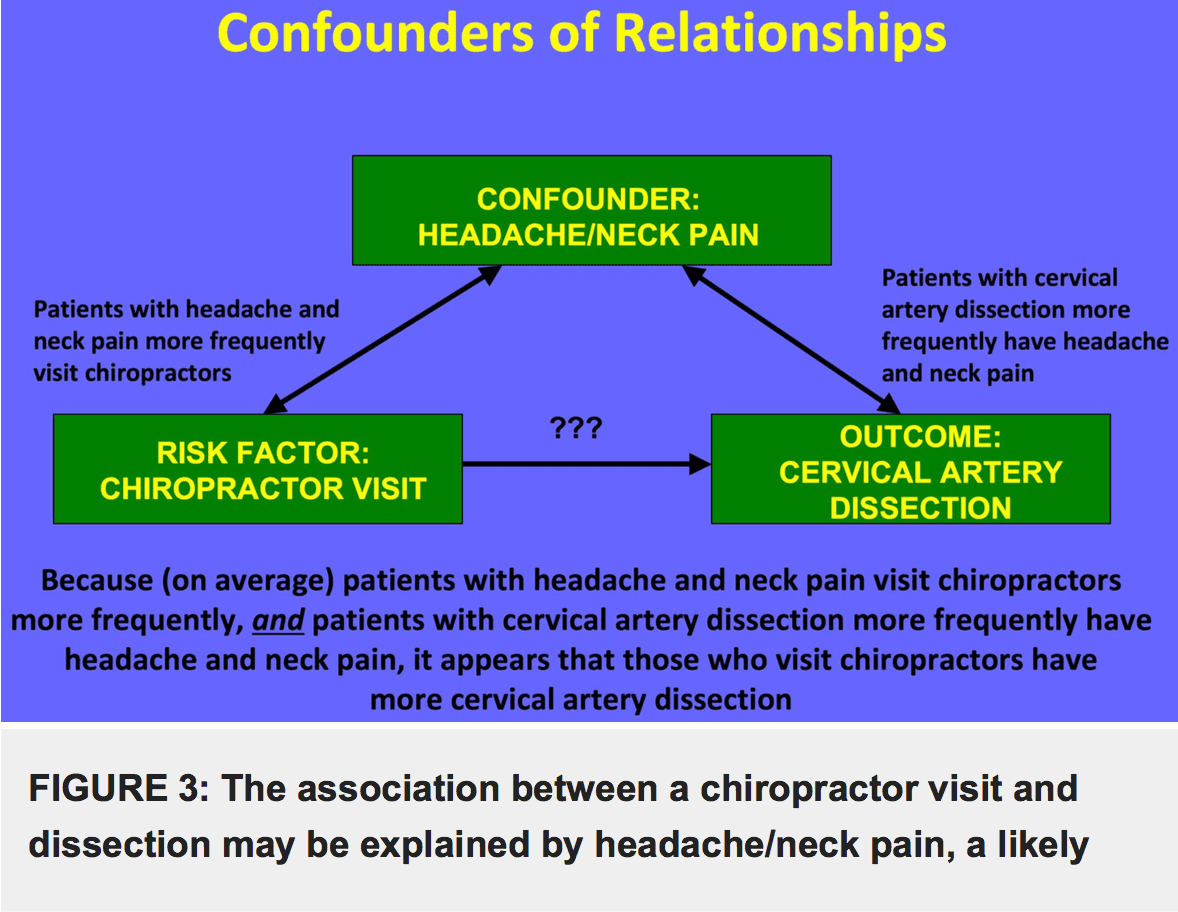
Perhaps the greatest threat to the reliability of any conclusions drawn from these data is that together they describe a correlation but not a causal relationship, and any unmeasured variable is a potential confounder. The most likely potential confounder in this case is neck pain. Patients with neck pain are more likely to have CAD (80% of patients with CAD report neck pain or headache) [21], and they are more likely to visit a chiropractor than patients without neck pain (Figure 3). Several of the studies identified in our systematic review provide suggestive evidence that neck pain is a confounder of the apparent association between chiropractic neck manipulation and CAD. For example, in Engelter et al. patients with CAD and prior cervical trauma (e.g., cervical manipulation therapy) were more likely to present with neck pain but less often with stroke than those with CAD and no prior cervical trauma (58% vs. 43% for trauma and 61% vs. 69% for stroke) [7]. If patients with CAD without neurological symptoms came to medical attention, it was probably because of pain. Patients with neck pain would also be more likely to visit a chiropractor than those without neck pain.
Cassidy et al. hypothesized that, although an association between chiropractor visits and vertebrobasilar artery stroke is present, it may be fully explained by neck pain and headache [5]. These authors reviewed 818 patients with vertebrobasilar artery strokes hospitalized in a population of 100 million person-years. They compared chiropractor and PCP visits in this population and reported no significant difference between these associations. For patients under 45 years of age, each chiropractor visit in the previous month increased the risk of stroke (OR 1.37, 95% CI 1.04-1.91), but each PCP visit in the previous month increased the risk in a nearly identical manner (<45 yrs OR 1.34, 95% CI .94-1.87; >45 yrs and OR 1.53, 95% CI 1.36- 1.67). The authors conclude that, since patients with vertebrobasilar stroke were as likely to visit a PCP as they were to visit a chiropractor, these visits were likely due to pain from an existing dissection.
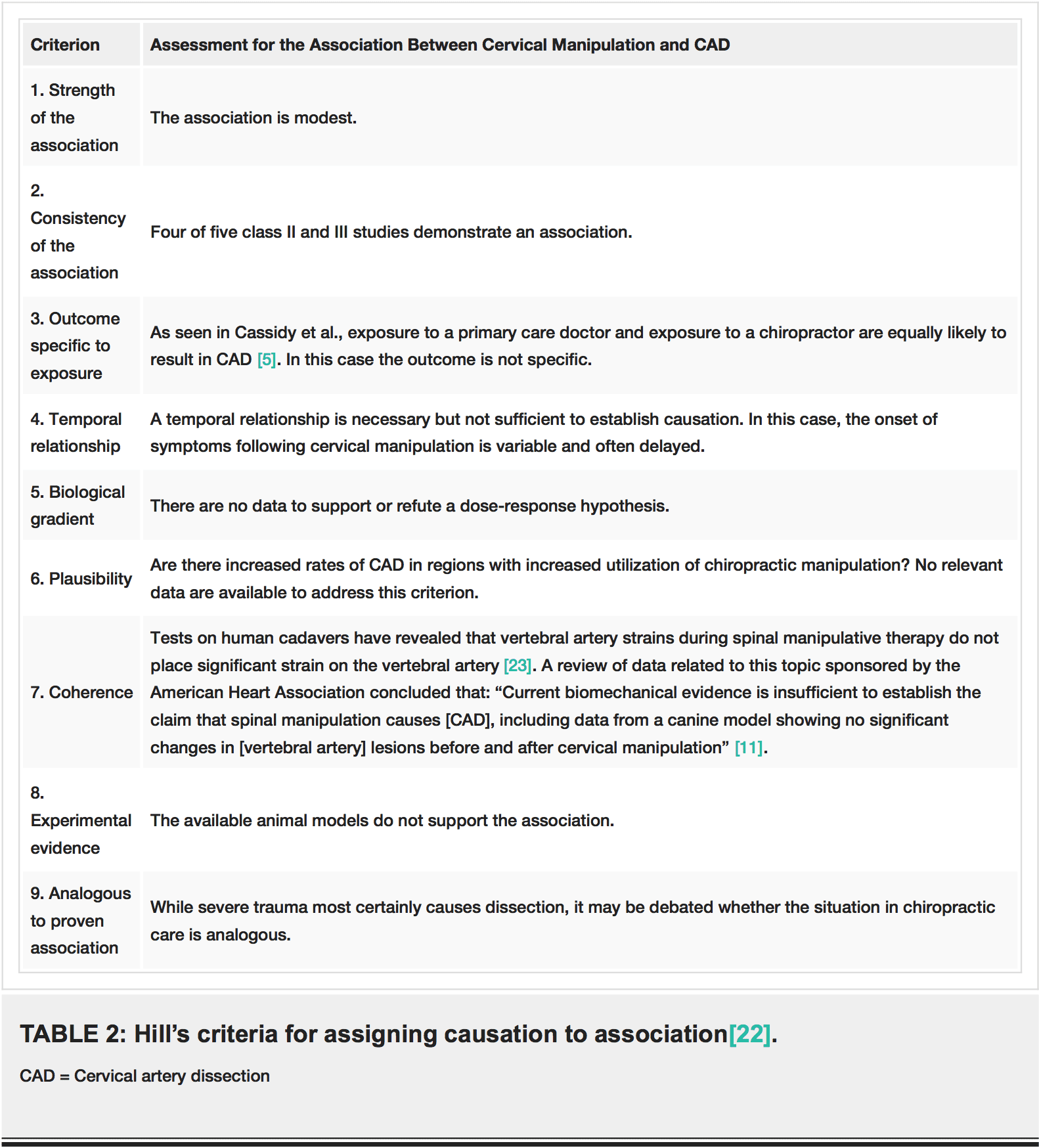
Cervical artery dissection is a rare event, creating a significant challenge for those who wish to understand it. A prospective, randomized study design is best suited to control for confounders, but given the infrequency of dissection, performing such a study would be logistically and also ethically challenging. Sir Austin Bradford Hill famously addressed the problem of assigning causation to an association with the application of nine tests [22]. These criteria include strength, consistency, specificity, temporality, biological gradient, plausibility, coherence, experimental evidence, and analogy. The specific tests and our assessment for the association between cervical manipulation and CAD are summarized in Table 2. In our appraisal, this association clearly passes only one test, it fails four, and the remaining four are equivocal due to absence of relevant data [23]. Further, a 2013 assessment of the quality of reports of cervical arterial dissection following cervical spinal manipulation similarly found lacking data to support a causal relationship [24].
In spite of the very weak data supporting an association between chiropractic neck manipulation and CAD, and even more modest data supporting a causal association, such a relationship is assumed by many clinicians. In fact, this idea seems to enjoy the status of medical dogma. Excellent peer reviewed publications frequently contain statements asserting a causal relationship between cervical manipulation and CAD [4,25,26]. We suggest that physicians should exercise caution in ascribing causation to associations in the absence of adequate and reliable data. Medical history offers many examples of relationships that were initially falsely assumed to be causal [27], and the relationship between CAD and chiropractic neck manipulation may need to be added to this list.
Conclusions
Our systematic review revealed that the quality of the published literature on the relationship between chiropractic manipulation and CAD is very low. A meta-analysis of available data shows a small association between chiropractic neck manipulation and CAD. We uncovered evidence for considerable risk of bias and confounding in the available studies. In particular, the known association of neck pain both with cervical artery dissection and with chiropractic manipulation may explain the relationship between manipulation and CAD. There is no convincing evidence to support a causal link, and unfounded belief in causation may have dire consequences.
Additional Information
Disclosures
Conflicts of interest: The authors have declared that no conflicts of interest exist.
Acknowledgements
The authors wish to thank Elaine Dean, MLS, of the Penn State Hershey Medical Center George T. Harrell Health Sciences Library, for her assistance with the systematic review.
References
1. Riddle DL, Schappert SM: Volume and characteristics of inpatient and ambulatory medical care for neck pain in the United States: data from three national surveys. Spine. 2007, 32:132�140.
2. Hurwitz EL, Chiang LM: A comparative analysis of chiropractic and general practitioner patients in North America: findings from the joint Canada/United States survey of health, 2002-03. BMC Health Serv Res. 2006, 6:49. 10.1186/1472-6963-6-49
3. Micheli S, Paciaroni M, Corea F, et al.: Cervical artery dissection: emerging risk factors . Open Neurol J. 2010, 4:50�55. 10.2174/1874205X01004010050
4. Schievink WI: Spontaneous dissection of the carotid and vertebral arteries . N Engl J Med. 2001, 344:898�906. 10.1056/NEJM200103223441206
5. Cassidy JD, Boyle E, C�t� PDC, et al.: Risk of vertebrobasilar stroke and chiropractic care: results of a population-based case-control and case-crossover study. Spine. 2008, 33:176�183.10.1097/BRS.0b013e3181644600
6. Dittrich R, Rohsbach D, Heidbreder A, et al.: Mild mechanical traumas are possible risk factors for cervical artery dissection. Cerebrovasc Dis. 2007, 23:275�281. 10.1159/000098327
7. Engelter ST, Grond-Ginsbach C, Metso TM, et al.: Cervical artery dissection: trauma and other potential mechanical trigger events. Neurology. 2013, 80:1950�1957.10.1212/WNL.0b013e318293e2eb
8. Rothwell DM, Bondy SJ, Williams JI: Chiropractic manipulation and stroke: a population based case-control study. Stroke. 2001, 32:1054-1060.
9. Smith WS, Johnston SC, Skalabrin EJ, et al.: Spinal manipulative therapy is an independent risk factor for vertebral artery dissection. Neurology. 2003, 60:1424-1428.10. Thomas LC, Rivett DA, Attia JR, et al.: Risk factors and clinical features of craniocervical arterial dissection. Man Ther. 2011, 16:351�356. 10.1016/j.math.2010.12.008
11. Biller J, Sacco RL, Albuquerque FC, et al.: Cervical arterial dissections and association with cervical manipulative therapy: a statement for healthcare professionals from the American Heart Association/American Stroke Association. Stroke. 2014, 45:3155�3174.10.1161/STR.0000000000000016
12. AAN (American Academy of Neurology): Clinical Practice Guideline Process Manual. Gronseth GS, Woodroffe LM, Getchius TSD (ed): AAN (American Academy of Neurology), St Paul, MN; 2011.
13. French J, Gronseth G: Lost in a jungle of evidence: we need a compass . Neurology. 2008, 71:1634�1638. 10.1212/01.wnl.0000336533.19610.1b 2016 Church et al. Cureus 8(2): e498. DOI 10.7759/cureus.498 10 of 11
14. Gross RA, Johnston KC: Levels of evidence: taking Neurology� to the next level . Neurology. 2009, 72:8�10. 10.1212/01.wnl.0000342200.58823.6a
15. Moher D, Liberati A, Tetzlaff J, et al.: Preferred reporting items for systematic reviews and meta-analyses: the PRISMA statement. PLoS Med. 2009, 6:e1000097. Accessed: January 23, 2016: http://journals.plos.org/plosmedicine/article?id=10.1371/journal.pmed.1000097. 10.1371/journal.pmed.1000097
16. Stroup DF, Berlin JA, Morton SC, et al.: Meta-analysis of observational studies inepidemiology: a proposal for reporting. Meta-analysis of observational studies in epidemiology (MOOSE) group. JAMA. 2000, 283:2008-2012.
17. Guyatt G, Oxman AD, Akl EA, et al.: GRADE guidelines: 1. Introduction-GRADE evidence profiles and summary of findings tables. J Clin Epidemiol. 2011, 64:383�394. 10.1016/j.jclinepi.2010.04.026
18. Guyatt GH, Oxman AD, Kunz R, et al.: GRADE guidelines: 2. Framing the question and deciding on important outcomes. J Clin Epidemiol. 2011, 64:395�400. 10.1016/j.jclinepi.2010.09.012
19. Balshem H, Helfand M, Sch�nemann HJ, et al.: GRADE guidelines: 3. Rating the quality of evidence. J Clin Epidemiol. 2011, 64:401�406. 10.1016/j.jclinepi.2010.07.015
20. The Cochrane Collaboration: Cochrane Handbook for Systematic Reviews of Interventions (Version 5.1.0). Higgins JPT, Green S (ed): The Cochrane Collaboration, 2011.
21. Lee VH, Brown RD Jr, Mandrekar JN, et al.: Incidence and outcome of cervical artery dissection: a population-based study. Neurology. 2006, 67:1809-1812.
22. Hill AB: The environment and disease: association or causation?. Proc R Soc Med. 1965, 58:295�300.
23. Herzog W, Leonard TR, Symons B, et al.: Vertebral artery strains during high-speed, low amplitude cervical spinal manipulation. J Electromyogr Kinesiol. 2012, 22:740�746. 10.1016/j.jelekin.2012.03.005
24. Wynd S, Estaway M, Vohra S, Kawchuk G: The quality of reports on cervical arterial dissection following cervical spinal manipulation. PLOS ONE. 2013, 8:e59170. Accessed: February 8, 2016: http://journals.plos.org/plosone/article?id=10.1371/journal.pone.0059170. 10.1371/journal.pone.0059170
25. Albuquerque FC, Hu YC, Dashti SR, et al.: Craniocervical arterial dissections as sequelae of chiropractic manipulation: patterns of injury and management. J Neurosurg. 2011, 115:1197�1205. 10.3171/2011.8.JNS111212
26. Debette S, Leys D: Cervical-artery dissections: predisposing factors, diagnosis, and outcome . Lancet Neurol. 2009, 8:668�678. 10.1016/S1474-4422(09)70084-5
27. Artenstein AW: The discovery of viruses: advancing science and medicine by challenging dogma. Int J Infect Dis. 2012, 16:e470�e473. 10.1016/j.ijid.2012.03.005
Ephraim W. Church 1 , Emily P. Sieg 1 , Omar Zalatimo 1 , Namath S. Hussain 1 , Michael Glantz 1 , Robert E. Harbaugh 1
1. Department of Neurosurgery, Penn State Hershey Medical Center
Corresponding author: Ephraim W. Church, [email protected]
Results Of A Population-Based Case-Control & Case-Crossover Study
J. David Cassidy, DC, PhD, DrMedSc,*�� Eleanor Boyle, PhD,* Pierre Co�te ?, DC, PhD,*��� Yaohua He, MD, PhD,* Sheilah Hogg-Johnson, PhD,�� Frank L. Silver, MD, FRCPC, and Susan J. Bondy, PhD�
SPINE Volume 33, Number 4S, pp S176 �S183 �2008, Lippincott Williams & Wilkins
Neck pain is a common problem associated with consid- erable comorbidity, disability, and cost to society.1�5 In North America, the clinical management of back pain is provided mainly by medical physicians, physi- cal therapists and chiropractors.6 Approximately 12% of American and Canadian adults seek chiropractic care annually and 80% of these visits result in spinal manipulation.7,8 When compared to those seeking medical care for back pain, Canadian chiropractic pa- tients tend to be younger and have higher socioeco- nomic status and fewer health problems.6,8 In On- tario, the average number of chiropractic visits per episode of care was 10 (median 6) in 1985 through 1991.7 Several systematic reviews and our best- evidence synthesis suggest that manual therapy can benefit neck pain, but the trials are too small to eval- uate the risk of rare complications.9 �13
Two deaths in Canada from vertebral artery dissection and stroke following chiropractic care in the 1990s attracted much media attention and a call by some neurologists to avoid neck manipulation for acute neck pain.14 There have been many published case reports linking neck manipulation to vertebral artery dissection15�and stroke.�The prevailing theory is that extension�and/or rotation of the neck can damage the vertebral artery, particularly within the foramen transversarium at the C1�C2 level. Activities leading to sudden or sustained rotation and extension of the neck have been implicated, included motor vehicle collision, shoulder checking while driving, sports, lifting, working over- head, falls, sneezing, and coughing.16 However, most cases of extracranial vertebral arterial dissection are thought to occur spontaneously, and other factors such as connective tissue disorders, migraine, hyper- tension, infection, levels of plasma homocysteine, vessel abnormalities, atherosclerosis, central venous�catherization, cervical spine surgery, cervical percutaneous nerve blocks, radiation therapy and diagnostic cerebral angiography have been identified as possible risk factors.17�21
The true incidence of vertebrobasilar dissection is un- known, since many cases are probably asymptomatic, or the dissection produces mild symptoms.22 Confirming the diagnosis requires a high index of suspicion and good vascular imaging. The cases that are most likely to be diagnosed are those that result in stroke.19,22 Ischemic stroke occurs when a thrombus develops intraluminally and embolizes to more distal arteries, or less commonly, when the dissection extends distally into the intracranial vertebral artery, obliterating branching vessels.22 The best incidence estimate comes from Olmstead county, where vertebral artery dissection causing stroke affected 0.97 residents per 100,000 population between 1987 and 2003.23
To date there have been two case-control studies of stroke following neck manipulation. Rothwell et al used Ontario health data to compare 582 cases of VBA stroke to 2328 age and sex-matched controls.24 For those aged 45 years, cases were five times more likely than con- trols to have visited a chiropractor within 1 week of VBA stroke. Smith et al studied 51 patients with cervical ar- tery dissection and ischemic stroke or transient ischemic attack (TIA) and compared them to 100 control patients suffering from other strokes not caused by dissections.25 Cases and controls came from two academic stroke cen- ters in the United States and were matched on age and sex. They found no significant association between neck manipulation and ischemic stroke or TIA. However, a subgroup analysis showed that the 25 cases with verte- bral artery dissection were six times more likely to have consulted a chiropractor within 30 days before their stroke than the controls.
Finally, because patients with vertebrobasilar artery dissection commonly present with headache and neck pain,23 it is possible that patients seek chiropractic care for these symptoms and that the subsequent VBA stroke occurs spontaneously, implying that the associ- ation between chiropractic care and VBA stroke is not causal.23,26 Since patients also seek medical care for headache and neck pain, any association between pri- mary care physician (PCP) visits and VBA stroke could be attributed to seeking care for the symptoms of verte- bral artery dissection.
The purpose of this study is to investigate the association between chiropractic care and VBA stroke and compare it to the association between recent PCP care and VBA stroke using two epidemiological designs. Evidence that chiropractic care increases the risk of VBA stroke would be present if the measured association between chiropractic visits and VBA stroke exceeds the association between PCP visits and VBA strokes.
Study Design
We undertook population-based case-control and case- crossover studies. Both designs use the same cases. In the case- control design, we sampled independent control subjects from the same source population as the cases. In the case-crossover design, cases served as their own controls, by sampling control periods before the study exposures.27 This design is most appropriate when a brief exposure (e.g., chiropractic care) causes a transient change in risk (i.e., hazard period) of a rare-onset disease (e.g., VBA stroke). It is well suited to our research questions, since within person comparisons control for unmeasured risk factors by design, rather than by statistical modeling.28 �30 Thus the advantage over the case control design is better control of confounding.
Source Population
The source population included all residents of Ontario (109,020,875 person-years of observation over 9 years) covered by the publicly funded Ontario Health Insurance Plan (OHIP). Available utilization data included hospitalizations with diagnostic coding, and practitioner (physician and chiropractic) utilization as documented by fee-for-service billings accompanied by diagnostic coding. We used two data sources: (1) the Discharge Abstract Database (DAD) from the Canadian Institute for Health Information, which captures hospital separations and ICD codes, and (2) the OHIP Databases for services provided by physicians and chiropractors. These data- bases can be linked from April 1992 onward.
Cases
We included all incident vertebrobasilar occlusion and stenosis strokes (ICD-9433.0 and 433.2) resulting in an acute care hospital admission from April 1, 1993 to March 31, 2002. Codes were chosen in consultation with stroke experts and an epidemiologist who participated in a similar past study (SB).24 Cases that had an acute care hospital admission for any type of stroke (ICD-9433.0, 433.2, 434, 436, 433.1, 433.3, 433.8, 433.9, 430, 431, 432, and 437.1), transient cerebral ischemia (ICD- 9435) or late effects of cerebrovascular diseases (ICD-9438) before their VBA stroke admission or since April 1, 1991 were excluded. Cases residing in long-term care facilities were also excluded. The index date was defined as the hospital admission date for the VBA stroke.
Controls
For the case-control study, four age and sex-matched controls were randomly selected from the Registered Persons Database, which contains a listing of all health card numbers for Ontario. Controls were excluded if they previously had a stroke or were residing in a long-term care facility.
For the case crossover study, four control periods were randomly chosen from the year before the VBA stroke date, using a time-stratified approach.31 The year was divided into disjoint strata with 2 week periods between the strata. For the 1 month hazard period, the disjoint strata were separated by 1 month periods and the five remaining control periods were used in the analyses. We randomly sampled disjoint strata because chiropractic care is often delivered in episodes, and this strategy eliminates overlap bias and bias associated with time trends in the exposure.32
Exposures
All reimbursed ambulatory encounters with chiropractors and PCPs were extracted for the one-year period before the index date from the OHIP database. Neck-related chiropractic visits were identified using diagnostic codes: C01�C06, cervical and cervicothoracic subluxation; C13�C15, multiple site subluxation; C30, cervical sprain/strain; C40, cervical neuritis/ neuralgia; C44, arm neuritis/neuralgia; C50, brachial radiculitis; C51, cervical radiculitis; and C60, headache. For PCP visits, we included community medicine physicians if they submitted ambulatory fee codes to OHIP. Fee codes for group therapy and signing forms were excluded. Headache or neck pain- related PCP visits were identified using the diagnostic codes: ICD-9307, tension headaches; 346, migraine headaches; 722, intervertebral disc disorders; 780, headache, except tension headache and migraine; 729, fibrositis, myositis and muscular rheumatism; and 847, whiplash, sprain/strain and other traumas associated with neck (These codes include other diagnoses, and we list only those relevant to neck pain or headache). There is no limit on the number of reimbursed PCP visits per year. However, there are limits chiropractors, but less than 15% of patients surpass them.24
Statistical Analysis
Conditional logistic regression was used to estimate the asso- ciation between VBA stroke after chiropractor and PCP visits. Separate models were built using different a priori specified hazard periods, stratified by age ( 45 years and 45 years) and by visits with or without head and neck pain related diag- nostic codes. For the chiropractic analysis, the index date was included in the hazard period, since chiropractic treatment might cause immediate stroke and patients would not normally consult a chiropractor after having a stroke. However, the in- dex day was excluded from the PCP analysis, since patients might consult these physicians after experiencing a stroke. We tested different hazard periods, including 1 day, 3 days, 1 week, 2 weeks, and 1 month before the index date. Exposure occurred if any chiropractic or PCP visits were recorded during the des- ignated hazard periods.
We also measured the effect of cumulative numbers of chiropractic and PCP visits in the month before the index date by computing the odds ratio for each incremental visit. These estimates were similarly stratified by age and by diagnostic codes related to headache and/or neck pain. Finally, we conducted analyses to determine if our results were sensitive to chiropractic and PCP visits related to neck complaints and headaches. We report our results as odds ratios (OR) and 95% confidence intervals. Confidence intervals were estimated by accelerated bias corrected bootstraps with 2000 replications using the variance co-variance method.33 All statistical analyses were per- formed using STATA/SE version 9.2.34
Results
A total of 818 VBA strokes met our inclusion/exclusion criteria over the 9 year inception period. Of the 3272 matched control subjects, 31 were excluded because of prior stroke, one had died before the index date and 76 were receiving long-term care. Thus, 3164 control subjects were matched to the cases. The mean age of cases and controls was 63 years at the index date and 63% were male. Cases had a higher proportion of comorbid conditions (Table 1). Of the 818 stroke cases, 337�(41.2%) were coded as basilar occlusion and stenosis, 443 (54.2%) as vertebral occlusion and stenosis and 38 (4.7%) had both codes.
Overall, 4% of cases and controls had visited a chiropractor within 30 days of the index date, while 53% of cases and 30% of controls had visited a PCP within that time (Table 2). For those under 45 years of age, 8 cases (7.8%) had consulted a chiropractor within 7 days of the index date, compared to 14 (3.4%) of controls. For PCPs, 25 cases (24.5%) under 45 years of age had a consultation within 7 days of the index date, com- pared to 27 (6.6%) of controls. With respect to the number of visits within 1 month of the index date, 7.8% of cases under the age of 45 years had three or more chiropractic visits, whereas 5.9% had three or more PCP visits (Table 2).
The case control and case crossover analyses gave similar results. (Tables 3�7) Age modified the effect of chiropractic visits on the risk of VBA stroke. For those under 45 years of age, there was an increased association between chiropractic visits and VBA stroke regardless of the hazard period. For those 45 years of age and older, there was no association. Each chiropractic visit in the month before the index date was associated with an in- creased risk of VBA stroke in those under 45 years of age (OR 1.37; 95% CI 1.04�1.91 from the case crossover analysis) (Table 7). We were not able to estimate boot- strap confidence intervals in some cases because of sparse data.
Similarly, we found that visiting a PCP in the month before the index date was associated with an increased risk of VBA stroke regardless of the hazard period, or the age of the subject. Each PCP visit in the month before the stroke was associated with an increased risk of VBA stroke both in those under 45 years of age (OR 1.34; 95% CI 0.94 �1.87 from the case crossover analysis) and 45 years and older (OR 1.52; 95% CI 1.36�1.67 from the case crossover analysis) (Table 7).
Our results were sensitive to chiropractic and PCP visits related to neck complaints and headaches, and we observed sharp increases in the associations when restricting the analyses to these visits (Tables 3�7). Overall,�these associations were more pronounced in the PCP analyses. However, the data are sparse, and we were unable to compute bootstrap confidence intervals in many cases.
Discussion
Our study advances knowledge about the association between chiropractic care and VBA stroke in two respects. First, our case control results agree with past case control studies that found an association between chiropractic care and vertebral artery dissection and VBA stroke.24,25 Second, our case crossover results confirm these findings using a stronger research design with better control of confounding variables. The case-crossover design controls for time independent confounding factors, both known and unknown, which could affect the risk of VBA stroke. This is important since smoking, obesity, undiagnosed hypertension, some connective tis- sue disorders and other important risk factors for dissection and VBA stroke are unlikely to be recorded in ad- ministrative databases.
We also found strong associations between PCP visits and subsequent VBA stroke. A plausible explanation for this is that patients with head and neck pain due to vertebral artery dissection seek care for these symptoms, which precede more than 80% of VBA strokes.23 Since it�is unlikely that PCPs cause stroke while caring for these patients, we can assume that the observed association between recent PCP care and VBA stroke represents the background risk associated with patients seeking care for dissection-related symptoms leading to VBA stroke. Be- cause the association between chiropractic visits and VBA stroke is not greater than the association between PCP visits and VBA stroke, there is no excess risk of VBA stroke from chiropractic care.
Our study has several strengths and limitations. The study base includes an entire population over a 9-year period representing 109,020,875 person-years of observation. Despite this, we found only 818 VBA strokes, which limited our ability to compute some estimates and bootstrap confidence intervals. In particular, our age stratified analyses are based on small numbers of ex- posed cases and controls (Table 2). Further stratification by diagnostic codes for headache and neck pain related visits imposed even greater difficulty with these estimates. However, there are few databases that can link�incident VBA strokes with chiropractic and PCP visits in a large enough population to undertake a study of such a rare event.
A major limitation of using health administrative data are misclassification bias, and the possibility of bias in assignment of VBA-related diagnoses, which has previously been raised in this context.24 Liu et al have shown that ICD-9 hospital discharge codes for stroke have a poor positive predictive value when compared to chart review.35 Furthermore, not all VBA strokes are secondary to vertebral artery dissection and administrative databases do not provide the clinical detail to determine the specific cause. To investigate this bias, we did a sensitivity analysis using different positive predictive values for stroke diagnosis (ranging from 0.2 to 0.8). Assuming non differential misclassification of chiropractic and PCP cases, our analysis showed attenuation of the estimates towards the null with lower positive predictive values, but the conclusions did not change (i.e., associations remained positive and significant�data not shown). The�reliability and validity of the codes to classify headache and cervical visits to chiropractors and PCPs is not known.
It is also possible that patients presenting to hospital with neurologic symptoms who have recently seen a chiropractor might be subjected to a more vigorous diagnostic workup focused on VBA stroke (i.e., differential misclassification).36 In this case, the predictive values of the stroke codes would be greater for cases that had seen a chiropractor and our results would underestimate the association between PCP care and VBA stroke.
A major strength of our study is that exposures were measured independently of case definition and handled identically across cases and controls. However, there was some overlap between chiropractic care and PCP care. In the month before their stroke, only 16 (2.0%) of our cases had seen only a chiropractor, while 20 (2.4%) had seen both a chiropractor and PCP, and 417 (51.0%) had�just seen only a PCP. We were not able to run a subgroup analysis on the small number of cases that just saw a chiropractor. However, subgroup analysis on the PCP cases (n 782) that did not visit a chiropractors during the 1 month before their stroke did not change the conclusions (data not shown).
Our results should be interpreted cautiously and placed into clinical perspective. We have not ruled out neck manipulation as a potential cause of some VBA strokes. On the other hand, it is unlikely to be a major cause of these rare events. Our results suggest that the association between chiropractic care and VBA stroke found in previous studies is likely explained by present- ing symptoms attributable to vertebral artery dissection. It might also be possible that chiropractic manipulation, or even simple range of motion examination by any practitioner, could result in a thromboembolic event in a patient with a pre-existing vertebral dissection. Unfortunately, there is no acceptable screening procedure to identify patients with neck pain at risk of VBA stroke.37 These events are so rare and difficult to diagnose that future studies would need to be multi-centered and have unbiased ascertainment of all potential exposures. Given our current state of knowledge, the decision of how to treat patients with neck pain and/or headache should be driven by effectiveness and patient preference.38
Conclusion
Our population-based case-control and case-crossover study shows an association between chiropractic visits and VBA strokes. However, we found a similar association between primary care physician visits and VBA stroke. This suggests that patients with undiagnosed vertebral artery dissection are seeking clinical care for head- ache and neck pain before having a VBA stroke.
Acknowledgments
The authors acknowledge the members of the Decade of the Bone and Joint 2000 �2010 Task Force on Neck Pain and its Associate Disorders for advice about de- signing this study. In particular, they acknowledge the help of Drs. Hal Morgenstern, Eric Hurwitz, Scott Haldeman, Linda Carroll, Gabrielle van der Velde, Lena Holm, Paul Peloso, Margareta Nordin, Jaime Guzman, Eugene Carragee, Rachid Salmi, Alexander Grier, and Mr. Jon Schubert.
References
1. Borghouts JA, Koes BW, Vondeling H, et al. Cost-of-illness of neck pain in The Netherlands in 1996. Pain 1999;80:629�36.
2. Co�te� P, Cassidy JD, Carroll L. The Saskatchewan Health and Back PainSurvey. The prevalence of neck pain and related disability in Saskatchewan adults. Spine 1998;23:1689�98.
3. Co�te� P, Cassidy JD, Carroll L. The factors associated with neck pain and its related disability in the Saskatchewan population. Spine 2000;25:1109�17.
4. Co�te� P, Cassidy JD, Carroll L. Is a lifetime history of neck injury in a trafficcollision associated with prevalent neck pain, headache and depressive symptomatology? Accid Anal Prev 2000;32:151�9.
5. Co�te� P, Cassidy JD, Carroll LJ, et al. The annual incidence and course of neck pain in the general population: a population-based cohort study. Pain 2004; 112:267�73.
6. Co�te� P, Cassidy JD, Carroll L. The treatment of neck and low back pain: who seeks care? who goes where? Med Care 2001;39:956�67.
7. Hurwitz EL, Coulter ID, Adams AH, et al. Use of chiropractic services from 1985 through 1991 in the United States and Canada. Am J Public Health1998;88:771�6.
8. Hurwitz EL, Chiang LM. A comparative analysis of chiropractic and general practitioner patients in North America: findings from the jointCanada/United States Survey of Health, 2002�03. BMC Health Serv Res 2006;6:49.
9. Aker PD, Gross AR, Goldsmith CH, et al. Conservative management of mechanical neck pain: systematic overview and meta-analysis. BMJ 1996; 313:1291�6.
10. Gross AR, Kay T, Hondras M, et al. Manual therapy for mechanical neckdisorders: a systematic review. Man Ther 2002;7:131�49.
11. Hurwitz EL, Aker PD, Adams AH, et al. Manipulation and mobilization of the cervical spine. A systematic review of the literature. Spine 1996;21:1746�59.
12. McClune T, Burton AK, Waddell G. Whiplash associated disorders: a review of the literature to guide patient information and advice. Emerg Med J 2002;19:499�506.
13. Peeters GG, Verhagen AP, de Bie RA, et al. The efficacy of conservative treatment in patients with whiplash injury: a systematic review of clinical trials. Spine 2001;26:E64�E73.
14. Norris JW, Beletsky V, Nadareishvili ZG. Sudden neck movement and cervical artery dissection. The Canadian Stroke Consortium. CMAJ 2000;163:38�40.
15. Ernst E. Manipulation of the cervical spine: a systematic review of case reports of serious adverse events, 1995�2001. Med J Aust 2002;176:376�80.
16. Haldeman S, Kohlbeck FJ, McGregor M. Risk factors and precipitating neckmovements causing vertebrobasilar artery dissection after cervical trauma and spinal manipulation. Spine 1999;24:785�94.
17. Rubinstein SM, Peerdeman SM, van Tulder MW, et al. A systematic reviewof the risk factors for cervical artery dissection. Stroke 2005;36:1575�80.
18. Inamasu J, Guiot BH. Iatrogenic vertebral artery injury. Acta Neurol Scand 2005;112:349�57.
19. Schievink WI. Spontaneous dissection of the carotid and vertebral arteries. N Engl J Med 2001;344:898�906.
20. D�Anglejan-Chatillon J, Ribeiro V, Mas JL, et al. Migraine�a risk factor for dissection of cervical arteries. Headache 1989;29:560�1.
21. Pezzini A, Caso V, Zanferrari C, et al. Arterial hypertension as risk factor for spontaneous cervical artery dissection. A case-control study. J Neurol Neurosurg Psychiatry 2006;77:95�7.
22. Savitz SI, Caplan LR. Vertebrobasilar disease. N Engl J Med 2005;352: 2618�26.
23. Lee VH, Brown RD Jr, Mandrekar JN, et al. Incidence and outcome of cervical artery dissection: a population-based study. Neurology 2006;67: 1809�12.
24. Rothwell DM, Bondy SJ, Williams JI. Chiropractic manipulation and stroke: a population-based case-control study. Stroke 2001;32:1054�60.
25. Smith WS, Johnston SC, Skalabrin EJ, et al. Spinal manipulative therapy is an independent risk factor for vertebral artery dissection. Neurology 2003;60: 1424�8.
26. Arnold M, Bousser MG, Fahrni G, et al. Vertebral artery dissection: presenting findings and predictors of outcome. Stroke 2006;37:2499�503.
27. Maclure M. The case-crossover design: a method for studying transient effects on the risk of acute events. Am J Epidemiol 1991;133:144�53.
28. Kelman CW, Kortt MA, Becker NG, et al. Deep vein thrombosis and air travel: record linkage study. BMJ 2003;327:1072.
29. Mittleman MA, Maclure M, Tofler GH, et al. Triggering of acute myocardial infarction by heavy physical exertion. Protection against triggering by regular exertion. Determinants of Myocardial Infarction Onset Study Investigators.
N Engl J Med 1993;329:1677�83.
30. Redelmeier DA, Tibshirani RJ. Association between cellular-telephone calls and motor vehicle collisions. N Engl J Med 1997;336:453�8.
31. Janes H, Sheppard L, Lumley T. Overlap bias in the case-crossover design, with application to air pollution exposures. Stat Med 2005;24:285�300.
32. Janes H, Sheppard L, Lumley T. Case-crossover analyses of air pollution exposure data: referent selection strategies and their implications for bias. Epidemiology 2005;16:717�26.
33. Efron B, Tibshirani RJ. An Introduction to the Bootstrap. New York: Chapmanand Hall/CRC, 1993.
34. STATA/SE [computer program]. College Station, Tex: Stata Corp, 2006.
35. Liu L, Reeder B, Shuaib A, et al. Validity of stroke diagnosis on hospital discharge records in Saskatchewan, Canada: implications for stroke surveillance. Cerebrovasc Dis 1999;9:224�30.
36. Boyle E, Co�te� P, Grier AR, et al. Examining vertebrobasilar artery stroke in two Canadian provinces. Spine, in press.
37. Co�te� P, Kreitz BG, Cassidy JD, et al. The validity of the extension-rotation test as a clinical screening procedure before neck manipulation: a secondary analysis. J Manip Physiol Therap 1996;159�64.
38. van der Velde G, Hogg-Johnson S, Bayoumi A, et al. Identifying the best treatment among common non-surgical neck pain treatments: a decision analysis. Spine 2008;33(Suppl):S184�S191.
Key words: vertebrobasilar stroke, case control stud- ies, case crossover studies, chiropractic, primary care, complications, neck pain. Spine 2008;33:S176�S183
From the *Centre of Research Expertise for Improved Disability Outcomes (CREIDO), University Health Network Rehabilitation Solutions, Toronto Western Hospital, and the Division of Heath Care and Outcomes Research, Toronto Western Research Institute, Toronto, ON, Canada; �Department of Public Health Sciences, Management and Evaluation, University of Toronto, Toronto, ON, Canada; �Department of Health Policy, Management and Evalua- tion, University of Toronto, Toronto, ON, Canada; �Institute for Work & Health, Toronto, ON, Canada; �University Health Net- work Stroke Program, Toronto Western Hospital, Toronto, ON, Canada; and Division of Neurology, Department of Medicine, Fac- ulty of Medicine, University of Toronto, Toronto, ON, Canada. Supported by Ontario Ministry of Health and Long-term Care. P.C. is supported by the Canadian Institute of Health Research through a New Investigator Award. S.H.-J. is supported by the Institute for Work & Health and the Workplace Safety and Insurance Board of Ontario. The opinions, results, and conclusions are those of the authors and no endorsement by the Ministry is intended or should be inferred.
The manuscript submitted does not contain information about medical device(s)/drug(s).
University Health Network Research Ethics Board Approval number 05-0533-AE.
Address correspondence and reprint requests to J. David Cassidy, DC, PhD, DrMedSc, Toronto Western Hospital, Fell 4-114, 399 Bathurst Street, Toronto, ON, Canada M5T 2S8; E-mail: [email protected]
Title: The Utilization of Long Term Care for Herniated Lumbar Discs with Chiropractic for the Management of Mechanical Spine Pain.
Dr. Alex Jimenez, doctor of chiropractic, focuses on the diagnosis, treatment and prevention of a variety of injuries and conditions associated with the musculoskeletal and nervous systems, utilizing several chiropractic methods and techniques. The following procedures may be similar to his own but can differ according to the specific issue and complications by which the individual is diagnosed.
Abstract: To explore the utilization of chiropractic treatment consisting of spinal adjusting, axial traction, electrical muscle stimulation, and core stabilization exercise for the management of mechanical spine pain. Diagnostic studies included physical examination, orthopedic and neurological examinations, and lumbar spine MRI. The patient reports long-term success in reducing pain levels and increasing functionality by having the ability to perform activities of daily living (ADL�s) without frequent flare-ups which he reported of prior to undergoing chiropractic treatment.
Introduction: On 2/6/2015, a 49 year old male certified nursing assistant, presented for consultation and examination due to a work injury which occurred on 11/12/2001. The patient stated he sustained a lifting injury that resulted in severe low back pain. He stated that he was under the care of a pain management interventionist receiving epidural injections in his lumbar spine on an ongoing basis since the injury occurred. He added that the injections helped him to cope with the elevated pain levels he experienced on a frequent basis. The patient had previously received chiropractic and physical therapy for his injury and reported that the therapies did help him when he was actively treating. He informed it had been over 3 years since he last treated with chiropractic or physical therapy.
Chiropractic Back Pain Management
The patient presented to my office on 2/6/2015 with a chief complaint of lumbar pain. He rated the discomfort as a 7 on a visual analog scale of 10 with 10 being the worst and the pain was noted as being constant (76-100% of the time). The onset of pain was a result of the work injury described above. He reported that the pain would aggravate by activities which required excessive or repetitive bending, lifting, and pulling. He stated he experienced flare-up episodes 4-6 times a month depending on the type of activities he was involved with. The quality of the discomfort was described as aching, gnawing, sharp, shooting, and painful and was noted as being the worst at the end of the day. He stated that when his pain levels were elevated, it would limit his ability of getting a good night sleep. The patient further noted he was experiencing numbness and tingling in both legs and his right foot.
Prior History:
The patient denied any prior or subsequent low back injuries and/or traumas.
Clinical Findings:
The patient was 5 feet 10 inches and weighed 230 pounds. His sitting blood pressure was 132/86 and his radial pulse was 74 BPM. The patient�s Review of Systems and Family History were unremarkable.
An evaluation and management exam was performed. The exam consisted of visual assessment of range of motion, manual muscle tests, deep tendon reflexes, digital and motion palpation, and other neurological and orthopedic tests. Palpation revealed areas of spasm, hypertonicity, asymmetry, and end point tenderness indicative of subluxation at T12, L2, and L4. Palpation of the lumbar muscles revealed moderate to severe muscle spasms in the left piriformis, right piriformis, right sacrospinalis, right gluteus maximus, right erector spinae, right quadratus lumborum and right iliacus. He presented with postural deviations that were found using a plumb line assessment showing short right leg (pelvic deficiency), head tilted to the left, high left shoulder and high right hip. Point tenderness was notably present along the midline of the spine at the L4 and L5 level.
Manual, subjectively rated strength tests were performed on some of the major muscle groups of the lower extremities, based on the AMA Guides to the Evaluation of Permanent Impairment, 4th Ed., 1993/5th ed., 2001. A rating scale of five to zero was used, with five representing normal muscle strength. A muscle strength loss of the lower extremities indicates a neurological facilitation resulting from dysfunction in the lumbar spine. Grade 4 muscle weakness was noted on the right extensor hallicus longus.
Dermatomal sensation was decreased at L4 on the right and decreased at L5 on the right.
Reflex testing was completed and was diminished: 0/+2 on the right patella and +1/+2 on the left patella. The following lumbar orthopedic examinations were performed and found to be positive: Ely’s on the right, Hibb’s on the right, Iliac compression test and Bragard’s on the right.
Lumbar Range of Motion tested with Dual Inclinometers:
Range of Motion Normal Examination % Deficit
Flexion
90
40
56
Extension
25
10
60
Left Lateral Flexion
40
20
50
Right Lateral Flexion
40
15
62
Left Rotation
35
25
29
Right Rotation
35
20
43
Flexion and left lateral bending were painful at end range. The patient�s limitation to bend is corroborated by the persistent spasticity of lack of motion eliciting pain upon exertion in the lumbar spine.
MRI Results
The MRI images were personally reviewed. The lumbar MRI performed on 9/29/2014 revealed anterior positioning of the L4 vertebral body with respect to L5 with a right L4-L5 protrusion compromising the right neural foramen. There is a central herniation at the L5-S1 disc.
Fig. 1, (A), (B), (C) shows in T2 MRI images (A) is Sagittal and (B) is Axial at L4-L5 and (C) is Axial at L5-S1
Fig. 1 (A) Sagital
Fig. 1 (B) T2 Axial at L4-L5
Fig. 1 (C) T2 Axial at L5-S1
After reviewing the history, physical and neurological examination, and MRI�s it was determined that chiropractic treatment was medically indicated and warranted. Frequency of treatment was determined 1 time a week.
The patient was placed on a treatment plan consisting of high velocity low amplitude chiropractic adjustments, axial traction, electrical muscle stimulation, and core stabilization exercise. The patient responded in favorable fashion to the chiropractic treatment over a 6 month period. The patient demonstrated subjective and objective improvement and his care plan was reduced to one time every two weeks to manage and modulate pain levels associated with his permanent condition.
On follow-up re-evaluation approximately 9 months after starting supportive treatment the patient showed improvement in range of motion testing.
Lumbar Range of Motion was tested with Dual Inclinometers:
Range of Motion Normal Examination % Deficit
Flexion
90
70
13
Extension
25
20
20
Left Lateral Flexion
40
35
12
Right Lateral Flexion
40
30
25
Left Rotation
35
30
15
Right Rotation
35
25
29
The patient also reported a reduction in pain levels rating the low back discomfort as a4 on a scale of 10 with 10 being the worst and the pain was noted as beingintermittent 25 to 50% of the time. Decreased muscle spasm in the lumbar paraspinal muscles was noted as well as better symmetry and tonicity. The patient reported the ability of getting a better night sleep and waking up in the morning with less rigidity and achiness. He stated he was able to perform his work duties and activities of daily living with less flare-ups and exacerbations occurring only 1-2 times a month. The core training exercises we worked on have helped stabilize the patient�s spine and protected it from reinjuring the already injured tissues.
Conclusion of Research Study
Chiropractic care has been shown to be both safe and effective in treating patients with disc herniation and accompanying radicular symptoms1-4. Spinal chiropractic adjustive therapy has been proven to modulate pain6. This patient presented with chronic low back pain sequela to an injury that occurred over 13 years ago. The patient had prior success in reduction of pain when he was treating with chiropractic in the past then discontinued treatment. The patient has been treating with pain management intervention since the injury occurred and it has helped him reduce his pain but has done minimal for him from a functional and mechanical standpoint. The history and exam indicated the presence of 2 herniated discs in the lumbar spine. Lumbar MRI�s were ordered prior to being evaluated and the images were viewed to establish an accurate diagnosis, prognosis, and treatment plan. Long term chiropractic treatment has been utilized successfully in this case study to reduce pain levels and restore the patient�s functional capacity of performing activities of daily living and work duties with less flare ups and exacerbations of low back pain.
Competing Interests: There are no competing interests in the writing of this case report.
De-Identification: All of the patient�s data has been removed from this case.
The scope of our information is limited to chiropractic and spinal injuries and conditions. To discuss options on the subject matter, please feel free to ask Dr. Jimenez or contact us at 915-850-0900 .
Leeman S., Peterson C., Schmid C., Anklin B., Humphryes B., (2014) Outcomes of Acute and Chronic Patients with Magnetic Resonance Imaging-Confirmed Symptomatic Lumbar Disc Herniation Receiving High-Velocity, Low Amplitude, Spinal Manipulative Therapy: A Prospective Observational Cohort Study With One-Year Follow Up, Journal of Manipulative and Physiological Therapeutics, 37 (3) 155-163
Hahne AJ, Ford JJ, McMeeken JM, “Conservative management of lumbar disc herniation with associated radiculopathy: a systematic review,”Spine35 (11): E488�504 (2010).
Rubinstein SM, van Middelkoop M, et. al, “Spinal manipulative therapy for chronic low-back pain,”Cochrane Database Syst Rev(2): CD008112. doi:10.1002/14651858.CD008112.pub2. PMID 21328304.
Hoiriis, K. T., Pfleger, B., McDuffie, F. C., Cotsonis, G., Elsangak, O., Hinson, R. & Verzosa, G. T. (2004). A randomized clinical trial comparing chiropractic adjustments to muscle relaxants for subacute low back pain. Journal of Manipulative and Physiological Therapeutics, 27(6), 388-398.
Coronado, R. A., Gay, C. W., Bialosky, J. E., Carnaby, G. D., Bishop, M. D., & George, S. Z. (2012).Changes in pain sensitivity following spinal manipulation: A systematic review and meta-analysis. Manuscript in preparation.
Whedon, J. M., Mackenzie, T.A., Phillips, R.B., & Lurie, J.D. (2014). Risk of traumatic injury associated with chiropractic spinal manipulation in Medicare Part B beneficiaries aged 66-69. Spine, (Epub ahead of print) 1-33.
Additional Topics: Recovering from Auto Injuries
After being involved in an automobile accident, many victims frequently report neck or back pain due to damage, injury or aggravated conditions resulting from the incident. There’s a variety of treatments available to treat some of the most common auto injuries, including alternative treatment options. Conservative care, for instance, is a treatment approach which doesn’t involve surgical interventions. Chiropractic care is a safe and effective treatment options which focuses on naturally restoring the original dignity of the spine after an individual suffered an automobile accident injury.
IFM's Find A Practitioner tool is the largest referral network in Functional Medicine, created to help patients locate Functional Medicine practitioners anywhere in the world. IFM Certified Practitioners are listed first in the search results, given their extensive education in Functional Medicine

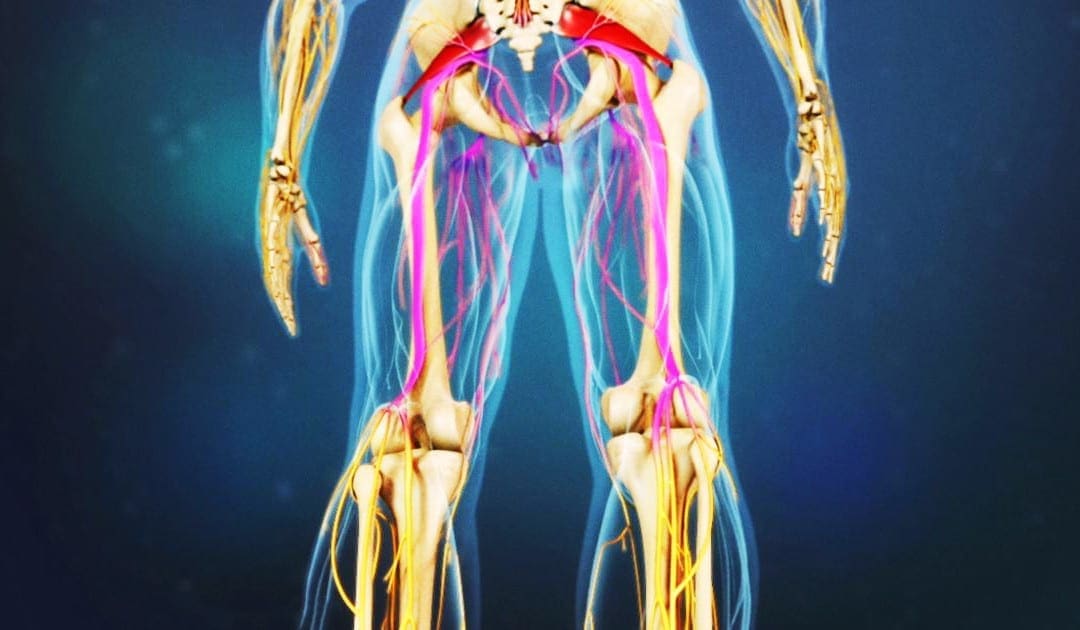


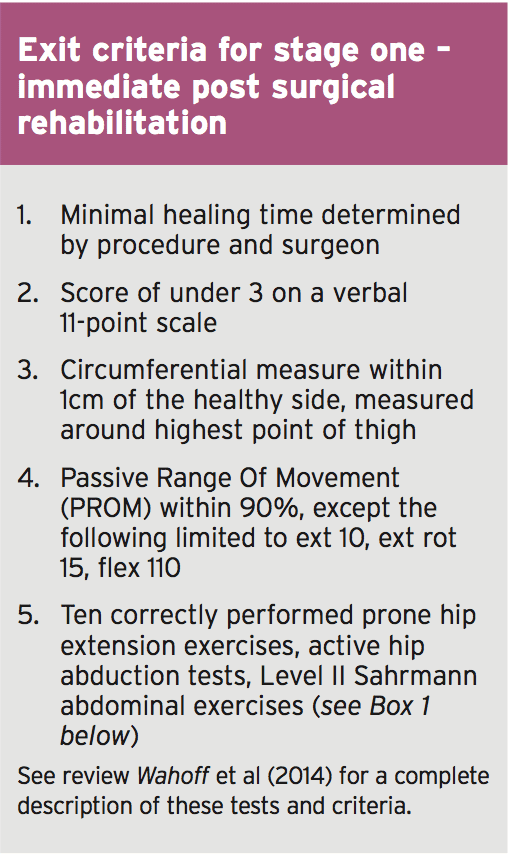
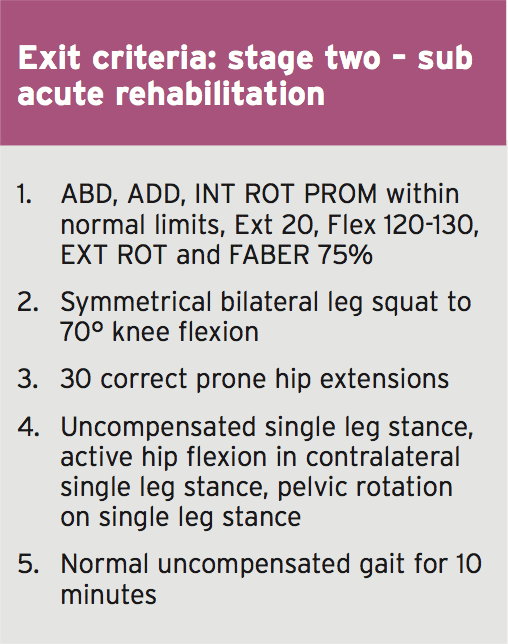
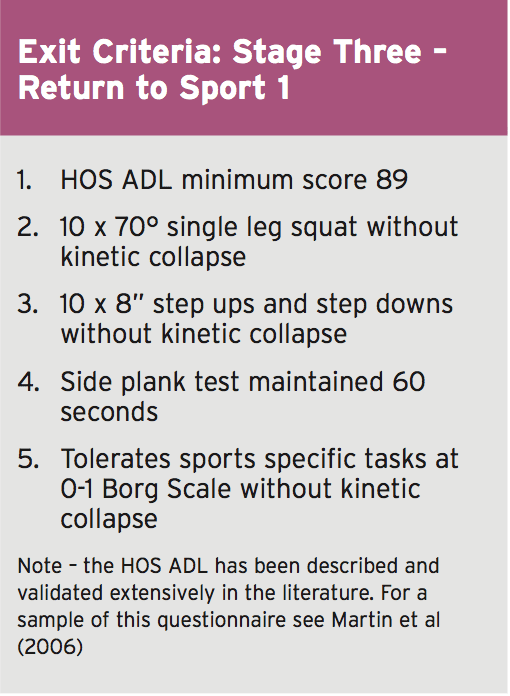
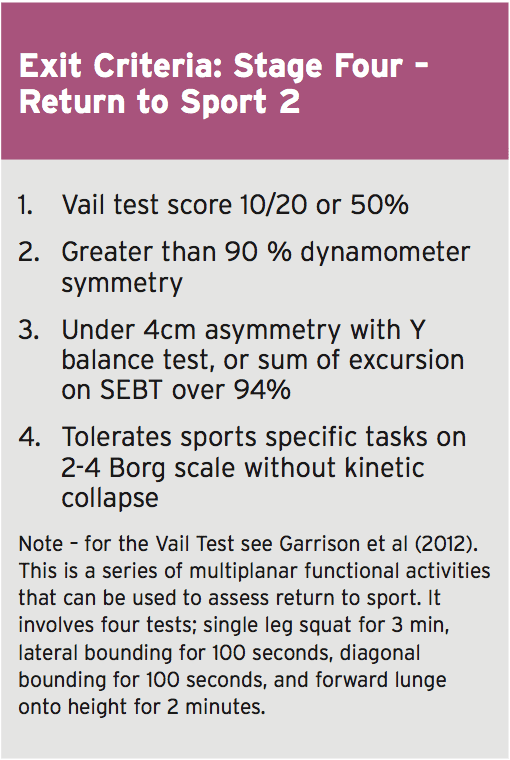
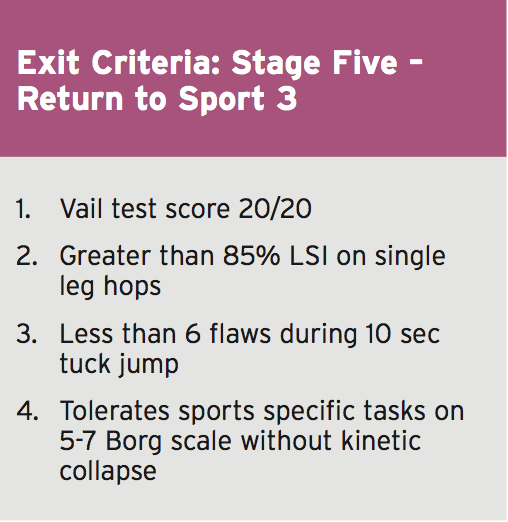
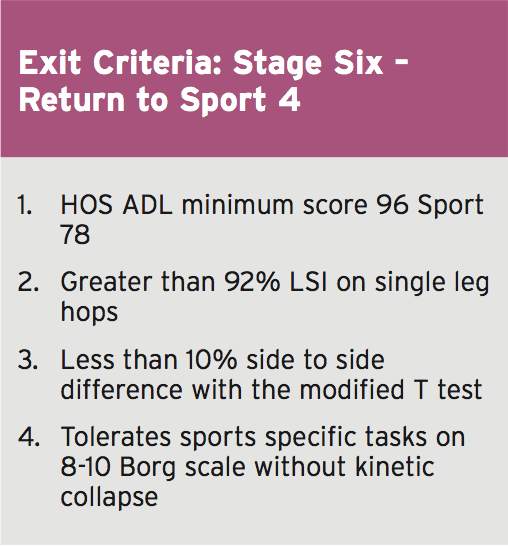
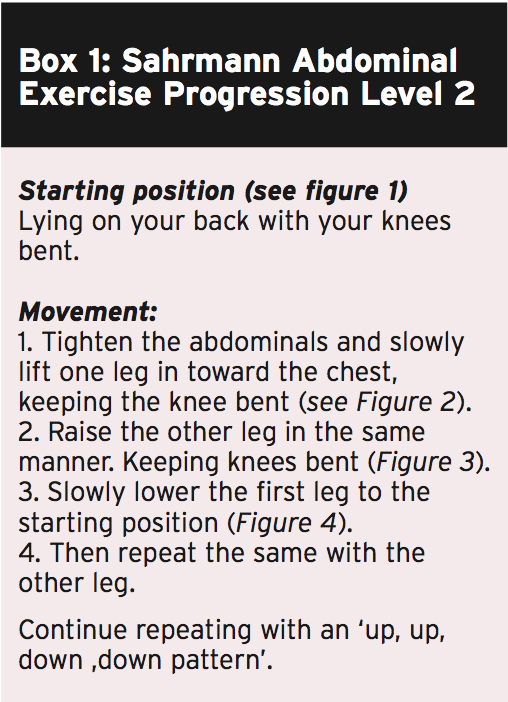
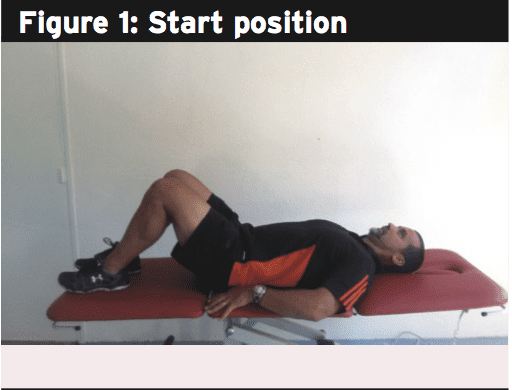
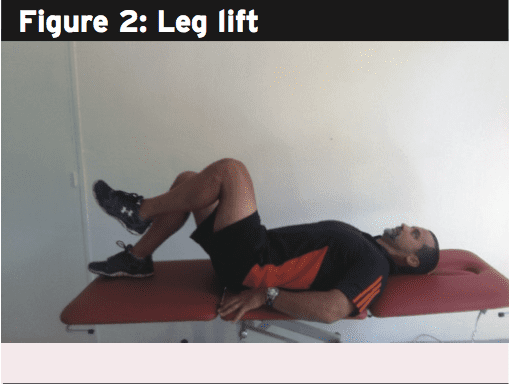
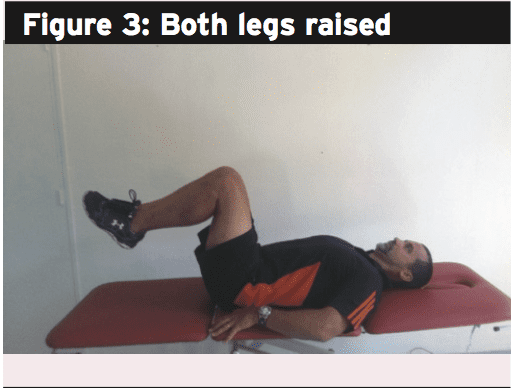
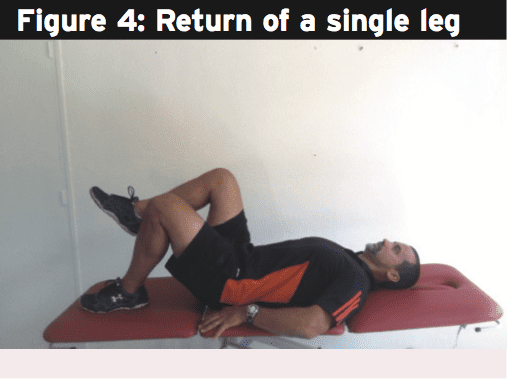 So as to advance through the six clarified stages, the athlete may undergo extensive physiotherapy, focusing on hip range of movement exercises, manual therapy and trigger point releases, active stretching, potentially deloaded activities like hydrotherapy or Alta G walking/ running and strong hip rotator and gluteal strengthening exercises. Much of this will be ‘controlled’ and led by the wishes of the surgeon as they will provide the framework on if and what happens concerning loading.
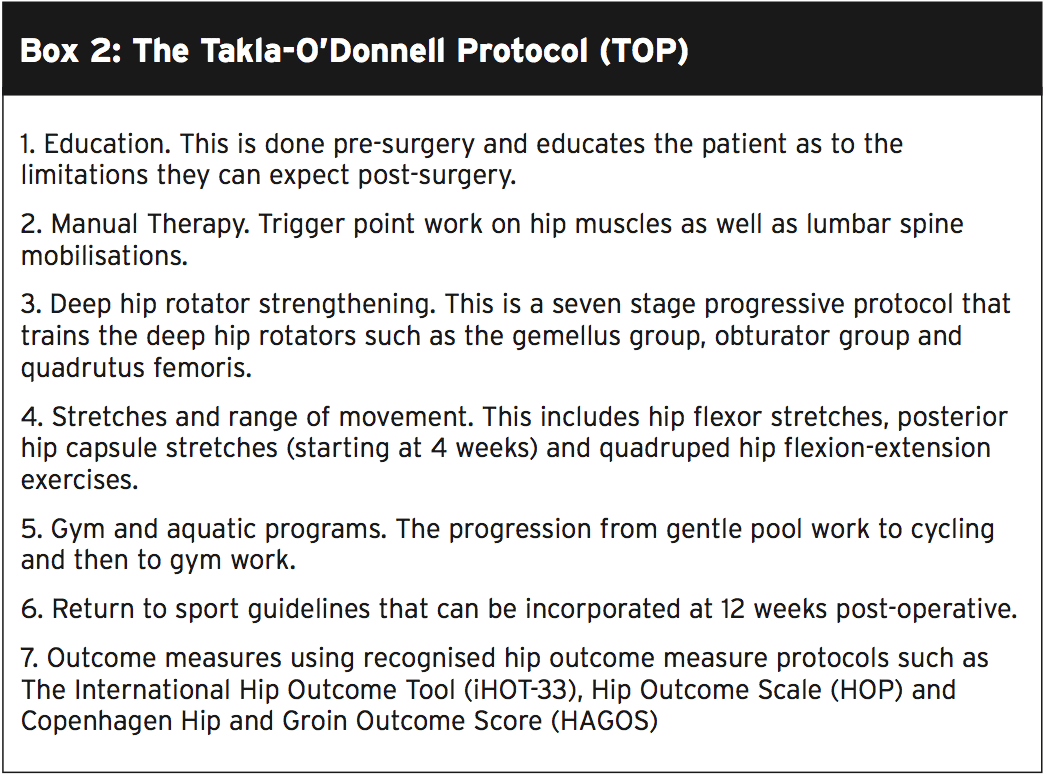 Hip Muscle Control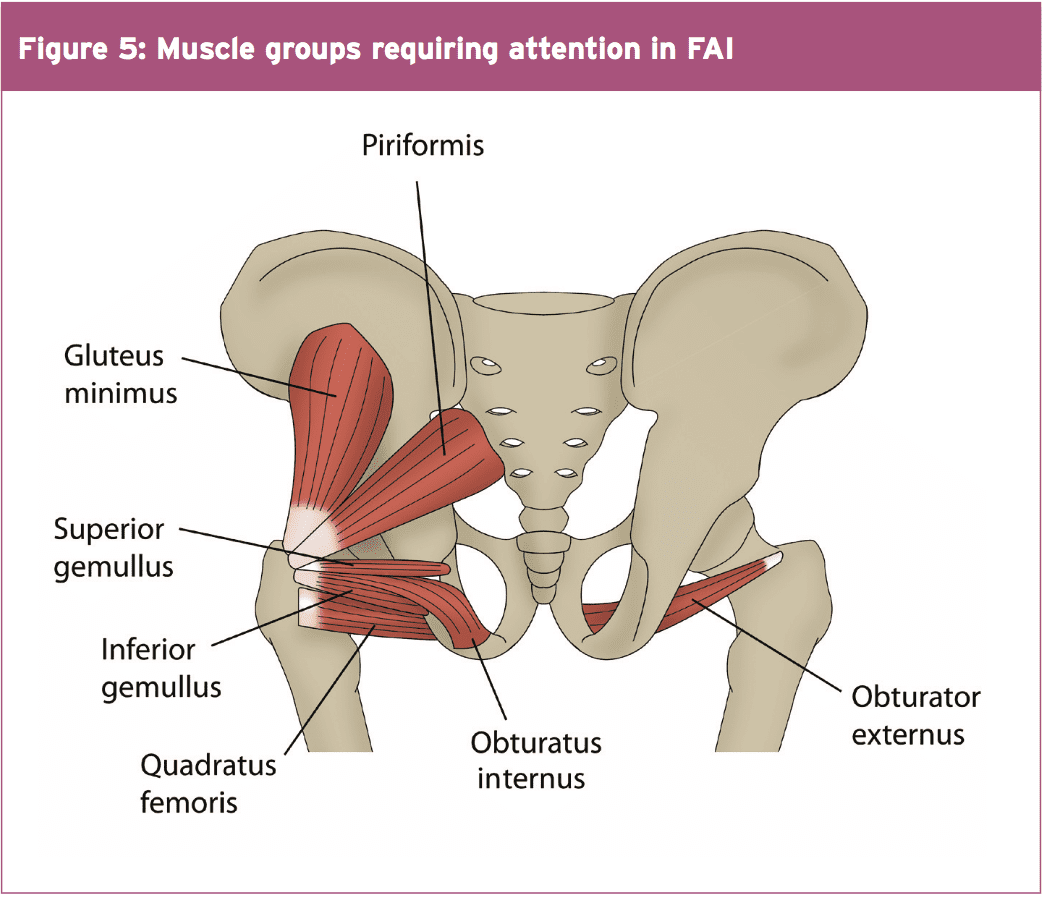
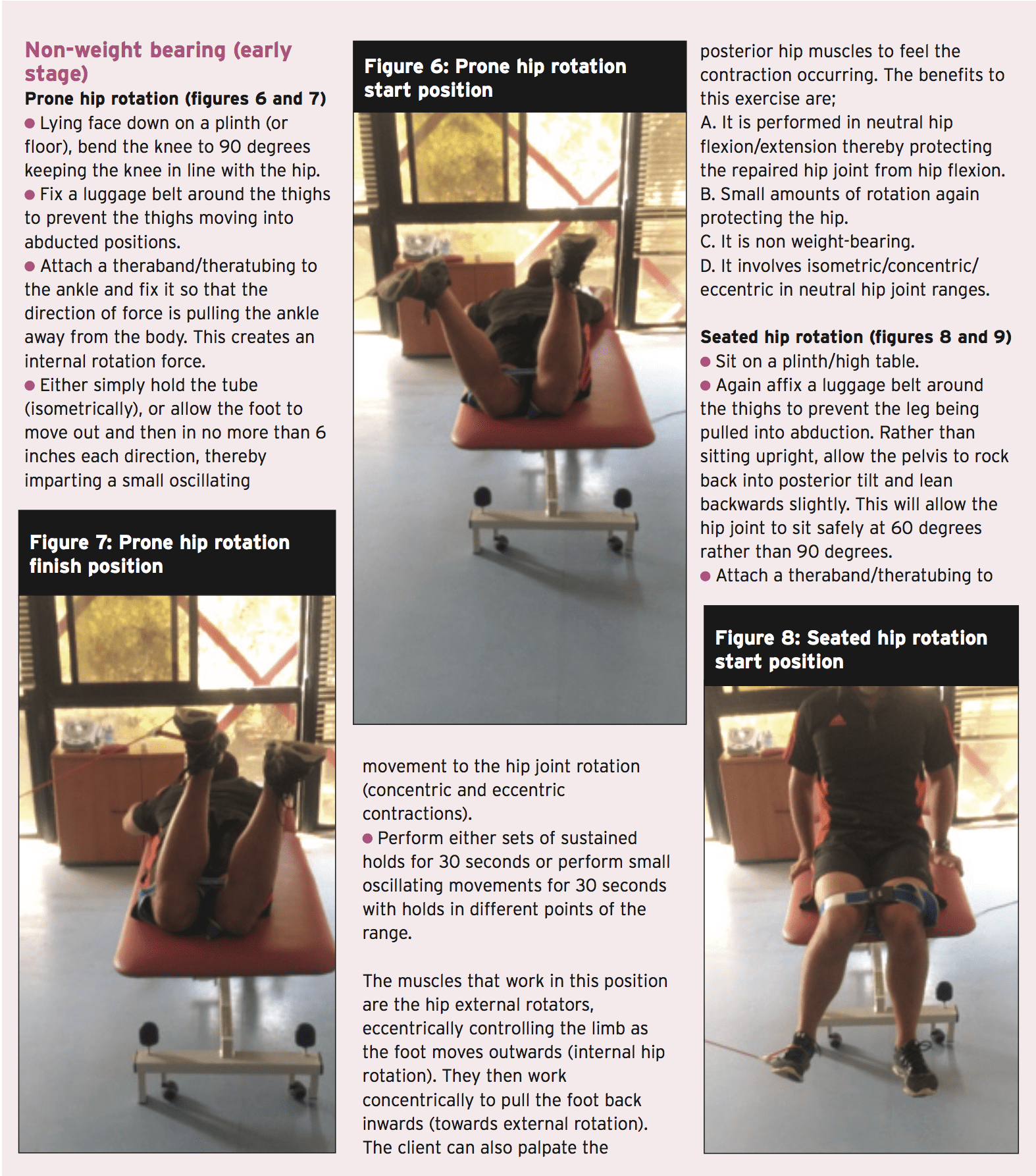
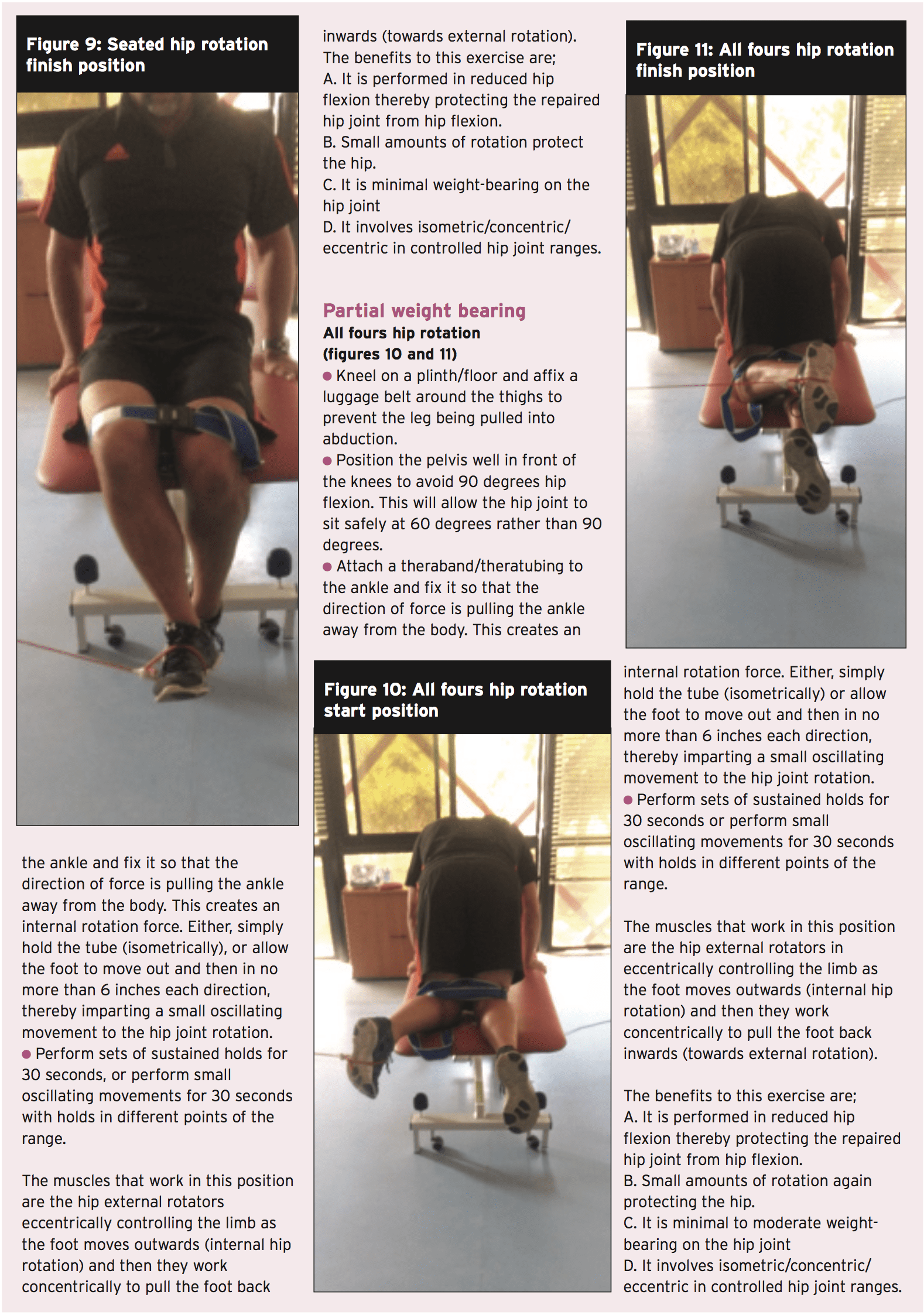
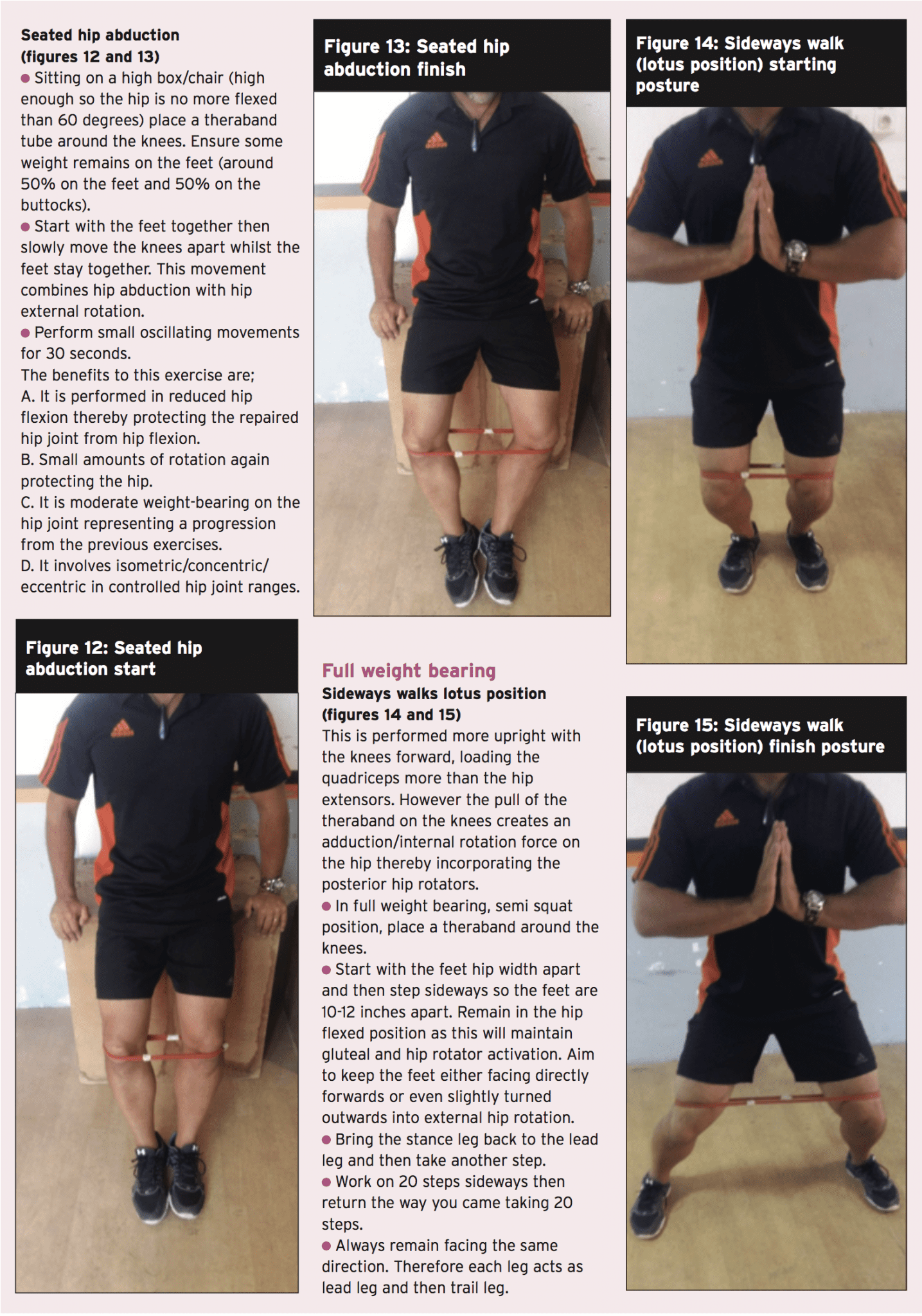
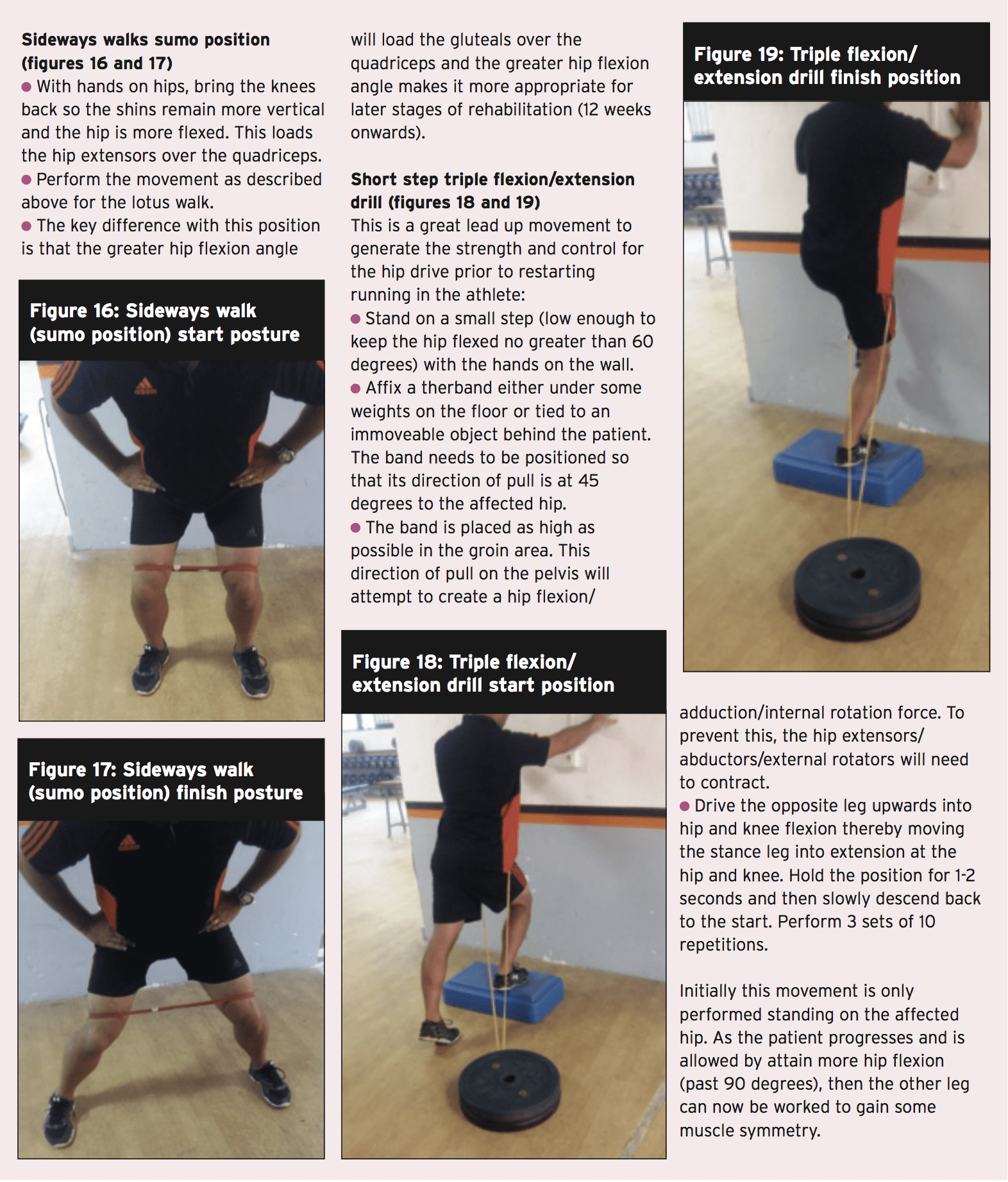 Summary



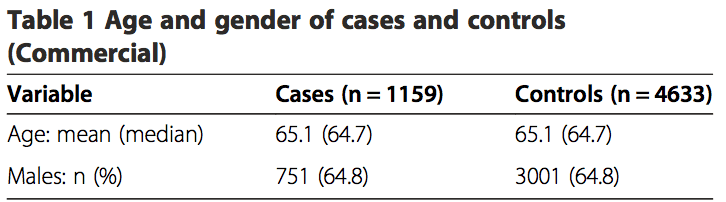
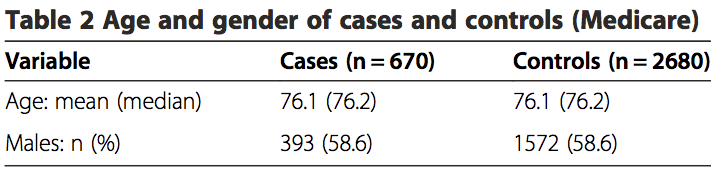
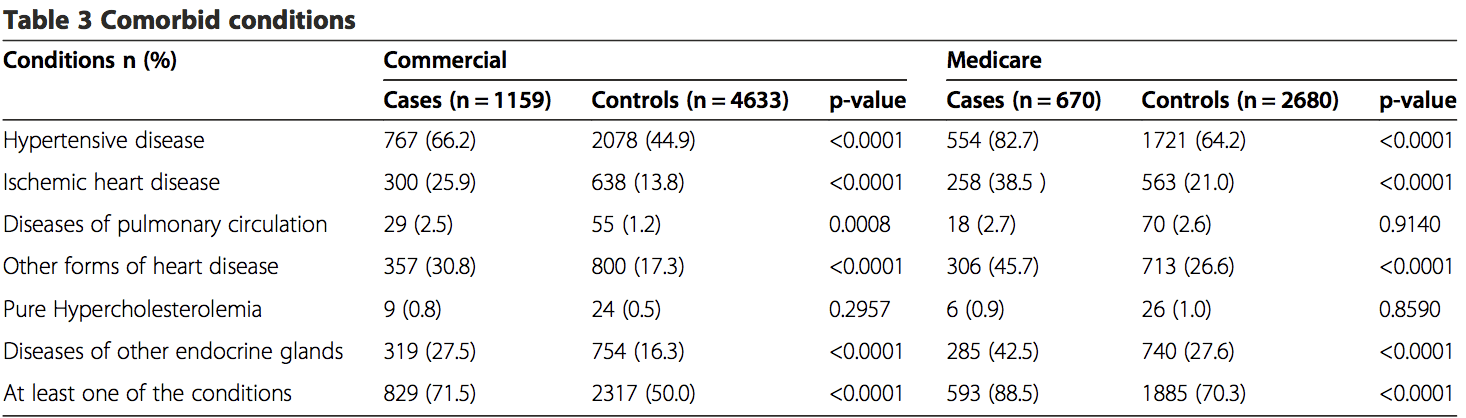 Among the commercially insured, 1.6% of stroke cases had visited chiropractors within 30 days of being admit- ted to the hospital, as compared to 1.3% of controls visit- ing chiropractors within 30 days prior to their index date. Of the stroke cases, 18.9% had visited a PCP within 30 days prior to their index date, while only 6.8% of controls had visited a PCP (Table 4). The proportion of exposures for chiropractic visits was lower in the MA sample within the 30-day hazard period (cases = 0.3%; controls = 0.9%). However, the proportion of exposures for PCP visits was higher, with 21.3% of cases having PCP visits as compared to12.9% for controls (Table 5).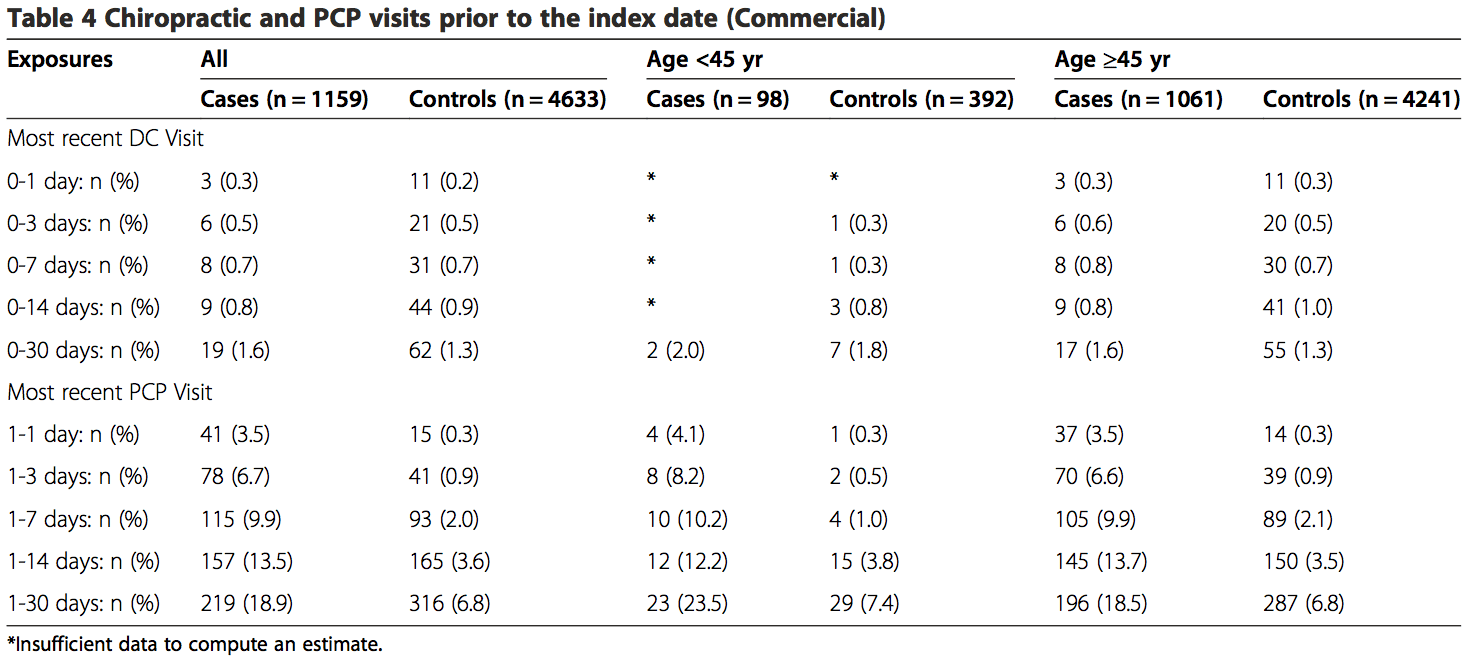
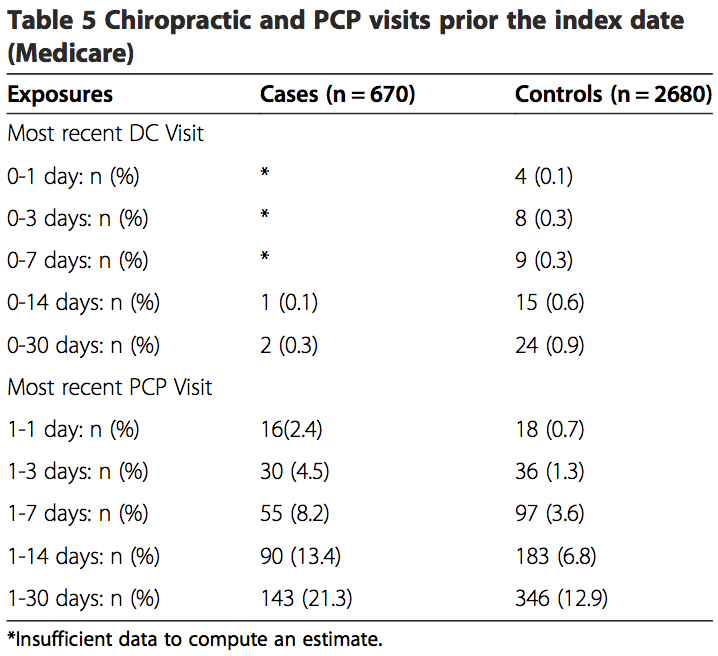 The results from the analyses of both the commercial population and the MA population were similar (Tables 6, 7 and 8). There was no association between chiropractic visits and VBA stroke found for the�