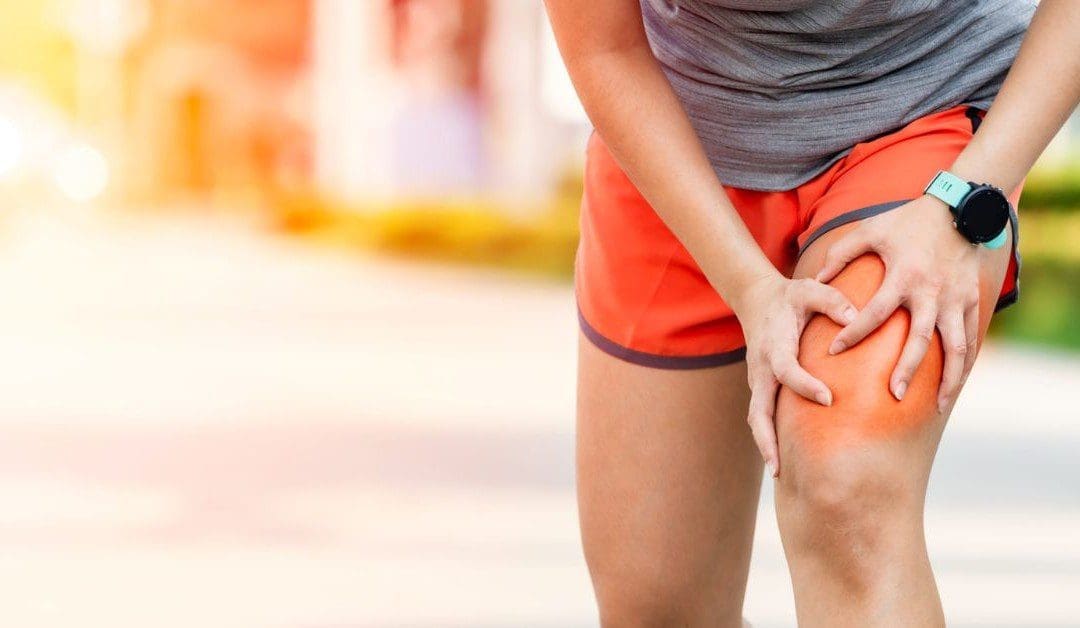
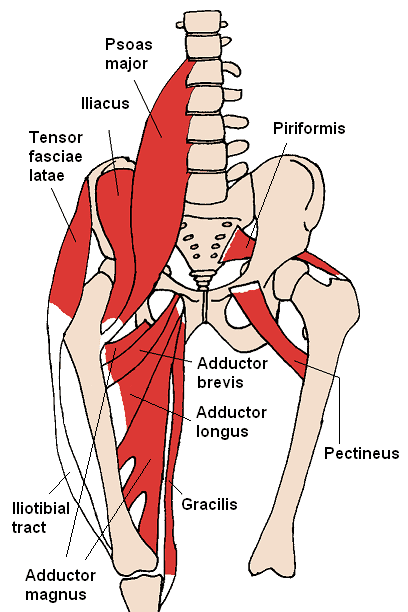
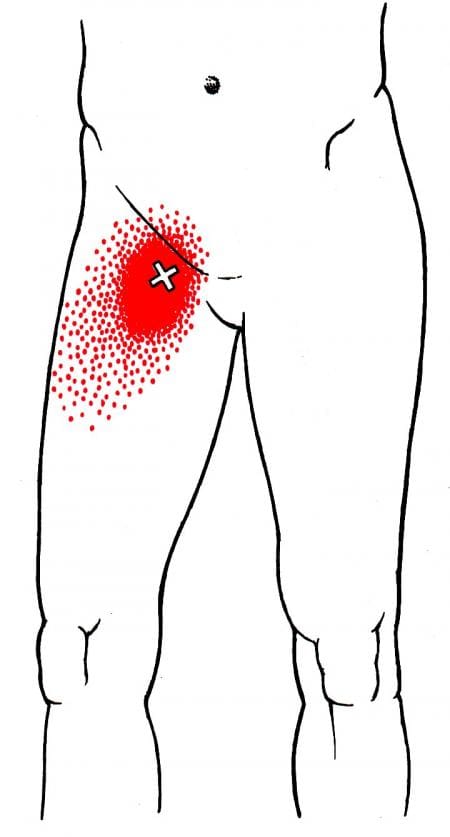
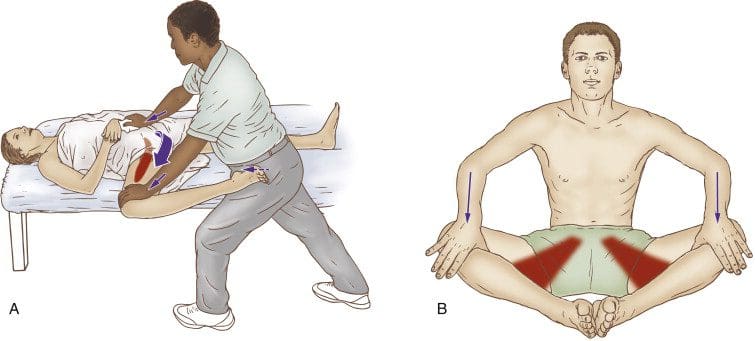
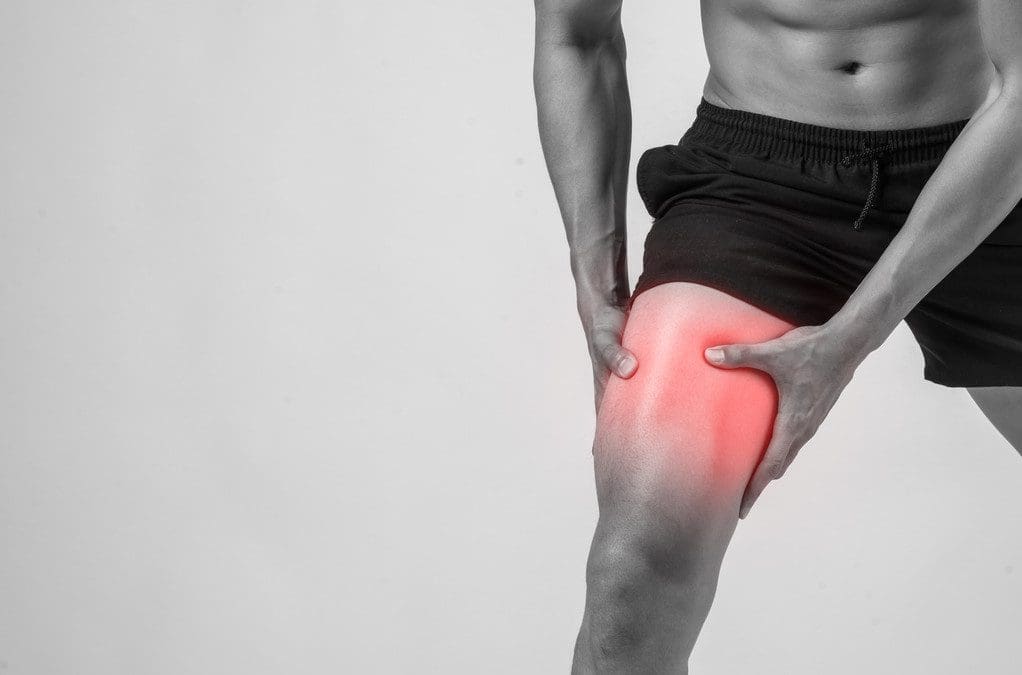
The hips and the thighs have an established relationship where mobility and stability play a part in the body’s lower extremities. The lower extremities’ main job is to support the upper body’s weight while stabilizing the hips and allowing movement from the thighs to the legs and feet. When it comes to the thighs in the lower body, the various muscle surrounds the thighs and skeletal joints to allow the legs to move from one place to another. One of the muscle groups in the thighs is known as the quadriceps femoris. This muscle group is activated when a person is in motion and can succumb to injuries from trauma or normal factors. When this happens, issues like myofascial pain syndrome can affect the thigh muscle and cause referred pain to travel to the knees. Today’s article focuses on the quadriceps femoris, how myofascial pain syndrome is associated with thigh pain, and trigger point therapy on the quadriceps. We refer patients to certified providers who incorporate multiple methods in the lower body extremities, like thigh and hip pain treatments correlating to myofascial pain, to aid individuals dealing with pain symptoms along the quadriceps for muscle. We encourage and appreciate patients by referring them to associated medical providers based on their diagnosis, especially when appropriate. We understand that education is an excellent solution to asking our providers complex questions at the patient’s request. Dr. Jimenez, D.C., utilizes this information as an educational service only. Disclaimer
What Are The Quadriceps Femoris?
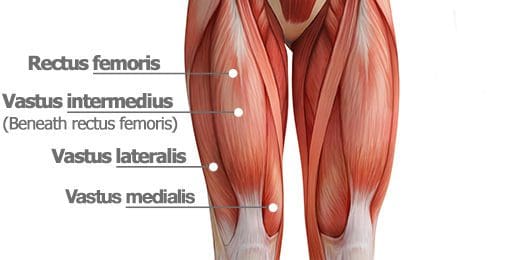
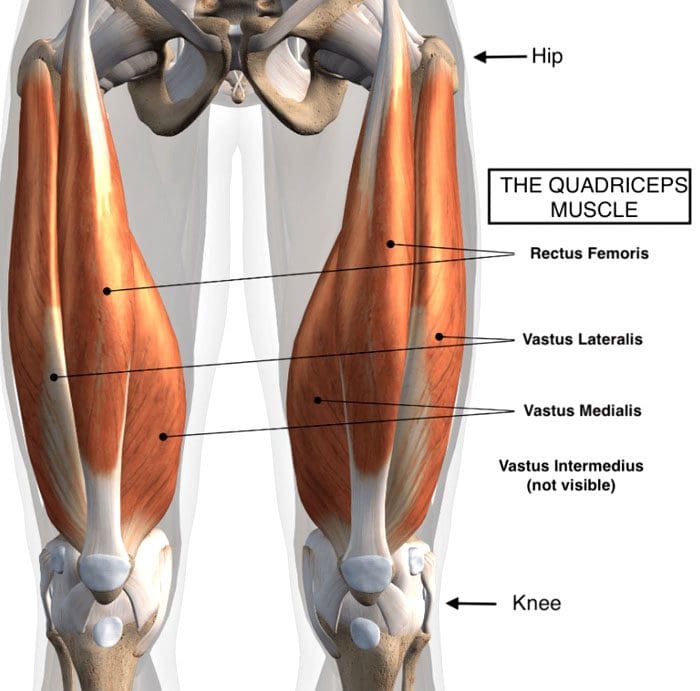
Have you been dealing with knee issues when you are walking? What about muscle tenderness or soreness in your thighs? Or have you been experiencing knee complaints when you are running? These areas of complaint are correlated with trigger points associated with thigh pain along the quadriceps femoris. As one of the most voluminous muscles in the human body, the quadriceps femoris is a group of muscles predominant in the thighs and is extraordinarily important. This muscle group is essential for daily activities like climbing the stairs or getting up from a seated position, allowing repercussions on the knees and hip joints. The quadriceps femoris consist of four thigh muscles to allow extension to the knees:
Vatus medialis
Vatus lateralis
Vatus intermedius
Rectus femoris
Studies reveal that these four different muscles fuse to form the quadricep tendon and stabilize the patella and thigh flexion at the hips and knee extension. This muscle group is highly important for athletes participating in sports events but can succumb to injuries through muscle strain.
Myofascial Pain Syndrome Associated With Tigh Pain
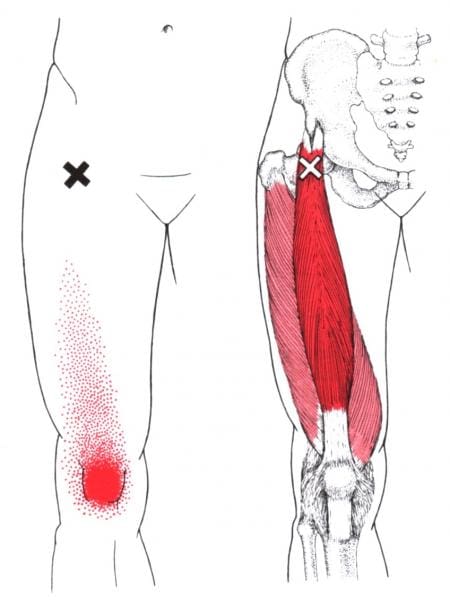
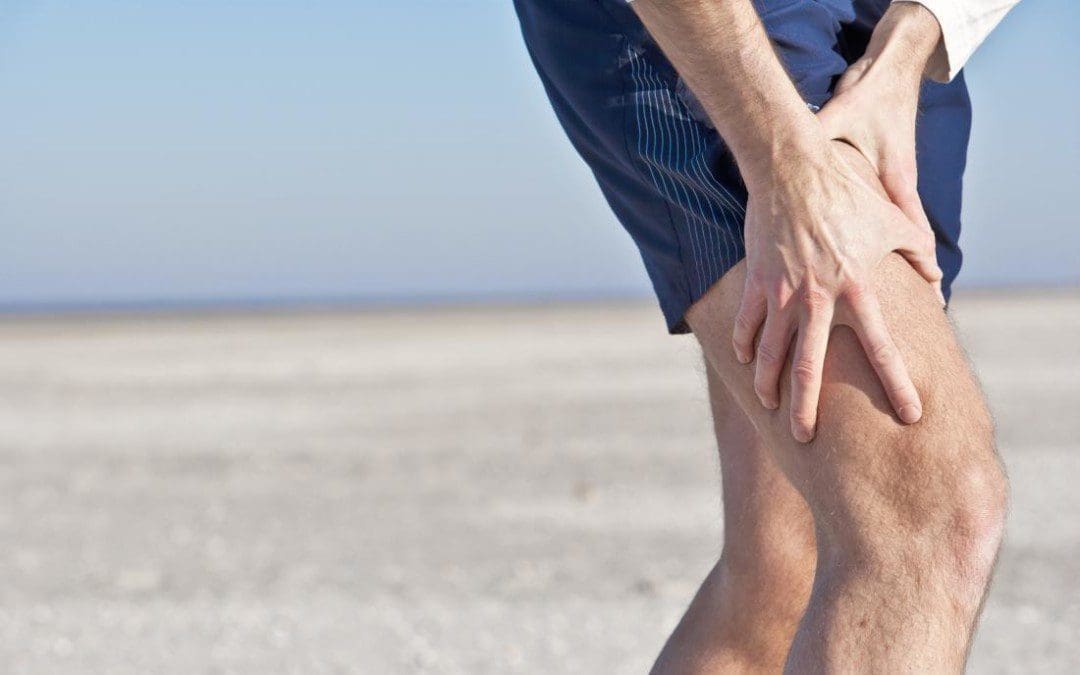
When the thigh muscles, especially the quadriceps femoris, can be overstretched and overused when in motion. Thigh pain is nothing to be alarmed about in its acute form; however, it can develop small nodules along the four muscle fibers that can cause referred pain to the hips and knees. To that point, it can correlate through quadriceps muscle strain to the thighs. Studies reveal that normal factors like kicking, jumping, or a sudden change of direction of running can potentially cause the muscle fibers to be overstretched and develop pain due to localized swelling corresponding to loss of motion from myofascial pain syndrome.
In “Myofascial Pain and Dysfunction,” written by Dr. Janet G. Travell, M.D., the book states that myofascial pain syndrome can invoke referred pain to the affected muscle or muscle group, causing the body to be dysfunctional. Myofascial pain syndrome associated with thigh pain can be managed through various treatments and could allow mobility back to the thighs, legs, knees, and hips. The book even mentions how the four muscles in the quadriceps femoris cause different pain issues in various body parts due to myofascial pain syndrome. For the rectus femoris, many people would complain about knee pain and weakness when climbing stairs. The vatus medialis would initially produce a toothache-like pain deep within the knee joint, often misinterpreted as joint inflammation. The vatus intermedius causes many individuals to have difficulty fully straightening their knees and causes them to develop buckling knee syndrome. And finally, the vatus lateralis could cause many individuals to complain about feeling pain when walking and that the pain is being distributed on the lateral aspect of the thigh, including the knees.
Trigger Point Therapy: Stretching The Quadriceps- Video
Have you been dealing with pain in your thighs and knees? Do you find it difficult to climb up or down the stairs? Or have you been experiencing inflammation in your knee joints? All these symptoms that you are experiencing in your thighs, knees, and hips correlate with trigger points created by myofascial pain syndrome affecting the quadriceps femoris. The quadriceps femoris is a voluminous group of muscles that allows the individual to do daily activities like climbing up or down the stairs, running, jumping, and getting up from a seated position. When various issues can cause the quadricep femoris to become overstretched and overused, it could develop myofascial pain syndrome/trigger points along the muscle fibers to mimic knee pain and cause dysfunction in knee mobility. Even though myofascial pain syndrome is poorly diagnosed, individuals can manage it through various treatments that target myofascial trigger pain. The video above explains where the quadriceps femoris muscles are located on the thigh and where the trigger points are in the muscle fibers. The video also provides various stretching techniques on the quadriceps to reduce pain-like symptoms along the thighs.
Trigger Point Therapy On The Quadriceps
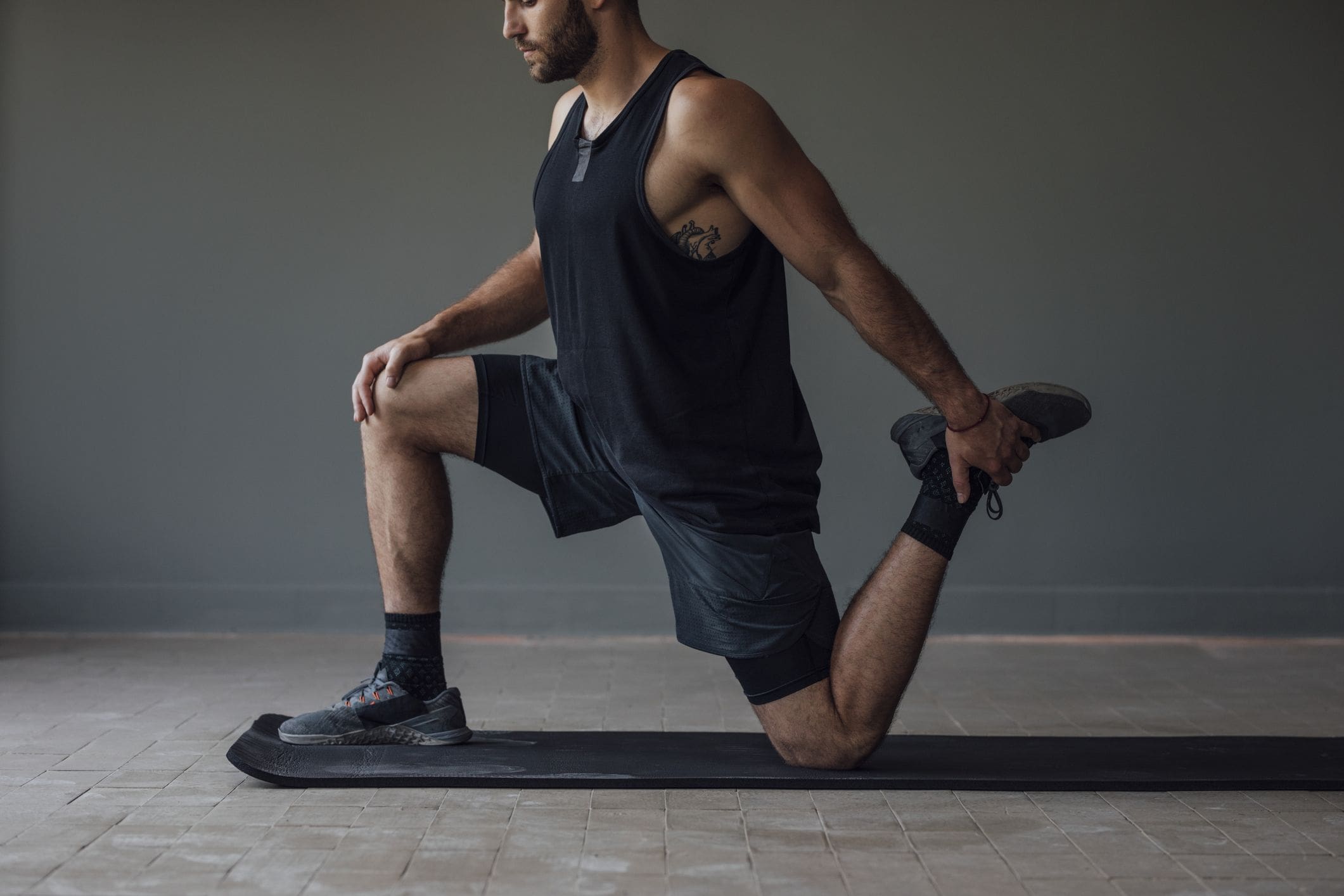
When it comes to releasing myofascial pain syndrome on the quadriceps, treatments like dry needling, acupuncture, or manual stretching can help loosen and lengthen the quadricep muscles from becoming shorten and can reduce myofascial trigger points from causing more issues on the knees and thighs. At the same time, treatment alone can only go so far in rehabilitation unless the person dealing with myofascial pains syndrome associated with thigh pain do some corrective actions to prevent trigger points from reproducing on the quads. Actions like:
Avoid prolonged sitting
Stretching the quads as part of your warm-up
Sleeping with a pillow between the knees
These actions allow the quadriceps to relax and prevent pain-like issues from affecting the knees. To that point, these actions can help many individuals have mobility back to their legs and allow them to bend their knees without feeling pain.
Conclusion
The quadriceps femoris consists of four thigh muscles that fuse to enable mobility functions in the knees without pain. As the most voluminous muscle group in the body, the quadriceps femoris allows the thighs to function when in motion and allow the knees to extend. When various issues cause the quadriceps femoris muscles to be overstretched, it can develop trigger points/myofascial pain syndrome that mimics knee pain and can affect how a person is walking. Thankfully, various treatments specializing in myofascial pain syndrome can reduce the pain symptoms from the quadriceps femoris and bring back knee mobility to the legs.
References
Bordoni, Bruno, and Matthew Varacallo. “Anatomy, Bony Pelvis and Lower Limb, Thigh Quadriceps Muscle.” In: StatPearls [Internet]. Treasure Island (FL), StatPearls Publishing, 10 May 2022, https://www.ncbi.nlm.nih.gov/books/NBK513334/.
Kary, Joel M. “Diagnosis and Management of Quadriceps Strains and Contusions.” Current Reviews in Musculoskeletal Medicine, Humana Press Inc, 30 July 2010, https://www.ncbi.nlm.nih.gov/pmc/articles/PMC2941577/.
Rozenfeld, Evgeni, et al. “The Prevalence of Myofascial Trigger Points in Hip and Thigh Areas in Anterior Knee Pain Patients.” Journal of Bodywork and Movement Therapies, U.S. National Library of Medicine, 14 May 2019, https://pubmed.ncbi.nlm.nih.gov/31987560/.
Simons, D. G., and L. S. Simons. Myofascial Pain and Dysfunction: The Trigger Point Manual: Vol. 2:the Lower Extremities. Williams & Wilkins, 1999.
Waligora, Andrew C, et al. “Clinical Anatomy of the Quadriceps Femoris and Extensor Apparatus of the Knee.” Clinical Orthopaedics and Related Research, Springer-Verlag, Dec. 2009, https://www.ncbi.nlm.nih.gov/pmc/articles/PMC2772911/.
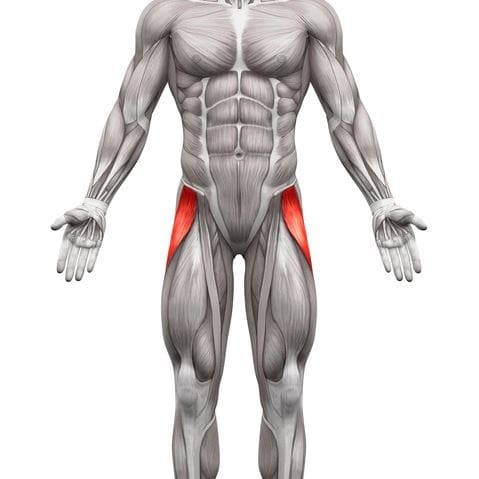
When many individuals begin to work out or start training for an event, they incorporate various muscles to give optimal output and strength when doing a set of exercises. Many athletes or individuals trying to train for an event or to better themselves have to do a pre-workout routine involving various stretches to warm up the muscles before the actual workout and do stretches post-workout again. This ensures that the muscles are ready to give it their all when a person is working out. The body has various parts with different functions and jobs that help the body’s motor function. The upper body has the shoulders, arms, hands, elbows, neck, head, and chest to allow movements and stability. At the same time, the lower body has the hips, low back, thighs, legs, knees, pelvis, and feet to support the upper body’s weight and stabilize the lower extremities from collapsing. When various factors affect the body, it can lead to dysfunction and causes referred pain to different body locations that can mask chronic conditions. Today’s article looks at one of the lower body muscles located at the inner thighs, known as the pectineus muscle, how trigger point pain affects the inner thighs, and various stretches to strengthen the hip adductors. We refer patients to certified providers who incorporate multiple methods in the lower body extremities, like thigh and hip pain treatments correlating to trigger point pain, to aid individuals dealing with pain symptoms along the pectineus muscle. We encourage and appreciate patients by referring them to associated medical providers based on their diagnosis, especially when appropriate. We understand that education is an excellent solution to asking our providers complex questions at the patient’s request. Dr. Jimenez, D.C., utilizes this information as an educational service only. Disclaimer
What Is The Pectineus Muscle?
Have you been experiencing pain in your inner thighs? Do you find it difficult to play various sports? Do you feel tenderness or soreness in your thighs or near your groin? Most of these symptoms are associated with trigger point pain along the pectineus muscles that affect the thighs. The pectineus is part of the anterior thigh muscles that extend the leg to the knee joint. The pectineus works with another muscle known as the sartorius and a muscle group known as the quadriceps femoris. The pectineus muscle is responsible for flexion, adduction, and medial rotation since it is a hip adductor for the thighs. This muscle is important for various sports activities like running, skating, soccer, or basketball and can become overused due to overstretching the legs too far, thus developing trigger points in the pectineus muscle.
Trigger Point Pain Affecting The Inner Thighs
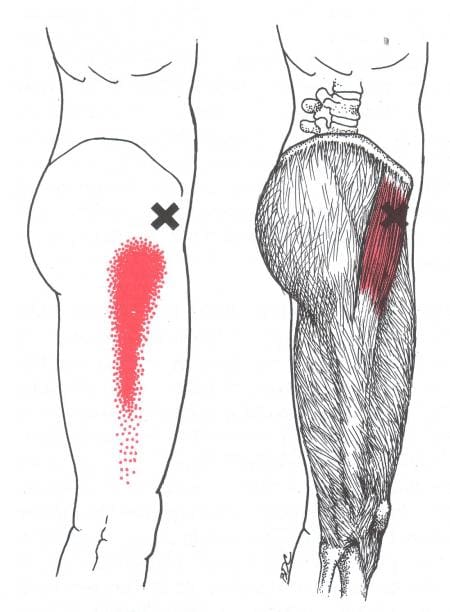
When athletes overuse their legs and overstretch the pectineus muscle, it can cause issues with the thighs, hips, and legs’ mobility causing referred pain to the lower body. This is known as trigger point pain and can be challenging when diagnosing where the pain is located. Studies reveal that trigger point pain affecting the inner thighs, especially the pectineus muscle, can mimic groin and hip pain, causing various symptoms in the lower extremities. The multiple symptoms can include:
Weak adductor muscles
Muscle fatigue
Decreased range of motion
Leg-length discrepancy
Various reasons can lead to the development of trigger point pain associated with the inner thighs along the pectineus; according to “Myofascial Pain and Dysfunction,” written by Dr. Janet G. Travell, M.D., stated that when patients are dealing with pectineus trigger points would complain about the referred pain surrounding the muscle but not the muscle itself. The book also mentioned that nerve entrapment could also be an issue since trigger points like to mimic other chronic conditions. Trigger points along the pectineus muscle can also develop associated with hip joint diseases like advanced osteoarthritis.
Treating Trigger Points In Hip Adductors- Video
Are you experiencing issues when moving around constantly? Do you experience pain in your inner thighs and hips? Or do you have difficulty rotating your thighs or hips? If you have been dealing with these issues throughout your entire life, it could be due to your pectineus muscles being affected by trigger points along your inner thighs. Trigger points (myofascial pain syndrome) develop tiny nodules along the muscle fibers, causing referred pain to the surrounding muscles that can cause dysfunction in the lower extremities. Studies reveal that myofascial trigger points can cause the affected muscles to be intensely sensitive and irritable, predominantly near the reflex muscle. To that point, it causes hip and thigh disability in the lower body. Fortunately, there are ways to reduce the pain and manage the trigger point pain along the pectineus muscle, as shown in the video above. The hip adductor muscles are being stretched and treated for trigger point pain and allowing mobility back to the hips and inner thighs.
Various Stretches To Strengthen Hip Adductor
Since the pectineus muscle is part of the hip adductor muscles, various stretches can reduce the chances of trigger points from future development while minimizing the pain that it is causing along the surrounding muscles. Studies reveal that multiple exercises and stretches for the pectineus muscle can help with hip flexion and stabilization. These stretches can help stretch and strengthen the hip adductor muscles while preventing groin pain associated with trigger points. Incorporating these stretches before and after a workout can reduce trigger points and allow hip mobility and thigh rotation back to the legs. This ensures that the trigger points along the pectineus muscle are managed, and the individual doesn’t have to suffer from referred pain issues on the thighs and can move around without pain.
Conclusion
As part of the hip adductor muscles, the pectineus is a small muscle that extends the leg to the knees and allows the thighs to flex, adduct, and rotate without pain. This muscle is important for many athletes participating in sports and can be easily overstretched to cause referred pain around the thighs. To that point, it can develop trigger points along the pectineus muscles can correlate to groin pain in the lower extremities. All is not lost, as various stretches and exercises can strengthen the hip adductor muscles and improve thigh and hip mobility. This allows athletes and individuals to continue playing the sport they enjoy.
References
Giphart, J Erik, et al. “Recruitment and Activity of the Pectineus and Piriformis Muscles during Hip Rehabilitation Exercises: An Electromyography Study.” The American Journal of Sports Medicine, U.S. National Library of Medicine, July 2012, https://pubmed.ncbi.nlm.nih.gov/22523373/.
Khan, Ayesha, and Abdul Arain. “Anatomy, Bony Pelvis and Lower Limb, Anterior Thigh Muscles.” In: StatPearls [Internet]. Treasure Island (FL), StatPearls Publishing, 10 June 2022, https://www.ncbi.nlm.nih.gov/books/NBK538425/.
Kiel, John, and Kimberly Kaiser. “Adductor Strain.” In: StatPearls [Internet]. Treasure Island (FL), StatPearls Publishing, 21 June 2022, https://www.ncbi.nlm.nih.gov/books/NBK493166/.
Simons, D. G., and L. S. Simons. Myofascial Pain and Dysfunction: The Trigger Point Manual: Vol. 2:the Lower Extremities. Williams & Wilkins, 1999.
Wada, Juliano T, et al. “An Anatomical Basis for the Myofascial Trigger Points of the Abductor Hallucis Muscle.” BioMed Research International, Hindawi, 22 Jan. 2020, https://www.ncbi.nlm.nih.gov/pmc/articles/PMC6998759/.
The lower body extremities help provide stability to the various body parts, including the hips, thighs, pelvis, legs, knees, and feet. The hips and thighs comprise multiple muscles and nerves that provide mobility to the lower half and allow the host to move around in different locations. While the hip muscles act on the thigh muscles at the hip joint and stabilize the pelvis, the thigh muscles allow the lower body to bend, flex and rotate while bearing most of the upper body’s weight and keeping alignment with the hips and legs. One of the thigh muscles is the sartorius muscle, and if it becomes overused and injured can lead to complications in the form of myofascial pain syndrome. Today’s article post examines the sartorius muscle, how myofascial trigger pain is associated with the sartorius, and the effectiveness of myofascial pain treatment on the thighs. We refer patients to certified providers who incorporate multiple methods in the lower body extremities, like thigh pain treatments correlating to myofascial pain syndrome, to aid individuals dealing with pain symptoms along the sartorius muscle. We encourage and appreciate patients by referring them to associated medical providers based on their diagnosis, especially when appropriate. We understand that education is an excellent solution to asking our providers complex questions at the patient’s request. Dr. Jimenez, D.C., utilizes this information as an educational service only. Disclaimer
What Is The Sartorius Muscle?
Are you experiencing pain in the upper, mid, or lower parts of your thighs? Do you have difficulty walking for long periods? Or do your knees hurt more than usual? Most of these issues correlate with myofascial trigger pain associated with the sartorius muscle. As the longest muscle that spans from the hips to the knee joints, the sartorius muscle, or the “tailor muscle,” serves as both a hip and knee flexor while working with other muscles that allow hip mobility. The sartorius shares its origin location with the TFL (tensor fascia latae) muscle at the anterior superior iliac spine and is responsible for internal rotation at the hips. In the book, “Myofascial Pain and Dysfunction,” the author Dr. Janet G. Travell, M.D., mentioned that the sartorius muscle assists the iliacus and the TFL muscles in hip flexion while assisting the short head of the bicep femoris in the knees for knee flexion, allowing the individual to walk for long distances. Even though this long muscle assists in hip and knee flexion, it can succumb to injuries and create issues with the hips and knees in the lower body.
Myofascial Trigger Pain Associated With The Sartorius Muscle
When traumatic forces or normal factors begin to affect the sartorius muscle, the surrounding muscles on the thighs and hips are also affected. The sartorius muscle allows the individual to move around and allows flexion to the hips and knees when injuries or the muscle is being overused; it can cause pain-like symptoms that correlate with hip and knee issues associated with myofascial trigger pain. Myofascial trigger pain along the sartorius muscle doesn’t usually occur in the muscle but can occur in conjunction with trigger point involvement in the surrounding muscles. Studies reveal that myofascial trigger pain is found in the hip muscles and can cause issues in the lumbopelvic-hip muscles of the lower body. This causes referred pain on the sartorius to be more diffused and superficial to the knees. When myofascial trigger pain is associated with the sartorius, many individuals often mistake it for knee pain. To that point, myofascial trigger pain could affect how a person walks and bends at the knees.
Anatomy & Palpation Of The Sartorius Muscle- Video
Are you experiencing issues when you are walking? Do your knees hurt constantly? Or are you experiencing tenderness or pain in your thighs? Most of these issues correlate with myofascial trigger pain associated with the sartorius muscle. The sartorius is a long muscle that connects the hips and spans to the knee joints to provide hip and knee flexion. The sartorius muscle works with the other muscles in the thighs and hips, allowing hip mobility and motor function to the legs. When multiple issues affect the sartorius and the surrounding muscles, it can develop into myofascial trigger pain and cause overlapping risk profiles to the knees and hips. To that point, it causes referred pain issues in the hips and knees, making the individual have difficulty walking from place to place. However, there are available treatments to reduce the pain in the hips and knees and manage the myofascial trigger pain from affecting the sartorius muscle on the thighs. The video above explains the anatomy of the sartorius muscle location and how palpation is used to locate the muscle to see if it is tight or could be affected by trigger points along the muscle fibers. This is one of the techniques that is used when a person is dealing with myofascial trigger pain associated with the sartorius muscle.
The Effectiveness Of Myofascial Pain Treatment On The Thighs
When a person is dealing with myofascial trigger pain in their thighs, and it is affecting the sartorius, many will often try to find available treatments to alleviate the pain. Treatments like dry needling are one of the various myofascial pain treatments that can reduce pain and related disability on the thighs, hips, and knees. Studies reveal that dry needling treatments can help manage knee pain syndrome associated with trigger points on the thighs. However, treatment alone can not be the only solution to reduce myofascial trigger pain in the thighs. Various hip stretches can loosen up tight hip flexors and help elongate the sartorius muscles to break up the nodules and improve mobility function to the hips and knees. People can even utilize self-ischemic compression to allow a more effective stretch on the sartorius muscle.
Conclusion
As the longest muscle in the thighs, the sartorius helps provide a service to hip and knee flexion while working with various muscles to keep the legs moving. When the sartorius muscles become overused and start to cause referred pain to the hips and knees, it can develop into myofascial trigger pain along the sartorius muscle. This can make many individuals believe they are suffering from knee pain when it’s their thigh muscle. However, myofascial trigger pain is treatable through treatments and corrective actions that people can incorporate into their daily activities to prevent pain from escalating and manage trigger points along the sartorius muscle. This can allow people to get back their mobility in their legs.
References
Rahou-El-Bachiri, Youssef, et al. “Effects of Trigger Point Dry Needling for the Management of Knee Pain Syndromes: A Systematic Review and Meta-Analysis.” Journal of Clinical Medicine, MDPI, 29 June 2020, https://www.ncbi.nlm.nih.gov/pmc/articles/PMC7409136/.
Samani, Mahbobeh, et al. “Prevalence and Sensitivity of Trigger Points in Lumbo-Pelvic-Hip Muscles in Patients with Patellofemoral Pain Syndrome.” Journal of Bodywork and Movement Therapies, U.S. National Library of Medicine, 15 Oct. 2019, https://pubmed.ncbi.nlm.nih.gov/31987531/.
Simons, D. G., and L. S. Simons. Myofascial Pain and Dysfunction: The Trigger Point Manual: Vol. 2:the Lower Extremities. Williams & Wilkins, 1999.
Walters, Benjamin B, and Matthew Varacallo. “Anatomy, Bony Pelvis and Lower Limb, Thigh Sartorius Muscle.” In: StatPearls [Internet]. Treasure Island (FL), StatPearls Publishing, 29 Aug. 2022, https://www.ncbi.nlm.nih.gov/books/NBK532889/.
The thighs in the lower half of the body work together with the hips to stabilize the legs when the body is in motion. The thighs and the hips also support the weight of the upper half of the body and are surrounded by muscles, ligaments, and nerve roots to supply blood and sensory-motor function to the legs. One of the thigh muscles that work with the hips is the tensor fasciae latae (TFL) muscle. When the thigh muscles are being overused or suffer from injuries, tiny nodules known as trigger points (myofascial pain syndrome) can affect a person’s ability to function worldwide. Today’s article examines what the tensor fasciae latae muscles do, how myofascial pain syndrome affects the thighs, and various stretches/techniques for the thighs. We refer patients to certified providers who incorporate multiple methods in the lower body extremities, like thigh pain treatments correlating to trigger points, to aid individuals dealing with pain symptoms along the tensor fasciae latae muscle. We encourage and appreciate patients by referring them to associated medical providers based on their diagnosis, especially when it is appropriate. We understand that education is an excellent solution to asking our providers complex questions at the patient’s request. Dr. Jimenez, D.C., utilizes this information as an educational service only. Disclaimer
What Does The Tensor Fasciae Latae Muscle Do?
Do you have difficulty walking for a long period? So you feel that your hips feel unstable when you move? Or do you feel radiating pain down from your thighs to your knees? Thigh pain associated with these symptoms can affect a person’s ability to move around from one location to another due to trigger points affecting the tensor fasciae latae muscle. The tensor fasciae latae (TFL) muscles are located at the proximal anterolateral thigh and originate from the anterior superior iliac spine. The TFL muscle is between the superficial and deep muscle fibers of the iliotibial (IT) band, as its attachment assists with knee flexion and lateral rotation. The TFL muscles also work together with the gluteus muscles in various hip movements. Studies reveal that the primary function of the TFL muscles is providing balance to the body’s weight and the non-weight-bearing leg to walk. The TFL muscles allow the individual to walk, run, and assist with movement and stabilization to the hips and knees without pain inflicted on the joints and muscles.
Myofascial Pain Syndrome Affecting The Thighs
Since the TFL muscles allow the person to walk and run, this muscle can become overused and strained through repetitive motions causing many issues to the hips, knees, and thighs. When these issues affect the TFL muscles, they can develop nodules along the muscle fibers known as trigger points or myofascial pain syndrome. Myofascial pain syndrome is a musculoskeletal disorder that can invoke referred pain in one location of the body while affecting the surrounding muscles in a different body location. Myofascial pain syndrome associated with the TFL muscles can cause issues to the hips, thighs, and knees while affecting a person’s ability to walk. Studies reveal that the prevalence of myofascial pain syndrome on the TFL muscles correlates to pain and disability in the thighs. When myofascial pain syndrome affects the TFL muscles, it can mimic chronic knee osteoarthritis.
Even though myofascial pain syndrome is challenging to diagnose, it is treatable through various stretches and techniques. In Dr. Janet G. Travell, M.D.’s book, “Myofascial Pain and Dysfunction,” it mentioned that when patients have active trigger points in their TFL muscles, they become aware of the referred pain affecting their hip joints and are unable to lie comfortably on their sides due to the body-weight pressure pressing on the affected TFL muscle. The book also points out that when pain is referred to from trigger points associated with the TFL muscles, it can be mistaken for pain in the glutes.
Trigger Point Of The Week: Tensor Fasciae Latae- Video
Have you been experiencing difficulty walking from one location to another? Do you feel pain in your thighs or knees? Or do you have a problem lying down on your side that is causing you pain? If you have been dealing with walking issues, it could be due to myofascial trigger pain in your tensor fasciae latae (TFL) muscles affecting your ability to walk. The TFL muscles help provide stability to the hips and thighs and assist with knee flexion and lateral rotation. This muscle also allows people to walk and run without any pain inflicted on the joints and muscles. When repetitive motions start to cause the TFL muscles to become overused and strained, it can lead to myofascial pain syndrome or trigger points developing, causing referred pain to the thighs. The video above explains where the TFL muscles are located and where the trigger points on the TFL muscles are causing pain to the thighs. Myofascial pain syndrome can mimic other chronic conditions like knee osteoarthritis, which causes pain and disability to the lower half of the body.
Various Stretches & Techniques For The Thighs
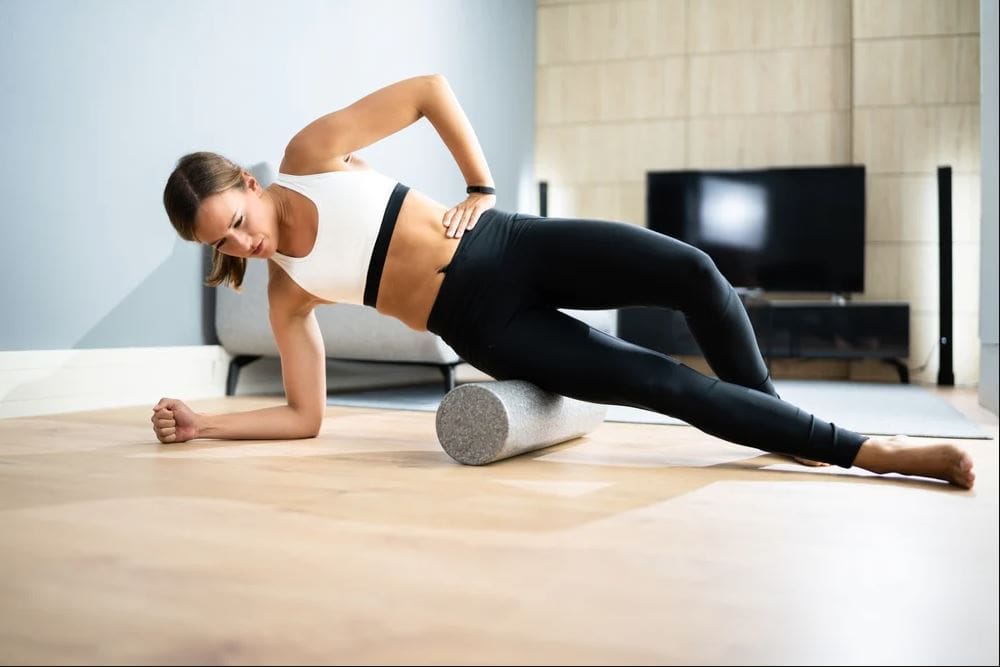
Now myofascial pain syndrome is challenging to diagnose in an examination due to the referred pain affecting one location of the body than the actual source of where the pain is coming. However, it is treatable through various techniques and stretches for the thighs to restore leg mobility. Studies reveal that direct stretching of the TFL (tensor fasciae latae) muscles can reduce long-term pain effects on the hips, thighs, and lower back and improve hip and thigh mobility. Various stretches like hip extensions and laterally rotating the hips can break the myofascial trigger points in the TFL muscle. Using a foam roller on the hips can gently stretch and loosen the muscle fibers on the TFL and help warm up the muscle before working out. Sitting down correctly in a chair can help the hips from causing more muscle strain to the thighs and prevent the TFL muscles from being shortened. Incorporating these stretches and techniques can improve hip and thigh mobility in the legs, allowing the individual to walk or run without pain.
Conclusion
The TFL (tensor fasciae latae) muscles are located on the proximal anterolateral thigh between the IT (iliotibial) band, which assists with knee flexion and lateral rotation. The TFL muscle also works with the gluteal muscles and allows the person to walk, run, and help with stability movement to the hips and knees with inflicted pain on the joints and surrounding muscles. When the TFL muscles become overused, they can develop myofascial trigger pain on the TFL, causing referred hip, knee, and thigh pain. This can cause the individual not to be able to walk for long periods and think they might have osteoarthritis in the knees. Fortunately, people can incorporate various stretches and techniques to reduce the pain in the thighs and hips while managing myofascial trigger pain along the TFL muscles. These various stretches and techniques allow mobility back to the hips and thighs so the individual can walk without pain.
References
Gottschalk, F, et al. “The Functional Anatomy of Tensor Fasciae Latae and Gluteus Medius and Minimus.” Journal of Anatomy, U.S. National Library of Medicine, Oct. 1989, https://www.ncbi.nlm.nih.gov/pmc/articles/PMC1256751/.
Ohtsuki, Keisuke. “A 3-Month Follow-up Study of the Long-Term Effects of Direct Stretching of the Tensor Fasciae Latae Muscle in Patients with Acute Lumbago Using a Single-Case Design.” Journal of Physical Therapy Science, The Society of Physical Therapy Science, May 2014, https://www.ncbi.nlm.nih.gov/pmc/articles/PMC4047246/.
Simons, D. G., and L. S. Simons. Myofascial Pain and Dysfunction: The Trigger Point Manual: Vol. 2:the Lower Extremities. Williams & Wilkins, 1999.
Sánchez Romero, Eleuterio A, et al. “Prevalence of Myofascial Trigger Points in Patients with Mild to Moderate Painful Knee Osteoarthritis: A Secondary Analysis.” Journal of Clinical Medicine, MDPI, 7 Aug. 2020, https://www.ncbi.nlm.nih.gov/pmc/articles/PMC7464556/.
Trammell, Amy P, et al. “Anatomy, Bony Pelvis and Lower Limb, Tensor Fasciae Muscle – NCBI Bookshelf.” In: StatPearls [Internet]. Treasure Island (FL), StatPearls Publishing, 8 Aug. 2022, https://www.ncbi.nlm.nih.gov/books/NBK499870/.
The posterior section of the lower half of the body consists of the hips, low back, pelvis, legs, and feet, which provide stability to the body while supporting the upper body’s weight. The various muscles surround the lower extremities and make different motions for mobility and functionality by contracting and retracting when the legs and hips are in motion. The various muscles that provide stability to the hips and the legs are the iliopsoas muscles. When normal age or incidents affect the lower body extremities, it can correlate to the development of trigger point pain. Today’s article examines the iliopsoas muscles, how referred trigger pain affects the thighs and low back, and treating trigger point pain on the thighs and low back. We refer patients to certified providers who incorporate multiple techniques in the low back and thigh pain therapies related to trigger points to aid individuals dealing with pain symptoms along the iliopsoas muscle in the lower back, thigh, and near the pelvis. We encourage and appreciate patients by referring them to our associated medical providers based on their diagnosis, especially when it is appropriate. We understand that education is an excellent solution to asking our providers complex questions at the patient’s request. Dr. Jimenez, D.C., utilizes this information as an educational service only. Disclaimer
What Is The Iliopsoas Muscle?
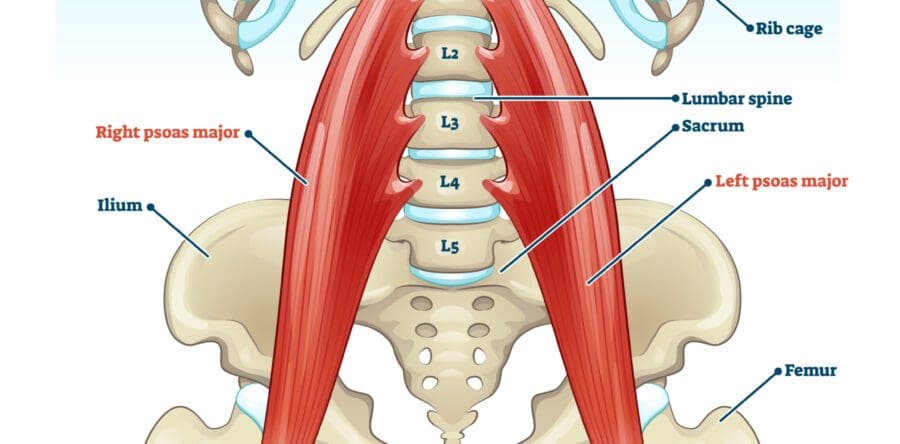
Have you been dealing with muscle cramps in your thighs? What about feeling muscle stiffness in your lower back when you are stretching? Or do you feel your thigh muscles become heavy after a workout? Many of these issues correlate with the iliopsoas muscle becoming overused and developing trigger points, thus affecting the thighs and lower back. In the lower body extremities, the muscles that help provide stability to the hips are the iliopsoas muscles. The iliopsoas muscles consist of three muscles: iliacus, psoas major, and psoas minor, which can work individually or as a unit. When working individually, the iliacus muscle provides stability to the pelvis, the psoas major muscle helps stabilize the lumbar spine when a person is sitting, and the psoas minor helps with flexion of the trunk and stretch the iliac fascia. As a unit, however, these muscles work together to become the primary flexors of the thighs and allow hip flexion.
Studies reveal that the iliopsoas is a deep muscle group that anatomically connects the spine to the body’s lower limbs. The iliopsoas muscles have an important function in the body’s lower limbs as primary hip flexors for daily activities, especially for those in sports. However, many impairments and pathologies affect the iliopsoas, which causes significant limitations and challenges since the symptoms mask the pain, causing individuals to think they are dealing with low back and hip pain.
Referred Trigger Pain On The Thighs & Low Back
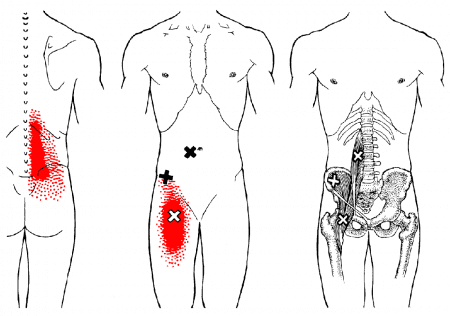
Since the iliopsoas muscles provide hip and thigh flexion to the lower body, many impairments and pathologies can affect this muscle group, causing issues in the hips, thighs, and even the lower back. These impairments can cause the iliopsoas muscles to be overused and overstretched, thus potentially developing trigger points along the iliopsoas muscles, causing referred pain on the thighs and low back. Studies reveal that when the iliopsoas muscle becomes overused or traumatic issues affect it, it can lead to problems in hip flexion and impairment in the lower extremities. In “Myofascial Pain and Disorders: The Trigger Point Manual,” written by Dr. Janet G. Travell, M.D., when trigger points begin to affect the iliopsoas muscles, it is known as the “Hidden Prankster” as normal factors like poor posture can overload the back causing trigger points to form not only on the iliopsoas muscles but the hamstrings, gluteal, thoracolumbar paraspinal, and posterior cervical muscles. Trigger points can mimic other chronic conditions that cause referred pain in different body areas. Trigger point pain in the iliopsoas muscle can lead to back pain, groin pain, snapping hips, and standing up difficult for the individual if it is not treated immediately.
Trigger Point Therapy: Iliopsoas Muscle- Video
Since the iliopsoas muscles provide hip and thigh flexion to the lower body, many impairments and pathologies can affect this muscle group, causing issues in the hips, thighs, and even the lower back. These impairments can cause the iliopsoas muscles to be overused and overstretched, thus potentially developing trigger points along the iliopsoas muscles, causing referred pain in the thighs and low back. Studies reveal that when the iliopsoas muscle becomes overused or traumatic issues affect it, it can lead to problems in hip flexion and impairment in the lower extremities. In “Myofascial Pain and Disorders: The Trigger Point Manual,” written by Dr. Janet G. Travell, M.D., when trigger points begin to affect the iliopsoas muscles, it is known as the “Hidden Prankster” as normal factors like poor posture can overload the back causing trigger points to form not only on the iliopsoas muscles but the hamstrings, gluteal, thoracolumbar paraspinal, and posterior cervical muscles. Trigger points can mimic other chronic conditions that cause referred pain in different body areas. Trigger point pain in the iliopsoas muscle can lead to back pain, groin pain, snapping hips, and standing up difficult for the individual if it is not treated immediately.
Treating Trigger Point Pain On The Thighs & Low Back
When trigger point pain begins to cause issues in the thighs and low back, the iliopsoas muscles will suffer from muscle spasms, stiffness, and difficulty standing. This is due to nerve entrapment from aggravated iliopsoas muscles caused by trigger points. However, various treatments can manage trigger point pain in the thighs, and low back through multiple techniques that pain specialists utilize can help relieve the pain symptoms from the iliopsoas muscle and manage trigger point pain. Studies reveal that combination treatments like soft tissue manipulation and trigger point therapy can help release the tiny nodules from the affected muscle and reduce the symptoms from re-occurring in the body. Other treatments, like correcting one’s posture, strength exercising, and even stretching, can help lengthen the iliopsoas muscles, stretch and strengthen the surrounding muscles, and prevent pain-like symptoms from affecting the thigh and low back muscles again. These various treatments can even improve hip mobility in the lower body extremities.
Conclusion
In the lower body extremities, an iliopsoas is a group of deep muscles that provide stability to the lumbar spine and allow hip and thigh flexion. These groups of deep muscles can work individually or together to enable the individual to sit, stand and move around through physical activities; however, when the iliopsoas muscles become overused or suffer from a traumatic event, they can develop trigger points that can cause mobility issues on the thighs, hips, and lower back. Even though trigger points are difficult to diagnose, they are treatable through various treatments. Various treatments, like soft tissue massages, trigger point therapy, strength exercising, or stretching the iliopsoas muscles, can release trigger points from the affected body part and help bring back mobility function to the hips, thighs, and low back.
References
Bordoni, Bruno, and Matthew Varacallo. “Anatomy, Bony Pelvis and Lower Limb, Iliopsoas Muscle.” In: StatPearls [Internet]. Treasure Island (FL), StatPearls Publishing, 2 Apr. 2022, https://www.ncbi.nlm.nih.gov/books/NBK531508/.
Dydyk, Alexander M, and Amit Sapra. “Psoas Syndrome.” In: StatPearls [Internet]. Treasure Island (FL), StatPearls Publishing, 12 June 2022, https://www.ncbi.nlm.nih.gov/books/NBK551701/.
Kameda, Masahiro, and Hideyuki Tanimae. “Effectiveness of Active Soft Tissue Release and Trigger Point Block for the Diagnosis and Treatment of Low Back and Leg Pain of Predominantly Gluteus Medius Origin: A Report of 115 Cases.” Journal of Physical Therapy Science, The Society of Physical Therapy Science, Feb. 2019, https://www.ncbi.nlm.nih.gov/pmc/articles/PMC6382483/.
Lifshitz, Liran, et al. “Iliopsoas the Hidden Muscle: Anatomy, Diagnosis, and Treatment.” Current Sports Medicine Reports, U.S. National Library of Medicine, June 2020, https://pubmed.ncbi.nlm.nih.gov/32516195/.
Travell, J. G., et al. Myofascial Pain and Dysfunction: The Trigger Point Manual: Vol. 2:the Lower Extremities. Williams & Wilkins, 1999.
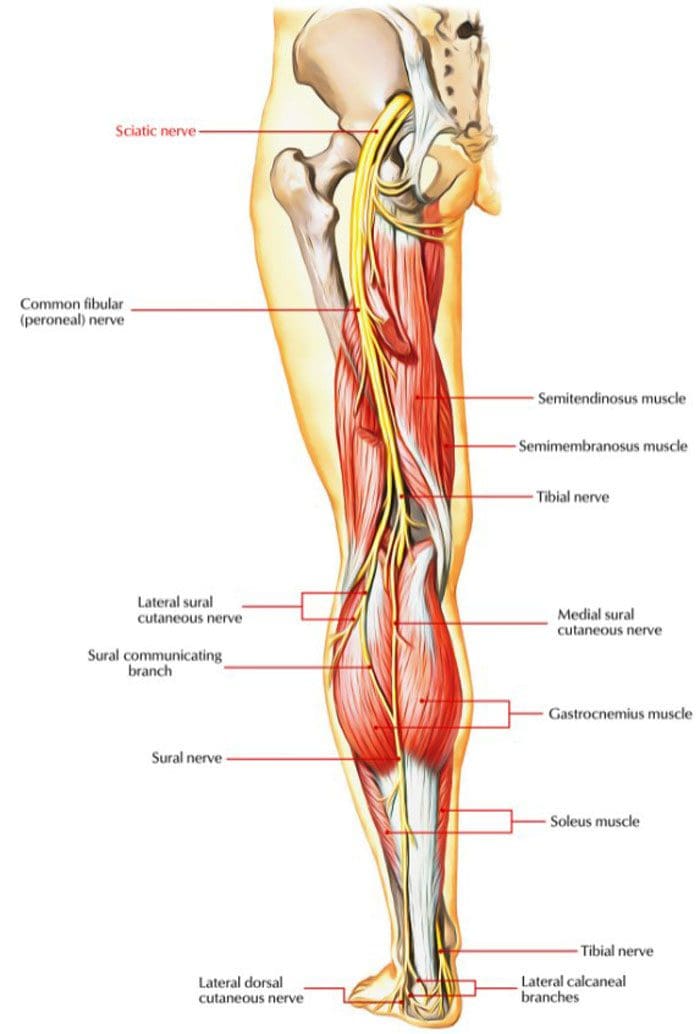
The sciatic nerve is formed through a combination of motor and sensory fibers based on the spinal nerves of the lower back L4 to S3, known as the lumbosacral plexus. It is the largest and longest nerve in the human body and about as wide as an adult thumb. It begins at the base of the spine, runs along the back of each leg, and ends at the foot supplying the areas with fresh blood and nutrients. There are sciatic nerve branches that consist of primary branches and smaller branches.
Sciatic Nerve Branches
The nerve splits into two main branches near the back of the knee called the popliteal fossa.
This fossa is located slightly above the joint behind the knee.
The popliteal fossa is a diamond-shaped space that acts as the conduit for the blood vessels and nerves.
Primary branches
From the popliteal fossa:
The tibial nerve continues down the back of the calf to the heel and bottom of the foot.
The common peroneal nerve, aka common fibular nerve, travels sideways along the outer part of the knee to the outer border of the lower leg and foot.
Both nerves convert into small sensory nerves in the calf that supply the outer side of each foot.
The sciatic nerve breaks off into smaller branches, known as collaterals, that include:
These are muscle branches that supply the muscles in the thigh, including the hamstring group and the adductor magnus muscles along the inner thigh.
Other small branches supply the leg and foot muscles.
Articular branches supply the back of the hip joint, the back and side of the knee joint.
The sciatic nerve does not supply structures in the buttocks; however, pain commonly radiates/spreads into this area when the nerve is impaired, impinged, and inflamed.
Blood Supply
The delivery of nutrients to the sciatic nerve is done through blood vessels that also contribute to the nerve’s function. Any interruption of blood flow to the sciatic nerve can cause pain and dysfunction. The sciatic nerve and the sciatic nerve branches receive their blood supply from two sources that include:
The extrinsic system is made up of nearby arteries and veins.
The intrinsic system includes arteries and veins that run along the nerve and are embedded deep in a sheath known as the epineurium of connective tissue that envelops the nerve.
The intrinsic blood supply can be affected by conditions like diabetes, which can contribute to symptoms associated with diabetic neuropathy.
Both systems connect at various junction points.
Nerve Function
The combination of sensory and motor fibers that make up the sciatic nerve provides the essential functions in the lower limbs allowing the body to:
Stand
Walk
Run
Climb
Lift
A healthy sciatic nerve is well protected around the low back and buttock muscles where it starts, and it cannot be palpated or felt by touching or pressing on the area. When the nerve gets inflamed, injured, or pinched, the leg can feel stiff and inflexible when trying to move and can lead to pain, weakness, and tingling in the lower back, buttock, leg/s, and feet.
Anatomical Variations of the Nerve
Individuals can have variations in the anatomical structure of the sciatic nerve. These variations are considered normal, but they can increase the risk of developing sciatica brought on by impingement, entrapment, or irritation of the nerve root/s. Variations in sciatic nerve branches include:
The nerve divides above the piriformis muscle; one portion passes through the piriformis, with the other portion exiting the pelvis below the muscle. This is the most common variation.
The nerve divides above the piriformis muscle; one portion passes through the piriformis, with the other portion exiting the pelvis above the muscle.
The nerve divides above the piriformis, with one portion traveling in front while the other travels behind it.
Undivided sciatic nerve exits through the piriformis muscle.
Undivided sciatic nerve exits from behind the top part of the piriformis.
Around 10% of individuals have a nerve that divides above the popliteal fossa and does not merge but courses down in two separate branches.
The sciatic nerve and the sciatic nerve branches are significant components of the body. It supplies motor functions to move the legs and feet and provides sensory functions along the nerve path. Keeping the sciatic nerve healthy is key in helping to prevent back and spinal issues. Chiropractic can help realign the sciatic nerve and educate on maintaining the nerve’s health.
Body Composition
Fitness Motivation
New workout routine
Individuals that don’t feel like returning to previous workout routines are recommended to try out other fitness options. If the gym isn’t cutting it or there is burnout with the current routine, switch things up. This can include:
Virtual group classes.
1-on-1 personal training.
Outdoor activities.
All are valid options to explore if in a rut with the current routine.
The important thing is to find what works for you.
Allow the body to rest
Individuals may want to push it to the limit to get back into shape, but rest days are essential for healthy muscle development and improved performance.
Noticing the body is more sore and exhausted after a workout is an indication that the body needs rest. This also includes:
Maintaining proper hydration.
Stretching out the muscles regularly.
Taking days off from exercising are necessary to:
Prevent muscle fatigue.
Reduce the risk of injury.
Allow for adequate muscle recovery.
Long term commitment is key
It can be discouraging to commit to a workout schedule only to notice minor changes to strength and fitness.
However, small improvements do accumulate over time.
Small increases over time can have a huge impact on overall strength and fitness.
Keep the bigger picture in mind to remain positive.
References
Davis D, Vasudevan A. Sciatica. [Updated 2019 Feb 28]. In: StatPearls [Internet]. Treasure Island (FL): StatPearls Publishing; 2019 Jan-. Available from: https://www.ncbi.nlm.nih.gov/books/NBK507908/
Barral J, Croibier A. Manual Therapy for the Peripheral Nerves. Elsevier Health Sciences; 2007.
Ryan MM, Jones HR Jr. Mononeuropathies. In: Neuromuscular Disorders of Infancy, Childhood, and Adolescence. Elsevier; 2015:243-273. doi:10.1016/b978-0-12-417044-5.00014-7
The quadriceps muscle consists of four muscles in front of the thigh that connects to the knee right below the knee cap. These muscles straighten the knee for walking, running, and jumping. They also help bend the knee for squatting. They move the leg forward when running and fire/transmit electrical impulses when the foot hits the ground to absorb shock. When jumping, the muscles provide stability coming down as well as when standing on one leg.
Quadriceps Strain
Thigh strains are common in sports. Most players are sidelined because of this injury when compared to strains in the hamstrings or groin. Factors that can increase the risk of injury include:
Exhaustion
Muscle weakness
The strength of the quadriceps to the hamstrings is uneven, causing one set to get overused.
Consistent sprinting and/or kicking
Previous strain and/or injury
The quadriceps is made up of four muscles. One is the rectus femoris, which gets injured the most. It’s the only muscle that crosses two joints – the hip joint and the knee joint.
Symptoms and Injury Grades
Individuals commonly report a pulling/stretching sensation in the front of the thigh. Common symptoms include:
Pain
Swelling
Bruising
Muscle tenderness
For minor quadriceps strains or tears, moderate to dull pain presents along with stiff movement.
Grades categorize the severity of the strain:
Grade 1 presents with mild discomfort in the thigh with no loss of strength.
Grade 2 presents with moderate pain, swelling, and some loss of strength.
Grade 3 is a complete rupture of the fibers. Individuals are in severe pain and unable to walk.
Grade 3 is where surgery is required.
Symptoms can vary depending on the type of injury that has been sustained and the severity. There is pain and localized swelling for both strains and contusions. If a muscle rupture has happened, there could be a bump/lump within the muscle or a gap in the muscle. If rupture of the Quadriceps Tendon has occurred, individuals often report hearing a pop when the injury happens. The swelling often makes straightening the leg difficult or impossible.
Injury causes
Thigh strains usually happen when slowing down/decelerating after a sprint. This can be because the individual takes too small or too large steps causing the muscles to overstretch, much like a rubber band that, if overstretched, tears, and if under stretched, it bunches up, which can cause spasms and tears.
Treatment
In the initial stages after a quadriceps strain, it is recommended to follow the RICE Procedure for 24 hours: This includes:
Rest
Ice
Compression
Elevate
The leg needs to be rested every 2-3 hours in 20-minute sessions.
A bandage can provide added support.
For slight tears and strains, it is recommended to stretch the quadriceps gently.
This helps prevent the muscles from experiencing shortening. This happens by the formation of scar tissue that pulls the muscle/s, making them shorter.
Gentle stretches allow the muscles to heal with minimal shortening. This helps prevent further and/or re-injury.
Chiropractic Physical Therapy Rehabilitation
After the acute stage of the injury, receiving regular chiropractic sports adjustments, physical therapy massage, coupled with strength training exercises will speed up recovery.
Physical therapy massage will remove scar tissue and keep the muscle/s loose and flexible.
Exercises for strengthening the muscles after injury will be recommended according to the individual’s condition/case.
Following correct post-injury-care, exercises, and physical therapy.
Healing time can be 4- 6 weeks.
Body Composition
Strength Training: The Inverted Row
This workout targets the back muscles, spine and scapular stabilizers, deep abdominals, and arms. Everyday activities that require various types of pulling motion, lifting, etc., become easier. To perform:
Lie flat on your back.
Grab a stable barbell or set of straps that are above you.
Pull your upper body up as high as possible while keeping the back straight.
Squeeze the shoulder blades together at the top.
Complete as many reps as possible.
Once enough strength and endurance have been built, try a pullup.
References
Kary, Joel M. “Diagnosis and management of quadriceps strains and contusions.” Current reviews in musculoskeletal medicine vol. 3,1-4 26-31. 30 Jul. 2010, doi:10.1007/s12178-010-9064-5
Hillermann, Bernd, et al. “A pilot study comparing the effects of spinal manipulative therapy with those of extra-spinal manipulative therapy on quadriceps muscle strength.” Journal of manipulative and physiological therapeutics vol. 29,2 (2006): 145-9. doi:10.1016/j.jmpt.2005.12.003
Wenban, Adrian B. “Influence of active release technique on quadriceps inhibition and strength: a pilot study.” Journal of manipulative and physiological therapeutics vol. 28,1 (2005): 73. doi:10.1016/j.jmpt.2004.12.015
IFM's Find A Practitioner tool is the largest referral network in Functional Medicine, created to help patients locate Functional Medicine practitioners anywhere in the world. IFM Certified Practitioners are listed first in the search results, given their extensive education in Functional Medicine