The right kind of bread can be an extremely healthful food. Eating more whole grains is associated with lower weight and reduced health problems, heart disease, and cancer risk. Keeping bread in a healthy diet begins with choosing varieties with the best nutrition. Certain types are naturally high in fiber, vitamins, and minerals. Others are made from refined grains with added vitamins and minerals. Nutritional experts evaluate healthy breads based on researched health benefits and fiber, protein, micronutrient content, and total calories.
Healthy Breads
100% Whole Wheat
100% whole wheat bread contains abundant fiber and nutrients and is one of the most nutritious varieties.
A slice of bread made with all whole wheat flour provides 80 calories, 5 grams of protein, 0 grams of fat, 20 grams of carbohydrates, and 3 grams of fiber.
One hundred percent whole wheat bread also contains essential minerals like calcium, selenium, manganese, phosphorus, and thiamin.
Increasing whole grains has been shown to reduce the risk of multiple chronic diseases, including type 2 diabetes, cancer, and heart disease.
Studies have demonstrated the positive effects of whole grains on weight control.
Many breads advertise themselves as whole wheat and might not contain 100% whole, unrefined grains.
Read labels to determine if store-bought bread was made with only whole wheat flour.
A 100% whole wheat bread will either be labeled as such or have whole wheat flour as its first ingredient and does not list other flours like wheat flour or enriched bleached flour.
Multigrain
Whole grains like oats, buckwheat, barley, amaranth, and millet can be included in multigrain breads for increased fiber, protein, and micronutrients.
Adding a variety of whole grains like these can help reduce the risk of certain chronic diseases.
Navigating to healthy multigrain bread can be misleading.
Breads labeled as multigrain can be difficult to tell whether the grains used to make the bread were whole or refined.
It’s recommended to look for a multigrain bread label that has 100% whole grain.
Oat
Oats are whole grains that can supplement whole wheat in healthy store-bought and homemade breads.
Oats contain a special fiber called beta-glucan, with benefits that include lowering bad cholesterol, regulating blood sugar, and lowering blood pressure.
Oats are high in soluble fiber, which helps reduce constipation.
Read the labels and look for brands that list oats and whole wheat flour as the first ingredients with minimal added sugars.
Flax Seed
Flaxseeds are not grains, but they aren’t packed with nutrients.
Adding flaxseed might help protect against certain cancers and improve heart health.
Because the seeds are naturally gluten-free, flax seed bread can be an option for individuals with celiac disease or gluten sensitivity.
Some commercially prepared breads combine flax with wheat, but individuals may have to make their own for a loaf made entirely with flaxseed.
Sourdough
Sourdough bread is made through fermentation, which adds healthy probiotics to the finished product.
A diet rich in probiotics from fermented foods has been linked with positive health outcomes.
Benefits include the bread’s natural probiotics, improved digestion, immune system function, extra fiber, protein, and minerals.
For the healthiest, choose a variety made with whole wheat flour.
Benefits of a Healthy Diet and Chiropractic
References
Aune, Dagfinn, et al. “Whole grain consumption and risk of cardiovascular disease, cancer, and all-cause and cause-specific mortality: a systematic review and dose-response meta-analysis of prospective studies.” BMJ (Clinical research ed.) vol. 353 i2716. 14 Jun. 2016, doi:10.1136/bmj.i2716
El Khoury, D et al. “Beta glucan: health benefits in obesity and metabolic syndrome.” Journal of Nutrition and Metabolism vol. 2012 (2012): 851362. doi:10.1155/2012/851362
Freitas, Daniela, et al. “Lemon juice, but not tea, reduces the glycemic response to bread in healthy volunteers: a randomized crossover trial.” European Journal of Nutrition vol. 60,1 (2021): 113-122. doi:10.1007/s00394-020-02228-x
“Healthy Bread.” Hall’s Journal of Health vol. 3,7 (1856): 144-146.
Kikuchi, Yosuke, et al. “Effects of Whole Grain Wheat Bread on Visceral Fat Obesity in Japanese Subjects: A Randomized Double-Blind Study.” Plant foods for human nutrition (Dordrecht, Netherlands) vol. 73,3 (2018): 161-165. doi:10.1007/s11130-018-0666-1
Menezes, Leidiane A A, et al. “Effects of Sourdough on FODMAPs in Bread and Potential Outcomes on Irritable Bowel Syndrome Patients and Healthy Subjects.” Frontiers in microbiology vol. 9 1972. 21 Aug. 2018, doi:10.3389/fmicb.2018.01972
Parikh, Mihir, et al. “Flaxseed: its bioactive components and their cardiovascular benefits.” American Journal of Physiology. Heart and circulatory physiology vol. 314,2 (2018): H146-H159. doi:10.1152/ajpheart.00400.2017
P, Nirmala Prasadi V, and Iris J Joye. “Dietary Fibre from Whole Grains and Their Benefits on Metabolic Health.” Nutrients vol. 12,10 3045. 5 Oct. 2020, doi:10.3390/nu12103045
Tosh, Susan M, and Nicolas Bordenave. “Emerging science on benefits of whole grain oat and barley and their soluble dietary fibers for heart health, glycemic response, and gut microbiota.” Nutrition Reviews vol. 78, Suppl 1 (2020): 13-20. doi:10.1093/nutrit/nuz085
The nervous system communicates with the entire body and reacts to internal and external changes using electrical and chemical impulses to send and receive messages. Messages travel/synapse from one neuron to another using specialized chemicals known as neurotransmitters. Paresthesia refers to sensations of numbness, tingling, prickling, skin crawling, itching, or burning, usually in the arms, hands, legs, and/or feet, but can affect other areas of the body. Chiropractic care, massage therapy, decompression therapy, and functional medicine can relieve tissue and nerve compression, improve flexibility, range of motion, and mobility, and strengthen the muscles surrounding the affected nerve to maintain optimal health and prevent worsening or further injury.
Paresthesia
The sensation comes on without warning and is usually painless and described as tingling or numbness. There are different causes of paresthesia, including:
Some individuals have chronic or long-term paresthesia, which can be a sign of a more serious nerve injury or condition. Added physical stress can cause surrounding tissues to irritate or entangle the nerve leading to building pressure. This pressure causes paresthesia in the area interrupting circulation and function. A pinched nerve can happen anywhere in the body, like the neck, shoulder, wrist, back, and face.
A herniated disc in the lower spine can cause back pain and paresthesia in the leg or foot on the affected side.
Carpal tunnel syndrome is a pinched nerve in the wrist that causes numbness and tingling in the hand and fingers.
Pinched nerve symptoms can be intermittent or constant.
Usually, a temporary sensation is caused when pressure is placed on the affected nerve.
Once that pressure is relieved, the discomfort goes away.
Individuals with an Increased Risk
Overuse Injury
Individuals with jobs or hobbies requiring repetitive motions are at a higher risk for nerve compression, paresthesia, or injury.
Anyone can get a pinched nerve, and most individuals will experience paresthesia at some point.
Weight and water gain can cause swelling and increase pressure on nerves.
Thyroid Disease
This puts individuals at risk for carpal tunnel syndrome.
Rheumatoid arthritis
This causes inflammation, which can also compress nerves in the joints.
Diagnosis
To diagnose paresthesis, a doctor will look at the individual’s medical history and ask questions about the symptoms. They will perform a physical examination and, depending on the findings, may recommend tests that can include:
Nerve Conduction Study
This measures how fast nerve impulses travel in the muscles.
Electromyography – EMG
To look at the electrical activity of how nerves and muscles interact.
Magnetic Resonance Imaging – MRI
This looks at the different areas of the body in high definition.
Ultrasound
Used to produce images, this can be applied to the smaller areas to look for nerve compression or damage.
Chiropractic
Treatment options depend on the cause of the paresthesia. Body misalignments can cause nerve interference that can lead to health problems such as migraines, or can disrupt nerve communication and block proper circulation. Chiropractic care focuses on treating the nervous system and is a safe and effective method for treating nerve problems that cause discomfort and sensations. After a thorough examination of problem areas, massage, decompression, and chiropractic adjustments will:
Bova, Joseph, and Adam Sergent. “Chiropractic management of a 24-year-old woman with idiopathic, intermittent right-sided hemiparesthesia.” Journal of chiropractic medicine vol. 13,4 (2014): 282-6. doi:10.1016/j.jcm.2014.08.002
Christensen, Kim D, and Kirsten Buswell. “Chiropractic outcomes for managing radiculopathy in a hospital setting: a retrospective review of 162 patients.” Journal of chiropractic medicine vol. 7,3 (2008): 115-25. doi:10.1016/j.jcm.2008.05.001
Freihofer, H P Jr. “Parästhesien” [Paresthesia]. Schweizerische Monatsschrift fur Zahnheilkunde = Revue mensuelle suisse d’odonto-stomatologie vol. 89,2 (1979): 124-5.
Karne, Sampada Swapneel, and Nilima Sudhakar Bhalerao. “Carpal Tunnel Syndrome in Hypothyroidism.” Journal of Clinical and diagnostic research: JCDR vol. 10,2 (2016): OC36-8. doi:10.7860/JCDR/2016/16464.7316
The musculoskeletal system allows the various muscle groups to surround the bones and joints through ligaments and muscle tissues that help with mobility and stabilizes the skeletal structure from pain. As the body ages naturally, the muscles, bones, and joints get affected as numerous factors begin to cause the body to be dysfunctional. Many of these factors could take a toll on the body and cause bone mass density loss, leading to osteoporosis. A person experiencing osteoporosis can generate overlapping risk profiles affecting the body’s muscles and joints, leading to painful symptoms. Today’s article looks at osteoporosis, how it affects the muscles and joints, and how numerous treatments can help reduce osteoporosis symptoms. We utilize information about our patients to certified medical providers using MET therapy to mitigate the effects of osteoporosis on the musculoskeletal system. We encourage patients by referring them to associated medical providers based on their diagnosis while supporting that education is a remarkable way to ask our providers the most interesting and essential questions at the patient’s acknowledgment. Dr. Alex Jimenez, D.C., comprises this information as an educational service. Disclaimer
What Is Osteoporosis?
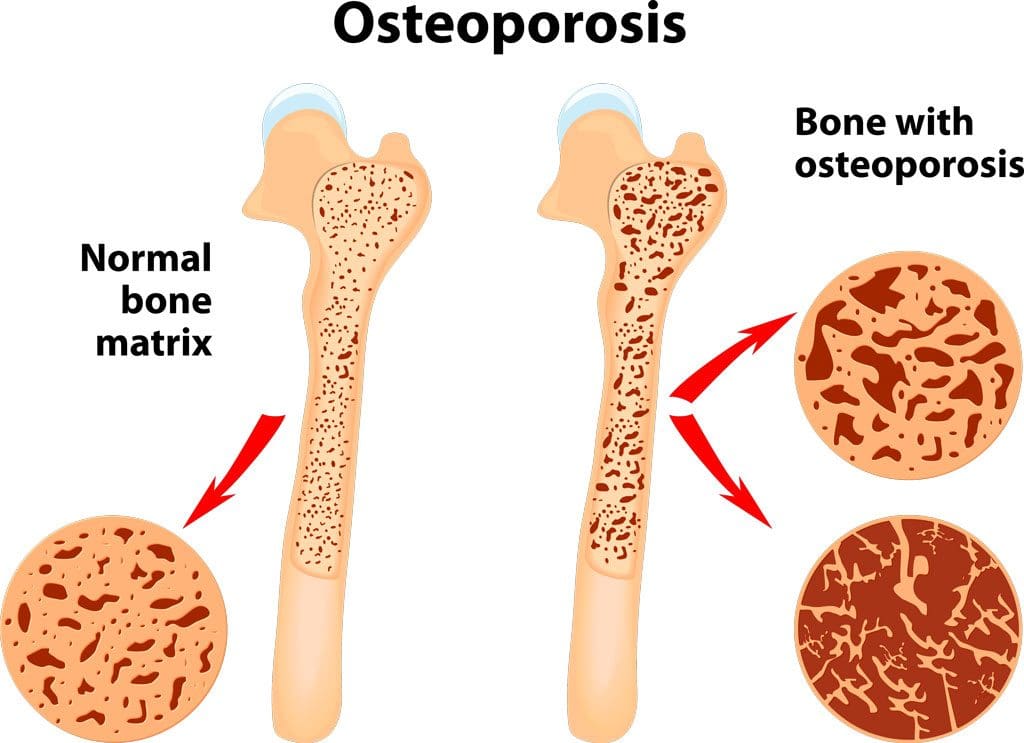
If you’ve been experiencing severe back or hip pain or struggling to breathe, you may be experiencing osteoporosis. This condition causes bones to become porous, making them brittle and weak, and it affects around 200 million people worldwide, with women being more commonly affected than men, as studies revealed. Many risk factors can cause bones to deteriorate quickly and become weaker, leading to an increased risk of fragility, fracture, and muscle and joint pain. Additional studies have revealed that some risk factors that can lead to osteoporosis development include:
Race
Ethnicity
Age
Sex
Metabolic syndrome
Osteoporosis can often go undetected for a long time, with individuals only noticing symptoms such as a forward-curved upper back or a broken bone.
Osteoporosis Affecting The Muscles & Joints
Osteoporosis can affect the body’s bones, muscles, and joints, especially major skeletal portions like the spine, hips, wrists, and shoulders. Studies have shown that individuals with or without trauma can experience symptoms like pain due to osteoporosis caused by hormone deficiency. “Clinical Applications of Neuromuscular Techniques” by Dr. Leon Chaitow, N.D., D.O., and Dr. Judith Walker DeLany, L.M.T., explain that bone density can decrease when bone resorption happens faster than bone formation. This decrease in bone density could lead to joint fractures and cause musculoskeletal disorders that affect a person’s stability and mobility, leading to complaints in the upper and lower body extremities.
An Overview Of Osteoporosis-Video
Are you experiencing pain in your arms or legs? Do your joints ache more than usual or do you have persistent back pain? These symptoms are often associated with osteoporosis, a chronic condition where bones become weak and brittle due to fractures or trauma. Osteoporosis can go undetected for an extended time, and when it affects bone density, it can also impact surrounding muscles and joints, leading to various musculoskeletal conditions. The video above explains osteoporosis, including risk factors and treatment options such as chiropractic care to reduce its effects.
Treatments To Reduce Osteoporosis Symptoms
If you risk developing osteoporosis, it’s best to consult your primary doctor for confirmation. Once confirmed, you have several options for your next steps, such as incorporating exercises, vitamins, minerals, and supplements for bone health, lifestyle changes, and utilizing treatments like MET therapy or chiropractic treatments. MET therapy can help restore bone density and promote a mindful approach to one’s body and lifestyle when combined with proper nutrition and exercise. Studies show that individuals with osteoporosis can use MET therapy to reduce pain and improve range of motion in affected joints. Pain specialists often use MET to stretch and shorten muscles to help restore the body to normal.
Conclusion
Osteoporosis is a chronic silent disease that affects the bones silently, causing pain and correlating with numerous factors that can increase its progression. When bones become porous, weak, and brittle, it can lead to pain-like symptoms in the musculoskeletal system. This can cause chronic issues that misalign the body, leading to mobility and stability problems. Fortunately, numerous ways exist to prevent and reduce the effects of osteoporosis. Some effective measures include incorporating vitamins and supplements for bone health, exercising for 30 minutes to an hour, and getting MET therapy to restore the body’s range of motion. These small changes can greatly impact an individual’s health and wellness journey.
References
Chaitow, Leon, and Judith Walker DeLany. Clinical Applications of Neuromuscular Techniques. Churchill Livingstone, 2003.
Porter, Joann L, and Matthew Varacallo. “Osteoporosis.” In: StatPearls [Internet]. Treasure Island (FL), 4 Sept. 2022, www.ncbi.nlm.nih.gov/books/NBK441901/.
Pouresmaeili, Farkhondeh, et al. “A Comprehensive Overview on Osteoporosis and Its Risk Factors.” Therapeutics and Clinical Risk Management, 6 Nov. 2018, www.ncbi.nlm.nih.gov/pmc/articles/PMC6225907/.
Sözen, Tümay, et al. “An Overview and Management of Osteoporosis.” European Journal of Rheumatology, Mar. 2017, www.ncbi.nlm.nih.gov/pmc/articles/PMC5335887/.
Thomas, Ewan, et al. “The Efficacy of Muscle Energy Techniques in Symptomatic and Asymptomatic Subjects: A Systematic Review.” Chiropractic & Manual Therapies, 27 Aug. 2019, www.ncbi.nlm.nih.gov/pmc/articles/PMC6710873/.
It’s not unusual for runners to experience tingling, pins and needles, and numbness in their feet while running. Running foot numbness is a relatively common problem for runners and can be easily remedied. Numbness will present in one part of the foot or just the toes. Sometimes it can spread throughout the whole foot. Different causes, most of which are not serious, can be easily dealt with. Serious causes can be treated with chiropractic, massage, decompression therapy, and functional medicine.
Running Foot Numbness
Reasons, why the feet experience numbing sensations when running, include:
Improper footwear.
Laces that are tied too tightly.
Foot strike pattern.
Foot structure.
Training schedule.
Muscle tightness.
Compressed nerve.
Medical conditions like neuromas or peripheral neuropathy.
Footwear
A common cause of running foot numbness is having overly tight shoes that place added pressure on nerves.
If this could be the reason, the remedy is to get new shoes.
Try to find a store that specializes in running shoes and ask for help.
Footwear professionals look at the size of the foot, the shape, and running gait.
For example, individuals with a wide foot may need a style with a wider/larger toebox or the front of the shoe that houses the forefoot.
Get a pair that’s one-half to a full size larger than a regular everyday shoe size.
This is because when running, the feet swell, especially in hot and humid weather.
Going up a half or whole size will also accommodate thicker socks for individuals that run in cold weather.
Sometimes numbness can result from biomechanical issues that can be corrected with the proper shoe.
Tight Laces
Sometimes it’s not the shoes but the laces that are too tight.
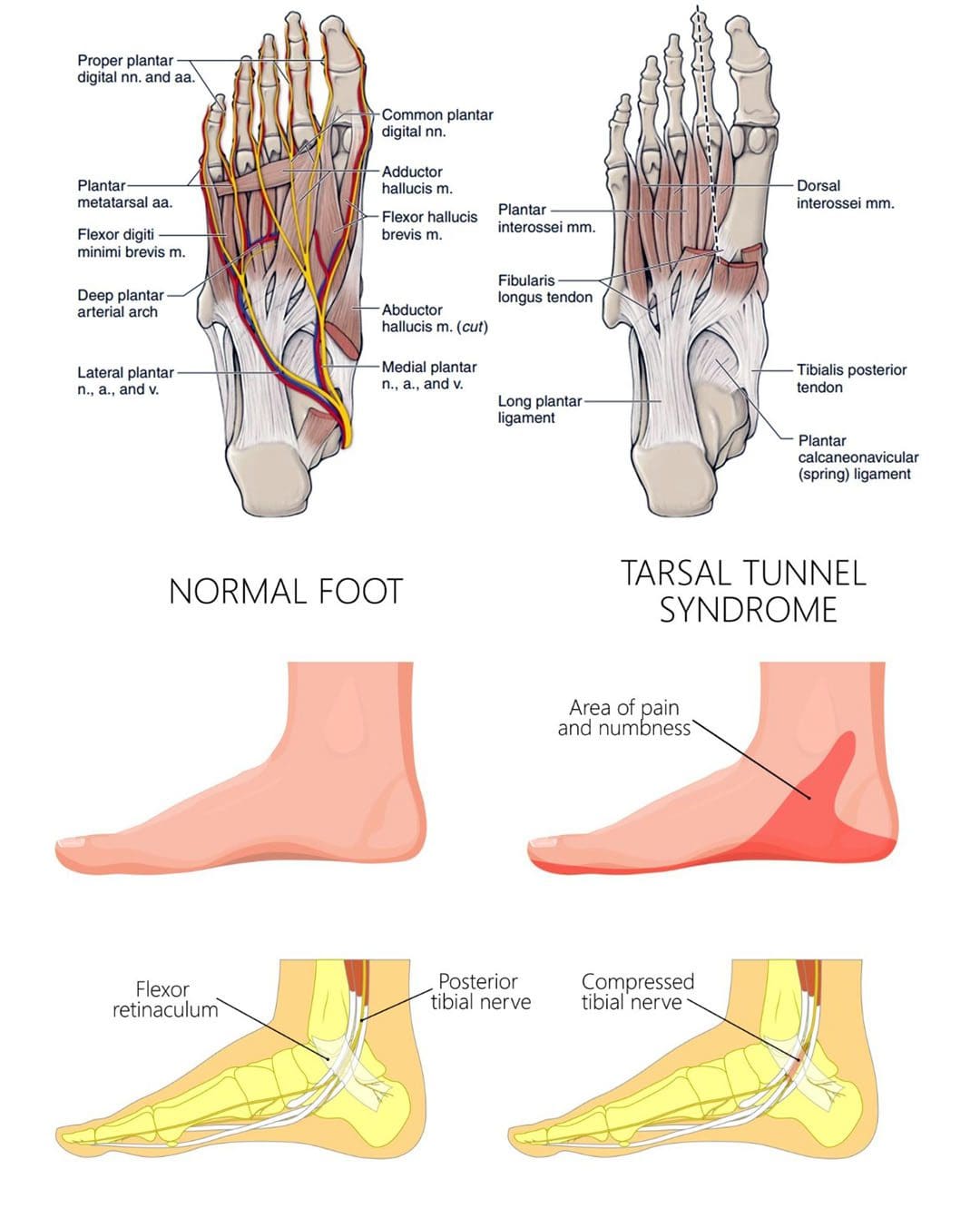
Pulling a little tighter to get a firm fit around the ankle is common, but this can entrap nerves on top of the foot at the ankle/anterior tarsal tunnel, similar to the carpal tunnel in the wrist.
This can be problematic for individuals with high arches.
Loosening the laces are recommended.
However, runners may feel insecure with looser laces.
Experimenting with different lacing techniques is recommended to find one that keeps the shoes comfortable without creating undue pressure over the top of the foot.
Using padding under the tongue of the shoe can help.
Foot Fall Pattern
Sometimes running form can put pressure on nerves that, lead to numbness.
Overstriding– Landing heel first with the foot ahead of the body’s center of gravity places the feet on the ground for too long.
Correcting this issue can be achieved by shortening the stride and focusing on landing on the midsole.
This way, the feet will land directly under the body.
Running like stepping on hot coals is recommended, keeping the movements light and quick.
Correcting overstriding saves energy and lowers the risk of shin splints.
A sports chiropractor, physical therapist, or running coach can help fine-tune form for specific guidance.
Foot Structure
The anatomy of the feet, specifically the arches, can contribute to running foot numbness.
Flat feet mean the entire bottom of each foot is in contact with the floor when barefoot.
Overly flexible feet are more likely to experience nerve compression.
This can be corrected with shoe orthotic inserts.
Over-the-counter orthotics may work, but custom orthotics are another option if they don’t.
Muscle Tightness
Stiff, inflexible muscles can lead to anatomical conditions that generate nerve pressure.
Warm-up exercises before running will get the muscles loose and ready.
Stretching is very important before and after running.
Individuals prone to muscle tightness should include flexibility exercises.
Yoga can improve flexibility and body alignment.
Foam rollers and other massage tools will work out kinks in areas where tightness forms and affects nerves, like the quadriceps, calves, hamstrings, and I.T. band.
Regular sports massage and chiropractic can help keep the body pliable.
Sciatic Nerve Issues
A compressed nerve causes a decrease in the sensation to the areas the nerve supplies.
Foot numbness, especially around the heel or the sole, can be caused by sciatic nerve compression.
The pain from sciatica might originate in the back but can end up causing numbness in the feet and/or toes.
Poor posture, tight piriformis muscles, or other back injuries can also cause sciatica.
A chiropractor or physical therapist can prescribe decompression therapy, MET stretches, and rehabilitative exercises.
Prevention
Most of the time, running foot numbness can be treated by adjusting footwear or technique. Here are a few tips for injury prevention:
Evaluate Shoes
First, make sure the shoelaces are not overly tight.
If the shoes are uncomfortable when running, look for another set and get a custom fitting.
Running Form
Avoid overstriding by focusing on landing on the midsole instead of the heel.
This will take the pressure off of the feet.
Foot Orthotics
Individuals with flat feet, high arches, or overly flexible feet should consider orthotics.
Avoid Overtraining
Work rest days into the training schedule and gradually build up to avoid overuse injuries.
Stretch to prevent muscle imbalances, keep muscles loose, and improve the range of motion.
Chiropractic and Physical Therapy
If symptoms don’t improve, see a doctor, podiatrist, or chiropractor so they can rule out conditions and develop a personalized treatment plan.
Benefits of Custom Foot Orthotics
References
Aldridge, Tracy. “Diagnosing heel pain in adults.” American family physician vol. 70,2 (2004): 332-8.
Atik, Aziz, and Selahattin Ozyurek. “Flexible flatfoot.” Northern Clinics of Istanbul vol. 1,1 57-64. 3 Aug. 2014, doi:10.14744/nci.2014.29292
Jackson, D L, and B L Haglund. “Tarsal tunnel syndrome in runners.” Sports medicine (Auckland, N.Z.) vol. 13,2 (1992): 146-9. doi:10.2165/00007256-199213020-00010
Souza, Richard B. “An Evidence-Based Videotaped Running Biomechanics Analysis.” Physical Medicine and rehabilitation clinics of North America vol. 27,1 (2016): 217-36. doi:10.1016/j.pmr.2015.08.006
Sridhara, C R, and K L Izzo. “Terminal sensory branches of the superficial peroneal nerve: an entrapment syndrome.” Archives of physical medicine and Rehabilitation vol. 66,11 (1985): 789-91.
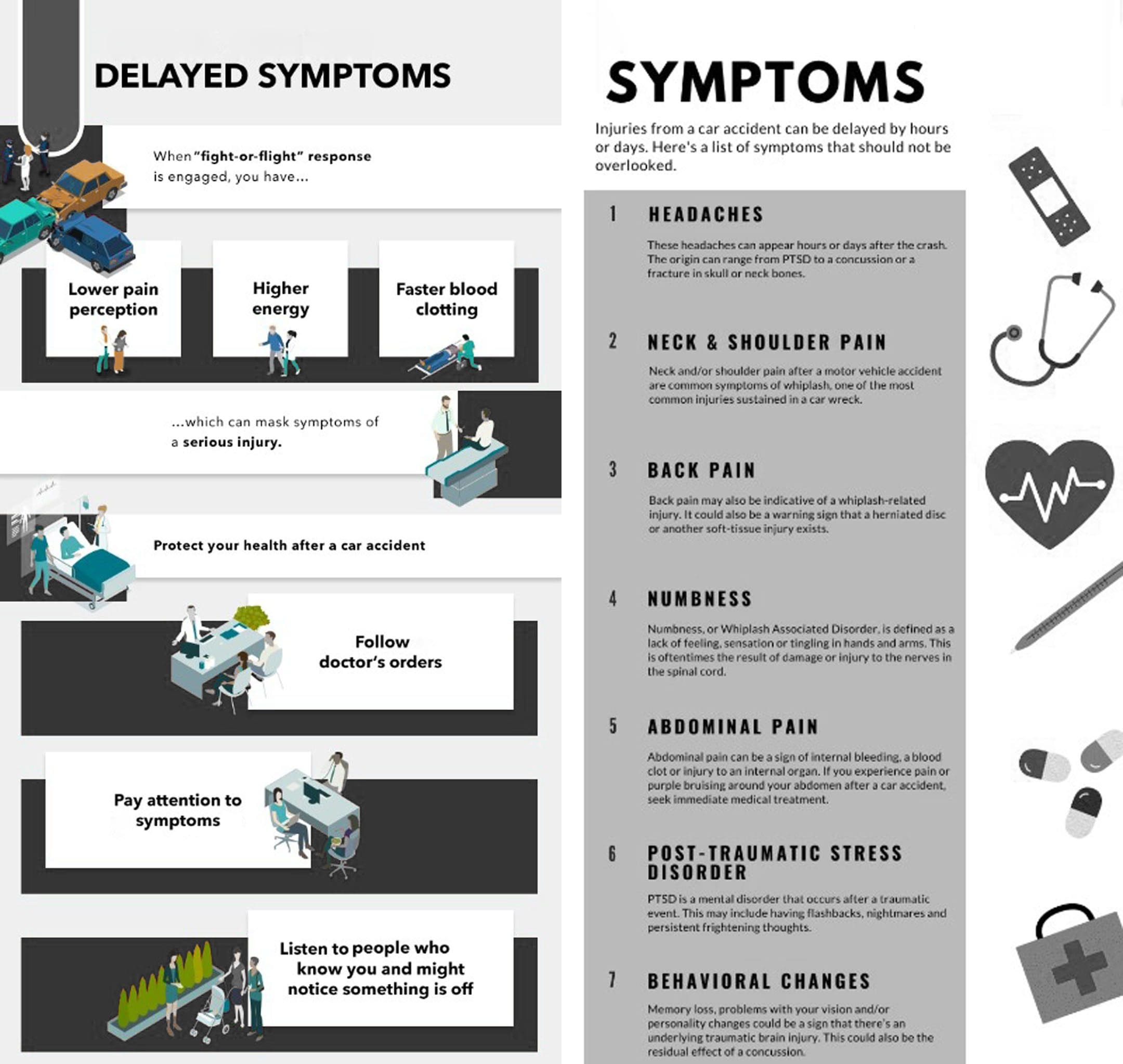
Automobile accidents are emotionally and physically traumatic events. After an accident, individuals assume that they are okay if they don’t have any broken bones or gashing cuts. However, even minor accidents can lead to significant damage, but the individual doesn’t know it. An invisible/delayed injury is any injury that is not immediately obvious or is not experienced by the individual until hours, days, or weeks later. The most common are soft tissue injuries, back injuries, whiplash, concussions, and internal bleeding. This is why it is imperative to see a doctor or chiropractic accident specialist as soon as possible after an accident.
Invisible Injuries Auto Accidents
The body goes into a fight or flight mode in a vehicle accident. That means a massive adrenaline surge makes anything happening to the body go unnoticed and unfelt. The individual does not feel pain and discomfort symptoms until later or much later.
Soft Tissue
A soft tissue injury affects muscles, tendons, ligaments, and body parts other than bone.
Even at low speeds, accidents, and collisions generate a significant force on the body.
Drivers and passengers often come to a sudden stop along with the vehicle or get thrown around.
This places intense stress on joints and other areas of the body.
Whiplash
The most common invisible soft-tissue injury is whiplash.
Where the neck muscles are suddenly and forcefully thrown forward and then back, causing the muscles and ligaments to stretch beyond their normal range of motion.
The injury typically results in pain, swelling, reduced mobility, and headaches.
Symptoms may not present right away.
Left untreated, whiplash can lead to long-term chronic pain.
Head Injuries
Head injuries are another common invisible injury.
Even if the head did not hit/impact anything, the force and momentum can cause the brain to collide with the inside of the skull.
This can lead to a concussion or even more serious brain injuries.
Concussion
A concussion is a traumatic brain injury. Individuals can have a concussion without losing consciousness, depending on the accident’s severity. Symptoms may be delayed or not experienced, but delayed treatment can lead to a longer recovery. Symptoms can include:
Fatigue.
Headache.
Confusion.
Inability to remember the accident.
Nausea.
Ringing in the ears.
Dizziness.
Back Muscles or Spine Injuries
Back muscles and spinal cord injuries are invisible injuries that can happen after an automobile accident. Signs of a back injury include:
The back muscles can be strained due to the impact and tension build-up.
Sore muscles or pain may not present until a day or two later.
Body stiffness.
Reduced mobility.
Muscle spasms.
Trouble walking, standing, or sitting.
Headaches.
Numbness and tingling.
Injuries to the spine, even serious ones, may not be apparent immediately.
The impact can cause the spine to shift out of alignment profoundly.
Swelling and bleeding in or around the spinal cord can cause numbness or paralysis that can gradually progress.
This invisible injury can have long-term consequences, including paralysis.
Chiropractic Care
Chiropractic is an effective treatment for neuromusculoskeletal injuries. The chiropractor will assess the damage and its severity to determine the best treatment for the individual. It relieves pain and discomfort symptoms, loosens and relaxes the muscles, and restores alignment, mobility, and a full range of motion. Chiropractic uses several tools and techniques to restore the spine and body balance. Results include:
Barach, P, and E Richter. “Injury prevention.” The New England Journal of Medicine vol. 338,2 (1998): 132-3; author reply 133. doi:10.1056/NEJM199801083380215
Binder, Allan I. “Neck pain.” BMJ clinical evidence vol. 2008 1103. 4 Aug. 2008
Duncan, G J, and R Meals. “One hundred years of automobile-induced orthopedic injuries.” Orthopedics vol. 18,2 (1995): 165-70. doi:10.3928/0147-7447-19950201-15
“Motor Vehicle Safety.” Annals of emergency medicine vol. 68,1 (2016): 146-7. doi:10.1016/j.annemergmed.2016.04.045
Sims, J K et al. “Automobile accident occupant injuries.” JACEP vol. 5,10 (1976): 796-808. doi:10.1016/s0361-1124(76)80313-9
Vassiliou, Timon, et al. “Physical therapy and active exercises–an adequate treatment for prevention of late whiplash syndrome? Randomized controlled trial in 200 patients.” Pain vol. 124,1-2 (2006): 69-76. doi:10.1016/j.pain.2006.03.017
Softball and baseball require running, jumping, throwing, and swinging movements. Even for the fittest athletes and weekend warriors, the body and the neuromusculoskeletal system will go through overuse injuries, throwing-related injuries, sliding injuries, falls, collisions, and getting hit by the ball. Chiropractic and physical therapy can assist athletes by integrating strength training, body realignment, and rehabilitation injury recovery.
Softball and Baseball Injuries
Baseball and softball injuries are generally defined as either acute/traumatic or cumulative/overuse injuries. Both types can occur in various body areas, for example, a knee injury caused by a fall or quick repositioning shift.
Acute/Traumatic
Injuries occur from traumatic force or impact.
Overuse/Cumulative
These occur over time from repeated stress on the muscles, joints, and soft tissues.
Often athletes return too soon to play, not giving the injury enough time to heal fully.
They begin as small aches and pains that can progress into chronic conditions if not treated.
Shoulder
Shoulder overuse injuries are very common. Constantly performing the throwing movements and high-speed throwing strains the joints, muscles, tendons, and ligaments.
In softball, bicep injuries are more common than shoulder injuries.
In baseball, the overhead throwing position leads to shoulder problems.
Frozen Shoulder
Characterized by a restricted range of motion and pain.
Athletes with frequent shoulder injuries have an increased risk.
Shoulder Instability
Softball and baseball players are more susceptible to injury from overhead throwing, which stretches the shoulder capsule and ligaments.
Shoulder instability can lead to loose joints and dislocation.
Shoulder Separation
This is the tearing of the ligaments that connect the shoulder blade to the collarbone.
This is often a traumatic injury that occurs during a collision or fall with outstretched hands.
Shoulder Tendinitis, Bursitis, and Impingement Syndrome
These are overuse injuries in which the shoulder joint becomes inflamed, restricting movement.
This is an injury to the growth plate on the inside of the elbow.
It can be caused by the wrist flexors pulling on the inside.
It is typically attributed to overuse and improper mechanics when throwing.
Tennis Elbow
This overuse injury on the outside of the elbow makes it difficult to lift or grasp objects.
Hand and Wrist
Softball and baseball can cause hand and wrist injuries from catching, colliding, falling, and overuse. Damage to a hand or wrist is typically caused by repetitive stress and/or a sudden impact.
Finger Fractures
These can be caused by impact on the ball or falls.
This can happen during contact with another player or diving for a ball and hitting the ground hard or at an awkward angle.
Sprains
A fall or impact from the ball or another player can cause these.
Tendinitis
This is an overuse injury, often from pitching and/or throwing.
Back
Catchers are especially prone to back injury because of the crouched position and overhead throwing.
Softball pitchers also experience back strain from the windmill pitching action.
Common conditions include chronic muscle strains, herniated discs, low back issues, sciatica symptoms, and pain.
Knee
Softball and baseball players quickly twist or rotate their knees, making them more susceptible to injuries. Sprains, meniscus tears, ACL tears, and hamstring strains are common.
Aggressive twisting and pivoting can cause swelling, stiffness, and pain.
Running and sudden changes in direction can result in acute knee injuries and overuse injuries.
Knee issues require examination for proper diagnosis.
Other common injuries include ankle sprains, stress fractures, and tendonitis in the foot and ankle.
Chiropractic
Chiropractors work with a massage therapy team to treat various musculoskeletal conditions. Chiropractic specializes in spinal adjustments and other treatments, including joint manipulation, myofascial release, MET techniques, trigger point therapy, and electrical stimulation. It encourages expedited recovery for sports-related injuries because instead of focusing on just the injuries, chiropractic assesses the mechanics of the whole body through proper alignment and release of constricted tissues. Adjustments of the spine and extremities allow the body to realign for better overall functionality, reduce pressure, improve blood circulation, and reduce inflammation to promote increased and thorough healing.
Improving Athletic Performance Through Chiropractic
References
Greiner, Justin J et al. “Pitching Behaviors in Youth Fast-Pitched Softball: High Pitching Volumes With Unequal Pitch Counts Among Pitchers are Common.” Journal of pediatric orthopedics vol. 42,7 (2022): e747-e752. doi:10.1097/BPO.0000000000002182
Janda, David H. “The prevention of baseball and softball injuries.” Clinical orthopedics and related research,409 (2003): 20-8. doi:10.1097/01.blo.0000057789.10364.e3
Shanley, Ellen, and Chuck Thigpen. “Throwing injuries in the adolescent athlete.” International Journal of sports physical therapy vol. 8,5 (2013): 630-40.
Shanley, Ellen, et al. “Incidence of injuries in high school softball and baseball players.” Journal of athletic training vol. 46,6 (2011): 648-54. doi:10.4085/1062-6050-46.6.648
Trehan, Samir K, and Andrew J Weiland. “Baseball and softball injuries: elbow, wrist, and hand.” The Journal of hand surgery vol. 40,4 (2015): 826-30. doi:10.1016/j.jhsa.2014.11.024
Wang, Quincy. “Baseball and softball injuries.” Current sports medicine reports vol. 5,3 (2006): 115-9. doi:10.1097/01.csmr.0000306299.95448.cd
Zaremski, Jason L et al. “Sport Specialization and Overuse Injuries in Adolescent Throwing Athletes: A Narrative Review.” Journal of athletic training vol. 54,10 (2019): 1030-1039. doi:10.4085/1062-6050-333-18
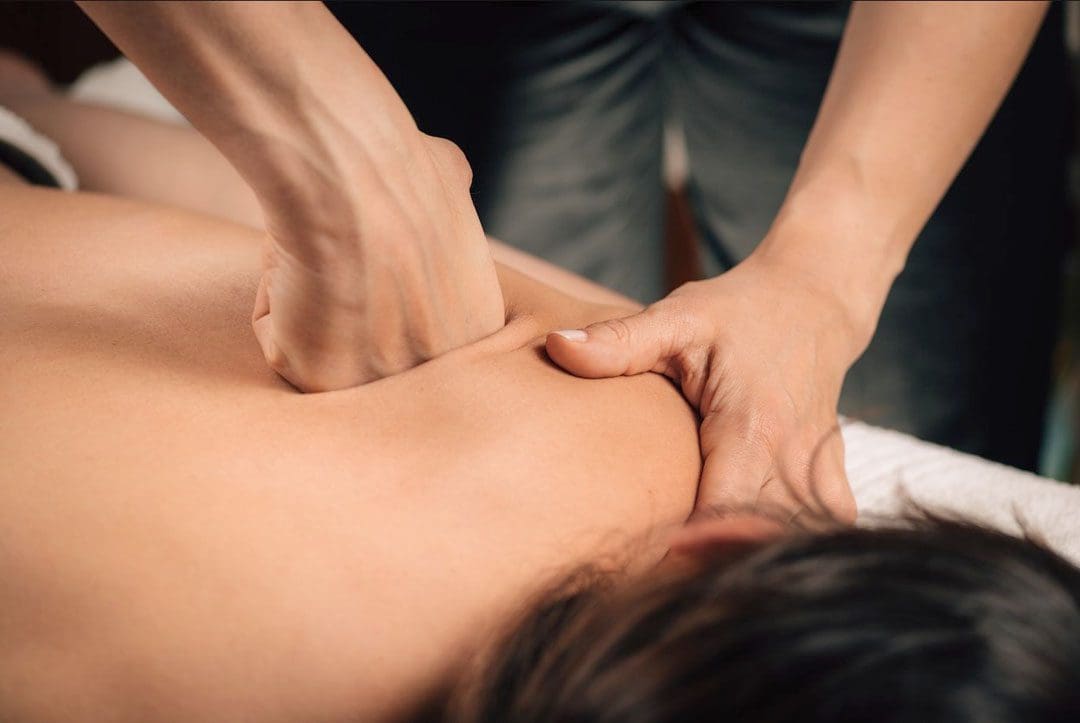
Massage is part of integrative medicine and can be used for various medical conditions. In massage therapy, a therapist rubs and kneads the body’s soft tissues, including muscle, connective tissue, tendons, ligaments, and skin. The therapist varies the amount of pressure and movement. Individuals often start feeling the effects right away. One of the benefits is increased temperature. Increased temperature amplifies blood flow and circulation, enabling muscular and connective tissues to release restriction, and muscle tightness, relieve tension, and improve movement. A massage therapist will use different techniques to increase the temperature to treat various conditions.
Increased Temperature
Some patients want to know why their muscles heat up or burn during a massage. Muscles burn because of the accumulation of waste in the cells. The waste products are released as a result of massage. The muscles release lactate, a byproduct of glucose. The effects of deep tissue massage are almost the same as the effects of exercise. During the massage:
The demand for oxygen in the tissues increases.
Because of this, blood flow circulation to these tissues increases.
This is necessary to supply oxygen and glucose.
It excretes waste substances and toxins.
Muscle heat or burn during massage differs for everybody. Some individuals don’t feel it at all. The session can be so intense that the muscles can’t clear the lactate/toxins fast enough, causing the burning sensation.
Fascia Circulation
The temperature of the fascia can also be increased. Fascia is the thick, fibrous layer of connective tissues beneath the skin that can often become restrictive. Increased temperature in the superficial and deep tissues releases, relaxes, and loosens tight, tense, shortened, and/or injured areas, allowing muscular tissues to increase in elasticity, flexibility, and relaxation. Heart rate is raised, improving circulation and increasing the delivery of oxygen and nutrients to the affected areas and the rest of the body.
Myofascial release involves slowly applying pressure to the area using flattened hands and fingers.
The slow, soft pressure increases the temperature of the fascia.
As the hands and fingers get deeper within, they slowly move around, spreading the fascia.
This releases the tightness and relieves the pain.
An individual’s posture can improve when the temperature is increased. Muscular tension and tightness can cause increased pain symptoms, not allowing healthy posture.
Muscle Burn Relief
Rehydrate
Drink plenty of water after the session is over.
Water maintains proper circulation for excreting waste products and nourishes the muscle cells with fresh nutrients and oxygen.
Avoid coffee and alcohol as they increase urination and blood osmolality and dehydrate the body.
Stretching
Stretching before and after a session can relieve muscle soreness.
Stretching exercises increase blood flow.
Stimulates the release of synovial fluid around the joints.
Sleep
Get plenty of rest after a session.
The body knows how to restore itself; during sleep, it reduces cortisol secretion.
It increases the stimulation of antioxidative hormones to go after free radicals.
Herbal Remedies
Herbal remedies like ginger, garlic, cloves, and cinnamon increase blood circulation, reducing pain and swelling.
They have anti-inflammatory properties that help with muscle burn and soreness.
After a session, a little peppermint or CBD oil can relieve the sore parts.
Chiropractic Success Story
References
Dion LJ, et al. Development of a hospital-based massage therapy course at an academic medical center. International Journal of Therapeutic Massage and Bodywork. 2015; doi:10.3822/ijtmb.v8i1.249.
Massage therapy: What you need to know. National Center for Complementary and Integrative Health. https://www.nccih.nih.gov/health/massage-therapy-what-you-need-to-know. Accessed Jan. 5, 2021.
Rodgers NJ, et al. A decade of building massage therapy services at an academic medical center as part of a healing enhancement program. Complementary Therapies in Clinical Practice. 2015; doi:10.1016/j.ctcp.2015.07.004.
IFM's Find A Practitioner tool is the largest referral network in Functional Medicine, created to help patients locate Functional Medicine practitioners anywhere in the world. IFM Certified Practitioners are listed first in the search results, given their extensive education in Functional Medicine