Regarding the musculoskeletal system, the various muscles, tissues, and ligaments help protect the spine and vital organs that make the body functional. These muscles are sectioned into different groups that help provide movement and motion to the host without feeling pain. However, when normal factors or traumatic forces begin to affect the musculoskeletal system, it can cause unnecessary stress on the muscle fibers. These environmental factors can lead to muscle pain and correlating symptoms affecting the upper and lower body portions. When muscle pain affects the body, it can mask other pre-existing conditions that can make the individual feel miserable. Fortunately, many individuals will go to therapy treatment to reduce the effects of muscle pain and have a personalized plan that they can follow to prevent muscle pain from returning in the future. Today’s article focuses on one of the non-surgical treatments known as MET (muscle energy technique) therapy that can help reduce the effects of muscle pain and what is the protocol treatment plan to relieve muscle pain in the body. We work with certified medical providers who use our patients’ valuable information to treat individuals suffering from muscle pain while informing them about non-surgical treatments like MET therapy that can help reduce the effects of musculoskeletal pain. We encourage patients to ask essential questions and seek education from our associated medical providers about their condition. Dr. Jimenez, D.C., provides this information as an educational service. Disclaimer
How Does Muscle Pain Affect The Body?
Do you experience muscle aches, stiffness, or pain in one or more parts of your body? These pain-like symptoms are often caused by muscle pain. Research studies revealed that free nerve endings in muscle fibers can send pain signals to the brain, leading to decreased productivity and economic burden. Overstretching muscles during daily routines can cause trigger points, small nodules in muscle fibers that cause stiffness and contraction. This can lead to misalignment and additional problems over time.
Muscle pain can be a symptom of different conditions, with severity ranging from acute to chronic. Research studies stated that when musculoskeletal pain affects more than 30% of the world, it can significantly impact an individual’s life. This type of pain can be related to sensory innervation of the bones, joints, and muscles and can negatively affect a person’s daily routine. However, there are various ways to reduce muscle pain, which individuals can incorporate to relieve muscle pain and reduce its chances of returning.
Movement As Medicine- Video
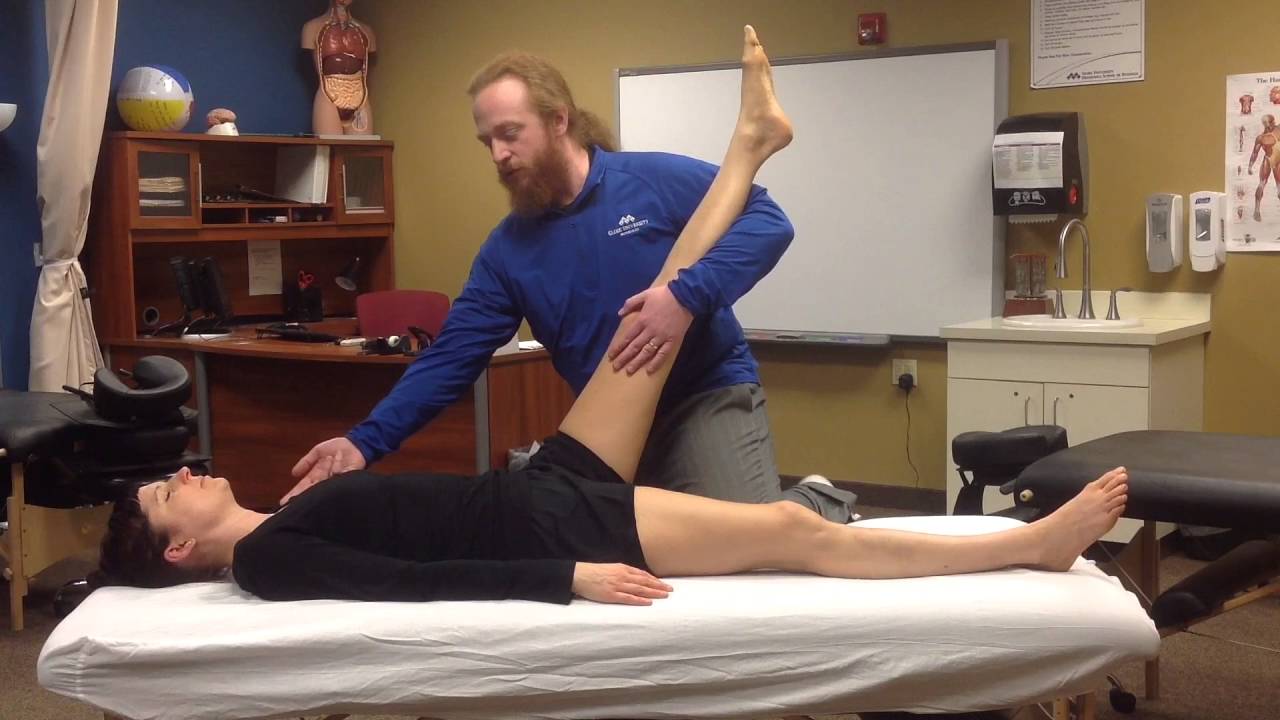
When it comes to musculoskeletal pain, it can have a significant impact on a person’s body. It can affect their daily routine, causing them to have limited mobility and feel miserable. Musculoskeletal pain causes the involved muscle fibers to stiffen up and contract. This causes the surrounding muscles to compensate for the pain the affected muscle feels and causes body misalignment. However, all is not lost, as available treatments can help reduce the effects of muscle pain and can bring back a person’s mobility. One of these treatments is MET (muscle energy technique) therapy. Research studies reveal that MET is an osteopathic technique that many pain specialists like chiropractors and massage therapists use to improve musculoskeletal function by mobilizing joints, stretching tight muscles and facia to reduce pain, and improving circulation and lymphatic flow. Since many individuals don’t stretch their bodies as often as needed, their muscles can become tight and stiff, which causes the development of muscle pain. So by utilizing MET therapy, a person dealing with muscle pain can regain mobility. MET therapy can also be combined with other treatments like chiropractic care to help realign the body out of subluxation and strengthen/lengthen tight muscles. The video above explains how movement is used as medicine to reduce the effects of muscle pain.
MET Treatment Protocol
According to “Clinical Application of Neuromuscular Techniques,” written by Leon Chaitow, N.D., D.O., and Judith Walker DeLany, L.M.T., when the body is experiencing restricted joints, incorporating MET therapy can indicate where the problem is located in the soft musculoskeletal tissues. When it comes to many individuals going to MET therapy for muscle pain, many doctors have their protocol approach when assessing patients for muscle pain treatment.
Looking At Body Language
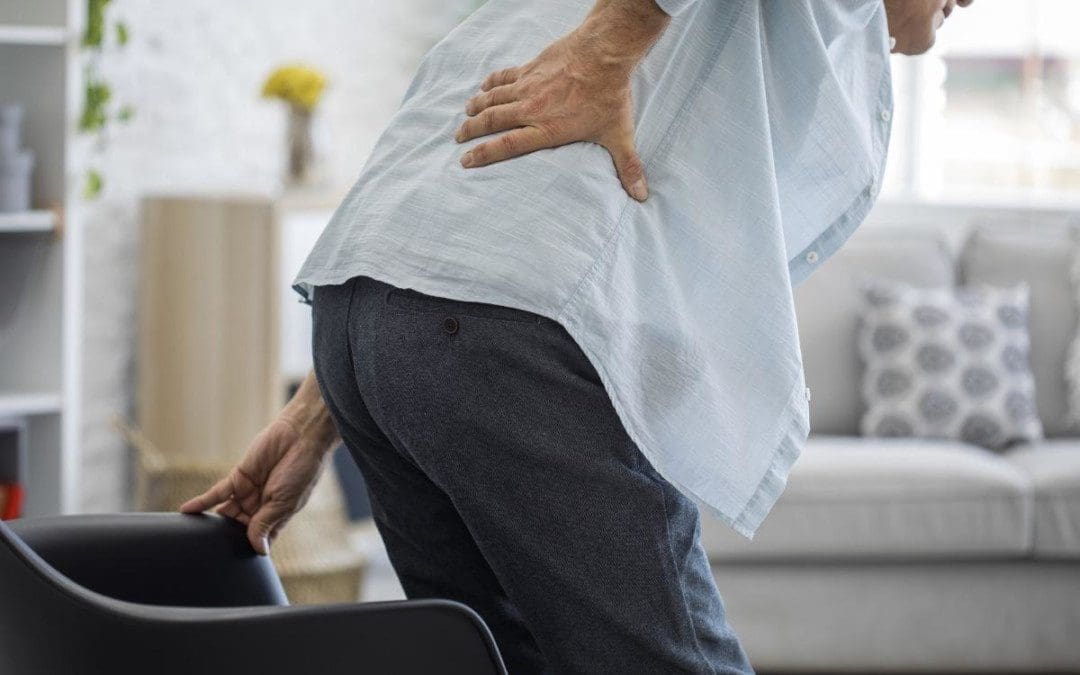
When assessing patients with muscle pain, looking at their body language and how they carry themselves is important. Many doctors and pain specialists should note how the individual is breathing, their posture, and if there is any perspiration on the skin. By taking note of how the individual looks physically, many doctors will begin to formulate a treatment plan while communicating with the patient to gather more information and create a trusting relationship. Afterward, the doctor can start the physical examination to locate where the pain is in the body.
Physical Examination
The MET treatment protocol’s physical examination portion allows the doctor to go through a sequential assessment involving observation, joint and muscle testing, palpations, evaluation of accessory movement, etc., to create a basic formula to create a personalized treatment plan. The physical examination of MET allows the muscles to influence muscle contractions on the surrounding fascia and alter the muscle’s physiology by reflex mechanisms. These stretches help the restricted joints be re-mobilized, and help stretch the tightened muscles to feel relief from metabolic waste.
Therapeutic Plan
The therapeutic plan for MET treatment is personalized and customizable for the individual to follow through to reduce muscle pain from re-occurring in the body. Many doctors specializing in MET therapy work with other associated medical providers to ensure that the person in pain has the help they need. Physical therapy, dietary nutrition, non-surgical treatments, and health coaches all work together to create a personalized health and wellness plan to make sure that muscle pain and its associated factors are being treated. This allows individuals to be more mindful of their bodies and regain their health and wellness.
Conclusion
Muscle pain can affect a person’s ability to move around and can affect multiple areas in the upper and lower body portions. Muscle pain correlates to tight muscle fibers that become stiff and can develop trigger points in the fascia and cause restricted movement. When this happens, it can cause the individual to miss out on daily activities and prevent them from working. Luckily available treatments can help reduce muscle pain by re-mobilizing the joints and stretching out the tight muscle. MET, or muscle energy technique therapy, helps stretch muscle fascia and mobilize joints to regain the body’s range of motion and help reduce muscle pain. Many people who incorporate MET into their daily routine can restore mobility and continue their health and wellness journey.
References
Chaitow, L., & Delany, J. (2002). Clinical application of neuromuscular techniques. Vol. 2, The lower body. Churchill Livingstone.
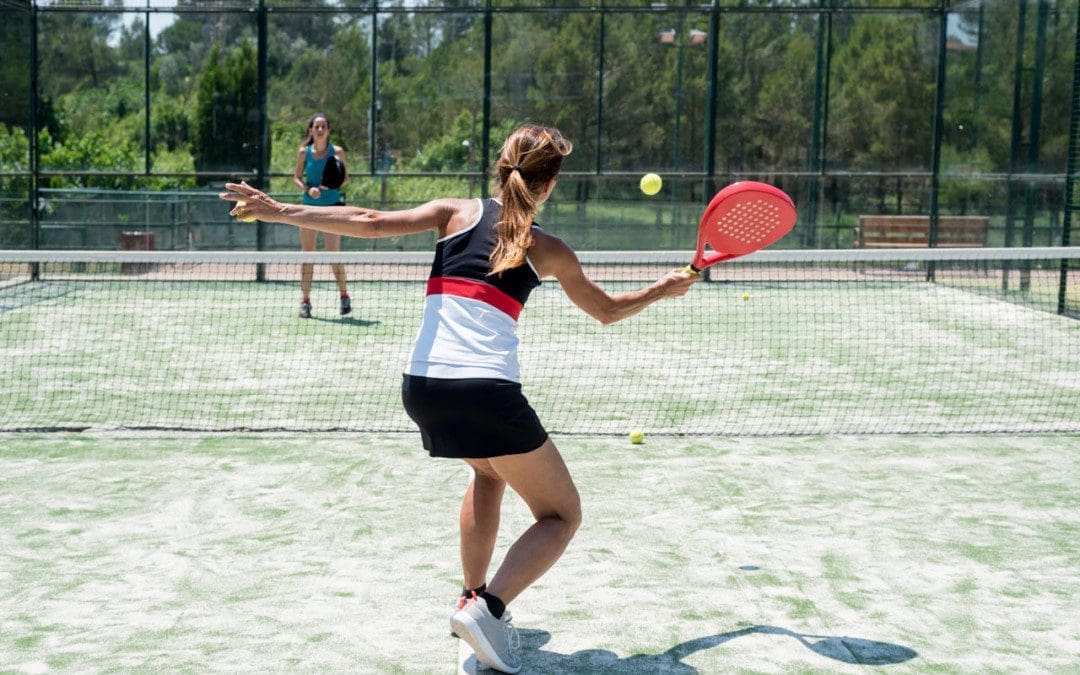
Pickleball is a growing, increasingly popular sport that can be enjoyed by individuals of every age and fitness level. It combines elements of tennis and badminton at a slightly slower pace that makes it ideal for families and provides excellent health benefits and enjoyable socializing. It is easy to learn and requires little practice. The sport is easy on the body and is a great activity for seniors because it is joint-friendly.
Pickleball
Individuals do not need to be athletes or belong to a certain age group to play or benefit from the sport. It requires minimal equipment and a few basic skills. Using a flat paddle and a plastic pickleball, opponents singles or doubles play a game like tennis or badminton.
Playing the Game
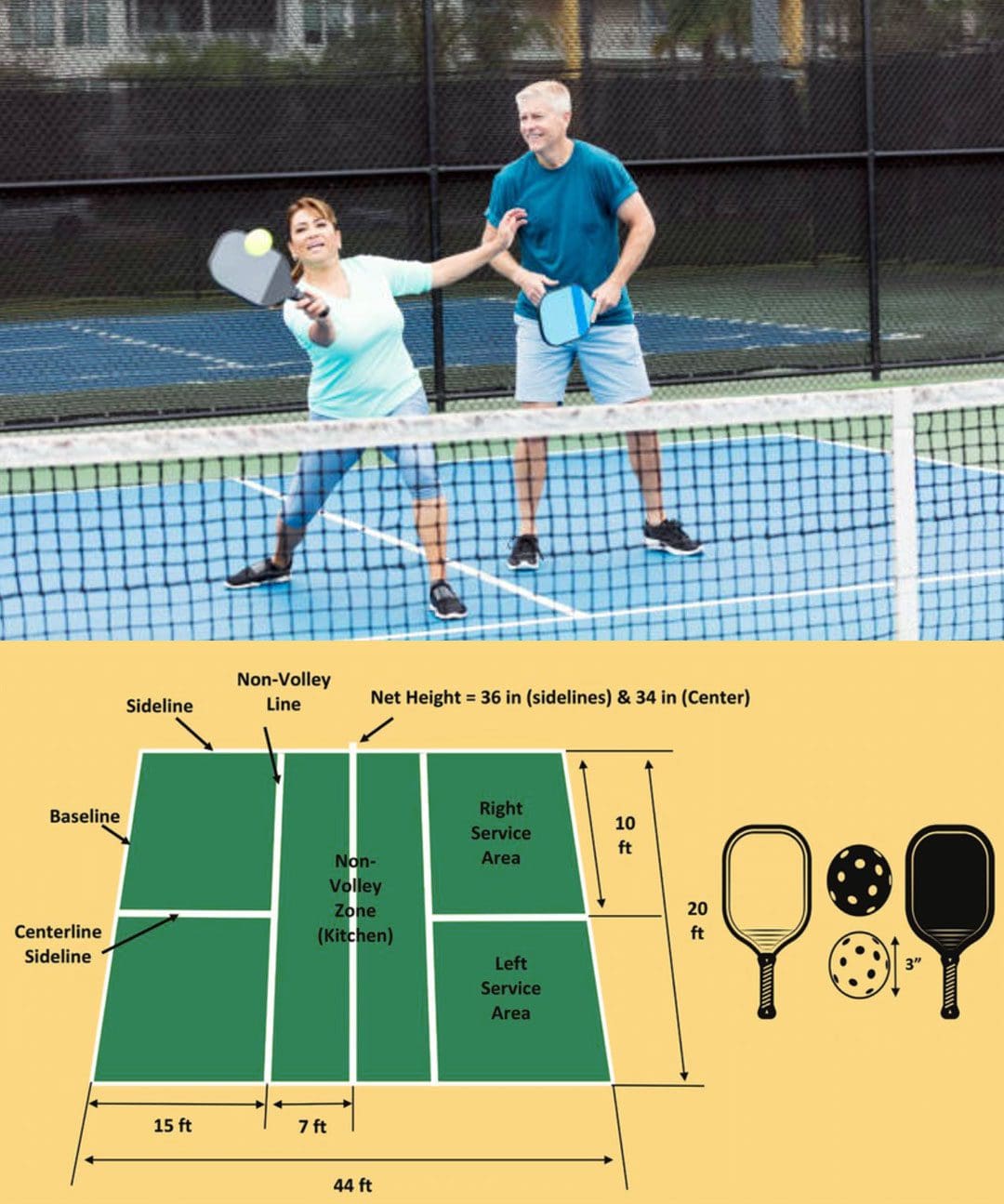
A three-foot-long net is set up in the center of a court measuring 44 feet long by 20 feet wide.
The court is divided between right and left service zones.
If the receiving side misses the serving side volley, the serving side receives a point.
The game is played to 11 points, but a player or team must win by two points.
The ball’s design keeps the pace manageable and user-friendly.
Pickleball has other intricacies common with other racket-court sports.
The player serves from a specific side.
The no-volley zone, or the kitchen is seven feet from the net on both sides.
There are rules regarding when the player must call the score, how tournaments work, and variations between singles and doubles matches.
Most players only need a few games to pick up the basics.
Reasons To Play
The sport offers a number of health benefits.
Improves Mental Health
One study found individuals who played pickleball tended to have better mental health and outlook.
Researchers followed older adults competing in pickleball competitions and tournaments.
At the end of the study, the researchers found that a commitment to a physical hobby correlated to reduced depression levels.
Improves Cardiovascular Health
The sport is not as physically intense as say tennis, but offers significant benefits for cardiovascular health.
One study found that individuals who played three times a week for an hour had improved cardiorespiratory fitness, lower cholesterol levels, and decreased blood pressure.
Experts found that it is a healthy alternative to traditional exercises like walking or biking.
Improved Hand-Eye Coordination
Pickleball will improve hand-eye coordination and reflexes.
Coordinating the feet, legs, arms, hands, and eye movements quickens responses, challenges the brain to think fast, and increases balance.
Physical activity combined with cognitive challenges has been found to improve cognitive health and prevent mental decline in older adults.
Socialization
Pickleball requires an opponent or two for doubles matches.
A significant benefit is that the sport provides increased socialization.
Socializing with others, especially the elderly can help with loneliness.
Loneliness can negatively impact physical and mental health, increasing the risk of heart disease, stroke, dementia, and depression.
Getting Started
Individuals need minimal gear like paddles, shoes, and balls and knowledge to get started playing. One of the easiest ways to begin is locating a court in the community. This is a great physical activity that can be competitive, but overall it is fun, easy to play, and provides great health benefits.
Home Exercises For Pain Relief
References
Casper, Jonathan M, and Jung-Hwan Jeon. “Psychological Connection to Pickleball: Assessing Motives and Participation in Older Adults.” Journal of Aging and physical activity, 1-6. 24 Oct. 2018, doi:10.1123/japa.2017-0381
Cerezuela, Juan-Leandro, et al. “Pickleball and mental health in adults: A systematic review.” Frontiers in psychology vol. 14 1137047. 21 Feb. 2023, doi:10.3389/fpsyg.2023.1137047
Ryu, Jungsu, et al. “Pickleball, Personality, and Eudaimonic Well-Being in Middle-Aged and Older Adults.” Journal of Aging and physical activity vol. 30,5 885-892. 14 Feb. 2022, doi:10.1123/japa.2021-0298
Vitale, Kenneth, and Steven Liu. “Pickleball: Review and Clinical Recommendations for this Fast-growing Sport.” Current sports medicine reports vol. 19,10 (2020): 406-413. doi:10.1249/JSR.0000000000000759
Webber, Sandra C et al. “Physical Activity Intensity of Singles and Doubles Pickleball in Older Adults.” Journal of Aging and physical activity vol. 31,3 365-370. 10 Sep. 2022, doi:10.1123/japa.2022-0194
Joints are the musculoskeletal areas where two bones connect. The joints have soft tissues around them, like cartilage, tendons, and ligaments. Cartilage is the flexible tissue that covers the ends of the bones at a joint. The tendons are bands between the muscles and bones that connect everything to initiate joint movement. And the ligaments are a kind of bridge that connects the bones of the joints to keep the body stable when in motion. After an injury, the joints need to be worked out, stretched, and massaged to return to proper function and support. A chiropractic personalized rehabilitation program will include exercises that target joint stability.
Joint Injury Rehabilitation
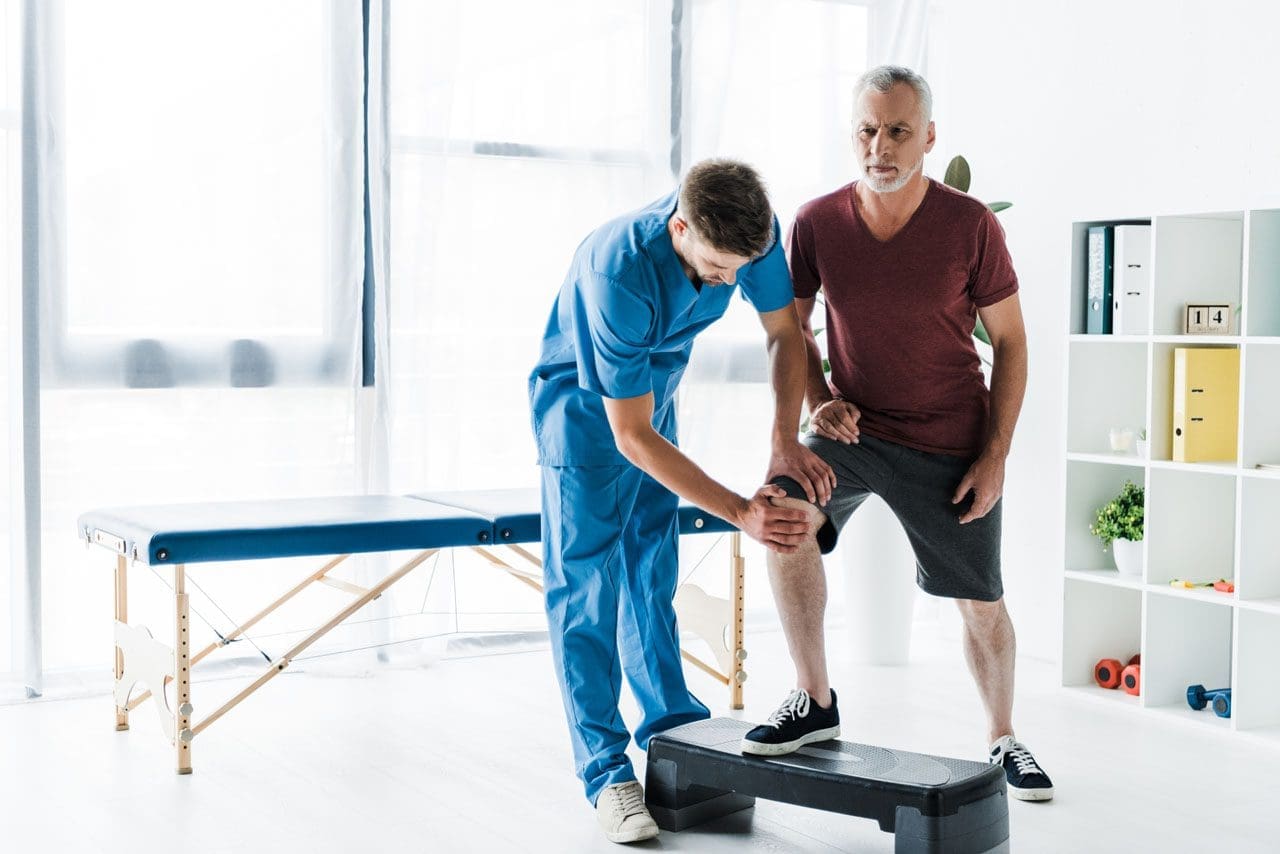
The shoulders, elbows, wrists, knuckles, hips, knees, and ankles are joints. The spine is also made up of joints. The first step for achieving joint stability after a lower-body injury is to assess the joints for:
A physician, chiropractor, or therapist will check the joint and test for weakness or deficits in soft tissues, tendons, ligaments, and cartilage.
Individuals can have conditions, diseases, or injuries that affect the joints, causing dysfunction.
Correcting deficits may require taping, bracing, exercises, or surgery.
Joint stability is attained through specific exercises that target balance, proprioception, range of motion, flexibility, strength, and endurance.
Individuals must participate in their rehabilitation program to fully recover from their injuries.
Proprioception and Neuromuscular Training
Neuromuscular training and proprioception are essential to joint stability.
Neuromuscular control is an unconscious response to joint motions without awareness.
It is how workers or athletes adjust to uneven pavement or shift their weight to stay balanced on an incline or stairs.
Proprioceptionis the ability to sense the body’s orientation in the environment.
It allows body movement and responds without consciously thinking about where the body is in space.
The information signals detect joint position, limb movement, direction, and speed.
A joint with a high level of neuromuscular control and a trained proprioceptive system can respond appropriately to various forces placed upon it during activity, decreasing the risk of injury.
Proprioceptive exercises train joint proprioceptors to adapt before initiating a potentially damaging/injurious movement.
Targeted Training
Specific to the individual’s injury, specific exercises are incorporated to regain/relearn skill sets and reset automatic movement patterns.
Skills training improves the ability to make adjustments quickly and decreases the potential for worsening or creating another injury.
Research has found that individuals who participate in neuromuscular retraining have improved muscular activation and reaction to changes compared to those who do not incorporate retraining exercises.
Trainers and therapists use neuromuscular exercises to prevent and rehabilitate ACL injuries.
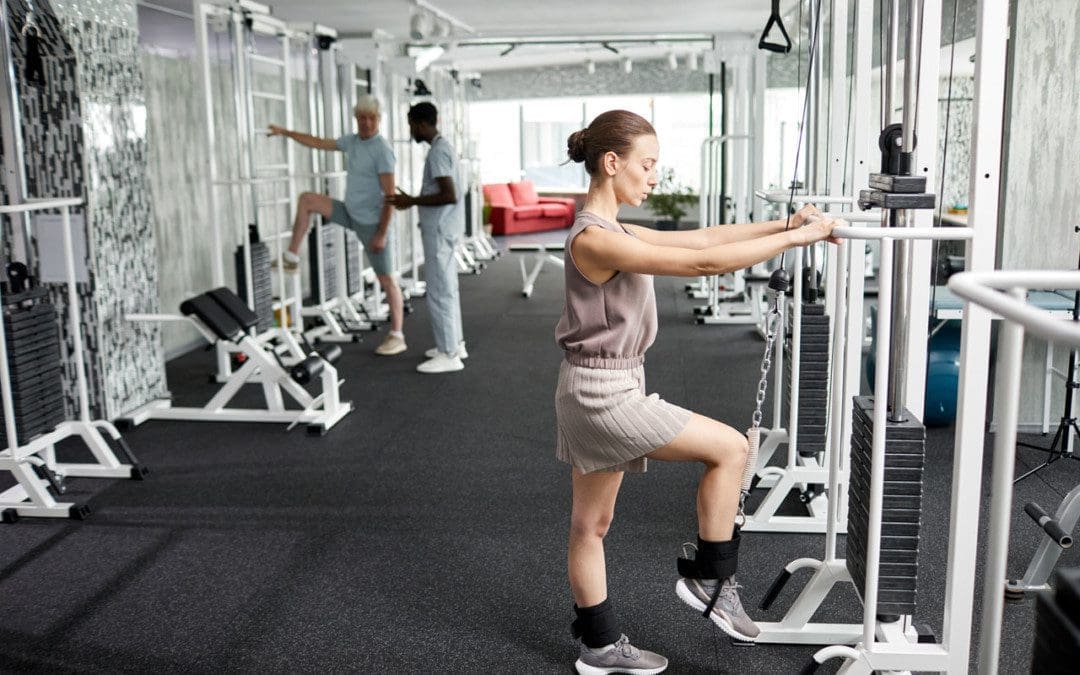
The following example of an exercise rehabilitation program can be used to rehabilitate the lower extremities. The exercises should be done slowly over several weeks. Therapeutic exercises should be combined with an appropriate and gradual range of motion and strengthening program. Individuals should always work with a chiropractor and physical therapist to develop the most suitable program for specific injuries and limitations.
One-Leg Balance
Try to stand on one leg for 10 to 30 seconds.
One-Leg Balance with Eyes Closed
Stand on one leg for 10 to 30 seconds with your eyes closed.
Akbar, Saddam, et al. “Effects of neuromuscular training on athletes’ physical fitness in sports: A systematic review.” Frontiers in physiology vol. 13 939042. 23 Sep. 2022, doi:10.3389/fphys.2022.939042
Borrelli, Joseph Jr et al. “Understanding Articular Cartilage Injury and Potential Treatments.” Journal of orthopedic trauma vol. 33 Suppl 6 (2019): S6-S12. doi:10.1097/BOT.0000000000001472
Cote, Mark P, et al. “Rehabilitation of acromioclavicular joint separations: operative and nonoperative considerations.” Clinics in sports medicine vol. 29,2 (2010): 213-28, vii. doi:10.1016/j.csm.2009.12.002
Jeong, Jiyoung, et al. “Core Strength Training Can Alter Neuromuscular and Biomechanical Risk Factors for Anterior Cruciate Ligament Injury.” The American Journal of sports medicine vol. 49,1 (2021): 183-192. doi:10.1177/0363546520972990
Porschke, Felix, et al. “Return to work after acromioclavicular joint stabilization: a retrospective case-control study.” Journal of orthopedic surgery and Research vol. 14,1 45. 12 Feb. 2019, doi:10.1186/s13018-019-1071-7
Vařeka, I, and R Vařeková. “Kontinuální pasivní pohyb v rehabilitaci kloubů po úrazech a operacích” [Continuous passive motion in joint rehabilitation after injury and surgery]. Acta Chirurgie orthopaedicae et traumatologiae Cechoslovaca vol. 82,3 (2015): 186-91.
The human body has various muscle groups, tendons, ligaments, and spinal structures that allow mobility, standing upright, and performing daily activities without discomfort. The spinal column is divided into three regions: cervical, thoracic, and lumbar, each with specific functions. Unfortunately, low back pain affects many working individuals worldwide and can significantly impact their daily lives and productivity. This pain can be caused by various injuries, conditions, and diseases affecting the muscles, tendons, and spinal discs. Enduring the pain and continuing daily activities can worsen the situation, causing more damage to the back and spine. This article explores the causes of low back pain and how non-surgical therapies like spinal decompression can prevent it from returning. We work with certified medical providers who use our patients’ valuable information to treat individuals with low back pain and inform them about spinal decompression’s benefits in alleviating it from reoccurring. We encourage patients to ask essential questions and seek education from our associated medical providers about their condition. Dr. Jimenez, D.C., provides this information as an educational service. Disclaimer
What Causes Low Back Pain To Return?
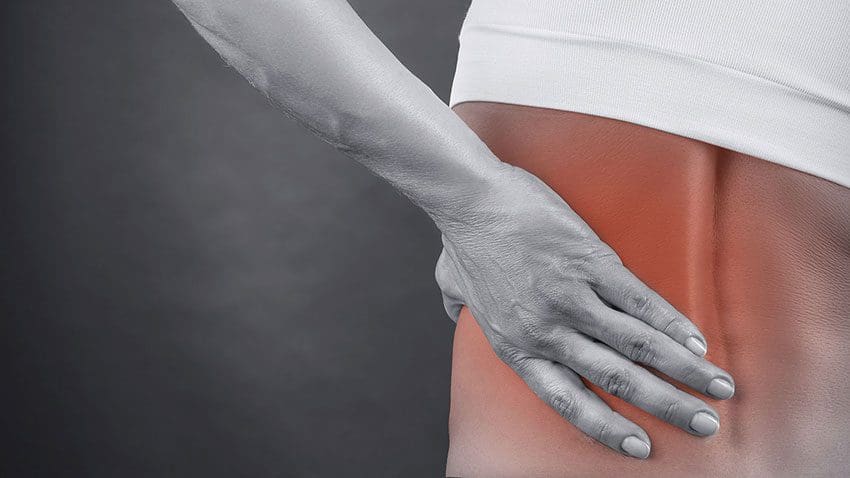
Are you experiencing pain in your lower body? Is it impacting your ability to work? Do you feel muscle stiffness when stretching your sides? In the U.S., 25-60% of people who experience low back pain report recurring pain within a year. Research studies revealed that most low back pain is non-specific, meaning no specific causes or structures can be identified as the pain source affecting the low back. Low back pain can be caused by many factors, such as improper lifting of heavy objects, physical inactivity, and excess body weight, which can strain the back muscles. Studies have also revealed that psychological factors like stress, anxiety, or depression can cause tension in the lumbar region, leading to repetitive motions that correlate with low back pain.
People who experience low back pain often take over-the-counter medications for temporary relief before returning to normal activities. However, this only provides short-term relief, and the pain often returns due to various factors like muscle, nerve, and bone issues and referred pain to the abdominal organs, as research studies revealed. To address this, individuals may seek treatment from their primary care doctor. However, as additional studies mentioned, treating low back pain can be difficult due to the specific or non-specific factors involved. Thankfully, non-surgical treatments are available to alleviate symptoms and reduce the likelihood of the pain returning.
The Benefits Of Stretching- Video
Are you someone who spends most of their day sitting down and experiencing muscle stiffness? Do you feel pain in your legs due to radiating pain? Or do you often feel discomfort after lifting or carrying heavy objects? These symptoms are often associated with low back pain, a common problem many people in the workforce experience at some point. The severity of low back pain can range from acute to chronic, depending on how badly the individual has hurt their low back. If left untreated, low back pain can harshly affect a person. However, there are many ways to prevent low back pain from occurring. Multiple treatments can help reduce the associated symptoms of low back pain and can help re-strengthen the muscles. The video above explains the benefits of stretching, how it can help relieve sore muscles affected by low back pain, and how stretching can be combined with other therapies to promote health and wellness.
How Spinal Decompression Can Relieve Low Back Pain
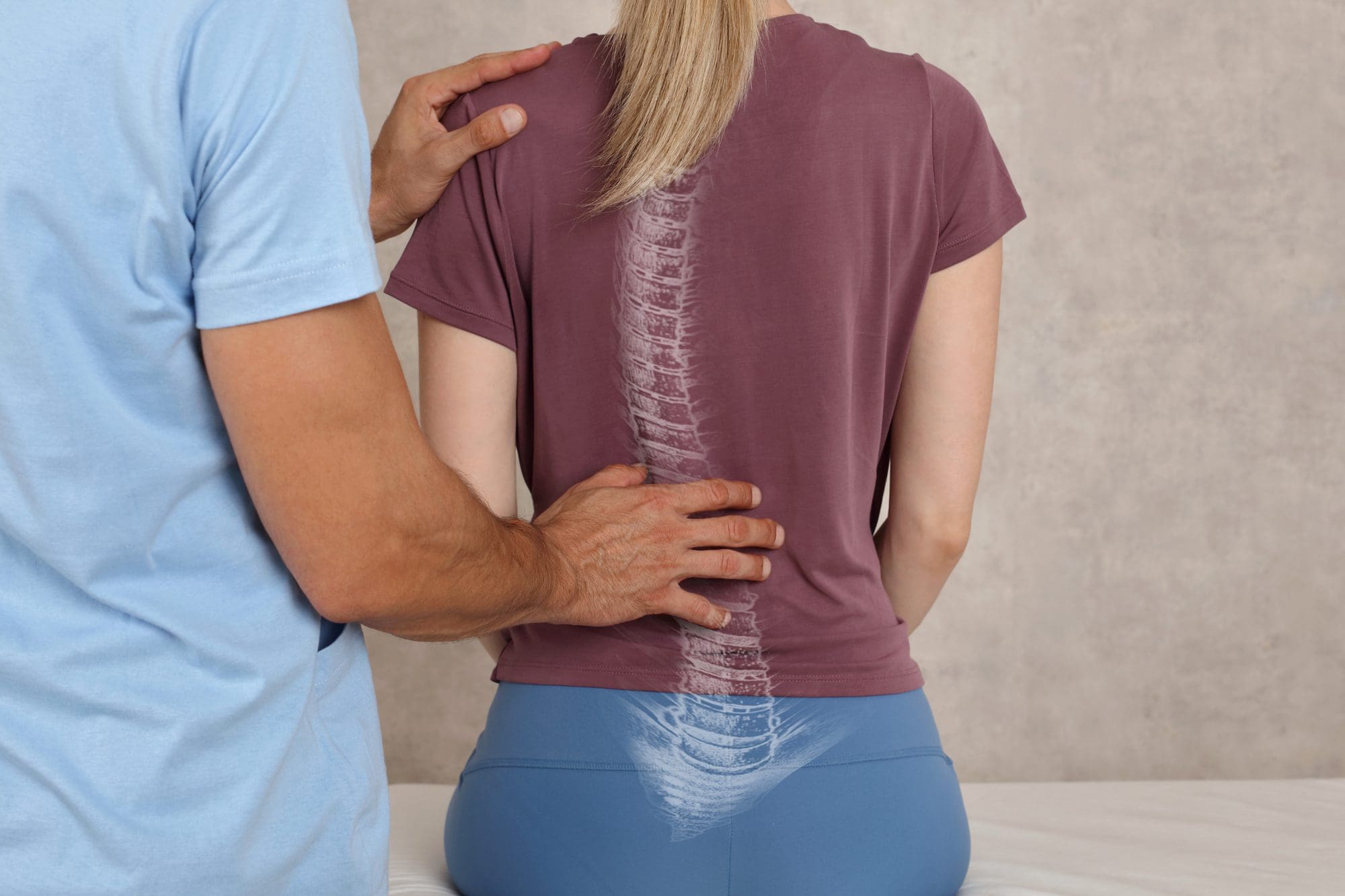
Many people experience low back pain at some point in their lives. If the pain is left untreated, it can develop into chronic back pain. According to “The Ultimate Spinal Decompression,” written by Dr. Eric Kaplan, D.C., FIAMA, and Dr. Perry Bard, D.C., reoccurring low back pain can lead to further degeneration of the lumbar spinal column or be the result of stress and trauma in adjacent muscles. Spinal decompression can provide relief for individuals experiencing this pain. Studies show that spinal decompression creates negative pressure in the spine, which can decrease pressure on the nerve root and hydrate the spinal disc, promoting the body’s natural healing process. Spinal decompression is a safe, gentle, and cost-effective solution for many individuals seeking relief from low back pain.
Conclusion
Low back pain is a common issue that affects many people. Depending on its severity, various factors can cause it, ranging from acute to chronic. Unfortunately, this pain can interfere with daily activities, including work. Thankfully, non-surgical treatments like spinal decompression may help relieve the symptoms associated with low back pain. This treatment involves gentle traction on the lumbar region of the spine, providing much-needed relief to the body. Spinal decompression is an excellent option for those who want to start their journey toward better health and wellness.
Automobile accidents and collisions can cause knee and ankle injuries in various ways. Automobile crashes are considered high-energy collisions versus slip and fall traumas which are generally low-energy. However, a 30mph or under-collision can have serious and detrimental effects on the knees and ankles. The sudden forces can cause the knees to collide with the dashboard or push the feet and legs into the body, generating intense pressure and compressing the bones, muscles, and ligaments damaging soft tissues and bone structures from the impact. The Injury Medical Chiropractic and Functional Medicine Clinic Team can rehabilitate, realign, strengthen, and restore function to individuals with minor to severe auto collision injuries.
Knee and Ankle Injuries
Musculoskeletal motor vehicle crash/collision injuries affect the body’s movement. The impact can pull, tear, crush, and smash bones, muscles, tendons, ligaments, discs, and nerves. These injuries restrict the range of motion and can cause pain and sensation symptoms. The National Accident Sampling System reports 33% of injuries sustained during vehicle collisions are to the lower extremities.
Despite the knees and ankles having soft tissues that absorb and distribute the energy’s impact, the forces from the collision often happen instantly and unexpectedly, causing the individual to tense up, which overwhelms the structures.
Even panic stepping on the brake pedal can cause injury to the ankle and foot.
A passenger’s reflex of trying to resist forces can experience foot, ankle, and knee injuries from bracing off the vehicle’s floorboard.
Automobile collisions can cause strains, sprains, fractures, and dislocations.
Torn, Strained, or Sprained Knee
If the foot becomes planted on the floorboard while the body continues to move forward or sideways, the force can travel into the knee, causing twisting or shearing.
Depending on the injury type, the impact strength can damage different ligaments.
The ligaments resist forces that push the knee inwards/medially and outwards/laterally and slightly resist rotational forces.
When any of these ligaments are damaged, swelling, pain, and limited ranges of motion can result.
Putting weight on the affected leg can be difficult.
In some cases, the ligaments tear completely, necessitating surgical repair.
Once the individual can engage in mild activity, they can begin a rehabilitation program to restore function.
Recovery times vary based on the location and severity of the injury.
Fractured Knee or Ankle
When a fracture occurs in a joint, like the knees or ankles, surgical procedures may be necessary to repair the broken bone/s.
Broken bones can result in simultaneous damage and/or inflammation of the connective tissues that can cause the muscles to contract/tighten or atrophy during the recovery and healing phases.
Joints and bones are kept healthy with moderate movement and weight-bearing.
Fractures require immobilization of the affected area.
A physical therapy rehabilitation program can begin when the brace or cast comes off.
Targeted exercises and resistance will strengthen and stretch the joint to improve flexibility and promote healing through improved circulation.
Torn Meniscus
The meniscus is a C-shaped area of cartilage that rests between the thigh and shin bones.
It acts as a shock absorber.
The meniscus can become torn, resulting in pain, stiffness, and loss of motion.
This injury can heal independently with the right rest and therapeutic exercises.
A chiropractic auto collision specialist can diagnose the severity of the tear and provide the recommendations needed to rehabilitate and strengthen the knee.
If the tear is severe enough, surgery may be required.
Strained or Sprained Ankle
Strained tendons and sprained ligaments can result from the ankle being subject to tremendous force.
Strains and sprains vary in severity.
Both indicate that the connective tissue has been damaged or stretched beyond normal limits.
They can present with pain, inflammation, and problems moving the affected area.
With proper medical attention and rehabilitation, recovery is possible.
Torn Achilles Tendon
The Achilles tendon connects the calf muscle to the heel and is necessary for walking, running, physical activity, and bearing weight.
If the tendon gets torn, surgery will be required to reattach the muscle and tendon.
After recovery, the individual can begin physical therapy to work the tendon and muscle, slowly building strength and range of motion.
It is critical to do this with the supervision of an expert in musculoskeletal rehabilitation to avoid re-injury or developing new injuries.
Chiropractic Treatment
Any musculoskeletal motor vehicle injuries can result in intense pain that worsens with activity, inflammation, swelling, redness, and/or heat in the affected area. This is why correctly diagnosing the injury is essential if the condition is to be properly and thoroughly treated. A physical examination will vary based on the individual’s state and can include:
Strength assessment
Range of motion
Reflexes
Other variables to determine the underlying issues.
Diagnostic imaging such as X-rays, MRIs, and CT scans can help identify and clarify injuries’ extent, nature, and location and rule out problems.
A qualified healthcare professional will combine the data with medical history to develop an accurate diagnosis. Our ability to effectively treat accident individuals is based on applying clinical expertise in musculoskeletal diagnosis and care. Our medical team takes a practical approach to help individuals quickly heal from musculoskeletal injuries using the latest treatments possible. When you meet with one of our professionals, you will feel relaxed and confident that you have come to the right place.
From Injury To Recovery
References
Dischinger, P C et al. “Consequences and costs of lower extremity injuries.” Annual proceedings. Association for the Advancement of Automotive Medicine vol. 48 (2004): 339-53.
Fildes, B et al. “Lower limb injuries to passenger car occupants.” Accident; analysis and prevention vol. 29,6 (1997): 785-91. doi:10.1016/s0001-4575(97)00047-x
Gane, Elise M et al. “The impact of musculoskeletal injuries sustained in road traffic crashes on work-related outcomes: a protocol for a systematic review.” Systematic reviews vol. 7,1 202. 20 Nov. 2018, doi:10.1186/s13643-018-0869-4
Hardin, E C et al. “Foot and ankle forces during an automobile collision: the influence of muscles.” Journal of biomechanics vol. 37,5 (2004): 637-44. doi:10.1016/j.jbiomech.2003.09.030
Li, Wen-Wei, and Cheng-Chang Lu. “Knee deformity following a motor vehicle accident.” Emergency medicine journal: EMJ vol. 38,6 (2021): 449-473. doi:10.1136/emermed-2020-210054
M, Asgari, and Keyvanian Sh S. “Crash Injury Analysis of Knee Joint Considering Pedestrian Safety.” Journal of biomedical physics & Engineering vol. 9,5 569-578. 1 Oct. 2019, doi:10.31661/jbpe.v0i0.424
Torry, Michael R et al. “Relationship of knee shear force and extensor moment on knee translations in females performing drop landings: a biplane fluoroscopy study.” Clinical biomechanics (Bristol, Avon) vol. 26,10 (2011): 1019-24. doi:10.1016/j.clinbiomech.2011.06.010
Not getting enough fiber in one’s diet can lead to fiber deficiency. Fiber helps support gut and microbiome health. Individuals not getting enough fiber may experience irregular bowel movements, constipation, blood sugar fluctuations, not feeling full/satisfied after eating, or rising cholesterol levels. About 100 trillion microorganisms in the gut are integral to maintaining a healthy immune system. Fiber is the food these microorganisms eat that helps them to do their job. Without the proper amount, the immune system’s health may also be compromised.
Fiber and Gut Health
Fiber and gut health benefits include regulating the body’s sugars, helping to keep hunger and blood sugar in check, helping to maintain a healthy weight, its ability to prevent or relieve constipation, reduce the risk of diabetes, heart disease, and certain types of cancer.
Dietary fiber, or roughage, is the part of plant foods the body can’t digest or absorb.
It passes through the stomach, small intestine, and colon and out of the body.
It is found mainly in fruits, vegetables, whole grains, and legumes.
Soluble and insoluble forms are important to overall health.
Types
Soluble Fiber
This type dissolves in water to form a gel-like substance.
It can help lower blood cholesterol and glucose levels.
It is found in oats, peas, beans, apples, citrus fruits, carrots, and barley.
Insoluble Fiber
This type of fiber promotes the movement of material through the digestive system.
It increases stool bulk, benefiting individuals who struggle with constipation or irregular stools.
Whole-wheat flour, wheat bran, nuts, beans, and vegetables, such as cauliflower, green beans, and potatoes, are good sources.
Benefits
Healthy Bowel Movements
Dietary fiber increases stool weight and thickness and makes it soft.
Fiber helps to solidify the stool by absorbing water and adding bulk.
A thicker stool is easier to pass, decreasing the potential for constipation and other problems.
Maintains Bowel Health
A high-fiber diet can lower the risk of developing hemorrhoids and small pouches in the colon/diverticular disease.
Studies have also found that a high-fiber diet can help lower the risk of colorectal cancer.
Some fiber gets fermented in the colon.
Researchers are looking at how this can help prevent diseases of the colon.
Lowers Cholesterol
Soluble fiber found in beans, oats, flaxseed, and oat bran can help lower blood cholesterol levels by lowering low-density lipoprotein or unhealthy cholesterol levels.
Studies also have shown that high-fiber foods can help reduce blood pressure and inflammation.
Regulates Blood Sugar Levels
In individuals with diabetes, fiber, particularly soluble fiber, can slow the absorption of sugar and improve blood sugar levels.
A healthy nutrition plan that includes insoluble fiber can help reduce the risk of developing type 2 diabetes.
Helps Achieve Healthy Weight
High-fiber foods can be more filling than low-fiber foods, helping individuals eat less and stay satisfied.
High-fiber foods can also take longer to eat and are less energy dense, meaning they have fewer calories.
Getting More Fiber
Ideas for adding more fiber to meals and snacks:
Fiber to Start The Day
Choose a high-fiber breakfast cereal with five or more grams of fiber per serving.
Choose cereals with whole grain, bran, or fiber in the name.
Add a few tablespoons of unprocessed wheat bran to the cereal.
Add Whole Grains
Try to make at least half of the grains eaten whole grains.
Look for bread that lists whole wheat, whole-wheat flour, or another whole grain as the first ingredient, with at least 2 grams of dietary fiber per serving.
Experiment with whole-wheat pasta, brown rice, wild rice, barley, and bulgur wheat.
Baked Foods
Substitute whole-grain flour for half or all white flour when baking.
Add crushed bran cereal, unprocessed wheat bran, or uncooked oatmeal to muffins, cakes, and cookies.
Legumes
Beans, peas, and lentils are recommended sources.
Add kidney beans to soups or salads.
Make nachos with refried black beans, fresh vegetables, whole-wheat tortilla chips, and healthy salsa.
Fruit and Vegetables
Fruits and vegetables are rich in fiber and vitamins and minerals.
Try to eat a favorite fruit daily.
Healthy Snacks
Fresh fruits, raw vegetables, low-fat popcorn, and whole-grain crackers are healthy choices.
Try for a handful of nuts or dried fruits; however, be aware that nuts and dried fruits can be high in calories.
Moderation
High-fiber foods are beneficial for the body’s health.
Adding too much fiber can promote intestinal gas, abdominal bloating, and cramping.
Increase fiber gradually over a few weeks.
This allows the natural bacteria in the digestive system to make adjustments.
Maintain hydration, as fiber works best when it absorbs water.
Individuals not sure how to incorporate more fiber can consult a nutritionist and health coach to help begin the process.
Gut Dysfunction
References
Anderson, James W et al. “Health benefits of dietary fiber.” Nutrition Reviews vol. 67,4 (2009): 188-205. doi:10.1111/j.1753-4887.2009.00189.x
Cronin, Peter, et al. “Dietary Fiber Modulates the Gut Microbiota.” Nutrients vol. 13,5 1655. 13 May. 2021, doi:10.3390/nu13051655
Fuller, Stacey, et al. “New Horizons for the Study of Dietary Fiber and Health: A Review.” Plant foods for human nutrition (Dordrecht, Netherlands) vol. 71,1 (2016): 1-12. doi:10.1007/s11130-016-0529-6
Gill, Samantha K et al. “Dietary fiber in gastrointestinal health and disease.” Nature reviews. Gastroenterology & hepatology vol. 18,2 (2021): 101-116. doi:10.1038/s41575-020-00375-4
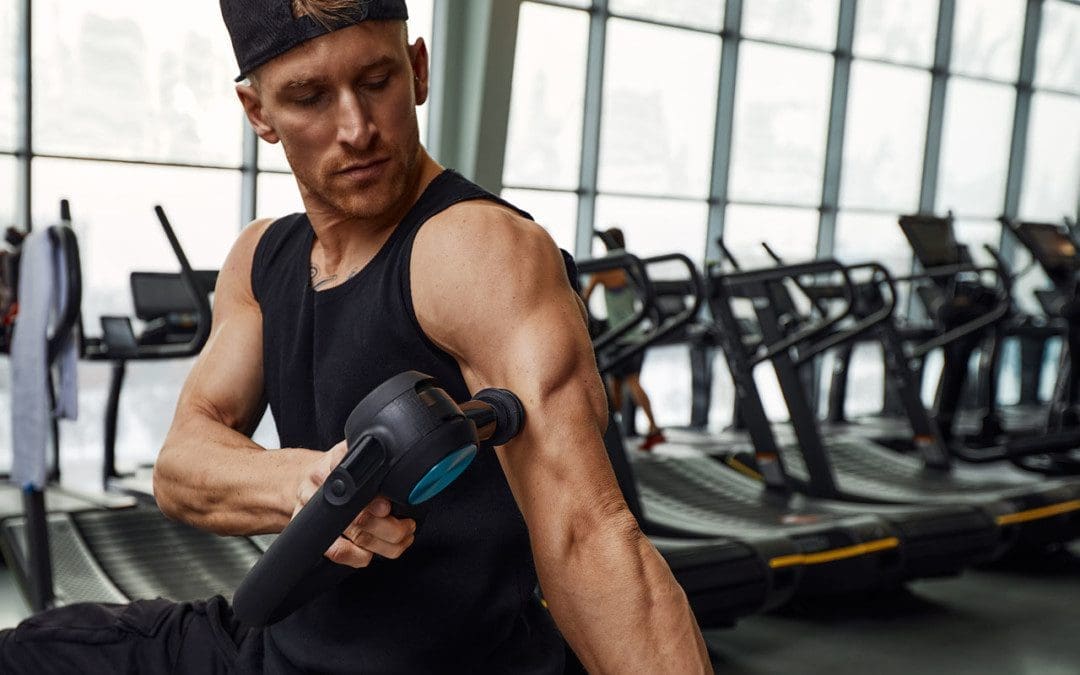
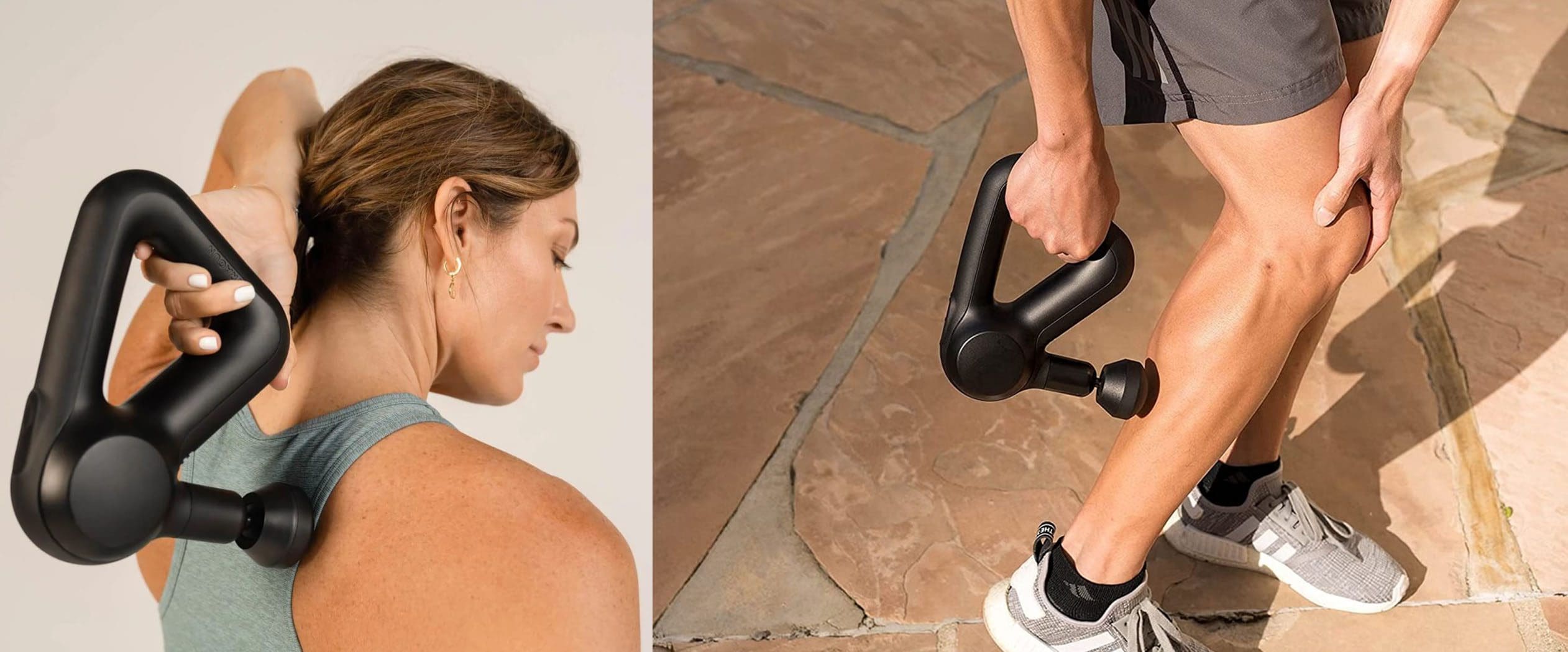
Percussive massage guns have become a standard tool in osteopathy, physical and massage therapy, and chiropractic care. They provide rapid bursts of force into muscle tissues to quickly loosen and relax the muscles to alleviate soreness, stiffness and increase circulation. Percussive massager therapy devices can be a healthy part of an exercise and recovery routine. They allow individuals to give themselves quick, powerful massages anytime and anywhere. But they need to be used correctly to reap the benefits.
Percussive Massager
These devices can be found in stores and online. Many are on the market, making it tough to separate high-quality massagers from low-quality ones. With a little research and advice from a physical therapist or chiropractic professional, they can help the individual get the right one and training on how to use them to maintain a healthy musculoskeletal system.
Percussive Therapy
Massage guns utilize percussive therapy or vibration therapy, sometimes simultaneously. Percussion and vibration therapy are slightly different. They are soft tissue manipulation, which reduces muscle soreness and post-physical activity, and workout fatigue.
Vibration therapy uses vibration movements to relax the body, alleviate stress and improve circulation.
Vibration therapy applies force to targeted areas but with less intensity.
This type of soft tissue therapy is generally defined as reaching eight to 10 millimeters into the soft tissues.
Vibration therapy is often recommended for individuals with chronic pain conditions, overly sensitive muscles, or a medical condition that prevents them from using percussive therapy.
Percussive therapy involves the application of force to muscles and fascia to break up adhesions and increase circulation to sore and sensitive areas.
Percussive therapy extends deeper into the muscles and reaches deep into soft tissue, estimated to be about 60% deeper.
Using It Properly
It’s important to know how to use the machine to get the most out of a percussive massager. Using the massager incorrectly can lead to further injury or the development of new injuries.
Before Workouts
A pre-workout massage session can help warm up the body by increasing circulation and improving the range of motion of the muscles that will be engaged during the workout. Spend one to two minutes massaging each muscle group that will be worked out, plus 30 seconds on supporting muscle groups. For example, here is a pre-workout massage for a leg workout.
Sixty seconds on each quadricep.
Sixty seconds on each hamstring.
Thirty seconds on the lower back.
Thirty seconds on each calf.
Circulation increases in less than five minutes, and the muscles are ready for exercise. However, this does not replace proper warming-up like dynamic stretching and light cardio to increase heart rate.
After Workouts
After working out, a percussive massage can be part of the cool-down.
Post-workout percussive therapy can help return the body from a heightened state to a resting state.
Percussive therapy helps reduce inflammation, which helps reduce post-workout muscle soreness is thought to occur due to microscopic tears in muscle fibers and inflammation in the tissues.
Percussive therapy maintains increased circulation after a workout, providing oxygen and nutrients to tired muscles.
The massage helps relax the nervous system by reducing soreness and pain signals, similar to a TENS unit.
Sore Muscles
The muscles may still be sore a day or two after working out. This is called delayed-onset muscle soreness/DOMS.
A percussive massage can help but may not completely alleviate DOMS but it will provide temporary relief.
The massager’s speed and depth settings should be adjusted to where they don’t cause pain.
Sore muscles tend to remain sensitive, and it is recommended to use the lower settings.
Once a setting feels good, use the massager for one to two minutes on each sore area.
How Not to Use
Individuals are recommended to consult a doctor if not sure of percussive massage therapy and should avoid using a percussive massager on:
Musculoskeletal injuries – sprains and strains.
Bony areas.
Areas of severe or unexplained pain.
Sensitive areas.
Bruises or open wounds.
Individuals with arthritis, osteoporosis, fibromyalgia, or other musculoskeletal conditions.
Percussive massage devices are safe to use for muscle soreness and as a tool to improve fitness.
Individuals can safely use a percussive massager every day as long as they use proper techniques and don’t exceed the recommended usage time, usually provided with instructions on how long to use the device during a session. And some massagers have an automatic shut-off so the individual doesn’t exceed the recommended time.
Revitalize and Rebuild with Chiropractic
References
Cheatham, Scott W et al. “Mechanical Percussion Devices: A Survey of Practice Patterns Among Healthcare Professionals.” International journal of sports physical therapy vol. 16,3 766-777. 2 Jun. 2021, doi:10.26603/001c.23530
Dupuy, Olivier, et al. “An Evidence-Based Approach for Choosing Post-exercise Recovery Techniques to Reduce Markers of Muscle Damage, Soreness, Fatigue, and Inflammation: A Systematic Review With Meta-Analysis.” Frontiers in physiology vol. 9 403. 26 Apr. 2018, doi:10.3389/fphys.2018.00403
García-Sillero, Manuel et al. “Acute Effects of a Percussive Massage Treatment on Movement Velocity during Resistance Training.” International journal of environmental research and public health vol. 18,15 7726. 21 Jul. 2021, doi:10.3390/ijerph18157726
Hotfiel, Thilo, et al. “Advances in Delayed-Onset Muscle Soreness (DOMS): Part I: Pathogenesis and Diagnostics.” “Delayed Onset Muscle Soreness – Teil I: Pathogenese und Diagnostik.” Sportverletzung Sportschaden : Organ der Gesellschaft fur Orthopadisch-Traumatologische Sportmedizin vol. 32,4 (2018): 243-250. doi:10.1055/a-0753-1884
Imtiyaz, Shagufta, et al. “To Compare the Effect of Vibration Therapy and Massage in Prevention of Delayed Onset Muscle Soreness (DOMS).” Journal of Clinical and diagnostic research: JCDR vol. 8,1 (2014): 133-6. doi:10.7860/JCDR/2014/7294.3971
Konrad, Andreas, et al. “The Acute Effects of a Percussive Massage Treatment with a Hypervolt Device on Plantar Flexor Muscles’ Range of Motion and Performance.” Journal of sports science & Medicine vol. 19,4 690-694. 19 Nov. 2020
IFM's Find A Practitioner tool is the largest referral network in Functional Medicine, created to help patients locate Functional Medicine practitioners anywhere in the world. IFM Certified Practitioners are listed first in the search results, given their extensive education in Functional Medicine




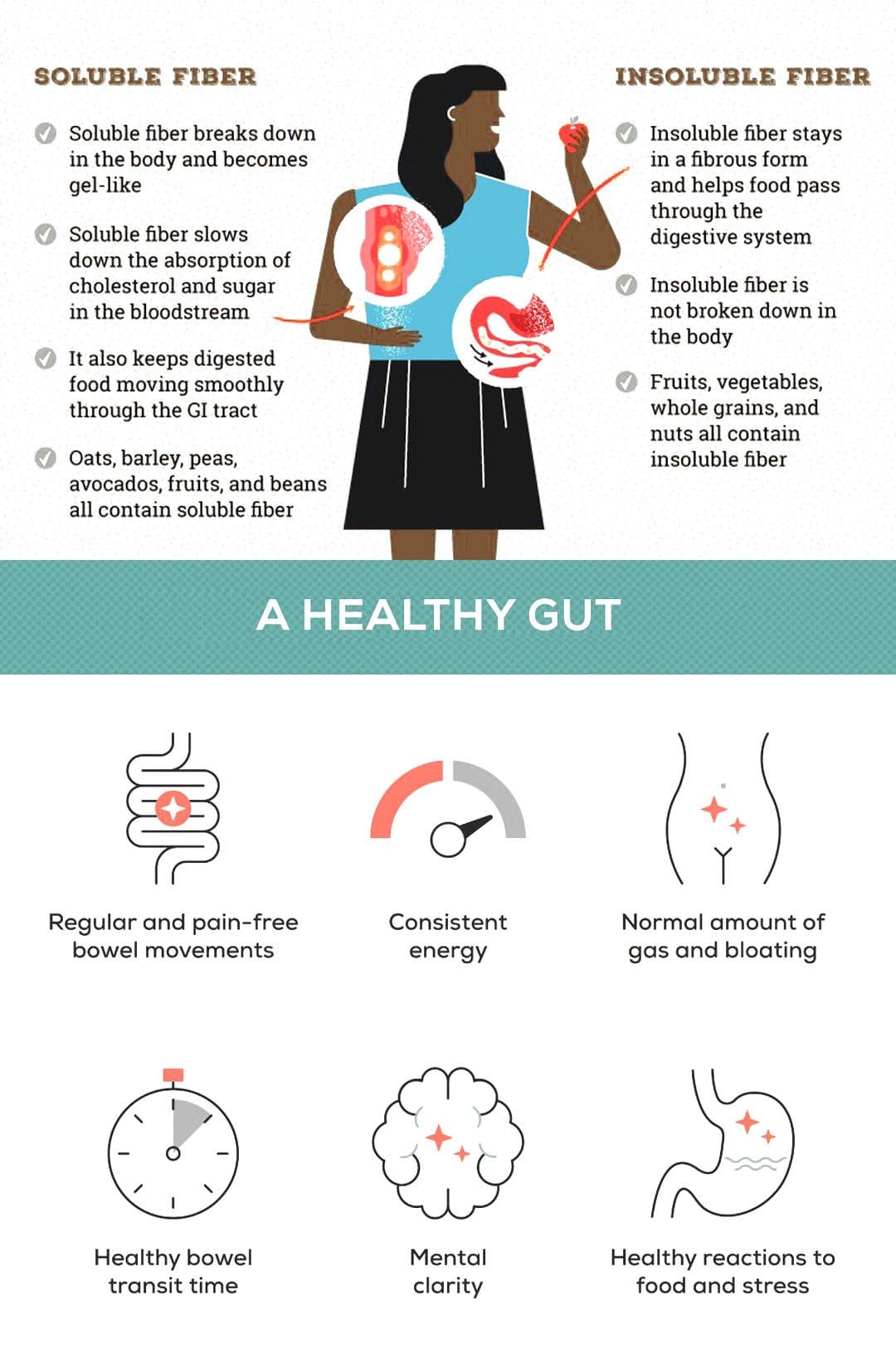 Fiber and Gut Health