Andres “Andy” Martinez first came to see Dr. Alex Jimenez in Push Fitness after experiencing low back pain and knee problems. Following a period of physical therapy and rehabilitation, Andy became involved in crossfit, where he learned everything he needed to know about health and wellness from the trainers at Push. Andres Martinez expresses how grateful he is to receive the amount of care he does from the staff and he describes how much his perspective of fitness has changed from the first time he walked in to Push Fitness. Andy has found a family at Push who led him to a healthy, clean life and both the trainers and staff mean everything to Andres Martinez.
Chiropractic Low Back Pain Therapy
CrossFit is a strength and conditioning system consisting chiefly of a mixture of aerobic exercise, calisthenics (body weight exercises), and Olympic weightlifting. CrossFit, Inc. clarifies its strength and conditioning system as “continuously diverse functional movements executed at high intensity across wide time and modal domain names,” with the stated goal of enhancing fitness, which it defines as “work capacity across wide time and modal domains.” CrossFit gyms use gear from multiple disciplines, such as barbells, dumbbells, hands rings, pull-up bars, jump ropes, kettlebells, medicine balls, plyo boxes, resistance bands, rowing machines, and various mats. CrossFit is focused on”constantly diverse, high-intensity, operational motion,” drawing on categories and exercises.
We are blessed to present to you�El Paso�s Premier Wellness & Injury Care Clinic.
As El Paso�s Chiropractic Rehabilitation Clinic & Integrated Medicine Center,�we passionately are focused treating patients after frustrating injuries and chronic pain syndromes. We focus on improving your ability through flexibility, mobility and agility programs tailored for all age groups and disabilities.
If you have enjoyed this video and/or we have helped you in any way please feel free to subscribe and share us.
Active release therapy, more specifically referred to as the active release technique, is a patented system designed by Dr. P. Michael Leahy which focuses on the treatment of developed scar tissue in damaged muscles all across the human body. When Dr. Leahy first developed the technique about two decades ago, he realized that the damage in the complex soft tissues of the muscles might perhaps be able to be sensed as well as addressed directly through movement in the form of specialized techniques. With its proven ability to cure pain, its own acronym, ART, provides the active release therapy with some ironical link to being a true art form in chiropractic care.
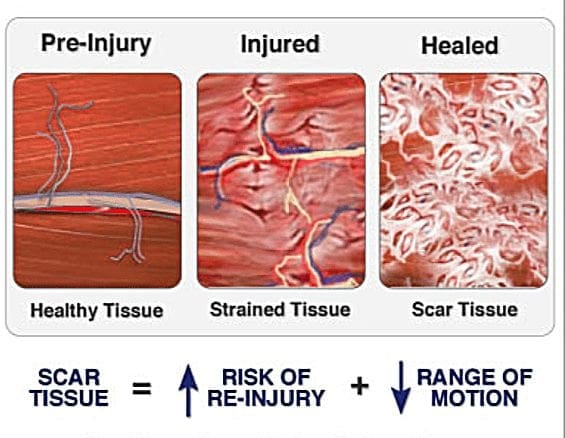
When athletes overwork their muscles from playing sports or even through just everyday activities, many individuals don’t understand how scar tissue can develop on our muscles in the first place. The scar issue forms in order to help heal damaged muscles, however, it can ultimately create painful symptoms which may last long after these have healed. Scar tissue most commonly develops as a result of pulled muscles or muscle tears, or even from a lack of oxygen, called hypoxia.
As the scar tissue builds in the damaged or injured muscles, if the individual does not maintain a proper level of mobility in the affected area, it can progressively cause muscles to become stiff or tight and weak, eventually leading to health issues such as tendonitis or nerve problems. This explains why some people with pain or limited range of motion, often will need to visit a healthcare professional immediately. Fortunately, many doctors are certified to treat these type of problems using active release therapy.
Using the Active Release Technique to Relieve Pain
Together with providing tension to the targeted sore muscle and utilizing specific body motions, the painful symptoms associated with scar tissue improves through active release therapy. As of now, there are approximately 500 different active release techniques designed to alleviate the tightness or stiffness and weakness in all of the body’s soft tissues, from the muscles to the nerves. Many of these movements are particularly chosen for each individual based on the specific muscle issue and location.
Active release techniques can also be helpful for small traumatic injuries caused by accumulative trauma or repetitive strain. More specifically, ART functions to break up fibrous tissues called adhesions. These adhesions result from a tear onto a tendon, ligament or muscle. Adhesions commonly develop in different ways, including from trauma as a result of acute injury or from repetitive motion injury caused by overuse, most commonly from sports injuries. It may also be a result of poor posture which has been aggravated by continuous pressure in addition to tension produced in the soft tissues for extended amounts of time.
Such adhesions, when left untreated, can also limit blood flow as well as shorten muscles, causing the well-known symptoms. Worsened symptoms can also result in pain, discomfort or weakness and at times numbness, most notably when scar tissue applies pressure on the nerves. When adhesions occur, the patient will surely complain of distress much more due to the simple fact that they will not be able to engage in the physical activities they were used to performing in before.
The active release technique, or ART,� works by implementing a couple of movements and motions on the affected muscle, tendon or fascia. In comparison to other soft tissue therapies, it’s said to achieve better end results. Primarily, ART aims to help improve the symptoms of the damaged or injured area by applying pressure and force on it. From there, the individual will be tasked to perform a technique which will help release the tension from the treatment. This can essentially improve motion for the treated region.
The combination of this tension out of the active release technique and that of the movement of muscles and its soft tissues will loosen and break up the adhesions. Because of this, there’ll be lesser pain felt on the injured region. This technique works well with active strengthening in addition to biomechanics training. The combination of these therapies will make patients feel improved body awareness, strength, flexibility and mobility even after a few ART sessions.
How Different is ART from Traditional Soft Tissue Treatments?
When compared with traditional manners of soft tissue therapy, ART boasts of a very comprehensive strategy. The active release technique is performed by certified healthcare practitioners who’ve underwent a very rigorous training procedure. Healthcare professionals must participate in sit-in classes and they must also have hands-on testing. Their certificate doesn’t stop after they pass the 90 percent mark on the hands on test though. They’ll also have to maintain their ART certification by getting annual recertification. This may work by honing the healthcare professional’s abilities and at the exact time, this will boil to the benefit of patients undergoing the therapy.
How Successful is ART as a Treatment?
Current research has demonstrated how effective the procedure is when it comes to treating hamstring pain and dysfunction in addition to hip pain, turf toe and lymph nodes. While the efficacy of ART has been demonstrated along these areas, several studies are still being made to check into its potential for treating disorders for other body components.
Using the Active Release Technique for Sciatica
Sciatica is an issue which affects a large number of people. It is essentially a pain syndrome, characterized by a collection of common symptoms which are caused when the sciatic nerve, the largest and most important nerve supplying the lower spine and the lower extremities, is compressed by the small muscles in the pelvis. The piriformis muscle is the one most implicated in the compression of the sciatic nerve, particularly because it moves through this muscle when emerging from the pelvis and entering the lower limbs. The active release technique, or ART, may be used in the treatment of sciatica brought on by piriformis syndrome.
Pathophysiology of Sciatica
When sciatica is caused by the compression of the sciatic nerve by the piriformis muscle, the latter generally goes into a spasm for an extended period of time, leading to the compression of this fundamental nerve. The spasm may result in a compromise in the blood supply to the muscle itself as well as the nerve, which will further complicate the issue. Nerve communications are important in order for the human body to maintain its outmost efficiency. Sciatica often can also be caused by disc injuries and herniations, as generally is a differential diagnosis to piriformis syndrome. Specific orthopedic tests can help, doctors of chiropractic, or chiropractors, evaluate the source of the patient’s sciatica prior to commencing any type treatment.
Consequences of Sciatic Nerve Pain
There are a number of effects that could arise as a result of sciatica. Reduction in overall body ranges of movement can be anticipated, accompanied by searing or sharp pain that can be excruciating. This can make it very difficult for an individual’s quality of life, especially when carrying out daily tasks like going to school and work, might become impossible due to the seriousness of the health issue. When the issue isn’t treated on time, it might cause permanent damage to the sciatic nerve.
Conventional Treatments for Sciatic Nerve Pain
There are a range of conventional treatments that may be utilized based on the intensity of the sciatic nerve pain, or sciatica. One of these is an injection of a drug/medication that can relax the muscle so that it stops compressing the nerve. Additionally, it has been proven that drugs and/or medications, such as steroids, may also have an impact on reducing the pain and impairment related to the symptoms. When the pharmacological methods don’t result in any progress, surgical ones can be attempted. The most usual of these is a surgery to release the nerve from the muscle by cutting away a portion of it. Although these have been listed as conventional treatments which may be used to treat sciatica, alternative treatment options and secondary opinions should be considered before considering surgical interventions. Only when no other treatment has demonstrated any improvements, should surgery be considered by a patient.
The Role of Active Release Techniques for Sciatica
The active release technique, or ART, is a form of therapy that focuses on the manipulation of soft tissues, including nerves, fascia and muscles, so as to achieve relief of painful symptoms, in this case for sciatica. For sciatic nerve pain, ART is utilized to reduce spasm and remove adhesions of the muscle that may be entrapping the sciatic nerve. Since the adhesions are removed through specific manual methods, the nerve can slide under the soft tissues, and sciatica symptoms can solve relatively quickly. There are a range of things that a patient can do in order to increase the efficacy of the active release technique. Early start to treatment assists in long-term resolution of sciatica symptoms.
Dr. Alex Jimenez’s Insight
The active release technique, also known as active release therapy or ART, is a soft tissue treatment based on a series of movement and motion techniques utilized to relieve pain and discomfort as well as promote the healing of muscles, joints and nerves, among other soft tissues. When performed by a certified healthcare professional, including a chiropractor, ART can help break down adhesions which may have developed following scar tissue formation after a damaged or injured muscle has healed. The active release technique has become one of the most common therapy for soft tissue treatment.
ART therapy is usually provided by skilled therapists like chiropractors, who have to keep their accreditation through continuing education on a yearly suface. This treatment is a specialized procedure that needs quite a bit of expertise and skill so as to work and supply rapid results. The scope of our information is limited to chiropractic as well as to spinal injuries and conditions. To discuss the subject matter, please feel free to ask Dr. Jimenez or contact us at 915-850-0900 .
Curated by Dr. Alex Jimenez
Additional Topics: Sciatica
Sciatica is medically referred to as a collection of symptoms, rather than a single injury and/or condition. Symptoms of sciatic nerve pain, or sciatica, can vary in frequency and intensity, however, it is most commonly described as a sudden, sharp (knife-like) or electrical pain that radiates from the low back down the buttocks, hips, thighs and legs into the foot. Other symptoms of sciatica may include, tingling or burning sensations, numbness and weakness along the length of the sciatic nerve. Sciatica most frequently affects individuals between the ages of 30 and 50 years. It may often develop as a result of the degeneration of the spine due to age, however, the compression and irritation of the sciatic nerve caused by a bulging or herniated disc, among other spinal health issues, may also cause sciatic nerve pain.
There are many different treatments for cerebral palsy available today, however each case of cerebral palsy is as unique as the individual it affects. Because cerebral palsy can ultimately affect the normal functioning of the brain, treatment approaches which enhance the connection between the brain and the body are essential. Various treatments will work for different patients. A treatment known as physical therapy, or physiotherapy, is categorized as a non-medicinal treatment of cerebral palsy with the usage of massage, exercise, heat, and other external means of treatment.
Physiotherapy can be used to help cerebral palsy patients improve motion and motor abilities. Since cerebral palsy is a physical and movement disorder that disrupts the brain’s ability to correctly control muscle movement, physiotherapy can work wonders in helping cerebral palsy patients achieve mobility. Cerebral palsy physical therapy techniques are dependent on the degree of physical limitations of the person, and what’s going to be most beneficial to the cerebral palsy patient. Chiropractic care, can also include physical therapy techniques. Because the brain is believed to be lacking proper stimulation for functioning through cerebral palsy, chiropractic care can offer proprioception of touch for the assistance of mobility for the increased sensory stimulation of the brain through spinal adjustments and manipulations.
Physiotherapy for Cerebral Palsy
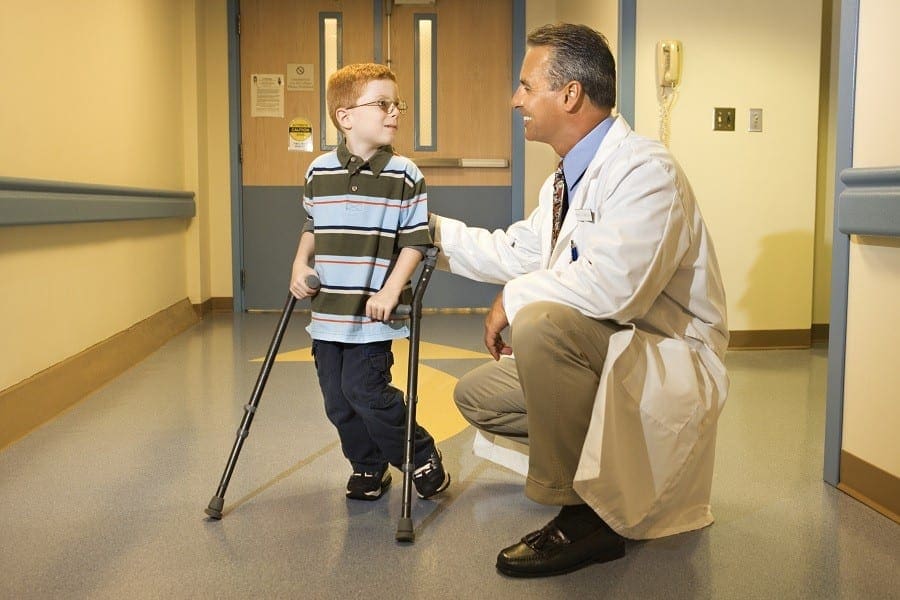
Cerebral palsy is the most common physical disability in children and it also represents the most frequent diagnosis in children who receive physical therapy. The harshness of limitations in gross motor function among children with cerebral palsy varies greatly, as some can walk without helping devices while some must use battery-powered wheelchairs. Physical therapists help children discover better ways to balance and move, as well as learn to walk, use their wheelchair, stand up with help, or go up and down stairs safely. The physical therapists engaged in physiotherapy reduce further growth of musculoskeletal problems by preventing muscle weakening, deterioration, and contracture during the suitable physiotherapy methods.
Physiotherapy usually consists of a couple kinds of treatment and helps a cerebral palsy patient to improve their gross motor abilities. Motor abilities that utilize the big muscles in the body, such as those in the arms and legs, are called gross motor abilities. This kind of physical therapy can help improve a cerebral palsy patient’s balance and motion.
Physical therapy for cerebral palsy patients consists of activities and education to enhance flexibility, strength, mobility, and function. A physical therapist also designs, modifies, and orders elastic gear to be used in the rehabilitation. Physical therapy can take place in clinics, hospitals, schools, and ought to continue in the home through a workout program. Physical treatment for cerebral palsy patients won’t be effective without an ongoing daily home program.
Physical Therapy Methods for Cerebral Palsy
A physical therapy program must include lots of exercises that include stretching, strengthening, and positioning. To elongate the muscles, the arms and legs must be transferred in ways that produce a slow, steady pull on the muscles to keep them loose. Because of the greater muscle tone of the cerebral palsy patient, they tend to have tight muscles. Therefore, it’s extremely important to perform daily stretches to maintain the arms and legs limber, allowing the child to continue to move and function. Strengthening exercises work specific muscle groups to enable them to encourage your system better and increase function. Positioning requires your system to be set in a particular position to achieve long stretches. Some places help minimize unwanted tone. Positioning can be achieved in many different ways. Bracing, abduction pillows, knee immobilizers, wheelchair inserts, sitting recommendations, and handling techniques are a part of placement techniques utilized in physical therapy for cerebral palsy patients.
New methods of physical therapy for cerebral palsy patients have taken into the water. Aquatic-based rehabilitation employs the physical properties of water to either resist or help in the operation of exercises. Cerebral palsy patients undergo muscle shortening in the majority of their involved extremities and it becomes a difficult job to lengthen the affected musculature with regular stretching while needing to manage the effects that gravity has on the spastic leg or arm. In earlier times there was clinical bias against strengthening activities for this population. But, recent study findings are revealing that kids with cerebral palsy may gain from strengthening applications and that strength is directly associated with motor function. Some of the recorded advantages are optimization of neuromuscular responses, improved motor unit contraction synchrony and facilitation of maximal muscle contraction combined with a wide available selection of motion.
Physical treatment for cerebral palsy patients does not heal spasticity but can improve impairments and limitations. Physical treatment for cerebral palsy patients is an important step towards an independent lifestyle. If these changes happen only in the therapy gym, the disability remains unchanged. Therapy must improve skills to carry out meaningful tasks in everyday life. Changing the level of handicap is the ultimate aim of physical therapy for cerebral palsy.
Occupational therapy is another element of physiotherapy used for cerebral palsy patients, and it’s used for aiding in the development of fine motor skills. Fine motor skills focus on the use of smaller muscles, such as those from the face, fingers, toes, palms, and feet. Fine motor skills have been used during daily living skills such as eating, dressing, writing, etc., and are fine tuned by occupational physiotherapy.
Physiotherapy also entails picking the right sort of adaptive equipment that could enhance a cerebral palsy patient’s motor abilities. Wheelchairs, walkers, special eating utensils and other adaptive equipment supply a patient with the liberty to accomplish some tasks on their own.
Additional types of physiotherapy like language and speech therapy might also be incorporated into a cerebral palsy patient’s program. Physiotherapy in the form of language and speech therapy that enables a cerebral palsy patient to communicate more easily with other people by developing the facial and jaw muscles, enhancing speech or sign language messages, and introducing communication resources such as computers and other visual aids.
Dr. Alex Jimenez’s Insight
Cerebral palsy is a lifelong group of movement disorders with no cure. However, several treatment options can help improve the quality of life of a patient with cerebral palsy. Chiropractic care and physical therapy, or physiotherapy, are some of the most common treatment approaches utilized to help restore strength, flexibility and mobility for individuals and children with cerebral palsy, without the need for drugs/medications and surgery. Chiropractic care can help improve many aspects associated with cerebral palsy due to the stimulation of the brain through touch, using spinal adjustment and manual manipulations to enhance sensory receptors in patients with this movement disorder. A physical therapist, as well as a chiropractor, may generally recommend a series of stretches and exercises which can improve range of motion in patients with cerebral palsy. Chiropractic care and physical therapy have the ability to develop self-sufficiency in cerebral palsy patients where it was previously absent.
Chiropractic Care for Cerebral Palsy
Several other physical therapy options can also help provide some form of relief from painful symptoms for cerebral palsy patients. Chiropractic care has become a popular, alternative treatment approach which focuses on maintaining as well as improving the overall health of the body through the use of spinal adjustments and manual manipulations. Because different areas of the body can be affected in individuals and children with cerebral palsy, chiropractic care can be beneficial towards helping those limbs regains some strength, flexibility and mobility. A chiropractor who specializes in patients with cerebral palsy can also offer several rehabilitation and physical therapy stretches and exercises to achieve the desired semblance of activity from the cerebral palsy patient. Because chiropractic care utilizes touch through spinal adjustments and manual manipulations to enhance the structure and function of the brain and the body, the sensory stimulation provided by a chiropractor can promote the migration of the brain in order to help change the receptors of the brain.
Furthermore, chiropractic care can help treat other, less noticeable aspects of the motor disorder. When used as a part of a rehabilitation and physical therapy program, chiropractic care can help improve some of the more problematic symptoms associated with cerebral palsy, including muscle spasms, seizures, and leg and arm issues through touch mobility protocols. The connection between the body and the brain has long been the center focus of chiropractic care, which is why spinal adjustments and manual manipulations are commonly utilized to enhance the stimulation of the brain, the spine, the nerves and the remaining structures of the body, especially in the case of patients with cerebral palsy, where the proper stimulation of the brain is necessary in order to restore function and improve quality of life. By carefully working to restore the natural alignment of the spine, a doctor of chiropractic, or chiropractor, can improve symptoms of back pain which may often be caused by the stress being placed on the spine�in patients with cerebral palsy. The purpose of chiropractic care and physical therapy is to improve physical movement and coordination, speech, vision and intellectual development�for patients with cerebral palsy.
Physiotherapy is an integral part in the vast majority of many cerebral palsy patients’ lives. Physiotherapy has the ability to develop self-sufficiency in cerebral palsy patients in which it was previously absent. A kid with cerebral palsy can start physiotherapy in just about any age. Speak with your child’s doctor about setting up physiotherapy program today. The scope of our information is limited to chiropractic as well as to spinal injuries and conditions. To discuss the subject matter, please feel free to ask Dr. Jimenez or contact us at 915-850-0900 .
Curated by Dr. Alex Jimenez
Additional Topics: Sciatica
Sciatica is medically referred to as a collection of symptoms, rather than a single injury and/or condition. Symptoms of sciatic nerve pain, or sciatica, can vary in frequency and intensity, however, it is most commonly described as a sudden, sharp (knife-like) or electrical pain that radiates from the low back down the buttocks, hips, thighs and legs into the foot. Other symptoms of sciatica may include, tingling or burning sensations, numbness and weakness along the length of the sciatic nerve. Sciatica most frequently affects individuals between the ages of 30 and 50 years. It may often develop as a result of the degeneration of the spine due to age, however, the compression and irritation of the sciatic nerve caused by a bulging or herniated disc, among other spinal health issues, may also cause sciatic nerve pain.
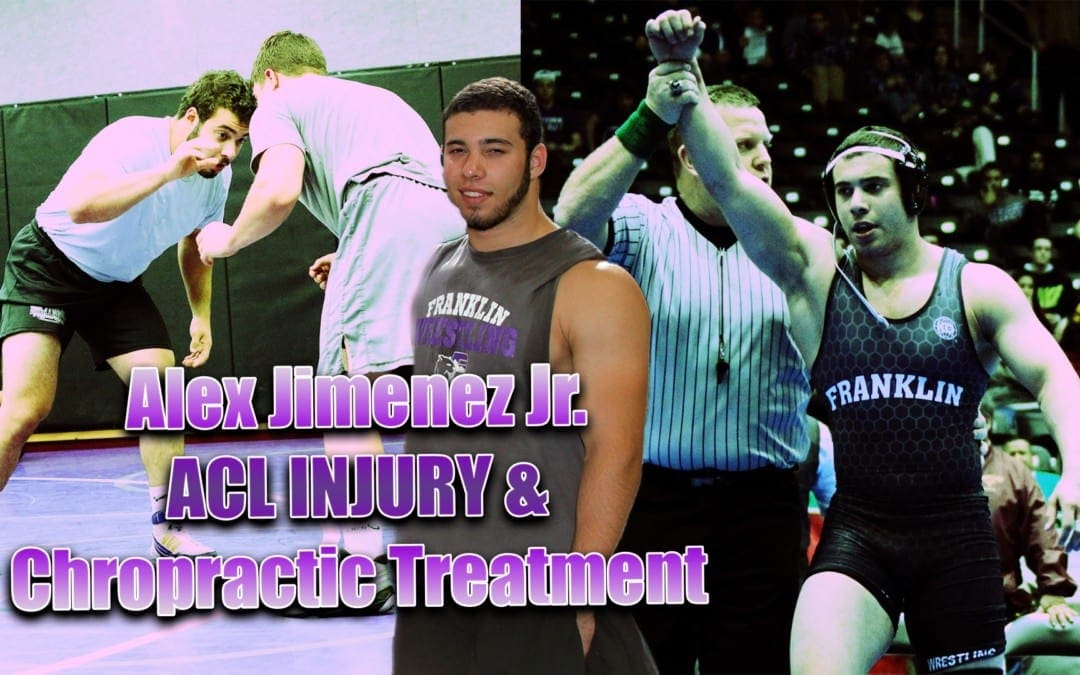
ACL Sports Injury: Alexander Jimenez, champion wrestler, trained hard at Push-as-Rx, Crossfit & Athlete Rehabilitation, to gradually become the athlete he is today. When he suffered an ACL tear, Alexander Jimenez had to undergo surgery, where he then started his rehabilitation process at Push-as-Rx. With a clear focus in mind, Alexander Jimenez was able to overcome his difficulties and he became a champion wrestler. For Alexander Jimenez, Push-as-Rx provided him with the mental and physical edge he needed in order to become the best athlete he can be. Alexander Jimenez recommends Push-as-Rx to younger athletes and athletes who are looking to achieve their fitness goals.
ACL Sports Injury Therapy
Anterior cruciate ligament injury is when the anterior cruciate ligament (ACL) is either stretched, partially torn, or totally torn. The most common injury is a tear that is complete. Symptoms include pain, a popping sound during trauma, instability of the knee, and joint swelling. Swelling generally appears within a couple hours. In approximately 50 percent of cases, other structures of the knee, for example surrounding cartilage, ligaments, or the meniscus, are damaged. The underlying mechanism frequently involves a rapid change in direction, abrupt stop, landing after a jump, or direct contact into the knee. ACL tears are most common in athletes.
If you have enjoyed this video and/or we have helped you in any way please feel free to subscribe and share us.
Cerebral palsy, or CP, is a medical term used to describe developmental motor conditions that cause impairment or disability. Cerebral palsy is not contagious and it isn’t regarded as a disease. Although it is not hereditary, many cases of CP are believed to be caused throughout pregnancy or birth, therefore they are typically referred to as a congenital condition. Cerebral palsy might be related to infection, radiation, or lack of oxygen during brain growth, as well as premature birth and birth trauma. Damage can occur up to age 3.
What is Cerebral Palsy?
Cerebral palsy, caused by “a permanent, non-progressive defect” in the brain, affects movement, posture, and muscle tone. Cerebral palsy is not paralysis, however, the motor centers of the brain become altered with the condition. Eyesight health issues and depth perception, cognition and communication challenges, and musculoskeletal issues can result from cerebral palsy. All cerebral palsy types involve “abnormal muscle tone”, and problems with motor development and reflexes.
Symptoms of CP include spasms, spasticity, involuntary movement, and balance and gait difficulties, including “foot walking” and “scissor walking”. The degree of disorder falls on a continuum, from “slight clumsiness” to severe impairments. Babies with the severe types of CP have bodies which may be rigid or floppy, with irregular posture. There can also be other birth defects as a result of cerebral palsy. Over the course of a child’s growth, symptoms may change or appear. It is generally when the baby becomes mobile that cerebral palsy becomes more evident. Speech problems, from respiratory and muscular difficulties, can also frequently occur.
A number of the secondary conditions related to CP include sensory impairments, eating problems, seizures, epilepsy, behavior and learning disabilities, mental retardation, and continence disorders. Speech impairments or disabilities and language delays are also commonly associated with CP. Early intervention is necessary. Patients with cerebral palsy may also have different leg lengths and shorter height, as CP affects skeletal bone growth. Spasticity and gait problems influence the vertebral development. Cerebral palsy can also interfere with sleep and cause pain and discomfort. It’s essential for individuals or families of children with cerebral treatment to seek treatment options to help relieve some of the symptoms associated with this developmental motor condition.
Traditional Treatments for Cerebral Palsy
Long-term care, from a team of healthcare professionals, can help patients with cerebral palsy properly handle their symptoms. Traditional treatments can come from physiatrists, neurologists, orthopedic surgeons, physical and occupational therapists, speech and development therapists, and from social workers, special education teachers, and mental health specialists.
Because CP patients may have tight muscles and spasticity pain, some drugs and/or medications may be prescribed. To treat “generalized spasticity”, muscle relaxants (i.e. baclofen, diazepam) could be offered. Some of the drugs/medications, however, have dependency hazards and side effects, such as nausea and sleepiness, which is why it’s important to first consult a healthcare professional who specializes in cerebral palsy, regarding the most recommended traditional treatments. To treat “isolated spasticity”, Botox injections may be used. The side effects of Botox injections include fatigue, bruising, as well as trouble swallowing and breathing. Additionally, there are also anti-drooling drugs and/or medications.
Some surgical interventions might also be proposed, such as orthopedic surgery or the severing of nerves to improve symptoms. However, other treatment options should be considered before turning to surgery for CP, unless properly recommended by a healthcare professional. Cerebral palsy patients might also have to wear braces or splints, or use canes, wheelchairs, or walkers. Muscle training and other exercises are also general prescribed as part of traditional treatments.
Chiropractic Care for Cerebral Palsy
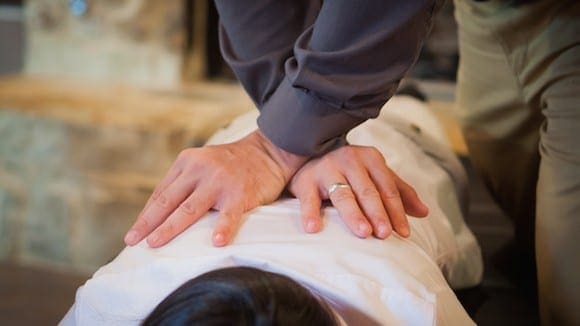
While there is no cure for cerebral palsy, many traditional treatments can be used to help manage the symptoms associated with it. Alternative treatment options are safe and effective treatment methods utilized to help improve symptoms of cerebral palsy without the use of drugs and/or medications or surgical interventions. Chiropractic techniques are a type of health care which utilizes spinal adjustments and other bone structure associated treatment methods in order to aid a person’s body in conforming to a more normal position.
Children with cerebral palsy might benefit from chiropractic care for a few different reasons. In individuals with cerebral palsy, distinct body parts may be affected, such as one or both arms and legs. Chiropractic theory suggests that extremities and other body components can become “normalized” if the “central place around the spine” is healed and chiropractic care may be useful in assisting those limbs recover some semblance of activity. Chiropractic care can be used for the fundamental goal of extending and lengthening muscles. When muscles unwind as they do through such therapies, they’re more likely to be stronger and healthier, which is necessary if they’re likely to properly learn how to walk.
In addition, because cerebral palsy is usually caused by a brain injury, chiropractic care may be used in treating other, less noticeable, facets of the motor condition. Some individuals or children with CP have experienced a lot of strain on their musculoskeletal system, requiring the use of chiropractic techniques for basic spinal alignment and overall health and wellness. Behind the doctrine of chiropractic healing lays the idea that the brain and central nervous system control all aspects of the body’s functioning. One study showed “progress in paraspinal muscle tone” with chiropractic care, for many children who had cerebral palsy from birth injury. Another case study demonstrated marked improvement in a child with “hypotonic cerebral palsy”.
Dr. Alex Jimenez’s Insight
Cerebral palsy is believed to be a neurological disorder caused by a non-progressive brain injury or malformation which occurs during the stages of a child’s brain development. Cerebral palsy, or CP, affects body movement, muscle control, muscle coordination, muscle tone, reflex, posture and balance. It can also impact fine motor skills, gross motor skills and oral motor functioning. Although there is no cure for cerebral palsy, several traditional as well as alternative treatment options can help improve the symptoms associated with this neurological disorder. Chiropractic care is an alternative treatment option which can help return some levels of range of motion, mobility, strength and flexibility for individuals with cerebral palsy.
Chiropractic care cannot cure cerebral palsy, but it might help with some of the symptoms and its associated health issues, with no side effects and dangers of drugs/medications and surgery. Chiropractic care is gentle, and it can also improve symptoms such as seizures, spasms, and arm and leg issues. As research on the effectiveness of chiropractic techniques come to light, there are more encouraging signs for the growth of a successful course of action for individuals with cerebral palsy. The scope of our information is limited to chiropractic as well as to spinal injuries and conditions. To discuss the subject matter, please feel free to ask Dr. Jimenez or contact us at 915-850-0900 .
Curated by Dr. Alex Jimenez
Additional Topics: Sciatica
Sciatica is medically referred to as a collection of symptoms, rather than a single injury and/or condition. Symptoms of sciatic nerve pain, or sciatica, can vary in frequency and intensity, however, it is most commonly described as a sudden, sharp (knife-like) or electrical pain that radiates from the low back down the buttocks, hips, thighs and legs into the foot. Other symptoms of sciatica may include, tingling or burning sensations, numbness and weakness along the length of the sciatic nerve. Sciatica most frequently affects individuals between the ages of 30 and 50 years. It may often develop as a result of the degeneration of the spine due to age, however, the compression and irritation of the sciatic nerve caused by a bulging or herniated disc, among other spinal health issues, may also cause sciatic nerve pain.
Cerebral palsy is a lifelong set of movement disorders with no cure. There are, however, many options for either retraining patients with cerebral palsy or supplying some kind of relief for individuals with cerebral palsy. Among the more untraditional yet commonly sought after types of treatment for cerebral palsy is visiting a chiropractor which specializes in patients with cerebral palsy.
There is no clear reason behind the development of cerebral palsy. In most cases, though, it is believed to be caused by some injury shortly before, during, and after pregnancy. This injury is to the unborn embryo or the baby after it is delivered. Many cases of cerebral palsy are being found to have happened during the delivery process. Lack of oxygen and/or failure to detect fetal distress are all believed to be the most common reasons for the development of cerebral palsy. As previously mentioned, individuals with cerebral palsy can benefit from a variety of treatment options, including chiropractic care, rehabilitation and neuromuscular reeducation.
Chiropractic Care and Cerebral Palsy
Chiropractic techniques are a sort of healthcare which uses spinal adjustments and manual manipulations, together with other treatment procedures, in order to aid a person’s body in adapting to a more normal position. In patients with cerebral palsy, different body parts can and are generally affected, such as one or both arms and legs, and chiropractic care may be helpful in assisting those limbs regain some semblance of strength, mobility and flexibility.
Additionally, because cerebral palsy is generally believed to be caused by a brain injury, chiropractic treatment methods can be used in healing other, less noticeable, aspects of the motor disease. Behind the doctrine of chiropractic healing lays the idea that the brain and central nervous system control all facets of the body’s functioning. The concept of chiropractic care is that by correcting health issues and symptoms around the central area of the spine, the extremities as well as other areas of the body can regain some stability.
With the rise of “unconventional” medical clinics, chiropractic care has also turned into one of the most popular types of Complementary and Alternative Medicine techniques. In 2004, a report revealed that chiropractic was in the top five kinds of complementary and alternative therapies used for the treatment of a variety of injuries and/or conditions in the United States, including cerebral palsy.
When utilized as an alternative treatment option for cerebral palsy, chiropractic techniques could assist in helping to improve some of the problematic symptoms associated with the movement disorder, including reducing muscle spasms, seizures, and arm and leg issues. As research on the effectiveness of chiropractic care for the safe and effective treatment of many health issues comes to light, there are more encouraging signals for the growth of a successful course of action for individuals with cerebral palsy.
Dr. Alex Jimenez’s Insight
As a qualified and experienced chiropractor in the treatment of a variety of injuries and/or conditions, including genetic neuromuscular disorders, many of our patients with cerebral palsy have experienced tremendous improvements in their quality of life through chiropractic care. Chiropractic care can provide assistance in the improvement of several range of motion aspects associated with cerebral palsy as well as offer significant relief of other symptoms related to this movement disorder. Patients with cerebral palsy currently receiving chiropractic care have experienced improved mobility and an improved gait or ability to walk, including restored sleeping habits. Our treatment methods for patients with cerebral palsy include, upper thoracic pain release, full-body mobility exercises, where multiple joint complexes are moved to increase range of motion, and two-men protocols, to safely and effectively assist the individual throughout their treatment process.
Rehabilitation and Cerebral Palsy
You will find an assortment of rehabilitation alternatives for individuals and children with cerebral palsy. Some are dependent on which kind of cerebral palsy the patient has. Each one of the rehabilitations, however, usually center on creating a few important regions of improvement including physical motion and coordination, language, vision, and intellectual development. Cerebral palsy rehabilitation will invariably involve some type of long-term physical therapy, or physiotherapy. These slight exercises will often involve stretching the individual’s range of motion and to concentrate primarily on developing fundamental motor abilities.
Ongoing treatments and options are becoming more available that could make life with cerebral palsy better. Most rehabilitation centers and treatments use some mix of physical therapy, biofeedback, occupational and speech therapy, occasional use of drugs and/or medications, and on rare cases even surgery.�There are several techniques touted in the field of cerebral palsy rehabilitation, such as the Bobath technique. The Bobath technique centers on positive reinforcement of voluntary movements on the individual’s part and on gradual physical conditioning. The physical therapy may also include external aids such as wheelchairs, walkers, braces, and how to use them for maximum mobility.
Neuromuscular Reeducation and Cerebral Palsy
Chiropractors handle a number of soft-tissue injuries. Unstable or injured muscles can become a source of chronic pain. The only way to remedy the challenge is by dividing those scar tissues and supporting the body to heal in healthy ways. Neuromuscular reeducation accomplishes this in several ways, for example, exercises, deep-tissue massage and vibration therapy.
Exercises for neuromuscular reeducation are often a part of chiropractic care or other rehabilitation program which focuses on helping to improve various adverse conditions that occur from faulty nerve and muscle activities. Neuromuscular reeducation is particularly beneficial for unnatural movement patterns. The purpose of neuromuscular reeducation is to improve balance, coordination, posture and proprioception involving a natural mind-body connection.�Neuromuscular reeducation exercises aim to restore natural movement patterns, optimize joint biomechanics and reduce pain that may result from neuromuscular deficiencies.
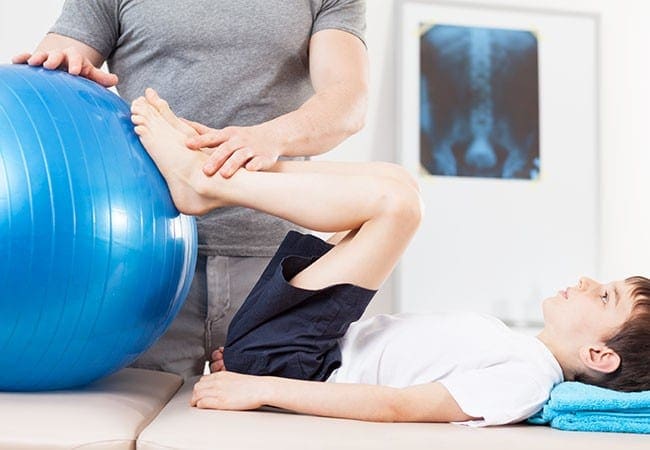
Neuromuscular reeducation exercises include a variety of functional strengthening, stretching, balancing and coordination activities. Practitioners that administer these exercises encourage patients to focus on joint positioning and movement.�A variety of stretching and bending movements on an exercise ball also have neuromuscular applications.
Whole body vibration (WBV) treatment is also helpful in the treatment of many physical conditions. WBV lowers inflammation, builds muscle, increases flexibility and breaks apart scar tissues and fused bone fragments. The technology is used to treat an endless number of injuries, along with ailments like scoliosis and cerebral palsy.
As vibrations affect your body, your muscles engage and relax in rapid success in an effort to enhance your movements. This burst of activity helps to break apart these deep scar tissues. The process also can help promote healthy recovery by placing your muscle bands under short spurts of increased stress. For the identical reason, Whole body vibration, or WBV, is very effective in increasing bone density and muscle mass.
In addition, when guided by a trained therapist, you may use vibration treatment to reeducate your muscles on how to respond to stimulation without getting hurt. Partly, While a lot of the process is occurring beneath the surface, WBV may require the individual to perform specific work in the clinic or on their own. This takes a combination of unconscious muscle training and altering habits to protect vulnerable areas while building strength and enhancing mobility and flexibility. The scope of our information is limited to chiropractic as well as to spinal injuries and conditions. To discuss the subject matter, please feel free to ask Dr. Jimenez or contact us at 915-850-0900 .
Curated by Dr. Alex Jimenez
Additional Topics: Sciatica
Sciatica is medically referred to as a collection of symptoms, rather than a single injury and/or condition. Symptoms of sciatic nerve pain, or sciatica, can vary in frequency and intensity, however, it is most commonly described as a sudden, sharp (knife-like) or electrical pain that radiates from the low back down the buttocks, hips, thighs and legs into the foot. Other symptoms of sciatica may include, tingling or burning sensations, numbness and weakness along the length of the sciatic nerve. Sciatica most frequently affects individuals between the ages of 30 and 50 years. It may often develop as a result of the degeneration of the spine due to age, however, the compression and irritation of the sciatic nerve caused by a bulging or herniated disc, among other spinal health issues, may also cause sciatic nerve pain.
Chiropractic care for individuals with cerebral palsy is considered (in most cases) a natural form of treatment that helps with several musculoskeletal and nervous system conditions that normally affect individuals with the disorder. Past results have been so successful that chiropractic care is an extremely sought plan of treatment to assist with numerous health issues.
What is Chiropractic Care?
Chiropractic care, sometimes known as chiropractic intervention, is an alternative treatment option where licensed chiropractors perform various techniques to help decrease pain and discomfort, and also to restore proper musculoskeletal and nervous system functions. According to the American Chiropractic Association, or the ACA, chiropractic care concentrates on musculoskeletal system disorders and nervous system disorders.
The Palmer College of Chiropractic reports that “no portion of your body leaks the dominance of your nervous system.” This usually means that misalignments of the spine, or subluxations, as well as other improper functions of the spinal cord along with different regions of the human body can lead to poor health and improper musculoskeletal and nervous system functioning.
Treatment includes focusing on various areas of the human body, such as the back, neck, shoulders, upper and lower extremities, and joints in the arms and legs. Chiropractic care may also center on rehabilitation and therapeutic exercises as well as individualized diet programs in order to help increase strength, mobility and flexibility. Treatment is normally performed without any drugs, although some chiropractors have the capacity of prescribing specific medications, if needed.
Chiropractic Care and Cerebral Palsy
A range of documented case studies show that kids with cerebral palsy who received chiropractic care were able to sit up (when they formerly couldn’t), walk up stairs without help, and use their arms and hands better.
For example, Dr. Dan Van Roon, of Van Roon Chiropractic in Massachusetts, wrote that an 8-year-old girl with cerebral palsy, who suffered from frequent seizures and tremors, was treated with chiropractic care after previous clinical efforts, such as physical therapy and acupuncture, proved to be ineffective. Within fourteen days of getting chiropractic care, that comprised of 22 chiropractic adjustments, her mother reported that the child was able to walk upright and walk up stairs by herself (two things she had been incapable of performing).
The young girl’s parents also reported that not only were her muscles not as limp, but she gained confidence, walked and also had a large improvement in her emotional and psychological state of being.
In another case, Dr. Van Roon wrote that a 7-year-old boy who didn’t start walking until he was 5, also revealed significant improvement after receiving chiropractic care. Before treatment, he had seizures, pain and numbness in his limbs, tremors, throat pain, nosebleeds, anemia and excruciating foot pain. After his first chiropractic care session, he started showing improvement.
As treatment progressed, so did the boy’s progress. He gained strength, began walking longer distances, and had progress in both sleeping quality and education.
Additional areas of improvement reported after kids with cerebral palsy had chiropractic care included a decrease in:
Pain and muscle stiffness
Breathing problems
Drooling
Muscle contractions
Neck pain
Musculoskeletal conditions
Gait issues
Spine issues
Anxiety and stress
Headaches and chest pain
Leg/arm problems
Speech problems due to respiratory issues
Spasticity
Urinary incontinence
Common Chiropractic Care Treatment Methods
Throughout the initial chiropractic care session, a full medical history should be supplied so that the chiropractor is first familiar with the individual’s medical history. Then, the chiropractor may ask you and/or your child specific questions about pain and any activities which make the symptoms worse, followed by an exam which could include diagnostic tests, such as X-rays or a MRI test, that may include analyzing the individual’s:
Neurological integrity
Range of movement (in the affected region)
Muscle tone and strength
Abnormalities
Misalignment
Flexion Distraction therapy, and much more
Treatment depends upon medical history and physical exam results. However, common chiropractic care treatment methods include:
Spine adjustments, which can include spinal adjustments and manual manipulations, the “Activator” technique, and/or the “Gonstead” method
Adjustment to joint dysfunctions
Massaging
Electrical stimulation
Traction
Heat/cold applications
Myofacial release
Treatment will consist of a variety of sessions over time. Each session may last anywhere from 30 minutes to an hour, based upon the chiropractor’s techniques and the medical issues and problems. For instance, treatment for lower back pain may require 1 to 3 visits weekly for up to 2 to 3 weeks. Chiropractic care is used in many different settings, like hospitals, clinics, or a private healthcare professional’s office. Most chiropractors run their business from a private office.
Furthermore, a chiropractor may utilize or recommend a series of rehabilitation stretches and exercises to improve some of the conditions associated with cerebral palsy. Daily range-of-motion (ROM) exercises are important to prevent or delay contractures which are secondary to spasticity and to keep the mobility of joints and soft tissues. Stretching exercises are performed to increase range of motion. Progressive resistance exercises must be used so as to increase strength. Also, the utilization of age-appropriate play and of adaptive toys and games based on the desired exercises are important to elicit the child’s complete alliance in the case of cerebral palsy. Strengthening knee extensor muscle exercises aids improve crouching and stride length. Postural and motor control training is essential and should follow the developmental sequence of normal kids (that is, neck and head control ought to be achieved, if at all possible, before advancing to back control).
Dr. Alex Jimenez’s Insight
Chiropractic care is an alternative treatment option which utilizes spinal adjustments and manual manipulations to carefully influence the human body’s musculoskeletal and nervous system. Chiropractic interventions focus on improving overall health and wellness by alleviating pain and discomfort associated with neck and back pain as well as for specific health conditions, such as cerebral palsy and fibromyalgia. Several research studies have demonstrated that chiropractic care is a safe and effective, treatment method towards increasing strength and range of motion in individuals with cerebral palsy, improving quality of life and affecting longevity. Because spinal adjustments and rehabilitation improve the way the brain and the rest of the body function together, evidence has shown how chiropractic care can help improve some conditions of cerebral palsy.
Things to Know Before Visiting a Chiropractor
Sometimes, young children, and parents may get fearful of a few things that happen in a chiropractor’s office, but rest assured these things are normal and there’s no need to stress. For example, when a chiropractor is in the process of performing a chiropractic adjustment, you’ll probably hear a popping noise. This does not mean that any bones are broken. It simply means that the chiropractor released gas from fluids surrounding the joints.
The individual may also experience mild discomfort, but typically, visiting a chiropractor should not be painful. If your child cries due to pain or complains that the treatments are excessively painful, don’t be afraid to talk about it with the healthcare professional, and when needed, seek out another one.
When choosing a chiropractor, especially for children with cerebral palsy, it’s suggested to locate somebody with experience not just with treating children, but also treating individuals with cerebral palsy. Other factors to consider when picking a chiropractor comprise of:
Education
Training
Accreditation or Licensing
Expertise working with other healthcare providers and readily coordinating care
If you have any questions or need tips on which chiropractor to select, start with your or your child’s primary healthcare provider. You’ll also need to contact your insurance provider, to be sure they pay for chiropractic care. While some insurances will cover it, other insurances may not cover what’s considered “complementary” care. Some insurances may cover the costs of a chiropractor only after your child’s primary care doctor grants a medical referral to a chiropractor. The scope of our information is limited to chiropractic as well as to spinal injuries and conditions. To discuss the subject matter, please feel free to ask Dr. Jimenez or contact us at 915-850-0900 .
Curated by Dr. Alex Jimenez
Additional Topics: Sciatica
Sciatica is medically referred to as a collection of symptoms, rather than a single injury and/or condition. Symptoms of sciatic nerve pain, or sciatica, can vary in frequency and intensity, however, it is most commonly described as a sudden, sharp (knife-like) or electrical pain that radiates from the low back down the buttocks, hips, thighs and legs into the foot. Other symptoms of sciatica may include, tingling or burning sensations, numbness and weakness along the length of the sciatic nerve. Sciatica most frequently affects individuals between the ages of 30 and 50 years. It may often develop as a result of the degeneration of the spine due to age, however, the compression and irritation of the sciatic nerve caused by a bulging or herniated disc, among other spinal health issues, may also cause sciatic nerve pain.
IFM's Find A Practitioner tool is the largest referral network in Functional Medicine, created to help patients locate Functional Medicine practitioners anywhere in the world. IFM Certified Practitioners are listed first in the search results, given their extensive education in Functional Medicine