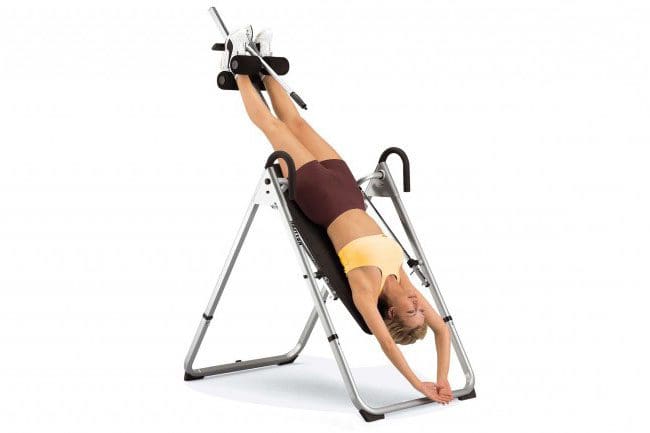
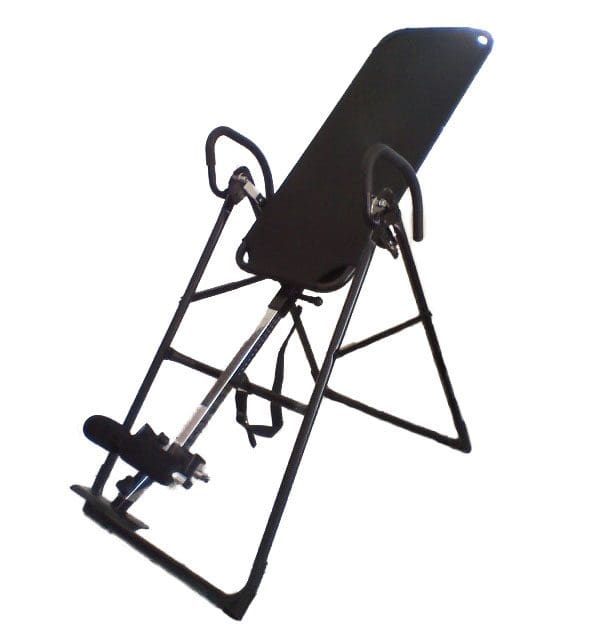
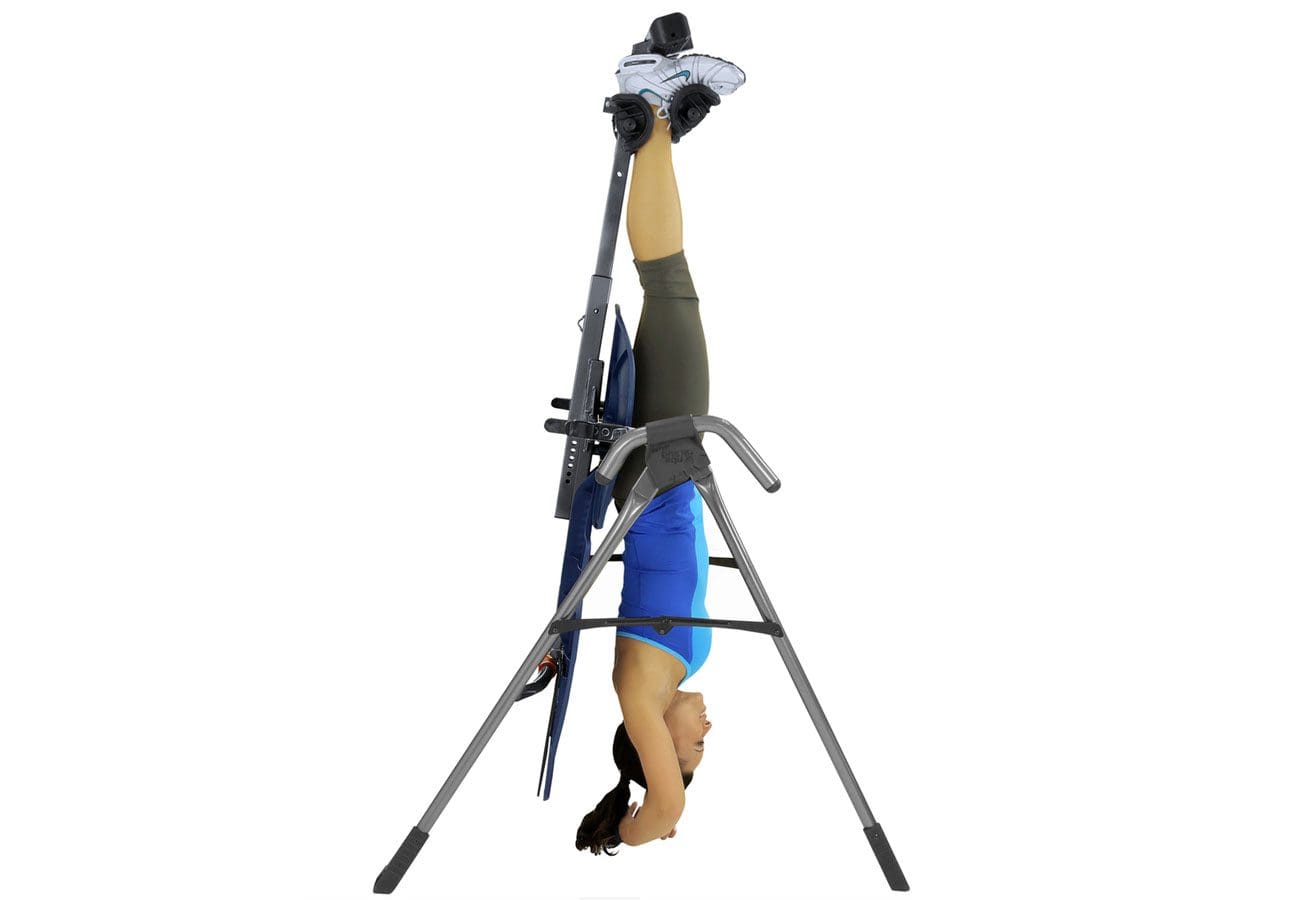
Inversion tables and inversion treatment/therapy could help with low back/leg pain and sciatica. It�s non-surgical and an option your doctor, or chiropractor could recommend to you before looking into more invasive options. Individuals with low back pain, sciatica or both found inversion therapy with an inversion table provided relief from symptoms, and continued use has kept them and their spines healthy.
With an inversion table, you don�t have to use gravity boots or completely hanging upside down. There are inversion boots and hanging racks that also offer inversion therapy, this type is not for beginners. With experience, you can move on to this type but for now, leave it to individuals in top health and athletic condition. This type of inversion table therapy is an alternative that doesn’t require being completely upside down.
An Ancient Therapy Brought Back
Inversion therapy is nothing new. Hippocrates, the father of medicine, saw what inversion therapy could do and the benefits around 400 BC. The goal is to use gravity to release compression in the spine. The downward force pulls everything toward the earth’s center.
How It Works
Inversion therapy works in a way like spinal traction.
For example, when we stand and sit gravity pulls the spine downward and this is what compresses the discs, vertebral bodies, nerves, and other spinal structures. The physical dynamics along with gravity helps relieve spinal compression. As the spine is stretched out the pressure on your back is reduced.
The theory behind inversion therapy sounds like a fantastic non-surgical option to back pain. However, the research going into inversion therapy is a bit more mixed. One study found that almost 77% of patients that were candidates for surgery no longer needed the surgery after using inversion therapy. For patients that didn�t use inversion therapy, only 23% avoided surgery.
But like all back pain/sciatica treatment plans, it’s what works for you. Ask your doctor/chiropractor about the pros and cons of this type of treatment as it relates to your condition to make an informed decision.
Other Benefits
Many patients report that inversion therapy is a great way to:
Stretch the muscles and ligaments
Reduce muscle spasms
Improve circulation
Stretching stimulates the lymph glands which increases the flow of lymphatic fluids, that are part of the body’s waste disposal. Cellular health depends on healthy blood circulation to be delivered, to nourish and remove waste.
The therapy also helped to relieve motion sickness and stress. This is because the body is more aware of its spatial orientation along with balance as the inner ear gets stimulated while inverted. As stated earlier it is not necessary to be positioned completely upside down to benefit from this therapy. Inversion tables are adjustable and offer the flexibility to find the best angle.
Discuss Inversion Therapy with A Doctor
Before you start using an inversion table�talk to your doctor. Certain medications and health conditions could make using an inversion table unsafe.
It could be recommended against inversion table therapy if you have:
There could be other medical conditions that are not listed but could interfere with inversion therapy, so make sure your doctor knows all your medical history/conditions and current health state before beginning.
Starting Inversion Therapy
How to start an inversion therapy program? Take it very slow, easy, taking your time and have someone there to help and assist until you are comfortable doing it on your own.�The tables can be set at different angles and it is recommended you start at the first and work your way to the last. At the 15-degree angle, your body will feel a stretch along with the benefits of increased blood circulation.
Most people don’t have to go beyond 60-degrees, as the spine decompresses at this angle. But you might want to completely invert yourself as you work through the different degrees and go for the full inversion. But don’t overdo it and listen to what your body tells you.
The tables come in a variety of styles, so be sure to research the different brands. Some tables can include a sliding backrest and foot lock that lets you work in gentle stretching exercises during inversion. This could include head movements from side-to-side, stretching the arms overhead, and doing abdominal sit-ups or crunches.
But first, find out from your doctor how often you should invert and the kinds of movements that will help with your condition and enhance your inversion program. Inversion therapy is another option for a back, sciatic pain treatment plan. For the different forms of spine pain, a doctor will try several non-surgical treatment options before discussing surgery. Inversion therapy could be part of a conservative treatment plan and could help prevent the need for spine surgery.
*Effective Treatment* for Sciatic Nerve Pain| El Paso, Tx
NCBI Resources
The spine is the primary support for the body. When it breaks down, the body suffers. Regular chiropractic treatment ensures that the spinal column remains in proper alignment which, in turn, keeps the body in proper alignment. It helps with joint health as well as the health of the related muscles and ligaments.
Your chiropractor can also recommend stretching and strength-building exercises to help keep your spine healthy and supple. Chiropractic helps to keep the back flexible which aids in preventing injury. A healthy spine is also less likely to become misaligned or experience pain. It can significantly improve your quality of life as you are more flexible and mobile.
Physical Activity to Prevent Back Pain and Weight Gain
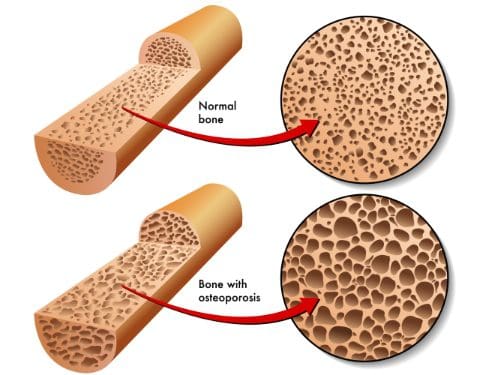
Osteoporosis
Regular physical activity will improve the body’s:
Balance
Reflexes
Coordination
This significantly reduces potential falls and injuries. Injuries from falling can be devastating for someone with osteoporosis.
Consult with your doctor before beginning any exercise program.
To help reverse bone loss, physical activity must fit the individual’s type and intensity. This will determine the appropriate exercises for your level of fitness as well as the risk of fracture.
As a way to begin walking is a great way to start a regular exercise therapy.
Walking improves bone strength because it distributes the body’s weight in a balanced manner over and over again. Bone responds best to the intensity of the walk and not the duration. Bones need to be consistently challenged as they respond by making more osteoblasts or the cellular material that fills the bone cavities. Adding these higher levels of resistance causes healthy stress to bones. This is what increases bone density.
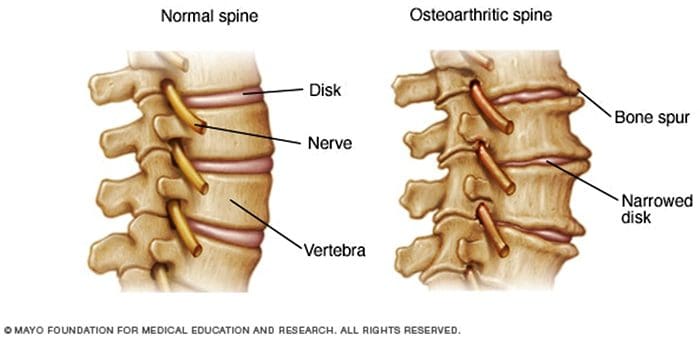
Osteoarthritis and rheumatoid arthritis are conditions that affect the flexibility of the spinal or facet joints. Flexibility, in this case, means the ability of joints to move through their normal range of motion. The amount of an individual’s range of motion is determined by how tight the muscles, tendons, and ligaments are. When muscles can stretch freely, this means the joint has better flexibility.
Low Back Pain & Possible Sciatica
To prevent low back and leg pain, the back, and hip muscles need to be flexible and strong. Individuals with poor flexibility and weak muscles in the back, pelvis, and thighs have a higher risk of increasing the curve of the lower back which can make the pelvis tilt too far forward.
Proper posture combined with flexible and strong muscles can help prevent nerve compression and pain.
Overall Health
Having healthy body composition means there needs to be more lean body mass i.e. muscle mass and less body fat. Strength training/CrossFit helps by raising the metabolic rate while lowering body fat. The increased muscle strength helps maintain correct posture and body mechanics in whatever you do.
Physical activity reduces the chance of injury while increasing physical performance like being able to climb stairs or carry groceries with much-added ease and confidence.
Exercise Suggestions
The benefits a regular exercise program offers are one of the keys to a healthier lifestyle. But take it in steps, see a health coach, physical therapist or chiropractor to help educate and guide you through an exercise treatment plan. Helpful tips:
It can take 6 to 8 weeks to see results so focus on short-term goals.
Work regular exercise into your schedule but keep important activities as a priority.
Friends and relatives can help give you support and join in the exercise.
You don’t have to do an entire workout. Instead, exercise for 10 minutes.
Consistency in physical activity is the goal. It’s not how long or hard the exercise is.
Keep a journal of your workouts and progress.
With the healthy changes made today, including diet choices and regular physical activity/exercise, your life will be one-hundred times better. This does not mean that you have to become an intense workout aficionado. Remember all that is needed is a reduction in weight of only 10%. This is what is needed to reduce the detrimental effects of being overweight.
Our clinical focus and personal goals are to help your body heal itself naturally quickly and effectively.� At times, it may seem like a long path; nevertheless, with our commitment to you, it�s sure to be an�exciting journey. The�commitment to you in health is to, never lose�our deep connection to each one of our patients on this journey.
When your body is truly healthy, you will arrive at your optimal fitness level proper physiological fitness state. �We want to help you live a new and improved lifestyle. Over the last two decades, while researching and testing methods with thousands of patients, we have learned what works effectively at decreasing pain while increasing human vitality.
*AMAZING* Custom Orthotics for Athletes | El Paso, Tx
NCBI Resources
It can be tempting to not exercise with a spinal condition. But remember that if there is no movement at all, you could make the pain worse.�Knowing what your body can handle and sticking to a workable schedule, these healthy steps will relieve you and help with your low back pain.
Spinal cord injury/s are separated into two phases: There is the primary injury and the secondary injury.
The primary injury refers to the physical trauma to the spine. This could be a:
Car accident
Sports accident
Severe fall
Other traumatic events
When the primary injury happens, neurological injury to the nerves and spinal cord can take place in the form of:
Compression
The compressing of the spinal cord/nerves can cause an impact of bone, disc, and ligaments against the tissues. This is because the spinal canal becomes narrowed and shifts out of proper alignment. This causes the nerves to get pinched during the injury.
Stretching
Tissues get stretched beyond what they’re capable of so the spinal cord can suffer serious damage with the slightest trauma directly to it. Complete cutting or severing of the cord is rare.
Blood supply inadequacy
The injury can cut off or significantly reduce blood supply to the cord and nerves. If the microscopic blood vessels get damaged almost instantaneous hemorrhage or bleeding into the spinal cord.
Spinal cord damage can be seen on an MRI immediately after trauma.
Secondary injury is a cascade of events that occur after the initial trauma, which is the body’s attempt to heal the injury.
This could be seconds, hours, days, and weeks afterward. Several factors play a role in how severe secondary injury will be.
The body releases chemicals in response to trauma. These chemicals cause inflammation, decreased blood flow, and cell death.
Treatments/therapies for spinal cord injuries usually directed at one or more steps during this cascade. Goals of treatment:
Decrease inflammation
Increase blood flow
Reduce scar formation
Slow degradation and cell death
The overall treatment of a spine injury is focused on stabilizing the injury. Once that has been accomplished, there are two following goals:
Treatment priority is to reduce the effects of primary and secondary injuries. One is to immobilize the spine to prevent further injury. This typically happens at the scene of the accident and can be done with a hard collar or brace. IV fluids and medications to maintain blood pressure and possible administration of oxygen may be used. These techniques are fairly standard to deal with primary injury/s.
Surgery could be needed to remove physical impingement/compression on the nerves, restore blood flow, and provide room for subsequent inflammation to help the body heal itself.
Sometimes surgery takes place later to restore the alignment of the bone and correct any deformities that may have occurred. This is as important as decompression for maximizing a patient’s rehabilitation. Stabilization from surgery can help patients sit upright, walk, and maintain proper weight on the trunk. It also helps to avoid developing posture problems in the future.
Methylprednisolone is a steroid that’s considered a neuroprotective agent. This is the only drug treatment supported by the medical community to be used immediately following the primary injury. There is still debate among the medical community as to the effectiveness of this steroid. To date, it has not been defined as a standard of care by any major medical associations.
Treatment Research
Other treatments have been proposed and proven successful in animal trials. These treatments first go through animal trials before human trials. Replicating the benefits in humans is still quite difficult to achieve. There were 100 different treatments that do work in animals, however, methylprednisolone is the only treatment that has demonstrated consistent results.
Reasons why research for spinal cord injuries is tough:
Anatomical differences in animal’s spinal cords: While rodents are typically used for most research, their spinal cords have the ability to create stepping patterns without signals from the brain. That means that after a spinal cord injury with no treatment they can learn to walk again. The human spinal cord cannot do this.
The differences between actual injury and a simulated one: Actual injuries that result in trauma to the spine usually have neurological compression that exceeds that seen in the animal models during the simulated injury. This means that treatments that are effective in animal trials where there is less trauma to the bones and nerves than�when the same treatments are tried for actual injuries, could be less effective because the injury/s are more severe.
During spinal cord treatment tests, researchers typically use mild/moderate spinal cord injuries. Human injuries can vary from one extreme to another that they are either too severe for therapy or too mild that they recover without treatment.
Doing the same experiments and research on animals and humans is complicated: There are all kinds of variables in animal research that can’t be controlled in human studies. There are different models of injury, that happen at different times and are treated with different medications, and all contribute to inconsistencies. The results significantly change the accounts of how useful any given treatment is, especially when comparing the animal studies and human studies.
Example –� Treatments in a laboratory are begun within one hour after injury simulation. This doesn’t happen in clinical settings, because typically, first responders at accident sites work to stabilize the patient’s airway, and spine before they are transported to an emergency room. Replicating that procedure with actual first responders can be quite difficult to do in clinical studies.
Promising Treatments
There are promising treatments in spinal cord injury:
Hypothermia
Naloxone
Corticosteroids
All three have shown positive results in animal trials. But there have been varying results in human trials. While these are positive results, further research from scientists and physicians is needed to develop a highly effective treatment for spinal cord injury.
Hypothermia treatment has piqued a great deal of interest based on a case of its use on a professional football player, that suffered a spinal cord injury. It was a success, but unfortunately, other human studies utilizing this treatment failed to demonstrate the same benefits and some believe the risks outweigh the benefits. Physicians believe that the player’s positive outcome was the result of a less severe injury and early decompression, and not necessarily from the hypothermia treatment.
Researchers debate that freezing reduces blood flow in the injured spinal cord but that it could worsen the secondary injury/s.
Conclusion
Treating spinal cord injury research is still a major focus in the medical community. With progress taking place there is still not yet the major breakthrough. Continued investigation into treatments for spinal cord injuries will go on until spinal injuries are no more.
Severe *Sciatica”* Pain Relief | El Paso, Tx (2020)
NCBI Resources
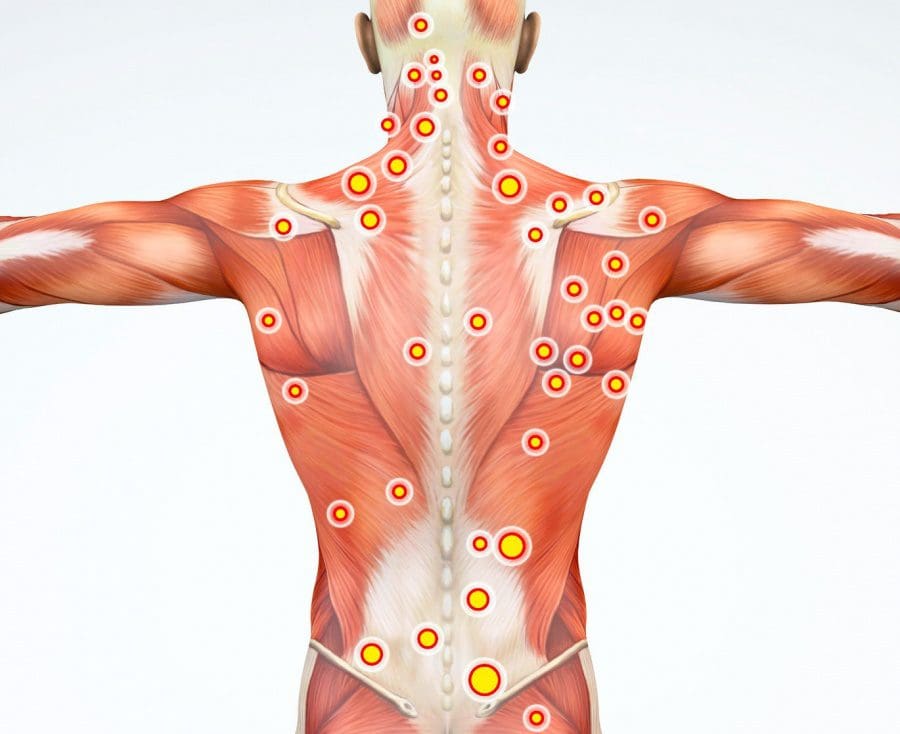
Spinal injury or trauma can result in myofascial pain syndrome, but lifestyle factors usually have a hand in the condition. Poor posture over a long period,�for example,�sleeping in an awkward position can cause physical muscular stress on the spinal muscles.�Mental and emotional stress can present itself through muscle tension�that helps the development of trigger points.
The�trapezius muscle, that extends from the back of the neck down the shoulders and upper back, is the most common site of spinal trigger points and myofascial pain because of the significant amount of pressure that the muscle has to bear and its susceptibility to whiplash.
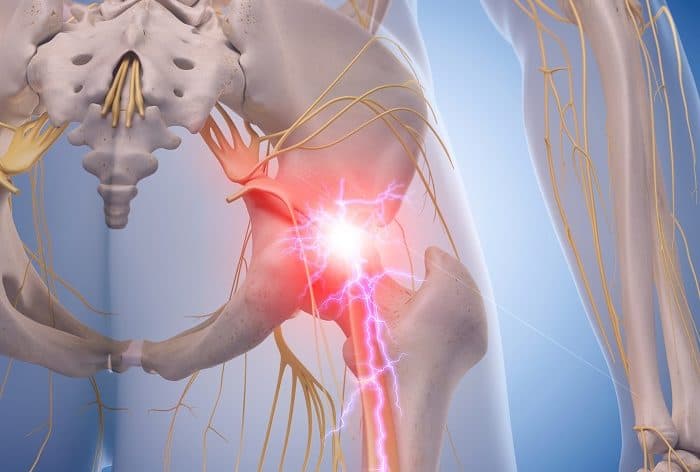
Sciatica is pain that can be accompanied by numbness, tingling and occasionally weakness along the course of the sciatic nerve. The sciatic nerve is the thickest in the body and is formed from nerve roots exiting the spine, and extend into the buttocks and down the back of the legs to the toes. Common causes of sciatica along with non-surgical treatment options are presented by a chiropractor and a physical therapist.
Causes of Sciatica and Non-Surgical Care
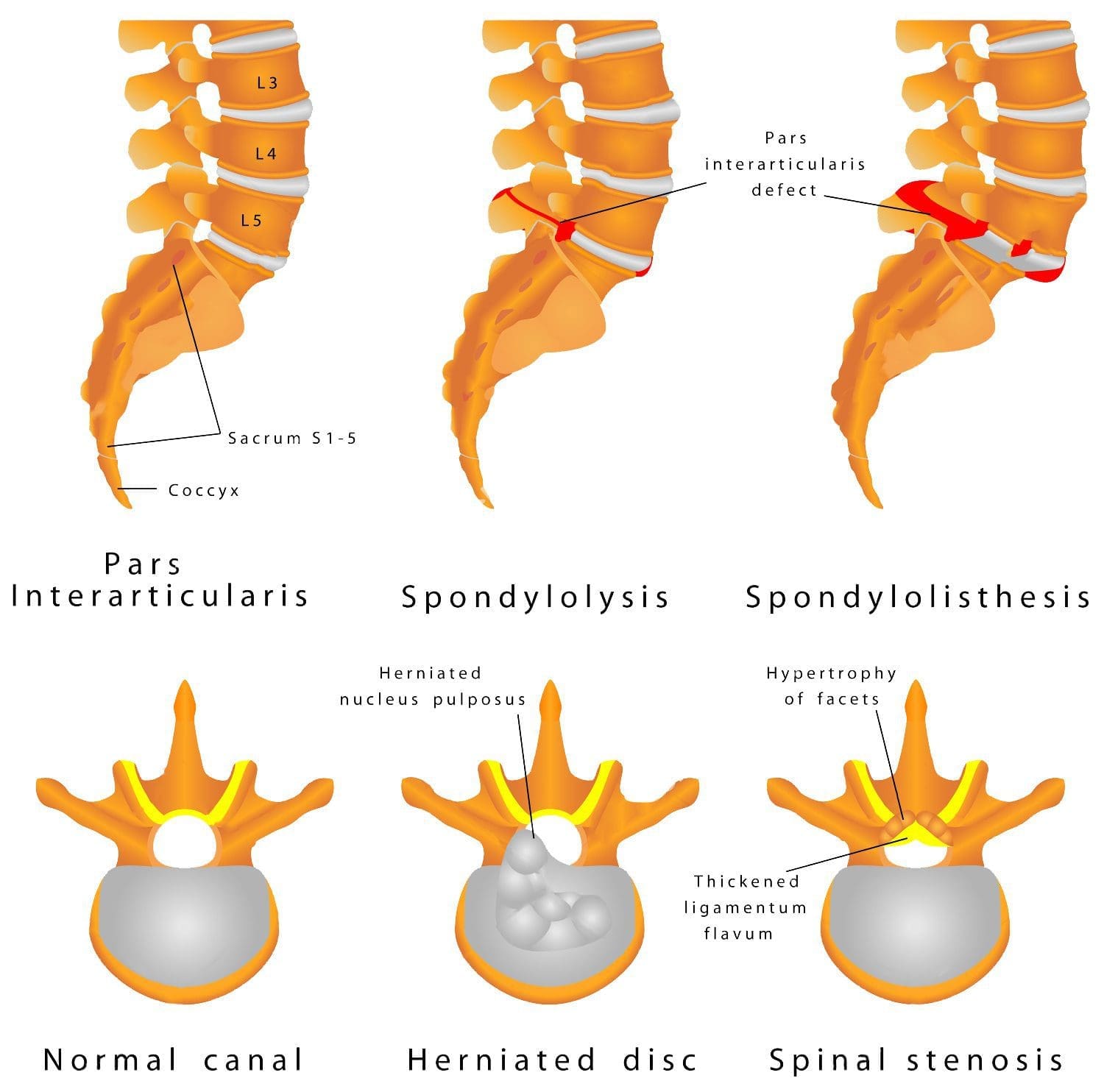
Compressed Lumbar Disc also called lumbar radiculopathy
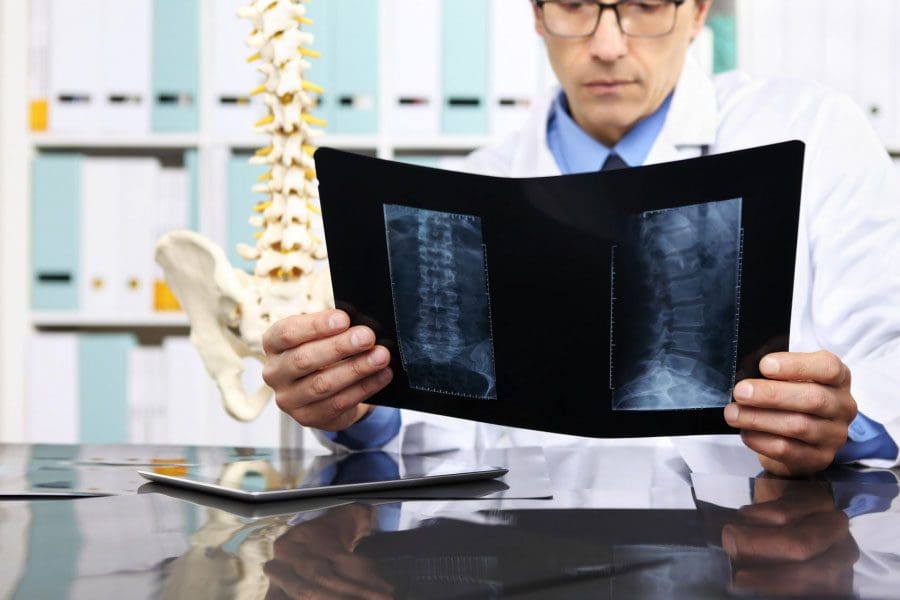
Probably one of the most common causes of sciatica that I treat. About 90% of patients have a positive response to alternative/conservative treatment. I use x-rays as a guide to follow where the nerve is compressed and where the best manipulation areas are for me to adjust. Spinal manipulation is a very safe procedure and most cases will heal without surgery.
Dr. Alex Jimenez D.C. and a practicing physical therapist� �Combined with chiropractic treatment and massage, we may use a topical steroid combined with electric stimulation or ultrasound to adjust/release the area where the nerve is compressed.”
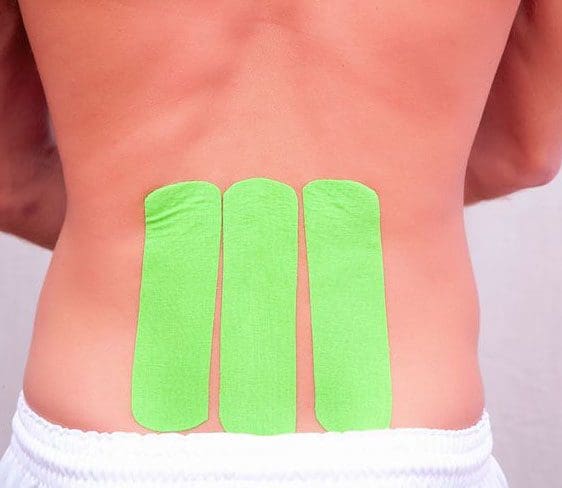
Lumbar traction is also used to reduce the size of the disc herniation and combine this with exercises, which are customized to the patient. Extending back and flexing exercises are also incorporated into the treatment plan and each is made specific to the patient. Patients may experience muscle spasms or joint stiffness, which is also relieved by massage therapy and joint mobilizations. Patients could also be trained on Kinesio tape application to relieve pressure and relax muscles.
Remember that strengthening the core is the key to reduce the risk of worsening the injury and getting new ones.
Lumbar Spinal Stenosis
This is a condition that can be difficult to treat because of the mechanical nature of the compression on the nerves. The cause is often a combination of osteoarthritis, disc bulging and spinal holes that have narrowed�called neuroforamen. Physical therapy consists of traction, stretching, exercises, and chiropractic to lessen pain and inflammation.
Spondylolisthesis
This condition can be caused by trauma or degeneration of the spine. Conservative care is highly beneficial.
Extending the spine can worsen symptoms, therefore flexion-based exercises are what we recommend. Therapeutic exercises are utilized for abdominal strengthening and core stabilization. We get the patient to increase hip extension to reduce stress on the lumbar spine.� Manual therapies can also be used to control inflammation and alleviate muscle tightness or spasms.
Piriformis Syndrome
Piriformis syndrome also responds positively to conservative treatment. We look for the main cause when we see piriformis syndrome. This type of injury happens when a patient has a job or play a sport where they shorten and overuse the muscle.
We create a custom treatment/exercise program based on what is found structurally. Most of the time the piriformis muscle gets over-used because the hips are weak, so strengthening the hips and the core is key. Sciatic nerve mobilization can also help increase�sciatic nerve mobility. This can be achieved with instrument-assisted soft tissue mobilization/Graston technique along with deep tissue massage will get optimal results.
Pregnancy
Sciatic symptoms often do present in pregnant women, which can make the pregnancy miserable. Our goal is to reduce symptoms and restore normal function with gentle exercise, massage, and hot/cold therapy.
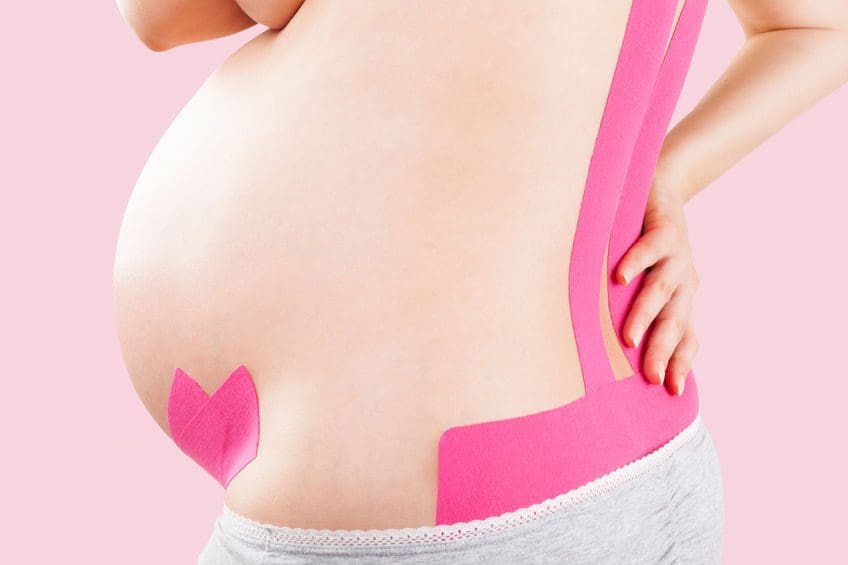
The pelvic girdle is what we focus on, along with core stabilization, and Kinesio tape application to stabilize the girdle because of ligamentous laxity or loosening of the hips.
Trauma
Any kind of trauma that hits the gluteal area can become inflamed and spasm and bind around the sciatic nerve. We focus on relieving the pain and inflammation with manual therapies, and gentle exercises. These are based on what is found from the examination and how intense/extensive the trauma was.
Light spinal mobilization and massage have been proven to activate the body’s natural painkillers to alleviate and release the tight muscles. More rigorous exercises are brought in to the treatment plan as the patient gets stronger. These will strengthen their core and get them back to regular activities, job, and their sport.
*Effective Non-Surgical Treatment* for Sciatic Nerve Pain| El Paso, Tx
NCBI Resources
You may be suffering from�sciatica if you have ever experienced a shooting, nerve-like pain down one of your legs. The sciatic nerve can be impacted by a number of different things, including injury and degenerative diseases, that can lead to sciatica. Fortunately, chiropractic can be an effective non-surgical treatment for sciatica.
A car accident can easily damage the spine and soft tissues. An auto accident may cause a misalignment of the spine, a herniated disc, or other injuries that cause symptoms of sciatica.
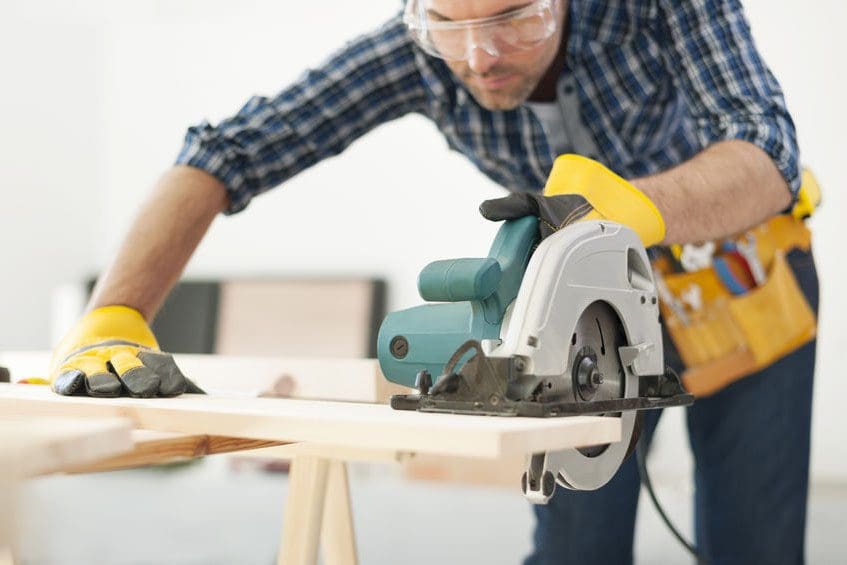
There are all kinds of tools for all kinds of jobs. However, using the correct tool can mean the difference between a job well done and a job that got done but also generated injuries and pain.
Examples:
Long tools are best for when you need leverage, sparing the need for massive physical force.
Vice grips and clamps can grip/stabilize objects rather than trying to hold objects with your hands.
Tilt objects to avoid overbending the wrists.
Use a cart/dolly/arm straps to carry heavy loads.
Take some time to think about how to make the job easier on yourself and look up youtube tutorials to find innovative ways to do these jobs making it less stressful both mentally and physically.
The National Institute for Occupational Safety & Health guidelines hand tool use
Keep the wrists straight &� Avoid bending/rotating the wrists.
Instead bend the tool, not the wrist and there are a variety of bent-handle tools just for this reason. Using the handshake wrist position is a good way to approach a job, as it is a neutral position for the wrist.
Don’t stand still in one place for an extended time when using a heavy tool.
Instead, reduce the size and weight of the tool which will help avoid strain, keeping the elbows low and slightly bent.
Tools that place pressure on the base of the palm stress the soft tissues of the hands and fingers interrupting circulation and nerve function.
Instead, opt for one with finger grooves that fit the hand. Short-handles help by reducing stress on the soft tissues.
Don’t use tools that need a lot of grip force to use or hold.
Instead, use one with a grip that compresses like memory foam and shapes to the hand. This is far better than hard plastic.
Don’t use tools that need the fingers to grip.
Instead, use tools that utilize a full-hand power grip.
Do not use tools that have sharp-edged handles or areas where the hands could get pinched.
Instead, use tools that keep the hands/fingers safe.
Trigger-finger operational tools should be avoided as this can easily cause repetitive finger/hand/wrist injury from the constant on-off motion.
Instead, use tools with large switches that can be operated using all four fingers.
Excessive temperatures affect manual dexterity, therefore keep hands free from extreme heat and cold.
If possible, do a different job that’s away from the extreme weather and if not wear properly insulated work gloves.
Keep excessive vibration to a minimum. Excessive vibration can affect circulation.
Use tools with control�features that limit vibration to the extremities and whole body.
Wear gloves that fit. If they are too tight they will place extreme pressure on the hands. Loose-fitting gloves reduce grip strength and the ability to grip properly.
Instead have a selection that is designed for different jobs.
Safely Operating Tools that Cause Whole-Body Vibration��
There are power tools that vibrate no matter what and transmit vibration into the operator’s arms and hands, legs, and feet. Using a tool like this can cause a condition called white finger or Raynaud’s Phenomenon to present.
The symptoms include:
Aching in the wrists and muscles of the forearm
Tingling sensations
Numbness
Whiteness in the fingers from restricted circulation
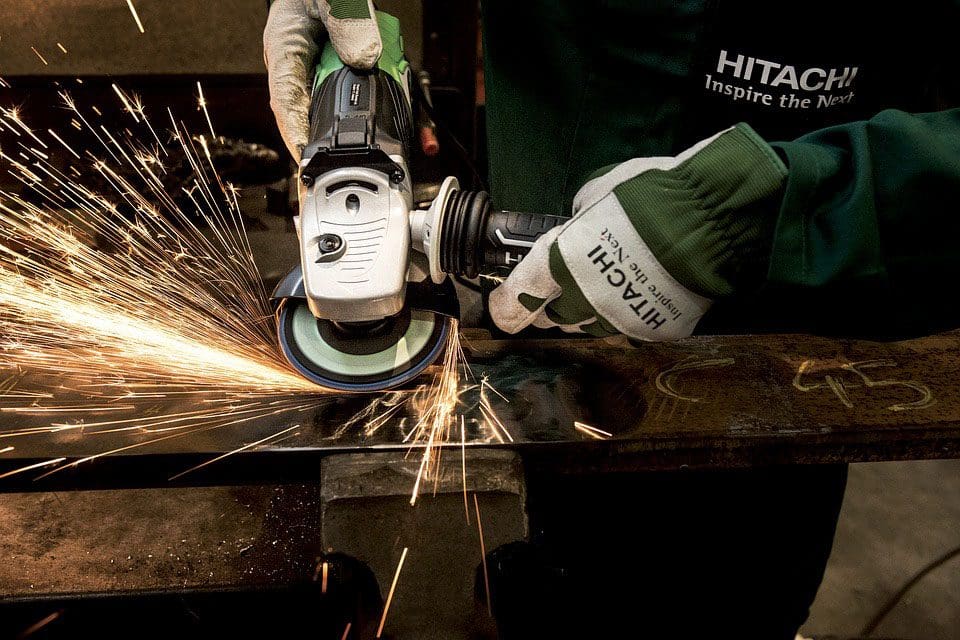
This type of vibration from riveting tools, grinders, pneumatic hammers, drills, and chain saws will affect the whole body’s well being.
Suggestions to help reduce the risk of musculoskeletal disorders
Choose power tools with anti-vibration controls and handles coated with suppressant/cushioned material to help with vibration.
Maintenance power tools by making sure they are balanced, clean, and lubricated.
Use gloves designed to absorb or reduce vibration.
Ask for help if the job requires equipment or tools that vibrate.
Whether using a hand or power tool to get a job done, the whole body is involved. Executing proper posture and body mechanics, along with proper tool choice and how it is used is vital to injury prevention.
El Paso, TX Chiropractor Recommended
Chiropractic care can help keep bodies flexible and help with range of motion. It is a very effective, non-invasive treatment for pain and can help with joint and muscular problems as well. Regular chiropractic treatments can help you better manage your body�s response to your work environment. It can also undo many of the ill effects that that type of work can cause.
NCBI Resources
Standing for extended or frequent periods of time without any breaks (such as walking or stretching) can cause the joints in the feet, knees, hips, and spine to become locked or immobilized temporarily. If the behavior continues, it can cause degenerative damage, leading to rheumatic diseases because the ligaments and tendons become damaged.
Q: My neck pain comes and goes, depending on the weather, and has for a few years. I have found certain exercises that help and others that make the pain worse. A co-worker told me about Mechanical diagnosis therapy. What is it and can it help? � El Paso, TX.
A: Mechanical Diagnosis Therapy also known as the McKenzie Method is a spinal technique that teaches how to safely and effectively reduce neck pain and improve neck function.
The goal of mechanical diagnosis therapy is to:
Assess
Treat
Prevent back and neck pain
This puts you in a position to control the pain. This technique can also help with joint problems that cause
Shoulder
Hip
Knee pain
Exercises that help reduce neck pain are highly beneficial, especially combined with chiropractic, physical therapy, rehabilitation treatment plan. But, mechanical diagnosis therapy definitely would be worth trying out for relief and prevention of neck pain. This method finds a key exercise that you can do to control the pain, which can be more effective than other exercises.
This is known as the directional preference of movement�and can hold the key to reducing pain.
The best results have been demonstrated with patients who work with chiropractors and physical therapists who have completed training and passed a standardized examination by the McKenzie Institute.
Chiropractic/Physical Therapy session that incorporates Mechanical Diagnosis Therapy:
A physical therapist or chiropractor will perform a detailed assessment. Your health history, neck pain, and other symptoms.
The therapist instructs the patient on how to perform specific, structured exercises.
This helps determine what movements or positions cause the neck pain and which positions and movements are more comfortable, and help reduce symptoms.
Patients often show signs of centralization. This is when the original�pain in the neck is felt in other parts of the body like the arm or hand and radiates toward the spine from specific positions or movements.
The chiropractor/therapist will create a customized exercise plan that the patient will do at work/home to reduce neck pain and other symptoms.
Every patient’s plan is different and completely individualized to treat your specific neck pain.
After the first appointment, the patient will perform the exercises themselves. But depending on the treatment plan, chiropractic exams could be implemented for 3 to 4 weeks to monitor progress. As these appointments are fulfilled the chiropractor could add or alter the exercises as the pain and symptoms reduce and range of motion increases.
Doing these exercises regularly will help reduce neck pain and prevent it from worsening.
The exercises can be performed quickly and easily so they become a part of the patient’s regular routine. A chiropractor/therapist will work with the patient to design a simple but effective exercise plan that fits into their schedule. The chiropractor will also teach ways to prevent aggravating neck pain by avoiding positions and other activities not thought about.
Mechanical Diagnosis Therapy can create tools to help reduce and prevent neck pain along with other symptoms. Most of the time, a few sessions are all that is needed to see benefits. Results happen rather quickly, especially as the patients are managing their neck pain between visits with their chiropractor.
As El Paso�s Chiropractic Rehabilitation Clinic & Integrated Medicine Clinic,�we passionately are focused on treating patients after frustrating injuries and chronic pain syndromes. We focus on improving your ability through flexibility, mobility and agility programs tailored for all age groups and disabilities.
El Paso, TX Chiropractic Neck Pain Treatment
Shane Scott was involved in an automobile accident when he heard about Dr. Alex Jimenez from a friend. After experiencing headache, neck and low back pain, several days after the incident, Shane’s quality of life, was tremendously affected. Thankfully, treatment with Dr. Jimenez helped Shane return to his normal life. Shane recommends Dr. Jimenez as the non-surgical choice for neck pain treatment.
Neck pain (or cervicalgia) is a common problem, where two-thirds of individuals will experience neck pain some time in their lives. Neck pain can be brought on by numerous other spinal issues. It can arise from muscle tightness in either the neck and upper spine or pinching of the nerves in the cervical vertebrae.
NCBI Resources
A chiropractor evaluates the spine as a whole because other regions of the�neck (cervical), mid-back (thoracic) and low back (lumbar) can be affected as well. Along with treating the spine as a whole, chiropractic treatment is geared toward the entire body and not just symptom/s. Chiropractors will also educate on nutrition, stress management, and lifestyle goals in addition to treating neck pain.
Physical therapists (PTs) are healthcare professionals that treat patients of all ages with various ailments/conditions. A spine surgeon, physiatrist, orthopedist, primary care physician, neurosurgeon, and a chiropractor may refer patients to a physical therapist as part of a non-operative treatment plan.
An organized physical therapy plan may be an integral part of after-care following surgery. Therapists practice in a variety of settings, like hospitals, outpatient clinics, rehabilitation centers, and nursing homes. Physical therapists provide:
Treatments
Exercises
Mechanics
The primary goals�of physical therapy include:
Maintain practical skills
Improvement
Building endurance and strength
Increasing flexibility
Reducing pain
Preventing impairment
Physical therapists also instruct patients on the best way to exercise to enhance overall physical fitness, move about safely (biomechanics and ergonomics), and injury prevention. Physical therapists also help patients with long-term physical incapacity (eg, spinal cord injury).
Aquatic Therapy
Patients with osteoarthritis have found�waterexercise to be beneficial. With a gravity-free environment,�patients can perform simple exercises without stressing the tender joints. Movement increases circulation to the affected joints and can relieve stiffness. Swimming is also a great exercise for anyone for loosening up stiff joints and strengthening muscles.
Electrical Stimulation
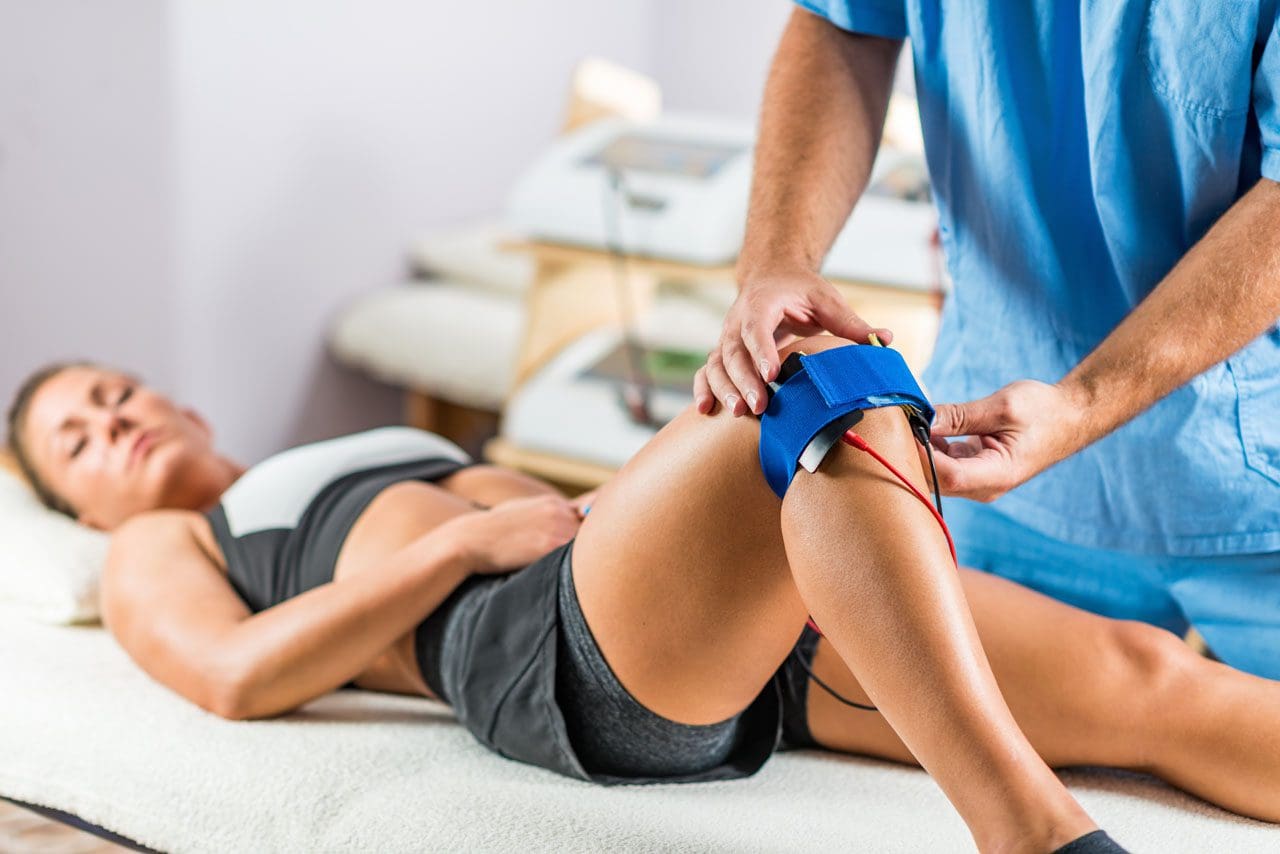
This type of therapy forces a muscle or muscle group to contract and relax. Therapists place surface patches containing electrodes on the skin over the area to be treated. The therapist programs the equipment to deliver the correct amount of stimulation for a set time.
The electrical current flows through nerve and muscle cells. The treatment is not painful. The patient feels gentle pulsating or an on/off sensation. This treatment stimulates circulation and supplies the area with oxygen and nourishment for healing. Electrical stimulation enhances healing and alleviates swelling and pain.
Electrical stimulation in physical therapy. Therapist positioning electrodes onto a patient’s knee
Heat and Ice
Heat increases circulation, decreases stiffness, pain and muscle spasms.
Patients with early arthritis symptoms find relief by taking a warm bath or hot shower.
It is best when done in the morning to help loosen up and alleviate stiffness.
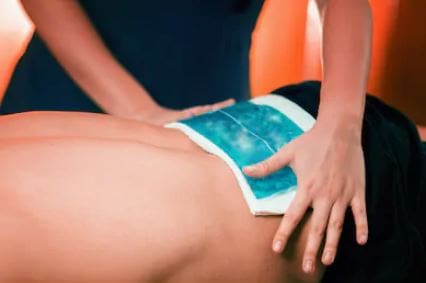
Physical therapists use moist hot packs wrapped in a towel that is laid or wrapped around the affected area.
A moist hot pack transfers moist heat that penetrates deeply into soft tissues and stimulates local circulation more than heat alone.
Ice decreases pain by slowing the nerve impulses.
Inflammation subsides with forms of cold therapy:
Cold packs
Ice massage
Iced towels
They are usually the first aid following trauma.
When treating an overworked body part�ice�treatment should be supervised by a physical therapist.
Hydrotherapy
This is like a whirlpool bath. The water temperature and agitation loosen up joints, stimulate muscles and are controlled for maximum benefit.
Myofascial Release
This therapy improves circulation, decreases muscular tension and increases range of motion.
It is a type of massage that stimulates the muscles. The muscle tissue is manipulated by hand to stretch the tissue. Tight tissues become loosened using a cross friction motion with this therapy.
Movement & Conditioning
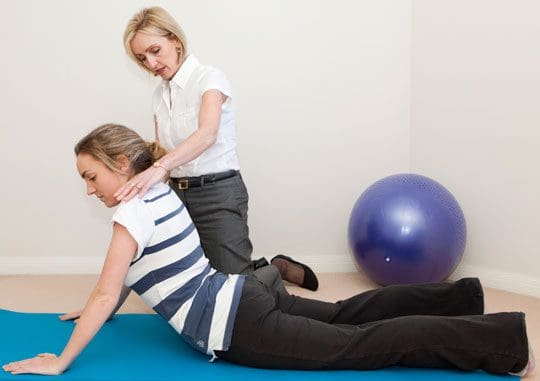
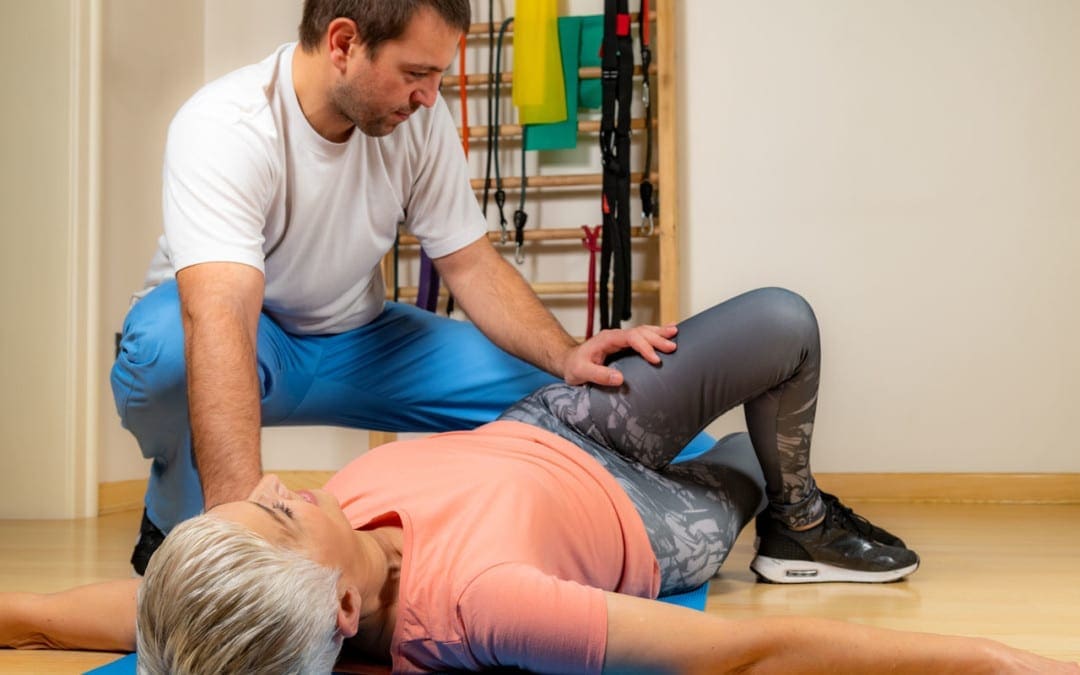
A physical therapist teaches patients how to move properly while being able to work through the pain. Therapists want patients to work as pain-free as possible. This does not mean that the exercises will be easy. More than likely they are going to be tough, but that is what you want to get back into top physical form.
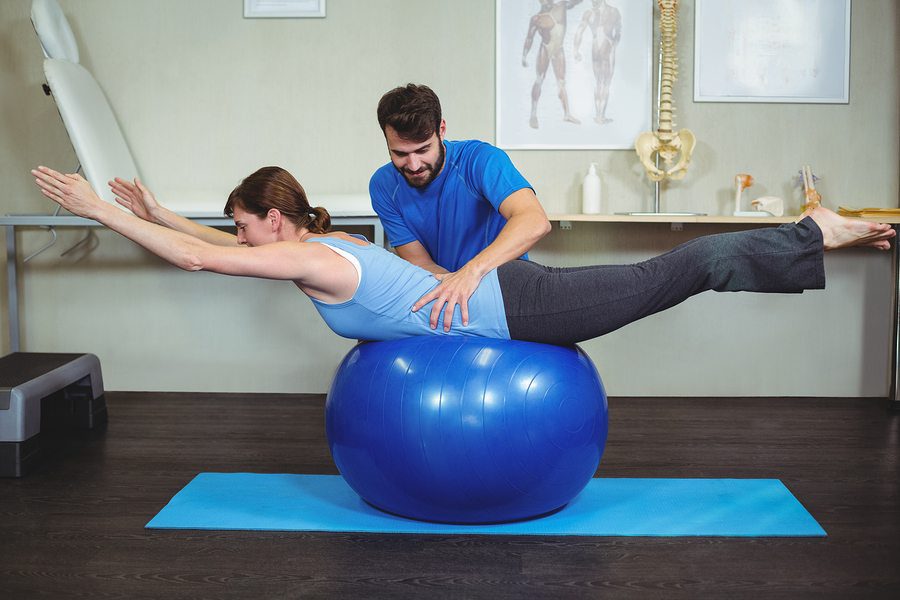
Physical therapist assisting woman on an exercise ball at the clinic
Warming-Up can be accomplished by riding a stationary bike and some light stretching. The type of warm-up that goes with the therapy is determined by the individual treatment plan.
There will be muscle soreness for 24 to 48 hours following exercise therapy. This is completely normal and should be expected. As the exercises become a normal part of the day the discomfort will gradually go away. Stretching will increase flexibility. And as the treatment goes on resistive and strength exercises could be added.
Couple warming up
Home Exercise
With any treatment plan, there is usually a custom home exercise program. Exercises pretty much follow clinic exercises with variations and added stretches to keep the body from stiffening staying limber. Changes can be discussed with a physician.
Body Mechanics & Posture
Proper body mechanics helps to prevent further injury/s from occurring. Patients willing to maintain
Physical fitness
Reduce stress
Apply proper body mechanics
This reduces the risk of injury.
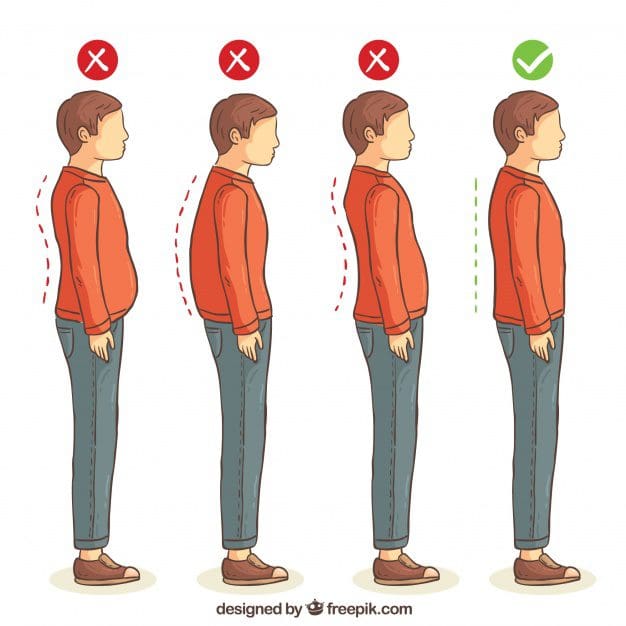
Proper posture is defined as keeping the natural curve of the spine. Proper posture minimizes stress to the spine. This is the first lesson a physical therapist teaches a patient.
Poor posture and poor body mechanics are leading contributors to neck and back pain.
Proper Work Habits
Do not lean over a desk for long periods.
Try not to sit without back support.
Adjust chair height so the knees are bent at a 90-degrees.
Bend the elbows at a 90-degree angle or they can rest on the work surface.
Don’t cradle the phone against the ear and shoulder as this can cause neck and shoulder issues.
Lifting and Carrying Objects
First, look at the object to be moved. If it looks too heavy find help.
Remove obstacles from the pathway where the object will be going through.
Visualize maintaining proper posture.
Get as close to the object as you can.
Place feet slightly apart and flat on the floor.
Bend at the knees to provide stable support.
Tighten the stomach muscles.
Breathe deeply.
Smoothly lift the object using arms and legs and not the back.
Hold the object at the sides and bottom.
Keep the object close to the body.
Keep back straight and carry the object with elbows slightly bent.
With shopping bags or luggage split the load in two, and try to carry the same amount of weight in each hand.
Pushing versus Pulling
Pushing is the more efficient and safer method of moving objects. Keep the back straight and use the knees to push. Keep close to the object and reposition the body every so often.
Reaching for Objects
Check the size, weight, and location of the object.
Use a proper stool or step-ladder to get the object. Stand with both feet flat.
One hand can be used for additional support.
Try not to look over too much as this can cause neck strain.
Think about storing regularly used items within easy reach.
Physical therapists may work directly for or with a physician, therapist, chiropractor and other healthcare providers to organize aspects of physical treatment plans. For example, a doctor may send physical therapist information of graphs, medications, analysis, and imaging results.
Massage Rehabilitation El Paso, Texas
NCBI Resources
During the first consultation, a physical therapist will talk about symptoms, analysis, and medical history.� Severity the location, type, and variables that decrease or increase pain are significant, and the PT will ask many questions regarding pain.
Physical therapists are healthcare professionals and members of your medical team. While physical therapy may be challenging or demanding at first, there are many benefits. It�s an opportunity to take charge of back or neck pain while building a stronger more resilient body.
IFM's Find A Practitioner tool is the largest referral network in Functional Medicine, created to help patients locate Functional Medicine practitioners anywhere in the world. IFM Certified Practitioners are listed first in the search results, given their extensive education in Functional Medicine