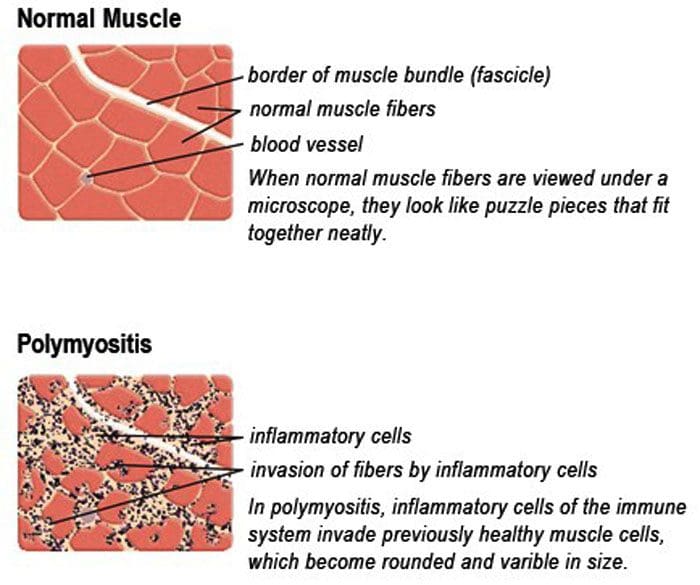
Polymyositis is a disease that causes the body’s muscles to become irritated and inflamed. It can affect the muscles all over the body. The muscles gradually begin to break down and weaken, making everyday movements difficult. This disease falls into a category known as inflammatory myopathies.
Polymyositis Unknown Causation
The causes of polymyositis are currently unknown. However, experts believe it could be associated with or triggered by a virus or an autoimmune reaction. An autoimmune response is when the body attacks itself along with the body’s tissues. It’s seen in individuals ages 31 to 60 and is rarely seen in individuals younger than 18. In some instances, medication can lead to an allergic reaction/response that causes muscle irritation and damage. But in most cases, healthcare experts are not able to find the exact cause.
Symptoms
The condition can affect the muscles all over the body. Physical activities like walking, getting up from a chair, or lifting objects can become difficult to perform. It can also affect the muscles that allow for eating and breathing. The muscles at the center of the body tend to be affected the most. Common symptoms include:
Muscle pain.
Muscle stiffness.
Muscle weakness, specifically in the abdomen, shoulders, upper arms, and hips.
Joint pain and stiffness.
Breathing problems.
Problems swallowing.
Abnormal weight loss can become an issue if there are problems with swallowing.
Irregular heart rhythms if the heart muscle/myocardium becomes inflamed.
Individuals may notice they have trouble climbing stairs or lifting their arms.
The inflammation can worsen, causing pain and weakness that affects the wrists, lower arms, and ankles.
Diagnosis
Diagnosis begins with the individual’s medical history, family medical history if necessary, and a physical examination. The examination includes seeing and feeling the strength of the muscles. Tests will be required that include:
Blood Tests
Blood tests allow the doctor to see if there are signs of muscle inflammation.
They also show if there are abnormal proteins that form in autoimmune diseases.
Electromyogram EMG
This test can be used to find abnormal electrical activity in the affected muscles.
MRI
Magnets and computer graphic imagery are used to help the doctor inspect for inflammation in the body.
Muscle Biopsy
A small piece of muscle tissue is removed to be analyzed with a microscope.
Treatment
Treatment depends on how severe the condition is,individual symptoms, age, and overall health. Currently, there is no cure for polymyositis, but symptoms can be managed. Individuals are recommended to utilize more than one type of treatment because the treatment plan may also need to be changed as treatment progresses. Treatments include:
Anti-inflammatory Medication
Steroid medication can help manage the disease and reduce symptoms, and corticosteroids can help ease inflammation in the body. The symptoms improve within 4 to 6 weeks, and a healthcare provider can lower the dosage after the symptoms decrease to reduce and ease any side effects.
Immunosuppressive Medication
These medications block or slow down the body’s immune system responses.
Talk with a doctor about the risks, benefits, and side effects of all medications.
Chiropractic and Physical therapy
Chiropractic treatment and physical therapy can help:
Aligning the spine to provide optimal nerve energy and blood circulation.
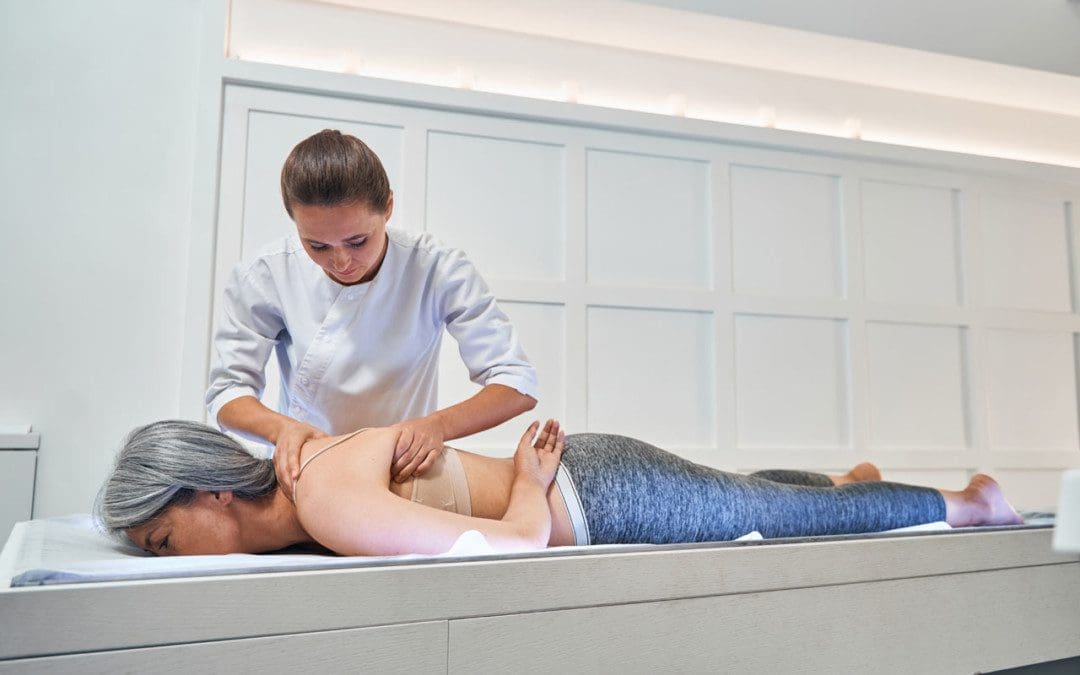
Therapeutic massage to stimulate and keep the muscles loose.
Specific exercises to help stretch and strengthen the muscles.
These can help keep the muscles from shrinking.
Heat therapy and Rest
Heat therapy and allowing the body to rest thoroughly can help decrease pain symptoms.
Special Braces
Body, hip, and leg braces can help support the muscles and help with mobility.
Complications
Polymyositis left untreated can lead to severe complications. The muscles become weaker, increasing the risk of falling and limiting daily activities.
If the chest muscles are affected, there could be problems with breathing that can lead to respiratory failure.
If the digestive tract is affected, malnutrition and unintentional weight loss can result.
Polymyositis poorly managed well can cause severe disability.
Body Composition
Nutrition and Muscle Growth
Protein
Protein is the foundation for gaining muscle.
This essential component is for all of the body’s daily functions.
It is essential to balance protein increase with overall diet.
Carbs should be a daily element of nutritional intake because they are the primary component.
Acquiring energy
Preventing muscle weakness and degradation
Consuming Carbs
Understanding how accurate results only happen when both sides work together.
Healthy consumption of protein and carbohydrates can help muscle growth and sustain optimal health for all body types.
References
Corrado, Bruno et al. “Supervised Physical Therapy and Polymyositis/Dermatomyositis-A Systematic Review of the Literature.” Neurology international vol. 12,3 77-88. 24 Nov. 2020, doi:10.3390/neurolint12030015
Findlay, Andrew R et al. “An overview of polymyositis and dermatomyositis.” Muscle & nerve vol. 51,5 (2015): 638-56. doi:10.1002/mus.24566
Sasaki, Hirokazu, and Hitoshi Kohsaka. “Current diagnosis and treatment of polymyositis and dermatomyositis.” Modern rheumatology vol. 28,6 (2018): 913-921. doi:10.1080/14397595.2018.1467257
Van Thillo, Anna et al. “Physical therapy in adult inflammatory myopathy patients: a systematic review.” Clinical rheumatology vol. 38,8 (2019): 2039-2051. doi:10.1007/s10067-019-04571-9
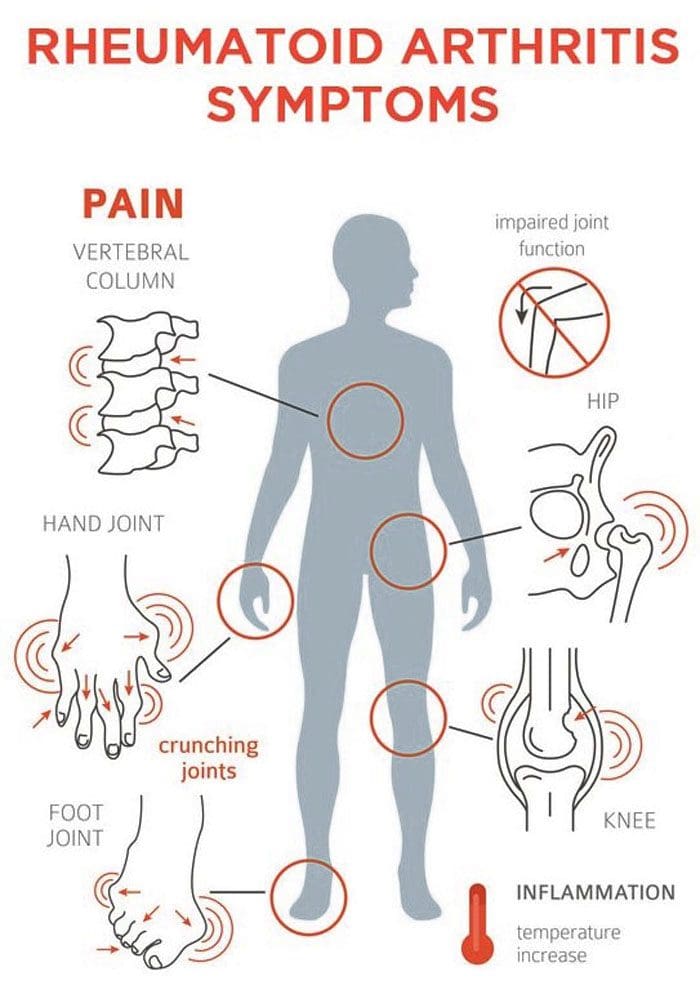
Managing rheumatoid arthritis is an ongoing balancing act. Flare-ups can still present despite following the rheumatologist’s lifestyle instructions, proper medication use, and a well-maintained RA plan. Monitoring daily activities can help minimize the chances of experiencing episodes.
Rheumatoid Arthritis Flare-Ups
A rheumatoid arthritis flare-up is a short-term escalation of arthritis symptoms. A flare-up can go away within a day or can persist for several weeks or months. A flare-up usually involves joint stiffness and pain but can also present as any symptoms worsening. If the flare-up is severe, it can affect the ability to perform regular everyday activities.
Symptoms
Symptoms can vary, and not every person experiences the same. Most individuals describe flare-ups with a sudden increase in:
Pain
Stiffness
Swelling
Limited joint mobility
Fatigue
Symptoms that feel like the flu.
Frequency and severity can also vary.
Back Pain Symptoms
Rheumatoid arthritis can affect many joints. It is the inflammation of a joint’s synovial membrane. These include the facet joints in the spine. The most commonplace in the spine affected by rheumatoid arthritis is the upper neck, around the base of the skull. The joints at the top of the neck get inflamed and can become unstable or form abnormal tissue that sticks out and compress the spinal cord.
Triggers
Several potential flare-up triggers include:
Stress
Not getting enough sleep
Medication changes
Injury
Excessive physical activity and/or exercise
Repetitive overuse injury
Smoking
Spinal infections
Airborne toxins can also be a trigger to a flare-up. Substances include chemicals like household cleaners. Switching to organic and environmentally safe cleaners can help. Airborne toxins are a concern in densely populated cities and areas that experience air pollution and smog. To minimize risks, staying indoors during times of poor air quality is recommended.
However, flare-ups can happen without an identifiable trigger. Certain foods can increase inflammation and could contribute to a flare-up, including:
Avoiding these foods and following a diet that has been developed to prevent symptoms will help significantly. The objective is to learn to identify an RA flare-up to moderate activities accordingly.
Prevention
Managing any chronic medical condition is challenging, especially when trying to predict when a flare-up will happen. There is not a foolproof strategy for prevention, but advice that can help minimize the risks of an RA flare-up.
Understand that the disease can change over time. This means changes in medications and the need for multi-approach treatment. Learning healthy self-care techniques will go a long way in managing symptoms.
Body Composition
Antioxidants protection
Metabolic processes, like energy production, and environmental pollution, can result in free radical production. These are highly reactive molecules that can damage the body’s cells and lead to oxidative stress. This can develop into a disease, including heart disease. The body has natural protective mechanisms to neutralize free radical molecules, including glutathione, which is the body’s top antioxidant. If glutathione becomes depleted because of increased free radicals, the body switches to dietary antioxidants from food as a secondary defense.
Pham-Huy, Lien Ai et al. “Free radicals, antioxidants in disease and health.” International Journal of biomedical science: IJBS vol. 4,2 (2008): 89-96.
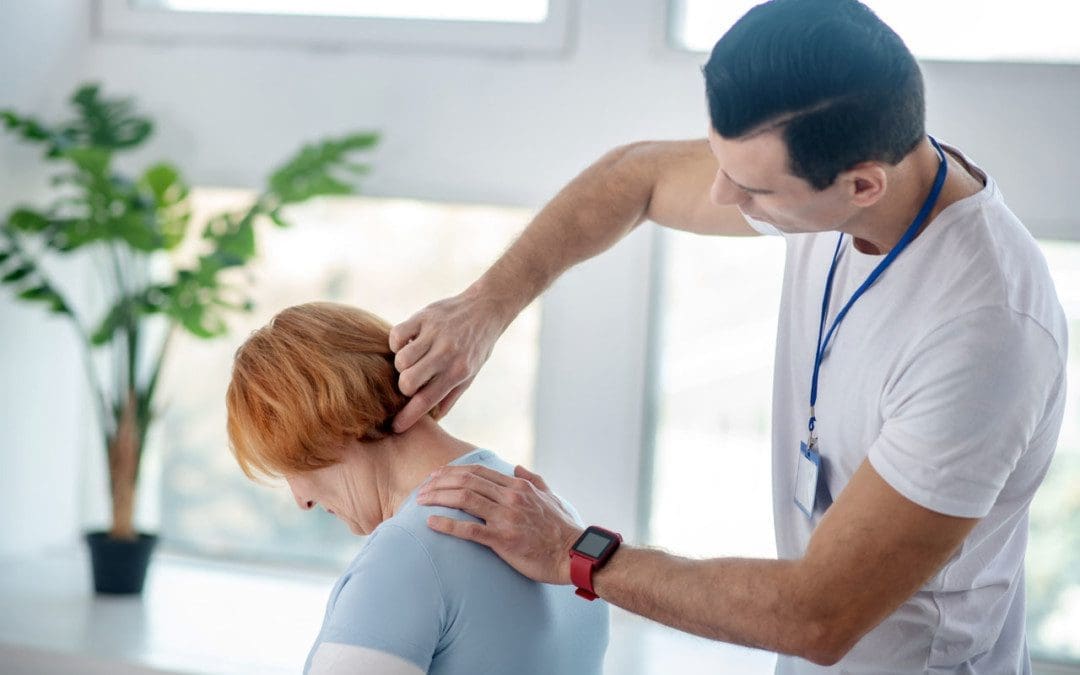
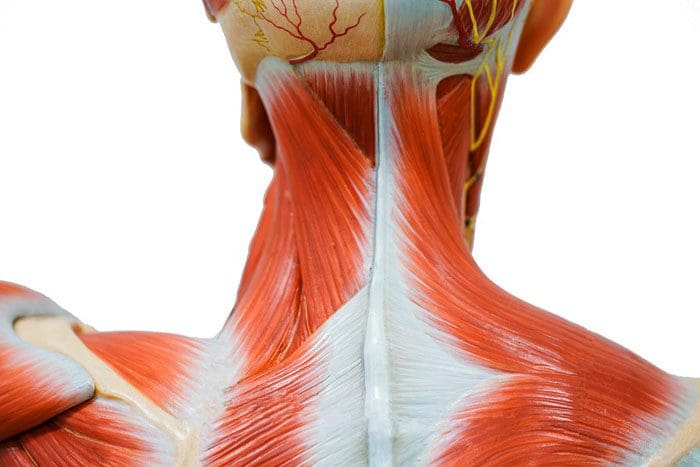
Muscle tension in the neck is a common musculoskeletal disorder. The neck is made up of flexible muscles that support the weight of the head. The muscles can experience injury and irritation from overuse and poor posture habits. Worn joints or compressed nerves can cause neck pain, but muscle spasms or soft tissue injuries commonly cause neck tension. Neck tension can present suddenly or progress slowly. Sleeping in an awkward position or straining the neck while engaged/involved in some activity can cause muscles to tense up. Chronic neck tension that comes and goes over the course of weeks or months could have a cause that goes unnoticed, like teeth grinding or being in a hunched position for extended periods.
Symptoms of neck tension
Symptoms can come on suddenly or progressively. These include:
Stiffness
Tightness
Spasms
Turning the head is difficult
Discomfort and/or pain worsens with certain positions
Causes
Because the neck can move in many directions, there are various causes of tension in the neck. These include:
Repetitive motion or overuse injuries
Individuals whose work requires repetitive movements like scanning objects, looking up and behind constantly can strain the muscles.
Improper posture
An adult’s head weighs 10 to 11 pounds. If the weight is not properly distributed and supported with a healthy posture, the neck muscles have to work harder, causing strain.
Computer workstation habits
Individuals that sit at a desk or workstation for most of the day or night can develop hunching habits that they may overlook. This can definitely cause neck muscles to strain.
Phone habits
Constantly looking down at the phone is a common cause of tension in the neck and text neck.
Grinding teeth
When individuals grind or clench their teeth, pressure is placed on the muscles in the neck and jaw. This pressure strains the muscles, causing pain. There are exercises to promote more relaxed jaw muscles.
Physical activities and sports
Working out in a way that engages the neck muscles or whipping the head around during a game or some physical activity can cause minor neck injury and strain.
Sleep position habits
When sleeping, the head and neck should be aligned with the rest of the body. Using large pillows that elevate the neck too much can cause tension to build up while sleeping.
Heavy purses, backpacks, shoulder bags
Lifting and carrying any heavy object can throw the body out of alignment. This can cause strain on one side of the neck, building tension.
These are mild to moderate headaches that typically affect the forehead. However, these types of headaches can cause neck tension and tenderness.
Prevention
Making simple adjustments can help relieve, manage, and prevent tension in the neck and shoulders. These include:
Ergonomics
Consider a standing desk. Adjust the workstation so that proper posture along with comfort is maintained. Try different adjustments like the height of the chair, desk, and computer.
Be aware of body posture.
Stay aware of the body’s posture when sitting and standing. Keep the ears, shoulders, and hips in a straight line. Consider phone posture reminders and devicesto check in with how you’re holding yourself throughout the day.
Take breaks throughout the day.
Take breaks that will move the body and stretch the neck and upper body. This benefits the muscles, eyes, and mental health.
Sleep position
Improve sleeping positions with a smaller, flatter, firmer pillow.
Reduce weight from the shoulders
Utilize a rolling bag instead of carrying heavy bags and backpacks, and only carry what is necessary.
Movement
Try to get 30 minutes of moderate exercise/physical activity a day to keep the body in healthy condition.
Meditation and stretching
Practicing yoga or meditation along with stretching out helps reduce psychological and physical stress. Yoga can count as daily exercise.
Doctor or Dentist
If chronic neck tension is presenting, see a doctor or chiropractor. Consult a dentist about teeth grinding or temporomandibular joint TMJ disorder treatments.
Neck stretches
To relieve tension in the neck, try some neck stretches.
Gently pull your head to the right, so the ear almost touches the shoulder.
Hold for 30 seconds
Repeat on the opposite side.
Body Composition
The Immune System
The Immune System is essential in maintaining health. Its objective is to:
Neutralize pathogenic microorganisms like bacteria that enter the body and threaten homeostasis.
Eliminate harmful substances from the environment.
Fight against cells that cause illnesses like cancer.
Innate and adaptive immune processes.
The innate system includes exterior defenses, like the skin, proteins, and white blood cells.
Any organisms that escape the first line of defense have to then face the adaptive system. This is made up of T and B cells.
The adaptive immune system is constantly adapting and evolving to identify changes in pathogens change over time.
These systems work together to provide resistance and the elimination of long-term survival of infectious agents in the body.
References
Chaplin, David D. “Overview of the immune response.” The Journal of allergy and clinical immunology vol. 125,2 Suppl 2 (2010): S3-23. doi:10.1016/j.jaci.2009.12.980
Hawk, Cheryl et al. “Best Practices for Chiropractic Management of Patients with Chronic Musculoskeletal Pain: A Clinical Practice Guideline.” Journal of alternative and complementary medicine (New York, N.Y.) vol. 26,10 (2020): 884-901. doi:10.1089/acm.2020.0181
Hughes, Stephen Fôn et al. “The role of phagocytic leukocytes following flexible ureterorenoscopy, for the treatment of kidney stones: an observational, clinical pilots-study.” European journal of medical research vol. 25,1 68. 11 Dec. 2020, doi:10.1186/s40001-020-00466-7
Triathlon training involves running, biking, and swimming. This much fitness training takes a toll on the body. Pulled hamstrings, twisted ankles, and sore heels are common, but triathlon training can also cause or worsen back pain. Because the back muscles are connected to many other muscles, certain types of movement after a tough training session can present with back pain. There was an Ironman triathlete study that found that 90% of the athletes suffered some form of soft-tissue injury during training, with 70% reporting low back pain and/or sciatica. A 2020 study in BMC Musculoskeletal Disorders found that 14% of recreational half-marathon runners presented with low-back pain.
Triathlon Training Hard on the Back
High-impact activities/exercises, constant repetitive motion, places a heavy pounding on the body that impacts the joints and spine. Using improper techniques will aggravate any issues. The stresses applied from repetitive motions, and poor form can lead to the joints breaking down. If new to intense training the muscles might not be strong enough yet, which could also cause back pain and injury. The back stabilizer muscles tend to get neglected in the training, but these muscles support the structures in the midline, spine, and joints. Strengthening the:
Ensures stability of the spine and joints from all the wear and tear.
Training and Overtraining Errors
Even veteran athletes can make mistakes during their training that can lead to sore backs. The biggest mistake individuals make during triathlon training is that they only swim, bike, and run. Training for the specific sport/s is important; but weight lifting, core strengthening, and flexibility training are just as important. Proper rest can become neglected as the individual wants to get in as much training as possible that often gets overlooked, leading to overuse injuries. However, rest is a vital part of training to allow the body to fully recover and operate at full and optimal potential.
Preventing and Avoiding Back Pain When Training
How to sidestep back pain altogether during training includes:
Sleep
A healthy lifestyle includes proper sleep cycles and is even more important during training. The mental aspects a triathlon competition can create require proper rest. Fatigue can also lead to poor technique/form, placing excess stress on the joints and the spine, leading to injury.
Flexibility
Muscles need to maintain flexibility to preserve function and recovery ability. After a training session stretching and working on flexibility will help with overall performance. Stretching should be done after activity when the muscles are warm, and the fibers can be stretched/elongated for optimal recovery.
Proper nutrition
The body needs high-performance fuel to support high-calorie deficits that are associated with intense training and competition.
Strengthening the body
Having a solid body foundation is the objective. Everything is balanced with strong muscles supporting healthy bones. Specific exercises that target the multifidus muscles. These are the body’s back brace. Strengthening these muscles will help prevent spinal injury/s. Back-strengthening exercises include:
Plan rest days no matter what. Pushing through will not make the body stronger or able to perform better, and could cause performance to decrease leading to injury. This does not mean sleeping all day, but engaging in active recovery where the body gets the rest it needs while still maintaining fitness. Active recovery includes:
Allows for a thorough recovery and enhances training.
Technique Improvement
Proper form and technique can really make the difference between staying injury-free and injury/s. Using the right form promotes healthy function. It could help to have gait, swim stroke, and bike techniques evaluated by a professional to ensure that proper form is being utilized.
Body awareness
Stop if the body signals one to stop. This is why the body feels pain. It is the internal mechanism that tells the individual something is wrong. It is not recommended to follow the phrases train through the pain, and no pain, no gain. Individuals are recommended to:
Always pay attention if pain presents and does not go away after exercising or warming up.
Pain that limits function.
Pain that interferes with daily activities.
These could significantly exacerbate a spinal injury and should be checked by a doctor.
Body Composition
Rest and Recovery
During rest and recovery, the body goes back to normal or homeostasis. This is the body’s resting rate or normal phase. The body is always trying to go back to homeostasis. This is done by:
Maintaining core temperature
Blood pressure stable
Muscles refreshed
When exercising/training, the homeostasis phase is disturbed, meaning the body needs a period of rest to return to normal. The process of homeostasis uses a lot of energy, which results in an abundant amount of calories burned. After exercise, there is an increase in excess post-exercise oxygen consumption or EPOC. The body uses up more oxygen during recovery than it does before or during exercise. This increase results in burned calories and strong muscles. The most important part of recovery is the rebuilding of muscle. When working out, especially resistance training, tiny tears are made in the muscle fibers. For the tiny tears to turn into growing muscles, they need to repair themselves. This happens during rest. Apart from the physiological benefits, rest helps prevent injury caused by overuse and assists in healing when injuries do occur. Time off helps with mental health as well to refocus, reassess, and apply what has been learned. What rest and recovery can do for the body includes:
Burn massive calories
Build muscle
Refuels the muscles
Prevents injury
Improves mental health and motivation
References
American journal of physical medicine & rehabilitation/Association of Academic Physiatrists. (October 2014) “Efficacy of Aerobic Exercise for Treatment of Chronic Low Back Pain: A Meta-Analysis” https://www.researchgate.net/publication/266682158_Efficacy_of_Aerobic_Exercise_for_Treatment_of_Chronic_Low_Back_Pain_A_Meta-Analysis
Stretch Before and After Journal of Chiropractic Medicine. (Winter 2003) “Changes in low back pain in a long-distance runner after stretching the iliotibial band” https://www.sciencedirect.com/science/article/pii/S0899346707600718
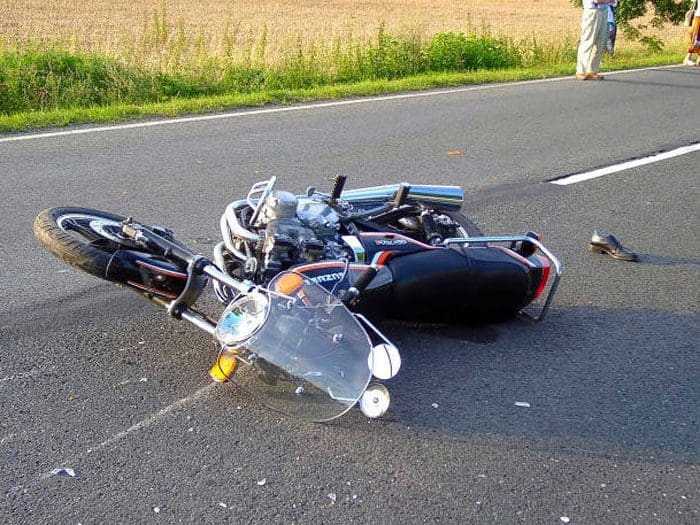
A motorcyclist has an increased risk of injury every time they get on their bike and get on the road. There is no barrier to protect them in the case of a crash or accident. Because of this, motorcycle injuries sustained can be life-changing. The most common injuries that motorcycle riders sustain and suffer when involved in accidents and crashes tend to be related to high traffic, speed, distracted drivers, and construction. This means that most common motorcycle accidents and crash injuries are severe.
Road Rash
Also known as road burn. This is a type of burn that is caused when the body’s skin gets badly scraped and shredded from the road. This often happens when a rider is thrown from the motorcycle skidding down the road before coming to a stop. Road rash can happen on any part of the body. For motorcyclists, it is common on the legs, hands, arms, and back. It can be excruciating even though the injury is not considered fatal, complications and overlapping injuries can develop. This is usually in the form of infections that can affect mobility and flexibility issues that can require further medical intervention and rehabilitation. In severe cases, it can require skin grafts. Depending on the severity it can leave permanent scarring. Treatment often includes antibiotics, bandage dressings, burn soothing and disinfectant creams.
Fractures and Broken Bones
When a motorcycle and a vehicle collide, it is very common for the motorcyclist to get thrown or knocked off with intense force. When the rider hits the ground, the impact alone can cause fractures and breaks. If the rider lands at an awkward angle this can definitely cause a fracture or break. Broken bones can happen anywhere on the body, but are most commonly sustained in the arms and legs. Broken ribs are also common and usually occur when the motorcyclist gets hit or falls hard. Motorcycle endorsement classes emphasize the ATGATT system that stands for All The Gear, All The Time. This means wearing motorcyclist protective clothing and ankle-high boots. Ankle injuries and fractures are commonly sustained from operating a motorcycle.
Spinal Cord Injuries
If the spinal cord gets injured or damaged the results can be devastating. Depending on the area of the injury, an individual might not be able to walk, use their arms, or move at all. Spinal cord injuries tend to happen when the motorcyclist gets thrown hard or up in the air landing hard on their neck, back, or the body gets pierced by an object. Spine fractures often happen when the rider gets pinned or crushed between vehicles and objects. This can cause temporary or permanent paralysis.
Traumatic Brain Injury
This is one of the most serious injuries sustained in a motorcycle crash. Traumatic brain injury – TBI is when the brain sustains trauma. These injuries usually happen when a motorcyclist is involved in an accident and is not wearing a helmet, their head hits an object forcefully, the head is shaken violently back and forth, or if the skull gets punctured. Around 15% of motorcyclists involved in accidents that receive medical treatment are diagnosed with a traumatic brain injury. When a person sustains a TBI, they can develop physical and cognitive deficits. Depending on the severity, brain injuries can be treated with surgery, traction, and rehabilitation, but can have lifelong effects.
Organ Injury and Damage
Intense and forceful impacts can cause internal organ damage. Internal bleeding is common in motorcycle accidents. This can be fatal if not diagnosed and treated. Injuries that prove to be fatal, more than three-quarters are caused by traumatic brain injury.
Therapy Rehabilitation
Our experienced team of accident physical therapists and chiropractic team will review the details of the collision, medical treatments and develop a thorough rehabilitation plan. Call our team today and let us help you put your life back together.
Body Composition
Breakfast and Mental Health
Beyond an individual’s physical health, breakfast can significantly impact mood and mental health. According to a 2018 study, a healthy high-quality breakfast has been shown to reduce stress and depression in adolescents. Breakfast nutritional quality was based on individual responses to the following questions:
Do you have cereal or other grain-based products bread, toast, etc?
Do you have some type of dairy product for breakfast?
Do you have commercially baked goods like biscuits or pastries for breakfast?
If a participant stated they consumed commercially baked goods and did not eat bread/toast/cereal or dairy products for breakfast, this was considered a poor quality breakfast. Avoiding commercially baked goods altogether and eating whole bread, healthy cereals, and/or dairy products was considered a good quality breakfast. Choosing grain-based foods along with dairy products was considered healthy because these foods provide a wide range of nutrients. Healthy cereals can provide:
Protein
Carbohydrates
Micronutrients
Results found that individuals that ate healthy quality breakfasts had:
Reduced mental distress
Reduced depressive symptoms
Increased positive mood
Improved quality of life
References
Alicioğlu, Banu et al. “Motosiklet kazalarina bağli yaralanmalar” [Injuries associated with motorcycle accidents]. Acta orthopaedica et traumatologica turcica vol. 42,2 (2008): 106-11.
Araujo, Miguel et al. “Effectiveness of interventions to prevent motorcycle injuries: a systematic review of the literature.” International journal of injury control and safety promotion vol. 24,3 (2017): 406-422. doi:10.1080/17457300.2016.1224901
Dupaix, John P et al. “A Comparison of Skeletal Injuries Arising from Moped and Motorcycle Collisions.” Hawai’i journal of health & social welfare vol. 78,10 (2019): 311-315.
Elsemesmani, Hussein et al. “Association Between Trauma Center Level and Outcomes of Adult Patients with Motorcycle Crash-Related Injuries in the United States.” The Journal of emergency medicine vol. 59,4 (2020): 499-507. doi:10.1016/j.jemermed.2020.06.018
Peng, Yinan et al. “Universal Motorcycle Helmet Laws to Reduce Injuries: A Community Guide Systematic Review.” American journal of preventive medicine vol. 52,6 (2017): 820-832. doi:10.1016/j.amepre.2016.11.030
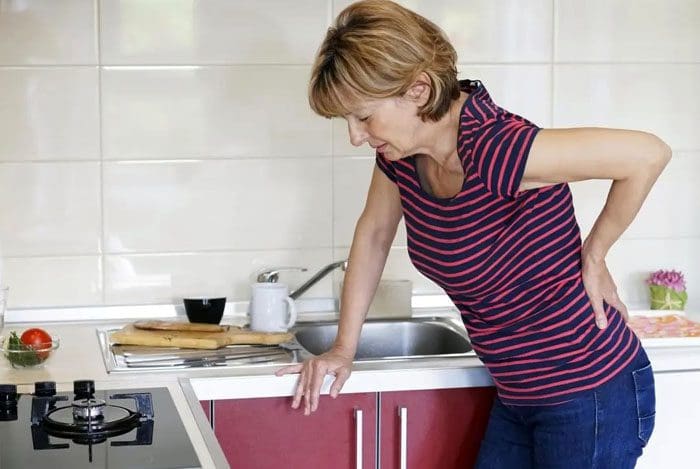
It is estimated that every adult will experience some form of back pain at least once in their lives. There’s a difference between mechanical and inflammatory back pain. With inflammatory back pain, movement tends to help it, while resting worsens the pain. For some individuals, relief from inflammatory back pain is something they could have to manage for some time. Fortunately, there are effective management and relief options available.
Inflammatory vs. Mechanical Pain
Chronic back pain has two major causes. These are Mechanical and Inflammatory. They have slightly different characteristics when presenting. Chiropractors know what to look for to tell the difference between the two. Then a decision can be made on how to proceed with treatment or management.
Inflammatory
Pain caused by inflammation can be described as:
Not having a known definite cause.
Characterized by stiffness, especially after waking up.
Pain reduces with movement, activity, stretching, exercise.
Is worst during the early hours of the morning.
Is often accompanied by pain in the buttocks/sciatica symptoms.
Mechanical
Mechanical pain can be described as:
Pain that becomes worse with activity, stretching, or exercise.
Pain reduces with rest.
There is no stiffness after sleeping.
This pain is not constant but can become intense/severe for short periods.
Pain in the buttocks/sciatica symptoms do not present.
Inflammatory and Non-Inflammatory
Non-inflammatory is the same as mechanical pain. Mechanical/non-inflammatory back pain has causation related to the mechanics of the back and can result from injury or trauma. The cause of non-inflammatory pain does not necessarily present right away. For example, poor posture that leads to back pain is a mechanical/non-inflammatory cause. However, non-inflammatory back pain can be accompanied by inflammation as a natural reaction to injury. But this inflammation is not the cause of the pain. Non-inflammatory back pain can be treated effectively with conservative treatments. This includes:
Chiropractic adjusting
Physical therapy
Spinal decompression
Contributing Autoimmune Diseases
When inflammation is the cause of pain, it is considered inflammatory pain. Autoimmune disease/s can cause the body to attack different areas of the body mistakenly. Chronic pain can be caused by autoimmune diseases that include:
Rheumatoid Arthritis
Arthritis causes the immune system to attack the joints throughout the body.
Ankylosing Spondylitis
This is a rare type of arthritis that affects the spine. It is found more in men and usually begins in early adulthood.
Multiple Sclerosis
This is a disease where the immune system attacks nerve fibers and can lead to back pain.
Psoriatic Arthritis
This type of arthritis is characterized by patches of psoriasis along with joint pain and inflammation.
Inflammatory Pain Treatment
Individuals that think they might have inflammatory back pain should consult a doctor, spine specialist, and/or chiropractor. A general practitioner can misdiagnose inflammatory back pain as mechanical back pain. Many find relief from taking non-steroidal anti-inflammatory drugs or NSAIDs and following an exercise/physical activity regimen. However, sometimes this is not enough. This is where chiropractic treatment and physical therapy comes in.
Chiropractic and Physical Therapy
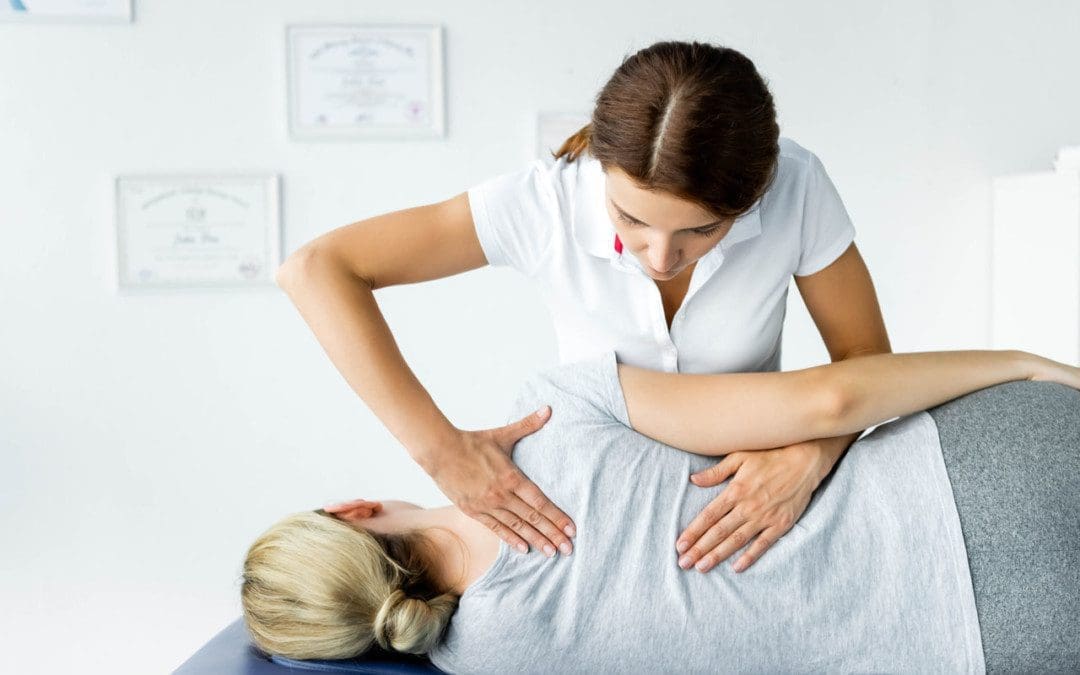
These medical professions complement each other well and can be beneficial as a part of an overall treatment plan. A chiropractor, with the help of a physical therapist, can bring significant relief. Management techniques involve:
Chiropractic adjustments
Flexion-distraction
Posture correction
Personalized exercises
Inflammation Night Pain
Inflammatory back pain tends to worsen at night. What happens is the inflammatory markers settle down when the body is not moving. A few simple practices can help you get better sleep.
Stretch Before Bed and When Waking
Performing stretches before going to bed and after waking up helps keep the body limber.
Inspect Pillows and Mattress
Sleeping with the spine out of alignment could exacerbate the problem. Using a too-soft mattress or a too-large pillow could be contributing to the pain. Sleeping on the side is recommended to use a pillow between the legs to keep the low back straight.
Exercises
Some exercises should be discussed with your doctor. Individuals have found that exercise and stretching are essential for relief.
Cardio
These exercises increase heart rate, boost mood, and release natural pain killers. Low-impact cardio exercises:
Swimming
Walking
Cycling
Strength-Building
Strengthening the core muscles will help maintain posture and spine support. Some of these include yoga poses:
Sustainable and easy to follow three basic elements: following the diet, physical activity, and high levels of socializing. For individuals that want to change their diet and lifestyle to the Mediterranean, try the following:
Add more vegetables to meals. This can be salads, stews, and pizzas. Kidney beans, lentils, and peas are common Mediterranean staples.
Switch to whole grains as well as products made from whole grain flour. The high fiber content can improve heart health and can help lower blood pressure. Minimize refined carbohydrates like white bread and breakfast cereals.
Balance rich desserts with fresh fruits like oranges and bananas that can include antioxidant fruits like blueberries and pomegranates.
Treat meat as a side dish instead of the main course. Adding strips of chicken or beef into a vegetable saute/soup.
Balance meat dishes with fish and seafood. This includes sardines, salmon, clams, and oysters.
Go vegetarian for one day a week.
Cut out processed meats with high levels of preservatives.
Add healthy fats like avocados, sunflower seeds, nuts, and peanuts to meals.
Cornelson, Stacey M et al. “Chiropractic Care in the Management of Inactive Ankylosing Spondylitis: A Case Series.” Journal of chiropractic medicine vol. 16,4 (2017): 300-307. doi:10.1016/j.jcm.2017.10.002
Dahlhamer, James et al. “Prevalence of Chronic Pain and High-Impact Chronic Pain Among Adults – the United States, 2016.” MMWR. Morbidity and mortality weekly report vol. 67,36 1001-1006. 14 Sep. 2018, doi:10.15585/mmwr.mm6736a2
Riksman, Janine S et al. “Delineating inflammatory and mechanical sub-types of low back pain: a pilot survey of fifty low back pain patients in a chiropractic setting.” Chiropractic & manual therapies vol. 19,1 5. 7 Feb. 2011, doi:10.1186/2045-709X-19-5
Santilli, Valter et al. “Chiropractic manipulation in the treatment of acute back pain and sciatica with disc protrusion: a randomized, double-blind clinical trial of active and simulated spinal manipulations.” The spine journal: official journal of the North American Spine Society vol. 6,2 (2006): 131-7. doi:10.1016/j.spinee.2005.08.001
Teodorczyk-Injeyan, Julita A et al. “Nonspecific Low Back Pain: Inflammatory Profiles of Patients With Acute and Chronic Pain.” The Clinical journal of pain vol. 35,10 (2019): 818-825. doi:10.1097/AJP.0000000000000745
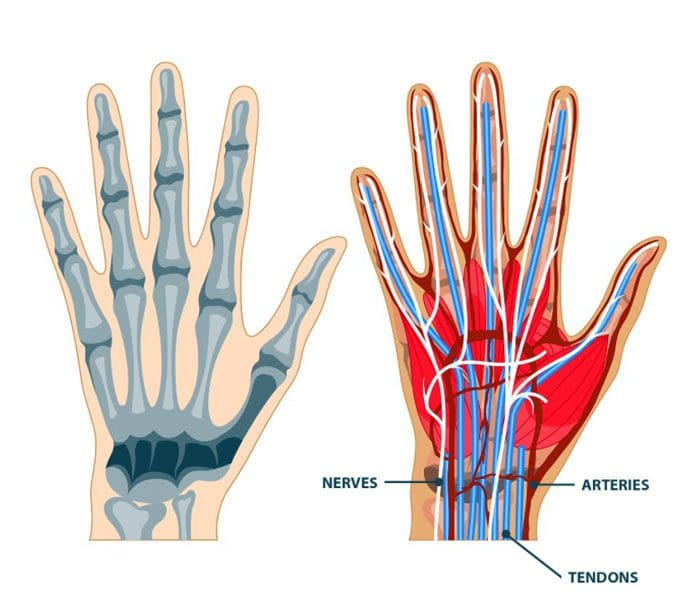
The hands are a magnificent piece of work. Its intricate design and functional form follow the hand. However, any injury to the underlying structures of the hand can overlap with other injuries/conditions. Even the smallest hand injuries require a proper medical examination. The objective is a quick and accurate initial evaluation along with treatment. Early treatment is done quickly to minimize short and long-term effects.
Anatomy
The hand consists of 27 bones that include 8 bones in the wrist. If the associated structures:
Nerves
Arteries
Veins
Muscles
Tendons
Ligaments
Joint cartilage
Fingernails
Get injured or damaged in some way; there is increased potential for various injuries.
Causes
The most common cause of injury/s is blunt trauma, followed by injury from a sharp object. Hand injuries are divided into categories:
Symptoms vary depending on the type of injury, how the injury occurred/mechanism, the depth, severity, and location. Common symptoms:
Lacerations
Tenderness
Pain
Bleeding
Numbness
Decreased range of motion
Difficulty moving
Weakness
Pale appearance
Fractures and Dislocations
Swelling
Discoloration
Tenderness
Deformity
Reduced range of motion
Numbness
Weakness
Bleeding
Soft Tissue Injuries and Amputations
Swelling
Discoloration
Tenderness
Deformity with or without tissue loss/bone loss
Bleeding
Weakness
Numbness
Infection
Tenderness
Swelling
Warmth/Heat around the area
Redness
Deformity
Reduced range of motion
Fever is rare in hand infections
Burns
Redness
Tenderness
Blistering
Complete numbness
Discoloration
Loss of tissue
The texture of the skin change
Areas of tissue blackened
Deformity
High-pressure Injection Injury
Pain
Swelling
Bleeding
Skin discoloration
Muscle, tendon, ligament tears
Cracked/Broken bones
Medical Care
Anyone with a hand injury is recommended to call a doctor or seek medical attention. When medical attention is delayed, the possibility of worsening or creating further injuries increases. Even the smallest cut or what looks like a minor injury could require advanced treatment to prevent infection or loss of function. Any cut or laceration that requires stitches to repair should also have a medical evaluation to make sure the musculoskeletal system of the hands is functioning properly. Injuries causing the following symptoms require emergency medical attention at an emergency clinic.
Severe bleeding
Severe pain
Numbness
Loss of motion
Loss of strength
Deformity
Signs of infection – tenderness, warmth/heat, redness, swelling, pus, or fever
Exposure of structures – tendons, bones, joints, arteries, veins, or nerves
Diagnosis
A medical examination can include a medical history and physical examination.
Medical History
Past medical history
Does the patient have diabetes or arthritis?
Is the patient right or left-handed?
Occupation
Extracurricular activities and hobbies
How does the patient use their hands?
How did the injury occur, mechanism of injury?
Does the patient smoke?
Physical Exam
Visual inspection look at the injury
Sensory nerve exam feeling
Vascular exam circulation of blood supply
Muscular and tendon exam movement and strength
Bone exam broken bones or dislocated joints
Tests
A doctor will order X-rays after the history and physical exam if necessary. Certain injuries will require imaging to identify fractures/dislocations or to rule out foreign bodies. Many types of injuries can lead to compartment syndrome. Compartment syndrome is a condition in which there is swelling and an increase in pressure within a limited space or a compartment that presses on and compromises blood vessels, nerves, and/or tendons that run through that particular area. Once the immediate injury is addressed, a personalized treatment plan can be developed .to rehabilitate the hand/s to optimal function quickly
Body Composition
Artificial Sweeteners And Muscle Gain
Artificial sweeteners don’t individuals that are trying to build lean body mass. The body needs carbs after a workout for replenishing the depleted glycogen stores. Many commercially prepared protein supplements are made with artificial sweeteners that don’t provide an adequate source of carbohydrates. If an individual consumes only protein made with sugar substitutes after a workout, they are missing essential components of post-workout recovery. A study found that supplementing with carbohydrates before and during strength training can increase performance, compared to participants that were taking the artificial sweeteners saccharin and aspartame. To properly refuel after a workout, remove the artificially sweetened protein powders and replace them with a snack packed with protein and high-quality carbohydrates. These include:
Greek yogurt
Fruit with nuts or nut butter
Hummus with whole-grain crackers
Tuna
Hard-boiled eggs
References
Banting, Joshua, and Tony Meriano. “Hand Injuries.” Journal of special operations medicine: a peer-reviewed journal for SOF medical professionals vol. 17,4 (2017): 93-96.
Fuhrer, Reto et al. “Tipps und Tricks in der Behandlung offener Handverletzungen in der Notfallpraxis” [Treatment of acute injuries of the hand]. Therapeutische Umschau. Revue therapeutique vol. 77,5 (2020): 199-206. doi:10.1024/0040-5930/a001177
Harrison, BP, and M W Hilliard. “Emergency department evaluation and treatment of hand injuries.” Emergency medicine clinics of North America vol. 17,4 (1999): 793-822, v. doi:10.1016/s0733-8627(05)70098-5
MedscapeReference.com. High-Pressure Hand Injury.
MedscapeReference.com. Soft Tissue Hand Injury Differential Diagnoses.
Siotos, C et al. “Hand injuries in low- and middle-income countries: a systematic review of existing literature and call for greater attention.” Public health vol. 162 (2018): 135-146. doi:10.1016/j.puhe.2018.05.016
IFM's Find A Practitioner tool is the largest referral network in Functional Medicine, created to help patients locate Functional Medicine practitioners anywhere in the world. IFM Certified Practitioners are listed first in the search results, given their extensive education in Functional Medicine