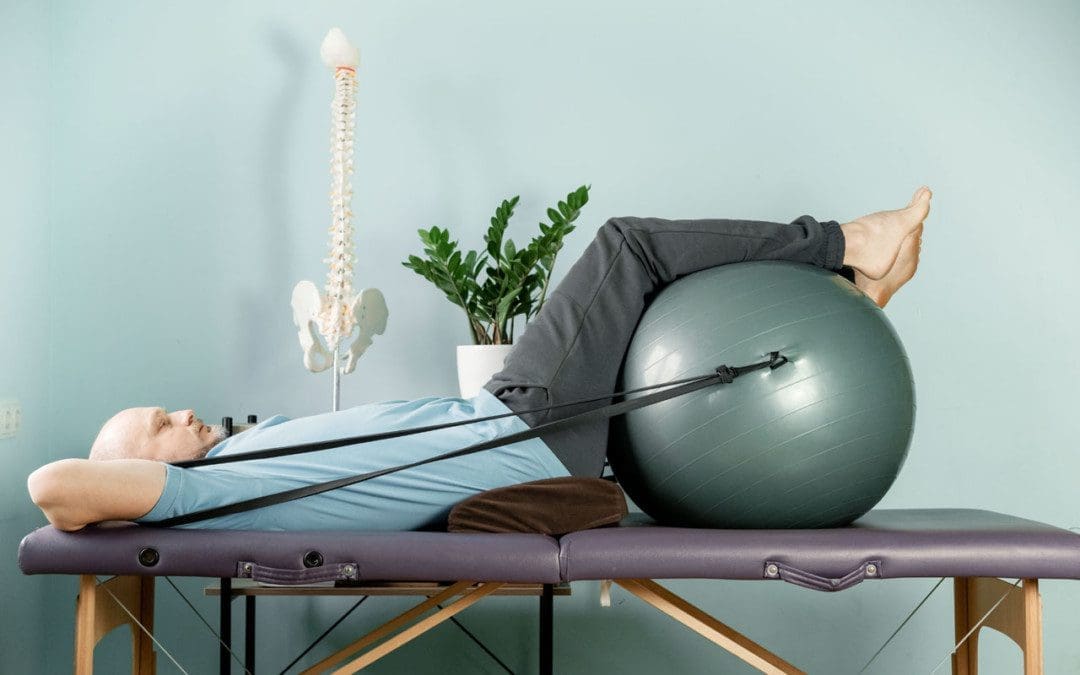
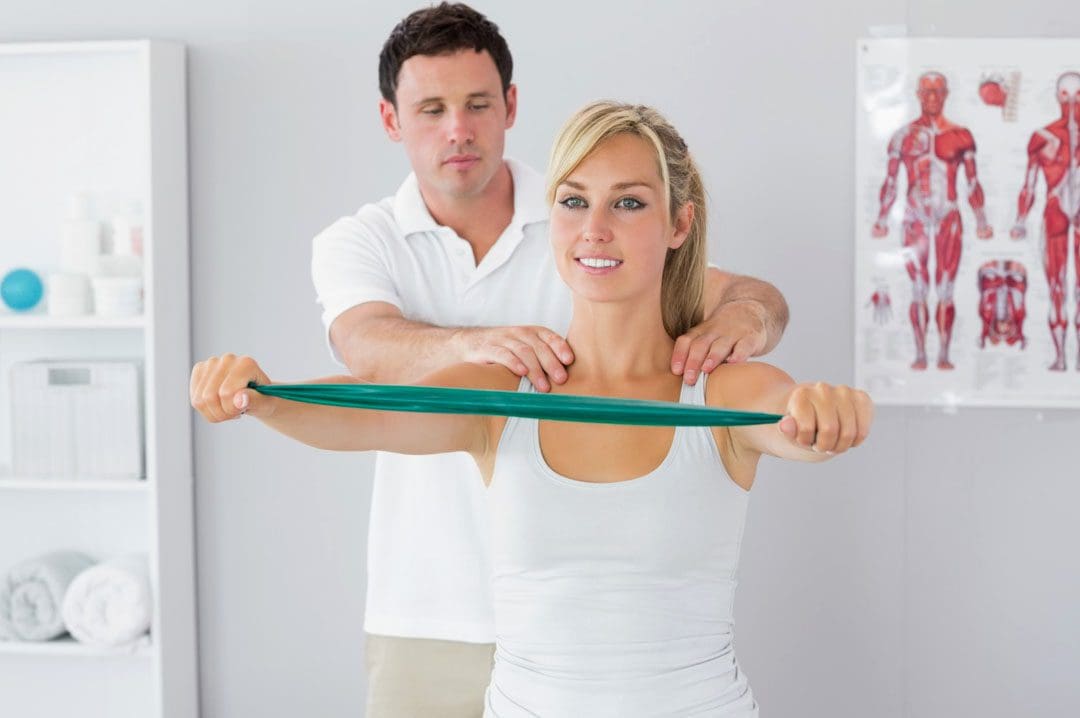
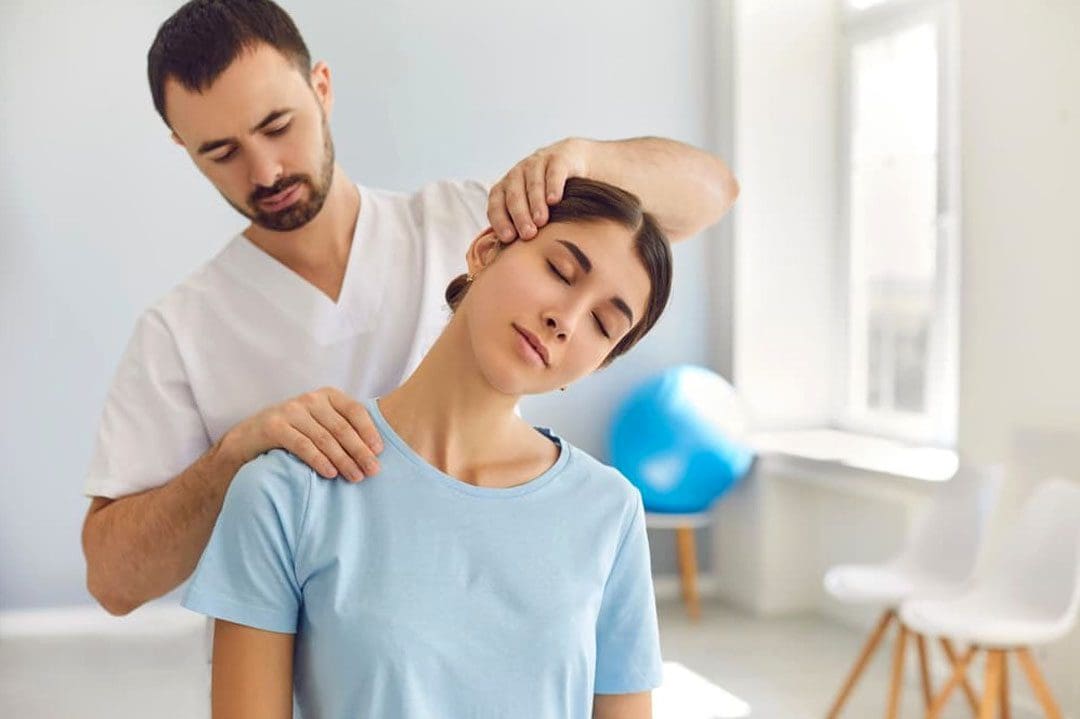
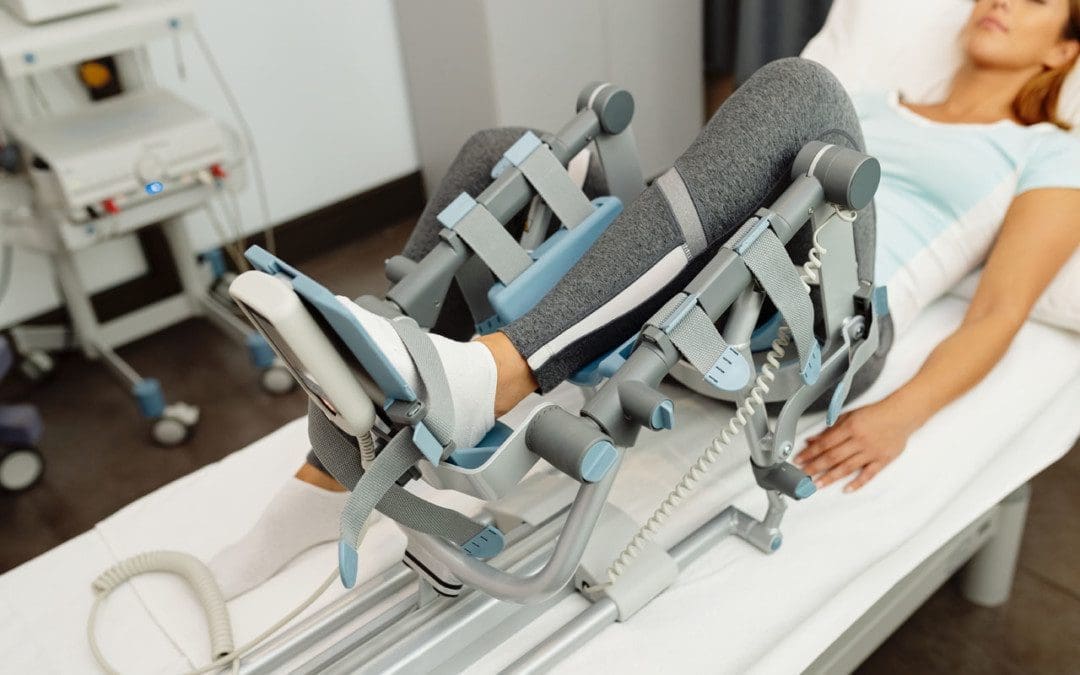
Resistance band exercises can be very useful for injury rehabilitation. As a part of a chiropractic neuromusculoskeletal treatment plan, personalized rehabilitation exercises using resistance bands can be prescribed to strengthen targeted areas of the body that require retraining due to an injury or condition. Resistance band training can effectively rehabilitate neck, shoulder, back, leg, knee, and ankle conditions and offer several advantages, from improving strength and posture to increasing mobility and improving joint health.
Resistance Bands
Resistance bands are rehabilitation and exercise equipment that provide consistent resistance throughout a specific exercise. They are rubberized bands or elastic cables that can be color-coded (different brands may vary in color progressions) to signify the amount of resistance they provide. These bands are great for all types of injuries to the joints or muscles and have been found to be effective in the following types:
Weakened neck muscles from injury.
Shoulder dislocation
Tennis elbow
Hip bursitis
Knee injuries
IT band syndrome
Ankle sprains
Improve flexibility for arthritis.
The body does need time to heal before engaging in exercise, especially after major muscle, ligament, or tendon tears. A chiropractor or physical therapist will inform the patient when they can begin. However, some areas can be worked out three days after an injury.
Benefits
Resistance bands can isolate strength training and stretching to specific muscles affected by surgery or a non-surgical injury/condition in chiropractic and physical therapy. They can help in the following:
Increased circulation.
Increased range of motion and flexibility.
Increased muscular strength.
Improved posture.
Increased joint stability.
Improved balance.
Added benefits:
They are small, lightweight, and portable making them perfect for those that travel frequently.
They are simple to use.
They are cost-effective.
They provide a whole-body workout.
They come in different resistance levels to progress gradually.
Safe for every fitness level.
Exercises
Exercises with bands can be used in standing, sitting, or lying down positions. Some may consist of movements with resistance coming from body weight. Other activities may require additional resistance. Lunges are an example of a simple exercise to help rehabilitate certain back conditions.
Injury Stages
Strength and resistance training is essential for healing from neuromusculoskeletal injuries and overall health.
Early/Acute Stage
This stage entails light, gentle exercising that will allow damaged tissues to begin healing with simple movements to get circulation moving through the areas.
This gradually increases the weight on the injured bone, ligament, or muscle so the tissue can develop the ability to withstand strains from daily activities.
Late/Functional Stage
This is the final step, in which the tissues are stressed through functional exercises to be fit enough to return to work, sports, and activities.
Exercises For Lower Back
References
Lee, Jae-Kwang, and Jae-Hong Lee. “Effect of the lumbar stabilization exercise on the height difference between shoulders and range of motion in older adults.” Journal of physical therapy science vol. 35,1 (2023): 46-50. doi:10.1589/jpts.35.46
Mikesky, A E et al. “Efficacy of a home-based training program for older adults using elastic tubing.” European journal of applied physiology and occupational physiology vol. 69,4 (1994): 316-20. doi:10.1007/BF00392037
Seguin, Rachel C et al. “The Efficacy of Upper-Extremity Elastic Resistance Training on Shoulder Strength and Performance: A Systematic Review.” Sports (Basel, Switzerland) vol. 10,2 24. 14 Feb. 2022, doi:10.3390/sports10020024
Seo, Myong-Won et al. “Effects of 16 Weeks of Resistance Training on Muscle Quality and Muscle Growth Factors in Older Adult Women with Sarcopenia: A Randomized Controlled Trial.” International journal of environmental research and public health vol. 18,13 6762. 23 Jun. 2021, doi:10.3390/ijerph18136762
Yamamoto, Yutaro, et al. “Effects of resistance training using elastic bands on muscle strength with or without a leucine supplement for 48 weeks in elderly patients with type 2 diabetes.” Endocrine journal vol. 68,3 (2021): 291-298. doi:10.1507/endocrj.EJ20-0550
Medication overuse headaches – MOH comes from frequent or excessive use of pain-relieving medications, resulting in daily or near-daily headaches for which the drugs become less and less effective. They are also known as rebound headaches, medication misuse, or drug-induced headaches. It is a common disorder, with around one out of every 100 individuals experiencing these headaches yearly. They can be disabling, causing individuals to be less productive. Injury Medical Chiropractic and Functional Medicine Clinic can assess, diagnose, and manage headaches naturally with massage, adjustments, and decompression.
Medication Overuse Headaches
The same medications that relieve headache pain can trigger headaches if used too often, triggering an unhealthy cycle. Diagnosis of medication overuse headaches means an individual must experience headaches more than 15 days a month for at least three months while taking pain-relieving and/or antimigraine meds and cannot find other cause/s for their headaches. It is more common in women and individuals with headache disorders, chronic pain conditions, and individuals dealing with depression and anxiety.
Symptoms
Symptoms can vary depending on the type of headache being treated and the medicine used. Common symptoms include:
They occur every day or nearly every day.
They usually start when waking up.
They improve with the medication but then return as it wears off.
Headache can feel like a dull, tension-type headache or more severe, like a migraine.
Other symptoms can include:
Sleep problems
Restlessness
Difficulty concentrating
Memory problems
Constipation
Irritability
Neck discomfort and pain symptoms
Weakness
Nasal stuffiness and/or Runny nose
Light sensitivity
Teary eyes
Sound sensitivity
Nausea
Vomiting
Medicines
Doctors and medical experts don’t know the exact reasons/causes why these headaches occur, and the risk varies depending on the medication. But most medicines have the potential to lead to overuse headaches, including:
Simple Pain Relievers
Common pain relievers like aspirin and acetaminophen like Tylenol can contribute to the condition. This is especially true if taking more than the recommended dosages.
Other pain relievers like ibuprofen – Advil, Motrin IB, and naproxen sodium – Aleve has shown to have a low risk of contributing to overuse headaches.
Combination Pain Relievers
Pain relievers that can be purchased at a store that combines caffeine, aspirin, and acetaminophen – Excedrin has been found to contribute to the condition.
This group also includes combination prescription medicines that contain butalbital – Butapap, and Lanorinal. Drugs that contain butalbital have a high risk of causing medication overuse headaches.
Migraine Medicines
Various migraine medicines have been linked with the condition. They include triptans – Imitrex, Zomig, and certain headache meds known as ergots, such as ergotamine – Ergomar. These medicines have a moderate risk of causing headaches.
The ergot dihydroergotamine – Migranal, Trudhesa have a lower risk of causing headaches.
A newer group of migraine medicines known as gepants appear not to cause headaches. Gepants include ubrogepant – Ubrelvy and rimegepant – Nurtec ODT.
Opioids
Opium-derived meds or synthetic compounds have a high risk of causing medication overuse headaches. They include combinations of codeine and acetaminophen.
Prevention and Chiropractic
The following steps can help prevent headaches:
Follow the label instructions of the medications and the instructions of the doctor.
Limit any headache medications taken as needed to relieve head pain to no more than two to three days a week.
Consult with a doctor if there is a need to take medications more than two days a week.
Contact a doctor if headaches present more than four days a month which could require headache-preventive medication.
Control and avoid anything that triggers headaches, like stress, dehydration, hunger, certain foods and drinks, and unhealthy sleep.
Chiropractic
Our team utilizes a personalized and combined treatment approach, including understanding the triggers. The team will work to understand each individual’s situation. A treatment plan can consist of the following:
Therapeutic massage to relax and release tight muscles and increase circulation.
Spinal manipulation and adjustments to realign the body, improve function and alleviate the stress on the nervous system.
Non-surgical spinal decompression.
Health Coaching
Nutritional recommendations
Posture retraining, work postures, ergonomics, targeted stretches/exercises, and relaxation techniques.
Chiropractic and Brain Health
References
Alstadhaug, Karl B et al. “Preventing and treating medication overuse headache.” Pain reports vol. 2,4 e612. 26 Jul. 2017, doi:10.1097/PR9.0000000000000612
Bryans, Roland, et al. “Evidence-based guidelines for the chiropractic treatment of adults with headache.” Journal of manipulative and physiological therapeutics vol. 34,5 (2011): 274-89. doi:10.1016/j.jmpt.2011.04.008
Diener, Hans-Christoph, et al. “Pathophysiology, prevention, and treatment of medication overuse headache.” The Lancet. Neurology vol. 18,9 (2019): 891-902. doi:10.1016/S1474-4422(19)30146-2
Kulkarni, Girish Baburao, et al. “Medication Overuse Headache.” Neurology India vol. 69, Supplement (2021): S76-S82. doi:10.4103/0028-3886.315981
Negro, Andrea, and Paolo Martelletti. “Gepants for the treatment of migraine.” Expert opinion on investigational drugs vol. 28,6 (2019): 555-567. doi:10.1080/13543784.2019.1618830
Athletes, pros, semi-pros, weekend warriors, fitness enthusiasts, and physically active and healthy individuals can feel cheated when they suffer an injury. Sports injury recovery involves rest, physical therapy, chiropractic realignment, and rehabilitation. However, it can be all for naught if the individual doesn’t recover mentally and emotionally. Coping with the stress of an injury, being sidelined and moving beyond the negative, and focusing more on positive strategies is important and requires physical and psychological toughness.
Coping With Sports Injuries
Incorporating sports psychology techniques is importantas individuals can experience injury-related emotions like anxiety, sadness, frustration, anger, denial, isolation, and depression. Dealing with an injury and using the off time to reflect and gain new perspectives allows the athlete to improve their objectives by being more focused, flexible, and resilient.
Strategies That Can Help
Understand The Injury
Knowing the cause, treatment, and prevention of the specific injury results in deeper understanding and less fear or anxiety. Talking with a doctor, sports chiropractor, trainer, coach, and psychological therapist can help individuals learn what they need to do to recover quickly and optimally. A few things to consider the following include:
Getting a second opinion is recommended, especially if surgery is being advised.
Focus On Recovering
Instead of focusing on being unable to play, losing strength, relearning movements, and the length of time it may take, accepting that the body is injured and needs to be repaired to return to play is more beneficial. Taking responsibility for the recovery process generates positive outcomes and builds confidence.
Stay Committed
Getting discouraged and missing therapy sessions is expected, especially at the beginning when unable to perform, and pain symptoms are presenting. To get the most out of rehabilitation, stay focused on what needs to be done, not what’s being missed.
To expedite healing, stay committed, and maintain a positive attitude to overcoming the injury.
Apply the same mindset and motivation as you would when practicing the game to the treatment and therapy sessions.
Listen to what the doctor, chiropractor, therapist, and athletic trainer recommend, just as you would a coach.
Set small goals to build momentum and maintain balance, with the end goal of fully recovering and returning to the game.
Self-talk is important to reflect on progress, setbacks, new perspective on the game, and what you want to achieve.
Strengthen the Mind
Research shows that the healing process can happen faster by using mental techniques like imagery and self-hypnosis. These techniques use all senses to generate mental images, emotions, and sensations of the desired outcome. They are used for improving sports skills and techniques, game anxieties, and injury recovery.
Support
A common response after an injury is self-isolating from the team, coaches, family, and friends. However, maintaining contact with others during recovery is highly recommended as all these individuals are there when you need advice, to vent feelings, or to raise your spirits when feeling discouraged. Knowing you don’t have to face the injury alone can push you to keep going.
Alternate Fitness
Individuals going through injury treatment will undoubtedly go through physical strengthening, stretching, etc. But depending on the type of injury, individuals can modify their sports training or add safe and gentle alternate forms of exercise to maintain conditioning and strength for their sport. This can encourage recovery, as the individual is still participating and working to return to play. Talk with the doctor, chiropractor, trainer, or therapist to help create an alternative workout program around the specific sport.
With a proper diagnosis and treatment plan, taking rehabilitation and recovery slow, setting realistic goals, and maintaining a positive mindset, coping with injuries can be a successful learning journey.
Unlocking Pain Relief
References
Clement, Damien, et al. “Psychosocial responses during different phases of sport-injury rehabilitation: a qualitative study.” Journal of athletic training vol. 50,1 (2015): 95-104. doi:10.4085/1062-6050-49.3.52
Johnson, Karissa L, et al. “Exploring the Relationship Between Mental Toughness and Self-Compassion in the Context of Sports Injury.” Journal of sport rehabilitation vol. 32,3 256-264. 1 Dec. 2022, doi:10.1123/jsr.2022-0100
Leguizamo, Federico et al. “Personality, Coping Strategies, and Mental Health in High-Performance Athletes During Confinement Derived From the COVID-19 Pandemic.” Frontiers in public health vol. 8 561198. 8 Jan. 2021, doi:10.3389/fpubh.2020.561198
Rice, Simon M et al. “The Mental Health of Elite Athletes: A Narrative Systematic Review.” Sports medicine (Auckland, N.Z.) vol. 46,9 (2016): 1333-53. doi:10.1007/s40279-016-0492-2
Smith, A M et al. “The psychological effects of sports injuries. Coping.” Sports medicine (Auckland, N.Z.) vol. 9,6 (1990): 352-69. doi:10.2165/00007256-199009060-00004
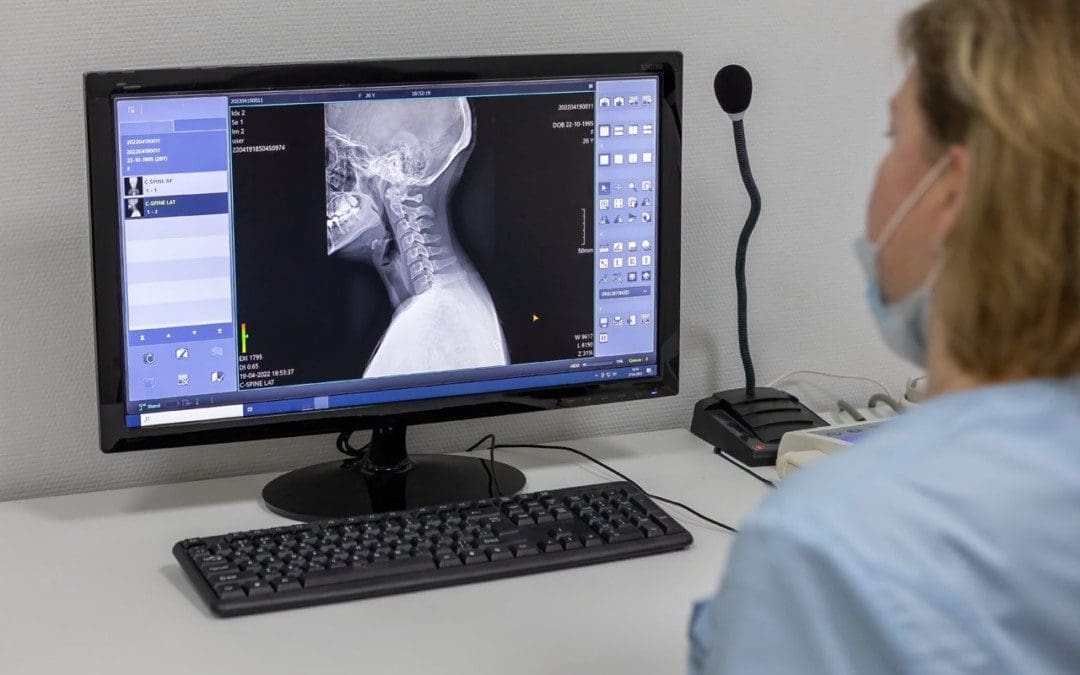
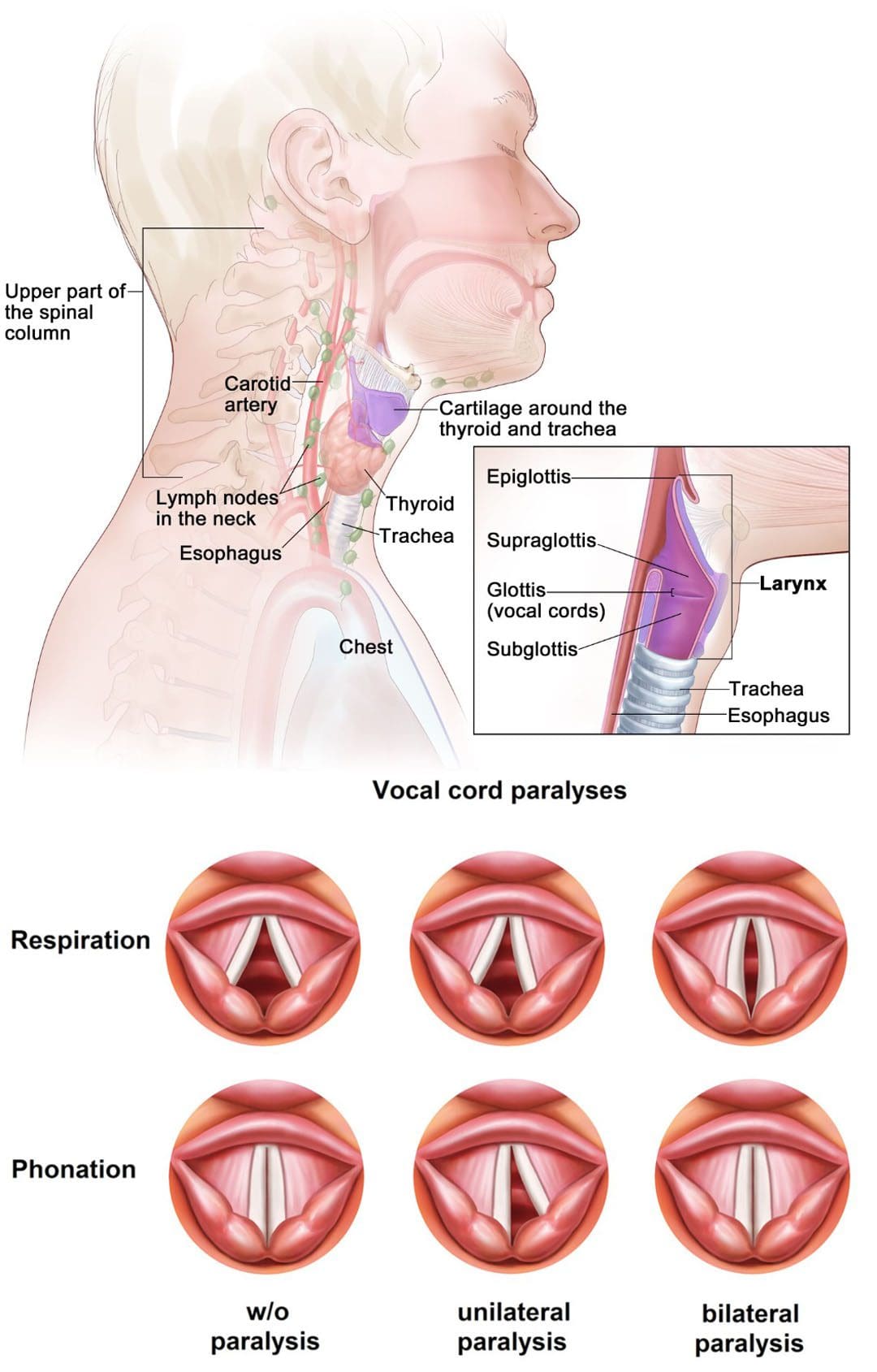
Automobile collisions, work, sports, and personal accidents can cause neck injuries that can affect other areas, leading to long-term health problems. Neck injuries involving soft tissue damage frequently persist after the incident. One of the injuries includes vocal cord damage caused by impact to the larynx. The larynx, or voicebox, is an organ that is behind the Adam’s apple. A neck injury impacting the larynx can affect the ability to speak and breathe and cause vocal cord paralysis. Treatment can involve surgery, voice therapy, physical therapy, and chiropractic.
Vocal Cord Injury
The vocal cords are two flexible bands of muscle tissue at the entrance of the trachea. The vocal cords are normally in a relaxed open position to allow breathing. When talking, the bands combine and vibrate to make a sound. Surgery, viral infections, certain cancers, and neck trauma can cause vocal cord paralysis. In this condition, nerve damage blocks or inhibits impulses from transmitting to the voice box. The muscles, usually one of them, become paralyzed, preventing swallowing and ingesting saliva through the windpipe/trachea. In rare cases, both muscles are unable to move.
Trauma to the neck or chest can injure the voice box nerves.
Infections
Infections like Lyme disease, Epstein-Barr virus, and herpes can cause inflammation and nerve damage.
Tumors
Tumors, cancerous and noncancerous, can grow inside or around the muscles, cartilage, and nerves.
Neurological
Neurological conditions like multiple sclerosis or Parkinson’s disease can lead to vocal cord paralysis.
Surgical Injury
Surgical procedure mistakes or complications on or near the neck or upper chest can result in damage to the voice box nerves.
Surgeries to the thyroid or parathyroid glands, esophagus, neck, and chest have an increased risk.
Stroke
A stroke chokes blood flow to the brain and can damage the region of the brain that transmits messages to the voice box.
Treatment
Treatment is determined by a doctor based on the individual medical condition and diagnostic tests. Treatment can involve:
Speech Therapy
Speech therapy is recommended as the laryngeal muscles are strengthened through various exercises, improving breathing function. A speech therapist will begin working with the individual on exercises targeting the weakened vocal folds by enhancing airflow and blood circulation.
Physical Therapy and Chiropractic
Treatment involves performing gentle exercises that work on the vocal cords gradually and progressively but does not stress them. Chiropractors work with the physical therapist performing high-velocity, low-amplitude manipulation targeted at the lower neck and upper thoracic area, the C3/T1 vertebrae. A treatment plan will also use massage, non-surgical decompression, instrument/tool-assisted soft-tissue mobilization, low laser or ultrasound, and at-home stretches and exercises.
Surgery
Surgery could be necessary for individuals experiencing no improvement despite doing the prescribed speech and physical therapy exercises. Different types of procedures are based on the degree and extent of the paralysis:
Injections – Collagen and fillers are injected into the vocal cords to reposition the affected muscles closer to the larynx.
Phonosurgery – The vocal cords are repositioned through restructuring.
Tracheotomy – If the vocal folds are closing, a surgeon may make an incision in the neck at the opening of the windpipe and insert a breathing tube. This bypasses the air blockage caused by the vocal folds and promotes proper air circulation.
Cervical Spine Instability
References
Chen, Ching-Chang, et al. “Long-term result of vocal cord paralysis after anterior cervical discectomy.” The European spine journal: official publication of the European Spine Society, the European Spinal Deformity Society, and the European Section of the Cervical Spine Research Society vol. 23,3 (2014): 622-6. doi:10.1007/s00586-013-3084-y
Dankbaar JW, et al. Vocal cord paralysis: Anatomy, imaging, and pathology. Insights in Imaging. 2014; doi:10.1007/s13244-014-0364-y.
Fitzpatrick, P C, and R H Miller. “Vocal cord paralysis.” The Journal of the Louisiana State Medical Society: official organ of the Louisiana State Medical Society vol. 150,8 (1998): 340-3.
Kriskovich, M D et al. “Vocal fold paralysis after anterior cervical spine surgery: incidence, mechanism, and prevention of injury.” The Laryngoscope vol. 110,9 (2000): 1467-73. doi:10.1097/00005537-200009000-00011
Vocal fold paralysis. National Institute on Deafness and Other Communication Disorders. https://www.nidcd.nih.gov/health/vocal-fold-paralysis. Accessed May 18, 2022.
Vocal fold paralysis. American Speech-Language-Hearing Association. https://www.asha.org/public/speech/disorders/Vocal-Fold-Paralysis. Accessed May 18, 2022.
Waddell, Roger K. “Chiropractic care for a patient with spasmodic dysphonia associated with cervical spine trauma.” Journal of chiropractic medicine vol. 4,1 (2005): 19-24. doi:10.1016/S0899-3467(07)60108-6
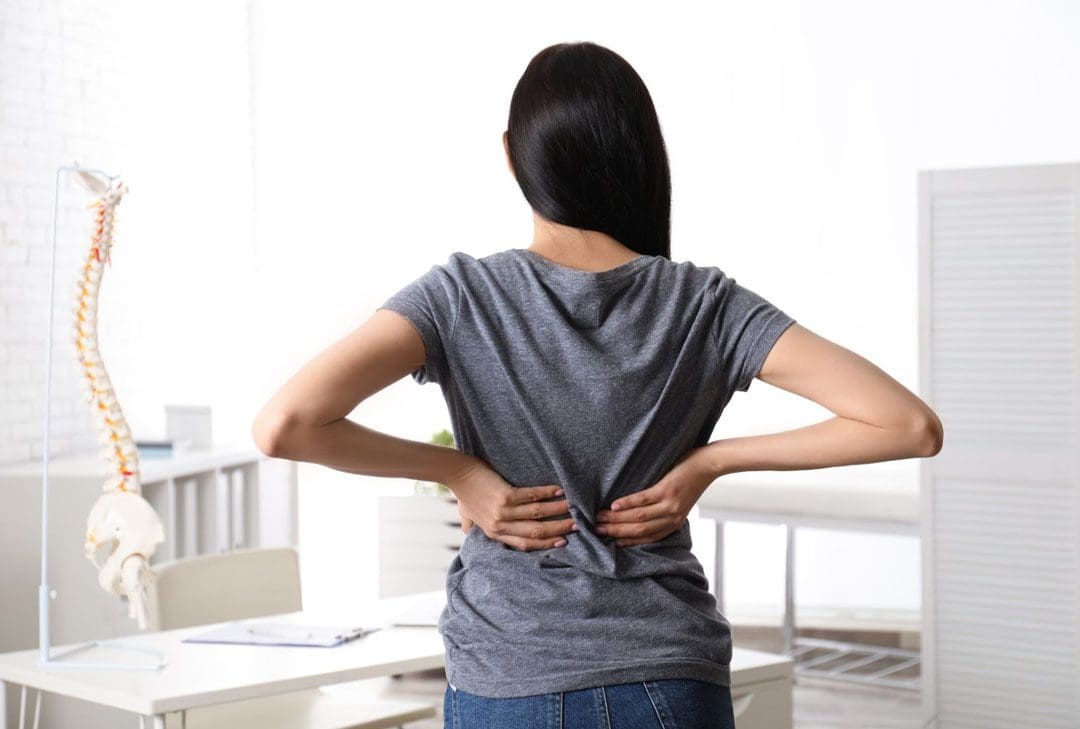
Prolonged standing can cause the pelvis to push backward, increasing the curve of the lower back/lumbar region. This increased pressure on the soft tissues surrounding the spine causes the lower back muscles to tighten and/or spasm, resulting in discomfort in the joints and nerves. Weakened core muscles and unhealthy posture/postural syndrome are the most common causes, but injury, aging, congenital malformations, or a disease/condition can also contribute to the symptoms. Injury Medical Chiropractic and Functional Medicine Clinic has a top team of professional therapists to evaluate the problem, diagnose the cause/s accurately, and develop a customized treatment and rehabilitation plan.
Prolonged Standing Back Discomfort
Back Structure
The lower back is one of the most used areas of the spine, moving around and bending during a normal day. When the body stands, the spine naturally curves both in and outwards.
The inward curve, called lordosis, curves towards the front of the body at the lower back and neck regions.
The outward curve, called kyphosis, curves towards the back of the body at the chest.
When bending over while standing, the five lumbar vertebrae of the lower back change position and shift from lordosis to kyphosis when bent completely.
When standing up from bending, the lumbar vertebrae change position again and return to the lordosis position.
Causes
The facet joints allow movement between each spine level. The standing spinal curvature can increase contact between the facet joints. As the body ages, the facet joints and discs begin to wear out, which can cause the discs and facet joints to become inflamed. Prolonged standing during normal daily activity combined with inflammation in these joints can aggravate the inflammation and cause symptoms. Regular routines and habits may contribute to low back discomfort during prolonged standing. These include:
Sleeping on a sinking or unsupportive mattress.
Practicing unhealthy postures that cause imbalances with proper weight distribution.
Not wearing proper footwear and/or supportive orthotics forces the lower spine into increased curvature and can compress the facet joints.
Not getting enough physical activity that strengthens the core.
Chiropractors are experts on the musculoskeletal system. They will:
Listen to the patient about symptoms, medical history, and occupation.
A physical examination of muscle tone, strength, and range of motion.
Therapeutic massage, electric muscle stimulation, and ultrasound therapy can help reduce muscle inflammation and increase circulation to injured soft tissues.
Chiropractic adjustments will reset joints, removing pressure from the surrounding muscles and nerves.
Targeted therapeutic strength training is recommended for core and leg muscles to improve hip flexibility.
Non-surgical decompression or traction, either with a machine or suspension, can reverse the pressure in spinal discs.
Standing Lower Back Relief Exercises
References
Hasegawa, Tetsuya, et al. “Association of low back load with low back pain during static standing.” PloS one vol. 13,12 e0208877. 18 Dec. 2018, doi:10.1371/journal.pone.0208877
Jo, Hoon, et al. “Negative Impacts of Prolonged Standing at Work on Musculoskeletal Symptoms and Physical Fatigue: The Fifth Korean Working Conditions Survey.” Yonsei medical journal vol. 62,6 (2021): 510-519. doi:10.3349/ymj.2021.62.6.510
Ognibene GT, Torres W, von Eyben R, Horst KC. Impact of a sit-stand workstation on chronic low back pain: randomized trial results. J Occup Environ Med. 2016;58(3):287-293. Abstract. https://www.ncbi.nlm.nih.gov/pubmed/26735316. Accessed March 2, 2017.
Parry, Sharon P et al. “Workplace interventions for increasing standing or walking for decreasing musculoskeletal symptoms in sedentary workers.” The Cochrane database of systematic reviews vol. 2019,11 CD012487. November 17, 2019, doi:10.1002/14651858.CD012487.pub2
Rodríguez-Romero, Beatriz, et al. “Thirty Minutes Identified as the Threshold for Development of Pain in Low Back and Feet Regions, and Predictors of Pain Intensity During 1-h Laboratory-Based Standing in Office Workers.” International journal of environmental research and public health vol. 19,4 2221. February 16, 2022, doi:10.3390/ijerph19042221
Smith, Michelle D et al. “The Influence of Using a Footstool during a Prolonged Standing Task on Low Back Pain in Office Workers.” International journal of environmental research and public health vol. 16,8 1405. April 18. 2019, doi:10.3390/ijerph16081405
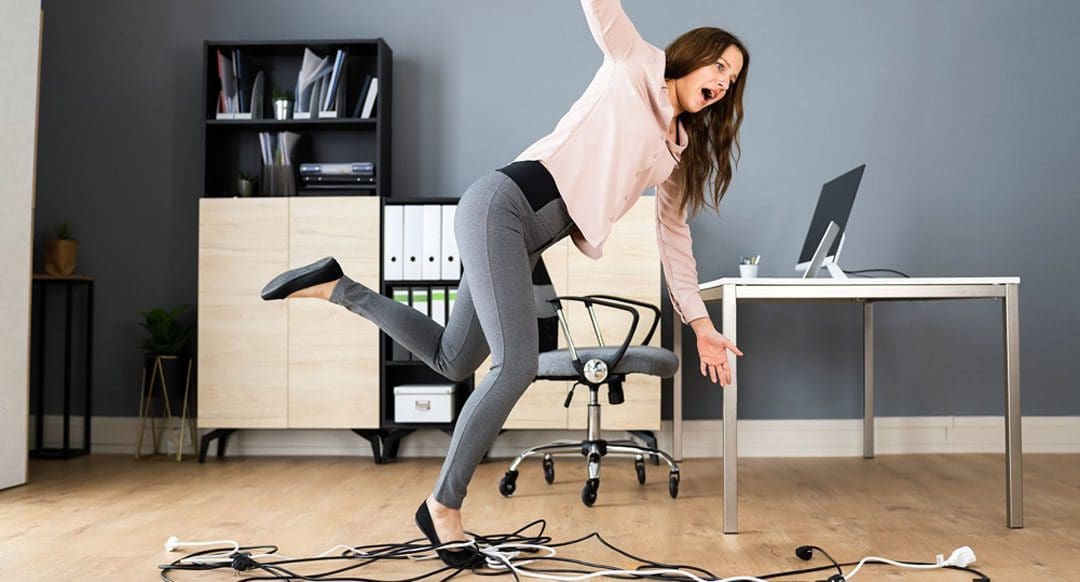
Slip and fall accidents are among the most common causes of workplace/job injuries and can happen anywhere. Work areas can have all kinds of slipping or tripping hazards, including uneven or cracked floors, equipment, furniture, cords, wet floors, and clutter from debris. Individuals involved in a slip-and-fall accident can sustain injuries that vary in severity. The key is to see a doctor or chiropractor immediately to document the slipping and falling injuries and develop a personalized treatment and rehabilitation plan. Injury Medical Chiropractic and Functional Medicine Clinic can help.
The type of injury and degree of severity depends on physical and biological factors present during the slipping and falling. These include:
Physical Condition
An individual’s age, size, gender, and health can influence the type of injury sustained.
Height and Location of the Fall
Slipping, tripping, stumbling, or tumbling injuries could be minimal to severe, depending on the force, height, and location.
Surface Impact
The acceleration during the fall and how the body impacts the surface play an important role in the severity of the injury.
Body Position
Protective reflexes, such as outstretched arms, to break the fall or whether or not the body hit the ground directly determine the injury and to what extent.
Symptoms
Muscle pain and tension are the most common symptoms after slipping and falling.
The muscle fibers overstretch, causing inflammation and swelling to develop.
The pain can often start immediately after or a few days later, known as delayed injury symptoms.
If the nerves sustain injury or irritation, they begin to swell, and the body responds to protect the damaged areas.
The contact inflammation and irritation can cause tightness and spasms.
Continuing ongoing discomfort and pain.
Stomach discomfort and pain.
Significant bruising.
Limitations in movement.
Chiropractic Treatment
Chiropractors are experts in slip-and-fall injuries and will use adjustments and various therapy protocols to realign the body and restore function. The objective is to relieve symptoms, rehabilitate the injured area/s, and regain mobility. Physical therapy and strength-building exercises under a specialist’s supervision and at home are implemented to get back the use of the injured body part.
Inflammation
References
Li, Jie, et al. “Slip and Fall Incidents at Work: A Visual Analytics Analysis of the Research Domain.” International journal of environmental research and public health vol. 16,24 4972. 6 Dec. 2019, doi:10.3390/ijerph16244972
Pant, Puspa Raj et al. “Home-related and work-related injuries in Makwanpur district, Nepal: a household survey.” Injury prevention: journal of the International Society for Child and Adolescent Injury Prevention vol. 27,5 (2021): 450-455. doi:10.1136/injuryprev-2020-043986
Shigemura, Tomonori, et al. “Characteristics of stepladder fall injuries: a retrospective study.” European journal of trauma and emergency surgery: official publication of the European Trauma Society vol. 47,6 (2021): 1867-1871. doi:10.1007/s00068-020-01339-8
Smith, Caroline K, and Jena Williams. “Work-related injuries in Washington State’s Trucking Industry, by industry sector and occupation.” Accident; analysis and prevention vol. 65 (2014): 63-71. doi:10.1016/j.aap.2013.12.012
Son, Hyung Min, et al. “Occupational fall injuries presenting to the emergency department.” Emergency medicine Australasia: EMA vol. 26,2 (2014): 188-93. doi:10.1111/1742-6723.12166
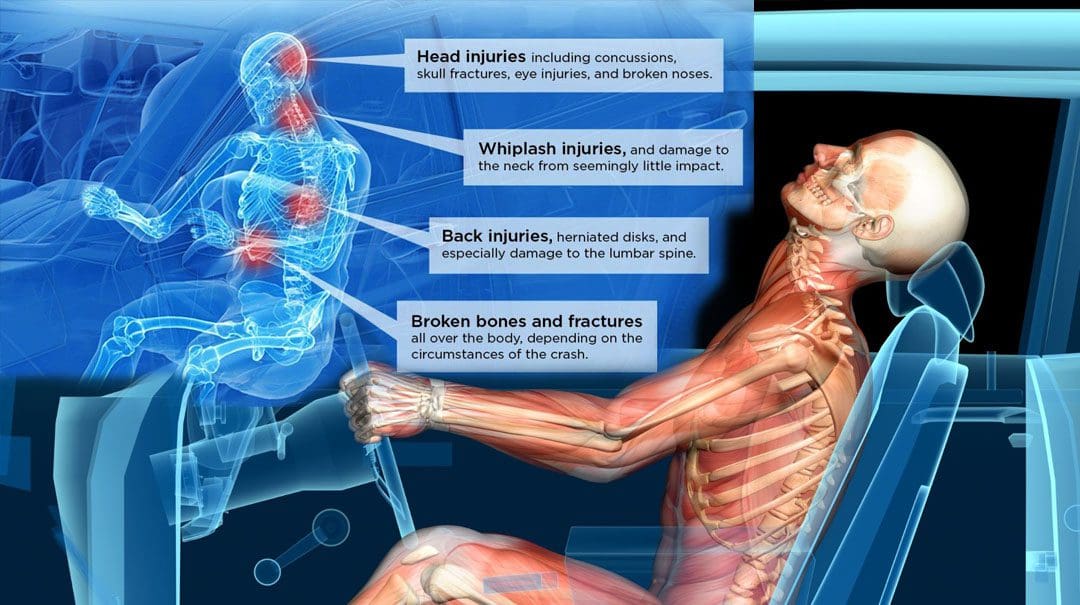
The NHTSA records show that rear-end collisions are the most common and make up 30% of all traffic accidents, crashes, and collisions. Rear-end collisions can come out of nowhere. One moment a driver is waiting at a stop or light, and suddenly they are catapulted forward by the intense force of another vehicle/s resulting in serious and sustaining injuries that can impact an individual’s physical capabilities. Rear-end collision injuries most commonly affect the neck and back. This is because of the excessive force and intense shifting and whipping the body goes through. Chiropractic care, massage, and decompression therapy can realign the body, relax the muscles, release compressed nerves, expedite recovery, and restore mobility and function.
Rear-End Collision Injuries
Rear-end collision injuries can range from mild to serious, and what seems like a minor pull can result in a severe injury. The most common injuries include:
Pre-existing conditions such as degenerative disc disease can worsen.
Collision Types
A rear-end collision can occur in several ways. The most common types include:
Tailgating
When drivers in the rear follow another motorist too closely, and the lead motorist slows down or has to stop quickly, the rear driver hits the vehicle because there was not enough adequate time and distance to stop.
Slow Speed Collisions
Slow-speed/low-impact collisions or fender benders can result in spinal injuries and concussions.
They can also lead to facial and head injuries from sudden airbag deployment.
Vehicle Pile-Ups
A single rear-end collision on a busy street or interstate highway can cause a chain reaction of multiple-vehicle collisions.
These accidents can cause devastating injuries.
Causes
Causes that can take attention away from the road include:
Speeding
Distracted driving – Talking or texting.
Tailgating
Looking at something like an accident while driving by.
Symptoms of rear-end collision injuries may not immediately present following an accident. It can take 24 to 48 hours for discomfort symptoms to come on and sometimes longer. The adrenaline rush allows the individual not to experience the physical symptoms, which is why individuals think they’re fine when they are not. Ignoring signs increases the risk of permanent injury. A herniated disc, for example, left untreated, can lead to permanent nerve damage. Chiropractic treatment for rear-end collisions is one of the most effective options available. A chiropractor manipulates the spine to realign the spinal cord, allowing the body to decrease inflammatory cytokine production, which reduces the inflammatory response. Specific techniques and various tools can realign individual vertebrae, restore joint flexibility, and break up the scar tissue so the areas can heal faster.
The Spine In A Rear-End Auto Accident
References
Chen, Feng, et al. “Investigation on the Injury Severity of Drivers in Rear-End Collisions Between Cars Using a Random Parameters Bivariate Ordered Probit Model.” International journal of environmental research and public health vol. 16,14 2632. 23 Jul. 2019, doi:10.3390/ijerph16142632
Davis, C G. “Rear-end impacts: vehicle and occupant response.” Journal of manipulative and physiological therapeutics vol. 21,9 (1998): 629-39.
Dies, Stephen, and J Walter Strapp. “Chiropractic treatment of patients in motor vehicle accidents: a statistical analysis.” The Journal of the Canadian Chiropractic Association vol. 36,3 (1992): 139–145.
Garmoe, W. “Rear-end collisions.” Archives of physical medicine and rehabilitation vol. 79,8 (1998): 1024-5. doi:10.1016/s0003-9993(98)90106-x
IFM's Find A Practitioner tool is the largest referral network in Functional Medicine, created to help patients locate Functional Medicine practitioners anywhere in the world. IFM Certified Practitioners are listed first in the search results, given their extensive education in Functional Medicine