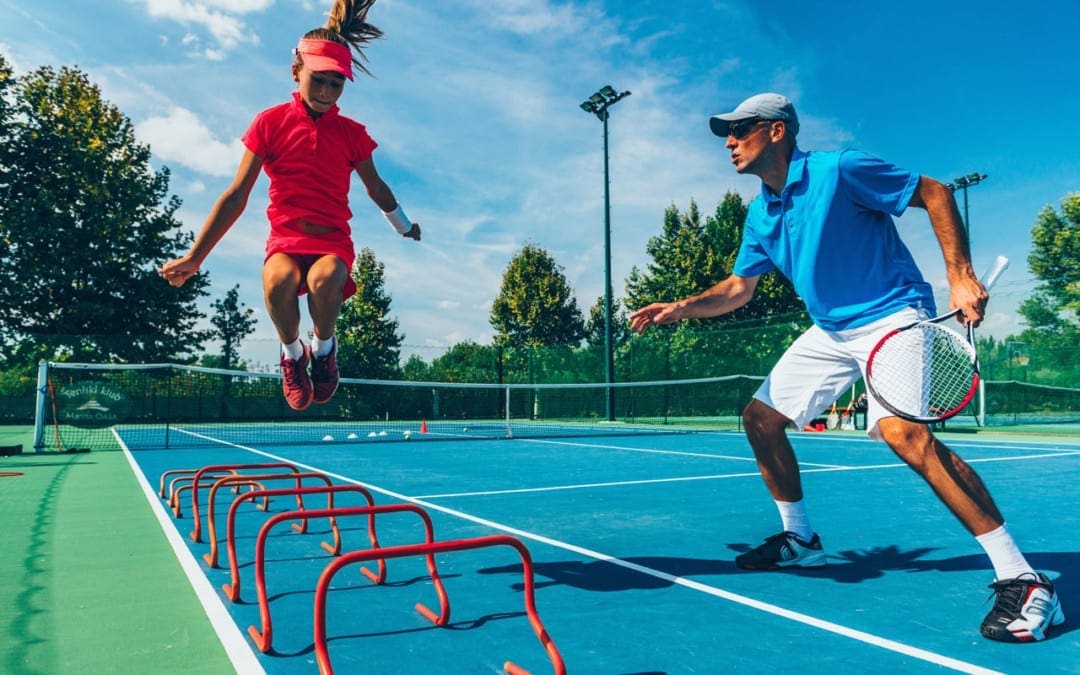
Tennis requires strength, power, and endurance. Can combining tennis weight training into a player’s fitness regimen that is broken up into phases achieve optimal results?
Tennis Weight Training
In professional sports that utilize weight lifting, the training is often broken up into seasonal phases. (Daniel S Lorenz, Michael P Reiman, John C Walker. 2010) Each phase consists of specific objectives that contribute to and build upon the previous phase. This is known as periodization. Tennis is played year-round indoors and outdoors. This is an example of a tennis weight training program to build up strength.
Pre-Season
In the early pre-season, players prepare to rebuild their strength after a break.
The emphasis is on building functional strength and some muscle.
Late Pre-Season
In late pre-season, players workout to get ready for the start of the season.
Here, the emphasis is on building maximum power.
In Season
In season, regular practice, play, and competition get underway and players are in top condition.
In this phase, strength and power maintenance is the focus.
Season Break
This is when players need to relax for a while.
However, players need to keep active if they want to maintain some level of fitness.
The emphasis is on rest and recovery with the maintenance of light activity, like cross-training and light gym workouts.
Research has shown that taking a break from serious strength training does help the body recover and rebuild. (Daniel Lorenz, Scot Morrison. 2015)
This is a three-phase all-around program.
The first phase concentrates on building basic strength and muscle
The second phase on power delivery.
Players who play year-round can continue with the power program once they build the basics.
Players who take a break for longer than six weeks should start again with the strength program.
Pre-Season – Phase One
Strength and Muscle
The focus is on lifting heavy weights, but not going full force to begin training the nervous system to work with the muscle fibers.
Some muscle building or hypertrophy/building muscle size will happen during strength development.
Strength is the foundation for the power development phase.
Exercises:
Duration: 6-8 weeks
Workout Days: 2-3, with at least one day, however, two are recommended between sessions.
Reps: 8-10
Sets: 2-4
Rest between sets: 1-2 minutes
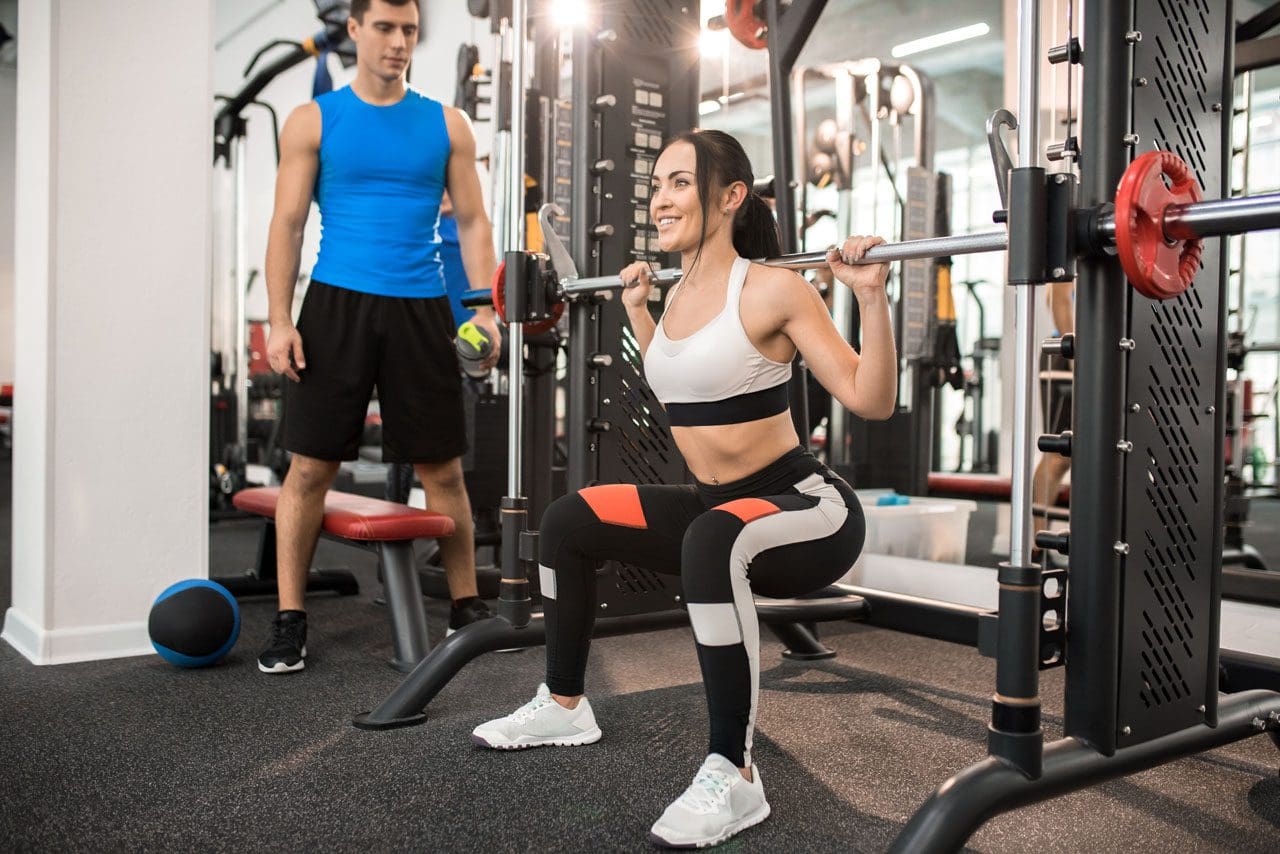
Barbell squat, dumbbell squat, or sled hack squat
Romanian deadlift
Dumbbell bent-over row
Dumbbell triceps extension or machine pushdown
Cable wood chop
Lat pulldown to the front with a wide grip
Reverse crunch
Things to Remember
Use the Proper Weight
Adjust the weight so that the last reps are heavy but don’t cause a complete failure.
Balance the Lower Half
The posterior chain of the hips, the gluteals/buttocks, the upper legs, and the abdominals are of equal importance and require equal attention. (Eline Md De Ridder, et al., 2013)
Squats and deadlifts build strength and power in this region.
Follow Proper Form
For upper body exercises like the dumbbell press, lat pulldown, and wood chops the proper form needs to be followed.
Keep the forearms in a vertical plane with the upper arms.
Do not extend excessively at the bottom of the movement.
Remember to protect the vulnerable shoulder joint.
Listen to The Body
Strength training is physically and mentally challenging.
Individuals who are not able to recover from a session with only one rest day are recommended to move the program to two sessions per week.
Muscle soreness or delayed onset muscle soreness – DOMS – is normal, however, joint pain is not.
Monitor arm and shoulder reactions during this phase.
Stop if any joint pain or discomfort is felt.
Late Pre-Season – In-Season – Phase Two
Power
Power is the ability to move the heaviest loads in the shortest time and is the combination of strength and speed. In this phase, the player builds on the strength developed in phase one with tennis weight training that will increase the ability to move a load at high velocity.
Power training requires lifting weights at high velocity and with explosiveness.
The body needs to rest adequately between repetitions and sets so that each movement is done as fast as possible.
The number of sets can be less than phase one because there is no point in training at this level when the body is fatigued.
Exercises
Duration: Ongoing
Days per week: 2
Reps: 8 to 10
Sets: 2-4
Rest between repetitions: 10 to 15 seconds
Rest between sets: at least 1 minute or until recovered
Barbell or dumbbell hang clean
Cable push-pull
Cable wood chop
One arm cable raises
Medicine ball push press
Medicine ball standing twist with a partner or alone – 6×15 repetitions fast and recover between sets.
Reminders When Preparing For the Season
Recovery Time
In power training, it’s important that the body has relatively recovered for each repetition and set so that the individual can maximize the movement.
The weights should not be as heavy and the rest periods sufficient.
Push When Possible
Rest is important, at the same time, the player needs to push through reasonably heavy loads to develop power against significant resistance.
When doing medicine ball twists, do a full set at maximum, then sufficiently rest before the next one.
If doing the medicine ball exercises alone, use a lighter ball and keep the ball in your hands while twisting.
In Season – Phase Three
When the season begins training does not stop in order to help maintain strength and power.
Strength and Power Maintenance
Alternate phase one and phase two for a total of two sessions each week.
Every fifth week, skip weight training to achieve optimal recovery.
Key Points
Things to keep in mind during the season.
Avoid Overscheduling
Avoid strength training on the same day when practicing on the court.
If the weight training has to be both on the same day, try to separate the workouts into morning and afternoon sessions.
Plan Time
Rest completely from strength training one week out of every six.
Light gym work is fine.
During the season, use intuition when it comes to working out at the gym.
Individuals with limited time, stick to court skills training instead of tennis weight training.
Off Season
If there is an off-season, this is the time for emotional and physical decompression and full-body recovery.
For several weeks, forget about weight training and do other things.
Stay fit and active with cross-training or other physical activities but keep it light to prevent injuries.
It is recommended to consult a coach, trainer, sports chiropractor, and/or physical therapist to develop a program specific to an individual’s needs, fitness goals, and access to resources.
Spine Injuries In Sports
References
Lorenz, D. S., Reiman, M. P., & Walker, J. C. (2010). Periodization: current review and suggested implementation for athletic rehabilitation. Sports health, 2(6), 509–518. https://doi.org/10.1177/1941738110375910
Lorenz, D., & Morrison, S. (2015). CURRENT CONCEPTS IN PERIODIZATION OF STRENGTH AND CONDITIONING FOR THE SPORTS PHYSICAL THERAPIST. International journal of sports physical therapy, 10(6), 734–747.
De Ridder, E. M., Van Oosterwijck, J. O., Vleeming, A., Vanderstraeten, G. G., & Danneels, L. A. (2013). Posterior muscle chain activity during various extension exercises: an observational study. BMC musculoskeletal disorders, 14, 204. https://doi.org/10.1186/1471-2474-14-204
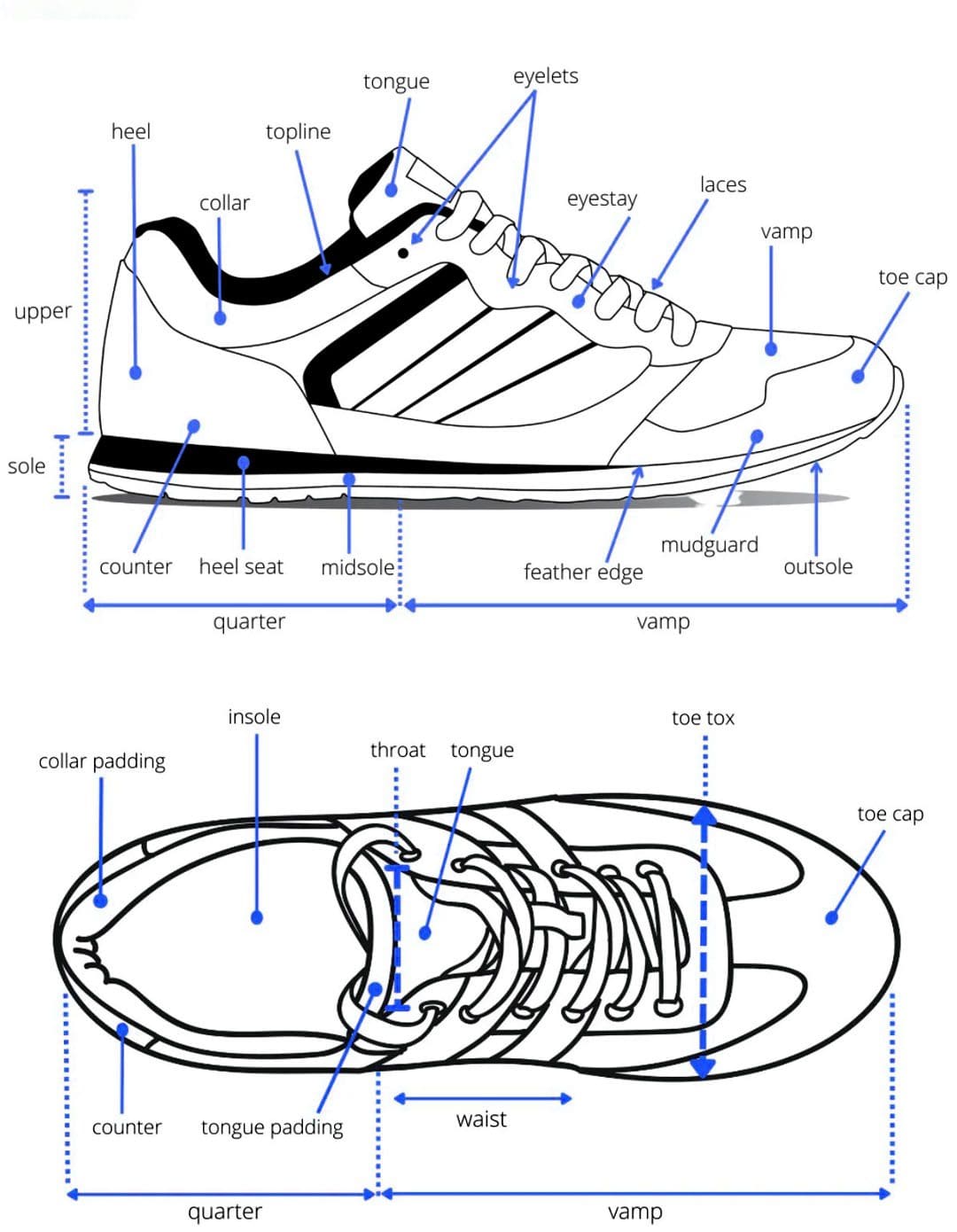
Individuals on their feet all day regularly experience back problems and discomfort symptoms. Wearing unstable shoes that are flat with no arch support with little or no shock absorption or the wrong type of shoe for gait can cause biomechanical issues that can cause back discomfort and lead to chronic back pain. Athletic running shoes are recommended for lower back pain because they are well-cushioned and designed to help absorb the impact of walking or running. They also have proper arch and ankle support to maintain foot position for correct posture. What to look for in running shoes to help relieve back pain and keep the back injury free?
Athletic Running Shoes
Shoes that don’t have enough cushioning can cause inflammation in the back muscles from the lack of impact absorption. The best athletic running shoes for back pain relief are stiff, supportive, and well-cushioned. When selecting shoes for back pain, the most important factors to consider are:
Stiffness of the sole.
Quality support and cushioning.
Proper and comfortable fit.
Shoe Type
Athletic running shoes are available in various types of support for all foot types.
Consider foot structure and gait when selecting shoes.
Flat and high-arched feet can cause muscle imbalances, which increase pressure on the back, hips, legs, knees, ankles, and feet.
The grooves and patterns increase friction and provide grip to the person while walking or running.
Durability
Wearing worn-out shoes with inadequate cushioning and shock absorption can increase the risk of back problems.
Depending on the uses, shoes can wear out in three months or less.
It is important to replace shoes when the cushioning wears out.
Look for high-quality material that doesn’t wear down quickly.
Improve Whole-Body Wellness
References
Anderson, Jennifer, et al. “A narrative review of musculoskeletal problems of the lower extremity and back associated with the interface between occupational tasks, feet, footwear, and flooring.” Musculoskeletal care vol. 15,4 (2017): 304-315. doi:10.1002/msc.1174
American Podiatric Medical Association. Which Running Shoe is Right for You?
Hong, Wei-Hsien, et al. “Effect of shoe heel height and total-contact insert on muscle loading and foot stability while walking.” Foot & ankle international vol. 34,2 (2013): 273-81. doi:10.1177/1071100712465817
National Institute of Arthritis and Musculoskeletal and Skin Diseases. Back Pain: Diagnosis, Treatment, and Steps to Take.
National Institute of Neurological Disorders and Stroke. Low Back Pain Fact Sheet.
Table tennis is a sport that individuals of all ages and abilities can play. The small scale and reduced movement make it more accessible. It has become more physical, with professional players making fitness an important part of their training. However, at all levels, it offers moderate-intensity activity, which is good for the heart, mind, and body. Recreational table tennis has been found to increase concentration, stimulate brain function, help develop tactical thinking skills and hand-eye coordination, and provide aerobic exercise and social interaction.
Table Tennis
The setup and rules are similar to tennis and can be played solo or in doubles. The skills needed to develop are learning to hit and control the ball consistently. Table tennis can be complex, with various shots, spins, and styles, but the foundational skills required include:
Proper Footwork
Although the body does not move that far, footwork is essential with the quick movements that are made in a short period.
Basic footwork techniques include fast dynamic movement, balance, and weight distribution.
Serving
Basic serving is necessary to get the point going.
Different stroke styles can be used, but forehand and backhand strokes are the most common.
Learning how the body activates and responds to the swing, the point of contact and the follow-through of each stroke is essential to get the most out of each stroke.
Speed and Agility
Table tennis is a fast-twitch muscle sport that utilizes quick bursts of energy and explosive strength.
Coaches and players use a combination of hybrid, high-intensity, and functional training to condition the body.
High-intensity interval training incorporates explosive movements, like squat jumps, to activate the muscles and the anaerobic threshold.
Hand-eye coordination
Playing improves hand-eye coordination skills and stimulates mental alertness and concentration.
This is great for sharpening overall reflexes.
Health Benefits
Table tennis offers several health benefits that include:
It is a social sport that provides a fun way to spend time with family and friends.
The overall risk for injury is low.
Easy on the muscles and joints.
Increases energy.
Improves balance.
Improves reflexes.
Burns calories.
Keeps the brain sharp.
Relieves stress.
Table Tennis
References
Biernat, Elżbieta, et al. “Eye on the Ball: Table Tennis as a Pro-Health Form of Leisure-Time Physical Activity.” International journal of environmental research and public health vol. 15,4 738. 12 Apr. 2018, doi:10.3390/ijerph15040738
Picabea, Jon Mikel, et al. “Physical Fitness Profiling of National Category Table Tennis Players: Implication for Health and Performance.” International journal of environmental research and public health vol. 18,17 9362. 4 Sep. 2021, doi:10.3390/ijerph18179362
Pilis, Karol, et al. “Body composition and nutrition of female athletes.” Roczniki Panstwowego Zakladu Higieny vol. 70,3 (2019): 243-251. doi:10.32394/rpzh.2019.0074
Zagatto, Alessandro Moura, et al. “Energetic demand and physical conditioning of table tennis players. A study review.” Journal of sports sciences vol. 36,7 (2018): 724-731. doi:10.1080/02640414.2017.1335957
Zhu, Ke, and Lina Xu. “Analysis on the Influence of Table Tennis Elective Course on College Students’ Health.” Journal of healthcare engineering vol. 2022 8392683. 17 Jan. 2022, doi:10.1155/2022/8392683
Tennis is a sport that can be enjoyed by individuals of all ages and provides optimal physical activity and cardiovascular exercise. Although it can be leisurely, it does require being light on the feet with quick, starting, stopping, turning, and twisting movements for those new to playing tennis. If back pain is present, playing can be difficult. One study showed almost 40% of tennis players missed one or more tournaments because of low back pain/problems. A 2016 study found that tennis players with low back pain have difficulty moving their muscles with ease.
Know and Understand the Risks
Playing tennis has its risks when it comes to back pain. What can bring on or worsen back pain are the repetitive motions, like swinging, serving, volleying, and the uneven force placed on the body. This force is the power and momentum that is used for certain swings like serving and forehands. What happens is it does not evenly distribute through the body, increasing the potential to cause strains and sprains. For example, the serving motion repeatedly puts a hyperextension force through the spine. The result is overuse injuries.
Preparation
No one wants to injure their back for those new to tennis and those who have been playing for years. This is where off-court conditioning comes in and preventive measures. This includes:
Don’t play for too long when starting or multiple days in a row
Gradually increase the frequency and intensity
Focus on the fundamental skills rather than trying to blast the ball like the pros.
Trying to smash the ball too soon can result in a rotator cuff injury.
Stay Aware of Your Body
Playing tennis can cause an individual to become distracted; however, it’s crucial to be mindful of the body and what’s going on.
Pay attention to the heat.
Humidity
Proper rest between games
Hydration to prevent muscle cramping
Stretching before and after playing
Warming up and cooling down
Take a break and stretch out if pain symptoms present.
Never play through the pain that could result in worsening or creating new injuries.
Pay attention to proper form.
Apply modifications to prevent and avoid worsened back pain. This could be serving more simply or hitting around a stroke that generates pain symptoms.
Cooling Down
After a match, rehydrate the body and cool down. This could be a little walking around the court, if possible getting in a pool or water splash park, and let the musculoskeletal system recover. Do some spinal exercises afterward, like yoga poses. Applying anti-inflammatory creams or gels can help keep the muscles loose and promote circulation. Anti-inflammatory foods can help with pain and inflammation.
Spinal Conditions
There are individuals with spinal conditions that should not play tennis. These include:
Acute disc herniation
Active bone injury/s – fractures and stress fractures
Spinal instability – spondylolisthesis
Post-spine surgery
A spinal condition involving nerves and/or the spinal cord
Consult a doctor before adding tennis to a physical regimen. Tennis is an aerobic activity that has several benefits. It keeps the body physically active for mental and physical wellness. The hormones released can help mitigate musculoskeletal pain and negative emotions like depression and anxiety that can come from experiencing back pain.
Body Composition
Magnesium
Magnesium supports a healthy immune system. It helps maintain:
Aids muscle relaxation after exercise/physical activity
Magnesium is essential in several biochemical reactions; a slight deficiency can increase cardiovascular disease risk. Deficiency can also lead to an increased risk of insulin resistance. Magnesium-rich foods are also high fiber foods. Dietary fiber helps with:
Digestion
Helps control weight
Reduces cholesterol
Stabilizes blood sugar
Recommended sources of Magnesium include:
Green vegetables – spinach, swiss chard, and turnip greens
Nuts – almonds and cashews
Seeds
Legumes
Cocoa
References
Clinics in Sports Medicine. (April 1988) “Low back pain in the competitive tennis player.” https://europepmc.org/article/med/2968850
Journal of Science and Medicine in Sport. (April 2016) “Trunk muscle activation, fatigue and low back pain in tennis players” https://www.sciencedirect.com/science/article/abs/pii/S1440244015000845
Jahnen-Dechent, Wilhelm, and Markus Ketteler. “Magnesium basics.” Clinical kidney journal vol. 5,Suppl 1 (2012): i3-i14. doi:10.1093/ndtplus/sfr163
Katz, David L et al. “Cocoa and chocolate in human health and disease.” Antioxidants & redox signaling vol. 15,10 (2011): 2779-811. doi:10.1089/ars.2010.3697
Wang, Jinsong, et al. “Dietary magnesium intake improves insulin resistance among non-diabetic individuals with metabolic syndrome participating in a dietary trial.” Nutrients vol. 5,10 3910-9. 27 Sep. 2013, doi:10.3390/nu5103910
Tennis is an intense sport that requires strength, agility, flexibility, stamina, endurance, and conditioning. And it’s a great way to stay in shape. However, with all of this intensity is the risk of injuries. Although they are lower compared to other sports injuries, injuries are more cumulative/repetitive based and wear and tear over time type. Tennis injuries can be painful and impair daily life. They can be treated and prevented with chiropractic medicine and strength training. Chiropractic can help the body heal quicker, and address underlying issues that led to the injury. This will help to worsen and prevent re-injury. The most common tennis injuries include…
Wrist Tendonitis
This is an injury that can happen to beginner players that don’t have a great deal of arm/wrist strength, use a racquet that is too heavy, and begin developing an improper form to compensate. But it can also be caused by repetitive/overusing the wrist instead of the whole arm. Symptoms are chronic stiffness and pain in the area surrounding the wrist joint. Chiropractic sports massage, physical rehabilitation, and learning proper form will help alleviate the pain and prevent worsening or developing new injuries.
Tennis Elbow
Tennis elbow is a condition that is caused by inflammation of the outside muscles in the forearm and tendons. This is usually an overuse injury from all the swinging and hitting, but using the improper technique could also be a cause. Chiropractic adjustments are highly recommended instead of steroid injections and other anti-inflammatories. The adjustments and massage relieve the discomfort and pain by naturally relaxing, stretching, and strengthening the muscles and tendons.
Shoulder Rotator Cuff Tendonitis
The rotator cuff belongs to a group of tendons and muscles that surround the shoulder joint. This allows the shoulder to perform 360-degree arm circles and is what stabilizes the shoulders. Tendonitis happens when the tendons inside the rotator cuff become inflamed. The inflammation causes pain with movement, especially overhead motions decreasing the range of motion in the shoulder. This injury is often caused by serving and hitting overheads with an improper technique. Chiropractic adjusting, heat and ice therapy, and electro-muscular stimulation loosen and stretch the muscles/tendons back to their proper form.
Knee Sprains and Strains
The knee goes through a lot in sports. And tennis is no exception, much like basketball and volleyball with all the jumping, pounding, shifting, twisting,losing balance, or extending beyond the normal range of motion causes injuries that result in:
Pain
Swelling
Bruising
Loss of the ability to move
Chiropractic will help relieve that pain and relax the damaged muscles. It also speeds the healing process by addressing the underlying issues.
Ankle Sprain
An ankle sprain also known as a twisted ankle happens when the ligaments attached to the joint become over-stretched or partially tear. These sprains happen from the:
Quick start and stop movements
Changing direction rapidly
Quick sprints all around the court
Causing the ankle to roll and/or twist.
A chiropractor will realign the ankle and provide physical therapy massage to allow the ligaments to heal properly and faster. Chiropractic treatment will allow the player to return to play quicker and prevent reinjury that if not treated correctly can become chronic. Having the proper personalized treatment plan will ensure the body heals correctly, prevent misalignments, loss of functionality, and/or range of motion.
PUSH Fitness
Aerobic Training
Aerobic exercise is a cornerstone for weight loss. Having the heart rate elevated for a continuous amount of time is the key. This is how calories are burned. Research has found that individuals involved in aerobic training lose more weight overall, including more fat mass than resistance training alone. When combined, aerobic and resistance training individuals gain more fat-free mass, including lean muscle. Aerobics causes the cardiorespiratory system to adapt. Maintaining heart function and health and keeps the body’s energy metabolism system running at optimal levels. Aerobic exercise for fitness and weight loss is a key element of maintaining the body’s health.
Disclaimer
The information herein is not intended to replace a one-on-one relationship with a qualified health care professional, licensed physician, and is not medical advice. We encourage you to make your own health care decisions based on your research and partnership with a qualified health care professional. Our information scope is limited to chiropractic, musculoskeletal, physical medicines, wellness, sensitive health issues, functional medicine articles, topics, and discussions. We provide and present clinical collaboration with specialists from a wide array of disciplines. Each specialist is governed by their professional scope of practice and their jurisdiction of licensure. We use functional health & wellness protocols to treat and support care for the musculoskeletal system’s injuries or disorders. Our videos, posts, topics, subjects, and insights cover clinical matters, issues, and topics that relate to and support, directly or indirectly, our clinical scope of practice.* Our office has made a reasonable attempt to provide supportive citations and has identified the relevant research study or studies supporting our posts. We provide copies of supporting research studies available to regulatory boards and the public upon request. We understand that we cover matters that require an additional explanation of how it may assist in a particular care plan or treatment protocol; therefore, to further discuss the subject matter above, please feel free to ask Dr. Alex Jimenez or contact us at 915-850-0900.
Dr. Alex Jimenez DC, MSACP, CCST, IFMCP*, CIFM*, CTG*
email: [email protected]
phone: 915-850-0900
Licensed in Texas & New Mexico
References
Dines, Joshua S et al. “Tennis injuries: epidemiology, pathophysiology, and treatment.” The Journal of the American Academy of Orthopaedic Surgeons vol. 23,3 (2015): 181-9. doi:10.5435/JAAOS-D-13-00148
Minghelli, Beatriz, and Jéssica Cadete. “Epidemiology of musculoskeletal injuries in tennis players: risk factors.” The Journal of sports medicine and physical fitness vol. 59,12 (2019): 2045-2052. doi:10.23736/S0022-4707.19.09842-6
Stuelcken, Max et al. “Wrist Injuries in Tennis Players: A Narrative Review.” Sports medicine (Auckland, N.Z.) vol. 47,5 (2017): 857-868. doi:10.1007/s40279-016-0630-x
Willis, Leslie H et al. “Effects of aerobic and/or resistance training on body mass and fat mass in overweight or obese adults.” Journal of applied physiology (Bethesda, Md.: 1985) vol. 113,12 (2012): 1831-7. doi:10.1152/japplphysiol.01370.2011
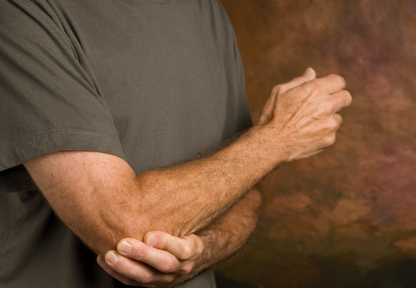
Even if you have never stepped foot onto a court before, you may end up with tennis elbow. Occurring along the muscle that allows extension of the wrist, it is a painful condition that can linger for weeks or months.
Previously, tennis elbow primarily showed up in athletes. Due to the increased interest in physical fitness, tennis elbow is being found in everyday exercisers, as well as people who perform work-related repetitive motion.
Tennis elbow presents several symptoms. Pain will occur on the outside of the elbow an inch or so down from the bony part.
There may also be pain when the individual tries to extend the hand and fingers against resistance. Extreme weakness in the wrist is another symptom.
I Have Been Diagnosed With Tennis Elbow. Now What?
Tennis elbow is often difficult to diagnose, which can delay treatment. A correct diagnosis of tennis elbow is the first step towards being able to treat the condition and rehab the afflicted area. From there, a variety of treatments for tennis elbow are available.
Passive remedies like rest, ice, and arm braces are critical components to healing tennis elbow. Take measures to reduce the movements that aggravate the pain, and use ice at regular intervals to help minimize pain and inflammation.
An arm brace supports and stabilizes the area to promote healing. These remedies assist greatly in treating the condition, especially in the beginning.
Active remedies consist of stretching and strengthening exercises, and are vital aspects of improving the condition. Individuals suffering from tennis elbow should begin an exercise regimen as soon as the pain allows.
An individual dealing with tennis elbow may utilize a variety of medicinal remedies to manage pain and inflammation. Over-the-counter pain relievers and steroid injections are commonly used to treat the condition. Following doctor’s orders when taking medications is strongly recommended.
Untraditional remedies also provide vast improvements in tennis elbow, and these treatments have gained favor in the last few years due to their effectiveness. Regimens of massage therapy and acupuncture work on small areas contributing to the condition, and make significant strides in pain reduction and promote the body’s restorative healing process.
Another remedy that offers strong benefits to treating tennis elbow is chiropractic care. A chiropractor assesses the condition, then lays out a plan to promote healing.
Treatment often includes working to align the bones and treating the surrounding joints so they function at maximum capacity, and can “take up the slack” of the injured area while it heals. Chiropractic care serves the dual purpose of treating the condition directly, and healing the areas around the injury so that the body continues to strengthen and renew.
In a very small number of cases, the only remedy for tennis elbow is surgery. This is considered as the last straw, once all other forms of treatment have been exhausted.
The best way to treat tennis elbow is to avoid it in the first place. Be sure to stretch before exercising, consistently perform strengthening exercises, employ correct techniques and proper equipment during physical activity, and don’t overexert your arms (this goes for your entire body, by the way) during physical activity.
If you are diagnosed with tennis elbow, it’s essential to understand the variety of treatment options available. The best course is often a blend of more than one remedy. Chiropractic care should be part of your healing process, as it helps decrease pain, reduce healing time, and offers a non-medicinal approach to treating the body as a whole.
The Risks Of College Sports
This article is copyrighted by Blogging Chiros LLC for its Doctor of Chiropractic members and may not be copied or duplicated in any manner including printed or electronic media, regardless of whether for a fee or gratis without the prior written permission of Blogging Chiros, LLC.
IFM's Find A Practitioner tool is the largest referral network in Functional Medicine, created to help patients locate Functional Medicine practitioners anywhere in the world. IFM Certified Practitioners are listed first in the search results, given their extensive education in Functional Medicine


 Athletic Running Shoes