Can Affect Lower Back Muscles and Cause Hamstring Spasms
Lower back muscles, including those like the quadratus lumborum, can be affected by paraspinal spasms. (Hospital for Special Surgery, 2024)
The spasms can cause these muscles to tighten or spasm, potentially pulling on the hamstring muscles.
This can lead to hamstring spasms and tightness, further contributing to pain and potential nerve irritation.
Entrapment of the Sciatic Nerve
Piriformis syndrome is a common condition where the piriformis muscle (located in the buttock) spasms and compresses the sciatic nerve. (Cedars-Sinai, 2025)
The sciatic nerve runs from the lower back down the back of the thigh and into the leg, making it vulnerable to compression by surrounding muscles.
If the paraspinal and hamstring spasms create enough tension on the piriformis muscle or surrounding tissues, it can lead to sciatic nerve entrapment. (Hospital for Special Surgery, 2024)
How acupuncture helps relieve sciatica
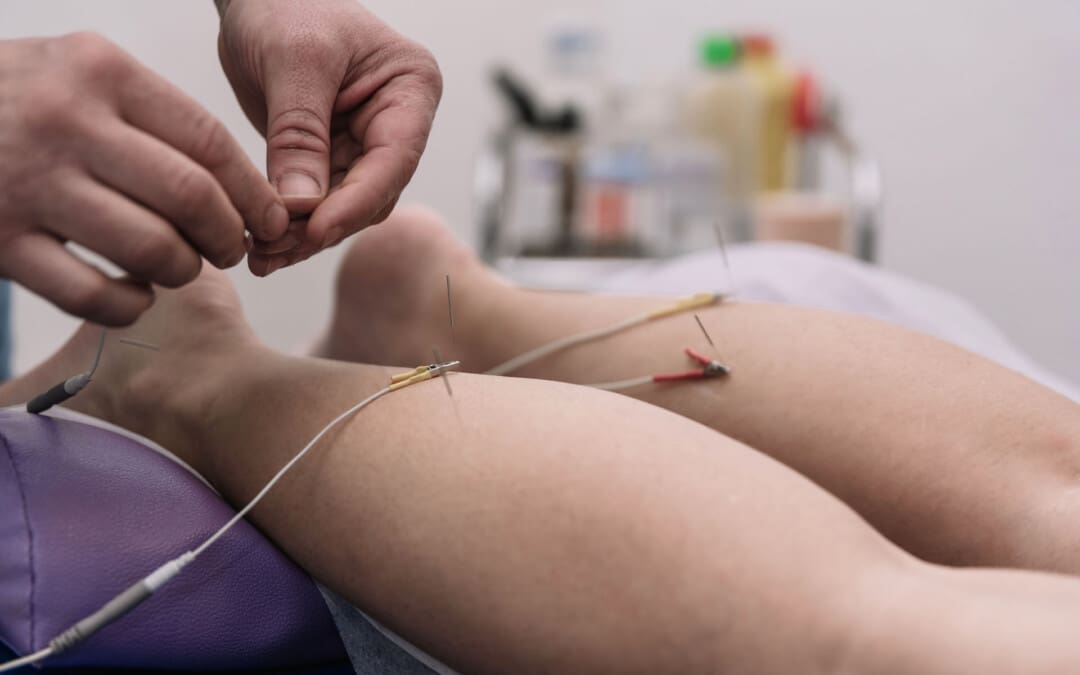
Acupuncture can help relieve sciatica pain by stimulating specific points on the body, which can trigger the release of endorphins, reduce inflammation, improve blood flow, and relax tight muscles that could be compressing the sciatic nerve. By modulating the nervous system and promoting the body’s natural healing processes, acupuncture can help alleviate pain and improve overall function. (Qin, Z. et al., 2015)
Releases endorphins
Acupuncture stimulates the nervous system, triggering the release of endorphins, the body’s natural painkillers.
Reduces inflammation
Acupuncture can help reduce inflammation in the area surrounding the sciatic nerve, which can contribute to pain and nerve irritation. (Natural Care Chiropractic, 2022)
Improves circulation
By increasing blood flow to the affected area, acupuncture can help deliver nutrients and oxygen to the sciatic nerve and surrounding tissues, promoting faster healing.
Relaxes tight muscles
Sciatica pain can be exacerbated by tight muscles compressing the nerve. Acupuncture can help relax these muscles, reducing pressure on the sciatic nerve and alleviating pain.
Regulates the nervous system
Acupuncture can help regulate the nervous system, positively impacting pain perception and overall well-being. (Qin, Z. et al., 2015)
Promotes regeneration
Some evidence suggests that acupuncture can promote sciatic nerve regeneration, potentially leading to long-term pain relief. (Natural Care Chiropractic, 2022)
Needling Types
Distal needling
Acupuncture can also involve using points that are further away from the site of pain, which can also help to reduce pain and inflammation.
Local needling
Points are also selected on or near the sciatic nerve’s path, which can help directly address the source of pain and inflammation. (Qin, Z. et al., 2015)
Holistic approach
Acupuncture is often viewed as a holistic approach to pain management, addressing the symptoms of sciatica and the underlying causes and imbalances in the body.
Injury Medical Chiropractic and Functional Medicine Clinic
As a Family Practice Nurse Practitioner, Dr. Jimenez combines advanced medical expertise with chiropractic care to address various conditions. Our clinic integrates Functional Medicine, Acupuncture, Electro-Acupuncture, and Sports Medicine to create customized care plans that promote natural healing, mobility, and long-term wellness. By focusing on flexibility, agility, and strength, we empower patients to thrive, regardless of age or health challenges. At El Paso’s Chiropractic Rehabilitation Clinic & Integrated Medicine Center, we passionately focus on treating patients after injuries and chronic pain syndromes. We focus on improving your ability through flexibility, mobility, and agility programs tailored for all age groups and disabilities. We use in-person and virtual health coaching and comprehensive care plans to ensure every patient’s personalized care and wellness outcomes.
Noonan, A. M., & Brown, S. H. M. (2021). Paraspinal muscle pathophysiology associated with low back pain and spine degenerative disorders. JOR spine, 4(3), e1171. https://doi.org/10.1002/jsp2.1171
Hospital for Special Surgery. (2024). Sciatica. https://www.hss.edu/condition-list_sciatica.asp
Qin, Z., Liu, X., Wu, J., Zhai, Y., & Liu, Z. (2015). Effectiveness of Acupuncture for Treating Sciatica: A Systematic Review and Meta-Analysis. Evidence-based complementary and alternative medicine: eCAM, 2015, 425108. https://doi.org/10.1155/2015/425108
Natural Care Chiropractic, D. M. F. (2022). Acupuncture for Sciatica Pain Relief. https://www.naturalcarechiropractic.com/post/acupuncture-for-sciatica-pain-relief
In females, hernia symptoms are often smaller and deeper without a noticeable lump and can mimic gynecological issues, with misdiagnoses being common. Can knowing the risk factors and how female hernias are treated help women get relief?
Female Hernia
A hernia occurs when an internal structure pushes through a weak spot in the abdominal wall, the muscles, and the tissue covering the front of the torso. The more common include:
Groin hernia, known as an inguinal hernia.
Upper thigh or femoral hernia.
However, a hernia can develop anywhere from the ribcage to the upper thigh. Hernias are less common in women, have different symptoms than in men, and are often misdiagnosed. Lower abdominal and pelvic hernias present differently in women than men, who typically have a visible bulge. Instead, female hernias tend to be smaller, deeper, and less noticeable. They can also cause chronic pelvic pressure or pain that can be mistaken for gynecological problems.
Hernia Symptoms For a Woman
Hernias in women tend to be smaller and deeper than male hernias, with no lump showing. Instead, female hernias can cause chronic, deep pelvic pain and occasional sharp, stabbing pain that comes on fast and lingers. (Köckerling F., Koch A., & Lorenz R. 2019) Hernia pain worsens with exercise, laughing, coughing, or straining to evacuate the bowels. The pain is often described as:
Dull
Aching
Pinching
Sharp
Shooting
Burning
Inguinal hernia pain is usually felt at or above the groin and may radiate to the hip, lower back, vulva, or thigh. Many women find the pain increases during their menstrual cycle. The pain can also be exacerbated by any activity that generates extra pressure on the pelvic floor, including:
Prolonged sitting or standing.
Bending
Getting in or out of bed.
Getting in or out of a car.
Sexual intercourse
Emergency
Hernias in the pelvic area are at risk of becoming incarcerated hernias. An incarcerated hernia occurs when a portion of the intestine or other abdominal tissue becomes trapped in the hernial sac, making it impossible to push it back into place. If this gets trapped or strangulated, it can cause tissue death. Strangulated hernias are a medical emergency. Symptoms include:
Deep red or purple tissues.
The hernia bulge does not shrink when you lie down.
Contact a healthcare provider or the emergency room if experiencing any of the above symptoms.
Types
Hernias can occur anywhere on the abdominal wall. They may be caused by:
Internal pressure, such as during pregnancy.
A sports injury
Tissue weakness
Hernias in the lower abdomen or groin are typically indirect inguinal hernias. The inguinal canal comprises multiple layers of muscles and fascia that the thin round ligament threads through. Other groin and pelvic hernias include:
A direct inguinal hernia
A femoral hernia at the top of the inner thigh.
An obturator hernia in the front upper thigh, although this type is rare.
Other common hernias in women are:
Incisional hernia – at the site of a surgical incision
Pregnancy and repeated pregnancies are linked to an increased risk of hernia. Types that are more common in pregnancy include:
Umbilical hernia
Ventral hernia
Inguinal hernia
Umbilical hernias are the most common. However, only a small percentage of pregnant individuals get them. (Kulacoglu H. 2018)
Diagnosis
A hernia diagnosis is made with a physical examination and, if needed, imaging studies. Patients are asked to describe their symptoms precisely, where the pain is located, and any activities that exacerbate it. To check for a hernia, the healthcare provider will palpate for a hernia while the patient sits, stands, or coughs. Imaging tests can include:
Ultrasound
CT scan
Endoscopy – a camera is used to see inside the esophagus and stomach.
Misdiagnoses
Female hernia symptoms can be vague, which often points healthcare providers in the wrong direction. Female hernias are commonly misdiagnosed as: (Köckerling F., Koch A., & Lorenz R. 2019)
Cysts in the reproductive organs
Endometriosis
Fibroid tumors
Treatment
A small hernia that does not cause problems or pain may be treated with a wait-and-evaluate protocol. A hernia often worsens over time and could eventually require surgery. (University of Michigan Health, 2024) Self-care treatments include:
Medical treatments usually start with conservative measures, including physical therapy, stretching, exercise, and rest. Physical therapists often use myofascial release techniques to relieve muscle spasms. Surgery may be needed to repair the weak area of the abdominal wall to relieve symptoms. (University of Michigan Health, 2024) Hernia repair surgery is typically performed as a laparoscopic surgery. (Köckerling F., Koch A., & Lorenz R. 2019) Most patients heal quickly from the surgery and can return to regular activities in a week or two.
Injury Medical Chiropractic and Functional Medicine Clinic
Injury Medical Chiropractic and Functional Medicine Clinic works with primary healthcare providers and specialists to develop an optimal health and wellness solution. We focus on what works for you to relieve pain, restore function, and prevent injury. Regarding musculoskeletal pain, specialists like chiropractors, acupuncturists, and massage therapists can help mitigate the pain through spinal adjustments that help the body realign itself. They can also work with other medical professionals to integrate a treatment plan to resolve musculoskeletal issues.
Lumbar Spine Injuries in Sports: Chiropractic Healing
References
Köckerling, F., Koch, A., & Lorenz, R. (2019). Groin Hernias in Women-A Review of the Literature. Frontiers in surgery, 6, 4. https://doi.org/10.3389/fsurg.2019.00004
Johns Hopkins Medicine. (2025). How to tell if you have a hernia. https://www.hopkinsmedicine.org/health/conditions-and-diseases/how-to-tell-if-you-have-a-hernia
Kulacoglu H. (2018). Umbilical Hernia Repair and Pregnancy: Before, during, after…. Frontiers in surgery, 5, 1. https://doi.org/10.3389/fsurg.2018.00001
University of Michigan Health. (2024). Inguinal hernia: Should I have surgery now, or should I wait? https://www.uofmhealth.org/health-library/za1162
American Academy of Orthopaedic Surgeons. (2022). Sports hernia. https://orthoinfo.aaos.org/en/diseases–conditions/sports-hernia-athletic-pubalgia/
Northeast Georgia Health System. (2022). Living with a hernia. Northeast Georgia Health System Improving the health of our community in all we do. https://www.nghs.com/2022/02/15/living-with-a-hernia
Could older individuals who do not have symptoms of shoulder pain or loss of shoulder and arm function have a rotator cuff tear?
Rotator Cuff Tear Physical Therapy
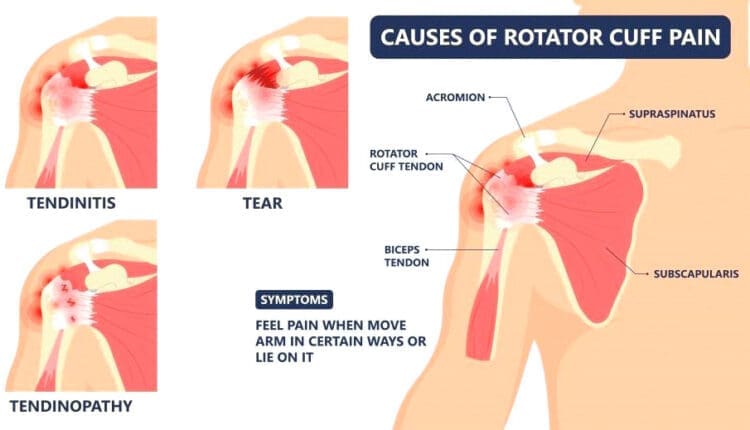
A rotator cuff tear is a common injury to the four muscles and tendons surrounding and stabilizing the shoulder joint. Studies have shown that (Geary M. B., & Elfar J. C. 2015)
30% of those under the age of 70
70% of those over age 80 have a rotator cuff tear.
Physical therapy is often recommended as a first-line initial treatment for rotator cuff pain. In most cases, a rotator cuff tear will not need surgical treatment. Determining when surgery is necessary depends on several factors a patient can discuss with their healthcare provider.
Causes
Overuse and repetitive motions
Trauma (e.g., falls, collisions)
Age-related degeneration
Symptoms
Shoulder pain, especially with overhead or rotational movements
Weakness and difficulty raising the arm
Clicking or grinding sounds in the shoulder
Limited range of motion
Treatment
The goal of physical therapy for a rotator cuff tear is not necessarily to heal the torn tendon but to relieve pain and improve strength by reducing inflammation and restoring shoulder joint mechanics. This is achieved through physical therapy, ice application, anti-inflammatory treatments like medications, and cortisone injections.
Physical Therapy
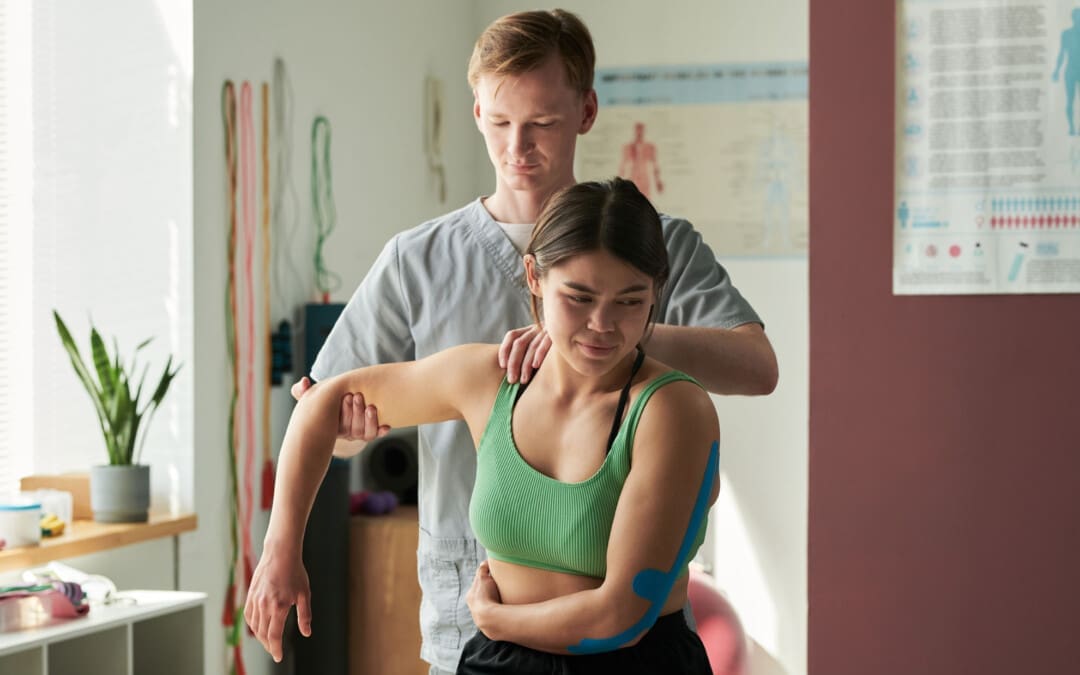
The goal of physical therapy is to improve the function of the muscles that surround the shoulder. Physical therapy targets the smaller muscles around the shoulder that are commonly neglected. By strengthening these muscles, the treatment can help compensate for damaged tendons and improve the mechanics of the shoulder joint. A chiropractic physical therapy team will develop a personalized exercise program. Generally, rehabilitation will start with gentle range of motion exercises that can be accomplished using the arms to lift a mobility stick/wand overhead.
Shoulder Pulleys
These improve shoulder range of motion and flexibility.
Isometric Exercises
These exercises are for the rotator cuff muscles and may then be started.
This exercise can improve the contracting of the muscles around the shoulder and offer more support to the shoulder joint.
Scapular Stabilization Exercises
These can also be done to improve the muscles surrounding the shoulder blade’s function.
This can help improve how the shoulder joint, arm, and scapulae move together when using the arm.
Advanced Strengthening
Advanced exercises can be done with a dumbbell or resistance band.
Consult your healthcare provider or physical therapist before starting these or any other exercises for a rotator cuff tear. Doing exercises correctly prevents further pain, injury, or shoulder problems. Specific, focused exercises can help expedite and regain normal shoulder function.
Injury Medical Chiropractic and Functional Medicine Clinic
The prognosis for rotator cuff tears depends on the severity of the tear and the individual’s overall health. With proper treatment, most people can regain the full function of their shoulders. However, some may experience ongoing pain or limitations in severe cases. Injury Medical Chiropractic and Functional Medicine Clinic works with primary healthcare providers and specialists to build optimal health and wellness solutions. We focus on what works for you to relieve pain, restore function, prevent injury, and help mitigate issues through adjustments that help the body realign itself. They can also work with other medical professionals to integrate a treatment plan to resolve musculoskeletal problems.
Shoulder Pain Chiropractic Treatment
References
Geary, M. B., & Elfar, J. C. (2015). Rotator Cuff Tears in the Elderly Patients. Geriatric orthopaedic surgery & rehabilitation, 6(3), 220–224. https://doi.org/10.1177/2151458515583895
Could individuals who are having headaches with neck pain need emergency treatment or need to get started with sustained physical therapy?
Headaches and Neck Pain
Headaches and neck pain are two very common symptoms. They often occur together and signal common health issues, including fatigue, sinus headaches, and migraines. The combination can also occur due to serious health issues such as a concussion or meningitis. Causes of headaches with neck pain range from various causes, such as not getting enough sleep, having the neck in an awkward position, or having a hangover, to life-threatening issues like fluid buildup in the brain. It is recommended that individuals see a healthcare provider as soon as possible to rule out any life-threatening issues. Discuss the symptoms of neck pain with headache, what can cause these symptoms, and discuss treatment and prevention.
Symptoms
Symptoms are similar to what they feel like when they occur alone. Headache can present as:
A feeling of fullness in the head
Head soreness
Sharp head pain
Throbbing head pain
Pounding head pain
Neck pain can present as:
Pain in the back of the neck
Pain and/or aching of the upper back and/or shoulders
Associated Symptoms
Additional symptoms are common. Symptoms associated with headaches and neck pain include:
Neck stiffness
Trouble concentrating
Exhaustion or sleepiness
Aching throughout the body
Nausea
Dizziness
Vertigo – feeling like the room is spinning.
Photophobia – discomfort when looking at bright lights.
A feeling of numbness or tingling down the arm
Generally, associated symptoms suggest a more severe cause and can help a healthcare provider make a diagnosis.
Emergency Help
New symptoms of headache or neck pain can indicate a serious condition. If you develop these symptoms together, get prompt medical attention.
Causes
There are a variety of medical conditions that can cause headaches and neck pain. Both of these conditions are caused by irritation of sensory nerve fibers. Sometimes, head or neck pain can spread to other areas because the sensory nerves of these structures are so close together. (Côté P. et al., 2019) Additionally, a medical condition like an infection can affect the other due to proximity. Causes of headaches with neck pain include:
Headaches
Sinus headaches, tension headaches, and cervicogenic headaches are usually associated with head pain, but they can also involve neck pain. (Côté P. et al., 2019)
Migraine
Migraines are commonly associated with headaches and often cause neck pain as well.
In addition, they can cause nausea and body aches.
Fatigue
Being tired commonly leads to temporary headaches and neck pain until thorough rest is achieved.
Alcohol Consumption and/or a Hangover
For many, drinking can trigger a headache.
This is a common migraine trigger, but it can also trigger headaches for those who don’t have migraines.
Muscle Strain
Prolonged or recurrent positions that strain the neck muscles, like lifting or sitting at a desk, can cause aching or pain that involves both the head and neck. (Houle M. et al., 2021)
Injuries
Trauma such as whiplash or falling can cause soreness in the head and neck.
Bruises or other injuries may be present.
Severe injuries can cause damage to the skull, brain, spine, spinal nerves, or spinal cord.
Concussion
A concussion often causes trouble concentrating, persistent headaches, and neck pain.
Usually, these symptoms improve within a few weeks after a mild concussion.
Meningitis
Inflammation or infection of the lining around the brain and spinal cord causes pain or tenderness in the head, back, and neck.
Neck stiffness and fever are commonly associated symptoms.
Pinched Nerve
Arthritis is a common cause of pressure on spinal nerves.
A pinched nerve in the upper spine can cause pain in the head and neck and tingling down the arm.
Herniated Disc
Degenerative arthritis or trauma can cause a spinal disc to press on a nerve and possibly on the spinal cord.
This may cause loss of sensation or weakness of the arm.
Subarachnoid Hemorrhage
This is a serious condition caused by bleeding of a blood vessel in the brain.
Irritation and inflammation can cause severe head and neck pain, possibly with seizures and loss of consciousness.
Hydrocephalus
Fluid can accumulate around the brain, causing pain-inducing pressure.
Causes include obstruction of cerebrospinal fluid flow due to brain tumors, brain infections, or congenital malformations. (Langner S. et al., 2017)
Increased Intracranial Pressure
Pressure on the brain and the brain’s blood vessels can cause pain.
Causes of pressure within the skull include hydrocephalus, head trauma, brain tumors, or swelling from a stroke.
Severe cases can cause lethargy or loss of consciousness.
Brain or Spine cancer
Cancer of the brain or within the spine can cause pain affecting the head and neck, often with other symptoms, like loss of vision.
Treatment
Talk to a healthcare provider about the following treatments. Treating headaches with neck pain includes methods that address symptoms and methods that treat the underlying cause. The medications used for headaches with neck pain often reduce both symptoms, but this depends on the cause. Treatments that can relieve both headaches and neck pain when they occur together include:
Getting proper sleep to alleviate fatigue.
Rest and rehabilitation after a concussion or another injury.
Physical therapy to keep muscles flexible and relaxed.
Fluids for meningitis treatment and antibiotics for bacterial meningitis.
Surgical procedures for a tumor or subarachnoid hemorrhage.
A surgical procedure to relieve hydrocephalus.
Headache Treatment
You can do a few things to relieve your headaches, and although they won’t directly take away your neck pain, your headache relief might also decrease your neck pain. These include:
Avoiding loud noises
Cranial massage
Applying gentle cranial pressure
Avoiding bright lights as much as possible
Using specialized migraine sunglasses
Neck Pain Treatment
Some treatments that can specifically treat neck pain include:
Injury Medical Chiropractic and Functional Medicine Clinic
Knowing whether a serious problem is causing headaches and neck pain can be difficult. The more dangerous conditions don’t necessarily cause more severe pain. This is why getting medical attention is crucial if you have these symptoms together. If you frequently have both headaches and neck pain, it can have a substantial impact on your quality of life. There are ways to manage the symptoms, including preventative measures such as physical therapy, exercises, and avoiding triggers. Injury Medical Chiropractic and Functional Medicine Clinic works with primary healthcare providers and specialists to build optimal health and wellness solutions. We focus on what works for you to relieve pain, restore function, prevent injury, and help mitigate issues through adjustments that help the body realign itself. They can also work with other medical professionals to integrate a treatment plan to resolve musculoskeletal problems.
Tension Headaches
References
Côté, P., Yu, H., Shearer, H. M., Randhawa, K., Wong, J. J., Mior, S., Ameis, A., Carroll, L. J., Nordin, M., Varatharajan, S., Sutton, D., Southerst, D., Jacobs, C., Stupar, M., Taylor-Vaisey, A., Gross, D. P., Brison, R. J., Paulden, M., Ammendolia, C., Cassidy, J. D., … Lacerte, M. (2019). Non-pharmacological management of persistent headaches associated with neck pain: A clinical practice guideline from the Ontario protocol for traffic injury management (OPTIMa) collaboration. European journal of pain (London, England), 23(6), 1051–1070. https://doi.org/10.1002/ejp.1374
Houle, M., Lessard, A., Marineau-Bélanger, É., Lardon, A., Marchand, A. A., Descarreaux, M., & Abboud, J. (2021). Factors associated with headache and neck pain among telecommuters – a five days follow-up. BMC Public Health, 21(1), 1086. https://doi.org/10.1186/s12889-021-11144-6
Langner, S., Fleck, S., Baldauf, J., Mensel, B., Kühn, J. P., & Kirsch, M. (2017). Diagnosis and Differential Diagnosis of Hydrocephalus in Adults. Diagnostik und Differenzialdiagnostik des Hydrozephalus beim Erwachsenen. RoFo : Fortschritte auf dem Gebiete der Rontgenstrahlen und der Nuklearmedizin, 189(8), 728–739. https://doi.org/10.1055/s-0043-108550
Petersen, S. M., Jull, G. A., & Learman, K. E. (2019). Self-reported sinus headaches are associated with neck pain and cervical musculoskeletal dysfunction: a preliminary observational case-control study. The Journal of manual & manipulative therapy, 27(4), 245–252. https://doi.org/10.1080/10669817.2019.1572987
For individuals with shoulder pain and problems, what are the stages of a frozen shoulder, how long do they last, and what can be done to relieve pain?
Frozen Shoulder Stages
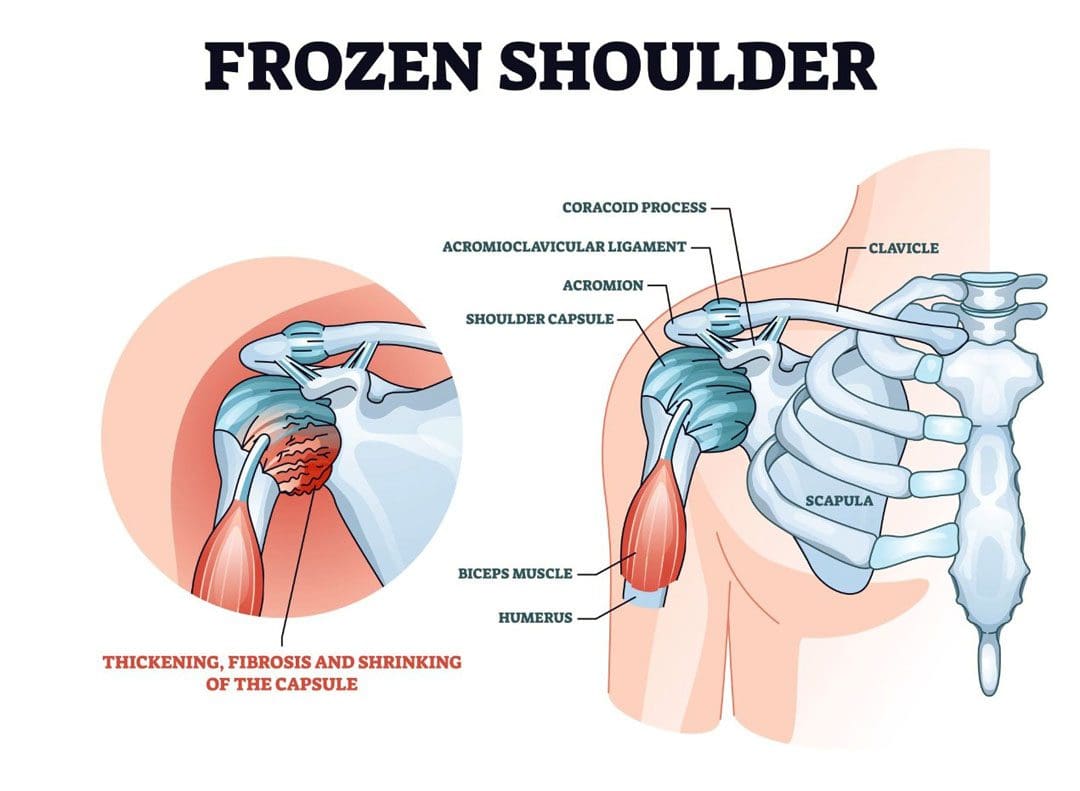
A frozen shoulder, also called adhesive capsulitis, is a very common cause of shoulder pain. It causes severe pain and limited mobility. The condition progresses through stages and can take up to two years to resolve completely. The stages of frozen shoulder include pre-freezing, freezing, freezing, and thawing.
Stage 1
Pre-Freezing – 1 month to 3 months
Pre-freezing describes the earliest stage of a frozen shoulder. This is when individuals first start to notice pain in their shoulder. (Soussahn, S. et al., 2024) Many in this stage will first experience the pain at night while changing sleeping positions. As the condition progresses, individuals may notice pain when they move their shoulders, especially when raising their arms or reaching behind them. Individuals may also find reduced mobility in that shoulder and may ache even when not using it. Because motion may be only slightly restricted in this stage, an early frozen shoulder can be mistaken for a rotator cuff problem. (Chan H. B. Y., Pua P. Y., & How C. H. 2017)
Root Cause
A frozen shoulder happens when there is inflammation in the tissue that surrounds the shoulder joint. Although the specific causes aren’t known, immobilization after an injury and other shoulder conditions, like bursitis, may play a role. (Johns Hopkins Medicine, 2025)
Stage 2
Freezing – 10 weeks to 8 months
The freezing stage is the most painful. The shoulder capsule becomes inflamed and can thicken and stiffen. As this happens, shoulder movements become increasingly difficult and painful. (Soussahn, S. et al., 2024)
Stage 3
Frozen – 4 months to 12 months
The third stage of a frozen shoulder is known as the frozen phase, where the shoulder is stiff. The examination finding confirming the frozen shoulder diagnosis is that neither the individual nor another person can move the shoulder. (UpToDate, 2024) With a rotator cuff issue, a patient cannot move their arm normally, but the healthcare provider can. This distinguishes between a frozen shoulder and a rotator cuff injury. The frozen stage is typically much less painful than freezing, but pain can result from simple activities. (Soussahn, S. et al., 2024) Rotation of the shoulder joint is limited, making activities like washing hair or reaching painful or difficult.
Stage 4
Thawing – 5 months to 2 years
In this phase, the shoulder joint capsule becomes thickened and stiff but gradually loosens with time. (Soussahn, S. et al., 2024) Stretching the shoulder capsule, even allowing for some discomfort, is important to ensure the shoulder joint’s mobility continues to recover. Not having the extreme pain associated with freezing the joint and seeing gradual gains in mobility make this stage tolerable.
Treatment
Frozen shoulder treatment starts with physical therapy and joint stretching. Anti-inflammatory medications, ice and heat application, and alternative therapies can all help manage the discomfort. A healthcare provider may also recommend a corticosteroid injection to reduce inflammation, relieve pain, and expedite improved mobility. Redler L. H. & Dennis E. R. 2019)
Surgery is seldom needed but is an option for treating a frozen shoulder. It is usually only considered if prolonged efforts at therapy have failed to improve symptoms. One of the problems is that surgery could worsen shoulder problems. (Le H. V., Lee S. J., Nazarian A., & Rodriguez E. K. 2017)
Prognosis
The timeline for recovery can be long, measured in months and possibly years. (Le H. V., Lee S. J., Nazarian A., & Rodriguez E. K. 2017) Expecting a quick recovery can cause more frustration. However, individuals can take steps to speed their recovery and reduce discomfort. Physical therapy can be beneficial, and a healthcare provider can suggest treatments to help alleviate pain while recovering. Over time, almost all patients will find complete relief and a normal or near-normal range of motion in their shoulder joints.
Injury Medical Chiropractic and Functional Medicine Clinic
Injury Medical Chiropractic and Functional Medicine Clinic works with primary healthcare providers and specialists to build optimal health and wellness solutions. We focus on what works for you to relieve pain, restore function, prevent injury, and help mitigate issues through adjustments that help the body realign itself. They can also work with other medical professionals to integrate a treatment plan to resolve musculoskeletal problems.
Motion Key To Healing
References
Soussahn, S., Hu, D., Durieux, J., Kosmas, C., & Faraji, N. (2024). Adhesive capsulitis: Utility of magnetic resonance imaging as a primary diagnostic tool and clinical management support. Current problems in diagnostic radiology, 53(4), 464–469. https://doi.org/10.1067/j.cpradiol.2024.03.005
Chan, H. B. Y., Pua, P. Y., & How, C. H. (2017). Physical therapy in the management of frozen shoulder. Singapore Medical Journal, 58(12), 685–689. https://doi.org/10.11622/smedj.2017107
UpToDate. (2024). Patient education: Frozen shoulder (beyond the basics). https://www.uptodate.com/contents/frozen-shoulder-beyond-the-basics
Redler, L. H., & Dennis, E. R. (2019). Treatment of Adhesive Capsulitis of the Shoulder. The Journal of the American Academy of Orthopaedic Surgeons, 27(12), e544–e554. https://doi.org/10.5435/JAAOS-D-17-00606
Le, H. V., Lee, S. J., Nazarian, A., & Rodriguez, E. K. (2017). Adhesive capsulitis of the shoulder: review of pathophysiology and current clinical treatments. Shoulder & elbow, 9(2), 75–84. https://doi.org/10.1177/1758573216676786
For individuals who have to be in one position for long periods, have poor postural alignment, and perform repetitive motions, what are myofascial pain syndrome spasm cycles?
Myofascial Pain Syndrome Spasm Cycles
Myofascial pain syndrome is a common condition that causes pain symptoms in a particular body area (Jafri M. S. 2014). A myofascial pain syndrome spasm cycle is a recurring pattern in which muscle tension and spasms in affected regions, caused by myofascial pain syndrome, lead to pain, triggering more muscle spasms. This creates a vicious cycle of discomfort and tightness that can be difficult to break without treatment; the pain perpetuates muscle spasms and vice versa.
Spasm Pain Cycle
Left untreated, myofascial pain is often experienced as a recurring cycle of spasm, pain, and spasm. (Kojidi M. M. et al., O2016) The exact cause of the spasm is not known. It may be related to excessive accumulation and release of acetylcholine, which causes sustained muscle contraction. (Nicol A, Crooks M, Hsu E, Ferrante M. 2018) Another theory is that repetitive small muscle trauma helps create a trigger point or knot in the muscle. (Thorne. 2021)
Active trigger points in muscles characterize myofascial pain syndrome. (Shah J. P. et al., 2015) These trigger points cause pain in the area where they are located and sometimes in other places, known as referred pain. Each muscle has a particular referral pattern of pain that goes from a trigger point in that muscle to another place in the body. (Shah J. P. et al., 2015) Medical providers and massage therapists trained in this area can identify trigger points by their pain patterns. With myofascial pain syndrome, muscles tense, and joint range of motion may decrease. (Jafri M. S. 2014)
Trigger Points
Myofascial pain syndrome is characterized by trigger points and sensitive knots within muscles that can cause referred pain when pressed, contributing to the spasm cycle.
Muscle Tension
A repeatedly tense or injured muscle can develop trigger points, which can lead tocle tightness and potential spasms.
Pain-Spasm-Pain Cycle
The pain from a trigger point can cause the muscle to further contract and spasm, leading to even more pain and perpetuating the cycle.
How Spasms and Pain Present
Myofascial pain is often caused by long periods of poor postural alignment, muscle injury, and repetitive motions. (Cleveland Clinic, 2023) For example, the upper body slumps forward when sitting at a desk workstation all day. The upper section of the trapezius muscle is located on the back of the neck and the top of the shoulder. The upper trapezius muscle works to raise the head. (Yoo W. G. 2015) The trapezius muscle now has to work more than it is used to. This overuse may cause microscopic muscle injury, leading to muscle spasms and pain. (Bron C., & Dommerholt J. D. 2012) (Nicol A, Crooks M, Hsu E, Ferrante M. 2018) Without treatment, the muscle spasms, pain, and microscopic muscle injury may persist or worsen, leading to trigger points and chronic pain. (Jafri M. S. 2014)
Causes
Repetitive Motions
Repeating the same movement, like typing on a computer, can trigger muscle tension and points.
Poor Posture
Maintaining incorrect posture for extended periods can strain muscles and contribute to trigger point development.
Muscle Injury
Past injuries can leave muscles susceptible to developing trigger points and pain cycles.
Stress
Psychological stress can lead to muscle tension and exacerbate existing trigger points.
Break the Cycle
Physical Therapy
A physical therapist can use stretching, massage, and trigger point therapy to release muscle tension and address trigger points.
Exercise
Regular exercise, including gentle stretching, can help improve muscle flexibility and reduce tension.
Heat Therapy
Applying heat to affected areas can help relax muscles and alleviate pain.
Ergonomics
Modifying work habits and posture to reduce strain on muscles.
Stress Management
Techniques like deep breathing and meditation can help reduce stress-related muscle tension.
Injury Medical Chiropractic and Functional Medicine Clinic
Injury Medical Chiropractic and Functional Medicine Clinic works with primary healthcare providers and specialists to build optimal health and wellness solutions. We focus on what works for you to relieve pain, restore function, prevent injury, and help mitigate issues through adjustments that help the body realign itself. They can also work with other medical professionals to integrate a treatment plan to resolve musculoskeletal problems.
Personal Injury Rehabilitation
References
Jafri M. S. (2014). Mechanisms of Myofascial Pain. International scholarly research notices, 2014, 523924. https://doi.org/10.1155/2014/523924
Kojidi, M. M., Okhovatian, F., Rahimi, A., Baghban, A. A., & Azimi, H. (2016). Comparison Between the Effects of Passive and Active Soft Tissue Therapies on Latent Trigger Points of Upper Trapezius Muscle in Women: Single-Blind, Randomized Clinical Trial. Journal of Chiropractic Medicine, 15(4), 235–242. https://doi.org/10.1016/j.jcm.2016.08.010
Nicol A, C. M., Hsu E, Ferrante M. (2018). Myofascial Pain Syndrome. Science Direct, 207-212. https://doi.org/https://doi.org/10.1016/B978-0-323-40196-8.00025-5
THORNE. (2021). Understanding Muscle Pain, Fascia, and Myofascial Release. https://www.thorne.com/take-5-daily/article/understand-muscle-pain-fascia-and-myofascial-release?srsltid=AfmBOop3Pp0wWEeiQEqpfPgAaTOpLvU7lOAGUv5VRYQdoH8OBcW4D_wk
Shah, J. P., Thaker, N., Heimur, J., Aredo, J. V., Sikdar, S., & Gerber, L. (2015). Myofascial Trigger Points Then and Now: A Historical and Scientific Perspective. PM & R: the journal of injury, function, and rehabilitation, 7(7), 746–761. https://doi.org/10.1016/j.pmrj.2015.01.024
Yoo W. G. (2015). Comparison of activation and change in the upper trapezius muscle during painful and non-painful computer work. Journal of Physical Therapy Science, 27(10), 3283–3284. https://doi.org/10.1589/jpts.27.3283
Bron, C., & Dommerholt, J. D. (2012). Etiology of myofascial trigger points. Current pain and headache reports, 16(5), 439–444. https://doi.org/10.1007/s11916-012-0289-4
Experiencing a whiplash injury can be disorienting and painful. Can recognizing the signs of more serious complications, seeking timely medical intervention, and following a structured whiplash rehabilitation plan help individuals find relief and restore function and quality of life?
Whiplash Rehabilitation
For individuals who have recently been in an automobile accident, once the initial neck pain and stiffness have passed, it’s crucial to recognize potential delayed symptoms, such as nerve damage. While many recover quickly, some may experience prolonged symptoms requiring more aggressive treatment and management.
Neck Injury
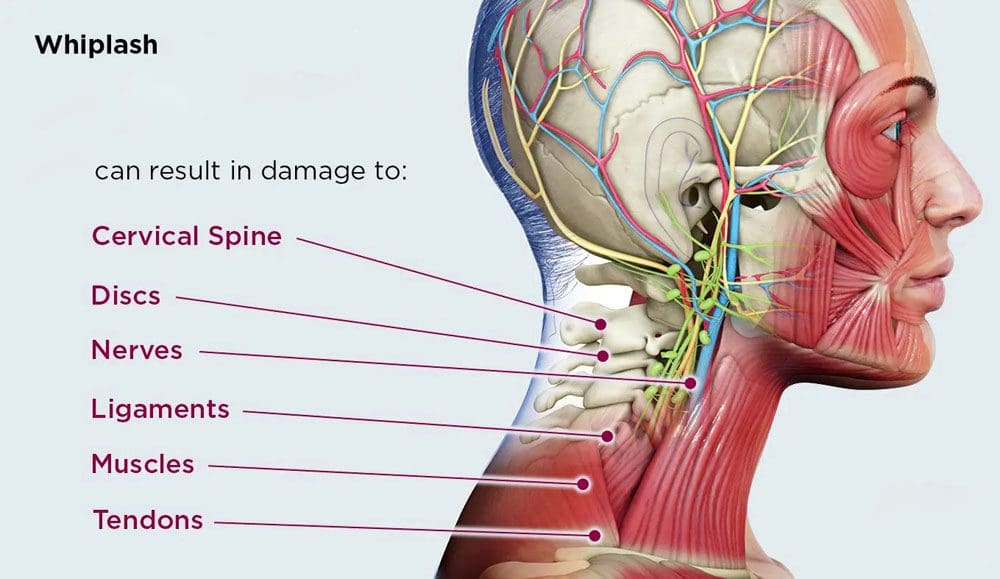
Whiplash injuries result from sudden, forceful whipping back and forth of the head, commonly occurring in rear-end vehicle collisions, and are one of the most common neck injuries. Other potential causes include: (Johns Hopkins Medicine, 2024)
Following a healthcare provider’s recommendations regarding medication use, including dosage and duration, is critical to managing symptoms while effectively minimizing potential side effects.
Rehabilitation Steps
To determine the appropriate treatment whiplash rehabilitation plan, a healthcare provider will assess how much the pain affects daily life, including mental health and the ability to do regular activities (American Academy of Physical Medicine and Rehabilitation, 2024). X-rays or other imaging tests will be done to determine how serious the damage to the neck or spine is. Resting and icing the injured area are recommended to relieve inflammation. A provider may recommend slowly increasing neck movements several times daily and continuing with normal daily activities, as exercise will help maintain flexibility. Not moving the neck may prolong pain, stiffness, and healing. Physical therapy may be recommended if symptoms continue for over one or two weeks. (American Academy of Physical Medicine and Rehabilitation, 2024)
Symptoms last longer than the healthcare provider estimated
Other symptoms develop, like weakness, numbness, or a sensation of pins and needles.
Long-Term Injury Side Effects
Individuals in whiplash rehabilitation usually recover in a few weeks to months, but some may have longer-lasting pain as the injury can cause nerve damage. (Fundaun J. et al., 2022) Discuss any new or worsening symptoms with a healthcare provider for guidance. (Johns Hopkins Medicine, 2024)
Over-the-counter pain relievers, such as acetaminophen or NSAIDs.
Muscle relaxants for tightness and tension.
Prescription pain medications.
If pain becomes chronic, antidepressants such as serotonin and norepinephrine reuptake inhibitors may be prescribed. These medications can help manage pain and improve sleep quality. (Ferreira G. E. et al., 2023) For severe inflammation and pain, corticosteroid injections directly into the affected area can provide relief. Healthcare providers administer these injections, offering long-lasting effects. (Harvard Health Publishing, 2015)
Injury Medical Chiropractic and Functional Medicine Clinic
Navigating a whiplash injury can be challenging, but understanding the whiplash rehabilitation process can significantly aid in recovery. A healthcare provider can determine the most effective treatment strategies. It is important to talk with a healthcare provider to determine the cause and extent of the injury to provide individualized patient education regarding treatment. This can include physical therapy, rest, health coaching, medication, and surgery, which may be recommended in certain cases. Overcoming these limitations is possible. Injury Medical Chiropractic and Functional Medicine Clinic works with primary healthcare providers and specialists to develop an optimal health and wellness solution. We focus on what works for you to relieve pain, restore function, prevent injury, and help mitigate the pain through spinal adjustments that help the body realign itself. They can also work with other medical professionals to integrate a treatment plan to resolve musculoskeletal issues.
American Academy of Physical Medicine and Rehabilitation. (2024). Cervical whiplash. https://www.aapmr.org/about-physiatry/conditions-treatments/musculoskeletal-medicine/cervical-whiplash
Rush University Medical Center. (2014). 5 facts about whiplash. https://www.rush.edu/news/5-facts-about-whiplash
National Library of Medicine. MedlinePlus. (2024). Whiplash. Retrieved from https://medlineplus.gov/ency/imagepages/9853.htm
National Health Service NHS. (2023). Whiplash. https://www.nhs.uk/conditions/whiplash/
University of Rochester Medical Center. (2024). Whiplash injury. https://www.urmc.rochester.edu/encyclopedia/content.aspx?contenttypeid=85&contentid=p01388
National Library of Medicine. MedlinePlus. (2020). Pregabalin. Retrieved from https://medlineplus.gov/druginfo/meds/a605045.html
Fundaun, J., Kolski, M., Baskozos, G., Dilley, A., Sterling, M., & Schmid, A. B. (2022). Nerve pathology and neuropathic pain after whiplash injury: a systematic review and meta-analysis. Pain, 163(7), e789–e811. https://doi.org/10.1097/j.pain.0000000000002509
National Institute of Arthritis and Musculoskeletal and Skin Diseases. (2023). Back pain: diagnosis, treatment, and steps to take. Retrieved from https://www.niams.nih.gov/health-topics/back-pain/diagnosis-treatment-and-steps-to-take
Ferreira, G. E., Abdel-Shaheed, C., Underwood, M., Finnerup, N. B., Day, R. O., McLachlan, A., Eldabe, S., Zadro, J. R., & Maher, C. G. (2023). Efficacy, safety, and tolerability of antidepressants for pain in adults: overview of systematic reviews. BMJ (Clinical research ed.), 380, e072415. https://doi.org/10.1136/bmj-2022-072415
Harvard Health Publishing. (2015). New recommendations aim to improve safety of pain-relieving spinal steroid injections. Harvard Health Publishing
Harvard Medical School. https://www.health.harvard.edu/blog/new-recommendations-aim-to-improve-safety-of-pain-relieving-spinal-steroid-injections-201505077991
IFM's Find A Practitioner tool is the largest referral network in Functional Medicine, created to help patients locate Functional Medicine practitioners anywhere in the world. IFM Certified Practitioners are listed first in the search results, given their extensive education in Functional Medicine