The effectiveness of chiropractic care for headaches has been proven by many research studies, which is good news for the 90% of Americans who suffer. Chiropractic is not only excellent for treating headaches, but is gentle, non-invasive, does not require medications, and is known for being free of side effects.
Chiropractic A Gentle, Effective Treatment
Headaches can range from mild to debilitating, and all the stages in between. Some people suffer from headaches only occasionally, while others are constantly dealing with headaches. Unfortunately, standard medical care can only do so much to treat headaches � and the treatments often come with side effects, such as those caused by pain medications.
Chiropractic takes a different approach than traditional Western medicine. Instead of treating the symptoms, chiropractic attempts to get to the source of the problem. Using non-invasive treatments, chiropractic works to help the body heal itself � which it can do surprisingly well when the conditions are right. Chiropractic strives to create these ideal conditions.
Headache Types
The two most common types of headaches most people suffer from include:
Tension
Tension headaches are the most common type of headache. The pain of a tension headache can range from fairly mild to severe. Although some headache sufferers describe tension headaches as similar to having a painful band around their heads, the symptoms of tension headaches can vary significantly from individual to individual. Symptoms of tension headaches include:
Pain that is constant, not throbbing
A feeling of tightness in the temples, forehead, back of the head, side of head or combination of these
Neck pain and stiffness
Tension headaches, as the name indicates, are caused by tension in the body � often in the neck and upper back.
Migraines
Migraine headaches, while less common than tension headaches, are still a major issue for a large portion of Americans. It is estimated that approximately 13 percent of the population suffers from migraines.
Symptoms of migraines include:
Throbbing pain
Pain is often on one side of the head
Sensitivity to light
Nausea
Vomiting
Migraines are still not fully understood by the medical community. Research has shown what happens in the brain during migraines, and there are a number of triggers that are known, but research is ongoing to determine exactly what is happening and what causes these debilitating headaches.
How Chiropractic Helps
Research has shown that chiropractic can help headache sufferers, particularly those that suffer from tension headaches. There are a number of ways that chiropractic can improve symptoms, including:
Adjustments
The spine and the muscles, ligaments, and tendons that surround it are prone to injury and misalignment, which can cause significant tension, nerve pain, and associated health issues. Subluxations, also referred to as spinal misalignments, can put pressure on nerves and cause muscles to tighten and even spasm. All of this can lead to considerable tension. Tension can result in headaches.
Chiropractic adjustments realign the spine, relieving pressure on nerves and helping muscles to relax.
Lifestyle
While chiropractic adjustments can do a great deal to help relieve tension headaches, migraines are often most effectively treated through lifestyle adjustments. Changes in diet and avoidance of known triggers are considered the best way to avoid migraines and minimize symptoms.
Chiropractic care includes lifestyle advice to help patients navigate their health issues effectively, including migraines.
Throbbing, dull and achy, sharp and excruciating. All of these words can be used to describe lower back pain.
Unfortunately, lower back pain is a common occurrence in adults. According to the American Chiropractic Association, low back pain is the single leading cause of disability worldwide, with millions of reported cases�every year.
What Treatment Should You Seek If You Experience Pain in Your Lower Back?
The good news is that it often heals on its own. A few days of over-the-counter pain meds, ice,�and taking it easy, and you could be back to normal.
However, those who continue to deal with the pain after a few weeks’ time may choose to look for other solutions. This is also true for people who experience repeated flare-ups, or chronic lower back pain.
One of the best and most popular options is chiropractic care.
Why?�
First of all, chiropractic care doesn’t focus solely on the pain but helps the body heal itself. Chiropractors understand the bones,�muscles, discs, and nerves�in the back, and can figure out the reason for the pain.
From there, they can create a customized treatment plan from compresses to spinal manipulation to exercises that help heal the area and reduces the pain.
Second, It’s A Drug-Free Solution.
Because of its healing, therapeutic approach, chiropractic treatment tends to the source of the pain, instead of simply dulling it. Spine Universe estimates 6 to 12 treatments are typically needed to treat low back pain, but each person’s requirement may vary.
Throughout these�treatments, spinal alignment begins�to balance the other parts of a person’s back and helps correct the issue causing the pain. Also, spinal manipulation helps improve mobility and function in many cases, whereas drugs alone do not.
Finally, Chiropractic Care for Lower Back Pain Also Helps Minimize Relapses
Patients who experience lower back pain never want to deal with it again, but�it can flare up periodically. According to the National Institute of Neurological Disorders and Stroke, roughly 20% of those who suffer from low back pain will eventually deal with it chronically. This can cause frustration, primarily when it affects mobility.
Before you run screaming in horror to the medicine cabinet, one of the best reasons to participate in chiropractic treatment is that it helps reduce the chance of a recurrence. By working on the total body and getting it in the best shape possible, the patient is stronger and more balanced to handle their workload and other strenuous activities. Chiropractors also impart advice on how to minimize the chances of re-aggravating the lower back.
Millions of people suffer from back pain each year, and some never visit a chiropractor. Those who do choose chiropractic treatment are privy to treatment that reduces their pain, increases healing, shortens their downtime and lessens their chances of a recurrence. If over the counter medication and ice packs haven’t worked within a few days, it’s time to make an appointment for a consultation with a licensed chiropractor. You will be happy you did.
Sciatica Sufferers:Sciatica is a common back ailment that affects approximately 1 in 10 adults in the United States. It is most prevalent in people between the ages of 25 and 45. Sciatica is characterized by a shooting pain that originates in the lower back and travels down through the hip, buttock and back of leg. The pain can be so severe that it inhibits mobility and can prevent people from working, taking care of their home, or just enjoying their life. Traditionally, doctors have treated the condition with medications and some invasive therapies, but chiropractic treatments have been found to be extremely effective in alleviating the pain and curing the condition.
What Is Sciatica?
Sciatica is a condition that affects the lower back, specifically pain that travels along the sciatic nerve path. This path originates in the lower back and extends down each side of the hip, buttocks, and down the leg to the feet. Usually, only one side is affected during a case of sciatica.
Sciatica commonly occurs when there is a spinal condition, such as a bone spur on the spine, a herniated disk, or when a condition like spinal stenosis (narrowing of the spine) compresses the nerve. The result is inflammation, numbness, pain, and stiffness in the leg that is affected.
While sciatica pain can be severe, the majority of the time the condition is resolved in a matter of weeks without surgical intervention. Some doctors may suggest surgery if the patient experiences extreme weakness in the leg or has problems with their bowel or bladder. Most of the time doctors will prescribe medication to treat the pain and relax the muscles that surround the sciatic path in an effort to provide the patient with some relief.
How Chiropractic Treatments Help Sciatica Sufferers
Chiropractic has been shown to be very effective in treating sciatica by helping the body heal itself. It is non-invasive and does not use medications, making it an optimal choice for many patients. There are various treatments that a chiropractor may use or recommend. They may be used alone or in conjunction with other therapies.
Adjustments. Spinal manipulation, or adjustments, is the core of chiropractic treatment. It helps to realign the spine, freeing restricted movement and helps bring the body back into its proper alignment so that it functions better and more effectively. It also helps to reduce the pain that is associated with nerve inflammation, particularly that associated with sciatica.
Ultrasound. A very mild heat that is created by sound waves at a frequency that is beyond human hearing providing deep tissue penetration. This therapy stimulates circulation and aids in reducing muscle spasms, stiffness, swelling, pain, and cramping.
Ice or Cold Therapy. This therapy helps to reduce and control the pain of sciatica, as well as reduce inflammation.
TENS. Transcutaneous electrical nerve stimulation is a therapy that employs a TENS unit, a small battery powered, portable box that stimulates the muscles. It uses electrical currents at variable intensities to help control pain and reduce the occurrence of muscle spasms. Some chiropractors and physical therapists use larger versions of this device in their offices, but many use the portable units because they are more convenient.
A chiropractor may incorporate exercises and nutritional recommendations into their treatment for sciatica sufferers. This often depends on the patient�s individual needs, the severity of the condition, and their lifestyle and habits. A variety of chiropractic techniques may also be used to treat sciatica. Since each patient is different, the chiropractor will talk with the patient to better understand what they do on a day-to-day basis and what may be causing the sciatic pain to occur. From there they will treat the problem from the patient�s perspective, seeking the best, most effective approach.
If you or a loved one is suffering from this condition, please give us a call. Our Doctor of Chiropractic is here to help!
Allergy Sufferers!�As winter gives way to spring, seasonal allergies can really get you down. Whether you get a few sniffles and some sneezing or you are down for the count with every terrible allergy symptom known to man, it can make spring pretty unbearable.
There is no shortage of allergy medications on the market, but they come with their own issues. The majority of them cause drowsiness and other unpleasant side effects, leaving you barely able to function. Those that are made from a �non drowsy� formula sound great, but if you have certain health conditions, like high blood pressure, you are out of luck � and stuck either taking the ones that make you sleep sucking it up and dealing with your allergies sans medication.
That�s no way to live.
What Are Allergies?
When your immune produces histamines in response to an allergen that you encounter the physiological reaction that you experience is broadly referred to as allergies or hay fever. The allergens may be simple substances that normally do not affect people, but when your body is out of balance, it can cause a variety of problems.
Symptoms of allergies include:
Runny nose
Stuffy nose
Headache
Sneezing
Itchy eyes
Coughing or scratchy throat
Skin Rash or Hives
Swelling
Diarrhea
Nausea
Fatigue
Anaphylaxis, severe, life threatening allergies can include swelling of the airways, tongue, and throat, inability to breathe due to blocked airway, and other dangerous symptoms.
The allergens can be something you come in contact with, like poison ivy, something you breathe in, like mold or dust, or it can be something you ingest, like strawberries or peanuts. Different people will have different allergies, but those who are allergic to the same things may not have the same reaction. Often a doctor or allergist will diagnose your allergies.
Chiropractic Care For Allergy Sufferers
Chiropractic treatments have been found to be very effective for relieving allergy symptoms and even stopping allergies at their source. It reduces the severity of allergy symptoms as well as the frequency of occurrence. It does not work like allergy medications which have an anti-histamine effect and only work as a short term fix for your allergy symptoms.
Chiropractic treatments help your body become more balanced so that it is better equipped for combating allergies at the source. When your spine is not aligned it can impact your nervous system leading to a variety of problems � including allergies. Your immune system can be affected, causing it to malfunction.
A chiropractor can help relieve the stress on your nervous system by aligning your spine. This takes the pressure off of nerves, allowing your immune system to function at a more optimal level. This makes it easier for your body to ward off infections while recognizing allergens as harmless.
When your immune system encounters allergens it doesn�t overreact to them. Instead, the reaction is much more subdued, or even nonexistent. Chiropractic has also been found to help asthma patients breathe easier. Asthma symptoms are diminished.
Chiropractic care is more than just spinal manipulation, though. It promotes whole body wellness. Patients are taught exercise, stress relief, and nutrition so that the entire system is treated. The whole body treatment plan for chiropractic patients will help you be allergy free in a short time.
It is important to follow your chiropractic plan thoroughly and consistently. Get plenty of rest and take time to destress. The more you can relax and take care of yourself, the healthier you will be overall. Chiropractic care can help so many health conditions; it can actually make you healthier. Allergy sufferers or if you are struggling with allergies for the first time, give chiropractic care a try you just might be surprised.
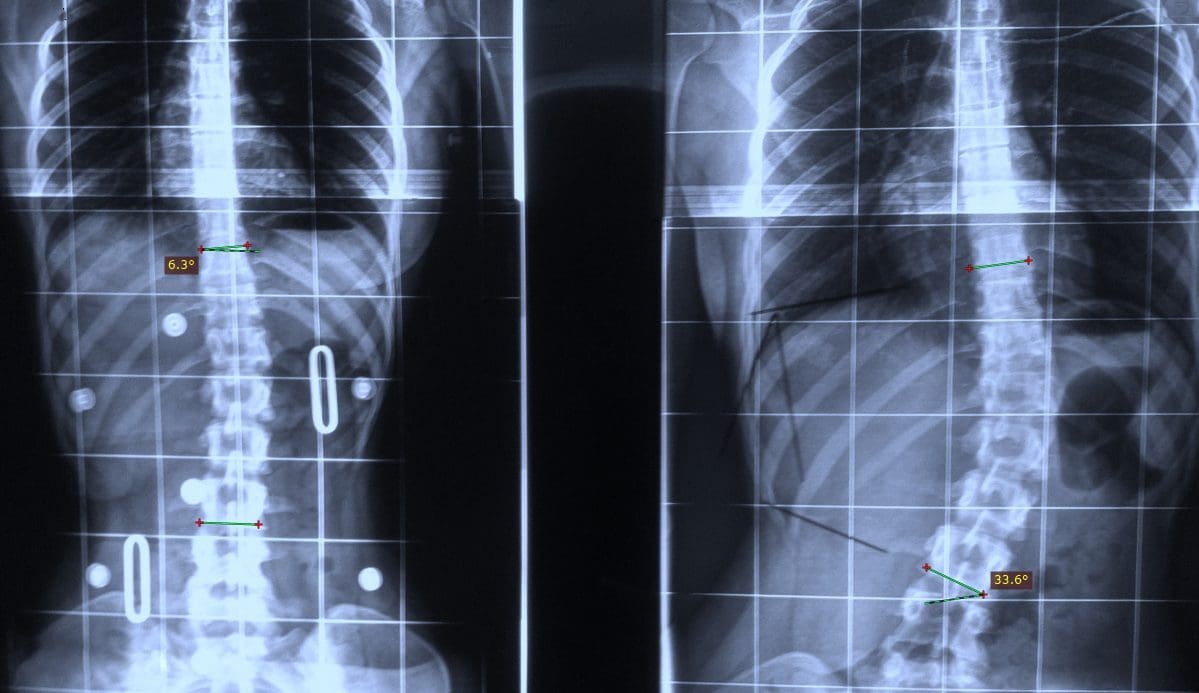
Chiropractic Benefits: Curvature of the spine, even slight, can cause pain and postural problems. When the curve is more than 10 degrees, it is considered to be scoliosis.
The primary symptom of scoliosis is a significant curvature of the spine and is the majority of cases the cause is not known. Even mild cases can cause pain and a decrease in mobility.
In more advanced cases the effects of the condition are more pronounced. Chiropractic has been a regular course of therapy for many scoliosis patients and recent studies provide even more evidence that it is highly effective and that there are many benefits to using it as a treatment.
Chiropractic Benefits
Detection Of Scoliosis In Early Stages
Typically, slight curvatures in the spine are ignored in traditional medicine. Many times scoliosis is not diagnosed until the curvature presents significant distortion, pain, or indications of structural destruction.
Chiropractic treatment enables early detection by identifying minor degrees of curvature or distortion. This essentially has the probability of detecting scoliosis at an early enough stage to halt progression of the condition or treat it before the symptoms negatively impact the patient�s mobility or quality of life.
Relieve Pain And Mobility Caused by Scoliosis
Pain and mobility can be debilitating for the scoliosis patient. While there is no solid evidence at this time that supports chiropractic as a cure for significant scoliosis but it also has not been shown to worsen the curvatures either. However, adjustments of the spine through chiropractic treatment, both pain and mobility have been shone to improve.
Studies are currently being conducted and some recent research suggests that chiropractic can significantly improve the pain and mobility caused by scoliosis, as well as help with other symptoms the patient may have.
Improvement In Cobb Angle
Cobb angle is a term used to describe the degree of spinal deformities a patient experiences. It is broadly used to describe spinal damage due to injury or disease, but it is also commonly used to describe the curvature of a scoliosis patient�s spine. This measurement is used to track progression of the condition and determine what therapies or treatments are required.
In a study published in September 2011, 28 patients were evaluated and monitored in two clinics in Michigan. All patients, ranging from age 18 to 54, had been diagnosed with scoliosis. The study involved exposing the subjects to regular, consistent multimodal chiropractic rehabilitation treatment over a period of time. Once their treatment cycle was complete, the patients were monitored or a period of 24 months.
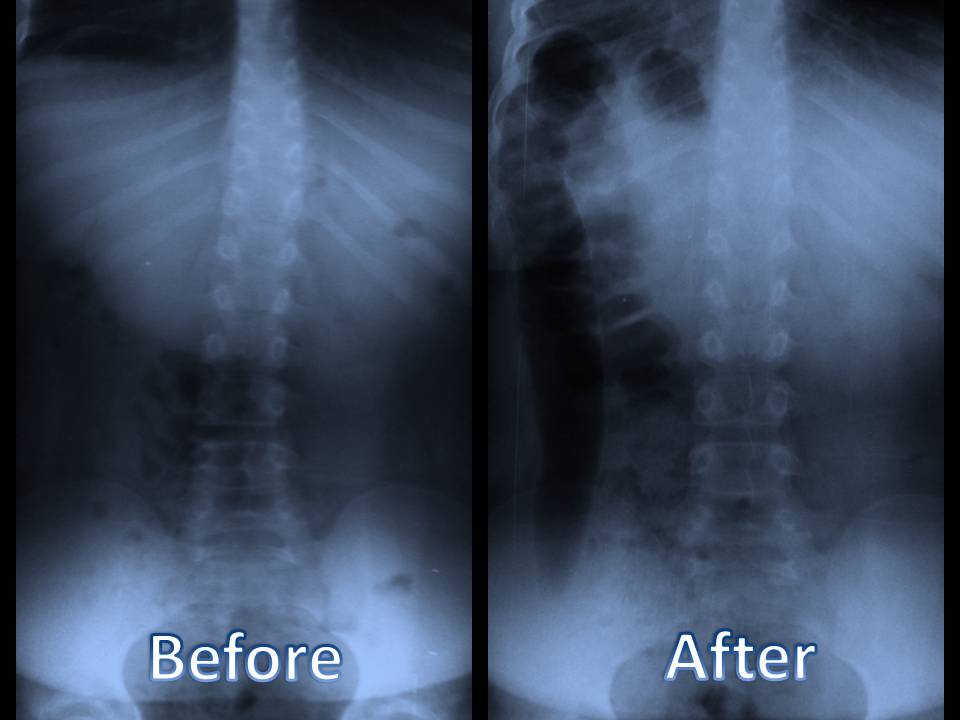
At the conclusion of the study, the patients reported improvement in pain and mobility. Additionally, the Cobb angle of each patient as well as the level of disability improved during the treatments and at the conclusion of the treatment cycle. What was most remarkable, though, was that in the subsequent follow ups, even at the end of the study 24 months later, the patients were still reporting these improvements.
Current Studies
Charles A Lantz, D.C., Ph.D. of the Life Chiropractic College West in San Lorenzo, California, where he is the Director of Research, is currently involved in a research project studying the effectiveness of chiropractic for scoliosis in children. The subjects range from 9 years old to 15 years old and have been diagnosed with scoliosis at a mild to moderate level (curve is less than 25).
Lantz embarked on this project to answer a need for more research on the topic. Currently, there are few formal research endeavors regarding scoliosis and chiropractic as an effective treatment. In 1994, Lantz published an article in the October issue of Chiropractic: The Journal of Chiropractic: Research and Clinical Investigation, Volume 9, Number 4. The article, titled Conservative Management of Scoliosis, stressed Lantz�s observation that more clinical trials are needed to be conducted for adults as well as adolescents with scoliosis to study and measure how chiropractic benefits scoliosis.
IFM's Find A Practitioner tool is the largest referral network in Functional Medicine, created to help patients locate Functional Medicine practitioners anywhere in the world. IFM Certified Practitioners are listed first in the search results, given their extensive education in Functional Medicine









 Chiropractic Care For Allergy Sufferers