Calf pain is common in individuals that are on their feet for long periods. This could be standing, walking, as part of a job or jogging, and running. In most cases, calf soreness and/or pain result from repetitive/overuse strain/injury/tear of the calf muscles. Pain along with stiffness presents with physical activity, exercise, movement. Chiropractic treatment and Active Release can help alleviate and eliminate calf pain.
Calf Muscles
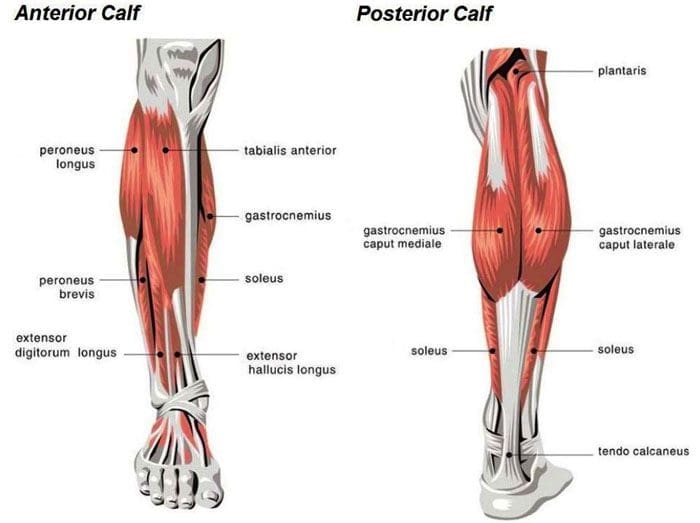
The calf muscle is in the back of the lower leg, behind the shin bone, and consists of three muscles. The calf muscle supports the body when standing and enables movement of the foot and lower leg. The calf muscles support the body when:
Walking
Running
Jumping
Standing on the toes.
Flexing the foot – lifting the toes toward the knee.
It helps push the body forward and allows jumping, ankle rotation, and flexing of the foot.
Causes, Conditions, and Disorders
The overuse of the calf muscles usually causes calf soreness, discomfort, and pain. Over time, tiny tears develop in the muscles of the lower legs and calves. Repeated use can lead to more severe injury or condition without proper treatment. Conditions include:
Strain
The most common injury is a strain. Strains happen when the muscle fibers are overused and get stretched too far and/or tear. However, the fibers may not tear in that instance, and so the tear could occur at a later time while doing a basic movement like slightly bending or kneeling to tie a shoe. This is when individuals wonder how a tear happened with a simple action. But the tear was already present, just not fully torn.
Cramps
Muscle cramps and muscle spasms in the calves can be excruciating limiting mobility. Calf cramps can happen during the day or at night. They can result from several factors that include:
Healthcare providers call this strain tennis leg because it happens when the leg extends and the foot flexes. Tennis players are in this position when they serve and push themselves off into motion; however, it can happen in any sport, job, chore that involves the same movement. This type of muscle strain injury affects the gastrocnemius muscle.
Compartment syndrome
Compartment syndrome happens when pressure builds up inside a muscle. The pressure significantly reduces the flow of blood and oxygen. It can result from trauma like a fracture or strenuous exercise/activity.
Symptoms
Calf muscle issues can cause calf muscle:
Pain
Tightness
Stiffness
Pain may be sharp or dull
Pain can start as mild pain and progressively worsen.
Limited mobility
Limited range of motion
Muscle weakness
A bump, bulge, or lump in the back of the lower leg.
Tenderness
Bruising
General leg cramps are common and are more likely to happen as the body ages.
Healthcare professionals estimate around 75% of individuals over 50 have had leg cramps and pain.
Calf Health
To prevent and avoid problems with the calf muscles, individuals are recommended to:
Maintain a healthy diet and weight
Individuals that are overweight are more likely to pull or strain a muscle.
Excess pounds add pressure on the legs placing individuals at a higher risk of an injury.
If obese or overweight, talk to a healthcare professional about healthy weight.
Stay hydrated
Drink the proper amount of water and other fluids
This decreases the chance of causing a cramp.
Stretch and warm-up
Warmed-up calf muscles are less likely to stretch too far or tear.
Before engaging in physical activity at work or school, do a few warm-up stretches to increase flexibility.
When exercising, gradually increase the intensity.
Talk to a doctor about taking another medication that does not cause these side effects.
Body Composition
Nutrients of Protein
Protein is necessary for all of the body’s physiological functions. Protein and amino acids are the building blocks of the muscle tissue in the body. The body’s muscles are a house, protein is the bricks, and the amino acids that form protein are the building blocks of muscle. The body manufactures various amino acids, but nine are essential amino acids – EAA because they are not made in the body. Individuals have to consume EAAs from food sources like:
Meat
Beans
Nuts
Soy
A diet that consists of mixed amino acids can help maximize muscle protein synthesis. Protein is essential in building muscle because amino acids help repair and maintain muscle tissue. After a strenuous activity or a workout, protein helps the body repair muscles that are slightly torn. To build a healthy body, the body needs to have the right amount of protein. Protein is an essential component of:
Muscle development
Bone density
Muscle mass
Lean tissue
References
Binstead JT, Munjal A, Varacallo M. Anatomy, Bony Pelvis, and Lower Limb, Calf. [Updated 2020 Aug 22]. In: StatPearls [Internet]. Treasure Island (FL): StatPearls Publishing; 2021 Jan-. . Accessed 6/4/2021.https://www.ncbi.nlm.nih.gov/books/NBK459362/ (https://www.ncbi.nlm.nih.gov/books/NBK459362/)
Bright JM, Fields KB, Draper R. Ultrasound Diagnosis of Calf Injuries. Sports Health. 2017 Jul-Aug;9(4):352-355. . Accessed
6/4/2021.https://www.ncbi.nlm.nih.gov/pmc/articles/PMC5496702/ (https://www.ncbi.nlm.nih.gov/pmc/articles/PMC5496702/)
Young G. Leg cramps. BMJ Clinical Evidence. 2015 May 13;2015:1113. . Accessed 6/4/2021.https://www.ncbi.nlm.nih.gov/pmc/articles/PMC4429847/ (https://www.ncbi.nlm.nih.gov/pmc/articles/PMC4429847/)
Back/spine injuries now rank either second or third overall for workplace injury/s. According to the Bureau of Labor Statistics, every year there are over 900,000 cases of back injuries that account for 1 in 4 non-fatal job-related injuries that involve work days missed.�
Backcare & Standing Work
Back injuries can be painful, debilitating, and life-changing. 8 out of 10 people will experience a back/spine injury that can lead to chronic pain and health conditions. We all need to know, especially those of us that work standing up is firsthand knowledge of how important it is learning how to improve spine health and take steps to prevent back injury.
In order to prevent low back disorders means that there needs to be an understanding�of the spine when working along with knowledge of back injury risk factors.
Back/Spine Basics
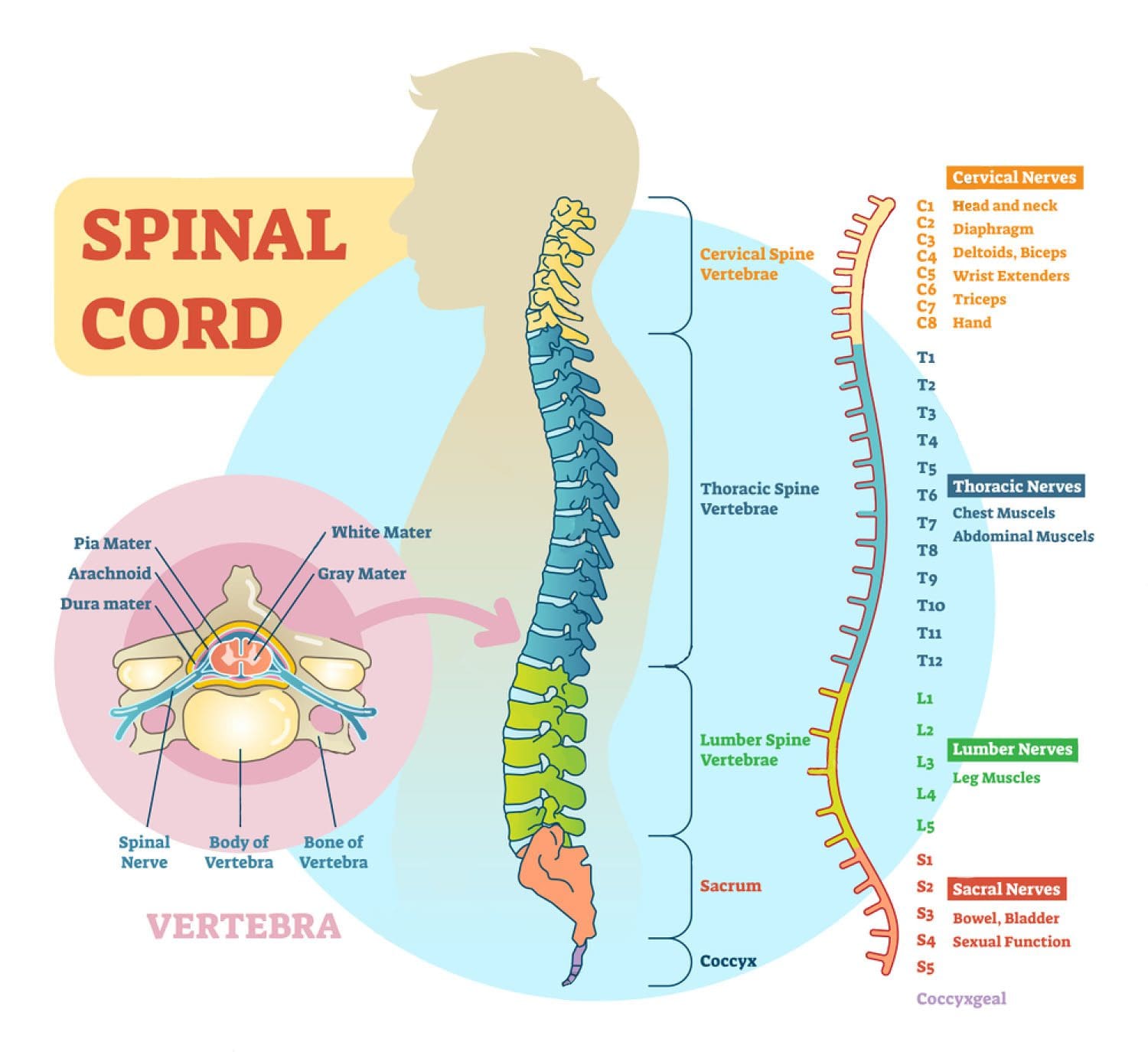
The spine is a flexible structure that consists of 24 bones that move, shift, and contort, called vertebrae. There are:
7 in the neck
12 in the chest
5 in the low back
These are connected by ligaments and separated by pads of cartilage, called intervertebral discs. These are the shock absorbers that allow the flexible movement of the spine, specifically at the neck and the low back.
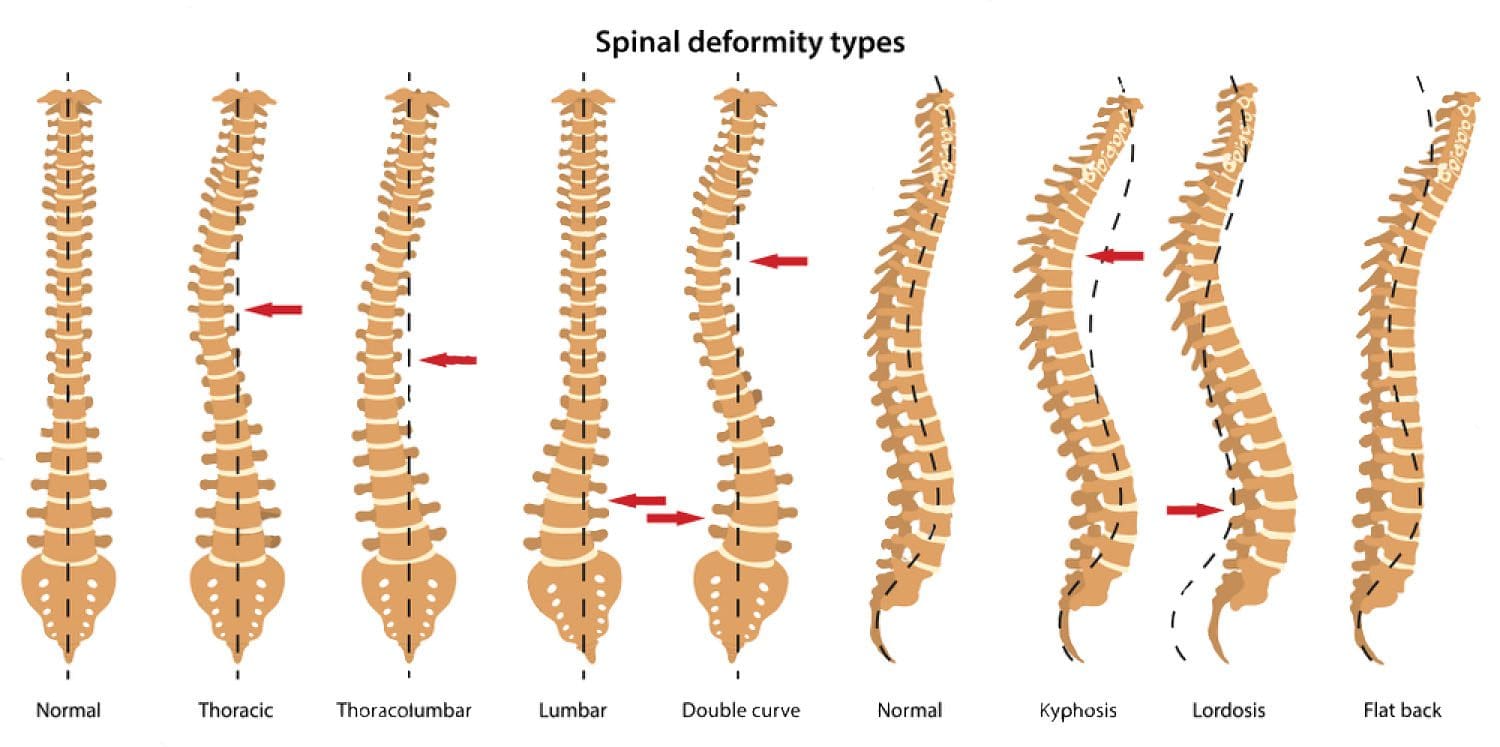
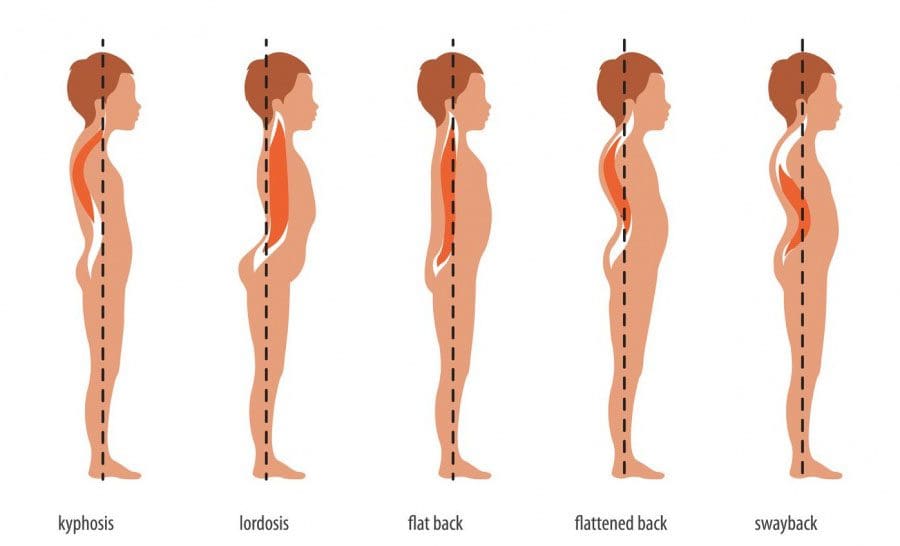
When we stand, the spine naturally curves inwards and outwards. The inward curve is called lordosis, and curves towards the front of the body at the lower back and neck area. The outward curve is called kyphosis, and curves towards the back of the body around the chest area. When we bend over the vertebrae of the lower back change position and shift from being in lordosis to kyphosis when completely bent over and then back again when upright. With this information, it is easy to see how much we move around, bend, stretch and reach during a regular day. The lower back gets used the most, which is why low back pain and injury/s and disorders are the most common.
The National Institute of Occupational Safety and Health concluded: �muscle strain is the most common type of work or nonwork back pain� (Bernard, 1997). This is good news for chiropractors and ergonomists because it means that we can find ways to reduce/change the way we work and the effort involved to minimize injury risks.
Keeping the intervertebral discs healthy plays an extremely significant role in preventing back/spine injuries. If these discs get damaged and start to degenerate,�flexibility begins to fade away, stiffness and soreness sets in and the ability to absorb the daily pressure/forces that comes with standing, moving and working.
There is not a normal blood supply to the intervertebral discs. Instead, as the discs change shape when we move around, the nutrients that they need are absorbed into the discs as the waste products are pumped out. This is why moving the body and staying active is very important. Because as you move you are literally feeding your spine and expelling the bad stuff. Intermittently changing postures and positions helps change the force and weight on the discs so that not all one area is taking the brunt of the force. Remember to move around and keep your spine as healthy as possible.
Risk factors
Major risk factors for back injuries include:
Awkward postures
Bending
Twisting�
Heavy physical tasks
Lifting
Forceful movements
Whole-body vibration aka W.B.V.
Static or unmoving work postures
These risks can happen separately or could be a combination of them all, and if these risks are taking place at any one time the higher probability of an injury/s.
Standing Work
When we stand, the pressure on the�lower back discs is relatively low. Not that there is pressure but it is much lower than when seated with an unsupported backrest like bleachers for example. Standing up uses 20% more energy than sitting does. When we need to bend down to pick up objects or reach to get overhead objects there is an increase in the forces and pressure on the lower back, and this is when an injury is likely to happen.
Tips to Minimize Injury
Here are some tips to help minimize your risks of back/spine injury when you are doing standing work:
Moving around is important to keep the spine healthy. Moving will help improve circulation and reduce muscle fatigue.
Taking consistent short breaks will help reduce fatigue, discomfort and work other muscles.
Gentle stretching during some of these breaks helps to ease muscle tension and gets circulation pumping.
Pay attention to your posture and the way you stand as you work.
Lean on a solid support to help reduce fatigue when you are standing with a support that you can put your back up against, lean against sideways, lean forwards against and to hold on to will increase safety.
Keep your back strong and try to do exercises that will strengthen the back muscles. Activities, like Yoga, Crossfit, HITT or workouts focused on the spine for flexibility are the way to go.
Maintain a stable posture with your feet on a firm surface.
Avoid twisting the lower back around to reach for things.
Move your feet so that your whole body changes position.
Minimize bending, but when you have to, bend for objects in front of you and bend at the knees instead of the back. When bending for objects that are to the side of you change your stance so you are facing the object, and then bend down at the knees.
Don’t overreach but if you have to reach up to a high area to get something use a step-ladder.
Don’t reach over objects and move the obstruction or change your position before reaching for whatever it is.
Low Back Pain? Fix it with *FOOT ORTHOTICS* | El Paso, Tx
NCBI Resources
The one size fits all method just doesn�t cut it. A more focused approach for every individual leads to better results. Patients find that placing their bodies in certain positions and certain physical activities can:
Activate
Aggravate
Deactivate�their back pain.
Patients also find the pain being either better or worse. Understanding why sitting, standing, and walking can change the severity of low back pain can be helpful in diagnosis. These are important cues that help to diagnose and treat low back pain. People sit, stand, and walk all day. This is why so much research has been conducted on how these specific positions and activities contribute to low back pain.
Lower back pain is a condition that pretty much affects most of us at some point in our lives. Some find:
Sitting
Standing
Walking
can be painfully difficult or helpful, depending on the position or the activity they’re involved in.
Low back pain varies from person to person, yet there remains no consensus on the optimal way to diagnose and treat patients.
Lower back pain can be caused by a multitude of factors and can be difficult to diagnose the exact cause. However, there is an advanced method of diagnosing and treating individuals with musculoskeletal conditions/injuries.
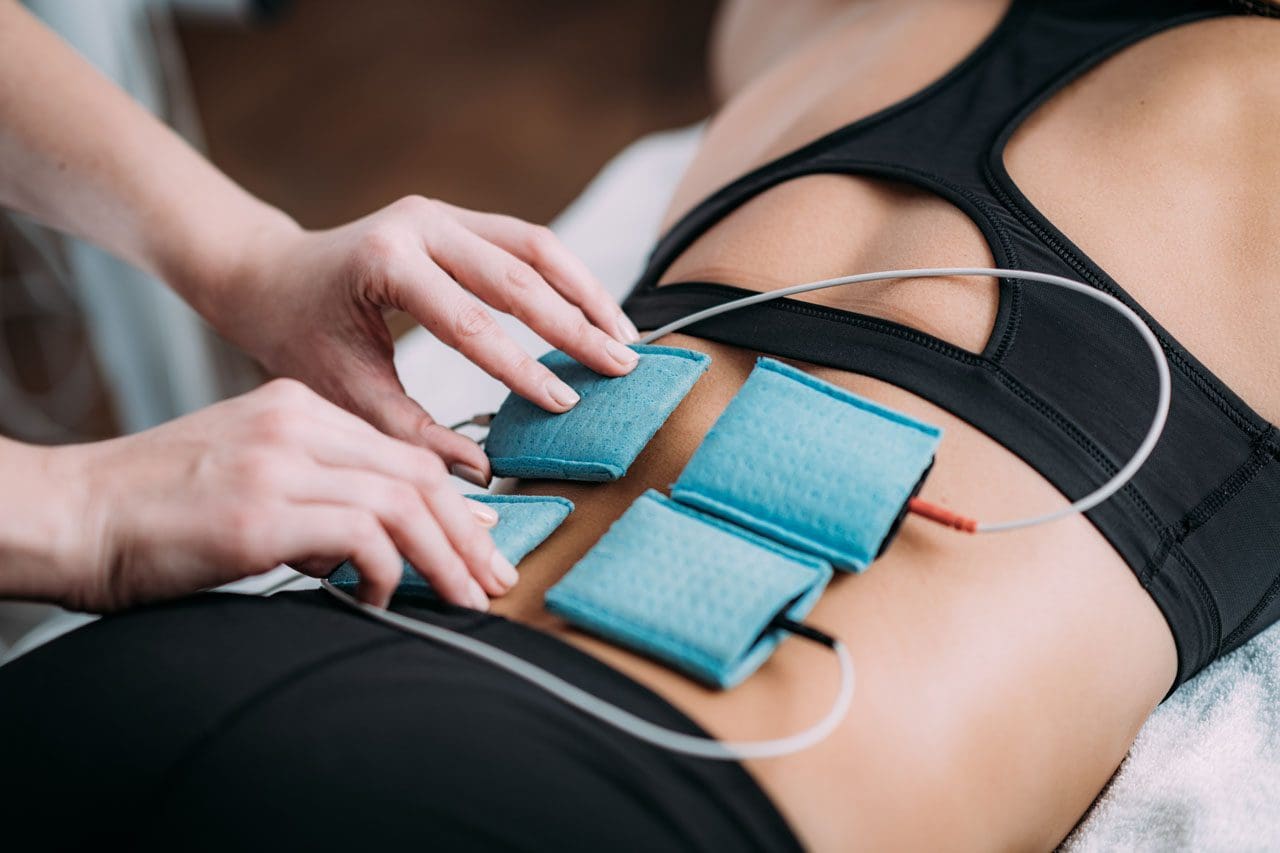
TENS, Transcutaneous Electrical Nerve Stimulation in Physical Therapy. Therapist Positioning Electrodes onto Patient’s Lower Back
Successful treatment
Dividing patients with lower back pain into more similar groups based on the same factors that aggravate and alleviate the pain means that a more custom based treatment plan can be created.
The one size fits all method just doesn’t cut it. A more focused approach for every individual leads to better results.
Patients find that placing their bodies in certain positions and certain physical activities can:
Activate
Aggravate
Deactivate their back pain.
Patients also find the pain being either better or worse.
Understanding why sitting, standing, and walking can change the severity of low back pain can be helpful in diagnosis.
These are important cues that help to diagnose and treat low back pain.
People sit, stand, and walk all day. This is why so much research has been conducted on how these specific positions and activities contribute to low back pain.
Spine Anatomy
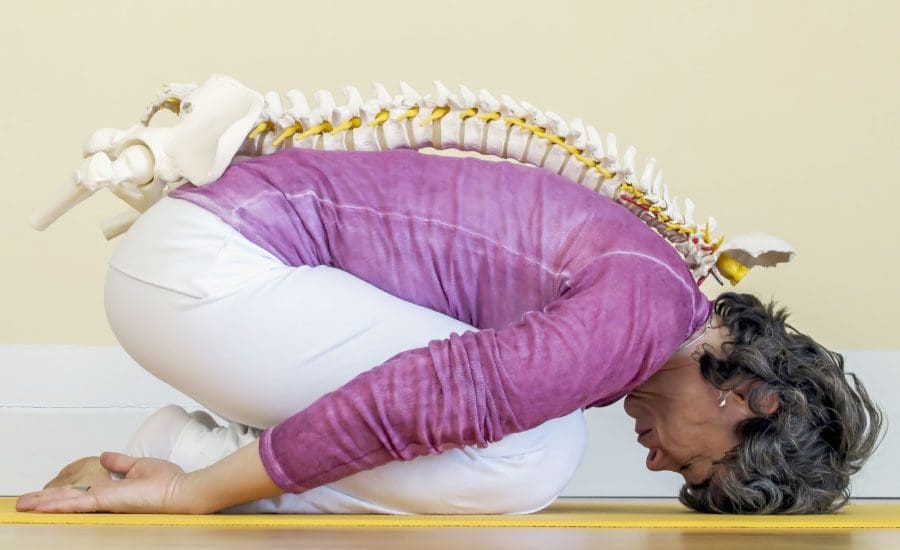
The alignment of the spinal column, from the skull to the pelvis, is S-shaped.
The cervical and lumbar spinal segments curve towards the front of the body, and so are lordotic,�while the thoracic spine curves towards the back of the body and is kyphotic.
The amount of curvature does not stay in one place and changes based on body position.
Compared to standing, sitting decreases lumbar lordosis by about 50%.
Changes in lumbar lordosis can relieve pain from certain forms of back pain but can aggravate others.
Picture The Spine Bending
Imagine you are holding a garden hose. Holding it vertically in front of you. The hollow part of the tube represents the spinal canal, the part of the hose facing you is the posterior spinal column, and the part of the hose facing away from you is the anterior spinal column.
Bend the hose in half. The hose on the outward-facing side of the curve will stretch out, while the hose on the inward-facing side of the tube will be compressed.
This exercise helps visualize that an object being bent will experience two forces, either:
Compression
Tension
Increasing lumbar curvature will compress the posterior column�and stretch out the anterior column vertebrae and discs.
Decreasing lumbar curvature will�stretch out�the posterior column and�compress�the anterior column. This is the basis of why certain body positions can relieve back pain symptoms for some people and make it worse for others.
Prolonged sitting, and especially if poor posture is involved, can cause overstretching of spinal muscles.
Arthritis can affect the joints.
The facet joints are posterior based structures and can become compressed with increased curvature. When the facet joints are the primary cause of back pain, patients usually find that sitting improves the pain, while standing and walking make it worse.
When the discs are the pain generator, sitting seems to aggravate the pain as there is more compression in the tissue.
With certain types of disc herniations, sitting can compress the disc to the point that the herniated tissue starts to press against a nerve root causing radicular pain or pain that radiates out to another area of the body like the legs. In this case, walking seems to alleviate the pain.
Spinal Conditions
Various spinal conditions definitely contribute to back pain and have the same presentations and alleviations.
Spinal Stenosis which means the narrowing of the spinal canal. Patients with this type of spine pain improve with leaning forward sitting. This is because the posture increases/opens the size of the canal�and decreases the nerve root compression.
Spondylolisthesis is when one vertebra slips forward over the vertebra right underneath. This is more commonly known as a slipped disc. There are various forms of this condition. But the pain occurs immediately when sitting, bending or walking and is usually relieved when standing still or in a neutral position for short periods.
Sacroiliac Joint Dysfunction comes from the sacroiliac joint becoming inflamed. Pain is usually aggravated when sitting or about to sit. especially when there is added weight on the affected side. This can be difficult to diagnose because of trying to figure out if it’s the hip or low back causing the pain.
Locating the Pain Generator
Sitting, standing, walking low back pain causes are different for everyone. But finding the root cause helps to prescribe the best treatment possible. A chiropractor uses many different techniques to relieve pain. These include:
Applied pressure
Massage
Hands-on manipulation (adjustments)
X-rays
MRI’s
Lab work
Health coaching
Chiropractors don�t prescribe medications, but they do recommend therapeutic, rehabilitative exercises and nutritional lifestyle counseling to help the body heal itself.
Low Back Pain Treatment El Paso, Texas
NCBI Resources
A chiropractor sets up treatment approaches based on the individual. This begins with the natural, non-invasive treatments before moving on to more aggressive techniques. And as an added bonus patient�s who have received chiropractic treatment have experienced improvements to their digestive health and have reported better and deeper sleep after a chiropractic visit.
The goal is to have an economical stance and gait that does not require excessive energy.
The curves need to be well-balanced.
The gravity line should fall through:
The head and cervical spine
Behind the sacrum
Through the center of the hips
Like this minimum energy is exerted for standing and walking.
When these curves are not balanced, like what happens with excessive kyphosis in the thoracic spine or loss of normal lordosis in the lumbar spine, the patient may begin to experience symptoms.
Loss of lumbar lordosis or actual kyphosis in the lumbar spine that presents symptoms is named flatback syndrome.
Symptoms
The main symptoms of flatback are:
Difficulty standing up straight
Low back pain
Thigh pain
Groin pain
Symptoms will worsen as the day progresses with fatigue and increasing difficulty to stand up straight with correct posture.
Individuals will flex or bend their hips and knees to get into an upright position.
This is what causes the exhaustion as the day goes on.
Some patients also have symptoms of:
Sciatica
Spinal stenosis
Leg pain
Weakness made worse from walking
Some individuals have neck and upper back pain as they strain to get themselves upright.
Trying to live like this can lead to a disabling condition that requires pain medications, and limits the individual’s ability to perform daily activities.
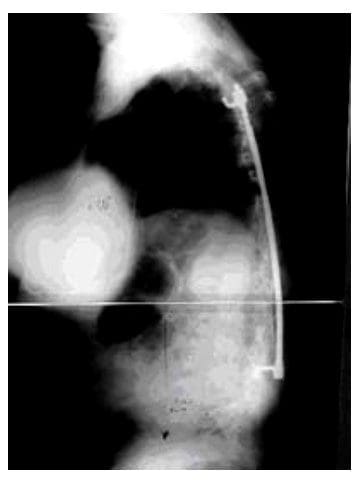
This was the earliest type of spine implantation to correct scoliosis.
This instrumentation had a tendency to flatten the normal curve or lordosis in the lumbar spine.
This system was used from the 1960s to the 1980s.
With today’s implant systems and techniques, this problem doesn’t really occur anymore.
But not to knock the system, those treated with�Harrington�rods did very well for decades.
The spine compensates for the flattening of the lordosis with the normal discs underneath the fused area.
However, when the discs below the fusion would wear out (degenerate), the patients would lose the ability to stand upright and pain would develop.
Other causes include:
Ankylosing Spondylitis
A chronic inflammatory arthritic disease that causes stiffness and loss of lordosis.
Degenerative Disc Disease
The normal aging process of the wear and tear/degeneration of the discs, that are the shock absorbers of the spine.
In the lumbar area, these discs contribute to normal curvature.
As the discs degenerate, the spine stiffens and the curvature disappears.
The patient has progressive difficulty in achieving an upright posture.
Post-Laminectomy Syndrome
After a laminectomy procedure used to decompress the spine nerves, loss of lordosis and instability can develop.
This type of procedure is associated with failed back surgery syndrome.
Compression Fractures
Single or multiple vertebrae collapsing can result in loss of lordosis and flatback.
The vertebrae are the building blocks of the spine.
Diagnosis
The diagnosis begins with a patient’s history.
A doctor will look for the common symptoms like the presentation of difficulty standing upright along with back pain.
If there is a history of prior surgery or a disease making them susceptible to the syndrome.
Full standing x-rays will be ordered.
The lateral side view is specifically the side that will be helpful (see x-ray).
The patient stands, knees straight, the posture can be seen to be stooped forward.
This is depicted by the gravity line/plumb line falling in front of the sacrum.
Finally, MRI’s, CT scans, can be utilized to provide information about the health of the:
Discs
Vertebrae
Degree of openness of the spinal canal to see if there is compression of the spinal nerves or not
Non-surgical Treatment
Patients should try non-surgical treatment first like:
Chiropractic
Physical therapy
Non-steroidal anti-inflammatory medication
Conditioning and endurance exercise programs can provide relief. But, if the structural problem is too great for conservative therapy then surgery is an option.
Proven Reduced Back Pain with *FOOT ORTHOTICS* | El Paso, Tx
In a recent research study published by the American Congress of Rehabilitation Medicine (ACRM), researchers demonstrated that Foot Levelers custom foot orthotics help considerably reduce back pain and several of its associated health issues.
The research study also demonstrated that Foot Levelers custom foot orthotics and chiropractic care help tremendously reduce low back pain and sciatica.
Foot Levelers custom foot orthotics and chiropractic care helped improve the patient’s overall health and wellness.
Dr. Jimenez is a chiropractor in El Paso, TX who can help provide these benefits through the utilization of chiropractic care and Foot Levelers custom foot orthotics, among other treatments.
NCBI Resources
Sometimes low back pain comes out of nowhere, but that sudden twinge in the lower back does have a cause. With some cases, there�s a�trigger, like picking up a heavy object/furniture from an awkward position.� But sometimes it can be a mystery and a challenge to diagnose.
It is important to know the cause of lower back pain to figure out the proper treatment plan. Otherwise, one could receive treatment for the wrong diagnosis and possibly exacerbate the existing injury.
Yoga is a great way to improve flexibility and strength in your body. In this article we will go over some standing poses to use in your practice.
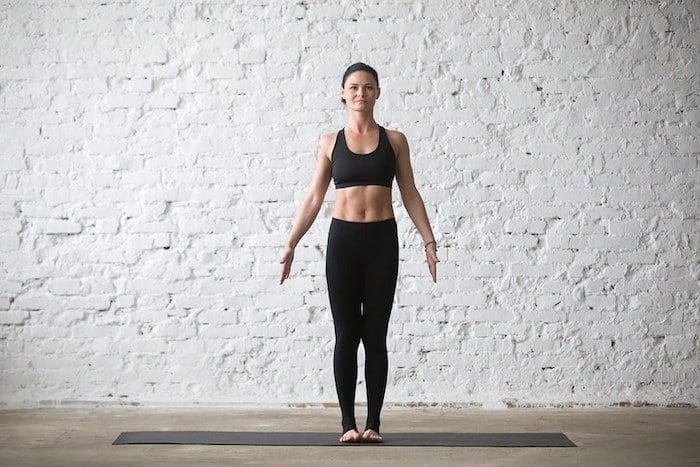
YOGA: MOUNTAIN POSE (TADASANA)
The mountain pose is the foundation of all standing poses. It might not look like much but the mountain pose is an important starting position, resting pose and tool to improve posture which leads to many other standing poses in yoga.
�
�
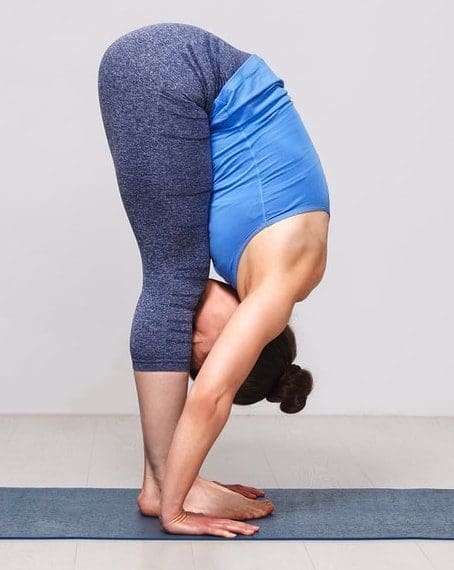
STANDING FORWARD BEND (UTTANASANA)
Standing forward bend is a smooth transition from mountain pose and you will find a deep stretch in the entire back body.
�
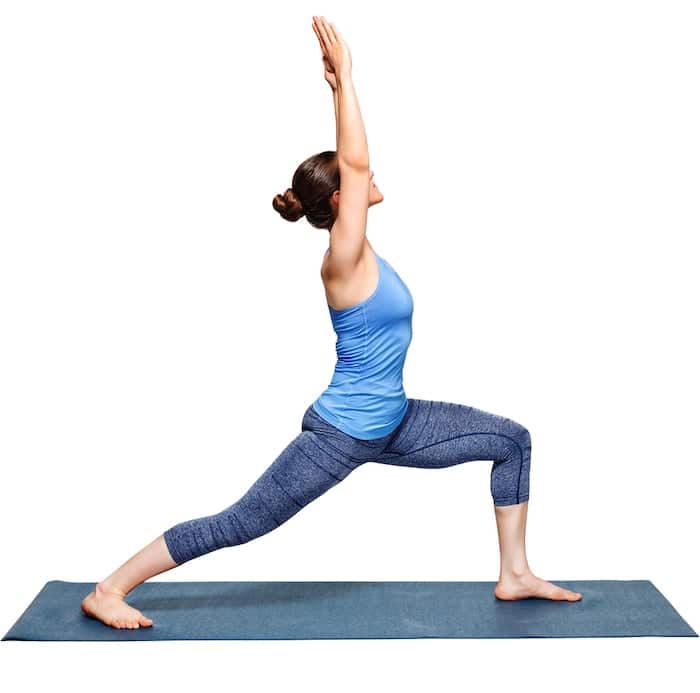
WARRIOR I POSE (VIRABHADRASANA I)
There are three variations of the warrior pose of which this is number I.
�
�
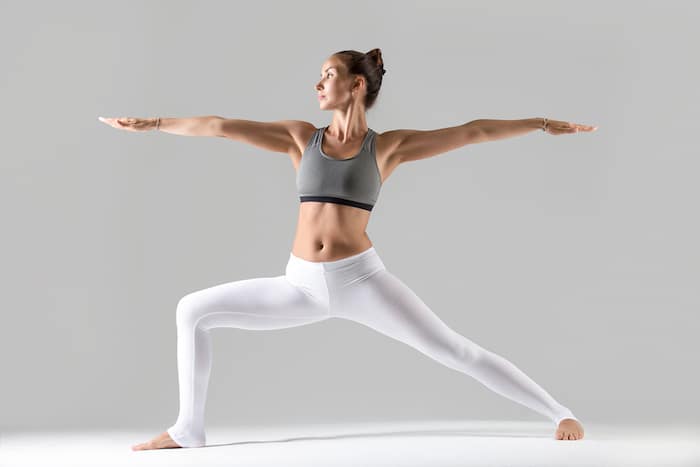
WARRIOR II (VIRABHADRASANA II)
Warrior II stretches and strengthens the body in the one movement, allowing you to feel like a strong warrior. This pose will build strength your ankles, legs, glutes, core, back and shoulders.
�
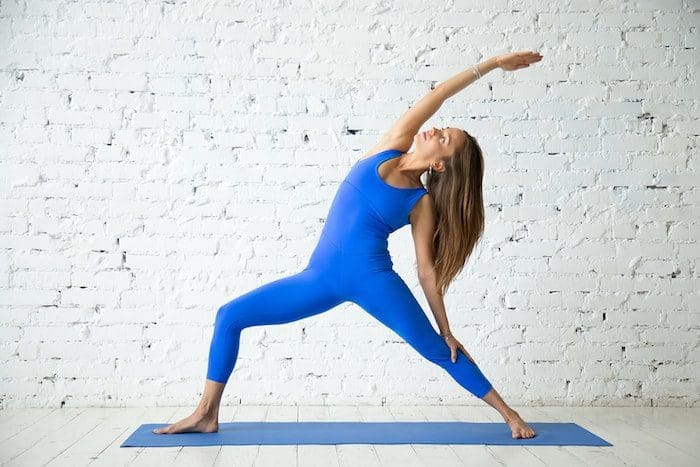
REVERSE WARRIOR (VIPARITA VIRABHADRASANA)
Reverse Warrior is a variation of the warrior II pose that provide a great stretch in the side body.
Doctor of Chiropractic, Dr. Alexander Jimenez shares some insights about a pain free workday.
#1. Use�Healthy Posture & Movement Patterns
Considering all the emphasis on how little or much we should sit or stand at work, there is almost no discussion of technique in standing and sitting. Inferior technique slumpsitting, archsitting, parking weight is used by many people so on, and poorly on joints.
As long as this is actually true, any place is going to stack up badly in the research�we are starting to see it for standing and �ve seen this for sitting. Sitting has been much maligned as �the new smoking�; and now standing as a replacement is being demonstrated to cause increased hospitalization due to varicose veins, atherosclerosis that is increased, etc. A good starting point is stretchsitting, to start the journey back to a pain free workday. Stretchsitting is simple, safe, comfy, and therapeutic.
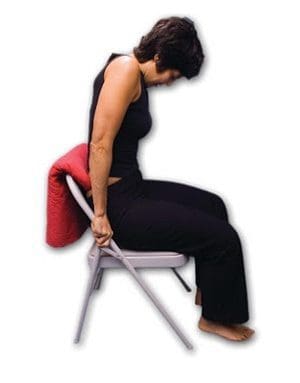
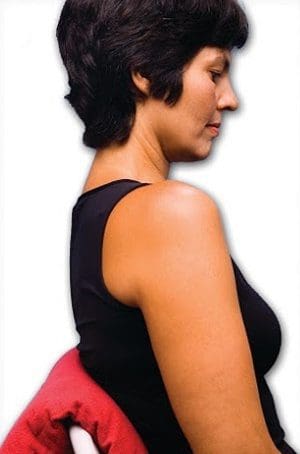
Work with flannel, a towel, or a Stretchsit pillow so it contacts you at mid-back, below the shoulder blades.
Scoot your bottom all the way back in the seat.
Lean forwards from the hips, like a mini crunch is being done by you, and tip your ribcage forward.
Push downwards on the armrests/side bars/seat pan of your chair to get a soft stretch in your lower back.
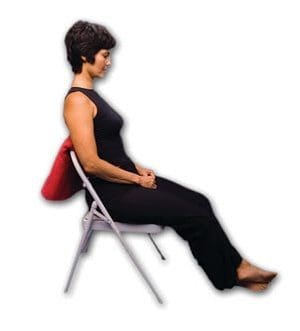
Keeping the stretch, lean back out of your hips and adhere your mid back on to the Stretchsit pillow/towel.
Relax completely, letting the Stretchsit pillow and come from the mini crunch /towel keep you in traction that is light.
Roll each shoulder back and rest your hands close into your own body.
Angle your chin down slightly, letting the back of your neck be long.
(a) Lean forward from the hips, and tilt your ribcage forward, like you are doing a mini-�crunch. (b) Push downwards on the armrests/side bars/seat pan of your chair to get a gentle stretch in your lower back. (c) Keeping the stretch, lean back from your hips and stick your mid-�back on to the Stretch-sit cushion/towel.
(a) Come out of the mini�crunch and relax completely, letting the Stretchsit cushion/towel keep you in mild traction. (b) Roll each shoulder back and rest your hands close into your body.
Angle your chin down slightly, letting the back of your neck be long.
#2. Vary�Your Baseline Posture
No matter how good your bearing, your body still needs a variety of places. Sitting and standing are the most practical positions for most occupations (example computer occupations)�I recommend switching between them every 20- 30 minutes. If other positions and motions are practical for doing your job (eg, walking when speaking on the phone), that�s an excellent bonus�the more baseline stances and movements, the better. (one sitting against backrest, one stack sitting, standing in a desk, and walking with telephone)
Sitting against the backrest.
Stack sitting
Standing at a desk.
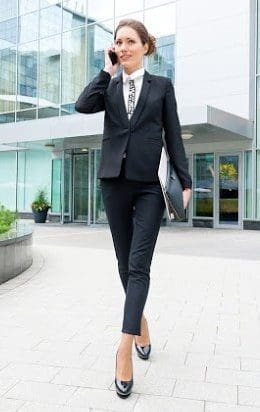
Walking while talking on a cell phone.
#3. Supplement With Rest, Exercise, Movement During & Outside The Workday
Use your breaks in the workday along with your time away from work to supplement your special service line spots. Do you need rest? Exertion? Stretching? Strengthening your abdominal muscles?… There are countless tissues and muscles within your body that have needs just like you are served by a diet that is diverse well, a movement regimen that is varied will also.
#4. Use Well – Designed Tools & Furniture
Experiment and learn with what constitutes furniture that is healthy this is an investment in the way you’ll be spending about half your waking life.
IFM's Find A Practitioner tool is the largest referral network in Functional Medicine, created to help patients locate Functional Medicine practitioners anywhere in the world. IFM Certified Practitioners are listed first in the search results, given their extensive education in Functional Medicine