Can knowing treatment options for a dislocated hip help individuals expedite rehabilitation and recovery?
Dislocated Hip
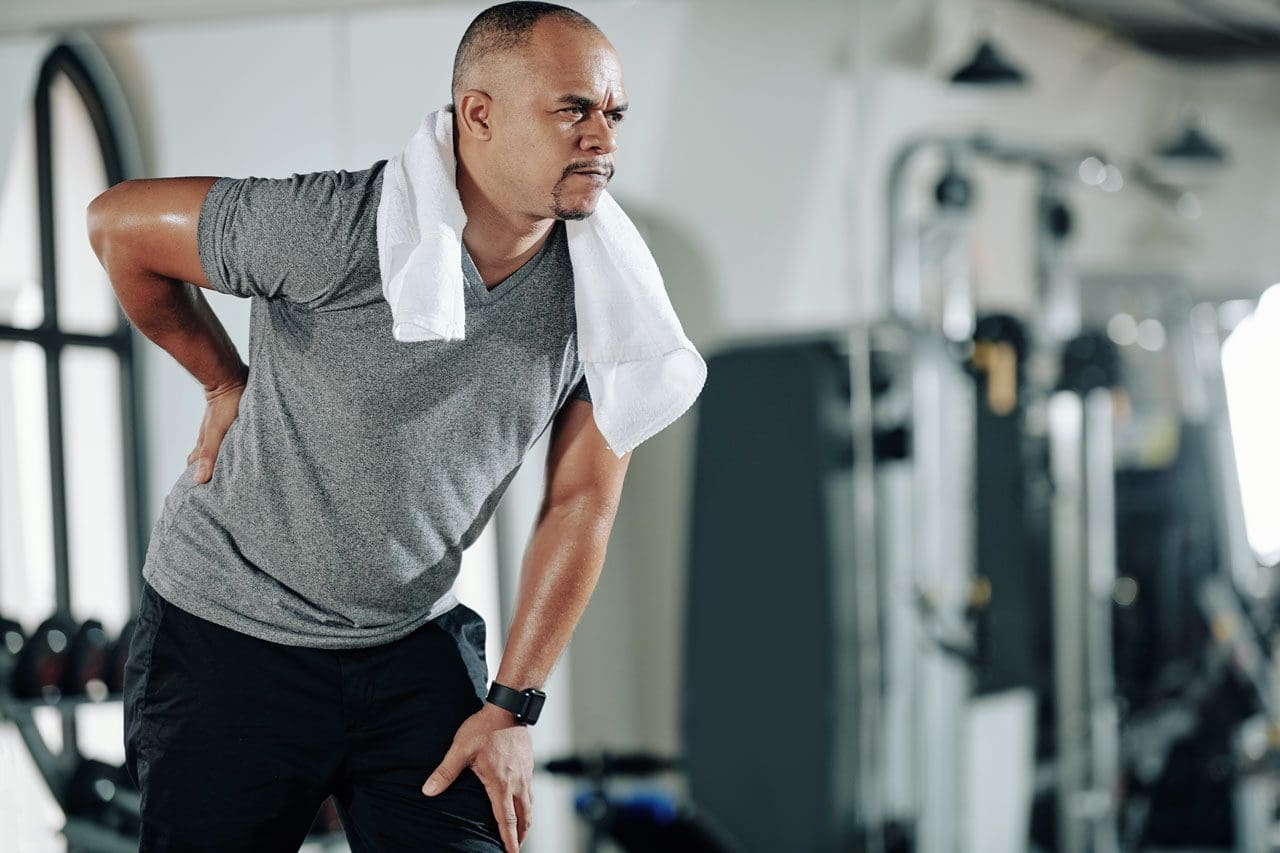
A dislocated hip is an uncommon injury but can happen due to trauma or following hip replacement surgery. It usually occurs after severe trauma, including motor vehicle collisions, falls, and sometimes sports injuries. (Caylyne Arnold et al., 2017) A dislocated hip can also occur after hip replacement surgery. Other injuries like ligament tears, cartilage damage, and bone fractures can occur alongside the dislocation. Most hip dislocations are treated with a joint reduction procedure that resets the ball into the socket. It is usually done with sedation or general anesthesia. Rehabilitation takes time and could be a few months before full recovery. Physical therapy can help restore motion and strength in the hip.
What Is It?
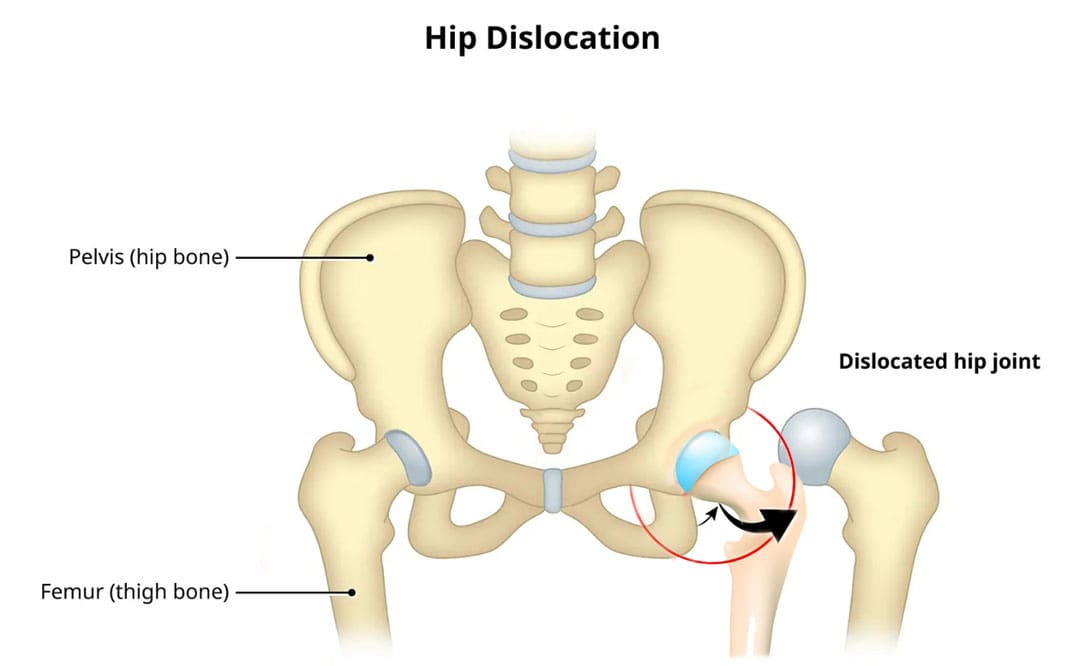
If the hip is only partially dislocated, it’s called a hip subluxation. When this happens, the hip joint head only partially emerges from the socket. A dislocated hip is when the head or ball of the joint shifts or pops out of the socket. Because an artificial hip differs from a normal hip joint, the risk of dislocation increases after joint replacement. A study found that around 2% of individuals who undergo total hip replacement will experience hip dislocation within a year, with the cumulative risk increasing by approximately 1% over five years. (Jens Dargel et al., 2014) However, new technological prosthetics and surgical techniques are making this less common.
Hip Anatomy
The hip ball-and-socket joint is called the femoroacetabular joint.
The socket is called the acetabulum.
The ball is called the femoral head.
The bony anatomy and strong ligaments, muscles, and tendons help to create a stable joint. Significant force must be applied to the joint for a hip dislocation to occur. Some individuals report feeling a snapping sensation of the hip. This usually is not a hip dislocation but indicates a different disorder known as snapping hip syndrome. (Paul Walker et al., 2021)
Posterior Hip Dislocation
Around 90% of hip dislocations are posterior.
In this type, the ball is pushed backward from the socket.
A hip dislocation increases the risk of developing joint arthritis following the injury and can raise the risk of needing a hip replacement later in life. (Hsuan-Hsiao Ma et al., 2020)
Developmental Dislocation of the Hip
Some children are born with developmental dislocation of the hip or DDH.
Children with DDH have hip joints that did not form correctly during development.
This causes a loose fit in the socket.
In some cases, the hip joint is completely dislocated.
Joint reduction is the most common way to treat a dislocated hip. The procedure repositions the ball back into the socket and is usually done with sedation or under general anesthesia. Repositioning a hip requires significant force. A hip dislocation is considered an emergency, and reduction should be performed immediately after the dislocation to prevent permanent complications and invasive treatment. (Caylyne Arnold et al., 2017)
Once the ball is back in the socket, the healthcare provider will look for bone, cartilage, and ligament injuries.
Depending on what the healthcare provider finds, further treatment may be necessary.
Fractured or broken bones may need to be repaired to keep the ball within the socket.
Damaged cartilage may have to be removed.
Surgery
Surgery could be necessary to return the joint to its normal position. Hip arthroscopy can minimize the invasiveness of certain procedures. A surgeon inserts a microscopic camera into the hip joint to help the surgeon repair the injury using instruments inserted through other small incisions.
Hip replacement surgery replaces the ball and socket, a common and successful orthopedic surgical procedure. This surgery may be performed for various reasons, including trauma or arthritis, as it is common to develop early arthritis of the hip after this type of trauma. This is why many who have a dislocation ultimately need hip replacement surgery. As a major surgical procedure, it is not without risks. Possible complications include:
Infection
Aseptic loosening (the loosening of the joint without infection)
Hip dislocation
Recovery
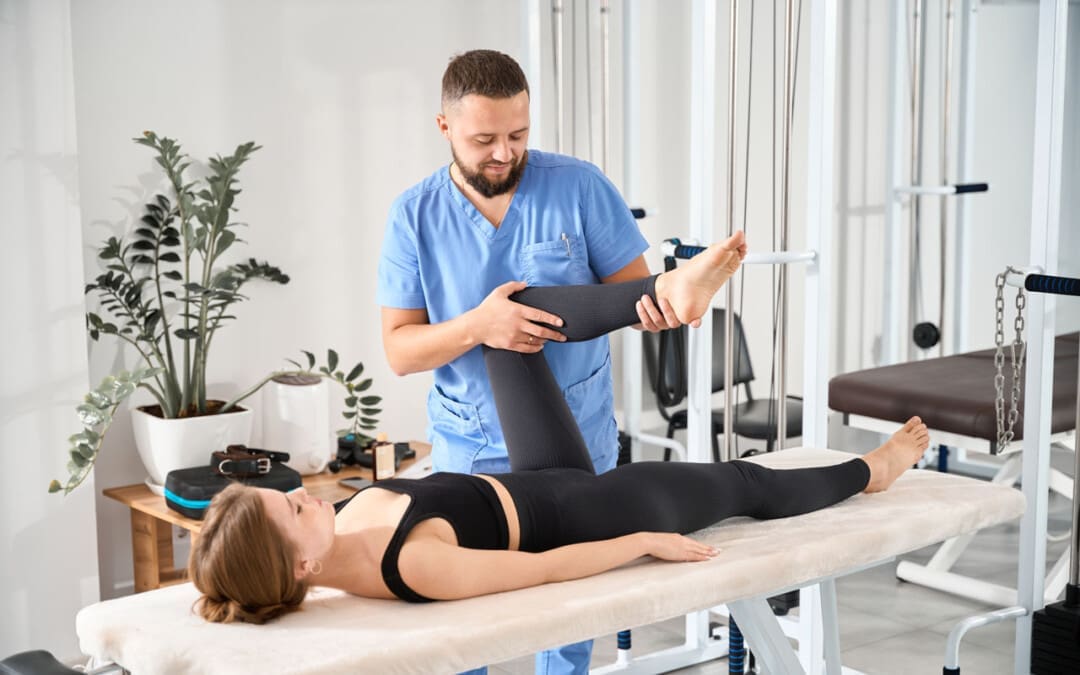
Recovering from a hip dislocation is a long process. Individuals will need to walk with crutches or other devices early in recovery. Physical therapy will improve the range of motion and strengthen the muscles around the hip. Recovery time will depend on whether other injuries, such as fractures or tears, are present. If the hip joint was reduced and there were no other injuries, it may take six to ten weeks to recover to the point where weight can be placed on the leg. It could be between two and three months for a full recovery. Keeping weight off the leg is important until the surgeon or physical therapist gives the all-clear. Injury Medical Chiropractic and Functional Medicine Clinic will work with an individual’s primary healthcare provider and other surgeons or specialists to develop an optimal personalized treatment plan.
Chiropractic Solutions for Osteoarthritis
References
Arnold, C., Fayos, Z., Bruner, D., Arnold, D., Gupta, N., & Nusbaum, J. (2017). Managing dislocations of the hip, knee, and ankle in the emergency department [digest]. Emergency medicine practice, 19(12 Suppl Points & Pearls), 1–2.
Dargel, J., Oppermann, J., Brüggemann, G. P., & Eysel, P. (2014). Dislocation following total hip replacement. Deutsches Arzteblatt international, 111(51-52), 884–890. https://doi.org/10.3238/arztebl.2014.0884
Walker, P., Ellis, E., Scofield, J., Kongchum, T., Sherman, W. F., & Kaye, A. D. (2021). Snapping Hip Syndrome: A Comprehensive Update. Orthopedic reviews, 13(2), 25088. https://doi.org/10.52965/001c.25088
Cornwall, R., & Radomisli, T. E. (2000). Nerve injury in traumatic dislocation of the hip. Clinical orthopaedics and related research, (377), 84–91. https://doi.org/10.1097/00003086-200008000-00012
American Academy of Orthopaedic Surgeons. (2021). Hip dislocation. https://orthoinfo.aaos.org/en/diseases–conditions/hip-dislocation
Kellam, P., & Ostrum, R. F. (2016). Systematic Review and Meta-Analysis of Avascular Necrosis and Posttraumatic Arthritis After Traumatic Hip Dislocation. Journal of orthopaedic trauma, 30(1), 10–16. https://doi.org/10.1097/BOT.0000000000000419
Ma, H. H., Huang, C. C., Pai, F. Y., Chang, M. C., Chen, W. M., & Huang, T. F. (2020). Long-term results in the patients with traumatic hip fracture-dislocation: Important prognostic factors. Journal of the Chinese Medical Association : JCMA, 83(7), 686–689. https://doi.org/10.1097/JCMA.0000000000000366
American Academy of Orthopaedic Surgeons. (2022). Developmental dislocation (dysplasia) of the hip (DDH). https://orthoinfo.aaos.org/en/diseases–conditions/developmental-dislocation-dysplasia-of-the-hip-ddh/
For individuals who lift weights, are there ways to protect the wrists and prevent injuries when lifting weights?
Wrist Protection
The wrists are complex joints. The wrists significantly contribute to stability and mobility when performing tasks or lifting weights. They provide mobility for movements using the hands and stability to carry and lift objects securely and safely (National Library of Medicine, 2024). Lifting weights is commonly performed to strengthen and stabilize the wrists; however, these movements can cause wrist pain and lead to injuries if not performed correctly. Wrist protection can keep wrists strong and healthy and is key to avoiding strains and injuries.
Wrist Strength
The wrist joints are set between the hand and forearm bones. Wrists are aligned in two rows of eight or nine total small bones/carpal bones and are connected to the arm and hand bones by ligaments, while tendons connect the surrounding muscles to the bones. Wrist joints are condyloid or modified ball and socket joints that assist with flexion, extension, abduction, and adduction movements. (National Library of Medicine. 2024) This means the wrists can move in all planes of motion:
Side to side
Up and down
Rotate
This provides a wide range of motion but can also cause excessive wear and tear and increase the risk of strain and injury. The muscles in the forearm and hand control finger movement necessary for gripping. These muscles and the tendons and ligaments involved run through the wrist. Strengthening the wrists will keep them mobile, help prevent injuries, and increase and maintain grip strength. In a review on weightlifters and powerlifters that examined the types of injuries they sustain, wrist injuries were common, with muscle and tendon injuries being the most common among weightlifters. (Ulrika Aasa et al., 2017)
Protecting the Wrists
Wrist protection can use a multi-approach, which includes consistently increasing strength, mobility, and flexibility to improve health and prevent injuries. Before lifting or engaging in any new exercise, individuals should consult their primary healthcare provider, physical therapist, trainer, medical specialist, or sports chiropractor to see which exercises are safe and provide benefits based on injury history and current level of health.
Increase Mobility
Mobility allows the wrists to have a full range of motion while retaining the stability necessary for strength and durability. Lack of mobility in the wrist joint can cause stiffness and pain. Flexibility is connected to mobility, but being overly flexible and lacking stability can lead to injuries. To increase wrist mobility, perform exercises at least two to three times a week to improve range of motion with control and stability. Also, taking regular breaks throughout the day to rotate and circle the wrists and gently pull back on the fingers to stretch them will help relieve tension and stiffness that can cause mobility problems.
Warm-Up
Before working out, warm up the wrists and the rest of the body before working out. Start with light cardiovascular to get the synovial fluid in the joints circulating to lubricate the joints, allowing for smoother movement. For example, individuals can make fists, rotate their wrists, perform mobility exercises, flex and extend the wrists, and use one hand to pull back the fingers gently. Around 25% of sports injuries involve the hand or wrist. These include hyperextension injury, ligament tears, front-inside or thumb-side wrist pain from overuse injuries, extensor injuries, and others. (Daniel M. Avery 3rd et al., 2016)
Strengthening Exercises
Strong wrists are more stable, and strengthening them can provide wrist protection. Exercises that improve wrist strength include pull-ups, deadlifts, loaded carries, and Zottman curls. Grip strength is vital for performing daily tasks, healthy aging, and continued success with weightlifting. (Richard W. Bohannon 2019) For example, individuals who have difficulty increasing the weight on their deadlifts because the bar slips from their hands could have insufficient wrist and grip strength.
Wraps
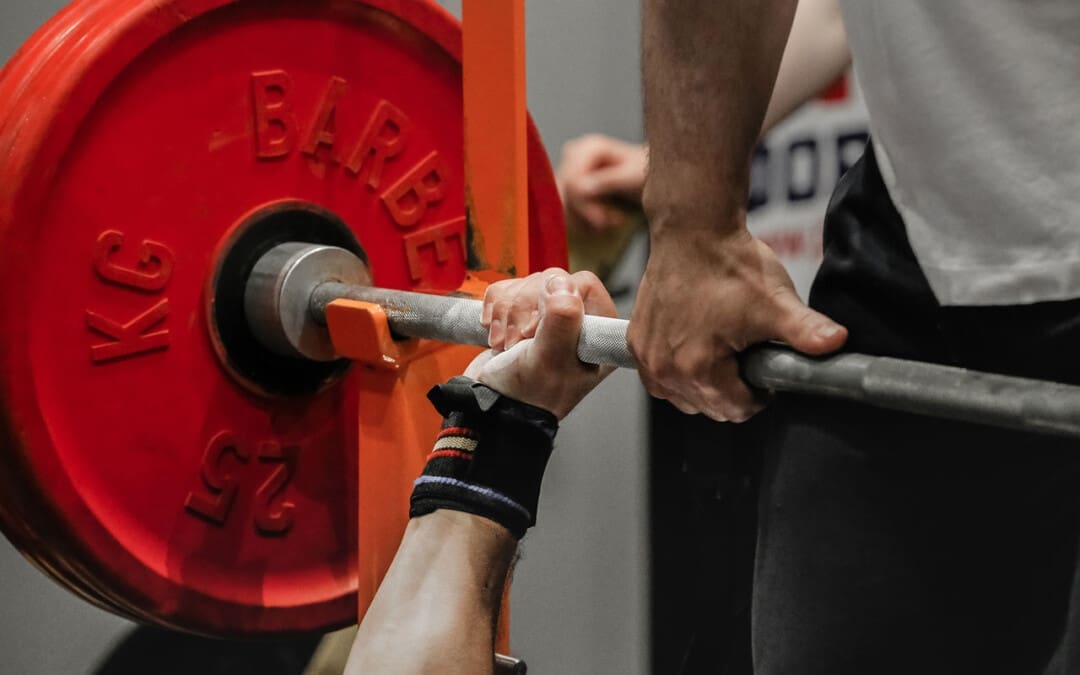
Wrist wraps or grip-assisting products are worth considering for those with wrist issues or concerns. They can provide added external stability while lifting, reducing grip fatigue and strain on the ligaments and tendons. However, it is recommended not to rely on wraps as a cure-all measure and to focus on improving individual strength, mobility, and stability. A study on athletes with wrist injuries revealed that the injuries still occurred despite wraps being worn 34% of the time prior to the injury. Because most injured athletes did not use wraps, this pointed to potential preventative measures, but the experts agreed more research is needed. (Amr Tawfik et al., 2021)
Preventing Overuse Injuries
When an area of the body undergoes too many repetitive motions without proper rest, it becomes worn, strained, or inflamed faster, causing overuse injury. The reasons for overuse injuries are varied but include not varying workouts enough to rest the muscles and prevent strain. A research review on the prevalence of injuries in weightlifters found that 25% were due to overuse tendon injuries. (Ulrika Aasa et al., 2017) Preventing overuse can help avoid potential wrist problems.
Proper Form
Knowing how to perform movements correctly and using proper form during each workout/training session is essential for preventing injuries. A personal trainer, sports physiotherapist, or physical therapist can teach how to adjust grip or maintain correct form.
Be sure to see your provider for clearance before lifting or starting an exercise program. Injury Medical Chiropractic and Functional Medicine Clinic can advise on training and prehabilitation or make a referral if one is needed.
Fitness Health
References
Erwin, J., & Varacallo, M. (2024). Anatomy, Shoulder and Upper Limb, Wrist Joint. In StatPearls. https://www.ncbi.nlm.nih.gov/pubmed/30521200
Aasa, U., Svartholm, I., Andersson, F., & Berglund, L. (2017). Injuries among weightlifters and powerlifters: a systematic review. British journal of sports medicine, 51(4), 211–219. https://doi.org/10.1136/bjsports-2016-096037
Avery, D. M., 3rd, Rodner, C. M., & Edgar, C. M. (2016). Sports-related wrist and hand injuries: a review. Journal of orthopaedic surgery and research, 11(1), 99. https://doi.org/10.1186/s13018-016-0432-8
Bohannon R. W. (2019). Grip Strength: An Indispensable Biomarker For Older Adults. Clinical interventions in aging, 14, 1681–1691. https://doi.org/10.2147/CIA.S194543
Tawfik, A., Katt, B. M., Sirch, F., Simon, M. E., Padua, F., Fletcher, D., Beredjiklian, P., & Nakashian, M. (2021). A Study on the Incidence of Hand or Wrist Injuries in CrossFit Athletes. Cureus, 13(3), e13818. https://doi.org/10.7759/cureus.13818
“For individuals who want to exercise but have fears or concerns, can understanding what they are scared of help ease their minds?”
Overcoming Exercise Fears
One reason for the ongoing weight problem is that individuals don’t move around enough, and one reason individuals don’t exercise is fear (Craig M. Hales et al., 2020). For individuals, physical exertion and moving the body to the point of increased heart rate, heavy breathing, and excessive sweating can cause anxiety and be scary when they haven’t done it in a while or have never worked out. Some anxieties and fears individuals may experience include the following:
Looking Foolish
Anything can happen when exercising. When individuals can’t figure out how a machine works or aren’t sure if they’re doing an exercise correctly, falling off a machine or dropping a weight can cause a feeling of foolishness. Knowing how to use machines and weights takes practice. Ask a gym employee or personal trainer for guidance, as educating individuals on doing exercises correctly and safely is their job. And most individuals working out are happy to help as well.
Experiencing Pain
Some avoid exercise, fearing intense pain. Exercise is not supposed to be painful, but it will cause soreness because individuals use muscles that they haven’t used for a while or at all. For instance, the muscles will experience a slight burning sensation when lifting weights. The body reacts to the workout and adapts to exercise. As the body gets stronger, individuals recognize their body’s response and are able to challenge themselves with heavier weights, longer runs, walks, and workouts. When beginning an exercise program, start slow. Some trainers recommend doing slightly less than an individual thinks they can for the first weeks. This helps to build a habit without the risk of burnout.
Injuries
When starting an exercise program, individuals can feel changes all over their bodies, like everything is pulling and tearing apart. Individuals who haven’t exercised much may be unable to distinguish between the normal discomfort from exercising for the first time and pain from an injury. Shin splints, side stitches, or other common side effects may develop from beginning an exercise program. Individuals may need to stop exercising, treat the injury, and start again.
If there are sharp pains in the joints, tearing in the muscles or ligaments, or anything else that doesn’t feel normal, stop and seek medical attention.
Exercise Mindfulness
The body will feel something while exercising, but separating real injury pain from normal sensations is important.
Be aware of how the body feels throughout the workout.
Follow instructions and pay attention to proper form to minimize the risk of injury.
Proper Footwear
Wearing the right workout shoes is a good idea to avoid and prevent injuries.
Invest in a quality pair of shoes to give the body the support it needs.
Proper Form
If lifting weights, one way to sustain an injury is using incorrect form or posture.
If you are unsure how to do the exercises, consult a trainer or gym employee to explain how the machine works.
Warm Up
Jumping into a workout without warming up can lead to injuries that can lead to chronic pain conditions.
If lifting weights, do a little cardiovascular exercise first or a warm-up set with lighter weights.
Workout Within Fitness Levels
Injuries happen when trying to do too much too soon.
Start with a light program.
Work up to more intense and frequent workouts.
For example, if only able to walk for 10 minutes, start there and increase gradually.
Failure
When it comes to exercise, failure can be experienced in different ways, like losing weight, failing to make it through a workout, being unable to stick to an exercise program, etc. This is part of the process, but individuals can overcome exercise fears through perseverance.
Setting the bar too high can become an excuse to quit.
A simple way to deal with this is to set a reachable goal.
Long-term goals can be set to work toward.
Do what you can handle now.
Individuals take risks whenever they do something out of their comfort zone. However, taking risks may be necessary to overcome exercise fears, keep going, and achieve success.
Weight Loss Techniques
References
Hales CM, C. M., Fryar CD, Ogden CL. (2020). Prevalence of obesity and severe obesity among adults: United States, 2017–2018. NCHS Data Brief, no 360. Hyattsville, MD: National Center for Health Statistics. Retrieved from https://www.cdc.gov/nchs/products/databriefs/db360.htm#Suggested_citation
For athletes and sports enthusiasts, a torn triceps can be a serious injury. Can knowing their symptoms, causes, risk factors, and potential complications help healthcare providers develop an effective treatment plan?
Torn Triceps Injury
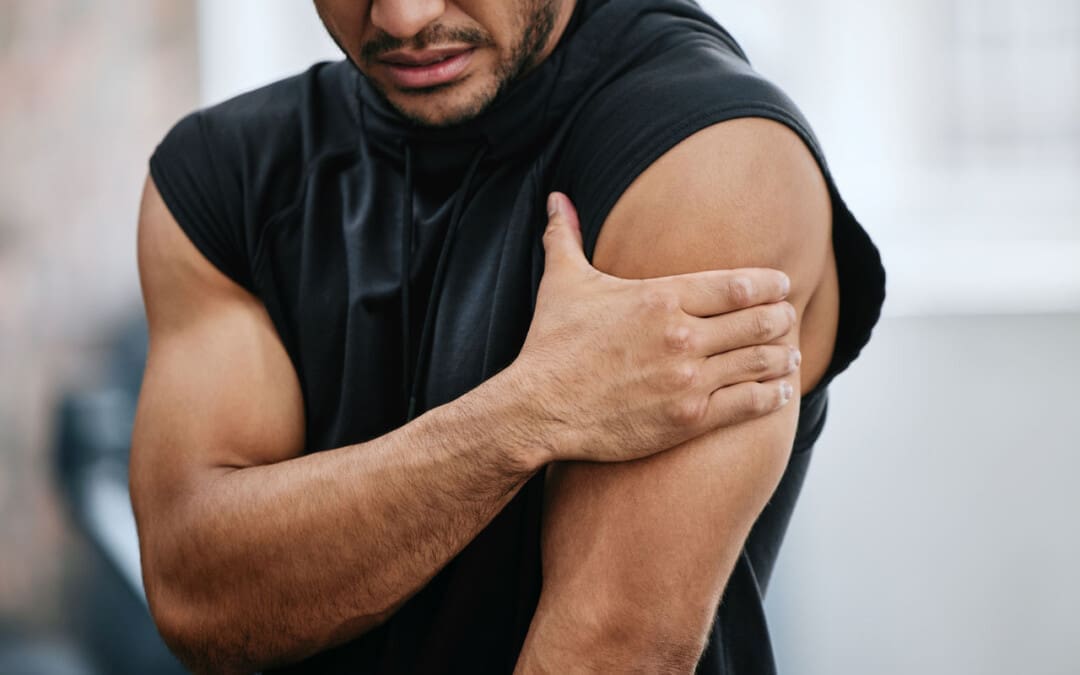
The triceps is the muscle on the back of the upper arm that allows the elbow to straighten. Fortunately, triceps tears are uncommon, but they can be serious. The injury affects men more often than women and usually occurs from trauma, sports, and/or exercise activities. Depending on the extent and severity of the injury, a torn triceps injury can require splinting, physical therapy, and possibly surgery to regain movement and strength. Recovery after a triceps tear typically lasts around six months. (The Ohio State University Wexner Medical Center. 2021)
Anatomy
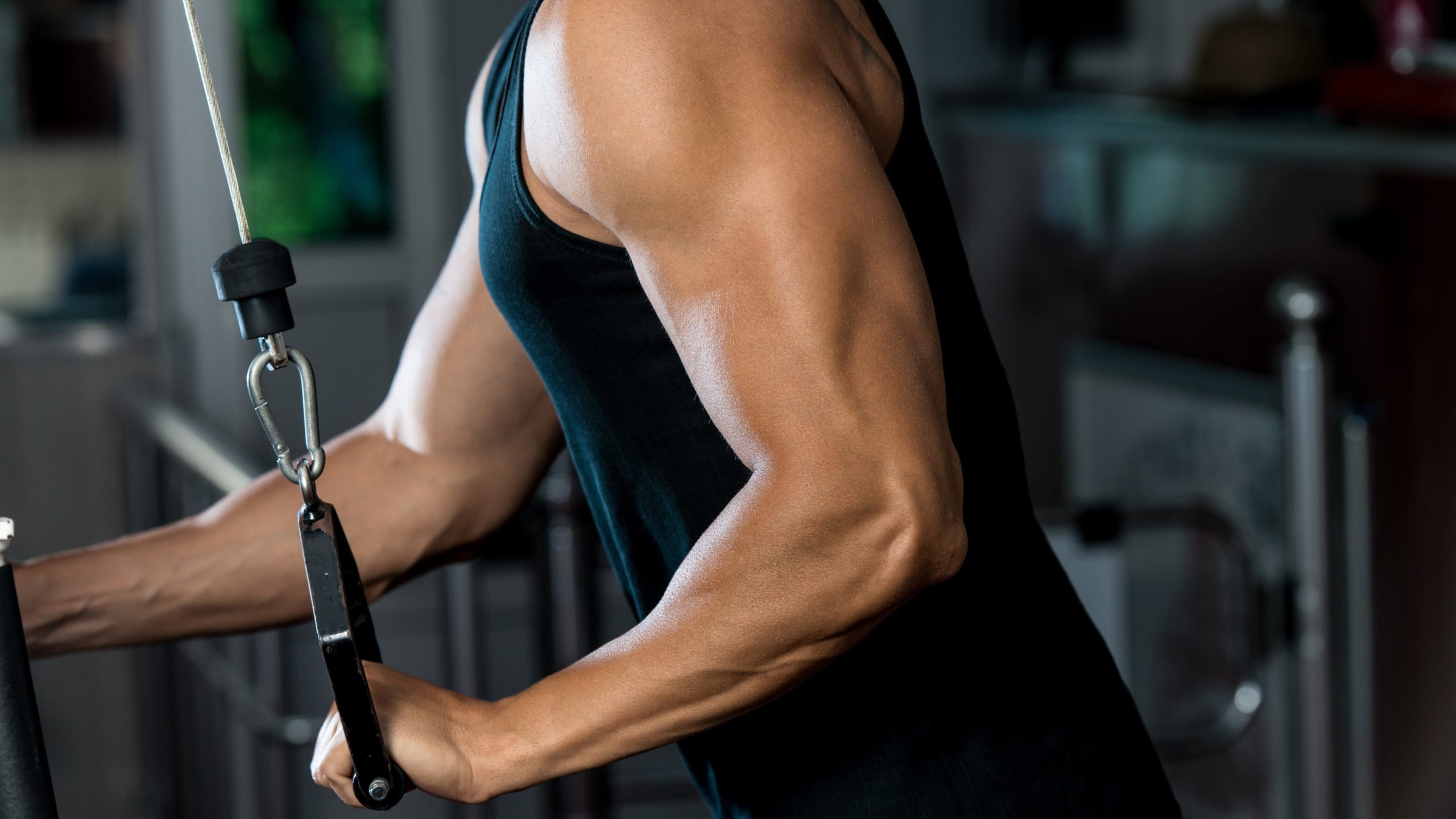
The triceps brachii muscle, or triceps, runs along the back of the upper arm. It is named tri- because it has three heads – the long, medial, and lateral head. (Sendic G. 2023) The triceps originates at the shoulder and attaches to the shoulder blade/scapula and upper arm bone/humerus. At the bottom, it attaches to the point of the elbow. This is the bone on the pinky side of the forearm, known as the ulna. The triceps cause movement at the shoulder and the elbow joint. At the shoulder, it performs extension or backward movement of the arm and adduction or moving the arm toward the body. The main function of this muscle is at the elbow, where it performs extension or straightening of the elbow. The triceps work the opposite of the biceps muscle on the front of the upper arm, which conducts flexion or bending of the elbow.
Triceps Tear
Tears can occur anywhere along the length of a muscle or tendon, which is the structure that attaches the muscle to the bones. Triceps tears commonly occur in the tendon connecting the triceps to the back of the elbow. Muscle and tendon tears are graded from 1 to 3 based on severity. (Alberto Grassi et al., 2016)
Grade 1 Mild
These small tears cause pain that worsens with movement.
There is some swelling, bruising, and minimal loss of function.
Grade 2 Moderate
These tears are larger and have moderate swelling and bruising.
The fibers are partially torn and stretched.
Up to 50% loss of function.
Grade 3 Severe
This is the worst type of tear, where the muscle or tendon is completely torn.
These injuries cause severe pain and disability.
Symptoms
Triceps tears cause immediate pain in the back of the elbow and upper arm that worsens when trying to move the elbow. Individuals might also feel and/or hear a popping or tearing sensation. There will be swelling, and the skin will likely be red and/or bruised. With a partial tear, the arm will feel weak. If there is a complete tear, there will be significant weakness when straightening the elbow. Individuals may also notice a lump on the back of their arm where the muscles have contracted and knotted together.
Causes
Triceps tears usually occur during trauma, when the muscle is contracted and an external force pushes the elbow into a bent position. (Kyle Casadei et al., 2020) One of the most common causes is by falling on an outstretched arm. Triceps tears also occur during sports activities like:
Throwing a baseball
Blocking in a football game
Gymnastics
Boxing
When a player falls and lands on their arm.
Tears can also happen when using heavy weights during triceps-targeted exercises, such as the bench press.
Tears can also occur from direct trauma to the muscle, like a motor vehicle accident, but are less common.
Long-Term
Triceps tears can develop over time as a result of tendonitis. This condition usually occurs from repetitive use of the triceps muscle during activities like manual labor or exercise. Triceps tendonitis is sometimes referred to as weightlifter’s elbow. (Orthopedic & Spine Center. N.D.) The strain on tendons causes tiny tears that the body typically heals. However, if more strain is placed on the tendon than it can keep up with, the tiny tears can begin to grow.
Risk Factors
Risk factors can increase the risk of a triceps tear. Underlying medical conditions can weaken tendons, increasing the risk of injury, and can include: (Tony Mangano et al., 2015)
Diabetes
Rheumatoid arthritis
Hyperparathyroidism
Lupus
Xanthoma – fatty deposits of cholesterol under the skin.
Hemangioendothelioma – cancerous or noncancerous tumors caused by abnormal growth of blood vessel cells.
Chronic kidney failure
Chronic tendonitis or bursitis in the elbow.
Individuals who have had cortisone shots in the tendon.
Individuals using anabolic steroids.
Triceps tears tend to occur more commonly in males between 30 and 50. (Ortho Bullets. 2022) This comes from participating in activities like football, weightlifting, bodybuilding, and manual labor, which also increases the risk of injury.
Treatment
Treatment depends on which part of the triceps is affected and the extent of the damage. It may only need resting for a few weeks, physical therapy, or require surgery.
Nonsurgical
Partial tears in the triceps that involve less than 50% of the tendon can often be treated without surgery. (Mehmet Demirhan, Ali Ersen 2016) Initial treatment includes:
Splinting the elbow with a slight bend for four to six weeks allows the injured tissue to heal. (Ortho Bullets. 2022)
During this time, ice can be applied to the area for 15 to 20 minutes several times daily to help decrease pain and swelling.
Non-steroidal anti-inflammatory medications/NSAIDs – Aleve, Advil, and Bayer can help reduce inflammation.
Other over-the-counter medications like Tylenol can help decrease the pain.
Once the splint is removed, physical therapy will help restore movement and strength in the elbow.
Full movement is expected to return within 12 weeks, but full strength will not return until six to nine months after the injury. (Mehmet Demirhan, Ali Ersen 2016)
Surgery
Triceps tendon tears that involve more than 50% of the tendon require surgery. In some cases, however, surgery may still be recommended for tears smaller than 50% if the individual has a physically demanding job or plans to resume playing sports at a high level. Tears in the muscle belly or area where the muscle and tendon join are typically sewn back together. If the tendon is no longer attached to the bone, it is screwed back on. Recovery and physical therapy after surgery depend on the specific surgeon’s protocols. In general, individuals will spend a couple of weeks in a brace. Around four weeks after surgery, individuals will be able to start moving the elbow again. However, they won’t be able to start doing heavy lifting for four to six months. (Ortho Bullets. 2022) (Mehmet Demirhan, Ali Ersen 2016)
Complications
Complications can occur after triceps repair, whether there was surgery or not. For example, individuals may have problems regaining full elbow extension or straightening. They are also at a higher risk of re-rupture if they try to use the arm before it’s fully healed. (Mehmet Demirhan, Ali Ersen 2016)
Chiropractic Care for Healing After Trauma
References
The Ohio State University Wexner Medical Center. (2021). Distal triceps repair: clinical care guideline. (Medicine, Issue. https://medicine.osu.edu/-/media/files/medicine/departments/sports-medicine/medical-professionals/shoulder-and-elbow/distaltricepsrepair.pdf?
Sendic G. Kenhub. (2023). Triceps brachii muscle Kenhub. https://www.kenhub.com/en/library/anatomy/triceps-brachii-muscle
Grassi, A., Quaglia, A., Canata, G. L., & Zaffagnini, S. (2016). An update on the grading of muscle injuries: a narrative review from clinical to comprehensive systems. Joints, 4(1), 39–46. https://doi.org/10.11138/jts/2016.4.1.039
Casadei, K., Kiel, J., & Freidl, M. (2020). Triceps Tendon Injuries. Current sports medicine reports, 19(9), 367–372. https://doi.org/10.1249/JSR.0000000000000749
Mangano, T., Cerruti, P., Repetto, I., Trentini, R., Giovale, M., & Franchin, F. (2015). Chronic Tendonopathy as a Unique Cause of Non Traumatic Triceps Tendon Rupture in a (Risk Factors Free) Bodybuilder: A Case Report. Journal of orthopaedic case reports, 5(1), 58–61. https://doi.org/10.13107/jocr.2250-0685.257
Can participating in a favorite sport several days a week help individuals trying to get fit or maintain a certain level of health?
Sports For Fitness
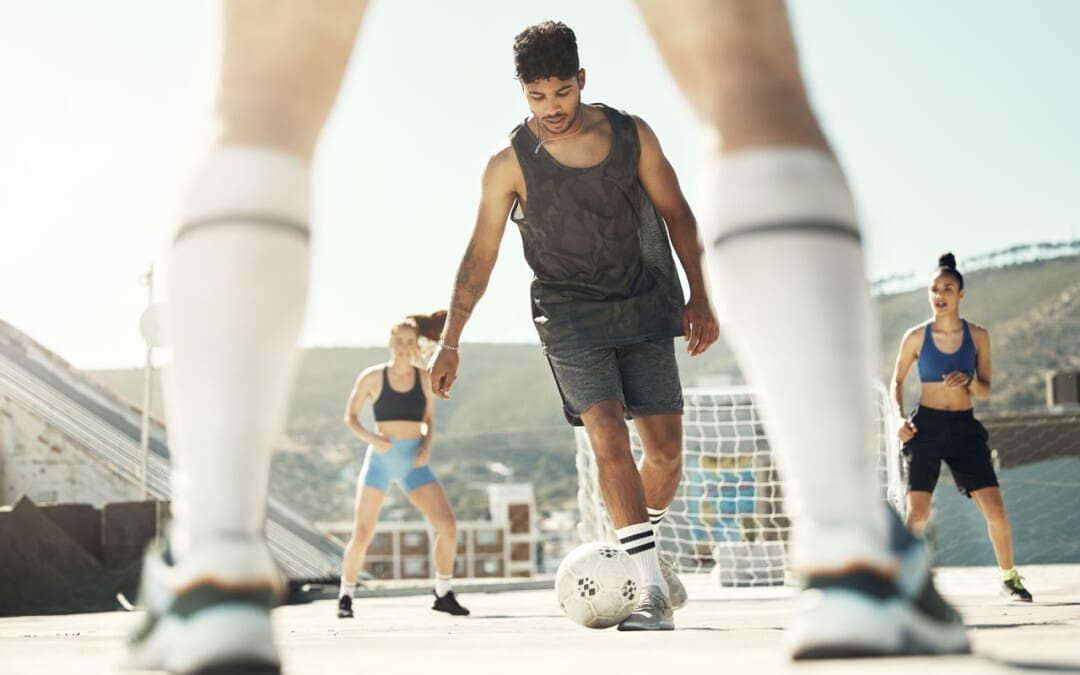
Spending hours in the gym can sometimes feel like a chore, especially for individuals who prefer competitive or recreational sports over traditional cardiovascular and resistance training. Various sports activities require only time, energy, sufficient apparel, and the willingness to play. Here are a few sports for fitness that can help improve overall health and wellness.
Cycling and Mountain Biking
Cycling is one of the best sports for fitness. Whether on roads or trails, fast or slow, it is a fantastic aerobic workout and benefits the leg muscles, specifically the quads, glutes, and hamstrings. Research has shown that, especially for those with diabetes, cycling can lower the risk of premature mortality. (Mathias Ried-Larsen et al., 2021)
There are appropriate bikes for all ages and stages.
Beginners start with paved trails.
Intermediate to advanced levels can engage in road cycling and mountain biking.
Road or mountain bike races for individuals looking to compete.
Racket Sports
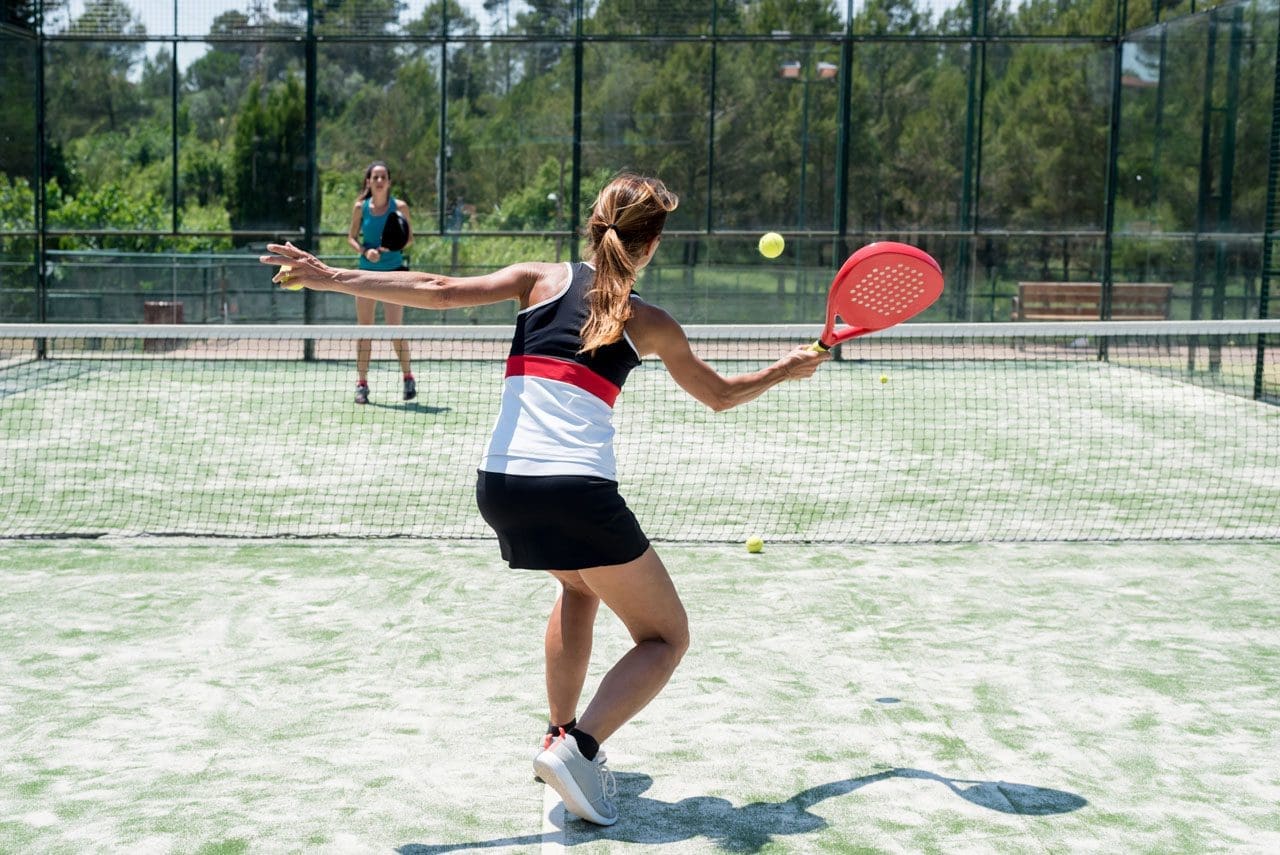
Racket sports players range from all ages and fitness levels, entry-level to highly competitive, and all provide intense workouts.
Racket sports target the muscles in the back, shoulders, arms, chest, quads, glutes, hamstrings, and core.
Racquet sports have also been shown to lower the risk of cardiovascular disease mortality. (Pekka Oja et al., 2017)
Combine that with the endurance, speed, balance, and agility required to compete, and individuals will quickly see how these two sports can give a phenomenal workout while also burning a ton of calories.
Golf
For golf to be a fitness sport, individuals must walk all the holes while carrying or pushing the clubs.
What is needed is a supportive pair of shoes.
Walking the course can have multiple health benefits, including cardiovascular and respiratory health. (A. D. Murray et al., 2017)
Golf is a sport individuals can participate in at any life stage.
Water Sports
Paddleboarding, rowing, kayaking, and canoeing can provide a fitness solution for individuals who enjoy the outdoors. These sports increase heart rate, improve muscular endurance and strength, and burn serious calories. (Thomas Ian Gee et al., 2016)
Swimming
Activities that require upper and lower body muscles to work together rank high in sports for fitness. Swimming is the perfect full-body workout for anyone looking for an intense and competitive outlet that requires strength and endurance.
Swimming can be a year-round sport with various levels of competition.
Triathlon Training
Triathlon training is for lifelong athletes looking to improve endurance and strength and exercise beginners who need a goal; it is the ultimate sport for fitness.
Running, biking, and swimming together challenges every muscle and significantly increases aerobic and anaerobic fitness. (Naroa Etxebarria et al., 2019)
There’s something for every fitness level, from short sprint competitions to full Ironman events.
Basketball and Volleyball
Basketball and volleyball offer the physical benefits of a hard workout. These sports require sprinting, pivoting, and jumping, which engages the cardiovascular system and strengthens every muscle. Playing volleyball in the sand makes the muscles work harder.
Both sports are appropriate for most levels of fitness.
Beginners are recommended to learn the basic skills and go through drills before moving to games or matches.
Both sports require constant movement, increasing the risk of injury, so it is important to learn the fundamentals.
Talk to a healthcare provider before starting a new exercise routine or adding a new activity to an exercise regimen.
Lumbar Sports Injuries
References
Ried-Larsen, M., Rasmussen, M. G., Blond, K., Overvad, T. F., Overvad, K., Steindorf, K., Katzke, V., Andersen, J. L. M., Petersen, K. E. N., Aune, D., Tsilidis, K. K., Heath, A. K., Papier, K., Panico, S., Masala, G., Pala, V., Weiderpass, E., Freisling, H., Bergmann, M. M., Verschuren, W. M. M., … Grøntved, A. (2021). Association of Cycling With All-Cause and Cardiovascular Disease Mortality Among Persons With Diabetes: The European Prospective Investigation Into Cancer and Nutrition (EPIC) Study. JAMA internal medicine, 181(9), 1196–1205. https://doi.org/10.1001/jamainternmed.2021.3836
Oja, P., Kelly, P., Pedisic, Z., Titze, S., Bauman, A., Foster, C., Hamer, M., Hillsdon, M., & Stamatakis, E. (2017). Associations of specific types of sports and exercise with all-cause and cardiovascular-disease mortality: a cohort study of 80 306 British adults. British journal of sports medicine, 51(10), 812–817. https://doi.org/10.1136/bjsports-2016-096822
Murray, A. D., Daines, L., Archibald, D., Hawkes, R. A., Schiphorst, C., Kelly, P., Grant, L., & Mutrie, N. (2017). The relationships between golf and health: a scoping review. British journal of sports medicine, 51(1), 12–19. https://doi.org/10.1136/bjsports-2016-096625
Ian Gee, T., Caplan, N., Christian Gibbon, K., Howatson, G., & Grant Thompson, K. (2016). Investigating the Effects of Typical Rowing Strength Training Practices on Strength and Power Development and 2,000 m Rowing Performance. Journal of human kinetics, 50, 167–177. https://doi.org/10.1515/hukin-2015-0153
Lo, G. H., Ikpeama, U. E., Driban, J. B., Kriska, A. M., McAlindon, T. E., Petersen, N. J., Storti, K. L., Eaton, C. B., Hochberg, M. C., Jackson, R. D., Kwoh, C. K., Nevitt, M. C., & Suarez-Almazor, M. E. (2020). Evidence that Swimming May Be Protective of Knee Osteoarthritis: Data from the Osteoarthritis Initiative. PM & R : the journal of injury, function, and rehabilitation, 12(6), 529–537. https://doi.org/10.1002/pmrj.12267
Etxebarria, N., Mujika, I., & Pyne, D. B. (2019). Training and Competition Readiness in Triathlon. Sports (Basel, Switzerland), 7(5), 101. https://doi.org/10.3390/sports7050101
For individuals training for long distance walking marathons and/or events, can focusing on building a walking foundation, then increasing mileage progressively help condition the body for overall readiness?
Long Distance Walking Training
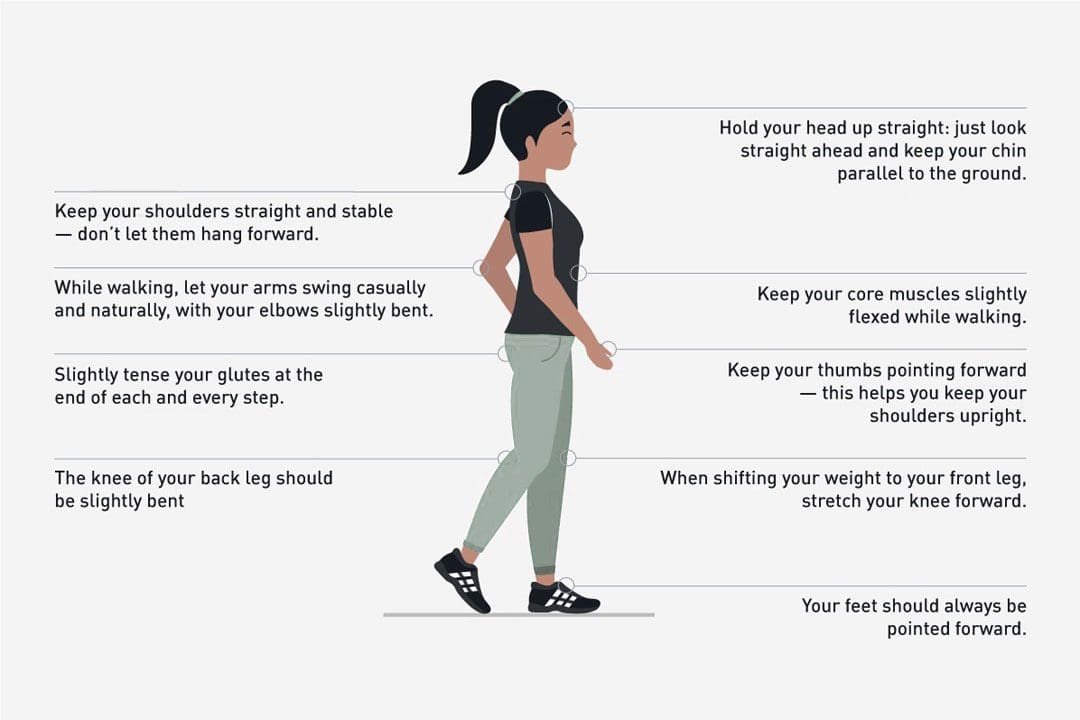
Training helps individuals be comfortable and safe for long-distance walking and events.
Training should focus on building a walking pace and increasing mileage gradually.
Individuals need endurance, not speed, and want to build mental stamina for walking for hours at a steady pace.
To reduce the risk of training injuries, increasing the total mileage per week/the distance of the longest walk per week to no more than 10% is recommended.
Individuals should also train to wear the gear worn during long-distance walks.
Training could last a few months.
Being methodical allows the body time to repair and build new muscle, blood supplies, and endurance.
Example Training Plans
Following a marathon training plan for mileage building and determining the proper hydration, nutrition, and gear for multi-day walks and treks is recommended. However, individuals must build back-to-back long days into their training sessions to assess any issues or problems resulting from walking long distances on back-to-back days.
Example Walking Training Plans
Multi-Day Walks/Treks Training Schedule
13 miles per day/21 kilometers
Use this plan for marathons or other multi-day walks with hills and natural surfaces requiring a backpack.
Training to Walk a Marathon
26.2 miles/42 kilometers
This will condition the body to go longer distances.
When training for distances of 31 to 100 miles/50 to 161 kilometers, the longest distance to train should not need to exceed 20 to 25 miles,
These should be performed at least twice two months before the marathon or event.
Taper down the month before the event to a 12.4-mile/20-kilometer distance.
Gear
All clothing, shoes, sunscreen, backpacks, etc., must be tested on the longer training days before the event.
Given the climate and terrain, plan for what will be needed and removed.
Try things out, as individuals don’t want to be surprised with something unfamiliar at the event. From head to toe, test the gear, including:
Shoes/boots, socks, underwear, bra, shirt, pants, hat, jacket, and rain gear.
Choose shoes or walking boots and wear them on long training days to break them in and ensure they perform.
Backpacks should be tested on longer training days to ensure they can be carried comfortably over long distances and have the necessary capacity.
Choose wicking fabrics that allow the skin to breathe and cool, especially under layers. (Justin De Sousa et al., 2014)
Individuals will want to wear gear similar to marathon walkers if the walk will mostly be on pavement or asphalt.
Individuals can modify their gear if the route is off-road or during different seasons. Find out what other long-distance walkers have worn on the same route or event.
Individuals can connect with fellow walkers via social media or find answers to frequently asked questions on the event’s or destination’s website.
Individuals can also contact the event director via the website or social media.
Nutrition
Proper sports nutrition will prepare the body for endurance activity.
For example, individuals are recommended to follow a diet comprising 70% carbohydrates, 20% protein, and 10% fat.
Avoid high-protein diets, as they can cause hydration problems and strain your kidneys under endurance walking conditions. (Marta Cuenca-Sánchez et al., 2015)
Train with the water, sports drinks, food, and snacks taken to the event, and do not deviate from them during the event.
Water is needed for 20 kilometers and under events, but an electrolyte replacement sports drink may be better for longer walks.
Diluting or leaving out some sugar can be easier on the stomach.
Have snacks pre-packaged and labeled for the times to be eaten.
Individuals need to eat fat and protein for ultramarathon distances – this can come from trail mix, peanut butter sandwiches, and chocolate bars with nuts.
Carbohydrates can be provided by sports gels or energy bars.
It is recommended to avoid products made for short distances and power sports as they can cause digestive problems when walking longer distances.
Planning a Walk
Planning begins by setting goals. Considerations include:
Time of year
Distance
Transportation to the event
Event pace requirements
Altitude and hill profile
Climate
Individuals are recommended to:
Prepare by researching routes and trails.
Study the course maps to know what services are provided along the way and what individuals must bring.
Walk a long distance without a supporting event.
Contact individuals who have walked the course.
Know the terrain and areas of total sun, hills, pavement, natural trails, and shade.
If possible, drive the course to become familiar with it.
Individuals may be able to find apps designed for their route.
Taking Breaks and Resting
Regular breaks should be short – using the bathroom, eating a snack, rehydrating, tying shoes, or bandaging blisters.
The body can stiffen up quickly during breaks and take several minutes to regain walking pace after a long break.
Recommendations could be taking a walking break instead, which means continuing to walk but at a very slow pace.
Foot Care
Individuals will have found what works for them concerning shoes, boots, socks, etc., on the long training days to prevent blisters and injuries. It is recommended to try different strategies, which include:
Sports tape
Blister block pads
Sprays
Lubricants
Wicking and/or double-layered socks
Moleskin
Stop at the first sign of irritation along the walk and doctor the foot with tape, blister bandages, or whatever method works best.
The body was built for walking. Planning and training properly before taking a long-distance or multi-day walk will ensure a safe and enjoyable marathon.
Move Better, Live Better
References
De Sousa, J., Cheatham, C., & Wittbrodt, M. (2014). The effects of a moisture-wicking fabric shirt on the physiological and perceptual responses during acute exercise in the heat. Applied ergonomics, 45(6), 1447–1453. https://doi.org/10.1016/j.apergo.2014.04.006
Cuenca-Sánchez, M., Navas-Carrillo, D., & Orenes-Piñero, E. (2015). Controversies surrounding high-protein diet intake: satiating effect and kidney and bone health. Advances in nutrition (Bethesda, Md.), 6(3), 260–266. https://doi.org/10.3945/an.114.007716
Could pita bread be a possible option for individuals trying to eat healthier?
Pita Bread
Pita bread is a yeast-leavened, round flatbread made with wheat flour. When baked, the dough turns into two layers. These layers create a pocket that can be filled with vegetables, meats, or vegetarian proteins. Pita bread offers health benefits because of its low carbohydrate count, the amount of nutrients in one serving, and the use of wheat flour.
The carbohydrate count for pita bread is 17 grams per serving or a little more than one carb count – 15 grams, used in meal planning for individuals with diabetes.
Non-keto bread is around 20 grams of carbohydrates per serving or slice.
Pita bread has a lower carbohydrate count than most breads.
Fats
Pita breads are relatively low in fat content.
The total lipid fat is under 2 grams, only 2% of the recommended daily amount or RDA.
The bread contains no fatty acids or trans or saturated fat.
Protein
Four grams of protein are in one serving of pita bread.
The protein content is found in the wheat flour.
Vitamins and Minerals
Other minerals in pita bread include:
Calcium, with 60.1 milligrams per serving.
Iron with 1.08 milligrams per serving – helps the body create hemoglobin, a protein in red blood cells that carries oxygen from the lungs. (National Institute of Health, 2023)
Sodium with 120 milligrams.
According to the Federal Drug Administration, this is a low amount of sodium. However, individuals should stay aware of sodium intake and limit it to no more than 2,300 milligrams per day.
Pita bread for a sandwich contains fewer calories than two slices of regular bread.
Benefits
Potential health benefits include the following:
Glucose Levels Lowered
Whole wheat can be beneficial to glucose levels.
The American Diabetes Association suggests that choosing bread with whole wheat grains, like pita bread, instead of white bread, can work to keep blood sugar levels from spiking. (American Diabetes Association 2024)
Digestion Support
Whole-grain pita bread fiber content can benefit the digestive system by regulating bowel movements.
Complex carbohydrates are digested slower than simple carbohydrates, keeping the body fuller for longer and assisting in weight management. (Harvard Health 2022)
Protein Source
Pita bread provides a healthy amount of protein.
A serving contains around 8% of protein.
Consuming the proper amount of protein helps in muscle repair. (Harvard Health 2024)
Allergies
Major allergies or intolerances can cause individuals to pass on the bread. What individuals need to know.
Celiac Disease
Celiac disease is a heredity autoimmune disease that occurs in genetically predisposed individuals.
Individuals with the disease cannot ingest gluten – a protein found in wheat – which can lead to small intestinal damage.
Individuals who experience gastrointestinal distress when eating wheat should consult a healthcare professional to get tested. (Celiac Disease Foundation 2023)
Wheat Allergy
A wheat allergy may mimic celiac disease symptoms, but they are different allergies.
The allergy occurs when the body produces antibodies to wheat proteins.
USDA. Pita Bread. (2021). Pita Bread. Retrieved from https://fdc.nal.usda.gov/fdc-app.html#/food-details/2134834/nutrients
National Institute of Health, Office of Dietary Supplements. (2023). Iron. Retrieved from https://ods.od.nih.gov/factsheets/Iron-HealthProfessional/
Food and Drug Administration. (2022). Sodium in your diet. Retrieved from https://www.fda.gov/food/nutrition-education-resources-materials/sodium-your-diet
American Diabetes Association. (2024). Types of carbohydrates (Food and Nutrition, Issue. https://diabetes.org/food-nutrition/understanding-carbs/types-carbohydrates
Harvard Health. (2022). Fiber (The Nutrition Source, Issue. https://www.hsph.harvard.edu/nutritionsource/carbohydrates/fiber/
Harvard Health. (2024). Protein (The Nutrition Source, Issue. https://www.hsph.harvard.edu/nutritionsource/what-should-you-eat/protein/
Celiac Disease Foundation. (2023). What is celiac disease? (About Celiac Disease, Issue. https://celiac.org/about-celiac-disease/what-is-celiac-disease/
American College of Allergy, Asthma, and Immunology. (2024). Wheat (Allergic Conditions, Issue. https://acaai.org/allergies/allergic-conditions/food/wheat-gluten/
IFM's Find A Practitioner tool is the largest referral network in Functional Medicine, created to help patients locate Functional Medicine practitioners anywhere in the world. IFM Certified Practitioners are listed first in the search results, given their extensive education in Functional Medicine