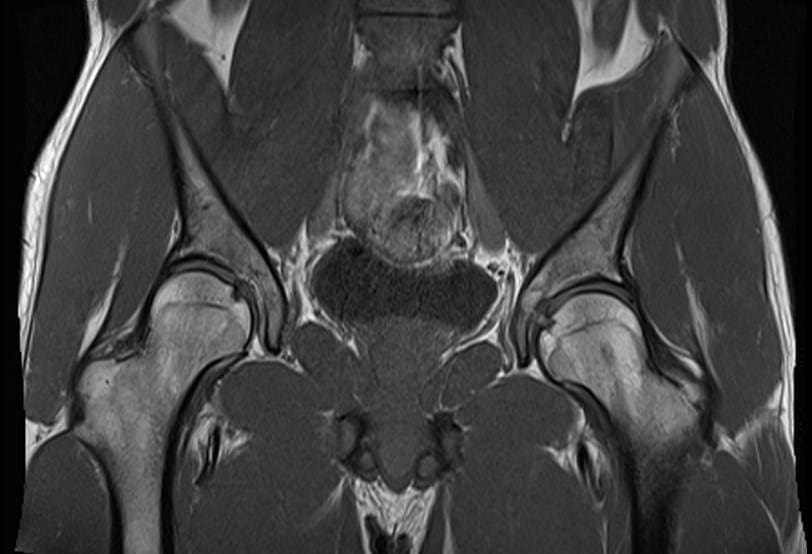
Athletic pubalgia, also known as a hockey hernia,�hockey groin, Gilmore’s Groin,�sports hernia, or groin disruption, is a health issue of the pubic joint. It is a condition characterized by chronic groin pain in athletes and identified by a dilated ring of the inguinal canal. Soccer and ice hockey players are the athletes most commonly affected by athletic pubalgia, and both recreational and professional athletes can be impacted.
Athletic Pubalgia Symptoms
Symptoms of athletic pubalgia�generally manifest as pain following physical activity, most frequently through hip extension, and twisting and turning movements. The painful symptoms usually radiate into the adductor muscle region and the testicles, although it is often difficult for the individual to pinpoint the exact location of the�symptoms. Athletes with athletic pubalgia�experience soreness and stiffness after physical activity.
Any exertion which increases intra-abdominal pressure, such as sneezing or�coughing, as well as physical activity, can lead to pain. While pain in the stomach and pelvis can occur due to a variety of health issues, including injuries to the low back, or lumbar spine, the hip joint, the sacroiliac joint, and the abdomen, along with the genito-urinary system, diagnosis of athletic pubalgia demands skillful differentiation and evaluation.
Clinical Presentation of Athletic Pubalgia
The diagnosis of athletic pubalgia is based on the patient’s history, where healthcare professionals may also depend on the use�of magnetic resonance imaging,�or MRI. Symptoms can frequently be reproduced by certain movements, such as performing crunches or sit-ups. Pain associated with athletic pubalgia may also be elicited with the patient in a “frog posture,” in which the individual is supine with knees bent and heels together.
Many athletes experience concomitant fatigue or tearing of the�adductor muscles or labral tears of the hip. If there is stiffness in the adductor muscles post-injury, painful symptoms can manifest. Alternative treatment options should be to restore normal movement after the adductor has begun to heal, normally 6 to 8 weeks post-injury. Moreover, sleeping in a prone position with the hip on the affected side flexed and externally rotated can offer relief to some athletes with athletic pubalgia.
The precise prevalence of this health issue is unknown. Conservative therapies,�such as gentle stretching, may temporarily alleviate painful symptoms, however, definitive treatment options should be considered for long-term relief.�The scope of our information is limited to chiropractic as well as to spinal injuries and conditions. To discuss the subject matter, please feel free to ask Dr. Jimenez or contact us at�915-850-0900�.
Curated by Dr. Alex Jimenez
Additional Topics: Acute Back Pain
Back pain�is one of the most prevalent causes of disability and missed days at work worldwide. Back pain attributes to the second most common reason for doctor office visits, outnumbered only by upper-respiratory infections. Approximately 80 percent of the population will experience back pain at least once throughout their life. The spine is a complex structure made up of bones, joints, ligaments, and muscles, among other soft tissues. Because of this, injuries and/or aggravated conditions, such as�herniated discs, can eventually lead to symptoms of back pain. Sports injuries or automobile accident injuries are often the most frequent cause of back pain, however, sometimes the simplest of movements can have painful results. Fortunately, alternative treatment options, such as chiropractic care, can help ease back pain through the use of spinal adjustments and manual manipulations, ultimately improving pain relief.
Of course, I’m prone to injuries and Dr. Alex Jimenez has been helping me. I’ve known him for about six years and every time something comes up, either it’s a small injury or a major one, he’s always been there and he’s always helped me get back to my feet to start playing sports again really fast.
Madison Hill
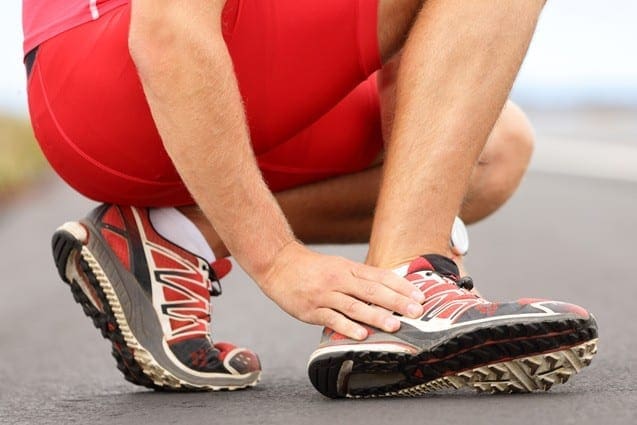
Ankle pain refers to any type of pain or discomfort in the ankle. This pain could generally be due to an injury, such as a sprain, or due to another health issue. As stated by the National University of Health Sciences, or NUHS, an ankle sprain is one of the most frequent causes of foot pain, making up 85 percent of all ankle injuries. A sprain occurs when the ligaments tear or are overstretched.
Most ankle sprains are lateral sprains, which occur when the foot rolls, causing the ankle to twist toward the ground. This action rips or stretches the ligaments, which connect two bones or cartilages and holds a joint together. A sprained ankle often swells and lumps for a temporary amount of time. However, it might take a couple of weeks to get a severe injury like this to�heal completely.
Once healed, the sprained ankle is occasionally permanently weaker and less stable compared to the other ankle. According to a paper released by the American Academy of Family Physicians, or AAFP, the highest risk for ankle sprains includes a previous ankle sprain. Although, ankle sprains are not the only cause of foot pain. Below, we will discuss several common causes of foot and ankle pain as well as their treatment.
Causes of Ankle and Foot Pain
The ankle is a hinge joint formed by the assembly of three bones: the tibia, the fibula, and the talus. The bony knobs on both sides are called the malleoli. Overall, the ankle is an intricate structure. These constructions provide support for walking and standing. Also, stability is provided by the ligaments on the surface of the ankle. Additionally, some tendons also attach to the muscles of the ankle.
Ankle pain may be brought on by various ailments, such as sprain, strain, arthritis, gout, and tendinitis, among others. These kinds of injuries can occur on both sides of the joint. There can be pain and discomfort as well as swelling. A sprain is considered to be the most frequent cause of foot pain. As�mentioned above, a sprain is generally caused when the ankle rolls or twists so the ankle moves toward the ground, tearing or overstretching the ligaments of the ankle that hold the bones together.
An x-ray is typically done to rule out a fracture. The remedy for an ankle strain or sprain generally includes restricting the total amount of weight-bearing on the ankle, getting rest and applying ice. Drugs and/or medications can reduce symptoms. Chiropractic care can also help diagnose and treat ankle sprains and strains. Ankle and foot pain may also be due to:
Arthritis, specifically osteoarthritis,
Gout
Tendinitis
Nerve injury or disease, such as sciatica
Blocked blood vessels
Infection from the joint
While ankle strains and sprains are the most common form of foot pain, arthritis can also frequently lead to ankle pain. Arthritis is the inflammation of the joints, although multiple kinds of arthritis may lead to pain in the joints. Foot pain can be caused by three common forms of arthritis: osteoarthritis, rheumatoid arthritis, and post-traumatic arthritis.
Osteoarthritis is a degenerative condition where the cartilage slowly begins to wear away. Osteoarthritis�causes the natural wear and tear of the joints associated with age. Older adults are more inclined to develop osteoarthritis. In most cases, an individual’s pain and discomfort, including swelling and�stiffness, among other symptoms may worsen over time.
Rheumatoid arthritis is a chronic autoimmune disease. This health issue may severely impact the foot and ankle joints. With rheumatoid arthritis, the human body’s immune cells attack the synovium covering the foot joints. Joint deformity is common with rheumatoid arthritis. A fungal or bacterial infection causes septic arthritis. If the septic arthritis is among the ankle regions, this may result in foot pain.
Following an injury, post-traumatic arthritis can develop from trauma or damage to the ankle or foot. Previous fractures and dislocations are the most common ailments that may lead to post-traumatic arthritis. Like gout, which we will discuss further below, the joints begin to wear away, although it may take several years for this to happen after the injury.
Gout occurs when uric acid accumulates in the human body. This higher than average concentration of uric acid, which is generally a by-product of the human body’s normal breakdown of older cells, can deposit crystals in the joints, causing sharp pain. Pseudogout is a similar illness where calcium deposits build up in the joints. Indicators of gout and pseudogout include soreness, swelling, and redness.
Tendinitis is a swelling of the tendon. In the ankle, it may frequently involve the anterior tibial tendon or the Achilles tendon. Tendinitis can result from an overuse injury or disorders like rheumatoid arthritis and ankylosing spondylitis. All types of tendinitis trigger pain, inflammation, and tenderness. Drugs and/or medications, applying ice and immobilizing the region are often the first line of treatment for tendinitis. Chiropractic care can also be helpful in the treatment of tendinitis. Casting may be required if the patient’s tendinitis is severe or advanced.
�
Foot pain can commonly occur due to ankle injuries. In the United States alone, approximately 2 million acute ankle sprains occur every year, one of the most prevalent causes of ankle pain. Chiropractic care is a popular alternative treatment option which can help treat a variety of health issues, including foot and ankle pain.
Dr. Alex Jimenez D.C., C.C.S.T.
Chiropractic Care for Foot and Ankle Pain
Chiropractors utilize a mixture of treatment techniques and methods to ease ankle and foot pain. Chiropractic care is a safe and effective, alternative treatment option which focuses on the diagnosis, treatment, and prevention of a variety of injuries and conditions associated with the musculoskeletal and nervous system, including foot and ankle pain.
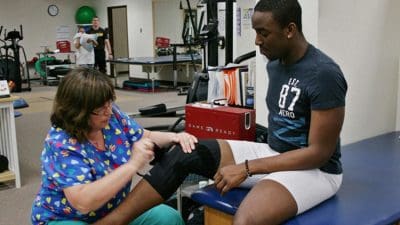
Soft tissue and joint mobilizations are done to restore proper mechanics and muscle activation. Manual therapy may be used to improve the mobility of the ankle and foot along with reducing pain. Furthermore, a chiropractor may recommend a series of lifestyle modifications to help promote a faster recovery process. Exercises are targeted to the areas that were affected. Balance training might also be implemented.
Some treatment modalities that chiropractors utilize to treat injuries to the foot and ankle include ultrasound, electrical stimulation, heat and ice treatment, and massage. These treatment methods increase circulation to enhance recovery, decrease inflammation, reduce pain and improve mobility. When you visit a healthcare professional, a full evaluation is done, goals are discussed along with an individualized treatment program which is intended to target your specific treatment requirements.
Home Treatment for Ankle and Foot Pain
For immediate at-home treatment of foot and ankle pain, the RICE system is generally recommended. The RICE treatment includes:
Rest: Avoid putting weight on the ankle. Try to move as little as possible for the first couple of days. If you have to walk or run, consider using a cane or crutches.
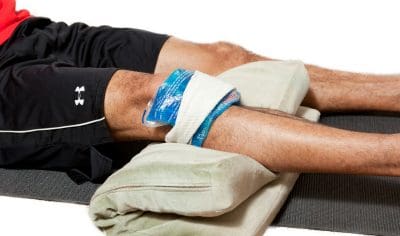
Ice: Begin by putting a bag of ice in your ankle for a minimum of 20 minutes at a time. Repeat this three to five times every day for three days. This�treatment helps decrease pain. Give yourself about 90 minutes between sessions.
Compression: Wrap your injured foot with an elastic bandage, such as an ACE bandage. Don’t wrap it too tightly to where your feet turn blue or your ankle becomes numb.
Elevation: Whenever possible, keep your ankle raised over heart level on a pile of pillows or another type of support arrangement to promote healing.
It’s possible to take over-the-counter drugs and/or medications, such as acetaminophen or ibuprofen, to relieve swelling and pain, however, these are often only offer temporary relief from the symptoms. Make sure to talk to a certified and qualified healthcare professional regarding any home treatment options to prevent further injury and symptoms.
If�you are suffering from foot pain or ankle pain, do not delay anymore. Chiropractors can help patients who suffer from foot, and ankle pain and they can help you, too. The scope of our information is limited to chiropractic as well as to spinal injuries and conditions. To discuss the subject matter, please feel free to ask Dr. Jimenez or contact us at�915-850-0900�.
Curated by Dr. Alex Jimenez
Additional Topics: Acute Back Pain
Back pain�is one of the most prevalent causes of disability and missed days at work worldwide. Back pain is attributed�to the second most common reason for doctor office visits, outnumbered only by upper-respiratory infections. Approximately 80 percent of the population will experience back pain at least once throughout their life. The spine is a complex structure made up of bones, joints, ligaments, and muscles, among other soft tissues. Because of this, injuries and/or aggravated conditions, such as�herniated discs, can eventually lead to symptoms of back pain. Sports injuries or automobile accident injuries are often the most frequent cause of back pain, however, sometimes the simplest of movements can have painful results. Fortunately, alternative treatment options, such as chiropractic care, can help ease back pain through the use of spinal adjustments and manual manipulations, ultimately improving pain relief.
It’s been great, my turf toe has been getting a lot better. Actually, I didn’t see a doctor for about 4 months and it just kept getting worse. But when I started seeing Dr. Jimenez, it just, little by little it’s been starting to get better. It feels a lot better when I practice and stuff like that. So, it’s getting better. – Vincent Garcia
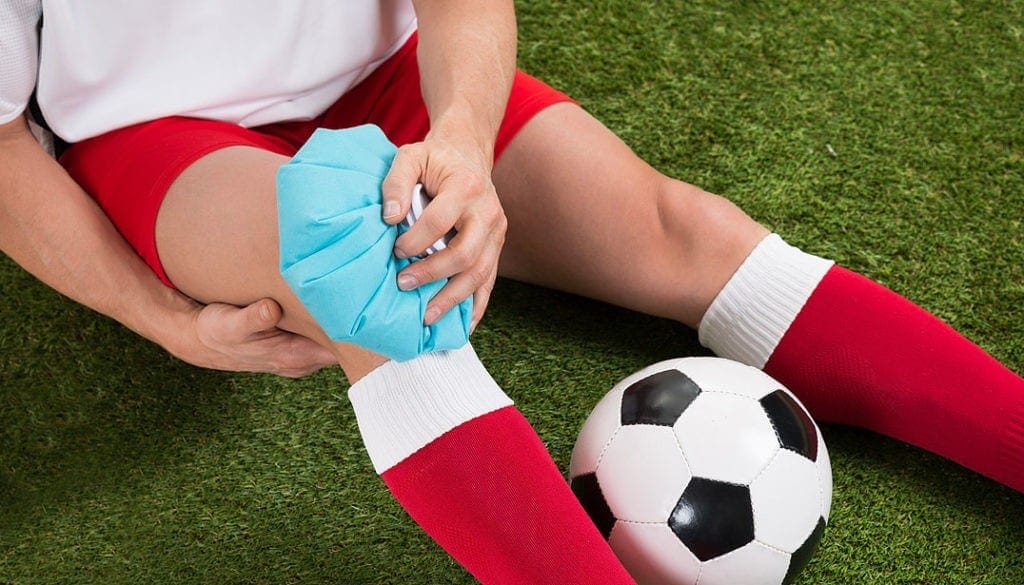
There’s always a particular risk for athletes when it comes to sports-related injuries, or sports injuries, particularly when participating in physical activities. Moreover, contact sports, such as soccer, baseball, football and basketball, tend to have higher injury rates than any other sport.
Twice as many men suffer sports-related injuries in contrast with females as a consequence of the types of sports that they most commonly engage in. Whether you’re a seasoned and experienced athlete or you simply play as a weekend warrior, there’s always a chance of experiencing a sports injury. Below, we will discuss several of the most common types of sports injuries, or sports-related injuries.
Common Sports Injuries
Sprains and strains are the most common sports injuries. Sprains are medically defined as injuries to the ligaments, or the strong bands which connect bones to the joints. Overly stretching these ligaments beyond their natural range can ultimately damage or even tear them.
Strains are medically referred to as injuries to the muscle fibers or tendons, which connect muscles to bones. Strains are known as “pulled muscles” for a reason, overly stretching or overuse of a muscle can cause tears in the muscle fibers or tendons.
�Think of ligaments and muscle-tendon units like springs,� explained Dr. William Roberts, MD, sports medicine physician at the University of Minnesota and spokesman for the American College of Sports Medicine. �The tissue lengthens with stress and returns to its normal length, unless it is pulled too far out of its normal range.� Additionally, sports injuries can result in a variety of other health issues.
Patellofemoral Syndrome
Accidents in sports which can harm an athlete generally are inclined to be knee injuries. Patellofemoral syndrome could be caused by a slide or fall onto the knees. This type of sports injury involves swelling, inflammation and an imbalance of the knee at its groove. Strengthening exercises and stretching can help provide flexibility and mobility to the muscles. Apart from strengthening exercises and stretches, a doctor of chiropractic, or chiropractor, may utilize therapeutic techniques for this specific injury.
Concussion
A blow to the head could lead to a concussion. Concussions are a serious type of sports injury and these should never be disregarded. Symptoms indicating a possible head injury may include nausea, vomiting, confusion, headache, and slurred speech. Any athlete who incurs a concussion must seek immediate medical attention. Chiropractic care can help with several of the symptoms, such as headaches, related to a concussion.
ACL Tear
The anterior cruciate ligament, or the ACL, is a fundamental ligament found in the knee. An ACL tear can be caused due to a sudden change in directions or coming to a sudden stop when playing sports or during exercise and physical activities. There’s typically swelling, inflammation and uncertainty in movement working with an ACL tear. Chiropractic care can assist with the recovery process of an ACL tear, particularly through physical therapeutics and rehabilitation programs.
Hip Flexor Strain
The hip flexor muscles are all located in the upper front area of the thigh. Sprinting, running slopes and sudden movements could lead to a hip flexor strain. There can be pain and discomfort together with swelling and inflammation in the region surrounding the thigh. Stretching and range of motion exercises employing a doctor of chiropractic, or chiropractor, can help aid with recovery. A chiropractor will work closely with a patient to determine the best treatment approach for their sports injuries.
Shin Splints
With shin splints, there’s usually pain and other painful symptoms in the lower leg, particularly along the tibia. Shin splints are the most common type of sports injuries among runners or running athletes. Ice and cold therapy can help reduce swelling and inflammation on the site. Moreover, runners or running athletes can prevent suffering shin splints by purchasing a good pair of shoes with proper arch support. The right equipment can always promote a safe participation in sports and physical activities.
Sciatica
Sciatica is back pain which radiates down the back of the leg and into the foot. This collection of symptoms is often seen in cyclists and athletes who perform a lot of backwards turning and swinging sports like tennis and golf. Sciatica, or sciatic nerve pain, may be caused by a pinched or compressed nerve, frequently due to a bulging or herniated disc. Chiropractic care is a well-known, alternative treatment option which can help alleviate sciatica, or sciatic nerve pain, symptoms.
Shoulder Injury
Shoulder injuries in sports commonly range from dislocations and misalignments to strains and sprains of the shoulder tendons and ligaments. Because the shoulder is frequently referred to as a weak joint, it is often vulnerable to suffering harm from sports injuries during exercise and physical activities, aside from the athlete’s specific sport. Ice and cold therapy as well as chiropractic care and rehabilitation can help ease the symptoms associated with shoulder injuries.
Tennis or Golf Elbow
This issue is known as an overuse sports injury. Repetitive actions inflame the forearm and wrist. Ice and cold therapy as well as rest normally helps with the symptoms, but stretching and strengthening exercises recommended by a chiropractor can also help.
Groin Pull
Additionally known as a groin strain, the groin muscles can get strained with quick side-to-side movements when engaging in exercises and physical activities. Stretching and strengthening exercises can help with the recovery process in this case as well.
Hamstring Strain
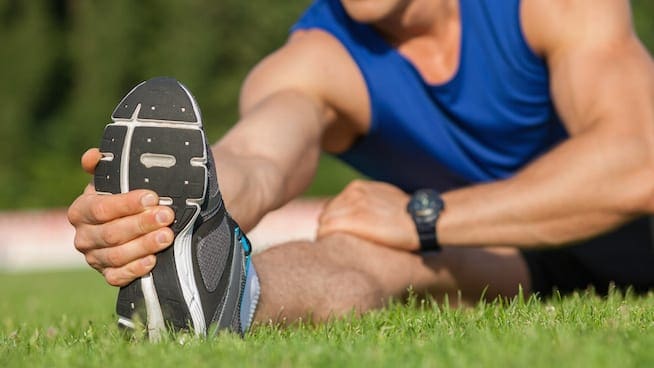
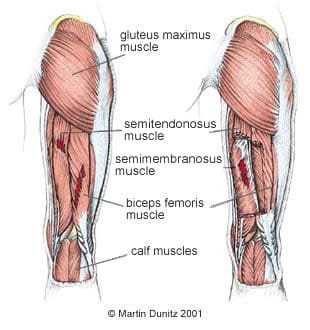
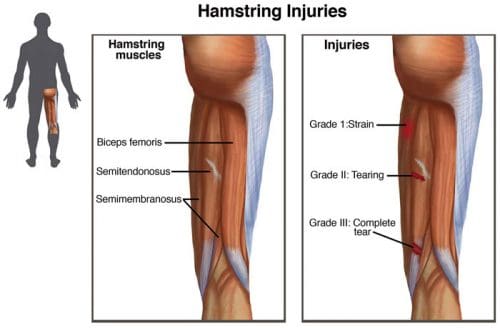
The hamstring muscles can be found in the back of the thigh. When athletes fail to stretch or exercise accordingly before engaging in their specific sports, it can cause this muscle to be pulled. If the symptoms of this condition continue over a couple of weeks, a chiropractor, or doctor of chiropractic, can help provide the necessary treatment through the use of other treatment approaches, such as ultrasound, among others, to help encourage the natural healing of the muscle and improve symptoms.
Dr. Alex Jimenez’s Insight
Although many common sports injuries are often beyond our control, athletes can engage in stretches and exercises before participating in their specific physical activities to help prevent a sports injury. Every workout should start with a gentle warm-up to prevent most of these sports injuries. It’s important for athletes to be mindful of the amount of pressure they exert on their bodies in order for them to avoid suffering sports injuries.
If you’ve suffered a sports injury, make sure to seek immediate medical attention from a qualified and experienced healthcare professional. Many skilled sports medicine doctors are dedicated to sports medicine and also focus on providing rehabilitation determined by the performance requirements of athletes. Healthcare professionals will design a treatment plan targeted to your sports injuries.
Get back in the game with the guidance of qualified and experienced healthcare professionals in sports injuries. Contact us and make sure to schedule a consultation.�The scope of our information is limited to chiropractic as well as to spinal injuries and conditions. To discuss the subject matter, please feel free to ask Dr. Jimenez or contact us at�915-850-0900�.
Curated by Dr. Alex Jimenez
Additional Topics: Acute Back Pain
Back pain is one of the most prevalent causes for disability and missed days at work worldwide. As a matter of fact, back pain has been attributed as the second most common reason for doctor office visits, outnumbered only by upper-respiratory infections. Approximately 80 percent of the population will experience some type of back pain at least once throughout their life. The spine is a complex structure made up of bones, joints, ligaments and muscles, among other soft tissues. Because of this, injuries and/or aggravated conditions, such as herniated discs, can eventually lead to symptoms of back pain. Sports injuries or automobile accident injuries are often the most frequent cause of back pain, however, sometimes the simplest of movements can have painful results. Fortunately, alternative treatment options, such as chiropractic care, can help ease back pain through the use of spinal adjustments and manual manipulations, ultimately improving pain relief.
Return to play describes the stage in recovery from a sports injury when an athlete is able to go back to playing sports or participate in their specific physical activity at a pre-injury level.
Nobody likes to be sidelined with an undesired injury. Among the goals of sports medicine professionals and specialists is to try to restore an athlete back to action. Returning too soon, however before restoration or healing has taken place, can put an athlete at an increased risk for re-injury and down time.
With the ideal treatment and care plan for sport accidents and injury, from early identification and proper treatment to full functional rehabilitation, you can often safely accelerate your return to perform.
Lessons from Professional Athletes
Why does it seem that professional athletes come back to play so much quicker than the normal person or athlete? Professional athletes are often, at the time of injury, in tremendously good physical conditioning. This fitness level helps them in various ways. Various studies have demonstrated that conditioning the body properly can not only prevent injuries, it may also lessen the severity of an injury and speed up recovery.
Professional athletes also get prompt treatment once an injury happens, and this lessens the acute phase of the injury. Treatment and care is required as soon as an injury followed by symptoms such as, stiffness, swelling, and loss of muscle tone manifest. In addition, professional athletes work hard with a physical therapist or certified athletic trainer.
Many professional athletes contribute their healing to exactly what they bring to their game,a positive attitude. You are able to harness the power of a positive mindset to your own benefit, even though you may not have access to the tools that professional athletes possess.
Advice from the Pros to Boost Your Recovery
Maintain balanced physical conditioning
Make Sure injuries are recognized early and treated promptly
Participate in a complete functional rehabilitation program
Stay healthy while injured
Keep a positive, upbeat mental attitude
Proper Athletic Treatment Recovery Plan
Phases of Care
Recovery from an injury involves a set of logical steps from the time of the injury until you are able to return on the field or court. Every step should be summarized and monitored by your physician and therapist.
During the acute phase of injury, the focus should be on minimizing swelling. This entails the RICE formula (Rest, Ice, Compression, and Elevation), Together with a limitation of actions. Based on the type and severity of your injury, treatment may involve casting, or bracing and surgery in more serious cases.
During the acute period, it’s extremely important to keep overall conditioning while the injury heals. Creative techniques may be used to safely work around the injury. As an example, a runner with a leg injury may often run in plain water or use a bicycle to keep conditioning. By doing exercises if one leg is in a cast, the remainder of the human body can be exercised. Don’t wait till your injury is treated to get back into shape.
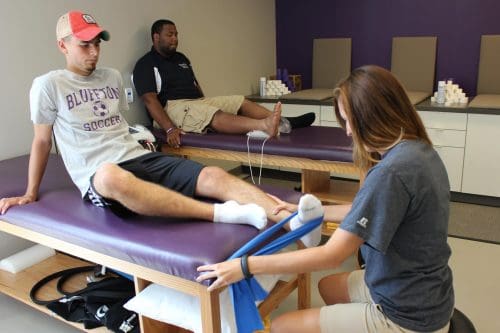
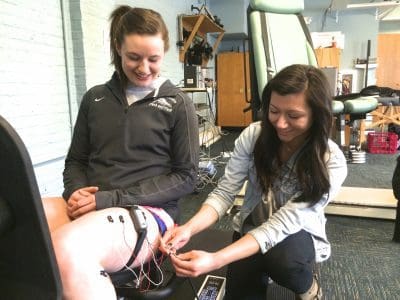
In another phase of recovery, you should focus on regaining full motion and strength of the injured limb or joint. Your doctor, physical therapist or certified athletic trainer will help outline an exact treatment plan. For injuries, gentle protective exercises can be started almost immediately. Muscle tone may be preserved by means of strengthening exercises or electric stimulation.
When strength returns to normal, functional drills could be started. For lower extremity injuries, this may include brisk walking, jumping rope, hopping, or light jogging. For upper extremity injuries, effortless ground strokes or light throwing could be carried out. The coordination that might have been lost in the injury can be brought back by specific exercises for agility and balance.
Once you have progressed with mobility, endurance, strength, and agility, and are tolerating functional exercises, you can try higher levels of sport-specific movement routines. Your physical therapist or certified athletic trainer monitors this. You could find that tape, braces, or supports help in this transition time.
Only when you are practicing hard without significant problem, and the healing has progressed to the point at which the probability of injury or harm is reduced, are you ready to return to play. During these phases of recovery, you ought to be carefully monitored. Special attention ought to be given to sufficient warm up following the activity prior to the activity and icing after engaging in the specific sport or physical activity.
Note Of Caution
The rational progression of recovery not only reduces the chance of re-injury but also assures that you will be able to perform at your best when you return to play. Frequently, athletes believe they are all set to return as soon as the limp or even the swelling subsides. They might feel good, but they are probably just 70 to 75% recovered. This invites re-injury.
Sports medicine experts are working on approaches to assist athletes to achieve near 100% healing as fast as the proper cautionary measures allows. The athlete’s health and safety has to be put over all other concerns, although there is enormous pressure to get the athlete back whenever possible.
A systematic recovery program has been successfully utilized every day, at all levels of play, from the recreational athlete to the elite professional or Olympic athlete, by a variety of specialized healthcare professionals. As with any type of sports injury, seek immediate medical attention from a qualified specialist to begin the rehabilitation process.
The scope of our information is limited to chiropractic and spinal injuries and conditions. To discuss options on the subject matter, please feel free to ask Dr. Jimenez or contact us at 915-850-0900 .�
By Dr. Alex Jimenez
Additional Topics: Sports Care
Athletes engage in a series of stretches and exercises on a daily basis in order to prevent damage or injury from their specific sports or physical activities as well as to promote and maintain strength, mobility and flexibility. However, when injuries or conditions occur as a result of an accident or due to repetitive degeneration, getting the proper care and treatment can change an athlete’s ability to return to play as soon as possible and restore their original health.
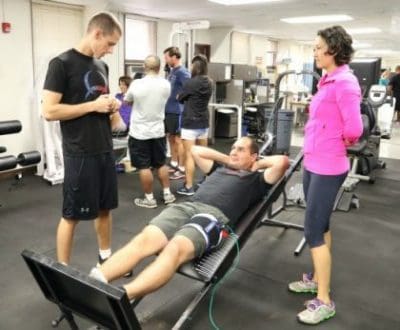
With the presence of blood flow restriction training in discussions surrounding intensity coaches and physiotherapists, people are beginning to seek out programs for the best training procedure which might help them reach new levels of athletic performance.
In arenas that were competitive; an athlete’s practice volume is often restricted by their capacity, not their desire to keep training. With elite athletes there are a handful of variables that influence recovery; sleep, nourishment, training volume, the modality of training, body work…etc.. Athletes are looking for everything they can to be able to recuperate faster so they can train harder. Blood flow restriction training is an alternative and should be included in the dialogue of methods which help you recover.
What is Blood Flow Restriction Training (BFR)?
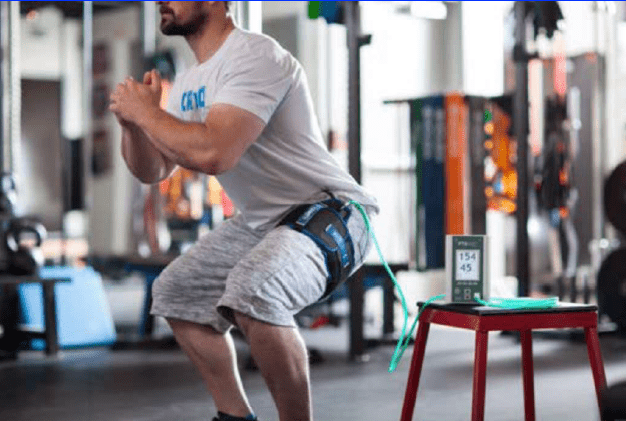
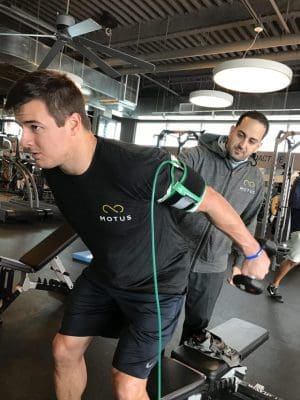
In brief, it is when you use a tourniquet device to restrict blood flow to your extremities while exercising. Faster recovery, and amount of superior training, equals gains.
BFR and Recovery
First let us begin with the thought that BFR does not cause muscle damage. This is an extremely important aspect of BFR training. If we’re currently performing a modality to boost recovery, then we do not want to break down muscle fibers in the procedure.
Think of muscle recovery as an equation of protein balance. Net protein equilibrium muscle protein breakdown. We would like our web protein balance to be over 0 (in the favorable). A positive protein balance suggests we are building muscle, not breaking it down.
There are different markers used in study to quantify muscle breakdown such as CK degrees and myoglobin levels. Delayed onset muscle soreness (DOMS) has also been measured in areas after BFR. The subject revealed no increase in DOMS after blood flow restriction. There seems to be no indirect or direct measures of muscular damage related to BFR when looking at the study. So we can conclude that using BFR will not increase muscle dysfunction following an athlete’s training session.
Process of Recovery with BFR
The very first thing we will look at is the greater release of growth hormone. Studies have shown there to be up to some 290% boost in growth hormone following BFR. Growth hormone is an integral component in collagen synthesis. Collagen synthesis enables the body to restore ligaments and tendons, which are reliant on hydration for strength and their structure.
Tendons, exactly like muscles, are subject to damage following training. When we’ve got higher tendon (collagen) breakdown when compared to tendon (hydration) synthesis we can ultimately wind up with bothersome limb injuries (tendonopathy, tendonitis, tendonosis). Various studies have shown there to be increased cross sectional area and tendon stiffness that was enhanced when comparing raised GH to a control group that was normal without GH.
What exactly does this mean to the athlete? The Growth hormone reaction with blood flow restriction training can lead to tendon strength and durability, thus allowing them to train longer without harm.
Growth hormone can also be correlated with greater healing in bone (thanks to the higher collagen synthesis). A frequent type of sport injury includes stress fractures. A stress fracture is when there’s more collagen breakdown when compared to collagen synthesis. BFR may play a role in helping to stop or limit stress fractures in athletes.
Next let us look at IGF-1. Insulin like growth factor -1 (IGF-1) is ultimately a protein that is connected to muscle growth. When we examine what is needed for muscle development, we could refer back to this equation cited before protein equilibrium muscle protein breakdown. If you have a favorable protein balance we could conclude that muscle development will be achieved by utilizing BFR therapy. More muscle being assembled compared to muscle being destroyed equals more muscle development. If we’re currently attaining a positive protein balance, we could conclude that our muscle fibers are recovering like they ought to be. When comparing to controls, when using BFR training various studies have shown there to be an increased number of IGF-1.
BFR Into Practice
The BFR would take place as the last thing you did before leaving the gym. You can do upper or lower body, however if your goal is strictly muscle recovery, I�d recommend doing the lower extremity. The lower extremity has muscle mass which will create a higher reaction. Since HGH and IGF-1 are carried throughout the blood flow, the result is systemic (whole body). You would be fine doing either the lower or upper extremities. BFR is safe to use on a daily basis, therefore its recommended to switc pper body on your primarily upper body dominant days and the lower body on primarily your lower body dominant days.
The exercise of choice for the lower extremity are some kind of deadlift or squat done at 20 to 30% of your 1RM. The exercise of choice for the upper body would be some kind of push up, row, or press. Once again you are currently aiming for 20-30 percent 1RM. You desire the exercises to be easy. It is not a wonderful notion when performing muscle ups or handstand pushups to perform BFR. That’s a recipe for failure.
The method would be to use 4 sets of 30/15/15/15 reps with a 30 second break between sets and a 2-second concentric and two- second eccentric contraction to get a metabolic reaction. The protocol would be complete in approximately 4-5 minutes.
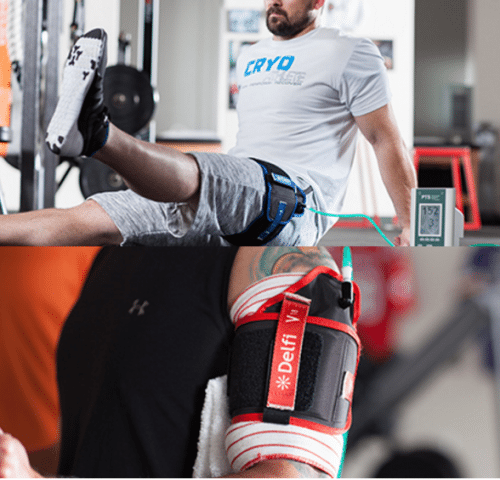
The placement of the cuffs will be at the peak of your arm, the most proximal segment just before the shoulder, or the top of your leg, the most proximal segment below your hip. We want the limb occlusion pressure to be 80 percent for the lower extremities and 50% to the upper extremities. If you experience numbing and tingling sensations, you’ve constricted too much. It will be uncomfortable, and will be the greatest “pump” and “burn” you’ve ever encounter. There ought to be zero numbness or tingling when performing BFR.
The scope of our information is limited to chiropractic and spinal injuries and conditions. To discuss options on the subject matter, please feel free to ask Dr. Jimenez or contact us at 915-850-0900 .�
By Dr. Alex Jimenez
Additional Topics: Sports Care
Athletes engage in a series of stretches and exercises on a daily basis in order to prevent damage or injury from their specific sports or physical activities as well as to promote and maintain strength, mobility and flexibility. However, when injuries or conditions occur as a result of an accident or due to repetitive degeneration, getting the proper care and treatment can change an athlete’s ability to return to play as soon as possible and restore their original health.
BFR or blood flow restriction therapy has been around for a long time, but recently, the evidence for its use in the world that is rehabilitation has begun to emerge. The principle is very simple: that the circulation of blood flow is confined to the area of the human body that’s being trained or undergoing rehabilitation in a certain manner to boost the impacts of the training via lower load (less stress).
Is Blood Flow Restriction Effective?
According to the American College of Sports Medicine, to achieve an increase in muscle size and strength, you want to do 8 to 10 repetitions of an exercise. A moderate to high intensity is deemed to be 65 to 80 percent of their patient’s one rep maximum (the maximum amount of weight a person can lift 1 time). However, the majority of patients that are injured can’t deal with this kind of load, consequently restricting their capacity.
So again we’re faced with the question: Just how can we achieve hypertrophy and gain muscle strength without using heavy loads? The solution involves using a tourniquet to restrict blood flow into a muscle. This technique is known as blood flow restriction training (BFR).
According to the most recent research in the event the appropriate blood flow restriction therapy protocols are utilized, the benefits of the training are equal to those found when using 70 percent of an individual’s maximal load, while using as little as 20 to 30 percent of somebody’s maximum load. The secret is that restricted blood flow training allows healthcare professionals, such as physical therapists, to make a localized region of exercise that is anaerobic.
BFR is a tool that uses a doppler and tourniquet system placed on either thigh or the upper arm to limit blood circulation. After this, it begins to create lactate and hydrogen ions and denies the muscle oxygen. This is what causes the “burning” feeling when we lift heavy weights. The burn is simply the response to being in an active environment of the body. During heavy lifting (65-85%), we create small microtraumas in the muscle that the body then repairs by building more muscle. Together with BFR, we are not generating microtraumas at the muscle, so our body does not have to devote the energy to repair the muscle; rather our bodies just focus on creating the muscle.
Second, soreness is not experienced by us as we would when we were lifting weights. This means we can now lift at low loads (15-30%) and basically gain more muscle strength and size, at a quicker manner, as if we were lifting a more heavier load.
As soon as we create lactate, we activate growth hormone release. The release of IGF-1 subsequently stimulates once growth hormone is released. Such enables your muscles ability to activate; this in turn increases muscle protein synthesis, or our stem cells to the muscle. As previously mentioned, if we were to have muscle breakdown, these stem cells could have to concentrate on repairing muscles building. With blood flow restriction therapy or training, we skip the muscle repair and focus on muscle building. This result is not concentrated throughout the exercise, but impacts the tissues and muscles to create the greater benefit of BFR. BFR has shown to have the ability to help in endurance training and coaching, tendon healing and bone recovery.
All of our muscles are produced from other kinds of fibers, including type 1 which are slow to twitch and rely on oxygen and type 2, which are those we’re currently attempting to build with BFR training and fast-twitch fibers. By limiting the blood flow, we create an environment at the muscle group that compels the increase of more fibers that are type 2. Higher strength gains are the outcome because these type 2 fibers normally can produce more force. Another effect of blood flow restriction is that is allows for a synthesis of proteins needed to build and repair muscles and tissues.
In a treatment setting, this helps us achieve the outcomes for patients faster, and in sports it enables the gains to be attained with less strength and less damage to the muscle. That is why pro and college teams are currently turning to BFR as a training principle. In sports, athletes are attempting to come back to the field quicker after suffering trauma or injury from an accident. Some athletes re-injure themselves by lifting. That is really where BFR can come by lifting loads that are lower and receiving the same, or even much better profits. Healthcare specialists will tend to eliminate strength immediately following a sports injury, but they can not exercise at elevated levels. In this manner, they can not only keep the power but build strength in the process although together with blood flow restriction training.
Is Blood Flow Restriction Safe?
You might be thinking that its effects sounds fantastic, but is it safe? The brief answer is yes, but as with any rehab technique, there are precautions which should be taken and it’s recommended to first seek medical attention from a healthcare professional to discuss the option of BFR therapy for you. We certainly don’t recommend that individuals do this by themselves and tie bands around their limbs. In the practice, specialists can track it as you train and use special devices to know exactly how much you need to train to experience its benefits.
The scope of our information is limited to chiropractic and spinal injuries and conditions. To discuss options on the subject matter, please feel free to ask Dr. Jimenez or contact us at 915-850-0900 .�
By Dr. Alex Jimenez
Additional Topics: Sports Care
Athletes engage in a series of stretches and exercises on a daily basis in order to prevent damage or injury from their specific sports or physical activities as well as to promote and maintain strength, mobility and flexibility. However, when injuries or conditions occur as a result of an accident or due to repetitive degeneration, getting the proper care and treatment can change an athlete’s ability to return to play as soon as possible and restore their original health.
Imagine you trained well for a significant race, got yourself into form and cruised through the first half of the course without any issues, and were on pace for a nice PR. All of a sudden, you started to notice tightness in one of your hamstrings. In the beginning, it was a hindrance that could be ignored, but the tightness got steadily worse until your hamstring was a stiff, painful mass of tissue which cried out to cease.
You slowed down, you ceased to stretch, massaged it, but nothing helped. Realizing that this was the conclusion of your race, you limped to the end, disappointed and frustrated that after six months of attentive, time-consuming preparations, some strips of muscular tissue in the back of your thigh had prevented you from attaining your goal. Does this situation sound familiar to someone or has this happened to someone you know?
Hamstring Injury Issues
Hamstring difficulties are common among runners, with strains, pulls, tendinitis and tears being the most commonly reported damage or injury to the hamstring muscles. Are hamstring issues common? Most distance runners have developed a scenario called “quad dominance,” a scenario that takes place when the quad muscles overpower the action of the hamstrings at the movement of the leg through a running stride.
Logging a great deal of miles on the streets can put repetitive functional overload on the quadriceps, which makes them powerful, strong and dominant. When the quadriceps contract as you land, the hamstrings, the opposite muscles, act as brakes for your knee to stop against hyperextending in the conclusion motion of a stride.
The quad functions when the knee is locked out in expansion with motion happening in the hip (the forward swing of a stride). The quadriceps work along with the hip flexors to flex the hip as you run. In addition, once the hip is fixated with movement taking place in the knee (when the leg is planted on the floor), the quads function as extensors of the knee.
If your hamstrings are significantly weaker than your quads, due to a continuous loading of the anterior (frontal) chain from jogging or running, particularly seen in athletes, then one of two things will happen: first, your hamstrings will tear as a consequence of not being able to take the load created by the contracting quadriceps and momentum out of hip extension; and two, you will run slower as a consequence of diminished power from the hip flexors and knee extensors since the hamstrings have to contract earlier to have the ability to break the ensuing movement.
Regrettably, once you get yourself into this quad-dominating problem, it’s difficult to undo. Hamstring injuries are rather slow to cure, and athletes regularly spend plenty of time resting before they are able to train without much pain towards carrying out activities. However, like muscle injuries, distress tends to return again and again, particularly because most athletes fail to deal with the root cause of their problems.
When the quadriceps are concentrically contracting (as you land), the hamstrings need to be eccentrically contracting to check the movement. It has been proven for producing activities, that contractions will have limited gains in strength. For this reason, focusing upon loading is critical.
By executing a suitable strengthening program for those hamstrings using a series of specific, isolated, and abnormal exercises, such as those in which muscle fibers lengthen because they contract, you can remove the quad dominance, and keep yourself healthy, powerful and quick. It is possible to begin with the following three simple hamstring exercises below to help treat an athlete’s hamstring injuries, improving strength, flexibility and mobility.
Hamstring Exercises
The exercises here will strengthen the hamstrings while the muscles actively lengthen by mimicking the “grab” of a leg’s swing period whilst jogging. Each of these exercises 8 to 12 times for 3 to 4 sets. On moving from the center, focus, and remember that the emphasis is on the portion of the motion.
Good Morning
A) Start with your thighs locked, arms holding a weight bar on your shoulders with conflicting grasp, back in neutral position and center tight.
B) Slowly bend over at the waist, gently feeling the stretch on down the road. Keep your chest do not hesitate to droop your shoulders toward the floor in an attempt to seem like you are going . Constantly keep the core to support your back.
C) On down the road, maintain the barbell as close to your leg as possible to decrease the pressure on the lower spine. Maintain the back at the neutral position.
D) When you’ve gone as low as possible with your knees locked, start to return up slowly. (Avoid the tendency to jerk upwards or arch your spine. Should you feel inclined to either, use less weight on the bar.)
E) For a sophisticated version, try this exercise one leg at a time by putting the non-exercising leg up on a seat on your side.
Single-Leg Romanian Dead Lift
A) Stand holding a barbell in front of you on your right hand, putting your weight in your right foot. Lean forward 15 degrees or so.
B) Keeping a small bend in your right knee, your back flat and your chest out, lift your left leg straight out behind you as you reduce your body over your right leg. Slide the dumbbell to about mid-shin down your quad and lift your own body back up into an erect posture, keeping your weight onto your right leg. Repeat for 2 to 12 repetitions, then switch hands and legs.
C) To progress this exercise, stand on a barbell or Bosu with the exact same weight, or stay on the floor and increase your weight.
Eccentric Hamstring Curl (with a partner)
A) Kneel on a folded towel or a pile of exercise mats with your toes pulled toward your shins. Keep your hands in front of your chest. Your partner sits behind you, facing your spine, pressing down on your legs with his palms.
B) Keep your core tightup your torso and hips forward so your body forms a straight line from the ears to your knees. As you lower your chest whilst resisting gravity keep this posture. Control the range of motion as far as you can, grab yourself with your hands, then push off the floor in yanking you back up to assist your hamstrings and glutes. (In case you do not have a spouse, you can perform a similar workout on a hamstring washing machine)
The scope of our information is limited to chiropractic and spinal injuries and conditions. To discuss options on the subject matter, please feel free to ask Dr. Jimenez or contact us at 915-850-0900 .�
By Dr. Alex Jimenez
Additional Topics: Sports Care
Athletes engage in a series of stretches and exercises on a daily basis in order to prevent damage or injury from their specific sports or physical activities as well as to promote and maintain strength, mobility and flexibility. However, when injuries or conditions occur as a result of an accident or due to repetitive degeneration, getting the proper care and treatment can change an athlete’s ability to return to play as soon as possible and restore their original health.
IFM's Find A Practitioner tool is the largest referral network in Functional Medicine, created to help patients locate Functional Medicine practitioners anywhere in the world. IFM Certified Practitioners are listed first in the search results, given their extensive education in Functional Medicine