Get insights into chiropractic care and see how it can facilitate recovery and help you regain your strength from ACL tears.
Introduction
Imagine twisting your knee during a soccer game, hearing a dreaded “pop,” and suddenly finding yourself unable to walk without pain. This is the reality for many who suffer an anterior cruciate ligament (ACL) injury, a common yet debilitating condition that can derail daily routines and athletic pursuits. With an estimated 150,000 ACL injuries annually in the United States, resulting in approximately $500 million in healthcare expenses, the impact is substantial (The Joint Chiropractic, 2017). While surgery and physical therapy are standard treatments, chiropractic care offers a complementary, non-invasive approach that may enhance recovery and restore function.
This comprehensive guide explores the clinical rationale for using chiropractic care to manage ACL injuries, drawing on evidence and insights from Dr. Alexander Jimenez, a distinguished chiropractor and family practice nurse practitioner in El Paso, Texas. We’ll explore how ACL injuries impact daily life, the role of chiropractic interventions, and Dr. Jimenez’s distinctive contributions, particularly in personal injury cases. With a touch of dark humor to lighten the mood—because who hasn’t felt like their knee is staging a mutiny?—this post aims to inform and engage readers at a high school reading level. However, the conclusion will adopt a serious tone, emphasizing the importance of professional care and including a disclaimer for clarity.
Understanding ACL Injuries
What Is the ACL?
The anterior cruciate ligament (ACL) is one of four major ligaments in the knee, connecting the femur (thigh bone) to the tibia (shin bone). It prevents excessive forward movement of the tibia and provides rotational stability, which is crucial for activities such as running, jumping, or pivoting (Vale Health Clinic, 2021). The knee joint also includes the patella (kneecap), the fibula, tendons, and cartilage (menisci), all of which work together to ensure smooth motion and stability.
Causes and Risk Factors
ACL injuries often result from sudden, high-stress movements, such as:
Sudden Stops or Changes in Direction: Common in sports like soccer, basketball, and skiing.
Jumping and Landing Incorrectly: A misstep can overstress the ligament.
Direct Trauma: Such as a collision in contact sports or accidents like car crashes.
Women are 7-8 times more likely to suffer ACL injuries due to anatomical differences, hormonal influences, and neuromuscular control variations (Vale Health Clinic, 2021). Everyday activities, like slipping on ice or tripping, can also cause ACL tears, making them relevant beyond athletics.
Symptoms and Diagnosis
An ACL tear typically presents with:
A popping sensation at the time of injury.
Severe pain and swelling within hours.
Instability or a feeling that the knee “gives out.”
Difficulty walking or bearing weight.
Diagnosis involves physical exams, such as the Lachman’s Test, Pivot Shift Test, and Anterior Drawer Test, which assess knee stability (Vale Health Clinic, 2021). Imaging, like X-rays to rule out fractures or an MRI to confirm ligament damage, is often used. Arthroscopy, a minimally invasive procedure, may provide a detailed view of the injury.
Impact on Daily Life
An ACL injury can turn simple tasks into Herculean challenges. Walking becomes a wobbly adventure, climbing stairs feels like scaling Everest, and sports may be sidelined indefinitely. For non-athletes, routine activities like carrying groceries or playing with kids become painful obstacles. Emotionally, the loss of mobility can lead to frustration or depression, especially for active individuals. Untreated, ACL injuries may lead to chronic instability, bone friction, and osteoarthritis, underscoring the need for effective treatment (Tri State Clinic North Chiropractic, 2018).
For complete ACL tears, particularly in active individuals or athletes, surgical reconstruction is often recommended. This involves replacing the torn ligament with a graft, typically from the patient’s patellar tendon, hamstring, or a donor. Surgery aims to restore knee stability and function but carries risks like infection, graft failure, or anesthesia complications. Recovery typically spans 6 to 12 months, requiring extensive rehabilitation (Physiopedia, n.d.).
Physical Therapy
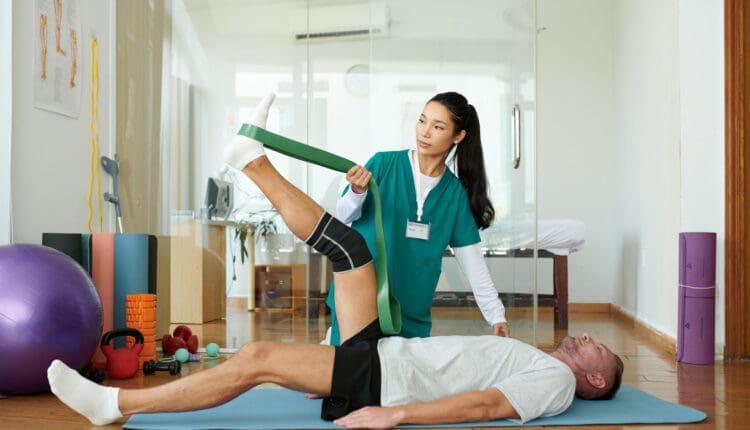
For both post-surgical and non-surgical cases, physical therapy is crucial. It focuses on:
Restoring Range of Motion: Gentle exercises to regain flexibility.
Strengthening Muscles: Targeting quadriceps, hamstrings, and calves to support the knee.
Improving Proprioception: Balance and coordination training to prevent re-injury.
Physical therapy is effective but can be time-intensive, and some patients experience persistent pain or incomplete recovery.
Limitations of Traditional Approaches
While effective, traditional treatments have challenges:
Surgical Risks: Complications can delay recovery or affect outcomes.
Long Recovery Time: It may take up to a year to return to full activity.
Persistent Symptoms: Some patients report ongoing pain or instability.
Cost and Accessibility: Surgery and prolonged therapy can be expensive and inaccessible for some.
These limitations highlight the potential role of complementary therapies, such as chiropractic care, in enhancing recovery and addressing residual issues.
The Role of Chiropractic Care in ACL Injury Recovery
Chiropractic Techniques for ACL Injuries
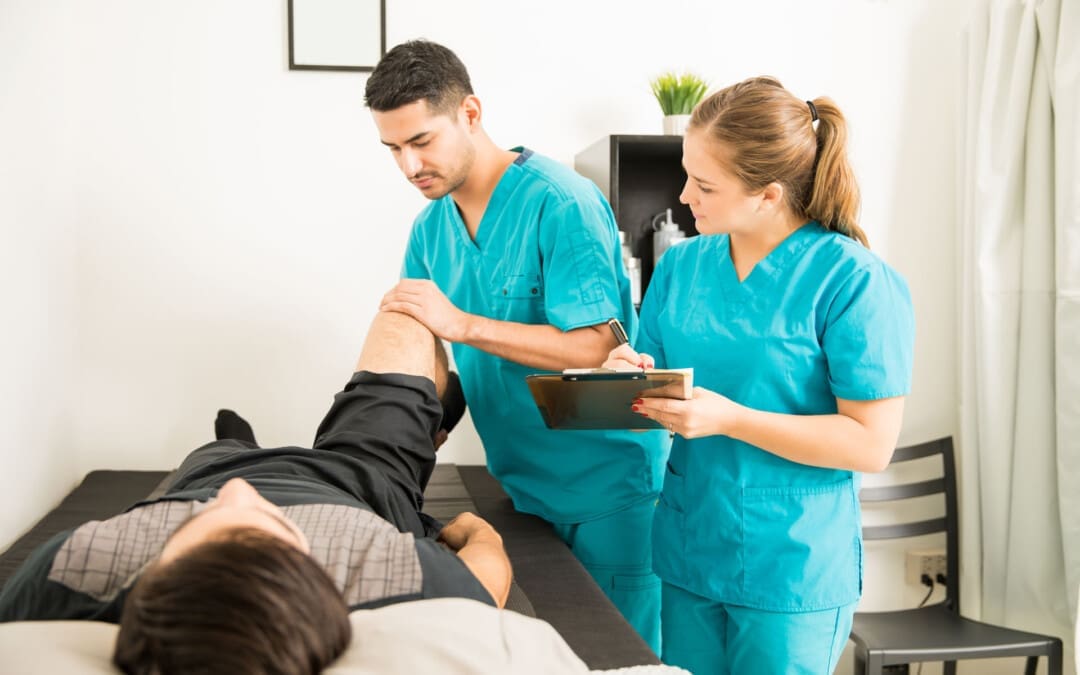
Chiropractic care offers non-invasive methods to support ACL injury recovery, either as a standalone treatment for partial tears or as a complement to surgery. Key techniques include:
Chiropractic manipulation involves adjustments to the knee and surrounding joints (e.g., hip, ankle) to restore alignment and mobility, thereby reducing stiffness and improving function (Vale Health Clinic, 2021).
Therapeutic Ultrasound: Uses sound waves to generate heat, stimulating blood flow and promoting tissue healing.
Soft Tissue Therapy: Techniques such as massage or Active Release Technique help relieve muscle tension and break down scar tissue, thereby enhancing circulation (Kaizo Health, 2023).
Cold Laser Therapy: Reduces inflammation and accelerates tissue repair by stimulating cellular activity.
Enhancing Nervous System Function: Chiropractic adjustments optimize nervous system communication, which controls healing processes (The Joint Chiropractic, 2017).
For post-surgical patients, chiropractic care can accelerate recovery by addressing scar tissue and restoring joint mechanics, as demonstrated in a case study where a patient regained full function after completing a 12-week multimodal chiropractic program (Solecki & Herbst, 2011).
Benefits of Chiropractic Care
Non-Invasive: Avoids surgical risks and drug side effects.
Cost-Effective: Often covered by insurance with shorter wait times (Vale Health Clinic, 2021).
Holistic Approach: Addresses the whole body, not just the knee.
Prevention Focus: Reduces the risk of re-injury through biomechanical corrections.
However, the effectiveness of chiropractic care depends on the severity of the injury. Severe tears typically require surgical intervention, and chiropractic care is most beneficial as a complementary or preventative approach.
A notable case involved a 25-year-old man who suffered a complete ACL rupture, medial meniscus tear, and lateral meniscus tear after a basketball injury. Following surgical reconstruction, he underwent a 12-week chiropractic rehabilitation program including Active Release Technique, Graston Technique, and Kinesio Taping. Outcomes included:
Pain Relief: Numeric Pain Scale score dropped to 0/10.
Functional Recovery: Full restoration of range of motion and muscle strength.
Return to Activity: Resumed sports without complications.
Long-Term Success: No pain reported at one-year follow-up (Solecki & Herbst, 2011).
This case demonstrates the potential of chiropractic care in post-surgical recovery, particularly when a multimodal approach is employed.
Supporting Research
Knee Injury Management: A study in the Journal of Manipulative and Physiological Therapeutics found that chiropractic manipulation and soft tissue therapy reduced pain and improved function in patients with knee injuries, including ACL tears (Haldeman et al., 2008).
Muscle Activation: Research on gluteal muscle activation during walking suggests that strengthening supporting muscles, a common chiropractic focus, can enhance pelvic and knee stability, aiding recovery (Bullock-Saxton et al., 1993).
Preventative Benefits: Chiropractic care that addresses muscular imbalances and movement patterns may reduce the risk of ACL injuries (MSK Centre, 2023).
While the evidence is promising, more large-scale studies are needed to confirm the efficacy of chiropractic care for ACL injuries, particularly for non-surgical cases.
References
Bullock-Saxton, J. E., Janda, V., & Bullock, M. I. (1993). Reflex activation of gluteal muscles in walking: An approach to restoration of muscle function for patients with low-back pain. Spine, 18(6), 704-708. https://pubmed.ncbi.nlm.nih.gov/8516698/
Haldeman, S., Kohlbeck, F. J., & McGregor, M. (2008). Unpredictability of cerebrovascular ischemia associated with cervical spine manipulation therapy: A review of sixty-four cases after cervical spine manipulation. Journal of Manipulative and Physiological Therapeutics, 31(1), 1-12.
MSK Centre. (2023, September 18). Minimize risks: Proven ACL injury prevention. https://mskcentre.ca/treatments/chiropractic/acl-injury-prevention/
Solecki, T. J., & Herbst, E. M. (2011). Chiropractic management of a postoperative complete anterior cruciate ligament rupture using a multimodal approach: A case report. Journal of Chiropractic Medicine, 10(1), 47-53. https://www.ncbi.nlm.nih.gov/pmc/articles/PMC3110400/
Insights from Dr. Alexander Jimenez
Background and Expertise
Dr. Alexander Jimenez, DC, APRN, FNP-BC, is a dual-licensed chiropractor and family practice nurse practitioner based in El Paso, Texas, with over 25 years of experience. His clinic, Injury Medical & Chiropractic Clinic, specializes in treating musculoskeletal conditions, including sports injuries like ACL tears. Dr. Jimenez’s unique qualifications allow him to integrate chiropractic care with advanced medical diagnostics, offering a holistic approach to recovery (A4M, n.d.).
Approach to ACL Injuries
While specific protocols for ACL injuries are not detailed on his website, Dr. Jimenez’s practice emphasizes:
Advanced Diagnostics: Using imaging (e.g., MRI, X-rays) and dual-scope procedures to assess injury severity and tailor treatments.
Multimodal Treatments: Combining chiropractic adjustments, soft tissue therapies, and rehabilitative exercises to address pain, mobility, and stability.
Functional Medicine: Incorporating nutrition and lifestyle changes to support healing and reduce inflammation.
Patient-Centered Care: Creating individualized plans based on the patient’s activity level and goals.
His focus on sports injuries suggests that he applies techniques, such as those described earlier, including manipulation, ultrasound, and Kinesio Taping, to ACL cases (Dr. Alex Jimenez, 2020).
Patient Testimonials
Patients praise Dr. Jimenez for his transformative care. One testimonial noted, “After my ACL surgery, I was struggling with persistent pain and stiffness. Dr. Jimenez’s chiropractic care helped me regain my strength and get back to my normal activities much faster than I expected” (Dr. Alex Jimenez, 2023). His ability to address complex injuries makes him a trusted provider in El Paso.
In El Paso, personal injury cases, such as those from car accidents or workplace incidents, often involve musculoskeletal injuries like ACL tears. Chiropractic care is a valuable option for these patients, offering non-invasive pain relief and functional restoration. Dr. Jimenez’s clinic is a go-to resource for personal injury victims, providing comprehensive care that addresses both immediate symptoms and long-term recovery (Dr. Alex Jimenez, 2019).
Dr. Jimenez’s Role as a Liaison
Dr. Jimenez’s dual licensure enables him to:
Provide Accurate Diagnoses: Using advanced imaging and diagnostic evaluations to document injuries thoroughly.
Offer Comprehensive Treatment: Combining chiropractic care with medical management for optimal outcomes.
Support Legal Documentation: Providing detailed medical reports is crucial for insurance claims and legal proceedings.
This makes him an invaluable ally for personal injury victims navigating the complex interplay of medical and legal systems (A4M, n.d.).
Case Example
Consider a car accident victim with an ACL sprain. Dr. Jimenez might use diagnostic imaging to confirm the injury, apply chiropractic adjustments to restore knee alignment, and prescribe exercises to strengthen supporting muscles. Simultaneously, he provides detailed medical records to help the patient’s legal claim, ensuring they receive appropriate compensation and care.
Correcting Muscle Imbalances: Strengthening weaker muscles like hamstrings to balance quadriceps dominance.
Improving Biomechanics: Adjusting joints to ensure proper movement patterns during activities like jumping or pivoting.
Enhancing Flexibility: Increasing joint range of motion to reduce stress on the ACL (MSK Centre, 2023).
Dr. Jimenez emphasizes preventative strategies, offering education on proper techniques and regular check-ups to catch issues early (Dr. Alex Jimenez, 2016).
Long-Term Knee Health
Regular chiropractic care supports long-term knee health by:
Maintaining Joint Alignment: Preventing undue stress on ligaments.
Strengthening Supporting Muscles: Enhancing stability through targeted exercises.
Promoting Overall Wellness: Integrating nutrition and lifestyle changes to reduce inflammation and support joint function.
For athletes, these interventions can enhance performance and resilience, allowing them to stay active safely.
ACL injuries can be a major setback, turning everyday tasks into painful challenges and sidelining athletes from their passions. Chiropractic care offers a promising complement to traditional treatments, utilizing techniques such as joint manipulation, therapeutic ultrasound, and rehabilitative exercises to alleviate pain, restore function, and facilitate recovery. Dr. Alexander Jimenez, with his dual expertise and integrative approach, stands out as a leading practitioner in El Paso, Texas, helping patients navigate both medical and legal aspects of their injuries.
For those facing an ACL injury, whether from sports or an accident, consulting a chiropractor like Dr. Jimenez can be a game-changer. His clinic, Injury Medical & Chiropractic Clinic, is dedicated to holistic healing, offering personalized care plans that address the root causes of pain and dysfunction. Contact the clinic at 915-850-0900 to explore how chiropractic care can support your recovery journey.
Disclaimer: This blog post is for informational purposes only and is not a substitute for professional medical advice, diagnosis, or treatment. Always seek the advice of a qualified healthcare provider, such as an orthopedic specialist or chiropractor, for any questions regarding an ACL injury or other medical condition. Do not disregard professional medical advice or delay seeking it because of information in this post.
Can understanding the mechanics of the throwing motion help to understand why it may cause shoulder pain, the symptoms of a shoulder problem, the diagnosis, and the treatment options available?
Throwing a Ball and Shoulder Pain
The throwing motion is a complex shoulder movement that requires the mechanics of muscles, tendons, joints, ligaments, and bones. They all must move in a synchronized and stable pattern to move the shoulder joint. When these mechanics are interrupted or altered, inflammation can result in pain symptoms. (Wardell M., Creighton D., & Kovalcik C., 2022)
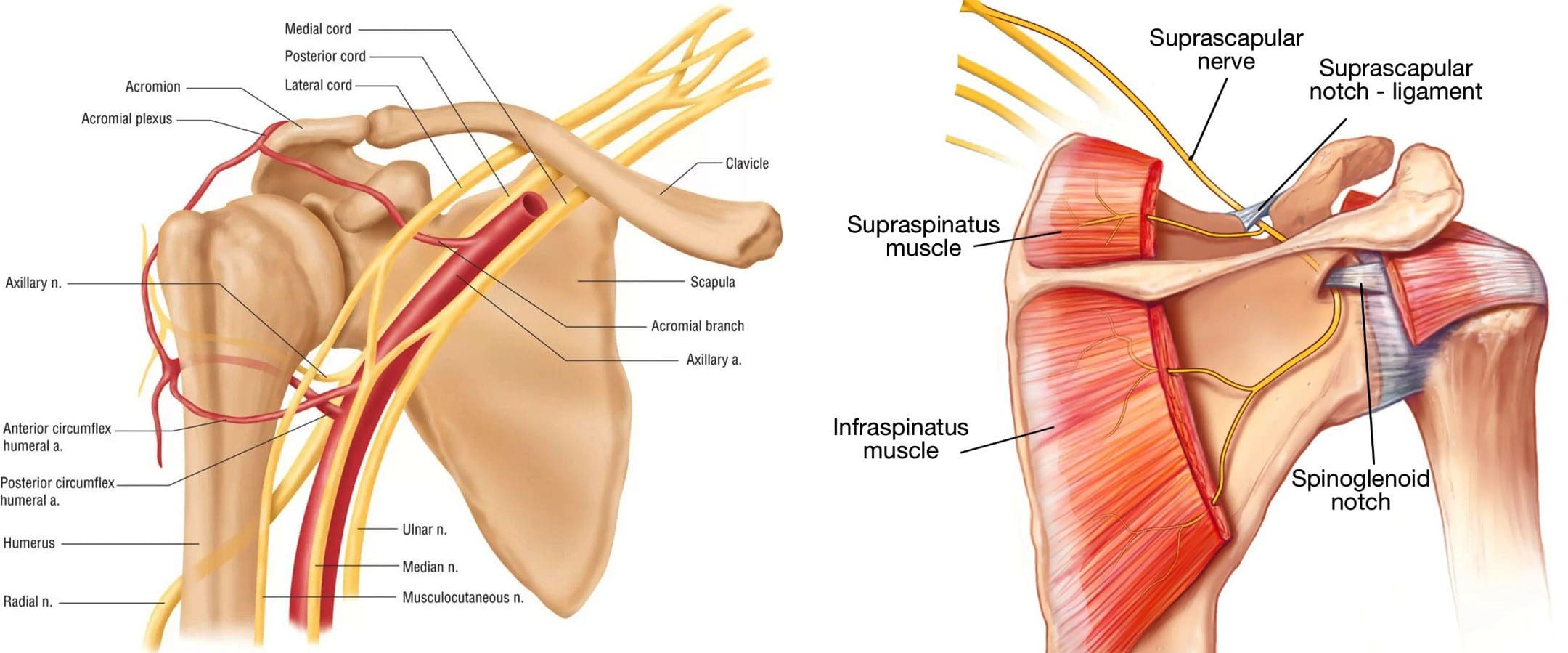
The labrum stabilizes the ball in the socket of the shoulder.
The shoulder blade rotation coordinates with the arm to ensure mobility. (Itoigawa Y. et al., 2023)
The throwing motion generates high torque and acceleration forces acting on the shoulder joint and the surrounding muscles, ligaments, and tendons.
Causes of Pain
Pain when throwing can come from the:
Shoulder blade
Shoulder joint – cartilage and labrum
Rotator cuff muscles and tendons
Nerves that control the muscles’ function
The shoulder blade is attached to the upper back by ligaments, muscles, and tendons. The various muscles and tendons that control the movement of the shoulder blade impact movements. Abnormalities of any area can lead to shoulder dysfunction and pain when throwing. (Wardell M., Creighton D., & Kovalcik C., 2022) The most common is the tightness of the posterior shoulder capsule, causing a loss of normal internal rotation of the shoulder. If this is causing pain, individuals may notice that they can’t reach up as high on the side with the painful shoulder when reaching behind their back.
Symptoms
Whether an athlete or playing catch in the backyard, shoulder function abnormalities can cause significant pain. Some symptoms include.
Aching Pain
Often deep in the shoulder or extending down the upper arm.
Dead Arm
Lack of strength in the throwing motion.
Pain at Night
Pain can awaken you from sleep.
Diagnosis
Finding a healthcare provider familiar with sports injuries can be helpful. They can best determine if a structural abnormality needs to be addressed. (American Academy of Orthopaedic Surgeons, 2021)
Treatment
Most can improve with nonsurgical treatments. The earliest phase of treatment is resting the joint and reducing inflammation. Treatments can include:
Ice
Anti-inflammatory medications
Cortisone injection
Once the inflammation has subsided, the source of the discomfort can be addressed.
Physical Therapy
Therapy can include:
A structured shoulder stretching and strengthening program will help.
The physical therapist will focus on scapular mobility when managing shoulder joint problems.
Stretching to improve internal rotation or any other lost motion can help allow a more normal throwing motion.
Strength exercises are often aimed at the rotator cuff, as these muscles initiate proper shoulder movements and stabilize the shoulder joint.
Maintaining flexibility and strength of the periscapular muscles (muscles that attach to the scapula bone) is important to ensure that the scapular movements are coordinated with the throwing motion.
If improvements are not made within three months of therapy, or individuals can’t return to competitive sports within six months. In that case, the individual may need to return to their healthcare provider or see an orthopedic specialist who may recommend surgery. (American Academy of Orthopaedic Surgeons, 2024)
Injury Medical Chiropractic and Functional Medicine Clinic
As a Family Practice Nurse Practitioner, Dr. Jimenez combines advanced medical expertise with chiropractic care to address various conditions.
Wellness & Nutrition: Personalized plans to optimize health and prevent disease.
Chronic Pain Management: Non-invasive solutions for fibromyalgia, sciatica, and low back pain.
Personal Injury & Auto Accident Care: Tailored rehabilitation for whiplash, soft tissue injuries, and more.
Sports Injuries & Orthopedic Care: Treatment for sprains, strains, and complex injuries.
Functional Medicine: Root-cause analysis for chronic disorders, incorporating nutrition, lifestyle, and environmental factors.
Neuromusculoskeletal Health: Care for neck pain, migraines, herniated discs, and scoliosis.
Our clinic integrates Functional Medicine, Acupuncture, Electro-Acupuncture, and Sports Medicine to create customized care plans that promote natural healing, mobility, and long-term wellness. By focusing on flexibility, agility, and strength, we empower patients to thrive, regardless of age or health challenges.
At El Paso’s Chiropractic Rehabilitation Clinic & Integrated Medicine Center, we passionately focus on treating patients after frustrating injuries and chronic pain syndromes. We focus on improving your ability through flexibility, mobility, and agility programs tailored for all age groups and disabilities. We use in-person and virtual health coaching and comprehensive care plans to ensure every patient’s personalized care and wellness outcomes.
Lumbar Spine Injuries in Sports: Chiropractic Healing
References
Wardell, M., Creighton, D., & Kovalcik, C. (2022). Glenohumeral Instability and Arm Pain in Overhead Throwing Athletes: A Correlational Study. International journal of sports physical therapy, 17(7), 1351–1357. https://doi.org/10.26603/001c.39800
Itoigawa, Y., Koga, A., Morikawa, D., Kubota, A., Uehara, H., Maruyama, Y., Takazawa, Y., & Ishijima, M. (2023). Posterior shoulder stiffness was associated with shoulder pain during throwing in college baseball players: assessment of shear wave elastography. European journal of orthopaedic surgery & traumatology: orthopedie traumatologie, 33(4), 1237–1244. https://doi.org/10.1007/s00590-022-03286-z
American Academy of Orthopaedic Surgeons. (2021). Shoulder Injuries in the Throwing Athlete. https://orthoinfo.aaos.org/en/diseases–conditions/shoulder-injuries-in-the-throwing-athlete/
American Academy of Orthopaedic Surgeons. (2024). Shoulder Impingement/Rotator Cuff Tendinitis. https://orthoinfo.aaos.org/en/diseases–conditions/shoulder-impingementrotator-cuff-tendinitis
Can adding fartlek training improve speed and endurance for runners and running enthusiasts?
Running Fartlek Training
Fartlek training, which means speed play in Swedish, is a form of running training that involves alternating between bursts of fast running and slower recovery jogging.
It is a form of interval or speed conditioning.
It involves varying one’s pace throughout their run, alternating between fast treks and slow jogs.
Workouts are unstructured and allow runners to decide the duration and intensity of the fast and slow sections.
Unlike formal interval training, this flexibility offers a new way to improve speed, endurance, mental preparedness, and stamina.
Training Benefits
Traditional interval training uses specific timed or measured segments. Fartleks are more unstructured, with work-rest intervals based on how the body feels. With fartlek training, individuals can experiment with pace and endurance as they run, which helps them tune in to their body and adjust how it performs. Many runners enjoy the training because it involves speed work and is more flexible and less demanding.
A stopwatch is not needed for time intervals.
Training doesn’t have to be done on a track and can be performed on all terrain, such as roads, trails, or hills.
The training stresses the body’s systems, leading to faster speeds and improving anaerobic threshold. (Bacon, A. P. et al., 2013)
Improves the anaerobic threshold and increases the body’s ability to train longer at higher intensities. (Mazurek K. et al., 2016)
This is due to an increased VO2 max, which measures how much oxygen the body can take in and use.
Training includes a higher risk of injury and strain.
Beginners are more prone to shin splints.
The training is demanding, so it should not be done daily.
Workout
The method is to vary brief periods of slightly higher pace into regular runs (Kumar P. 2015). Maintain a faster pace for a short distance or time interval, such as 200 meters or 30 seconds. Intervals can vary throughout the workout, and landmarks such as streetlights or telephone poles can be used to mark segments instead of measuring miles or meters. Once a fast segment is completed, slow to below-normal running cadence until the body fully recovers and breathing returns to normal. Return to running normally and incorporate slightly faster intervals later in the run.
Fartleks should be short because they are intense.
The actual higher-pace portion of the run should last up to 30 seconds.
Gradually add more time to the faster-paced portion as conditioning improves, up to 60 seconds.
Training Example
An example of a 40- to 45-minute fartlek workout suitable for beginners.
10-minute warm-up at a light pace
1 minute on (fast pace)
2 minutes off (easy)
2 minutes on
1 minute off
Repeat the set 3 to 4 times
10-minute cooldown at an easy pace
Remember that beginners should go slow when introducing fartlek training into their workouts. It is more intense and can increase the risk of injuries and strains, such as shin splints. Get help from a running coach or trainer if you are unsure how to incorporate the training into your routine.
Training on a Treadmill
Speed play can be done on a treadmill. The idea is to find ways to create speed variation intervals and help relieve treadmill boredom. Some examples include:
If watching television, use commercials to go into speed intervals.
At the gym, make a game out of the sprints and/or
Speed up during certain parts of songs where you can feel the energy moving you faster.
One precaution is learning to use the treadmill’s buttons to increase and decrease the pace. This can slow you down and disrupt form, so maybe do longer durations for each phase so there is less contact with the control panel.
Injury Medical Chiropractic & Functional Medicine Clinic
Fartlek training is an excellent way to add variety, fun, and interest to running. This speed work can also enhance performance, increase cardiovascular output, and allow individuals to run at higher intensities for longer periods. Injury Medical Chiropractic and Functional Medicine Clinic works with primary healthcare providers and specialists to develop an optimal health and wellness solution. We focus on what works for you to relieve pain, restore function, and prevent injury. We can also work with other medical professionals to integrate a treatment plan to resolve musculoskeletal issues.
Building a Stronger Body
References
Bacon, A. P., Carter, R. E., Ogle, E. A., & Joyner, M. J. (2013). VO2max trainability and high-intensity interval training in humans: a meta-analysis. PloS one, 8(9), e73182. https://doi.org/10.1371/journal.pone.0073182
Mazurek, K., Zmijewski, P., Krawczyk, K., Czajkowska, A., Kęska, A., Kapuściński, P., & Mazurek, T. (2016). High-intensity interval and moderate continuous cycle training in a physical education programme improves health-related fitness in young females. Biology of Sport, 33(2), 139–144. https://doi.org/10.5604/20831862.1198626
Scribbans, T. D., Vecsey, S., Hankinson, P. B., Foster, W. S., & Gurd, B. J. (2016). The Effect of Training Intensity on VO2max in Young Healthy Adults: A Meta-Regression and Meta-Analysis. International journal of exercise science, 9(2), 230–247. https://doi.org/10.70252/HHBR9374
Kumar, P. (2015). Effect of fartlek training for developing endurance ability among athletes. Int J Phys Ed Sports Health., 2(2), 291-293. https://www.kheljournal.com/archives/2015/vol2issue2/PartE/3-3-75-957.pdf
What are some leg-strengthening exercises that will expedite recovery for athletes and physically active individuals who have undergone leg surgery?
Post Surgery Leg Strengthening
Leg muscles may weaken after hip, knee, ankle, or foot surgery. This happens because those muscles are not used as much during recovery. Gaining back strength and muscle endurance after an injury or surgery is an important step in recovery. Leg exercises can help regain mobility and prevent complications like blood clots and pressure sores after surgery or an injury, which is why engaging in post-surgery leg strengthening is important once the doctor gives the ok.
Benefits
Post-surgery leg strengthening exercises have several benefits, including
Rebuilds strength and confidence
Retraining for optimal mobility and flexibility
Prevents pressure sores
Prevents blood clots
When the leg muscles are contracted, they move blood like a pump, maintaining proper circulation. Moving in a bed after surgery also helps prevent pressure sores from forming and blood clots. A physical therapy team will determine the right leg exercises for each individual and their injury/condition. This is an important step when moving forward after surgery. (Hoogeboom T. J. et al., 2014)
This isometric exercise means the muscles contract while no motion occurs at the hip joints. To perform:
Lie on your back and tighten your buttock muscles.
Hold the muscles tight for 5 seconds, then relax.
Repeat 10 or 15 times.
Gluteal sets can be done several times per day.
Heel Slide
Heel slides can help regain strength in the major muscles of the leg. To perform:
Lie on your back.
Bend the knee of the surgical leg and slowly slide the heel toward your butt.
Slide as far as possible and hold for 5 seconds.
Slowly return to the starting position and repeat.
Short Arc Quad
The short arc quad, or SAQ, is a simple way to get the quadricep muscles working. To perform:
Lie on your back with a towel roll, small ball, or something similar under the knee.
Slowly straighten the knee.
Tighten the quad muscle on the top of the thigh.
Hold for 3 seconds, then relax.
Repeat 10 to 15 times.
Quad Set
This exercise helps get the quad muscles working. It also helps control the position of the kneecap. To perform:
Lie on your back.
Place a small towel roll under the knee.
Try to press the back of the knee flat against the floor.
Hold for 10 seconds and release.
Repeat 10 to 15 times.
Individuals can complete quad sets bilaterally or with both knees simultaneously. This makes the stronger leg help strengthen the weaker side.
Straight Leg Raise
To perform:
Lie on your back.
Lift your leg straight off the floor until it is at the height of the opposite bent knee.
Hold for 10 seconds and slowly lower.
Repeat 10 to 15 times.
Be sure to keep the knee straight for the entire exercise. Keep the opposite knee bent for comfort. To ensure the knee is straight, individuals can complete a quad set first and then the straight leg raise. The exercise can be more challenging by increasing repetitions or adding a 2- to 3-pound ankle weight on the thigh. For even more challenge, add the ankle weight to the ankle.
Hamstring Strengthening
Working out the hamstrings after injury or surgery is important. The hamstring muscles bend the knee and extend the hip backward. To perform:
Lie on your stomach.
Bend one knee to raise the lower limb straight in the air.
Hold for 5 seconds and lower slowly.
Repeat 10 to 15 times.
Once the exercise is easy to do, increase the repetitions to 30. Individuals can also try adding a 2- to 3-pound ankle weight.
Physical therapy can help individuals regain mobility after injury or surgery. A therapist may prescribe exercises as part of an at-home exercise program. Over time, progress will go from simple exercises to more challenging ones to improve balance and mobility. (Madara K. C. et al., 2019)
Injury Medical Chiropractic & Functional Medicine Clinic
Before starting this or any other exercise program, consult a doctor and a physical therapist to find the right exercises for your situation. Injury Medical Chiropractic and Functional Medicine Clinic works with primary healthcare providers and specialists to develop an optimal health and wellness solution. We focus on what works for you to relieve pain, restore function, and prevent injury. Regarding musculoskeletal pain, specialists like chiropractors, acupuncturists, and massage therapists can help mitigate the pain through spinal adjustments that help the body realign itself. They can also work with other medical professionals to integrate a treatment plan to resolve musculoskeletal issues.
Are You Recovering From Ankle Sprains?
References
Hoogeboom, T. J., Dronkers, J. J., Hulzebos, E. H., & van Meeteren, N. L. (2014). Merits of exercise therapy before and after major surgery. Current opinion in anaesthesiology, 27(2), 161–166. https://doi.org/10.1097/ACO.0000000000000062
Madara, K. C., Marmon, A., Aljehani, M., Hunter-Giordano, A., Zeni, J., Jr., & Raisis, L. (2019). PROGRESSIVE REHABILITATION AFTER TOTAL HIP ARTHROPLASTY: A PILOT AND FEASIBILITY STUDY. International Journal of Sports Physical Therapy, 14(4), 564–581.
What are the recommendations for a pulled muscle injury to fully recover?
Pulled Muscle Recovery Time
A pulled muscle, medically known as a strain, occurs when muscle fibers are stretched too far and sometimes tear. A pulled muscle injury typically starts to heal within days. Mild injuries can heal completely in one to three weeks, but more serious strains or tears, depending on the severity, can take six to 12 weeks or longer. (Fernandes T. L., Pedrinelli A., & Hernandez A. J. 2015) Rest, hydration, healthy foods, and slowly returning to activity can help expedite healing time.
Timeline
The timeline for recovering from a pulled muscle depends on the injury’s severity.
Pulled muscles are typically categorized into three grades based on the degree and size of pulled muscle fibers, as follows (Hospital for Special Surgery, 2024)
Grade 1 (mild)
Heals in a few days.
A microscopic tear or stretch in the muscle fiber.
It might feel sore, but you can still use the muscle.
Grade 2 (moderate)
Heals in four to six weeks.
A partial tear in the muscle causes noticeable pain and swelling, making it harder to move or use the injured muscle.
Grade 3 (severe)
Heals in several months
This type of muscle strain causes a complete tear, also known as a rupture.
It results in intense pain, significant swelling, and inability to use the muscle.
Surgery may be required in some cases.
Larger muscles, such as the hamstrings and quadriceps, may take longer to heal than smaller muscles due to their increased size and greater weight-bearing loads.
Body Parts More Susceptible To Injury
The following are more susceptible to muscle strains, pulls, or tears (Nölle L. V. et al., 2022)
Neck – levator scapulae and trapezius
Shoulders – rotator cuff muscles
Lower back – erector spinae
Groin – adductors
Front of the thigh – quadriceps
Behind the thigh – hamstrings
Calves – gastrocnemius and soleus
Healing Stages and Factors
Pulled muscles heal in three predictable stages, though the timing and progression may vary by individual and injury severity (Baoge L. et al., 2012).
Inflammatory Stage (zero to three days)
When pulling a muscle, the body reacts instantly with an inflammatory response that may include swelling, redness, bruising, and pain.
Rest is important during this stage to prevent the injury from getting worse.
Repair Stage (three to 21 days)
Damaged muscle fibers are repaired and regrow during this stage.
Collagen fills in any tears to rebuild damaged muscle tissue.
Gentle movement and easy activity can help the fibers line up properly and reduce stiffness.
Start slowly moving a pulled muscle as soon as possible, but avoid too much activity too soon, as it can delay and prolong healing.
Remodeling Stage (three weeks to one year)
Repaired tissue gets stronger and adapts to regular movement.
Gradually adding more activity, stretching, and strengthening exercises helps treat a pulled muscle and return to full strength and function but should be done carefully to avoid re-injury.
Avoid activities that cause pain, but move the muscle gently to prevent stiffness.
Prolonged rest can slow healing, so maintain a balance between rest and exercise.
Ice
Add ice for 10–20 minutes for the first 48 hours to reduce swelling and pain.
Ice helps control inflammation by limiting blood flow to the injured area.
Compression
Use compression stockings or wrap the injured part in bandages to help reduce swelling.
Ensure the binding is not too tight so circulation is not cut off.
Elevation
Raise the injured area above heart level throughout the day.
This helps reduce swelling by allowing fluids to drain away from the injury site.
Heat
After the first two to three days, heat therapy increases blood circulation and improves flexibility, helping the muscle heal.
Eat Healthy
Get enough protein for muscle repair.
Maintain Hydration
Drink plenty of water to help with circulation and muscle lubrication.
Massage and Physical Therapy
These hands-on interventions can improve circulation, help reduce scar tissue, and restore range of motion.
Over-the-counter Medications
If needed, over-the-counter nonsteroidal anti-inflammatory medications like Advil or Motrin (ibuprofen) and Aleve (naproxen sodium) can help with pain and swelling.
Only use as directed.
These steps can help promote faster healing and expedite returning to normal daily activities.
When to Resume Normal Activity
Individuals may need one to two weeks to recover before resuming normal activity for mild strains. However, for more severe injuries, it could take four to six weeks or longer to return to all daily activities. (Harvard Health Publishing, 2023) It’s essential to gradually return to daily activities to avoid reinjury, which can delay and prolong healing. Follow these recommendations to recover from a pulled muscle safely and quickly (Kraemer W., Denegar C., & Flanagan S. 2009)
Once the pain has subsided, the swelling has decreased, and the muscle feels better, start with low-impact exercises.
Slowly resume normal activities, avoiding overexerting the injured area.
Gradually increase activity levels and stop if there is any pain.
Avoid strenuous activities that place excessive stress on the injured muscle until the muscle is completely healed.
Contact a Healthcare Provider
While most pulled muscles heal with home care, seek medical attention if: (Penn Medicine, 2023)
Pain persists or worsens after seven to 10 days.
This can indicate a more serious injury, such as a severe torn muscle.
Significant pain, loss of motion and strength, and swelling disrupt daily activities or show signs of worsening despite rest and self-care.
It is difficult to move the affected area, or the muscle cannot bear weight, suggesting a more severe injury.
There are signs of infection, including redness, warmth, increased swelling, or fever, especially if the skin is cut or broken near the injured area.
There is unusual bruising or a visible deformity, which could indicate a bone fracture requiring professional evaluation.
A healthcare provider may recommend imaging studies, such as MRI, ultrasound, or X-rays, to assess the extent of the injury, rule out fractures, or check for muscle tears.
Injury Medical Chiropractic & Functional Medicine Clinic
Injury Medical Chiropractic and Functional Medicine Clinic works with primary healthcare providers and specialists to develop an optimal health and wellness solution. We focus on what works for you to relieve pain, restore function, and prevent injury. Regarding musculoskeletal pain, specialists like chiropractors, acupuncturists, and massage therapists can help mitigate the pain through spinal adjustments that help the body realign itself. They can also work with other medical professionals to integrate a treatment plan to resolve musculoskeletal issues.
Say Goodbye to Pain with Chiropractic Care
References
Fernandes, T. L., Pedrinelli, A., & Hernandez, A. J. (2015). MUSCLE INJURY – PHYSIOPATHOLOGY, DIAGNOSIS, TREATMENT, AND CLINICAL PRESENTATION. Revista brasileira de ortopedia, 46(3), 247–255. https://doi.org/10.1016/S2255-4971(15)30190-7
Hospital for Special Surgery. J. N. R., MD. (2024). Muscle Strain: Causes, Symptoms, Treatment. https://www.hss.edu/conditions_muscle-strain.asp
Nölle, L. V., Mishra, A., Martynenko, O. V., & Schmitt, S. (2022). Evaluation of muscle strain injury severity in active human body models. Journal of the mechanical behavior of biomedical materials, 135, 105463. https://doi.org/10.1016/j.jmbbm.2022.105463
Baoge, L., Van Den Steen, E., Rimbaut, S., Philips, N., Witvrouw, E., Almqvist, K. F., Vanderstraeten, G., & Vanden Bossche, L. C. (2012). Treatment of skeletal muscle injury: a review. ISRN orthopedics, 2012, 689012. https://doi.org/10.5402/2012/689012
Laumonier, T., & Menetrey, J. (2016). Muscle injuries and strategies for improving their repair. Journal of Experimental Orthopaedics, 3(1), 15. https://doi.org/10.1186/s40634-016-0051-7
Harvard Health Publishing. (2023). Muscle strain. https://www.health.harvard.edu/staying-healthy/muscle-strain-a-to-z
Kraemer, W., Denegar, C., & Flanagan, S. (2009). Recovery from injury in sport: considerations in the transition from medical care to performance care. Sports Health, 1(5), 392–395. https://doi.org/10.1177/1941738109343156
Penn Medicine. (2023). Strains. https://www.pennmedicine.org/for-patients-and-visitors/patient-information/conditions-treated-a-to-z/strains
Individuals with difficulty with normal functional mobility after surgery, injury, or illness may be referred to physical therapy during recovery. A common question patients have before treatment is: What should they wear to the physical therapy appointment?
What To Wear To Physical Therapy?
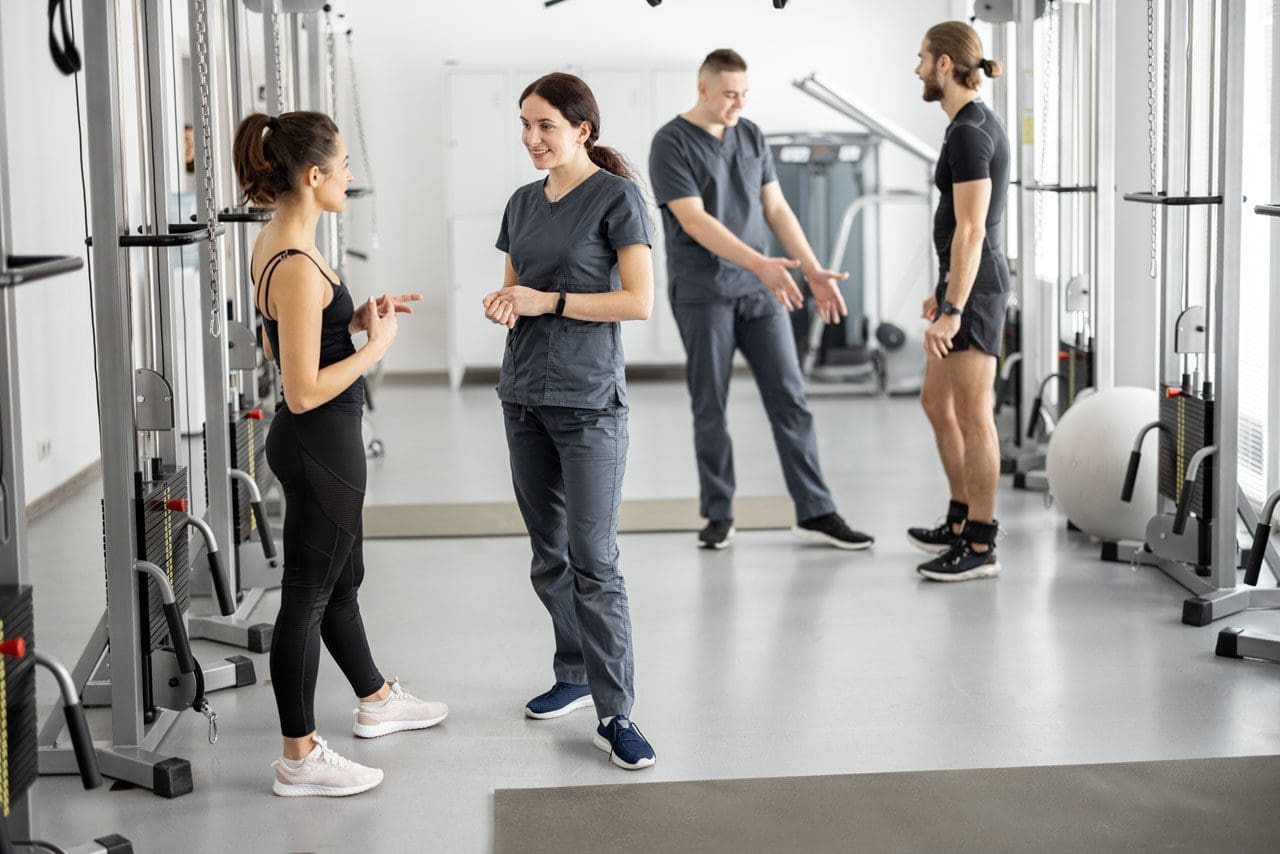
Individuals referred to physical therapy usually have questions about what to expect and how to prepare. What to wear is a common question and is important because patients want to wear the right physical therapy outfit for their specific condition and feel comfortable and safe at their physical therapy appointments. A treatment plan may include exercise and stretching. Clothing recommendations may vary slightly depending on the type of physical therapy the patient is receiving; it is recommended to wear:
Athletic wear like t-shirts, shorts, yoga pants, and comfortable shoes like sneakers.
Sometimes, exercises are performed, and modalities such as heat, cold, or electrical stimulation are applied.
Comfortable, loose-fitting clothing allows for a full range of motion and easy access to the affected area.
Physical Therapy
The therapist will examine the patient’s mobility and flexibility.
Exercises may be prescribed, and therapeutic modalities, like ice or heat, may be applied.
Wearing the right clothing can make the therapy experience highly effective and productive.
This way, therapy sessions go smoothly, and there is a level of comfort and confidence to reach goals quickly.
Upper Body Neck, Shoulders, Arms, Back
For upper body injuries, wear clothing that provides access and mobility to the areas affected, such as the neck, shoulders, arms, or back.
For neck pain, wear a shirt that allows the therapist to see the neck, shoulders, and upper back, such as a loose, open T-shirt with a scoop neck, V-neck, or tank top.
For long hair, bring a hair tie.
Women are recommended to wear a sports bra.
For an arm, wrist, or hand injury, wear a loose-fitting shirt with the arms exposed.
Tight shirts like those made from Lycra are not advisable because the therapist cannot effectively evaluate and treat the injury if the patient wears something tight.
Lower Body, Hips, Legs, Knees
For lower extremity problems and injuries, wear clothing that allows free movement to exercise while allowing the therapist to visualize and examine the back, hips, knees, and legs.
Wear a T-shirt, sports bra, and shorts or pants with an elastic waistband for back, lower spine, or pelvis injuries.
For hip pain, the therapist should be able to see and adjust the spine and hips.
Avoid wearing tight-fitting pants that don’t allow for full movement.
Shorts with an elastic waistband are recommended.
Leggings may not roll up easily.
Feet and Ankles
For a foot or ankle injury, the therapist will want to observe the patient walk in shoes and bare feet for conditions like plantar fasciitis or ankle sprains. For any lower extremity condition, expect some light or heavy exercise. Wear socks to absorb sweat and odor and sneakers or athletic shoes. Avoid open-toed sandals, high heels, or casual lightweight footwear like Crocs.
Other Considerations
Avoid
Bracelets and necklaces
Turtleneck shirts
Tight-fitting long-sleeved shirts
Leggings
Sandals
When preparing for appointments, consider your specific condition. Remember that you will likely be exercising, so wear loose, comfortable clothing that allows you to move around freely. If you are coming directly from work or a formal event, ask the office staff if there is a changing room that you can use. It may also be a good idea to avoid wearing dangling jewelry. A necklace or bracelet may get in the way, so be prepared to remove it for your appointments. Therapists can also use draping with towels or pillowcases/sheets to help you feel comfortable when certain body areas are exposed. That way, you can be relaxed and more able to focus on recovery and rehabilitation to return to normal activities.
Injury Medical Chiropractic & Functional Medicine Clinic
If you are unsure if what you plan to wear is appropriate, call the office and ask. If you’re leaving work and need to change, make sure your therapist’s office has a place for you to do that. Injury Medical Chiropractic and Functional Medicine Clinic works with primary healthcare providers and specialists to develop an optimal health and wellness solution. We focus on what works for you to relieve pain, restore function, and prevent injury. Regarding musculoskeletal pain, specialists like chiropractors, acupuncturists, and massage therapists can help mitigate the pain through spinal adjustments that help the body realign itself. They can also work with other medical professionals to integrate a treatment plan to resolve musculoskeletal issues.
Unlocking Pain Relief: How We Assess Motion To Alleviate Pain
Finger pulley injuries are unique digital injuries distinct from sprains or dislocations. They occur specifically in rock climbers and occasionally in baseball pitchers. What are the symptoms, diagnoses, and treatments available?
Finger Pulley Injury
A finger pulley injury, common in activities like climbing, involves damage to the fibrous bands (pulleys) that hold tendons against bones. This causes pain, swelling, and potentially bowstringing of the tendons.
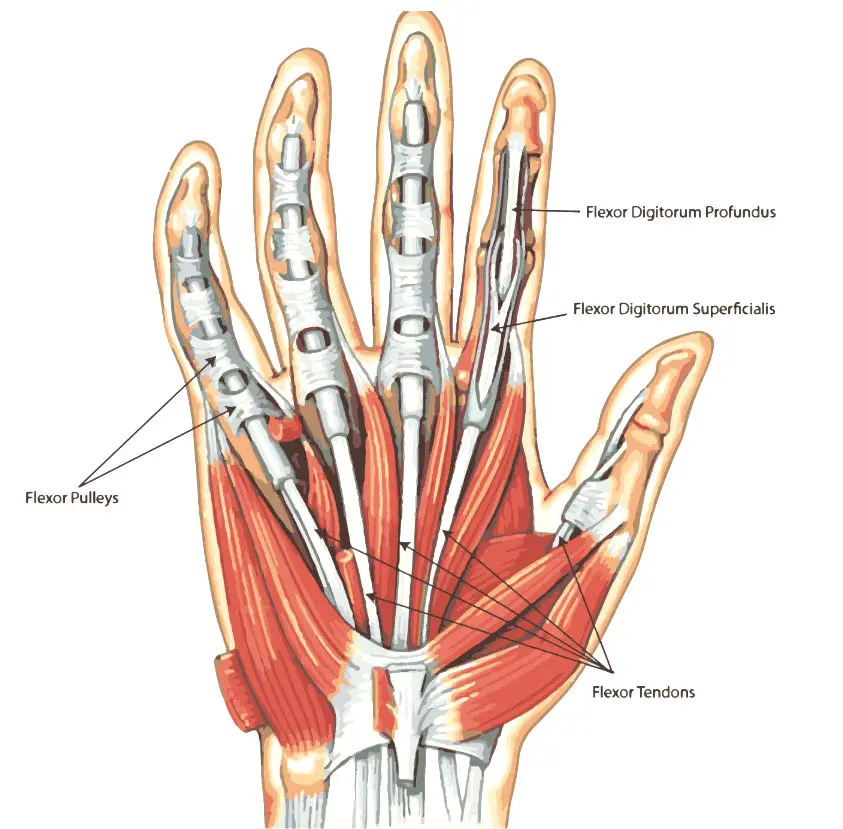
Finger pulleys are structures that hold tendons against the bones of the fingers.
Injury symptoms include pain, swelling, and a popping sound heard at the time of the injury.
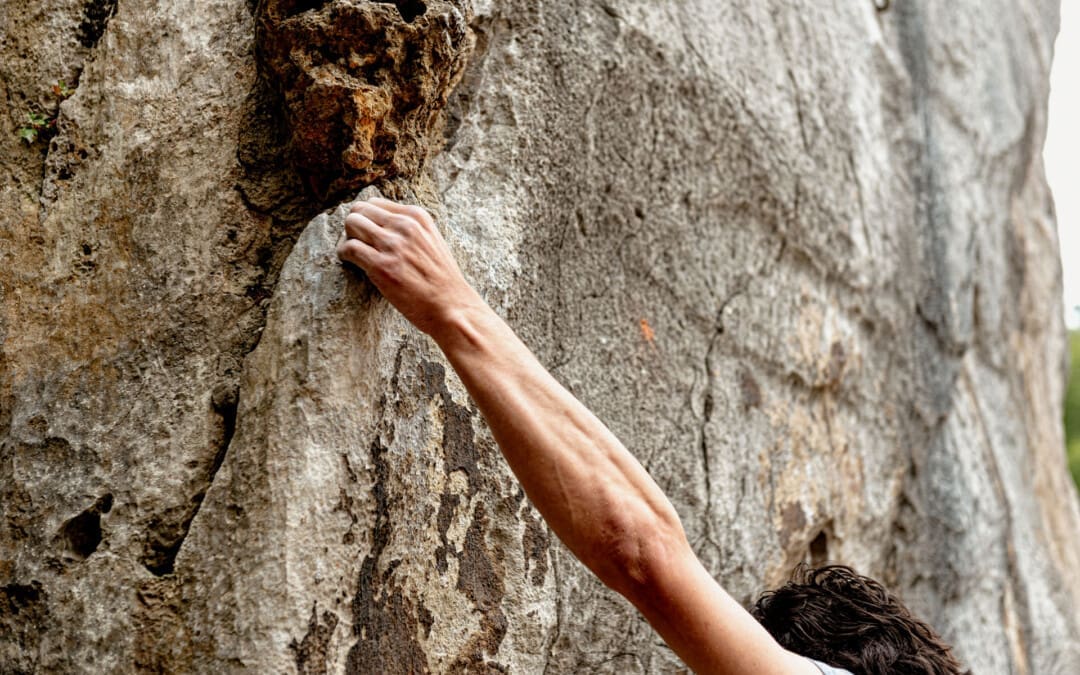
Finger pulley injuries, or ruptures of the digital pulley, are seen almost exclusively in rock climbers. (Miro P. H. et al., 2021)
This activity stresses the digits when maneuvering along uneven surfaces while supporting the entire body’s weight. The injuries result from the mechanics of the finger tendons and joints and the position the fingers hold while rock climbing. Rock climbing has grown in popularity. The only other sport in which this injury has been described is baseball, in pitchers. The forces acting on the finger are very different in these activities, but both place high stress on the finger pulleys.
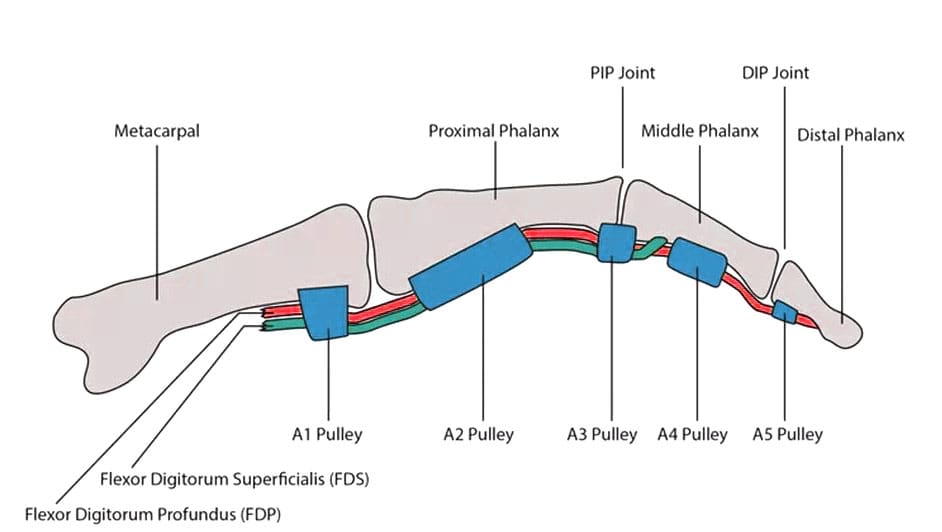
Digital Pulleys
Everyone has structures in their fingers called digital pulleys. These pulleys hold the tendons against the bones of the fingers. Each finger has eight pulleys, but only two are considered critical to prevent the finger tendons’ bowstringing (when one pulley gives out or ruptures). This can result in various injury outcomes, from a simple strain of the pulley to ruptures of multiple pulleys in a single digit. Pain, stiffness, and an inability to fully flex the finger can occur. (Carruthers K. H., Skie M., & Jain M. 2016) In severe situations, when the tendons are bowstringing, the tendon may lift away from the finger when making a fist.
Symptoms
Pain and Tenderness
Localized pain and tenderness at the finger’s base, particularly when gripping or bending. Pain on the palm side of finger and tenderness with pressure
Swelling
Swelling and bruising around the affected finger joint, especially on the palm side.
Stiffness and pain when bending the fingers or difficulty gripping. Difficulty forming a fist
Bowstringing
Visible displacement of the tendon from its normal position, causing a bulge at the finger’s base.
Most commonly, the middle or index digit is the injured finger. The two critical pulleys in the finger are designated the A2 and A4. (Carruthers K. H., Skie M., & Jain M. 2016) Individuals may see swelling, redness, and inflammation at the base of the finger (A2) and/or in the space between the two finger joints closest to the tip of the finger (A4). In rock climbers, either or both of those pulleys may be injured. In baseball pitchers, the injury is typically isolated to the A4 pulley.
Causes
Overuse and Repetitive Strain: Frequent or intense gripping or crimping, common in rock climbing and other activities, can cause pulley injuries.
Dynamic or Sudden Movements: Desperate or dynamic moves or poor technique can lead to injury.
Excessive Force: Pulleys can rupture when the force exerted on them is too great.
Mechanism of injury: The A2 pulley is the most commonly injured, followed by the A4 pulley.
Diagnosis
Emergency treatment is generally unnecessary. However, it is important to have suspected digital pulley injuries examined by a specialist within several days to a week after the injury. The most important aspect of an evaluation is determining whether the injury has caused the bowstringing of the tendons. Imaging tests may be performed to help with the diagnosis and plan treatment. An ultrasound is recommended as the initial imaging technique. (Miro P. H. et al., 2021)
If an ultrasound is inconclusive, an MRI may be advised. Sometimes, an MRI is performed with the finger held straight and then bent to see if the tendons are bowstringing. An X-ray can also help exclude other causes of finger pain, including sprains and fractures.
Treatment
Conservative Care
Immobilization, physical therapy, and pulley-protective measures, such as splints or taped fingers, are often used.
Surgery
Surgery may be necessary for severe grade IV injuries where conservative care fails.
Only in situations where there are multiple pulley ruptures or if there is delayed treatment should surgery be necessary.
Rehabilitation
Focuses on regaining flexibility, strength, and grip function through exercises and physical therapy.
If the tendons do not bowstring, treatment usually protects the injured finger until swelling and pain subside. If there is bowstringing of the tendons, more careful management of the injury is needed. Individuals who suspect a pulley injury rest or splint the finger and use nonsteroidal anti-inflammatory drugs as necessary for pain until they can get a medical evaluation. (Carruthers K. H., Skie M., & Jain M. 2016) Physical therapy, along with immobilization, the H-tape method, and a protective pulley splint, are recommended for most injuries. (Miro P. H. et al., 2021) Specialized splints and therapy techniques can allow the pulleys to heal properly.
Returning to activity varies significantly with the severity of the injury. With mild pulley strains, full activity can be resumed as soon as swelling and pain have subsided. Treatment for full ruptures being treated non-surgically is typically between one and three months. For individuals requiring surgical reconstruction of a pulley injury, restrictions may apply up to a year after the surgery.
Injury Medical Chiropractic & Functional Medicine Clinic
To prevent complications, a healthcare provider should evaluate pulley injuries as soon as possible. Treatment most often consists of physical therapy, but surgery may be necessary. Injury Medical Chiropractic and Functional Medicine Clinic works with primary healthcare providers and specialists to develop an optimal health and wellness solution. We focus on what works for you to relieve pain, restore function, and prevent injury. Regarding musculoskeletal pain, specialists like chiropractors, acupuncturists, and massage therapists can help mitigate the pain through spinal adjustments that help the body realign itself. They can also work with other medical professionals to integrate a treatment plan to resolve musculoskeletal issues.
Sports Injury Treatments
References
Miro, P. H., vanSonnenberg, E., Sabb, D. M., & Schöffl, V. (2021). Finger Flexor Pulley Injuries in Rock Climbers. Wilderness & environmental medicine, 32(2), 247–258. https://doi.org/10.1016/j.wem.2021.01.011
Carruthers, K. H., Skie, M., & Jain, M. (2016). Jam Injuries of the Finger: Diagnosis and Management of Injuries to the Interphalangeal Joints Across Multiple Sports and Levels of Experience. Sports Health, 8(5), 469–478. https://doi.org/10.1177/1941738116658643
IFM's Find A Practitioner tool is the largest referral network in Functional Medicine, created to help patients locate Functional Medicine practitioners anywhere in the world. IFM Certified Practitioners are listed first in the search results, given their extensive education in Functional Medicine



 Digital Pulleys






