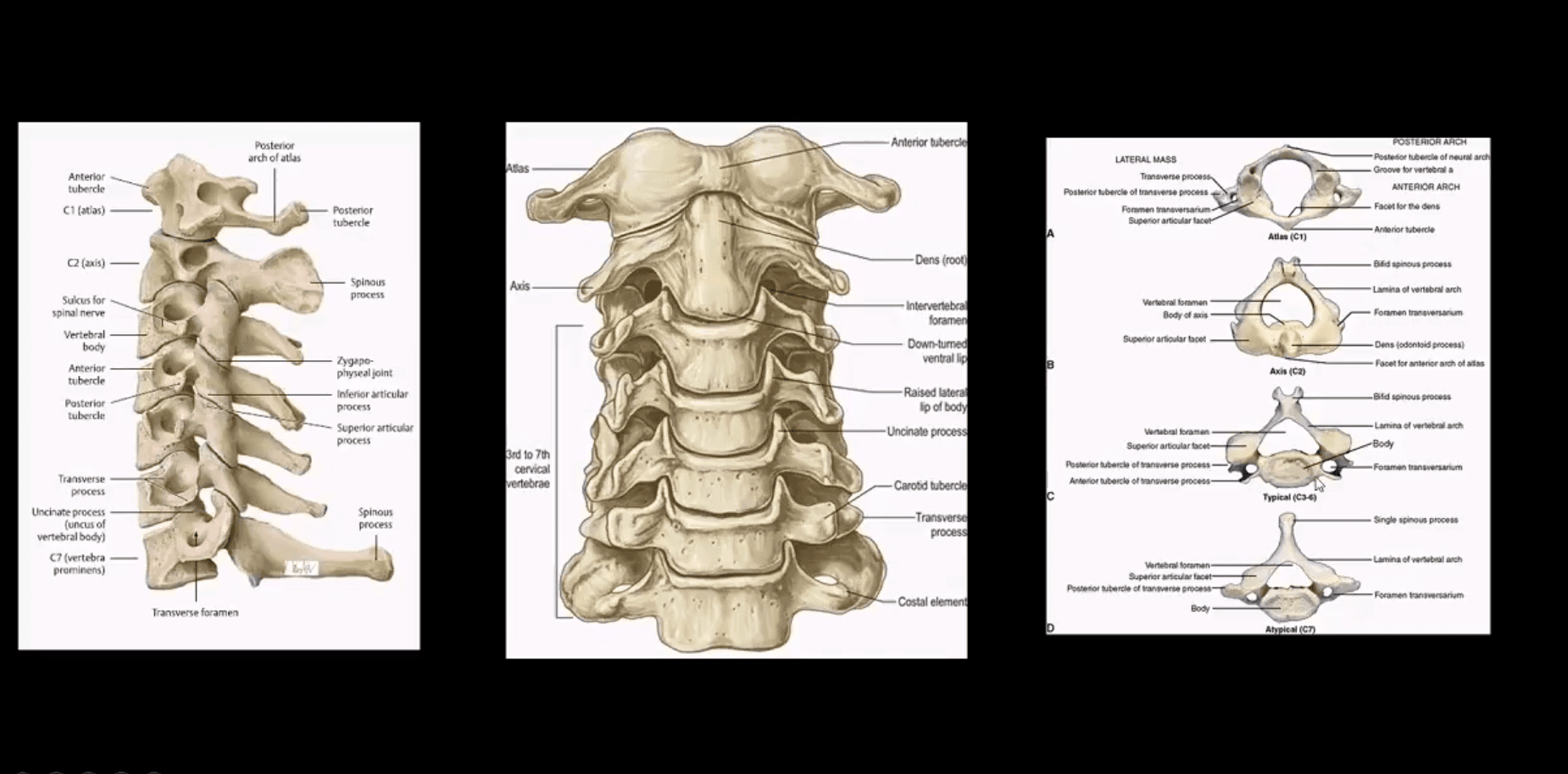
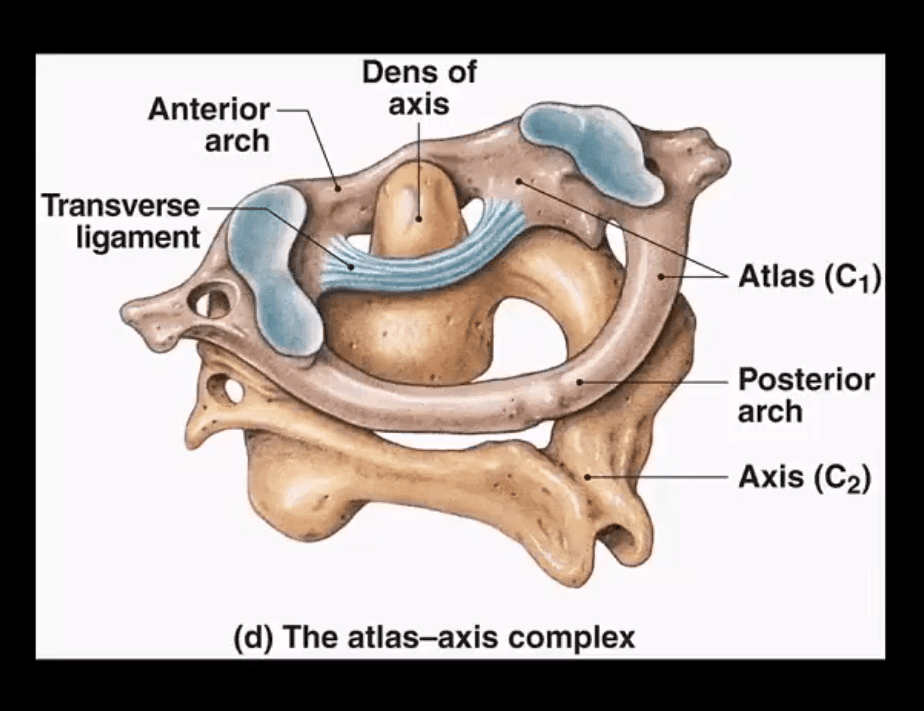
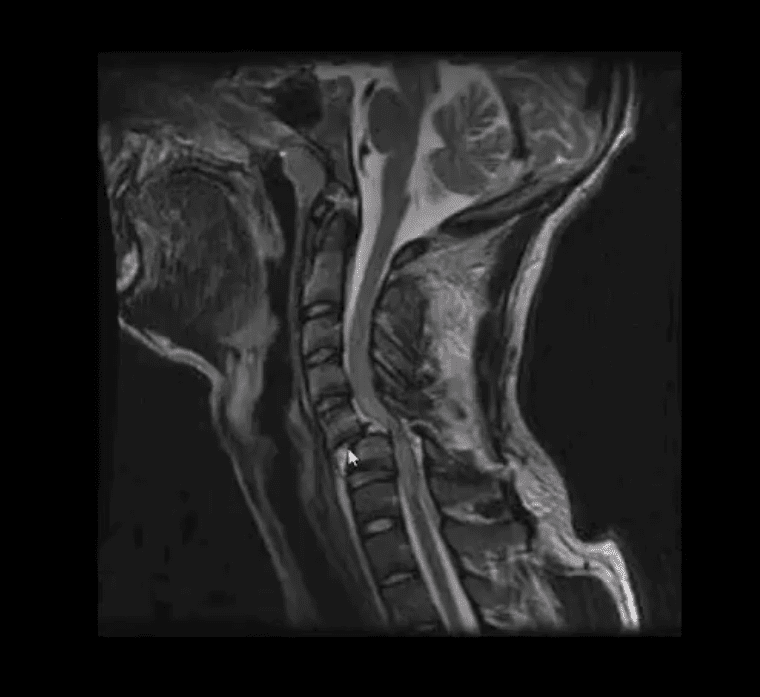
Cranio-cervical and upper cervical stability is dependent on transverse, superior and inferior bands of the C1-C2 ligament, alar ligaments, along with a few other ligaments
Cervical Trauma
The C/S is vulnerable to injury. Why?
Stability has been sacrificed for greater mobility
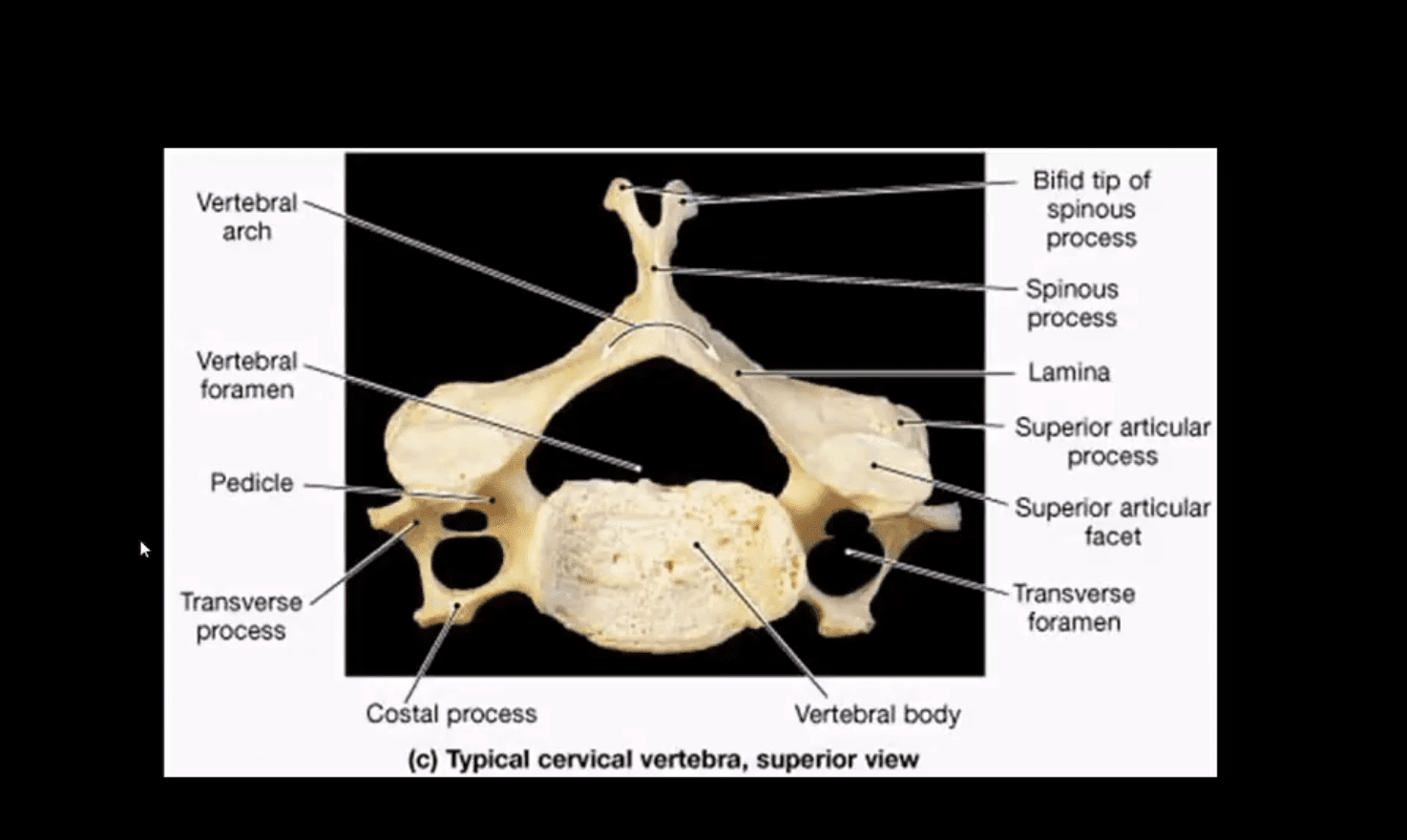
Cervical vertebrae are small and interrupted by multiple foraminae
The head is disproportionately heavy and acts as an abnormal lever especially when forces act against a rigid torso
Additionally, C/S is prone to degeneration which makes it more vulnerable to trauma
In young children, ligaments are more luxed vs. disproportionately large head size
In children, the fulcrum of movement is at C2/3 thus making injuries more common in the upper C/S and craniocervical junction. In children, S.C.I.W.O.R.A. may occur when no evidence of fracture present
In adults, the fulcrum of movement is at C5/6 thus making lower C/S more vulnerable to trauma especially during extremes of flexion
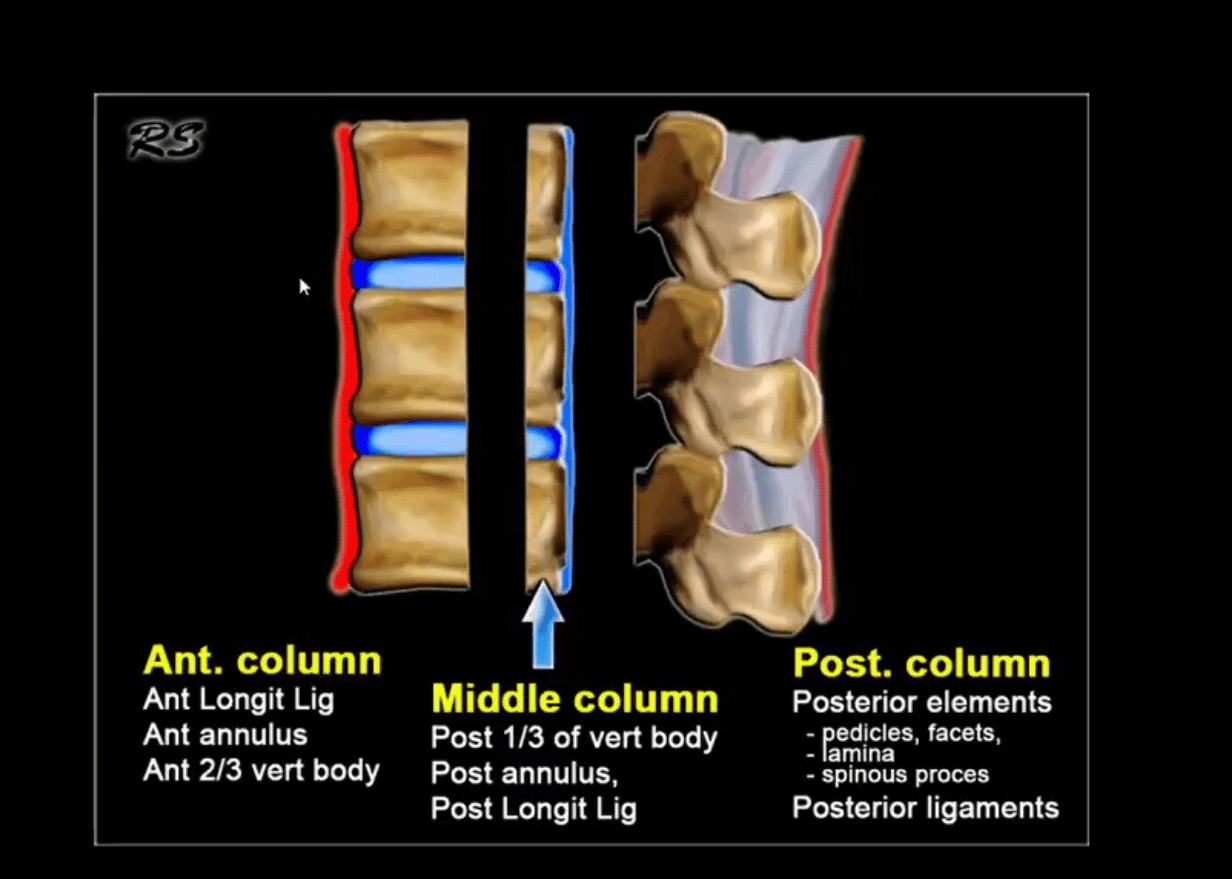
Cervical Trauma categorized according to mechanisms of injury (Harris & Mirvis classification)
Hyperflexion Injury: Stable vs. Unstable
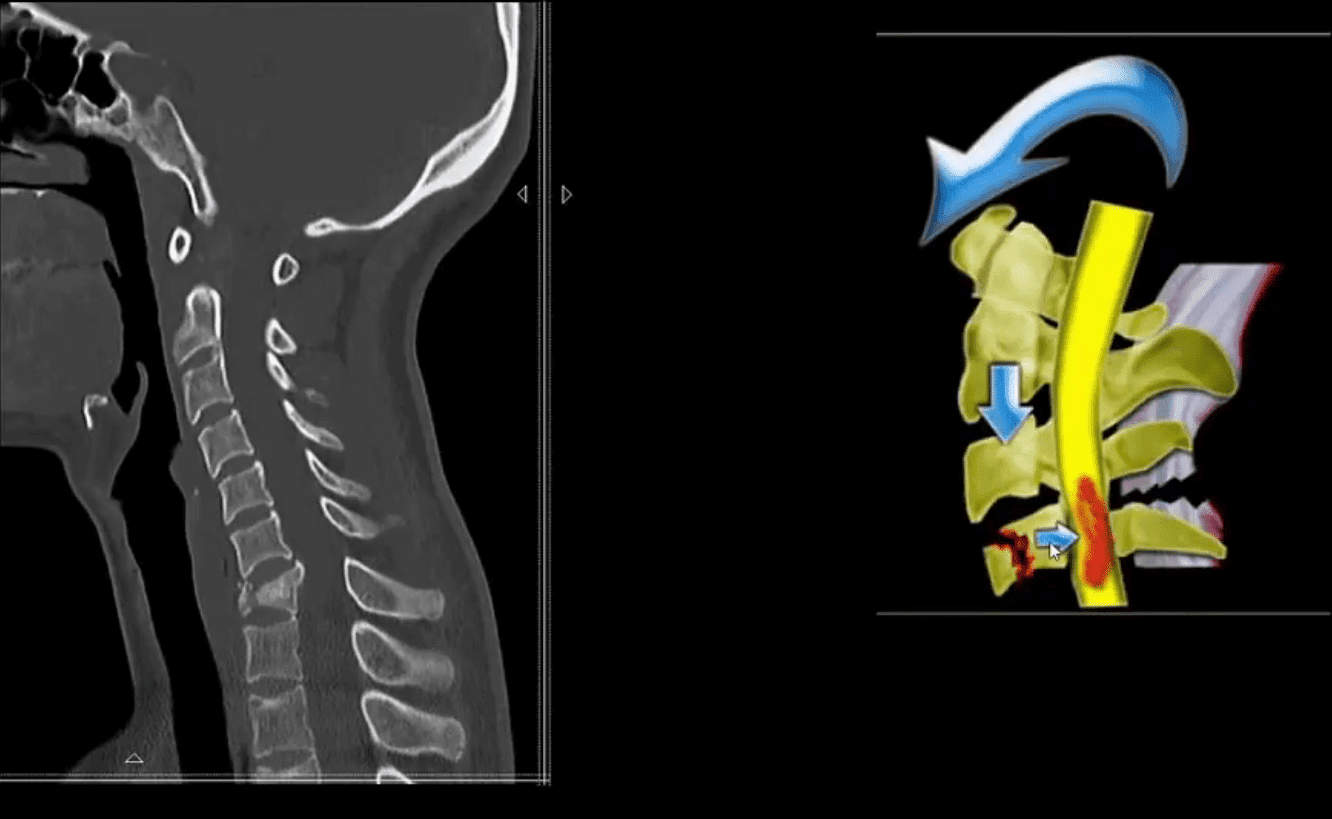
Flexion teardrop Fx (most severe fracture, unstable)
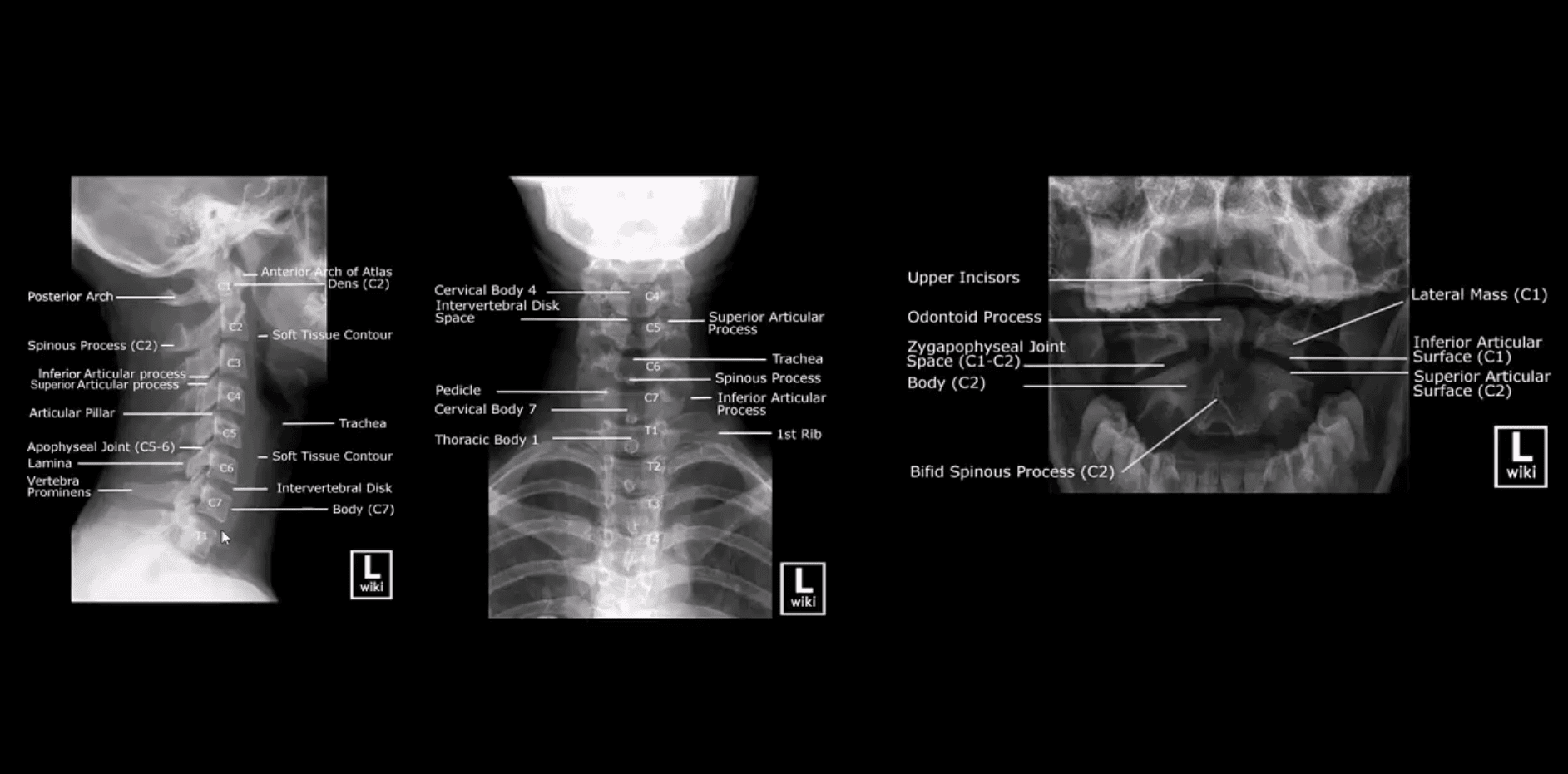
Begins with x-radiography especially in cases with no significant neurological compromise
Clear neutral lateral view first
If x-radiography is unrewarding but high probability of severe trauma and neurological deficit present, CT scanning w/o contrast is required
Consider CT scanning in patients with pre-existing changes: advance spondylosis, DISH, AS, RA, post-surgical spine, congenital abnormalities (Klippel-Feil syndrome, etc.)
Vertical compression:
Jefferson aka burst Atlas Fx (unstable especially if the Transverse ligament is torn, cord paralysis in 20-30% only)
Why? Due to fragments dissociation and canal widening
Burst Fx of the Thoracic or Lumbar spine (unstable, cord paralysis may occur)
How to Assess Spinal Radiographs in Trauma Cases:
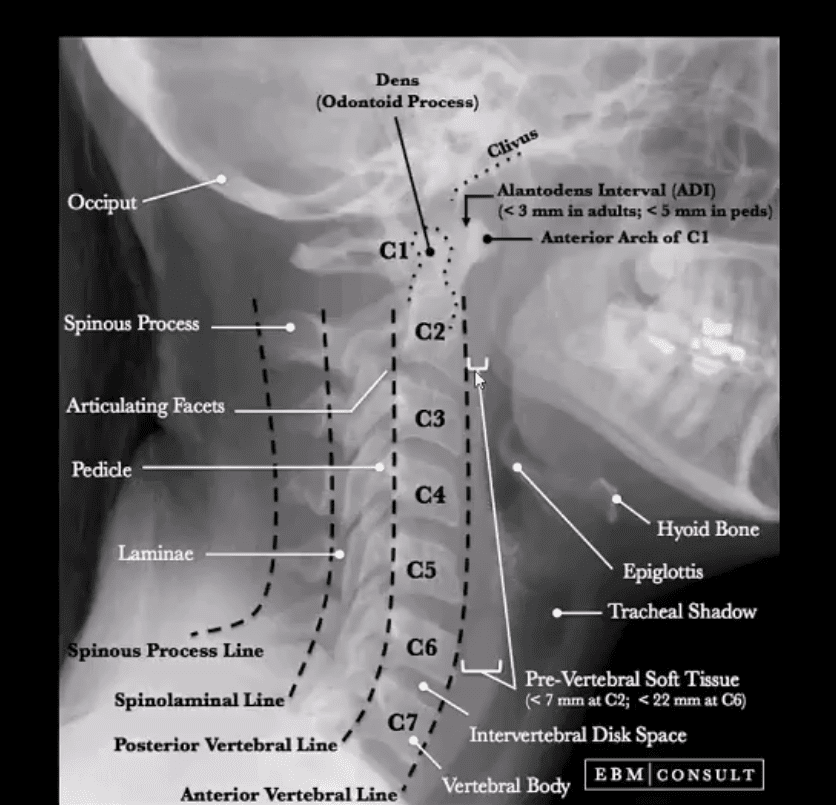
Construct 5-lines on the lateral view
Note if facets are well-aligned and symmetrical
Ensure symmetry of the disc height
Note any widening or fanning of the inter-spinous distance
Carefully examine prevertebral soft tissues
Evaluate atlanto-dental interval (ADI)
In cases of trauma, evaluate and clear neutral lateral first
Do not perform flexed and extended views in acute cases before x-rays or CT scanning exclude significant instability
Pay extra attention to prevertebral soft tissues
If thicker than normal limits, consider severe post-traumatic bleed
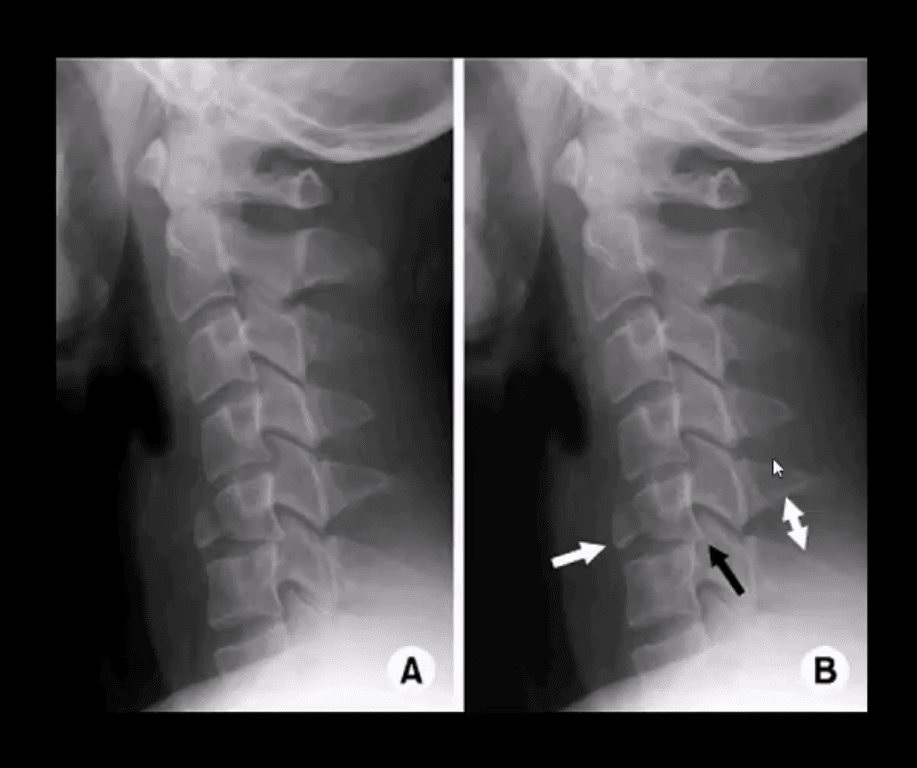
Subtle asymmetry and widening of posterior disc height and facets with inter-spinous fanning may be a key feature of significant tearing of posterior ligaments
Hyperflexion Injuries (M/C Mechanism)
More frequent in sub-axial C/S C-3-C7)
Unstable injuries:
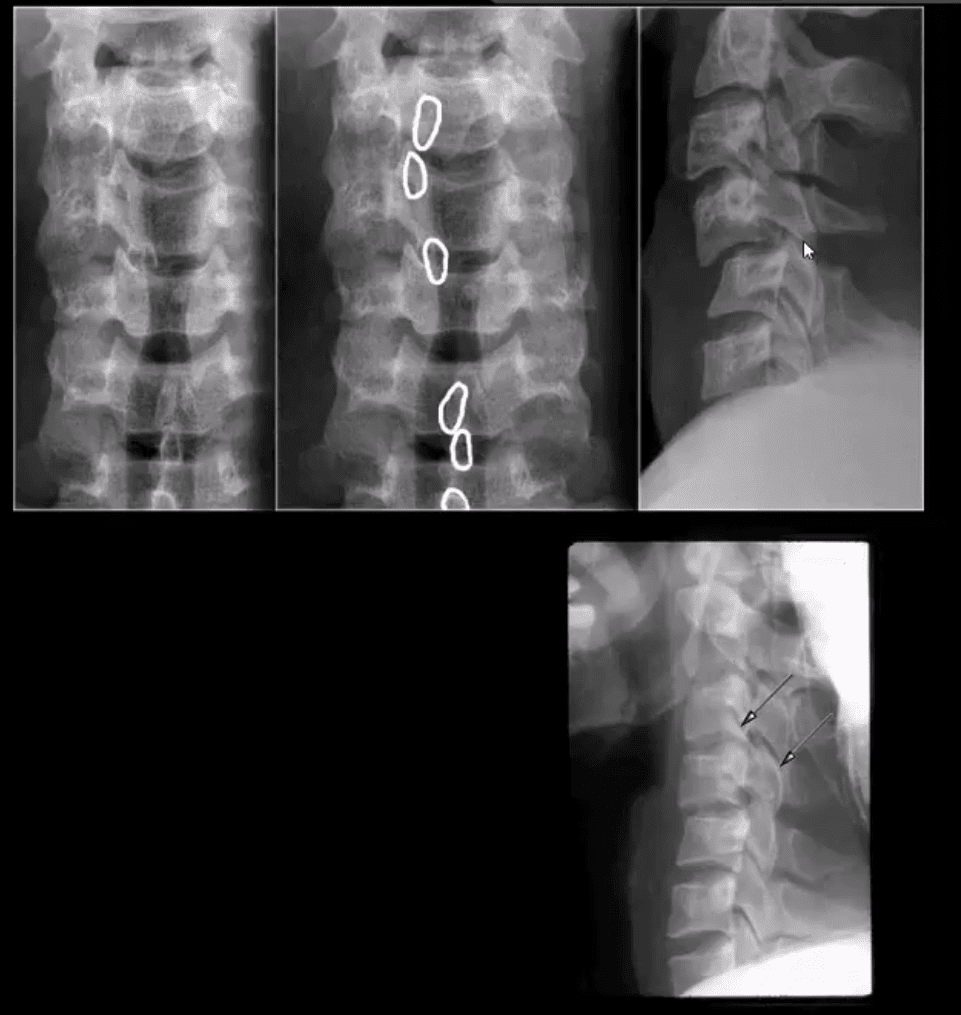
Flexion teardrop fracture (M/C C5 & C6) v. unstable
Key rad features:
Large “teardrop” triangular anterior body fragment
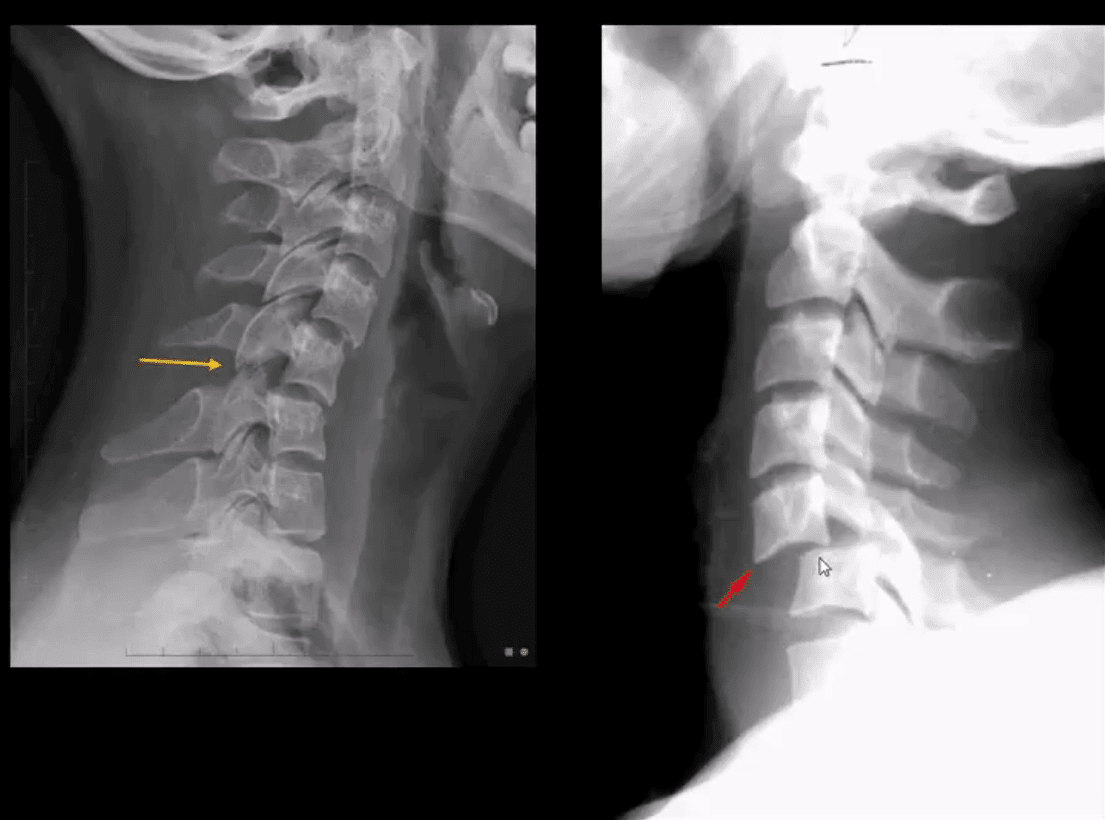
Fanning of the SPs, posterior disc and facet widening indicating tearing of major spinal ligaments and instability
A posterior shift of the vertebral body fracture suggests direct anterior cord/vessels compression
Bulging prevertebral soft tissue >20-mm at C6-7
80% of cases may be paralyzed on the spot or develop significant paralysis soon after
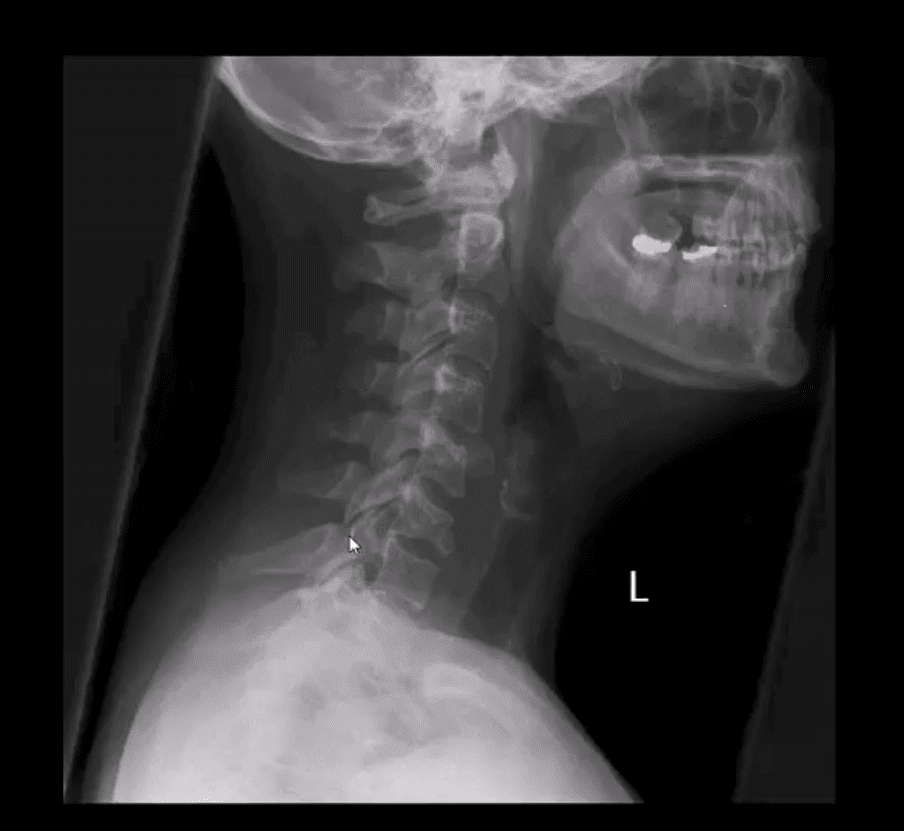
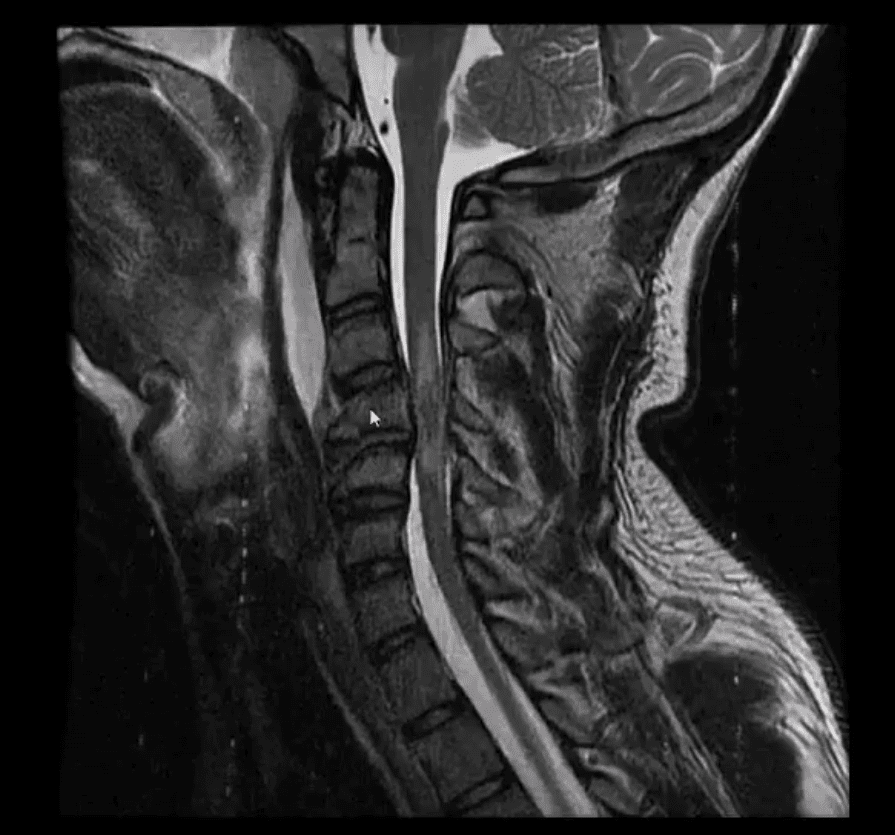
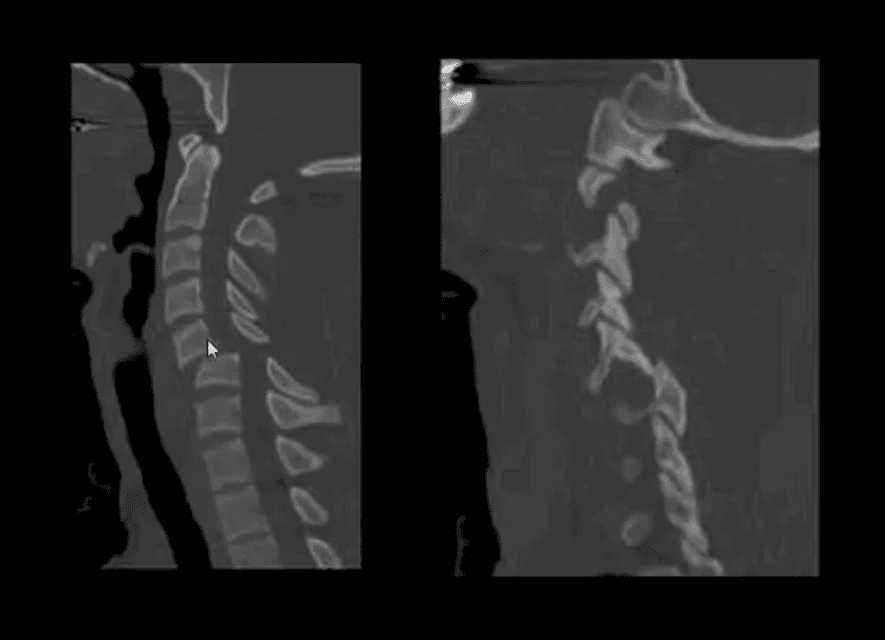
Acute Neck Trauma. What are the vital radiographic features? What is the diagnosis?
“Clinical decision rules, spinal pain classification and prediction of treatment outcome: A discussion of recent reports in the rehabilitation literature”
Abstract
Clinical decision rules are an increasingly common presence in the biomedical literature and represent one strategy of enhancing clinical-decision making to improve the efficiency and effectiveness of healthcare delivery. In the context of rehabilitation research, clinical decision rules have been predominantly aimed at classifying patients by predicting their treatment response to specific therapies. Traditionally, recommendations for developing clinical decision rules propose a multistep process (derivation, validation, impact analysis) using the defined methodology. Research efforts aimed at developing a diagnosis-based clinical decision rule have departed from this convention. Recent publications in this line of research have used the modified terminology diagnosis-based clinical decision guide. Modifications to terminology and methodology surrounding clinical decision rules can make it more difficult for clinicians to recognize the level of evidence associated with a decision rule and understand how this evidence should be implemented to inform patient care. We provide a brief overview of clinical decision rule development in the context of the rehabilitation literature and two specific papers recently published in Chiropractic and Manual Therapies.
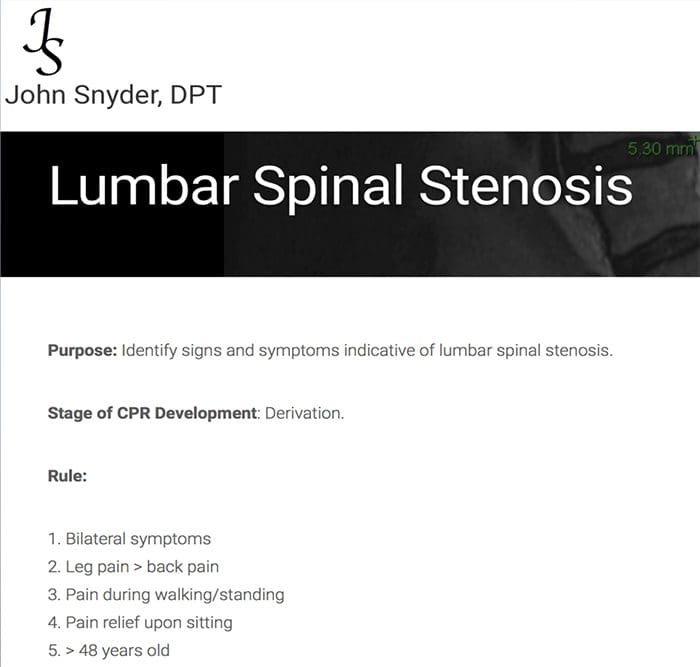
Clinical Prediction Rules
Healthcare has undergone an important paradigm shift toward evidence-based practice. An approach thought to enhance clinical decision-making by integrating the best available evidence with clinical expertise and patients’ preferences.
Ultimately, the goal of evidence-based practice is to improve healthcare delivery. However, the translation of scientific evidence into practice has proven a challenging endeavor.
Clinical decision rules (CDRs), also known as clinical prediction rules, are increasingly common in the rehabilitation literature.
These are tools designed to inform clinical decision-making by identifying potential predictors of diagnostic test outcome, prognosis, or therapeutic response.
In the rehabilitation literature, CDRs are most commonly used to predict a patient’s response to treatment. They have been proposed to identify clinically relevant subgroups of patients presenting with otherwise heterogeneous disorders such as non-specific neck or low back pain, which is the perspective on which we intend to focus.
Clinical Prediction Rules
The ability to classify or subgroup patients with heterogeneous disorders such as spinal pain has been highlighted as a research priority and, consequently, the focus of much research effort. The appeal of such classification approaches is their potential for improved treatment efficiency and effectiveness by matching patients with optimal therapies. In the past, patient classification has relied on implicit approaches founded in tradition or unsystematic observations. The use of CDRs to inform classification is one attempt at a more evidence-driven approach, less dependent on unfounded theory.
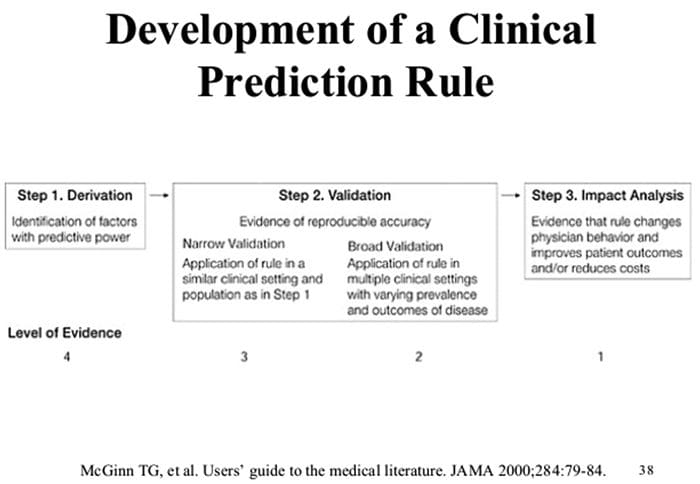
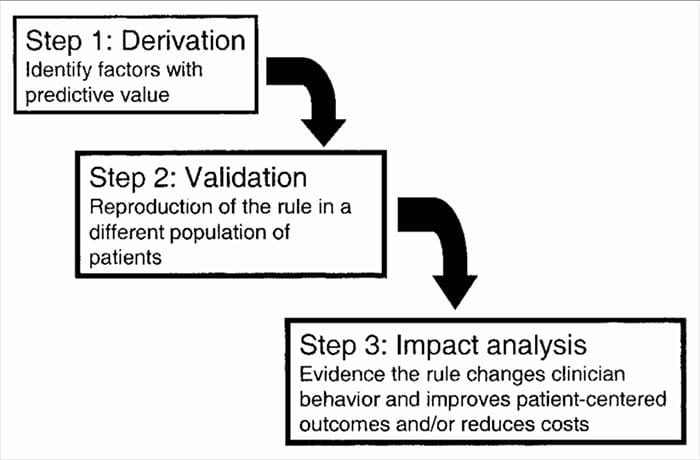
CDRs are developed in a multistep process involving studies of derivation, validation, and analysis of impact, with each having a defined purpose and methodological criteria. As with all forms of evidence used to make decisions about patients, attention to appropriate study methodology is critical to assessing the potential benefits of implementation.
Benefits Of Clinical Prediction Rules
It can accommodate more factors than the human brain can take into account
CDR/CPR model will always give the same result (mathematical equation)
Ultimately, the usefulness of a CDR lies not with its accuracy but with its ability to improve clinical outcomes and enhance the efficiency of care.[15] Even when a CDR demonstrates broad validation, this does not ensure that it will change clinical decision-making or that the changes it produces will result in better care.
The changes it produces will result in better care. McGinn et al.[2] identified three explanations for the failure of a CDR at this stage. First, if clinician judgment is as accurate as a CDR-informed decision, there is no benefit to its use. Second, the application of a CDR may involve cumbersome calculations or procedures which discourage clinicians from utilizing the CDR. Third, using the CDR may not be feasible in all environments or circumstances. In addition, we would include the reality that experimental studies may involve patients that are not entirely representative of those seen in routine care and that this may limit the actual value of a CDR. Therefore, to fully understand the utility of a CDR and its ability to improve healthcare delivery, it is necessary to undertake a pragmatic examination of its feasibility and impact when applied in an environment reflecting real-world practice. This can be undertaken with different study designs such as randomized trials, cluster-randomized trials, or other approaches such as examining the impact of a CDR before and after its implementation.
Prevalence of classification methods for patients with lumbar impairments using the McKenzie syndromes, pain pattern, manipulation, and stabilization clinical prediction rules.
Aims were (1) to determine the proportion of patients with lumbar impairments who could be classified at intake by McKenzie syndromes (McK) and pain pattern classification (PPCs) using Mechanical Diagnosis and Therapy (MDT) assessment methods, manipulation, and stabilization clinical prediction rules (CPRs) and (2) for each Man CPR or Stab CPR category, determine classification prevalence rates using McK and PPC.
CPRs are sophisticated probabilistic and prognostic models where a group of identified patient characteristics and clinical signs and symptoms are statistically associated with meaningful prediction of patient outcomes.
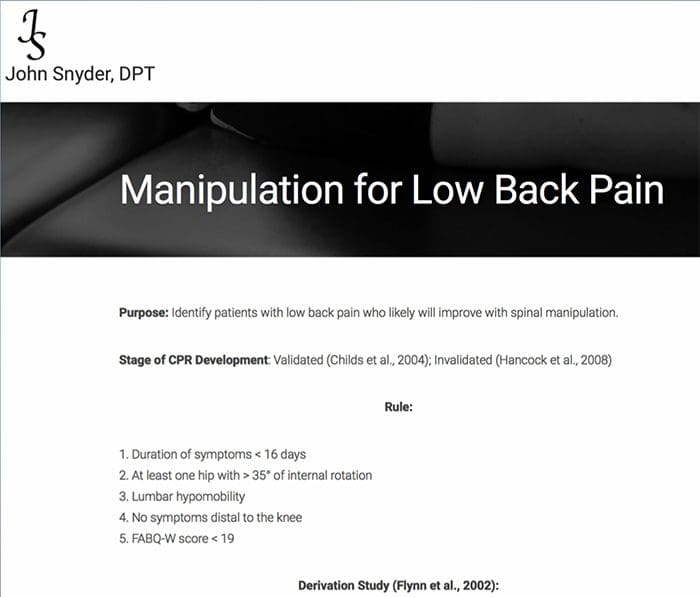
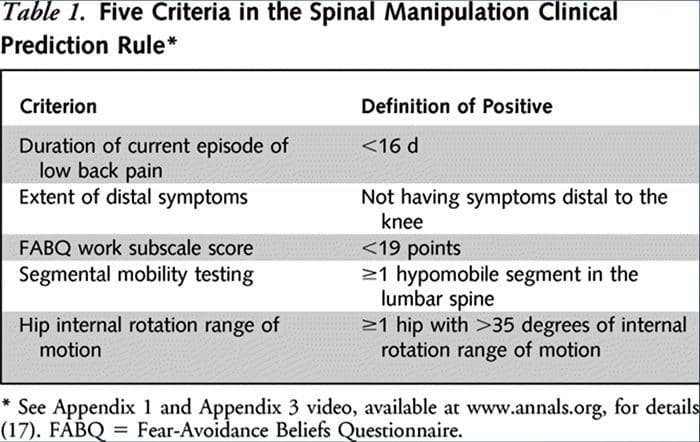
Two separate CPRs were developed by researchers for identifying patients who would respond favorably to manipulation.33,34 Flynn et al. developed the original manipulation CPR using five criteria, i.e., no symptoms below the knee, recent onset of symptoms (<16 days), low fear-avoidance belief questionnaire36 score for work (<19), hypomobility of the lumbar spine, and hip internal rotation ROM (>35 for at least one hip).33
Flynn’s CPR was subsequently modified by Fritz et al. to two criteria, that included no symptoms below the knee and recent onset of symptoms (<16 days), as a pragmatic alternative to reduce clinician burden for identifying patients in primary care most likely to respond to thrust manipulation.34 positively
“Potentia.l Pitfalls Of Clinical Prediction Rules”
What Are Clinical Prediction Rules?
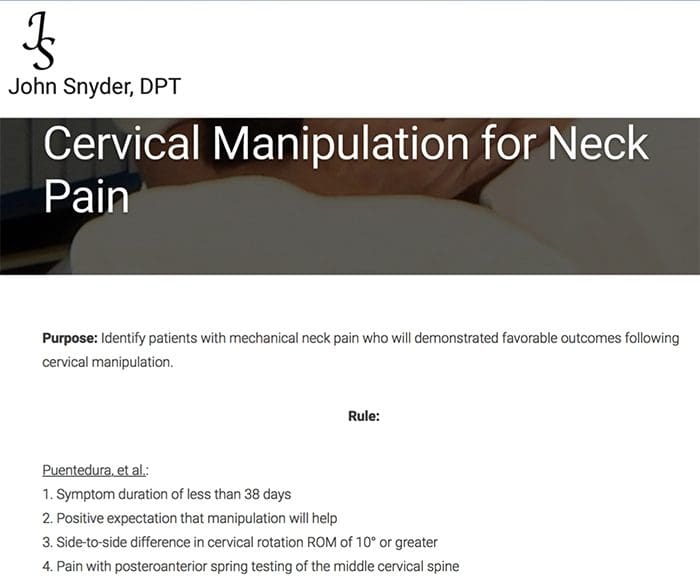
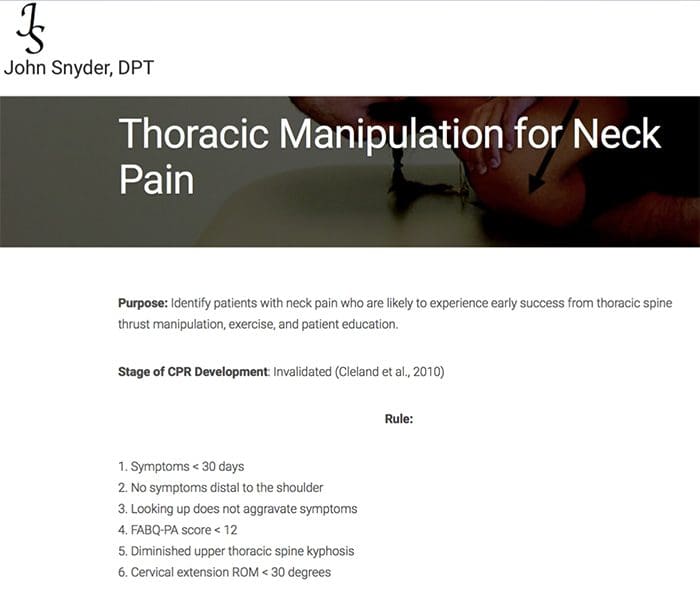
A clinical prediction rule (CPR) is a combination of clinical findings that have statistically demonstrated meaningful predictability in determining a selected condition or prognosis of a patient who has been provided with a specific treatment 1,2. CPRs are created using multi-variate statistical methods, are designed to examine the predictive ability of selected groupings of clinical variables3,4, and are intended to help clinicians make quick decisions that may normally be subject to underlying biases5. The rules are algorithmic in nature and involve condensed information that identifies the smallest number of statistically diagnostic indicators to the targeted condition6.
Clinical prediction rules are generally developed using a 3-step method14. First, CPRs have derived us prospectively-
ing multivariate statistical methods to examine the predictive ability of selected groupings of clinical variables3. The second step involves validating the CPR in a randomized controlled trial to reduce the risk that the predictive factors developed during the derivation phase were selected by chance14. The third step involves conducting an impact analysis to determine how the CPR improves care, reduces costs, and accurately defines the targeted objective14.
Although there is little debate that carefully constructed CPRs can improve clinical practice, to my knowledge, there are no guidelines that specify methodological requirements for CPRs for infusion into all clinical practice environments. Guidelines are created to improve the rigor of study design and reporting. The following editorial outlines potential methodological pitfalls in CPRs that may significantly weaken the transferability of the algorithm. Within the field of rehabilitation, most CPRs have been prescriptive; thus, my comments here are reflective of prescriptive CPRs.
Methodological Pitfalls
CPRs are designed to specify a homogenous set of characteristics from a heterogeneous population of prospectively selected consecutive patients5,15. Typically, the resulting applicable population is a small subset of a larger sample and may only represent a small percentage of the clinician’s actual daily caseload. The setting and location of the larger sample should be generalizable15,16, and subsequent validity studies require assessment of the CPR in different patient groups, in different environments, and with a typical patient group seen by most clinicians16. Because many CPRs are developed based on a very distinct group that may or may not reflect a typical population of patients, the spectrum transportability17 of many current CPR algorithms may be limited.
Clinical prediction rules use outcome measures to determine the effectiveness of the intervention. Outcome measures must have a single operational definition5 and require enough responsiveness to capture appropriate change in the condition14 truly; in addition, these measures should have a well-constructed cut-off score16,18 and be collected by a blinded administrator15. The selection of an appropriate anchor score for measurement of actual change is currently debated19-20. Most outcome measures use a patient recall-based questionnaire such as a global rating of change score (GRoC), which is appropriate when used in the short term but suffers from recall bias when used in long-term analyses19-21.
A potential drawback for CPRs is the failure to maintain the quality of the tests and measures used as predictors in the algorithm. Therefore, the perspective test and measures should be independent of one another during modeling16; each should be performed in a meaningful, acceptable manner4; clinicians or data administrators should be blinded to the patient’s outcomes measures and condition22.
Sources
Potential Pitfalls Of Clinical Prediction Rules; The Journal of Manual & Manipulative Therapy Volume 16 Number Two [69]
Jeffrey J Hebert and Julie M Fritz; Clinical decision rules, spinal pain classification and prediction of treatment outcome: A discussion of recent reports in the rehabilitation literature
You try to do all the right things when it comes to taking care of your spine. You lift the right way, exercise, practice good posture, stretch, drink plenty of water, and take frequent breaks to walk around if you are seated for an extended period of time. Those are all excellent habits to keep, but there is something else that you should be doing � and it is one of the most overlooked and undervalued health practices. Rest!
Running On Empty: The Silent Epidemic
Stress can do severe damage to your emotional and mental health, but it can also hurt your body as well. Many people carry stress in their lower backs which means that when stress goes up it can result in lower back pain. It can also make you more sensitive to pain.
It is estimated that 66 percent of all doctor visits have a stress related component. What�s more, 50 percent of people who suffer from stress rate it as moderate to high. We live in a culture that makes it commonplace to run on empty. The problem with that is sooner or later you are going to crash and your body will bear the brunt.
Rest is important for helping you alleviate and manage stress, but recent studies show that 1 in 3 adults don�t get enough sleep. There is another reason to get your seven to nine hours in, though, that is directly related to spinal health.
What Rest Can Do For Your Spinal Health
When you rest you give your body time to replenish depleted stores of energy. Adequate sleep improves your immune function, memory, metabolism, learning, and healing. You will be more alert, happier, and have more energy. It is also very beneficial is you are trying to lose weight.
Excess weight can put pressure on your spine and cause it to curve, causing back pain. This is especially true if you carry your weight in your abdomen. That extra weight in the front pulls your spine into a sway back curve making it painful to stand for long periods of time.
When you lay down and rest you allow your entire spine, associated muscles, and other parts of your body to rejuvenate and relax. You probably don�t realize it, but your muscles in your back and abdomen work all day to keep your body properly supported. Even when sitting there are muscles engaged. Laying down allows all of those muscles to finally relax.
Rest also allows your spinal discs to rehydrate. The spine is made up of fluid filled discs that sit between the vertebrae, acting as a cushion. As you go about your day, thanks to gravity, your discs become compressed. This compression causes the disc to lose fluid (which is about 88 percent water). This can cause pain if the discs are not properly rehydrated � and that is a two-step process of drinking adequate water and getting enough rest.
Drinking water will put the fluids into your body, but as long as you are upright, the compression will continue. Laying down to go to sleep takes that pressure off of your spine so there is no compression and the body can naturally rehydrate the discs. A few hours here and there is not really effective because it does not give the body enough time to do its job. This means that you need to get the recommended seven to nine hours of sleep each night.
Along with all the other great, healthy reasons to get a good night�s sleep, you not have one more to add to the list. A healthy spine will keep you standing tall and help keep you mobile, It is important to do all you can to take care of it.
Injury Medical Clinic: Neck Pain Care & Treatments
Most people stretch and hardly pay any attention to it. Throughout the day a person may stretch upon waking or after they�ve been sitting in the same position for a while. They might do some stretches before working out or as part of physical therapy. Stretching often makes us feel better but it might be surprising to discover that it is actually beneficial to optimal body function.
As a person ages their muscles begin to tighten. This is a natural part of the aging process. However, it can cause inhibit range of motion and joint stiffness, making normal day to day activities more difficult. After certain injuries stiffness can set in, causing pain and decreased flexibility.
What many chiropractic patients may be surprised to learn is that stretching is a great complement to chiropractic care. When combined with simple stretches and low impact exercises, chiropractic patients often find that their injuries heal faster, their pain is reduced, and they simply feel better and more energetic. If that isn�t enough to convince you to incorporate stretching into your daily wellness routine, maybe these four compelling benefits will.
STRETCHING
Helps Keep The Spine Aligned
When you stretch the muscles in your chest, shoulders, and lower back it will improve your posture by helping to keep your spine in better alignment. When your muscles are not stretched properly they begin to draw up � and it usually isn�t in a uniform or symmetrical manner.
This means that muscles on one side of your spine may draw up more than the muscles on the other side. This can result in your body being pulled to that side, causing your spine to be pulled that way. Stretching prevents this from happening and when combined with consistent chiropractic care it can ensure good spinal health.
Improves Flexibility & Range Of Motion
Most people know, on some level, that stretching improves flexibility and range of motion. However, many do not act on that knowledge and they often wind up at the doctor�s office complaining of back pain. Stretching will make you more flexible which, in turn, will make you less prone to injury.
Your muscles will be able to work as effectively as possible. It is important that you don�t overdo it though. Some people take terrible risks when they stretch, thinking that if they force their bodies into certain positions or if they �bounce� to get a deeper stretch then they will be more flexible. Actually, the reverse is true. Stretching in an unsafe way such as bouncing or forcing your body far beyond its limits will result in injury including pulled muscles and muscle tearing.
Helps Relieve Stress & Detoxify The Body
When you stretch, two very significant things happen. First, your blood flow increases as blood is rushed to the muscles, your organs, and your brain. Secondly, it moves oxygen through these areas. As a result, toxins that have accumulated in your soft tissues are dispelled.
The simple stretching that relieves tension in muscles, combined with the detoxifying effect will help you feel less stressed. Stretching is a great stress management exercise, one you can do just about anywhere. You don�t need any special equipment and you can even do it right at your desk while you are working. A bonus is that you�ll feel the de-stressing effects instantly.
It relies on the body�s natural ability to heal itself by releasing the tension and easing the stiffness of the muscles in that area. The stiffer those muscles are, the more they will hurt when you try to move. By relaxing them through stretching you will find that you move much easier and with less pain.
Stretching has so many great benefits. Talk to your chiropractor about a customized stretching plan that you can do at home. You�ll love what it does for you. If you don�t have a chiropractor, give us a call at (915)850-0900. We�re here to help!
George Lara, now retired, found relief with Dr. Alex Jimenez, back pain specialist and chiropractor, for his degenerative disk disease following two back injuries he experienced several years ago. After using drugs/medications and experiencing constant symptoms due to his DDD, Mr. Lara describes how Dr. Jimenez’s chiropractic treatment greatly helped restore his quality of life as well as promote his overall health and wellness. George Lara highly recommends Dr. Alex Jimenez as a non-surgical treatment choice for degenerative disc disease, and praises his dedication for treating his patients.
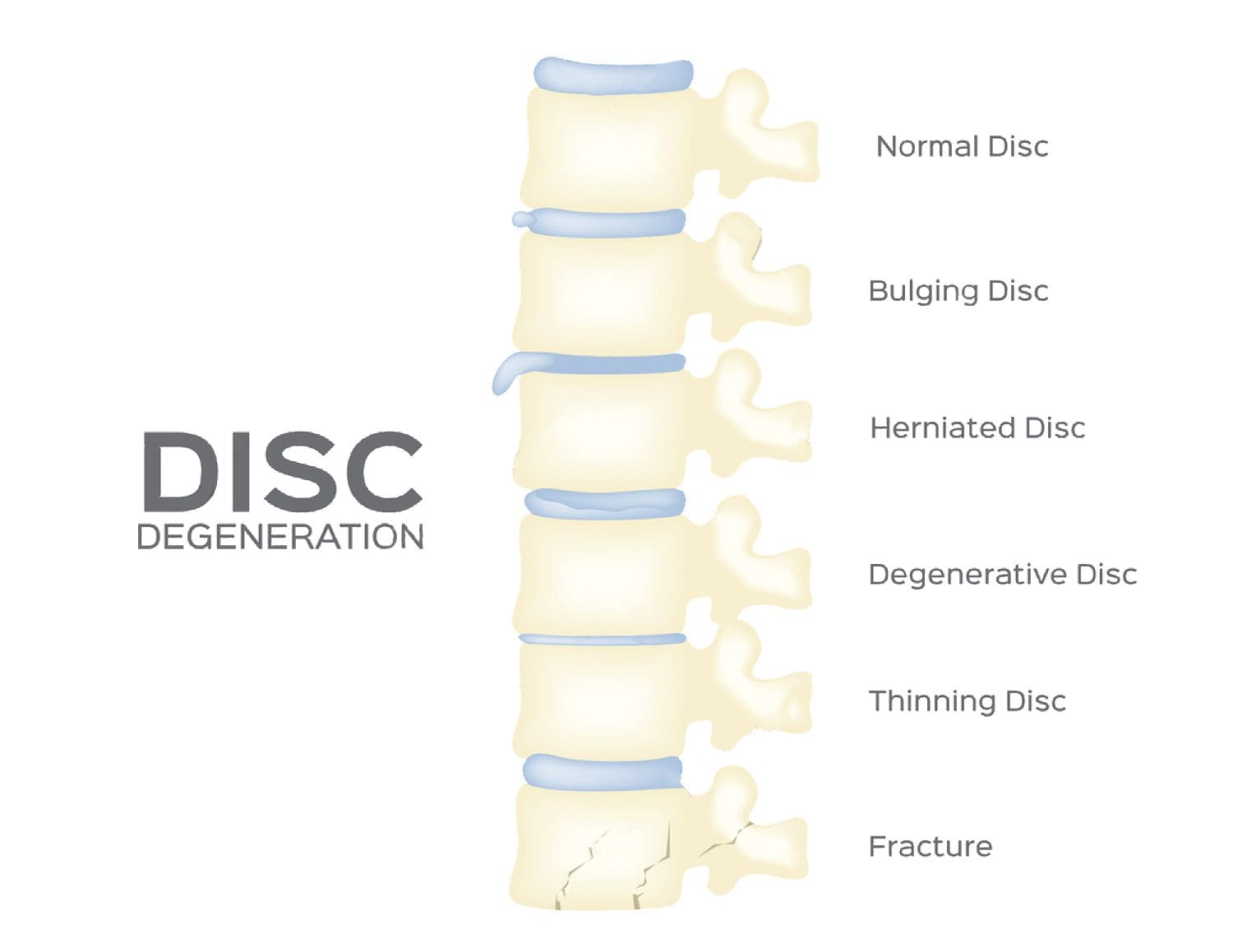
Degenerative disk disease, or DDD, refers to the natural breakdown of an intervertebral disk of the spine. Despite its title, DDD isn’t regarded as a disorder, nor is it degenerative. To the contrary, disk degeneration is frequently the consequence of ordinary daily stresses and minor accidents that cause spinal disks to slowly eliminate water in the anulus fibrosus, or even through the stiff outer layer of a disk. As water content decreases, they start to collapse. This could lead to pressure being placed on the nerves causing weakness and pain. While not necessarily symptomatic, DDD may lead to acute or chronic low back or neck pain in addition to nerve pain based on the positioning of the affected disk and the amount of strain it puts around the surrounding nerve roots.
Please Recommend Us: If you have enjoyed this video and/or we have helped you in any way please feel free to recommend us. Thank You.
Hydration: There is no denying that a healthy diet is integral to overall wellness and staying hydrated is absolutely vital. Every organ, every cell in your body contains water. In fact, when you don�t drink enough water and keep your body properly hydrated, it does not function as it should.
The health of your spine and back depends heavily on whether you are properly hydrated. In fact, if you don�t drink enough water plain, pure water, it could affect your back, causing pain and limiting mobility.
Hydration
Overview Of Spinal Construction
To understand water�s role in spinal health, you first need to understand how the spine is constructed. The row of bones that make up the spine are called vertebrae. Between each vertebrae is a disc. This disc works like a shock absorber so as you bend, flex, and move about the disc provides a buffer so the bones do not rub together.
Each disc is comprised of two parts. The center of the disc is the nucleus pulposis. It is made up mostly of water. The nucleus pulposis is surrounded by a tough, flexible ring that contains a gelatinous substance. It protects the inner area which is the cushion for the vertebrae. Two factors that further complicate the rehydration of the discs are aging and sedentary lifestyles.
How Water Is Good For Your Back
As you go about your daily activities, each time you move, the spine compresses the disc, squeezing out the water within. Even walking or sitting upright can cause this as gravity causes the spine to compress. When the disc does not have adequate water, the result is pain and lack of mobility as well as increased risk of spinal injury.
When you are not properly hydrated your body cannot replenish the water in the discs, causing them to remain compressed. Beverages like soda are not adequate for effective hydration. You need to make sure that you drink enough water every day.
For years we were told that 8 eight ounce glasses of water a day was the rule for proper hydration, and that works for many people. However, an article in the Harvard Health Letter suggests that the body can be properly hydrated with 30 to 50 ounces of water a day. The article goes on to suggest that water can also be found in foods like spinach, watermelon, soups, and lettuce are also good sources for hydration.
Spinal Problems Caused By Dehydration
When the body is dehydrated the discs remain compressed instead of refilling. When that happens the overall function of the spine is compromised. Your constant back pain may actually be caused by dehydration. When the discs cannot refill they can�t do their job. This leads to immobility and a compromised range of motion.
Hydration also plays an important role in how the cerebrospinal fluid moves and works. While it does require more than water to function properly, water does play an important role. When the body is dehydrated this fluid cannot move as it should which can even affect brain function.
On a larger scale, when the body is dehydrated it begins to retrieve water from other parts of the body so it can reroute it to the vital organs and sustain life. The extremities are the first places it pulls water from and the spine is another. When it deprives the spine of water in order to supply the organs then you remain in a constant deficit which can cause pain and mobility problems.
How The Spine Rehydrates
As the body rehydrates itself, it does not assign the spine as a priority. The vital organs take precedence so the spine basically gets what is left over. If there is already a deficiency present, then there is nothing left over to rehydrate the spine.
When there is adequate water in the body, normal activity and movement aids in the rehydration of the discs. The most significant rehydration occurs while you sleep though. When you lie down and rest your body is best able to initiate the process of rehydrating your spinal discs via osmosis.
Chiropractic care is another way to adjust the spine and encourage the refilling of the discs. That depends, of course, on proper water intake. Be good to your spine; it�s the only one you have.
Chiropractic care for spinal disc problems is steadily increasing in popularity. As more and more research proves the effectiveness for chiropractic for these types of problems, doctors and therapists are incorporating it into treatment plans for their patients.
Spinal disc problems can be debilitating, causing significant pain and severely limiting mobility. Degenerative disc disease is one of the most common spinal problems, causing back pain that, like other spinal conditions, can extend into the hip and leg or even the arm and hand.
It is caused by degeneration or thinning of the spinal joints or discs which can disrupt the mechanics of the spine and contribute to bulging discs that press on spinal nerves. Traditional treatment of this condition usually consists of strong pain medication and sometimes surgery.
Patients who are dealing with pain from discs that are bulging or ruptured as well as herniated, or slipped discs, do respond well to chiropractic care. Where surgery has long been a primary medical answer to pain relief for these spinal conditions, chiropractic treatments offer a nonsurgical alternative that has been shown to be very effective.
Most spinal or disc problems are marked by a specific set of symptoms including neck and back pain, stiffness, arm pain, leg pain, and tenderness in the spinal muscles or the spine itself. Other more serious symptoms can present at the onset of the condition or over a period of time. These symptoms indicate a dangerous problem that could even be life threatening; they include:
Back pain accompanied by fever
Loss of control of bladder or bowel
Severe weakness that inhibits the ability to use arms, legs, walk, etc.
Loss of sensation in both arms and/or both buttocks
Inability to defecate or urinate
More serious or life threatening symptoms may require medical intervention, but most spinal conditions can be helped or even corrected with chiropractic care.
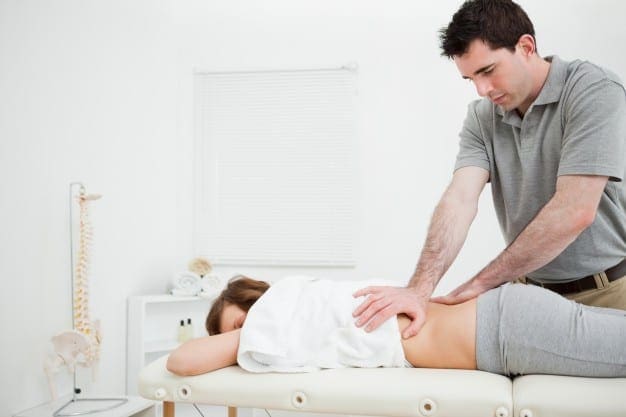
Through the careful, precise manipulation of the spine, a chiropractor can make adjustments to the body that help relieve the pain and pressure. This treatment can halt the debilitating progression of certain spinal problems while relieving pain and increasing mobility.
Spinal problems are usually diagnosed by a combination of complete physical examination and a thorough patient history. During the examination the patient�s musculoskeletal and nervous systems are carefully assessed. A doctor of chiropractic will examine the patient by moving the patient into different positions using their legs, arms, and back while applying pressure to the joints. Other diagnostic tools include x-rays and magnetic resonance imaging (MRI).
The preferable course of treatment for spinal problems is more conservative in nature. The earlier the problem can be diagnosed and treatment can begin, the better. There are several different treatments that a doctor of chiropractic may do to control and treat the pain. Modalities such as heat and ice applied to the affected area have been proven effective in controlling injury related pain in the lower back.
Movement is also crucial to healing and the sooner the patient gets back on their feet, the better. For most injuries or back problems, those problems are exacerbated when the patient stays in bed or coddles their back instead of walking and moving. It can result in long term back problems.
Spinal manipulation by a doctor of chiropractic has been proven to be an effective, safe treatment for disc problems and associated pain. In some cases therapeutic exercise may be added to the treatment and this too has been shown to be very effective.
In most cases, chiropractic care is sufficient and surgery of the spine or injections are unnecessary to manage the problems. In fact, these more invasive therapies often create more problems than they cure. Chiropractic care should be the first course of action for spine related pain, injury, or problems. So if you or a loved one are suffering from spinal disc problems, make sure you give us a call. We�re here to help!
Spinal Disc Problems: Chiropractic Treatment Can Help
IFM's Find A Practitioner tool is the largest referral network in Functional Medicine, created to help patients locate Functional Medicine practitioners anywhere in the world. IFM Certified Practitioners are listed first in the search results, given their extensive education in Functional Medicine