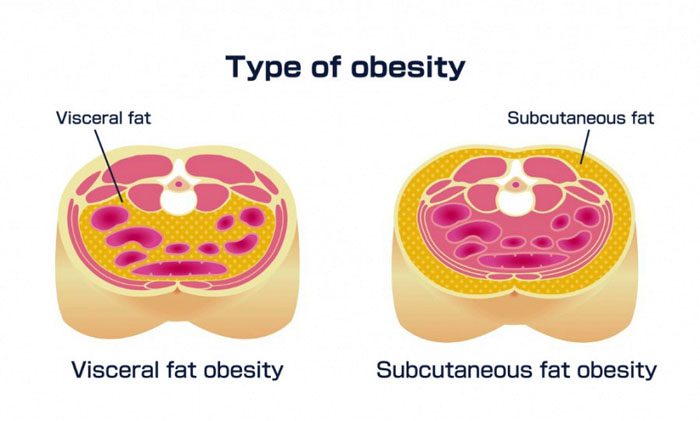
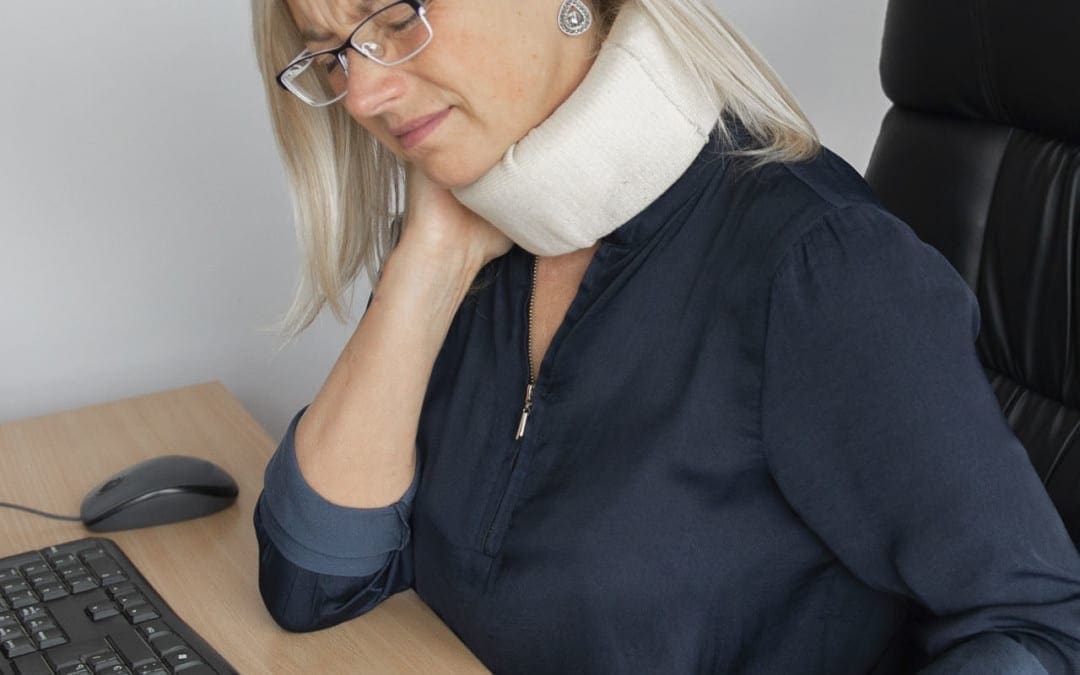
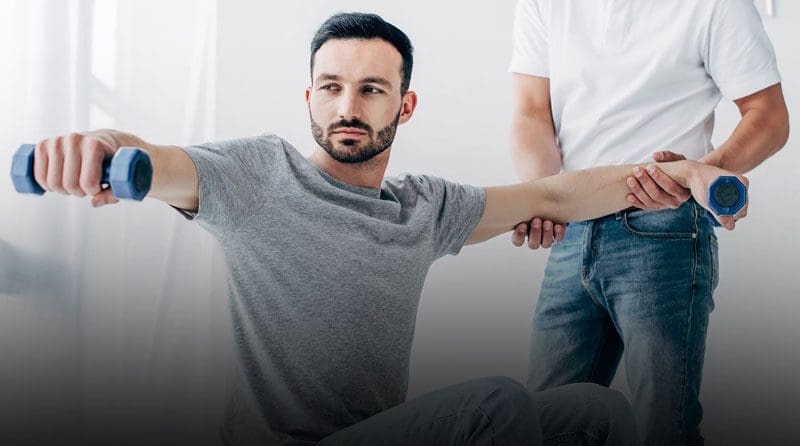
Belly fat is a gateway to back pain/spinal issues that can lead to various health problems. The bulging belly population has grown a bit since the beginning of the COVID-19 pandemic. 37% of individuals have gained weight since it began, according to a global Ipsos survey. If back pain is presenting and there is excess weight around the abdomen known as abdominal obesity, this could be a contributing factor.
Belly fat and posture
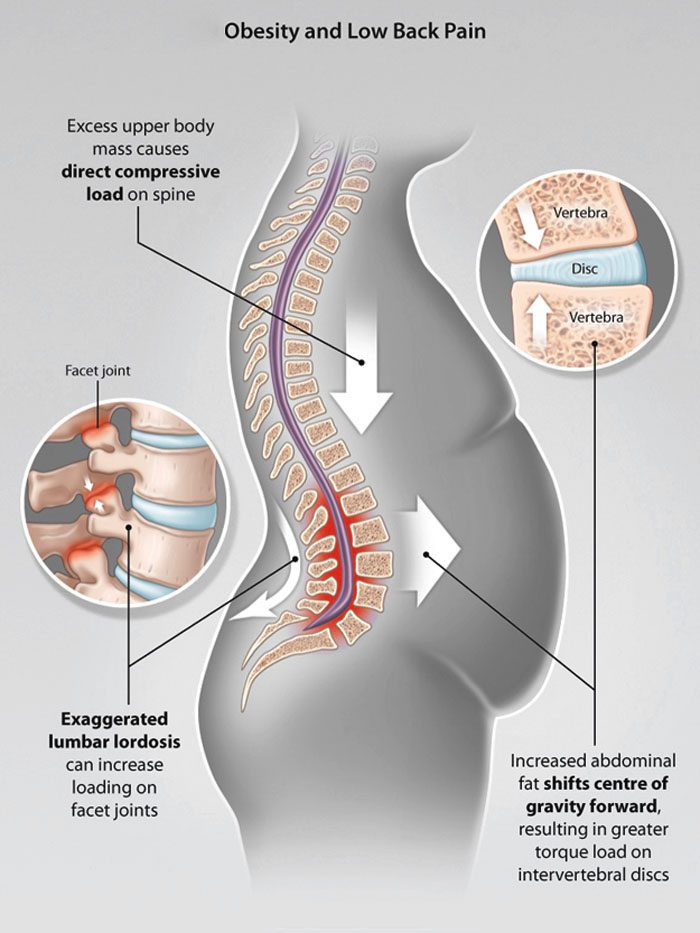
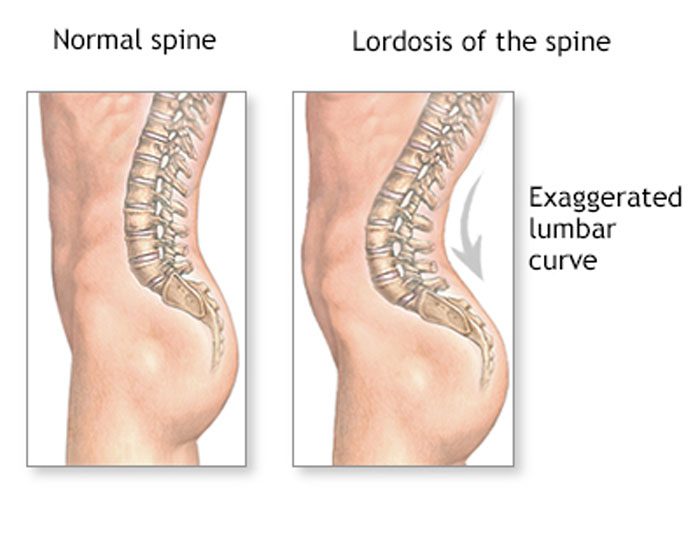
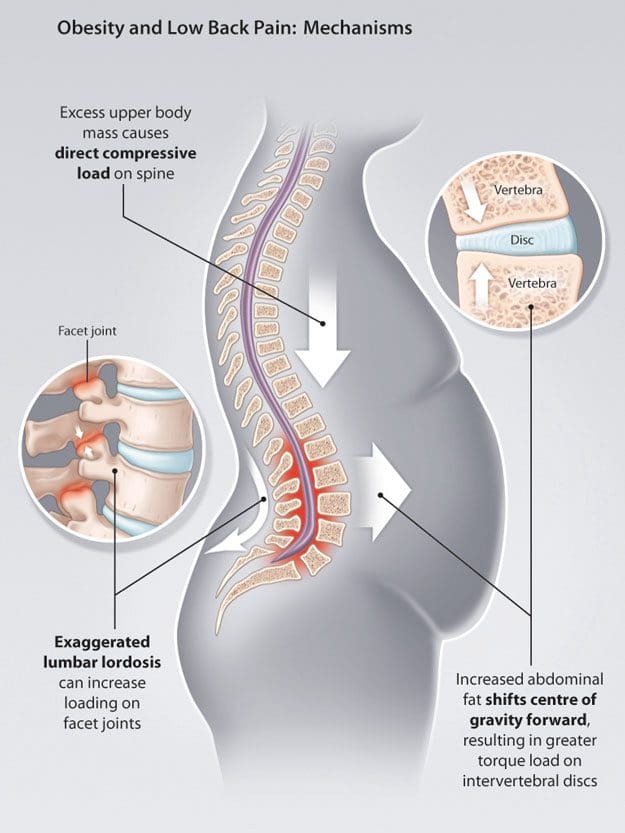
When the natural curves of the spine are normal, the core is stable and well-supported. Excessive weight, including a large abdomen, shifts these curves out of correct alignment. Excessive abdominal fat has been associated with lordosis, which is an excessive inward curve of the spine toward the lower back. One study found that severely obese individuals had pain and changes in posture. This was especially visible in the spine, knees, and feet.
Front-loading shift
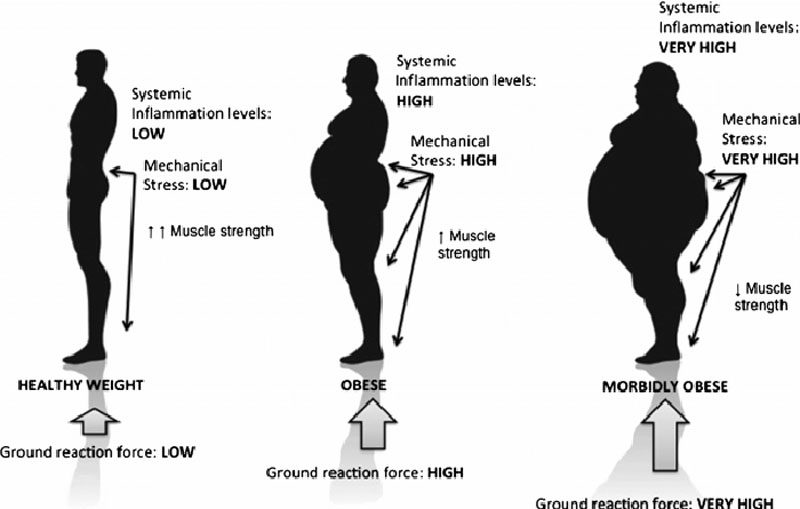
The back pain felt from a bulging belly can be caused by a shift in posture and body mechanics. Studies show these can have a negative impact on back pain and body positioning. All or most of the weight is placed on the lower back.
Overloaded discs
Abdominal obesity can damage/injure the discs/shock absorbers of the spine. This leads to:
And a bulging belly can flatten the height of the intervertebral discs.
Fat pollutants in the blood
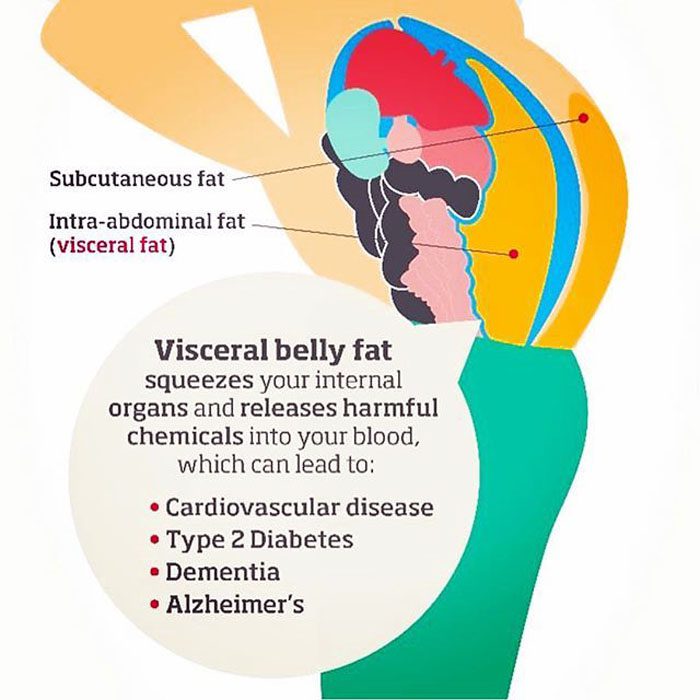
Fat can accumulate and secrete toxins that contribute to swelling and inflammation that can be painful. Over time, these toxins wear down components of the skeletal system.A study found potential links between obesity and degenerative disc disease. Scientists found a connection in obese men, but not obese women. This is believed to be because men tend to store fat in their bellies, and women tend to store fat in the buttocks and thighs.
Damage to the musculoskeletal system
The bones constantly renew themselves, but when there is excess body fat it can interfere with the process. This has the potential to turn into osteoporosis over time. Studies associate visceral fat with lower bone mineral density, and an increase in the risk of fractures.
Ankylosing spondylitis treatment and fat interference
Ankylosing spondylitis is an inflammatory disease that causes chronic back pain and can cause the vertebrae to fuse. The back can be extremely stiff, and the condition can lead to a permanently hunched posture. There are medications to improve symptoms and slow the disease. However, being overweight reduces the drugs’ effectiveness. This is because belly fat can cause medication absorption problems.
Rare spinal condition linked to obesity
Obesity along with a high Body Mass Index increases the risk of a rare condition called spinal epidural lipomatosis or SEL. This is an overgrowth of body fat in the spinal canal. Spinal epidural lipomatosis can cause various types of back pain. This is why it is recommended to have a doctor examine and evaluate any aches or pains.
Body Composition
Kombucha beneficial for gut bacteria
Kombucha contains a wide variety of bacteria and fungi that helps ferment the sugar in kombucha drinks. It is able to affect the existing microbes in the gut by inhibiting the growth of various gut-dwelling pathogens. These include:
It is a probiotic drink made from fermenting green or black tea
It is made up of healthy bacteria that produce acetic acid that is beneficial for blood sugar, insulin levels, and body composition
It helps the body process food by lowering insulin levels after a meal
It contains polyphenols that reduce oxidative stress, to help fight disease risks
It destroys unhealthy bacteria in the gut
It helps increase healthy bacteria
Kombucha can be thought of as a natural antibiotic. However, it does not come with the weight-gain side effect. Improving the health of the gut through fermented foods like kombucha help reduce the risk for weight gain/obesity, as well as restore gut health for those trying to lose weight by creating a healthy gut environment.
Disclaimer
The information herein is not intended to replace a one-on-one relationship with a qualified health care professional, licensed physician, and is not medical advice. We encourage you to make your own health care decisions based on your research and partnership with a qualified health care professional. Our information scope is limited to chiropractic, musculoskeletal, physical medicines, wellness, sensitive health issues, functional medicine articles, topics, and discussions. We provide and present clinical collaboration with specialists from a wide array of disciplines. Each specialist is governed by their professional scope of practice and their jurisdiction of licensure. We use functional health & wellness protocols to treat and support care for the musculoskeletal system’s injuries or disorders. Our videos, posts, topics, subjects, and insights cover clinical matters, issues, and topics that relate to and support, directly or indirectly, our clinical scope of practice.* Our office has made a reasonable attempt to provide supportive citations and has identified the relevant research study or studies supporting our posts. We provide copies of supporting research studies available to regulatory boards and the public upon request. We understand that we cover matters that require an additional explanation of how it may assist in a particular care plan or treatment protocol; therefore, to further discuss the subject matter above, please feel free to ask Dr. Alex Jimenez or contact us at 915-850-0900.
Dr. Alex Jimenez DC, MSACP, CCST, IFMCP, CIFM, CTG* email: [email protected] phone: 915-850-0900 Licensed in Texas & New Mexico
Going through traumatic accidents that result in injuries can cause injury-related stress and anxiety for individuals. It is understandable that stress and anxiety are high as individuals figure out how to navigate through the situation. Therefore, it is very important to find ways to manage stress and anxiety because if they go unchecked it could become chronic leading to poor health and quality of life.
Stress/Anxiety Affects Health
Injury related stress and anxiety can be exacerbated through different factors. These can include:
Medical bills
Employment
Relationships
Independence
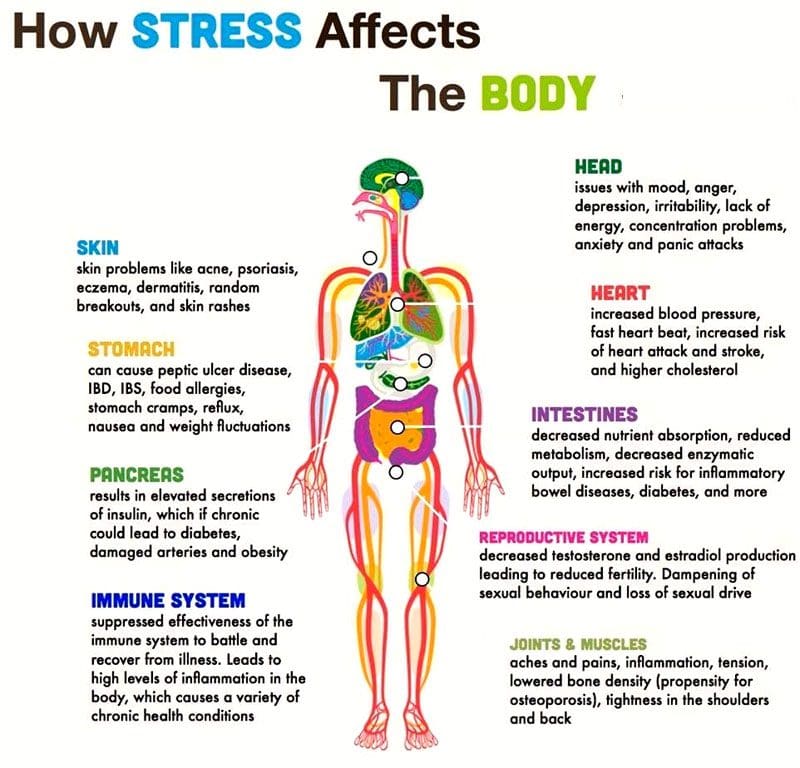
The causes/reasons can vary however, the physical response the body goes through is the same. A stress-inducing situation can leave an individual feeling threatened and generate a physical stress response. The body responds to stress by releasing hormones that shift the body into survival mode. This requires a lot of energy placing massive strain on the body. This is an important mechanism for healthy living. However, if it begins to present on a regular basis it can lead to negative health issues that include:
The body needs time every day to recover and rejuvenate. This is not possible when the body is constantly entering a heightened state of stress. Traditional treatment can lead to the over-prescription of medications that come with their own side effects. Effective injury-related stress treatment addresses issues like:
Injury-related stress and anxiety affect mental health and can lead to physical symptoms and disease. These include:
Chronic pain
Sleep problems
Gastrointestinal issues
Obesity
Asthma and breathing problems
Alzheimer’s, dementia, and memory loss
Chiropractic Treatment and Care
A healthy brain and spinal cord are vital to the body’s optimal health. When nerve energy and blood flow get blocked it can worsen injury-related stress and anxiety. Chiropractic delivers results helping to better manage mental health by addressing underlying issues with spinal misalignment. When the spine is properly aligned neural health is optimized for everyday functions. This increases vitality and an overall sense of well-being. With brain function improved adjusting to the injury and its effects no longer cause intense stress. Individuals cannot remove all the stressors and anxiety-inducing events from their lives, but proper spinal alignment can help build resilience for whatever situations life throws.
Body Composition
Recovery and Swelling
Recovery is an essential part of maintaining optimal body health. This goes for regular work, working out, athlete’s training, and just participating in physical activity. A significant sign that the body has gone through intense physical exertion and needs recovery time is swelling. Swelling presents for different reasons. It is the body’s response to tiny, microscopic tears in the muscle that happens from constant and intense use. Running or lifting heavy objects are two examples that cause swelling. Swelling can be seen in body composition analysis results. An increase in Lean Body Mass reflects an increase in water. Recovery is about giving the body a chance to:
Relax
Recuperate
Recover from the swelling with the end goal of resuming physical activities
Disclaimer
The information herein is not intended to replace a one-on-one relationship with a qualified health care professional, licensed physician, and is not medical advice. We encourage you to make your own health care decisions based on your research and partnership with a qualified health care professional. Our information scope is limited to chiropractic, musculoskeletal, physical medicines, wellness, sensitive health issues, functional medicine articles, topics, and discussions. We provide and present clinical collaboration with specialists from a wide array of disciplines. Each specialist is governed by their professional scope of practice and their jurisdiction of licensure. We use functional health & wellness protocols to treat and support care for the musculoskeletal system’s injuries or disorders. Our videos, posts, topics, subjects, and insights cover clinical matters, issues, and topics that relate to and support, directly or indirectly, our clinical scope of practice.* Our office has made a reasonable attempt to provide supportive citations and has identified the relevant research study or studies supporting our posts. We provide copies of supporting research studies available to regulatory boards and the public upon request. We understand that we cover matters that require an additional explanation of how it may assist in a particular care plan or treatment protocol; therefore, to further discuss the subject matter above, please feel free to ask Dr. Alex Jimenez or contact us at 915-850-0900.
Dr. Alex Jimenez DC, MSACP, CCST, IFMCP, CIFM, CTG* email: [email protected] phone: 915-850-0900 Licensed in Texas & New Mexico
References
Pickar, Joel G. “Neurophysiological effects of spinal manipulation.” The spine journal : official journal of the North American Spine Society vol. 2,5 (2002): 357-71. doi:10.1016/s1529-9430(02)00400-x
Coleman, Brian C et al. “Factors Associated With Posttraumatic Stress Disorder Among Veterans of Recent Wars Receiving Veterans Affairs Chiropractic Care.” Journal of manipulative and physiological therapeutics vol. 43,8 (2020): 753-759. doi:10.1016/j.jmpt.2019.10.016
Jamison, J R. “Stress management: an exploratory study of chiropractic patients.” Journal of manipulative and physiological therapeutics vol. 23,1 (2000): 32-6. doi:10.1016/s0161-4754(00)90111-8
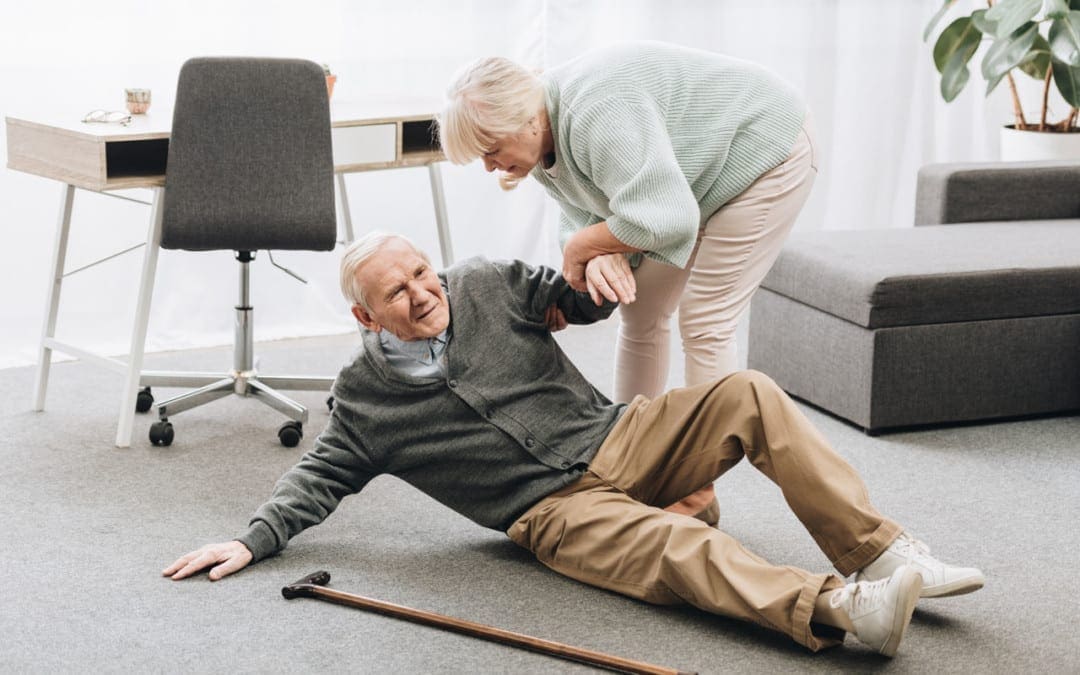
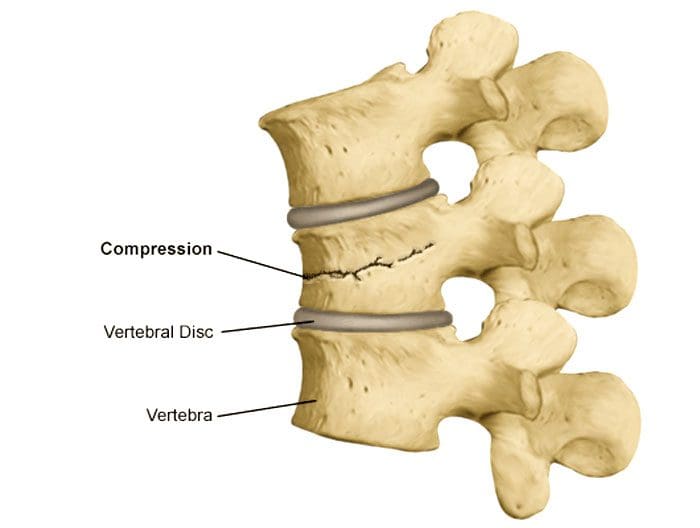
Spinal vertebral compression fractures are a common injury in older individuals brought on from a lowered bone density. Hip and wrist fractures get most of the attention when it comes to osteoporosis. However, spinal fractures happen almost twice as often and affect around 700,000 individuals yearly. This is according to the American Academy of Orthopaedic Surgeons or the AAOS. These types of fractures are also known as:
Fragility fractures
Vertebral compression fractures
Osteoporotic compression fractures. These usually happen as a result of thinning and weakening bones caused by osteoporosis.
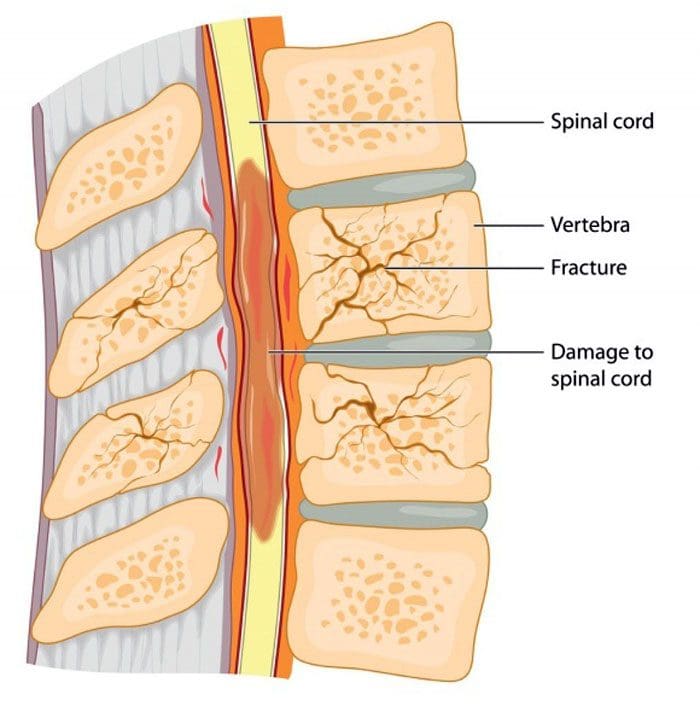
The Academy of Orthopedic Surgeons notes that changes in the body’s musculoskeletal bone structure can go unnoticed for years. This leads to the vertebrae narrowing and flattening, rounding the spine as a result, creating compression. Because of the weakened bone, the pressure, even from everyday low-impact movements like reaching, bending or twisting. There are strategies that can help prevent osteoporosis and osteoporotic compression fractures.
More Movement and Physical Activity
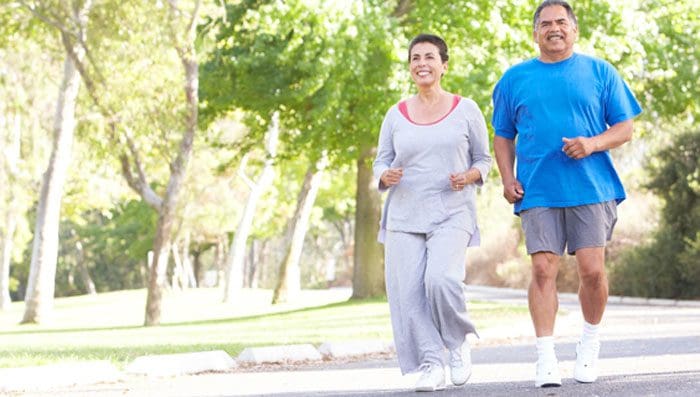
One prevention strategy that is highly recommended is more movement and physical activity. This does not include occasional gentle movements like taking a break from sitting. Improving the spine’s health means using the full range of motion and loading the bones so they can get build strength. This could be walking more, which creates spinal resistance. Also using light weights with high repetitions with five to ten pounds of a load is enough to challenge the spine without generating muscle stress.
Individuals think they need to rest more as they get older, but to build and maintain bone density to prevent osteoporotic compression fractures more physical activity is needed. Moving around for 10 to 15 minutes every hour is a good way to start. Incorporating more activity, and focusing on healthy diet changes will help shed excess weight. This will decrease pressure on the spine, reducing the risk of fractures. For individuals with osteoporosis of the spine, it is important to review any exercise plans with a physician or doctor of chiropractic to ensure that they are safe. The wrong types of movement or too much stress on a fragile spine can definitely cause a fracture.
Medications and Other Conditions
There are medications that can help build bone density, but there are also medications for conditions that can actually cause faster bone density loss. Individuals could be taking a medication that’s good for one issue/condition, but not realize it may be associated with a reduction in bone density. This is why it is important to review prescriptions with a doctor with bone density loss side effects in mind. Medications that can cause bone loss include:
Anti-seizure drugs like carbamazepine and phenytoin
Diuretics like furosemide
Also, review any underlying conditions that could affect osteoporosis. As an example, the National Institutes of Health or NIH note that individuals with diabetes, specifically type 1, can have poor bone quality increasing their risk of fractures.
Adding Calcium To The Diet
An adequate intake of calcium is essential for osteoporosis prevention and helps lower the risk of fragility fractures. A low calcium intake contributes significantly to lower bone density and faster bone loss with age. Vitamin D also helps in bone injury prevention.
Treatment
Compression fracture/s diagnosis are confirmed through imaging tests like:
X-rays
Magnetic resonance imaging MRI scan
Bone scan
Computed tomography CT scan
Bone density testing with dual-energy x-ray absorptiometry DEXA will determine bone mineral density. If a scan reveals there is a vertebral compression fracture, the most common approach is no treatment. According to the Academy of Orthopedic Surgeons, most individuals with this type of injury improve within three months with a combined rest period and limited pain medication use.
Some individuals are recommended to wear braces to restrict movement so the fracture can heal without any added compression or stress. For those that do not respond to non-surgical treatment, minimally invasive surgery could become an option. In both cases, a doctor will suggest similar aforementioned strategies to help strengthen the bones and prevent worsening or creating new issues.
More flab on the middle that gets harder to burn off
Performance at work, the gym, or on the road slows down or begins to reverse
Workouts, sporting events, physical activity that the body was able to bounce back from quite easily now take twice as long to recover from
Things start to change when the body enters its 30’s. Whether light exercise, playing weekend games, local sports, etc, the key is to just stay active. By paying close attention to nutrition and making minor adjustments, individuals can maintain and improve body composition, stay strong and healthy in their 30s and be ready for the future.
Disclaimer
The information herein is not intended to replace a one-on-one relationship with a qualified health care professional, licensed physician, and is not medical advice. We encourage you to make your own health care decisions based on your research and partnership with a qualified health care professional. Our information scope is limited to chiropractic, musculoskeletal, physical medicines, wellness, sensitive health issues, functional medicine articles, topics, and discussions. We provide and present clinical collaboration with specialists from a wide array of disciplines. Each specialist is governed by their professional scope of practice and their jurisdiction of licensure. We use functional health & wellness protocols to treat and support care for the musculoskeletal system’s injuries or disorders. Our videos, posts, topics, subjects, and insights cover clinical matters, issues, and topics that relate to and support, directly or indirectly, our clinical scope of practice.* Our office has made a reasonable attempt to provide supportive citations and has identified the relevant research study or studies supporting our posts. We provide copies of supporting research studies available to regulatory boards and the public upon request. We understand that we cover matters that require an additional explanation of how it may assist in a particular care plan or treatment protocol; therefore, to further discuss the subject matter above, please feel free to ask Dr. Alex Jimenez or contact us at 915-850-0900.
Dr. Alex Jimenez DC, MSACP, CCST, IFMCP, CIFM, CTG* email: [email protected] phone: 915-850-0900 Licensed in Texas & New Mexico
Back pain combined with sciatica is the number one cause of temporary disability all over the world. The spine is a complex interconnected system that supports the entire body. Being overweight does not help. Losing weight can help relieve sciatica and prevent future episodes. It can be done through chiropractic health coaching. According to research, overweight individuals have a higher risk of developing sciatica. The more weight the body carries the more stress is placed on the spine and joints, which can irritate/inflame the sciatic nerve.
Causes and Symptoms
To understand how sciatica is affected by the weight of the body one needs to understand how it works. A breakdown of the causes and symptoms.
The sciatic nerve runs from the lower spine, through the glutes, down the back of the thigh, and is attached under the foot.
The nerve becomes compressed or irritated where it exits the lower spine. This can be caused by a bulging or herniated disc, narrowing of the spinal canal, or bone spurs.
Symptoms include a sharp pain that spreads out from the low back and down the back of the leg. It also causes tingling, numbness, and weakness.
Indirect Cause Being Overweight
Being overweight can indirectly cause sciatica. When the body has to support added/extra weight it can cause problems. That extra weight also places tremendous stress on the joints, especially those in the spine. The lower back takes most of the force from this stress, which is how sciatica develops. The stress slowly pulls the spine out of alignment and compresses the discs between the vertebrae, which then compresses the sciatic nerve, causing pain and discomfort.
Sciatica and Weight Loss
Keep in mind that weight loss is not a cure for sciatica. Weight loss will surely help relieve sciatica pain but there are other issues at work that are combined with excess weight and are causing sciatica. Weight loss is only a step in the right direction. The most recommended and effective ways to lose weight and relieve sciatica pain is having a healthy diet, exercise, and chiropractic health coaching. Other things that can be done to relieve sciatic nerve pain include:
Regular exercise will help reduce the symptoms and strengthen the body’s core and leg muscles. There are a variety of things that make sciatica worse like:
Sitting too much
Sedentary lifestyle
Wearing shoes with no support
Lifting, bending, twisting, reaching, overuse
Exercise is the best antidote to sitting too much and living a sedentary. Exercising with sciatica does not mean a full gym routine but doing the right exercises that will not worsen the condition. The important thing is staying active. Avoiding exercise will only make sciatica worse. For example, yoga is great for sciatica and health in general. A 30-minute session of yoga 3 times a week combined with another form of exercise twice a week can produce optimal results.
Weight Training
Weight training will work with sciatica with certain adjustments and avoiding specific exercises that can cause pain and should be discussed with a doctor, chiropractor, physical therapist depending on the individual’s sciatic condition.
Form and Posture
Weight training form is essential. Practice slow repetitions with special attention to physical form. Proper posture, maintaining a neutral spine, and avoiding rounding the lower back will help avoid worsening sciatica, and prevent further injury/s.
Avoid Overhead and Straight Leg Exercises
Not until the sciatica pain reduces avoid overhead lifting exercises and straight leg exercises, as these can cause flare-ups. Also, avoid intensive abdominal exercises that require doing crunches.
Know The Limits
When sciatica is present, the body is in healing mode, the key is to not overdo it. This exercise is minimal, to help in the recovery process, and strengthen the muscles. Too much exercise can prolong the recovery.
Losing Belly Fat
Losing belly fat with sciatica is possible. But it will take a sustained effort that will be well worth it when sciatica. Losing the fat needs concentration on three things:
Nutrition
Eating whole nutritious foods with plenty of vegetables, and staying away from processed and sugary foods. This is where a health coach and nutritionist can offer the greatest recommendations and develop a customized diet/health plan.
Exercise
Weight training, yoga, cardio, or a combination of all is probably best. Whatever regimen is chosen the objective to stick with it.
Lifestyle adjustments
This includes improving posture, workstation set up, adjusting sitting routines, and limiting activities that cause back pain/sciatica.
Chiropractic Health Coaching
The full-body approach outlined is how chiropractic treats sciatica. Chiropractic can relieve the pain quickly with massage, spinal adjustments, and physical therapies. This is why chiropractic health coaching is ideal for those who have a hard time making nutrition, exercise, and lifestyle changes on their own. Numerous studies show that chiropractic promotes weight loss, reduced pain, improved posture, and increased well being. And it is done in a safe, non-invasive, medication-free way.
Body Composition
Eating Out A Significant Contributor For Weight Gain
When eating out, there is a tendency to consume excess empty calories and increase fat storage. This is why preparing food is so important. It gives the individual direct control over what is being consumed and allows trying out different dietary approaches to see which one works best for improving body composition and gut health. Even for those that don�t enjoy cooking, consult a chiropractic health coach to see what options are available.
Dr. Alex Jimenez�s Blog Post Disclaimer
The scope of our information is limited to chiropractic, musculoskeletal, physical medicines, wellness, and sensitive health issues and/or functional medicine articles, topics, and discussions. We use functional health & wellness protocols to treat and support care for injuries or disorders of the musculoskeletal system. Our posts, topics, subjects, and insights cover clinical matters, issues, and topics that relate and support directly or indirectly our clinical scope of practice.*
Our office has made a reasonable attempt to provide supportive citations and has identified the relevant research study or studies supporting our posts. We also make copies of supporting research studies available to the board and or the public upon request. We understand that we cover matters that require an additional explanation as to how it may assist in a particular care plan or treatment protocol; therefore, to further discuss the subject matter above, please feel free to ask Dr. Alex Jimenez or contact us at 915-850-0900. The provider(s) Licensed in Texas& New Mexico*
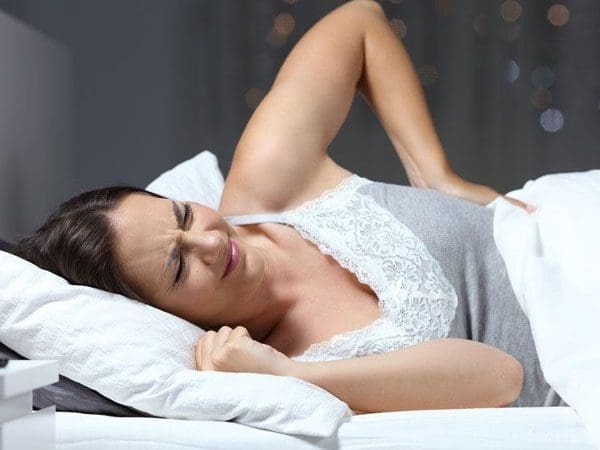
Inflammatory spinal arthritis can cause significant joint pain and severely damage sleep quality. Any of the following conditions can cause individuals to experience sleep problems:
Spondylosis (osteoarthritis)
Rheumatoid arthritis
Ankylosing spondylosis
Juvenile idiopathic arthritis
Dr. Jimenez from Injury Medical Chiropractic and Functional Medicine Clinic gives insight into how inflammatory spinal arthritis can disrupt healthy sleep, along with some tips to help individuals with joint pain restore healthy sleep.
Inflammatory Spinal Arthritis and Sleep
First, it is not just the joint pain of arthritis that is causing sleep problems. Research is discovering that more factors could be at play. A study in the journal SLEEP examined how individuals with chronic pain, including osteoarthritis slept. What was revealed was a strong connection between chronic pain and insomnia.
Insomnia can lead to added joint pain because poor sleep can trigger inflammatory pathways that worsen arthritis pain. Plus a poor night of sleep can heighten an individual’s perception of pain the next day. Arthritis pain does not just impact the sleep of adults, but young individuals with juvenile idiopathic arthritis can also struggle with getting healthy sleep. Sleep, pain levels, and mood are strongly related.
Sleep Tips
Achieving quality sleep and a well-rested body can be done. Things to consider to help secure a healthy sleep.
Medication interference/side effects
Corticosteroids could be part of the sleep problem, as corticosteroid treatment has been linked to insomnia. If struggling to fall asleep, talk with a doctor about altering any prescribed medication regimen before sleep like taking aspirin or a nonsteroidal anti-inflammatory NSAID medication in its place.
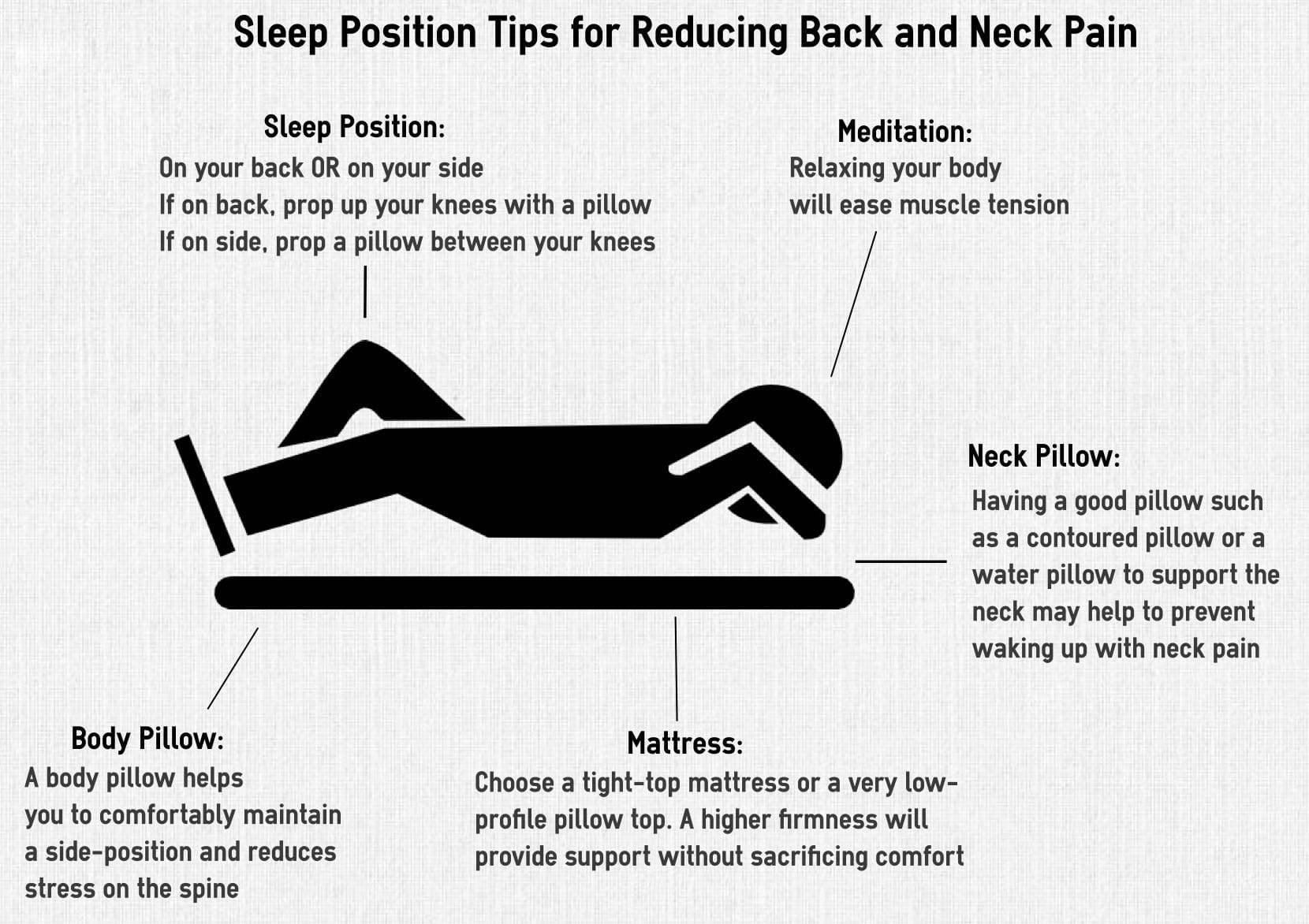
Adjust sleep position to joint pain
If the neck is sore/aching rest the head on a flat pillow so the cervical spine is in a neutral position. For low back joint pain, individuals might find relief by sleeping on their back or side with the knees and hips flexed at a 90-degree angle. For hip joint stiffness, sleeping on the side with a pillow between the legs is recommended.
A firm mattress and support pillow
A firm mattress will support the body and help reduce pain. The right pillow/s are also important for healthy sleep. A lumbar and cervical pillow can help cushion tender areas.
Readjust chores
Joint pain first thing in the morning needs time to adjust. For morning physical chores try to reschedule for later on in the day or if possible the night before. This could be fixing lunches, picking out clothes, preparing breakfast, or packing the work case, tools, etc. The extra time will reduce morning stress and allow the body to gently adjust.
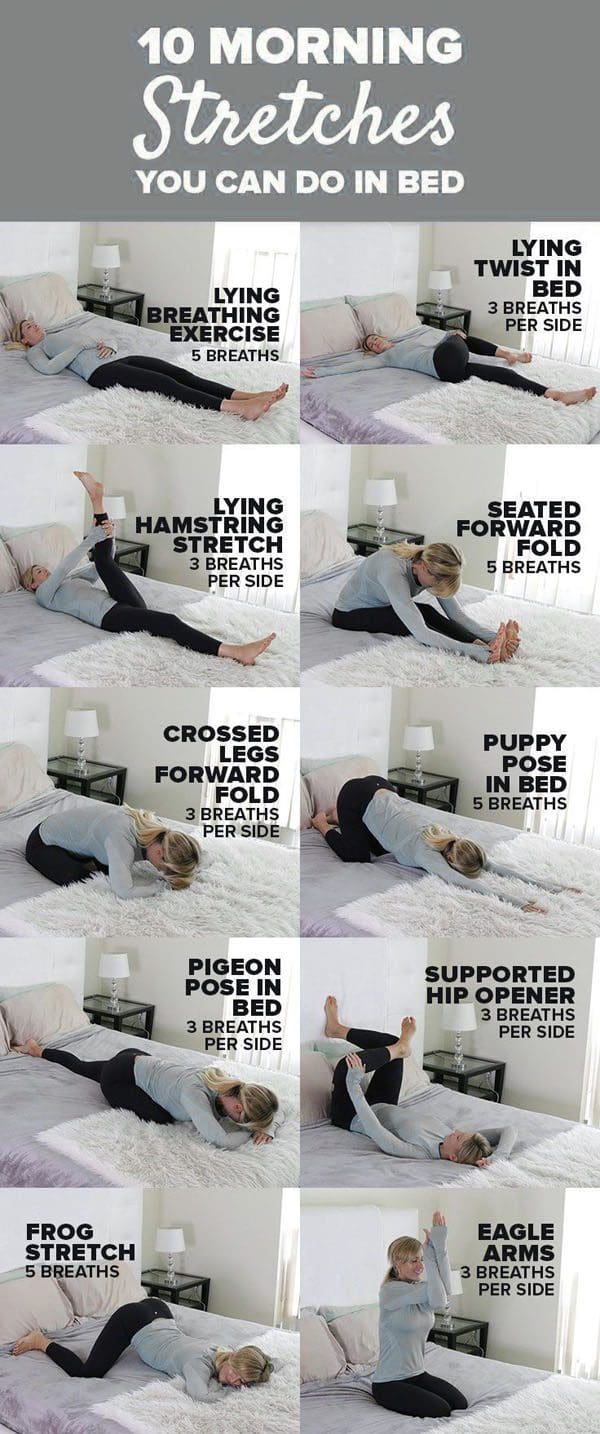
Wake up and stretch
With joint pain in the morning, some gentle stretching can help. Doing some stretches before even getting out of bed will help minimize pain and allow the body to gradually prepare for movement. Follow the stretch session up with a hot shower to loosen stiff joints.
Increase Sleep Quality
Sleep problems can affect anyone even those that don’t have inflammatory spinal arthritis/joint pain. There could be other issues causing sleep problems unrelated to joint pain. If still not getting quality sleep, talk to a rheumatologist about available options.
Body Composition
Osteoarthritis and Exercise
Obesity is a significant risk factor in the development of osteoarthritis. This is not only from the effects of extra weight on the body’s joints but also as a result of the pro-inflammatory effects of adipose tissue. The hips and knees are the weight-bearing joints. Excessive adipose tissue on the midsection and legs have been shown to negatively impact these weight-bearing joints.
Promoting Lean Body Mass and encouraging weight loss can potentially lower the risk of osteoarthritis and improve the quality of life. Gentle exercise is regarded as safe for individuals with osteoarthritis and is a key component to improve body composition, reduce body fat mass, improve lean body mass and maintain a healthy weight. Improving body composition and utilizing exercise in weight management can have a direct and positive effect on joint health.
Dr. Alex Jimenez�s Blog Post Disclaimer
The scope of our information is limited to chiropractic, musculoskeletal, physical medicines, wellness, and sensitive health issues and/or functional medicine articles, topics, and discussions. We use functional health & wellness protocols to treat and support care for injuries or disorders of the musculoskeletal system. Our posts, topics, subjects, and insights cover clinical matters, issues, and topics that relate and support directly or indirectly our clinical scope of practice.*
Our office has made a reasonable attempt to provide supportive citations and has identified the relevant research study or studies supporting our posts. We also make copies of supporting research studies available to the board and or the public upon request. We understand that we cover matters that require an additional explanation as to how it may assist in a particular care plan or treatment protocol; therefore, to further discuss the subject matter above, please feel free to ask Dr. Alex Jimenez or contact us at 915-850-0900. The provider(s) Licensed in Texas& New Mexico*
References
Myers W. 9 Ways to Rise and Shine With Osteoarthritis. Everyday Health.�http://www.everydayhealth.com/osteoarthritis/ways-to-rise-and-shine-with-osteoarthritis.aspx. Last updated September 25, 2014. Accessed April 18, 2017.
Watson S. Why Osteoarthritis Could Disrupt Your Sleep�and Your Partner�s. Arthritis Foundation. http://www.arthritis.org/living-with-arthritis/comorbidities/sleep-insomnia/osteoarthritis-and-sleep.php. Accessed April 18, 2017.
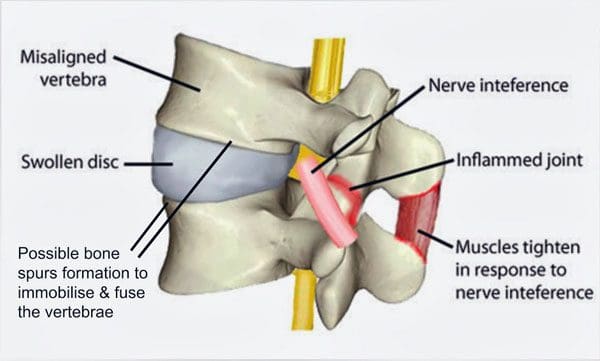
When spinal misalignments happen the body experiences soreness, inability to rotate the neck, or after sitting/standing in one position for too long hip and leg discomfort/pain. This is why spinal alignment is so crucial to healthy living. These examples help to illustrate the delicate balance required in the spine to maintain optimal health, stay pain-free, prevent injury, and the ability to conduct everyday chores/responsibilities without the fear and anxiety of setting off pain symptoms.
Understanding how pain is processed
Pain is a complex sensation. Neural pain receptors, also known as nociceptors detect harmful stimulation/s in the form of:
Body Temperature changes
Mechanical forces and pressure on the body
Chemical changes in the body brought on by inflammation or cell damage
How the signal transmits from the stimulated nerve and how it is perceived depends on the upper levels of neural activity in the body. Specifically, the spinal cord, brainstem, and the brain. Examples of pain perceptions:
Previous pain generating experiences – auto accident, work injury, etc.
Spinal Misalignments and Balance
Pain is essential for alerting the body when engaged in activities, and body positions that can cause damage to the tissues like poor postures, work/sports/personal injuries, inflammatory foods, etc. The nerves’ pain pathways can experience overstimulation when the system is overloaded.
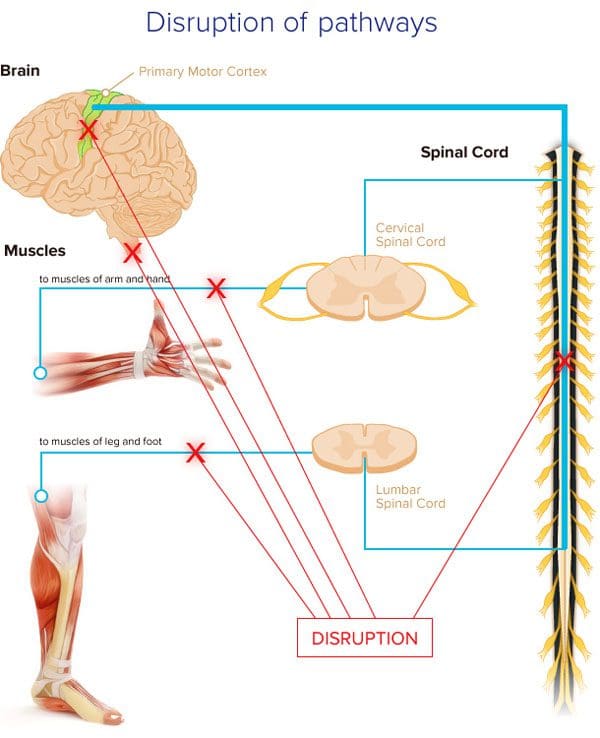
Excessive stimulation can be brought on by chronic inflammation, mood disorders, and poor health. One overlooked issue with the perception of pain is the health/effectiveness of the actual neural pathways. The nerve’s energy is affected by spinal misalignments. Proper nerve health and circulation are crucial for the body to transmit proper pain signals. Spinal misalignments can be brought on by:
Can lead to major dysfunction of the nerves pathways
The longer the pain and discomfort go on the more intense/severe the issues can become. This is when pain and discomfort become chronic leaving individuals feeling hopeless, frustrated.
Symptoms
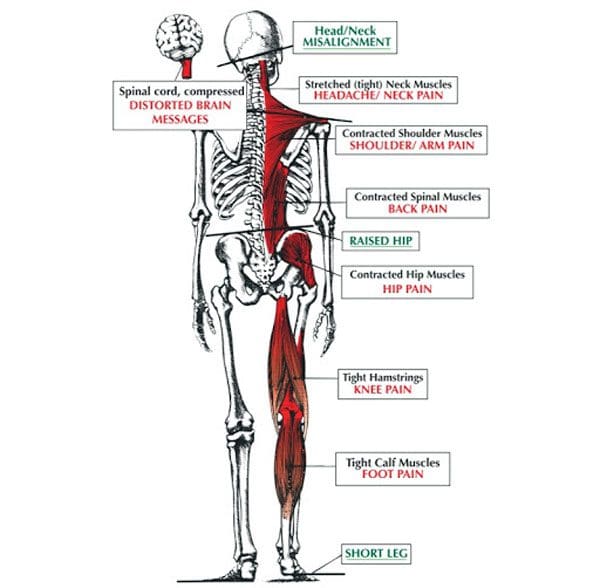
The spine does more than provide stability. Any type of spinal misalignments will affect the rest of the body as well. Possible symptoms that the spine is out of alignment includes:
Chronic headaches
Frequent illnesses
Fatigue
Lower back pain
Neck pain
Hip pain
Knee pain
Numbness/tingling in the hands or feet
Walking gait abnormalities causing one shoe to wear out quicker than the other
Chiropractic Management
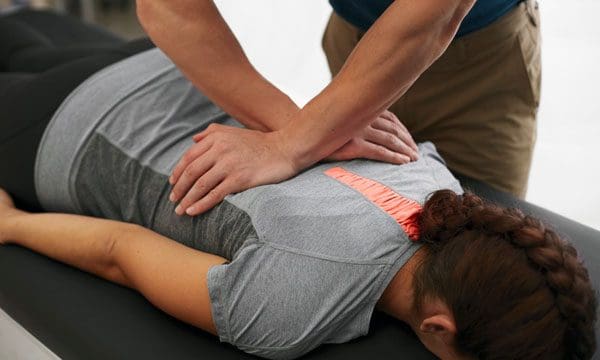
Many treatments focus on masking the pain rather than addressing the underlying root cause. This can lead to a chronic pain cycle and dependence on pain medications and invasive treatment. Chiropractic is a science-based approach that focuses on getting to the root issue. Chiropractic utilizes gentle and effective techniques like:
Manipulation
Exercise regimen
Stretching regimen
Body mechanics training
Health nutritional education
When the body is aligned and the spinal nerves are healthy, an individual’s pain perception will be changed for optimal functionality.
The first step is to reduce caloric intake by changing/adjusting dietary nutritional habits. Individuals can experiment with various types of diets and regular exercise regimens, and getting into the habit of getting the proper amount of sleep. Depending on an individual’s existing muscle mass, gaining Lean Body Mass first could be an option. An individual may be able to lose fat and gain muscle because:
Increased muscle mass will increase the Basal Metabolic Rate/metabolism, and if no extra calories are added body fat can be shed while building muscle.
Lifting weights can increase Total Daily Energy Expenditure, causing the body to burn more calories.
Circuit training is one option for improving changes in body composition while not affecting changes in overall body weight. This means muscle gain and fat loss is happening at the same time.
Dr. Alex Jimenez�s Blog Post Disclaimer
The scope of our information is limited to chiropractic, musculoskeletal, physical medicines, wellness, and sensitive health issues and/or functional medicine articles, topics, and discussions. We use functional health & wellness protocols to treat and support care for injuries or disorders of the musculoskeletal system. Our posts, topics, subjects, and insights cover clinical matters, issues, and topics that relate and support directly or indirectly our clinical scope of practice.*
Our office has made a reasonable attempt to provide supportive citations and has identified the relevant research study or studies supporting our posts. We also make copies of supporting research studies available to the board and or the public upon request. We understand that we cover matters that require an additional explanation as to how it may assist in a particular care plan or treatment protocol; therefore, to further discuss the subject matter above, please feel free to ask Dr. Alex Jimenez or contact us at 915-850-0900. The provider(s) Licensed in Texas& New Mexico*
References
Dubinsky RM, Miyasaki J.Assessment: Efficacy of transcutaneous electric nerve stimulation in the treatment of pain in neurologic disorders (an evidence-based review). Report of the Therapeutics and Technology Assessment Subcommittee of the American Academy of Neurology.�Neurology. 2010;74:173-176.
Shrier I. Does stretching help prevent injuries?�Evidence-based Sports Medicine. Williston, VT: BMJ Books; 2002.
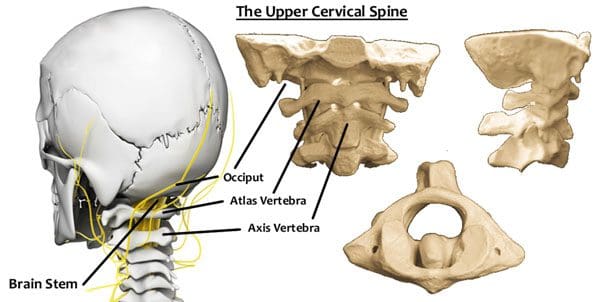
The Atlas vertebra is named for the mythological figure who held the world on their back/neck. The vertebrae are located at the top of the spine, where the cranium and spine connect. More than just a foundation for support, the vertebrae could be the most important vertebrae of the body. It consists of a complex bundle of nerves, vertebral arteries, and is the point where the entire weight of the cranium makes contact.
The myth requires Atlas to be careful while holding the world carefully and confidently at all times, otherwise it will come crashing down. The key is being able to balance it perfectly. The vertebra has the same job to hold the head up properly and maintain posture. If not problems with balance and alignment will begin to develop, and affect the entire spine.
The Atlas Vertebra
Balance
The Atlas vertebrae’s role in maintaining balance is based on its ability to adjust to the weight of the head. The actual vertebra is wider than the other cervical vertebrae. This creates a center of gravity that is reinforced through proper posture. It distributes the weight of the head (10-12lb) evenly to centralize the weight and is supported by the natural curvature of the spine.
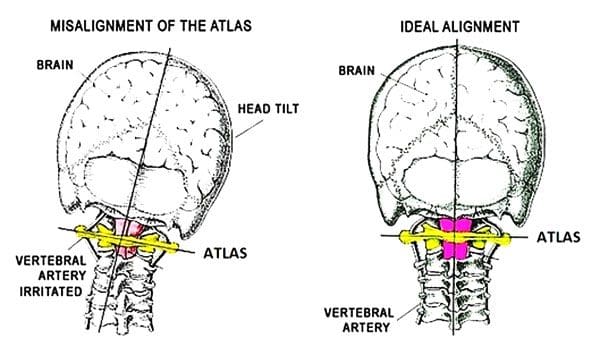
If the center of gravity shifts, the Atlas vertebra will tilt in that direction as well. This creates instability in the cervical spine and can increase the amount of weight the spine is taking and trying to redistribute. This creates spinal issues and leads to everything from poor posture, overcompensation that leads to injury.
Shifting Causes
Disruption to the vertebra and its ability to balance can come from a variety of causes and can occur as a result of chronic and acute conditions. Some include:
Auto accidents, sports, work injuries can cause cervical soft tissue damage
Dislocation of cervical vertebrae below the Atlas results in instability
Poor posture/s make individuals overcompensate to one side of the body straining muscles, ligaments, tendons causing pain and other issues
Herniated, bulging, and slipped discs
Unbalanced effects
Spinal issues range from simple neck pain and soreness to full-on chronic pain. Because the Atlas can alter the balance of the entire spine, combined with cranium support, issues can be localized and referred creating further complications. Addressing the root problems requires a comprehensive chiropractic approach. Chiropractic will assess the position of the spine and determine the degree to which Atlas has shifted out of place. An adjustment treatment plan makes it possible to undo the widespread damage.
Body Composition
Muscle Loss
Individuals do not realize that muscle loss occurs throughout their lifetime. This is because muscles, like other tissues in the body, must go through cell turnover and protein synthesis. This means that the body is constantly breaking down protein in the muscles and rebuilding them.
Skeletal muscle can be developed with proper nutrition and includes consuming a proper amount of protein to provide the necessary amino acids and from physical activity. The reverse is also true, if an individual becomes less physically active and/or their diet no longer supports the development of increased muscle tissue, the body enters a catabolic/tissue-reducing state known as muscle atrophy.
Dr. Alex Jimenez�s Blog Post Disclaimer
The scope of our information is limited to chiropractic, musculoskeletal, physical medicines, wellness, and sensitive health issues and/or functional medicine articles, topics, and discussions. We use functional health & wellness protocols to treat and support care for injuries or disorders of the musculoskeletal system. Our posts, topics, subjects, and insights cover clinical matters, issues, and topics that relate and support directly or indirectly our clinical scope of practice.*
Our office has made a reasonable attempt to provide supportive citations and has identified the relevant research study or studies supporting our posts. We also make copies of supporting research studies available to the board and or the public upon request. We understand that we cover matters that require an additional explanation as to how it may assist in a particular care plan or treatment protocol; therefore, to further discuss the subject matter above, please feel free to ask Dr. Alex Jimenez or contact us at 915-850-0900. The provider(s) Licensed in Texas& New Mexico*
References
Woodfield, H Charles 3rd et al. �Craniocervical chiropractic procedures – a pr�cis of upper cervical chiropractic.��The Journal of the Canadian Chiropractic Association�vol. 59,2 (2015): 173-92.
IFM's Find A Practitioner tool is the largest referral network in Functional Medicine, created to help patients locate Functional Medicine practitioners anywhere in the world. IFM Certified Practitioners are listed first in the search results, given their extensive education in Functional Medicine