Common Types of Bicycle Accidents and the Role of Chiropractic and Integrative Medicine in Recovery
Bicycling is a popular mode of transportation and recreation, but it comes with risks, especially when sharing the road with motor vehicles. Bicycle accidents often result in serious injuries due to the lack of protection for cyclists compared to drivers. These accidents are frequently caused by driver negligence, such as failing to yield, distracted driving, or unsafe lane changes. This article explores the most common types of bicycle accidents—intersection collisions, rear-end collisions, dooring accidents, and unsafe passing or sideswipes—and their associated injuries, including spinal, musculoskeletal, and nerve damage. It also examines how chiropractic care, nurse practitioners, and integrative medicine, particularly through the expertise of professionals like Dr. Alexander Jimenez, DC, APRN, FNP-BC, can aid recovery by addressing the root causes of injuries and improving overall health.
Common Types of Bicycle Accidents
Intersection Collisions
Intersection collisions are among the most frequent and dangerous types of bicycle accidents. These occur when a cyclist and a motor vehicle collide at an intersection, often due to drivers failing to yield the right of way, running red lights, or making improper turns. For example, a “right hook” accident happens when a vehicle turns right in front of a cyclist traveling straight, while a “left cross” occurs when a car turns left into a cyclist’s path (Christensen Hymas, n.d.). These accidents are often caused by distracted driving, speeding, or drivers failing to notice cyclists due to blind spots or a lack of attention (The Champion Firm, n.d.; Langston & Lott, n.d.).
The high traffic volume and complex design of intersections make them hazardous. According to data, intersection accidents result in nearly 900 fatalities and over 94,000 injuries annually in Florida alone (Michael T. Gibson P.A., 2025). Cyclists are particularly vulnerable because they lack the physical protection of a vehicle, and collisions at intersections can lead to severe injuries.
Rear-end collisions occur when a vehicle strikes a cyclist from behind, often at intersections or in traffic when a cyclist slows or stops (Clarke Law, n.d.). These accidents are typically caused by driver inattention, tailgating, or failure to stop in time (Lorenz & Lorenz, n.d.). For example, a distracted driver texting or adjusting the radio may not notice a cyclist ahead, leading to a collision (Gallagher & Kennedy, n.d.). Rear-end collisions are particularly dangerous because cyclists can be thrown off their bikes or run over by the vehicle, resulting in severe injuries or fatalities.
The force of a rear-end collision can cause significant trauma, as the cyclist absorbs the full impact of the vehicle’s momentum. These accidents are often preventable if drivers maintain a safe following distance and stay focused on the road (Varner Faddis, n.d.).
Dooring accidents happen when a driver or passenger opens a car door into the path of an oncoming cyclist, often in urban areas with bike lanes next to parked cars (CBP&W Law, n.d.; The Hawk Firm, n.d.). Cyclists have little time to react, leading to collisions with the door or swerving into traffic, which can result in further accidents (Gallagher & Kennedy, n.d.). These incidents are caused by drivers failing to check for approaching cyclists before opening their doors, a clear act of negligence (Hawn & Walsh, 2024).
Dooring accidents can cause cyclists to be thrown from their bikes, leading to head, neck, or limb injuries. In some cases, swerving to avoid a door can put cyclists in the path of moving vehicles, thereby increasing the risk of severe harm (Lorenz & Lorenz, n.d.).
Unsafe passing or sideswipe accidents occur when a vehicle attempts to overtake a cyclist without providing enough clearance, resulting in contact or forcing the cyclist off the road (Reinartz Law, n.d.). These accidents often happen due to drivers misjudging the space needed to pass safely or failing to check their blind spots (Bay Area Bicycle Law, n.d.). Sideswipes can also occur when a vehicle drifts into a bike lane or when a cyclist is pushed into traffic by an unsafe maneuver (Foster Wallace, n.d.).
These accidents can lead to cyclists losing control, crashing into other vehicles, or hitting roadside objects. Driver negligence, such as distracted driving or speeding, is a common cause, as drivers may not see cyclists or underestimate their speed (1800thelaw2, n.d.).
Bicycle accidents often result in serious injuries due to the cyclist’s exposure and lack of protective barriers. The most common injuries include spinal, musculoskeletal, and nerve damage, each with significant impacts on a person’s health and quality of life.
Spinal Injuries
Spinal injuries are among the most severe outcomes of bicycle accidents, particularly in high-impact collisions like intersection or rear-end crashes. According to the National Spinal Cord Injury Statistical Center, motor vehicle collisions, including those involving bicycles, account for 38% of spinal cord injuries in the United States (NCBI, 2023). These injuries can range from herniated discs and vertebral fractures to complete spinal cord damage, leading to partial or full paralysis.
The mechanism of injury in bicycle accidents often involves axial loading, where the force of impact compresses the spine, or sudden jerking motions that strain spinal structures (NCBI, 2023). For example, a rear-end collision can cause whiplash, leading to cervical spine damage, while a head-on intersection crash may result in thoracic or lumbar injuries.
Musculoskeletal injuries, such as fractures, sprains, and muscle tears, are common in bicycle accidents due to the force of impact or falls. Intersection collisions and sideswipes often cause cyclists to be thrown from their bikes, leading to broken bones in the arms, legs, or pelvis (Gallagher & Kennedy, n.d.). Dooring accidents can result in shoulder or knee injuries when cyclists collide with a car door or fall onto the pavement.
Whiplash, a common musculoskeletal injury, frequently occurs in rear-end collisions as the head and neck are jerked forward and backward, straining the muscles and ligaments (McCutcheon & Hamner, 2024). These injuries can cause chronic pain and limit mobility if not properly treated.
Nerve injuries, including peripheral nerve damage and radiculopathy, can occur when bicycle accidents compress or stretch nerves. For instance, a fall from a bike during a sideswipe or dooring accident can pinch nerves in the neck or lower back, causing pain, numbness, or weakness in the limbs (Gallagher & Kennedy, n.d.). Severe cases may involve nerve damage that affects motor function or sensation, requiring extensive rehabilitation.
Nerve injuries are particularly challenging because they can lead to chronic conditions, such as complex regional pain syndrome, if not addressed early (Jimenez, n.d.).
Role of Chiropractic Care, Nurse Practitioners, and Integrative Medicine
Recovering from bicycle accident injuries requires a comprehensive approach that addresses both the symptoms and root causes of the damage. Chiropractic care, nurse practitioners, and integrative medicine play vital roles in this process, offering holistic and personalized treatment plans that cater to individual needs.
Chiropractic Care
Chiropractic care focuses on restoring the body’s alignment and function, particularly for spinal and musculoskeletal injuries. Chiropractors utilize spinal adjustments, soft tissue therapy, and corrective exercises to alleviate pain, reduce inflammation, and enhance mobility (Jimenez, n.d.). For example, in cases of whiplash resulting from rear-end collisions, chiropractic adjustments can help realign the cervical spine, thereby reducing pressure on nerves and muscles.
Chiropractic care also addresses the root causes of injuries by correcting misalignments that may lead to chronic pain or compensatory issues in other parts of the body. This approach promotes long-term healing and prevents future complications (El Paso Back Clinic, n.d.).
Nurse practitioners (NPs), such as Dr. Alexander Jimenez, APRN, FNP-BC, bring a medical perspective to the treatment of injuries. NPs can perform diagnostic assessments, prescribe medications, and coordinate care with other healthcare providers. In bicycle accident cases, NPs evaluate symptoms, order diagnostic tests, and develop treatment plans that address both physical and psychological aspects of recovery (Jimenez, n.d.).
NPs also play a key role in dual diagnosis, identifying co-occurring conditions such as post-traumatic stress disorder (PTSD) or chronic pain syndromes that may arise from accidents. By integrating medical and holistic approaches, NPs ensure comprehensive care that supports overall health (LinkedIn, n.d.).
Integrative medicine combines conventional medical treatments with complementary therapies, such as acupuncture, physical therapy, and nutritional counseling, to enhance overall well-being and promote healing. This approach is particularly effective for bicycle accident victims, as it addresses the physical, emotional, and systemic effects of injuries. For example, integrative medicine may include massage therapy to reduce muscle tension, dietary changes to support tissue repair, and mindfulness practices to manage pain and stress (Jimenez, n.d.).
By focusing on the whole person, integrative medicine helps patients recover more quickly and maintain long-term health, thereby reducing the risk of re-injury (El Paso Back Clinic, n.d.).
Dr. Alexander Jimenez’s Expertise in Bicycle Accident Recovery
Dr. Alexander Jimenez, DC, APRN, FNP-BC, is a chiropractor and nurse practitioner in El Paso, Texas, with unique expertise in treating injuries from auto and bicycle accidents. His dual qualifications allow him to bridge chiropractic and medical care, providing comprehensive treatment for patients.
Clinical Correlation and Dual Diagnosis
Dr. Jimenez emphasizes the importance of understanding the clinical correlation between accident mechanisms and injuries. For example, a rear-end collision may cause whiplash, leading to cervical spine misalignment and nerve irritation, which can manifest as headaches, neck pain, or arm numbness (Jimenez, n.d.). By identifying these connections, Dr. Jimenez creates targeted treatment plans that address the root causes of symptoms.
His dual diagnosis approach also considers co-occurring conditions, such as anxiety or PTSD, which can exacerbate physical pain. By addressing both physical and psychological factors, Dr. Jimenez ensures holistic recovery (LinkedIn, n.d.).
Diagnostic Assessments and Advanced Imaging
Dr. Jimenez utilizes diagnostic assessments, including physical examinations, range-of-motion tests, and neurological evaluations, to assess the severity of injuries. Advanced imaging techniques, such as X-rays, MRIs, or CT scans, help identify fractures, disc herniations, or soft tissue damage that may not be visible through physical examination alone (El Paso Back Clinic, n.d.). These tools enable Dr. Jimenez to develop personalized treatment plans tailored to each patient’s specific needs.
For example, an MRI may reveal a herniated disc in a cyclist who experienced a sideswipe accident, guiding the use of spinal decompression therapy to relieve pressure on the affected nerve (Jimenez, n.d.).
Handling Medical Care and Legal Paperwork
Dr. Jimenez’s dual training as a chiropractor and nurse practitioner equips him to manage both medical care and the legal aspects of personal injury cases. He provides detailed medical reports and documentation that support insurance claims or legal proceedings, ensuring patients receive fair compensation for their injuries (LinkedIn, n.d.). His expertise in injury causation and treatment outcomes strengthens personal injury cases by clearly linking accidents to specific injuries, thereby enhancing the likelihood of successful outcomes.
For instance, in a dooring accident case, Dr. Jimenez can document how a shoulder injury resulted from the collision, providing evidence for legal claims while treating the injury with chiropractic adjustments and physical therapy (El Paso Back Clinic, n.d.).
How Chiropractic and Integrative Medicine Aid Recovery
Chiropractic and integrative medicine offer significant benefits for bicycle accident victims by addressing the root causes of injuries and promoting overall health.
Addressing Root Causes
Unlike treatments that only mask symptoms, chiropractic care corrects spinal misalignments and restores joint function, reducing pain and preventing chronic issues (Jimenez, n.d.). For example, a cyclist with a herniated disc resulting from an intersection collision may receive spinal adjustments to realign the vertebrae, thereby alleviating pressure on the nerves and promoting healing.
Integrative medicine complements this approach by incorporating therapies such as acupuncture to reduce inflammation and physical therapy to strengthen supporting muscles, thereby addressing the underlying causes of pain and dysfunction (El Paso Back Clinic, n.d.).
Improving Overall Health
These approaches also enhance overall health by improving posture, boosting immune function, and reducing stress. Nutritional counseling can support tissue repair, while mindfulness practices help manage the emotional toll of accidents (Jimenez, n.d.). By treating the body as a whole, chiropractic and integrative medicine help patients return to their pre-accident level of function and prevent future injuries.
Bicycle accidents, including intersection collisions, rear-end collisions, dooring accidents, and unsafe passing or sideswipes, pose significant risks to cyclists due to driver negligence. These accidents can cause severe spinal, musculoskeletal, and nerve injuries that require comprehensive treatment. Professionals like Dr. Alexander Jimenez, with his expertise as a chiropractor and nurse practitioner, play a crucial role in recovery by utilizing diagnostic assessments, advanced imaging, and integrative medicine to address the underlying causes of injuries. Chiropractic care and integrative medicine not only alleviate pain but also promote long-term health, helping cyclists recover fully and return to their active lifestyles.
Motor Vehicle Accident Recovery: The Role of Massage Therapy and Chiropractic Care
Motor vehicle accidents (MVAs) can cause a range of injuries, from minor aches to severe spinal and nerve damage. These injuries often affect the muscles, bones, and nerves, resulting in pain, limited mobility, and emotional distress. Recovery can be challenging, but treatments like massage therapy and chiropractic care, especially when provided by experts like Dr. Alexander Jimenez, offer effective solutions. This article explores how MVAs cause physical and emotional harm, how massage therapy helps with recovery, and how Dr. Jimenez’s unique approach supports healing and legal processes for accident victims.
How Motor Vehicle Accidents Cause Injuries
MVAs generate powerful forces that can harm the body in many ways. The sudden impact of a crash can jolt the spine, strain muscles, and damage nerves. Here are the main types of injuries caused by MVAs:
Spinal Injuries
The spine is very vulnerable during a car accident. The rapid movement can cause the vertebrae to misalign, leading to conditions like whiplash, herniated discs, or even spinal cord injuries. Whiplash happens when the neck is suddenly jerked forward and backward, straining muscles and ligaments. According to the National Spinal Cord Injury Statistical Center, MVAs are the leading cause of spinal cord injuries in the U.S., accounting for 38% of cases between 2010 and 2013 (National Institute of Neurological Disorders and Stroke, 2025). Severe spinal injuries can cause tetraplegia (loss of function in arms and legs) or paraplegia (loss of function in legs), depending on where the damage occurs (Wu et al., 2022).
Musculoskeletal Injuries
Muscles, ligaments, and tendons often get strained or torn during MVAs. For example, seatbelt trauma or impact with the steering wheel can cause sprains, strains, or fractures. Back pain is common, with many accident victims experiencing muscle strains or disc injuries. A herniated disc occurs when the tissue between the vertebrae ruptures, pressing on nerves and causing pain or numbness (Novus Spine Center, 2025). If untreated, these injuries can lead to chronic pain and reduced mobility.
Nerve Injuries
Nerve damage is another serious issue after MVAs. The force of a crash can compress or irritate nerves, resulting in symptoms such as tingling, numbness, or weakness. For example, a herniated disc can press on spinal nerves, causing pain that radiates to the arms or legs. Whiplash can also irritate nerves in the neck, leading to headaches or numbness in the arms (Journal of Orthopaedic & Sports Physical Therapy, 2016). In severe cases, nerve damage can disrupt signals to organs, affecting functions like digestion (El Paso Back Clinic, 2025).
Emotional Distress
Car accidents are traumatic, and the emotional toll can be as serious as physical injuries. Many victims develop anxiety, fear of driving, or post-traumatic stress disorder (PTSD). Symptoms of PTSD include flashbacks, nightmares, and difficulty sleeping, which can make recovery harder (Farah & Farah, 2023). Emotional distress can also worsen physical pain, as stress increases muscle tension and inflammation.
Wu, Y., Zhang, Z., Wang, F., & Wang, W. (2022). Current status of traumatic spinal cord injury caused by traffic accident in Northern China. Scientific Reports. https://www.nature.com/articles/s41598-022-17208-7
Journal of Orthopaedic & Sports Physical Therapy. (2016). Mechanisms and mitigation of head and spinal injuries due to motor vehicle crashes. Retrieved from https://www.jospt.org/doi/10.2519/jospt.2016.6416
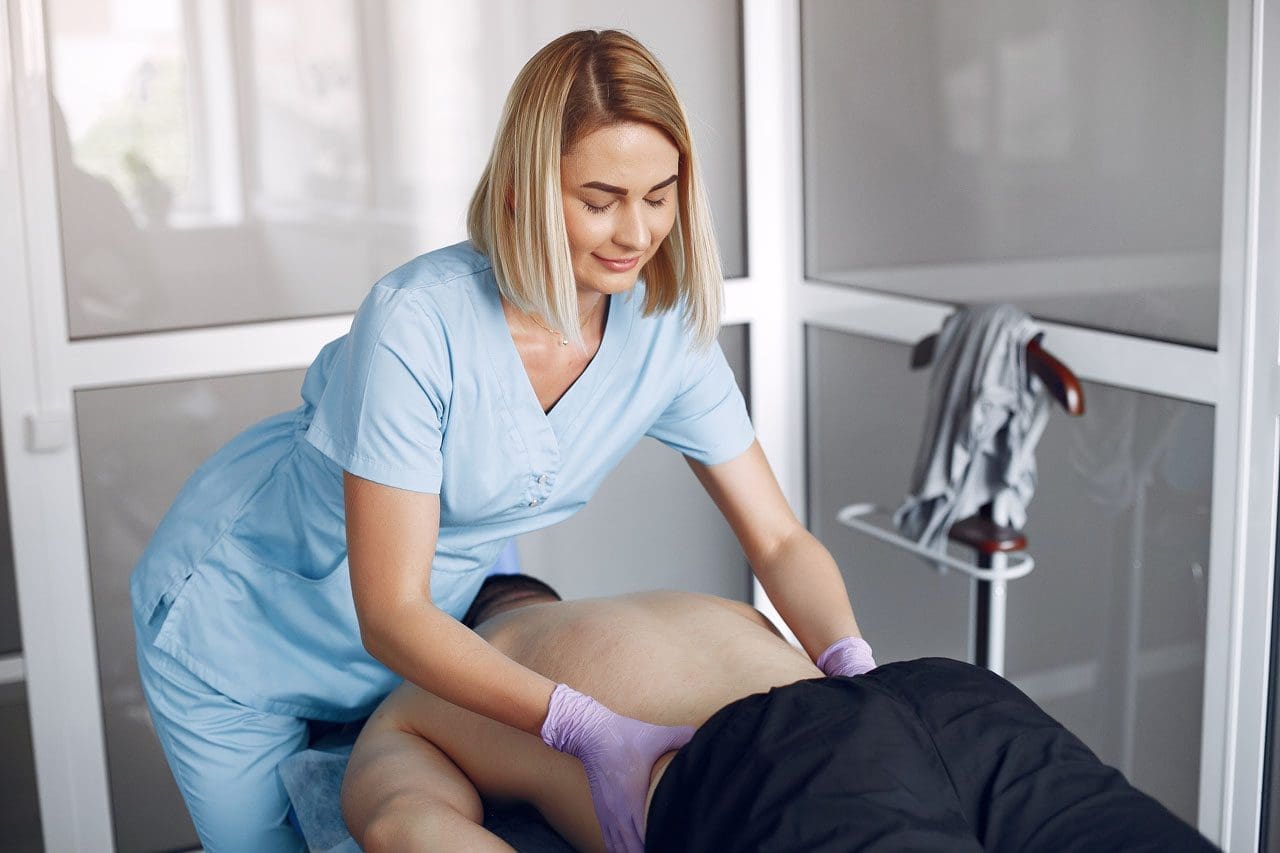
Massage therapy is a powerful tool for recovering from MVA injuries. It helps reduce pain, improve mobility, and ease emotional stress. Different types of massage therapy target specific issues, making it a versatile treatment for accident victims. Here are the main types of massage therapy and how they help:
Types of Massage Therapy
Swedish Massage: This gentle massage technique utilizes long, flowing strokes and kneading motions to relax muscles and enhance blood flow. It’s great for reducing muscle tension and promoting relaxation, which helps with both physical pain and emotional stress (East Bridge Massage Portland, 2021). Swedish massage is often used early in recovery to prepare the body for deeper treatments.
Deep Tissue Massage: This type of massage focuses on the deeper muscle layers to break down scar tissue and relieve chronic pain. It’s especially helpful for musculoskeletal injuries like strains or sprains caused by MVAs. Deep tissue massage can be intense, so it’s best for later stages of recovery when inflammation has decreased (Rocky Mountain Accident Care, n.d.).
Trigger Point Therapy: Trigger points are tight spots in muscles that cause pain in other areas of the body. Trigger point therapy applies pressure to these spots to release tension and reduce referred pain. It’s effective for whiplash and nerve-related pain, as it targets specific areas of discomfort (Revive Injury, n.d.).
Myofascial Release: This technique involves stretching the connective tissue (fascia) surrounding muscles to enhance flexibility and alleviate pain. It’s useful for restoring range of motion after an accident, especially for injuries that limit movement (MVAMVP, n.d.).
Neuromuscular Therapy: This massage targets nerve compression and muscle imbalances, focusing on restoring balance and function. It’s particularly helpful for nerve injuries caused by MVAs, as it improves nerve function and reduces symptoms like tingling or numbness (Curezone Physiotherapy, n.d.).
Physical Benefits
Massage therapy helps the body heal in several ways:
Pain Relief: By increasing blood flow, massage reduces inflammation and releases endorphins, the body’s natural painkillers. A 2015 study found that massage therapy effectively reduces neck pain, a common MVA injury (PubMed, 2015).
Improved Mobility: Massage loosens tight muscles and breaks down scar tissue, helping restore range of motion. This is crucial for injuries like whiplash, which can cause stiffness in the neck and shoulders (Mind Body Med Seattle, n.d.).
Reduced Muscle Tension: MVAs often cause muscles to tighten as a protective response. Massage relaxes these muscles, preventing chronic pain and improving posture (Denver Chiropractic, n.d.).
Faster Healing: Improved circulation from massage delivers oxygen and nutrients to injured tissues, speeding up recovery (Biotone, n.d.).
Emotional Benefits
Massage therapy also helps with the emotional side of recovery:
Stress Reduction: The relaxing touch of massage lowers cortisol levels, reducing anxiety and promoting calmness. This is especially important for MVA victims experiencing PTSD or fear of driving (Boulder Sports Clinic, n.d.).
Improved Sleep: Massage can help with sleep problems caused by pain or emotional distress, allowing the body to heal more effectively (Primary Rehab, n.d.).
Emotional Processing: The safe, nurturing environment of a massage session helps victims feel cared for, which can ease feelings of fear or isolation (Sage Bodywork Seattle, n.d.).
Massage therapy should be part of a comprehensive recovery plan, often combined with other treatments, such as chiropractic care or physical therapy. It’s important to start massage therapy after a medical evaluation to ensure it’s safe for the specific injuries (East Bay Chiropractic Office, n.d.).
Dr. Alexander Jimenez, a chiropractor and nurse practitioner in El Paso, Texas, is a leading expert in treating MVA injuries. With over 25 years of experience, his dual licensure allows him to combine chiropractic care with medical diagnostics, creating a unique approach to recovery. His clinic, Injury Medical & Chiropractic Clinic, utilizes advanced tools and integrative medicine to help patients heal physically and emotionally, while also supporting their legal needs in personal injury cases.
Clinical Correlation and Dual Diagnosis
Dr. Jimenez’s approach begins with understanding how the forces of an accident affect the body. He uses a “dual-scope” method, combining chiropractic and medical evaluations to diagnose injuries accurately. For example, a patient with neck pain might have both a musculoskeletal issue (like whiplash) and a nerve problem (like radiculopathy). By identifying these dual diagnoses, Dr. Jimenez creates personalized treatment plans that address all aspects of the injury (Jimenez, 2025).
Diagnostic Assessments and Advanced Imaging
Dr. Jimenez utilizes advanced tools to identify the underlying causes of pain. These include:
X-rays and MRIs: These imaging tests reveal spinal misalignments, disc herniations, or soft tissue damage.
CT Scans: These provide detailed images of bones and joints.
Electromyography (EMG): This test assesses nerve function to detect issues such as numbness or weakness.
Functional Movement Screens: These assessments evaluate how injuries impact movement and posture.
These tools help Dr. Jimenez confirm injuries and create evidence for legal claims. For example, an MRI might show a herniated disc that explains a patient’s arm pain, supporting both treatment and insurance claims (El Paso Back Clinic, 2025).
Chiropractic and Integrative Medicine
Dr. Jimenez’s treatments focus on addressing the root causes of pain, rather than just its symptoms. His methods include:
Spinal Adjustments: These realign the spine to reduce nerve compression and improve mobility. They’re effective for whiplash and back pain (Personal Injury Doctor Group, 2025).
Soft Tissue Therapies: These include massage and myofascial release to relax muscles and reduce inflammation.
Functional Medicine: Dr. Jimenez addresses systemic issues, such as inflammation and hormonal imbalances, through nutrition and lifestyle changes. For example, an anti-inflammatory diet can help reduce swelling and support healing (Jimenez, 2025).
Rehabilitation exercises strengthen muscles and improve posture to help prevent chronic pain.
This integrative approach helps patients recover fully and improves their overall health by addressing diet, stress, and movement.
Legal Support in Personal Injury Cases
Dr. Jimenez’s dual licensure makes him uniquely qualified to handle the legal aspects of MVA cases. He provides detailed medical reports that document injuries, treatments, and progress. These reports are crucial for insurance claims and lawsuits, as they prove the extent of injuries and the need for care. For example, his imaging results and neurological tests can show how a crash caused specific injuries, helping patients get fair compensation (Wellness Doctor Rx, 2025).
Success Stories
Dr. Jimenez has helped many patients recover. For example, a 35-year-old woman with whiplash and headaches saw a 90% improvement in symptoms after six weeks of spinal adjustments, massage therapy, and nutritional counseling (El Paso Back Clinic, n.d.). Another patient, a 32-year-old teacher, recovered from neck pain and arm numbness with a combination of chiropractic care and posture rehab (Wellness Doctor Rx, 2025). These cases demonstrate how Dr. Jimenez’s methods yield tangible results.
Massage therapy and chiropractic care work well together for MVA recovery. Chiropractic adjustments fix spinal misalignments, while massage therapy relaxes muscles and reduces tension. For example, a Swedish massage can prepare the body for an adjustment by loosening tight muscles, making the spine easier to realign (MVAMVP, n.d.). Trigger point therapy can also target specific pain areas, complementing chiropractic care for nerve injuries (Curezone Physiotherapy, n.d.).
Dr. Jimenez often incorporates massage therapy into his treatment plans. His team employs techniques such as myofascial release to enhance flexibility and alleviate pain, which complements chiropractic adjustments. This combination enables patients to recover more quickly and prevents long-term issues like chronic pain or poor posture (El Paso Back Clinic, 2025).
Recovery from MVA injuries varies depending on the injury’s severity. Minor injuries, such as muscle strains, may improve in a few weeks with massage and chiropractic care, while severe injuries, like herniated discs or nerve damage, may take months (Primary Rehab, n.d.). Here are some tips for recovery:
Seek Care Early: Get a medical evaluation within 72 hours of an accident to catch injuries early (El Paso Back Clinic, 2025).
Follow Treatment Plans: Stick to your chiropractor’s and massage therapist’s recommendations for best results.
Practice Self-Care: Eat an anti-inflammatory diet, stay hydrated, and engage in gentle stretches to support your healing.
Address Emotional Health: Talk to a counselor or join a support group if you’re feeling anxious or stressed.
Dr. Jimenez’s integrative approach, which combines chiropractic care, massage therapy, and functional medicine, helps patients recover more quickly and feel better overall.
Motor vehicle accidents can cause serious spinal, musculoskeletal, and nerve injuries, along with emotional distress. Massage therapy, with techniques like Swedish, deep tissue, and trigger point therapy, helps reduce pain, improve mobility, and ease stress. Dr. Alexander Jimenez’s expertise in chiropractic care and integrative medicine takes recovery to the next level. His use of advanced imaging, dual diagnosis, and personalized treatment plans addresses the root causes of injuries, while his legal documentation supports personal injury cases. By combining massage therapy with chiropractic care, patients can recover faster, regain their health, and improve their quality of life.
Journal of Orthopaedic & Sports Physical Therapy. (2016). Mechanisms and mitigation of head and spinal injuries due to motor vehicle crashes. Journal of Orthopaedic & Sports Physical Therapy, 46(10), 826-833. https://doi.org/10.2519/jospt.2016.6416
Sherman, K. J., Cook, A. J., Wellman, R. D., Hawkes, R. J., Kahn, J. R., Deyo, R. A., & Cherkin, D. C. (2015). Five-week outcomes from a randomized trial of massage for neck pain. Journal of General Internal Medicine, 30(6), 742-749. https://doi.org/10.1007/s11606-015-3220-9
Wu, Y., Zhang, Z., Wang, F., & Wang, W. (2022). Current status of traumatic spinal cord injury caused by traffic accident in Northern China. Scientific Reports, 12(1), 12345. https://doi.org/10.1038/s41598-022-17208-7
18-Wheeler Accidents and Their Impact on Musculoskeletal and Spinal Health
Introduction
18-wheeler accidents are among the most severe types of vehicle collisions due to the massive size and weight of these trucks, which can weigh up to 80,000 pounds. These accidents often result in devastating injuries, particularly to the musculoskeletal system and spine. Victims may suffer from a range of ailments, from mild sprains to severe spinal cord damage, which can drastically affect their quality of life. This article explores the musculoskeletal and spinal injuries caused by 18-wheeler accidents, including spinal fractures, cord damage, herniated discs, and conditions like sciatica. It also examines the expertise of Dr. Alexander Jimenez, a chiropractor and nurse practitioner in El Paso, Texas, who specializes in treating such injuries. His unique approach combines medical care, chiropractic techniques, and legal documentation to support recovery and personal injury cases.
Musculoskeletal and Spinal Injuries from 18-Wheeler Accidents
18-wheeler accidents often cause significant trauma due to the immense force involved. The musculoskeletal system, which includes muscles, tendons, ligaments, and bones, is particularly vulnerable. Common injuries include:
Soft Tissue Injuries: Sprains (injured ligaments) and strains (torn muscles or tendons) can occur when the body is jolted during a collision. These injuries cause swelling, bruising, and limited mobility, often requiring weeks or months to heal (Roden Law, n.d.).
Fractures: High-impact crashes can lead to broken bones, especially in the spine, arms, legs, or ribs. Spinal fractures, such as compression fractures, can cause severe pain and reduced mobility, particularly in individuals with conditions like osteoporosis (Complete Injury Management, n.d.).
Herniated Discs: A herniated disc occurs when the soft inner material of a spinal disc pushes through its tough outer layer, often due to sudden trauma. This can press on nearby nerves, causing pain, numbness, or weakness (Complete Injury Management, n.d.).
Spinal Cord Injuries (SCIs): SCIs range from contusions (bruising) to complete transections (severing) of the spinal cord. These injuries can result in partial or complete paralysis, such as paraplegia (affecting the lower body) or quadriplegia (affecting all four limbs). According to the Mayo Clinic, nearly 40% of spinal cord injuries are caused by vehicle accidents, with trucks contributing significantly due to their size (Mayo Clinic, 2025).
Whiplash: This common injury occurs when the neck is forcefully whipped back and forth, often in rear-end collisions. Whiplash can damage muscles, ligaments, and nerves, leading to pain, stiffness, and sometimes nerve compression (Victimslawyer.com, n.d.).
These injuries can have immediate or delayed symptoms, making prompt medical attention critical to prevent long-term complications (Cesak Chiropractic, n.d.). For example, nerve injuries may not manifest until days or weeks after the accident, emphasizing the need for early intervention (Jimenez, 2025).
References
Cesak Chiropractic. (n.d.). How chiropractic care can help after an auto accident injury. Retrieved from [source link not provided in search results].
Sciatica is a condition often linked to 18-wheeler accidents, characterized by pain radiating from the lower back down one or both legs. It occurs when the sciatic nerve, which runs from the lower spine to the legs, is compressed or irritated. Common causes include:
Herniated Discs: A herniated disc can press on the sciatic nerve, causing sharp, burning pain, numbness, or tingling in the leg (Chiropractic Tucker, n.d.).
Spinal Stenosis: This condition involves the narrowing of the spinal canal, which puts pressure on the spinal cord or nerves. It can result from trauma or degenerative changes aggravated by an accident, leading to sciatica symptoms (Spine-health, n.d.).
Nerve Compression: Trauma from a truck accident can cause swelling or structural damage that compresses nerves, leading to radiating pain or weakness (Yourpghlawyer.com, n.d.).
Sciatica is particularly common in middle-aged adults and can significantly impair mobility and quality of life. For instance, a case study by Dr. Jimenez describes a 50-year-old male who developed sciatica after a motor vehicle accident. After three months of spinal decompression and functional medicine, his pain reduced significantly, allowing him to resume normal activities (Jimenez, 2025).
Dr. Alexander Jimenez: A Dual Expertise in Chiropractic and Nursing
Dr. Alexander Jimenez, based in El Paso, Texas, is a board-certified chiropractor and Family Nurse Practitioner (FNP-C) with over 30 years of experience. His dual licensure allows him to address both the physical and systemic aspects of injuries from 18-wheeler accidents. At his Injury Medical & Chiropractic Clinic, Dr. Jimenez employs a holistic approach that combines chiropractic care, functional medicine, and advanced diagnostics to treat complex injuries, including herniated discs, sciatica, and spinal cord damage (El Paso Back Clinic, 2025).
Clinical Correlation and Treatment
Dr. Jimenez’s approach involves correlating patient symptoms with objective findings from diagnostic tools. He uses:
X-rays and MRIs: These identify spinal misalignments, disc herniations, and fractures, providing evidence for treatment and legal claims (Jimenez, 2025).
Functional Lab Testing: This assesses metabolic, hormonal, and nutritional status, which can influence recovery. For example, nutritional deficiencies can slow the healing process in musculoskeletal injuries (El Paso Back Clinic, n.d.).
Dual-Scope Procedures: Combining chiropractic and nurse practitioner expertise, Dr. Jimenez conducts comprehensive evaluations to address both biomechanical and systemic health issues (Jimenez, 2025).
His treatments include:
Spinal Decompression: A non-surgical therapy that relieves pressure on spinal discs, effective for herniated discs and sciatica (El Paso Back Clinic, 2025).
Manual Adjustments: These correct spinal misalignments, reduce nerve compression, and restore mobility, particularly in cases of whiplash and scoliosis (El Paso Back Clinic, 2025).
Functional Strength Training: Tailored programs enhance recovery and prevent re-injury by improving mobility and strength (Jimenez, 2025).
Legal Paperwork and Personal Injury Cases
Dr. Jimenez’s dual expertise is invaluable in personal injury cases. His detailed intake process, including multipage questionnaires, captures the mechanism of injury, biomechanics, and medical history, which are critical for insurance claims and legal proceedings. Advanced imaging, such as MRIs, provides objective evidence of injuries, including herniated discs, which supports compensation claims (Jimenez, 2025). His ability to bridge the gap between medical and legal documentation ensures that victims receive appropriate care and fair settlements.
References
El Paso Back Clinic. (n.d.). El Paso, TX wellness chiropractic care clinic. Retrieved from https://elpasobackclinic.com/
Jimenez, A. (2025). Dr. Alex Jimenez chiropractor and injury recovery. Retrieved from https://dralexjimenez.com/
Chiropractic and Integrative Medicine for Recovery
Chiropractic care and integrative medicine play a crucial role in recovering from 18-wheeler accident injuries. These approaches focus on addressing the root causes of injuries rather than just symptoms, promoting overall health. Key methods include:
Chiropractic Adjustments: These realign the spine, reducing nerve compression and pain. Studies show spinal manipulative therapy significantly reduces pain and disability in chronic low back pain (Rubinstein et al., 2020, as cited in El Paso Back Clinic, 2025).
Acupuncture and Massage Therapy: These reduce inflammation and muscle tension, aiding recovery from soft tissue injuries and whiplash (Personalinjurydoctorgroup.com, 2025).
Functional Medicine: By addressing metabolic and nutritional imbalances, this approach supports healing of musculoskeletal and nerve injuries (Jimenez, 2025).
Rehabilitation Exercises: These improve mobility and strength, preventing chronic conditions like osteoarthritis or pain syndromes (Solutions Physical Therapy, n.d.).
Integrative care is particularly effective for complex injuries. For example, Dr. Jimenez’s case studies show patients with sciatica and herniated discs achieving significant pain reduction through combined chiropractic and functional medicine protocols (Jimenez, 2025). This holistic approach not only alleviates pain but also enhances long-term resilience and quality of life.
References
El Paso Back Clinic. (2025). El Paso, TX wellness chiropractic care clinic. Retrieved from https://elpasobackclinic.com/
Jimenez, A. (2025). Dr. Alex Jimenez chiropractor and injury recovery. Retrieved from https://dralexjimenez.com/
Solutions Physical Therapy. (n.d.). [Source link not provided in search results].
The Importance of Prompt Medical and Legal Action
After an 18-wheeler accident, immediate medical attention is critical. Symptoms of spinal injuries, such as numbness or paralysis, may not appear right away but can worsen without treatment (Mayo Clinic, 2025). Early intervention, such as chiropractic care within 72 hours, can help reduce inflammation and improve outcomes (Cesak Chiropractic, n.d.). Legally, prompt action preserves evidence, such as truck driver logs or black-box data, which can disappear quickly (Westlooplaw.com, 2025). Firms like Horst Shewmaker emphasize the importance of early consultation with a truck accident attorney to navigate complex regulations and secure compensation for medical bills, lost wages, and pain (Horst Shewmaker, 2024).
References
Cesak Chiropractic. (n.d.). How chiropractic care can help after an auto accident injury. Retrieved from [source link not provided in search results].
Westlooplaw.com. (2025). 18 wheeler accident attorneys: Top 5 experts. Retrieved from https://westlooplaw.com/
Conclusion
18-wheeler accidents can cause a wide range of musculoskeletal and spinal injuries, from mild sprains to severe spinal cord damage. Conditions like herniated discs and spinal stenosis can lead to sciatica, causing debilitating pain and nerve issues. Dr. Alexander Jimenez’s dual expertise as a chiropractor and nurse practitioner enables him to provide comprehensive care, utilizing advanced diagnostics and integrative medicine to address both symptoms and their underlying causes. His ability to handle medical treatment and legal documentation makes him a key ally for accident victims seeking recovery and justice. By combining chiropractic care, functional medicine, and timely legal action, victims can achieve better outcomes and reclaim their quality of life.
References
Cesak Chiropractic. (n.d.). How chiropractic care can help after an auto accident injury. Retrieved July 16, 2025, from [source link not provided in search results]
Personalinjurydoctorgroup.com. (2025). Motor vehicle accident recovery and integrative care. Retrieved July 16, 2025, from https://personalinjurydoctorgroup.com/
Recovering from Motor Vehicle Accident Injuries with El Paso Back Clinic’s Expertise and Durable Medical Equipment
Motor vehicle accidents (MVAs) can result in a wide range of musculoskeletal injuries, from minor sprains to severe spinal damage, significantly affecting mobility, independence, and quality of life. Effective recovery requires a comprehensive approach, combining specialized medical devices, known as Durable Medical Equipment (DME), with expert care from professionals at El Paso Back Clinic. This blog post explores MVA-related musculoskeletal injuries, the essential role of DME in rehabilitation, and the clinic’s integrative approach, led by Dr. Alexander Jimenez, blending advanced diagnostics, chiropractic care, and functional medicine. This article aims to inform and empower accident victims.
Understanding Musculoskeletal Injuries from Motor Vehicle Accidents
Motor vehicle accidents are a major cause of musculoskeletal injuries, impacting muscles, bones, joints, ligaments, and tendons. The severity of these injuries depends on the collision’s force, body position during impact, and individual health. Common injuries include:
Whiplash: A neck injury caused by rapid head movement, often in rear-end collisions, leading to pain, stiffness, and headaches.
Back and Spinal Injuries: Including herniated discs, vertebral fractures, or misalignments (subluxations), causing chronic pain and reduced mobility.
Soft Tissue Injuries: Sprains, strains, or tears in muscles, tendons, or ligaments, resulting in swelling and limited movement.
Joint Injuries: Damage to shoulders, knees, or hips, causing pain and restricted range of motion.
Nerve Damage: Nerve compression or irritation, leading to tingling, numbness, or radiating pain, as seen in sciatica.
The sudden forces in MVAs, even at low speeds, can disrupt the body’s alignment and function. Research shows that 40.2% of MVA patients require ongoing treatment for persistent pain, with headaches and low back pain extending treatment duration (Dies & Strapp, 1992). Without timely intervention, these injuries can lead to chronic pain, disability, and reduced quality of life.
The Importance of Early Treatment
Seeking care within 72 hours of an accident is critical to prevent long-term complications. Symptoms like pain or stiffness may appear hours or days later, making early intervention essential. El Paso Back Clinic’s integrative approach, combined with DME, addresses injuries promptly, reducing inflammation, restoring function, and preventing chronic issues.
References
Dies, S., & Strapp, J. W. (1992). Chiropractic treatment of patients in motor vehicle accidents: A statistical analysis. PMC. https://pmc.ncbi.nlm.nih.gov
El Paso Back Clinic. (2025). Injury Medical & Chiropractic Clinic. https://elpasobackclinic.com/
The Role of Durable Medical Equipment (DME) in Recovery
Durable Medical Equipment (DME) refers to reusable devices designed to aid recovery, improve mobility, and enhance quality of life for those with injuries. Prescribed by El Paso Back Clinic’s professionals, DME supports rehabilitation after MVAs, helping patients manage pain, support injured areas, and engage in physical therapy safely.
Types of DME for MVA Recovery
Mobility Aids
Examples: Canes, walkers, crutches, wheelchairs, and four-wheel-drive wheelchairs.
Purpose: These devices assist patients with limited mobility, reducing fall risks and further injury. For example, a walker supports leg or back injury recovery, while a wheelchair aids severe spinal injury patients (Family Health Associates, n.d.).
Impact: Mobility aids restore independence, enabling tasks like navigating the home or bathroom.
Orthotic Devices and Braces
Examples: Cervical collars, back braces, knee braces, and ankle supports.
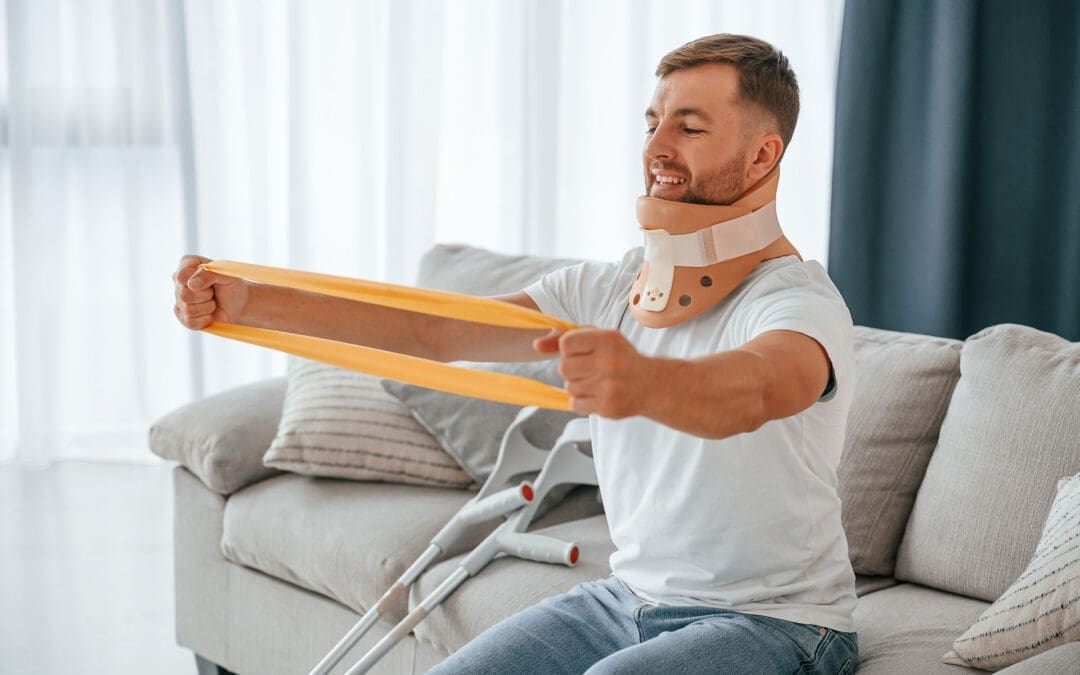
Purpose: Braces stabilize injured areas, promote alignment, and reduce strain. A back brace supports the spine post-herniated disc, while a cervical collar manages whiplash by limiting neck movement (PhysioRoom, n.d.).
Impact: These devices alleviate pain, prevent further damage, and promote proper healing.
Exercise and Rehabilitation Equipment
Examples: Resistance bands, balance boards, Pilates reformers, and exercise balls.
Purpose: These tools enhance physical therapy by improving strength, flexibility, and coordination. Pilates reformers provide low-impact resistance to strengthen core muscles and support spinal alignment, reducing reinjury risk (Pilates Reformers Plus, n.d.).
Impact: Rehabilitation equipment rebuilds strength and mobility, crucial for returning to daily activities.
Assistive Devices for Daily Living
Examples: Grab bars, shower chairs, elevated toilet seats, and ramps.
Purpose: These devices make daily tasks safer for those with limited mobility. Grab bars prevent bathroom falls, and ramps facilitate wheelchair access (Crossbay Physical Therapy, n.d.).
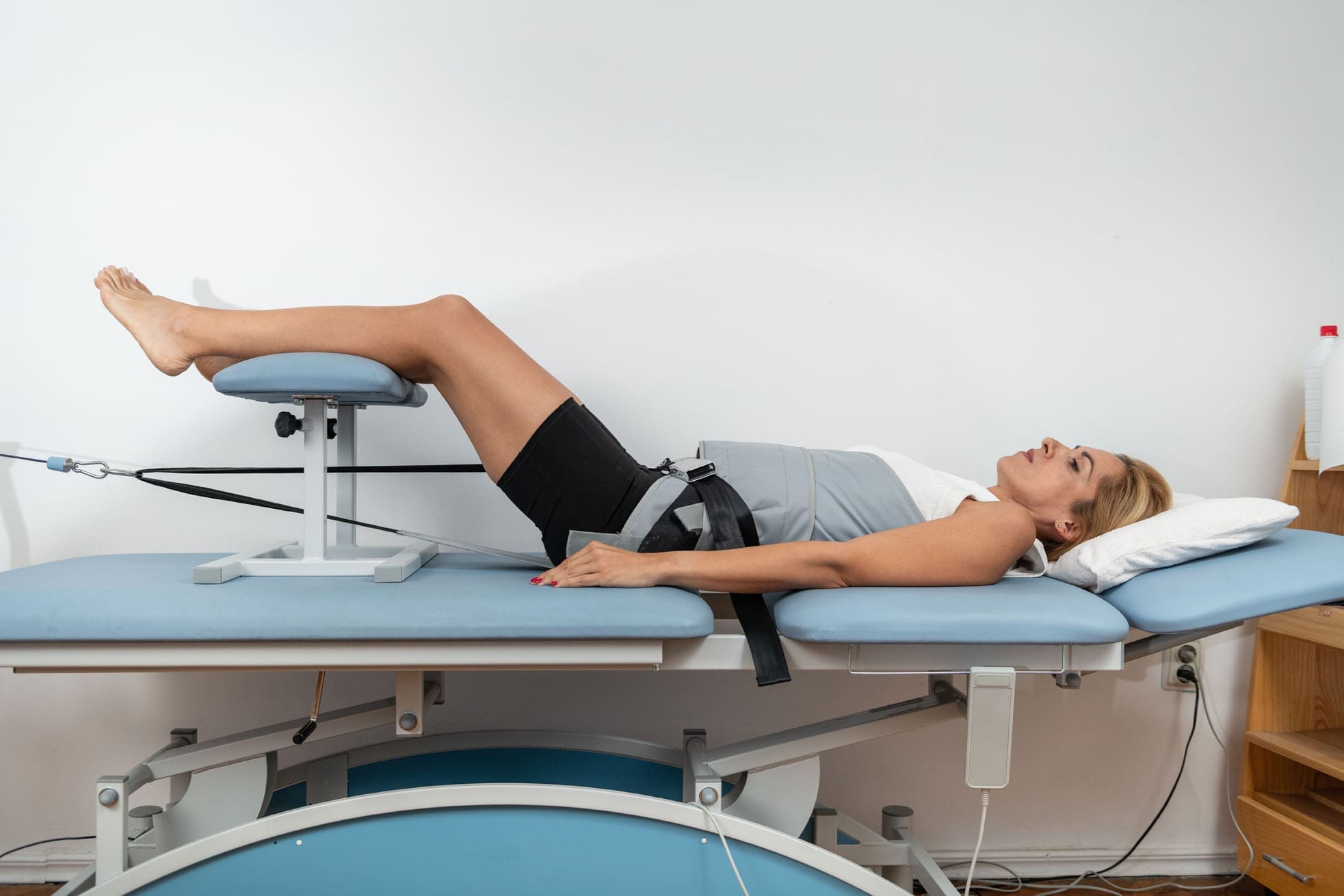
Examples: Cervical traction units and spinal decompression tables.
Purpose: These devices relieve spinal pressure, reducing pain from herniated discs or nerve compression. They complement chiropractic adjustments at El Paso Back Clinic (El Paso Back Clinic, 2025).
Impact: Traction devices accelerate recovery by reducing inflammation and improving alignment.
Importance of Proper DME Selection
Choosing the right DME is vital for effective recovery. El Paso Back Clinic’s team, led by Dr. Jimenez, assesses injuries, mobility needs, and lifestyle to prescribe appropriate devices. For example, a spinal injury patient may need a custom-fitted back brace and walker, while a whiplash patient might benefit from a cervical collar and resistance bands. Improper equipment can worsen injuries or delay healing, emphasizing the need for expert guidance (Penn Spine and Ortho, n.d.). In personal injury cases, DME documentation supports insurance claims and legal settlements by proving injury extent and treatment necessity (Power Liens, 2024).
Impact on Recovery and Quality of Life
DME enhances recovery by:
Reducing Pain: Braces and traction devices alleviate pressure on injured areas.
Restoring Function: Mobility aids and rehabilitation equipment rebuild strength and movement.
Promoting Independence: Assistive devices enable patients to manage daily tasks.
Improving Quality of Life: DME facilitates safe movement, supporting return to work and hobbies.
For example, a spinal injury patient may progress from a wheelchair to a walker with therapy, eventually regaining mobility using exercise equipment, boosting confidence and well-being.
El Paso Back Clinic, led by Dr. Alexander Jimenez, DC, APRN, FNP-BC, offers over 25 years of experience treating MVA injuries. Dr. Jimenez’s dual licensure as a chiropractor and board-certified family nurse practitioner enables a unique integrative approach, combining chiropractic care, functional medicine, and advanced diagnostics to promote healing and long-term wellness.
Dual-Scope Diagnosis and Treatment
Dr. Jimenez’s dual licensure facilitates a comprehensive approach:
Chiropractic Assessments: Evaluating spinal alignment, joint function, and soft tissue damage through manual exams and movement screens.
Medical Evaluations: Assessing systemic factors like inflammation, hormonal imbalances, or nutritional deficiencies impacting recovery.
Advanced Diagnostics: Using X-rays, MRIs, CT scans, and electromyography (EMG) to identify injuries like disc herniations or nerve compression (El Paso Back Clinic, 2025).
This dual-scope method addresses the root causes of injuries. For example, a patient with back pain may have a spinal misalignment and systemic inflammation, which can be treated with adjustments and functional lab testing to identify nutritional or hormonal issues.
Role of Advanced Imaging
El Paso Back Clinic employs advanced imaging for precise diagnosis:
X-rays: Detect fractures or misalignments.
MRIs/CT Scans: Identify soft tissue injuries or nerve compression.
EMG: Assess nerve function for symptoms like tingling.
Functional Lab Testing: Evaluate metabolic or hormonal factors affecting healing.
These tools provide objective evidence for treatment and legal documentation, ensuring targeted interventions and reducing chronic pain risks (El Paso Back Clinic, 2025).
Chiropractic and Integrative Medicine
The clinic’s integrative approach includes:
Spinal Adjustments: Correcting misalignments to relieve nerve pressure and pain.
Soft Tissue Therapy: Massage or myofascial release to reduce tension and improve circulation.
Rehabilitation Exercises: Utilizing DME, such as resistance bands or Pilates reformers, to strengthen muscles.
Nutritional Guidance: Reducing inflammation through diet and supplements.
Acupuncture: Relieving pain and improving blood flow.
This holistic method treats symptoms and prevents complications. For example, a whiplash patient may receive adjustments, a cervical collar, nutritional advice, and acupuncture to accelerate healing. El Paso Back Clinic is the city’s largest mobility, flexibility, and agility center, integrating chiropractors, nurse practitioners, nutritionists, and physical therapists for measurable outcomes (El Paso Back Clinic, 2025).
Legal Documentation in Personal Injury Cases
Dr. Jimenez’s dual licensure is invaluable in personal injury cases. As a nurse practitioner, he provides detailed medical reports, prescribes DME, and coordinates diagnostics, while his chiropractic expertise ensures accurate musculoskeletal injury documentation. These reports, including imaging results and treatment plans, support insurance claims and legal settlements by proving injury extent and treatment necessity. The clinic’s detailed intake process correlates injuries with the MVA event, strengthening legal cases (Personal Injury Doctor Group, 2017).
El Paso Back Clinic’s integrative care and DME maximize recovery:
Whiplash Example: A patient receives a cervical collar, spinal adjustments, acupuncture, and resistance band exercises to reduce pain and restore neck mobility.
Spinal Injury Example: A back brace and decompression table relieve spinal pressure, while adjustments and Pilates reformer exercises build strength. Nutritional guidance addresses inflammation.
This tailored approach ensures faster recovery, greater independence, and improved quality of life, supported by the clinic’s expertise and advanced diagnostics.
Musculoskeletal injuries from MVAs can disrupt lives, but recovery is achievable with expert care and the right tools. Durable Medical Equipment, such as mobility aids and braces, supports rehabilitation, reduces pain, and enhances independence. El Paso Back Clinic, led by Dr. Alexander Jimenez, offers an integrative approach, combining chiropractic care, functional medicine, and advanced diagnostics to address injury root causes. If you’ve been in an MVA, consult El Paso Back Clinic to explore how DME and integrative care can support your healing journey.
Understand the key aspects of spinal prevention from auto injuries and protect your spine while you travel.
Buckle Up for Safety: Reducing Auto Injuries with Seatbelts and Expert Care
Imagine cruising down the highway, the wind in your hair (or at least through the air vents), feeling as invincible as Herman Munster behind the wheel of the Munster Koach. But even a big, strong guy like Herman knows that one simple click of a seatbelt can make all the difference when the unexpected happens. Motor vehicle accidents (MVAs) are a leading cause of injuries worldwide, and in the United States, millions of people face the consequences of car crashes each year. From minor bumps to life-changing spinal injuries, the impact of these accidents can be profound. Fortunately, seatbelts and expert medical care, like that provided by Dr. Alexander Jimenez in El Paso, can help reduce the toll of these injuries.
In this blog post, we’ll delve into the clinical reasons why seatbelts are essential for preventing auto injuries, examine how these injuries can lead to cervical pain (that pesky neck ache), and highlight the role of chiropractic care in recovery. We’ll also shine a spotlight on Dr. Jimenez, a local hero for personal injury victims, who combines medical expertise with legal know-how to help patients get back on their feet. So, buckle up—let’s take a ride through the world of auto injury prevention and healing, with a touch of humor to keep things light!
The Impact of Auto Injuries
Car accidents happen every day—over 36,000 daily in the U.S., according to the National Safety Council. While many are minor fender-benders, more than 25% result in injuries serious enough to send someone to the emergency room. That’s nearly 3.5 million ER visits annually! Among the most common and troublesome injuries are those to the spine, which includes the cervical (neck), thoracic (mid-back), and lumbar (lower back) regions.
Spinal injuries can range from annoying to life-altering. Here’s a quick rundown of the main culprits:
Whiplash: Picture your head snapping back and forth like a bobblehead doll in a rear-end crash. That’s whiplash, a soft tissue injury that strains neck muscles and ligaments, causing pain and stiffness.
Herniated Discs: The force of a crash can displace the cushiony discs between your vertebrae, leading to pain, numbness, or weakness.
Fractures: High-impact collisions can cause vertebrae to crack or shatter, sometimes requiring surgical intervention.
Spinal Cord Injuries: The most severe injuries can cause partial or complete paralysis, depending on where and how badly the spinal cord is damaged.
These injuries don’t just hurt—they can disrupt your daily life, from missing work to struggling with simple tasks like turning your head. That’s why preventing them, or at least minimizing their severity, is so important.
Seatbelts: Your First Line of Defense
Seatbelts are like the unsung heroes of car safety, quietly saving lives every day. From 1975 to 2017, they’re estimated to have saved 374,276 lives, according to Injury Facts. In 2017 alone, seatbelts saved nearly 15,000 lives in the U.S. (The Zebra). The NHTSA reports that lap and shoulder belts cut the risk of fatal injury for front-seat passengers by 45% and moderate to critical injuries by 50%. That’s a pretty big deal for a simple strap!
But seatbelts aren’t perfect. A study by Rao et al. (2014) found that while three-point seatbelts (the kind with both lap and shoulder straps) reduce overall injury severity and death rates, they’re linked to a higher chance of thoracic and lumbar spine fractures, particularly burst fractures (Spine Journal). In their analysis of 4,572 crash victims from 1996 to 2011, 35.3% of belted occupants had thoracic or lumbar injuries compared to 11.6% of unbelted ones. However, belted folks had lower injury severity scores (25 vs. 29.7) and fatality rates (9% vs. 16.5%).
So, what’s the deal? Seatbelts work by spreading the crash force across your chest and pelvis—strong parts of your body—keeping you from flying out of the car or smashing into the dashboard. This restraint is a lifesaver, but it can put extra pressure on your spine, especially in high-speed crashes. Even so, the trade-off is clear: a possible fracture is far better than a fatal injury or severe brain trauma.
Table 1: Seatbelt Impact on Thoracic and Lumbar Spine Injuries (Rao et al., 2014)
Group
T&L Injury Incidence
Major Injuries
Minor Injuries
Mean ISS
Fatality Rate
Three-Point Belted
35.3% (365/1033)
18.4% (190/1033)
16.9% (175/1033)
25
9% (33/365)
Unbelted
11.6% (158/1360)
5.6% (76/1360)
6% (82/1360)
29.7
16.5% (26/158)
Despite the fracture risk, seatbelts protect against neurologic injuries, which can leave you paralyzed or worse. They also reduce the chance of being ejected from the vehicle, a major cause of death in crashes. So, even if Herman Munster’s neck is as sturdy as a steel beam, he’d still buckle up to avoid a bumpy ride to the hospital!
Why Seatbelts Matter: The Clinical Rationale
Why do doctors and safety experts keep harping on about seatbelts? Because the science backs them up. Seatbelts are the single most effective way to reduce the risk of death and serious injury in a car crash. Here’s why:
Lives Saved
The numbers don’t lie. Seatbelts have been saving lives for decades, with nearly 15,000 people spared in 2018 alone (The Zebra). They prevent nearly 50% of all automobile deaths, and only 1% of belted passengers are ejected during a crash, compared to 75% of those who die after being thrown from the vehicle.
How They Work
Seatbelts are like a trusty sidekick, holding you in place when chaos strikes. During a crash, they lock tight, distributing the force across your chest and hips, which are built to handle it. This keeps your head and neck from slamming into the steering wheel or windshield. Airbags help, too, but they’re designed to work with seatbelts, not replace them. Belted occupants with airbag deployment had even lower injury severity scores (22.9) and fatality rates (5.3%) in the Rao study.
Reducing Severity
Even when injuries occur, seatbelts make them less severe. A BMC Public Health study found that seatbelt use cuts the risk of spinal injuries by 44% (RR = 0.56, 95% CI = 0.37 to 0.84), along with facial and abdominal injuries. While the study noted no significant difference for neck or thoracic injuries, the overall harm reduction is undeniable.
The Catch
Seatbelts aren’t a magic shield. They can cause injuries like bruises, rib fractures, or sternal fractures, especially in high-speed crashes. The Rao study highlighted that three-point belts are linked to burst fractures in the spine, and older or heavier individuals may face extension injuries. But these risks pale in comparison to the alternative—unbelted crashes often lead to catastrophic outcomes like fracture-dislocations or severe organ damage.
So, the clinical takeaway? Seatbelts are your best bet for staying safe, even if they carry a small risk of specific injuries. It’s like choosing a helmet for a bike ride—sure, it might mess up your hair, but it’s better than a trip to the ER!
Cervical Pain: The Whiplash Woes
Now, let’s zoom in on the neck, or cervical spine, which often bears the brunt of auto injuries. If you’ve ever felt like your neck was auditioning for a horror movie after a fender-bender, you might have experienced whiplash. This injury is the poster child for MVAs, especially rear-end collisions, and it’s a major cause of cervical pain.
What Is Whiplash?
Whiplash happens when your head whips back and forth faster than a Munster family dance party. The sudden motion stretches and tears the muscles, ligaments, and tendons in your neck, leading to pain and stiffness. It’s most common in rear-end crashes, where the seat pushes your body forward, but your head lags, snapping backward before jerking forward again (Johns Hopkins Medicine).
A 2005 study cited by Grigory Goldberg, MD, found that 83% of individuals involved in collisions experience whiplash. That’s a lot of sore necks! Even low-speed crashes, as slow as five mph, can cause it, especially if you have a pre-existing neck issue or poor posture in the car (Thompsons Scotland).
Symptoms of Whiplash
Whiplash symptoms can sneak up on you, sometimes not showing up until hours or days after the crash. Common signs include:
Neck pain and stiffness
Headaches, often at the base of the skull
Dizziness or vertigo
Blurred vision
Fatigue
Trouble concentrating or remembering
Sleep problems
Tinnitus (ringing in the ears)
In severe cases, you might feel weakness in your arms or legs, indicating nerve damage. These symptoms can last a few days or, for some unlucky folks, turn into chronic pain known as whiplash-associated disorders (WAD) (Healthline).
Why Seatbelts Don’t Fully Prevent Whiplash
Here’s the tricky part: seatbelts are great at keeping your body in place, but your head is still free to move. In a rear-end crash, the seatbelt holds your torso, but your neck and head can whip around, causing that classic whiplash motion. Some sources, such as Kaizo Health, suggest that seatbelts can even increase the risk of whiplash in mild to moderate crashes by amplifying the force on the neck and chest.
However, this doesn’t mean you should skip the seatbelt. Without one, you’re far more likely to suffer severe injuries, like head trauma or ejection. The key is to pair seatbelt use with other precautions, such as a properly adjusted headrest, which can help catch your head and reduce the risk of whiplash (Consumer Reports).
Other Cervical Injuries
Whiplash isn’t the only neck injury from MVAs. More severe crashes can cause:
Cervical Fractures: Breaks in the cervical vertebrae, often from high-impact collisions, which can pinch nerves and cause pain or tingling (Spine Diagnostic).
Spinal Stenosis: Trauma can narrow the spinal canal, pressing on nerves and causing radiating pain.
Disc Herniations: The force can push cervical discs out of place, leading to arm pain or numbness.
These injuries can have long-term effects, making early diagnosis and treatment critical.
The Road To Recovery- Video
Preventing Auto Injuries: More Than Just Seatbelts
While seatbelts are the MVP of car safety, they’re not the only player on the team. Here are some practical tips to keep you safer on the road:
Wear Your Seatbelt Right
It’s not enough to just buckle up—you’ve got to do it correctly. Here’s how:
Place the lap belt low across your hips, not your stomach.
Position the shoulder belt across your chest, not under your arm or behind your back.
Make sure the belt is snug and not twisted.
For children, use car seats or booster seats until they’re big enough for adult seatbelts, typically around 8 to 12 years old (NHTSA).
A properly worn seatbelt is like Herman Munster’s favorite tie—secure, stylish, and ready for action!
Adjust Your Headrest
Your headrest isn’t just for napping on long drives—it’s a key whiplash preventer. Set it so the top is level with the top of your head and as close as possible to the back of your head (no more than 4 inches away). Newer cars may have “active” headrests that move forward in a crash to catch your head (Chiropractor at Castlebury).
Drive Smart
Safe driving habits can prevent crashes altogether:
Stick to speed limits and traffic rules.
Keep your eyes on the road—no texting or scrolling!
Maintain a safe distance from other cars.
Adjust for weather or road conditions.
Think of it like navigating the Munster mansion—slow and steady avoids the creaky traps!
Choose a Safe Vehicle
Check crash safety ratings from the Insurance Institute for Highway Safety (IIHS). Cars with well-designed headrests and advanced safety features, such as automatic emergency braking, can help lower your risk of injury.
The Role of Immediate Medical Care
Even if you feel fine after a crash, don’t skip the doctor’s visit. Injuries like whiplash or internal damage can hide for days, only to cause trouble later. A StatPearls article notes that post-crash soreness often appears 24 to 72 hours after the accident, and many patients don’t realize their injury severity until the next day.
Seeing a healthcare provider right away can:
Catch hidden injuries with exams or imaging.
Start treatment early to prevent chronic pain.
Document your injuries for insurance or legal claims.
In El Paso, Dr. Alexander Jimenez is a go-to expert for this kind of care, offering a one-stop shop for diagnosis, treatment, and recovery.
Dr. Alexander Jimenez: El Paso’s Injury Expert
When it comes to auto injuries, Dr. Alexander Jimenez is like the Herman Munster of healing—big on expertise and always ready to help. With over 30 years of experience, he’s a dual-licensed Doctor of Chiropractic (DC) and an Advanced Practice Registered Nurse (APRN), specifically a Family Nurse Practitioner-Board Certified (FNP-BC). His practice at El Paso’s Chiropractic Rehabilitation Clinic focuses on treating complex injuries, including those from MVAs.
Who Is Dr. Jimenez?
Dr. Jimenez isn’t just a chiropractor—he’s a functional medicine pioneer, certified by the Institute for Functional Medicine. His dual licensure lets him approach injuries from both a structural (bones and joints) and systemic (overall health) perspective. He’s also a community leader, working with veterans through the Tri-West Program and bringing neuropathy treatments to El Paso via the El Paso Neuropathy Center.
His accolades include being named a Top Rated El Paso Chiropractor from 2015 to 2024 by Three Best Rated® and memberships in the American and Texas Chiropractic Associations. He’s even a former bodybuilding champ, so he knows a thing or two about physical resilience!
How He Helps Auto Injury Patients
Dr. Jimenez employs a holistic, evidence-based approach to treating auto injuries, tailored to each patient’s specific needs. His methods include:
Chiropractic Adjustments: Realigning the spine to relieve pain and improve mobility.
Spinal Decompression Therapy: Gently stretching the spine to ease disc pressure.
Acupuncture and Electro-Acupuncture: Reducing pain and inflammation with targeted needle or electrical stimulation.
Nutritional Counseling: Supporting healing with diet and supplements.
Mind-Body Techniques: Managing stress to aid recovery.
He also utilizes advanced imaging techniques, such as X-rays or MRIs, and diagnostic evaluations to pinpoint injuries. For example, the Objective Spinal Motion Imaging Assessment (OSMIA) system, which measures spinal motion with low-dose fluoroscopy, can help assess damage with high accuracy (RMS error as low as 0.32° for side-bending).
Table 2: OSMIA Calibration Model 1 RMS Errors (degrees)
Condition
Side-bending Optimal
Side-bending Degraded
Flexion-extension Optimal
Flexion-extension Degraded
RMS Error (°)
0.32
0.40
0.52
1.03
This precision ensures patients get the right treatment, whether it’s for whiplash or a spinal fracture.
Personal Injury Cases in El Paso
El Paso sees its share of MVAs, and personal injury cases are common as victims seek compensation for medical bills, lost wages, and pain. Dr. Jimenez stands out in this regard, acting as a bridge between medical care and legal needs. He meticulously documents injuries using advanced diagnostics, which is crucial for insurance claims or lawsuits. His reports align clinical findings with legal standards, helping patients navigate the complex world of personal injury law.
For example, in a typical case, Dr. Jimenez might use OSMIA to measure spinal instability post-crash, then provide a detailed report linking the injury to the accident. This can make or break a claim, as insurance companies often require clear evidence of causation. His dual expertise as a chiropractor and nurse practitioner gives him a unique edge in this role.
Why El Paso Trusts Dr. Jimenez
Dr. Jimenez’s commitment to patient empowerment sets him apart. He educates his patients through webinars, podcasts, and daily blog posts on his website, covering topics such as injury recovery and chronic pain management. His work with the Health Voice 360 Podcast reaches a wide audience, spreading knowledge about health and wellness.
He’s also a community advocate, supporting veterans and bringing cutting-edge treatments to El Paso. Whether it’s helping a crash victim walk again or guiding a family through a legal battle, Dr. Jimenez is a trusted name in the city.
The Bigger Picture: Safety and Recovery
Auto injuries, especially to the spine, can turn your life upside down faster than a Munster family prank. However, with seatbelts and expert care, you can minimize the damage and return to your normal life. Seatbelts save lives—there’s no debate about that. They cut the risk of death and serious injury by nearly half, even if they come with a small chance of causing fractures. Whiplash and other cervical injuries are common, but proper headrests and safe driving can help keep them at bay.
If you’re in a crash, don’t wait to get checked out. Injuries can hide, and early care can prevent long-term pain. In El Paso, Dr. Alexander Jimenez offers the expertise and compassion you need to recover, from advanced diagnostics to personalized treatment plans. His role in personal injury cases ensures you’re covered medically and legally, giving you peace of mind.
So, next time you hop in the car, channel your inner Herman Munster and buckle up with a grin. It’s a small act that could save your life—and if the worst happens, know that experts like Dr. Jimenez are ready to help you bounce back.
Conclusion: A Serious Note
Motor vehicle accidents are no laughing matter. They cause millions of injuries and thousands of deaths each year, with spinal injuries like whiplash and fractures leading to significant pain and disability. Seatbelts are your best defense, reducing the risk of severe harm and saving countless lives. However, they don’t eliminate all risks, and injuries like whiplash can still occur. Taking preventive steps, such as wearing seatbelts correctly and adjusting headrests, is essential for your safety.
If you’re involved in a crash, seek medical attention immediately, even if you feel okay. Early diagnosis and treatment can make a huge difference in your recovery. In El Paso, Dr. Alexander Jimenez provides expert care for auto injury victims, combining advanced diagnostics with holistic treatments to help you heal. His role in personal injury cases ensures you get the support you need, both medically and legally.
Disclaimer: This blog post is for informational purposes only and should not be taken as medical advice. Always consult a qualified healthcare provider for any health concerns or injuries. Prioritize safety on the road, and don’t hesitate to seek professional help if you’re injured in an accident.
IFM's Find A Practitioner tool is the largest referral network in Functional Medicine, created to help patients locate Functional Medicine practitioners anywhere in the world. IFM Certified Practitioners are listed first in the search results, given their extensive education in Functional Medicine