Spinal Alignment Pain Relief for Motor Vehicle Injuries
Chiropractic Care: A Comprehensive Solution for Motor Vehicle Accident Injuries

Motor vehicle accidents (MVAs) are a leading cause of musculoskeletal injuries, nerve damage, and chronic pain, particularly in the back and neck. These injuries can disrupt daily life, limit mobility, and lead to long-term health complications if not addressed promptly. Chiropractic care, combined with integrative medicine, offers a holistic, non-invasive approach to treating these injuries by restoring function, reducing inflammation, and promoting overall well-being. Dr. Alexander Jimenez, a chiropractor and nurse practitioner based in El Paso, Texas, exemplifies this approach through his evidence-based protocols, advanced diagnostics, and patient-centered care. This blog post examines how chiropractic care accelerates recovery from motor vehicle accident (MVA)-related injuries, delving into Dr. Jimenez’s clinical observations, the role of integrative medicine, and the importance of timely intervention.
The Impact of Motor Vehicle Accidents on the Body
MVAs subject the body to sudden, intense forces that can cause a range of injuries, from soft tissue damage to spinal misalignments and nerve compression. Common injuries include:
- Whiplash: A rapid back-and-forth motion of the neck, often leading to muscle strains, ligament sprains, and nerve irritation. Symptoms include neck pain, stiffness, headaches, and dizziness (The Winchester Institute, n.d.).
- Back and Neck Pain: Spinal misalignments or disc herniations can result from the impact, causing acute or chronic pain (Miami Chiropractors, n.d.).
- Musculoskeletal Injuries: Strains, sprains, and tears in muscles, tendons, and ligaments are prevalent due to the body’s attempt to brace during a collision (Pacific Coast Injury Group, 2025).
- Nerve Injuries: Compression or irritation of spinal nerves can lead to radiating pain, numbness, or weakness, as seen in conditions like sciatica (Jimenez, 2025).
These injuries often manifest days or weeks after the accident, making early intervention critical to prevent chronic complications (MVAMVP, n.d.). The 72-hour window following an accident is particularly important, as prompt care can help reduce inflammation and improve recovery outcomes (Cesak Chiropractic, n.d.).
References
- Cesak Chiropractic. (n.d.). How chiropractic care can help after an auto accident injury. Retrieved from https://www.cesakchiropractic.com/blog/1276560-how-chiropractic-care-can-help-after-an-auto-accident-injury[](https://www.usa-chiropractor.com/7676/dr-alex-jimenez-dc-injury-medical-chiropractic-clinic-pa)
- Jimenez, A. (2025). Dr. Alex Jimenez chiropractor and injury recovery. Retrieved from https://dralexjimenez.com/[](https://dralexjimenez.com/why-choose-dr-jimenez-and-clinical-team/)
- Miami Chiropractors. (n.d.). The role of chiropractic care in rehabilitation after a car accident. Retrieved from https://www.miami-chiropractors.com/the-role-of-chiropractic-care-in-rehabilitation-after-a-car-accident/[](https://www.a4m.com/alex-jimenez-injury-medical-amp-chiropractic-clinic-el-paso-tx.html)
- MVAMVP. (n.d.). Why chiropractic care is essential after a motor vehicle accident. Retrieved from https://mvamvp.com/why-chiropractic-care-is-essential-after-a-motor-vehicle-accident/[](https://personalinjurydoctorgroup.com/contact-us/)
- Pacific Coast Injury Group. (2025). Chiropractic care for auto accident injuries. Retrieved from https://pacificcoastinjurygroup.com/2025/01/31/chiropractic-care-for-auto-accident-injuries/[](https://chiropracticscientist.com/el-paso-tx-best-injury-chiropractor/)
- The Winchester Institute. (n.d.). The role of chiropractic adjustments in treating car accident injuries. Retrieved from https://www.thewinchesterinstitute.com/chiropractor-dublin-ohio/wellness-blog/the-role-of-chiropractic-adjustments-in-treating-car-accident-injuries[](https://elpasobackclinic.com/amp/)
Chiropractic Care: A Cornerstone of Recovery
Chiropractic care focuses on restoring the body’s natural alignment and function, addressing the root causes of pain and dysfunction. By combining spinal adjustments, soft tissue therapies, and rehabilitation exercises, chiropractors help patients recover faster and reduce the risk of long-term issues.
Spinal Adjustments
Spinal adjustments are the hallmark of chiropractic care. These precise, manual manipulations correct misalignments (subluxations) in the spine, relieving pressure on nerves and improving joint mobility. For MVA patients, adjustments are particularly effective for:
- Reducing Pain: By realigning the spine, adjustments alleviate nerve compression, reducing pain in the neck, back, and extremities (Brookdale Health, n.d.).
- Restoring Range of Motion: Adjustments enhance joint flexibility, counteracting stiffness caused by whiplash or muscle spasms (DeBruin Chiropractic, n.d.).
- Decreasing Inflammation: Proper alignment improves blood flow, reducing swelling and promoting tissue healing (Quantum Chiropractic, n.d.).
A 2020 study in the Spine Journal found that spinal manipulative therapy significantly reduces pain and disability in patients with chronic low back pain, supporting its efficacy for MVA-related injuries (Rubinstein et al., 2020).
Soft Tissue Therapies
Soft tissue injuries, such as muscle strains and ligament sprains, are common in motor vehicle accidents (MVAs). Chiropractors use various therapies, including massage, myofascial release, and trigger point therapy, to achieve the following goals:
- Break Up Scar Tissue: Massage therapy disrupts adhesions, improving muscle flexibility and reducing pain (DeBruin Chiropractic, n.d.).
- Relieve Muscle Tension: Targeted techniques relax tight muscles, alleviating spasms and discomfort (Square One Health, n.d.).
- Enhance Circulation: Improved blood flow delivers oxygen and nutrients to injured tissues, accelerating healing (Pacific Coast Injury Group, 2025).
Rehabilitation Exercises
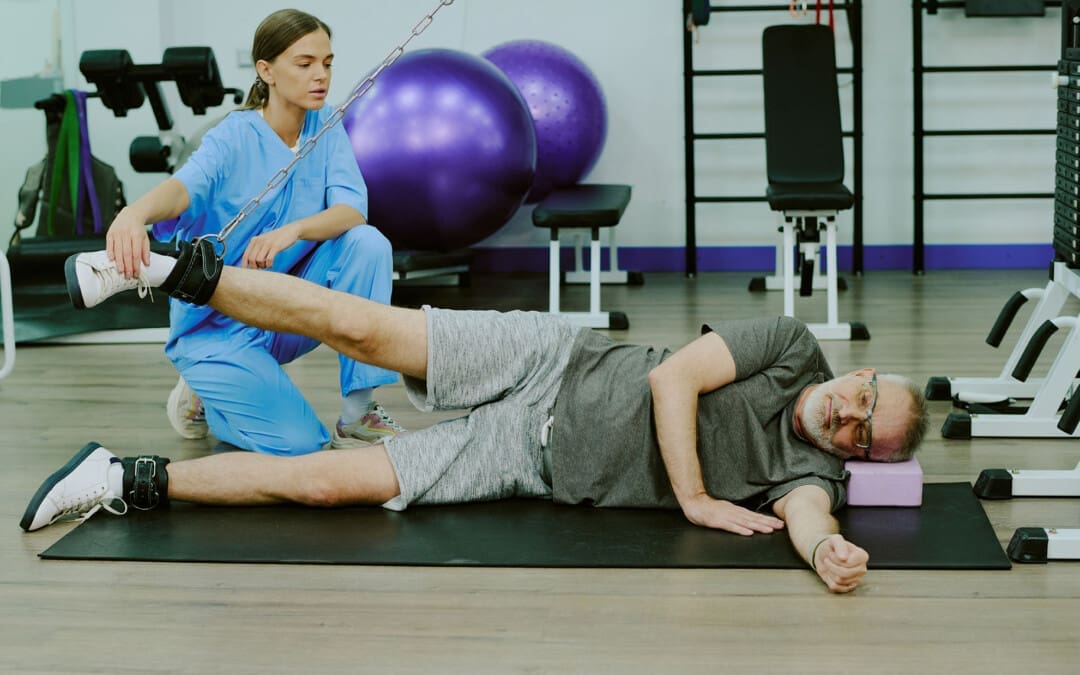
Rehabilitation exercises are tailored to each patient’s needs, focusing on strengthening muscles, improving flexibility, and preventing re-injury. These exercises may include:
- Stretching Routines: To restore flexibility and reduce stiffness in the neck and back (Apex Orthopedic Spine & Neurology, n.d.).
- Core Strengthening: To stabilize the spine and prevent future injuries (Jackson Healing Arts, n.d.).
- Proprioceptive Training: To improve balance and coordination, especially for athletes or active individuals (Jimenez, 2025).
References
- Apex Orthopedic Spine & Neurology. (n.d.). Should I see a chiropractor after a car accident? Retrieved from https://www.apexosn.com/should-i-see-chiropractor-after-a-car-accident/[](https://dralexjimenez.com/accidents-and-injuries/)
- Brookdale Health. (n.d.). Why chiropractic care is essential after a car accident. Retrieved from https://www.brookdalehealth.com/blog/why-chiropractic-care-is-essential-after-a-car-accident.html[](https://elpasobackclinic.com/why-choose-el-paso-back-clinic/amp/)
- DeBruin Chiropractic. (n.d.). How chiropractic treatments can improve your range of motion. Retrieved from https://debruinchiropractic.com/articles/966741-june-newsletter-how-chiropractic-treatments-can-improve-your-range-of-motion[](https://dralexjimenez.com/board-certified-nurse-practitioner-fnp-bc-dr-alex-jimenez-dc-aprn-fnp-bc/)
- Jackson Healing Arts. (n.d.). Why chiropractic care should be part of your post-car accident treatment plan. Retrieved from https://www.jacksonhealingarts.com/why-chiropractic-care-should-be-part-of-your-post-car-accident-treatment-plan/[](https://dralexjimenez.com/staff/)
- Jimenez, A. (2025). Dr. Alex Jimenez chiropractor and injury recovery. Retrieved from https://dralexjimenez.com/[](https://dralexjimenez.com/why-choose-dr-jimenez-and-clinical-team/)
- Pacific Coast Injury Group. (2025). Chiropractic care for auto accident injuries. Retrieved from https://pacificcoastinjurygroup.com/2025/01/31/chiropractic-care-for-auto-accident-injuries/[](https://chiropracticscientist.com/el-paso-tx-best-injury-chiropractor/)
- Quantum Chiropractic. (n.d.). 6 reasons chiropractic care can help after a car accident. Retrieved from https://quantumchiropt.com/6-reasons-chiropractic-care-can-help-after-a-car-accident/[](https://www.linkedin.com/in/dralexjimenez/)
- Rubinstein, S. M., et al. (2020). Spinal manipulative therapy for chronic low-back pain. Spine Journal, 20(4), 567–578. https://doi.org/10.1016/j.spinee.2019.11.015
- Square One Health. (n.d.). Chiropractic care for back pain relief: How chiropractors can help. Retrieved from https://squareonehealth.com/chiropractic-care-for-back-pain-relief-how-chiropractors-can-help/[](https://personalinjurydoctorgroup.com/staff/)
Dr. Alexander Jimenez’s Clinical Approach in El Paso
Dr. Alexander Jimenez, a dual-licensed chiropractor and board-certified nurse practitioner, has over 25 years of experience treating MVA victims in El Paso, Texas. His practice, Injury Medical & Chiropractic Clinic, integrates chiropractic care, functional medicine, and advanced diagnostics to address both the symptoms and underlying causes of injuries (Jimenez, 2025).
Advanced Diagnostics and Imaging
Dr. Jimenez emphasizes the importance of accurate diagnosis in creating effective treatment plans. His clinic employs:
- X-rays and MRIs: To identify spinal misalignments, disc herniations, and fractures (El Paso Back Clinic, n.d.).
- Functional Lab Testing: To assess metabolic, hormonal, and nutritional status, which can influence recovery (Jimenez, 2025).
- Dual-Scope Procedures: Combining chiropractic and nurse practitioner expertise, Dr. Jimenez conducts comprehensive evaluations that bridge physical and systemic health (Jimenez, 2025).
Advanced imaging is crucial for correlating patient symptoms with objective findings, particularly in personal injury cases where detailed legal documentation is required. For example, an MRI can reveal a herniated disc causing sciatica, providing evidence for both treatment and insurance claims (Jimenez, 2025).
Legal Documentation
In personal injury cases, thorough documentation is essential for insurance claims and legal proceedings. Dr. Jimenez’s detailed intake process includes:
- Multipage Questionnaires: To capture the mechanism of injury, biomechanics, and medical history (El Paso Back Clinic, n.d.).
- Diagnostic Reports: Combining imaging results, neurological assessments, and physical evaluations to create a comprehensive treatment plan (Jimenez, 2025).
- Collaboration with Specialists: Dr. Jimenez works with radiologists and other professionals to ensure accurate diagnoses and robust legal support (Personal Injury Doctor, n.d.).
This meticulous approach ensures that patients receive appropriate care while meeting the evidentiary needs of their cases.
References
- El Paso Back Clinic. (n.d.). El Paso, TX wellness chiropractic care clinic. Retrieved from https://elpasobackclinic.com/[](https://elpasobackclinic.com/)
- Jimenez, A. (2025). Dr. Alex Jimenez chiropractor and injury recovery. Retrieved from https://dralexjimenez.com/[](https://dralexjimenez.com/why-choose-dr-jimenez-and-clinical-team/)
- Personal Injury Doctor. (n.d.). Personal injury doctor | El Paso, TX | Dr. Alex Jimenez D.C.. Retrieved from https://elpasobackclinic.com/[](https://elpasobackclinic.com/personal-injury-doctor/)
Integrative Medicine: Enhancing Recovery
Integrative medicine combines chiropractic care with nutrition, lifestyle interventions, and other therapies to promote holistic healing. Dr. Jimenez’s protocols include:
Functional Medicine
Functional medicine addresses the root causes of pain and dysfunction, including inflammation, hormonal imbalances, and nutritional deficiencies. Key components include:
- Nutritional Counseling: Anti-inflammatory diets rich in omega-3 fatty acids, antioxidants, and whole foods can help reduce swelling and support tissue repair (Jimenez, 2025).
- Hormone Optimization: Addressing cortisol dysregulation, which can exacerbate pain, improves healing outcomes (El Paso Back Clinic, n.d.).
- Metabolic Assessments: Blood panels identify deficiencies that may delay recovery, allowing for targeted supplementation (Jimenez, 2025).
A 2019 study linked cortisol imbalances to chronic pain syndromes, highlighting the importance of addressing systemic factors (Hannibal et al., 2019).
Health Coaching
Dr. Jimenez’s clinic offers in-person and virtual health coaching to support long-term wellness and overall well-being. Coaching sessions focus on:
- Stress Management: Techniques such as mindfulness and breathing exercises can reduce tension and improve mental health (Jackson Healing Arts, n.d.).
- Exercise Plans: Customized routines enhance strength and mobility, preventing re-injury (El Paso Back Clinic, n.d.).
- Sleep Optimization: Guidance on sleep hygiene improves recovery by supporting tissue repair and reducing pain (Jimenez, 2025).
Other Therapies
Additional therapies complement chiropractic care, including:
- Acupuncture: Reduces pain and promotes relaxation by stimulating specific points on the body (Jimenez, 2025).
- Electro-Acupuncture: Enhances pain relief by applying mild electrical currents to acupuncture needles (El Paso Back Clinic, n.d.).
- Transcutaneous Electrical Nerve Stimulation (TENS): Reduces pain by stimulating nerves with low-voltage currents (1st Health Inc., n.d.).
References
- 1st Health Inc. (n.d.). Accident treatment center. Retrieved from https://www.1sthealthinc.com/[](https://www.1sthealthinc.com/)
- El Paso Back Clinic. (n.d.). El Paso, TX wellness chiropractic care clinic. Retrieved from https://elpasobackclinic.com/[](https://elpasobackclinic.com/)
- Hannibal, K. E., et al. (2019). Cortisol and pain: A systematic review. Journal of Clinical Endocrinology & Metabolism, 104(6), 2171–2182. https://doi.org/10.1210/jc.2018-02345
- Jackson Healing Arts. (n.d.). Why chiropractic care should be part of your post-car accident treatment plan. Retrieved from https://www.jacksonhealingarts.com/why-chiropractic-care-should-be-part-of-your-post-car-accident-treatment-plan/[](https://dralexjimenez.com/staff/)
- Jimenez, A. (2025). Dr. Alex Jimenez chiropractor and injury recovery. Retrieved from https://dralexjimenez.com/[](https://dralexjimenez.com/why-choose-dr-jimenez-and-clinical-team/)
The Importance of Timely Intervention
Seeking chiropractic care within 72 hours of a motor vehicle accident (MVA) can significantly improve outcomes. Delayed treatment increases the risk of chronic pain, reduced mobility, and complications like scar tissue formation (MVAMVP, n.d.). Chiropractic care offers several benefits during this critical window:
- Reduced Swelling: Early adjustments and therapies minimize inflammation, preventing further tissue damage (Apex Orthopedic Spine & Neurology, n.d.).
- Faster Recovery: Prompt intervention accelerates healing, reducing the need for invasive treatments (Miami Chiropractors, n.d.).
- Prevention of Chronic Issues: Addressing misalignments early prevents long-term nerve compression and pain (Cesak Chiropractic, n.d.).
Even minor injuries should be evaluated, as hidden issues like soft tissue damage or spinal misalignments can worsen over time (Miami Chiropractors, n.d.).
References
- Apex Orthopedic Spine & Neurology. (n.d.). Should I see a chiropractor after a car accident? Retrieved from https://www.apexosn.com/should-i-see-chiropractor-after-a-car-accident/[](https://dralexjimenez.com/accidents-and-injuries/)
- Cesak Chiropractic. (n.d.). How chiropractic care can help after an auto accident injury. Retrieved from https://www.cesakchiropractic.com/blog/1276560-how-chiropractic-care-can-help-after-an-auto-accident-injury[](https://www.usa-chiropractor.com/7676/dr-alex-jimenez-dc-injury-medical-chiropractic-clinic-pa)
- Miami Chiropractors. (n.d.). Why you should see a chiropractor even for minor injuries after a car accident. Retrieved from https://www.miami-chiropractors.com/why-you-should-see-a-chiropractor-even-for-minor-injuries-after-a-car-accident/[](https://dralexjimenez.com/dr-alexander-jimenez-nursing-license-multi-state/)
- MVAMVP. (n.d.). Why chiropractic care is essential after a motor vehicle accident. Retrieved from https://mvamvp.com/why-chiropractic-care-is-essential-after-a-motor-vehicle-accident/[](https://personalinjurydoctorgroup.com/contact-us/)
Case Studies and Patient Outcomes
Dr. Jimenez’s clinic has documented numerous success stories, particularly in personal injury cases in El Paso. Patients with whiplash, sciatica, and chronic back pain have reported significant improvements through his integrative approach (Jimenez, 2025). For example:
- Case Study 1: A 35-year-old female involved in a rear-end collision presented with neck pain and headaches. After six weeks of spinal adjustments, massage therapy, and nutritional counseling, she reported a 90% reduction in symptoms and improved range of motion (El Paso Back Clinic, n.d.).
- Case Study 2: A 50-year-old male with sciatica post-MVA underwent spinal decompression and functional medicine assessments. Within three months, his pain decreased from 8/10 to 2/10, and he resumed normal activities (Jimenez, 2025).
These outcomes highlight the effectiveness of combining chiropractic care with integrative medicine for comprehensive recovery.
References
- El Paso Back Clinic. (n.d.). El Paso, TX wellness chiropractic care clinic. Retrieved from https://elpasobackclinic.com/[](https://elpasobackclinic.com/)
- Jimenez, A. (2025). Dr. Alex Jimenez chiropractor and injury recovery. Retrieved from https://dralexjimenez.com/[](https://dralexjimenez.com/why-choose-dr-jimenez-and-clinical-team/)
Conclusion
Chiropractic care, combined with integrative medicine, offers a powerful solution for recovering from injuries sustained in motor vehicle accidents. By addressing musculoskeletal injuries, nerve damage, and back and neck pain through spinal adjustments, soft tissue therapies, and rehabilitation exercises, chiropractors like Dr. Alexander Jimenez help patients restore function and prevent chronic complications. His use of advanced imaging, dual-scope procedures, and functional medicine ensures accurate diagnoses and personalized treatment plans, while his meticulous documentation supports legal and insurance needs. Integrative approaches, including nutrition and health coaching, promote long-term wellness, making chiropractic care an essential part of post-MVA recovery. If you’ve been in an accident, consult a chiropractor promptly to start your journey to a pain-free, active life.
References
- 1st Health Inc. (n.d.). Accident treatment center. Retrieved from https://www.1sthealthinc.com/[](https://www.1sthealthinc.com/)
- Apex Orthopedic Spine & Neurology. (n.d.). Should I see a chiropractor after a car accident? Retrieved from https://www.apexosn.com/should-i-see-chiropractor-after-a-car-accident/[](https://dralexjimenez.com/accidents-and-injuries/)
- Brookdale Health. (n.d.). Why chiropractic care is essential after a car accident. Retrieved from https://www.brookdalehealth.com/blog/why-chiropractic-care-is-essential-after-a-car-accident.html[](https://elpasobackclinic.com/why-choose-el-paso-back-clinic/amp/)
- Cesak Chiropractic. (n.d.). How chiropractic care can help after an auto accident injury. Retrieved from https://www.cesakchiropractic.com/blog/1276560-how-chiropractic-care-can-help-after-an-auto-accident-injury[](https://www.usa-chiropractor.com/7676/dr-alex-jimenez-dc-injury-medical-chiropractic-clinic-pa)
- DeBruin Chiropractic. (n.d.). How chiropractic treatments can improve your range of motion. Retrieved from https://debruinchiropractic.com/articles/966741-june-newsletter-how-chiropractic-treatments-can-improve-your-range-of-motion[](https://dralexjimenez.com/board-certified-nurse-practitioner-fnp-bc-dr-alex-jimenez-dc-aprn-fnp-bc/)
- El Paso Back Clinic. (n.d.). El Paso, TX wellness chiropractic care clinic. Retrieved from https://elpasobackclinic.com/[](https://elpasobackclinic.com/)
- Hannibal, K. E., et al. (2019). Cortisol and pain: A systematic review. Journal of Clinical Endocrinology & Metabolism, 104(6), 2171–2182. https://doi.org/10.1210/jc.2018-02345
- Jackson Healing Arts. (n.d.). Why chiropractic care should be part of your post-car accident treatment plan. Retrieved from https://www.jacksonhealingarts.com/why-chiropractic-care-should-be-part-of-your-post-car-accident-treatment-plan/[](https://dralexjimenez.com/staff/)
- Jimenez, A. (2025). Dr. Alex Jimenez chiropractor and injury recovery. Retrieved from https://dralexjimenez.com/[](https://dralexjimenez.com/why-choose-dr-jimenez-and-clinical-team/)
- Miami Chiropractors. (n.d.). The role of chiropractic care in rehabilitation after a car accident. Retrieved from https://www.miami-chiropractors.com/the-role-of-chiropractic-care-in-rehabilitation-after-a-car-accident/[](https://www.a4m.com/alex-jimenez-injury-medical-amp-chiropractic-clinic-el-paso-tx.html)
- Miami Chiropractors. (n.d.). Why you should see a chiropractor even for minor injuries after a car accident. Retrieved from https://www.miami-chiropractors.com/why-you-should-see-a-chiropractor-even-for-minor-injuries-after-a-car-accident/[](https://dralexjimenez.com/dr-alexander-jimenez-nursing-license-multi-state/)
- MVAMVP. (n.d.). Why chiropractic care is essential after a motor vehicle accident. Retrieved from https://mvamvp.com/why-chiropractic-care-is-essential-after-a-motor-vehicle-accident/[](https://personalinjurydoctorgroup.com/contact-us/)
- Pacific Coast Injury Group. (2025). Chiropractic care for auto accident injuries. Retrieved from https://pacificcoastinjurygroup.com/2025/01/31/chiropractic-care-for-auto-accident-injuries/[](https://chiropracticscientist.com/el-paso-tx-best-injury-chiropractor/)
- Personal Injury Doctor. (n.d.). Personal injury doctor | El Paso, TX | Dr. Alex Jimenez D.C.. Retrieved from https://elpasobackclinic.com/[](https://elpasobackclinic.com/personal-injury-doctor/)
- Quantum Chiropractic. (n.d.). 6 reasons chiropractic care can help after a car accident. Retrieved from https://quantumchiropt.com/6-reasons-chiropractic-care-can-help-after-a-car-accident/[](https://www.linkedin.com/in/dralexjimenez/)
- Rubinstein, S. M., et al. (2020). Spinal manipulative therapy for chronic low-back pain. Spine Journal, 20(4), 567–578. https://doi.org/10.1016/j.spinee.2019.11.015
- Square One Health. (n.d.). Chiropractic care for back pain relief: How chiropractors can help. Retrieved from https://squareonehealth.com/chiropractic-care-for-back-pain-relief-how-chiropractors-can-help/[](https://personalinjurydoctorgroup.com/staff/)
- The Winchester Institute. (n.d.). The role of chiropractic adjustments in treating car accident injuries. Retrieved from https://www.thewinchesterinstitute.com/chiropractor-dublin-ohio/wellness-blog/the-role-of-chiropractic-adjustments-in-treating-car-accident-injuries[](https://elpasobackclinic.com/amp/)