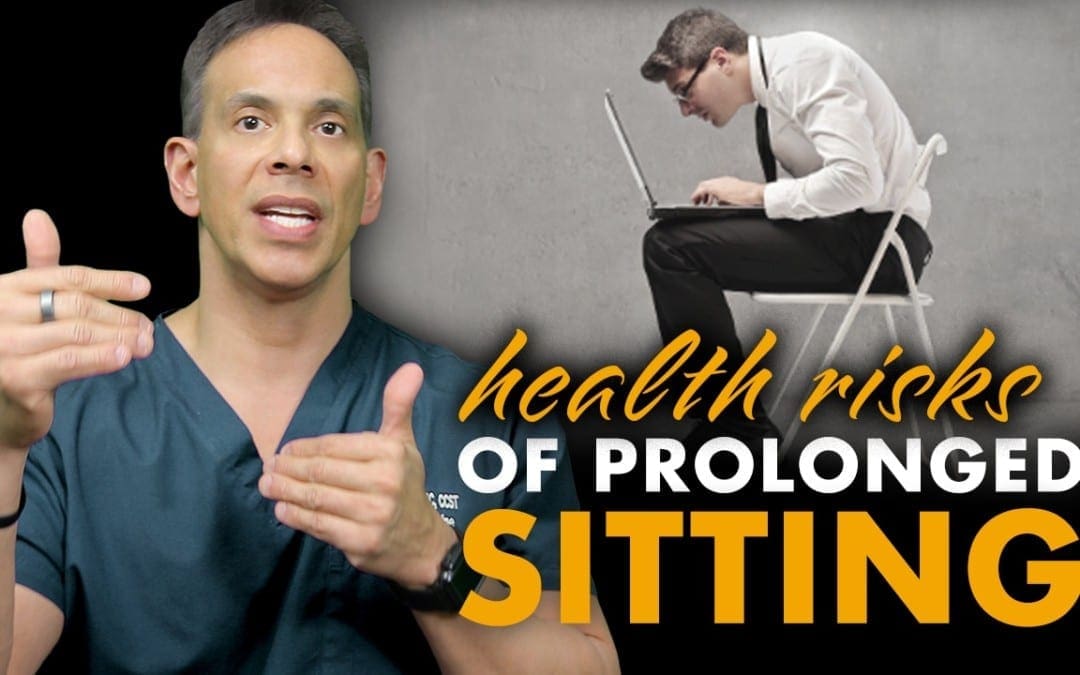
Sitting is wonderful, however, sitting for too long is considered worse than smoking. Sitting for too long could be considered a disease. Today’s society is about technology. However, this technology involves a great deal of inactivity and sitting for a long time. This behavior has been linked to chronic disease and on a variety of health issues not to mention the havoc, it inflicts on your spine.
Unfortunately, many work environments encourage their employees to sit for hours and hours without any kind of movement except for using the bathroom. Something has to change because as someone said, “if you don’t take the time to focus on yourself and your health, you will be forced to take the time to focus on your illness.”
The Sedentary Work Lifestyle
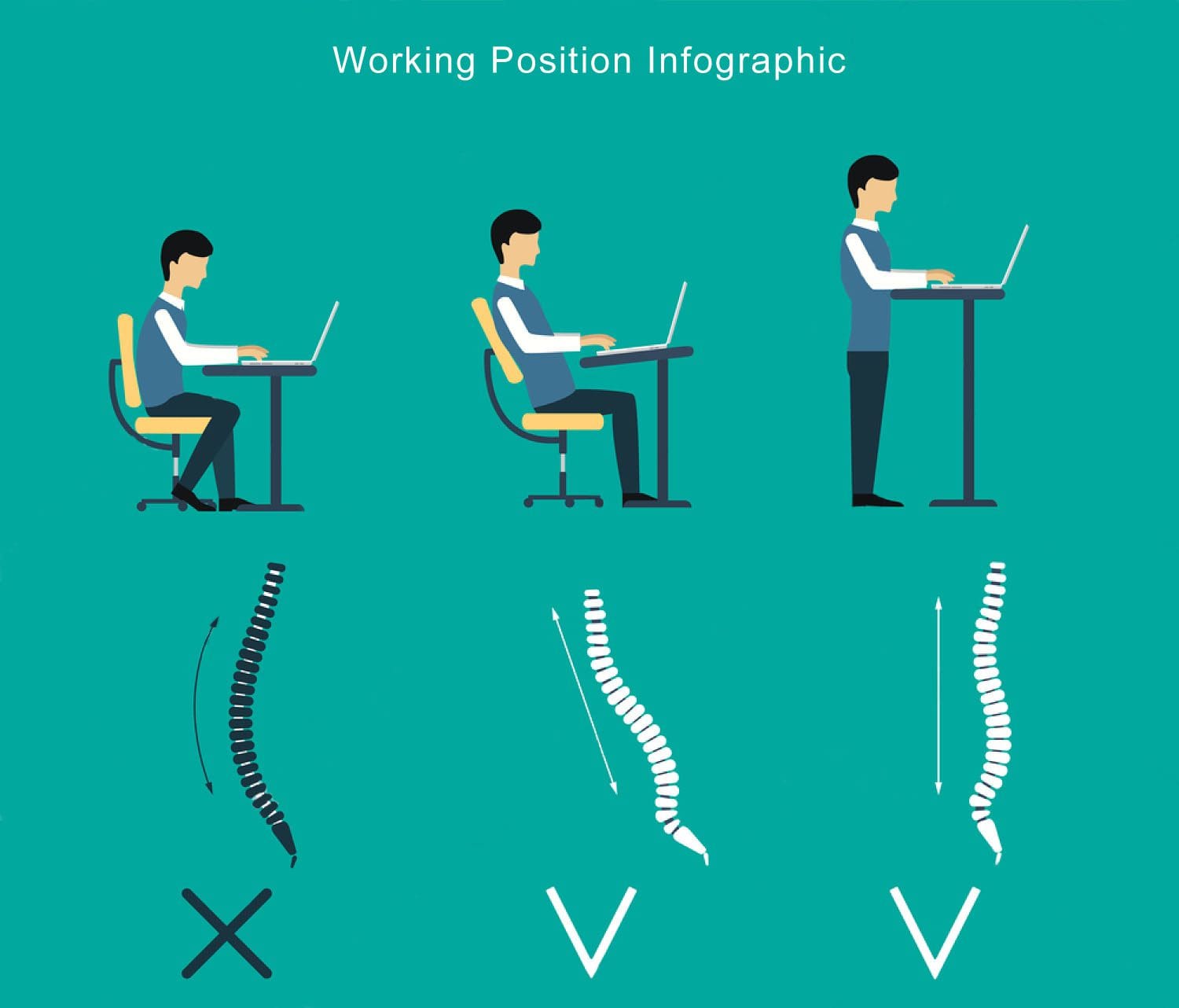
Being in front of a computer all day may be part of the job, however, the goal is to bring in more activity into the day. This can be accomplished by maintaining proper posture through exercise, stretching and if need be to invest in a sit-stand desk.
Understanding why you should avoid long bouts of time sitting, means you need to know the research about what the medical community is dubbing the sitting disease.
Health Hazards of Sitting Too Long
Up to 80% of people sit for six or more hours every day, according to a study from the National Health and Nutrition Examination Surveys. Whether at work, plopped down in front of the TV,� or the daily commute doesn’t matter, the point is that people are spending long hours sitting down and the impact of inactivity is not good.
Individuals that sit for prolonged periods have a greater risk of dying from all causes. This is because a sedentary lifestyle has been shown to increase the risk for:
Cardiovascular disease
Cancers (breast, colon, colorectal, endometrial, and epithelial ovarian)
Type 2 diabetes in adults
These results came from 47 studies that focused on the health effects of being sedentary. These included the types of activity people engage in, from leisure activities to strong physical activity. Those who did not exercise had the greatest risk of health problems with being sedentary. Adding only two minutes of light exercise for every hour spent sitting lowers the risk of presenting health issues/conditions by one-third, according to the Clinical Journal of the American Society of Nephrology study.
The Way Sitting Hurts the Back and Neck
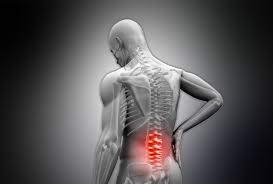
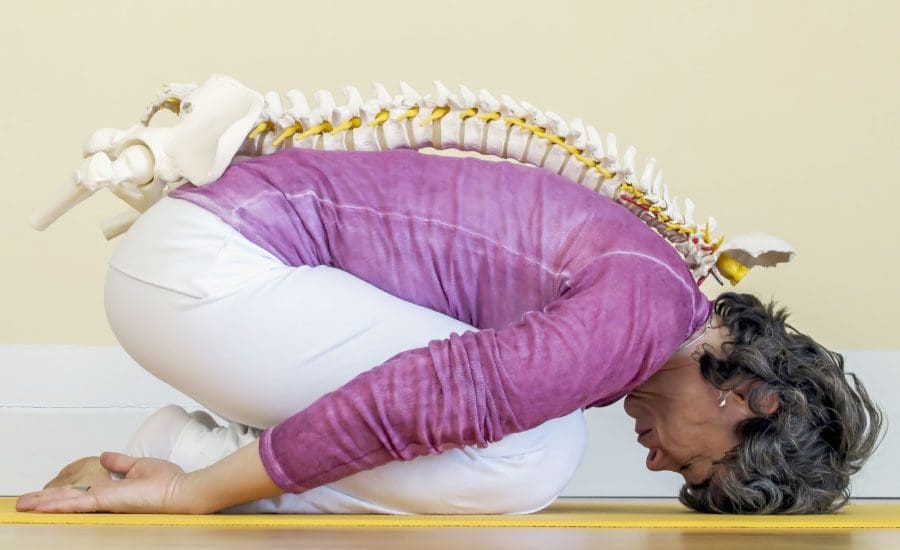
Spending the majority of the day every day in a seated position will eventually take its toll leaving your spine sore, stiff, and in pain. Too much sitting puts stress on the muscles and discs of the back and neck.
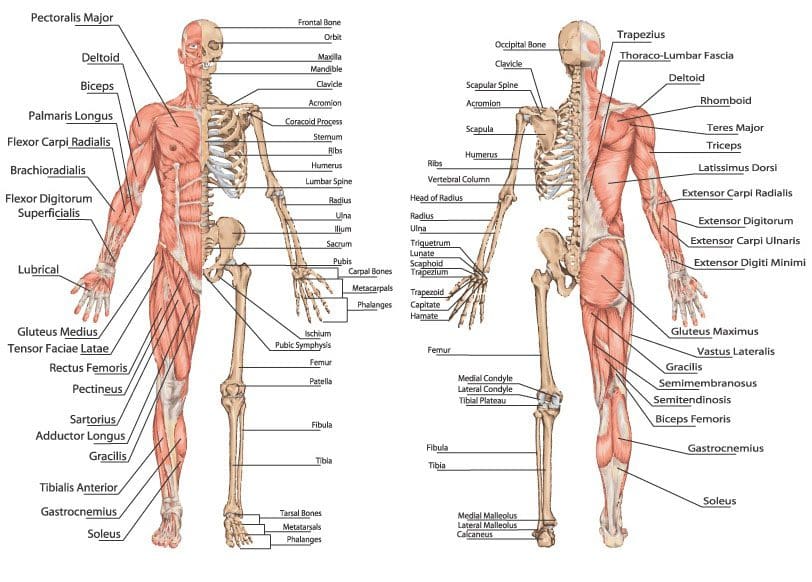
What happens from all the sitting is tightness in the hip flexors like the iliopsoas muscle forms, along with pressure and restricted blood flow in the muscles of the gluteus maximus. This muscle supports a good amount of the weight placed on the spine.
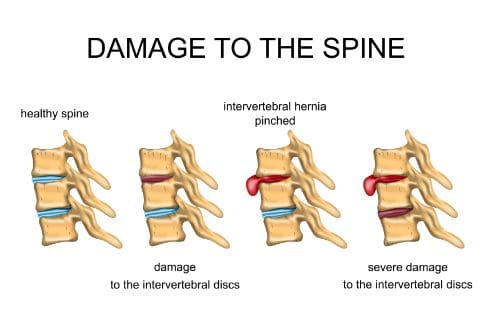
The longer individuals continue to repeat unhealthy sitting behavior, the higher the risk their posture begins to fall into slouching, into incorrect posture and possibly into spinal conditions and diseases. Slouching over time causes the ligaments to stretch beyond their healthy limit, combined with poor posture strains the spinal discs that can lead to herniation, bulging and complete loss of the intervertebral discs.
This results in added strain to the outer annulus of the disc and increases disc bulging and disc pressure.
When sitting, it’s usually at a computer/working on tasks at a desk that results in the head being in a constant forward position, with rounded shoulders that results in what is known as poor posture syndrome. Staying in the office chair or any chair too long leads to an isolated episode of back or neck pain/soreness. What’s happening is that the normal wear and tear of the spinal discs is sped up from the unhealthy weight and pressure being placed on the spine. This results in back pain that becomes a regular daily thing instead of an occasional problem.
Ergonomic chairs, sit-stand desks, fitness/stability balls and utilizing proper posture/exercises are tools to help mitigate the damage of sitting all day.
This includes stretching the muscles like the:
Pectorals
Scalene muscles in the neck
Hip flexors
Strengthening the muscles that are not used is very important. Muscles like the abdominals, glutes, back extensors and scapular muscles will bring back the spine�s normal balance, improving posture and getting relief from pain. Varying posture is another great way to exercise different muscles and ligaments by occasionally standing and moving around for a few minutes every half-hour. This keeps joints, muscles, tendons, and ligaments loose and pain-free.
Work Health
We�ve all been there working, typing feeling the positive flow and then you see two hours have passed and you haven�t gotten up from your chair at all.
Experts recommend activity every 20-30 minutes, with 20 minutes of standing per hour. Desk technology has arrived and wants to keep employees healthy. Sit-stand desks are proving to be highly beneficial to companies throughout the country. These desks allow you to transition from sitting to standing while your desk stays the same.
Standing at work has shown to boost productivity all the while allowing you to readjust posture, lose weight by burning 30% more calories and keeps your spine healthy.
Stand Up
Even without a sit-stand desk, there are still ways of combating sitting disease and protecting your spine. Consider:
Doing some work standing up at a high table or counter.
Walk laps during discussions so you and your co-workers get some movement.
Take stand-and-stretch breaks every 30 minutes, set a timer if you have to.
Walk to a coworkers office to tell them in person instead of emailing/texting.
Park your car a little bit further from the office to work your steps.
After lunch walk around or do some stand-up work as this will help with digestion.
This will reduce your sitting throughout the day. Remember that changing posture is good for your back and neck, but don�t take it to the other extreme and stop sitting. It’s all about mixing it up. Sitting, standing, and moving around throughout the day is the best way to keep your spine/body-safe, and in optimal health at work and home.
Low Back Pain Relief! | El Paso, Tx
NCBI Resources
This may sound melodramatic, but it�s true. As we talked about above, sitting for prolonged periods of time puts you at greater risk of diseases that may end up killing you.�A study�published in the Archives of Internal Medicine, �found people who sat for over 11 hours a day had a 40% greater risk of dying within three years from any cause than people who sat less than 4 hours a day.�
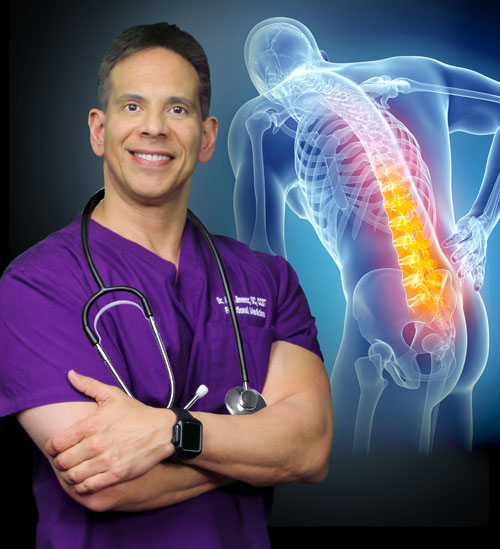
Lower back pain is a condition that pretty much affects most of us at some point in our lives. Some find:
Sitting
Standing
Walking
can be painfully difficult or helpful, depending on the position or the activity they’re involved in.
Low back pain varies from person to person, yet there remains no consensus on the optimal way to diagnose and treat patients.
Lower back pain can be caused by a multitude of factors and can be difficult to diagnose the exact cause. However, there is an advanced method of diagnosing and treating individuals with musculoskeletal conditions/injuries.
TENS, Transcutaneous Electrical Nerve Stimulation in Physical Therapy. Therapist Positioning Electrodes onto Patient’s Lower Back
Successful treatment
Dividing patients with lower back pain into more similar groups based on the same factors that aggravate and alleviate the pain means that a more custom based treatment plan can be created.
The one size fits all method just doesn’t cut it. A more focused approach for every individual leads to better results.
Patients find that placing their bodies in certain positions and certain physical activities can:
Activate
Aggravate
Deactivate their back pain.
Patients also find the pain being either better or worse.
Understanding why sitting, standing, and walking can change the severity of low back pain can be helpful in diagnosis.
These are important cues that help to diagnose and treat low back pain.
People sit, stand, and walk all day. This is why so much research has been conducted on how these specific positions and activities contribute to low back pain.
Spine Anatomy
The alignment of the spinal column, from the skull to the pelvis, is S-shaped.
The cervical and lumbar spinal segments curve towards the front of the body, and so are lordotic,�while the thoracic spine curves towards the back of the body and is kyphotic.
The amount of curvature does not stay in one place and changes based on body position.
Compared to standing, sitting decreases lumbar lordosis by about 50%.
Changes in lumbar lordosis can relieve pain from certain forms of back pain but can aggravate others.
Picture The Spine Bending
Imagine you are holding a garden hose. Holding it vertically in front of you. The hollow part of the tube represents the spinal canal, the part of the hose facing you is the posterior spinal column, and the part of the hose facing away from you is the anterior spinal column.
Bend the hose in half. The hose on the outward-facing side of the curve will stretch out, while the hose on the inward-facing side of the tube will be compressed.
This exercise helps visualize that an object being bent will experience two forces, either:
Compression
Tension
Increasing lumbar curvature will compress the posterior column�and stretch out the anterior column vertebrae and discs.
Decreasing lumbar curvature will�stretch out�the posterior column and�compress�the anterior column. This is the basis of why certain body positions can relieve back pain symptoms for some people and make it worse for others.
Prolonged sitting, and especially if poor posture is involved, can cause overstretching of spinal muscles.
Arthritis can affect the joints.
The facet joints are posterior based structures and can become compressed with increased curvature. When the facet joints are the primary cause of back pain, patients usually find that sitting improves the pain, while standing and walking make it worse.
When the discs are the pain generator, sitting seems to aggravate the pain as there is more compression in the tissue.
With certain types of disc herniations, sitting can compress the disc to the point that the herniated tissue starts to press against a nerve root causing radicular pain or pain that radiates out to another area of the body like the legs. In this case, walking seems to alleviate the pain.
Spinal Conditions
Various spinal conditions definitely contribute to back pain and have the same presentations and alleviations.
Spinal Stenosis which means the narrowing of the spinal canal. Patients with this type of spine pain improve with leaning forward sitting. This is because the posture increases/opens the size of the canal�and decreases the nerve root compression.
Spondylolisthesis is when one vertebra slips forward over the vertebra right underneath. This is more commonly known as a slipped disc. There are various forms of this condition. But the pain occurs immediately when sitting, bending or walking and is usually relieved when standing still or in a neutral position for short periods.
Sacroiliac Joint Dysfunction comes from the sacroiliac joint becoming inflamed. Pain is usually aggravated when sitting or about to sit. especially when there is added weight on the affected side. This can be difficult to diagnose because of trying to figure out if it’s the hip or low back causing the pain.
Locating the Pain Generator
Sitting, standing, walking low back pain causes are different for everyone. But finding the root cause helps to prescribe the best treatment possible. A chiropractor uses many different techniques to relieve pain. These include:
Applied pressure
Massage
Hands-on manipulation (adjustments)
X-rays
MRI’s
Lab work
Health coaching
Chiropractors don�t prescribe medications, but they do recommend therapeutic, rehabilitative exercises and nutritional lifestyle counseling to help the body heal itself.
Low Back Pain Treatment El Paso, Texas
NCBI Resources
A chiropractor sets up treatment approaches based on the individual. This begins with the natural, non-invasive treatments before moving on to more aggressive techniques. And as an added bonus patient�s who have received chiropractic treatment have experienced improvements to their digestive health and have reported better and deeper sleep after a chiropractic visit.
Sitting for long periods is associated with early death � upsetting news for the millions of Americans who spend extensive time sitting as they work and as they relax after work. A recent study conducted at Columbia� University has found that prolonged sitting destroys your health. Regular exercise, although great for you, failed to significantly reduce the risks associated with prolonged sitting.
Fortunately, there are things you can do to minimize the time you spend sitting. Experts recommend taking a movement break every 30 minutes to protect your health.
The Sitting Study
The study used hip-mounted accelerometers to measure how much time study participants � nearly 8,000 individuals � spent in sedentary positions. Over four years researchers tracked participants and recorded the number of deaths among participants. The study found that increased sedentary time leads to an increased risk of death from any cause. The risk of death went up regardless of how old the participants were or how often they exercised.
The study found that participants who sat less than 30 minutes had a 55% lower risk of death in comparison to participants who sat for longer periods of time.
Why Does Sitting Ruin Your Health?
Finding out that sitting for extended periods so greatly increases your risk of death is startling for many people. The next question is, �Why?� Unfortunately, the exact reasons are far from clear. The study was not meant to uncover the reasons why, so there is limited information to explain what occurs in the body to increase the risk of death. It will take further studies to provide an answer.
Methods to Protect Your Health
Although the exact reasons why sitting increases the risk of mortality are not yet clear, the recommendation to take a break from sitting every 30 minutes does offer an actionable step to protect your health. There are several other ways you can limit your sitting, including:
Sit & Standing Desks
There are a number of different desks designed to be used from a standing position, including stationary standing desks and sit to stand desks � both manually operated and motorized. Standing desks allow you to work exactly as you would at a sitting desk, only while standing. They take some getting used to, but most people who try them out find that they are an easy way to minimize time spent sitting.
When you purchase a standing or sit to stand desk, it may take some time to build up your stamina to use the desk for extended periods of time. Try standing for short periods, then sitting, then standing again to avoid excessive fatigue.
Apps
A number of apps are available to help you track your activity and make gradual lifestyle adjustments to increase your activity levels. Apple�s Health app includes an Activity monitor and coach that collects data from your iPhone, Apple Watch and third-party apps to let you know how much you are moving and to remind you to move more. You can set reminders on your app to tell you to move � such as every 30 minutes � as a way to ensure you avoid sitting for prolonged periods of time.
Timers
The simplest way to avoid sitting for more than 30 minutes is to set a timer on your phone or use a separate timer, to go off after 30 minutes of sitting. Once the timer goes off, engage in brisk walking or some other activity to get your heart rate up for five minutes. Then you can go back to sitting � after you set your timer again.
Helping You Stay as Healthy as Possible
Our chiropractic team is dedicated to helping you enjoy a long and healthy life. Please contact us to schedule an appointment for a comprehensive exam and targeted health advice from an experienced chiropractor.
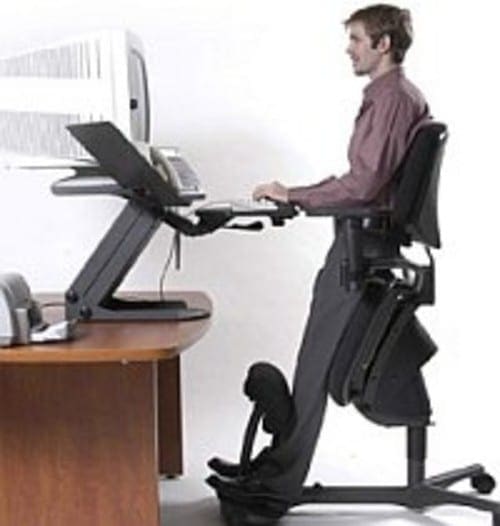
Sitting at a desk for extended periods of time is not healthy and can lead to a host of health problems. As more and more studies show the detriments of prolonged sitting, some companies are taking action to protect their employees� health by installing upright work stations. These desks take the person from a seated position and move them into one where they are leaning. As a result, most of the workers are enjoying several health benefits.
Health Benefits
It Facilitates Healthy Postural Transitions
Simply put, postural transitions are the body movements made when changing positions. There are large movements like going from sitting to standing, standing to leaning, and standing to sitting, but also small movements like adjusting arm placement or moving a foot.
Ergonomists suggest that a person should be making postural transitions several time an hour. They also recommend that people avoid any static position such as standing, sitting, or leaning for an extended period of time, instead advocating a transition or movement every 20 minutes when possible.
Static positioning has been linked to obesity, heart disease, and other health conditions. When the body is positioned in such a way that facilitates healthy movement, the body moves more often and in a more natural way. This is not likely to happen with static positioning, especially prolonged sitting.
It Improves Spine Health
Sitting or standing for long periods of time is not good for the spine. When a person stands or sits without any healthy postural transitions the spine can begin to compact and the discs become hard. This undermines the spines ability to adequately support the body, leading to loss of mobility, decreased flexibility, and pain.
The spine is made up of small bones, vertebrae, which are cushioned by spongy, fluid filled discs. In a healthy spine, the discs are filled with fluid providing a good cushion for the vertebrae as they move and support the body. However, the discs need movement to encourage blood flow so they can continue working as they should. Working upright facilitates those movements, thus decreasing the likelihood of spinal problems.
It Discourages Painful Posture
Standing and sitting for prolonged periods of time can cause pain and certain mobility problems. While they share some pain points, each brings its own problems. A strained neck and stiff, sore shoulders are often associated with sitting and standing, usually due to improper computer monitor placement. Poor leg circulation, tight hips, and lower back pain are also common problems of people who do a lot of standing or sitting on their jobs.
Using an upright workstation moves the body into a more natural, healthier posture that encourages natural, frequent movement. The spine is properly aligned over the hips, the hips are open, and the feet are adequately supported. It promotes posture that is completely contrary to being hunched over a desk � the typical posture for a sitting workstation.
It Keeps Core Muscles Engaged
When in a seated position, the core muscles are mostly lax and rarely engaged. Over time, these muscles can actually be trained to become weak, or lazy and not engage as they should. This means that they stop supporting the back and body which leads to poor posture, loss of balance, lack of mobility, decrease in flexibility, and pain.
Working upright encourages micro movements that engage the core. It�s not like crunches at the gym, but more like an ongoing mini-workout that keeps the core muscles toned and supportive. The results are a healthier spine, fewer gastrointestinal problems, better posture, and improved circulation.
Other health benefits of working upright include a decreased risk of certain cancers like colon cancer and breast cancer, improved circulation, better brain function, and a decreased risk of health conditions like diabetes, heart disease, and hypertension. Working upright is the most natural position for the body�s best function and health.
Health Benefits: Chiropractic Care Crossfit Rehabilitation
Working: There are dangers in everyday life, from slipping in the shower to getting mowed down by the next door neighbor’s teenage driver. The risk doesn’t end once we are safely behind our desks, because� sitting is killing us!
Seriously, while not really trying to commit murder, our computer, desk, office chair and keyboard are not our friends. We spend working hours each day sitting, typing, staring at the computer screen, and this inactivity is wreaking havoc on our health in a variety of ways.
Working: First, Most Of Us Sit Incorrectly
Goldilocks knew what she was doing when it came to carefully selecting the right chair. Most of us cause excess stress and pressure on our neck, shoulders, and back from the way we sit in our inadequate office chairs.
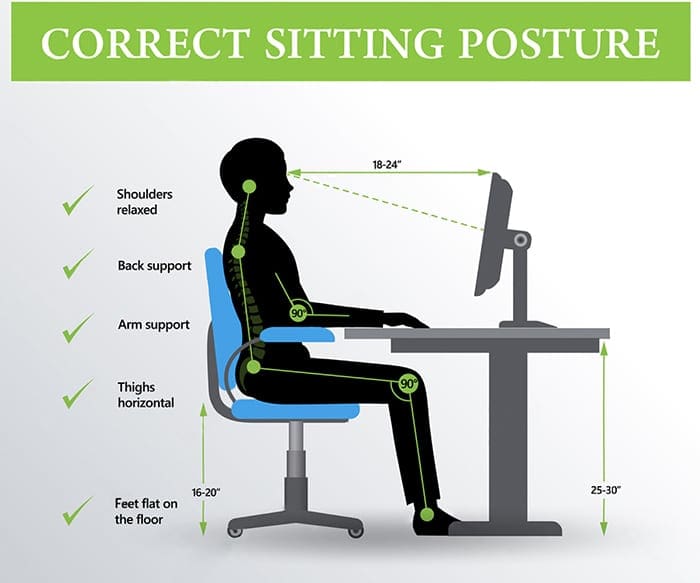
According to OSHA, a person who spends time at their computer needs to choose an adjustable chair that supports the back, buttocks, legs and arms. Be mindful of your posture throughout the day as well. An ergonomically adjusted chair minimizes the occurrences of awkward, strained positions that frequently cause injury.
Along with the way we sit, our office jobs are killing us because�
We Have Our Desks Laid Out Wrong
Even with a great chair, a desk that is the wrong height can cause a person to repetitively move and bend awkwardly during the working day and injure themselves. Anyone who sits behind a desk needs to make certain it is the right height to comfortably reach the computer keyboard and all pertinent supplies are within a comfortable reach. Add a foot rest to decrease the stress on the lower back. Ergonomically positioning a desk offers greater comfort and less stress on a person’s body.
We’re Typing Wrong
Using the keyboard incorrectly can cause a ton of painful medical conditions from neck and back issues to carpal tunnel syndrome. The keyboard should sit at elbow height. Reduce the strain on your hands by keeping them in as natural a position as possible, holding your wrists up even with the backs of your hands. Avoid banging the keys by typing softly, which alleviates the stress on your fingers.
A computer mouse should be situated close to the keyboard, and it’s essential to keep the hand in a neutral position when using it. Avoid resting your hand on the mouse for an extended period of time.
We’re Not Taking Breaks
According to the Mayo Clinic, working while sitting for long periods of time is linked to a variety of serious medical conditions from obesity to high blood sugar and cholesterol levels. Sitting in the same position for hours can put pressure on and result in back and neck pain.
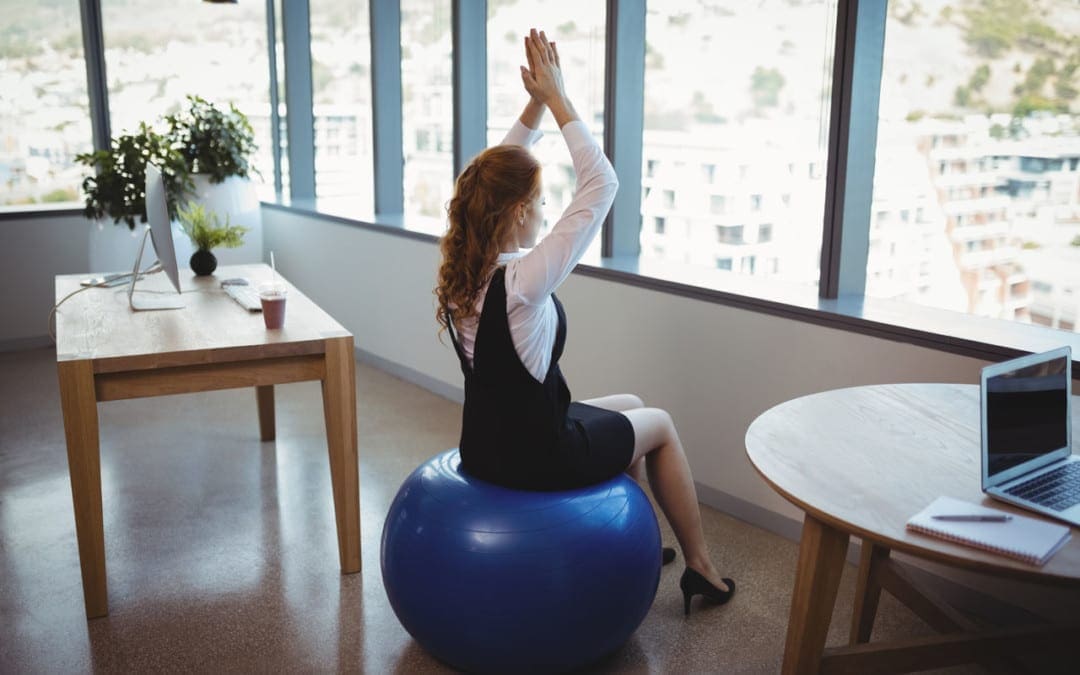
Break up sitting every 30 minutes by standing and walking around and stretching if possible. Even standing for a couple of minutes at a time lessens the impact of a sedentary job.
In addition to taking the initiative to build an ergonomic office space, choosing to participate in chiropractic care is a great way to help eliminate pain from back, shoulder,�and neck strain. Chiropractic treatment involves adjusting the spine, along with other techniques, offering better alignment in particular and a stronger, healthier body in general. A long-term benefit of chiropractic care is a body that enjoys greater mobility and fewer aches and pains.
An ergonomic office setup is critical in maintaining good posture that minimizes strain and repetitive motion injuries. By investing in ergonomically tailored furniture and setting it up to suit your specific needs, you will lessen the harm an office job does to your body.
If you or a co-worker suffer from symptoms related to an improperly positioned workstation, give us a call. Our Doctor of Chiropractic can help get the symptoms under control as well as guide you toward a more healthier spine and working environment.
Managing Workplace Stress
This article is copyrighted by Blogging Chiros LLC for its Doctor of Chiropractic members and may not be copied or duplicated in any manner including printed or electronic media, regardless of whether for a fee or gratis without the prior written permission of Blogging Chiros, LLC.
Sitting: It’s no big secret that exercise is good for you. Many articles and books have been written and studies completed on the subject of physical fitness. However, lately it’s been discussed as to whether that five mile run or spin class is really enough. Is our work environment undoing any positive effort we put into staying healthy?
The short answer is YES. Human bodies were not built to sit for long periods of time. Our twenty-first century workplace � working behind a desk, typing on the computer, endless video conferences � unfortunately stacks against us to keep us on our� well, not our feet.
There are four harmful results on a person’s body that stem from sitting at work.
Sitting For Many Hours Each Day Takes A Toll On Our Backs.
Working at a desk for many hours a day causes employees to stay in one position for an extended length of time. This puts a great deal of pressure on their backs. Over time, painful back problems can develop and, if left untreated, continue to worsen.
Sitting Also Takes A Toll On Our Waistline.
Obesity is at an all time high in the United States, and at least a good chunk of the reason is our sedentary lifestyle. Sitting for a long period (8 or more hours a day) decreases our metabolism, causing us to burn fewer calories. The time at our desks can end up packing on the pounds.
Sitting Can Increase The Chance Of Developing A Life-Threatening Disease.
Studies show individuals with sedentary jobs have more health problems than their active counterparts. Cardiovascular disease and Type 2 diabetes are both examples of health issues that arise more often in people who regularly sit down most of the day.
Sitting Can Cause Premature Death.
This may sound melodramatic, but it’s true. As we talked about above, sitting for prolonged periods of time puts you at greater risk of diseases that may end up killing you. A study published in the Archives of Internal Medicine, “found people who sat for over 11 hours a day had a 40% greater risk of dying within three years from any cause than people who sat less than 4 hours a day.”
So, what should a sedentary office person do to improve their health and decrease the risk many hours of daily sitting causes?
Get on your feet! Schedule times during the day to stand up and walk around. If you can’t remember to do it, add an alarm on your cell phone. Even a couple minutes on your feet every hour will help balance prolonged sitting.
Learn to sit correctly. If you must sit, make certain your chair isn’t causing more damage. Select a chair that is height and angle adjustable. The seat should support your lower body, and the back should fit the curves of your spine. Special bonus points go to chairs with lumbar support and that rock.
Visit your chiropractor.Back problems brought on by a job behind a desk are not going to magically go away, and can get worse over time. Make a chiropractor appointment, get examined, and work to correct the issue.
Invest in a standing desk. A growing trend is to turn a sitting job into a standing job. Desks that are taller have the ability to keep you on your feet longer, which will provide many health benefits in the long run.
Good health is one of our greatest assets, and it pays to protect it. By understanding the risks of a sedentary working environment, we can be proactive in increasing activity and promoting our individual fitness.
Avoid Back Surgery
If you or a loved one needs more insight on how chiropractic can guide you toward a healthier lifestyle, give us a call. We�re here to help!
This article is copyrighted by Blogging Chiros LLC for its Doctor of Chiropractic members and may not be copied or duplicated in any manner including printed or electronic media, regardless of whether for a fee or gratis without the prior written permission of Blogging Chiros, LLC.
Question: I work at a desk all day and have started to feel pain in my neck, back, shoulders and arms. Can chiropractors help with sitting posture and general posture?
El Paso, TX. Chiropractor, Dr. Alexander Jimenez provides insight into proper sitting posture and general posture through chiropractic.
Have people asked you about using a posture brace to help correct their sitting habits? Chiropractic patients with moderate posture problems, meaning that they may be chronic but are not tied to any spinal column or other medical condition, may benefit from a posture back brace to improve this condition. There are a number of great ones available, and you can see more information about some of the top ones here.
A patient such as this will almost certainly enjoy the quick referral as well as the relatively fast results, and chiropractors get an easy opportunity to help people, which explains why many enter the profession in the first place.
But if the patient does have an underlying chiropractic ailment, a back brace will probably do little if any good. These issues are usually easily diagnosed using a quick examination, and afterwards, treatment is relatively straightforward as well.
Diagnosing Conditions
All good exams begin with thorough health history, because in most cases, family history is among the most powerful indicators about current issues.
Next, observe the individual’s gait, as how someone walks shows a number of issues. For instance, those who stand or walk with their legs abnormally spread might have fallen arches. Because the bottom of the foot isn’t in appropriate contact with the floor, the whole body has been thrown off kilter, resulting in poor posture. While it isn’t really a chiropractic condition, fallen arches are, as simple as, a referral to an orthopedist.
Moreover, if the patient is experiencing pain, the location can be an indicator as to where the muscles may be weak and there is too much strain on the spine or a different region of the body. Muscle weakness is among the leading causes of poor posture. So, follow-up tests that measure muscle strength and range of movement are usually a good idea.
If the gait examination signals issues in a particular area of the body, the professional should concentrate further diagnostic efforts in that region.
Ultimately, one of the most simple and effective evaluations is just holding a yardstick or comparable object against the patient’s back, so the two of you can definitely see any abnormalities. This comprehensive approach generally describes some of the very frequent chiropractic posture issues, including:
Tissue Damage:
If the neck, lower back, mid back, or any other area is weak and/or inflexible, the individual will probably not see very much posture improvement until these conditions are adjusted and the muscles have been strengthened.
Kyphosis:
Hunchback is a degenerative spine condition that’s very prevalent in women over 60. While more advanced cases may be life threatening and may require spinal fusion surgery, most men and women respond well to therapeutic adjustments and other treatments.
Scoliosis:
This condition is much like genetically-induced kyphosis, since there’s no cure but there are several therapies available. In extreme cases, surgery may be necessary.
Un-Level Pelvis/Pelvic Tilt:
A pelvic tilt, a lower sacral base, and a femur head discrepancy can indicate a lower extremity source, but not�whether it is an anatomical or functional short leg. A clinical postural exam with lower extremity screening is the only way to make this determination.
Forward Head Posture:
The anterior positioning of the cervical spine. This posture is sometimes called Scholar’s Neck, Wearsie Neck, Hunch & or Reading Neck.It is a posture problem that is due to several factors including sleeping with the head raised too high, prolonged use of computers and cellphones, lack of developed back muscle strength and deficiency of nutrients like calcium. Potential negative effects include tingling and numbness in the arms, and a burning pain between the shoulder blades.
Treatment
As stated previously, back braces frequently mend postural issues, like slouching. As for structural problems, like scoliosis, more aggressive treatments are needed.
Conventional treatment consists of:
Heat
Massage
Stretching
Strength exercises
Supportive braces
There are a number of biofeedback tools that accurately evaluate patient progress.
As a chiropractor, your patients count on you to get much better. That almost always means accurately assessing the problem, which also means a quick and capable referral or an aggressive and well thought out therapy regimen.
IFM's Find A Practitioner tool is the largest referral network in Functional Medicine, created to help patients locate Functional Medicine practitioners anywhere in the world. IFM Certified Practitioners are listed first in the search results, given their extensive education in Functional Medicine








 We’re Typing Wrong