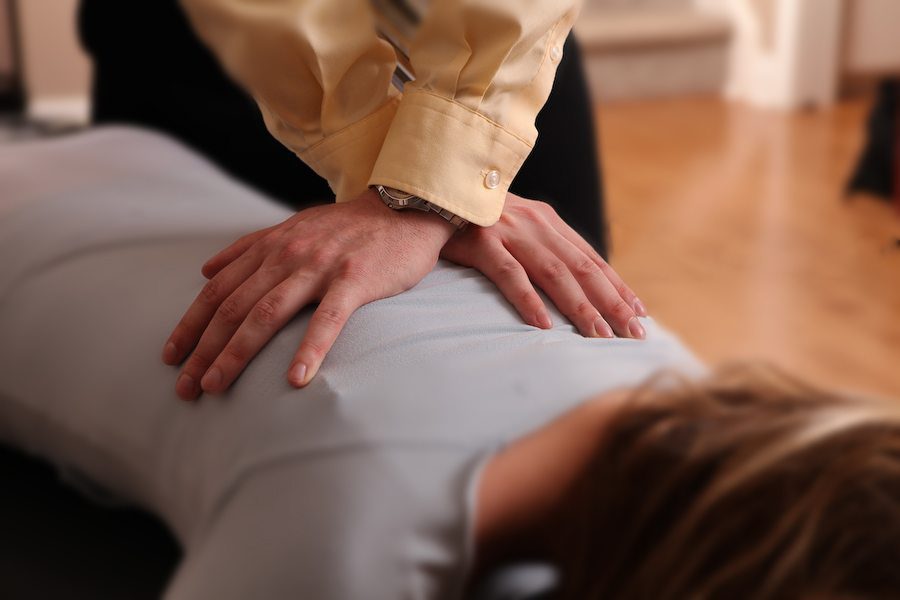
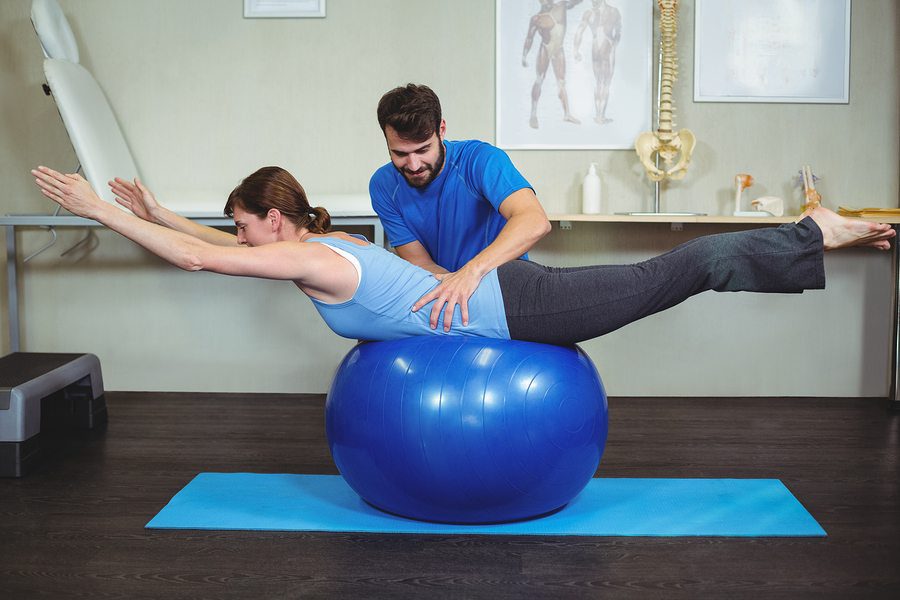
Physical therapists (PT’s) are healthcare professionals who treat patients of all ages with back or neck ailments. Your spine surgeon, physiatrist, orthopedist, primary care physician, neurosurgeon and your chiropractor may refer you to a physical therapist as portion of your non-operative plan of treatment. An organized physical therapy plan may be an intrinsic portion of your after-care following back surgery. PT’s practice in a variety of settings for example hospitals, outpatient clinics, rehabilitation centers, and nursing homes. �Myself, I am a Chiropractor. �There are clear differences that sometimes creates confusion, and for that reason I have posted this in order to create conversation regarding the similarities and contrasts.
Goals of Physical Therapy
The primary goals�of physical therapy include: maintain practical skill and improve, build endurance and physical strength, increase flexibility, reduce pain, and prevent impairment. PTs also instruct patients the best way to exercise to enhance overall physical fitness, move about safely (biomechanics and ergonomics), and injury prevention. Physical therapists also help patients with long-term physical incapacity (eg, spinal cord injury).
Physical therapy may contain passive modalities; the individual is administered to treatments by the PT. Modalities include myofascial release, different types of massage, ultrasound, ice or heat. Some of these treatments could be administered before lively therapeutic exercise.
Rebuild endurance, flexibility and strength after back surgery, also as specific physical needs associated with surgical aftercare.
Coordinated Care
Your physical therapist may work directly for or with your physician, therapist, chiropractor and other healthcare providers to organize aspects of your physical treatment. For instance, your doctor may send the physical therapist pertinent parts of your graph, such as present medications, your analysis, and results of imaging studies.
During the first consultation, the physical therapist talks with you about symptoms, analysis, and your medical history. Many patients with a back or neck ailment experience pain that is severe, chronic, and/or episodic. Severity the location, type, and variables that decrease or increase pain are significant, and the PT will ask you many questions regarding pain.
Education and Clinical Training
Physical therapists are healthcare professionals who passed a state licensing examination and have completed an accredited physical therapy program. The program includes medical ethics academic learning, and evidence-based medicine with clinical use outside the classroom. After graduation, a PT may advance experience and knowledge by participating in areas of their interest. Now all physical therapists graduate with a Doctor of Physical Therapy (DPT) degree.
Through the American Board of Physical Therapy Specialties, a PT can eventually be a board certified specialist in a specific area such as orthopaedics, pediatrics, or geriatrics. There are various areas of specialization.
Selecting A Physical Therapist
Many states permit you to attend a physical therapist without a physician�s referral. What questions should you keep in mind about picking out a physical therapist, even though you can definitely ask your physician for a recommendation? Listed below are some questions to consider.
What is the physical therapist�s training and educational history?
Does the physical therapist frequently treat patients with my difficulty?
How many times per week do I need physical therapy?
Will I Be provided by the physical therapist with a customized home exercise plan?
Am I comfortable with a female or male physical therapist?
Taking Charge
Bear in mind a physical therapist is a precious healthcare professional and member of your medical team. While physical therapy may be challenging or demanding at first, you are offered many benefits by a PT. It’s an opportunity to take charge of your back or neck pain, while building a stronger more resilient body.
Call Today!
Source:
American Association of Physical Therapists. www.apta.org
Although their main method of treatment is the spinal manipulation, many chiropractors also use other therapies to treat their patients. The following is a brief description of some of the most common therapies chiropractors offer.
Therapeutic Exercise
Chiropractors commonly prescribe specific strengthening exercises for their patients with back, neck, and extremity problems. These exercises can decrease pain, prevent muscle deterioration, promote joint health, increase strength, stability and range of motion, and protect against new or recurring injuries.
Your chiropractor will show you how to do the exercises and supervise you until you are comfortable doing them on your own. It’s important to keep up with your exercises as prescribed (similarly to drug prescriptions). Studies show that individuals who follow their exercise instructions heal faster than those who do not.
Therapeutic Stretches
Following an injury, therapeutic stretching is an important way to prevent scar tissue from forming. Even after the injury has healed, maintaining a regular stretching program helps keep tissues flexible, increases mobility, and protects you from new injuries. As with exercise, your chiropractor will instruct you on proper stretching techniques and will supervise you until you are comfortable enough to do them on your own.
Traction
Many chiropractors use traction, in which traction devices are applied to distract areas of the spine. This treatment helps separate the vertebrae resulting in disc decompression, reduced nerve root pressure, and decreased.
Soft Tissue Manual Therapy
Chiropractors use a variety of hands-on soft tissue therapies to improve the function of the soft tissues (muscles, ligaments, tendons, and joint capsules).�These include pin and stretch, also known under a proprietary name Active Release Technique (ART) and instrument-assisted soft tissue mobilization (Graston Technique).
Physical Therapy Modalities
Muscle Stimulation
This type of therapy uses light electrical pulses that are transmitted to specific areas of the body through electrodes placed on the skin. There are many different types of electrical stimulation. Some are more beneficial for pain relief or to reduce inflammation, some best treat muscle spasm, and some actually cause muscles to contract in order to reduce muscle atrophy. Some forms of electrical stimulation have combination effects.
TENS
A TENS (transcutaneous electric nerve stimulation) unit is a small, battery-powered, portable muscle stimulation machine that can be used at home to help control pain. Variable intensities of electric current are used to control pain. This treatment is recommended to help patients get through periods of severe (acute) pain. TENS units are typically not recommended for chronic pain. In fact, a 2009 �report from the American Academy of Neurology found that TENS units are not effective at treating chronic low back pain.1
Ultrasound
Therapeutic ultrasound is a form of deep heat therapy created by sound waves. When applied to soft tissues and joints, the sound waves are a form of micro-massage that help reduce swelling, increase blood flow, and decrease pain, stiffness, and spasms.
Ice and Heat Therapy
Ice and heat have long been used to treat many painful conditions. Ice therapy is often used to reduce swelling and help control pain immediately after an injury. Heat therapy is used to relax the muscles, increase circulation, and can provide relief to patients with chronic pain. Depending on the patient’s condition, a combination of ice and heat can be used.
Diet and Nutritional Counseling
Studies have shown that poor diet and nutritional imbalances contribute to a number of serious illnesses, such as heart disease, stroke, diabetes, and cancer. Chiropractors are specifically trained in diet and nutritional counseling. Your chiropractor can design a nutritional program specific to your needs that can help you maintain good health and minimize the risk of developing these serious health conditions.
Lifestyle Modification Counseling
Good health is much more than the absence of pain or disease. The lifestyle choices you make on a daily basis can greatly affect your long-term health. We now know that years of seemingly small unhealthy lifestyle choices can, over time, turn into very large health problems. Examples of lifestyle choices and behaviors that can have negative effects on your health include:
lack of regular exercise
smoking
poor diet
excessive mental stress
over-reliance on medication
excessive consumption of alcohol
poor posture
improper lifting
Your chiropractor will talk to you about your lifestyle choices, help you sort through and identify unhealthy health habits, and give you practical strategies to deal with and manage them.
As you can see, chiropractic medicine is more than just spinal manipulations. Chiropractors use a variety of treatment modalities to help the body to heal itself and return the patient to a pain-free and healthy life.
If you want to reduce the number of opioid prescriptions and pills being used, and potentially misused, you need alternative pain management. And chiropractors say that�s what they�ve been providing for decades.
�It gives people options, and that�s probably the most important thing right now is to give people options for treatment,� Dr. Mark Stagnone, president of the New Hampshire Chiropractic Association said.
At its annual meeting, the association is pointing to a trio of recent studies showing that chiropractic care cuts down on the use of opiate pain medicines.
In one of the studies, a former Dartmouth doctor analyzed 33,000 cases of lower back pain in a New Hampshire database.
�His preliminary research is indicating that there�s about a 56-57 percent reduction in opioid use when chiropractic care has been utilized in a patients treatment,� Stagnone said.
James Vara, the governor�s adviser on addiction and behavorial health, said the state needs more alternative pain management.
�It becomes a question of what insurance covers it and how long they cover it for, and that�s certainly something I�ve looked at and will continue to,� said Vara.
The Current Insurance Model Puts Patients On A Path To Prescription Drugs
�The problem that it produces is that the average individual who�s trying to treat a condition is faced with paying a high co-pay to visit a chiropractor or paying a considerably lower one to see a primary care physician,� Stagnone said.
Changing that dynamic will require legislation that has failed in the past. But chiropractors said in this ongoing addiction crisis, it�s time for adjustment.
Chiropractic care is covered under the New Hampshire Health Protection program, or expanded Medicaid. And if the program lapses, so does that coverage.
Call Today!
Painkillers Sometimes Increase Chronic Pain
We’re facing an opioid addiction crisis in America. Opioid (narcotic) pain medications killed an estimated 14,000 people in the U.S. in 2014 through overdose. A further 14,000 people overdosed on heroin, another opioid that many people turn to when they can’t access prescription painkillers.
This epidemic is why physicians and pharmacists are increasingly raising the bar on who can receive opioid medications, how much, and for how long. It’s not just the addiction risk that calls for caution when using opioids to treat chronic pain though�long-term use of opioids can actually make pain worse.
Becoming addicted to pain medication is a disease. This is because these painkillers (oxycodone, hydrocodone, methadone, fentanyl) cause a change in your brain chemistry that is not under your control.
Most people who take opioids for more than 2 to 4 weeks will develop a tolerance to the medication. Tolerance means your body may need an increased dosage to feel the same effect. Opioid tolerance can cause withdrawal symptoms when the medication is stopped. This is a natural process, and it is not to be confused with addiction.
In his recent blog on the subject, Dr. Ullrich explains: “Pain medication addiction is a more complicated process. It involves manipulative behavior to obtain narcotic medications and a refusal to discontinue a medication even though it is no longer being used for a medical purpose. Some, including those at significant risk of overdosing, will go to multiple doctors to get medications.”
For those who are addicted to opioid medications, a detoxification program is often needed. Painkiller addiction is a chemical, physical disease, one that requires expert medical treatment in a safe, humane environment.
Most people know that painkillers can be addictive, but they don’t know that taking opioids over a long period of time may in fact increase a patient’s sensitivity to pain (hyperalgesia). This happens because long-term use of opiate painkillers causes a decrease in your ability to tolerate pain and an increase in sensitivity to pain. In fact, people taking opioids long term may keep having pain, or may see their pain increase, long after the original cause of pain has healed.
Stopping opioid use can solve this problem�but it may not seem as if the pain is gone at first, because the discomfort of withdrawal can mimic the original pain. Dependency is not easy to deal with, but it shouldn’t be an excuse to stay on the opioid medication and raise the risk for addiction. This is why physicians are encouraged to only prescribe opioids for short durations and be cautious when using them to treat chronic pain.
Since long-term use of opioid painkillers is a risky option for controlling chronic pain, patients are often advised to focus on other safe, proven methods for managing chronic pain, such as:
Exercise to maintain motion and release endorphins
Cognitive therapy to develop coping techniques
Relaxation and meditation techniques to distract the brain from pain
Six Things Every Chiropractor Should Know About Opioids
Men health concept. Portrait of 50s mature Asian man reading the label on bottle medicine, sitting on sofa at home.
An increase in addictions and deaths due to opioids has raised significant concern and media attention. We offer this brief overview on this important public health problem for the practicing chiropractor.
1. What Are Opioids?
Opioid medications are prescribed to reduce pain; however, they are addictive and can be dangerous. Although some suggest there is �no safe dose� for opioids, these drugs may be helpful for people with severe pain, such as those experiencing pain from cancer. However, over the past several decades, more patients have been prescribed opioids for musculoskeletal pain, such as back or neck pain, instead of being provided with nondrug therapies.
As with any drug, opioids have side effects and may �adversely affect respiratory, gastrointestinal, musculoskeletal, cardiovascular, immune, endocrine, and central nervous systems.�1 �As the dose increases, the risks for overdose and health concerns also increase, including �fractures, addiction, intestinal blockages, and sedation.�1 If too high a dose is consumed or if opioids are taken with certain other drugs or alcohol, death may result.
2. Why Is Opioid Use / Overuse Problematic?
Since 1999, prescription opioid sales have increased fourfold, along with a surge in the use of opioids as a first line for pain management, rather than only for severe cancer-related pain. This trend has led to burgeoning opioid prescribing in the U.S.:2
? One in five people with non-cancer pain have been prescribed opioids.
? More than 165,000 prescription opioid-related deaths occurred between 1999 and 2014.
? An estimated 2 million people were addicted to opioids as of 2014.
3. Who Is Addressing This Health Crisis?
Currently, many professions are seeking ways to address this national epidemic. The medical profession has launched various initiatives to help medical doctors (MDs) reduce prescriptions. These include an initiative to remove pain as the 5th�vital sign, and promoting guidelines for when to prescribe and how to better manage patients in pain without the use of opioids.
The Centers for Disease Control and Prevention (CDC) has�released guidelines�to curb opioid prescriptions, with the following categories of recommendations to those who prescribe opioids: 1) determine when to initiate or continue opioids for chronic pain; 2) opioid selection, dosage, duration, follow-up, discontinuation, and assessing risk; and 3) addressing harms of opioid use.
In addition to these efforts, even more focus is needed to assist people who seek help for pain and to provide them with nonpharmacological alternatives.
4. What Can Doctors of Chiropractic Do?
Chiropractic care can be part of the solution. DCs can work with other health care providers and support policy to offer alternatives to opioids for addressing patients in pain, especially chronic non-cancer pain.
Although there are no large trials comparing outcomes of chiropractic care to opioids, we do know opioid use is associated with worse functioning in back pain patients at six-month follow-up3 �and greater disability;4 �and that injured workers whose first health care visit is to a DC have better outcomes.5 �We also know that the per-capita supply of DCs and higher use of manipulative therapy is associated with lower rates of opioid prescriptions among Medicare recipients.6
All this suggests chiropractic care may help reduce the use of and need for opioid prescriptions for back pain sufferers; and may play an important role in reducing the opioid epidemic by helping to prevent patients from ever getting an opioid prescription in the first place.
Important resources DCs should be aware of include:
? Chiropractic: A Safer Strategy Than Opioids:�www.f4cp. com/f4cp_opioid_white_paper.pdf
? Centers for Disease Control and Prevention (CDC): Opioid Overdose:�www.cdc.gov/drugoverdose/ Six Things Every Chiropractor Should Know About Opioids By Claire Johnson, DC, MSEd, PhD, Bart N. Green, DC, MSEd, PhD and Michael Haneline, DC, MPH Reprinted with permission from Dynamic Chiropractic, Sept. 1, 2016, Vol. 34, Issue 15 (www.dynamicchiropractic.com/digital/index.php?i=1220&r=t#19)
5. What Can We Do If a Patient Is Already Taking Opioids?
Most chiropractors take a history and ask patients what medications they are taking. The first step is to recognize that the following are opioid-class drugs: hydrocodone (Vicodin), ultram (Tramadol), oxycodone (OxyContin, Percocet), morphine (Kadian, Avinza) and codeine.7
Once we know a patient is taking opioids, we must first seek to understand the situation before we provide education.
Questions we can ask include:
? For what condition is the patient taking the medication?
? How long has the patient been taking opioids and at what daily dose?
? Who is the provider watching over their prescription? Is more than one provider prescribing opioids?
? When was the last time the patient saw the prescribing physician and when is the next appointment?
? Does the patient have any safety issues? For example, does the patient operate machinery? Is the patient experiencing side effects such as �sedation, dizziness, nausea, vomiting, constipation, physical dependence, tolerance, or respiratory depression�?8
? What is the patient�s level of function? Are there any psychological flags or addictive behaviors?
? Is the patient taking any other substances or drugs that may have deadly interactions, such as alcohol, benzodiazepines and/or other opioids?
As chiropractors, we can discuss treatment goals, such as reasonable functional activity; and pain goals with and without medication. We also can discuss potential adverse events, including the risks for side effects, addiction and death.
We can inform patients of other dangers they may not be aware of, such as the deadly combination of opioids when combined with other drugs that depress CNS activity (e.g., alcohol or drugs for anxiety such as benzodiazepines). We can encourage patients to contact the prescribing provider to discuss reducing and stopping opioid use, and to ask for safer alternatives for pain control, such as chiropractic care, physical therapy, acupuncture and mind-body methods. If a patient is already addicted, we can encourage the patient to seek a specialist provider and addiction care program. (Note that some patients may need to remain on opioids, such as for cancer pain or end-of-life care.)
Most importantly, we can work with the patient and their prescribing provider to offer them nonpharmacological care to help reduce their pain and help them reach their functional goals.
6. How Can We Collaborate More on Solutions?
As DCs, we can work more closely with local MDs and discuss better ways to collaborate concerning patients with pain. Remember that MDs are not the enemy, but are an essential component of the solution to this epidemic. Most MDs are also extremely concerned about the opioid epidemic, and are looking for efficient and cost-effective ways of helping their patients. We should remain professional when speaking about MDs with our patients, as our patients likely have good relations with them.
We can be part of the safety net to help reduce the number of people who become addicted or die from overdose. As we work with other health care professionals and our patients, we can remind them that the first recommendation per the CDC�s�Guideline for Prescribing Opioids for Chronic Pain�is �Nonpharmacologic therapy and nonopioid pharmacologic therapy are preferred for chronic pain.�9 �Thus, through collaboration, the chiropractic profession can be a part of the solution.
As a team physician for the St Louis Cardinals during their 2011 World Series Championship season, I learned a lot about the importance of players taking care of themselves firsthand. I would see players preparing themselves both mentally and physically for the game ahead. Kids look up to these players and emulate them. Major League Baseball (MLB) recognizes this and wants their youth players to be healthy and play as safely as possible. This is why MLB took time, energy, and resources, to determine what would be best for today�s young pitchers. Below is a snapshot of what the MLB and the American Sports Medicine Institute (ASMI) found as risk factors for the young pitcher. It�s recommended that these guidelines be followed by coaches, parents, and players.
The MLB Pitch Smart guidelines provide practical, age-appropriate parameters to help parents, players, and coaches avoid overuse injuries and encourage longevity in the careers of young pitchers.
It was found that specific risk factors were seen as creating a higher incidence of injuries. According to the ASMI, youth pitchers that had elbow or shoulder surgery were 36 times more likely to regularly have pitched with arm fatigue. Coaches and parents are encouraged to watch for signs of pitching while fatigued during their game, in the overall season, and during the course of the entire year.
The ASMI also found that players that pitched more than 100 innings over the course of a year were 3.5 times more likely to be injured than those who did not exceed the 100 innings pitched mark. It�s important to note that every inning counts. Games and showcase events should count toward that total number of 100.
Rest is key. Overuse on a daily, weekly, and annual basis is the greatest risk to a young pitcher�s health. Numerous studies have shown that pitchers that throw a greater number of pitches per game, as well as those who don�t get enough rest between outings, are at a greater risk of injury. In fact, in little league baseball, pitch count programs have shown a reduction in shoulder injuries by as much as 50% (Little League, 2011). Setting limits for pitchers throughout the season is vitally important to their health and longevity in the game.
Pitching with injuries to other areas of the body will also affect a player�s biomechanics and change the way he delivers his pitch. An ankle, knee, hip, or spinal injury can cause changes in the biomechanics of how a player throws and will put more stress on his arm. Be cautious with these injuries, because at times the changes in the mechanics of the player can be very subtle; however, they can cause a significant amount of strain on a player�s pitching arm.
For best results for your youth baseball player�s longevity in the sport and keeping a healthy arm for seasons to come follow the MLB�s pitch count and required rest guide.
Call Today!
3 Common Shoulder Sports Injuries
The shoulder is the most mobile joint in the body, which also makes it prone to injury. If you�re an athlete, taxing your shoulder over time with repetitive, overhead movements or participating in contact sports may put your shoulder at risk for injury.
There are several nonsurgical and surgical options available to treat labrum tears in the shoulder.
These are three common shoulder injuries caused by sports participation:
1. SLAP Tear
This is a tear to the ring of cartilage (labrum) that surrounds your shoulder’s socket. A SLAP tear tends to develop over time from repetitive, overhead motions, such as throwing a baseball, playing tennis or volleyball, or swimming.
Athletic performance decreases. You have less power in your shoulder, and your shoulder feels like it could �pop out.�
Certain movements cause pain. You notice that pain occurs with certain movements, like throwing a baseball or lifting an object overhead.
Range of motion decreases. You may not throw or lift an object overhead like you used to, as your range of motion decreases. You may also find reaching movements difficult.
Shoulder pain you can�t pinpoint. You have deep, achy pain in your shoulder, but you can’t pinpoint the exact location.
It�s common to experience shoulder instability if you�re an athlete. This injury can occur if you�re participating in contact sports, including football or hockey, or ones that require repetitive movements, like baseball.
Shoulder instability happens when your ligaments, muscles, and tendons no longer secure your shoulder joint. As a result, the round, top part of your upper arm bone (humeral head) dislocates (the bone pops out of the shoulder socket completely), or subluxates (the bone partially comes out of the socket).
Dislocation is characterized by severe, sudden onset of pain; subluxation (partial dislocation) may be accompanied by short bursts of pain. Other symptoms include arm weakness and lack of movement. Swelling and bruising on your arm are visible changes you may also notice.
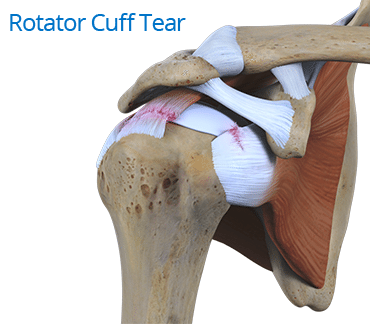
This is another injury commonly seen in athletes participating in repetitive, overhead sports, including swimming and tennis. Rotator cuff injuries are typically characterized by weakness in the shoulder, reduced range of motion, and stiffness.
Being aware of these injuries and knowing their symptoms may encourage you to seek medical treatment sooner; early treatment intervention could result in a better outcome and earlier return to sports.
There�s nothing more frustrating for an athlete than sitting injured on the sidelines watching others compete. Although there�s not one foolproof way to stop shoulder pain from occurring, there are several tips that may help prevent it from starting or getting worse.
If you notice shoulder pain during certain activities, say while throwing a baseball or swimming, stop that activity for a period of time and find an alternative exercise, such as riding a stationary bike. Doing so can give your shoulder some time to rest and heal, while maintaining your cardiovascular fitness.
At the same time, don�t eliminate all shoulder movement. This is because you don�t want to develop a stiff shoulder from infrequent use. Consider doing some mild stretches to keep your arm moving.
2. Change Your Sleeping Position
If you notice pain in your right shoulder, don�t sleep on your right side. Try sleeping on your left side or back instead. If sleeping on your back irritates your shoulder, try propping your arm up with a pillow.
3. Warm Up
Exercising cold muscles is never a good idea. Before practicing your volleyball serve or baseball pitch, warm up your body with mild exercise. For example, start walking for a few minutes and gradually build up to a jog. Doing so raises your heart rate and body temperature and activates the synovial fluid (lubricant) in your joints.1 In other words, a mild warm up gets your body ready for the intense workout that follows.
4. Build Up Your Endurance
It�s a good idea to increase your endurance over time. If it�s been a few weeks or months since you�ve hit the tennis court, consider playing for a short period of time�maybe just 20 minutes to start�and build up to a longer period of playing time. Don�t fall into the trap of doing too much too soon, especially when your body is not used to it.
Strengthening your shoulder muscles can help provide support and stabilization to your shoulder joint. This, in turn, may prevent painful injuries like a shoulder dislocation, which is when the ball of your shoulder comes out of its socket.
Speak to your doctor before starting a strengthening program. They can suggest exercises to perform or may recommend working with a physical therapist.
6. Cross-Train
Some sports are particularly taxing on the shoulder due to repetitive, overhead movements. So you may want think about cross-training. If you�re a swimmer, for example, alternate some of your swimming workouts with a running or biking workout to reduce the stress on your shoulder, while still staying physically fit.
Alternatively, if you�re a painter or construction worker�two occupations commonly associated with repetitive, overhead movements�talk to your boss and ask if there are other non-repetitive tasks you can take on.
Above all, listen to your body and be proactive. You may need to make some adjustments to workout or daily routine to help prevent further damage down the road. It may also be worth getting your doctor�s input, even if you think you�ve got a minor injury. Catching injuries or discomfort early may help keep you in the game and prevent painful injuries down the road.
Being aware of sports�injuries and knowing their symptoms may encourage you to seek medical treatment sooner as early treatment intervention could result in a better outcome and earlier return to sports.�For Answers to any questions you may have please call Dr. Jimenez at
Exercise is an important part of a healthy lifestyle, and sports are one approach many people choose to use to get their exercise.
For people with back pain, sports can still be a viable option if they pay attention to their back.
For others who participate in sports, knowing the type of strain various sports place on the back may help prevent a back injury.
This article gives specific information about sports injuries and back pain from bicycling, weight lifting, running, swimming, skiing, golf, and tennis.
Types of Sports-Related Back Injuries
In any sport, injuries to any part of the spine are possible, as well as injuries to the soft tissue and fascia that help comprise the makeup of the body. Up to 20% of all injuries that occur in sports involve an injury to the lower back or neck.
Lower Back Injury
The lower back is subject to a great deal of strain in many sports. Sports that use repetitive impact (e.g., running), a twisting motion (e.g. golf), or weight loading at the end of a range-of-motion (e.g., weightlifting) commonly cause damage to the lower back.
Neck Injury
The neck is most commonly injured in sports that involve contact (e.g., football), which place the cervical spine (neck) at risk of injury.
Upper Back Injury
The thoracic spine (mid portion of the spine at the level of the rib cage) is less likely to be injured because it is relatively immobile and has extra support. Injuries seen here can involve rib fracture and intercostal neuralgia as well as intercostal muscle strains in sports that involve rotation of the torso (e.g. weight training with rotation), swimming, golf, tennis, and even skiing.
Stretching and Warm-Up Prior to Exercise
While static stretching prior to any type of exercise used to be recommended, a number of studies in recent years have shown that stretching the muscles prior to exercise is not needed. A number of studies have shown that it does not help prevent injury, and likely does no harm either.1,2,3
For every sport, a thorough warm-up should be completed before starting to play. The warm-up will target the muscles used in that sport, but it should also prepare the back for the stresses to come.
The warm-up used should be specific to the sport to be played. A typical warm-up should include:
Increase circulation gradually by doing some easy movement (such as walking) to increase blood circulation to the muscles and ligaments of the back
Stretch the lower and upper back and related muscles, including hamstrings and quadriceps
Start slowly with the sport movements (e.g. swing the golf club, serve the ball)
Work with a Professional to Prevent or Manage Back Injury
There are professionals or instructors in almost every sport who are willing to share their expertise. Ideally, someone with this type of expertise can teach the correct form for a new sport or help develop and keep the proper technique for a current sport.
Before starting to work with any sports or exercise professional, it is advisable to inquire about his or her credentials. In general, if the individual is certified by the National Strength and Conditioning Association (NSCA), he or she should be up to date on the latest evidence related to stretching, exercise routines for specific sports, and additional information designed to benefit your personal routine.
Mets’ Infield, Chiropractor Is The Most Important Position
There are many ways to describe the Mets� projected starting infield of David Wright, Asdrubal Cabrera, Neil Walker and Lucas Duda. But two weeks ago, as Mets Manager Terry Collins discussed how he would handle their playing time, he provided a telling answer while rattling off the positions.
�We�ve got a bad back, bad back, bad knee and a bad back,� Collins said, referring to Wright, Walker, Cabrera and Duda.
The 2017 Mets, for all of their potential and talent, cannot ignore a significant question mark: health. Aside from the arm-related injuries of the pitching staff, the condition of the spines of three key infielders will hover over the team all season.
Wright, the long-tenured third baseman, has played only 75 games during the past two seasons; part of the reason was neck surgery in June, but mostly it is because of spinal stenosis, a chronic condition. Walker, the second baseman, had surgery to repair a herniated disk in his lower back in September. And Duda, the power-hitting first baseman, missed four months last season because of a stress fracture in his lower back.
All three reported to spring training relatively healthy; in Wright�s case, fusion surgery on a herniated disk in his neck had healed. But only two days into the exhibition schedule, the Mets have suffered a setback.
After experiencing what he said was a pain-free off-season, Duda reported feeling spasms in his back late last week. The pressure had an adverse effect on his hips, and he received a cortisone shot on each side Friday.
�So we�ll take a few days now instead of two weeks down the road,� Duda said. �Just being cautious.�
That should be the Mets� motto all year.
Although baseball players put repeated strain on their core when pitching or swinging, they do not suffer more back injuries than athletes in sports that entail more forceful impact, such as football or hockey, said Dr. Andrew C. Hecht, the chief of spine surgery for Mount Sinai Health System, who wrote a soon-to-be-released book on spine injuries in athletes.
�What happens when you have a few on one particular team is that it highlights it,� Hecht said.
Walker�s injury was the simplest. He first felt discomfort in his lower back and tingling in his leg late during the 2012 season, which he thought was caused by the sport�s day-to-day rigors. Some back pain recurred in the years that followed, but never to the degree that it did last season, when he said he also experienced numbness in his leg and foot.
Sign Up for the Sports Newsletter
Get the big sports news, highlights and analysis from Times journalists, with distinctive takes on games and some behind-the-scenes surprises, delivered to your inbox every week.
Hecht, who is not involved in the treatment of these Mets players, said lumbar disk herniation like Walker�s is �as common as common can be.� Surgery to repair the injury involves removing only the part of the herniated disk that is pinching the nerve and causing the pain, Hecht said.
Walker, 31, said he completed his physical therapy in less than three months and went through normal off-season workouts. Although he is healthy now, Walker said that he has a regimen of daily exercises and stretches to keep his back in good shape.
Despite the back ailment last season, Walker still hit .282, with 23 home runs and a career-high .823 on-base-plus-slugging percentage. The Mets felt confident enough in his recovery that they gave him a one-year, $17.2 million qualifying offer. Walker accepted, and the sides have talked about a contract extension.
Duda�s injury, a vertebral crack, is another common back ailment in athletes, Hecht said. The usual treatment is rest and rehabilitation.
Before his recent flare-up of back spasms, Duda, 31, said he, too, was regularly doing exercises to support his back. Until last week, there was reason to be optimistic about Duda�s outlook because, after missing 107 games last season, he returned in September to play eight games.
Still, as a precaution, right fielder Jay Bruce took ground balls at first base during workouts on Sunday. Jose Reyes and Wilmer Flores are options to back up Walker; Cabrera, the infielder with the balky knee last season; and Wright.
Wright�s stenosis, a narrowing of the canal in the spinal cord that can lead to chronic stiffness and pain, is the most complicated ailment. Hecht said the condition was rare among younger athletes, and while Wright is only 34, he is entering his 14th major league season.
Wright said doctors have told him his condition was the �perfect storm� of three factors. He was born with a narrow spinal canal, Wright said, explaining, �Ideally, you�d want a little more space so that those nerves don�t get pinched.� Wright also sustained a vertebral fracture years ago, which, along with the wear and tear of playing so much baseball, has contributed to his injury.
Wright had neck surgery in June, for an injury that he said was unrelated to his spinal stenosis, which was diagnosed in May 2015. After rest and rehabilitation, he returned to the field in August 2015, but he often required hours of stretching and preparation to play. That kind of maintenance is expected to continue for the rest of his career.
While expectations of how much Wright can play will be tempered again this season, he can try to limit the effects of spinal stenosis. Compared with last year, Wright said, he has a better idea of how to manage his back in spring training, even though he is still building up his arm strength after his neck surgery.
�I know the routine and the process,� he said. �I understand my body a little bit better.�
In any sport, injuries to any part of the spine are possible, as well as injuries to the soft tissue and fascia that help comprise the makeup of the body. Up to 20% of all injuries that occur in sports involve an injury to the lower back or neck.�For Answers to any questions you may have please call Dr. Jimenez at
Neck pain that is not caused by whiplash or other trauma has a postural component as part of the underlying problem. Sitting atop the body, the health of the neck is subject to the �curvature of the spine below and the position of the head above.
See Chronic Neck Pain: What Condition Is Causing My Neck Pain?
The neck muscle pain can be caused by the following neck muscles becoming tight:Scalene muscles (three pairs of muscles that help rotate the neck)
Suboccipital muscles (four pairs of muscles used to rotate the head)
Pectoralis minor muscles (a pair of thin triangular muscles at the upper part of the chest)
Subscapularis muscles (a pair of large triangular muscles near each shoulder joint)
Levator scapulae muscles (a pair of muscles located at the back and side of the neck).
If the alignment of the head and spine is not optimal, the neck can be predisposed to injury and/or the degenerative effects of wear and tear over time.
The most common condition that contributes to neck pain is forward head and shoulder posture.
Forward head posture is when the neck slants forward placing the head in front of the shoulders.
This head position leads to several problems:
The forward pull of the weight of the head puts undue stress on the vertebrae of the lower �neck, contributing to degenerative disc disease and other degenerative neck problems.
Similarly, this posture causes the muscles of the upper back to continually overwork to counterbalance the pull of gravity on the forward head.
This position is often accompanied by forward shoulders and a rounded upper back, which not only feeds into the neck problem but can also cause shoulder pain.
The more time spent with a forward head posture, �the more likely it is that one will develop neck and shoulder problems.
Poor Posture Effects On the Lower Cervical Vertebrae
The part of the neck that is particularly vulnerable to forward head posture is the lower part of the neck, just above the shoulders.
See Cervical Spine Anatomy and Neck Pain
The lower cervical vertebrae (C5 and C6) may slightly slide or shear forward relative to one another as a result of the persistent pull of gravity on a forward head. This shear force can be a problem for patients with jobs that require them to look down or forward all day, such as pharmacists who spend many hours counting pills or data entry workers who look at a computer screen.
Prolonged shearing of the vertebrae from forward head posture eventually irritates the small facet joints in the neck as well as the ligaments and soft tissues.
This irritation can result in neck pain that radiates down to the shoulder blades and upper back, potentially causing a variety of conditions, including:
Trigger points in the muscles, which are points of exquisite tenderness that are painful to touch, along with limited range of motion
Disc degeneration problems, which may potentially lead to cervical degenerative disc disease, cervical osteoarthritis, or a cervical herniated disc.
BRAIN BASED POSTURAL CORRECTION
The neurologic system controls and coordinates all other systems of the body? What system provides the physical framework for all other systems of the body to resist gravity and function within our environment? The Posture System. These intricate systems work together to control and coordinate all experiences and actions throughout our lives.
Postural Neurology is defined as the network of neural impulses to support proper functional alignment of the Posture System. The purpose of Postural Neurology is to develop plasticity of proper structural alignment through brain based treatment protocols.
Why implement Postural Neurology into your practice? Quite simply, every musculoskeletal problem is at some level a neurologic problem. Neurology dictates movement, structure, and the function of your Posture System, overseeing and refining every single movement that you do on a daily basis.
It is an outdated system of healthcare to look at one part of the body, the site of injury or pain, and make assumptions about that person�s health and ability to function.
Identifying the area of injured tissue, then creating a rehabilitation plan around that injuryis less than adequate. The new system is all about function and whole posture patterns.
Segmental Rehabilitation & Brain Based Postural Correction
If the patient says �I hurt here,� or you test a weak muscle �here.� It does not mean that the problem lives �here.� This is simply information telling us that there is pain or dysfunction that is being expressed in that end organ. There is absolutely no indication that the problem is in that tissue. The noxious stimulus being interpreted by the brain is nothing more than a sensory input. The weak muscular output is nothing more than an insufficient motor plan.
This is the difference between segmental and brain based thinking. Segmental healthcare professionals do not see beyond the �hurt� or �weak� segment, oblivious to compensation patterns that are dampening function in the rest of the body.
Compartmentalized thinking is not adequate for a system as dynamically developed and as functionally managed as the human body. It simply won�t cut it.
This guide introduces you to the Neurology of the Posture System, so you can understand the functional output of the brain and how it contributes to upright postural design.
Motor Cortex:�
The primary motor cortex is located in the frontal lobe of the brain.
The frontal lobe is the center of human development including executive decision-making, language, and problem-solving.
Located within the Motor cortex is the Motor Homonculus. The Motor Homonculus is a map of motor output for each part of your human anatomy. Within this map, the amount of cortex devoted to any given body region is proportional to how richly innervated that region is, not to the body region�s physical size. Areas of the body with greater or more complex sensory or motor connections
are represented as larger in the homunculus such as the hands, lips, and the face.
The primary motor cortex receives signals from the pre-motor cortex to make a movement.
The primary motor cortex then sends the information to make that movement from the cortex down the spinal cord to the skeletal muscle of that body region.
Motor movement occurs contralaterally, meaning that your left motor cortex controls movement on the right side of your body. Your right motor cortex controls movement on the left side of your body. Every action occurs in this fashion, in response to a descending signal from the brain to the body.
Is the Motor Cortex important to Posture?
The motor cortex controls motor function. The Posture System is never actually �static,� we are dynamic beings who are always in motion. The motor cortex is constantly making small movements (even minute movements) necessary to prevent falling over, and to interact within our environment. Optimal dynamic posture begins in the motor cortex and is regulated by the cerebellum.
Can I check for weakness of the Motor Cortex?�
You can check for weakness�of motor output by performing muscle tests. If a muscle on the left side is weak,
this is information to do further muscle tests to confirm for weakness of the right motor cortex.
�Sensory Cortex:
The somatosensory cortex of the parietal lobe is the center for
sensation. This is where you perceive your world and how you process all of the tactile and
proprioceptive information received from your external environment.
Just as the motor cortex is a map whose arrangement gives preference to the highly innervated parts of the body, so does the sensory homunculus. The sensory homunculus is the primary mechanism of cortical processing for sensoryinformation originating at body surfaces and other tissues.
Is the Sensory Cortex important to Posture?
The sensory cortex is very important for posture because the sensory cortex lights up with activation from novel stimuli such as proprioceptive signals and mechanoreceptor feedback
from complex movements. Lack of movement is the worst thing for your sensory cortex. In fact, with lack of stimulation to an area of the sensory cortex, the sensory map �blurs� together with less representation of that body part in the brain.
For example, when patients present an injured knee and they have worn a brace that limits their range of motion. This limited motor output of the knee results in less tactile and proprioceptive
feedback from the knee, the brain then thinks that the knee is �less important� and blurring of the cortical representation of the hip and ankle will begin to occur over the knee.
Less awareness of our body leads to poor activation and neglect of that area. To keep your patients healthy, keep them moving and activating all joints of the body.
Can I check for weakness of the Sensory Cortex?
You can check for dysfunction of the sensory cortex by performing sensory tests such as light touch,
vibration, temperature, painful stimuli, and joint position. If the patient presents with decreased sensory recognition, the contralateral sensory cortex is weak.
Meaning, that if the left side of the body cannot detect tactile sensation, this is a weakness of the right sensory cortex.
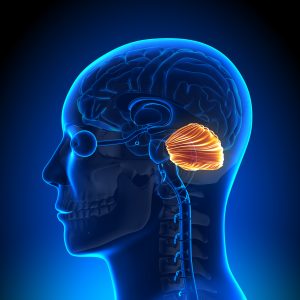
Cerebellum:
The cerebellum works in conjunction with the contralateral motor
cortex to coordinate fine movements. The cerebellum is an �inhibitor,� it reduces any extra or unnecessary motor movements to perform the desired action as accurately as possible.
The cerebellum receives input from sensory systems of the spinal cord and from other parts of the brain, and integrates these inputs to fine-tune motor activity, providing feedback to the motor cortex of how movements can be smoother and more precise. When patients have deficits of the cerebellum
they have excess movement, such as a tremor or a wide stance because they can�t balance with their feet together. Their equilibrium and ability to perform controlled motor movements is compromised.
Is the Cerebellum important to Posture?�
The cerebellum coordinates all movement, to more
precisely regulate fine movements. Proper cerebellar output means that the patient can perform their intended movement without recruiting other muscles. They are on target and on point with coordinated functions of the Posture System. Cerebellar deficits on the other hand affect the patient�s posture, they have compromised postural stability and uncoordinated dynamic postures.
Can I check for weakness of the Cerebellum?
You can check for cerebellar weakness by performing a Romberg�s test. Have the patient stand with their feet together, close their eyes, and see if they sway to one side. The patient will sway toward the side of cerebellar dysfunction.
Brainstem:
The brainstem is the center of postural control. The brainstem is made up of the midbrain, the pons, and the medulla and is the house of the nuclei of 10 of 12 of Cranial Nerves.
Each of the cranial nerves provides important sensory and motor functions for the body. Of particular importance to the Posture System are the visual and vestibular nuclei that reside in the brainstem.
The visual system controls your orientation in space, literally how you see the world. Visual fibers descend to the cervical spine controlling head posture. Visual deficits result in forward head posture, lateral head tilt, and head rotation.
The vestibular system controls balance and extension. Flexor dominant posture is weak posture; upright extended posture is healthy and optimal for better function. This system is of utmost importance for upright postural stabilization and balance.
The brainstem also controls involuntary systems of your autonomicnervous system that regulate life-sustaining processes such as breathing, heart rate, sexual function, and digestion. Plus, the brainstem modulates postural tone, and inhibits flexion toward gravity.
Is the Brainstem important to Posture?
This is the primary control center of postural stabilization! The brainstem inhibits flexion, and in conjunction with the vestibular system activates extension. Descending fibers from the cranial nerve nuclei of the eyes control your head posture, and the ability to keep your eyes parallel to the horizon during dynamic movement.
Understanding the brainstem is an important connection for all posture professionals. Your posture depends upon the functional output of the brainstem.
Can I check for weakness of the Brainstem?
Checking posture provides valuable insight into the function of the brainstem. Noted flexion of the Posture System or head posture distortion patterns indicates that there is weakness of the brainstem.
The Cranial Nerves also provide valuable insight of the function of the brainstem. Dysfunction of the cranial nerves means that there is ipsilateral weakness of the brainstem.
Spinal Pathways:�
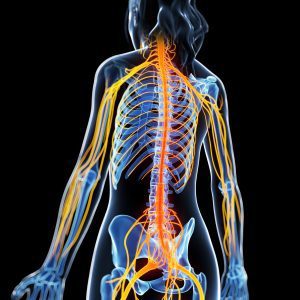
The spinal chord and its pathways are the communication system to and from the brain and the body. The descending motor pathways stimulate movement and postural control. The ascending sensory pathways carry information of sensation to be processed and �understood� in the brain.
The brain and the body are in constant communication to perform efficient movements, to stabilize without falling, and to detect signals from the environment that require a response. Sensorimotor integration happens in your spine, this is the communication highway of the nervous system.
Are the Spinal Pathways important to Posture?
The pathways are invaluable to your postural design. Pathways from the motor cortex send information to create dynamic movements,�and pathways from the brainstem descend to stabilize your postural tone. Ascending pathways from the body to the brain ignite the sensory homunculus for perception, and carry information from the primary sensors of your body for proprioception, vision, hearing, touch, smell, taste, etc.
Can I check for weakness of the Spinal Pathways?
There are many different pathways. When you understand the function of that pathway you can design a test for it. For example, the corticospinal tract descends from the motor cortex to the spine
to create motor output. Dysfunction of this pathway would present as weakness on muscle tests.
The spinothalamic tract is an ascending tract from the spine to the thalamus that recognizes stimuli associated with pain and temperature. To test this tract you would test sensory integration of hot, cold, and painful stimuli.
Neck pain that is not caused by whiplash or other trauma has a postural component as part of the underlying problem. Sitting atop the body, the health of the neck is subject to the �curvature of the spine below and the position of the head above.�For Answers to any questions you may have please call Dr. Jimenez at�915-850-0900
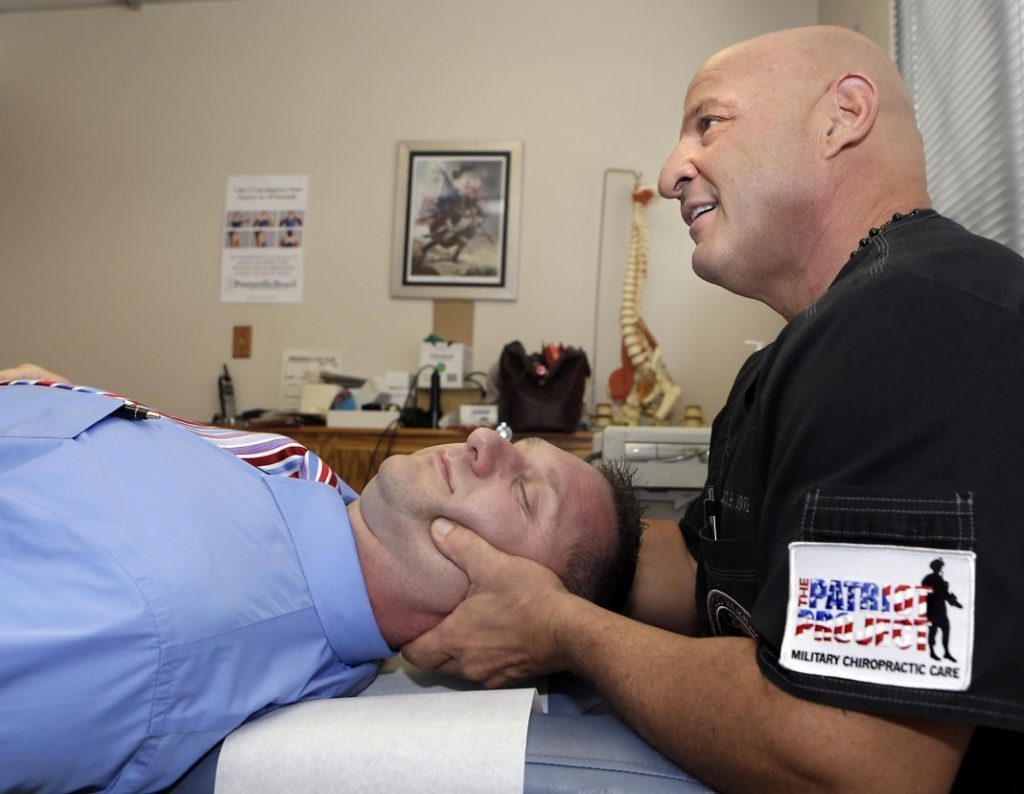
The Patriot Project is a grass roots movement to provide chiropractic care to all Active Military, their Families, Wounded Warriors & All Gold Star Dependents.
The Patriot Project was found by Dr. Tim Novelli, and this inspired organization started after one life changing weekend.
No one tells the story better than the man himself.
It�s a little known fact that chiropractic care is included in veteran�s health benefits, and it�s an underutilized option.�The Patriot Project aims to change this by making chiropractic care readily available to our service members.
With adequate funding, The Patriot Project plans to develop a USO-type chiropractic care tour, visiting military bases at home and around the world, including all active forward operating bases like those in Afghanistan and Iraq.
We are calling on all chiropractors to help by becoming a patriot. �Participating doctors will make time available to�treat at least one armed-service member a week at no�charge. He/she will also help us collect patient testimonials, which will be used to further our cause in Congress.
Mission Statement
-To provide chiropractic care to active military, their families, wounded warriors, and Gold Star Dependents.
-To make full chiropractic benefits in TRICARE care readily available for ALL active duty military, retirees and veterans.
-To have chiropractic physicians commissioned as officers in all armed services.
-To have chiropractic physicians embedded in all forward operating bases of combat.
-To have a Chiropractic Department in every VA hospital and clinic.
-To educate veterans with service related disabilities; they have chiropractic benefit coverage through the Veterans Administration.
Why is The Patriot Project so important?
Military Heroes & Chiropractic
In 2002, President George W. Bush signed Public Law 107-135, legislation that ensured that chiropractic would become a permanent benefit for recipients of veterans� health care services. As a result, chiropractic care was gradually added to more than 30 VA medical centers.
In the remaining 120 VA treatment facilities, however�including those in several major metropolitan areas, the chiropractic care benefit has remained virtually nonexistent.
All veterans with service related disabilities are supposed to have access to chiropractic care; if not at a hospital then in the civilian community. Chiropractic treatment is a standard VA benefit. No VA facility can state that they do not provide these essential health benefits.
Chiropractic physicians are considered specialists with the Veteran Administration and with the Department of Defense, which means the Veteran must request from their PCP an approval for them to receive chiropractic treatment.
Problem #1: Vets DO NOT KNOW they have chiropractic benefits.
Problem #2: There is no listing of chiropractic benefit within the VA HealthCare Benefit section within their website except under ancillary services.
Problem #3: Vets DO NOT KNOW the benefit they can obtain from chiropractic treatment which includes acupuncture.
Problem #4: Vets DO NOT KNOW they can appeal their PCPs denial of their requests for chiropractic treatment.
Problem #5: Armed forces families do not have chiropractic benefits.
Problem #6: Veterans reliance upon medications results in a high probability of developing additional health problems and or even developing life threatening/ending situations.
Some veterans have found their local VA is reluctant to send them for fee-basis care outside the VA facility, and have required they jump through many hoops to get a referral for a Doctor of Chiropractic. This is against VA policy and does not go along with the VA�s own stated mission to be �veteran-centered.�
Many times the VA facility is trying to save money by denying fee-basis care delivered by doctors of chiropractic, even though they spend a great deal on numerous other treatments. VA facilities are unaware that chiropractic treatment can reduce their facilities cost.
Medical literature has revealed that when insurance company limit/reduce chiropractic treatment benefits, their total costs for healthcare, actually increased.
A patient receiving regular chiropractic care experiences reduced hospital admissions, surgeries, and pharmaceutical costs.
Studies indicate that greater chiropractic coverage, despite increased visits to a DC, results in significant net savings in both indirect and direct costs.
Chiropractic care could reduce Medicare costs�both payment for all services and average per claim payment.
Chiropractic patients typically pay less and are more satisfied with their treatment than MD patients.
Chiropractic care can be used to control health care costs.
Chiropractic patients reach maximum medical improvement sooner than when treated by a medical doctor.
Chiropractic treatment is not an add-on, it is a direct substitution for other treatment.
Conclusion:
Services delivered by doctors of chiropractic are part of the standard VA benefits and no VA facility can say �do not provide� these essential health benefits. Some veterans have found their local VA is reluctant to send them for fee-basis care outside the VA facility, and have required they jump through many hoops to get a referral for a Doctor of Chiropractic. This is against VA policy and does not go along with VA�s own stated mission to be �veteran-centered.�
The Patriot Project is determined to change this, with your help.
To learn more about how you can join and help the Patriot Project, click below
It�s a little known fact that chiropractic care is included in veteran�s health benefits, and it�s an underutilized option.�The Patriot Project aims to change this by making chiropractic care readily available to our service members.
IFM's Find A Practitioner tool is the largest referral network in Functional Medicine, created to help patients locate Functional Medicine practitioners anywhere in the world. IFM Certified Practitioners are listed first in the search results, given their extensive education in Functional Medicine