Why do the muscles retighten days or weeks later for individuals who have received massage or chiropractic adjustments?
Muscles Retighten
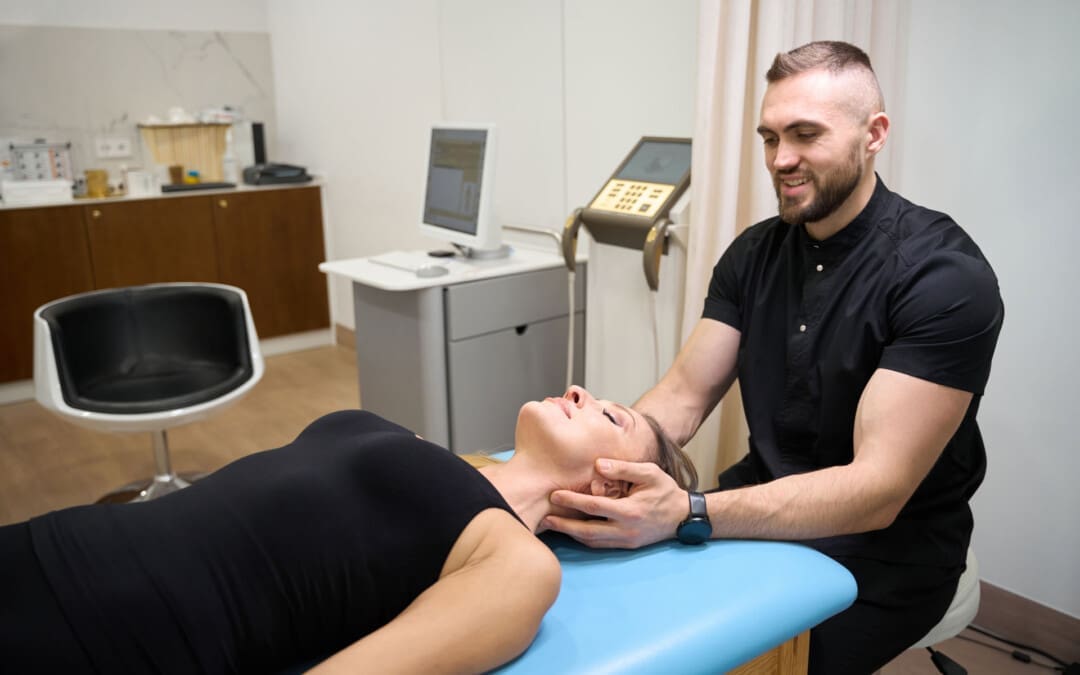
Muscles can retighten again days or weeks after chiropractic treatment and/or a massage. A few factors may cause this.
Muscle memory: The body’s natural tendency to return to its previous state of tension.
This includes all the unhealthy postures/positioning
Delayed inflammatory response.
The body’s natural healing process
How muscles respond to manipulation
The need for ongoing maintenance of muscle health
After a massage, muscles can experience a temporary increase in soreness or tightness as the body heals from any minor damage or inflammation caused by the massage. Additionally, if the underlying issue causing muscle tightness is not addressed, the muscles may revert to their original state over time. (Cleveland Clinic, 2024)
Causes
Causes for muscles to retighten.
Underlying Issues
If the root cause of the muscle tightness is not addressed, such as unhealthy posture, injuries, repetitive motions, or muscle imbalances, it can lead to further complications.
In that case, the muscles may return to their original state after a few days or weeks.
Delayed Onset Muscle Soreness (DOMS)
For example, muscles feel sore after intense exercise, and individuals can also experience DOMS after a massage, especially if they are particularly tight or if it’s been a while since their last massage. (Healthline, 2020)
Delayed Inflammatory Response
Massage can sometimes cause microscopic tears or inflammation in muscle tissue, which triggers the body’s natural healing process.
This response can cause soreness and temporary tightness, as the body repairs the damaged tissue even after the initial massage. (Essential Chiropractic, 2025)
Muscle Memory
The body tends to revert to habitual patterns of muscle tension, especially if the underlying cause of the tightness isn’t addressed.
Muscles can retain how they were manipulated during the massage and may revert to their original tightness if they haven’t been consistently relaxed.
Muscle Guarding
The individual and body can subconsciously tense muscles to avoid pain or soreness, even after the massage.
This muscle guarding can counteract the benefits of the massage and lead to a renewed cycle of tension. (Bhimani R. H., & Soomar D. 2019)
Muscle Health Maintenance
Regular Maintenance
Muscles need consistent care to maintain their optimal state of health and function.
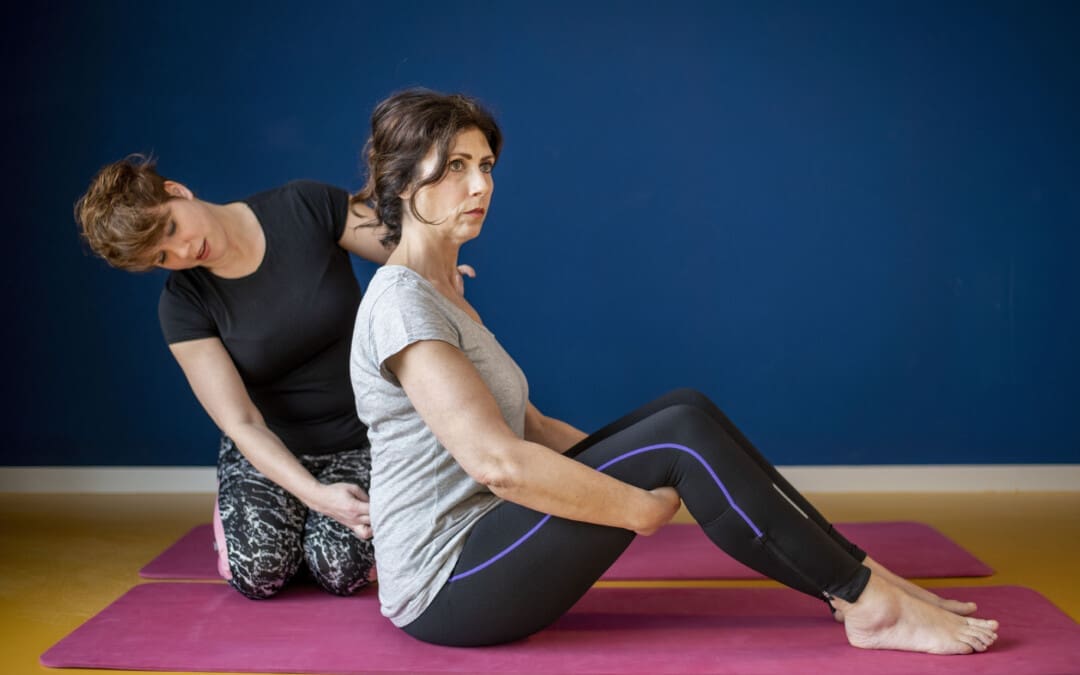
Regular massages and other lifestyle changes, such as stretching and strengthening exercises, can help maintain muscle flexibility and reduce the likelihood of muscle tightness returning.
Individual Variation
Factors like the type of massage received, the frequency of massages, and individual body responses can all influence how long a massage’s benefits last. (Cleveland Clinic, 2024)
Massage Treatment
Muscles can retighten after a massage due to the body’s response to the pressure and manipulation during the treatment. This can include individual sensitivity to massage, the type of massage, and hydration levels, which can also play a role.
Type of Massage
Deep tissue massage, which focuses on specific muscle groups and applies deeper pressure, may cause more soreness than other types of massage.
Some individuals may be more sensitive to massage and experience soreness, even with a gentle massage. (Cleveland Clinic, 2024)
Muscle Fiber Manipulation
Deep tissue massage can break down spasms or microtears in muscle fibers, leading to soreness.
This is similar to the microscopic tears that occur during exercise, which are necessary for muscle repair and growth.
Dehydration
Individuals who are not adequately hydrated may experience increased soreness after a massage. (Cleveland Clinic, 2024)
Lactic Acid Buildup
During an intense massage, particularly deep tissue, lactic acid can build up in the muscles, leading to soreness and tightness.
If the muscles were particularly tense or knotted before the massage, the manipulation could lead to soreness as the knots get worked out.
Injury Medical Chiropractic and Functional Medicine Clinic
As a Family Practice Nurse Practitioner, Dr. Jimenez combines advanced medical expertise with chiropractic care to address various conditions. Our clinic integrates Functional Medicine, Acupuncture, Electro-Acupuncture, and Sports Medicine to create customized care plans that promote natural healing, mobility, and long-term wellness. By focusing on flexibility, agility, and strength, we empower patients to thrive, regardless of age or health challenges. At El Paso’s Chiropractic Rehabilitation Clinic & Integrated Medicine Center, we passionately focus on treating patients after injuries and chronic pain syndromes. We focus on improving your ability through flexibility, mobility, and agility programs tailored for all age groups and disabilities. We use in-person and virtual health coaching and comprehensive care plans to ensure every patient’s personalized care and wellness outcomes.
Secrets of Optimal Wellness
References
Cleveland Clinic. (2024). How to Relieve Muscle Soreness After a Massage. https://health.clevelandclinic.org/why-does-my-body-feel-worse-after-a-massage
Healthline. (2020). How to Relieve Sore Muscles After a Massage. https://www.healthline.com/health/sore-after-massage#causes-of-soreness
Essential Chiropractic and Physiotherapy. (2025). Muscle Ache After Massage: Common Causes and Relief. https://essentialchiropractic.co.uk/muscle-ache-after-massage-common-causes-and-relief/#:~:text=Post%2Dmassage%20soreness%20is%20a,hours%20as%20the%20muscles%20recover.
Bhimani, R. H., & Soomar, D. (2019). Understanding Symptoms of Muscle Tightness, Weakness, and Rigidity From a Nursing Perspective. Rehabilitation Nursing: The Official Journal of the Association of Rehabilitation Nurses, 44(5), 271–281. https://doi.org/10.1097/rnj.0000000000000151
For individuals dealing with or experiencing muscle pain and stiffness, how long does it take to loosen tight muscles?
Length Of Time to Loosen Tight Muscles
Tight muscles are often caused by overuse or strain, combined with muscle soreness, a common symptom of tight muscles. The soreness peaks around the third day and begins to subside, typically resolving within a few days. But if tightness persists or is accompanied by other symptoms like numbness, inability to move, or swelling, it’s important to consult a medical provider. (Spine Medicine and Surgery of Long Island, 2024) However, it can take much longer for individuals who have never stretched and have had tight muscles for years, depending on the severity, injury history, and underlying causes.
Factors Influencing Timeline
Consistent stretching can take anywhere from a few weeks to a few months to noticeably loosen tight muscles and improve flexibility. The specific time frame depends on factors like the severity of the tightness, underlying causes, and individual consistency with stretching. (Peterson Physical Therapy, 2024)
Severity of Tightness
Muscle knots and significant limitations in range of motion may take longer to resolve than minor stiffness.
Underlying Causes
If tightness is due to a specific injury or condition, addressing that cause is important for lasting and maintaining improvements. (Healthline, 2023)
Individual Factors
Genetics, age, and overall health can influence how quickly muscles adapt to stretching.
Consistency
Regular stretching, ideally daily or several times a week, is essential for feeling progress. (Mayo Clinic, 2023)
Stretching Routine
The length of time can vary based on the starting flexibility level and the specific stretching routine. (Mayo Clinic, 2023) It typically takes several weeks of consistent stretching, at least 3-4 times a week, to notice flexibility improvements. Longer-term changes, beyond the initial feeling of being looser, usually take 8 to 12 weeks.
Longer holds (1-2 minutes) can provide deeper benefits.
Long-term Gains
For substantial and sustained improvements, stretching consistently for several months is recommended. (Mayo Clinic, 2023)
Initial Changes
Individuals may notice small improvements in the first few weeks, especially starting from a more inflexible position.
Influencing Factors and Results
Individual genetics, current flexibility level, and the specific exercises can affect how quickly improvements are seen and felt. (Peterson Physical Therapy, 2024)
What To Expect
Improvements
Within a few weeks, individuals might notice a decrease in the sensation of tightness or increased ease in reaching a stretch. (Peterson Physical Therapy, 2024)
Longer-Term Changes
Significant muscle length and flexibility improvements may take several weeks to months of consistent effort.
Consider professional guidance for specific concerns or limitations. Consult a physical therapist or healthcare provider for personalized recommendations.
The length of time to see results means consistency and patience are important.
Injury Medical Chiropractic and Functional Medicine Clinic
As a Family Practice Nurse Practitioner, Dr. Jimenez combines advanced medical expertise with chiropractic care to address various conditions. Our clinic integrates Functional Medicine, Acupuncture, Electro-Acupuncture, and Sports Medicine to create customized care plans that promote natural healing, mobility, and long-term wellness. By focusing on flexibility, agility, and strength, we empower patients to thrive, regardless of age or health challenges. At El Paso’s Chiropractic Rehabilitation Clinic & Integrated Medicine Center, we passionately focus on treating patients after injuries and chronic pain syndromes. We focus on improving your ability through flexibility, mobility, and agility programs tailored for all age groups and disabilities. We use in-person and virtual health coaching and comprehensive care plans to ensure every patient’s personalized care and wellness outcomes.
Understanding Long-Lasting Injuries
References
Spine Medicine and Surgery of Long Island. (2024). How Long Do Muscle Knots Last? Spine Medicine and Surgery of Long Island. https://www.spinemedli.com/how-long-do-muscle-knots-last/#:~:text=The%20duration%20of%20a%20muscle,chronic%20pain%20if%20left%20untreated.
Peterson Physical Therapy. (2024). How Long Does It Take to Improve Flexibility? https://petersenpt.com/how-long-does-it-take-to-improve-flexibility#:~:text=Over%20the%20years%2C%20I’ve,takes%20to%20become%20more%20flexible.
Healthline. (2023). Everything You Need to Know About Muscle Stiffness. https://www.healthline.com/health/muscle-stiffness
Mayo Clinic. (2023). Stretching: Focus On Flexibility. https://www.mayoclinic.org/healthy-lifestyle/fitness/in-depth/stretching/art-20047931#:~:text=Stretch%20in%20a%20smooth%20movement,hold%20for%20around%2060%20seconds.
Harvard Health Publishing. (2022). Everyday Stretching. https://www.health.harvard.edu/everyday-stretching#:~:text=A%20daily%20regimen%20will%20deliver,or%20three%20times%20a%20week.
For individuals wanting to improve or maintain skin health, can incorporating acupuncture help improve skin and fight the aging process?
Cosmetic Acupuncture
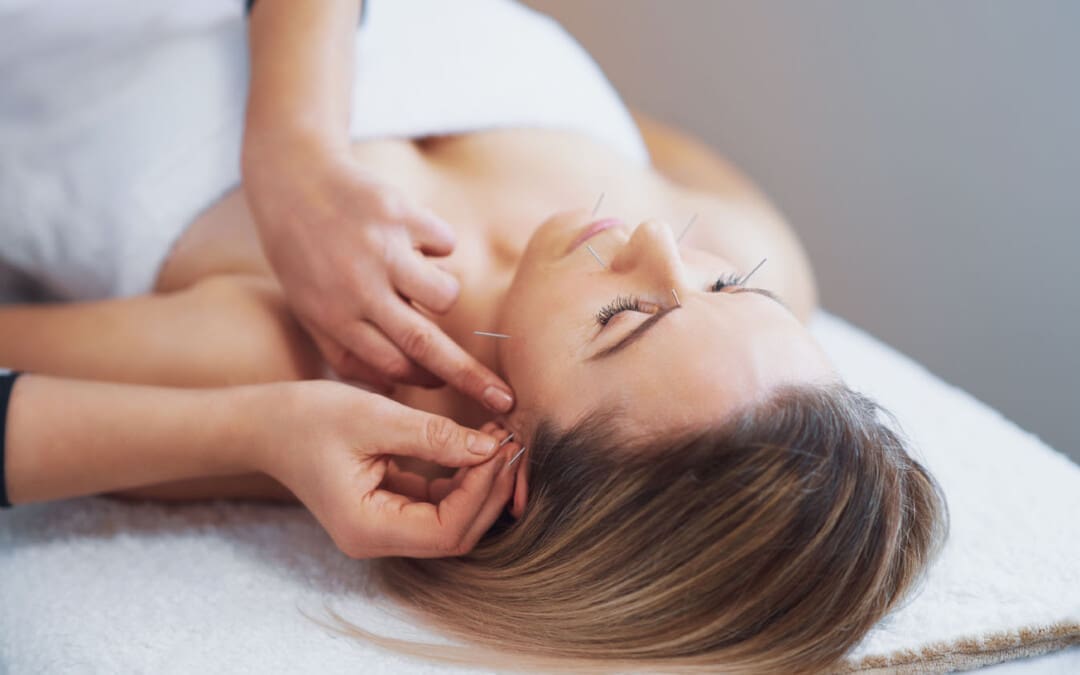
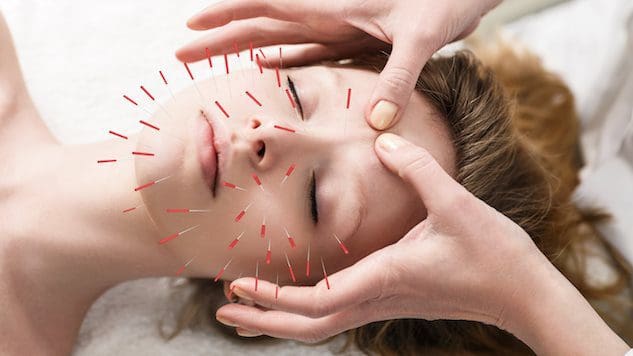
Cosmetic acupuncture follows the traditional acupuncture practice of needle insertion. The objective is to reverse signs of aging and improve skin health. It is sometimes referred to as acupuncture facial rejuvenation, which has been used as an alternative to surgical facelifts and other conventional procedures. Preliminary studies have examined how it can help remove age spots, lift droopy eyelids, and reduce wrinkles. (Younghee Yun et al., 2013)
How Acupuncture Works
In traditional Chinese medicine or TCM, acupuncture has long been used to improve the flow of energy – qi or chi – throughout the body. This energy is believed to circulate through energy pathways known as meridians. When health problems occur, according to TCM, there are obstructions or blockages in the circulation.
Acupuncturists can restore optimal circulation/flow and improve health by inserting needles into specific acupoints. (National Institutes of Health, 2007)
Cosmetic Acupuncture
Cosmetic acupuncture is said to improve skin health and act as an anti-aging treatment by stimulating the production of collagen. This protein is a major component of the skin. The skin’s inner layer loses collagen and firmness as the body ages. However, further research is needed to support the claim that acupuncture can promote collagen production. Some suggest cosmetic acupuncture helps rejuvenate the skin by improving the body’s overall energy. One study found individuals saw improvements after five sessions of facial cosmetic acupuncture. (Younghee Yun et al., 2013) However, it is recommended that ten treatments be performed once or twice a week for optimum results. After that, maintenance treatments are done every four to eight weeks. Unlike Botox or dermal fillers, cosmetic acupuncture is not a quick fix. The focus is to create long-term changes in the skin and body, which means improved:
When the needles are inserted into the skin, they create wounds known as positive microtraumas. The body’s natural healing and repairing abilities activate when it senses these wounds. These punctures stimulate the lymphatic and circulatory systems, which deliver nutrients and oxygen to the skin cells, nourishing them from the inside out.
This helps even out complexion and promotes skin radiance.
The positive microtraumas also stimulate the production of collagen.
This helps improve elasticity, minimizing lines and wrinkles.
Alternatives
Several natural remedies may help improve skin health and offer anti-aging benefits. Ceramides are a fat molecule found naturally in the top layer of the skin and an ingredient used in skin-care products. These may protect against aging-related dryness in the skin. (L Di Marzio 2008) Preliminary research suggests that applying white tea to the skin may fight the breakdown of collagen and elastin – a protein that supports skin elasticity and prevents sagging). There’s also evidence that natural substances such as argan oil, borage oil, and sea buckthorn may offer moisturizing benefits that could improve skin.(Tamsyn S A Thring et al., 2009)
While further evidence of cosmetic acupuncture is needed, integrating acupuncture can help manage stress and enhance overall health. Individuals considering cosmetic acupuncture should consult their primary healthcare provider to see if it is right for them.
Enhancing Health Together: Embracing Multidisciplinary Evaluation and Treatment
References
Yun, Y., Kim, S., Kim, M., Kim, K., Park, J. S., & Choi, I. (2013). Effect of facial cosmetic acupuncture on facial elasticity: an open-label, single-arm pilot study. Evidence-based complementary and alternative medicine : eCAM, 2013, 424313. https://doi.org/10.1155/2013/424313
The National Center for Complementary and Alternative Medicine. (2007). Acupuncture: An Introduction. National Center for Complementary and Alternative Medicine Website. https://choimd.com/downloads/NIH-info-on-acupuncture.pdf
Kuge, H., Mori, H., Tanaka, T. H., & Tsuji, R. (2021). Reliability and Validity of Facial Check Sheet (FCS): Checklist for Self-Satisfaction with Cosmetic Acupuncture. Medicines (Basel, Switzerland), 8(4), 18. https://doi.org/10.3390/medicines8040018
Di Marzio, L., Cinque, B., Cupelli, F., De Simone, C., Cifone, M. G., & Giuliani, M. (2008). Increase of skin-ceramide levels in aged subjects following a short-term topical application of bacterial sphingomyelinase from Streptococcus thermophilus. International journal of immunopathology and pharmacology, 21(1), 137–143. https://doi.org/10.1177/039463200802100115
Thring, T. S., Hili, P., & Naughton, D. P. (2009). Anti-collagenase, anti-elastase and anti-oxidant activities of extracts from 21 plants. BMC complementary and alternative medicine, 9, 27. https://doi.org/10.1186/1472-6882-9-27
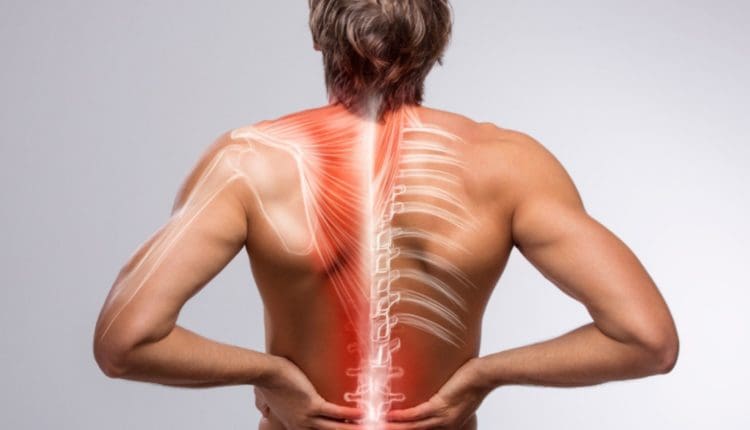
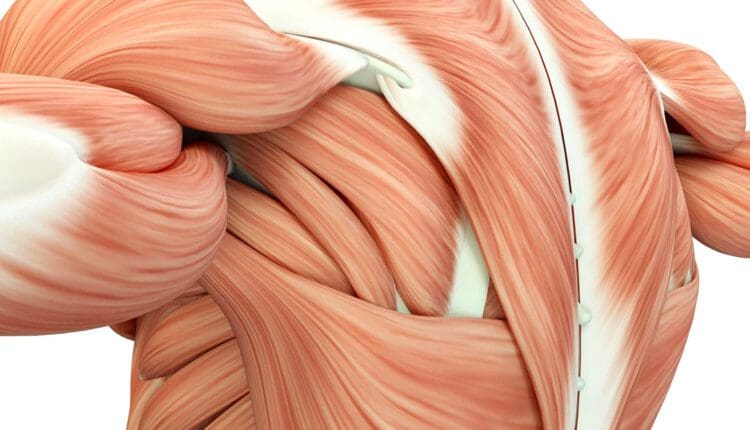
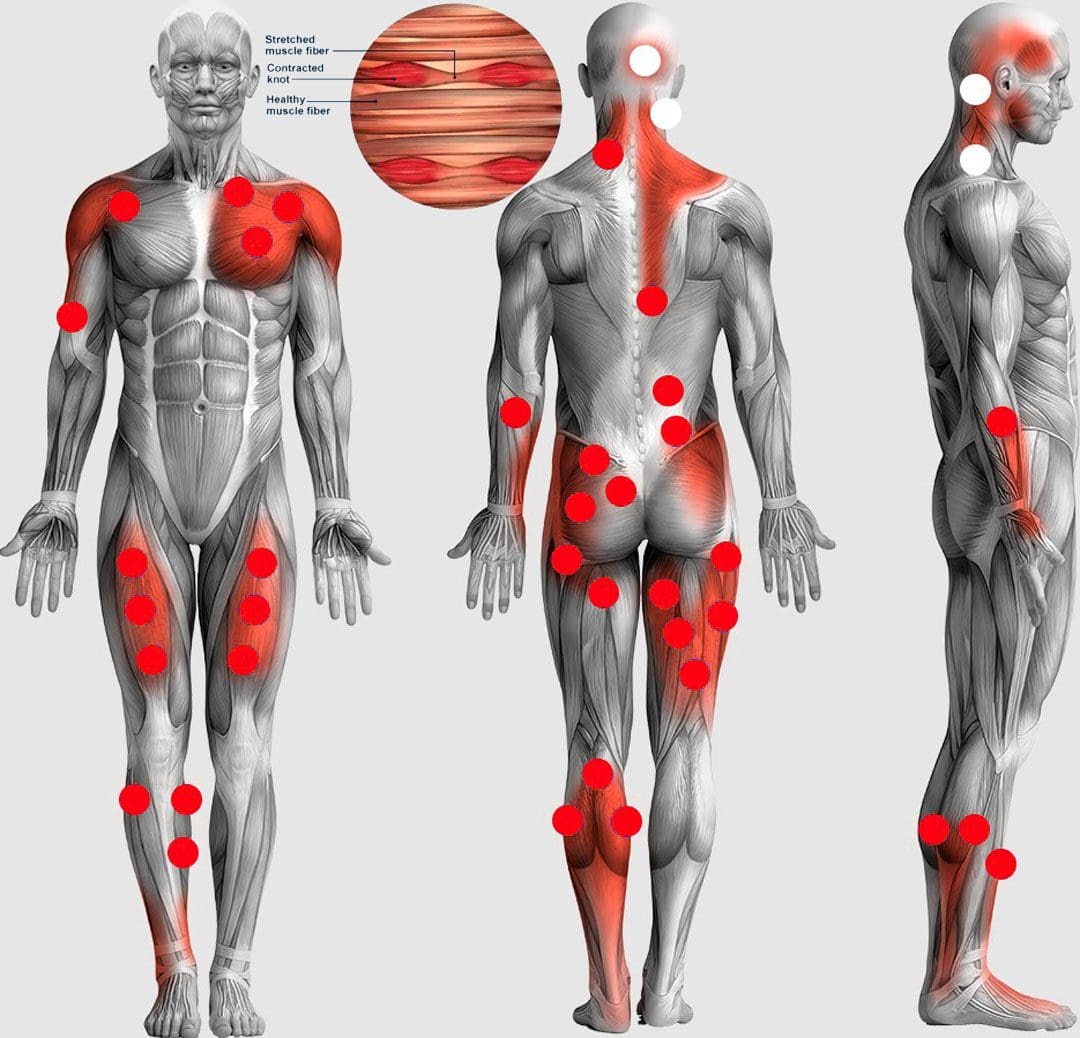
Muscle knots or trigger points are tissues/segments of muscle fibers stuck in a contracted state and balled up or become entangled. To the touch, they can feel like small bumps, nodules, or knots. They are primarily found in muscles, but they can also be found in tendons, fascia, periosteum, and ligaments. Tight muscles can limit flexibility, increase discomfort and pain symptoms, and cause further injury that can develop into chronic conditions. Trigger points can develop in all muscles and multiple muscles simultaneously. The Injury Medical Chiropractic and Functional Medicine Team can create a personalized treatment plan for trigger point alleviation.
Muscle Knots Trigger Points
When muscle fibers are stuck in contraction, blood circulation decreases in and around the affected area, and the necessary nutrients and oxygen cannot be delivered. The excessive accumulation of the chemicals – acetylcholine, and calcium leads to a lack of oxygen in the area, which causes muscle fiber contraction and spasms. As the muscle fibers overly contract, they form a knot. Waste materials build up in the fibers as the blocked circulation doesn’t allow removal. This irritates the trigger point, which reacts by sending out pain signals. The brain responds by telling the body not to use that muscle, causing the muscle to tighten, become weak, and lose range of motion. The other muscles have to work harder to compensate.
Trigger Point Types
Active and Latent
One type is an active trigger point.
The trigger point causes pain and discomfort even when the muscle or tissue rests.
The other type is latent, which means that the point does not cause pain or is sometimes even noticed until pressure is applied to the point or area.
Because key trigger point muscles are weakened, the muscles around that point need to work harder, causing multiple knots to form.
Referred pain happens when a satellite trigger point causes sensations in a different area from the point itself.
Causes
The main causes include the following:
Direct Trauma
Muscle trauma or injury can cause fibers not to heal properly, causing segments to stay deprived of oxygen and knotted.
Excessive and Extended Exercising
During exercise/physical activity, profound muscle strain and injury can occur from pushing too hard for too long without proper recovery and repair.
Maintaining Healthy Posture
Unhealthy postures can cause tension, stiffness, and aches and pains.
Stress and Fatigue
Emotional and physical stress takes a toll on the body, which can result in excessive muscle contraction.
Most of the time, it happens subconsciously without realizing that the body is tensing up.
This is why engaging in relaxation activities, including therapeutic massage, is important.
Inactivity
Lack of physical activity and a sedentary lifestyle can cause muscle spasms and over-contracting, leading to muscle knots.
Medical Conditions
Conditions that affect muscles, like arthritis and fibromyalgia or medications, can cause muscle spasms and the development of trigger points.
Chiropractic and Massage Therapy
Chiropractic and therapeutic massage is an effective treatment to relieve muscle knots and symptoms and restore the body to optimal function. Massage uses various techniques to increase blood circulation, break down inflexible scar tissue and stretch and loosen muscles. Pain and discomfort decrease by allowing the muscles to move and restoring blood flow.
Massage Therapy Chiropractic Care
References
Barbero, Marco, et al. “Myofascial pain syndrome and trigger points: evaluation and treatment in patients with musculoskeletal pain.” Current Opinion in Supportive and palliative care vol. 13,3 (2019): 270-276. doi:10.1097/SPC.0000000000000445
Cheung, Karoline, et al. “Delayed onset muscle soreness: treatment strategies and performance factors.” Sports medicine (Auckland, N.Z.) vol. 33,2 (2003): 145-64. doi:10.2165/00007256-200333020-00005
Money, Sarah. “Pathophysiology of Trigger Points in Myofascial Pain Syndrome.” Journal of Pain & palliative care pharmacotherapy vol. 31,2 (2017): 158-159. doi:10.1080/15360288.2017.1298688
Moraska, Albert F et al. “Responsiveness of Myofascial Trigger Points to Single and Multiple Trigger Point Release Massages: A Randomized, Placebo-Controlled Trial.” American Journal of physical medicine & Rehabilitation vol. 96,9 (2017): 639-645. doi:10.1097/PHM.0000000000000728
Weerapong, Pornratshanee, et al. “The mechanisms of massage and effects on performance, muscle recovery, and injury prevention.” Sports medicine (Auckland, N.Z.) vol. 35,3 (2005): 235-56. doi:10.2165/00007256-200535030-00004
IFM's Find A Practitioner tool is the largest referral network in Functional Medicine, created to help patients locate Functional Medicine practitioners anywhere in the world. IFM Certified Practitioners are listed first in the search results, given their extensive education in Functional Medicine