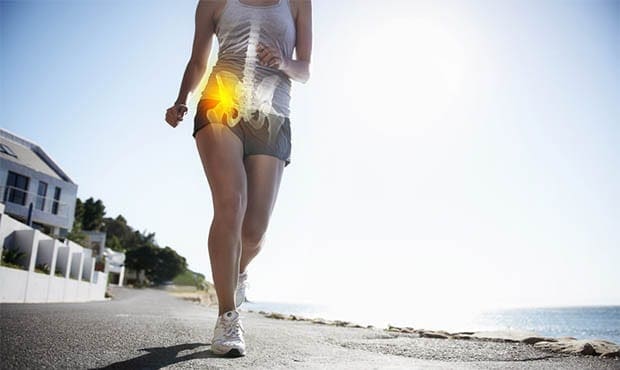
While scoliosis is a disorder that affects the backbone there are many other circumstances that could be a element that drives the curvature. One of the most frequent are imbalances in the pelvis and lower extremities.
In optimum upright human posture the the top needs to be positioned on the midline of the shoulder, rib cage, lumbar spine, pelvis, knees ankles and feet. Something that causes a deviation from orthogonal placement exacerbate a scoliosis imbalance and can significantly impact the posture of the body.
Just as an imbalance in the base of a building can trigger difficulties the structure over-head, feel of the leaning tower of Pisa which is only 4 levels off it�??s vertical stability, imbalances in the pelvis and lower extremities can cause issues to the structural integrity of the backbone above it. When the foundation is not level the spine should adapt in order to keep the eyes level with the horizon.
Imbalances Affecting Scoliosis Progression
These are some of the more common contributing elements that should they’re a problem need to be resolved to enable optimum conservative administration of a scoliosis.
Leg Length Discrepancies
There are two sorts of leg length discrepancies that are commonly described by doctors.
Apparent Leg-Length Deficiency: The legs are of equal length but one side of the body is drawing up the leg as a result of imbalances in the muscles of the pelvis and trunk on that aspect.
True Leg-Length Deficiency: There is a real difference in length from left to right.
When there’s a leg size deficiency that was true then thought have to be created for for offering a shoe lift to the side of deficiency but only if an addition of a raise will also seem to help improve the scoliosis. If the scoliosis would be worsened by adding a raise to the facet that was deficient then it would be contraindicated.
An apparent short leg can result from an imbalance in the pelvis or could be a compensatory mechanism involving the the total amount techniques of the backbone. Treatment can contain chiropractic adjustments to recover motion to the adapted shortened muscles of the spiral lines of the physique in the pelvis and atlas or trunk orthogonal therapy to help reduce neuro logical adaptations in the postural mechanisms of the spine to the pelvis, active release treatment.
Pes Valgus is a disorder that is commonly known as a flat foot disorder?�. It can occur on one side or bilaterally also it can affect the integrity of foot and the lower extremity. When the postural muscles of the arch of the foot are weakened then foot flattens inward. This causes a torque to the knee, hi-P, pelvis and eventually the spine.
Postural Collapse of the Foot & Scoliosis
This torque force can help push the progression of the scoliosis by adding on the spine to the ab-normal forces and must be addressed as a way to help improve the curvature.
Corrective workout to help restore the arch of the foot, like a Short Foot?� workout, strolling barefoot over uneven terrain or perhaps barefoot operating can occasionally be really advantageous in supporting recover the proper bio-mechanical function of the arch of the foot.
The use of custom orthotics are still another superb method to assist enhance the bio-mechanical place of the foot to help torque the lower extremities and decrease the imbalances which can be contributing to the scoliosis, but only if the orthotic is cast in the place.
The scope of our information is limited to chiropractic and spinal injuries and conditions. To discuss options on the subject matter, please feel free to ask Dr. Jimenez or contact us at 915-850-0900 .
By Dr. Alex Jimenez
Additional Topics: Scoliosis Pain and Chiropractic
According to recent research studies, chiropractic care and exercise can substantially help correct scoliosis. Scoliosis is a well-known type of spinal misalignment, or subluxation, characterized by the abnormal, lateral curvature of the spine. While there are two different types of scoliosis, chiropractic treatment techniques, including spinal adjustments and manual manipulations, are safe and effective alternative treatment measures which have been demonstrated to help correct the curve of the spine, restoring the original function of the spine.
Limb length discrepancy is a difference between the lengths of the arms or legs. Except in severe circumstances, variations in arm size do not usually influence the way the arms perform and may not require the need for physical therapy.
A discrepancy in leg length will typically become clear to parents as they watch their child develop and start to crawl and walk. Some kids are born with legs of different lengths. In other cases, illness or injury causes a discrepancy in length to produce over time. While a minor variation in leg length may not cause symptoms, a significant difference can cause a noticeable limp and allow it to be difficult for a kid to run and play.
Parents are typically the first to discover a leg length discrepancy when they discover a problem together with the way their child walks. Discrepancies are also sometimes detected when a child undergoes a screening at school for curvature of the spine, or scoliosis. It’s important to notice, nevertheless, that leg length discrepancy does not always lead to scoliosis.
Scoliosis may be triggered or exacerbated by way of a leg-length discrepancy. Leg length discrepancy could be either a true discrepancy or as an outcome of pelvic obliquity. How would you tell in case there is a true leg-length discrepancy that is the result of an anatomical cause or if it is an apparent (non-true) leg length discrepancy and the result of pelvic obliquity? A medical practioner can assist determine this.
Limb Length Discrepancy & Scoliosis Evaluations
Throughout the examination, your physician will ask about signs, medical history, and your youngster general health. She or he will then execute a cautious examination, observing how your child sits, stands, and moves.
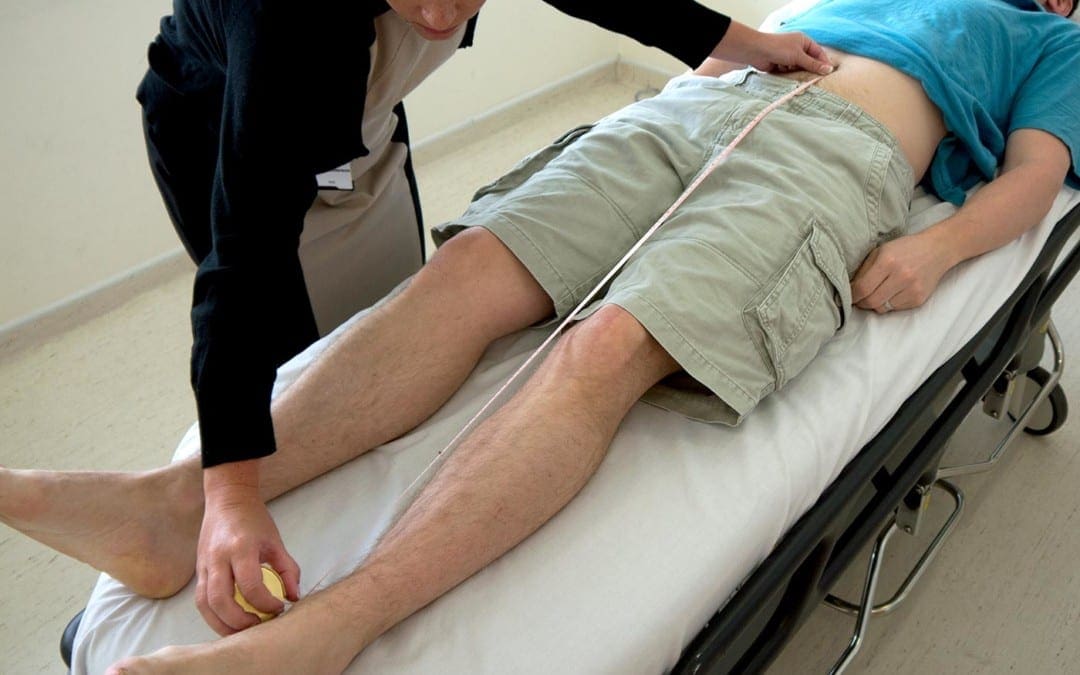
Gait evaluation. Throughout the examination, your doctor will carefully observe your youngster gait (the way he/she walks). A limb length discrepancy may be compensated to get by young kids by strolling on their toes or flexing their knee.
Measuring the discrepancy. When your youngster is standing bare foot in most cases, the doctor will calculate the discrepancy. Until the hips are level, then measure the blocks to decide the discrepancy she or he will place a series of wooden blocks underneath the short leg.
Imaging Studies for Leg Length Discrepancy
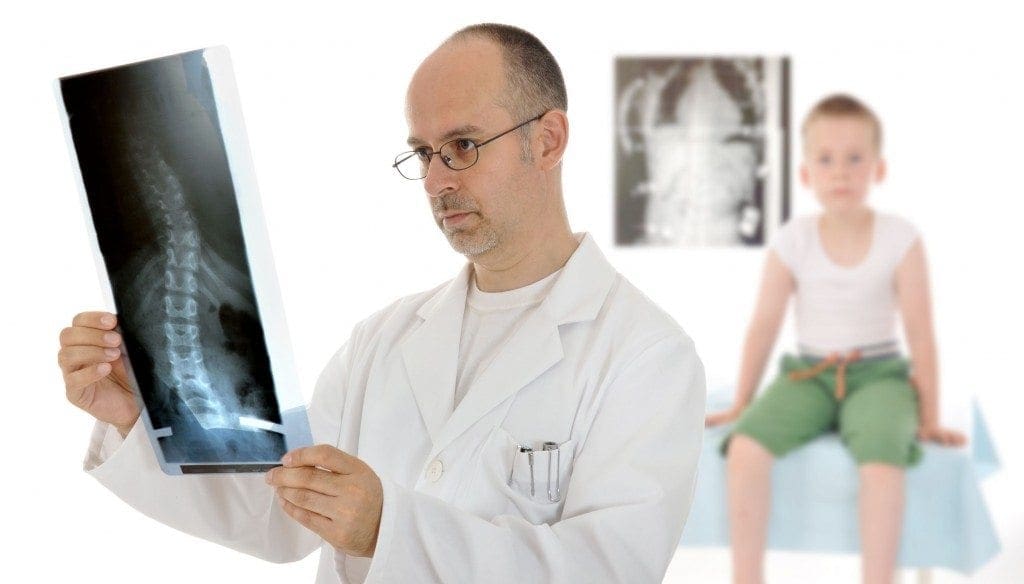
X-rays: An xray provides pictures of structures that are dense, including bone. If your physician needs a mo Re precise measurement of the discrepancy, she or he may buy x rays of your child’s legs.
Scanograms: This is a special type of x ray that utilizes a series of three images along with a ruler to measure the amount of the bones in the legs. A scanogram may be ordered by your doctor in addition, or instead of to, a x-ray.
Computerized tomography (CT) scans: These studies can offer a more detailed image of the bone and soft-tissue in the legs. Sometimes, your doctor will use a CT scan to calculate the limb length discrepancy.
In case your child is still growing, your physician might repeat imaging studies and the physical examination every six months to some year to view if the discrepancy h-AS increased or remained the same. With the same sort of imaging study over time, your doctor will follow your child because an x ray measurement is unable to be compared with a CT scan measurement.
Scoliosis from Leg Length Inequality (As Seen on X-Ray)
The causes of an apparent leg length discrepancy that might potentially cause some form of scoliosis is typically because of pelvic obliquity due to muscle imbalances. If the discrepancy is apparent or true, the implications are the same. It can affect the patient�??s gait and result in knee, ankle, and hip dysfunction.
Also, in the event the individual develops if the trigger is not tackled and an operating scoliosis, the scoliosis may become structural. In the case of a patient with scoliosis (structural or functional) plus a leg length discrepancy, spinal and ribcage muscle imbalances are apparent and should be addressed.
The scope of our information is limited to chiropractic and spinal injuries and conditions. To discuss options on the subject matter, please feel free to ask Dr. Jimenez or contact us at 915-850-0900 .
By Dr. Alex Jimenez
Additional Topics: Scoliosis Pain and Chiropractic
According to recent research studies, chiropractic care and exercise can substantially help correct scoliosis. Scoliosis is a well-known type of spinal misalignment, or subluxation, characterized by the abnormal, lateral curvature of the spine. While there are two different types of scoliosis, chiropractic treatment techniques, including spinal adjustments and manual manipulations, are safe and effective alternative treatment measures which have been demonstrated to help correct the curve of the spine, restoring the original function of the spine.
Scoliosis is described as lateral abnormal curvature of the backbone. Broadly speaking, there are two types of scoliosis, nonstructural and structural
Nonstructural Scoliosis: There is not any structural abnormality in the backbone although in this kind of scoliosis, the spine has a curvature. The curvature is to an illness process or routine in reaction to. The spine is structurally regular with a curvature, no rotation, with no asymmetry.
Types of nonstructural scoliosis:
Postural: This curvature is due to use of a wrong posture. When the kid is lies down it resolves.
Compensatory: It’s triggered by leg-length discrepancy. There’s no rotation of the vertebrae on sitting plus it typically goes off.
Sciatic: This curve results from attempting to prevent pain from an irritated nerve
Inflammatory: Here a curvature in the backbone is triggered through an infective process such as an appendicitis. The body curves to the disease or muscle spasm in reaction.
Hysterical: very rare and has an underlying component that is mental
Structural Scoliosis: A scoliosis is the one that requires both a curvature and rotation of the vertebrae. Most frequent type is the one where no cause may be found.
Idiopathic Scoliosis: Where the trigger isn’t known, most frequent type of scoliosis is idiopathic. Scoliosis is categorized based on the age when scoliosis develops. For example in a person less than 3 years old, it’s called infantile idiopathic scoliosis.
Non Idiopathic Scoliosis: Neuromuscular; It’s caused by an abnormal development of the bones of the spine for instance hemivertebra or due to other issues. Degenerative; Scoliosis occurs in older adults. Degenerative changes might lead to weakening of the ligaments that are typical and gentle tissues of the spine. In existence of arthritic changes abnormal curvature may result
Miscellaneous: Any pathology in the backbone like spine tumors may cause people to lean to the side that is contrary to reduce discomfort. Posturing may lead to scoliosis.
When no cause is known most common type of scoliosis is idiopathic, a term used in medical literature. Non structural scoliosis forms a small percentage of scoliosis.
Most common causes in this group are neuro muscular illnesses such as hemivertebra such as poliomyelitis, cerebral palsy or muscular dystrophy or delivery defects. Injury may be another cause. Infections or tumors also might give rise to curvature of the spine.
Here is the list of causes of non idiopathic structural scoliosis.
Cerebral palsy
Spinocerebellar degeneration
Friedreich�s ataxia
Hereditary Motor and Sensory Neuropathies
Trauma
Spinal tumor
Syringomyelia
Poliomyelitis
Spinal muscular atrophy I-IV (usually right sided curve)
Dysautonomia
Arthrogryposis
Muscular dystrophies
Fibre type disproportion
Congenital hypotonia
Myotonia dystrophica
Achondroplasia and hypochondroplasia � mainly lordosis or thoracolumbar kyphosis.
Spondylolisthesis
Mesenchymal disorders like Marfan�s syndrome or Ehler�s-Danlos syndrome
Neuromuscular Scoliosis: Neuromuscular scoliosis develops at a younger age than idiopathic curves along with a greater percentage of neuro muscular curves are progressive. Usually neuro muscular curves are long, C- shaped curves and associated pelvic obliquity is frequent.
The fundamental treatment methods are similar �?? observation, orthotic therapy, and surgery.
The objective of remedy is to maintain a backbone balanced in the sagittal and coronal planes over an amount pelvis.
These individuals generally are compliant with administration and surgery is linked complications like less bone inventory, improved bleeding, fusions that are lengthier, and also the the need for fusion to the pelvis.
More About the Types of Scoliosis
The scope of our information is limited to chiropractic and spinal injuries and conditions. To discuss options on the subject matter, please feel free to ask Dr. Jimenez or contact us at 915-850-0900 .
By Dr. Alex Jimenez
Additional Topics: Scoliosis Pain and Chiropractic
According to recent research studies, chiropractic care and exercise can substantially help correct scoliosis. Scoliosis is a well-known type of spinal misalignment, or subluxation, characterized by the abnormal, lateral curvature of the spine. While there are two different types of scoliosis, chiropractic treatment techniques, including spinal adjustments and manual manipulations, are safe and effective alternative treatment measures which have been demonstrated to help correct the curve of the spine, restoring the original function of the spine.
Generally, the true cause of scoliosis is unknown. This is medically identified as idiopathic scoliosis. It commonly develops in the pre-teen and teen years and it usually runs in families.
There are two types of scoliosis: non-structural or functional and structural.
Functional Scoliosis
Nonstructural or functional scoliosis is characterized when a structurally normal spine begins to develop a lateral curvature in their spinal column.
Nonstructural scoliosis involves a temporary change in the curve of the spine. This is caused by an underlying condition, such as a difference in leg length, otherwise known as limb length discrepancy, muscle spasms, or inflammatory conditions, (e.g. appendicitis), which might produce muscle spasm. Functional scoliosis is treated by correcting the problem. The spine itself needs no treatment.
Functional scoliosis is also referred to as nonstructural scoliosis in contrast to structural scoliosis in which there’s a set curve of the bones of the spine (the vertebrae).
Structural Scoliosis
Structural scoliosis is characterized by a fixed lateral curvature of the spine.
Structural scoliosis often does occur from unknown factors without mention of the other physical problems (idiopathic scoliosis). It tends to affect girls during adolescence.
Scoliosis can also manifest as a result of a syndrome or disease. Examples of circumstances that can result in structural scoliosis are: Marfan syndrome (an inherited connective tissue disorder); other connective tissue problems; neuromuscular diseases (including cerebral palsy, poliomyelitis, or muscular dystrophy); birth defects (for example hemivertebra, in which one aspect of a vertebra fails to form normally before birth); injury; certain infections of the spine; tumors (such as those caused by neurofibromatosis, a heritable disease linked with benign tumors on the spinal column); metabolic (biochemical) ailments; or some arthritic diseases.
Structural scoliosis is different than nonstructural (functional) scoliosis when the spine seems to have have a lateral curve (scoliosis) but it’s structurally normal.
Scoliosis Symptoms
In kids and teens, scoliosis typically does perhaps not trigger signs and is maybe not obvious until the curve of the backbone becomes severe or average. It may possibly first become apparent to some parents who observes that the child’s clothes don’t fit properly or that hems hang unevenly. The kid’s backbone may possibly seem crooked, or the ribs may stick out.
In a child who has scoliosis:
One shoulder may seem higher as opposed to other.
The other may not look greater than one hip.
The kid head is not centered over his or her body.
One shoulder blade might stand out out more in relation to the other.
The ribs are greater on one side when the child bends ahead from the waist.
The waistline might be flat on one facet.
The majority of the time scoliosis does maybe not cause pain in kids or teens. It may be because the curve in the spine is causing stress and strain on the on the spinal discs, nerves, muscles, ligaments, or aspect joints, when back pain is present with scoliosis. It is not generally triggered by the curve it self. Pain in a a young adult who has scoliosis may be a sign of some other problem, such as a bone or tumefaction. It is very important he or she see a physician to find out what is causing the discomfort if your child has pain with scoliosis.
Some other problems, like kyphosis, trigger symptoms similar to scoliosis.
Simplifying Scoliosis
The scope of our information is limited to chiropractic and spinal injuries and conditions. To discuss options on the subject matter, please feel free to ask Dr. Jimenez or contact us at 915-850-0900 .
By Dr. Alex Jimenez
Additional Topics: Scoliosis Pain and Chiropractic
According to recent research studies, chiropractic care and exercise can substantially help correct scoliosis. Scoliosis is a well-known type of spinal misalignment, or subluxation, characterized by the abnormal, lateral curvature of the spine. While there are two different types of scoliosis, chiropractic treatment techniques, including spinal adjustments and manual manipulations, are safe and effective alternative treatment measures which have been demonstrated to help correct the curve of the spine, restoring the original function of the spine.
The Schroth Method is a non-surgical principle of scoliosis treatment using scoliosis-specific exercise based on curve-pattern.
The scoliosis exercises do not resemble traditional exercises and the Schroth method includes a proprietary corrective breathing technique known as rotational breathing also known as rotational angular breathing (RAB). Each patient with scoliosis has a unique curve pattern and the goal of the Schroth method is to de-flex and de-rotate the trunk allowing a return to a more �normal� physiological position.
The term scoliosis exercise leads people to think it�s easy to manage scoliosis via exercise � well it can be, once mastered. It is important that training is conducted by an experienced and knowledgeable expert in Schroth methodology. With focused instruction in the newest evolution of the Schroth method, it is possible for the patient to learn the skills needed for lifetime management, to incorporate those into daily life.
Schroth Method Goals
Patients incorporating the Schroth Method into their lives can expect a few, many, or all of the following:
Spinal stabilization and better balance via improved body mechanics
Halt scoliosis curve progression � in adolescents we strive for reduction
Improve lung capacity via corrective breathing and active rib mobilization
Relieve or reduce pain as a result of scoliosis
Improve strength and flexibility
Prevent or avoid surgery
Improve postural appearance
Learn to maintain spinal corrections during daily activities
Empowerment given the knowledge and tools to manage one�s own unique scoliosis
For post-surgical scoliosis patients, the Schroth Method helps to improve posture and create stability above and below the fused spinal segments
The scoliosis treatment programs are comprehensive outpatient Schroth Method programs for those with mild, moderate or severe scoliosis:
Adolescent scoliosis
Adult scoliosis
Post-surgical scoliosis
Scheuermann�s Kyphosis
Rotational Breathing
Why Schroth rotational breathing for scoliosis?
�During physiological respiratory movement, all regions of the trunk, thorax and abdomen expand, with the purpose of increasing the volume and the air intake to the lungs. The thoracic cage and inhalation muscles on one side and the lung mass on the other, form two elastic systems in opposite directions, joined by two sheets of pleural space. The scoliosis deformation process causes morphological changes to the trunk. some areas of the trunk protrude or become convex, and others sink in or become concave. Breathing mechanics do not function normally. The deformity causes an imbalance in all muscles of the trunk.�
� from “Best Practice in Conservative Scoliosis Care”, by Dr. Hans-Rudolf Weiss
Corrective rotational breathing is the proprietary feature of the Schroth Method and Schroth Best Practice� scoliosis exercise protocols.
During Schroth instruction, the patient learns how to change their breathing pattern in order to decrease the risk of scoliotic curve progression. The focus is on expansion of the collapsed concave areas during inspiration. This enhances mobility and promotes a more balanced posture.
According to the conclusions of various research studies, the physiotherapy program as developed by Schroth can be regarded as highly effective for the prevention or treatment of secondary functional impairment, particularly with respect to the restrictive ventilatory disorder. It has also already been shown to have a beneficial effect on scoliosis related pain.
Schroth Method Exercise Examples
The scope of our information is limited to chiropractic and spinal injuries and conditions. To discuss options on the subject matter, please feel free to ask Dr. Jimenez or contact us at 915-850-0900 .
By Dr. Alex Jimenez
Additional Topics: Lower Back Pain After Auto Injury
After being involved in an automobile accident, neck injuries and aggravated conditions, such as whiplash, are some of the most commonly reported types of injuries, due to the force of the impact. A study discovered, however, that the seat of a vehicle can often lead to injuries as well, causing lower back pain and other symptoms. Lower back pain is also among one of the most common types of automobile accident injuries in the U.S. alone.
The Schroth Method is a non-surgical principle utilized as a scoliosis treatment which consists of scoliosis-specific exercises depending to curve-pattern.
The scoliosis exercises used in this form of treatment do not resemble conventional exercises and also, the Schroth method focuses on a proprietary corrective breathing technique called rotational breathing, or rotational angular breathing (RAB). Each patient with scoliosis has a curve pattern that is unique. The aim of the Schroth method is to correct the torso, allowing it to restore its original physiological structure.
The term scoliosis exercise leads people to think it�s simple to handle scoliosis via exercise. However, it is important that an experienced and qualified healthcare professional whom specialized in Schroth methodology conducts the training. With proper education on the Schroth method of exercises for scoliosis, it’s possible for patients to integrate them into daily life and understand the abilities required for lifetime management. For individuals who choose to understand the Schroth method, the benefits are endless.
More About the Schroth Method
Special Schroth method exercises for scoliosis target the trunk and the core, but they truly start in the feet or pelvis. The exercises are accustomed to correct the backbone in three-dimensions and contain special instructions, based on curve pattern, prior to starting the exercise which will incorporate the rotational respiration. Creator Katharina Schroth developed the technique in Germany more than ninety years back.
Simply stated, the aim of the Schroth method is to correct the spine in the frontal, sagittal and transverse planes. That is achieved through de-flexion, de- rotation and elongation of the spine and rib cage. The patient learns to reinforce the musculature surrounding the spine, focusing primarily on creating overall stability and spinal balance to provide overall health and wellness.
Working to correct the backbone in this mode is a key to successful scoliosis direction. Possible advantages for many who learn and practice the Schroth method approach for scoliosis are:
Stopped or potentially reduced progression in teenagers
Spinal de-rotation
Improved lung function
Chest expansion that is improved
Enhanced postural appearance
A more balanced posture
Decrease or removal of pain, if present
A component of empowerment over scoliosis (the value of this cannot be underestimated) and the chance for control over what’s frequently presumed to be a condition that’s uncontrollable from the patient
The Schroth method exercises should be unique to every individual. Because of this, it’s essential for healthcare professionals to work on a one-on-one basis with their patients, rather than in groups. There are lots of Schroth scoliosis exercises. A chiropractor, physical therapist, or other specialist can determine which exercises are best for every single patient and on the basis of the curve pattern effectiveness of every exercise for the individual. On a side note, not every exercise may function the same for each person.
Patients must focus physically and mentally as well as work at internalizing the concepts of re-establishing their body’s balance. Patients are additionally instructed awareness and optimal postural control during everyday activities to prevent the progression of scoliosis.
Individuals with scoliosis experience imbalances along the muscles in their back on opposing sides. Schroth method exercises lengthen the muscles on the concave side of the spine while the patient learns to shorten the muscles on the convex side of the back. Schroth method rotatory respiration teaches patients to breathe to the concave side of the torso. This inhalation period is followed by the exhalation phase, generally known as stabilization. Stabilization helps re-establish a more stable three-dimensional spinal alignment, helping the patient be able to understand how the spine is corrected.
Patience is the key to effective results from the Schroth method exercises.
The Schroth Method – Exercises for Scoliosis
The scope of our information is limited to chiropractic and spinal injuries and conditions. To discuss options on the subject matter, please feel free to ask Dr. Jimenez or contact us at 915-850-0900 .
By Dr. Alex Jimenez
Additional Topics: Neck Pain and Auto Injury
After being involved in an automobile accident, the sheer force of the impact can often cause whiplash, a common type of neck injury resulting from the sudden, back-and-forth motion of the head against the body due to a car wreck, or other incident. Because of this, many of the complex structures found within the neck, including the spine, ligaments and muscles, can be stretched beyond their normal range, causing injury and painful symptoms.
A very few number of research studies have been conducted to examine how effective the Schroth method is towards the management of scoliosis, particularly in countries such as the United States, where the duration of therapy programs are generally constrained to an average of 1 to 3 sessions.
Researchers conducted a study on a 26 year old female with adolescent idiopathic scoliosis in order to examine the effects of Schroth therapy. The physical therapy regimen included a 1-hour Schroth method session of exercises, twice per week for four weeks, followed by one session of the Schroth therapy each week for 20 additional weeks. Furthermore, the research study also included a home exercise program which consisted of 30-minute sessions, five days per week. All evaluation measurements and results were recorded before and after the treatment.
After a 6-month treatment period, the patient had experienced a significant and measurable improvement of symptoms as well as the overall condition. Additionally, the patient was satisfied with their results, reporting improved bodily strength and she felt more comfortable with her appearance.
The findings of the research study suggest that scoliosis treatment utilizing the Schroth method and it’s specific exercises may be an effective treatment option for the spinal condition to the traditional methods of treatment and rehabilitation.
Researchers also conducted another study to compare the effectiveness of Schroth method exercises in other patients with adolescent idiopathic scoliosis. Designed as a randomized-controlled study in an outpatient exercise-unit and in a home setting, the research study consisted of fifty-one patients who were diagnosed with adolescent idiopathic scoliosis or AIS. Forty-five of the patients with adolescent idiopathic scoliosis whom met the inclusion criteria were divided into three groups. The Schroth method exercises were applied to the first group in the clinic, which were also given to the second group as a home regimen and the third group was the control group.
The findings of the research study demonstrated an improvement of the condition and its symptoms in the clinic Schroth method exercise group compared to the other groups. According to the results, the waist asymmetry improved only in the clinic exercise group where the results of the other groups worsened. In conclusion, the Schroth exercise program was effective towards improving scoliosis and its symptoms.
How to Treat Scoliosis – About the Schroth Method
The scope of our information is limited to chiropractic and spinal injuries and conditions. To discuss options on the subject matter, please feel free to ask Dr. Jimenez or contact us at 915-850-0900 .
By Dr. Alex Jimenez
Additional Topics: Neck Pain and Auto Injury
After being involved in an automobile accident, the sheer force of the impact can often cause whiplash, a common type of neck injury resulting from the sudden, back-and-forth motion of the head against the body due to a car wreck, or other incident. Because of this, many of the complex structures found within the neck, including the spine, ligaments and muscles, can be stretched beyond their normal range, causing injury and painful symptoms.
IFM's Find A Practitioner tool is the largest referral network in Functional Medicine, created to help patients locate Functional Medicine practitioners anywhere in the world. IFM Certified Practitioners are listed first in the search results, given their extensive education in Functional Medicine