
by Dr Alex Jimenez DC, APRN, FNP-BC, CFMP, IFMCP | Functional Medicine
Food:�Genes that determine illness are triggered by what we put into our bodies, literally what we eat. Our cells are literally created out of the foods we put into our bodies. Like most people do, we are likely eating nutrient-poor foods that create damaged dysfunctional cells. When we learn to eat foods that nourish the body, our cells repair themselves, and the new cells created will be optimal functioning cells.
Unhealthy foods create chronic inflammation, which is destructive to the body. Inflammation is normally the body�s healthy response to injury or infection. However, when inflammation becomes chronic, from constant assault on the gut by consuming the wrong foods, inflammation becomes the cause of destructive diseases, i.e. Lupus, Rheumatoid Arthritis, Colitis and other inflammatory diseases.
Disclosure
Terry Wahls, MD disclosed no relevant financial relationships with any commercial interest.
Environmental Factors In Autoimmune Diseases & MS
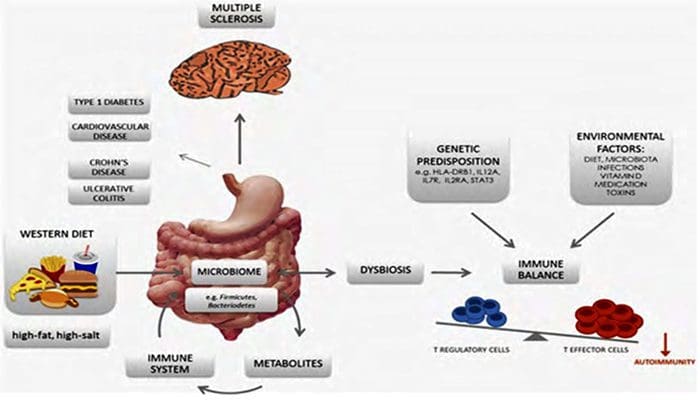 Environmental factors in autoimmune diseases and their role in multiple sclerosis. Cell Mol Life Sci. 2016; 73(24): 4611�4622.

Diet Papers
Autoimmune
- 1999 � 36
- 2002 -57
- 2008 � 78
- 2013 � 125
- 2016 � 150
Multiple Sclerosis
- 1999 � 9 papers (supplement)
- 2002 � 2 papers (supplement)
- 2008 � 26 papers
- 2013 – 48 papers
- 2016 -54 papers
Dietary Factors Associated With Autoimmunity
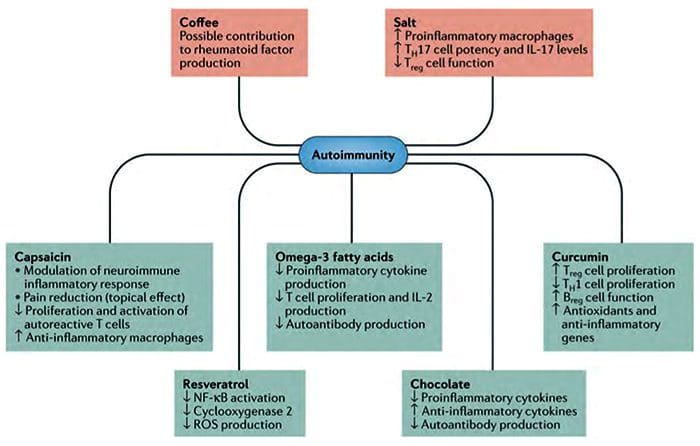 Nat Rev Rheumatol. 2017 Jun;13(6):348-358.
The two routes by which diet can influence our health:
(A) the metabolism of our cells and
(B) the population of our gut microbiota.
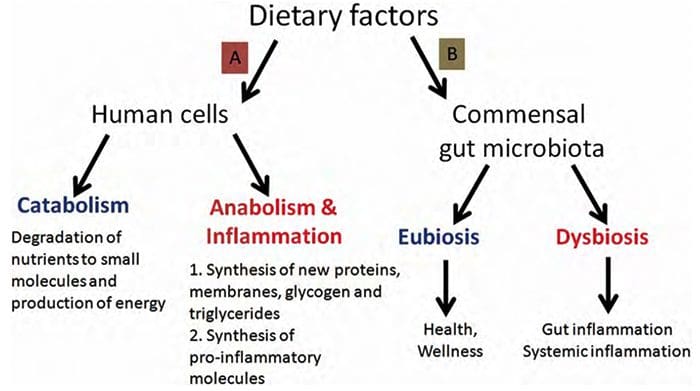 Paolo Riccio, and Rocco Rossano ASN Neuro
2015;7:1759091414568185
Copyright � by SAGE Publications Inc, or the American Society for Neurochemistry, unless otherwise noted.
Manuscript content on this site is licensed under Creative Commons Licenses.
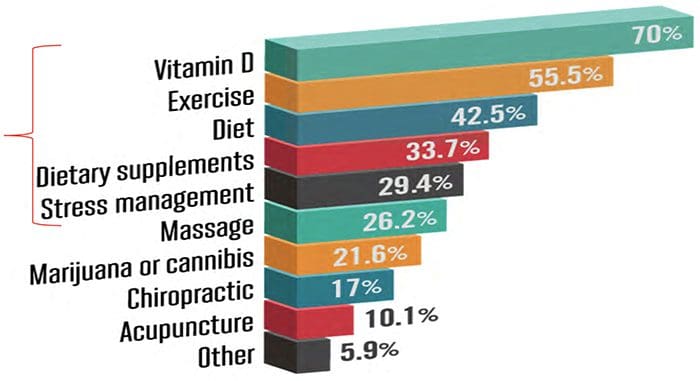 The MS in America study, 2013
http://multiplesclerosis.net/ms-in-america-2013/use-of-remedies-in-ms/
The Swank Diet
- N=144 followed 50 years
- < 15 grams saturated fat vs. > 20 grams
- Greatest benefit earlier in the disease course
- More likely to remain ambulatory
1. Review of MS patient survival on a Swank low saturated fat diet. Nutrition. 2003 Feb;19(2):161-2. Review.
2. Effect of low saturated fat diet in early and late cases of multiple sclerosis. Lancet. 1990 Jul 7;336(8706):37-9.
3. Multiple sclerosis: twenty years on low fat diet. Arch Neurol. 1970 Nov;23(5):460-74
Low-Fat, Plant-Based Diet In Multiple Sclerosis: A Randomized
Controlled Trial
- This was a randomized-controlled, assessor- blinded, one-year long study
- N=61
- No change in EDSS, MRI
- Modestly reduced fatigue (MFIS)
- Trend reduced fatigue (FFS)
Low-fat, plant-based diet in multiple sclerosis: A randomized controlled trial Mult Scler Relat Disord. 2016 Sep;9:80-90.
Elemental Diet
- Predigested formula instead of food
- Reduced intestinal permeability
- Equivalent to steroids in the setting of
- Crohn�s disease
- Rheumatoid arthritis
1. Voitk AJ, Echave V, Feller JH, et, al: Experience with elemental diet in the treatment of inflammatory bowel disease. Is this primary therapy? Arch Surg, 1973;107: 329-333.
2. Tim LO, Odes HS, Duys PJ, et al. The use of an elemental diet in gastrointestinal diseases. S Afr Med J,1976;50: 1752-1756
3. Zoli G, Care? M, Parazza M et al, A randomized controlled study comparing elemental diet and steroid treatment in Crohn’s disease. Aliment
Pharmacol Ther. 1997 Aug;11(4):735-40.
4. Zachos M, Tondeur M, Griffiths AM. Enteral nutritional therapy for induction of remission in Crohn�s disease. Cochrane Database Syst Rev, 2007
January 24;(1)
5. Podas T, Nightingale JM, Oldham R, et al, Is rheumatoid arthritis a disease that starts in the intestine? A pilot study comparing an elemental diet with
oral prednisolone. Postgrad Med J. 2007 Feb;83(976):128-31
6. Podas T, Nightingale JM, Oldham R, et al, Is rheumatoid arthritis a disease that starts in the intestine? A pilot study comparing an elemental diet with
oral prednisolone. Postgrad Med J. 2007 Feb;83(976):128-31
Exclusion Diets
- Eliminated specific protein sources � RA Sx ?
- Raw vegan, vegan and gluten free vegan
- Systematic review of 14 RCTs
- Dietary benefits uncertain
- Small studies with risk of bias
1. Kjeldsen-Kragh J, Haugen M, Borchgrevink CF, Laerum E, Eek M, Mowinkel P, Hovi K, F�rre O. Controlled trial of fasting and one-year vegetarian diet in rheumatoid arthritis. Lancet. 1991 Oct 12;338(8772):899-902.
2. Kjeldsen-Kragh J, Haugen M, Borchgrevink CF, F�rre Vegetarian diet for patients with rheumatoid arthritis–status: two years after introduction of the diet. Clin Rheumatol. 1994 Sep;13(3):475-82
3. McDougall J, Bruce B, Spiller G, et al, Effects of a very low-fat, vegan diet in subjects with rheumatoid arthritis. J Altern Complement Med. 2002 Feb;8(1):71-5
4. Hafstro?m I, Ringertz B, Spa?ngberg A, et. al, A vegan diet free of gluten improves the signs and symptoms of rheumatoid arthritis: the effects on arthritis correlate with a reduction in antibodies to food antigens. Rheumatology (Oxford). 2001 Oct;40(10):1175-9.
5. Hagen KB, Byfuglien MG, Falzon L, et, al. Dietary interventions for rheumatoid arthritis. Cochrane Database Syst Rev. 2009 Jan 21;(1):
6. Smedslund G, Byfuglien MG, Olsen SU, et. al, Effectiveness and safety of dietary interventions for rheumatoid arthritis: a systematic review of
randomized controlled trials. J Am Diet Assoc. 2010 May;110(5):727-35
Exclusion Diets
- Atopic dermatitis improved n=20
- UC � fewer symptoms n=18
- Crohn�s food sensitivities identified in half n=42
1. J Tanaka T, Kouda K, Kotani M, et. al, Vegetarian diet ameliorates symptoms of atopic dermatitis through reduction of the number of peripheral eosinophils and of PGE2 synthesis by monocytes. J Physiol Anthropol Appl Human Sci. 2001 Nov;20(6):353-61.
2. Candy S et. al.. The value of an elimination diet in the management of patients with ulcerative colitis. S Afr Med J. 1995 Nov;85(11):1176-9
3. Pearson M Food intolerance and Crohn’s disease., Gut. 1993 Jun;34(6):783-7.
Milk May Be a Problem
- Antibody cross-reactivity between myelin oligodendrocyte glycoprotein and the milk protein butyrophilin in MS – Inducing antibodies reacting with myelin oligodendrocyte glycoprotein (MOG) and Cerebellar peptides
- Liquid cow milk (not cheese) and MS prevalence was highly correlated (rho = 0.836) across 27 countries and 29 populations.
1. Antibody cross-reactivity between myelin oligodendrocyte glycoprotein and the milk protein butyrophilin in multiple sclerosis J Immunol. 2004 Jan 1;172(1):661-8.
2. Correlation between milk and dairy product consumption and multiple sclerosis prevalence: a worldwide study. Neuroepidemiology. 1992;11(4-6):304-12.
Lectins
- �By eliminating lectins, which adversely influence both enterocyte and lymphocyte structure and function, it is proposed that the peripheral antigenic stimulus (both pathogenic and dietary) will be reduced and thereby result in a diminution of disease symptoms in certain patients with RA.�
Cordain L, Toohey L, Smith MJ, Hickey MS. Modulation of immune function by dietary lectins in rheumatoid arthritis. British Journal of Nutrition. 2000;83(03):207-217.
Lectins
- Lead to barrier damage and leaky gut increasing risk of autoimmunity.
- Are high in grains (esp. wheat), dairy, legumes, and nightshade vegetables (eggplant, tomatoes, peppers, white potatoes).
- Soaking, fermenting, cooking, high pressure cooking will decrease lectin content.
1. de Punder K, Pruimboom L. The dietary intake of wheat and other cereal grains and their role in inflammation. Nutrients. 2013 Mar 12;5(3):771-87.
2. Cordain L, Toohey L, Smith MJ, Hickey MS. Modulation of immune function by dietary lectins in rheumatoid arthritis. British Journal of Nutrition. 2000;83(03):207-217.
Paleo Diet Studies & Improved Biomarkers
- Improved glycemic control, insulin sensitivity, a1c, BP, and superior satiety
- More weight loss
- Better lipids �
- � Lower TC, Trigs & ApoB,
- � Higher HDL
- Decreased liver fat
Efficacy Of The Autoimmune Protocol Diet For Inflammatory Bowel Disease
- N=15
- 6 week elimination of grain, legumes, nightshades, dairy, eggs, coffee, etoh, nuts, sugars, oils, food additives followed by 5 weeks of maintenance
- Endoscopy before and after � erosions or elevated calprotectin
Konijeti GG1 Efficacy of the Autoimmune Protocol Diet for Inflammatory Bowel Disease
Inflamm Bowel Dis. 2017 Aug 29.
Diet & Psoriasis N = 1206 Survey Responses
Specific diets with the most patients reporting a favorable skin response were:
- Pagano (72.2%),
- Vegan (70%),
- Paleolithic (68.9%).
- Additionally, 41.8% of psoriasis respondents reported that a motivation for attempting dietary changes was to improve overall health.
Pagano Diet Organic Foods
- 80% alkaline foods vegetables & fruit
- 20% acidic – meat and whole grain
- Avoid night shades, sugar, red meat, white flour
Dietary Removals N = 1037 Survey Responses
- Junk foods: 66.7%
- Sodium/salt: 34.5%
- White flour : 55.7%
- Nightshades: 28.8%
- High fat foods: 50.4%
- Caffeine: 27%
- Red meat: 49.5%
- Alcohol: 45%
- Pork: 26.8%
- Shellfish: 18%
- Gluten: 44.6%
- Dairy: 41.3%
- Tobacco: 36.1%
- Other: 9.2%
Dietary Additions N = 988 Responses
- Vegetables: 58.8%
- Fish oil/omega – 3: 56.8%
- Oral vitamin D: 55.6%
- Fruits: 54.7%
- Probiotics: 44.4%
- Organic foods: 39.6%
Dietary Behaviors in Psoriasis: Patient-Reported Outcomes from a U.S. National Survey. Dermatol Ther (Heidelb). 2017 Jun;7(2):227-242.
1. Lindeberg, S., Jo?nsson, T., Granfeldt, Y. et al. Diabetologia (2007) 50: 1795. doi:10.1007/s00125-007-0716-y
2. O?sterdahl M, Kocturk T, Koochek A, Wa?ndell PE. Effects of a short-term intervention with a paleolithic diet in healthy volunteers. European Journal of
Clinical Nutrition. 2007;62(5):682�685. doi:10.1038/sj.ejcn.1602790.
3. Jo?nsson T, Granfeldt Y, Ahre?n B, et al. Beneficial effects of a Paleolithic diet on cardiovascular risk factors in type 2 diabetes: a randomized cross-over pilot study. Cardiovascular Diabetology. 2009;8:35. doi:10.1186/1475-2840-8-35.
4. Frassetto LA, Schloetter M, Mietus-Synder M, Morris RC, Sebastian A. Metabolic and physiologic improvements from consuming a paleolithic, hunter- gatherer type diet. European Journal of Clinical Nutrition. 2009;63(8):947�955. doi:10.1038/ejcn.2009.4.
5. Halberg N, Henriksen M, So?derhamn N, et. al, Effect of intermittent fasting and refeeding on insulin action in healthy men. J Appl Physiol (1985). 2005 Dec;99(6):2128-36.
6. Ryberg M, Sandberg S, Mellberg C, et al. A Palaeolithic-type diet causes strong tissue-specific effects on ectopic fat deposition in obese postmenopausal women. Journal of Internal Medicine. 2013;274(1):67�76. doi:10.1111/joim.12048.
7. Ruiz-Nu?n?ez B, Dijck-Brouwer DAJ, Muskiet FAJ. The relation of saturated fatty acids with low-grade inflammation and cardiovascular disease. The Journal of Nutritional Biochemistry. January 2016. doi:10.1016/j.jnutbio.2015.12.007.
8. Otten J, Stomby A, Waling M, et al. Benefits of a Paleolithic diet with and without supervised exercise on fat mass, insulin sensitivity, and glycemic control: A randomized controlled trial in individuals with type 2 diabetes. Diabetes/Metabolism Research and Reviews. January 2016. doi:10.1002/dmrr.2828.
9. Konijeti GG1, Kim N, Lewis JD, Groven S, Chandrasekaran A. Efficacy of the Autoimmune Protocol Diet for Inflammatory Bowel Disease. Inflamm Bowel Dis. 2017 Aug 29. doi: 10.1097/MIB.0000000000001221.
10. Spreadbury I. Comparison with ancestral diets suggests dense acellular carbohydrates promote an inflammatory microbiota, and may be the primary dietary cause of leptin resistance and obesity. Diabetes Metab Syndr Obes. 2012;5:175-89.
11. Eaton SB, Konner MJ, Cordain L. Diet-dependent acid load, Paleolithic nutrition, and evolutionary health promotion. Am J Clin Nutr. 2010;91:295-7. Andersson A, et al. Whole?grain foods do not affect insulin sensitivity or markers of lipid peroxidation and inflammation in healthy, moderately overweight subjects. J Nutr.2007 Jun;137(6):1401?7.
12. Tighe P, et al. Effect of increased consumption of whole ? grain foods on blood pressure and other cardiovascular risk markers in healthy middle?aged persons: a randomized controlled trial. Am J Clin Nutr. 2010 Oct;92(4):733?40.
13. Brownlee IA, et al. Markers of cardiovascular risk are not changed by increased whole?grain intake: the WHOLEheart study, a randomised, controlled dietary intervention. Br J Nutr. 2010 Jul;104(1):125?34.
14. Masters RC, et al. Whole and refined grain intakes are related to inflammatory protein concentrations in human plasma. J Nutr. 2010 Mar;140(3):587?94.
15. Katcher HI, et al. The effects of a whole grain-enriched hypocaloric diet on cardiovascular disease risk factors in men and women with metabolic syndrome. Am J Clin Nutr. 2008 Jan;87(1):79?90.
Nutrient Triage
Low micronutrient intake may accelerate the degenerative diseases of aging through allocation of scarce micronutrients by triage.
- � Zn, Mg, Biotin, Vitamin K, D, A
- � Lipoic Acid, Acetyl carnitine
Low micronutrient intake may accelerate the degenerative diseases of aging through allocation of scarce micronutrients by triage.
Proc Natl Acad Sci U S A. 2006 Nov 21;103(47):17589-94.
What To Eat?
- Fruit and vegetable consumption and mortality from all causes, cardiovascular disease, and cancer: systematic review and dose response meta-analysis of prospective cohort studies.
- 16 studies – 833,234 participants
Risk Of All Cause Mortality Associated With Servings/Day Of Fruit & Vegetables
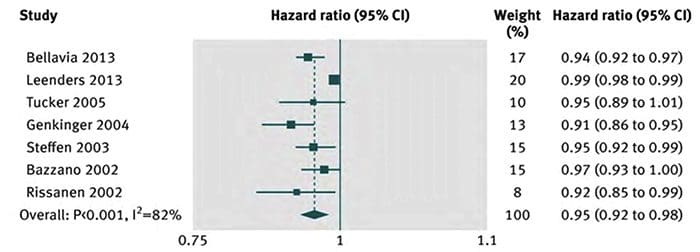 Fruit and vegetable consumption and mortality from all causes, cardiovascular disease, and cancer: systematic review and dose-response meta-analysis of prospective cohort studies. BMJ. 2014; 349: g4490
Dose-Response Relation Between Fruit & Vegetable Consumption & Risk Of All Cause Mortality
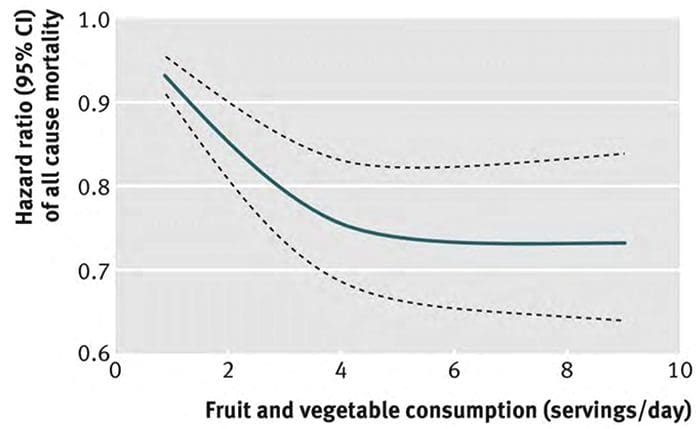 BMJ. 2014; 349: g4490.
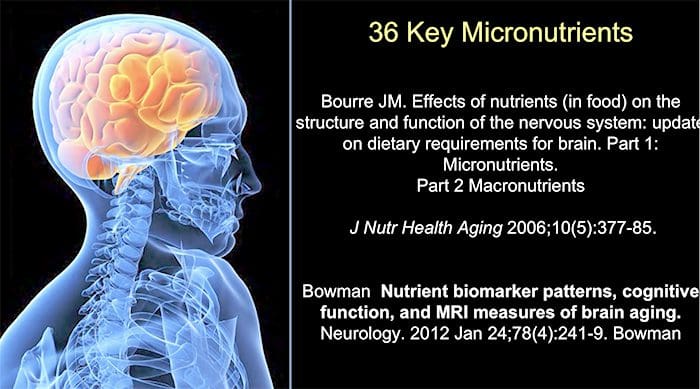
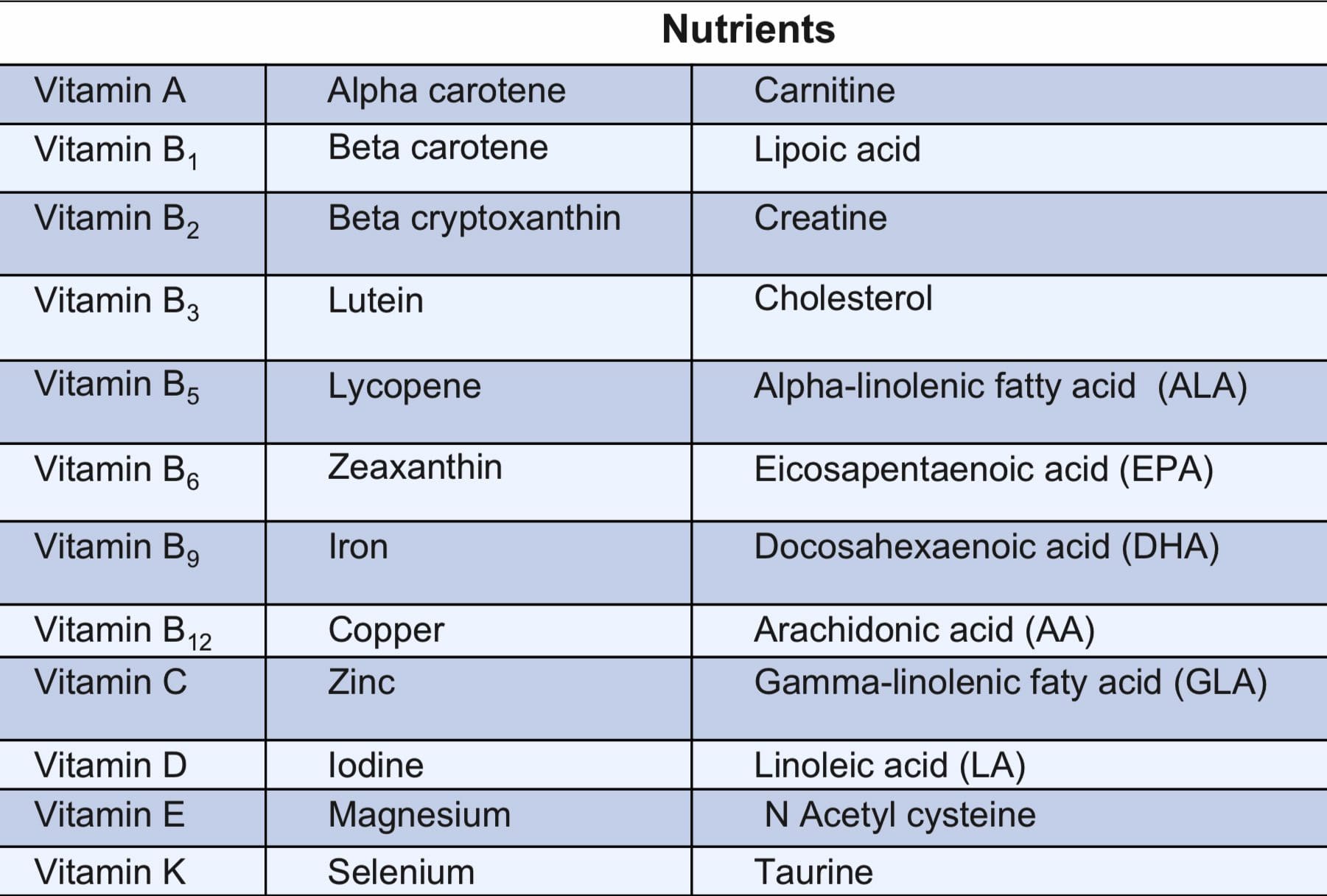

1. Neuroprotective Effect of Brassica oleracea Sprouts Crude Juice in a Cellular Model of Alzheimer’s Disease. Med Cell Longev.2015;2015:781938
2. Learning and memory promoting effects of crude garlic extract. Indian J Exp Biol.2013 Dec;51(12):1094-100.
3. Enhancement of the neuroprotective activity of Hericium erinaceus mycelium co-cultivated with Allium sativum extract. Arch Physiol Biochem.2015 Feb;121(1):19-25.
4. Mori K, Obara Y, Hirota M, Azumi Y, Kinugasa S, Inatomi S, Nakahata N. Nerve growth factor-inducing activity of Hericium erinaceus in 1321N1 human astrocytoma cells. Biol Pharm Bull. 2008 Sep;31(9):1727-32.
5. Lee DH, Kim HW. Innate immunity induced by fungal ?-glucans via dectin-1 signaling pathway. Int J Med Mushrooms. 2014;16(1):1-16.
6. Akramiene D, Kondrotas A, Didziapetriene J, Kevelaitis E Effects of beta-glucans on the immune system. Medicina (Kaunas).2007;43(8):597-606.
7. Lai PL, Naidu M,Sabaratnam V,Wong K, DaviP, Kuppusamy UR, Abdullah N, Malek SN. Neurotrophic properties of the Lion’s mane medicinal mushroom, Hericium erinaceus (Higher Basidiomycetes) from Malaysia Int J Med Mushrooms.2013;15(6):539-54.
8. Phan CW, David P, Naidu M, Wong KH, Sabaratnam V. Therapeutic potential of culinary-medicinal mushrooms for the management of neurodegenerative diseases: diversity, metabolite, and mechanism. Crit Rev Biotechnol.2015;35(3):355-68.
9. Scientifica (Cairo).2016;2016:3109254.
10. Berry antioxidants: small fruits providing large benefits. J Sci Food Agric.2014 Mar 30;94(5):825-33
11. Dietary and plant polyphenols exert neuroprotective effects and improve cognitive function in cerebral ischemia. Recent Pat Food Nutr Ag. 2013 Aug;5(2):128-43.
12. The impact of fruit flavonoids on memory and cognition. Br J Nutr.2010 Oct;104 Suppl 3:S40-7. d
13. Grape juice, berries, and walnuts affect brain aging and behavior. J Nutr. 2009 Sep;139(9):1813S-7S.
14. Fruit polyphenolics and brain aging: nutritional interventions targeting age-related neuronal and behavioral deficits. Ann N Y Acad Sci.2002 Apr;959:128-32.
15. Reversing the deleterious effects of aging on neuronal communication and behavior: beneficial properties of fruit polyphenolic compounds. Am J Clin Nutr.2005 Jan;81(1 Suppl):313S-316S.
16. Krikorian R, Shidler MD, Nash TA, Kalt W, Vinqvist-Tymchuk MR, Shukitt-Hale B, Joseph JA. Blueberry supplementation improves memory in older adults. J Agric Food Chem.2010 Apr 14;58(7):3996-4000.
17. Funding for the studies was provided by the US Highbush Blueberry Council, the National Institute on Aging, and Wild Blueberries of North America. Dr. Krikorian has disclosed no relevant financial relationships.
18. Lobo GP Amengual J, Baus D, Shivdasani RA Genetics and diet regulate vitamin A production via the homeobox transcription factor ISX. J Biol Chem.2013 Mar 29;288(13):9017-27
?-carotene Is Not Retinol (Vitamin A)
- ?-Carotene is converted to vitamin A in the intestine by the enzyme ?-carotene-15,15′- monoxygenase (BCMO1) to support vision, reproduction, immune function, and cell differentiation.
- Considerable variability in BCMO1 exists and can effect individual vitamin A status
Lobo GP Amengual J, Baus D, Shivdasani RA Genetics and diet regulate vitamin A production via the homeobox transcription factor ISX. J Biol Chem.2013 Mar 29;288(13):9017-27.
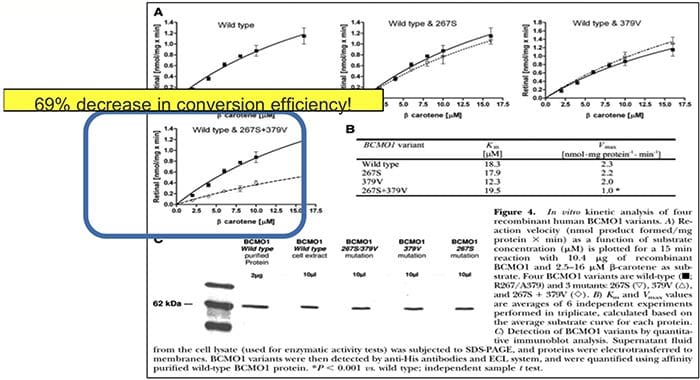 Leung WC, Hessel S, Me?plan C, Flint J, Oberhauser V, Tourniaire F, Hesketh JE, von Lintig J, Lietz G. Two common single nucleotide polymorphisms in the gene encoding beta-carotene 15,15′-monoxygenase alter beta-carotene metabolism in female volunteers. FASEB J. 2009 Apr;23(4):1041-53. doi: 10.1096/fj.08-121962. Epub 2008 Dec 22.

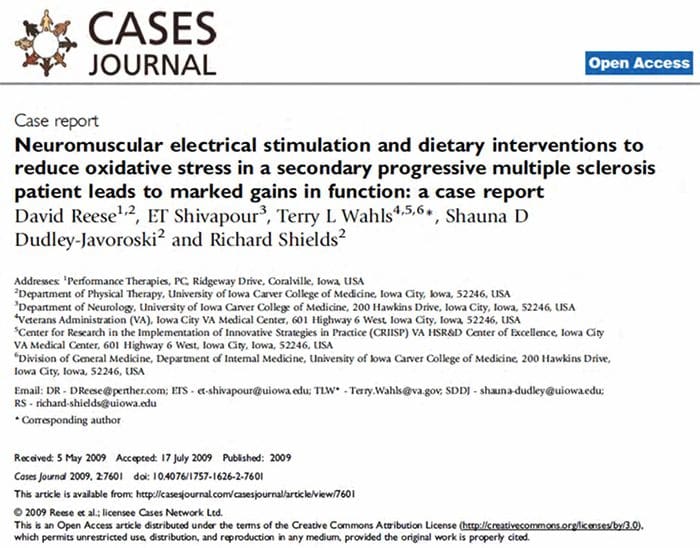
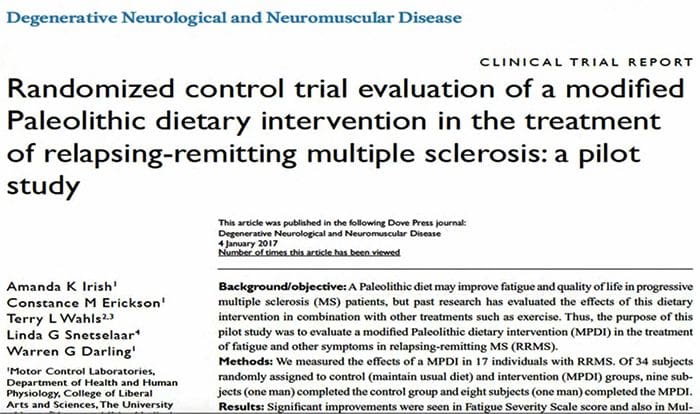
Feasibility & Safety Study N=20
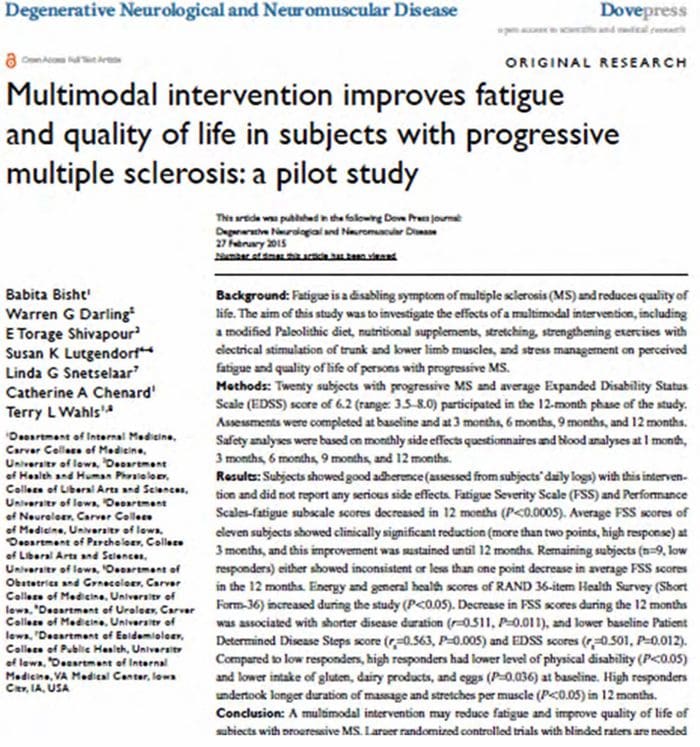
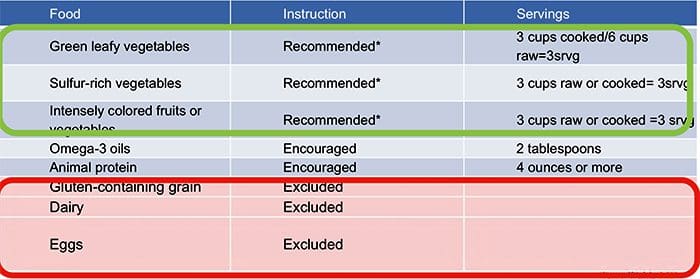
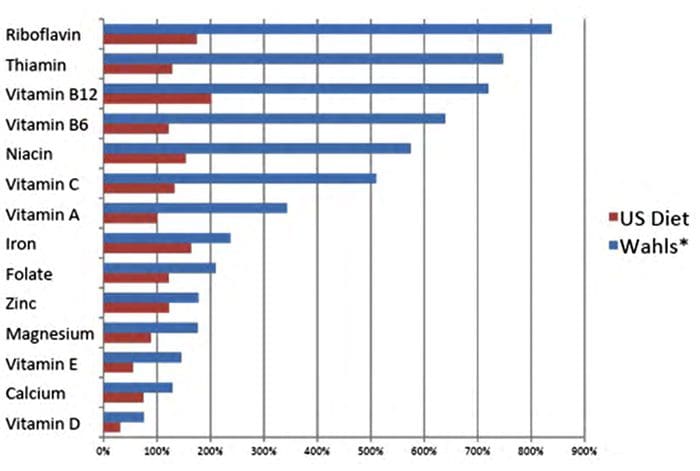
Study Diet
Nutritional Adequacy (%RDA) US Diet Vs. Study Diet
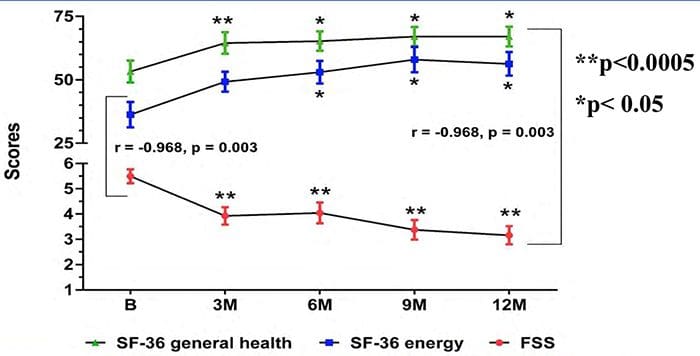
Multimodal Intervention Improves Quality Of Life
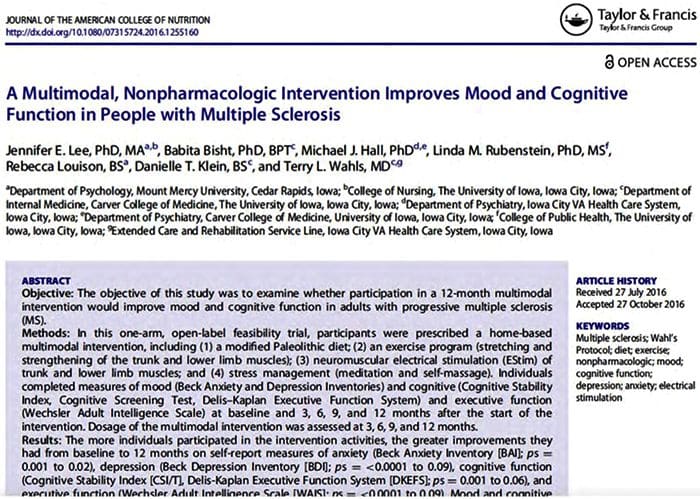
Mood & Cognition
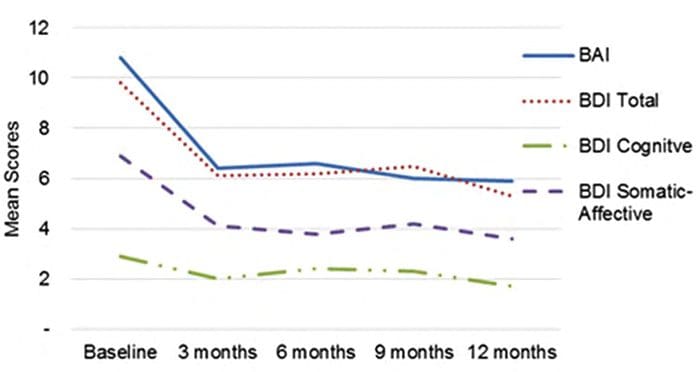
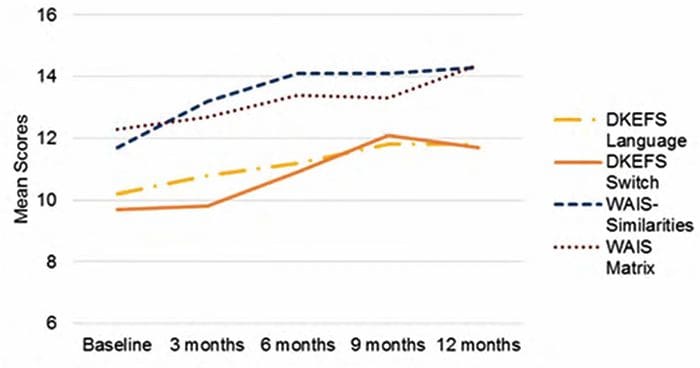
In the setting of progressive MS Improved thinking ability and reduced anxiety and reduced depression
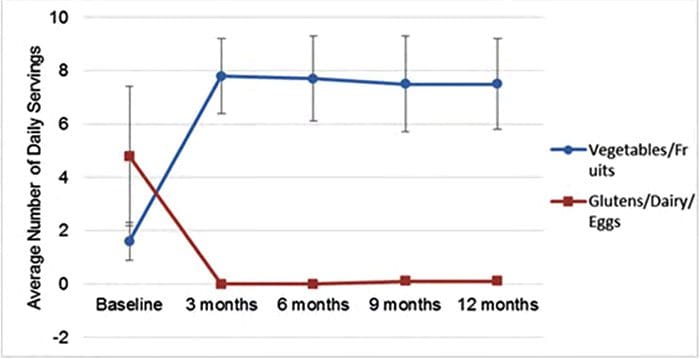
Average daily servings of the study diet recommended (vegetables/fruits) and excluded (gluten/dairy/eggs) foods p < 0.01 difference from baseline to 12 months
Average Scores On The Mood Measures At Each Study Visit
Average Scores On The DKEFS & WAIS Sub-Scales At Each Study Visit.
Relapsing Remitting MS
 Reduce Fatigue
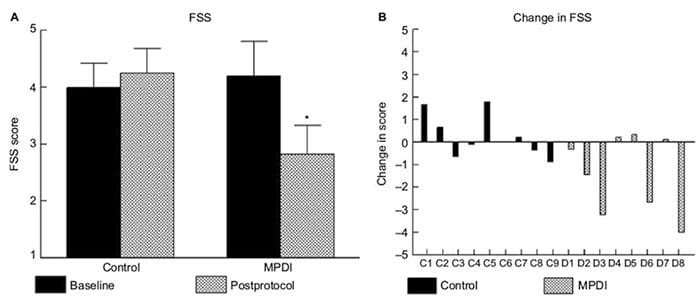
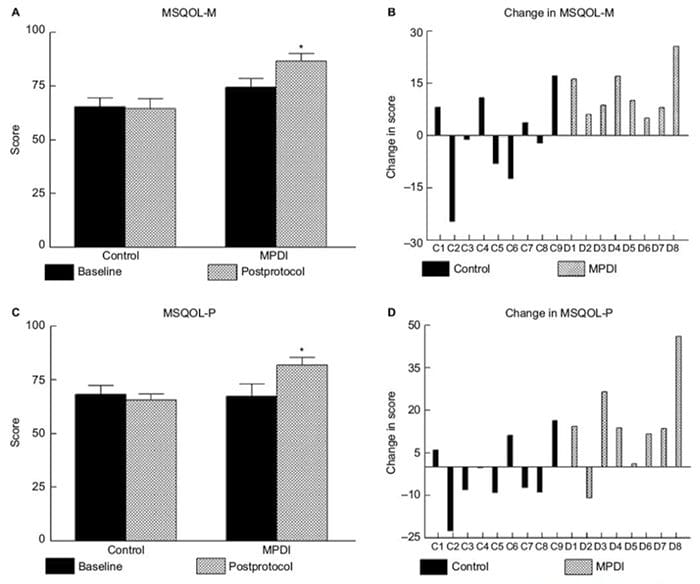
?Mental & Physical QoL 16% (> 5 points)
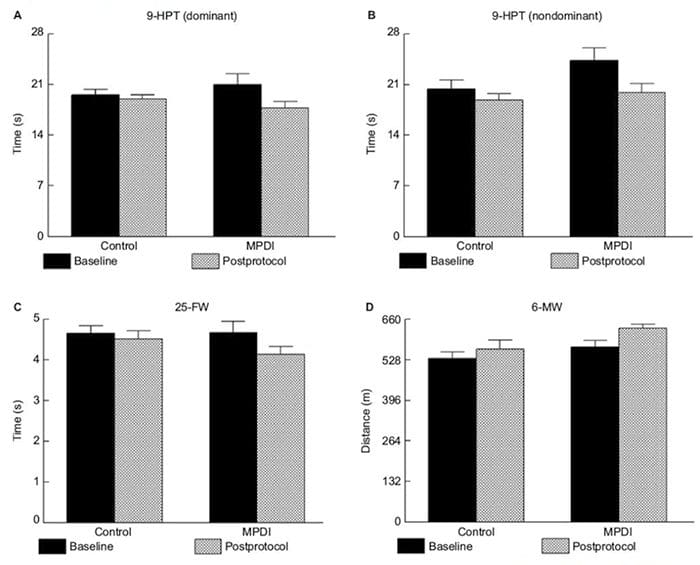
Improved Motor Function
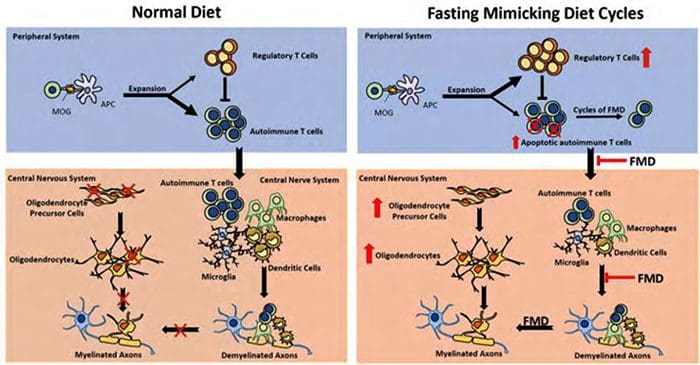
A Simplified Model Of FMD?Mediated Effects On Glucocorticoid, Immune Suppression & Oligodendrocyte Regeneration & Differentiation In MS
N=60 6 Month Human Clinical Trial
- FMD 100 ml broth, 1 T flax oil tid, 200 � 350 Kcal, Plus enema as needed 7 days Mediterranean diet
- Ketogenic(KD) 160gmfatm<100gPro,<50g CHO
- Usual diet
Change at 3 month of (k) overall quality of life, (l) change in health, (m) physical health composite, and (n) mental health composite. The dotted line represents a threshold that is thought to be clinically important
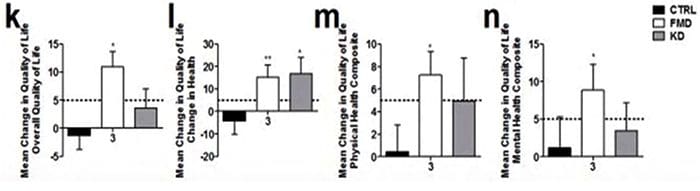 A Diet Mimicking Fasting Promotes Regeneration and Reduces Autoimmunity and Multiple Sclerosis Symptoms. Cell Rep. 2016 Jun 7; 15(10): 2136�2146
Mechanisms
- Nutrient triage
- Nutritional adequacy
- � Metabolism and repair
- Phytonutrients
- � Improving biotransformation (detox)
- � Changing gene expression � e.g. NfkappaB, Nrf2
- Shifting gut microbiome
The Two Routes By Which Diet Can Influence Our Health:
(A) the metabolism of our cells and
(B) the population of our gut microbiota.
Paolo Riccio, and Rocco Rossano ASN Neuro
2015;7:1759091414568185
Copyright � by SAGE Publications Inc, or the American Society for Neurochemistry, unless otherwise
noted. Manuscript content on this site is licensed under Creative Commons Licenses.
Gut Brain Immune Axis
- Gut microbiota influence the brain and immune system balance
- Diet influences the microbiome strongly
- Exercise, sleep, stress level also important
- Changes in the colon mucosa every early in the disease process
Does the Gut Microbiota Influence Immunity and Inflammation in Multiple Sclerosis Pathophysiology? J Immunol Res. 2017;2017:790482 The multiple sclerosis microbiome? Ann Transl Med. 2017 Feb;5(3):53.
Microbiota-gut-brain axis and the central nervous system. Exp Mol Med. 2017 May 26;49(5):e339
Microbiota-gut-brain axis and the central nervous system. Oncotarget. 2017 May 10
Microbiota in T-cell homeostasis and inflammatory diseases Exp Mol Med. 2017 May; 49(5): e340.
Mucosal biopsy shows immunologic changes of the colon in patients with early MS Neurol Neuroimmunol Neuroinflamm. 2017 Jun 14;4(4):e362.
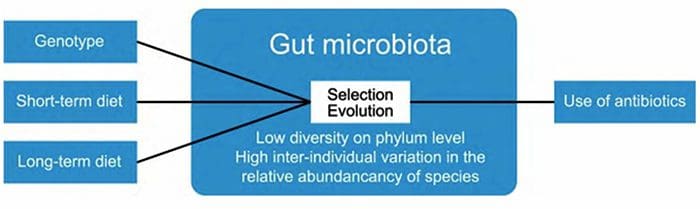 The composition of gut microbiota is influenced by multiple factors, such as diet and host genotype. Within the gut, ecological processes such as selection and evolution take place. The use of antibiotics reduces the numbers and diversity of gut microbiota.
8 Studies 250 Patient Fecal Samples
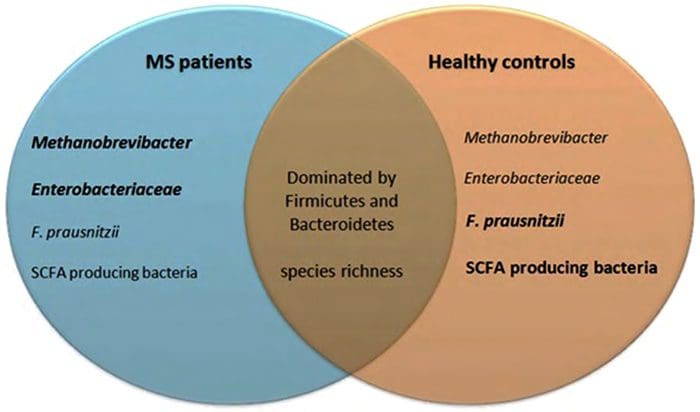 van den Hoogen WJ1, Laman JD2, ‘t Hart BA2,3.Modulation of Multiple Sclerosis and Its Animal Model Experimental Autoimmune Encephalomyelitis by Food and Gut Microbiota Front Immunol. 2017; 8: 1081.
Vegetables & Microbiota In RRMS
- N=20 high vegetable/low protein vs. SAD
- 1year
- Change in microbiota
- Change in inflammatory cytokines, microbiota
- Relapses 9/10 in Western diet vs. 3/10 in high vegetable diet
Immunological and Clinical Effect of Diet Modulation of the Gut Microbiome in Multiple Sclerosis Patients: A Pilot Study. Front Immunol. 2017 Oct 25;8:1391.
- 2014 Paleo the most frequent diet related google search
- 2017 US News and World Report Paleo diet ranked 38 of 38 diets reviewed due to lack of RCTs
- Peer reviewed diet papers since 1985 � Paleo 180
� Vegan 525
� Atkins 1478
� Vegetarian 3020
� Mediterranean 4834
Diet & Food
- Low saturated fat
- Elemental diets / exclusion diets
- Raw vegan
- Low fat vegan
- Autoimmune paleo
- Modified Paleo (Wahls)
- Fasting Mimicking Diet
- Ketogenic Diets
- Higher quality diet (food), stress reduction, movement � are relatively safe with large favorable benefits for all cause mortality
- 3 month trial of a grain free, dairy free, sugar free vegetable rich (or gluten free vegetarian) diet is relatively safe with potential for many favorable benefits
Dr. Terry Wahls
University of Iowa Departments of Internal Medicine/ Neurology Dr. Terry Wahls LLC
The Wahls Institute P.L.C.
Dietary Approaches to Treating MS Related Fatigue RRMS & Fatigue Study funded by NMSS [email protected] Live within 500 Miles of Iowa City, Iowa
[email protected]

by Dr Alex Jimenez DC, APRN, FNP-BC, CFMP, IFMCP | Functional Medicine
Autoimmunity is the reaction of cells (lymphocytes) or antibodies�of the immune system along with the body�s own tissues leading to certain pathology. Autoimmunity can produce various conditions, which depend upon the target of the attack.�While intrinsic factors, which include age, sex, and genetics contribute to autoimmunity, it is believed that extrinsic factors such as drugs, chemicals, microbes, and/or the environment can trigger the initiation of autoimmune responses.
Autoimmune Disease & Environmental Toxicants
Educational Objectives
- Review air pollution, cigarette smoking, and citrullination as models for the genesis of autoimmune disease
- Explore the role of general cell stressors in autoimmune disease
- Discuss the impact of lung and gut barrier disruption by environmental toxins and food additives in autoimmune disease
- Utilize the Functional Medicine ATM model to illustrate the various mechanisms by which toxicants could contribute to the pathophysiology of autoimmune disease.

�Mild forms of the autoimmune response probably occur naturally in most people. But, for people with a predisposition to autoimmunity, environmental factors, such as toxic chemicals, drugs, bacteria or viruses, may trigger a full?fledged response.�
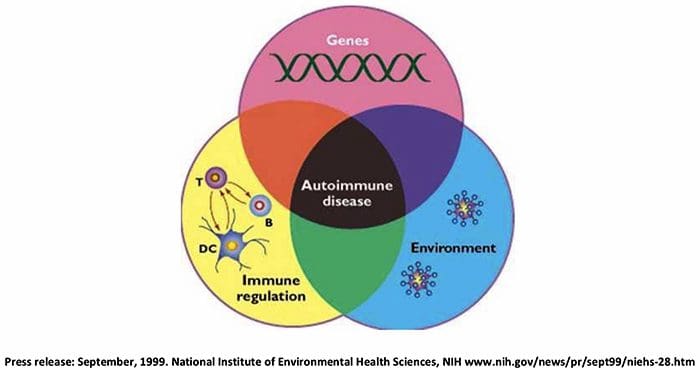
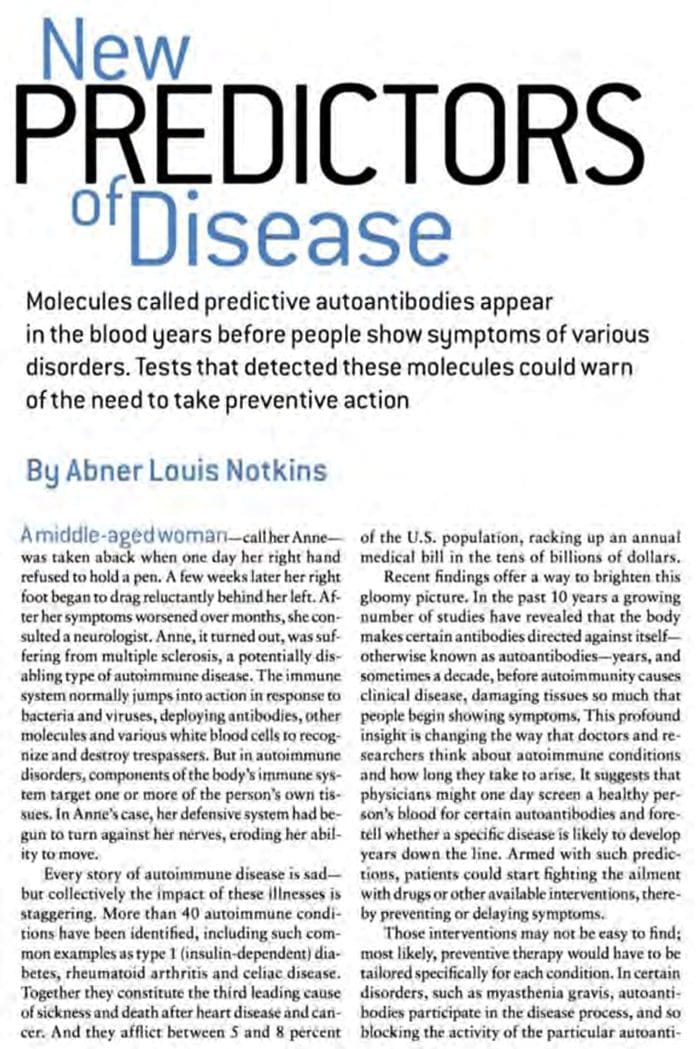
�NOVEL CRYSTAL BALL: One day Y?shaped molecules called autoantibodies in a patient�s blood may tell doctors whether a patient is �brewing� certain diseases and may even indicate roughly how soon the individual will begin to feel symptoms.�
Autoimmune Disease: �Delayed Gratification�
Scientific American, March, 2007
- Many autoimmune diseases do not develop spontaneously, but instead evolve through an extended germination period before they become clinically evident…
- Well over 10 million people test positive for ANA, years before they have any symptoms.
- This implies the presence of additional environmental factors that dampen or amplify the process over time.
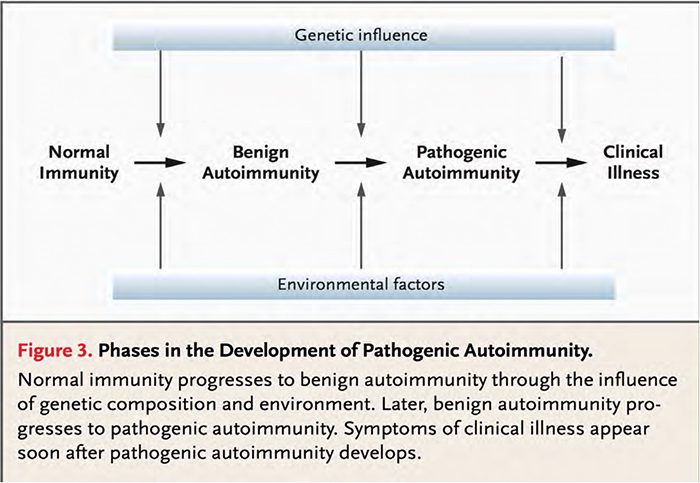 Arbuckle MR, et al, N Engl J Med. 2003 Oct 16;349(16):1526?33.
Elevated Levels Of Antibodies Against Xenobiotics In A Subgroup Of Healthy Subjects
Vojdani, A, Kharrazian, D, Mukherjee, PS
- Some environmental chemicals, acting as haptens, can bind to a high? molecular?weight carrier protein such as human serum albumin (HSA), causing the immune system to misidentify self?tissue as an invader and launch an immune response against it, leading to autoimmunity
- The levels of specific antibodies against 12 different chemicals bound to HSA were measured by ELISA in serum from 400 blood donors.
- 10% (IgG) and 17% (IgM) of tested individuals showed significant antibody elevation against aflatoxin?HSA adduct.
- The percentage of elevation against the other 11 chemicals ranged from 8% to 22% (IgG) and 13% to 18% (IgM).
- Detection of antibodies against various protein adducts may indicate chronic exposure to these chemical haptens in about 20% of the tested individuals
J Appl Toxicol. 2015 Apr; 35(4): 383�397.
Could Environmental Toxins Be A Key Missing Link That Pushes The Immune System Over The Brink To Permanently Lose Control Of Its Tolerance To Self?Antigens?
(A Corollary Question: Does The Persistent Presence Of Autoantibodies Or Autoreactive T Cells Imply An Inevitable Progression To Full?Blown Autoimmune Disease?)
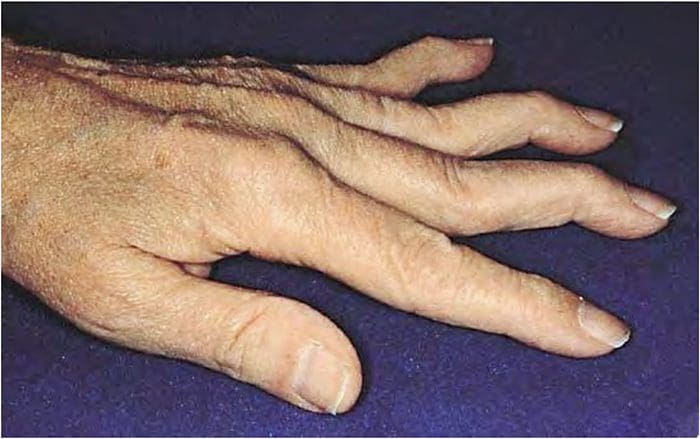
Rheumatoid Arthritis: Swan neck deformity from chronic synovitis
Anti?Cyclic Citrullinated Peptide Antibody
- Current method is 96% specific for RA
- Elevated titers detected >10 years before onset of clinical disease
- Sensitivity (likelihood of positive test) increases from 50% at Dx to >75% over course of disease
- Likely involved in pathogenesis
- Citrullinated Ags are highly expressed in inflamed joints
- Positive test predicts joint erosion
- Antigen?antibody complexes activate complement = inflammatory
- Autoantibodies to citrullinated peptides
- Citrulline is formed by posttranslational modification of arginine residues by peptidyl arginine deiminases (PADs)
- PADs are upregulated by inflammation, injury, and toxicants
- Inflammation and injury thus increases citrullination of multiple synovial proteins
- Multiple HLA?DR variants (shared epitope) associated with RA preferentially display citrullinated Ags on MHCII � activating citrulline?specific autoreactive T cells
- Smoking increases risk of +anti?CCP when coupled with HLR?DR shared epitope
Floris van Gaalen et al. J Immunol 2005;175:5575-5580
Autoimmunity To Specific Citrullinated Proteins Gives The First Clues To The Etiology Of Rheumatoid Arthritis
Four citrullinated whole protein antigens, fibrinogen, vimentin, collagen type II, and alpha?enolase, are now well established, with others awaiting further characterization
All four proteins are expressed in the joint, and there is evidence that antibodies to citrullinated fibrinogen and collagen type II mediate inflammation by the formation of immune complexes
Antibodies to citrullinated proteins are associated with HLA ‘shared epitope’ alleles
Porphyromonas gingivalis, pathogenic bacteria that is a major cause of periodontal disease, expresses endogenous citrullinated proteins
Thus, both smoking and Porphyromonas gingivalis are attractive etiological agents for further investigation into the gene/environment/autoimmunity triad of RA.
Wegner N, Lundberg K, Kinloch A, et al, Immunol Rev. 2010 Jan;233(1):34?54

�More than 20,000 physicians, after Luckies had been furnished them for tests, basing their opinions on their smoking experience, stated that Luckies are less irritating than other cigarettes.�
Mad Men?
Holy Smokes!!
Cigarette Smoking Has Been Strongly Linked To Numerous Autoimmune Diseases
Cigarette Smoking & Autoimmune Disease: What Can We Learn From Epidemiology?
- Rheumatoid arthritis and cigarette smoking:
- Risk is highest in men: OR up to 4.4 X
- Smoking increases risk of seropositive RA 2.4X in women
- Smoking intensity and duration both greatly increase risk
- Smoking increases severity of symptoms
- Increased risk remains for 20 yrs after cessation
- �Cigarette smoking is the most conclusively established environmental risk factor for RA�
Costenbader, KH, Lupus, Vol. 15, No. 11, 737?745 (2006)
Smoking & Air Pollution As Pro?Inflammatory Triggers For The Development Of Rheumatoid Arthritis.
- Smoking initiates chronic inflammatory events in the lungs.
- These, in turn, promote the release of the enzymes, peptidylarginine deiminases 2 and 4 from smoke?activated, resident and infiltrating pulmonary phagocytes.
- Peptidylarginine deiminases mediate conversion of various endogenous proteins to putative citrullinated autoantigens.
- In genetically susceptible individuals, these autoantigens trigger the production of autoantibodies to anti?citrullinated peptide, an event which precedes the development of RA.
Anderson R, Meyer PW, Ally MM, Tikly M, Nicotine Tob Res. 2016 Jul;18(7):1556?65
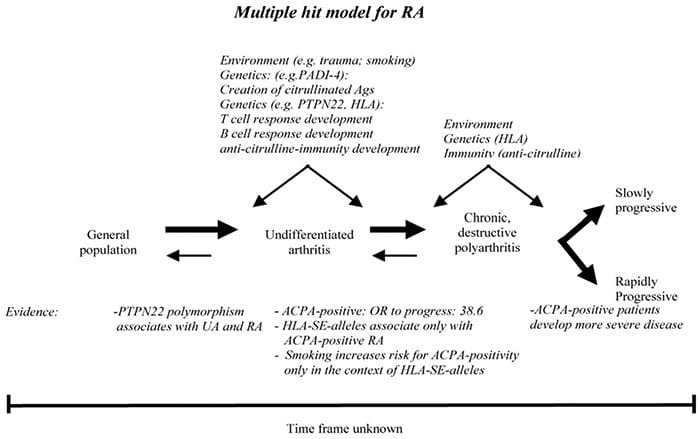 Floris van Gaalen et al. J Immunol 2005;175:5575-5580
Cigarette Smoking & Autoimmune Disease: What Can We Learn From Epidemiology?
- Systemic lupus erythematosis
- Highest risk in current smokers
- Current smokers have higher levels of anti?dsDNA Ab
- Multiple sclerosis
- Increased risk of MS in both current & past smokers
- Risk increases with intensity of smoking (more cigarettes per day)
- Increased severity of MS in current smokers
- Cirtrullination of myelin?basic protein ?? antigenic
- Graves� hyperthyroidism
- Smoking is esp. strong risk factor for opthalmopathy
- Primary biliary cirrhosis
- Smoking increases risk by 1.5 to 3x
Costenbader, KH, Lupus, Vol. 15, No. 11, 737?745 (2006)

Industrial Air Emissions & Proximity To Major Industrial Emitters, Are Associated With Anti?Citrullinated Protein Antibodies.
- Randomly sampled 1586 subjects out of 20,000 population from Quebec, Canada
- After adjusting for age, sex, smoking, and ethnicity, found
- Positive association between anti?CCPA and annual industrial PM 2.5 and sulfur dioxide emissions (i.e. living closer to emitters increases anti?CCPA)
- Negative association between anti?CCPA and to a major industrial emitter of both PM 2.5 and SO2 (living further away from emitters decreases anti?CCPA)
- �These analyses suggest that exposure to industrial emissions of air pollutants is related to ACCPA positivity.�
Bernatsky S, Smargiassi A, Joseph L, et al, Environ Res. 2017 Aug;157:60?63
Air Pollution As A Determinant of Rheumatoid Arthritis
- The induction by air pollution of an inflammatory environment with high citrullination levels in the lung may induce iBALT formation, thereby causing a transition toward a more specific immune response via the production of anti?citrullinated peptide antibodies.
- Air pollution not only triggers innate immune responses at the molecular level, increasing the levels of proinflammatory cytokines and reactive oxygen species, but is also involved in adaptive immune responses.
Thus, via the aryl hydrocarbon receptor (AHR), diesel exhaust particles can trigger a T?cell switch to the Th17 profile.
Sigaux J, et al Joint Bone Spine. 2018 Mar 7. pii: S1297?319X(18)30043?5
The Aryl Hydrocarbon Receptor Links TH17?Cell? Mediated Autoimmunity To Environmental Toxins
- The aryl hydrocarbon receptor (AhR) is a ligand?dependent transcription factor that mediates a range of critical cellular events in response to halogenated aromatic hydrocarbons and non?halogenated polycyclic aromatic hydrocarbons such as dioxin (TCDD)
- In a murine model of multiple sclerosis, which is mediated by Th17 cells, activation of cells using the AhR exacerbated disease, whereas mice deficient in the AhR had attenuated autoimmune disease.
- This paper thus links activation of Th17 cells with environmental toxins, suggesting a plausible hypothesis for the increase in such diseases with industrialization.
Veldhoen, M., Hirota, K., Westendorf, A.M, et al Nature. 2008 May 1;453(7191):106?9
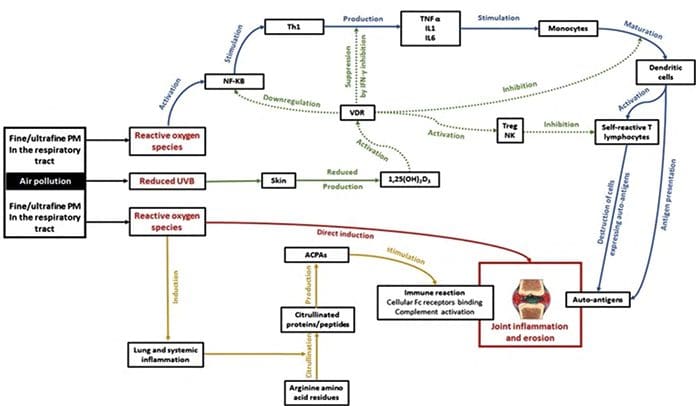 J Inflamm (Lond). 2015; 12: 48.
Does Rheumatoid Arthritis (& Other Autoimmune Diseases) Start In The Gut, Or In The Lungs?
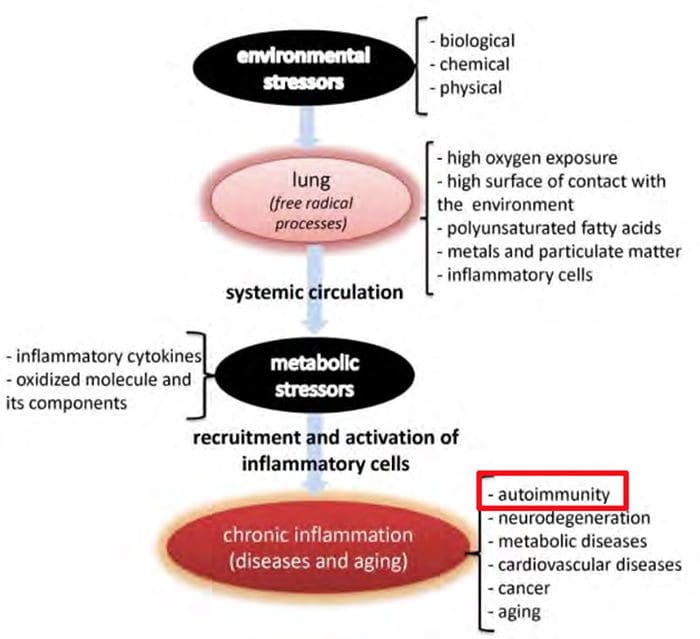 Gomez?Mejiba SE, Zhai Z, Akram H, et al. Inhalation of Environmental Stressors & Chronic Inflammation: Autoimmunity and Neurodegeneration.
Mutation research. 2009;674(1?2):62?72.
Citrullination & Autoimmunity
- Environmental exposure to cigarette smoke and nanomaterials of air pollution may be able to induce citrullination in lung cells prior to any detectable onset of inflammatory responses, suggesting that protein citrullination could be considered as a sign of early cellular damage
- Citrullination has been reported to be a process present in a wide range of inflammatory tissues. Indeed, citrullinated proteins have been detected also in other inflammatory arthritides and in inflammatory conditions other than arthritides (multiple sclerosis, polymyositis, inflammatory bowel disease and chronic tonsillitis)
- Histone hypercitrullination can activate neutrophil extracellular traps (NETS)� high inflammatory
- These data support the hypothesis that rather than being a disease?dependent process, citrullination is an inflammatory?dependent condition that plays a central role in autoimmune diseases.
Valesini G, Shoenfeld Y, et al Autoimmun Rev. 2015 Jun;14(6):490?7 Wang S,
Wang Y.Biochim Biophys Acta. 2013 Oct;1829(10):1126?35
Air Pollution In Autoimmune Rheumatic Diseases: A Review
- Environmental factors contribute to the onset of autoimmune diseases, especially smoking and occupational exposure to silica dust in rheumatoid arthritis and systemic lupus erythematosus
- Scleroderma may be triggered by the inhalation of chemical solvents, herbicides and silica dust.
- Primary vasculitis associated with anti?neutrophil cytoplasmic antibody (ANCA) may be triggered by silica exposure
- Air pollution is one of the environmental factors involved in systemic inflammation and autoimmunity
Farhat SC, et al, Autoimmun Rev. 2011 Nov;11(1):14?21
Silica, Silicosis & Autoimmunity
- Exposure to respirable crystalline silica (<10 ?m in size) occurs most often in occupational settings � the �dusty� trades
- Epidemiological studies link occupational exposure to crystalline silica dust with systemic lupus erythematosus, systemic sclerosis, and rheumatoid arthritis
- Findings from human and animal model studies are consistent with an autoimmune pathogenesis that begins with activation of the innate immune system leading to proinflammatory cytokine production (NLRP3 inflammasome), pulmonary inflammation leading to activation of adaptive immunity, breaking of tolerance, and autoantibodies and tissue damage
Pollard KM, Front Immunol. 2016; 7: 97.
Asbestos = Magnesium Silicate

Assessment Of Autoimmune Responses Associated With Asbestos Exposure In Libby, Montana, USA
- The population in Libby, Montana, provides a unique opportunity for study because of both occupational and environmental exposures that have occurred as a result of the mining of asbestos?contaminated vermiculite near the community
- Libby serum samples showed significantly higher frequency of positive ANA and ENA tests, increased mean fluorescence intensity and titers of the ANAs, and higher serum IgA, compared with Missoula serum samples
- The results support the hypothesis that asbestos exposure is associated with autoimmune responses and suggests that a relationship exists between those responses and asbestos?related disease processes.
Pfau JC, et al Environ Health Perspect, 2005, Vol 113: 25-30
Air Pollution, Oxidative Stress & Exacerbation Of Autoimmune Diseases
- Particulate matter present in air pollution can induce oxidative stress and cell death, both by apoptosis and necrosis of human cells leading to aggravation of chronic inflammation, i.e. the tissue damaging reaction observed in autoimmune diseases.
- Therefore, identification of strong inducers of oxidative stress among components of PM seems to be crucial for their neutralization and elimination from the ambient environment.
- It seems likely that PM 2.5 may exacerbate the onset of the SLE because they were attributed to a significant increase of the level of anti?dsDNA antibodies, and the presence of the renal casts in SLE patients
- Exposure to ozone, sulphates, and other pollutants present in the air has been associated with type 1 diabetes in children
- MS occurrence and hospitalization was associated with exposure to air pollutants such as PM10, SO2, NO2, and NOx
- In addition to tobacco smoke and silica, pollution emissions from road traffic may be an environmental factor responsible for exacerbation of RA
Gawda, A, et al, Central European Journal of Immunology 2017; 42(3)

What Do Environmental Pollutants, Toxins, Infections & Unhealthy Diets Have In Common?
Environmental Toxicants, Oxidized PUFAs, Excessive Calories, Refined Sugars & AGEs…
- Increase inflammation and additional free radical production,
- Which damages tissues (bystander effect), disrupts barriers, and/or modifies DNA…
- Creating �foreign?like� tissues that break immune tolerance (eg anti?nuclear antibodies)
Cell Stressors
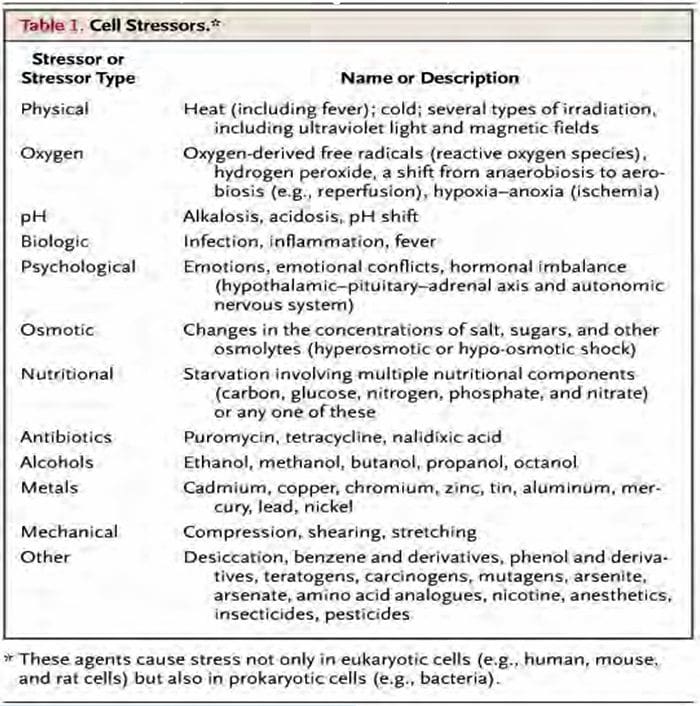 Macario, A. J.L. et al. N Engl J Med 2005;353:1489-1501
Damage Associated Molecular Patterns
- Molecular structures that activate immunologic receptors
- Released with cellular injury and/or necrosis after exposure to cellular stressors
- DNA fragments
- Mitochondria
- Misfolded proteins
- Advanced glycation end products have similar biological effects
- Initiate and perpetuate inflammatory response (esp NLRP3 inflammasome)
Ojcius D, Sai?d?Sadier N. Alarmins, inflammasomes and immunity. Biomedical Journal. 2012;35(6):437.
Vakrakou AG, Boiu S, Ziakas PD, et al, Systemic activation of NLRP3 inflammasome in patients with severe primary Sjo?gren’s syndrome fueled by inflammagenic DNA accumulations.
J Autoimmun. 2018 Mar 15. pii: S0896?8411(17)30789?8.
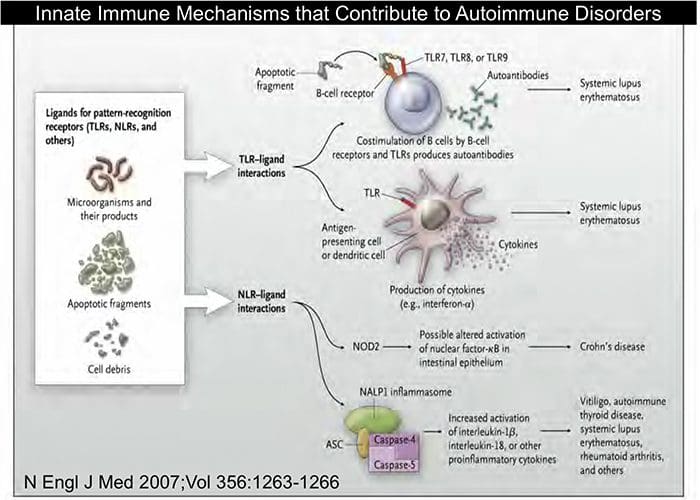
Environmental Xenobiotic Exposure & Autoimmunity
- We argue that localized tissue damage and chronic inflammation elicited by xenobiotic exposure leads to the release of self?antigens and damage?associated molecular patterns …
- As well as the appearance of ectopic lymphoid structures and secondary lymphoid hypertrophy,
- Which provide a milieu for the production of auto-reactive B and T cells that contribute to the development and persistence of autoimmunity in predisposed individuals.
Pollard KM, Christy JM, Cauvi DM, Kono DH, Current Opinion in Toxicology, Volume 10, August 2018, Pages 15?22
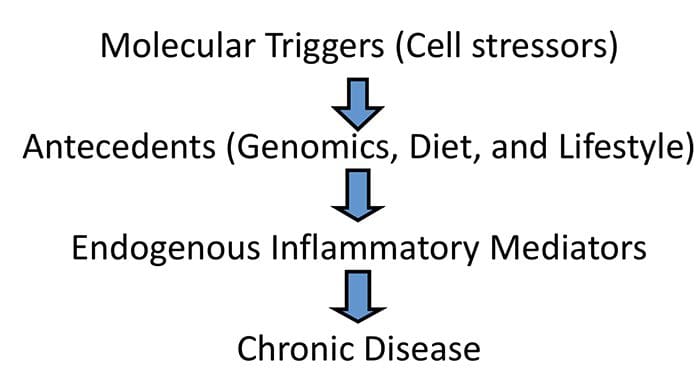
The Functional Medicine Paradigm (Slightly Modified)
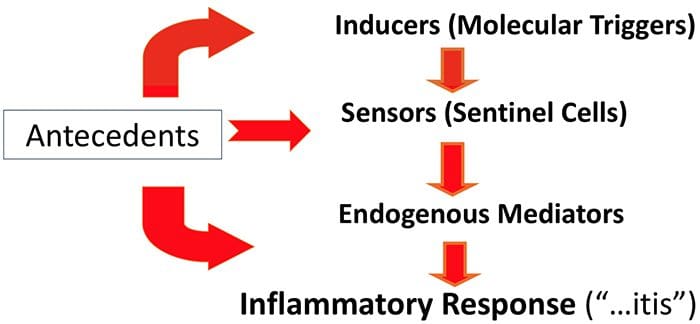
The Inflammatory Process: A Physiologic Algorithm
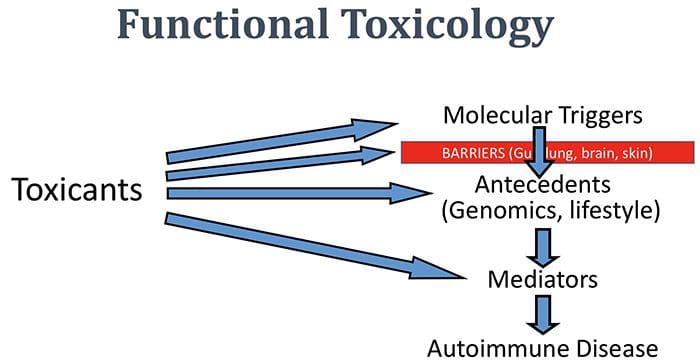
Toxicants & Autoimmunity: General Mechanisms
-
Effect on antecedents:
- Genetic/epigenetic alterations: eg altered methylation, acetylation
- Damaged membrane barriers (leaky gut, skin, brain) allowing increased exposure to triggers
- Immune disruption = increased susceptibility to triggers
- Overload in hepatic detoxification pathways
-
Effect on triggers:
- Synergistic action (immunotoxicant)
- Adjuvant: chemical modification of self?antigen to make it appear foreign or immunogenic (neoantigens)
- Enhanced apoptosis: danger/damage signals (DAMPs)
-
Effect on mediators:
- Amplified inflammatory pathways
- Increased oxidative stress
- Disruption of pro?resolution counter?regulatory mechanisms
Functional Toxicology


Changes In Intestinal Tight Junction Permeability Associated With Industrial Food Additives Explain The Rising Incidence Of Autoimmune Disease
- The incidence of autoimmune diseases and food additive consumption are both increasing in parallel
- Dysfunction of intestinal tight junctions is common in multiple autoimmune diseases
- Commonly used industrial food additives including glucose, salt, solvents, emulsifiers, gluten, microbial transglutaminase, and nanoparticles increase intestinal tight junction leakage.
- Intestinal entry of foreign antigen activates the autoimmune cascade
Lerner A, Matthias T. Autoimmunity Reviews 14 (2015) 479�489
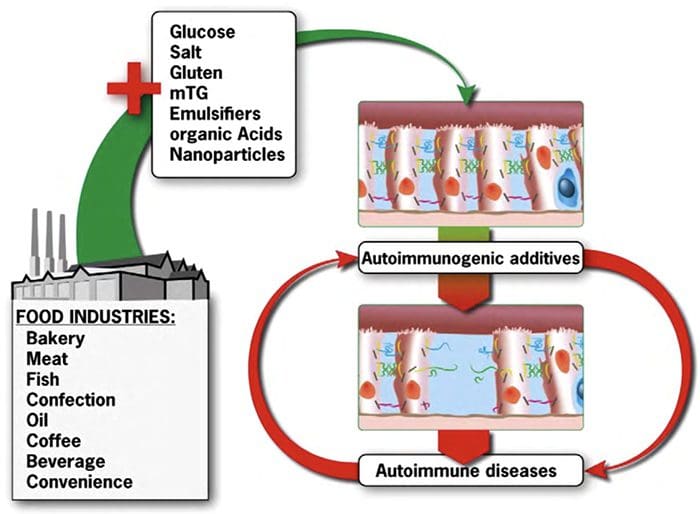 Autoimmunity Reviews 14 (2015) 479�489
Autoimmune Disease: �Two?Hit� Signal Theory
- Barrier disruption allows immune system to be repeatedly exposed to a combination of an autoantigen & an �adjuvant� [Adjuvants can be toxicants, microbes, foods]
- This triggers a genetically predisposed immune system to react to the autoantigen as a non?self �stranger�
- �Danger� signals released at the site of clearance of dead cells amplify the process; shaping the features & severity of the resulting autoimmune disease
- Persistent �Stranger + Danger� = loss of tolerance
- Based on this model, strategies aimed at preventing the accumulation of dying cells lowering the adjuvant (toxic) load may be beneficial for the prevention & treatment of autoimmune disease
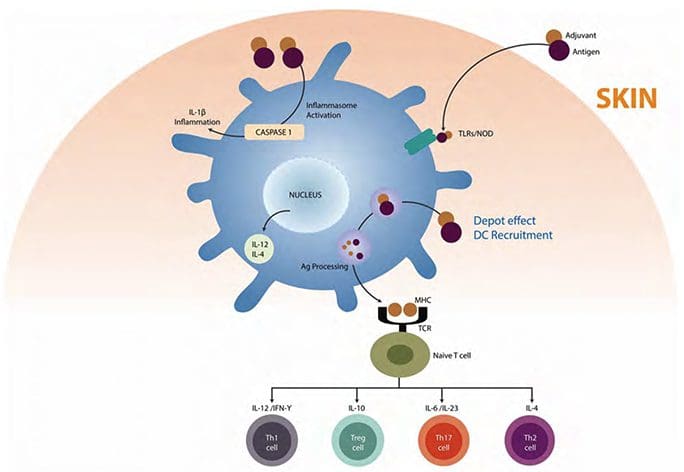 Anaya JM, Ramirez?Santana C, Alzate MA, Molano?Gonzalez N, Rojas?Villarraga A, The Autoimmune Ecology., Front Immunol. 2016 Apr 26;7:139
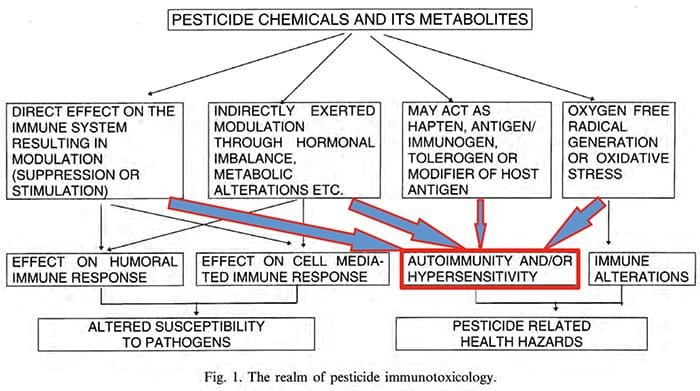 Bannerjee, B.D., Toxicology Letters, 1999, Vol 107: 21-31
Oxidatively Modified Autoantigens In Autoimmune Diseases
- Oxidative modification of proteins has been shown to elicit antibodies in a variety of diseases, including SLE, diabetes mellitus & RA.
- Oxidatively modified DNA & LDL occur in SLE, a disease in which premature atherosclerosis is a serious problem. AGE pentosidine & AGE?modified IgG have been shown to correlate with RA disease activity.
- In the face of overwhelming evidence for the involvement of oxidative damage in autoimmunity, the administration of antioxidants is a viable untried alternative for preventing or ameliorating autoimmune disease…�
Kurien BT, Hensley K, Bachmann M, Scofield RH., Free Rad Biol & Med, 2006, Vol 41: 549-556
Oxidative Stress In The Pathology & Treatment Of Systemic Lupus Erythematosus.
- Oxidative stress is increased in SLE, and it contributes to immune system dysregulation, abnormal activation and processing of cell? death signals, autoantibody production and fatal comorbidities.
- Oxidative modification of self antigens triggers autoimmunity, and the degree of such modification of serum proteins shows striking correlation with disease activity and organ damage in SLE.
- Reactive oxygen intermediates (ROI) mostly originate from mitochondria, and T cells from patients with SLE exhibit mitochondrial dysfunction
- In T cells from patients with SLE and animal models of the disease, glutathione, the main intracellular antioxidant, is depleted and serine/threonine?protein kinase mTOR undergoes redox?dependent activation.
- In turn, reversal of glutathione depletion by application of its amino acid precursor, N?acetylcysteine, improves disease activity in lupus? prone mice; pilot studies in patients with SLE have yielded positive results that warrant further research.
- Antioxidant therapy might also be useful in ameliorating damage caused by other treatments.
Perl, A, Nat Rev Rheumatol. 2013 Nov;9(11):674?86
Environmental Agents, Oxidative Stress & Autoimmunity
- Oxidative stress (OS) plays an important role in the pathogenesis of a variety of autoimmune diseases (ADs) and many environmental agents participate in this process.
- Environmental agents, including trichloroethylene (TCE), silica, pristane (TMPD in mineral oil), mercury, and smoke, are known to induce an autoimmune response, potentially through OS?mediated mechanisms.
- Antioxidants can attenuate SLE disease activity by down regulating NLRP3 inflammasome activation and activating Nrf2 signaling.
Khan MF, Wang G. Curr Opin Toxicol. 2018 Feb;7:22?27.

Xenobiotics Associated With Autoimmune Diseases
- Organochlorines (dioxin, PCBs) & polyvinyl chloride
- Polybrominated biphenyls
- Organic solvents: benzene, toluene, trichloroethylene
- Polycyclic aromatic hydrocarbons (cigarette smoke, automotive exhaust, charbroiled meat)
- Hydrazines: rocket fuels
- Airborne particulates
- Pharmaceuticals & inhalant anesthetics
- Preservatives (formaldehyde)
- Permanent hair dyes
- Food dyes (tartrazine)
- L?canavanine (in alfalfa sprouts), an arginine analog
- Adulterated rapeseed oil (aniline?denatured):�Spanish toxic oil syndrome�
- L?tryptophan (contaminated): eosinophilic myositis
Metals & Minerals Associated With Autoimmune Diseases
-
Heavy metals
- Mercury
- Cadmium
- Lead
- Gold
-
Minerals & Metalloids
- Silica (crystalline silicon dioxide)
- Asbestos (chrysotile = magnesium silicate)
- Arsenic
- Lithium
- Iodine
Bigazzi PE., Metals and kidney autoimmunity. Environ Health Perspect. 1999 Oct;107 Suppl 5:753?65
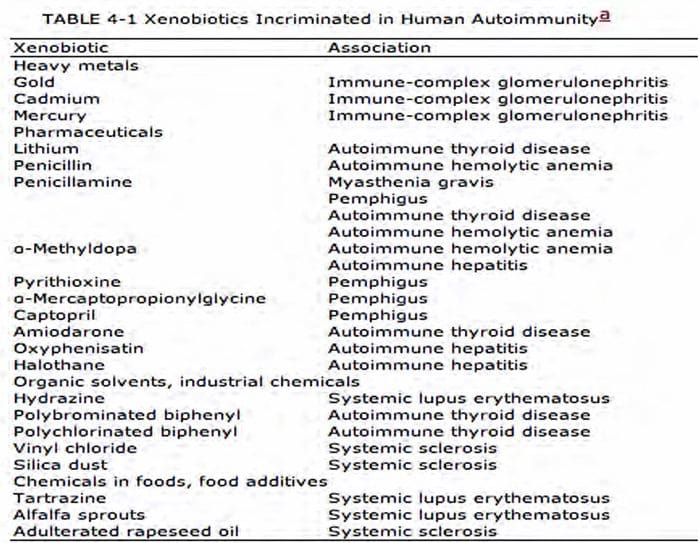
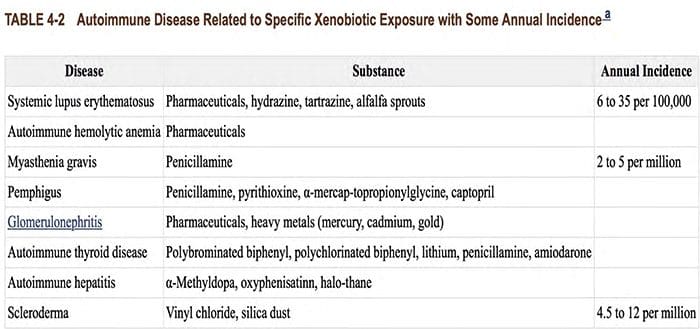
Biologic Markers in Immunotoxicology National Research Council (US) Subcommittee on Immunotoxicology. Washington (DC): National Academies Press (US); 1992.
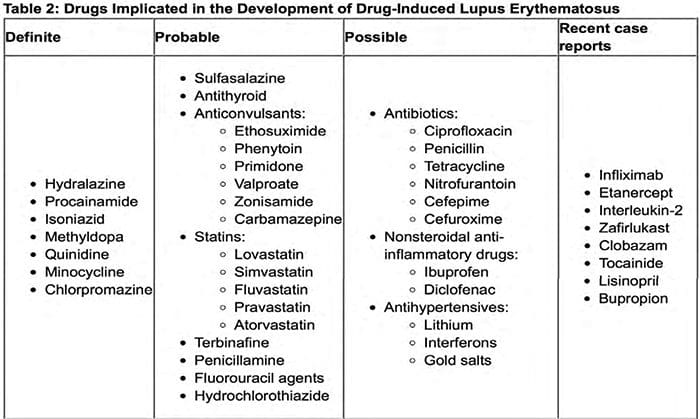 Garza, A, Drug?Induced Autoimmune Diseases. Pharmacy Times 1?20?16
http://www.pharmacytimes.com/publications/issue/2016/january2016/drug?induced?autoimmune?diseases
�Lupus Erythematosus & Other Autoimmune Diseases Related To Statin Therapy: A Systematic Review�
- 28 published cases of statin?induced autoimmune disease:
- 10 cases SLE (2 with autoimmune hepatitis)
- 3 cases subacute cutaneous SLE
- 14 cases dermatomyositis & polymyositis
- Most cases needed systemic immunosuppression
- In many patients, antinuclear antibodies were still positive many months after clinical recovery
Noel, B; J Eur Acad Dermatol Venereol 2007; 21(1):17?24
Putting It All Together…
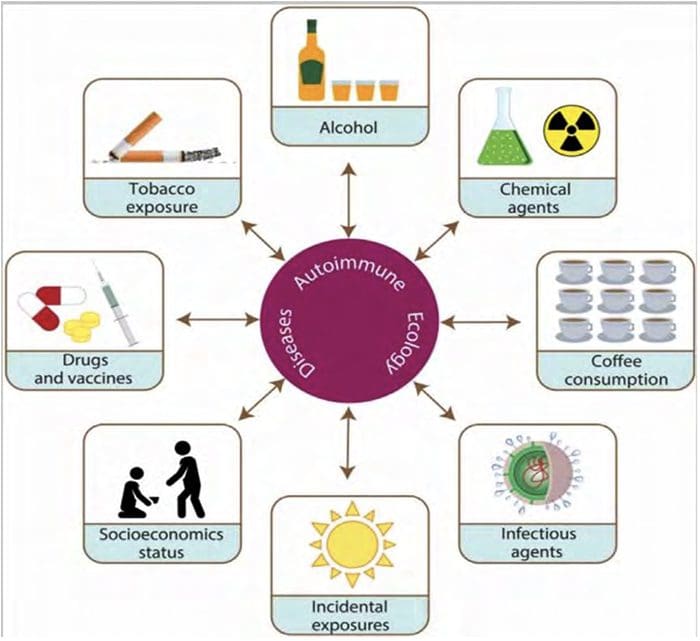 Anaya JM, et al, The Autoimmune Ecology., Front Immunol. 2016 Apr 26;7:139
Messages To Take Home
- Autoimmune and autoinflammatory diseases are steadily increasing in our society
- The rise in exposure to environmental pollutants and other toxins is increasing the total body burden of xenobiotics
- A central theme in the development of autoimmune diseases is the loss of immune tolerance
- Immune tolerance can be broken by disruption of barriers (skin, lung, gut, brain) and/or immune dysregulation
- Numerous xenobiotics have been shown to disrupt healthy barriers and dysregulate immune responses
- Xenobiotics may play a central role in the initiation and perpetuation of autoimmune disease
Explosion Of Autoimmune Diseases: The Mosaic Of Old & Novel Factors
- Modern life and exposures to novel chemical and xenobiotic compounds may lead to the development of new complexes of symptoms that do not necessarily belong to one of the well?known autoimmune diseases
- As physicians and scientists, we must continue to study novel pathogenic mechanisms and susceptible alleles to help us identify new therapeutic venues.
Agmon?Levin N, Lian Z, Shoenfeld Y. Cell Mol Immunol. 2011 May; 8(3): 189�192.
 IFM Annual International Conference Hollywood, Florida May, 2018
Robert Rountree, MD
Robert Rountree, MD is a speaker, consultant, and advisory board member for Thorne and Balchem. He is also a clinical trial board member for Thorne Research.