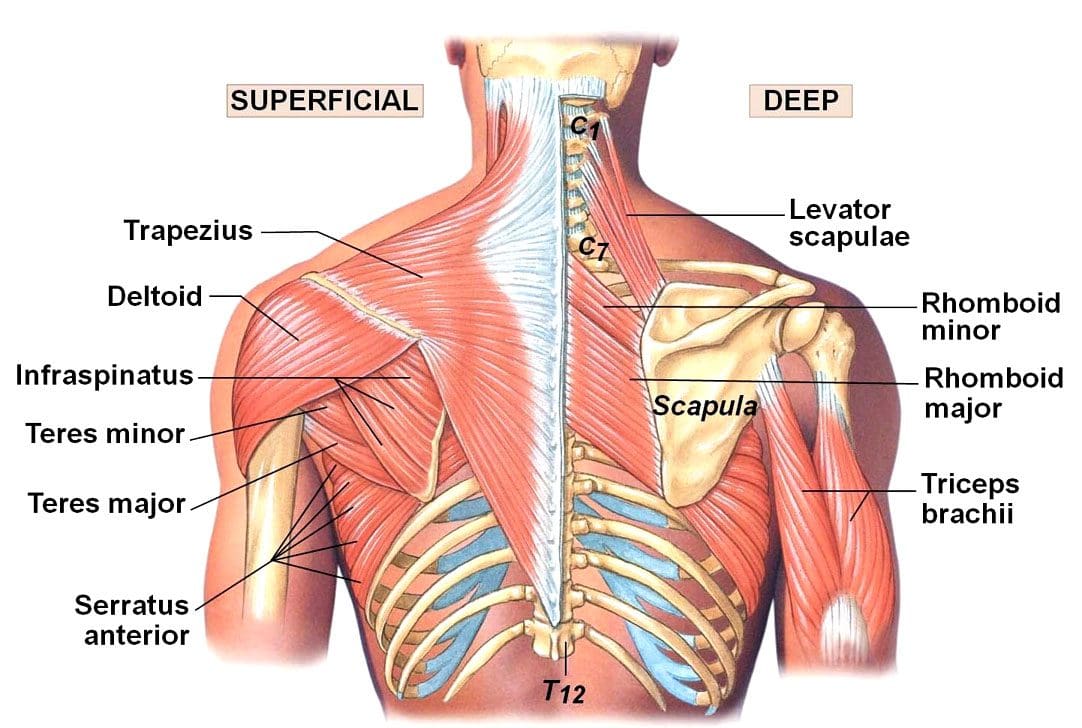
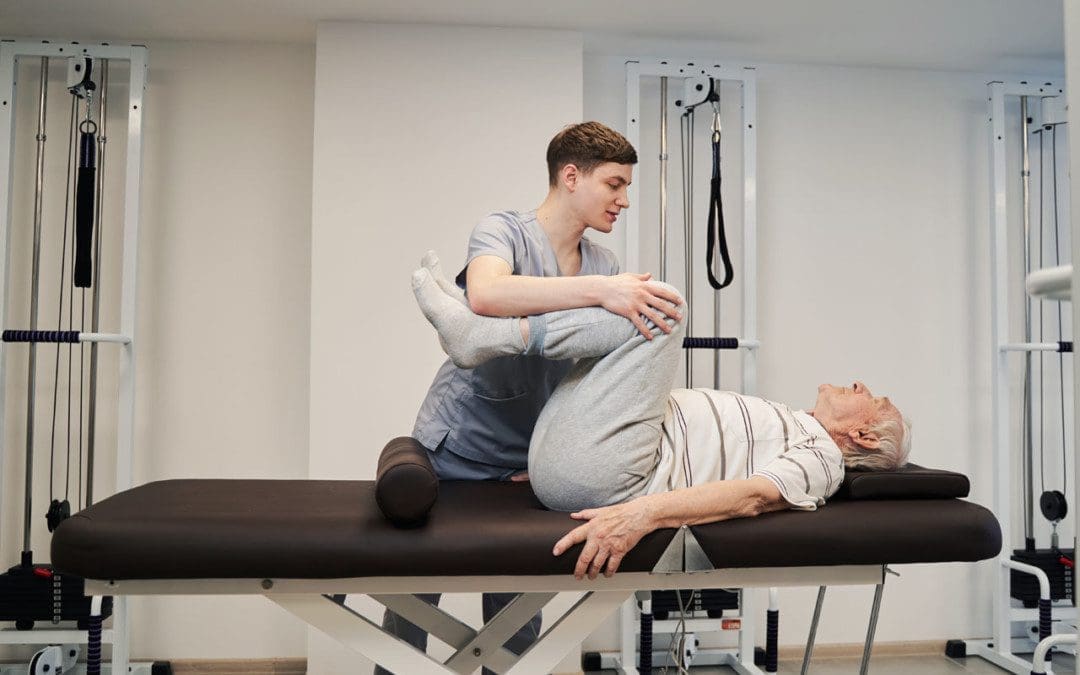
Back discomfort sensations and symptoms could indicate pulled-back muscles. Unless you’ve experienced the condition before, determining the cause can be difficult. A pulled-back muscle can start as a sudden, sharp sting when bending, reaching, or twisting. Or it can present gradually, worsening over a few days. It is a common injury, but if left untreated could take several weeks, and in severe cases, a few months, to heal correctly. Injury Medical Chiropractic and Functional Medicine Clinic can help diagnose the problem and develop a customized treatment plan to restore optimal function and health.
Pulled Back Muscles
A pulled muscle describes a strained muscle.
A strain is a muscle or tendon injury that happens when the tissue overstretches or tears.
When a ligament stretches or tears, it’s called a sprain.
Most cases can be managed and treated at home.
But if the symptoms are not improving or make it difficult to move, see a doctor or chiropractor.
Symptoms
Common signs and symptoms of a pulled-back muscle include:
Swelling
Tenderness
Soreness – Sore muscles that feel tight and achy usually indicate a condition that is likely to improve in a few days. More severe soreness could indicate a more significant injury.
Spasms – A sudden convulsive spasm in the muscle can also indicate a pull. This can feel like a sudden tightening that does not release. The muscle can continue to spasm and lead to other symptoms.
Cramping – A muscle can cramp can lead to increased tightness whenever trying to use the muscle.
Pain – Can be characterized as a constant dullness and/or soreness in most situations or, in severe cases, sharp and shooting.
Discomfort when moving around. If pain flares up when trying to move or use the back muscles is usually an indication that something is wrong.
Relief during inactivity and rest. When lying down to rest or taking a temporary break, and the symptoms disappear could also be an indication of a pulled-back muscle or another injury.
Causes
The most common causes are:
A Strained Muscle
This causes some damage to a region of muscle tissue, usually the result of being over-used or torn from another injury.
Sprained Ligaments
Involves damage to the ligaments in a joint, usually those in the spinal vertebrae.
A Herniated Disc
This involves damage to the discs that can leak out, irritating the surrounding tissues and nerves and can cause shifting and misalignment of the spine.
These conditions are distinct, but the symptoms can be similar.
Therapies
It is important to consult a medical professional before treating an injury because symptoms of other injuries, such as disc problems or a broken bone, can resemble strains and sprains. Most treatments will utilize:
Ice and Heat
Ice helps reduce inflammation.
The faster ice can be applied to a pulled-back muscle, the quicker pain and swelling are reduced, and the healing process can begin.
Apply a cold pack for 15-20 minutes as soon as the injury occurs.
Take a 20-minute break between each cold application.
After the first days, alternate cold therapy with heat to increase circulation.
Try a 20-20-20 rule: 20 minutes of an ice pack followed by a 20-minute break, then 20 minutes of heat.
Repeat as necessary, allowing 20 minutes between heat or ice therapy.
Limited Rest
Right after a muscle strain, limiting physical activity levels and avoiding movements are recommended for a short period.
After the initial pain subsides, partial activity levels are recommended to help prevent the muscles from weakening.
Compression
Applying compression bandages or using an active compression system can help reduce swelling and edema and repair damaged tissues faster.
Stretching
Returning to activities, gentle stretching exercises can improve tissue healing by increasing blood circulation to the injured area.
Applying heat to the area before stretching can also help.
Strength Training
Ask a doctor or chiropractor about the right strength exercises for your condition.
Strength training will develop the muscles to prevent future injuries.
Pain Medication
Pain levels are an important indicator during the recovery process.
Pain medications relieve symptoms but do not assist with healing and should only be used short-term to provide relief.
If you need pain medication, consult your physician to determine the appropriate type and dosage for your situation.
Massage
Blood circulation to the injured tissues is increased with massage therapy.
Chiropractic
A chiropractor can diagnose back pain from a muscle or disc injury and develop an individualized treatment plan.
Allen, Laura. “Case Study: The Use of Massage Therapy to Relieve Chronic Low-Back Pain.” International journal of therapeutic massage & bodywork vol. 9,3 27-30. 9 Sep. 2016, doi:10.3822/ijtmb.v9i3.267
Kumar, Saravana et al. “The effectiveness of massage therapy for the treatment of nonspecific low back pain: a systematic review of systematic reviews.” International journal of general medicine vol. 6 733-41. 4 Sep. 2013, doi:10.2147/IJGM.S50243
Stress and anxiety treatments can include a range of therapies, including talking therapy, meditation techniques, and medication. Chiropractic care, adjustments, and massage are also used as a treatment plan to de-stress. Whether diagnosed with an anxiety disorder or experiencing intense stress, chiropractic functional medicine can address the physical symptoms to rebalance the mind and body.
De-Stress
Physical and mental health are connected. Stress and anxiety can cause tension, fatigue, headaches, and aches and pains. It can make sleeping and/or relaxing difficult, affecting mental and physical health. Signs of stress include:
Blood sugar level changes
Every day or almost every day, tension headaches
Teeth grinding
Backaches
Muscle tension
Digestive problems
Skin irritation
Hair loss
Heart issues
The spine is the conduit for the sympathetic and parasympathetic nervous systems.
The sympathetic nervous system activates when the brain thinks sudden action or important stressful decisions needs to be taken.
The fight or flight response speeds up the heart rate and releases adrenaline.
The parasympathetic system deactivates the fight or flight response, calming the body into a more relaxed state.
Problems arise when the sympathetic nervous system gets activated repeatedly, causing the fight or flight system to remain semi-active. This can come from long commutes, traffic jams, loud music, deadlines, sports practice, rehearsals, etc. The parasympathetic nervous system never gets a chance to activate and settle the mind and body. The result is constantly feeling stressed and agitated.
Chiropractic Care
Chiropractic care to de-stress decreases stress hormones and releases feel-good hormones like oxytocin, dopamine, and serotonin, which allow healing and help the body relax. Chiropractic adjustments let the brain know it’s time to activate the parasympathetic nervous system and ease down. Chiropractic helps by:
Relieving Muscle Tension
When the body is under stress, the muscles tense up, causing discomfort, aches, and pains.
The continued stress can lead to health issues, panic attacks, anxiety disorders, and depression.
Chiropractic relieves tension restoring the body to its natural balance.
Chiropractic can help effectively restore bodily functions.
Adjustments and massage rebalance blood circulation and energy flow, allowing clear nervous system transmission.
Lowering Blood Pressure
Chiropractic care has shown positive results in lowering blood pressure.
Improving Quality Sleep
Chiropractic care improves sleep patterns by correcting spinal misalignments.
Increasing Relaxation
Chiropractic adjustments can release and relax muscle activity, allowing the body to relax and de-stress completely.
Health Voice
References
Jamison, J R. “Stress management: an exploratory study of chiropractic patients.” Journal of manipulative and physiological therapeutics vol. 23,1 (2000): 32-6. doi:10.1016/s0161-4754(00)90111-8
Kültür, Turgut, et al. “Evaluation of the effect of chiropractic manipulative treatment on oxidative stress in sacroiliac joint dysfunction.” Turkish journal of physical medicine and rehabilitation vol. 66,2 176-183. 18 May. 2020, doi:10.5606/tftrd.2020.3301
Mariotti, Agnese. “The effects of chronic stress on health: new insights into the molecular mechanisms of brain-body communication.” Future science OA vol. 1,3 FSO23. 1 Nov. 2015, doi:10.4155/fso.15.21
Stefanaki, Charikleia, et al. “Chronic stress, and body composition disorders: implications for health and disease.” Hormones (Athens, Greece) vol. 17,1 (2018): 33-43. doi:10.1007/s42000-018-0023-7
Yaribeygi, Habib et al. “The impact of stress on body function: A review.” EXCLI journal vol. 16 1057-1072. 21 Jul. 2017, doi:10.17179/excli2017-480
The sciatic nerve is the longest in the body and is the central nerve in the leg. A critical nerve that comes off the spine runs through the pelvis, into the buttocks, down the back of each thigh, and finally into the feet. It is a mixed nerve meaning it is made up of both motor/movement) and sensory/sensation fibers. The nerves merge with the spinal nerve roots before they enter the spinal cord, where the sensory information travels to and from the brain. If the nerve is inflamed, compressed, twisted, damaged, or injured, this can negatively affect the muscles’ function, leading to chronic pain conditions. Injury Medical Function Restoration Chiropractors will do precisely that for the sciatic nerve and the rest of the body.
Nerve Roots and Branches
Different nerve roots make up the sciatic nerve, with two starting in the lower back and three at the bottom of the spine or sacrum. At the knees, the nerve splits into two branches:
The peroneal nerve runs from the knee’s outer part to the foot’s outer part and splits into two main branches below the knee.
The tibial nerve goes down the back of the calf, extending to the heel and sole.
There are smaller branches at the:
Hips
Inner thighs
Calves
Feet
Sciatic Nerve Function
The sciatic nerve’s purpose serves motor functions by assisting the muscles in the legs and feet to move, walk, run, and stand. And for the sensory function of feeling sensations in the legs and feet includes pain, numbness, burning, and electrical sensations.
Motor Functions
The nerve provides motor functions that power movement to the muscles that move the thighs, legs, and feet. Essential motor functions:
Motor function signs of sciatic nerve problems include difficulty or inability to walk, bend the leg, and/or stand on tiptoe or the heel.
Sensory Functions
The nerve provides sensation to the different areas; when the nerve is injured, the corresponding area may feel unique/abnormal sensations with differing degrees of numbness, pins-and-needles, and pain. Commonly affected areas include:
Front, back, and outside the thigh.
Front, back, and outside the lower leg.
The top and outer side of the foot.
Bottom of the foot.
Between the toes.
Like motor function disruption, sensory impairment is determined by where the problems are occurring.
Function Restoration Chiropractor
Affected, reduced, and inhibited motor and sensory functions can lead to muscle weakness, chronic pain, and permanent nerve damage. Function restoration chiropractor and physical therapeutic massage can help manage nerve compression and irritation. Spinal manipulations restore misaligned vertebral discs taking the pressure off the nerve relieving the pain, and regaining nerve signal flow and mobility. Chiropractic will induce deep muscle relaxation to stop muscle spasms, release tension, soothe the nerve, release endorphins, and restore sciatic nerve function.
Spinal Decompression
References
Bouche, P. “Compression and entrapment neuropathies.” Handbook of clinical neurology vol. 115 (2013): 311-66. doi:10.1016/B978-0-444-52902-2.00019-9
Cook, Chad E et al. “Risk factors for first-time incidence sciatica: a systematic review.” Physiotherapy research international: the journal for researchers and clinicians in physical therapy vol. 19,2 (2014): 65-78. doi:10.1002/pri.1572
Giuffre BA, Jeanmonod R. Anatomy, Sciatic Nerve. [Updated 2021 Jul 29]. In: StatPearls [Internet]. Treasure Island (FL): StatPearls Publishing; 2022 Jan-. Available from: https://www.ncbi.nlm.nih.gov/books/NBK482431/
According to chiropractic physiological concepts, the body is in a state of relaxation when the body’s natural intelligence can properly function. With regular movement, work, school, chores, tasks, the body takes a beating getting pushed, pulled, and twisted. This results in loss of function, disharmony, chronic conditions, and disease. Chiropractic assistance restores the communication flow with various types of adjustments.
Like a vehicle that has something loose or is out of place, but can still move, so do individuals continue to work despite their body telling them that something is wrong or out of place. As they continue the body can start to break down. Even with a minor vertebral subluxation. A subluxation is when a vertebra/spine’s bones interfere with the transmission of information along the spine and throughout the central nervous system. The messages/transmissions to and from the brain disrupt the body’s ability to function properly resulting in health issues. A chiropractor adjusts the body to correct the subluxation. This facilitates the body’s natural ability to:
Adapt
Regulate
Heal itself through its own natural intelligence.
Chiropractic is based on principles of physiology. These principles have a significant impact on individuals:
Overall health
Vitality
Well-being
Self-healing and Regulating
When individuals cut themselves, or when a bone gets broken, the body will heal itself. No thought or practice is needed. The body breathes, digests food, the heart continues to beat and the kidneys filter out waste products.
Brain, Nervous System, and Body Health
The brain and nervous system are what controls and coordinate the body’s ability to heal and self-regulate. The brain sends out information through the nervous system to the organs of the body. The information tells the organs what to do and when to do it. The organs reply to the brain through the nervous system letting the brain know everything is operating correctly.
To function properly and maintain optimal function, the body depends on the proper circulation of nerve transmissions/information traveling through the nervous system.
Spinal State
The condition or state of the spine if out of place even just a little could interfere with the transmission of information via the nerve pathways. Misalignments and subluxations don’t always hurt so individuals don’t know this is happening. The nervous system is protected by the skull and spinal bones, known as the vertebrae. The spinal bones allow for free movement. Subluxations and misalignments:
Stretch
Pinch
Irritate
Choke
Rub the nerve fibers.
This alters the information/messages traveling and interferes with the body’s ability to function as it should.
Chiropractic Assistance
Chiropractic assistance will diagnose and correct misalignments and subluxations, restoring proper nerve circulation. These spinal adjustments unlock and realign the bones allowing for optimal movement and the communication pathways are fixed. A healthy spine and nervous system are vital to healthy body function. This is the body’s natural state. How to know if you have a subluxation, have your spine checked by a chiropractor.
Body Health Assistance
Body Composition Goals
For individuals that fall within the extremely overweight and obese body fat percentage category, an effective strategy is to lose fat while preserving the existing Lean Body Mass. Individuals with high body fat percentages often have existing muscle developed from carrying the added weight when moving. Preserving this muscle is important. Having more muscle means increased metabolism and more strength.
To start losing body fat it is recommended to cut down/cut out processed foods and reduce caloric intake.
Consult with a health coach and nutritionist to find out about different types of diets and types of physical activity.
One study showed that obese individuals could quickly improve body composition by:
Maltese, Paolo Enrico et al. “Molecular foundations of chiropractic therapy.” Acta bio-medica : Atenei Parmensis vol. 90,10-S 93-102. 30 Sep. 2019, doi:10.23750/abm.v90i10-S.8768
Pickar, Joel G. “Neurophysiological effects of spinal manipulation.” The spine journal: official journal of the North American Spine Society vol. 2,5 (2002): 357-71. doi:10.1016/s1529-9430(02)00400-x
Rosner, Anthony L. “Chiropractic Identity: A Neurological, Professional, and Political Assessment.” Journal of chiropractic humanities vol. 23,1 35-45. 20 Jul. 2016, doi:10.1016/j.echu.2016.05.001
Vining, Robert et al. “Assessment of chiropractic care on strength, balance, and endurance in active-duty U.S. military personnel with low back pain: a protocol for a randomized controlled trial.” Trials vol. 19,1 671. 5 Dec. 2018, doi:10.1186/s13063-018-3041-5
IFM's Find A Practitioner tool is the largest referral network in Functional Medicine, created to help patients locate Functional Medicine practitioners anywhere in the world. IFM Certified Practitioners are listed first in the search results, given their extensive education in Functional Medicine