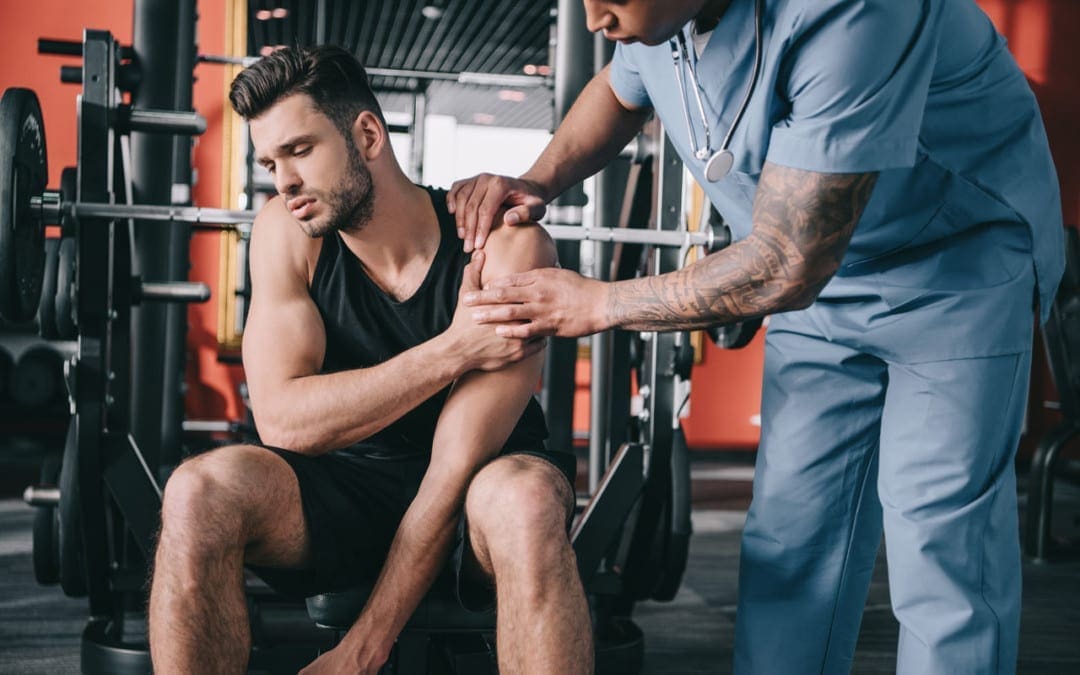
Vitamin B12 and Shoulder Injuries. Most shoulder injuries involve the muscles, ligaments, and tendons. Individuals that perform repetitive arm motions/movements, constantly lift objects as part of their job, and athletes that use their arms repetitively have an increase in developing/experiencing shoulder injuries and problems. Shoulder injuries are commonly caused by physical activities that involve:
Excessive motions
Repetitive motions
Overhead motions
Sports like swimming, tennis, pitching, and weightlifting involve these repetitive arm/shoulder motions that contribute to shoulder injuries.
Injuries can also be brought on from everyday activities like washing/painting walls, hanging curtains/plants, and gardening.
Shoulder Injury Symptoms
If there is discomfort and/or pain in and around the shoulder here are a few ways to analyze the situation.
Does the shoulder feel like it could pop out or slide out of its socket?
Is there a lack of strength in the shoulder for normal daily activities?
If yes was an answer to any of these questions, individuals should consult an orthopedic surgeon and/or chiropractor for assistance in determining the problem and its severity.
Injury Categories
Individuals often underestimate the extent of an injury and usually just push/play through the discomfort and pain. This is how powerful the brain is as it ignores steady pain, weakness, or limitation of joint motion. Shoulder injuries and problems are grouped in the following categories.
Instability
This is when a shoulder joint moves/shifts or is forced out of its normal position. This is called instability and can result in dislocation of the joints in the shoulder. Individuals will experience pain when raising their arms. It can feel as if the shoulder is slipping out.
Impingement
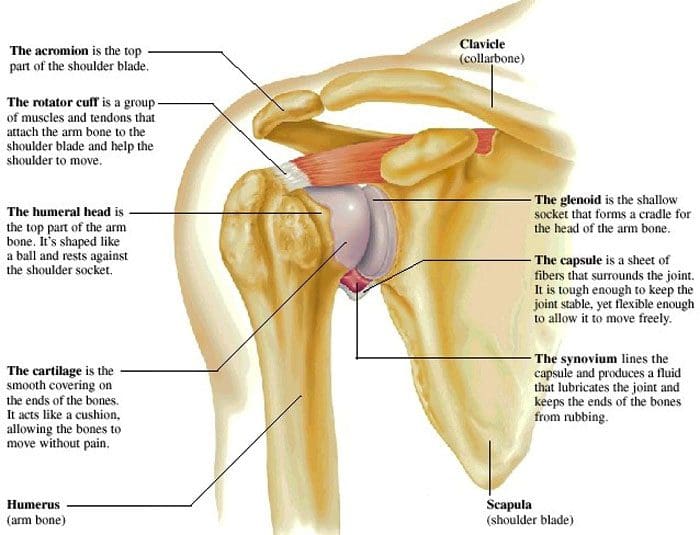
Impingement is caused by excessive rubbing/friction of the muscles against the top part of the shoulder blade, known as the acromion. Impingement can happen during physical activities that require excessive overhead arm motion. Medical examination and care are recommended for inflammation, as it could eventually lead to a more serious injury.
Injuries
Bursitis
The bursa is the fluid-filled sacs that cushions the joints. These can become swollen and irritated from repetitive motions, falls, or other injuries. Individuals will notice the pain most when moving/rotating the shoulder.
Cartilage tear
The cartilage – the rubbery padding that goes around the rim of the shoulder joint can get damaged from repetitive motions, overextending, falls, or from intense force to the shoulder. With this type of injury individuals feel pain when reaching overhead, weakness, and/or catching, locking, and grinding feelings.
Rotator cuff tear
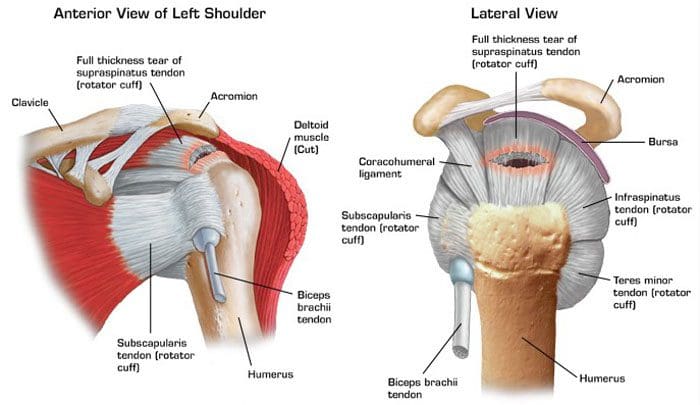
The rotator cuff consists of a group of muscles and tendons that hold the arm in place and allow for lifting the arm up and overhead. It can get damaged through overuse, falls, and regular wear and tear with age. Pain often presents at night, when lifting objects, and there could be a cracking sound when trying to move or rotate.
Frozen shoulder
This condition limits the joint’s movement. What happens is abnormal bands of tissue called adhesions build up in the joint and restrict movement. The shoulder can freeze up from not using it. This could be because pain or surgery causes an individual to use it less. This is when adhesions begin to build up.
Separation
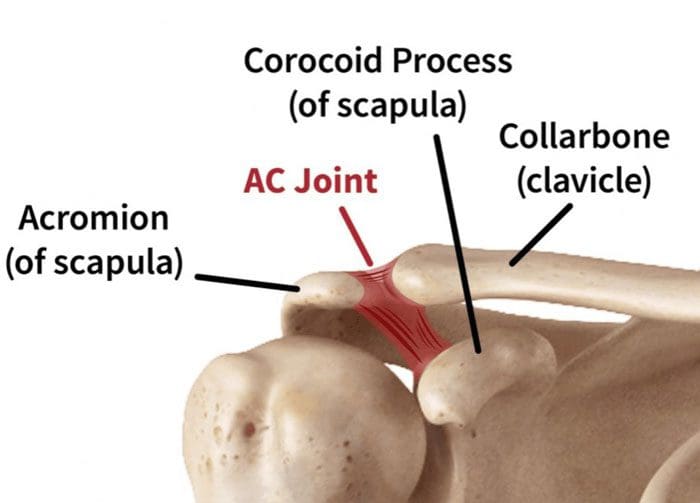
This injury affects the joint where the collarbone and shoulder blade join. It is known as the acromioclavicular or AC joint. A fall or hard impact can tear the ligaments that hold it together. If the collarbone gets pushed out of place a bump forms/develops on top of the shoulder.
Fracture
A bone can break or crack from a vehicle accident, fall, or takes a hard hit. The most common fractures are to the clavicle – collarbone and the humerus – arm bone closest to the shoulder. This type of injury causes a great deal of pain and bruising. If the collarbone is broken, the shoulder can sag with the inability to lift the arm.
Vitamin B12
Rotator cuff injuries involve dysfunctional and/or damaged connective tissue. This could be from impaired collagen synthesisVitamin B12 helps combat inflammation and plays a significant role in collagen formation. Low vitamin B12 status can be directly linked to pro-inflammatory cytokines. This means that a lack of vitamin B12 increases inflammation.
Researchers followed a group of individuals to determine if their individual vitamin B12 levels correlated with an increased risk of a rotator cuff tear. To begin the study, levels of vitamin B12 were measured along with other nutrients that included:
Vitamin D
Zinc
Calcium
Magnesium
Folate
Homocysteine and blood sugar biomarkers, which are both associated with B12 metabolism were also measured. Homocysteine is a metabolite that builds up in the blood when specific nutrients, like B12, folate, or B6 become deficient. Elevated levels of homocysteine can be harmful and cause damage to blood vessels and brain tissue when not detoxified properly. In the study, the homocysteine levels did not differ between the groups, but vitamin B12 levels were significantly different.
The patients that were included were a healthy group that did not have any rotator cuff injury during the study.
The second group all experienced a rotator cuff tear that required surgery during the study.
With the various nutrients measured, only vitamin B12 and vitamin D showed differences. With the B12 and D being lower in the group that had the shoulder injury.
Specifically, the B12 levels in the healthy group were 627 pg/mL compared to 528 pg/mL in the injured group. This was a 16% decrease.
These subclinical deficiencies are usually missed with traditional serum testing which is why functional nutritional testing is clinically recommended.
Body Compositional Testing
Disclaimer
The information herein is not intended to replace a one-on-one relationship with a qualified health care professional, licensed physician, and is not medical advice. We encourage you to make your own health care decisions based on your research and partnership with a qualified health care professional. Our information scope is limited to chiropractic, musculoskeletal, physical medicines, wellness, sensitive health issues, functional medicine articles, topics, and discussions. We provide and present clinical collaboration with specialists from a wide array of disciplines. Each specialist is governed by their professional scope of practice and their jurisdiction of licensure. We use functional health & wellness protocols to treat and support care for the musculoskeletal system’s injuries or disorders. Our videos, posts, topics, subjects, and insights cover clinical matters, issues, and topics that relate to and support, directly or indirectly, our clinical scope of practice.* Our office has made a reasonable attempt to provide supportive citations and has identified the relevant research study or studies supporting our posts. We provide copies of supporting research studies available to regulatory boards and the public upon request. We understand that we cover matters that require an additional explanation of how it may assist in a particular care plan or treatment protocol; therefore, to further discuss the subject matter above, please feel free to ask Dr. Alex Jimenez or contact us at 915-850-0900.
Dr. Alex Jimenez DC, MSACP, CCST, IFMCP*, CIFM*, CTG*
email: [email protected]
phone: 915-850-0900
Licensed in Texas & New Mexico
References
American Society for Surgery of the Hand: Shoulder Pain.
American Academy of Family Physicians: Shoulder Pain.
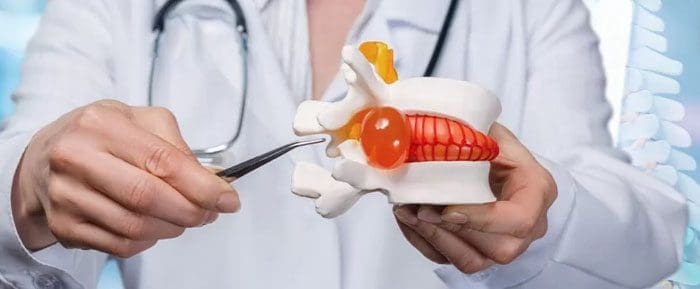
Here are a few recommended stretches and exercises for relieving herniated disc symptoms. The vertebrae are the small bones that make up the spine. They have cushion discs between each one. These are the intervertebral discs and are the body’s shock absorbers. The discs can be thought of as small balloons that are filled with an elastic gel-type material. There are twenty-three of these cushions.
Functioning as the body’s shock absorbers transferring various forces, weight, and stress from vertebra to vertebra, so that no one is overburdened taking on all the impact the body goes through. But like any machine, the discs can wear down over time, and sustain injury. When this happens the cushioning gel can leak out and press on the nerve roots emerging from the spine. This type of injury is a herniated disc.
Herniated Disc Treatment
A herniated disc can lose its height because of fluid and water loss.
This loss affects the bone structures bringing them closer together affecting the ligaments that connect each segment. The ligaments become loose and do not provide the same stability. Ligaments cannot be strengthened with exercise making it more important to strengthen the muscles around the spine to make up for this stability loss. Depending on the severity of the injury, the displaced disc can cause pressure to build upon the nerves, resulting in pain and other discomforts. This comes from the loss of the disc’s cushion causing the vertebrae to rub against each other. Stretches and exercises designed for herniated discs can work in conjunction with conservative treatment to relieve the pain and discomfort.
Stretches and Exercises for Pain Relief
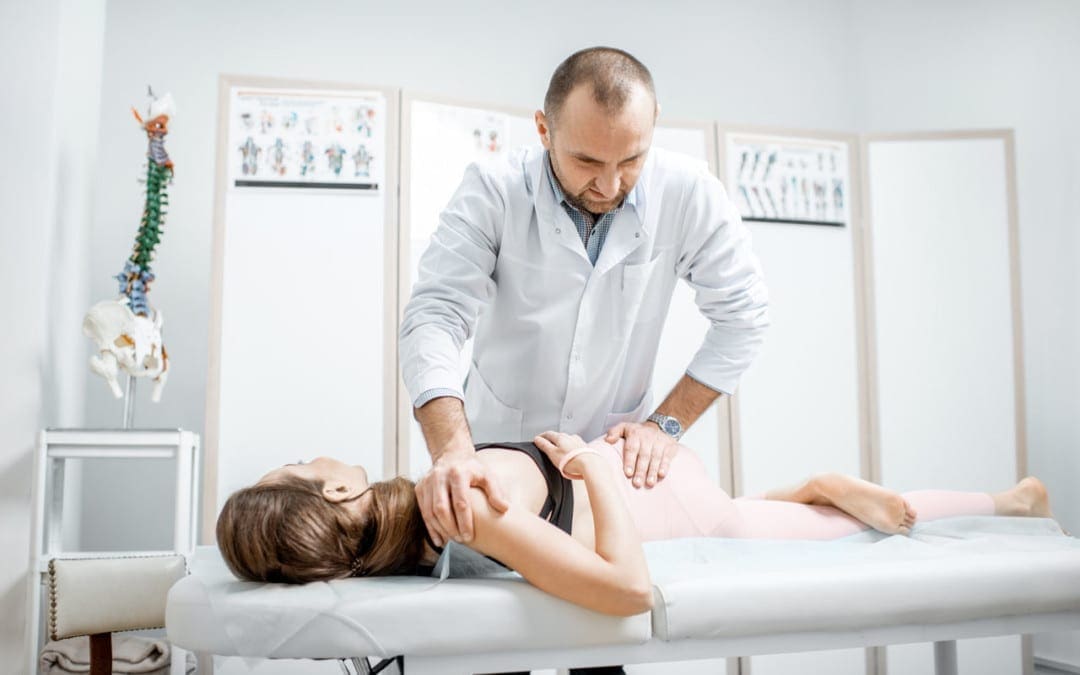
Consult a medical spine specialist/chiropractor before beginning a stretch and exercise regimen. This is because the herniation can become worse or additional injury/s can occur without proper instruction. Once the injury and clinical considerations have been addressed, gentle stretches and exercises can help reduce the pain and other symptoms. Strengthening the back and hamstring muscles reduces pressure on the spinal column helping to prevent pain and promotes healing by:
Increasing blood flow to the spine
Building strength to support the spinal muscles
Decreases stress on the spine
Helps relieve the pain
Improves abnormal postures and awkward body positions
Equipment is not necessary but there are few items that can help the process.
A herniated disc in the neck is usually caused by a forward head posture and a swayback or excessive curvature of the spine.
Isometric hold
Sit straight
Relax the shoulders
Place one hand on the forehead
Push head into the hand without moving the head
Hold for 5 to 15 seconds.
Repeat 15 times
Chin tuck
Lie on your back on a flat surface
Place arms at sides
Tuck the chin in and down toward the chest until a stretch is felt
Hold for 5 to 10 seconds
Repeat 15 to 20 times
Lumbar/Low Back Stretches and Exercises
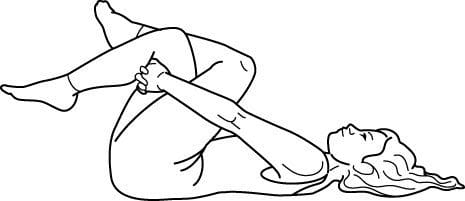
Back flexion stretch
This stretch extends the back muscles to relieve low back pain.
Lie flat on your back
Pull the knees toward the chest and wrap your arms around the knees
Lift head straight up off the floor until there is a stretch across the mid and low back
Hold for 10 seconds
Repeat 5 to 10 times
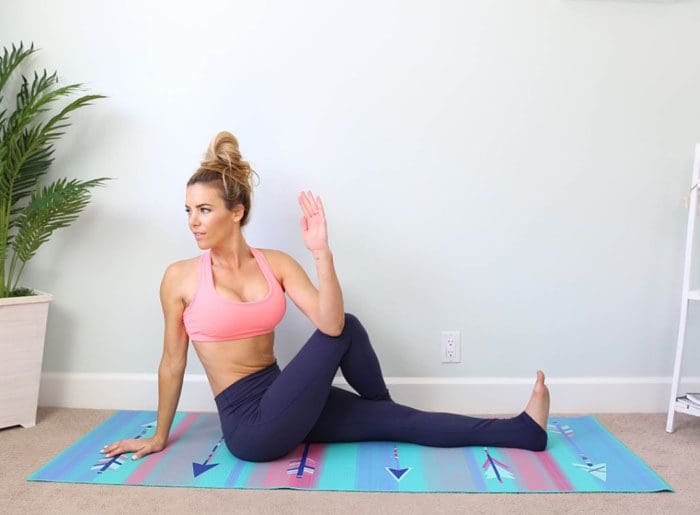
Piriformis stretch
This stretches the small muscle in the buttocks helping to relieve low back pain and helps with sciatica.
Lie flat on your back on the floor or yoga mat
Bend the knees
Plant feet on the floor
Pick up one leg and rest the ankle on the other leg’s bent knee
Reach one arm through the leg and use both hands to grasp the bent leg
Pull the leg toward the chest until there is a stretch in the buttock
Hold for 30 seconds
Repeat on the other leg
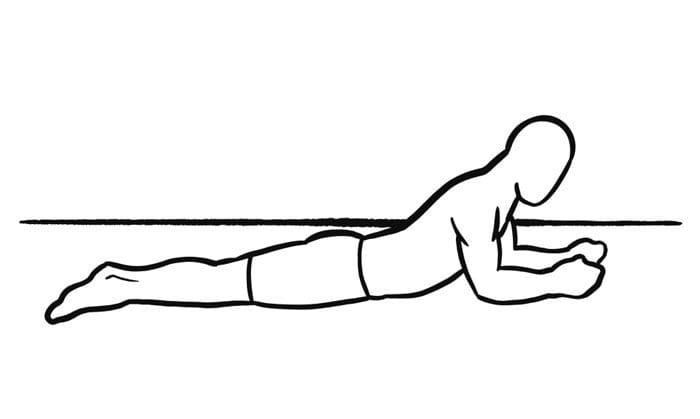
Prone extension stretch
This stretch helps reposition the disc back to its proper position, expediting the healing process. Start slowly and if pain presents, stop immediately.
Lie face down on the floor or yoga mat
Place the forearms on the floor next to the body
The elbows should be at a 45- degree angle
Slowly prop the body up, being sure to keep the hips on the floor
Keep pressing upward until the elbows are at a 90-degree angle
Hold the position for 10-15 seconds
Return to starting position
Repeat the stretch 10 times
Gradually increase the upward position hold time until it can be maintained for 30 seconds
Performing these stretches and exercises or similar types will help with herniated injury recovery and prevent worsening or creating new injuries.
Body Composition
Benefits of yoga
Yoga benefits mental and physical health. Yoga helps improve individual physical health. Specific poses can help:
Improve balance
Flexibility
Build/Tone muscle
Prevent injury
Improve sense of well-being
Yoga stretches the muscles while relieving physical and emotional stress. Practicing yoga regularly can prevent obesity, and reduce the risk of developing metabolic syndrome. Yoga can help decrease leptin which is a hormone that helps control appetite. This is important for individuals going through chronic stress who are twice as likely to develop metabolic syndrome.
Disclaimer
The information herein is not intended to replace a one-on-one relationship with a qualified health care professional, licensed physician, and is not medical advice. We encourage you to make your own health care decisions based on your research and partnership with a qualified health care professional. Our information scope is limited to chiropractic, musculoskeletal, physical medicines, wellness, sensitive health issues, functional medicine articles, topics, and discussions. We provide and present clinical collaboration with specialists from a wide array of disciplines. Each specialist is governed by their professional scope of practice and their jurisdiction of licensure. We use functional health & wellness protocols to treat and support care for the musculoskeletal system’s injuries or disorders. Our videos, posts, topics, subjects, and insights cover clinical matters, issues, and topics that relate to and support, directly or indirectly, our clinical scope of practice.* Our office has made a reasonable attempt to provide supportive citations and has identified the relevant research study or studies supporting our posts. We provide copies of supporting research studies available to regulatory boards and the public upon request. We understand that we cover matters that require an additional explanation of how it may assist in a particular care plan or treatment protocol; therefore, to further discuss the subject matter above, please feel free to ask Dr. Alex Jimenez or contact us at 915-850-0900.
Dr. Alex Jimenez DC, MSACP, CCST, IFMCP*, CIFM*, CTG*
email: [email protected]
phone: 915-850-0900
Licensed in Texas & New Mexico
References
Court C, Mansour E, Bouthors C. Thoracic disc herniation: Surgical treatment, Orthopaedics & Traumatology: Surgery & Research, 104(1)S31-@40, 2018, https://www.sciencedirect.com/science/article/pii/S1877056817303419.
Women are familiar with abdominal cramps, Pre Menstrual Syndrome, and headaches that accompany their menstrual cycle. However not as many are aware of backache to throbbing back pain sometimes before and/or after a monthly cycle. Many women go to over-the-counter pain medication like ibuprofen. In a study, the regular use of NSAIDs found that it can lead to:
Stomach problems
Bleeding ulcers
Fluid retention
High blood pressure
Kidney
Heart problems
Why Back Pain Presents During Menstrual Cycle
When the uterus is in a contracting state, the nerves around the pelvis feel the sensations. The uterus only contracts for a few seconds, but repeatedly for hours. Sometimes, the uterus compresses blood vessels in the region. This can limit or completely block the blood vessels supplying the muscles around the pelvis. This is a major contributor to back pain during a period. This is known as referred pain, which means the body feels the pain in one area, in this case, the lower back. But the pain is caused by another area of the body, the uterus. This can cause cramping and low back pain before, during, and after a period. If cramps and back pain become debilitating or worsen over time, it could indicate:
If fever is present along with back pain seek professional help as soon as possible.
Here are a few ways that can help bring relief from back pain during the monthly cycle.
Heat Therapy
Heat generates increased blood circulation, specifically where it is applied. Therefore any blood vessels that are blocked by the uterus will have improved circulation to the muscles surrounding the uterus, allowing them to relax. This could be the use of:
Heating pads
Hot water bottle
Warm bath or shower
If at work, many pharmacy stores and regular stores sell heat patches that are applied with adhesive tape. These can be used on the lower abdomen or lower back, providing soothing heat.
Light Exercises
Most doctors refer to exercise throughout the month, just not during the period. As staying in shape will maintain the body’s proper circulation and keep the muscles strong. However, some women can perform light exercises like yoga or swimming. This helps decrease back pain even on the first or second day of a menstrual cycle which for many women is the heaviest and most painful.
Meditate
Meditation can help gain control and insight from feelings about life situations. It takes practice, but once an individual gets the hang of it they are amazed at how much pain can be reduced with a 15-minute meditation session.
Supplemental Support
Taking omega 3’s and magnesium supplements can help with the pain. Omega 3s reduce blood clotting and improve circulation. They are natural anti-inflammatories that decrease prostaglandin, which is associated with backaches and cramps. Magnesium supplements, especially those that contain vitamin B6, can help relieve back pain before and after a period. Magnesium can also be found in:
Beans
Beets
Salmon
Shrimp
Chiropractic Care
The uterus, like every organ in the body, sends and receives nerve signals, from the brain to the uterus. The menstrual cycle has a close relationship with the spine because of its location. Regular chiropractic adjustments can maintain proper communication between the brain and uterus. Chiropractic realigns the entire spine back to its proper position. This relieves the pressure on the nerves of the reproductive organs. Seeing a chiropractor is the right step towards stopping the pain and healing the body naturally.
Positive body composition changes can be seen with higher load volume and less explosive tempo that is combined with shorter rest periods when weight or strength training.
When lifting weights or resistance training, it could be difficult to gain muscle mass if on birth control, near the perimenopausal stage, or officially on menopause.
One of the benefits of weight and strength training is that it can help an individual feel better about themselves. Weight training is associated with significant improvements in:
Body image
Quality of life
Physical activity behaviors
Overall satisfaction
Well being
Disclaimer
The information herein is not intended to replace a one-on-one relationship with a qualified health care professional, licensed physician, and is not medical advice. We encourage you to make your own health care decisions based on your research and partnership with a qualified health care professional. Our information scope is limited to chiropractic, musculoskeletal, physical medicines, wellness, sensitive health issues, functional medicine articles, topics, and discussions. We provide and present clinical collaboration with specialists from a wide array of disciplines. Each specialist is governed by their professional scope of practice and their jurisdiction of licensure. We use functional health & wellness protocols to treat and support care for the musculoskeletal system’s injuries or disorders. Our videos, posts, topics, subjects, and insights cover clinical matters, issues, and topics that relate to and support, directly or indirectly, our clinical scope of practice.* Our office has made a reasonable attempt to provide supportive citations and has identified the relevant research study or studies supporting our posts. We provide copies of supporting research studies available to regulatory boards and the public upon request. We understand that we cover matters that require an additional explanation of how it may assist in a particular care plan or treatment protocol; therefore, to further discuss the subject matter above, please feel free to ask Dr. Alex Jimenez or contact us at 915-850-0900.
Dr. Alex Jimenez DC, MSACP, CCST, IFMCP*, CIFM*, CTG*
email: [email protected]
phone: 915-850-0900
Licensed in Texas & New Mexico
References
Brynhildsen, J O et al. “Does the menstrual cycle and use of oral contraceptives influence the risk of low back pain? A prospective study among female soccer players.” Scandinavian journal of medicine & science in sports vol. 7,6 (1997): 348-53. doi:10.1111/j.1600-0838.1997.tb00165.x
Forozeshfard, Mohammad et al. “Short term effects of Kinesio taping on pain and functional disability in young females with menstrual low back pain: A randomized control trial study.” Journal of back and musculoskeletal rehabilitation vol. 29,4 (2016): 709-715. doi:10.3233/BMR-160673
Seguin, Rebecca A et al. “Strength Training Improves Body Image and Physical Activity Behaviors Among Midlife and Older Rural Women.” Journal of extension vol. 51,4 (2013): 4FEA2.
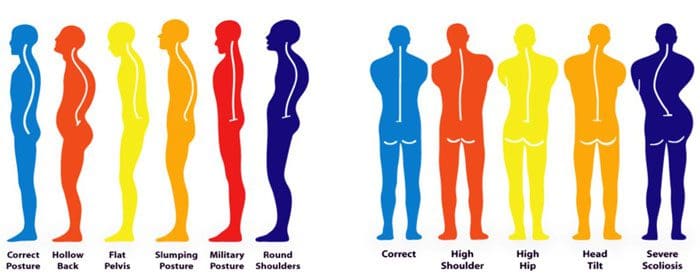
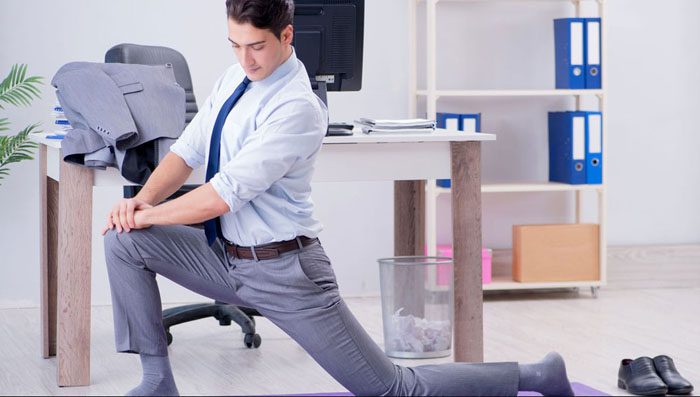
Improper posture affects the whole body and can lead to various pain issues throughout the body. Correcting posture is recommended before trying to correct it when pain begins to present. If pain is presenting, chiropractic treatment will bring relief, stabilize the spine, realign/balance the body, and educate the individual on maintaining proper posture through stretches, exercises, physical therapy, and lifestyle adjustments.
Improper posture symptoms
Neck Pain
Discomfort, stiffness, tightness, and pain are common when sitting at a workstation. This comes from a forward head/head jutting position. The head pushes forward and is not aligned with the shoulders. This means that the neck takes on a compromised position. The head forward position places significant strain on the neck muscles. Because of this neck discomfort and pain often occur later in the afternoon and evening. If not sure whether head jutting is taking place, try placing the chin to the chest. If not able or if there is discomfort/pain in the upper back, there is some forward head jutting.
Shoulder Discomfort and Pain
When we sit for extended periods, the body relaxes muscles that would normally be used if standing. One set of muscles is in the upper back. This causes slouching with a rounded upper back/shoulders. The more time the body stays in any one position, the more it begins to conform to the unhealthy position. This also causes pain in the upper, front part of the shoulders. The pain is noticeable when trying to bring the arm/s overhead or when trying to perform exercises like pushups or pullups.
Regular Headaches
Regular headaches are another symptom of improper posture. Forward head posture is usually a contributor combined with the long hours sitting or standing. However, headaches can be caused by a variety of causes that include:
Stress
Tension
Dehydration
Low Back, Tailbone Discomfort, and Pain
Lower back pain is a very common symptom of improper posture. For individuals under 40, pain and discomfort present because of improper posture while sitting or standing and a lack of stretching and exercise. Sitting for a long time causes the muscles that bring the thighs towards the chest, known as the hip flexors to be consistently flexed, with no relief. This causes the hip flexors to shorten and tighten. This pulls the pelvis out towards the front of the body, creating an exaggerated spinal curve.
Buttocks or Stomach Pushes Outward
Take a look at the body’s profile, does the butt and/or stomach stick out? If so this could be hyperlordosis also known as Donald duck posture. This can come from wearing high heels too much, the body having to carry extra weight in the stomach area, and sometimes this comes from pregnancy. Sometimes, this happens when individuals stand with their knees locked. This causes the rear end and/or belly to push out.
Correcting Improper Posture
The main problem with correcting posture is the ability to maintain proper posture. Many individuals go back to the unhealthy positioning without recognizing that they are doing it. There are devices to help correct poor posture habits. This could be a brace or harness that detects when the body is slouching and vibrates to let the individual return to a proper position.
Chiropractic Care and Physical Therapy
The most effective and thorough way to correct years of improper posture is to see a professional chiropractor. A complete diagnosis, inspection, and analysis of an individual’s posture when sitting, standing, walking, and running will be done. They will educate the individual on correct posture, how to achieve and maintain it. If pain is presenting, the chiropractor will take steps to correct any subluxations, misalignments, and develop a personalized treatment plan, to heal the body first. Treatment modalities can include:
Chiropractic adjustments
Physical therapy
Massage
Heat therapy
Infrared
Ultrasound
TENS device
Health coaching
Nutritional advice
Once the body has healed and is moving freely, the doctor will recommend exercises and stretching programs to do at home. This will improve and help maintain proper posture. An experienced musculoskeletal professional will keep the body balanced and prevent further injuries.
Body Composition
Hydrating the body with water or a sports drink
Many individuals prefer drinking sports drinks during and after physical activities, sports, and exercise. Many are opposed to water because of the lack of taste, while sports drinks have taste and added electrolytes. But many sports drinks have added ingredients and sugars. This makes them not the best choice for individuals trying to lose calories. Take a look at some of the additional ingredients:
Electrolytes
Minerals, like potassium, sodium, and magnesium, have an electric charge that helps maintain the body’s ionic balance. The body loses electrolytes when sweating. A sports drink can help replace the lost electrolytes.
Carbohydrates
Most of the carbohydrates come from sugars. Carbohydrates are one of the body’s energy sources and sports drinks are designed to refuel the body after hard physical activity.
Amino acids
These are protein building blocks. Drinking a sports drink after an intense workout can help the body recover quicker. Therefore, some of the additional ingredients in sports drinks offer hydration extras that water on its own cannot. However, water should always be the first drink of choice. But there are certain times when a sports drink is what the body needs.
When participating in high-intensity physical activities, workouts, sports that last longer than 45 minutes to an hour. Here a sports drinks can help replenish the body’s electrolytes better than water.
Individuals that sweat high levels of sodium (look for sweat stains/rings on skin or clothing) can benefit from re-hydrating with a sports drink.
Endurance athletes, triathletes, marathon runners, long-distance athletes, etc can also benefit from a sports drink, from the increased fluid loss.
In these activities, athletes should make sure the sports drink they are consuming contains carbohydrates and electrolytes.
Disclaimer
The information herein is not intended to replace a one-on-one relationship with a qualified health care professional, licensed physician, and is not medical advice. We encourage you to make your own health care decisions based on your research and partnership with a qualified health care professional. Our information scope is limited to chiropractic, musculoskeletal, physical medicines, wellness, sensitive health issues, functional medicine articles, topics, and discussions. We provide and present clinical collaboration with specialists from a wide array of disciplines. Each specialist is governed by their professional scope of practice and their jurisdiction of licensure. We use functional health & wellness protocols to treat and support care for the musculoskeletal system’s injuries or disorders. Our videos, posts, topics, subjects, and insights cover clinical matters, issues, and topics that relate to and support, directly or indirectly, our clinical scope of practice.* Our office has made a reasonable attempt to provide supportive citations and has identified the relevant research study or studies supporting our posts. We provide copies of supporting research studies available to regulatory boards and the public upon request. We understand that we cover matters that require an additional explanation of how it may assist in a particular care plan or treatment protocol; therefore, to further discuss the subject matter above, please feel free to ask Dr. Alex Jimenez or contact us at 915-850-0900.
Dr. Alex Jimenez DC, MSACP, CCST, IFMCP*, CIFM*, CTG*
email: [email protected]
phone: 915-850-0900
Licensed in Texas & New Mexico
References
Hao, Ning et al. “Enhancing creativity: Proper body posture meets proper emotion.” Acta Psychologica vol. 173 (2017): 32-40. doi:10.1016/j.actpsy.2016.12.005
Jaromi, Melinda et al. “Treatment and ergonomics training of work-related lower back pain and body posture problems for nurses.” Journal of clinical nursing vol. 21,11-12 (2012): 1776-84. doi:10.1111/j.1365-2702.2012.04089.x
O’Connor B. Sitting Disease: The New Health Epidemic. The Chopra Center Web site. http://www.chopra.com/articles/sitting-disease-the-new-health-epidemic. Accessed January 7, 2017.
The spinal cord is the information pathway that transmits signals from the brain to the rest of the body. The body’s limbs and organs cannot function properly without regular communication flowing through the spinal cord. Understanding how the sciatic nerve responds to the other parts of the body can clarify how a doctor of chiropractic heals sciatica. When severe pain presents normal communications are overridden for the sake of body and health preservation. The sciatic nerve is an important part of the spinal cord and requires a trained professional to aid in proper and effective healing.
Basics On Sciatica
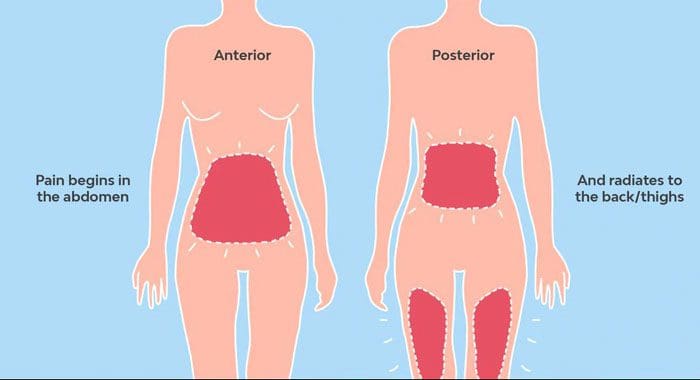
Sciatica happens when the nerves are compressed/pinched in some form. Lower back conditions can be the cause of such compression. Sciatica can be reduced and healed. Conditions that can lead to sciatic pain include:
Herniated discs
Subluxations
Disc Degeneration
Spinal Stenosis
Lower back disc bulge
Piriformis syndrome
Symptoms
Sciatica often includes:
Sharp pain
Numbness
Burning
Tingling sensation
Individuals can also experience weakness down the leg.
Normal activities can become strained as individuals experience these symptoms. Pressure on the nerve can be decreased and healed with professional chiropractic care. The human spine consists of 31 pairs of nerves. Five of these pairs are in the lumbar/lower back region and five are right below that area in the sacral region. The sciatic nerve starts in the lower back. It goes down through the hips, buttocks, thighs, knees, calves, and ends in the foot.
Causes could be something as simple as sitting on a bulging wallet or sitting for extended lengths of time can result in a decreased blood flow to the area. Also, direct trauma to the gluteal muscles from automobile accidents, sports, and work injuries can lead to sciatic nerve issues and pain.
Treatment Options
Tests and examinations will be conducted to figure out the origin of the pain to develop a personalized treatment plan to expedite the healing process. Treatment can include:
Chiropractic treatment
Decreasing muscle tension
Core stabilization
Spinal decompression
Rehabilitation therapy
Chiropractic treatment is designed to help the body activate its own healing system. It is non-invasive and drug-free providing an organic alternative. Advanced cases of sciatica can result in muscle weakness or a loss of sensation in the legs, if not properly treated. Individual treatment plans vary depending on an individual’s specific needs.
Prevention
Prevention is important once the condition is healing to not cause flare-ups. Sciatica symptoms can return, especially if proper and continued care to the spine is not maintained. Preventative care and maintenance are essential for ensuring a healthy spine and body. These tips can help avoid back injuries that can lead to sciatica and help with reoccurrences:
Practice proper posture
Regular exercise/physical activity with safe movements
Bend at the knees, especially when lifting heavy objects
Follow specific instructions given by a chiropractor
Body Composition
Healthy Snacks
Eggs
Eggs make a great snack that will keep the body full and help to eat less. They are a great source of protein and fat and have a healthy variety of vitamins and minerals. Hard-boiled eggs are easy to make ahead of time and are portable.
Cheese
Cheese is a great snack for protein and fat. But it is important to watch the serving size if watching/limiting calories. Cottage cheese is highest in protein but cream cheese and cheese sticks are also good options. Cheese can be paired with a serving of fruit or vegetables like grape tomatoes, bell peppers, celery, apples, or pears.
Jerky
Jerky is convenient and portable and is a great way to pack in extra protein throughout the day. The best option is grass-fed. Remember that some jerky is high in sodium if limiting sodium.
Greek Yogurt
Natural Greek yogurt is a great option for a high-protein snack. However, many yogurts are high in sugar. Therefore choose yogurt with less than 10 grams of sugar per serving, or opt for plain yogurt to avoid the sugar altogether. The yogurt can be sweetened with honey, fresh fruit, or mixed into a smoothie.
Hummus and Guacamole Dips
Hummus is a great source of plant-based protein and is balanced with carbohydrates, fat, and fiber. It is the olive oil in the hummus that provides a healthy dose of heart-healthy polyunsaturated fats. Guacamole is a delicious source of healthy fats.Both dips are calorie-dense, therefore it is important to be aware of portion sizes. These can be paired with carrot sticks, bell peppers, or celery.
Disclaimer
The information herein is not intended to replace a one-on-one relationship with a qualified health care professional, licensed physician, and is not medical advice. We encourage you to make your own health care decisions based on your research and partnership with a qualified health care professional. Our information scope is limited to chiropractic, musculoskeletal, physical medicines, wellness, sensitive health issues, functional medicine articles, topics, and discussions. We provide and present clinical collaboration with specialists from a wide array of disciplines. Each specialist is governed by their professional scope of practice and their jurisdiction of licensure. We use functional health & wellness protocols to treat and support care for the musculoskeletal system’s injuries or disorders. Our videos, posts, topics, subjects, and insights cover clinical matters, issues, and topics that relate to and support, directly or indirectly, our clinical scope of practice.* Our office has made a reasonable attempt to provide supportive citations and has identified the relevant research study or studies supporting our posts. We provide copies of supporting research studies available to regulatory boards and the public upon request. We understand that we cover matters that require an additional explanation of how it may assist in a particular care plan or treatment protocol; therefore, to further discuss the subject matter above, please feel free to ask Dr. Alex Jimenez or contact us at 915-850-0900.
Dr. Alex Jimenez DC, MSACP, CCST, IFMCP*, CIFM*, CTG*
email: [email protected]
phone: 915-850-0900
Licensed in Texas & New Mexico
References
National Institutes of Health. (2019.) “Sciatica.” medlineplus.gov/sciatica.html.
North American Spine Society. (2012.) “Clinical Guidelines for Diagnosis and Treatment of Lumbar Disc Herniation with Radiculopathy.” www.spine.org/Portals/0/assets/downloads/ResearchClinicalCare/Guidelines/LumbarDiscHerniation.pdf
At home or a gym, working out with cardio exercise equipment can be a highly beneficial treatment for back discomfort, soreness, and pain. However, when checking out all the cardio machines it is recommended to use those that will help with back pain and not worsen or cause further injury. The same goes for purchasing cardio equipment to use at home. Research has found that exercise training could be highly effective in the treatment of back pain. A study on pain found that the endorphins generated from aerobic exercise help to lessen low back pain. The North American Spine Society announced evidence-based recommendations for the treatment of back pain, and one of the top recommendations was aerobic exercise. Individuals can always go outside to:
Walk
Hike
Run
Bike ride
But mixing it up with cardio equipment can have its own benefits for different reasons. It could be too hot, raining, sometimes individuals prefer a set workout program to reach calorie or distance goals, and it could be easier on the spine. Working out at home or at a gym, cardiovascular machines can help bring relief for back pain.
Cardiovascular Exercise Back Pain Treatment
Cardiovascular exercise is highly recommended for everyone. For individuals dealing with back pain, exercise combined with conservative therapy is usually part of a treatment plan. This includes:
Physical therapy
Chiropractic care
Health coaching
Diet
Aerobic exercise regimen
With an exercise program, experts recommend starting with moderate-intensity aerobic exercise. Moderate intensity workouts are meant to get an individual’s heart and blood pumping, sweating a little, and slightly deep breathing. These types of exercise include:
Power walking outside
Power walking on a treadmill
Stationary biking
As long as the physical activity gets the heart rate up, these exercises have been shown to decrease back pain, relieve stress, and elevate mood. 20 minutes of moderate-intensity exercise three to five times a week for six weeks is what is recommended. This will help the back become healthier, feel better, and is recommended by the American Heart Association.
Exercise Not For All Spine Conditions
However, not all spinal conditions benefit from regular exercising. Getting an evaluation from a doctor, spine specialist, or chiropractor is recommended for injuries, severe and/or persistent back pain before starting a cardiovascular exercise program. This could be a spinal fracture, or spinal condition that requires bracing, or intense physical therapy/rehabilitation. Individuals that do not exercise regularly or have a medical or heart condition/s definitely need to get a doctor’s clearance before beginning a cardiovascular workout regimen.
Top Cardiovascular Exercises and Equipment
Once a doctor clears the individual for aerobic exercise there is no cardio equipment that is off-limits. Elliptical machines and stationary bikes are the most well-tolerated by individuals with back problems/conditions. Because they are low impact. However, if it is tolerable using a jogging treadmill is beneficial as well. Listen to the body. If a workout on a treadmill causes back pain that is not just workout soreness, stop with that machine and try different cardiovascular equipment that is more low impact. Do not ignore back pain. If pain is continuous and exercising is not helping, stop and see a doctor, or chiropractor to evaluate and analyze the situation. Then they can adjust the exercise part of the treatment plan according to the presenting symptoms.
Body Composition
Concurrent Training
Concurrent training is the combination of aerobic and resistance exercises during the same workout session. Aerobic and resistance exercise impacts the body in different ways. The type of aerobic training determines how it interacts with resistance exercise. The order of the types of exercises like aerobic and resistance workouts can make a difference. Having an understanding of a few specifics about concurrent training will help to make decisions about an exercise program.
Aerobic/interval and resistance training does not seem to interfere with the others’ adaptations
However, gaining strength could be lowered by adding running to a resistance program
Whereas bicycling does not have the same effect.
Cycling and the ergonomics that go with it are similar to traditional lower-body resistance exercises. The muscle contractions that come with running result in muscle damage, while the contractions in cycling also cause muscle damage, it is not to the same extent. Pairing the exercise programs correctly is key, such as a running program in combination with an upper-body lifting exercise can be beneficial. While running and doing leg presses every day could interfere with each other and could cause injuries. Or if doing both aerobic and resistance exercises in the same session, or on the same day, consider the order of the exercises, depending on what the goal is.
Disclaimer
The information herein is not intended to replace a one-on-one relationship with a qualified health care professional, licensed physician, and is not medical advice. We encourage you to make your own health care decisions based on your research and partnership with a qualified health care professional. Our information scope is limited to chiropractic, musculoskeletal, physical medicines, wellness, sensitive health issues, functional medicine articles, topics, and discussions. We provide and present clinical collaboration with specialists from a wide array of disciplines. Each specialist is governed by their professional scope of practice and their jurisdiction of licensure. We use functional health & wellness protocols to treat and support care for the musculoskeletal system’s injuries or disorders. Our videos, posts, topics, subjects, and insights cover clinical matters, issues, and topics that relate to and support, directly or indirectly, our clinical scope of practice.* Our office has made a reasonable attempt to provide supportive citations and has identified the relevant research study or studies supporting our posts. We provide copies of supporting research studies available to regulatory boards and the public upon request. We understand that we cover matters that require an additional explanation of how it may assist in a particular care plan or treatment protocol; therefore, to further discuss the subject matter above, please feel free to ask Dr. Alex Jimenez or contact us at 915-850-0900.
Dr. Alex Jimenez DC, MSACP, CCST, IFMCP*, CIFM*, CTG*
email: [email protected]
phone: 915-850-0900
Licensed in Texas & New Mexico
References
British Journal of Sports Medicine. (November 2020) “Which specific modes of exercise training are most effective for treating low back pain? Network meta-analysis” https://bjsm.bmj.com/content/54/21/1279
Pain. (December 2020) “Are endogenous opioid mechanisms involved in the effects of aerobic exercise training on chronic low back pain? A randomized controlled trial” https://journals.lww.com/pain/Citation/2020/12000/Are_endogenous_opioid_mechanisms_involved_in_the.23.aspx
North American Spine Society. (2020) “Evidence-Based Clinical Guidelines for Multidisciplinary Spine Care” https://www.spine.org/Portals/0/assets/downloads/ResearchClinicalCare/Guidelines/LowBackPain.pdf
The feet are the foundation of the body. The feet carry the body's entire weight allowing for movement with ease. The feet are a complex structure that consists of:
Bones
Joints
Muscles
Ligaments
Tendons
Nerve endings
Because of this, the feet are a high-impact area taking the everyday forces that come from:
Balancing
Walking
Running
Stopping
Twisting
Shifting positions
Tiptoe reaching
Common Symptoms
Symptoms commonly caused by foot issues include:
Soreness
Stiffness
Leg pain
Muscle Weakness
Poor balance
Flat feet, fallen arches, injuries, bone spurs, and other issues can cause problems with the rest of the body. The most common are:
Back Problems
When foot issues are present it's common to change walking postures to avoid pain and discomfort. Individuals often do not realize they are doing it until the awkward postures begin to present with pain and discomfort. Overcompensation combined with unhealthy walking patterns can cause back pain. This is because the spine is becoming misaligned. Balance of the body is crucial. When something shifts the proper balance, the whole spine can shift out of alignment. This is especially true for individuals with flat feet. Flat feet can cause the ankle/s to lose alignment. This leads to problems up the body, from the knees to the hips to the spine and neck.
Joint Pain
Imbalances cause the feet and spine to not absorb shocks from everyday activity properly. This means the rest of the body, especially the joints, have an added job of absorbing the shock/impact. As time goes on the stress and shock can lead to severe ankle, knee, hip discomfort/pain, and malfunctions.
Posture Imbalance
These misalignments cause imbalance and posture problems. When the feet have lost the proper anchoring and alignment, overall posture and balance become affected. This increases the risk for dangerous slip and fall accidents that can exacerbate or cause new injuries.Posture problems are usually the result of the body trying to redistribute weight to reduce the pain and because it works then becomes a bad habit.
Referred and Radiating Pain
The muscles, tendons, and ligaments of the feet connect to the rest of the body. Any pain/issues like calf pain or weakness in the feet can begin to present in the lower leg since that is where the soft tissue is most closely connected.
Foot Problems/Issues
The most common foot problems podiatrists see that lead to the aforementioned ailments.
Flat Feet
Flat feet also known as fallen arches. This is a condition where the feet lack or have lost the arch when standing. This can be quite uncomfortable and creates weight distribution problems. It can be a genetic condition but is also be the result of wearing shoes without arch support for a prolonged time.
Corns and Bunions
Corns are round circles of thick skin on the toes, or on the soles of the feet. The body forms them naturally to prevent blisters, but they could be the result of poorly fitting shoes. Typically they are not painful when they form, but can become irritated over time. Bunions are bumps on the side of the big toe that can cause a bending inward toward the other toes, creating a painful angle. This can cause severe irritation and inflammation in the bump and toes. These can be genetic or caused by structural problems. But they can be caused by tight-fitting shoes or excess pressure on the feet for prolonged periods.
Hammertoe
Hammertoe, also known as mallet toe, is a condition that makes one or more of the toes pointing down rather than straight. Walking can cause pain, and movement of the toe can reduce or stop completely. This is caused by arthritis or an injury, it can be genetic, or the result of poor footwear.
Plantar Fasciitis
This condition causes pain that goes from the bottom of the heel to the middle of the foot. It is caused by inflammation of the plantar fascia ligament also located in this area. There is a wide range of pain levels that can range from dull to stabbing. It is often caused by poor footwear with no arch support that has been worn for long periods when walking, standing, and running. Weight gain is another cause, as the added weight could be too much for the foot to manage, causing strain.
Shoes
Individuals that wear high heels, shoes that are the wrong size, or other uncomfortable footwear consistently will more likely develop the aforementioned issues. Shoes with proper support are essential to optimal foot and body health because they evenly distribute the weight of the body lessening the impact from everyday activities.
Foot Orthotics
Another recommended option for alleviating foot issues is custom foot orthotic inserts. These can be fit into any shoe, and are customized to an individual's feet. They’re affordable, and allow individuals to wear their shoes without pain.
Chiropractic & Physical Therapy
Chiropractic and physical therapy can help alleviate the pain that is resultant from foot problems. Seeing a podiatrist can treat the root cause of the condition, but the rest of the body could need chiropractic readjusting from the misalignment/s.
Custom Orthotics
Heat-related illnesses
Heat-related illnesses vary in their severity, but even light symptoms need immediate action to correct the problem before it does become severe.
Heat cramps
When exercising in the heat painful cramps can present. The affected muscle/s might feel hard, spasm, or generate sharp pain. The body temperature could still be within normal limits.
Heat syncope
Syncope is a loss of consciousness, that is usually recognized as exercise-related collapse. However, before this happens, there may be a feeling of lightheadedness or fainting. This happens when temperatures are high and the individual has been standing or exercising for a long time. The same can occur when standing up quickly after sitting for a long time.
Heat exhaustion
Heat exhaustion happens when the body temperature exceeds normal limits and rises as high as 104. This can cause nausea, weakness, cold, fainting, headaches, and vomiting. The body continues to sweat, but the skin may feel cold and clammy.
Heatstroke and Sunstroke
Heat exhaustion untreated leads to heatstroke or sunstroke. The body's core temperature is greater than 104 degrees and in a life-threatening emergency. The skin is no longer capable of sweating and can feel dry or moist. Individuals can become confused, irritable, and experience heart arrhythmias. Immediate medical emergency treatment is necessary to stop brain damage, organ failure, and death.
Disclaimer
The information herein is not intended to replace a one-on-one relationship with a qualified health care professional, licensed physician, and is not medical advice. We encourage you to make your own health care decisions based on your research and partnership with a qualified health care professional. Our information scope is limited to chiropractic, musculoskeletal, physical medicines, wellness, sensitive health issues, functional medicine articles, topics, and discussions. We provide and present clinical collaboration with specialists from a wide array of disciplines. Each specialist is governed by their professional scope of practice and their jurisdiction of licensure. We use functional health & wellness protocols to treat and support care for the musculoskeletal system’s injuries or disorders. Our videos, posts, topics, subjects, and insights cover clinical matters, issues, and topics that relate to and support, directly or indirectly, our clinical scope of practice.* Our office has made a reasonable attempt to provide supportive citations and has identified the relevant research study or studies supporting our posts. We provide copies of supporting research studies available to regulatory boards and the public upon request. We understand that we cover matters that require an additional explanation of how it may assist in a particular care plan or treatment protocol; therefore, to further discuss the subject matter above, please feel free to ask Dr. Alex Jimenez or contact us at 915-850-0900.
Dr. Alex Jimenez DC, MSACP, CCST, IFMCP, CIFM, CTG*
email: [email protected]
phone: 915-850-0900
Licensed in Texas & New Mexico
IFM's Find A Practitioner tool is the largest referral network in Functional Medicine, created to help patients locate Functional Medicine practitioners anywhere in the world. IFM Certified Practitioners are listed first in the search results, given their extensive education in Functional Medicine