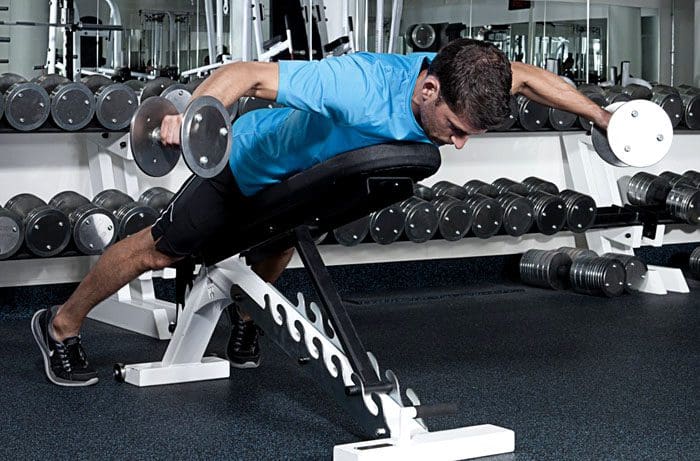
When back pain presents for a prolonged period, the back muscles reduce in mass but increase fat content, resulting in more stiffness. This leads to chronic muscle fatigue and results in chronic pain symptoms. Adding resistance to a workout routine in weight machines, free weights, and/or resistance bands helps reduce back pain. Studies have shown that specific therapeutic back muscle weight training is safe and can help relieve pain. A sports chiropractic specialist can recommend appropriate exercises for individuals and their specific condition/s to safely participate in strength training.
Back muscles development
With time, back pain and increased fatigue can lead to a fear of moving the body and engaging in physical activity. This results in spinal deconditioning and instability. Weight training works on incrementally/progressively increasing the load that the back muscles can tolerate. This technique gradually improves the body’s ability and strength to perform regular daily activities without strain and in optimal fashion. Weight training improves whole-body health because:
Back muscles and core muscles increase in function and performance.
Muscles are strengthened.
Lean muscle mass increases.
The range of motion of the spine increases.
Body fat decreases.
Guidelines while using weights
When weight training, it is important to understand safety guidelines to help relieve back pain and not worsen or cause further injury. Weighted treatment exercises are for individuals that have been cleared by their physician or chiropractor and are specific to their injury and /or condition. Depending on the underlying pain source, weight training may not be suitable for individuals that have:
Severe pain.
Back pain that originates from:
Previous spinal surgery
Tumor
Nerve root compression
Neurological symptoms
Sciatica
Spinal fracture/s
Spinal infection/s
Medical professionals and chiropractors can accurately diagnose and determine if weight training is safe and which specific exercises to perform. Guidance from a trained therapist or therapeutic trainer is recommended for optimal results.
Weight training techniques to alleviate back pain are different from regular weight or resistance exercises.
Trained physical/occupational therapists and sports chiropractors can educate an individual on:
Correct techniques
Frequency
Type of training that will help an individual’s condition.
Therapeutic training can significantly reduce the risk of further injury and damage to the spine.
After initial training, individuals are encouraged to exercise to maintain back muscles and total body health.
Smaller weights build strength progressively
Effective ways to strengthen the spine.
Begin with small/light weights and exercise slowly.
Fast rapid movements or incorrect lifting and pulling techniques can cause additional damage to the tissues.
It is recommended to start with:
Low-load motor control exercises without weights activate and stretch the muscles and improve balance.
Simple stretches
Exercise machines can be recommended instead of free weights.
Exercise machines can provide safe, effective, and progressive resistance to the exercises.
The machines can help reduce/prevent injury compared to free weights.
The machines can maintain proper support on the back and spine.
It is recommended to combine regular walking activity with a weight training program.
Low impact aerobic exercises increase blood circulation along with essential nutrients to the muscles and soft tissues.
This promotes healing and reduces stiffness.
Training program and benefits
Gaining the most benefits from strength training, tips to keep in mind:
Warm up for a few minutes using heat therapy and simple stretches.
Try for 2 or 3 times a week for 30 minutes.
Focus on building strength in the core muscles – back, abdominals, obliques, buttocks, and pelvic leg muscles.
There is no need to join a gym or buy expensive equipment.
Work out at home with small hand weights, resistance bands, and body weight.
The therapist or chiropractor will inform the individual on which exercises to avoid, which require extreme or quick moves.
Slow, steady resistance training takes advantage of muscle lengthening exercises and muscle shortening exercises for strengthening.
If back pain presents with a sustained increase, take time off or modify the strength training exercises.
Some soreness is to be expected, but sharp pain is not. If any sharp, sudden pain presents while exercising, stop immediately.
Ice therapy can be beneficial after exercising to decrease inflammation and alleviate pain.
Record the amount of weight when beginning the training and note when progressing to a heavier weight. Consistent improvements in pain, flexibility, strength, and function will help maintain motivation. Consult with a professional sports injury chiropractor today to see if weight training is a suitable and safe treatment.
Body Composition
Carbohydrates and Muscle Growth
Simple carbs are a quick, periodic source of energy. Complex carbs are a recommended source of steady energy. Complex carbs are not as readily available for immediate energy as simple carbs are but are more efficient and healthier. Complex carbs offer sustainable energy, meaning the energy is constant with no crash like simple carbs. Because complex carbs have slow-release properties, they should be the largest component of daily energy consumption.
Carbs prevent muscle weakness.
Some glycogen is stored in the muscles. When those muscles are used during exercise, the body taps into the glycogen stores in that specific muscle. Lifting weights with the arms, for example, access the glycogen in the biceps. Athletes take advantage of glycogen by loading up on carbs by consuming a day or more before a workout. This maximizes the muscle glycogen stores. This delays muscle fatigue, making for a better workout and stronger muscles, and can improve athletic performance.
Carbs help muscles recover after exercise.
Recovery goes back to the glycogen stores. Right after exercising, the body needs to replenish its glycogen stores to prevent glycogen depletion. Glycogen depletion, when the stores run out, causes gluconeogenesis. What happens is the body forms glucose from new sources. This is to compensate for the lack of glucose from carbohydrates. This is when the body turns to sources like fat and protein to fill the need. Protein is the last line of defense when energy is required, meaning that energy is running low. When the body breaks down protein for glucose production, it takes what it needs from the muscle/s, causing them to shrink and break down.
References
Dreisinger TE. Exercise in the management of chronic back pain. Ochsner J. 2014;14(1):101–107.
Lee JS, Kang SJ. Strength exercise and walking effects on lumbar function, pain level, and body composition in chronic back pain patients. J Exerc Rehabil. 2016;12(5):463–470. Published 2016 Oct 31. doi:10.12965/jer.1632650.325
Michaelson P, Holmberg D, Aasa B, Aasa U. High load lifting exercise and low load motor control exercises as interventions for patients with mechanical low back pain: A randomized controlled trial with 24-month follow-up. J Rehabil Med. 2016;48(5):456-63.
Welch N, Moran K, Antony J, et al. The effects of a free-weight-based resistance training intervention on pain, squat biomechanics, and MRI-defined lumbar fat infiltration and functional cross-sectional area in those with chronic low back. BMJ Open Sport Exerc Med. 2015;1(1):e000050. Published 2015 Nov 9. doi:10.1136/bmjsem-2015-000050
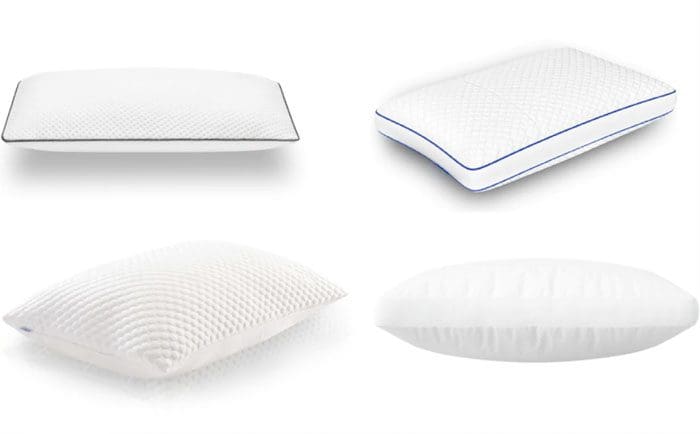
Many individuals do not realize the importance of the type of pillow they use for sleep. Sleeping on the wrong pillow is the perfect set-up for neck, shoulder, and back pain. Here are a few chiropractic tips on what to know about picking the best pillow. Knowing which is the right pillow for you can be the key to proper sleep and waking up pain-free.
Importance of Pillows
Neck and shoulder pain can be a nightmare, especially when the body cannot get decent rest. The right pillow/s can help with neck and back pain symptoms and recover from injuries quicker. When the head is in an awkward position for sleep duration, this causes neck, shoulder, and headache problems. The importance of finding the right pillow follows a set of guidelines.
Shape
The shape of the pillow has a definitive role in the cervical/neck’s curvature.
Posture
Sleep posture is important in preventing neck, shoulder, and back musculoskeletal pain.
Sleep quality
Craniocervical pressures and cervical spine alignment are height-specific. Any changes can affect an individual’s sleep quality.
Height
Cervical alignment can become significantly impacted by the shape and height of the pillow.
Pillow Comfort Importance
Trying to find the right pillow will require trial and error. The basics to consider include:
One sign that it’s time for a new pillow is waking up with pain.
Age of current pillows. The recommendation is they should be replaced every year or two. This depends on the stuffing/material used as different types wear down quicker.
If problems are getting comfortable and being able to fall asleep.
Constantly readjusting or fluffing the pillow/s.
The pillow has become lumpy or lost its shape.
It is flat with no cervical support or, too high placing the head in a forward tilt.
This is an online quiz along with a personalized process in their stores.
The process helps choose a pillow based on individual support preferences and sleep position for the best spinal alignment.
Customizable or adjustable pillows are another option. These pillows allow the individual to change the amount of filling to fit their needs.
Research, personal preference, and advice from a doctor and or chiropractor will help find the pillow that is right for you.
A third of an individual’s life is spent in bed. Make it as comfortable as possible.
Body Health
Sleep Body Composition Importance
Not getting enough sleep makes it difficult to gain muscle.
Not getting enough sleep means that the body experiences less short wave sleep, affecting the body’s ability to secrete Growth Hormone and develop muscle.
Testosterone is negatively affected by lack of sleep.
Not enough sleep increases cortisol levels, impairing muscle development.
Not getting enough sleep makes it difficult to lose fat.
Irregular sleep throws off the body’s ghrelin/leptin cycles, causing hunger.
Not getting enough sleep has been linked to eating more.
Not getting enough sleep can cause reductions in the body’s Basal Metabolic Rate, reducing total energy output.
Tiredness reduces spontaneous movements.
References
“Effect of sleep posture on neck muscle activity.” Journal of Physical Therapy. June 2017. https://pubmed.ncbi.nlm.nih.gov/28626314/
“Effect of pillow height on the biomechanics of the head-neck complex: investigation of the craniocervical pressure and cervical spine alignment.” PeerJ. August 2016. https://pubmed.ncbi.nlm.nih.gov/27635354/
“How Often Should You Replace Your Pillows?” Sleep Foundation, Seattle, WA. https://www.sleepfoundation.org/bedding-information/how-often-should-you-replace-your-pillows
“Improving the quality of sleep with an optimal pillow: a randomized, comparative study.” Tohoku Journal of Experimental Medicine. July 2014. https://pubmed.ncbi.nlm.nih.gov/25008402/
“The effects of pillow designs on neck pain, waking symptoms, neck disability, sleep quality and spinal alignment in adults: A systematic review and meta-analysis.” Clinical Biomechanics. May 2021. https://pubmed.ncbi.nlm.nih.gov/33895703/
Okamoto-Mizuno, Kazue, and Koh Mizuno. “Effects of thermal environment on sleep and circadian rhythm.” Journal of physiological anthropology vol. 31,1 14. 31 May. 2012, doi:10.1186/1880-6805-31-14
Low-back, neck, shoulder, hip, leg, and foot pain are all causes of everyday discomfort and a bad mood. Chronic pain exacerbates the discomfort and bad mood times 10. Chiropractic treatment can help realign the spine and alleviate the pain. However, to maintain pain relief, individuals need to make healthy lifestyle adjustments. One of the most important adjustments is eating habits. Those dealing with chronic pain may not realize their diet is contributing to the pain.
At Injury Medical Chiropractic and Functional Medicine Clinic, we have a combined team of chiropractors, physical therapists, a health coach, and a nutritionist to help educate, develop, and support a personalized treatment plan on spinal health, posture, physical activity/exercise, balance, and eating habits.
Salt, Sugar, and Fat Affects the Body
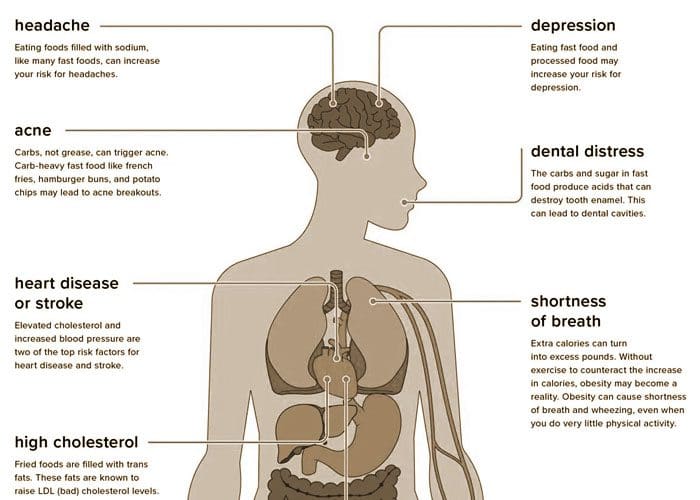
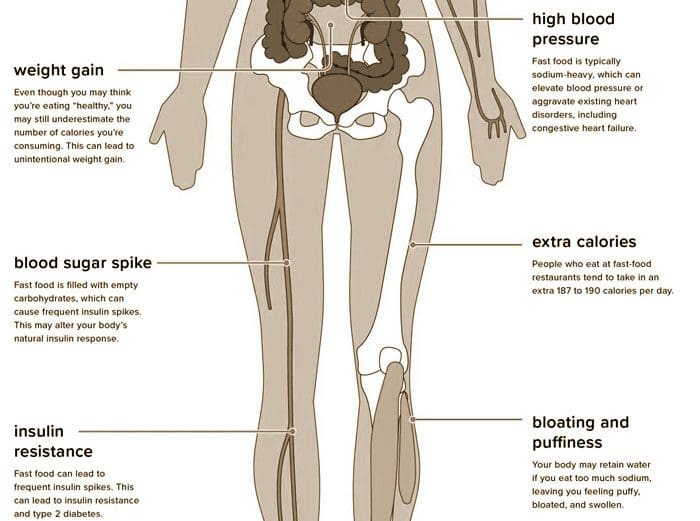
A sedentary lifestyle is a significant contributor to chronic pain, but unhealthy eating habits also play a role. Poor diet adds weight to the body. This stresses the body’s biomechanical structure. It also aggravates inflammation. Too much salt, sugar, and fats ingested through processed foods, fast food, and unhealthy habits affect the body’s regulating systems. They can affect everything from the nervous system, nerves, proper circulation, even the limbic system. The inflammation and stress generate and exacerbate chronic pain symptoms.
Changing unhealthy eating habits is up to the individual.
Individuals can be advised to cut back or cut out unhealthy diet choices; however, it is easier said than done. A doctor, health coach, and nutritionist have no control over what individuals do when they leave the clinic. Individuals themselves can have little control over their own eating habits. Many have an addiction to unhealthy food, which is a disease in itself. To help change poor eating habits, individuals need to be educated on how their eating habits affect the total body and mental health.
Nutrition Discussion
Chronic pain associated with inflammation linked to a poor diet is the first step in the diagnosis and developing an optimal treatment plan. It could be as simple as informing an individual that eating cheeseburgers are causing the inflammation that is hurting their back. However, there is more to it, but individuals are more inclined to avoid the foods causing the inflammation upon hearing a full explanation. Targeting specific foods is the first step in alleviating pain.
The temptation is always there, especially when stress comes into the picture. This is why it is important to have ready-to-go adjustments/alternatives that keep the individual eating healthy, despite the chaos going on around them. A treatment plan will include quick alternatives that can happen instages. An example could be:
Having one cheeseburger and not two.
Having a burger without cheese.
Eating a burger without the buns.
Switching to a plant-based burger.
There are many options to be explored to improve eating habits in small steps.
Willpower also has to be addressed in a controlled and supportive setting. This is where the whole team comes in. Many individuals’ eating habits are part of who they and adjusting them can be an uphill challenge. To educate on:
Having the family or friends eat healthy with them
These are techniques and methods to increase willpower to make healthy changes.
Body Composition
Foods Can Support Body Detoxing
The proper foods can support the body in detoxifying toxins and counter the negative effects like brain fog, neurodegenerative disorders, and chronic pain. The foods help to:
Neutralize oxidative stress
Lower inflammation
Increase immunity
Strengthen the musculoskeletal system
Foods and nutrients that detoxify can be a part of a healthy lifestyle.
References
Bjørklund, Geir et al. “Insights on Nutrients as Analgesics in Chronic Pain.” Current medicinal chemistry vol. 27,37 (2020): 6407-6423. doi:10.2174/0929867326666190712172015
Elma, Ömer et al. “Chronic Musculoskeletal Pain, and Nutrition: Where Are We and Where Are We Heading?.” PM & R: the journal of injury, function, and rehabilitation vol. 12,12 (2020): 1268-1278. doi:10.1002/pmrj.12346
Gómez-Pinilla, Fernando. “Brain foods: the effects of nutrients on brain function.” Nature reviews. Neuroscience vol. 9,7 (2008): 568-78. doi:10.1038/nrn2421
More individuals are reporting extreme levels of stress. Studies indicate that an increasing number of individuals are feeling worried, anxious, or depressed regularly from various stressors. Maintaining the body’s health includes:
Following a balanced diet
Getting enough exercise
Taking vitamins or supplements to ensure the body gets what it needs for optimal function.
However, research has found that a sudden increase in stress, specifically stress associated with anger, can trigger:
This type of stress can affect individuals that did not know they had heart disease. Intense short-term stress can have dangerous effects on the body’s health, leading to chronic stress. Chronic stress continues at a low level for weeks, months, or years. It can significantly change the way the body functions. Stress management is very important for overall well-being. Learning how to handle stress properly is the goal.
Poor Stress Management
When stress hits it triggers the brain to release various hormones. These hormones increase heart rate and raise blood pressure. This comes from evolution that helped early humans escape from predators and stay safe from different types of physical danger. This same stress reaction is what we go through, however, it is not to escape danger but to deal with work, family, school, commuting, and social issues, etc. And when the stress response happens on a regular basis it can have serious and long-term effects on the body’s ability to function properly. Stress includes mental, behavioral, and physical symptoms. The effects of stress that are most familiar are related to mood. Mood changes that can result from chronic low-level stress include:
These mood changes can be tied to changes in behavior. The following behaviors are associated with increased stress levels:
Alcohol and/or drug abuse
Starting or increasing tobacco use
Eating changes – undereating or overeating
Withdrawing from friends and family
Avoiding social interaction
Little to no physical activity
Physical effects that are associated with long-term stress.
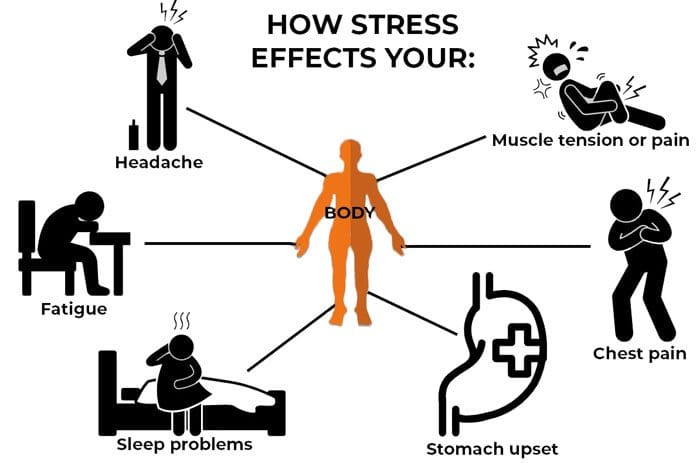
Chronic stress that lasts for a long period can affect the whole body. The immune system, digestive system, sleep cycles, etc. Physical symptoms include:
Tension in the neck and back
Persistent headaches
Stomach aches
Constant fatigue, even after waking up
Sleeping pattern changes
Insomnia
Muscle pain
Changes in libido
Being more prone to infections because of a weakened immune system
Chest pain
Learning Healthy Stress Management
Mental health is now an important part of living a healthy life. Stress comes from all kinds of different places. We can’t always change these moments, but we can change our reactions to reduce the negative effects and results. To manage stress, it is important to know what is causing it.
It could be an argument with a boss, co-worker, family member, or significant other.
Work deadlines
School grades, teachers, kids, etc
Bills
Repairs
Clearly identifying the main stressors will help individuals anticipate them and form a plan. There are different ways of dealing with it. The different strategies need to be researched and tried by individuals to see what works for them. Think about what helps the mind and body relax and unwind. A few recommended ways include:
These are strategies that can be incorporated into regular daily life. Be sure to set time aside to focus on mental wellbeing. Learn to recognize the signs when getting overwhelmed. Don’t hesitate to ask for help when needed. This can be a support system or mental health professional. This is to empower individuals to take better care of themselves in both body and mind.
Body Composition
Setting Attainable Goals
Individuals that have trouble achieving health goals might want to look at the goals themselves. Individuals typically have a general idea of their fitness journey. However, it is hard to reach those goals without a map. Losing weight or getting healthy is the goal but these goals are not measurable. This is too broad that can be different things to different people. Trying to accomplish a vague goal makes it hard to plan, making it happen, or seeing progress. A recommended strategy for goal setting is to use the SMART system. The acronym stands for:
Specific
Measurable
Attainable
Realistic
Timed
When goals fall into these parameters, it provides a clear picture of what is trying to get accomplished and the ability to plan accordingly. An example could be: An individual will work out at home or the gym for one hour, five days a week for one month. This is a specific and measurable goal when compared to I’m going to work out more. This provides clear guidelines of what needs to happen to achieve success.
References
Bailey, Ryan R. “Goal Setting and Action Planning for Health Behavior Change.” American journal of lifestyle medicine vol. 13,6 615-618. 13 Sep. 2017, doi:10.1177/1559827617729634
Carlson, Linda E et al. “Integrative Approaches to Stress Management.” Cancer journal (Sudbury, Mass.) vol. 25,5 (2019): 329-336. doi:10.1097/PPO.0000000000000395
Jamison, J R. “Stress management: an exploratory study of chiropractic patients.” Journal of manipulative and physiological therapeutics vol. 23,1 (2000): 32-6. doi:10.1016/s0161-4754(00)90111-8
Jamison, J. “Stress: the chiropractic patients’ self-perceptions.” Journal of manipulative and physiological therapeutics vol. 22,6 (1999): 395-8. doi:10.1016/s0161-4754(99)70085-0
Individuals that experience frequent headaches can have sensitive headache trigger points. Every case is different and requires a thorough examination before a proper and personalized chiropractic treatment plan can begin. Headaches can be brought on from a variety of causes. This could be:
Drug reactions
Temporomandibular joint dysfunction (TMJ)
Tightness in the neck muscles
Low blood sugar
High blood pressure
Stress
Fatigue
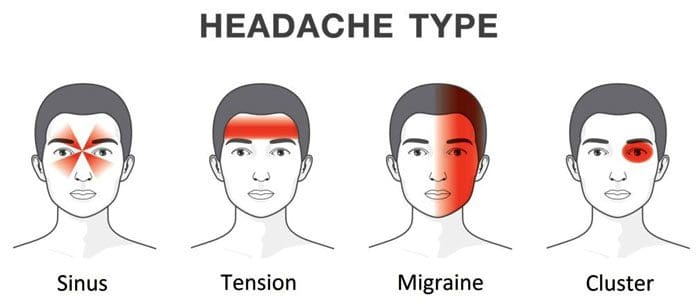
The majority of recurrent headaches fall into three types:
Tension headaches, also known as cervicogenic headaches
Tension headaches are the most common and affect around 77% of individuals experiencing chronic headaches. Most individuals describe a tension headache as a consistent dull ache on one side of the head and sometimes both sides. They are often described as having a tight band/belt around the head or behind the eyes. These headaches usually start slowly, gradually and can last for a few minutes or days. They tend to start in the middle of the day or before the end of the day.
These headaches can be the result of stress and/or poor posture. The most common cause is subluxations in the upper back and neck, usually combined with active headache trigger points. This stresses the spinal muscles in the upper back and neck. A tension headache or stress headache can last 30 minutes to a few days. Chronic tension headaches can last for months. The pain can be severe; however, these headaches are typically not associated with symptoms like throbbing, nausea, or vomiting.
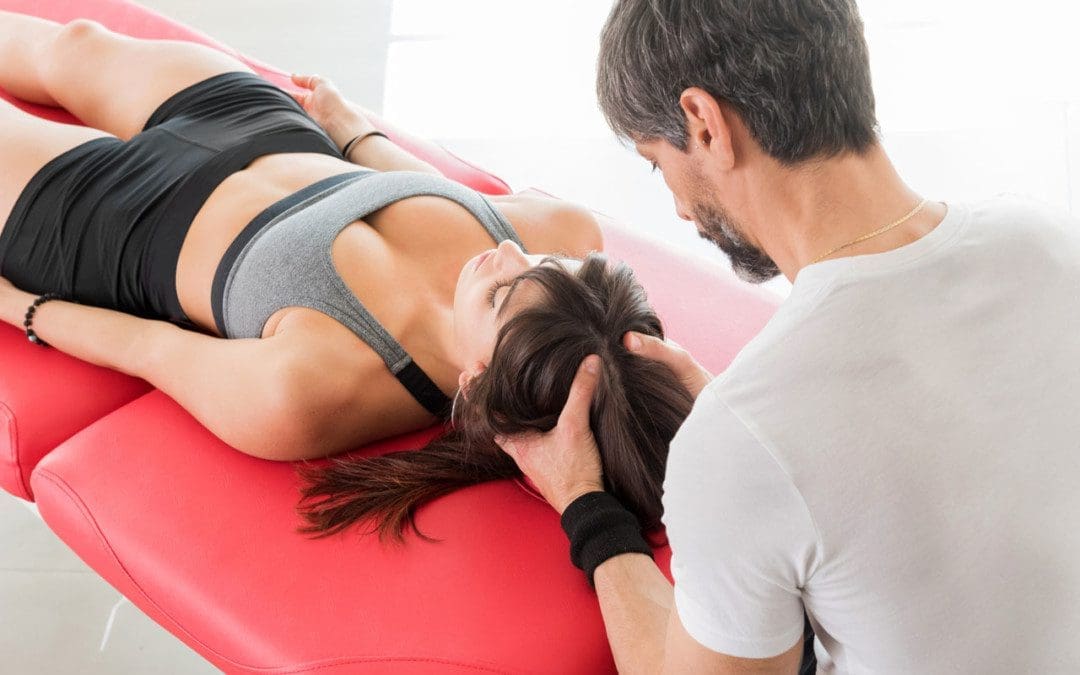
If the top cervical vertebrae shift out of their position and lose their normal motion, a small muscle called the rectus capitis posterior minor/RCPM begins to spasm. This small muscle has a tendon that slips between the upper neck and the base of the skull. It attaches to a thin, sensitive tissue called the dura mater that covers the brain. The dura mater is very pain-sensitive. When the RCPM muscle goes into spasm, the tendon pulls the dura mater causing a headache. Individuals that work at a desk station for long hours tend to experience headaches from this cause. Another cause comes from referred pain caused by headache trigger points in the Sternocleidomastoid/SCM or levator muscle on the side of the neck. This cause tends to happen more to individuals that have suffered a whiplash injury with muscle damage in the neck region.
Migraine Headaches
Migraines are intense and throbbing headaches that are associated with nausea and sensitivity to light or noise. They can last for a few hours to a few days. Many experience visual symptoms known as an aura just before they come on. This is described as seeing flashing lights or when things take on a dream-like appearance. However, even in individuals that don’t experience the aura, most can tell that a migraine is getting ready to present. Individuals usually have their first attack before age 30. They tend to run in families supporting a genetic component. Some have attacks several times a month, while others can have less than one a year. Most individuals find that migraines happen less and become less severe as they get older.
These headaches are caused by the constriction of blood vessels in the brain. During the constriction period, there is a decrease in blood circulation. This is followed by dilation/enlargening of the blood vessels. This is what leads to the visual symptoms. Then the blood vessels dilate, generating a rapid increase in blood pressure inside the head. This increased pressure is what leads to a pounding headache. Every time the heart beats, it sends another shock wave through the carotid arteries in the neck into the brain. There are different theories as to why the blood vessels constrict, but they are still unknown. What is known is that several factors can trigger a migraine. This includes:
Lack of sleep
Stress
Flickering lights
Strong smells
Changing weather
Foods that are high in an amino acid known as tyramine
Cluster
Cluster headaches are very short excruciating headaches. They are usually felt on one side of the head behind the eyes. These headaches affect about 1 million individuals and are more common in men. This type of headache tends to happen at night. They are called cluster headaches because they tend to happen one to four times a day over several days. After one cluster is over, it could be months or even years before they present again. Like migraines, cluster headaches cause the dilation of the blood vessels in the brain, increasing the pressure.
Trigger Points
Headache trigger point therapy involves four muscles. These are the:
The Splenius muscles involve two individual muscles, the Splenius Capitis and the Splenius Cervicis. These muscles run along the upper back to the skull base or the upper cervical/neck vertebrae. Trigger points in the Splenius muscles are a common contributor to pain that travels through the head to the back of the eye and top of the head.
The Suboccipitals are a group of four small muscles that maintain proper movement and positioning between the first cervical vertebra and the skull base. Trigger points in these muscles can cause pain that feels like it’s happening inside the head, from the back to the eye and forehead. Individuals report that the whole side of the head hurts. This is a pain pattern similar to a migraine.
The Sternocleidomastoid muscle runs along the base of the skull, behind the ear, down the side of the neck. It attaches to the top of the sternum/breastbone. Although most are not aware of this muscle’s trigger points, the effects are evident. This includes:
Referred pain
Balance issues
Visual symptoms
Referred pain tends to be eye pain, headaches over the eye, and can even cause earaches. An unusual characteristic of SCM headache trigger points is that they can cause dizziness, nausea, and balance problems.
The trapezius muscle is the large, flat muscle in the upper and middle back. Pain can be felt in the temple and back of the head. A common trigger point is located at the top of the muscle. This particular point can activate secondary trigger pointsin the temple or jaw muscles, leading to jaw or tooth pain.
Headache Triggers
Stress can be a trigger.
Depression, anxiety, frustration, and even pleasant excitement can be associated with headache development.
A headache diary can help determine whether factors like food, weather, and/or mood correlate with headache patterns.
Repeated exposure to nitrite compounds can result in a dull headache accompanied by a flushed face. Nitrite dilates blood vessels and is found in products like heart medications, and is also used as a chemical to preserve meat. Processed meats containing sodium nitrite can contribute to headaches.
Foods prepared with monosodium glutamate or MSG can result in headaches. Soy sauce, meat tenderizers, and various packaged foods contain this chemical as a flavor enhancer.
Exposure to poisons, even household varieties like insecticides, carbon tetrachloride, and lead, can contribute.
Contact with lead batteries or lead-glazed pottery.
Foods that are high in the amino acid tyramine should be avoided. This could be ripened cheeses like cheddar, brie, chocolate, and pickled or fermented food.
Bio-Chiropractic
Chiropractic adjustments are highly effective for treating tension headaches, especially those that originate in the neck. Research has found that spinal manipulation resulted in almost immediate improvement and had fewer side effects and longer-lasting relief than taking common medications. There is a significant improvement by manipulating the upper two cervical vertebrae, combined with adjustments to the area between the cervical and thoracic spine.
Body Composition Testing
Vibration Exercise
Vibration exercise is believed to stimulate the muscle fibers without going to a gym or stressing the bones. One study broke up postmenopausal women into three groups: resistance training, vibration training combined with resistance training, or no exercise/training. Their body composition was measured before starting the study. After the study was completed, the findings included:
Both the resistance group and the resistance group with vibration training increased lean tissue mass.
The control group did not show an increase in lean tissue and, in fact, gained body fat.
The combination group, using vibration training with resistance training, showed a drop in body fat.
Another study placed male athletes in a training program that included vibration training. The first group had lower-limb strength training combined with vibration training, and the other had lower-limb strength training without vibration training. The researchers found that the athletes in the vibration training group improved leg extension strength by five percent. In addition, the vibration training groups balancing ability and vertical lift/jumping test improved as well.
References
Bryans, Roland et al. “Evidence-based guidelines for the chiropractic treatment of adults with headache.” Journal of manipulative and physiological therapeutics vol. 34,5 (2011): 274-89. doi:10.1016/j.jmpt.2011.04.008
Chaibi, Aleksander et al. “Chiropractic spinal manipulative therapy for cervicogenic headache: a single-blinded, placebo, randomized controlled trial.” BMC research notes vol. 10,1 310. 24 Jul. 2017, doi:10.1186/s13104-017-2651-4
Bryans R, Descarreaux M, Duranleau M, et al. Evidence-based guidelines for the chiropractic treatment of adults with neck pain. J Manipulative Physiol Ther 2014; 37: 42-63.
Bryans R, Descarreaux M, Duranleau M, et al. Evidence-based guidelines for the chiropractic treatment of adults with headache. J Manipulative Physiol Ther 2011; 34: 274-89.
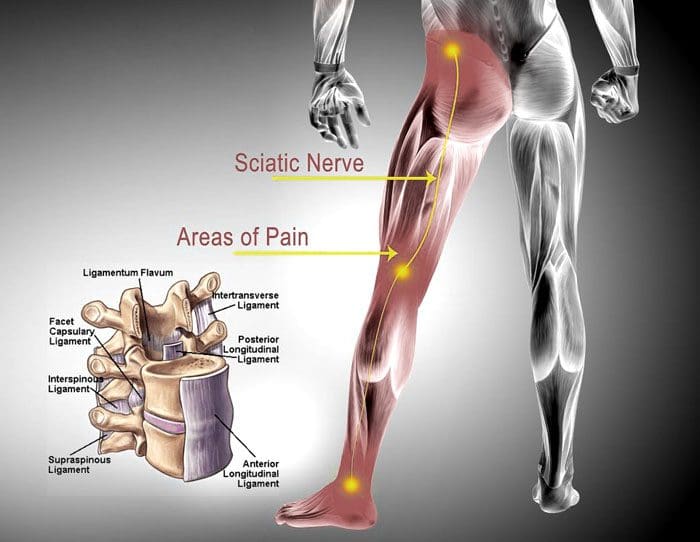
The sciatic nerve is the largest in the body and is created by five nerve roots that come together and exit the lower spine. It goes through the buttocks on either side and down the thighs all the way to the heels and soles of the feet. The sciatic nerve connects the spinal cord to the muscles of the thigh, leg, and foot. Any type of pain and/or neurological symptom/s that comes from the sciatic nerve is known as sciatica. The symptoms can be felt along the nerve’s path. This could be the:
When the nerve is compressed, neurological symptoms can accompany the pain. These include:
Thigh muscle weakness
If the thigh muscles are affected, weakness can be felt when bending or flexing the knee.
Leg and foot muscle weakness
Weakness can be felt while attempting to bend the knee or pointing the foot/toes upward/downward. This can lead to foot drop, which makes lifting the front part of the foot when walking difficult. Difficulty can also present when getting up from a sitting position or walking on the tiptoes.
Numbness
Loss of sensation can happen when the nerve impulses/transmissions cannot pass all the way through. Common areas affected by numbness are the:
Side of the calf
Side of the heel
Bottom of the foot
Top of the foot
Paresthesia
This is an abnormal sensation felt on the skin. It is brought on by improper nerve transmission. This sensation can include:
Tingling
Tightness
Pins-and-needles
Crawling feeling along the back of the thigh and/or leg
The Sciatic Nerve Gets Affected
The sciatic nerve can become:
Irritated
Compressed
Inflamed
This lumbar/low back radiculopathy means that the pain originates in and around the lumbar and/or sacral/sacrum nerve roots.
Compression
Physical forces could affect the nerve following common conditions:
Disc Herniation
A disc in the lower back can bulge or herniate. This causes irritation that can lead to compression of a nerve root.
Stenosis
Stenosis means the opening where the sciatic nerve exit into the buttocks begins to get narrow in size. This creates a clog with the other nerve roots that compresses or irritates the sciatic nerve. Degenerative changes in the spine like the thickening of the facet joint capsules and/or ligaments can also compress the sciatic nerve.
Instability
Instability of a vertebral segment happens when one vertebra slips over the one below it, known as spondylolisthesis. There are also vertebral defects like spondylolysis which is a complete dislocation of one or more vertebrae. This can directly compress the sciatic nerve roots.
Inflammatory Response
The body’s own chemicals can irritate the nerve causing inflammation. These chemical irritants include:
Hyaluronic acid
Fibronectin protein fragments leak out of degenerated or herniated discs onto and around the sciatic nerve roots.
There are times when degenerated discs can cause nerve tissues to grow into a disc. The tissue penetrates the outer and inner layers of the disc, causing inflammation and pain.
Some studies have shown how an immune system response can contribute to sciatic pain when there is exposure to the disc material from herniated disc/s.
Glycosphingolipids which are fats, and neurofilaments which are protein polymers. They are secreted by the immune system and have been found to have high levels in individuals with sciatica. It is believed they are released in reaction to the nerve roots and exposed disc material. This can lead to inflammation of the sciatic nerve.
Body Composition
The physical characteristics of an individual can also affect the sciatic nerve. Research has shown an increased risk of sciatica in:
Overweight individuals
Obese individuals
Older individuals
Tall individuals
Work Injuries
Individuals with certain jobs can have an increased risk of developing sciatica. Examples include:
Semi-Truck operators
Machine operators
Construction workers
Hairstylists
Office workers
Athletes that lift weights
This comes from:
Sitting for long amounts of time
Poor posture
Constant bending forward or sideways
Regularly lifting the arms above shoulder level
All are risk factors.
Vitamin B12 deficiency
Adequate levels of vitamin B12 are important for nerve health. Vitamin B12 supports the myelin sheath that covers and protects the nerves. It is important in nerve function and in transmitting impulses. Sciatica can present from vitamin B12 deficiency. However, this is more common in individuals 60+.
Body Analysis
Alleviating Nerve Pain Through Clinical Nutrition
Clinical nutrition is a powerful tool to help alleviate sciatica. Many individuals can relieve their pain through diet adjustments. Here are a few diet tips to alleviate sciatic nerve pain through clinical nutrition:
Sometimes, sciatica can be triggered by constipation from an unhealthy diet
Oily fish like salmon and halibut are rich in omega 3 fatty acids
Fresh pineapples and berries are anti-inflammatories that support healing and boost the immune system
2-3 cups of green tea
Add turmeric, ginger, and garlic to meals
B-Vitamins are important to take in when going through sciatica and are found in green peas, spinach, navy beans, nuts, bananas
Foods that are rich in A-Vitamins like dairy products, dark leafy vegetables, orange-colored fruits, eggs, and oily fish
Foods rich in C-Vitamins, like citrus and tomatoes
K-Vitamins like broccoli and spinach
Drink plenty of water, between 6 to 8 glasses a day
Foods to Avoid
Nutritionists recommend cutting out meat products except for oily fish for the first two weeks.
Foods that contain sunflower oil, corn oil, sesame oil, margarine, and partially hydrogenated oil.
Stressor foods like caffeine, processed food, soda, refined sugars, and chocolate.
Alcohol
References
Giuffre BA, Jeanmonod R. Anatomy, Sciatic Nerve. [Updated 2018 Dec 16]. In: StatPearls [Internet]. Treasure Island (FL): StatPearls Publishing; 2019 Jan-. Available from: https://www.ncbi.nlm.nih.gov/books/NBK482431/.
Heuch I, Heuch I, Hagen K, Zwart JA. Association between body height and chronic low back pain: a follow-up in the Nord-Trøndelag Health Study [published correction appears in BMJ Open. 2015;5(10):e006983]. BMJ Open. 2015;5(6):e006983. Published 2015 Jun 15. doi:10.1136/bmjopen-2014-006983.
Kumar, M. Epidemiology, pathophysiology and symptomatic treatment of sciatica: A review. nt. J. Pharm. Bio. Arch. 2011, 2.
Quero L, Klawitter M, Schmaus A, et al. Hyaluronic acid fragments enhance the inflammatory and catabolic response in human intervertebral disc cells through modulation of toll-like receptor 2 signaling pathways. Arthritis Res Ther. 2013;15(4): R94. Published 2013 Aug 22. doi:10.1186/ar4274.
Shiri R, Lallukka T, Karppinen J, Viikari-Juntura E. Obesity as a Risk Factor for Sciatica: A Meta-Analysis. American Journal of Epidemiology. 2014;179(8):929-937. doi:10.1093/aje/kwu007.
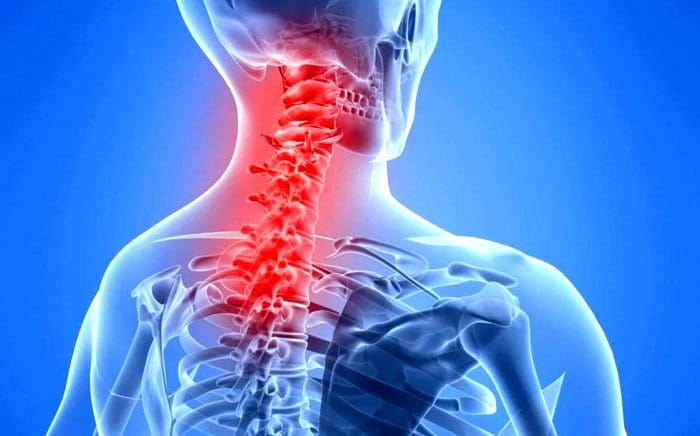
Many individuals will be looking up at the fireworks this 4th of July weekend. A word of caution when keeping the neck in one position for too long can cause neck discomfort and/or pain. Neck discomfort and pain can cause significant disruption with everyday activities. The neck is an area that is constantly in motion. Keeping it in one position for an extended period can cause damage/injury and spinal misalignment. Although neck pain often resolves on its own in a few days. However, it can lead to headaches or an inability to concentrate, affecting an individual’s quality of life. Here are some potential causes and remedies for decreasing neck discomfort and pain.
Keeping The Neck In One Position For Too Long Can Cause
Mechanical issues and imbalances in the upper spine, known as the cervical spine
Muscle tension
Muscle strain
Spinal misalignment
Poor posture
Sleeping problems
Injury or trauma to the neck from the force and weight
Chronic neck misalignment
If symptoms come on suddenly, are severe, or result in neurological issues like severe shooting pain, tingling, numbness, or sudden loss of arm strength, seek medical attention immediately.
Treatment
When the neck is strained or out of alignment, it disrupts nerve circulation integrity. Spinal misalignment is subtle in nature and can be difficult to detect without a professional examination. A chiropractor is trained to recognize any underlying issues to reset/realign the entire spine to optimal form. They will assess, guide, and treat the issue/s specific to the individual’s needs. Once the nerves are working uninhibited, a chiropractor can recommend neck exercises, stretches, and more to strengthen and prevent neck problems. When spinal alignment is restored, the body will begin to operate at full potential.
Healthy Body Composition
Meal Prep to Success
For individuals that want to eat less and change eating habits, change up the approach.
Meal prepping is a healthy habit that many have had success with because it helps achieve sustainable outcomes in weight loss. Every meal plan will vary for everyone.
First, individuals have different health goals.
Second, everyone has a different approach to their diet choices. For example, an individual might want to go low-carb and goes with the ketogenic diet. In comparison, some individuals are comfortable planning a week in advance and freezing labeled plastic containers.
Regardless of goals, dietary, or fitness preferences, a workable meal plan is recommended. The ultimate goal is to prevent feeling overwhelmed about planning the next healthy meal and resort to a junk food meal. To steer clear of unhealthy food choices and achieve a healthy body composition, here is a real-world tip to create and stick to a healthy meal plan.
Have a well-stocked fridge and pantry
Keeping to a meal plan is easier with a well-stocked fridge and pantry. Ensure to keep a list of essential groceries whenever going to the store to ensure plenty. This list of staples includes:
Having these ingredients ready to go means a healthy meal can be quickly put together when short on time.
Be realistic and make room for crazy days
You don’t have to come up with a seven-day weekly meal plan. It is important to change up the routine, so boredom doesn’t set in. Before planning and prepping several meals, double-check the calendar. Allow yourself some slack. This could be one or two lunches or dinners in a week just in case something comes up. If batch cooking, even schedule days for leftovers for that extra flexibility.
References
BMJ. 2017 Advances in the diagnosis and management of neck pain. Available at: https://pubmed.ncbi.nlm.nih.gov/28807894/
Mayo Clin Proc. 2015. Epidemiology, diagnosis, and treatment of neck pain. Available at: https://pubmed.ncbi.nlm.nih.gov/25659245/
Open Orthop J. 2016. A Qualitative Description of Chronic Neck Pain has Implications for Outcome Assessment and Classification. Available at: https://www.ncbi.nlm.nih.gov/pmc/articles/PMC5301418/
Phys Ther. 2018. A Mechanism-Based Approach to Physical Therapist Management of Pain. Available at: https://www.ncbi.nlm.nih.gov/pmc/articles/PMC6256939/
IFM's Find A Practitioner tool is the largest referral network in Functional Medicine, created to help patients locate Functional Medicine practitioners anywhere in the world. IFM Certified Practitioners are listed first in the search results, given their extensive education in Functional Medicine