Back pain usually comes from lifting an object the wrong way or awkwardly moving the body, injuring the spinal structures or muscles. However, sometimes it could be signs/symptoms of a more serious medical condition. The back pain could be caused by:
How to know when the root cause of back pain is from something else in the body? There are two types of pain that pain specialists look at. These are visceral pain and somatic pain. Visceral pain comes from damage or injury to the organs or organ tissues. This internal pain can radiate to the spine from conditions like:
Pancreatitis
Ulcerative colitis
Crohn’s disease
Gall stones
Cancers
Kidney pain
Urinary tract infections
Somatic pain is injury or damage to the muscles, skin, and soft tissues. It can be caused by:
Regular wear and tear
Aging
Injury
Sedentary lifestyle
However, visceral pain can cause somatic/bodily pain to flare up. The stress the body is going through because of the medical condition can cause inflammation.
Kidney Infections and Stones
The kidneys are located in the rear of the body toward the middle of the back. The kidneys:
Filter waste products from the body
Regulate bodily fluids
Perform other vital functions.
Kidney infections and kidney stones can easily mimic a sprain or strain in the back. Infections or stones can also present with other symptoms like:
Side and groin pain could accompany the back pain.
The pain does not go away after shifting positions or lying down.
Urinary Tract Infection UTI
Upper urinary tract infections in the kidneys or ureters can cause back pain. Upper UTIs happen when a lower UTI in the bladder or urethra goes unnoticed or does not respond to antibiotic treatment. Infections can occur at any age, with women and older men being more susceptible. The pain usually presents in the lower back and groin area. Other possible symptoms include:
Pain in the back, sides of the lower abdomen between the lower ribs and hips.
Fever
Vomiting
Frequent urination in small amounts
Burning during urination
Strong urge to urinate
Foul-smelling urine
Cloudy urine
Fatigue.
The pain can feel like:
Cramping pain
Pressure
Soreness
Pancreatitis
Pancreatitis is inflammation of the pancreas, the long flat organ located in the upper abdomen behind the stomach. It assists digestion and sugar management. The American Pancreatic Associationreports acute pancreatitis can make individuals feel sick with moderate to severe abdominal pain that can radiate to the back and often worsens after eating. The pain is felt in the upper to middle back. Other possible symptoms include:
Abdominal pain that radiates to the back
Abdominal pain after eating
Fever
Nausea
Vomiting
Tenderness in the abdomen
The pain can feel like a pulled muscle or joint pain that increases and decreases at first and then strengthens after eating or lying down.
Inflammatory Bowel Diseases IBD
Ulcerative colitis and Crohn’s disease are inflammatory bowel diseases not to be confused with irritable bowel syndrome.
Ulcerative colitis affects the colon.
Inflamed intestinal areas characterize Crohn’s disease.
Both can cause spreading back pain.
A study found 25% of individuals with IBD have chronic back pain. Other possible symptoms include:
The pain can feel mild or severe, like a cramp in the lower abdomen around the low back. It can present in cycles as a flare-up, then goes away. It’s essential to read the body’s warning signs and not push through the pain or ignore it. If any back pain goes on for more than a week, consult a doctor or chiropractor for a thorough examination. A pain specialist could be recommended if there is chronic back pain from a severe medical condition. A primary doctor or specialist helps keep the medical condition in check, while a pain specialist and/or chiropractor can alleviate chronic musculoskeletal pain from inflammation, irritation, and overstimulated nerves.
Body Composition
Personalized Lifestyle Medicine
Personalized lifestyle medicine develops customized treatment/health plans to fit the individual. It includes:
Research on how the body works as an integrated system.
Combines new technology approaches in medicine.
The relationship between nutrients and gene expression.
Life and behavioral sciences.
Nutrigenomics testing helps individuals understand the influence of dietary components on their genes, which can help prevent the development of certain chronic diseases.
References
American Pancreatic Association (Pancreapedia). (2015). Pathogenesis and Treatment of Pain in Chronic Pancreatitis. https://pancreapedia.org/reviews/pathogenesis-and-treatment-of-pain-in-chronic-pancreatitis
American College of Rheumatology. (2019). The U.S. Prevalence of Inflammatory Bowel Disease and Associated Axial Pain: Data from the National Health & Nutrition Examination Survey (NHANES). https://acrabstracts.org/abstract/the-us-prevalence-of-inflammatory-bowel-disease-and-associated-axial-pain-data-from-the-national-health-nutrition-examination-survey-nhanes/
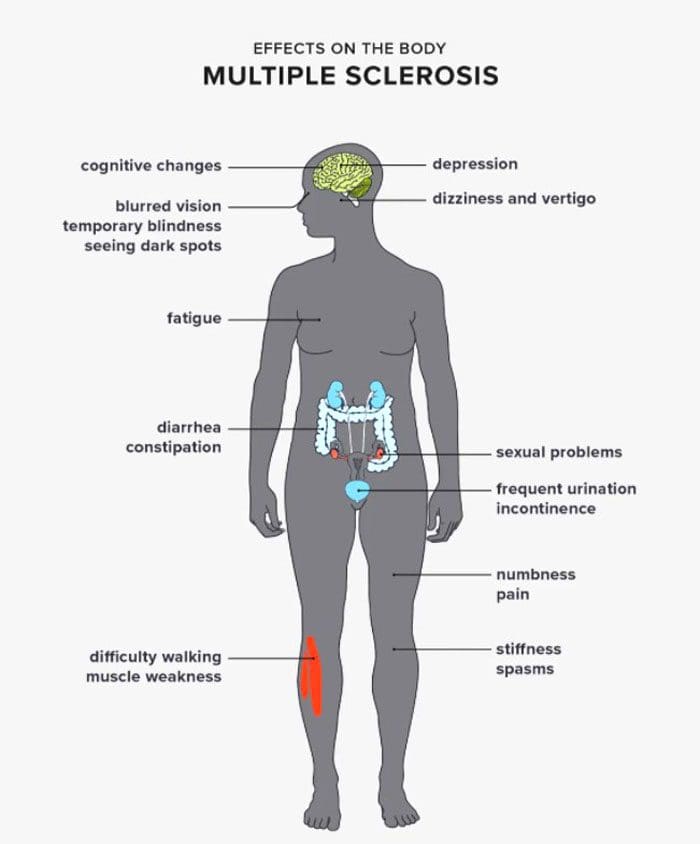
Multiple sclerosis and sciatica can exist side by side or have overlapping symptoms. The sciatic nerve begins at the lower back, then through the hips into the buttocks, and separates into both legs into the feet. Sciatica is a type of pain caused by a compressed/pinched or damaged/injured sciatic nerve. The sensation radiates across the nerve with frequency and severity at varying levels, depending on the individual’s body position and/or movement. Individuals with multiple sclerosis can also experience sciatica, believing it’s their multiple sclerosis. Neuropathic pain is a common symptom in multiple sclerosis or MS. It is caused by injury or damage to the nerves of the central nervous system and can cause burning, or sharp, stabbing sensations.
Multiple Sclerosis and Sciatic Nerve Pain Difference
MS is an autoimmune disorder where the immune system attacks the protective layer around nerve fibers known as myelin. This affects the central nervous system pathways that regulate feeling and sensation in the body. It can cause painful sensations that include:
Muscle spasms
Burning, tingling, or aching in the lower legs
Electrical shock-like sensations travel from the back toward the legs.
Migraines
The painful sensations result from the damaged nerve fibers creating interference in the brain’s neural pathways.
Sciatica works differently
An autoimmune response does not damage the sciatic nerve’s pathway, but an added stress/pressure compresses the sciatic nerve. The pain is usually caused by a quick, jerking, twisting, bending, reaching motion that pinches or twists the nerve. Herniated discs and bone spurs are another common cause, along with being overweight can place intense pressure on the sciatic nerve. The critical difference is that multiple sclerosis causes the central nervous system’s signaling pathways to malfunction.
MS and Sciatica
Most individuals, around 40%, will at some point experience some form of sciatica symptoms. This is from age, and all the wear and tear the low back goes through daily. This is why it’s not unusual for individuals with MS to experience sciatica as well. MS can cause body changes that affect activity levels.
Decreased mobility can lead to sitting for extended periods that can strain the muscles, tendons, and ligaments, causing sciatica.
There is evidence that the lesions that present from MS can extend to the sciatic nerve.
One study compared 36 individuals with MS to 35 individuals that don’t have it.
The research found that those with MS had slightly more lesions on the sciatic nerve than those without MS.
Sciatica Care
It can be challenging to figure out the types of pain being experienced. Sciatica travels down the length of the nerve uniquely and is often felt in only one leg. The pain, tingling, numbness, electrical sensations can present only in the lower back, the buttock, the back of the leg, hamstring, calf, and foot, or in a combination of all the areas. Treatments for sciatica depend on the severity. They include:
Medications – anti-inflammatories, muscle relaxants, tricyclic antidepressants, and antiseizure medications.
Steroid injections – corticosteroids
Surgery is a last resort reserved for severe cases that did not improve with other treatments and therapies.
It can be easy to mistake sciatica as a symptom or related condition of multiple sclerosis. Chiropractic can help alleviate sciatica, and although treatment cannot directly treat MS or its symptoms, it can relieve pain and discomfort.
Body Composition
Diabetic Nephropathy
Diabetic nephropathy or diabetic kidney disease is the result of mismanaged diabetes. Kidney failure is a severe medical emergency and can be fatal if not treated. Chronic low kidney function results in:
Fluid retention in the body.
Inability to filter out metabolites and waste from the blood.
Increased risk of infections.
Common symptoms of diabetic kidney disease include:
Increased blood pressure
This is the result of increased stress on the body.
The kidneys can no longer filter out all the metabolites and excess fluid needed to stabilize the blood pressure.
Chronic kidney damage results in the protein being excreted through urine.
Fatigue
Poor kidney function affects every organ in the body.
The organs have to work harder to compensate, leading to fatigue and low energy.
Lower extremity edema
Fluid retention usually presents in the lower extremities.
Puffy, swollen ankles and legs may appear shiny or waxy.
This is common in individuals that have severe diabetic nephropathy.
Shortness of breath
As the fluid builds up in the body, additional weight can get stored on and around the lungs.
This can make breathing very difficult when lying down or when engaged in physical activity.
Impaired cognition
Metabolites in the blood can cause brain damage when not filtered properly.
Memory loss
Mood changes
Loss of consciousness
References
Jende JME, et al. (2017). Peripheral nerve involvement in multiple sclerosis: Demonstration by magnetic resonance neurography. DOI:
10.1002/ana.25068
Mayo Clinic Staff. (2019). Sciatica.
mayoclinic.org/diseases-conditions/sciatica/symptoms-causes/syc-20377435
Murphy KL, et al. (2017). Chapter 4: Neuropathic pain in multiple sclerosis—current therapeutic intervention and future treatment perspectives.
ncbi.nlm.nih.gov/books/NBK470151/
Pain and itching. (n.d.).
nationalmssociety.org/Symptoms-Diagnosis/MS-Symptoms/Pain
Samson K. (2017). In the pipeline-multiple sclerosis neurography, MRI reveals peripheral nerve lesions in MS patients. DOI:
10.1097/01.NT.0000527861.27137.b0
Sciatica: Of all the nerves. (2016).
health.harvard.edu/pain/sciatica-of-all-the-nerve
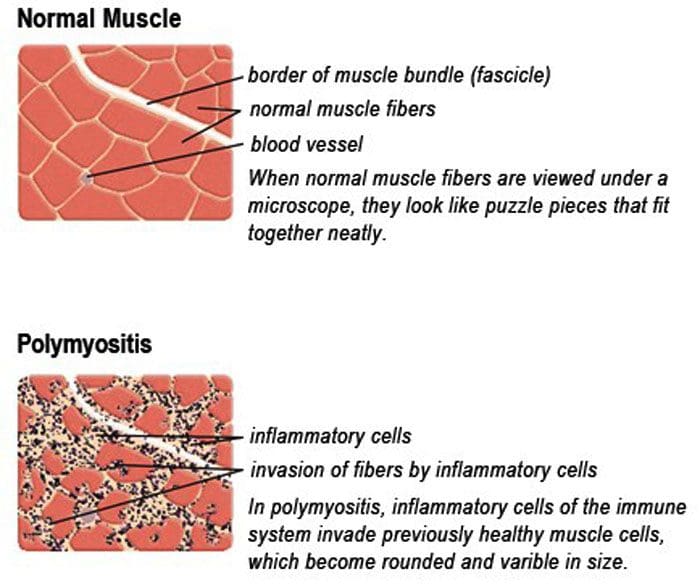
Polymyositis is a disease that causes the body’s muscles to become irritated and inflamed. It can affect the muscles all over the body. The muscles gradually begin to break down and weaken, making everyday movements difficult. This disease falls into a category known as inflammatory myopathies.
Polymyositis Unknown Causation
The causes of polymyositis are currently unknown. However, experts believe it could be associated with or triggered by a virus or an autoimmune reaction. An autoimmune response is when the body attacks itself along with the body’s tissues. It’s seen in individuals ages 31 to 60 and is rarely seen in individuals younger than 18. In some instances, medication can lead to an allergic reaction/response that causes muscle irritation and damage. But in most cases, healthcare experts are not able to find the exact cause.
Symptoms
The condition can affect the muscles all over the body. Physical activities like walking, getting up from a chair, or lifting objects can become difficult to perform. It can also affect the muscles that allow for eating and breathing. The muscles at the center of the body tend to be affected the most. Common symptoms include:
Muscle pain.
Muscle stiffness.
Muscle weakness, specifically in the abdomen, shoulders, upper arms, and hips.
Joint pain and stiffness.
Breathing problems.
Problems swallowing.
Abnormal weight loss can become an issue if there are problems with swallowing.
Irregular heart rhythms if the heart muscle/myocardium becomes inflamed.
Individuals may notice they have trouble climbing stairs or lifting their arms.
The inflammation can worsen, causing pain and weakness that affects the wrists, lower arms, and ankles.
Diagnosis
Diagnosis begins with the individual’s medical history, family medical history if necessary, and a physical examination. The examination includes seeing and feeling the strength of the muscles. Tests will be required that include:
Blood Tests
Blood tests allow the doctor to see if there are signs of muscle inflammation.
They also show if there are abnormal proteins that form in autoimmune diseases.
Electromyogram EMG
This test can be used to find abnormal electrical activity in the affected muscles.
MRI
Magnets and computer graphic imagery are used to help the doctor inspect for inflammation in the body.
Muscle Biopsy
A small piece of muscle tissue is removed to be analyzed with a microscope.
Treatment
Treatment depends on how severe the condition is,individual symptoms, age, and overall health. Currently, there is no cure for polymyositis, but symptoms can be managed. Individuals are recommended to utilize more than one type of treatment because the treatment plan may also need to be changed as treatment progresses. Treatments include:
Anti-inflammatory Medication
Steroid medication can help manage the disease and reduce symptoms, and corticosteroids can help ease inflammation in the body. The symptoms improve within 4 to 6 weeks, and a healthcare provider can lower the dosage after the symptoms decrease to reduce and ease any side effects.
Immunosuppressive Medication
These medications block or slow down the body’s immune system responses.
Talk with a doctor about the risks, benefits, and side effects of all medications.
Chiropractic and Physical therapy
Chiropractic treatment and physical therapy can help:
Aligning the spine to provide optimal nerve energy and blood circulation.
Therapeutic massage to stimulate and keep the muscles loose.
Specific exercises to help stretch and strengthen the muscles.
These can help keep the muscles from shrinking.
Heat therapy and Rest
Heat therapy and allowing the body to rest thoroughly can help decrease pain symptoms.
Special Braces
Body, hip, and leg braces can help support the muscles and help with mobility.
Complications
Polymyositis left untreated can lead to severe complications. The muscles become weaker, increasing the risk of falling and limiting daily activities.
If the chest muscles are affected, there could be problems with breathing that can lead to respiratory failure.
If the digestive tract is affected, malnutrition and unintentional weight loss can result.
Polymyositis poorly managed well can cause severe disability.
Body Composition
Nutrition and Muscle Growth
Protein
Protein is the foundation for gaining muscle.
This essential component is for all of the body’s daily functions.
It is essential to balance protein increase with overall diet.
Carbs should be a daily element of nutritional intake because they are the primary component.
Acquiring energy
Preventing muscle weakness and degradation
Consuming Carbs
Understanding how accurate results only happen when both sides work together.
Healthy consumption of protein and carbohydrates can help muscle growth and sustain optimal health for all body types.
References
Corrado, Bruno et al. “Supervised Physical Therapy and Polymyositis/Dermatomyositis-A Systematic Review of the Literature.” Neurology international vol. 12,3 77-88. 24 Nov. 2020, doi:10.3390/neurolint12030015
Findlay, Andrew R et al. “An overview of polymyositis and dermatomyositis.” Muscle & nerve vol. 51,5 (2015): 638-56. doi:10.1002/mus.24566
Sasaki, Hirokazu, and Hitoshi Kohsaka. “Current diagnosis and treatment of polymyositis and dermatomyositis.” Modern rheumatology vol. 28,6 (2018): 913-921. doi:10.1080/14397595.2018.1467257
Van Thillo, Anna et al. “Physical therapy in adult inflammatory myopathy patients: a systematic review.” Clinical rheumatology vol. 38,8 (2019): 2039-2051. doi:10.1007/s10067-019-04571-9
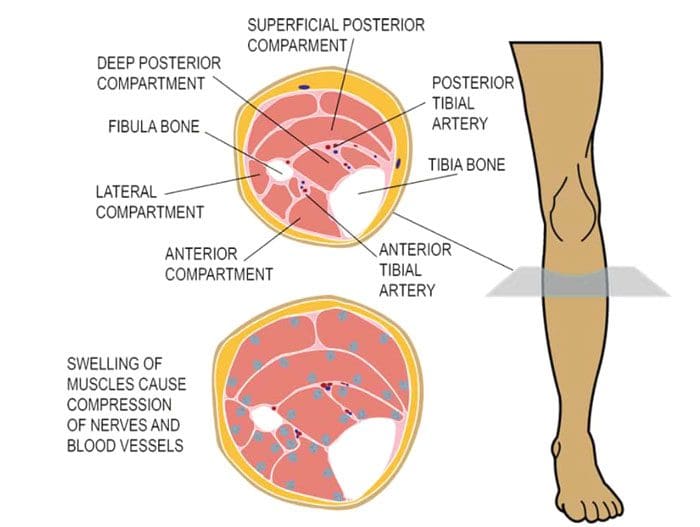
Compartment syndrome is a condition that causes pressure within a group of muscles to build up to dangerous levels. This pressure build-up begins to decrease blood flow, not allowing proper circulation, nutrients, and oxygen from getting to the nerves and muscle cells. The syndrome can be acute or chronic, and surgery can be required. Acute compartment syndrome is considered a medical emergency, usually caused by a severe injury and requires immediate treatment; otherwise, it can lead to permanent muscle damage. Chronic compartment syndrome or exertional compartment syndrome is usually not a medical emergency and is often caused by physical exertion.
The fascia does not stretch or expand because its job is to keep the tissues in place. If compartmental pressure builds up, swelling and bleeding may occur. When the tissues don’t have enough blood to provide the proper amount of oxygen and nutrients, the tissues begin to die, leading to permanent damage. Because the fascia does not stretch if there is swelling or bleeding within a compartment, this increases pressure on the:
Capillaries
Nerves
Muscles in that compartment.
Blood circulation does not reach the compartment to supply oxygen and nutrients.
Nerve and muscle cells get damaged.
Compartment syndrome most often takes place in the lower leg’s anterior/front calf compartment.
However, it can also develop in other areas like the:
Legs
Arms
Hands
Feet
Buttocks
Acute
The typical symptom is pain, specifically when the muscle in the compartment is stretched.
The pain is more intense than the injury itself.
Flexing, contracting, or stretching the muscles increases the pain.
Tingling or burning sensations may present.
Muscle tightness or fullness sensation like bloating.
Numbness or paralysis are late symptoms that usually indicate severe to permanent tissue injury.
The acute syndrome develops after a severe injury, like an automobile accident or from a broken bone. Injuries and conditions that can cause acute compartment syndrome include:
Fractures
Muscle contusion/bruise that goes beyond just a bump. Two examples include a motorcycle falling on the rider’s leg or a football player getting hit in the leg intensely.
Constricting bandages – Casts and bandages that are too tight can cause the blockage of blood. If symptoms develop, remove or loosen any constricting bandages. If it is from a cast, contact the doctor immediately.
Anabolic steroids – Taking steroids is a possible factor in compartment syndrome.
Blood circulation restoration after a blockage.
When sleeping, a blood vessel can get blocked. Lying for a long time in a position that causes a limb to go to sleep, then shifting, moving, or getting up can contribute to the condition. This type of development can happen in individuals with neurological damage or who do not realize what is occurring. This can happen after intense intoxication with alcohol and/or drugs.
Surgical repair of a damaged blood vessel that was blocked can result in compartment swelling.
Permanent disability and tissue death can result unless the pressure is relieved.
Chronic Physical Exertion
The pain and swelling from the chronic condition are caused by vigorous physical activity/exercise. It most often occurs in the leg. Individuals that participate in activities with repetitive motions have an increased risk. Physical activities/sports include:
Running
Biking
Swimming
This is usually not dangerous and is often relieved by discontinuing the specific exercise/s or physical activity for a while. Symptoms include:
Pain during exercise.
Cramping during exercise.
Numbness
Moving the foot is difficult.
Muscle bulge can be seen.
Chiropractic Treatment
Leg pain should not be ignored for long as the problems could escalate into severe/dangerous territory. Chiropractic treatment is highly effective in the detection and treatment of leg pain. Chiropractors are experts in the neuromusculoskeletal system. Their expertise in promoting physical function applies to the whole body’s systems, including the:
Muscles
Bones
Ligaments
Nerves
Tendons
They are trained to diagnose and treat developing and chronic musculoskeletal problems and know when to seek specialized medical care when necessary.
Body Composition
Can’t Individuals Just Exercise More and Eat Whatever They Want?
No individuals cannot just exercise/move more and eat whatever they want if they are serious about losing excess weight. A healthy diet and exercise are essential parts of the formula for effective weight loss. One study shows that being aware of diet in quality and quantity overtakes just exercising when achieving and maintaining healthy body composition changes as a vital part of maintaining a healthy lifestyle. Evaluating the effects of diet, exercise, or a combination of both revealed that long-term success was most significant in the mix of diet and exercise. Individuals can exercise vigorously, but losing weight can be very difficult if they have unhealthy eating habits or cannot stick to a healthy diet. The individual can develop other health problems from an unhealthy diet.
References
Braver, Richard T. “Chronic Exertional Compartment Syndrome.” Clinics in podiatric medicine and surgery vol. 33,2 (2016): 219-33. doi:10.1016/j.cpm.2015.12.002
Joubert, Sonia V, and Manuel A Duarte. “Chronic Exertional Compartment Syndrome in a Healthy Young Man.” Journal of chiropractic medicine vol. 15,2 (2016): 139-44. doi:10.1016/j.jcm.2016.04.007
Schmidt, Andrew H. “Acute compartment syndrome.” Injury vol. 48 Suppl 1 (2017): S22-S25. doi:10.1016/j.injury.2017.04.024
Vajapey, Sravya, and Timothy L Miller. “Evaluation, diagnosis, and treatment of chronic exertional compartment syndrome: a review of current literature.” The Physician and sportsmedicine vol. 45,4 (2017): 391-398. doi:10.1080/00913847.2017.1384289
Calf pain is common in individuals that are on their feet for long periods. This could be standing, walking, as part of a job or jogging, and running. In most cases, calf soreness and/or pain result from repetitive/overuse strain/injury/tear of the calf muscles. Pain along with stiffness presents with physical activity, exercise, movement. Chiropractic treatment and Active Release can help alleviate and eliminate calf pain.
Calf Muscles
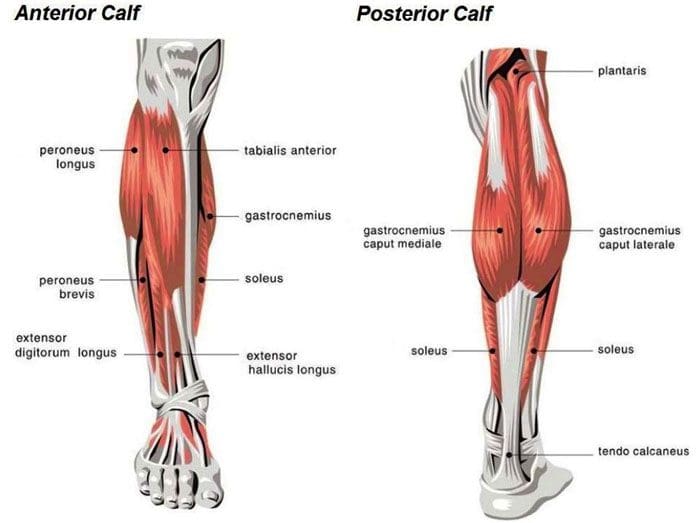
The calf muscle is in the back of the lower leg, behind the shin bone, and consists of three muscles. The calf muscle supports the body when standing and enables movement of the foot and lower leg. The calf muscles support the body when:
Walking
Running
Jumping
Standing on the toes.
Flexing the foot – lifting the toes toward the knee.
It helps push the body forward and allows jumping, ankle rotation, and flexing of the foot.
Causes, Conditions, and Disorders
The overuse of the calf muscles usually causes calf soreness, discomfort, and pain. Over time, tiny tears develop in the muscles of the lower legs and calves. Repeated use can lead to more severe injury or condition without proper treatment. Conditions include:
Strain
The most common injury is a strain. Strains happen when the muscle fibers are overused and get stretched too far and/or tear. However, the fibers may not tear in that instance, and so the tear could occur at a later time while doing a basic movement like slightly bending or kneeling to tie a shoe. This is when individuals wonder how a tear happened with a simple action. But the tear was already present, just not fully torn.
Cramps
Muscle cramps and muscle spasms in the calves can be excruciating limiting mobility. Calf cramps can happen during the day or at night. They can result from several factors that include:
Healthcare providers call this strain tennis leg because it happens when the leg extends and the foot flexes. Tennis players are in this position when they serve and push themselves off into motion; however, it can happen in any sport, job, chore that involves the same movement. This type of muscle strain injury affects the gastrocnemius muscle.
Compartment syndrome
Compartment syndrome happens when pressure builds up inside a muscle. The pressure significantly reduces the flow of blood and oxygen. It can result from trauma like a fracture or strenuous exercise/activity.
Symptoms
Calf muscle issues can cause calf muscle:
Pain
Tightness
Stiffness
Pain may be sharp or dull
Pain can start as mild pain and progressively worsen.
Limited mobility
Limited range of motion
Muscle weakness
A bump, bulge, or lump in the back of the lower leg.
Tenderness
Bruising
General leg cramps are common and are more likely to happen as the body ages.
Healthcare professionals estimate around 75% of individuals over 50 have had leg cramps and pain.
Calf Health
To prevent and avoid problems with the calf muscles, individuals are recommended to:
Maintain a healthy diet and weight
Individuals that are overweight are more likely to pull or strain a muscle.
Excess pounds add pressure on the legs placing individuals at a higher risk of an injury.
If obese or overweight, talk to a healthcare professional about healthy weight.
Stay hydrated
Drink the proper amount of water and other fluids
This decreases the chance of causing a cramp.
Stretch and warm-up
Warmed-up calf muscles are less likely to stretch too far or tear.
Before engaging in physical activity at work or school, do a few warm-up stretches to increase flexibility.
When exercising, gradually increase the intensity.
Talk to a doctor about taking another medication that does not cause these side effects.
Body Composition
Nutrients of Protein
Protein is necessary for all of the body’s physiological functions. Protein and amino acids are the building blocks of the muscle tissue in the body. The body’s muscles are a house, protein is the bricks, and the amino acids that form protein are the building blocks of muscle. The body manufactures various amino acids, but nine are essential amino acids – EAA because they are not made in the body. Individuals have to consume EAAs from food sources like:
Meat
Beans
Nuts
Soy
A diet that consists of mixed amino acids can help maximize muscle protein synthesis. Protein is essential in building muscle because amino acids help repair and maintain muscle tissue. After a strenuous activity or a workout, protein helps the body repair muscles that are slightly torn. To build a healthy body, the body needs to have the right amount of protein. Protein is an essential component of:
Muscle development
Bone density
Muscle mass
Lean tissue
References
Binstead JT, Munjal A, Varacallo M. Anatomy, Bony Pelvis, and Lower Limb, Calf. [Updated 2020 Aug 22]. In: StatPearls [Internet]. Treasure Island (FL): StatPearls Publishing; 2021 Jan-. . Accessed 6/4/2021.https://www.ncbi.nlm.nih.gov/books/NBK459362/ (https://www.ncbi.nlm.nih.gov/books/NBK459362/)
Bright JM, Fields KB, Draper R. Ultrasound Diagnosis of Calf Injuries. Sports Health. 2017 Jul-Aug;9(4):352-355. . Accessed
6/4/2021.https://www.ncbi.nlm.nih.gov/pmc/articles/PMC5496702/ (https://www.ncbi.nlm.nih.gov/pmc/articles/PMC5496702/)
Young G. Leg cramps. BMJ Clinical Evidence. 2015 May 13;2015:1113. . Accessed 6/4/2021.https://www.ncbi.nlm.nih.gov/pmc/articles/PMC4429847/ (https://www.ncbi.nlm.nih.gov/pmc/articles/PMC4429847/)
Chiropractic medicine is used as a standard musculoskeletal injury/strain treatment and for rehabilitation. Chiropractic helps with:
Different types of back pain
Headaches
Neck pain
Shoulder pain
Arm pain
Hand pain
Leg pain
Foot pain
Spine and nervous system health are essential for a properly functioning body and overall health. There are significant benefits of chiropractic care that can improve an individual’s overall quality of life and health. Chiropractic treatment can help:
Relieve Stress
Stress is natural in life, and it’s too much or poor management techniques that can cause pain and or injury. Chiropractic can improve how the body responds to stress. The nervous system is responsible for adapting the body to its environment, especially a stressful environment. Around 90% of the central nervous system travels down and through the spinal column. Spinal vertebral subluxations/misalignments can interfere with proper nerve flow disrupting body functions. Vertebral subluxation decreases the body’s ability to adapt to the environment. When this happens, stress can have a high adverse impact on the body’s health. An aligned spine along with an optimally operating nervous system helps the body to manage stress easier.
Improve Posture
Posture shifts affect spinal alignment and nerve function. The most common is Forward Head Posture/FHP. This is where the head shifts forward and down on the shoulders. This affects the natural curve in the neck, causing tension to form in the spinal cord. Improper ergonomics and overuse of electronic devices play a role in FHP. Chiropractic treatment helps and restores proper spinal alignment, significantly improving the body’s posture.
Elevate Mental Mood
Individuals in pain are often in a bad, sad, low mood reflecting their pain level. Balancing the body’s nervous system restores the balance of chemical flow in the body. Conditions like depression and ADHD have shown improvement with regular chiropractic care.
Strengthen Immune System Function
Spinal misalignment adversely affects the nervous system. The nervous system sends all the necessary information to different areas of the body. If the spine has been compromised, specific sites will not receive the vital signals required to function at full potential. This can affect any or all the systems in the body, especially the immune system. Chiropractic improves nerve flow to the organs of the immune system.
Enhance Thorough Sleep
Lack of sleep leads to all kinds of health issues. Lack of proper sleep can be from a nervous system that does not shut down, add pain, stress, and nightly symptoms do not allow the body to rest. Optimal spinal alignment relaxes the nervous system decreasing pain. Sleep improves over time, with individuals reporting reduced pain and an increase in health and wellness.
Body Composition
Gluten Effects
Gluten causes digestive issues/problems for individuals that have celiac disease or autoimmune thyroid disease. Individuals with these conditions that eat gluten foods can present with uncomfortable and painful effects. Symptoms can vary and have different classifications.
Classical Celiac Disease – CD
Classical celiac disease presents with symptoms that include:
Diarrhea
Discolored stools
Constipation
Abdominal bloating
Pain
Weight loss
However, these symptoms are more common in children with CD than adults. In adults, symptoms are more similar to those in non-classical celiac disease.
Non-Classical Celiac Disease
Non-classical celiac disease symptoms may not present with severe digestive symptoms as in classical CD but suffer from other symptoms. These include:
Silent CD is less visible. There might not be any symptoms, but damage to the intestines is still occurring.
References
Khodakarami, Nima. “Treatment of Patients with Low Back Pain: A Comparison of Physical Therapy and Chiropractic Manipulation.” Healthcare (Basel, Switzerland) vol. 8,1 44. 24 Feb. 2020, doi:10.3390/healthcare8010044
Rubinstein, Sidney M et al. “Benefits and harms of spinal manipulative therapy for the treatment of chronic low back pain: systematic review and meta-analysis of randomized controlled trials.” BMJ (Clinical research ed.) vol. 364 l689. 13 Mar. 2019, doi:10.1136/bmj.l689
Urits, Ivan et al. “A Comprehensive Review of Alternative Therapies for the Management of Chronic Pain Patients: Acupuncture, Tai Chi, Osteopathic Manipulative Medicine, and Chiropractic Care.” Advances in therapy vol. 38,1 (2021): 76-89. doi:10.1007/s12325-020-01554-0
Chiropractic medicine specializes in the musculoskeletal system. It treats the whole body because if one area of the body is inflamed, swollen, out of place, or damaged, it affects other areas. Chiropractic’s goals are to bring the body back into balance and get it functioning at an optimal level. Achieving overall health and wellness requires an individual’s body to be at its appropriate weight.
Obesity and Pain
Chronic pain and obesity are linked, according to various studies. Individuals dealing with chronic pain are more likely to become obese, and those who are obese have an increased risk of developing a chronic pain condition. Research studies also show that individuals that lose weight have a reduction to complete alleviation of pain.
The Pain Gain Cycle
The goal is to break the cycle. When an individual is dealing with pain symptoms, eating foods high in sugars and starches can be comforting. However, unhealthy food is fueling the pain and causing inflammation. Back pain commonly occurs in individuals that are obese. Chiropractic helps kickstart the weight loss process by relieving pain naturally and safely.
Spinal Alignment and Weight Loss
Spinal alignments go beyond relieving pain to help with weight loss. Adjustments improve the body’s ability to burn fat and maintain overall health. A spine that is out of alignment can affect the nerve pathways of the central nervous system and the communication signals affecting nearly every aspect of the body. Problems with the central nervous system can affect how the whole body burns fat and the metabolic system.
Hormone Regulation
Spinal misalignments can affect the body’s hormone regulation. These hormones include those for breaking down foods during digestion. Affected hormones can contribute to weight gain and prevent weight loss. Chiropractic corrects the nerve’s pathways, allowing for proper hormone regulation, which can help with weight loss.
Pain Relief and Exercise
Exercise is pivotal to losing weight, building muscle, and maintaining health. The problem for overweight individuals is that they are in too much pain to exercise. With back pain, just walking a quarter of a mile can become excruciating, and this is where chiropractic care for pain relief comes in. When managing pain through chiropractic, individuals can exercise regularly.
Nutrition and Lifestyle
The whole body is a unit where everything affects something else. Chiropractors are becoming or teaming up with certified nutritionists and health coaches. Part of a treatment plan includes nutritional recommendations personalized to individual needs and weight loss goals. They also recommend:
Specific exercises
Lifestyle adjustments
Third-party support
Whole Body Composition
Weight Loss and Cheat Meals/Days
A cheat day or meal every once in a while will not undo weeks and months of regular workouts and eating healthy. Cheat days can help individuals stay motivated for the long term. But this does not mean getting carried away and going on a bender or making cheat days a routine. The goal is to develop healthy eating habits that become the norm while decreasing the craving for junk food. Changing body composition and losing weight is a long-term journey, but done correctly and with support turns into a healthy body.
References
DeMaria, Anthony, et al. “A weight loss program in a chiropractic practice: a retrospective analysis.” Complementary therapies in clinical practice vol. 20,2 (2014): 125-9. doi:10.1016/j.ctcp.2013.11.007
James M Whedon, DC, MS, Andrew W J Toler, MS, Louis A Kazal, MD, Serena Bezdjian, Ph.D., Justin M Goehl, DC, MS, Jay Greenstein, DC, Impact of Chiropractic Care on Use of Prescription Opioids in Patients with Spinal Pain, Pain Medicine, Volume 21, Issue 12, December 2020, Pages 3567–3573, https://doi.org/10.1093/pm/pnaa014
Okifuji, Akiko, and Bradford D Hare. “The association between chronic pain and obesity.” Journal of pain research vol. 8 399-408. 14 Jul. 2015, doi:10.2147/JPR.S55598
IFM's Find A Practitioner tool is the largest referral network in Functional Medicine, created to help patients locate Functional Medicine practitioners anywhere in the world. IFM Certified Practitioners are listed first in the search results, given their extensive education in Functional Medicine