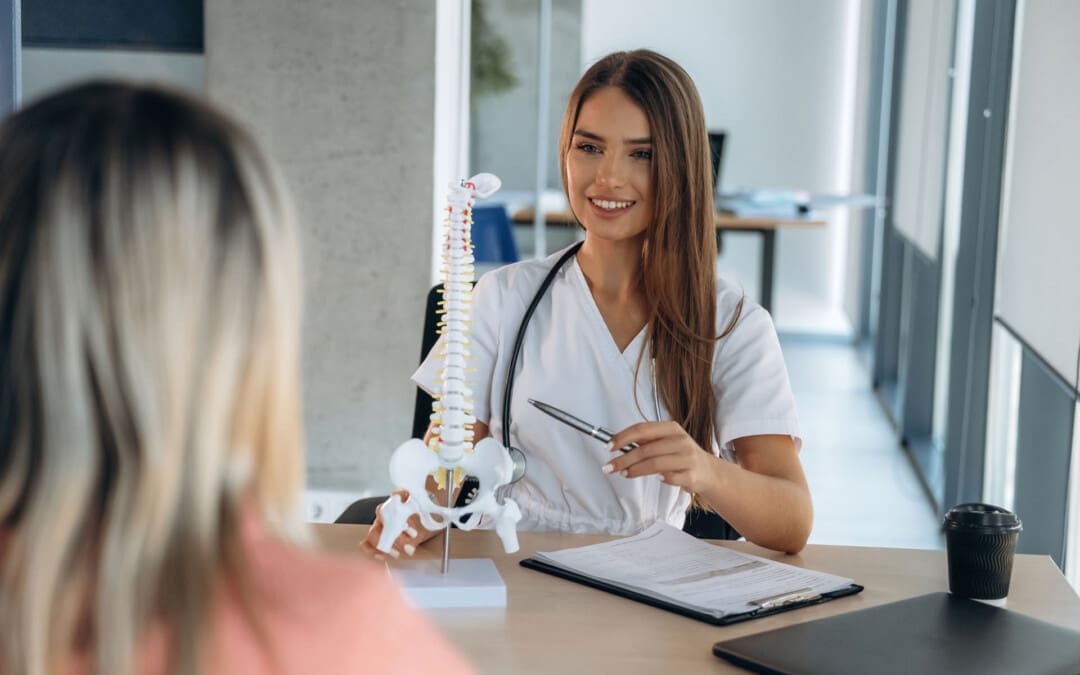
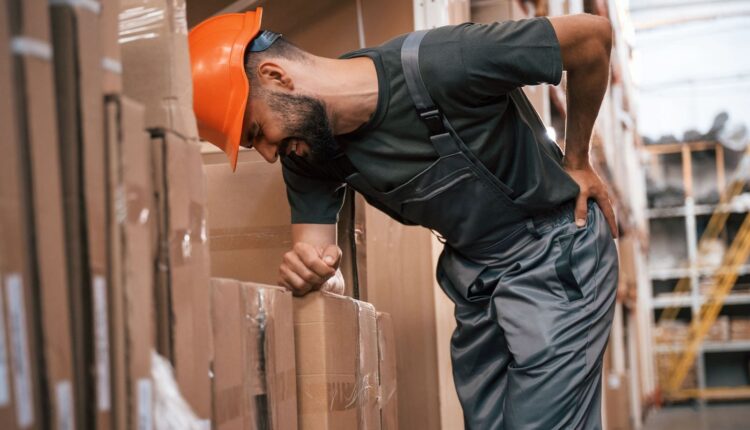
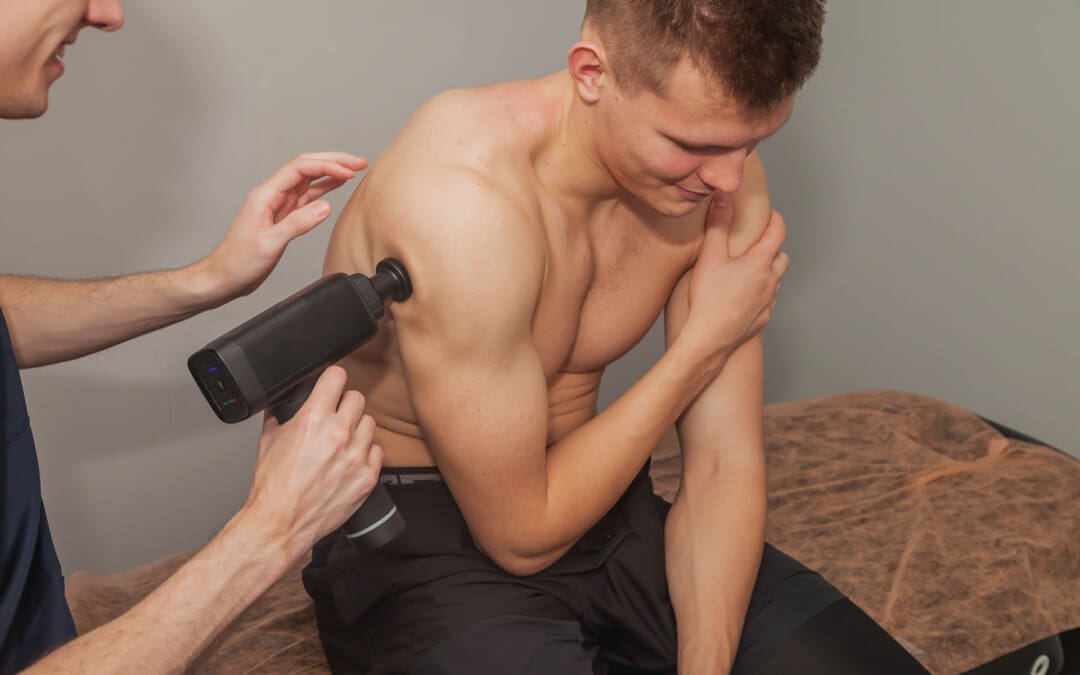
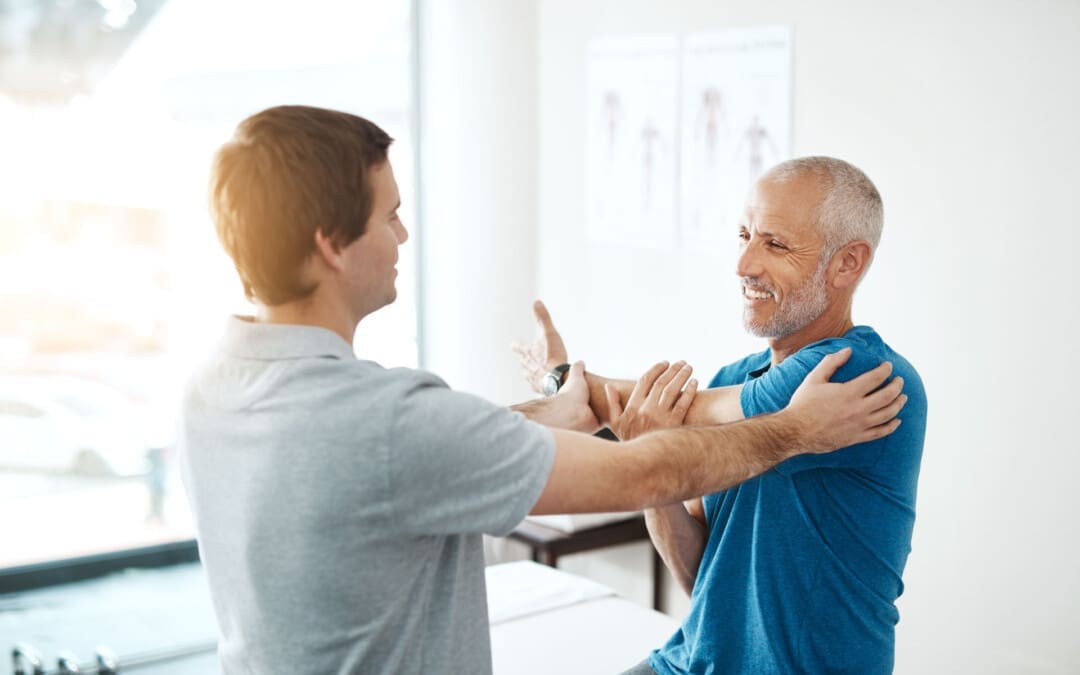
Can the straight leg test help find the cause of back or hamstring pain in individuals experiencing it?
Straight Leg Test
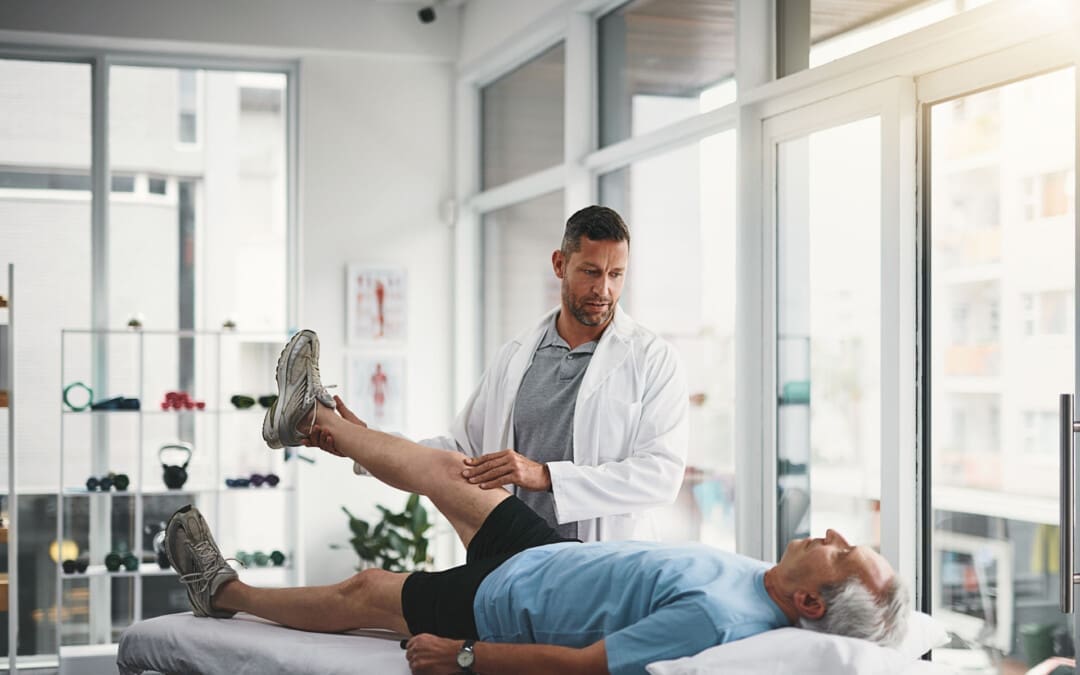
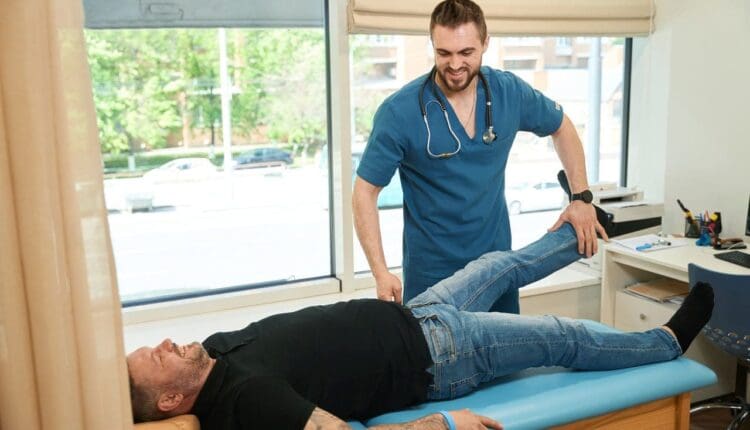
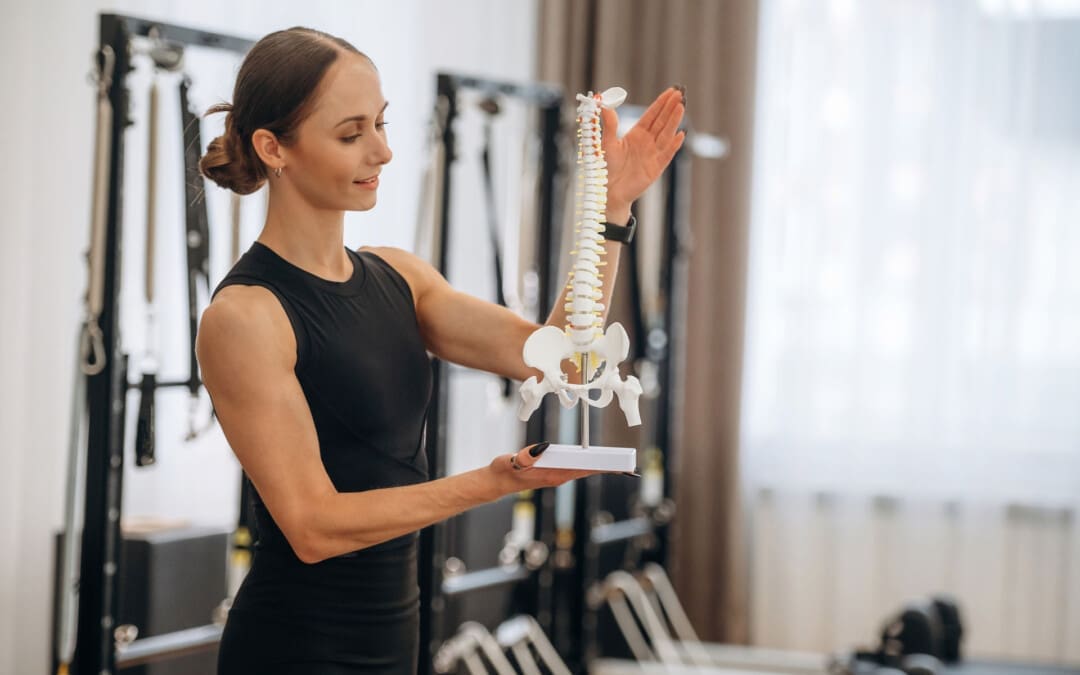
The straight leg raise test is often used to diagnose sciatica/radiculopathy, herniated discs, and other spinal problems. The healthcare provider giving the test performs most of the movement as they assess what’s causing the leg and/or back pain. The patient lies on their back with the legs straight. The provider will have the patient perform specific movements and inform them of how it feels. Then, they’ll raise the leg to see if and at what point symptoms begin to show. Providers often use this test alongside imaging studies.
Some studies suggest the straight leg test helps diagnose sciatica and other causes. (Pesonen J. et al., 2021)
Purpose
The straight leg raise is one of the most common manual tests done during physical exams. The straight leg raise test seeks to reproduce the pain or other symptoms in a controlled fashion to provide clues to what’s happening. It is a manual exam, and the healthcare provider will:
Position the patient
Moves the patient
Create pressure to see how well the patient can resist it
This is often used alongside imaging tests, such as an X-ray or CT scan. (Allegri M. et al., 2016) Its goal is to check for nerve movement and sensitivity of nerve tissue to compression. The straight leg lift test is neurodynamic because it uses movement to diagnose nerve problems. (Baselgia L.T. et al., 2017)
During the Test
Expect to feel some pain during the test, as the whole point is to see what aggravates the symptoms. They may be caused by:
Most of the tests are passive, with the provider doing the lifting. The patient can help achieve the most accurate result by staying as relaxed as possible and being clear about what is felt. (Pande K. 2015) The procedure:
The patient lies on their back with their legs straight.
The provider will ask the patient to turn one of the legs in.
This tells them what hip position affects the lower back symptoms.
They’ll then ask you to bring the leg toward the body’s center.
Then, they’ll lift the straight leg until the patient experiences symptoms.
Pain suggests a herniated disc.
If there is no pain, this also provides valuable information.
The procedure is repeated with the other leg.
Modifications
It’s important to let the examiner know about any limitations. The straight leg raise test has modifications if the patient cannot lift their leg while it’s straight or if they have difficulty lying on their back, which can also help avoid an injury during the test.
Variations
The healthcare provider may repeat the test with the ankle in a dorsiflexed position/raising the foot. Then, they’ll have the patient do it with their chin tucked into their chest. (Young R. et al., 2013) These variations can help check for nerve involvement in specific locations, such as the spinal cord or the dura mater, the membrane covering the brain and spinal cord. (Venne G. et al., 2017) The spinal cord nerves are likely involved and affected if the usual pain is in the back or leg but not the chin, neck, or foot. (Camino Willhuber GO, Piuzzi NS. 2023)
Injury Medical Chiropractic and Functional Medicine Clinic
Injury Medical Chiropractic and Functional Medicine Clinic works with primary healthcare providers and specialists to build optimal health and wellness solutions. We focus on what works for you to relieve pain, restore function, prevent injury, and mitigate issues through adjustments that help the body realign itself. The clinic can also work with other medical professionals to integrate a treatment plan to resolve musculoskeletal problems.
From Injury to Recovery with Chiropractic Care
References
Casiano, V. E., Sarwan, G., Dydyk, A. M., & Varacallo, M. A. (2025). Back Pain. In StatPearls. https://www.ncbi.nlm.nih.gov/pubmed/30844200
Pesonen, J., Shacklock, M., Suomalainen, J. S., Karttunen, L., Mäki, J., Airaksinen, O., & Rade, M. (2021). Extending the straight leg raise test for improved clinical evaluation of sciatica: validity and diagnostic performance with reference to the magnetic resonance imaging. BMC musculoskeletal disorders, 22(1), 808. https://doi.org/10.1186/s12891-021-04649-z
Allegri, M., Montella, S., Salici, F., Valente, A., Marchesini, M., Compagnone, C., Baciarello, M., Manferdini, M. E., & Fanelli, G. (2016). Mechanisms of low back pain: a guide for diagnosis and therapy. F1000Research, 5, F1000 Faculty Rev-1530. https://doi.org/10.12688/f1000research.8105.2
Baselgia, L. T., Bennett, D. L., Silbiger, R. M., & Schmid, A. B. (2017). Negative Neurodynamic Tests Do Not Exclude Neural Dysfunction in Patients With Entrapment Neuropathies. Archives of physical medicine and rehabilitation, 98(3), 480–486. https://doi.org/10.1016/j.apmr.2016.06.019
Pande K. (2015). The Use of Passive Straight Leg Raising Test: A Survey of Clinicians. Malaysian Orthopaedic Journal, 9(3), 44–48. https://doi.org/10.5704/MOJ.1511.012
Young, R., Nix, S., Wholohan, A., Bradhurst, R., & Reed, L. (2013). Interventions for increasing ankle joint dorsiflexion: a systematic review and meta-analysis. Journal of foot and ankle research, 6(1), 46. https://doi.org/10.1186/1757-1146-6-46
Venne, G., Rasquinha, B. J., Kunz, M., & Ellis, R. E. (2017). Rectus Capitis Posterior Minor: Histological and Biomechanical Links to the Spinal Dura Mater. Spine, 42(8), E466–E473. https://doi.org/10.1097/BRS.0000000000001867
Camino Willhuber, G. O., & Piuzzi, N. S. (2025). Straight Leg Raise Test. In StatPearls. https://www.ncbi.nlm.nih.gov/pubmed/30969539
Can physical therapy help individuals with a pinched nerve in the neck?
Pinched Nerve In The Neck
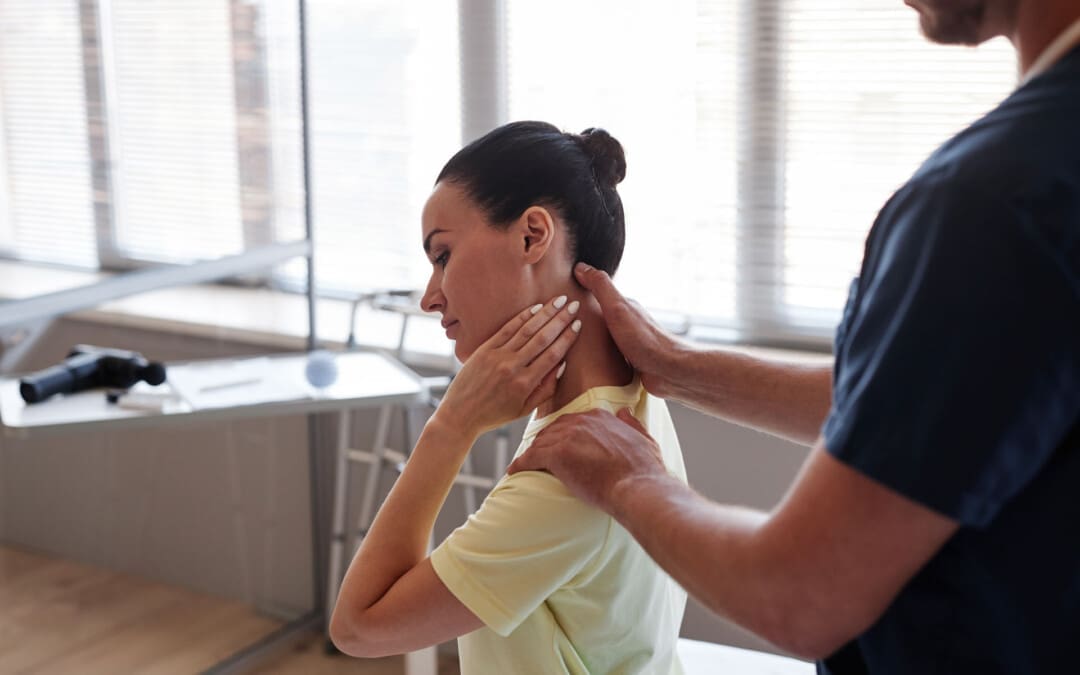
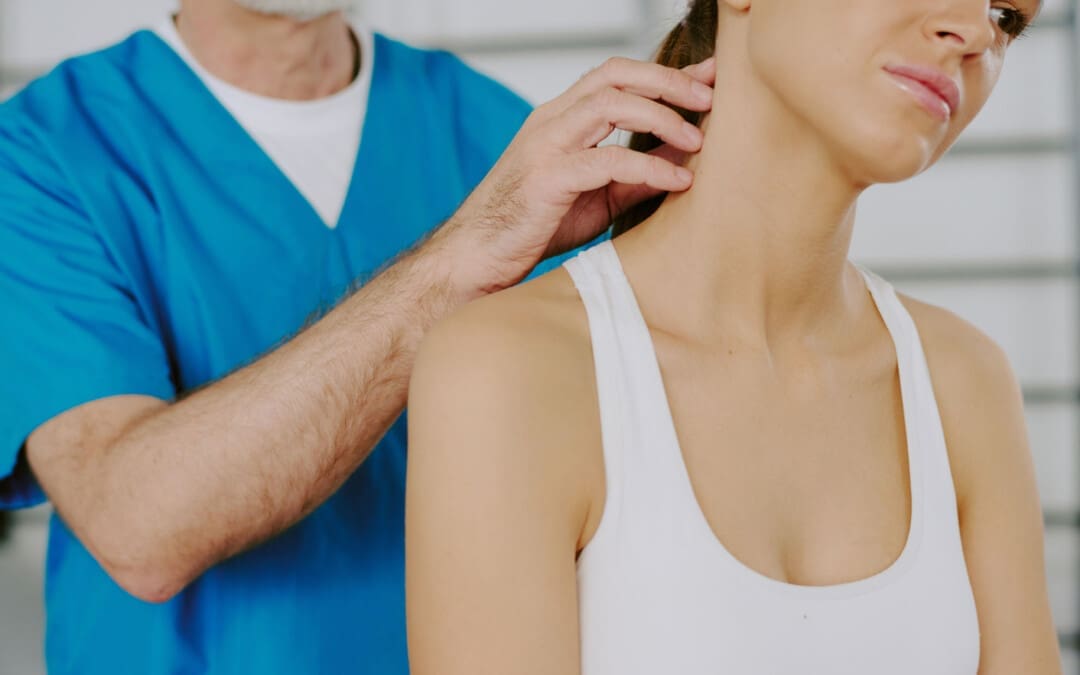
A pinched nerve in the neck can cause pain, numbness, and weakness that extends through the neck, shoulder, and arm. (American Academy of Orthopaedic Surgeons, 2024) Over-the-counter pain medications, resting the muscles, and gentle stretching can help. However, if you’re still in pain after a few days, see a healthcare provider. Common treatments include:
Rest
Over-the-counter (OTC) pain meds
Physical therapy
Steroid injections
Wearing a neck collar
Surgery is rarely needed, but it can provide relief if other treatments don’t help. Most of the time, a pinched nerve resolves within days or weeks.
Sharp pain that extends into the shoulder and arm.
The pain worsens, or there is a shooting sensation when turning the head.
Tingling or feeling of pins-and-needles in the fingers or hand.
Weakness in the arm, shoulder, or hand.
Numbness or loss of feeling.
Often, these symptoms occur only on one side. Some find their pain less when they lift their hand onto their head, which can relieve pressure on the nerve.
Causes
The cervical spine is the spinal cord area around the neck. It’s made up of seven vertebrae. Nerves branch off the spinal cords in the spaces between the vertebrae. Nerve compression occurs when the space between two vertebrae is reduced, putting pressure on the nerve, pinching it, and causing pain. Pinched nerves develop from age because the spinal discs between the vertebrae become compressed over time. Age causes about 70% to 80% of nerve compression. Other factors that cause pinched nerves include: (Harvard Health Publishing, 2021)
Degenerative disc disease
A herniated disc
Injuries like car accidents falls, or other trauma to the spine
Find a comfortable position and try to allow the muscles in your neck to relax and rest.
Heat or Ice
Warmth and coolness can relieve pain and inflammation.
Use a warm or cool compress for 15 minutes at a time.
Over-The-Counter Pain Medications
Pain medications, including nonsteroidal anti-inflammatory drugs (NSAIDs), can help bring relief.
Treatment for Severe Symptoms
If pain doesn’t resolve within a few days, or if it is so bad that you can’t go about daily activities, it’s recommended to see a healthcare provider. They can diagnose a pinched nerve after a physical exam and may also recommend imaging, including an X-ray, CT scan, MRI, or EMG, to reveal what’s causing the symptoms. After diagnosing the condition, the healthcare provider will develop a personalized treatment plan, which may include the following (Harvard Health Publishing, 2021)
Physical Therapy
Physical therapy can help build strength and flexibility in the neck.
This is especially important if there is frequent nerve pain in the same spot.
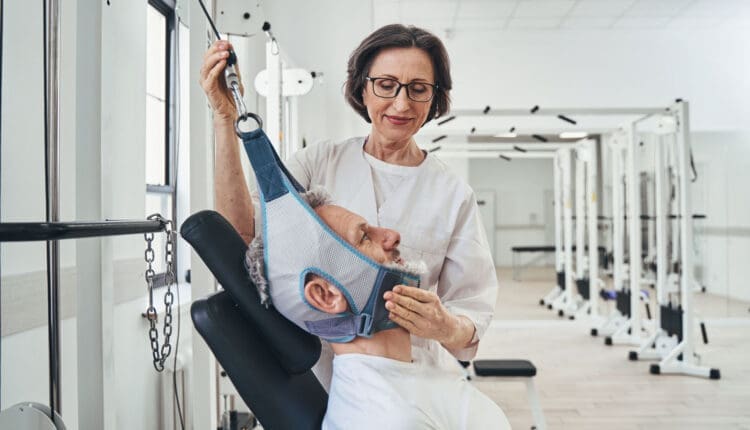
Cervical Collar
A soft cervical collar is a brace that fits around the neck.
It supports your head so the neck muscles can relax, facilitating healing.
The collar can also keep the head from turning in painful ways.
Oral Corticosteroids
Oral steroids like prednisone can help reduce inflammation.
If inflammation or swelling in the neck puts more pressure on the nerve, they can help.
Steroid Injections
Steroid shots right into the painful tissue reduce inflammation right away.
Muscle Relaxers
These medications keep the muscles in the neck from seizing up.
As the muscles relax, this brings pain relief.
Narcotic Pain Medications
Narcotic pain medications can be used short-term by individuals who have severe pain.
A healthcare provider will inform the patient of the benefits and drawbacks of these medications, which include opiates.
Hold for 20 seconds, then return to a neutral position.
Do this five times.
Eyes to Sky
Lean your head back and look toward the sky.
Hold for 20 seconds, then return to your starting position.
Do this five times.
Side to Side
Turn your head to the right as far as possible, bringing your chin in line with your shoulder.
Hold for 20 seconds, then turn as far as possible toward the left.
Repeat four times.
Ear to Shoulder
Bring your ear down toward your shoulder.
Hold for 20 seconds, then repeat the exercise on the other side.
Alternate between the right and left, stretching each side five times.
While it’s normal for exercises to hurt from stretching the muscles, they should never hurt more than a five on a pain scale of 1 to 10. If they do, stop exercising (National Health Service, 2025)
Healing Time
Healing and recovery depend on the severity of the injury. Some individuals find that the pain from a pinched nerve goes away in days, while for others, it can last for weeks. The pain goes away and then returns. If pain doesn’t go away with the conservative treatments or lasts more than a few days, talk with a healthcare provider or return for a second visit. Rarely do individuals need surgery to bring pain relief. The healthcare provider will discuss whether surgery is the best option and what to expect regarding pain relief. (American Academy of Orthopaedic Surgeons, 2024)
Injury Medical Chiropractic and Functional Medicine Clinic
Injury Medical Chiropractic and Functional Medicine Clinic works with primary healthcare providers and specialists to build optimal health and wellness solutions. We focus on what works for you to relieve pain, restore function, prevent injury, and mitigate issues through adjustments that help the body realign itself. The clinic can also work with other medical professionals to integrate a treatment plan to resolve musculoskeletal problems.
Revitalize and Rebuild with Chiropractic
References
American Academy of Orthopaedic Surgeons. OrthoInfo. (2024). Cervical radiculopathy (pinched nerve). https://orthoinfo.aaos.org/en/diseases–conditions/cervical-radiculopathy-pinched-nerve/
Harvard Health Publishing. Publishing, H. H. (2021). Treating a pinched nerve. https://www.health.harvard.edu/pain/treating-a-pinched-nerve
National Institute of Neurological Disorders and Stroke. (2025). Pinched Nerve Definition. Retrieved from https://www.ninds.nih.gov/health-information/disorders/glossary-neurological-terms#-P-
National Health Service. Service, N. H. (2025). Exercises for neck problems. https://www.nhsinform.scot/illnesses-and-conditions/muscle-bone-and-joints/neck-and-back-problems-and-conditions/exercises-for-neck-problems
Should individuals experiencing lower left back pain see a healthcare provider if it lasts more than a few weeks?
Left Side Lower Back Pain
Lower left back pain can impact your ability to go about your day. If left-side lower back pain lasts longer than a week, it is considered chronic back pain, which can severely impact one’s quality of life. This type of pain has various causes. Muscle or spine and nerve damage, including sciatica, can cause pain. Organs in the lower back, including the kidneys, can cause pain. Pregnancy-related changes, fibromyalgia, and other conditions can cause lower left-side back pain in females.
Causes
Back pain is common and affects almost everyone. (National Institute of Arthritis and Musculoskeletal and Skin Diseases, 2023) Lower left back pain can have many causes, ranging from muscle and spine issues to organ infections. One way to help tell what’s causing the symptoms is to determine whether there is also sciatica, sharp or burning pain that radiates down one side of the body. It happens when the sciatic nerve gets compressed or irritated. Possible causes include (Penn Medicine, 2020)
Muscle Injury
A muscle injury from an accident or injury can be a cause that can appear with or without sciatica.
If this is the cause, you’ll notice that the pain improves with rest but worsens after you’ve sat for a long time or after getting up from sleep.
There may also be a limited range of motion, tenderness, or swelling.
Arthritis or Bone Conditions
Arthritis and bone issues, like osteoporosis, can also be a cause.
This can happen if the arthritis is in the left hip or the root cause is on the right side, but the body compensates by overusing muscles on the left side of the back.
Unhealthy Posture and Body Positioning
Unhealthy postures and body positioning can contribute to back pain and musculoskeletal problems.
To avoid straining the muscles, try sitting and standing straight and keeping all the joints at a 90-degree angle.
Move around every 20-30 minutes and stretch out.
Kidneys
The kidneys are located in the middle back.
Kidney infections or kidney stones could cause pain on the left side.
Other symptoms include pain when urinating, fever, and nausea.
Ulcerative Colitis
Ulcerative colitis, inflammation of the large intestine, can also cause lower left back pain in some cases.
If this is the cause, there may also be abdominal pain, cramping, nausea, and fatigue.
Uterine-Related Pain
Several conditions related to the uterus can cause back pain symptoms, including PMS, period cramps, endometriosis, and more.
Sometimes, these conditions cause pain on both sides, but some individuals may experience pain just on the left side.
Pregnancy
The weight gain, hormonal changes, and limited movement can also contribute to lower left back pain. (Cedars Sinai, 2024)
Spinal Disease
If one of the discs or vertebrae in the spine slips out of place or becomes damaged, this can cause upper, middle, or lower back pain.
In many cases, over-the-counter anti-inflammatory medications can help with sciatica. If it persists, it is recommended to see your healthcare provider to find the root cause. The causes include: (Aguilar-Shea, A. L. et al., 2022)
Herniated disc
A disc that pops out of place can add pressure to the sciatic nerve.
Spinal Stenosis
Spinal stenosis, or spine narrowing, can also cause sciatic symptoms.
Spondylolisthesis
Occurs when vertebrae are out of alignment, leading to sciatic symptoms.
Pregnancy
Pregnancy-related growth and bodily changes oftentimes lead to sciatic nerve symptoms and sensations.
Muscle Spasms
Spasms like piriformis syndrome, a spasm of the muscle in the buttocks, can cause back pain.
Surgery
It’s normal to have back pain for up to six weeks after a back procedure.
However, if there is new or worsening lower left back pain after surgery, consult the healthcare provider. (Penn Medicine, 2017)
Your healthcare provider may recommend massage, chiropractic care, and acupuncture treatments.
If pain can’t be managed at home, your healthcare provider may suggest prescription medications, including muscle relaxers.
These can allow the tissue to heal and reduce your pain as well.
If you have severe sciatica or vertebrae that have slipped out of place, the healthcare team might recommend a steroid injection into the lower left back to reduce pain by reducing inflammation.
In addition to prescription treatments, your healthcare provider might recommend physical therapy to retrain movements, build strength, and help prevent back pain.
Sleep on a firm mattress that will support your back.
Get a comfortable, ergonomic chair for your job.
If you work on your feet, learn to practice healthy posture and use shoes and insoles to facilitate and maintain correct posture.
Once you’ve healed, building your core strength may help avoid lower back pain in the future.
Injury Medical Chiropractic and Functional Medicine Clinic
Talk with a healthcare provider and request a referral to a specialist who can help with long-term management. Injury Medical Chiropractic and Functional Medicine Clinic works with primary healthcare providers and specialists to build optimal health and wellness solutions. We focus on what works for you to relieve pain, restore function, prevent injury, and mitigate issues through adjustments that help the body realign itself. The clinic can also work with other medical professionals to integrate a treatment plan to resolve musculoskeletal problems.
Lower Back Pain Chiropractor Treatment
References
National Institute of Arthritis and Musculoskeletal and Skin Diseases. (2023). Back pain. Retrieved from https://www.niams.nih.gov/health-topics/back-pain
Penn Medicine, B. T., MD. (2020). 4 reasons you may have back pain on only one side. Penn Medicine. https://www.pennmedicine.org/updates/blogs/musculoskeletal-and-rheumatology/2017/november/back-pain-on-one-side
Cedars Sinai. (2024). Back pain during pregnancy. https://www.cedars-sinai.org/health-library/diseases-and-conditions/b/back-pain-during-pregnancy.html
Aguilar-Shea, A. L., Gallardo-Mayo, C., Sanz-González, R., & Paredes, I. (2022). Sciatica. Management for family physicians. Journal of family medicine and primary care, 11(8), 4174–4179. https://doi.org/10.4103/jfmpc.jfmpc_1061_21
Penn Medicine, V. G., MD. (2017). Back pain that won’t go away—even with surgery. Penn Medicine. https://www.pennmedicine.org/updates/blogs/musculoskeletal-and-rheumatology/2017/november/back-pain-that-wont-go-away
See, Q. Y., Tan, J. B., & Kumar, D. S. (2021). Acute low back pain: diagnosis and management. Singapore Medical Journal, 62(6), 271–275. https://doi.org/10.11622/smedj.2021086
Triceps tendonitis can be frustrating, especially when you need to rest from normal activities. Can knowing the causes, symptoms, and diagnosis help individuals understand the treatment and prevention of the condition?
Triceps Tendonitis
Tendons are connective tissue that attach muscles to bones, enabling the joints to move. Triceps tendonitis is inflammation of the tendon at the back of the elbow. It is most often caused by overuse of the triceps muscles. The condition can cause pain, swelling, and loss of function. It’s common in jobs that require regular hammering, shoveling, and overhead reaching, as well as in weightlifters, gymnasts, and boxers.
Causes
The triceps muscle runs along the back of the upper arm and is attached to the point of the elbow by a tendon. This muscle straightens the elbow. Tendonitis develops from repeatedly straightening the elbow against resistance. This causes tiny tears in the tissue, which leads to inflammation. Triceps tendonitis commonly occurs from repetitive manual labor tasks or sports activities like throwing sports, gymnastics, or boxing. Exercises that target the triceps muscle can cause tendonitis to develop, including kickbacks, dips, push-ups, and bench presses. For this reason, triceps tendonitis is also known as weightlifter’s elbow. (Orthopedic & Spine Center, N.D.)
Symptoms
Inflammation leads to a series of chemical reactions in the area of the injury. There are five main symptoms of inflammation:
Redness
Warmth
Swelling
Pain
Loss of function
With triceps tendonitis, the pain and stiffness are felt at the back of the elbow. Weakness may also present when using the affected arm. Tendonitis usually causes more pain with movement than when resting. Pain can occur when straightening the elbow, which puts tension on the triceps, or bending the elbow, which stretches the tendon.
Diagnosis
A healthcare provider will ask questions and perform a physical exam to diagnose tendonitis. (Harvard Health Publishing, 2014) A healthcare provider will ask you to describe the pain and the activities that make it better or worse. The elbow will be assessed for movement issues, swelling, or deformities that could indicate a worse injury, like a tendon tear. A healthcare provider will order X-rays or other imaging, such as MRI, to assess for a bone fracture or more extensive damage to the tendon.
Treatment
Several types of treatments include self-care, physical therapy, and medications.
Self Care
Triceps tendonitis can be treated at home if symptoms are addressed early. These include:
Rest
Rest the triceps tendon by avoiding activities that cause pain for a few days.
Ice
Apply ice to the triceps tendon for 15 to 20 minutes, two to three times daily.
Massage the area with an ice cube for several minutes.
Range of Motion Exercises
Decrease stiffness in the elbow with gentle range of motion exercises.
Slowly bend and straighten the elbow in a pain-free range, 10 times.
Repeat several times per day.
Physical Therapy
Physical therapists use various therapies and tools when treating tendonitis, including (Prall J. & Ross M. 2019)
PT Modalities
Physical therapy modalities are used to decrease pain, inflammation, and stiffness.
Examples include ultrasound, electrical stimulation, and light therapy.
Manual Therapy
Manual techniques for tendonitis include soft tissue massage, friction massage, stretching, and joint mobilization.
Exercise
Stretching and strengthening exercises that target the triceps muscle and any other muscle weakness that might have contributed to the condition.
Activity Modification
A therapist will look at the activities that led to the tendonitis and ensure you use the correct form and proper body mechanics.
Sometimes, a physical therapist can make on-site changes in the work environment to help prevent further injury.
Nonsteroidal anti-inflammatory medications are often used to treat tendonitis.
Many are available over-the-counter, including Aleve, Bayer, and Advil.
These medications can also be prescribed in higher doses by a healthcare provider.
Pain-Relievers
Additional over-the-counter medications such as Tylenol can help decrease pain.
Oral Steroids
These medications might be prescribed for short-term use to decrease inflammation if over-the-counter medications are ineffective in treating symptoms.
Tendonitis is frequently treated with an injection of steroid medication to decrease inflammation.
However, having multiple injections in the same area can eventually cause tendons to weaken more. (NYU Langone Health, 2024)
Platelet-Rich Plasma
PRP is made by taking a small amount of blood and separating the platelets or cells that release growth factors to promote healing.
The liquid is then injected into the tendon.
PRP is controversial; some studies support its use, while others do not.
While PRP may show some promise, insurance may not cover PRP treatments because of the ambiguity in the clinical data.
Injury Medical Chiropractic and Functional Medicine Clinic
Prevention is key. Warming up before a workout, stretching, and using the proper form can help prevent triceps tendonitis. Temporarily halting activities to address symptoms can prevent more serious injury. Injury Medical Chiropractic and Functional Medicine Clinic works with primary healthcare providers and specialists to build optimal health and wellness solutions. We focus on what works for you to relieve pain, restore function, prevent injury, and help mitigate issues through adjustments that help the body realign itself. They can also work with other medical professionals to integrate a treatment plan to resolve musculoskeletal problems.
Harvard Health Publishing. (2014). Tendonitis. https://www.health.harvard.edu/diseases-and-conditions/tendonitis
Prall, J., & Ross, M. (2019). The management of work-related musculoskeletal injuries in an occupational health setting: the role of the physical therapist. Journal of Exercise Rehabilitation, 15(2), 193–199. https://doi.org/10.12965/jer.1836636.318
Aurora Health Care. (2025). Tendonitis symptoms & treatment. https://www.aurorahealthcare.org/services/orthopedics/conditions/tendonitis
Spoendlin, J., Meier, C., Jick, S. S., & Meier, C. R. (2015). Oral and inhaled glucocorticoid use and risk of Achilles or biceps tendon rupture: a population-based case-control study. Annals of Medicine, 47(6), 492–498. https://doi.org/10.3109/07853890.2015.1074272
NYU Langone Health. (2024). Therapeutic injections for bursitis & tendinitis in adults. https://nyulangone.org/conditions/bursitis-tendinitis/treatments/therapeutic-injections-for-bursitis-tendinitis
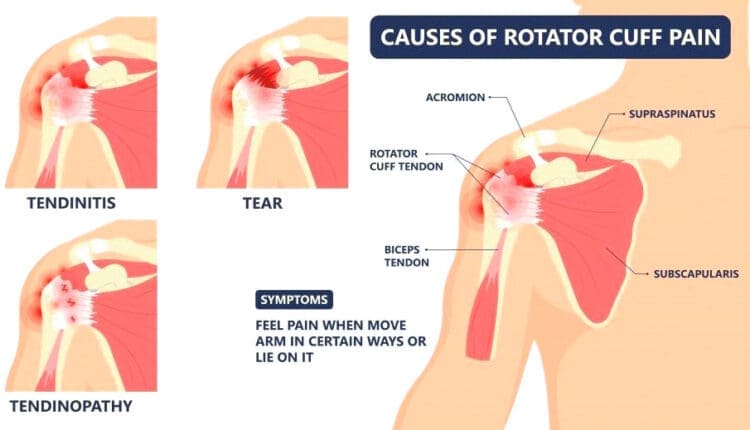
Could older individuals who do not have symptoms of shoulder pain or loss of shoulder and arm function have a rotator cuff tear?
Rotator Cuff Tear Physical Therapy
A rotator cuff tear is a common injury to the four muscles and tendons surrounding and stabilizing the shoulder joint. Studies have shown that (Geary M. B., & Elfar J. C. 2015)
30% of those under the age of 70
70% of those over age 80 have a rotator cuff tear.
Physical therapy is often recommended as a first-line initial treatment for rotator cuff pain. In most cases, a rotator cuff tear will not need surgical treatment. Determining when surgery is necessary depends on several factors a patient can discuss with their healthcare provider.
Causes
Overuse and repetitive motions
Trauma (e.g., falls, collisions)
Age-related degeneration
Symptoms
Shoulder pain, especially with overhead or rotational movements
Weakness and difficulty raising the arm
Clicking or grinding sounds in the shoulder
Limited range of motion
Treatment
The goal of physical therapy for a rotator cuff tear is not necessarily to heal the torn tendon but to relieve pain and improve strength by reducing inflammation and restoring shoulder joint mechanics. This is achieved through physical therapy, ice application, anti-inflammatory treatments like medications, and cortisone injections.
Physical Therapy
The goal of physical therapy is to improve the function of the muscles that surround the shoulder. Physical therapy targets the smaller muscles around the shoulder that are commonly neglected. By strengthening these muscles, the treatment can help compensate for damaged tendons and improve the mechanics of the shoulder joint. A chiropractic physical therapy team will develop a personalized exercise program. Generally, rehabilitation will start with gentle range of motion exercises that can be accomplished using the arms to lift a mobility stick/wand overhead.
Shoulder Pulleys
These improve shoulder range of motion and flexibility.
Isometric Exercises
These exercises are for the rotator cuff muscles and may then be started.
This exercise can improve the contracting of the muscles around the shoulder and offer more support to the shoulder joint.
Scapular Stabilization Exercises
These can also be done to improve the muscles surrounding the shoulder blade’s function.
This can help improve how the shoulder joint, arm, and scapulae move together when using the arm.
Advanced Strengthening
Advanced exercises can be done with a dumbbell or resistance band.
Consult your healthcare provider or physical therapist before starting these or any other exercises for a rotator cuff tear. Doing exercises correctly prevents further pain, injury, or shoulder problems. Specific, focused exercises can help expedite and regain normal shoulder function.
Injury Medical Chiropractic and Functional Medicine Clinic
The prognosis for rotator cuff tears depends on the severity of the tear and the individual’s overall health. With proper treatment, most people can regain the full function of their shoulders. However, some may experience ongoing pain or limitations in severe cases. Injury Medical Chiropractic and Functional Medicine Clinic works with primary healthcare providers and specialists to build optimal health and wellness solutions. We focus on what works for you to relieve pain, restore function, prevent injury, and help mitigate issues through adjustments that help the body realign itself. They can also work with other medical professionals to integrate a treatment plan to resolve musculoskeletal problems.
Shoulder Pain Chiropractic Treatment
References
Geary, M. B., & Elfar, J. C. (2015). Rotator Cuff Tears in the Elderly Patients. Geriatric orthopaedic surgery & rehabilitation, 6(3), 220–224. https://doi.org/10.1177/2151458515583895
Could incorporating standing lumbar flexion exercise into a daily routine help decrease pain and improve overall spinal mobility for individuals with low back pain?
Standing Lower Back Flexion Exercise
A chiropractic physical therapy team visit can help determine which exercises are best for an individual’s injury or condition and teach them what to stop doing if they have low back pain. Exercise and proper posture can decrease discomfort and improve mobility for individuals with low back pain. (Suh, J. H. et al., 2019) Sometimes, exercises that bend backward are recommended, while other times, flexion or forward bending movements are the best way to manage lower back pain. Many find the standing Williams lumbar flexion exercises maneuver helpful for low back pain. (Amila A, Syapitri H, Sembiring E. 2021)
Benefits
Individuals with certain diagnoses may benefit from spinal flexion. These diagnoses include:
Be sure to speak with a healthcare provider to understand the diagnosis and low back symptoms, and work with a physical therapist to be sure that forward flexion of the spine is the correct exercise for your back.
When To Avoid Lumbar Flexion
Some should avoid excessive forward bending, which could cause further damage or injury to the spine. Reasons to avoid flexion include:
Neurological signs such as difficulty urinating or controlling bowel movements (Howell E. R. 2012)
Before starting this or any other exercise program for your spine, check with a healthcare provider or physical therapist.
How to Perform
Gradually progressing with other gentle lumbar flexion exercises before full-standing lumbar flexion is recommended. These include performing a week or two of lumbar flexion lying down, followed by a couple weeks of lumbar flexion seated. Once these exercises are easy to perform and pain-free, progress with lumbar flexion standing postures.To perform, follow these steps:
Stand with your feet shoulder-width apart.
Slowly bend forward by sliding your hands down the front of your thighs.
Reach down as far as possible and let your lower back bend forward.
Grab your ankles and gently pull into more forward flexion to increase the backstretch.
Hold the end position for a second or two, then slowly return to the starting position.
As you exercise, be sure to monitor changes in symptoms. Pain worsening in the back or traveling down your leg indicates that you should stop the exercise (Spine-health, 2017). If the pain decreases in your leg or centralizes to your back, continue the exercise. Standing lumbar flexion can be repeated for 10 repetitions a couple of times daily. It can help decrease low back or leg pain symptoms and stretch tight hamstrings and back muscles. (Montefiore Pediatric Orthopedic and Scoliosis Center, 2003)
Injury Medical Chiropractic and Functional Medicine Clinic
Exercise can also prevent future lower back problems. Standing back flexion, postural correction, regular physical activity, and exercise are tools for keeping the spine healthy. Injury Medical Chiropractic and Functional Medicine Clinic works with primary healthcare providers and specialists to build optimal health and wellness solutions. We focus on what works for you to relieve pain, restore function, prevent injury, and help mitigate issues through adjustments that help the body realign itself. They can also work with other medical professionals to integrate a treatment plan to resolve musculoskeletal problems.
What Causes Disc Herniation?
References
Suh, J. H., Kim, H., Jung, G. P., Ko, J. Y., & Ryu, J. S. (2019). The effect of lumbar stabilization and walking exercises on chronic low back pain: A randomized controlled trial. Medicine, 98(26), e16173. https://doi.org/10.1097/MD.0000000000016173
Amila A, Syapitri H, Sembiring E. (2021). The effect of William Flexion Exercise on reducing pain intensity for elderly with low back pain. Int J Nurs Health Serv., 4(1), 28-36. https://doi.org/https://doi.org/10.35654/ijnhs.v4i1.374
Lurie, J., & Tomkins-Lane, C. (2016). Management of lumbar spinal stenosis. BMJ (Clinical research ed.), 352, h6234. https://doi.org/10.1136/bmj.h6234
Sfeir, J. G., Drake, M. T., Sonawane, V. J., & Sinaki, M. (2018). Vertebral compression fractures associated with yoga: a case series. European journal of physical and rehabilitation medicine, 54(6), 947–951. https://doi.org/10.23736/S1973-9087.18.05034-7
Howell E. R. (2012). Conservative management of a 31 year old male with left sided low back and leg pain: a case report. The Journal of the Canadian Chiropractic Association, 56(3), 225–232.
Spine-health. (2017). Exercise with lower back pain: Should you work through the pain? Spine-health
Knowledge from Veritas. https://www.spine-health.com/blog/exercising-lower-back-pain-should-you-work-through-pain
Montefiore Pediatric Orthopedic and Scoliosis Center. Center, M. P. O. a. S. (2003). Low Back Strain. https://www.cham.org/File%20Library/Global%20Navigation/Expertise%20And%20Programs/Pediatric%20Expertise/Orthopedics/Monte-LOW-BACK-STRAIN-WITH-EXERCISES.pdf
Could individuals who are having headaches with neck pain need emergency treatment or need to get started with sustained physical therapy?
Headaches and Neck Pain
Headaches and neck pain are two very common symptoms. They often occur together and signal common health issues, including fatigue, sinus headaches, and migraines. The combination can also occur due to serious health issues such as a concussion or meningitis. Causes of headaches with neck pain range from various causes, such as not getting enough sleep, having the neck in an awkward position, or having a hangover, to life-threatening issues like fluid buildup in the brain. It is recommended that individuals see a healthcare provider as soon as possible to rule out any life-threatening issues. Discuss the symptoms of neck pain with headache, what can cause these symptoms, and discuss treatment and prevention.
Symptoms
Symptoms are similar to what they feel like when they occur alone. Headache can present as:
A feeling of fullness in the head
Head soreness
Sharp head pain
Throbbing head pain
Pounding head pain
Neck pain can present as:
Pain in the back of the neck
Pain and/or aching of the upper back and/or shoulders
Associated Symptoms
Additional symptoms are common. Symptoms associated with headaches and neck pain include:
Neck stiffness
Trouble concentrating
Exhaustion or sleepiness
Aching throughout the body
Nausea
Dizziness
Vertigo – feeling like the room is spinning.
Photophobia – discomfort when looking at bright lights.
A feeling of numbness or tingling down the arm
Generally, associated symptoms suggest a more severe cause and can help a healthcare provider make a diagnosis.
Emergency Help
New symptoms of headache or neck pain can indicate a serious condition. If you develop these symptoms together, get prompt medical attention.
Causes
There are a variety of medical conditions that can cause headaches and neck pain. Both of these conditions are caused by irritation of sensory nerve fibers. Sometimes, head or neck pain can spread to other areas because the sensory nerves of these structures are so close together. (Côté P. et al., 2019) Additionally, a medical condition like an infection can affect the other due to proximity. Causes of headaches with neck pain include:
Headaches
Sinus headaches, tension headaches, and cervicogenic headaches are usually associated with head pain, but they can also involve neck pain. (Côté P. et al., 2019)
Migraine
Migraines are commonly associated with headaches and often cause neck pain as well.
In addition, they can cause nausea and body aches.
Fatigue
Being tired commonly leads to temporary headaches and neck pain until thorough rest is achieved.
Alcohol Consumption and/or a Hangover
For many, drinking can trigger a headache.
This is a common migraine trigger, but it can also trigger headaches for those who don’t have migraines.
Muscle Strain
Prolonged or recurrent positions that strain the neck muscles, like lifting or sitting at a desk, can cause aching or pain that involves both the head and neck. (Houle M. et al., 2021)
Injuries
Trauma such as whiplash or falling can cause soreness in the head and neck.
Bruises or other injuries may be present.
Severe injuries can cause damage to the skull, brain, spine, spinal nerves, or spinal cord.
Concussion
A concussion often causes trouble concentrating, persistent headaches, and neck pain.
Usually, these symptoms improve within a few weeks after a mild concussion.
Meningitis
Inflammation or infection of the lining around the brain and spinal cord causes pain or tenderness in the head, back, and neck.
Neck stiffness and fever are commonly associated symptoms.
Pinched Nerve
Arthritis is a common cause of pressure on spinal nerves.
A pinched nerve in the upper spine can cause pain in the head and neck and tingling down the arm.
Herniated Disc
Degenerative arthritis or trauma can cause a spinal disc to press on a nerve and possibly on the spinal cord.
This may cause loss of sensation or weakness of the arm.
Subarachnoid Hemorrhage
This is a serious condition caused by bleeding of a blood vessel in the brain.
Irritation and inflammation can cause severe head and neck pain, possibly with seizures and loss of consciousness.
Hydrocephalus
Fluid can accumulate around the brain, causing pain-inducing pressure.
Causes include obstruction of cerebrospinal fluid flow due to brain tumors, brain infections, or congenital malformations. (Langner S. et al., 2017)
Increased Intracranial Pressure
Pressure on the brain and the brain’s blood vessels can cause pain.
Causes of pressure within the skull include hydrocephalus, head trauma, brain tumors, or swelling from a stroke.
Severe cases can cause lethargy or loss of consciousness.
Brain or Spine cancer
Cancer of the brain or within the spine can cause pain affecting the head and neck, often with other symptoms, like loss of vision.
Treatment
Talk to a healthcare provider about the following treatments. Treating headaches with neck pain includes methods that address symptoms and methods that treat the underlying cause. The medications used for headaches with neck pain often reduce both symptoms, but this depends on the cause. Treatments that can relieve both headaches and neck pain when they occur together include:
Getting proper sleep to alleviate fatigue.
Rest and rehabilitation after a concussion or another injury.
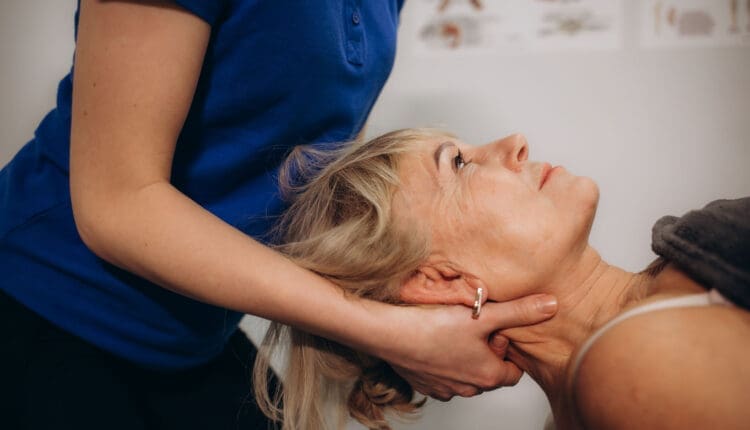
Physical therapy to keep muscles flexible and relaxed.
Fluids for meningitis treatment and antibiotics for bacterial meningitis.
Surgical procedures for a tumor or subarachnoid hemorrhage.
A surgical procedure to relieve hydrocephalus.
Headache Treatment
You can do a few things to relieve your headaches, and although they won’t directly take away your neck pain, your headache relief might also decrease your neck pain. These include:
Avoiding loud noises
Cranial massage
Applying gentle cranial pressure
Avoiding bright lights as much as possible
Using specialized migraine sunglasses
Neck Pain Treatment
Some treatments that can specifically treat neck pain include:
Injury Medical Chiropractic and Functional Medicine Clinic
Knowing whether a serious problem is causing headaches and neck pain can be difficult. The more dangerous conditions don’t necessarily cause more severe pain. This is why getting medical attention is crucial if you have these symptoms together. If you frequently have both headaches and neck pain, it can have a substantial impact on your quality of life. There are ways to manage the symptoms, including preventative measures such as physical therapy, exercises, and avoiding triggers. Injury Medical Chiropractic and Functional Medicine Clinic works with primary healthcare providers and specialists to build optimal health and wellness solutions. We focus on what works for you to relieve pain, restore function, prevent injury, and help mitigate issues through adjustments that help the body realign itself. They can also work with other medical professionals to integrate a treatment plan to resolve musculoskeletal problems.
Tension Headaches
References
Côté, P., Yu, H., Shearer, H. M., Randhawa, K., Wong, J. J., Mior, S., Ameis, A., Carroll, L. J., Nordin, M., Varatharajan, S., Sutton, D., Southerst, D., Jacobs, C., Stupar, M., Taylor-Vaisey, A., Gross, D. P., Brison, R. J., Paulden, M., Ammendolia, C., Cassidy, J. D., … Lacerte, M. (2019). Non-pharmacological management of persistent headaches associated with neck pain: A clinical practice guideline from the Ontario protocol for traffic injury management (OPTIMa) collaboration. European journal of pain (London, England), 23(6), 1051–1070. https://doi.org/10.1002/ejp.1374
Houle, M., Lessard, A., Marineau-Bélanger, É., Lardon, A., Marchand, A. A., Descarreaux, M., & Abboud, J. (2021). Factors associated with headache and neck pain among telecommuters – a five days follow-up. BMC Public Health, 21(1), 1086. https://doi.org/10.1186/s12889-021-11144-6
Langner, S., Fleck, S., Baldauf, J., Mensel, B., Kühn, J. P., & Kirsch, M. (2017). Diagnosis and Differential Diagnosis of Hydrocephalus in Adults. Diagnostik und Differenzialdiagnostik des Hydrozephalus beim Erwachsenen. RoFo : Fortschritte auf dem Gebiete der Rontgenstrahlen und der Nuklearmedizin, 189(8), 728–739. https://doi.org/10.1055/s-0043-108550
Petersen, S. M., Jull, G. A., & Learman, K. E. (2019). Self-reported sinus headaches are associated with neck pain and cervical musculoskeletal dysfunction: a preliminary observational case-control study. The Journal of manual & manipulative therapy, 27(4), 245–252. https://doi.org/10.1080/10669817.2019.1572987
IFM's Find A Practitioner tool is the largest referral network in Functional Medicine, created to help patients locate Functional Medicine practitioners anywhere in the world. IFM Certified Practitioners are listed first in the search results, given their extensive education in Functional Medicine