The hands are a magnificent piece of work. Its intricate design and functional form follow the hand. However, any injury to the underlying structures of the hand can overlap with other injuries/conditions. Even the smallest hand injuries require a proper medical examination. The objective is a quick and accurate initial evaluation along with treatment. Early treatment is done quickly to minimize short and long-term effects.
Anatomy
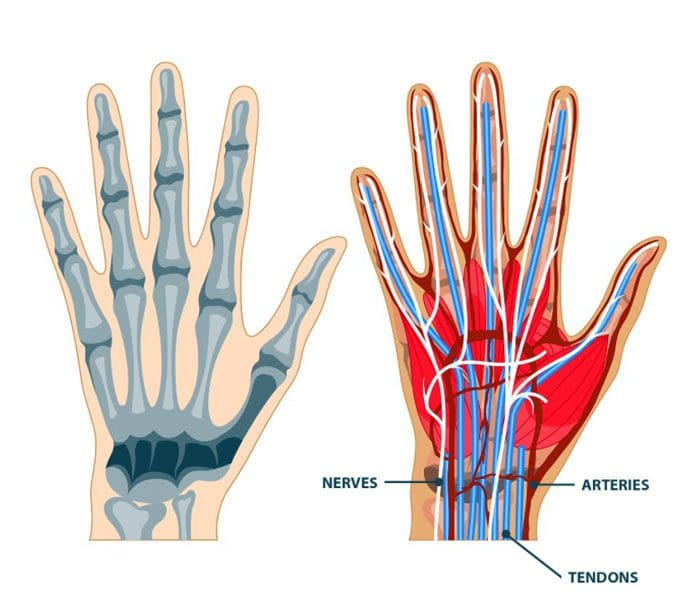
The hand consists of 27 bones that include 8 bones in the wrist. If the associated structures:
Nerves
Arteries
Veins
Muscles
Tendons
Ligaments
Joint cartilage
Fingernails
Get injured or damaged in some way; there is increased potential for various injuries.
Causes
The most common cause of injury/s is blunt trauma, followed by injury from a sharp object. Hand injuries are divided into categories:
Symptoms vary depending on the type of injury, how the injury occurred/mechanism, the depth, severity, and location. Common symptoms:
Lacerations
Tenderness
Pain
Bleeding
Numbness
Decreased range of motion
Difficulty moving
Weakness
Pale appearance
Fractures and Dislocations
Swelling
Discoloration
Tenderness
Deformity
Reduced range of motion
Numbness
Weakness
Bleeding
Soft Tissue Injuries and Amputations
Swelling
Discoloration
Tenderness
Deformity with or without tissue loss/bone loss
Bleeding
Weakness
Numbness
Infection
Tenderness
Swelling
Warmth/Heat around the area
Redness
Deformity
Reduced range of motion
Fever is rare in hand infections
Burns
Redness
Tenderness
Blistering
Complete numbness
Discoloration
Loss of tissue
The texture of the skin change
Areas of tissue blackened
Deformity
High-pressure Injection Injury
Pain
Swelling
Bleeding
Skin discoloration
Muscle, tendon, ligament tears
Cracked/Broken bones
Medical Care
Anyone with a hand injury is recommended to call a doctor or seek medical attention. When medical attention is delayed, the possibility of worsening or creating further injuries increases. Even the smallest cut or what looks like a minor injury could require advanced treatment to prevent infection or loss of function. Any cut or laceration that requires stitches to repair should also have a medical evaluation to make sure the musculoskeletal system of the hands is functioning properly. Injuries causing the following symptoms require emergency medical attention at an emergency clinic.
Severe bleeding
Severe pain
Numbness
Loss of motion
Loss of strength
Deformity
Signs of infection – tenderness, warmth/heat, redness, swelling, pus, or fever
Exposure of structures – tendons, bones, joints, arteries, veins, or nerves
Diagnosis
A medical examination can include a medical history and physical examination.
Medical History
Past medical history
Does the patient have diabetes or arthritis?
Is the patient right or left-handed?
Occupation
Extracurricular activities and hobbies
How does the patient use their hands?
How did the injury occur, mechanism of injury?
Does the patient smoke?
Physical Exam
Visual inspection look at the injury
Sensory nerve exam feeling
Vascular exam circulation of blood supply
Muscular and tendon exam movement and strength
Bone exam broken bones or dislocated joints
Tests
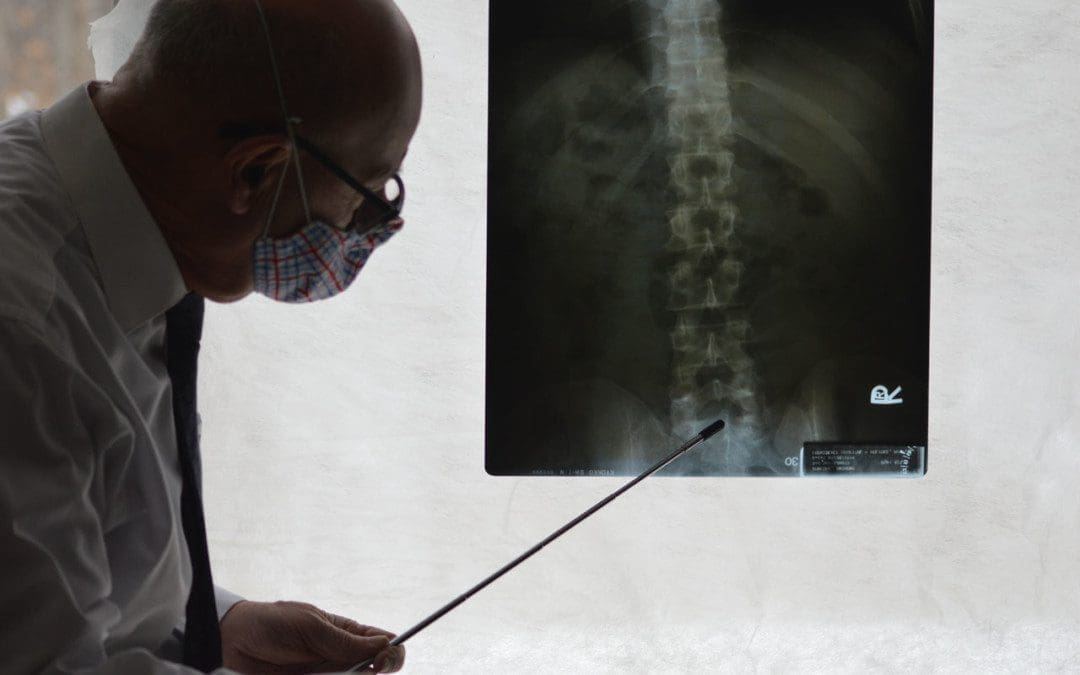
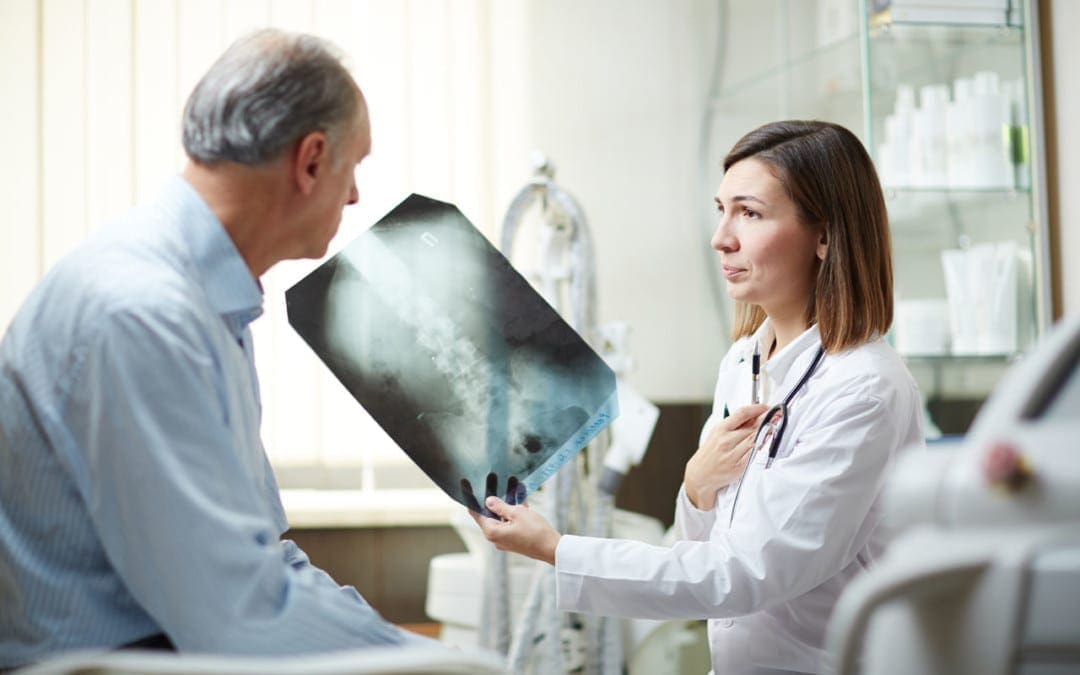
A doctor will order X-rays after the history and physical exam if necessary. Certain injuries will require imaging to identify fractures/dislocations or to rule out foreign bodies. Many types of injuries can lead to compartment syndrome. Compartment syndrome is a condition in which there is swelling and an increase in pressure within a limited space or a compartment that presses on and compromises blood vessels, nerves, and/or tendons that run through that particular area. Once the immediate injury is addressed, a personalized treatment plan can be developed .to rehabilitate the hand/s to optimal function quickly
Body Composition
Artificial Sweeteners And Muscle Gain
Artificial sweeteners don’t individuals that are trying to build lean body mass. The body needs carbs after a workout for replenishing the depleted glycogen stores. Many commercially prepared protein supplements are made with artificial sweeteners that don’t provide an adequate source of carbohydrates. If an individual consumes only protein made with sugar substitutes after a workout, they are missing essential components of post-workout recovery. A study found that supplementing with carbohydrates before and during strength training can increase performance, compared to participants that were taking the artificial sweeteners saccharin and aspartame. To properly refuel after a workout, remove the artificially sweetened protein powders and replace them with a snack packed with protein and high-quality carbohydrates. These include:
Greek yogurt
Fruit with nuts or nut butter
Hummus with whole-grain crackers
Tuna
Hard-boiled eggs
References
Banting, Joshua, and Tony Meriano. “Hand Injuries.” Journal of special operations medicine: a peer-reviewed journal for SOF medical professionals vol. 17,4 (2017): 93-96.
Fuhrer, Reto et al. “Tipps und Tricks in der Behandlung offener Handverletzungen in der Notfallpraxis” [Treatment of acute injuries of the hand]. Therapeutische Umschau. Revue therapeutique vol. 77,5 (2020): 199-206. doi:10.1024/0040-5930/a001177
Harrison, BP, and M W Hilliard. “Emergency department evaluation and treatment of hand injuries.” Emergency medicine clinics of North America vol. 17,4 (1999): 793-822, v. doi:10.1016/s0733-8627(05)70098-5
MedscapeReference.com. High-Pressure Hand Injury.
MedscapeReference.com. Soft Tissue Hand Injury Differential Diagnoses.
Siotos, C et al. “Hand injuries in low- and middle-income countries: a systematic review of existing literature and call for greater attention.” Public health vol. 162 (2018): 135-146. doi:10.1016/j.puhe.2018.05.016
Anyone from young children, adults, and the elderly can get a spinal infection. Individuals can have an infection:
In vertebral bone tissue
An intervertebral disc
The spinal canal – space where the spinal cord runs through
The spinal cord’s protective lining
These types of infections can happen anywhere along the spine, from the atlas at the base of the neck to the coccyx all the way to the lowest part of the back. Individuals should expect unpredictability if dealing with a spinal infection. During testing, lab results could be misleading or inaccurate. What can happen is white blood cell counts are normal, X-rays might not show any abnormalities, and sensitive diagnostic tests like a CT or MRI scan might not show positivity of infection for a week or more. What to know about spinal infections.
Spinal Infection Types
They are classified according to the type of tissue they infect. The most common include:
Vertebral Osteomyelitis
This is a common infection type. Bacteria most often cause the cause. It can develop after trauma to the spine, post-surgery, or bacterial infections located in other body parts that travel via the blood to the vertebra. Symptoms include:
Persistent, chronic back pain that can become severe worsens at night and becomes aggravated from moving.
The pain radiates/spreads into the arms and legs
Tingling, numbness, and burning sensations
Inflammation
Fever
Weight loss
Vomiting
Post-surgery wound drainage, redness, and swelling near the surgical site
Treatment includes:
Intravenous antibiotics
Antibiotics
Over-the-counter analgesics like nonsteroidal anti-inflammatory meds for pain relief.
Prescription pain medications
Back brace
Surgery is recommended if antibiotic treatment fails, nerve damage develops, a spinal deformity develops, or to remove infected bone and/or soft tissues.
Discitis
This type of infection develops between the intervertebral discs. It is also rare, but it is more common in children and adolescents, but it can still happen in adults. Discitis can be potentially deadly, despite advanced treatment. The most common causes are bacterial and viral infections.
Symptoms
Individuals with discitis can present with minimal symptoms when the infection initializes, but it does worsen and can cause:
Abdominal pain and discomfort
Posture changes
Mobility issues
Difficulty performing everyday tasks
Fever
Severe back pain that worsens at night or by moving
Treatment options include:
Antibiotics
Anti-inflammatory medications
Supportive devices
Rest
Steroids to alleviate inflammation in chronic and severe cases
Severe cases could require surgery to restructure areas of the affected spine to improve function and mobility
Epidural Abscess
This is an infection that can develop in the spaces between the bones of the spine, the skull, or soft tissues surrounding the brain and spinal cord. This is a medical emergency that needs to be addressed immediately. The infection is often caused by a bacterial or fungal infection in or around the affected area. This is commonly a Staphylococcus aureus bacteria. In some cases, an abscess can develop from an infection in another part of the body. This could be a urinary tract infection that spreads out to the spine. Symptoms include:
Inflammation and swelling
Mid to low back pain
Headache
Fever
Nausea and/or vomiting
Neurological weakness, numbness in the arms and legs, bowel or bladder incontinence
Walking problems
Treatment consists of intravenous antibiotics to combat the infection that caused the abscess. In some cases, if there is difficulty moving around or are experiencing numbness, then surgery is required to drain the abscess or completely remove it.
Risk Factors
Spine infections can affect anyone. However, there are individuals with certain chronic health problems that have an increased risk. They include those with:
Kidney disease
Liver disease
Auto-immune diseases
Immune systems compromised like cancer and HIV
Individuals that have undergone a spinal surgical procedure are at greater risk post-surgery
Risk factors include:
Individuals that have had a spinal infection could be more susceptible to developing another.
Age – older adults
Malnutrition
Diabetes mellitus
Obesity
Smoking
Intravenous drug use
Certain areas of the back are more prone to infection. This includes the cervical/back of the neck and the lumbar/low back.
Surgical risk factors:
Long surgical procedure
Massive loss of blood
Multiple surgeries of the same area
Diagnosis
Early diagnosis can be the difference in treating the infection before damage to the spine develops or before the damage worsens. They are diagnosed through a variety of lab and imaging tests. These include:
Various lab tests
Blood work to examine white blood cell counts and markers for inflammation
X-Rays
CT scan
MRI
Outcome
These infections are rare, but they are serious and early treatment is recommended for optimal outcomes. Early diagnosis in the early stages can be successfully treated with antibiotics, rest, and spinal braces. Doctors, spine specialists, chiropractors, and physical therapists will work with the individual to provide a thorough diagnosis, personalized treatment plan, and long-term outcomes.
Body Composition
Practice Mindfulness
Practicing mindfulness can help identify triggers of negative thoughts and behavior. Mindfulness is unique to each individual. Sitting quietly and meditating for 20 minutes is not for everyone. Instead, try a five-minute guided meditation, writing, or music listening. The best time to meditate is in the morning after waking up. This helps set the day’s objectives, what’s important and what can wait in a clear fashion. Mindfulness practice has been shown to reduce stress and feelings of anxiety.
Journaling is a great way to find out about yourself. It can be done with pencil/pen and paper, on a computer, tablet, or phone. Take a few minutes to write some ideas, feelings, emotions that can help put things in perspective. Examples could be, writing something that makes you happy/proud, something that you want to improve, and a goal. There is also mindful listening that can help reduce stress by focusing attention. Instead of turning on the news or checking email first thing, listen to a favorite podcast or music. The same applies to over-phone use. During some downtime instead of scrolling through social media, etc, take a breath and listen to your mind and self.
References
American Association of Neurological Surgeons. Spinal Infections. http://www.aans.org/Patient%20Information/Conditions%20and%20Treatments/Spinal%20Infections.aspx. Published May 2016. Accessed December 29, 2016.
Stat Pearls. (2021). Diskitis. https://www.ncbi.nlm.nih.gov/books/NBK541047/
Stat Pearls. (2021). Spinal Epidural Abscess. https://www.ncbi.nlm.nih.gov/books/NBK441890/
Frontiers in Medicine. (2014). Surgical site infections following spine surgery: eliminating the controversies in the diagnosis. https://www.frontiersin.org/articles/10.3389/fmed.2014.00007/full
Microorganisms. (2020). Spinal Infections: An Update. https://www.ncbi.nlm.nih.gov/pmc/articles/PMC7232330/
The Spine Journal. (2021.) “Long term quality of life outcome after spondylodiscitis treatment.” https://www.thespinejournalonline.com/article/S1529-9430(21)00783-X/fulltext
Individuals that go through severe low back pain caused by degeneration, herniated discs, vehicle, personal, work, and sports injuries, surgery, or spinal fusion is usually a last resort if non-invasive treatments fail to provide relief or not enough relief. Patients try to avoid spinal fusion because it can be an intense experience and requires a year-long recovery period. Unfortunately, individuals still experience discomfort and pain after surgery. Do individuals want to know what other treatment options are available, including chiropractic care?
Doctors will inform post-op patients of the risks involved with chiropractic therapy. However, chiropractic medicine can bring natural pain relief after surgery. Chiropractic treatment requires that an individual be adequately or fully healed before beginning a personalized treatment plan. At Injury Medical Chiropractic and Functional Medicine Clinic, we consult patients post-surgery about the effectiveness of rehabilitation spinal adjustments and physical therapy massage.
Wait Time After Surgery
Spinal fusion surgery involves removing the discs between two or more vertebrae and fusing the bones with metal screws and plates. The objective is to correct conditions like herniated discs and degenerative diseases by immobilizing the spine in that area. It can take at least three months for the vertebrae to fuse for a fully immobilized graft. Once the graft is complete, a few months of physical therapy are recommended to loosen/stretch and strengthen the muscles around the graft. Initial recovery combined with physical therapy typically takes a full year for a complete recovery.
It is during recovery where it can be difficult and for discomfort and pain to present. The reason is patients are recommended to avoid any twisting, bending, over-reaching motions, or the graft could break. This can make an individual take on awkward poses/postures, flexing and contracting muscles incorrectly, causing strain. The result is added discomfort and/or pain.
How Chiropractic Helps
Spinal fusion is not guaranteed to alleviate an individual’s back pain completely. But many do experience discomfort or pain post-surgery. This could be for a little while or longer, depending on their condition or injuries. Fortunately, chiropractic treatment can help bring pain relief through mobilization, manipulation, and massage techniques. Manipulations’ objective is to adjust and/or realign the bones of the spine and other areas of the body. Because of the intricacy of spinal manipulations, many who have undergone back or spinal fusion surgery are hesitant to seek chiropractic treatment. Discuss possible chiropractic care with your physician to determine if the surgical graft is strong enough to withstand spinal manipulations. If the graft is adequately/fully healed and your physician believes it can endure mild adjustments, reach out to a chiropractor to discuss a customized treatment plan.
Body Composition Testing
Poor Leg Skeletal Muscle Mass
The gluteal muscles or buttock muscles are the largest muscle group in the body. Individuals can start losing bone density by their 30s. This increases the risk of injury and further bone density loss. Bone density loss is a natural process, but the process can be accelerated for individuals with under-developed skeletal muscle mass. The health of muscles and bones are closely linked. Researchers found that individuals with less muscle mass than average for their height tended to have narrower and thinner bones. This resulted in limited lower bending strength.
Decreased muscle mass was shown to be linked to balance problems and increased risk of falls. There is a higher prevalence of sarcopenia or muscle wasting for patients with hip fractures and a reduction of leg muscle mass. The combination of:
Low muscle mass
Low bone density
Hip fractures
It can have lifelong consequences
References
Fernandez, Matthew et al. “Surgery or physical activity in the management of sciatica: a systematic review and meta-analysis.” The European spine journal: official publication of the European Spine Society, the European Spinal Deformity Society, and the European Section of the Cervical Spine Research Society vol. 25,11 (2016): 3495-3512. doi:10.1007/s00586-015-4148-y
Keller, Glenda. “The effects of massage therapy after decompression and fusion surgery of the lumbar spine: a case study.” International journal of therapeutic massage & bodywork vol. 5,4 (2012): 3-8. doi:10.3822/ijtmb.v5i4.189
O’Shaughnessy, Julie et al. “Chiropractic management of patients post-disc arthroplasty: eight case reports.” Chiropractic & osteopathy vol. 18 7. 21 Apr. 2010, doi:10.1186/1746-1340-18-7
Perrucci, Rachel M, and Christopher M Coulis. “Chiropractic management of post-spinal cord stimulator spine pain: a case report.” Chiropractic & manual therapies vol. 25 5. 6 Feb. 2017, doi:10.1186/s12998-017-0136-0
Szulc, Pawel et al. “Low skeletal muscle mass is associated with poor structural parameters of bone and impaired balance in elderly men–the MINOS study.” Journal of bone and mineral research: The American Society for Bone and Mineral Research vol. 20,5 (2005): 721-9. doi:10.1359/JBMR.041230
Many doctors/surgeons rely on the widely adopted lumbar spinal fusion. However, experts have asserted that lumbar total disc replacement or TDR should be made available and increased for treating degenerative disc disease and other spinal conditions. Individuals interested in total disc replacement, the ability to have it done, and if insurance will pay? What to know about TDR and fusion before deciding and moving forward.
Total Disc Replacement
Spinal fusion has been the traditional approach for relieving lower back pain. In this procedure, a bone graft is inserted between two or more vertebrae. This eliminates movement that causes pain or could be dangerous to the individual. Total disc replacement demands more on a technical level than spinal fusion. However, the worn-out, injured, or damaged disc is fully replaced, even a completely degenerated disc, with a metal and/or plastic one. Benefits from lumbar TDR surgery include:
Shown to be a safe procedure with minimal complications
Significant improvement in health and quality of life
High rates of successful outcomes
Mobility is preserved
Who Needs Disc Replacement?
Low back problems affect more than a third of the population. This can come from:
Personal
Work
Sports
Automobile injuries
Aging
All are risk factors
Fusion or Total disc replacement
Fusion reduces and eliminates motion around the affected area which also changes with the spine’s mechanics. It can also place increased stress on the surrounding segments. However, the lack of motion is to eliminate the pain. Total disc replacement does increase mobility, but it can’t fully relieve the pain. It can relieve pain generated from the disc but not from other causes. TDR has been shown to:
Provides motion preservation
Reduces staying at the hospital
Provides long-term durability
Lower reoperation rates compared to fusion
Total disc replacement issues:
The procedure is more time-consuming
A lot of time making decisions
A lot of time preparing
An example could be the patient has a narrow disc space. Looking at the X-rays of the discs above and below, the surgeon has to make sure they choose the right size. Next, the narrow space needs to be mobilized back to a normal height that cannot be too high or too short. Finally, the surgeon has to make sure that the disc is anchored and fits properly.
Why Surgeons Still Choose Fusion?
Despite the benefits, there are reasons why surgeons still choose fusion.
There are strict rules as to when TDR can be used. This means insurers are prone only to approve fusion procedures.
The surgical technique is challenging. TDR surgery is a highly demanding procedure. As a result, many doctors specializing in fusion for 20 years or more can be reluctant to perform the procedure.
Complications and revision surgeries. Reoperations are sometimes necessary, but this happens in both fusion and TDR.
Individual Needs
Fortunately, most individuals with lower back problems never need total disc replacement. And those that do have severe pain/conditions are recommended to try non-invasive/surgical treatment. This ranges from:
Chiropractic
Physical therapy
Massage
Imaging and lab tests will be required. However, if an operation is necessary, ask questions about both procedures. For example, if a surgeon insists that fusion is the only option, ask why total disc replacement is not an option?
Body Composition Testing
Protein and Weight Loss
Protein is one of three basic macronutrients found in food. Proteins are made up of smaller units called amino acids. There are 22 amino acids, with 9 of these being essential. This means the body needs them, as the body cannot produce them. These essential amino acids can be obtained by eating protein-rich foods like:
Eggs
Meat
Fish
Vegetarian/vegan options include:
Nuts
Seeds
Beans
Tofu
Generally, all the essential amino acids cannot be obtained from just one food. Therefore it is recommended to eat a variety of animal and plant-based proteins. Protein is in almost every structure and function of the body.
Antibodies
These proteins fight off any infections, bacteria, etc.
Repair, maintenance, and structural
Proteins are the building blocks of the body’s muscles, bones, skin, and hair.
Hormones
Chemical messenger proteins are how cells and organs communicate. For example, Growth Hormone affects muscle gain and fat loss.
Enzymes
Not all proteins are enzymes; however, all enzymes are proteins. These proteins are catalysts or starters for chemical reactions in the body.
Transportation and storage
Some proteins carry molecules where they are needed. For example, hemoglobin or the red blood cells carry oxygen to cells, then transport carbon dioxide away.
Not getting enough protein in one’s diet can have serious consequences on the body’s health. Without enough protein, the muscles can begin to atrophy or waste away, taking Lean Body Mass, strength, and energy away as well.
The information herein is not intended to replace a one-on-one relationship with a qualified healthcare professional or licensed physician and is not medical advice. We encourage you to make your own health care decisions based on your research and partnership with a qualified health care professional. Our information scope is limited to chiropractic, musculoskeletal, physical medicines, wellness, sensitive health issues, functional medicine articles, topics, and discussions. We provide and present clinical collaboration with specialists from a wide array of disciplines. Each specialist is governed by their professional scope of practice and their jurisdiction of licensure. We use functional health & wellness protocols to treat and support care for the injuries or disorders of the musculoskeletal system. Our videos, posts, topics, subjects, and insights cover clinical matters, issues, and topics that relate to and support, directly or indirectly, our clinical scope of practice.* Our office has made a reasonable attempt to provide supportive citations and has identified the relevant research study or studies supporting our posts. In addition, we provide copies of supporting research studies available to regulatory boards and the public upon request.
We understand that we cover matters that require an additional explanation of how it may assist in a particular care plan or treatment protocol; therefore, to further discuss the subject matter above, please feel free to ask Dr. Alex Jimenez or contact us at 915-850-0900.
Salzmann, Stephan N et al. “Lumbar disc replacement surgery-successes and obstacles to widespread adoption.” Current reviews in musculoskeletal medicine vol. 10,2 (2017): 153-159. doi:10.1007/s12178-017-9397-4
Hopkins overview of Lumbar TDR (for consumers) https://www.hopkinsmedicine.org/health/treatment-tests-and-therapies/lumbar-disk-replacement
“Comparison of Lumbar Total Disc Replacement With Surgical Spinal Fusion for the Treatment of Single-Level Degenerative Disc Disease: A Meta-Analysis of 5-Year Outcomes From Randomized Controlled Trials”, Zigler J, et al., Global Spine Journal, June 2018, PMC602295 https://www.ncbi.nlm.nih.gov/pmc/articles/PMC6022955/
“Overview of Lumbar TDR” (for consumers); Johns Hopkins Medical Center https://www.hopkinsmedicine.org/health/treatment-tests-and-therapies/lumbar-disk-replacement
Chiropractic treatment and physical therapy are treatment methods/approaches that are conservative, non-invasive, and are both practical options. Both address health concerns, like various types of pain, automobile, work, sports, and personal injuries. Both are focused on helping individuals achieve long-term results and maintain health.
Chiropractic and physical therapy are usually done in combination, as they complement one another. There are benefits and similarities between the two treatment options. Here are some general guidelines to decide which treatment option is best for your needs.
Primary symptoms
Chiropractors are known for the ability to provide quick relief to individuals dealing with pain and stiffness in the joints, particularly the spine. They are experts in spinal realignment and proper posture. If flexibility is limited or the joints are locking up, a chiropractor is the recommended choice.
Physical therapists or PTs are the experts in body biomechanics and soft tissue injuries. If an individual finds themselves moving differently because of pain or injury, training and exercise will help movement and maximum recovery.
Treatment style
Chiropractors follow a meticulous expert-based protocol for achieving the best results. They provide a hands-on approach to treatment that requires regular follow-ups and maintenance. This is an approach that some individuals prefer. Physical therapy treatment/rehabilitation programs are typically short-term. The average treatment usually lasts only 12 weeks. A physical therapist’s primary objective is to provide a fundamental understanding of how to move properly and self-manage symptoms for the long term. This usually includes a balanced exercise program.
Insurance coverage
Insurance plans vary in what is covered. The first step is to see what an individual’s insurance will cover. Benefits can be found online or by calling a representative to see how to get the care/treatment needed. Most plans cover some form of physical therapy. Chiropractic is also usually covered by insurance providers. Skipping the insurance can also be done with chiropractic clinics providing affordable options.
Options
There is no clear-cut answer as to which to see. A physical therapist or chiropractor. Individuals should follow a doctor’s recommendations as to which treatment type would benefit them. If no recommendations have been given then take a look at a clinic’s website to see what they are about. Fortunately, many chiropractic clinics include physical therapists as part of their medical team. Both chiropractic and physical therapists provide dynamic benefits for increasing and maintaining overall health.
Body Composition
Hydration Guidelines
Drink according to thirst
The body knows when it needs water. Therefore drink when you are thirsty, not before. An adequate fluid intake should be timed according to feelings of thirst.
Estimate hourly sweat loss
Those that exercise or engage in regular physical activities for prolonged periods should weigh themselves before engaging in the exercise/activity. Then drink according to thirst as the event goes on, then weigh yourself after the activity. The goal is to maintain the same weight or be slightly less. If an individual weighs more than what they drank, then they drank too much.
Excess water consumption
If an individual is not thirsty, the recommendation is to not drink water in excess. Nausea and even vomiting could ensue. A simple indicator to determine if enough water is being consumed is to check urine color. If it is colorless or slightly yellow then an individual is drinking enough water.
Disclaimer
The information herein is not intended to replace a one-on-one relationship with a qualified health care professional, licensed physician, and is not medical advice. We encourage you to make your own health care decisions based on your research and partnership with a qualified health care professional. Our information scope is limited to chiropractic, musculoskeletal, physical medicines, wellness, sensitive health issues, functional medicine articles, topics, and discussions. We provide and present clinical collaboration with specialists from a wide array of disciplines. Each specialist is governed by their professional scope of practice and their jurisdiction of licensure. We use functional health & wellness protocols to treat and support care for the musculoskeletal system’s injuries or disorders. Our videos, posts, topics, subjects, and insights cover clinical matters, issues, and topics that relate to and support, directly or indirectly, our clinical scope of practice.* Our office has made a reasonable attempt to provide supportive citations and has identified the relevant research study or studies supporting our posts. We provide copies of supporting research studies available to regulatory boards and the public upon request. We understand that we cover matters that require an additional explanation of how it may assist in a particular care plan or treatment protocol; therefore, to further discuss the subject matter above, please feel free to ask Dr. Alex Jimenez or contact us at 915-850-0900.
Dr. Alex Jimenez DC, MSACP, CCST, IFMCP, CIFM, CTG* email: [email protected] phone: 915-850-0900 Licensed in Texas & New Mexico
References
American Association of Physical Therapists. www.apta.org
Cherkin, D C et al. “A comparison of physical therapy, chiropractic manipulation, and provision of an educational booklet for the treatment of patients with low back pain.” The New England journal of medicine vol. 339,15 (1998): 1021-9. doi:10.1056/NEJM199810083391502
Fritz, Julie M. “Physical therapy in a value-based healthcare world.” The Journal of orthopaedic and sports physical therapy vol. 42,1 (2012): 1-2. doi:10.2519/jospt.2012.0101
Shrier I. Does stretching help prevent injuries? Evidence-based Sports Medicine. Williston, VT: BMJ Books; 2002.
Individuals are realizing the enhancements that chiropractic produces along with lifestyle adjustments. Chiropractic is about total body health. This includes:
Alleviating pain from injuries and musculoskeletal conditions
Reversing low energy levels
Healthy lifestyle adjustment support
Neck Pain
Back Pain
Chronic Pain
Herniated Disc/s
Headaches
Migraines
Sciatica
Sports Injuries
Healthy living and regular chiropractic adjustments will elevate the body’s health to new levels.
Chiropractic unlocks the body’s potential
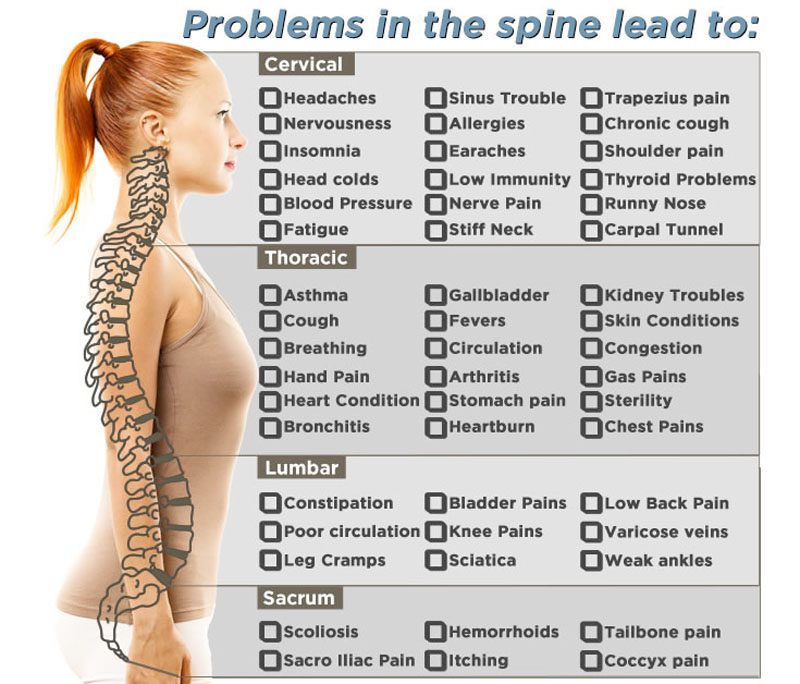
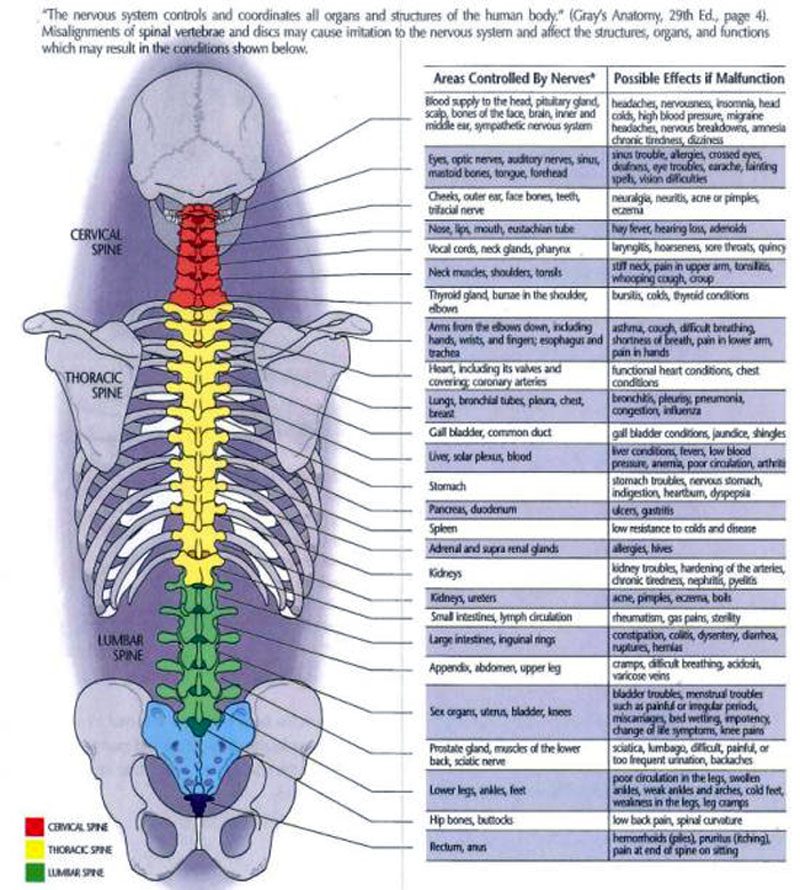
Getting to the root cause of any symptoms that are presenting and addressing themis essential before the body can be at its optimum. A common root cause of pain, low energy, and various general health complaints is spinal misalignment. Poor spinal alignment leads to poor nerve energy flow and poor blood circulation. When the body and nervous system function incorrectly, there is interference with the body’s ability to process normal functions that leads to various forms of dysfunction. A chiropractor can recognize the smallest of changes in the spine that could be affecting the body’s health.
Good Health to Optimal Health
Restoring spinal alignment is the first step in improving body health. If condition/s are present, first the pain will need to be reduced and under management, then the energy can be increased. A chiropractor will recommend lifestyle adjustments to start building a routine to take good health to optimal health. Recommendations include:
Physical Activity/Exercise
Regular physical activity/exercise for weight management, building muscle and maintaining balance. Specific exercises could be recommended for spinal alignment and core strength reinforcement.
Health Coaching/Diet
The nutrients consumed can have positive and negative effects on the body’s ability to function and heal. A health coach and nutritionist can recommend a nutrition plan that will elevate the body’s health to new levels, increasing energy and helping with weight loss if it is necessary.
Stress management techniques
Stress is a major player when it comes to poor health. Chiropractic can help develop techniques and strategies to manage stress and reduce the strain on the body’s systems. This could include sleep hygiene, mindfulness, and more.
Neutral spine training
Healthy posture is highly neglected during daily activities, especially when sitting or lying down. A chiropractor will educate the individual on how to hold the spine and posture optimally to reduce awkward positions and unnecessary strain.
Consult a Chiropractic Provider
When making lifestyle changes, a vital component is learning how to incorporate the new adjustments consistently. This encourages the adjustment into becoming a healthy habit that can maintain optimal body health.
Body Composition
Reducing stress levels
There are various techniques that support relaxation, and help turn off the stress response. Here are a few science-backed options:
Stress-related eating is associated with an increased craving for calorie-dense and highly palatable/tasty usually unhealthy foods. When stress rises, food cravings rise triggering fat gain.
Disclaimer
The information herein is not intended to replace a one-on-one relationship with a qualified health care professional, licensed physician, and is not medical advice. We encourage you to make your own health care decisions based on your research and partnership with a qualified health care professional. Our information scope is limited to chiropractic, musculoskeletal, physical medicines, wellness, sensitive health issues, functional medicine articles, topics, and discussions. We provide and present clinical collaboration with specialists from a wide array of disciplines. Each specialist is governed by their professional scope of practice and their jurisdiction of licensure. We use functional health & wellness protocols to treat and support care for the musculoskeletal system’s injuries or disorders. Our videos, posts, topics, subjects, and insights cover clinical matters, issues, and topics that relate to and support, directly or indirectly, our clinical scope of practice.* Our office has made a reasonable attempt to provide supportive citations and has identified the relevant research study or studies supporting our posts. We provide copies of supporting research studies available to regulatory boards and the public upon request. We understand that we cover matters that require an additional explanation of how it may assist in a particular care plan or treatment protocol; therefore, to further discuss the subject matter above, please feel free to ask Dr. Alex Jimenez or contact us at 915-850-0900.
Dr. Alex Jimenez DC, MSACP, CCST, IFMCP, CIFM, CTG* email: [email protected] phone: 915-850-0900 Licensed in Texas & New Mexico
References
Hawk, Cheryl et al. “Best Practices for Chiropractic Management of Patients with Chronic Musculoskeletal Pain: A Clinical Practice Guideline.” Journal of alternative and complementary medicine (New York, N.Y.) vol. 26,10 (2020): 884-901. doi:10.1089/acm.2020.0181
Walsh, Roger. “Lifestyle and mental health.” The American psychologist vol. 66,7 (2011): 579-92. doi:10.1037/a0021769
Stonerock, Gregory L, and James A Blumenthal. “Role of Counseling to Promote Adherence in Healthy Lifestyle Medicine: Strategies to Improve Exercise Adherence and Enhance Physical Activity.” Progress in cardiovascular diseases vol. 59,5 (2017): 455-462. doi:10.1016/j.pcad.2016.09.003
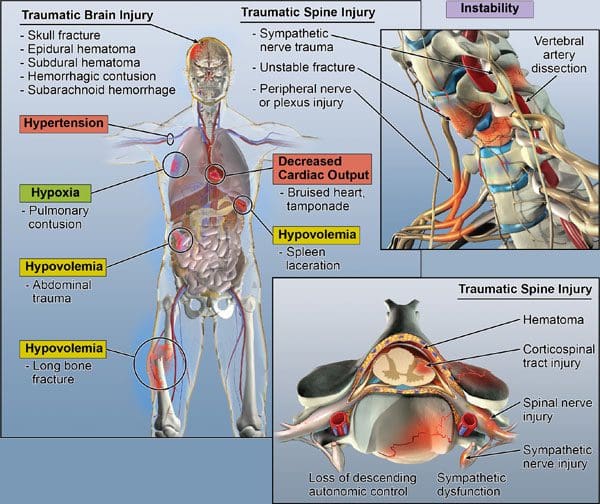
With an intense automobile, work, sporting/fitness accidents, and natural disasters, individuals can experience multiple traumas, also known as polytrauma. Recovery and rehabilitation can be challenging journeys. Multiple traumas are serious medical emergencies only given to individuals going through difficult situations. Polytrauma references multiple severe traumas that occurred at the same time. An individual can experience a:
Physical therapy and chiropractic rehabilitation could be part of a treatment program. This is to restore the body’s mobility, function and promote the body’s natural healing abilities. The importance of creating the proper rehabilitation program can make all the difference, and restoring the integrity of the spine is critical.
Spinal Stabilization
Any trauma, despite its severity, can have the potential to interfere/disrupt spinal functions.
Suffering a concussive hit to the head could cause damage to the cervical spine.
Falling off a ladder could shift the vertebral discs.
Hitting the knee on an object can cause a spinal misalignment from shifting the weight to the other leg for a day or two.
Spinal misalignments and/or dysfunction are common in multiple trauma cases. Dealing with broken bones and substantial wounds often means the spine could need to be realigned even if there are no localized injuries to the back or neck. Spinal misalignment, translation/rotation, herniated discs, or other conditions can hinder the overall recovery process and present new health issues.
Nerve Damage
Often, a lasting issue from multiple traumas is nerve damage. The severity can destroy nerve endings, making it impossible to regain feeling or movement in certain areas of the body. The nerve damage can be regenerated if the impediment is rooted in the spine and is addressed in time.
Correcting spinal discs that have shifted along with subluxations that can compress the nerves and interfere with signal communication can help restore the areas directly affected. Example: Broken arms or legs can lose sensations that can be regained by spinal realignment. Some arteries follow the spinal pathway. Proper circulation/blood flow is achieved when the spinal integrity is restored, which is essential in natural recovery.
Trauma Beyond the Injury
Developing the correct rehabilitation treatment plan could mean the difference in a speedy and healthy recovery. Chiropractic can be an integral part of the recovery process, especially for a body that has sustained severe musculoskeletal injuries. The spine is an extension of the central nervous system. This means that bringing relief to the spine can affect positive healing in the injured areas. The critical role of the spine in an individual’s rehabilitation and whole well-being is why no matter the extent of the trauma, we deliver relief.
Auto Accident Injury Treatment
References
Kroupa, J. K definici polytraumatu a polytraumatismu [Definition of “polytrauma” and “polytraumatism”].Acta chirurgiae orthopaedicae et traumatologiae Cechoslovaca vol. 57,4 (1990): 347-60.
IFM's Find A Practitioner tool is the largest referral network in Functional Medicine, created to help patients locate Functional Medicine practitioners anywhere in the world. IFM Certified Practitioners are listed first in the search results, given their extensive education in Functional Medicine