For individuals living with cyclical or chronic endometriosis symptoms, can incorporating support therapies help in disease management?
Support Therapies
Endometriosis is a disorder in which tissue similar to the uterine lining begins to grow outside the uterus where it does not belong. Endometriosis support therapies involve a comprehensive approach to treatment. It involves non-invasive treatments to help manage symptoms that can include:
A physical therapist uses various pressures, stretching, and/or trigger point release. This helps: (Sylvia Mechsner, 2022)
Release muscle tension
Lower cortisol – stress hormone
Improve circulation
Release endorphins – the body’s natural painkillers
Medications
Nonsteroidal anti-inflammatory drugs or NSAIDs and hormonal contraceptives – birth control are the first line of treatment. Advil and Motrin are over-the-counter NSAIDs. If those don’t manage pain effectively, a healthcare provider may recommend prescription NSAIDs. (Sylvia Mechsner, 2022) Hormonal suppression agents or estrogen modulators are a second line of treatment for endometriosis and can include: (Christian M. Becker et al., 2022)
Hormonal contraceptives suppress or regulate periods. They are effective for management, but not everyone can take them because of medical history, side effects, or fertility disorders and conditions. (Mert Ilhan et al., 2019) A healthcare provider can recommend alternative support therapies.
Transcutaneous Electrical Nerve Stimulation
A transcutaneous electrical nerve stimulation utilizes a battery-operated device that delivers low-voltage electrical stimulation to nerve fibers through electrodes placed on the skin.
Sessions are usually 15 to 30 minutes and work by disrupting pain signals. (Sylvia Mechsner, 2022)
Acupuncture
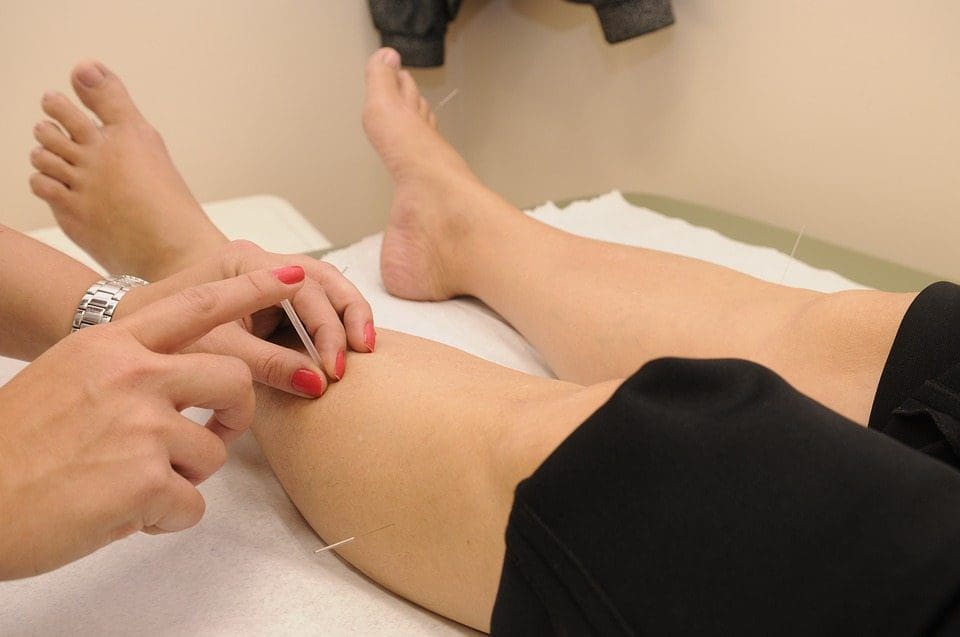
Acupuncture is a therapy in which a practitioner inserts thin needles into specific acupoints on the body to promote the flow of energy and alleviate pain. (Nora Giese et al., 2023)
Chiropractic
Chiropractic care focuses on spinal adjustments and alignment to enhance nervous system function, help alleviate pelvic discomfort and nerve pain – sciatica – and improve overall well-being. (Robert J. Trager et al., 2021)
Non-surgical decompression could be recommended to gently stretch the spine, relieve pressure, and flood the spine with added nutrients.
Movement Medicine: Chiropractic Care
References
Mansfield, C., Lenobel, D., McCracken, K., Hewitt, G., & Appiah, L. C. (2022). Impact of Pelvic Floor Physical Therapy on Function in Adolescents and Young Adults with Biopsy-Confirmed Endometriosis at a Tertiary Children’s Hospital: A Case Series. Journal of pediatric and adolescent gynecology, 35(6), 722–727. https://doi.org/10.1016/j.jpag.2022.07.004
Mechsner S. (2022). Endometriosis, an Ongoing Pain-Step-by-Step Treatment. Journal of clinical medicine, 11(2), 467. https://doi.org/10.3390/jcm11020467
Ilhan, M., Gürağaç Dereli, F. T., & Akkol, E. K. (2019). Novel Drug Targets with Traditional Herbal Medicines for Overcoming Endometriosis. Current drug delivery, 16(5), 386–399. https://doi.org/10.2174/1567201816666181227112421
Becker, C. M., Bokor, A., Heikinheimo, O., Horne, A., Jansen, F., Kiesel, L., King, K., Kvaskoff, M., Nap, A., Petersen, K., Saridogan, E., Tomassetti, C., van Hanegem, N., Vulliemoz, N., Vermeulen, N., & ESHRE Endometriosis Guideline Group (2022). ESHRE guideline: endometriosis. Human reproduction open, 2022(2), hoac009. https://doi.org/10.1093/hropen/hoac009
Endometriosis Foundation of America. (2015). Seeking a doctor: finding the right endometriosis specialist. https://www.endofound.org/preparing-to-see-a-doctor
Pereira, A., Herrero-Trujillano, M., Vaquero, G., Fuentes, L., Gonzalez, S., Mendiola, A., & Perez-Medina, T. (2022). Clinical Management of Chronic Pelvic Pain in Endometriosis Unresponsive to Conventional Therapy. Journal of personalized medicine, 12(1), 101. https://doi.org/10.3390/jpm12010101
Giese, N., Kwon, K. K., & Armour, M. (2023). Acupuncture for endometriosis: A systematic review and meta-analysis. Integrative medicine research, 12(4), 101003. https://doi.org/10.1016/j.imr.2023.101003
Trager, R.J., Prosak, S.E., Leonard, K.A. et al. (2021). Diagnosis and management of sciatic endometriosis at the greater sciatic foramen: a case report. SN Comprehensive Clinical Medicine, 3. https://doi.org/doi:10.1007/s42399-021-00941-0
Can using egg substitutes or replacements be safe for individuals with an egg allergy?
Substitutes and Replacements
Individuals should not assume either is safe unless they carefully read the label.
Egg substitutes may contain eggs.
Egg replacement products may be egg-free.
Look for alternatives labeled vegan or egg-free to ensure there are none.
Substitutes May Contain Eggs
Liquid egg substitutes in grocery store dairy aisles are made from eggs. The following all contain eggs and are not safe for individuals with egg allergies:
Generic liquid egg substitutes in cartons
Egg Beaters
Powdered egg white products
Replacements Are Safe Alternatives
Special replacement products that do not contain eggs are available.
They are labeled vegan egg substitutes.
They are usually sold in powdered form.
They are useful for baking.
They cannot be used as a replacement for eggs in foods like a quiche.
Always check the ingredients on the label before purchasing a product sold as a substitute or replacement to ensure it is completely free.
These products may also contain soy, dairy, or other food allergens.
Vegan – contains no animal products, which includes eggs and dairy.
Vegetarian – may contain eggs as they are not meat but an animal product.
Unaware of Foods With Eggs
Stay aware of eggs hidden in other food products, such as cakes, breads, pastries, noodles, crackers, and cereals.
The federal Food Allergen Labeling and Consumer Protection Act requires that all packaged food products that contain eggs as an ingredient must list the word egg on the label. (U.S. Food & Drug Administration. 2022)
Other ingredients that indicate eggs are in the product include:
Angioedema – swelling of the lips, tongue, or face.
Airway symptoms – wheezing, coughing, or a runny nose.
Gastrointestinal symptoms – nausea, stomach pain, diarrhea or vomiting.
Severe reactions – such as anaphylaxis, can cause multiple organ system failure.
Anaphylaxis is an emergency and requires immediate medical treatment.
A Guide For Food Allergies, Hypersensitivity and Intolerances
References
U.S. Food & Drug Administration. (2022). Food Allergen Labeling and Consumer Protection Act (FALCPA). Retrieved from https://www.fda.gov/food/food-allergensgluten-free-guidance-documents-regulatory-information/food-allergen-labeling-and-consumer-protection-act-2004-falcpa
Tan, J. W., & Joshi, P. (2014). Egg allergy: an update. Journal of paediatrics and child health, 50(1), 11–15. https://doi.org/10.1111/jpc.12408
Can participating in a favorite sport several days a week help individuals trying to get fit or maintain a certain level of health?
Sports For Fitness
Spending hours in the gym can sometimes feel like a chore, especially for individuals who prefer competitive or recreational sports over traditional cardiovascular and resistance training. Various sports activities require only time, energy, sufficient apparel, and the willingness to play. Here are a few sports for fitness that can help improve overall health and wellness.
Cycling and Mountain Biking
Cycling is one of the best sports for fitness. Whether on roads or trails, fast or slow, it is a fantastic aerobic workout and benefits the leg muscles, specifically the quads, glutes, and hamstrings. Research has shown that, especially for those with diabetes, cycling can lower the risk of premature mortality. (Mathias Ried-Larsen et al., 2021)
There are appropriate bikes for all ages and stages.
Beginners start with paved trails.
Intermediate to advanced levels can engage in road cycling and mountain biking.
Road or mountain bike races for individuals looking to compete.
Racket Sports
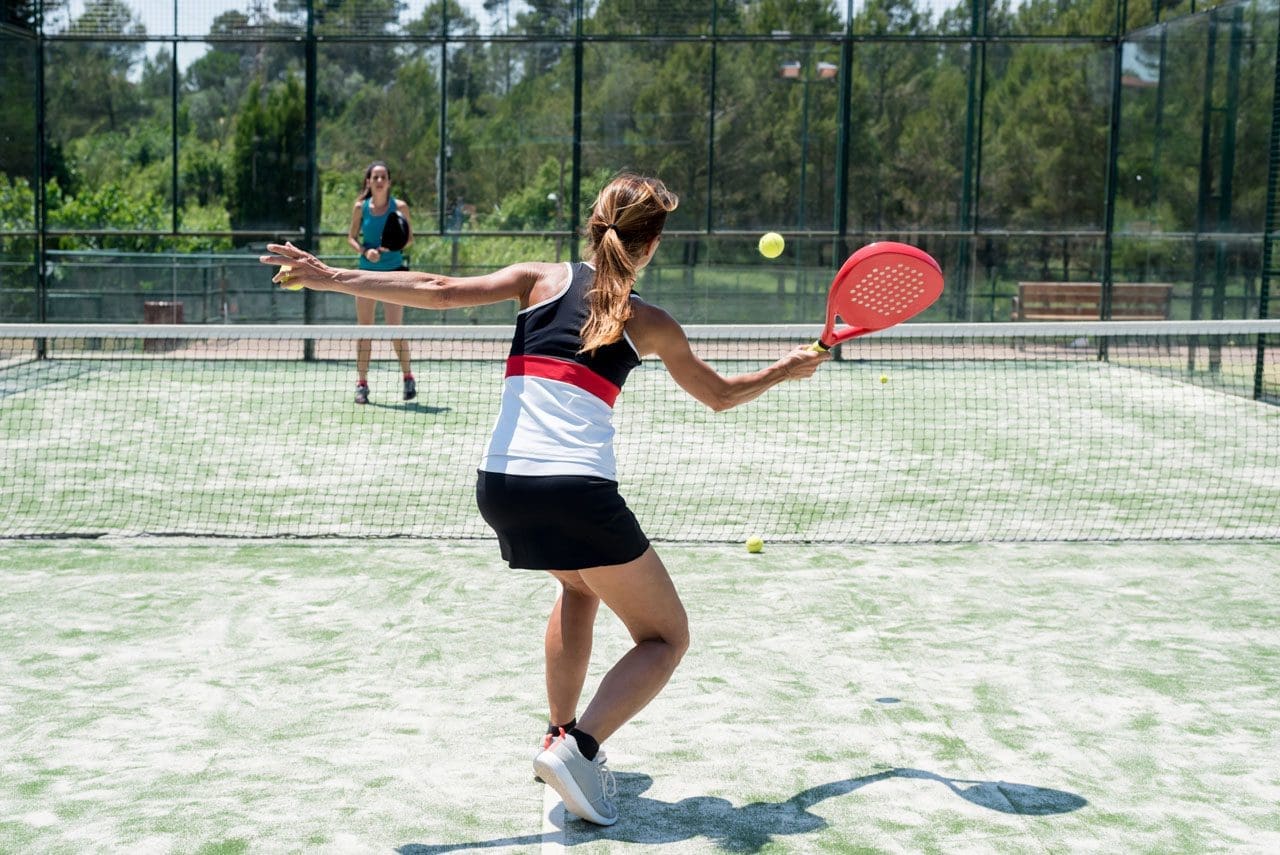
Racket sports players range from all ages and fitness levels, entry-level to highly competitive, and all provide intense workouts.
Racket sports target the muscles in the back, shoulders, arms, chest, quads, glutes, hamstrings, and core.
Racquet sports have also been shown to lower the risk of cardiovascular disease mortality. (Pekka Oja et al., 2017)
Combine that with the endurance, speed, balance, and agility required to compete, and individuals will quickly see how these two sports can give a phenomenal workout while also burning a ton of calories.
Golf
For golf to be a fitness sport, individuals must walk all the holes while carrying or pushing the clubs.
What is needed is a supportive pair of shoes.
Walking the course can have multiple health benefits, including cardiovascular and respiratory health. (A. D. Murray et al., 2017)
Golf is a sport individuals can participate in at any life stage.
Water Sports
Paddleboarding, rowing, kayaking, and canoeing can provide a fitness solution for individuals who enjoy the outdoors. These sports increase heart rate, improve muscular endurance and strength, and burn serious calories. (Thomas Ian Gee et al., 2016)
Swimming
Activities that require upper and lower body muscles to work together rank high in sports for fitness. Swimming is the perfect full-body workout for anyone looking for an intense and competitive outlet that requires strength and endurance.
Swimming can be a year-round sport with various levels of competition.
Triathlon Training
Triathlon training is for lifelong athletes looking to improve endurance and strength and exercise beginners who need a goal; it is the ultimate sport for fitness.
Running, biking, and swimming together challenges every muscle and significantly increases aerobic and anaerobic fitness. (Naroa Etxebarria et al., 2019)
There’s something for every fitness level, from short sprint competitions to full Ironman events.
Basketball and Volleyball
Basketball and volleyball offer the physical benefits of a hard workout. These sports require sprinting, pivoting, and jumping, which engages the cardiovascular system and strengthens every muscle. Playing volleyball in the sand makes the muscles work harder.
Both sports are appropriate for most levels of fitness.
Beginners are recommended to learn the basic skills and go through drills before moving to games or matches.
Both sports require constant movement, increasing the risk of injury, so it is important to learn the fundamentals.
Talk to a healthcare provider before starting a new exercise routine or adding a new activity to an exercise regimen.
Lumbar Sports Injuries
References
Ried-Larsen, M., Rasmussen, M. G., Blond, K., Overvad, T. F., Overvad, K., Steindorf, K., Katzke, V., Andersen, J. L. M., Petersen, K. E. N., Aune, D., Tsilidis, K. K., Heath, A. K., Papier, K., Panico, S., Masala, G., Pala, V., Weiderpass, E., Freisling, H., Bergmann, M. M., Verschuren, W. M. M., … Grøntved, A. (2021). Association of Cycling With All-Cause and Cardiovascular Disease Mortality Among Persons With Diabetes: The European Prospective Investigation Into Cancer and Nutrition (EPIC) Study. JAMA internal medicine, 181(9), 1196–1205. https://doi.org/10.1001/jamainternmed.2021.3836
Oja, P., Kelly, P., Pedisic, Z., Titze, S., Bauman, A., Foster, C., Hamer, M., Hillsdon, M., & Stamatakis, E. (2017). Associations of specific types of sports and exercise with all-cause and cardiovascular-disease mortality: a cohort study of 80 306 British adults. British journal of sports medicine, 51(10), 812–817. https://doi.org/10.1136/bjsports-2016-096822
Murray, A. D., Daines, L., Archibald, D., Hawkes, R. A., Schiphorst, C., Kelly, P., Grant, L., & Mutrie, N. (2017). The relationships between golf and health: a scoping review. British journal of sports medicine, 51(1), 12–19. https://doi.org/10.1136/bjsports-2016-096625
Ian Gee, T., Caplan, N., Christian Gibbon, K., Howatson, G., & Grant Thompson, K. (2016). Investigating the Effects of Typical Rowing Strength Training Practices on Strength and Power Development and 2,000 m Rowing Performance. Journal of human kinetics, 50, 167–177. https://doi.org/10.1515/hukin-2015-0153
Lo, G. H., Ikpeama, U. E., Driban, J. B., Kriska, A. M., McAlindon, T. E., Petersen, N. J., Storti, K. L., Eaton, C. B., Hochberg, M. C., Jackson, R. D., Kwoh, C. K., Nevitt, M. C., & Suarez-Almazor, M. E. (2020). Evidence that Swimming May Be Protective of Knee Osteoarthritis: Data from the Osteoarthritis Initiative. PM & R : the journal of injury, function, and rehabilitation, 12(6), 529–537. https://doi.org/10.1002/pmrj.12267
Etxebarria, N., Mujika, I., & Pyne, D. B. (2019). Training and Competition Readiness in Triathlon. Sports (Basel, Switzerland), 7(5), 101. https://doi.org/10.3390/sports7050101
For individuals experiencing sacroiliac joint/SIJ dysfunction and pain, could applying kinesiology tape help bring relief and manage symptoms?
Kinesiology Tape For Sacroiliac Joint Pain
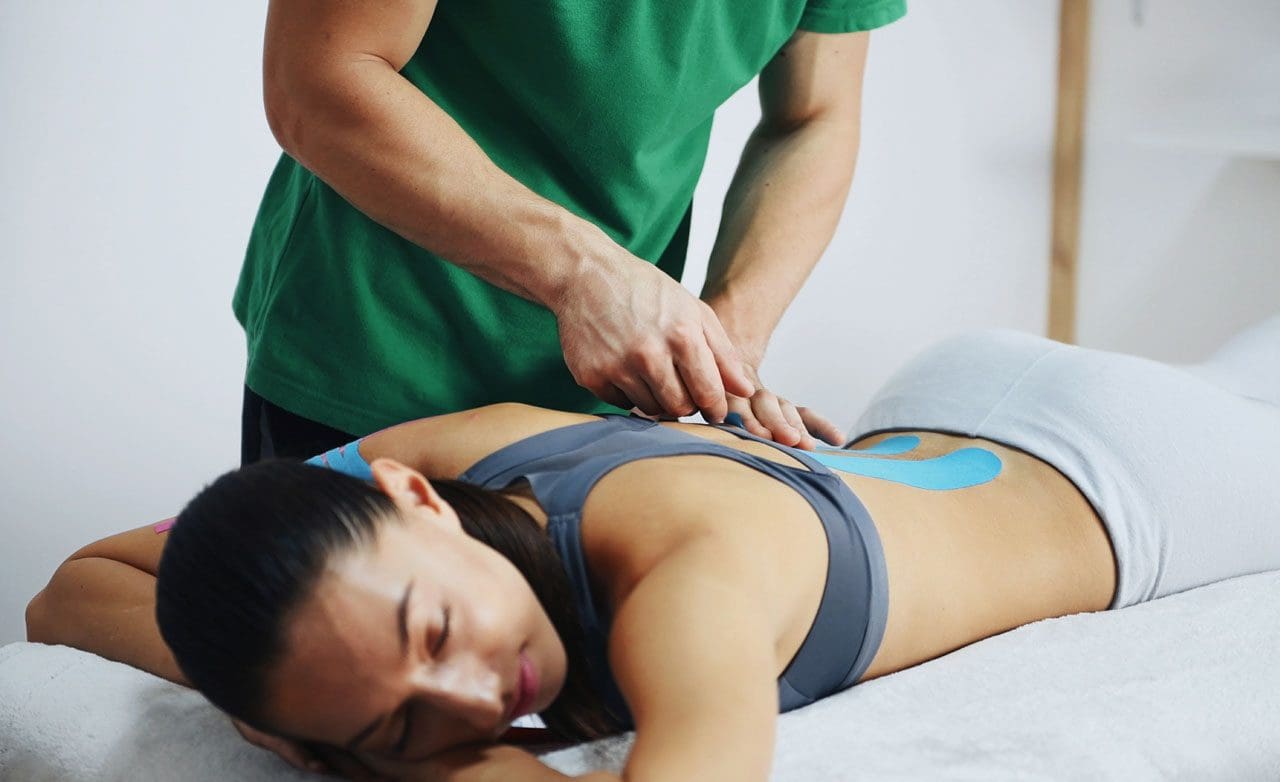
A lower back ailment that is common during pregnancy. The pain is usually on one or both sides of the back, just above the buttocks, that comes and goes and can limit the ability to bend, sit, and perform various physical activities. (Moayad Al-Subahi et al., 2017) The therapeutic tape provides support while allowing for movement and may help treat and manage sacroiliac joint/SIJ pain by:
Decreasing muscle spasms.
Facilitating muscular function.
Increasing blood circulation to and around the pain site.
Decreasing muscle trigger points.
Mechanism
Some studies have found that taping the SI joint has benefits that include:
One theory is it helps lift and hold the overlying tissues off of the SI joint, which helps decrease the pressure around it.
Another theory is that lifting the tissues helps create a pressure differential under the tape, like non-surgical decompression, allowing increased circulation to the tissues surrounding the sacroiliac joint.
This floods the area with blood and nutrients, creating an optimal healing environment.
Application
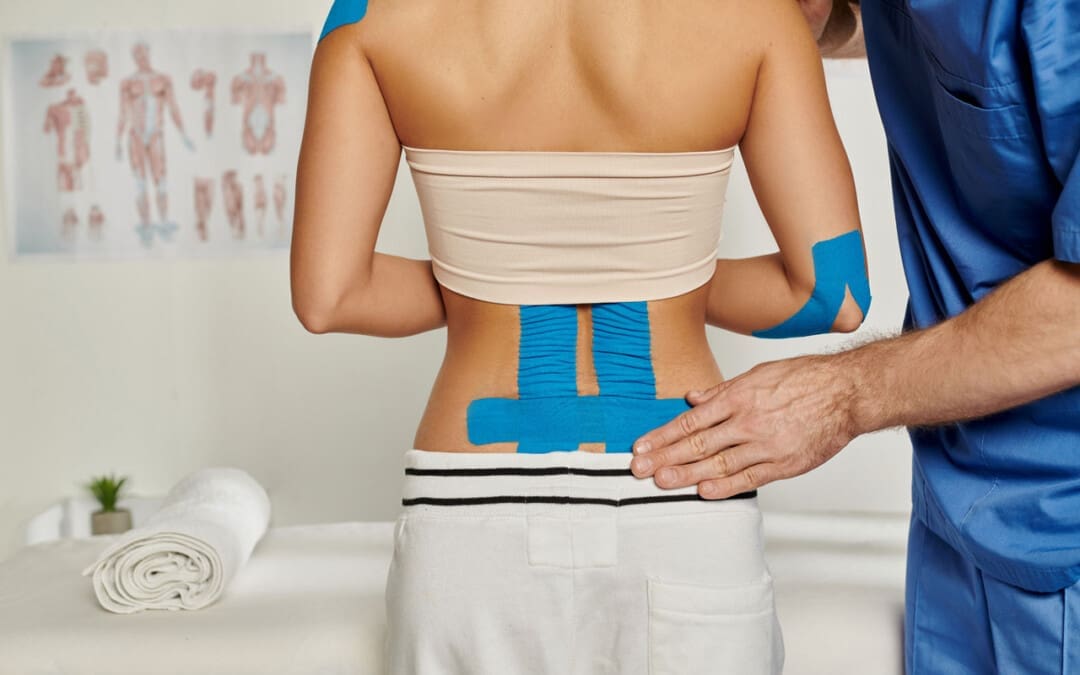
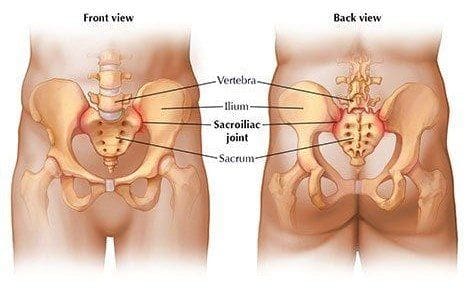
A sacroiliac joint on the right and left sides connects the pelvis to the sacrum or the lowest part of the spine. To apply the kinesiology tape correctly, locate the lowest part of the back within the pelvic area. (Francisco Selva et al., 2019) Ask a friend or family member for help if you can’t reach the area.
Taping steps:
Cut three strips of tape, each 4 to 6 inches long.
Sit in a chair and bend the body slightly forward.
If someone is helping, you can stand and slightly bend forward.
Remove the lift-off strip in the middle and stretch the tape to expose several inches, leaving the ends covered.
Apply the exposed tape at an angle over the SI joint, like making the first line of an X, just above the buttocks, with full stretch on the tape.
Peel the lift-off strips from the ends and adhere them with no stretching.
Repeat the application steps with a second strip, adhering at a 45-degree angle to the first strip, making the X over the sacroiliac joint.
Repeat this with the final strip horizontally across the X made from the first two pieces.
There should be a tape pattern of star shape over the sacroiliac joint.
Kinesiology tape can stay over the sacroiliac joint for three to five days.
Watch for signs of irritation around the tape.
Remove the tape if the skin becomes irritated, and consult your primary healthcare provider, physical therapist, or chiropractor for other treatment options.
Some individuals with specific conditions should avoid using the tape and get confirmation that it’s safe.
Individuals with severe sacroiliac pain where self-management is not working should see a healthcare provider, physical therapist, and or chiropractor for an evaluation and to learn therapeutic exercises and treatments to help manage the condition.
Sciatica During Pregnancy
References
Al-Subahi, M., Alayat, M., Alshehri, M. A., Helal, O., Alhasan, H., Alalawi, A., Takrouni, A., & Alfaqeh, A. (2017). The effectiveness of physiotherapy interventions for sacroiliac joint dysfunction: a systematic review. Journal of physical therapy science, 29(9), 1689–1694. https://doi.org/10.1589/jpts.29.1689
Do-Yun Shin and Ju-Young Heo. (2017). The Effects of Kinesiotaping Applied onto Erector Spinae and Sacroiliac Joint on Lumbar Flexibility. The Journal of Korean Physical Therapy, 307-315. https://doi.org/https://doi.org/10.18857/jkpt.2017.29.6.307
Selva, F., Pardo, A., Aguado, X., Montava, I., Gil-Santos, L., & Barrios, C. (2019). A study of reproducibility of kinesiology tape applications: review, reliability and validity. BMC musculoskeletal disorders, 20(1), 153. https://doi.org/10.1186/s12891-019-2533-0
For individuals dealing with chronic fatigue syndrome, can incorporating acupuncture with other treatment protocols help regain functionality and improve quality of life?
Acupuncture For Chronic Fatigue Syndrome
Research is looking at how acupuncture can help manage symptoms of chronic fatigue. These studies focused on specific acupoints and techniques and how they affected certain symptoms or abnormalities linked to the condition. The researchers found that acupuncture may help manage and alleviate some symptoms (Qing Zhang et al., 2019). However, they were still unable to determine the mechanisms of how acupuncture exactly works.
Symptom Relief
Various studies showed that acupuncture could improve physical and mental fatigue symptoms, including:
One case study showed improvements in groups of athletes who were put through a series of exhaustive physical exercises and short-term rest. One group of athletes was treated with acupuncture on selected acupoints while the others were given an extended rest. Analysis was applied to the metabolic profiles of urine samples collected from the athletes at three points: before the exercises, before and after the acupuncture treatment, or taking extended rest. The results indicated that the recoveries of disturbed metabolites in the athletes treated with acupuncture were significantly faster than in those who only took extended rest. (Haifeng Ma et al., 2015)
Researchers said studies involving acupuncture alone or in combination with other treatments appear to show that it is effective at lessening fatigue. (Yu-Yi Wang et al., 2014) However, further studies are needed to confirm the benefits. This is a significant change from a review that found limited evidence for the effectiveness of alternative treatments for relieving chronic fatigue symptoms. (Terje Alraek et al., 2011)
Another review of alternative therapies found acupuncture and certain meditation techniques showed the most promise for future investigation. (Nicole S. Porter et al., 2010)
Another study compared prednisone, a steroid, with an acupuncture technique called coiling dragon and an additional treatment called cupping. It suggested that acupuncture and cupping treatments surpassed the steroid regarding fatigue. (Wei Xu et al., 2012)
Another study found that needling with heat application or moxibustion produced better results than standard acupuncture regarding physical and mental fatigue scores. (Chen Lu, Xiu-Juan Yang, Jie Hu 2014)
From Consultation to Transformation: Assessing Patients In A Chiropractic Setting
References
Zhang, Q., Gong, J., Dong, H., Xu, S., Wang, W., & Huang, G. (2019). Acupuncture for chronic fatigue syndrome: a systematic review and meta-analysis. Acupuncture in medicine : journal of the British Medical Acupuncture Society, 37(4), 211–222. https://doi.org/10.1136/acupmed-2017-011582
Frisk, J., Källström, A. C., Wall, N., Fredrikson, M., & Hammar, M. (2012). Acupuncture improves health-related quality-of-life (HRQoL) and sleep in women with breast cancer and hot flushes. Supportive care in cancer : official journal of the Multinational Association of Supportive Care in Cancer, 20(4), 715–724. https://doi.org/10.1007/s00520-011-1134-8
Gao, D. X., & Bai, X. H. (2019). Zhen ci yan jiu = Acupuncture research, 44(2), 140–143. https://doi.org/10.13702/j.1000-0607.170761
Mandıroğlu, S., & Ozdilekcan, C. (2017). Impact of Acupuncture on Chronic Insomnia: A Report of Two Cases with Polysomnographic Evaluation. Journal of acupuncture and meridian studies, 10(2), 135–138. https://doi.org/10.1016/j.jams.2016.09.018
Zhu, L., Ma, Y., Ye, S., & Shu, Z. (2018). Acupuncture for Diarrhoea-Predominant Irritable Bowel Syndrome: A Network Meta-Analysis. Evidence-based complementary and alternative medicine : eCAM, 2018, 2890465. https://doi.org/10.1155/2018/2890465
Ma, H., Liu, X., Wu, Y., & Zhang, N. (2015). The Intervention Effects of Acupuncture on Fatigue Induced by Exhaustive Physical Exercises: A Metabolomics Investigation. Evidence-based complementary and alternative medicine : eCAM, 2015, 508302. https://doi.org/10.1155/2015/508302
Wang, Y. Y., Li, X. X., Liu, J. P., Luo, H., Ma, L. X., & Alraek, T. (2014). Traditional Chinese medicine for chronic fatigue syndrome: a systematic review of randomized clinical trials. Complementary therapies in medicine, 22(4), 826–833. https://doi.org/10.1016/j.ctim.2014.06.004
Alraek, T., Lee, M. S., Choi, T. Y., Cao, H., & Liu, J. (2011). Complementary and alternative medicine for patients with chronic fatigue syndrome: a systematic review. BMC complementary and alternative medicine, 11, 87. https://doi.org/10.1186/1472-6882-11-87
Porter, N. S., Jason, L. A., Boulton, A., Bothne, N., & Coleman, B. (2010). Alternative medical interventions used in the treatment and management of myalgic encephalomyelitis/chronic fatigue syndrome and fibromyalgia. Journal of alternative and complementary medicine (New York, N.Y.), 16(3), 235–249. https://doi.org/10.1089/acm.2008.0376
Lu, C., Yang, X. J., & Hu, J. (2014). Zhen ci yan jiu = Acupuncture research, 39(4), 313–317.
For individuals training for long distance walking marathons and/or events, can focusing on building a walking foundation, then increasing mileage progressively help condition the body for overall readiness?
Long Distance Walking Training
Training helps individuals be comfortable and safe for long-distance walking and events.
Training should focus on building a walking pace and increasing mileage gradually.
Individuals need endurance, not speed, and want to build mental stamina for walking for hours at a steady pace.
To reduce the risk of training injuries, increasing the total mileage per week/the distance of the longest walk per week to no more than 10% is recommended.
Individuals should also train to wear the gear worn during long-distance walks.
Training could last a few months.
Being methodical allows the body time to repair and build new muscle, blood supplies, and endurance.
Example Training Plans
Following a marathon training plan for mileage building and determining the proper hydration, nutrition, and gear for multi-day walks and treks is recommended. However, individuals must build back-to-back long days into their training sessions to assess any issues or problems resulting from walking long distances on back-to-back days.
Example Walking Training Plans
Multi-Day Walks/Treks Training Schedule
13 miles per day/21 kilometers
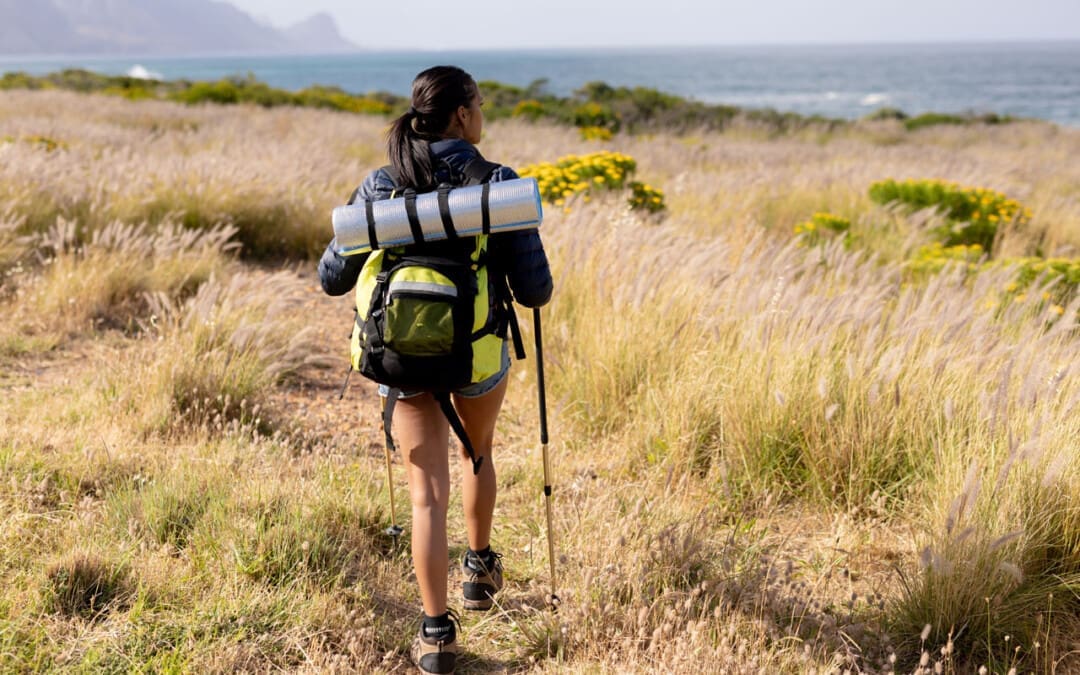
Use this plan for marathons or other multi-day walks with hills and natural surfaces requiring a backpack.
Training to Walk a Marathon
26.2 miles/42 kilometers
This will condition the body to go longer distances.
When training for distances of 31 to 100 miles/50 to 161 kilometers, the longest distance to train should not need to exceed 20 to 25 miles,
These should be performed at least twice two months before the marathon or event.
Taper down the month before the event to a 12.4-mile/20-kilometer distance.
Gear
All clothing, shoes, sunscreen, backpacks, etc., must be tested on the longer training days before the event.
Given the climate and terrain, plan for what will be needed and removed.
Try things out, as individuals don’t want to be surprised with something unfamiliar at the event. From head to toe, test the gear, including:
Shoes/boots, socks, underwear, bra, shirt, pants, hat, jacket, and rain gear.
Choose shoes or walking boots and wear them on long training days to break them in and ensure they perform.
Backpacks should be tested on longer training days to ensure they can be carried comfortably over long distances and have the necessary capacity.
Choose wicking fabrics that allow the skin to breathe and cool, especially under layers. (Justin De Sousa et al., 2014)
Individuals will want to wear gear similar to marathon walkers if the walk will mostly be on pavement or asphalt.
Individuals can modify their gear if the route is off-road or during different seasons. Find out what other long-distance walkers have worn on the same route or event.
Individuals can connect with fellow walkers via social media or find answers to frequently asked questions on the event’s or destination’s website.
Individuals can also contact the event director via the website or social media.
Nutrition
Proper sports nutrition will prepare the body for endurance activity.
For example, individuals are recommended to follow a diet comprising 70% carbohydrates, 20% protein, and 10% fat.
Avoid high-protein diets, as they can cause hydration problems and strain your kidneys under endurance walking conditions. (Marta Cuenca-Sánchez et al., 2015)
Train with the water, sports drinks, food, and snacks taken to the event, and do not deviate from them during the event.
Water is needed for 20 kilometers and under events, but an electrolyte replacement sports drink may be better for longer walks.
Diluting or leaving out some sugar can be easier on the stomach.
Have snacks pre-packaged and labeled for the times to be eaten.
Individuals need to eat fat and protein for ultramarathon distances – this can come from trail mix, peanut butter sandwiches, and chocolate bars with nuts.
Carbohydrates can be provided by sports gels or energy bars.
It is recommended to avoid products made for short distances and power sports as they can cause digestive problems when walking longer distances.
Planning a Walk
Planning begins by setting goals. Considerations include:
Time of year
Distance
Transportation to the event
Event pace requirements
Altitude and hill profile
Climate
Individuals are recommended to:
Prepare by researching routes and trails.
Study the course maps to know what services are provided along the way and what individuals must bring.
Walk a long distance without a supporting event.
Contact individuals who have walked the course.
Know the terrain and areas of total sun, hills, pavement, natural trails, and shade.
If possible, drive the course to become familiar with it.
Individuals may be able to find apps designed for their route.
Taking Breaks and Resting
Regular breaks should be short – using the bathroom, eating a snack, rehydrating, tying shoes, or bandaging blisters.
The body can stiffen up quickly during breaks and take several minutes to regain walking pace after a long break.
Recommendations could be taking a walking break instead, which means continuing to walk but at a very slow pace.
Foot Care
Individuals will have found what works for them concerning shoes, boots, socks, etc., on the long training days to prevent blisters and injuries. It is recommended to try different strategies, which include:
Sports tape
Blister block pads
Sprays
Lubricants
Wicking and/or double-layered socks
Moleskin
Stop at the first sign of irritation along the walk and doctor the foot with tape, blister bandages, or whatever method works best.
The body was built for walking. Planning and training properly before taking a long-distance or multi-day walk will ensure a safe and enjoyable marathon.
Move Better, Live Better
References
De Sousa, J., Cheatham, C., & Wittbrodt, M. (2014). The effects of a moisture-wicking fabric shirt on the physiological and perceptual responses during acute exercise in the heat. Applied ergonomics, 45(6), 1447–1453. https://doi.org/10.1016/j.apergo.2014.04.006
Cuenca-Sánchez, M., Navas-Carrillo, D., & Orenes-Piñero, E. (2015). Controversies surrounding high-protein diet intake: satiating effect and kidney and bone health. Advances in nutrition (Bethesda, Md.), 6(3), 260–266. https://doi.org/10.3945/an.114.007716
For individuals dealing with knee pain symptoms from injury and/or arthritis, can incorporating an acupuncture and/or electroacupuncture treatment plan help in pain relief and management?
Acupuncture For Knee Pain
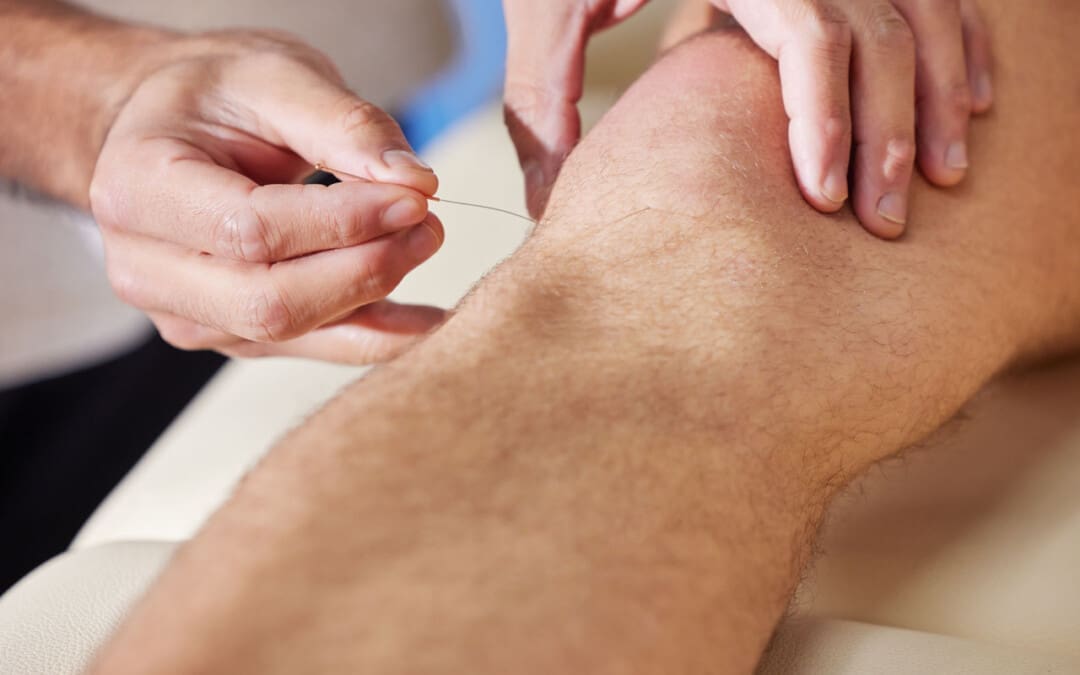
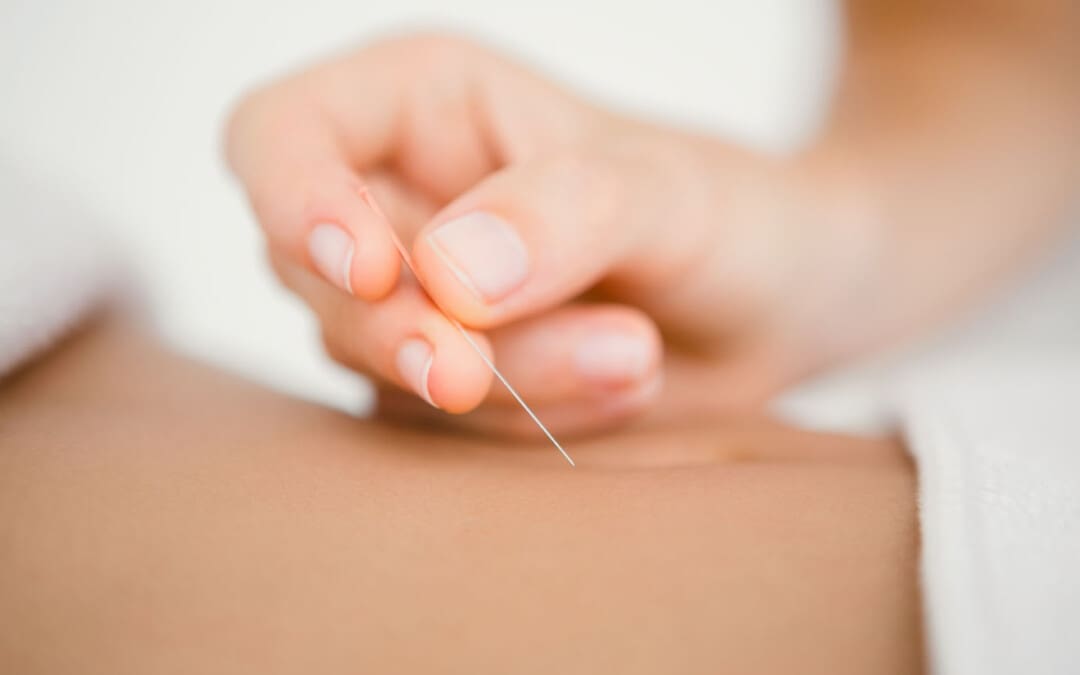
Acupuncture involves inserting very thin needles into the skin at specific acupoints on the body. It is based on the premise that the needles restore the flow of the body’s energy to activate and promote healing, relieve pain, and help the body relax.
Acupuncture can help address various health conditions, including knee pain caused by arthritis or injury.
Depending on the type and severity of pain, treatments can help reduce the pain for days or weeks.
Acupuncture is often used as a complementary therapy – treatment in addition to other treatment or therapy strategies like massage and chiropractic.
Acupuncture Benefits
Knee pain caused by osteoarthritis or injury can reduce flexibility, mobility, and quality of life. Acupuncture can help provide relief.
When the acupuncture needles are placed on the body, a signal is sent along the spinal cord to the brain, which triggers a release of endorphins/pain hormones. Medical researchers believe this helps reduce pain. (Qian-Qian Li et al., 2013) Acupuncture also helps decrease the production of cortisol, a hormone that helps control inflammation. (Qian-Qian Li et al., 2013) With reduced pain sensations and less inflammation after acupuncture treatments, knee function and mobility can be improved.
Various factors play a role in the pain relief experienced from acupuncture. Some evidence suggests that an individual’s expectations may impact the results of acupuncture treatment. (Stephanie L. Prady et al., 2015)
Researchers are currently assessing whether the expectation that acupuncture is beneficial contributes to a better outcome after treatment. (Zuoqin Yang et al., 2021)
In 2019, acupuncture was recommended in treating knee osteoarthritis in the American College of Rheumatology/Arthritis Foundation guidelines for hand, hip, and knee osteoarthritis pain management. (Sharon L. Kolasinski et al., 2020)
Research
Different clinical studies support acupuncture’s ability to help in knee pain relief and management.
One study found that acupuncture helps manage various conditions that cause chronic pain. (Andrew J. Vickers et al., 2012)
A scientific review analyzed previous studies on pain management interventions after knee surgery and found supporting evidence that the treatments delayed and reduced the use of medications for pain relief post-surgery. (Dario Tedesco et al., 2017)
Osteoarthritis
A systematic review analyzed randomized control studies to determine whether or not acupuncture reduced pain and improved joint function in individuals with chronic osteoarthritis knee pain. (Xianfeng Lin et al., 2016)
Individuals received six to twenty-three weekly acupuncture sessions for three to 36 weeks.
The analysis determined that acupuncture can improve short and long-term physical function and mobility and provide up to 13 weeks of pain relief in individuals with chronic knee pain caused by osteoarthritis.
Rheumatoid Arthritis
Rheumatoid arthritis is a chronic disease that affects joints, including the knee joint, causing pain and stiffness.
Acupuncture is beneficial in treating rheumatoid arthritis/RA.
A review found that acupuncture alone and in combination with other treatment modalities benefits individuals with RA. (Pei-Chi, Chou Heng-Yi Chu 2018)
Acupuncture is believed to have anti-inflammatory and antioxidant effects to help regulate immune system function.
Chronic Knee Pain
Various conditions and injuries can cause chronic knee pain, making mobility difficult.
Individuals with joint pain often turn to complementary therapies for pain relief management, with acupuncture being one of the popular modalities. (Michael Frass et al., 2012)
Working with a licensed, professional acupuncture practitioner can reduce the risk of unwanted side effects and complications.
Types
Other acupuncture options that may be offered include:
Electroacupuncture
A modified form of acupuncture where a mild electrical current passes through the needles, providing additional stimulation to the acupoints.
In one research study, individuals with knee osteoarthritis reported significant improvements in their pain, stiffness, and physical function after electroacupuncture treatment. (Ziyong Ju et al., 2015)
Auricular
Auricular or ear acupuncture works on acupoints in the ear corresponding to the body’s different parts.
A research review analyzed several studies on auricular acupuncture for pain relief and found that it can provide relief within 48 hours of pain onset. (M. Murakami et al., 2017)
Battlefield Acupuncture
The military and veteran healthcare facilities use a unique form of auricular acupuncture for pain management.
Studies show that it is effective at providing immediate pain relief, but more research is necessary to determine long-term pain relief effectiveness. (Anna Denee Montgomery, Ronovan Ottenbacher 2020)
Before trying acupuncture, consult a healthcare professional for guidance, as it may be integrated with other therapies and lifestyle adjustments.
Overcoming an ACL Injury
References
Li, Q. Q., Shi, G. X., Xu, Q., Wang, J., Liu, C. Z., & Wang, L. P. (2013). Acupuncture effect and central autonomic regulation. Evidence-based complementary and alternative medicine : eCAM, 2013, 267959. https://doi.org/10.1155/2013/267959
Prady, S. L., Burch, J., Vanderbloemen, L., Crouch, S., & MacPherson, H. (2015). Measuring expectations of benefit from treatment in acupuncture trials: a systematic review. Complementary therapies in medicine, 23(2), 185–199. https://doi.org/10.1016/j.ctim.2015.01.007
Yang, Z., Li, Y., Zou, Z., Zhao, Y., Zhang, W., Jiang, H., Hou, Y., Li, Y., & Zheng, Q. (2021). Does patient’s expectation benefit acupuncture treatment?: A protocol for systematic review and meta-analysis. Medicine, 100(1), e24178. https://doi.org/10.1097/MD.0000000000024178
Kolasinski, S. L., Neogi, T., Hochberg, M. C., Oatis, C., Guyatt, G., Block, J., Callahan, L., Copenhaver, C., Dodge, C., Felson, D., Gellar, K., Harvey, W. F., Hawker, G., Herzig, E., Kwoh, C. K., Nelson, A. E., Samuels, J., Scanzello, C., White, D., Wise, B., … Reston, J. (2020). 2019 American College of Rheumatology/Arthritis Foundation Guideline for the Management of Osteoarthritis of the Hand, Hip, and Knee. Arthritis care & research, 72(2), 149–162. https://doi.org/10.1002/acr.24131
Vickers, A. J., Cronin, A. M., Maschino, A. C., Lewith, G., MacPherson, H., Foster, N. E., Sherman, K. J., Witt, C. M., Linde, K., & Acupuncture Trialists’ Collaboration (2012). Acupuncture for chronic pain: individual patient data meta-analysis. Archives of internal medicine, 172(19), 1444–1453. https://doi.org/10.1001/archinternmed.2012.3654
Tedesco, D., Gori, D., Desai, K. R., Asch, S., Carroll, I. R., Curtin, C., McDonald, K. M., Fantini, M. P., & Hernandez-Boussard, T. (2017). Drug-Free Interventions to Reduce Pain or Opioid Consumption After Total Knee Arthroplasty: A Systematic Review and Meta-analysis. JAMA surgery, 152(10), e172872. https://doi.org/10.1001/jamasurg.2017.2872
Lin, X., Huang, K., Zhu, G., Huang, Z., Qin, A., & Fan, S. (2016). The Effects of Acupuncture on Chronic Knee Pain Due to Osteoarthritis: A Meta-Analysis. The Journal of bone and joint surgery. American volume, 98(18), 1578–1585. https://doi.org/10.2106/JBJS.15.00620
Chou, P. C., & Chu, H. Y. (2018). Clinical Efficacy of Acupuncture on Rheumatoid Arthritis and Associated Mechanisms: A Systemic Review. Evidence-based complementary and alternative medicine : eCAM, 2018, 8596918. https://doi.org/10.1155/2018/8596918
Frass, M., Strassl, R. P., Friehs, H., Müllner, M., Kundi, M., & Kaye, A. D. (2012). Use and acceptance of complementary and alternative medicine among the general population and medical personnel: a systematic review. Ochsner journal, 12(1), 45–56.
Hinman, R. S., McCrory, P., Pirotta, M., Relf, I., Forbes, A., Crossley, K. M., Williamson, E., Kyriakides, M., Novy, K., Metcalf, B. R., Harris, A., Reddy, P., Conaghan, P. G., & Bennell, K. L. (2014). Acupuncture for chronic knee pain: a randomized clinical trial. JAMA, 312(13), 1313–1322. https://doi.org/10.1001/jama.2014.12660
National Center for Complementary and Integrative Health. (2022). Acupuncture in depth. National Center for Complementary and Integrative Health. https://www.nccih.nih.gov/health/acupuncture-what-you-need-to-know
Harvard Medical School. (2023). Acupuncture: what is it? Harvard Health Publishing Harvard Medical School Blog. https://www.health.harvard.edu/a_to_z/acupuncture-a-to-z#:~:text=The%20most%20common%20side%20effects,injury%20to%20an%20internal%20organ.
Ju, Z., Guo, X., Jiang, X., Wang, X., Liu, S., He, J., Cui, H., & Wang, K. (2015). Electroacupuncture with different current intensities to treat knee osteoarthritis: a single-blinded controlled study. International journal of clinical and experimental medicine, 8(10), 18981–18989.
Murakami, M., Fox, L., & Dijkers, M. P. (2017). Ear Acupuncture for Immediate Pain Relief-A Systematic Review and Meta-Analysis of Randomized Controlled Trials. Pain medicine (Malden, Mass.), 18(3), 551–564. https://doi.org/10.1093/pm/pnw215
Montgomery, A. D., & Ottenbacher, R. (2020). Battlefield Acupuncture for Chronic Pain Management in Patients on Long-Term Opioid Therapy. Medical acupuncture, 32(1), 38–44. https://doi.org/10.1089/acu.2019.1382
IFM's Find A Practitioner tool is the largest referral network in Functional Medicine, created to help patients locate Functional Medicine practitioners anywhere in the world. IFM Certified Practitioners are listed first in the search results, given their extensive education in Functional Medicine




 Taping steps: