Discover tips and techniques for improving TBI recovery through sleep to support brain health and overall well-being.
The Critical Role of Sleep in Traumatic Brain Injury Recovery: A Comprehensive Guide to Natural Healing
When the brain is injured—by a car crash, a sports accident, or a hard fall—the road to recovery can feel long and uncertain. Sleep, often overlooked, is actually one of the most essential tools for healing the brain and restoring overall health after a traumatic brain injury (TBI). Yet, TBI often disrupts sleep in frustrating ways, making recovery even harder. People recovering from TBI may find themselves struggling with restless nights, constant fatigue, headaches, memory lapses, and physical pain. It’s not just the injury—environmental factors like noise, temperature, and light can make sleep even more difficult. These challenges don’t affect just one part of the body; they ripple through the brain, nerves, muscles, and even how we feel emotionally.
Fortunately, science shows that improving sleep can help the brain and body heal more effectively. There are also many natural, non-surgical treatments—including chiropractic care, acupuncture, physical therapy, massage, and integrative wellness approaches—that can help restore healthy sleep patterns and support recovery. By understanding the vital connection between sleep and brain health, and learning how both our environment and different therapies influence recovery, people with TBI can find hope and real strategies for reclaiming restful nights and stronger days. This article will guide you through the science behind sleep and TBI, explain why sleep is so important for brain and body healing, explore common symptoms and risk profiles after brain injury, and share safe, evidence-based ways to improve sleep and support recovery—so you can move forward on your journey to better health.
Understanding Traumatic Brain Injury and Sleep Disruption
Traumatic brain injury affects millions of people each year, creating a cascade of physical, cognitive, and emotional challenges. The relationship between TBI and sleep is particularly profound, as sleep-wake disturbances are among the most common and debilitating consequences of injury (Sandsmark et al., 2017). Research indicates that approximately 30-85% of individuals who experience a TBI report sleep disturbances, with these problems often persisting for years after the initial injury (Aoun et al., 2019). The brain injury itself triggers multiple mechanisms that disrupt normal sleep architecture. When trauma occurs, the brain undergoes diffuse axonal injury, in which nerve fibers throughout the brain are damaged or torn. This damage particularly affects the arousal and sleep-regulation systems, creating fundamental problems in how the brain controls sleep and wakefulness (Sandsmark et al., 2017). The injury disrupts key brain structures, including the hypothalamus, brainstem, and reticular activating system—all essential components of maintaining healthy sleep-wake cycles.
Beyond the direct structural damage, TBI causes profound hormonal disruptions that further compromise sleep quality. Studies have shown that 95% of patients with acute TBI have low cerebrospinal fluid hypocretin levels, a wake-promoting neurotransmitter (Aoun et al., 2019). When hypocretin levels drop, excessive daytime sleepiness often results. Additionally, traumatic brain injury reduces levels of histamine, another wake-promoting substance, and melatonin, the hormone that regulates sleep-wake cycles. These hormonal imbalances create a perfect storm for sleep dysfunction that can manifest as insomnia, hypersomnia, or disrupted circadian rhythms.
The Glymphatic System: Sleep’s Critical Waste Removal Function
One of the most important discoveries in recent years has been understanding the glymphatic system and its relationship to sleep and brain health. The glymphatic system serves as the brain’s waste-clearance pathway, removing toxic metabolites and proteins that accumulate during waking hours. This system operates primarily during sleep, when it becomes 80-90% more active compared to the waking state (Aoun et al., 2019). During deep sleep, particularly slow-wave sleep, the brain undergoes critical housekeeping functions. Cerebrospinal fluid flows through the brain tissue, washing away cellular debris, proteins such as beta-amyloid and tau, and other potentially harmful substances that accumulate during daily activities (Piantino et al., 2022). When sleep is disrupted after TBI, this waste-clearance process is impaired. The accumulation of these neurotoxic substances can then potentiate cognitive dysfunction, slow recovery, and potentially increase the risk of long-term neurodegenerative conditions.
The bidirectional relationship between sleep disturbances and TBI symptoms creates a vicious cycle. The brain injury disrupts sleep, impairing glymphatic clearance. This impairment leads to increased accumulation of waste products, worsening cognitive symptoms and brain inflammation, and further disrupting sleep (Piantino et al., 2022). Breaking this cycle through targeted sleep interventions becomes essential for optimal recovery.
Common Sleep Disorders Following Traumatic Brain Injury
Understanding the specific types of sleep disorders that develop after TBI helps guide appropriate treatment strategies. The most common sleep disturbances include insomnia, post-traumatic hypersomnia, sleep-disordered breathing, circadian rhythm disorders, and parasomnias (Viola-Saltzman & Watson, 2012).
Insomnia represents the most frequently reported sleep complaint after TBI, affecting 25-29% of patients compared to only 6-10% of the general population (Aoun et al., 2019). People with insomnia following brain injury typically experience difficulty falling asleep, staying asleep throughout the night, or waking too early in the morning. The insomnia often stems from multiple factors, including heightened anxiety about sleep, pain, increased sensitivity to noise and light, and dysfunction in the brain regions that control sleep initiation and maintenance.
Post-traumatic hypersomnia affects approximately 20-25% of individuals after brain injury, manifesting as excessive daytime sleepiness, longer sleep durations, or an increased need for daytime naps (Aoun et al., 2019). This condition can significantly impair daily functioning, making it difficult to maintain work responsibilities, social activities, or rehabilitation programs. The excessive sleepiness often relates to reduced hypocretin levels and disruption of wake-promoting neurochemical systems.
Sleep-disordered breathing, including obstructive sleep apnea, occurs in approximately 23% of TBI patients (Aoun et al., 2019). Brain injury can affect the upper airway muscles, contribute to weight gain due to reduced activity, or damage brainstem regions that control breathing during sleep. When breathing becomes repeatedly interrupted throughout the night, oxygen levels drop, sleep quality plummets, and the brain’s recovery process becomes compromised.
Circadian rhythm disorders develop when the brain’s internal clock becomes disrupted. The suprachiasmatic nucleus in the hypothalamus serves as the master circadian pacemaker, but brain injury can damage this region or the pathways connecting it to other brain areas (Aoun et al., 2019). When circadian rhythms shift, people may find themselves unable to fall asleep until very late at night, waking up at inappropriate times, or experiencing irregular sleep-wake patterns that make maintaining a consistent schedule nearly impossible.
How Environmental Factors Affect Brain Activity and Sleep
The environment plays a powerful role in either supporting or sabotaging sleep quality, particularly for individuals recovering from traumatic brain injury. People with TBI often develop heightened sensitivities to environmental stimuli, making the sleep environment especially critical for recovery.
Light exposure represents one of the most potent environmental influences on sleep and circadian rhythms. Light suppresses melatonin production, the hormone that signals the brain that it’s time to sleep. Artificial light from streetlights, electronic devices, and indoor lighting can delay sleep onset and disrupt circadian phase (Environmental Determinants, 2018). For TBI patients who may already have reduced melatonin production, exposure to light at night can compound sleep difficulties. Even small amounts of light pollution have been shown to significantly affect sleep architecture, reducing sleep efficiency and increasing wakefulness after sleep onset.
Environmental noise creates another major barrier to quality sleep. Traffic sounds, aircraft noise, and urban noise pollution fragment sleep by causing brief arousals throughout the night. Studies have shown that exposure to airplane noise increases the risk of sleeping fewer than 7 hours per night (The Influence of Environmental Factors, 2025). For individuals with TBI, who often experience increased sensitivity to sensory stimuli, noise pollution can be particularly disruptive. The brain’s heightened arousal state makes it more difficult to filter out environmental sounds, leading to more frequent awakenings and lighter, less restorative sleep.
Temperature regulation affects sleep quality by influencing the body’s thermoregulatory system. The ideal sleep environment typically ranges from 60 to 67 degrees Fahrenheit. People living in warmer climates often experience more difficulty sleeping, especially during summer months when higher temperatures can interfere with the natural drop in core body temperature that facilitates sleep onset (Where You Live, 2023). Following TBI, some individuals develop problems with temperature regulation, making environmental temperature control even more important.
Indoor air quality influences sleep by affecting breathing and overall comfort. Poor ventilation, allergens, dust, and chemical pollutants can trigger respiratory issues, allergic reactions, or general discomfort that disrupts sleep. Maintaining clean air through proper ventilation, air filtration, and reducing indoor pollution sources supports better breathing and more restful sleep.
Neurological Disorders and Overlapping Risk Profiles
Traumatic brain injury rarely exists in isolation. The complex neurological changes that follow brain injury often create overlapping symptom profiles that affect multiple body systems simultaneously. Understanding these interconnected symptoms helps explain why TBI recovery requires a comprehensive, whole-person approach.
Headaches represent one of the most common and persistent symptoms following TBI, affecting the majority of individuals during recovery. These headaches can range from tension-type headaches caused by muscle tension and stress to migraine-like headaches with throbbing pain, light sensitivity, and nausea. The relationship between headaches and sleep is bidirectional—poor sleep can trigger or worsen headaches, while severe headaches make falling asleep or staying asleep extremely difficult. Chronic headaches activate pain pathways that increase brain arousal, directly interfering with the relaxation necessary for sleep onset.
Cognitive issues, including problems with memory, attention, concentration, and executive function, create significant challenges after TBI. Sleep plays an essential role in cognitive functioning, as memory consolidation, learning, and cognitive processing all depend on adequate sleep (Sanchez et al., 2022). When sleep becomes disrupted, cognitive symptoms worsen, creating frustration and anxiety that further impair sleep. Research has shown that better sleep during the hospitalization phase after TBI predicts more favorable long-term cognitive outcomes years later (Sanchez et al., 2022).
Fatigue affects 43-73% of people following TBI and differs from normal tiredness (Aoun et al., 2019). This pathological fatigue persists despite rest, creating overwhelming exhaustion that makes even simple daily tasks feel impossible. The fatigue relates to the brain’s increased energy demands during healing, disrupted sleep architecture, and neuroinflammation. When fatigue and sleep disturbances coexist, they create a reinforcing cycle where fatigue makes it harder to maintain normal activity levels, disrupting circadian rhythms and further impairing sleep quality.
Sleep disturbances themselves become both a symptom and a perpetuating factor in TBI recovery. The various forms of sleep disruption—from insomnia to hypersomnia to circadian rhythm shifts—all impair the brain’s ability to heal and regenerate. Poor sleep increases inflammation, impairs immune function, worsens mood and anxiety, and slows cognitive recovery (Zielinski & Gibbons, 2022).
Muscle instability and musculoskeletal pain frequently develop after TBI due to the accident mechanism, reduced activity during recovery, or changes in muscle tone and coordination. The relationship between musculoskeletal pain and sleep is well-established—pain makes finding comfortable sleep positions difficult and triggers frequent awakenings throughout the night. Simultaneously, poor sleep increases pain sensitivity by impairing the body’s natural pain modulation systems (Sleep Disturbance in Musculoskeletal Conditions, 2023).
These overlapping symptoms create what researchers call a “symptom cluster”—a group of interconnected problems that influence and worsen each other. Addressing only one symptom in isolation rarely produces lasting improvement. Instead, comprehensive treatment approaches that target multiple symptoms simultaneously tend to yield better outcomes.
Sleep Disturbances and the Musculoskeletal System
The connection between sleep quality and musculoskeletal health extends beyond simple pain, keeping someone awake. Poor sleep fundamentally changes how the body processes and responds to pain signals, creating physiological changes that perpetuate both sleep problems and musculoskeletal dysfunction. When sleep becomes disrupted, several neurochemical changes occur that affect pain processing. Sleep deprivation increases inflammatory cytokines—proteins that promote inflammation throughout the body. This heightened inflammatory state sensitizes pain receptors, making normally non-painful stimuli feel painful and amplifying existing pain (Sleep Disorders in Chronic Pain, 2023). Additionally, poor sleep impairs the descending pain-inhibitory pathways—the brain’s natural pain-suppression system—making it more difficult for the body to modulate pain signals.
The coexistence of insomnia and chronic musculoskeletal pain results in greater pain intensity and alterations in sleep homeostasis. Among patients with neuropathic pain, those with poor sleep quality experience more severe pain, more severe depressive states, and worse quality of life than patients with good sleep quality (Sleep Disorders in Chronic Pain, 2023). This creates a vicious cycle where pain disrupts sleep, poor sleep increases pain sensitivity, heightened pain further disrupts sleep, and the cycle continues. Sleep disturbances also affect muscle recovery and tissue repair. During deep sleep, the body releases growth hormone, which promotes tissue healing and muscle regeneration. When sleep quality suffers, this repair process becomes impaired, potentially slowing recovery from injuries and contributing to ongoing musculoskeletal dysfunction. The reduced physical activity that often accompanies both TBI and sleep problems can lead to muscle deconditioning, decreased flexibility, and altered movement patterns that increase injury risk and perpetuate pain.
The Autonomic Nervous System: Understanding the Body’s Control Center
To understand how various treatments improve sleep after TBI, it’s essential to grasp the role of the autonomic nervous system (ANS) in sleep regulation. The ANS controls involuntary body functions, including heart rate, breathing, digestion, and the sleep-wake cycle. It consists of two main branches: the sympathetic nervous system (SNS) and the parasympathetic nervous system (PNS). The sympathetic nervous system governs the “fight, flight, or freeze” response. When activated, it increases heart rate, raises blood pressure, heightens alertness, and prepares the body for action. While this system serves important protective functions, chronic activation—common after TBI due to anxiety, pain, and stress—makes falling asleep and staying asleep extremely difficult.
The parasympathetic nervous system promotes “rest and digest” functions. When activated, it slows heart rate, promotes relaxation, aids digestion, and facilitates sleep. The vagus nerve serves as the primary pathway for parasympathetic signals, connecting the brain to organs throughout the body. Strong vagal tone—the measure of vagus nerve activity—indicates good parasympathetic function and associates with better stress resilience, improved sleep quality, and enhanced overall health (The Vagus Nerve, 2024). After traumatic brain injury, the balance between these two systems often becomes disrupted, with excessive sympathetic activation and reduced parasympathetic activity. This imbalance manifests as difficulty relaxing, heightened anxiety, rapid heart rate, and sleep disturbances. Restoring autonomic balance becomes a key goal of many non-surgical treatment approaches.
Neuroinflammation and Sleep Regulation
Neuroinflammation—inflammation within the brain and central nervous system—plays a central role in both TBI pathophysiology and sleep regulation. When a brain injury occurs, the immune system responds by activating inflammatory processes intended to clear damaged tissue and promote healing. However, when this inflammation becomes excessive or prolonged, it can impair recovery and disrupt normal brain function. Inflammatory cytokines, particularly interleukin-1β and tumor necrosis factor-α, directly influence sleep regulation. These molecules can promote sleepiness during acute phases of inflammation, which may explain the excessive sleepiness some people experience immediately after brain injury. However, chronic elevation of these inflammatory markers can disrupt sleep architecture, reduce sleep efficiency, and fragment sleep (Zielinski & Gibbons, 2022).
The relationship between inflammation and sleep is bidirectional. Poor sleep increases inflammatory markers, while elevated inflammation disrupts sleep. This creates another reinforcing cycle that can impede TBI recovery. Inflammation also impairs the glymphatic system’s ability to clear waste products from the brain. The combination of impaired glymphatic function and elevated neuroinflammation creates conditions that slow healing and perpetuate cognitive dysfunction. The vagus nerve plays a crucial role in regulating inflammation through what scientists call the “inflammatory reflex.” When the vagus nerve detects inflammatory signals, it can activate anti-inflammatory pathways that help modulate the immune response (Zielinski & Gibbons, 2022). This connection between the vagus nerve, inflammation, and sleep helps explain why treatments that stimulate vagal activity can improve both inflammation and sleep quality.
Non-Surgical Treatments for Improving Sleep After TBI
While medications can provide short-term relief for sleep problems, they rarely address the underlying causes of sleep dysfunction and can carry risks of dependency and side effects. Non-surgical treatments offer effective alternatives that target the root causes of sleep disturbances while promoting overall healing and recovery.
Chiropractic Care: Restoring Nervous System Function
Chiropractic care focuses on the relationship between the spine and nervous system, recognizing that spinal misalignments can interfere with nervous system function and overall health. For individuals recovering from TBI, chiropractic care offers multiple benefits, including improvements in sleep quality and neurological recovery. Research has demonstrated that chiropractic adjustments can improve brain function, with studies showing up to a 20% boost following a single adjustment (How Chiropractic Neurology Supports, 2025). These improvements include enhanced cerebrospinal fluid flow, reduced pressure on the nervous system, and improved blood circulation to the brain—all factors critical for TBI recovery. Chiropractic care affects sleep through several mechanisms. By addressing misalignments in the spine, particularly in the upper cervical region, chiropractors help improve nervous system function and reduce interference with sleep-regulating pathways (The Relationship Between Chiropractic Care and Sleep, 2023). Spinal adjustments activate the parasympathetic nervous system, promoting the relaxation response necessary for falling asleep. Studies have shown significant improvements in light sleep stages and overall quality of life following chiropractic treatment, along with reductions in anxiety, depression, fatigue, and pain—all factors that commonly disrupt sleep after TBI (Neuroplastic Responses to Chiropractic Care, 2024).
Dr. Alexander Jimenez, DC, FNP-BC, has observed in his clinical practice that chiropractic care combined with functional medicine approaches can significantly improve outcomes for patients with TBI and sleep disturbances. His integrated approach addresses not only structural alignment but also nutritional factors, lifestyle modifications, and the underlying causes of nervous system dysfunction. By restoring proper spinal alignment and nervous system function, chiropractic care helps patients achieve better sleep patterns, reduced pain, and improved overall recovery.
Acupuncture: Modulating Neurotransmitters and Autonomic Function
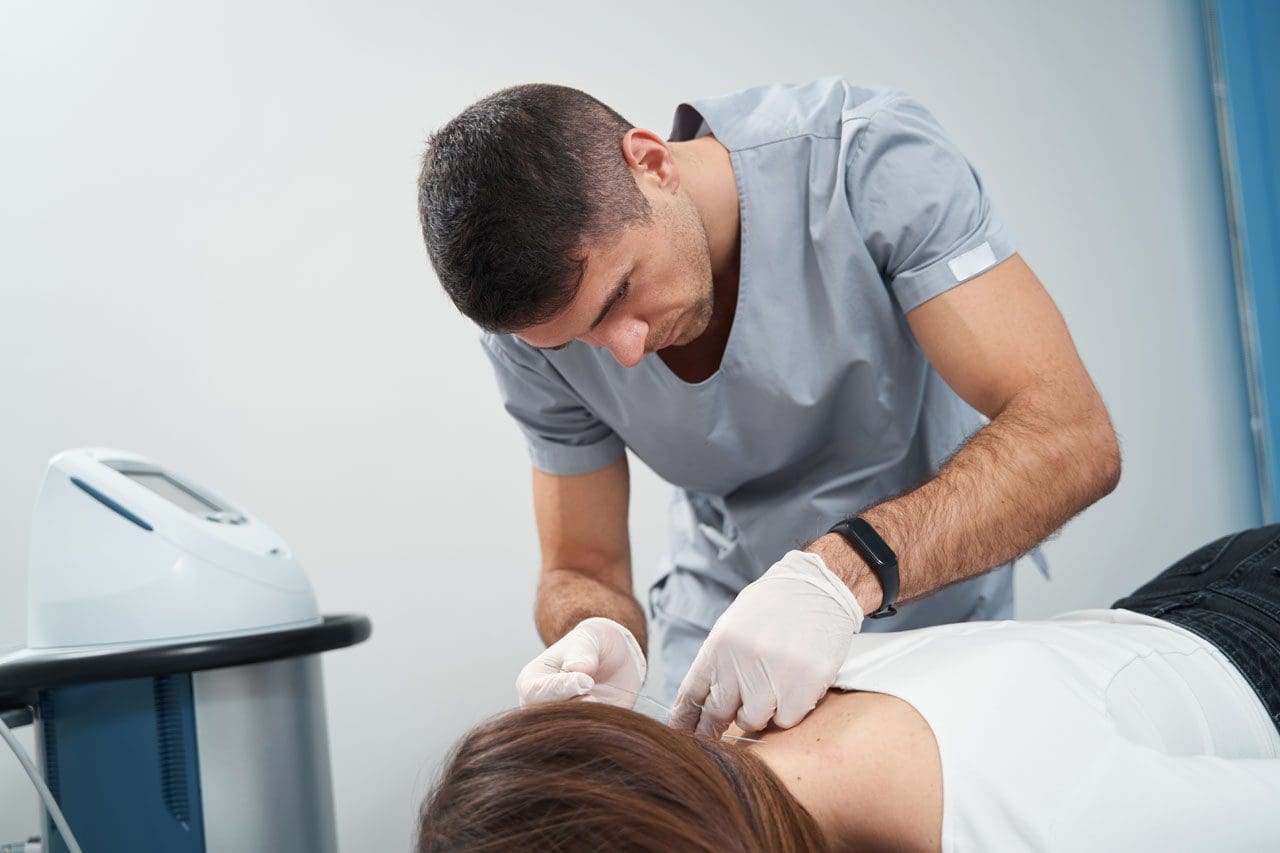
Acupuncture, a key component of traditional Chinese medicine, involves inserting thin needles at specific points on the body to influence energy flow and promote healing. Modern research has revealed that acupuncture exerts powerful effects on neurotransmitter systems, autonomic nervous system function, and neuroplasticity—all of which are relevant to improving sleep after TBI. Studies have demonstrated that acupuncture therapy can effectively treat sleep disorders by modulating several key neurotransmitter systems. Acupuncture increases gamma-aminobutyric acid (GABA), an inhibitory neurotransmitter that promotes calmness and sleep, while decreasing glutamate, an excitatory neurotransmitter that promotes wakefulness (The Effects of Acupuncture on Sleep Disorders, 2023). This shift in the excitatory-inhibitory balance creates conditions more conducive to falling asleep and maintaining sleep throughout the night.
Acupuncture also affects the autonomic nervous system by modulating vagus nerve activity. Research shows that acupuncture can directly influence peripheral nerves and muscles, which in turn modulate autonomic tone and central nervous system activation (Autonomic Activation in Insomnia, 2011). By activating parasympathetic pathways, acupuncture promotes the relaxation response, reduces stress hormone levels, and improves sleep quality. For stroke patients with sleep disorders—conditions that share similarities with TBI—acupuncture combined with conventional treatments produced significant improvements in sleep quality and neurological function (Effect of Acupuncture on Sleep Quality, 2021). The treatment reduced the time needed to fall asleep, increased total sleep duration, improved sleep efficiency, and decreased the frequency and duration of breathing interruptions during sleep. In Dr. Jimenez’s integrative practice, acupuncture serves as a valuable tool for addressing sleep disturbances in TBI patients. The treatment’s ability to reduce pain, decrease anxiety, improve autonomic balance, and directly influence sleep-regulating neurotransmitters makes it particularly effective when combined with other therapeutic modalities.
Physical Therapy: Exercise and Movement for Better Sleep
Physical therapy uses targeted exercises, manual techniques, and movement strategies to restore function, reduce pain, and improve overall physical health. For individuals recovering from TBI, physical therapy offers benefits that extend well beyond musculoskeletal improvements, enhancing sleep quality and neurological recovery. Exercise represents one of the most effective non-pharmacological interventions for improving sleep. A meta-analysis demonstrated that exercise interventions resulted in significant improvements in overall sleep quality, subjective sleep perception, and sleep latency—the time needed to fall asleep (Sleep Disturbance in Musculoskeletal Conditions, 2023). Exercise promotes better sleep through multiple mechanisms, including reducing anxiety and depression, regulating circadian rhythms, increasing sleep drive, and promoting deeper, more restorative sleep stages.
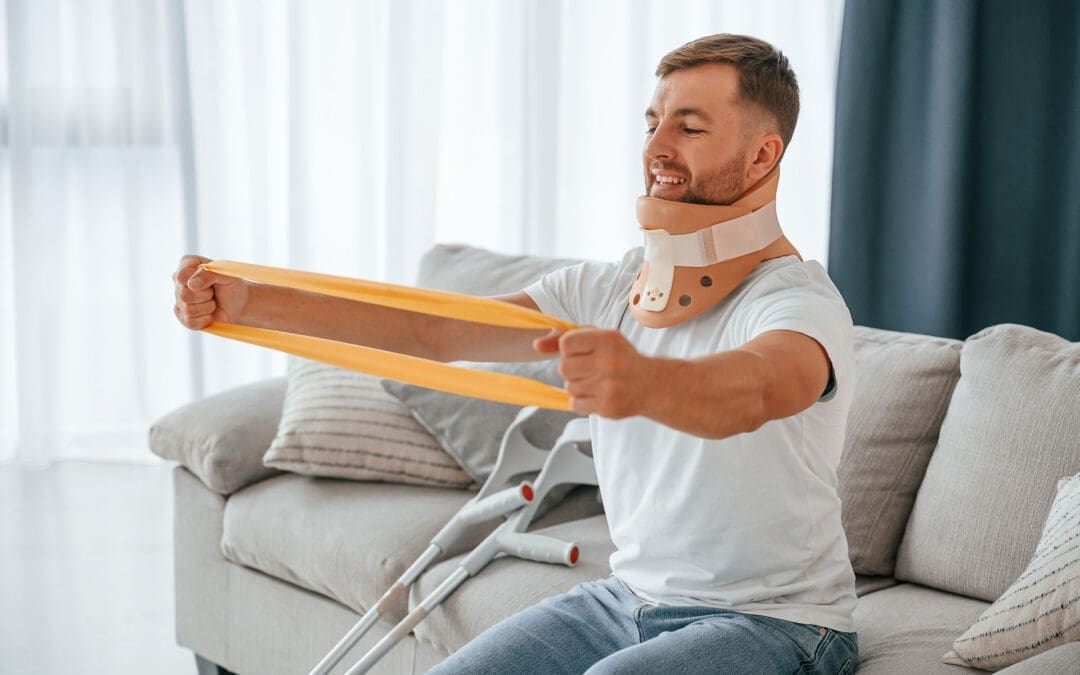
Physical therapy also addresses the musculoskeletal pain that commonly disrupts sleep after TBI. Through manual therapy techniques, therapeutic exercises, and posture education, physical therapists help reduce pain, improve mobility, and restore normal movement patterns. When pain decreases, sleep quality typically improves as individuals can find comfortable positions and experience fewer pain-related awakenings (How Physical Therapy Supports Better Sleep, 2025). The timing and type of exercise matter for sleep quality. Regular aerobic exercise improves sleep, but exercising too close to bedtime can be stimulating and delay sleep onset. Physical therapists help patients develop appropriate exercise programs that promote sleep without interfering with the ability to fall asleep. Moderate-intensity exercise training has been shown to have significant beneficial effects on both sleep quality and cardio-autonomic function (Sleep Disturbance in Musculoskeletal Conditions, 2023). For TBI patients specifically, research has shown that physical therapy exercises represent a safe and useful strategy for managing sleep disorders in neurorehabilitation (Physical Therapy Exercises for Sleep Disorders, 2021). The combination of improved physical function, reduced pain, better mood, and normalized circadian rhythms creates optimal conditions for restorative sleep.
Massage Therapy: Activating the Parasympathetic Response
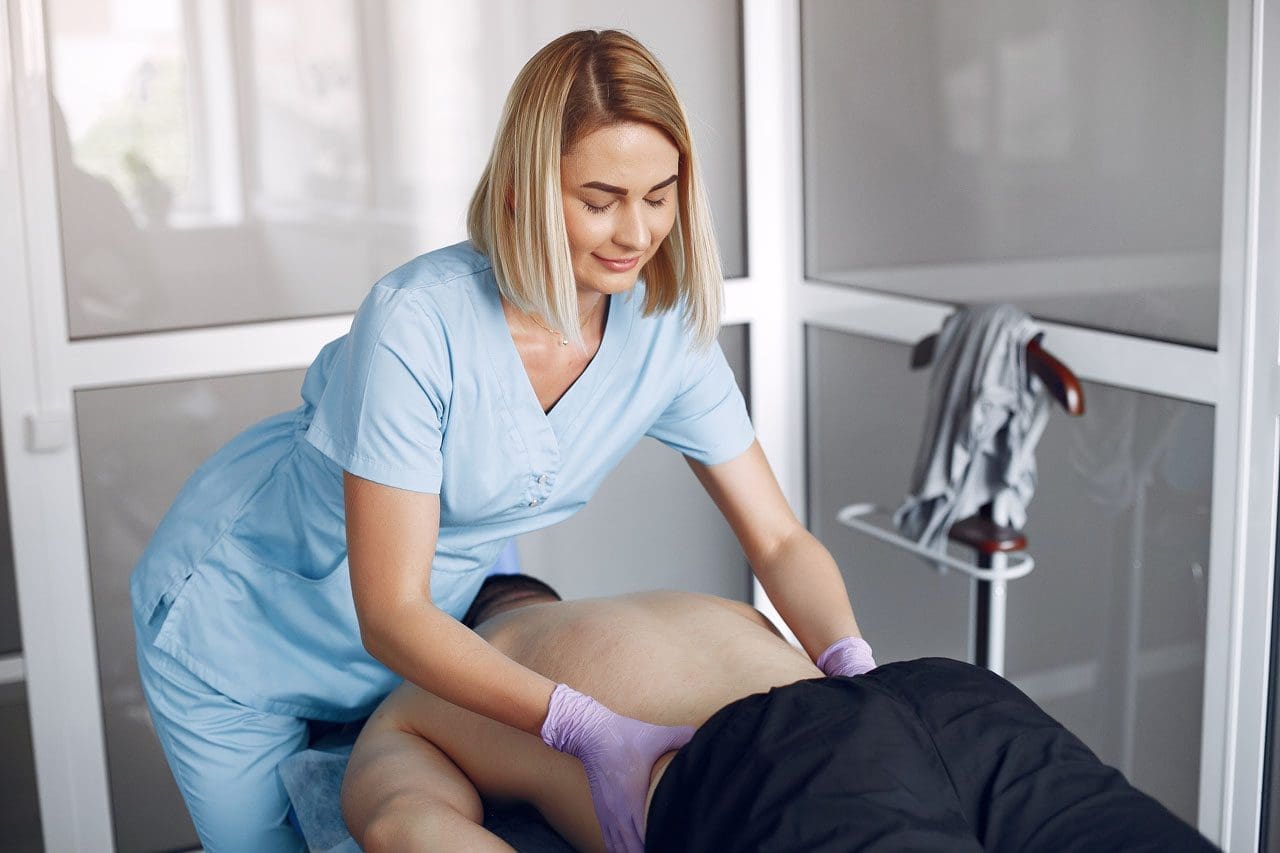
Massage therapy involves manipulating soft tissues to promote relaxation, reduce muscle tension, and improve circulation. This hands-on approach offers powerful benefits for sleep quality by directly influencing the nervous system and supporting the body’s natural healing processes. The scientific foundation for massage therapy’s sleep benefits lies in its effects on the autonomic nervous system. Massage activates the parasympathetic nervous system, signaling the body to shift from the stress response to the relaxation response (How Massage Therapy Improves Sleep Quality, 2024). This activation reduces heart rate, lowers blood pressure, decreases cortisol (the primary stress hormone), and increases production of serotonin and dopamine—neurotransmitters associated with mood regulation and relaxation.
Massage therapy supports better sleep by increasing serotonin levels, which serve as a precursor to melatonin. By promoting the production of these sleep-regulating hormones, massage helps the body naturally fall into a healthy sleep cycle (How Massage Therapy Can Improve Sleep Quality, 2024). This natural approach to improving melatonin production can be particularly valuable for TBI patients who may have reduced melatonin levels due to brain injury. Research has demonstrated that massage therapy reduces muscle pain and tension, improves circulation and oxygen flow, and creates overall physical relaxation that facilitates sleep (Massage Positively Influences Daytime Brain Activity, 2025). For individuals with musculoskeletal pain following TBI, massage addresses both the pain itself and the muscle guarding and tension that develop in response to pain.
Studies examining massage therapy in postmenopausal women with insomnia found significant improvements in sleep architecture, including decreased REM latency, reduced time in stage 1 sleep, and increased time in the deeper stages 3 and 4 sleep (The Beneficial Effects of Massage Therapy, 2014). These changes represent meaningful improvements in sleep quality, as deeper sleep stages provide more restorative benefits. In clinical practice, massage therapy is often integrated with other treatment modalities to provide comprehensive care for TBI patients. The combination of massage with chiropractic care, physical therapy, and other approaches creates synergistic effects that enhance overall outcomes.
Restoring Communication Between Brain and Body
All of these non-surgical treatments share a common goal: restoring proper communication between the brain and body. Traumatic brain injury disrupts this communication on multiple levels—from direct damage to neural pathways to hormonal imbalances to autonomic dysfunction. By addressing these disruptions through various therapeutic approaches, practitioners help reestablish the connections necessary for healing. The central nervous system coordinates all body functions through intricate networks of neurons that transmit signals between the brain, spinal cord, and peripheral nerves. When TBI occurs, this communication system becomes compromised. Chiropractic care addresses structural barriers to nerve transmission; acupuncture modulates neurotransmitter activity; physical therapy restores movement patterns that influence neural feedback; and massage therapy activates sensory pathways that signal safety and relaxation to the brain.
Vagal tone—the activity level of the vagus nerve—serves as a key indicator of how well the brain and body communicate. Higher vagal tone associates with better stress resilience, improved mood, better cognitive function, and enhanced sleep quality (The Vagus Nerve, 2024). Many of the non-surgical treatments discussed here work, in part, by improving vagal tone. Chiropractic adjustments, acupuncture, massage, and certain breathing exercises can all activate the vagus nerve, strengthening the parasympathetic response and improving autonomic balance. The somatic nervous system, which controls voluntary movements and processes sensory information, also plays a role in sleep quality. When musculoskeletal pain or movement dysfunction affects the somatic system, it can create ongoing sensory signals that keep the nervous system in a heightened state of alertness. Treatments that address these somatic issues—through physical therapy, massage, and manual techniques—help quiet these alerting signals and allow the nervous system to transition into sleep states more easily.
The Science of Motion- Video
Developing an Effective Sleep Routine After TBI
Creating and maintaining a consistent sleep routine represents one of the most important steps for improving sleep quality after traumatic brain injury. A well-designed sleep routine helps regulate circadian rhythms, signals the brain that it’s time for sleep, and creates optimal conditions for restorative rest.
Establish Consistent Sleep and Wake Times
The foundation of good sleep hygiene involves going to bed and waking up at approximately the same time every day, including weekends. This consistency helps program the brain’s internal clock, making it easier to fall asleep at bedtime and wake up feeling more refreshed (Enhancing Sleep Quality After TBI, 2024). After TBI, when circadian rhythms may be disrupted, this consistency becomes even more critical for reestablishing normal sleep-wake patterns.
Choose a bedtime that allows for 7-9 hours of sleep before your desired wake time. While individual sleep needs vary, most adults require at least seven hours of sleep per night for optimal health and recovery. Avoid the temptation to “sleep in” to make up for poor sleep, as this can further disrupt circadian rhythms and make it more difficult to fall asleep the following night.
Create a Relaxing Pre-Sleep Routine
Dedicate the 60-90 minutes before bedtime to calming activities that help transition from wakefulness to sleep. This wind-down period signals to the brain and body that sleep is approaching, allowing physiological systems to prepare for rest (Sleep After Traumatic Brain Injury, 2025).
Consider incorporating the following elements into your pre-sleep routine:
Dim the lights throughout your living space in the evening. Bright light suppresses melatonin production, making it harder to feel sleepy. Use soft, warm-toned lighting and avoid bright overhead lights as bedtime approaches.
Avoid screens from phones, tablets, computers, and televisions for at least 30-60 minutes before bed. The blue light emitted by electronic devices particularly suppresses melatonin and can delay sleep onset by up to two hours (Assessment and Management of Sleep Disturbances, 2024). If you must use devices, enable night mode or a blue light filter, and keep the screen brightness low.
Practice relaxation techniques such as deep breathing exercises, progressive muscle relaxation, gentle stretching, or meditation. These activities activate the parasympathetic nervous system, reduce stress hormone levels, and prepare the body for sleep. Even 10-15 minutes of focused relaxation can significantly improve your ability to fall asleep.
Take a warm bath or shower 60-90 minutes before bed. The subsequent cooling of body temperature after getting out of the bath mimics the natural temperature drop that occurs at sleep onset, helping to trigger sleepiness.
Engage in quiet, non-stimulating activities like reading a book (preferably a physical book rather than an e-reader), listening to calming music, or journaling. Avoid activities that are mentally or emotionally stimulating, such as work-related tasks, intense discussions, or watching exciting or disturbing content.
Optimize Your Sleep Environment
The bedroom environment significantly influences sleep quality, particularly for individuals with TBI who may have heightened sensory sensitivities.
Keep the bedroom cool, ideally between 60 and 67 degrees Fahrenheit. A cooler room temperature supports the natural drop in core body temperature that facilitates sleep onset and helps maintain sleep throughout the night (Where You Live, 2023).
Make the room as dark as possible. Use blackout curtains or shades to block outside light, cover or remove electronic devices with glowing lights, and consider using a sleep mask if complete darkness isn’t achievable. Even small amounts of light can disrupt sleep architecture and reduce sleep quality.
Minimize noise by using earplugs, white noise machines, or fans to create a consistent background sound that masks disruptive environmental noises. For some individuals, complete silence works best, while others find gentle, consistent sounds more soothing.
Ensure your bed is comfortable with a supportive mattress and pillows appropriate for your preferred sleep position. If musculoskeletal pain disrupts your sleep, consider using additional pillows for support or trying different sleep positions to reduce pressure on painful areas.
Use the bedroom only for sleep and intimacy. Avoid working, watching television, or engaging in other wakeful activities in bed. This helps strengthen the mental association between the bedroom and sleep, making it easier to fall asleep when you get into bed.
Manage Daytime Behaviors That Affect Nighttime Sleep
Actions taken during the day significantly impact nighttime sleep quality.
Get exposure to natural light early in the morning and throughout the day. Sunlight exposure helps regulate circadian rhythms, suppresses daytime melatonin production, and strengthens the contrast between day and night signals to the brain (Assessment and Management of Sleep Disturbances, 2024). Aim for at least 30 minutes of natural light exposure in the morning.
Exercise regularly, but not within 2-3 hours of bedtime. Regular physical activity improves sleep quality, but exercising too close to bedtime can be stimulating and delay sleep onset (Warding Off Sleep Issues, 2024). Morning or early afternoon exercise provides the best sleep benefits.
Limit naps to 20-30 minutes and avoid napping after 3:00 PM. While short naps can be refreshing, long or late-day naps can interfere with nighttime sleep. If you’re experiencing excessive daytime sleepiness after TBI, discuss appropriate napping strategies with your healthcare provider, as this may indicate an underlying sleep disorder requiring specific treatment.
Avoid caffeine for at least 5-6 hours before bedtime. Caffeine has a half-life of 5-6 hours, meaning half of the caffeine consumed remains in your system that long after consumption. For sensitive individuals or those with sleep difficulties, avoiding caffeine after noon may be necessary (Warding Off Sleep Issues, 2024).
Limit alcohol consumption and avoid alcohol close to bedtime. While alcohol may initially make you feel sleepy, it disrupts sleep architecture, reduces REM sleep, and causes more frequent awakenings during the night. Alcohol also affects breathing during sleep and can worsen sleep-disordered breathing.
Avoid large meals within 2-3 hours of bedtime. Eating too close to bedtime can cause digestive discomfort that interferes with sleep. If you’re hungry before bed, choose a light snack that combines complex carbohydrates with a small amount of protein.
Address Specific Sleep Problems
Different sleep problems require targeted strategies.
For difficulty falling asleep, try the “cognitive shuffle” technique or counting backwards by threes from a random number. These activities occupy the mind with neutral content, preventing anxious or racing thoughts that can delay sleep onset. If you don’t fall asleep within 20-30 minutes, get out of bed and engage in a quiet, non-stimulating activity until you feel sleepy.
For frequent nighttime awakenings, practice staying calm and avoiding clock-watching, which can increase anxiety about sleep. Use the same relaxation techniques you employ before bed to help return to sleep. If awakening relates to pain, work with your healthcare providers to address pain management strategies.
For early morning awakening, ensure you’re getting adequate light exposure during the day and avoiding light exposure in the evening. This helps shift your circadian rhythm to a more appropriate schedule.
When to Seek Professional Help
While good sleep hygiene provides the foundation for better sleep, it’s not sufficient as a standalone treatment for specific sleep disorders. If you’re implementing these strategies consistently for 2-3 weeks without significant improvement, consult with healthcare providers who specialize in sleep medicine or TBI rehabilitation (Assessment and Management of Sleep Disturbances, 2024).
A professional evaluation can identify specific sleep disorders like sleep apnea, narcolepsy, or circadian rhythm disorders that require targeted treatments. Sleep studies, including polysomnography and multiple sleep latency testing, provide objective measurements of sleep architecture and can reveal problems not apparent from self-report alone.
A Questionnaire Example of TBI Symptoms
The Role of Functional Medicine in TBI and Sleep Recovery
Functional medicine takes a comprehensive, patient-centered approach to health, seeking to identify and address the root causes of illness rather than simply managing symptoms. For individuals recovering from TBI with sleep disturbances, functional medicine offers valuable insights and treatment strategies that complement other therapeutic interventions. Dr. Alexander Jimenez’s clinical approach exemplifies the principles of functional medicine applied to TBI and sleep disorders. As both a chiropractor and board-certified Family Practice Nurse Practitioner with training in functional and integrative medicine, Dr. Jimenez conducts detailed assessments that evaluate personal history, current nutrition, activity behaviors, environmental exposures, genetic factors, and psychological and emotional elements that may contribute to sleep problems.
This comprehensive evaluation often reveals multiple contributing factors that conventional approaches might miss. For example, nutrient deficiencies in magnesium, vitamin D, or B vitamins can significantly impact sleep quality and neurological recovery. Chronic inflammation driven by dietary factors, environmental toxins, or gut health problems can impair both sleep and healing. Hormonal imbalances, blood sugar dysregulation, and mitochondrial dysfunction can all contribute to the fatigue, cognitive problems, and sleep disturbances that follow TBI. By identifying these underlying issues, functional medicine practitioners can create personalized treatment plans that address multiple factors simultaneously. This might include nutritional interventions to correct deficiencies and reduce inflammation, dietary modifications to support stable blood sugar and gut health, targeted supplementation to support mitochondrial function and neurological healing, stress management strategies to balance the autonomic nervous system, and environmental modifications to reduce toxic exposures and optimize the sleep environment. The integration of functional medicine with chiropractic care, physical therapy, acupuncture, and other modalities creates a truly comprehensive approach to TBI recovery. Rather than viewing sleep problems as an isolated issue, this integrated perspective recognizes sleep as one component of overall health that both affects and is affected by multiple body systems.
The Science of Recovery: Why Comprehensive Care Matters
The evidence supporting non-surgical, integrative approaches to TBI and sleep disorders continues to grow. Research consistently demonstrates that addressing sleep problems after TBI can improve multiple outcomes, including cognitive function, pain levels, mood and anxiety, quality of life, and overall recovery trajectories (Wickwire, 2020). Studies examining sleep quality during the acute hospitalization phase after TBI have found that better sleep during this critical period predicts more favorable long-term cognitive outcomes years later (Sanchez et al., 2022). Specifically, less fragmented sleep, more slow-wave sleep, and higher spindle density during hospitalization are associated with better memory and executive function at long-term follow-up. Importantly, these sleep measures were better predictors of cognitive outcomes than traditional injury severity markers, highlighting sleep’s critical role in recovery.
Cognitive behavioral therapy for insomnia (CBT-I) has emerged as a highly effective treatment for TBI-related sleep problems, with 70-80% of patients experiencing lasting benefit and approximately 50% achieving complete resolution of insomnia (Perspective: Cognitive Behavioral Therapy, 2023). CBT-I teaches skills and strategies that address the perpetuating factors maintaining insomnia, including dysfunctional beliefs about sleep, behaviors that interfere with sleep, and cognitive processes that increase arousal at bedtime. The combination of non-surgical treatments—chiropractic care, acupuncture, physical therapy, and massage therapy—with behavioral interventions like CBT-I and functional medicine approaches creates optimal conditions for recovery. Each modality addresses different aspects of the complex pathophysiology underlying TBI and sleep disturbances. Together, they work synergistically to restore nervous system function, reduce inflammation, improve autonomic balance, address pain and musculoskeletal dysfunction, optimize nutritional status, and reestablish healthy sleep-wake cycles.
Conclusion: Hope for Recovery Through Holistic Healing
Traumatic brain injury and the sleep disturbances that follow can feel overwhelming, but effective treatments exist that can significantly improve quality of life and support the brain’s remarkable capacity for healing. By understanding the complex relationships among brain injury, sleep, inflammation, autonomic function, and overall health, individuals can make informed decisions about their care and take an active role in their recovery. The non-surgical approaches discussed in this article—chiropractic care, acupuncture, physical therapy, and massage therapy—offer safe, effective options for improving sleep quality while supporting overall neurological recovery. These treatments work by restoring proper nervous system function, reducing inflammation, improving autonomic balance, addressing pain and musculoskeletal dysfunction, and reestablishing healthy communication between the brain and body.
Implementing consistent sleep hygiene practices and developing personalized sleep routines provides the foundation for better rest. When combined with professional guidance from healthcare providers trained in functional and integrative medicine, such as Dr. Alexander Jimenez, individuals can address the root causes of their sleep problems rather than simply managing symptoms. Recovery from TBI is rarely linear, and sleep problems may persist for months or years. However, with patience, persistence, and comprehensive care that addresses the whole person rather than isolated symptoms, meaningful improvement is possible. The brain possesses remarkable neuroplasticity—the ability to form new neural connections and pathways—that continues throughout life. By creating optimal conditions for healing through quality sleep, proper nutrition, appropriate therapies, and supportive environments, individuals can harness this neuroplasticity to support recovery and reclaim their lives after traumatic brain injury.
References
Aoun, R., Rawal, H., Attarian, H., & Sahni, A. (2019). Impact of traumatic brain injury on sleep: An overview. Nature and Science of Sleep, 11, 131-140. https://doi.org/10.2147/NSS.S182158
Landvater, J., Kim, S., Caswell, K., Kwon, C., Odafe, E., Roe, G., Tripathi, A., Vukovics, C., Wang, J., Ryan, K., Cocozza, V., Brock, M., Tchopev, Z., Tonkin, B., Capaldi, V., Collen, J., Creamer, J., Irfan, M., Wickwire, E. M., Williams, S., & Werner, J. K. (2024). Traumatic brain injury and sleep in military and veteran populations: A literature review. NeuroRehabilitation, 55(3), 245-270. https://doi.org/10.3233/NRE-230380
Physical therapy exercises for sleep disorders in a rehabilitation setting: A systematic review and meta-analysis. (2021, September 4). PubMed Central. https://pmc.ncbi.nlm.nih.gov/articles/PMC8416054/
Piantino, J. A., Iliff, J. J., & Lim, M. M. (2022). The bidirectional link between sleep disturbances and traumatic brain injury symptoms: A role for glymphatic dysfunction? Biological Psychiatry, 91(5), 478-487. https://doi.org/10.1016/j.biopsych.2021.06.025
Poulsen, I., Langhorn, L., Egerod, I., & Aadal, L. (2021). Sleep and agitation during subacute traumatic brain injury rehabilitation: A scoping review. Australian Critical Care, 34(1), 76-82. https://doi.org/10.1016/j.aucc.2020.05.006
Sanchez, E., Blais, H., Duclos, C., Arbour, C., Van Der Maren, S., El-Khatib, H., Baril, A. A., Bernard, F., Carrier, J., & Gosselin, N. (2022). Sleep from acute to chronic traumatic brain injury and cognitive outcomes. Sleep, 45(8), zsac123. https://doi.org/10.1093/sleep/zsac123
Sandsmark, D. K., Elliott, J. E., & Lim, M. M. (2017). Sleep-wake disturbances after traumatic brain injury: Synthesis of human and animal studies. Sleep, 40(5), zsx044. https://doi.org/10.1093/sleep/zsx044
The beneficial effects of massage therapy for insomnia in postmenopausal women. (2014, September 15). Sleep Medicine Research, 5(2), 51-54. https://doi.org/10.17241/smr.2014.5.2.51
The effects of acupuncture on sleep disorders and its underlying mechanism: A literature review of rodent studies. (2023, August 7). Frontiers in Neuroscience, 17. https://doi.org/10.3389/fnins.2023.1243029
Viola-Saltzman, M., & Watson, N. F. (2012). Traumatic brain injury and sleep disorders. Neurologic Clinics, 30(4), 1299-1312. https://doi.org/10.1016/j.ncl.2012.08.008
Wickwire, E. M. (2020). Why sleep matters after traumatic brain injury. Journal of Clinical Sleep Medicine, 16(Suppl 1), 5S-6S. https://doi.org/10.5664/jcsm.8872
Zielinski, M. R., & Gibbons, A. J. (2022). Neuroinflammation, sleep, and circadian rhythms. Frontiers in Cellular and Infection Microbiology, 12, 853096. https://doi.org/10.3389/fcimb.2022.853096
Common Types of Bicycle Accidents and the Role of Chiropractic and Integrative Medicine in Recovery
Bicycling is a popular mode of transportation and recreation, but it comes with risks, especially when sharing the road with motor vehicles. Bicycle accidents often result in serious injuries due to the lack of protection for cyclists compared to drivers. These accidents are frequently caused by driver negligence, such as failing to yield, distracted driving, or unsafe lane changes. This article explores the most common types of bicycle accidents—intersection collisions, rear-end collisions, dooring accidents, and unsafe passing or sideswipes—and their associated injuries, including spinal, musculoskeletal, and nerve damage. It also examines how chiropractic care, nurse practitioners, and integrative medicine, particularly through the expertise of professionals like Dr. Alexander Jimenez, DC, APRN, FNP-BC, can aid recovery by addressing the root causes of injuries and improving overall health.
Common Types of Bicycle Accidents
Intersection Collisions
Intersection collisions are among the most frequent and dangerous types of bicycle accidents. These occur when a cyclist and a motor vehicle collide at an intersection, often due to drivers failing to yield the right of way, running red lights, or making improper turns. For example, a “right hook” accident happens when a vehicle turns right in front of a cyclist traveling straight, while a “left cross” occurs when a car turns left into a cyclist’s path (Christensen Hymas, n.d.). These accidents are often caused by distracted driving, speeding, or drivers failing to notice cyclists due to blind spots or a lack of attention (The Champion Firm, n.d.; Langston & Lott, n.d.).
The high traffic volume and complex design of intersections make them hazardous. According to data, intersection accidents result in nearly 900 fatalities and over 94,000 injuries annually in Florida alone (Michael T. Gibson P.A., 2025). Cyclists are particularly vulnerable because they lack the physical protection of a vehicle, and collisions at intersections can lead to severe injuries.
Rear-end collisions occur when a vehicle strikes a cyclist from behind, often at intersections or in traffic when a cyclist slows or stops (Clarke Law, n.d.). These accidents are typically caused by driver inattention, tailgating, or failure to stop in time (Lorenz & Lorenz, n.d.). For example, a distracted driver texting or adjusting the radio may not notice a cyclist ahead, leading to a collision (Gallagher & Kennedy, n.d.). Rear-end collisions are particularly dangerous because cyclists can be thrown off their bikes or run over by the vehicle, resulting in severe injuries or fatalities.
The force of a rear-end collision can cause significant trauma, as the cyclist absorbs the full impact of the vehicle’s momentum. These accidents are often preventable if drivers maintain a safe following distance and stay focused on the road (Varner Faddis, n.d.).
Dooring accidents happen when a driver or passenger opens a car door into the path of an oncoming cyclist, often in urban areas with bike lanes next to parked cars (CBP&W Law, n.d.; The Hawk Firm, n.d.). Cyclists have little time to react, leading to collisions with the door or swerving into traffic, which can result in further accidents (Gallagher & Kennedy, n.d.). These incidents are caused by drivers failing to check for approaching cyclists before opening their doors, a clear act of negligence (Hawn & Walsh, 2024).
Dooring accidents can cause cyclists to be thrown from their bikes, leading to head, neck, or limb injuries. In some cases, swerving to avoid a door can put cyclists in the path of moving vehicles, thereby increasing the risk of severe harm (Lorenz & Lorenz, n.d.).
Unsafe passing or sideswipe accidents occur when a vehicle attempts to overtake a cyclist without providing enough clearance, resulting in contact or forcing the cyclist off the road (Reinartz Law, n.d.). These accidents often happen due to drivers misjudging the space needed to pass safely or failing to check their blind spots (Bay Area Bicycle Law, n.d.). Sideswipes can also occur when a vehicle drifts into a bike lane or when a cyclist is pushed into traffic by an unsafe maneuver (Foster Wallace, n.d.).
These accidents can lead to cyclists losing control, crashing into other vehicles, or hitting roadside objects. Driver negligence, such as distracted driving or speeding, is a common cause, as drivers may not see cyclists or underestimate their speed (1800thelaw2, n.d.).
Bicycle accidents often result in serious injuries due to the cyclist’s exposure and lack of protective barriers. The most common injuries include spinal, musculoskeletal, and nerve damage, each with significant impacts on a person’s health and quality of life.
Spinal Injuries
Spinal injuries are among the most severe outcomes of bicycle accidents, particularly in high-impact collisions like intersection or rear-end crashes. According to the National Spinal Cord Injury Statistical Center, motor vehicle collisions, including those involving bicycles, account for 38% of spinal cord injuries in the United States (NCBI, 2023). These injuries can range from herniated discs and vertebral fractures to complete spinal cord damage, leading to partial or full paralysis.
The mechanism of injury in bicycle accidents often involves axial loading, where the force of impact compresses the spine, or sudden jerking motions that strain spinal structures (NCBI, 2023). For example, a rear-end collision can cause whiplash, leading to cervical spine damage, while a head-on intersection crash may result in thoracic or lumbar injuries.
Musculoskeletal injuries, such as fractures, sprains, and muscle tears, are common in bicycle accidents due to the force of impact or falls. Intersection collisions and sideswipes often cause cyclists to be thrown from their bikes, leading to broken bones in the arms, legs, or pelvis (Gallagher & Kennedy, n.d.). Dooring accidents can result in shoulder or knee injuries when cyclists collide with a car door or fall onto the pavement.
Whiplash, a common musculoskeletal injury, frequently occurs in rear-end collisions as the head and neck are jerked forward and backward, straining the muscles and ligaments (McCutcheon & Hamner, 2024). These injuries can cause chronic pain and limit mobility if not properly treated.
Nerve injuries, including peripheral nerve damage and radiculopathy, can occur when bicycle accidents compress or stretch nerves. For instance, a fall from a bike during a sideswipe or dooring accident can pinch nerves in the neck or lower back, causing pain, numbness, or weakness in the limbs (Gallagher & Kennedy, n.d.). Severe cases may involve nerve damage that affects motor function or sensation, requiring extensive rehabilitation.
Nerve injuries are particularly challenging because they can lead to chronic conditions, such as complex regional pain syndrome, if not addressed early (Jimenez, n.d.).
Role of Chiropractic Care, Nurse Practitioners, and Integrative Medicine
Recovering from bicycle accident injuries requires a comprehensive approach that addresses both the symptoms and root causes of the damage. Chiropractic care, nurse practitioners, and integrative medicine play vital roles in this process, offering holistic and personalized treatment plans that cater to individual needs.
Chiropractic Care
Chiropractic care focuses on restoring the body’s alignment and function, particularly for spinal and musculoskeletal injuries. Chiropractors utilize spinal adjustments, soft tissue therapy, and corrective exercises to alleviate pain, reduce inflammation, and enhance mobility (Jimenez, n.d.). For example, in cases of whiplash resulting from rear-end collisions, chiropractic adjustments can help realign the cervical spine, thereby reducing pressure on nerves and muscles.
Chiropractic care also addresses the root causes of injuries by correcting misalignments that may lead to chronic pain or compensatory issues in other parts of the body. This approach promotes long-term healing and prevents future complications (El Paso Back Clinic, n.d.).
Nurse practitioners (NPs), such as Dr. Alexander Jimenez, APRN, FNP-BC, bring a medical perspective to the treatment of injuries. NPs can perform diagnostic assessments, prescribe medications, and coordinate care with other healthcare providers. In bicycle accident cases, NPs evaluate symptoms, order diagnostic tests, and develop treatment plans that address both physical and psychological aspects of recovery (Jimenez, n.d.).
NPs also play a key role in dual diagnosis, identifying co-occurring conditions such as post-traumatic stress disorder (PTSD) or chronic pain syndromes that may arise from accidents. By integrating medical and holistic approaches, NPs ensure comprehensive care that supports overall health (LinkedIn, n.d.).
Integrative medicine combines conventional medical treatments with complementary therapies, such as acupuncture, physical therapy, and nutritional counseling, to enhance overall well-being and promote healing. This approach is particularly effective for bicycle accident victims, as it addresses the physical, emotional, and systemic effects of injuries. For example, integrative medicine may include massage therapy to reduce muscle tension, dietary changes to support tissue repair, and mindfulness practices to manage pain and stress (Jimenez, n.d.).
By focusing on the whole person, integrative medicine helps patients recover more quickly and maintain long-term health, thereby reducing the risk of re-injury (El Paso Back Clinic, n.d.).
Dr. Alexander Jimenez’s Expertise in Bicycle Accident Recovery
Dr. Alexander Jimenez, DC, APRN, FNP-BC, is a chiropractor and nurse practitioner in El Paso, Texas, with unique expertise in treating injuries from auto and bicycle accidents. His dual qualifications allow him to bridge chiropractic and medical care, providing comprehensive treatment for patients.
Clinical Correlation and Dual Diagnosis
Dr. Jimenez emphasizes the importance of understanding the clinical correlation between accident mechanisms and injuries. For example, a rear-end collision may cause whiplash, leading to cervical spine misalignment and nerve irritation, which can manifest as headaches, neck pain, or arm numbness (Jimenez, n.d.). By identifying these connections, Dr. Jimenez creates targeted treatment plans that address the root causes of symptoms.
His dual diagnosis approach also considers co-occurring conditions, such as anxiety or PTSD, which can exacerbate physical pain. By addressing both physical and psychological factors, Dr. Jimenez ensures holistic recovery (LinkedIn, n.d.).
Diagnostic Assessments and Advanced Imaging
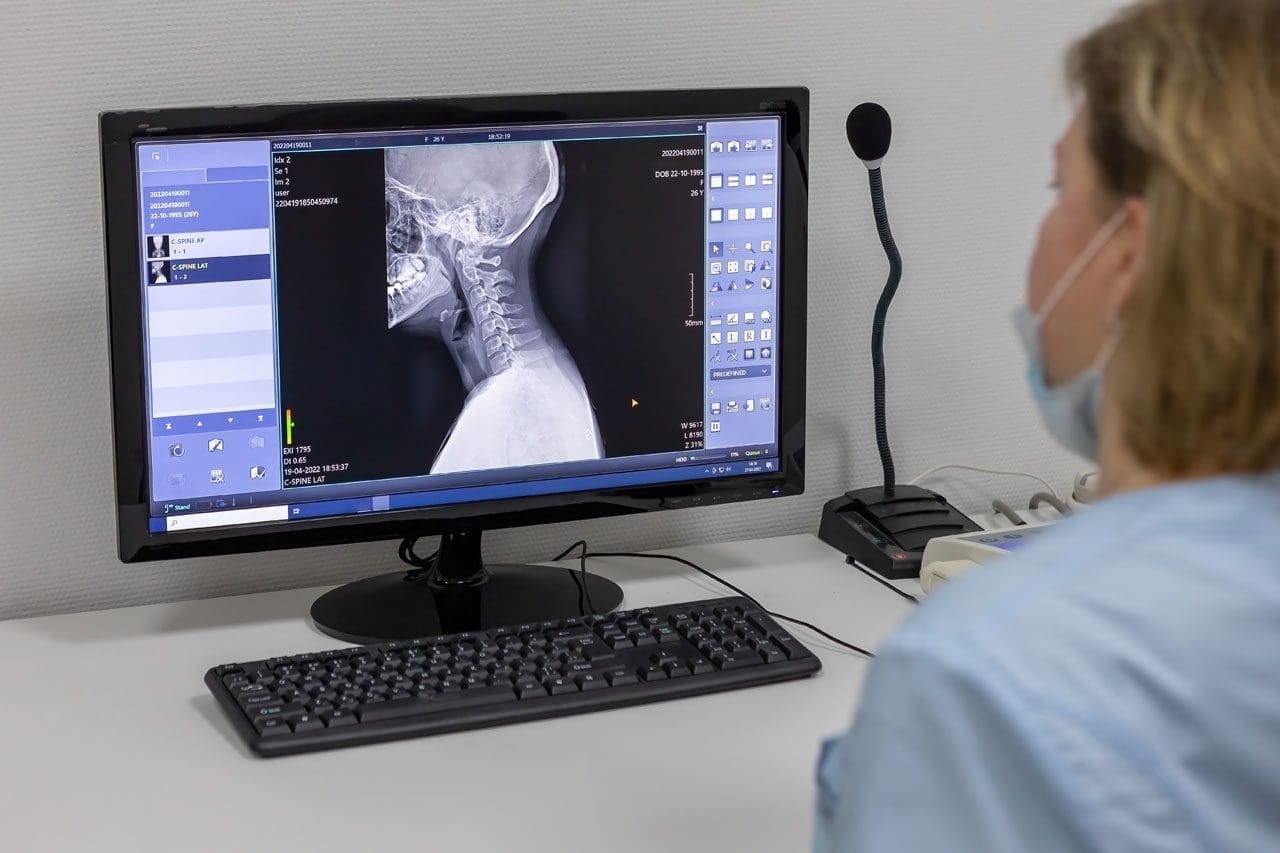
Dr. Jimenez utilizes diagnostic assessments, including physical examinations, range-of-motion tests, and neurological evaluations, to assess the severity of injuries. Advanced imaging techniques, such as X-rays, MRIs, or CT scans, help identify fractures, disc herniations, or soft tissue damage that may not be visible through physical examination alone (El Paso Back Clinic, n.d.). These tools enable Dr. Jimenez to develop personalized treatment plans tailored to each patient’s specific needs.
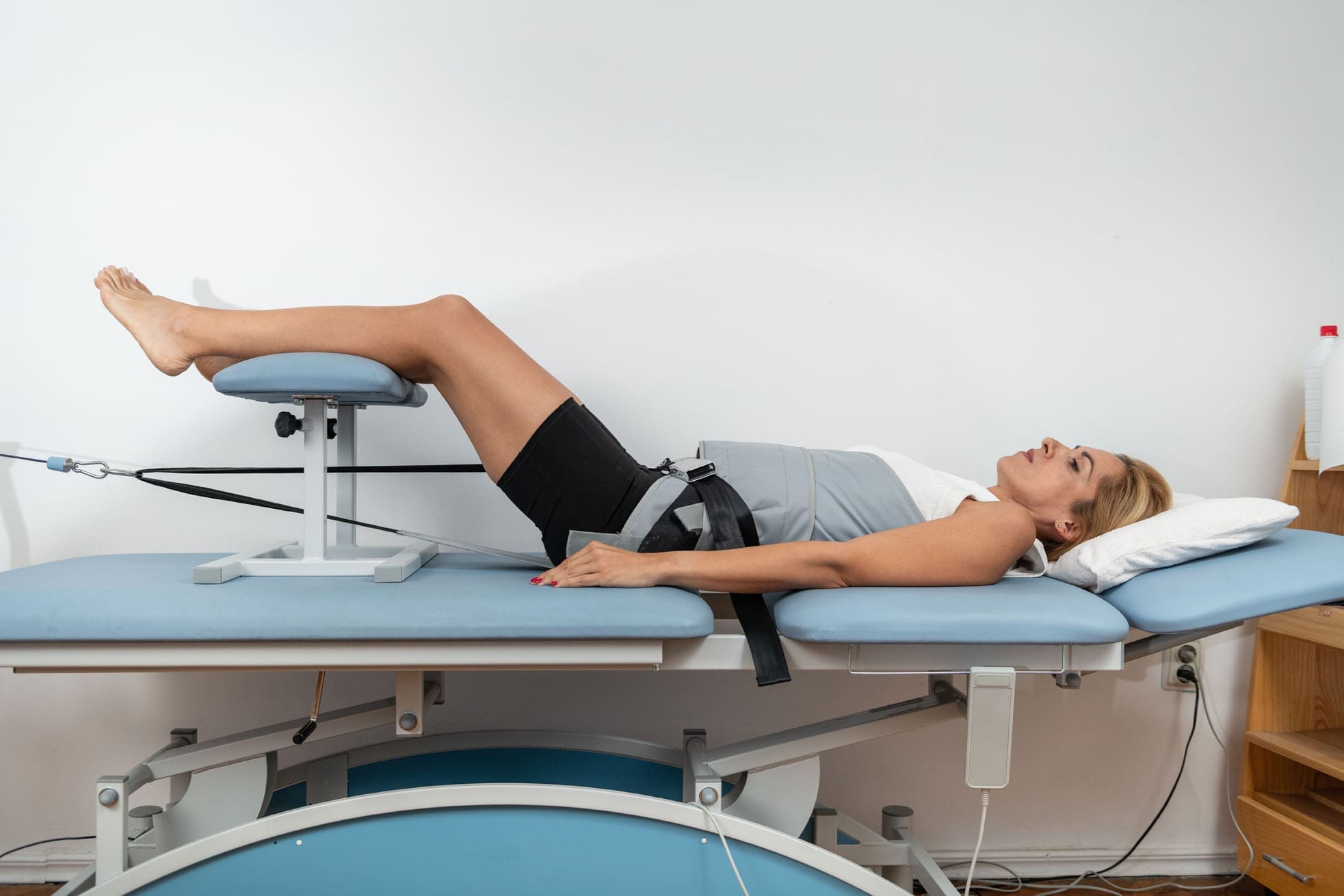
For example, an MRI may reveal a herniated disc in a cyclist who experienced a sideswipe accident, guiding the use of spinal decompression therapy to relieve pressure on the affected nerve (Jimenez, n.d.).
Handling Medical Care and Legal Paperwork
Dr. Jimenez’s dual training as a chiropractor and nurse practitioner equips him to manage both medical care and the legal aspects of personal injury cases. He provides detailed medical reports and documentation that support insurance claims or legal proceedings, ensuring patients receive fair compensation for their injuries (LinkedIn, n.d.). His expertise in injury causation and treatment outcomes strengthens personal injury cases by clearly linking accidents to specific injuries, thereby enhancing the likelihood of successful outcomes.
For instance, in a dooring accident case, Dr. Jimenez can document how a shoulder injury resulted from the collision, providing evidence for legal claims while treating the injury with chiropractic adjustments and physical therapy (El Paso Back Clinic, n.d.).
How Chiropractic and Integrative Medicine Aid Recovery
Chiropractic and integrative medicine offer significant benefits for bicycle accident victims by addressing the root causes of injuries and promoting overall health.
Addressing Root Causes
Unlike treatments that only mask symptoms, chiropractic care corrects spinal misalignments and restores joint function, reducing pain and preventing chronic issues (Jimenez, n.d.). For example, a cyclist with a herniated disc resulting from an intersection collision may receive spinal adjustments to realign the vertebrae, thereby alleviating pressure on the nerves and promoting healing.
Integrative medicine complements this approach by incorporating therapies such as acupuncture to reduce inflammation and physical therapy to strengthen supporting muscles, thereby addressing the underlying causes of pain and dysfunction (El Paso Back Clinic, n.d.).
Improving Overall Health
These approaches also enhance overall health by improving posture, boosting immune function, and reducing stress. Nutritional counseling can support tissue repair, while mindfulness practices help manage the emotional toll of accidents (Jimenez, n.d.). By treating the body as a whole, chiropractic and integrative medicine help patients return to their pre-accident level of function and prevent future injuries.
Bicycle accidents, including intersection collisions, rear-end collisions, dooring accidents, and unsafe passing or sideswipes, pose significant risks to cyclists due to driver negligence. These accidents can cause severe spinal, musculoskeletal, and nerve injuries that require comprehensive treatment. Professionals like Dr. Alexander Jimenez, with his expertise as a chiropractor and nurse practitioner, play a crucial role in recovery by utilizing diagnostic assessments, advanced imaging, and integrative medicine to address the underlying causes of injuries. Chiropractic care and integrative medicine not only alleviate pain but also promote long-term health, helping cyclists recover fully and return to their active lifestyles.
Motor Vehicle Accident Recovery: The Role of Massage Therapy and Chiropractic Care
Motor vehicle accidents (MVAs) can cause a range of injuries, from minor aches to severe spinal and nerve damage. These injuries often affect the muscles, bones, and nerves, resulting in pain, limited mobility, and emotional distress. Recovery can be challenging, but treatments like massage therapy and chiropractic care, especially when provided by experts like Dr. Alexander Jimenez, offer effective solutions. This article explores how MVAs cause physical and emotional harm, how massage therapy helps with recovery, and how Dr. Jimenez’s unique approach supports healing and legal processes for accident victims.
How Motor Vehicle Accidents Cause Injuries
MVAs generate powerful forces that can harm the body in many ways. The sudden impact of a crash can jolt the spine, strain muscles, and damage nerves. Here are the main types of injuries caused by MVAs:
Spinal Injuries
The spine is very vulnerable during a car accident. The rapid movement can cause the vertebrae to misalign, leading to conditions like whiplash, herniated discs, or even spinal cord injuries. Whiplash happens when the neck is suddenly jerked forward and backward, straining muscles and ligaments. According to the National Spinal Cord Injury Statistical Center, MVAs are the leading cause of spinal cord injuries in the U.S., accounting for 38% of cases between 2010 and 2013 (National Institute of Neurological Disorders and Stroke, 2025). Severe spinal injuries can cause tetraplegia (loss of function in arms and legs) or paraplegia (loss of function in legs), depending on where the damage occurs (Wu et al., 2022).
Musculoskeletal Injuries
Muscles, ligaments, and tendons often get strained or torn during MVAs. For example, seatbelt trauma or impact with the steering wheel can cause sprains, strains, or fractures. Back pain is common, with many accident victims experiencing muscle strains or disc injuries. A herniated disc occurs when the tissue between the vertebrae ruptures, pressing on nerves and causing pain or numbness (Novus Spine Center, 2025). If untreated, these injuries can lead to chronic pain and reduced mobility.
Nerve Injuries
Nerve damage is another serious issue after MVAs. The force of a crash can compress or irritate nerves, resulting in symptoms such as tingling, numbness, or weakness. For example, a herniated disc can press on spinal nerves, causing pain that radiates to the arms or legs. Whiplash can also irritate nerves in the neck, leading to headaches or numbness in the arms (Journal of Orthopaedic & Sports Physical Therapy, 2016). In severe cases, nerve damage can disrupt signals to organs, affecting functions like digestion (El Paso Back Clinic, 2025).
Emotional Distress
Car accidents are traumatic, and the emotional toll can be as serious as physical injuries. Many victims develop anxiety, fear of driving, or post-traumatic stress disorder (PTSD). Symptoms of PTSD include flashbacks, nightmares, and difficulty sleeping, which can make recovery harder (Farah & Farah, 2023). Emotional distress can also worsen physical pain, as stress increases muscle tension and inflammation.
Wu, Y., Zhang, Z., Wang, F., & Wang, W. (2022). Current status of traumatic spinal cord injury caused by traffic accident in Northern China. Scientific Reports. https://www.nature.com/articles/s41598-022-17208-7
Journal of Orthopaedic & Sports Physical Therapy. (2016). Mechanisms and mitigation of head and spinal injuries due to motor vehicle crashes. Retrieved from https://www.jospt.org/doi/10.2519/jospt.2016.6416
Massage therapy is a powerful tool for recovering from MVA injuries. It helps reduce pain, improve mobility, and ease emotional stress. Different types of massage therapy target specific issues, making it a versatile treatment for accident victims. Here are the main types of massage therapy and how they help:
Types of Massage Therapy
Swedish Massage: This gentle massage technique utilizes long, flowing strokes and kneading motions to relax muscles and enhance blood flow. It’s great for reducing muscle tension and promoting relaxation, which helps with both physical pain and emotional stress (East Bridge Massage Portland, 2021). Swedish massage is often used early in recovery to prepare the body for deeper treatments.
Deep Tissue Massage: This type of massage focuses on the deeper muscle layers to break down scar tissue and relieve chronic pain. It’s especially helpful for musculoskeletal injuries like strains or sprains caused by MVAs. Deep tissue massage can be intense, so it’s best for later stages of recovery when inflammation has decreased (Rocky Mountain Accident Care, n.d.).
Trigger Point Therapy: Trigger points are tight spots in muscles that cause pain in other areas of the body. Trigger point therapy applies pressure to these spots to release tension and reduce referred pain. It’s effective for whiplash and nerve-related pain, as it targets specific areas of discomfort (Revive Injury, n.d.).
Myofascial Release: This technique involves stretching the connective tissue (fascia) surrounding muscles to enhance flexibility and alleviate pain. It’s useful for restoring range of motion after an accident, especially for injuries that limit movement (MVAMVP, n.d.).
Neuromuscular Therapy: This massage targets nerve compression and muscle imbalances, focusing on restoring balance and function. It’s particularly helpful for nerve injuries caused by MVAs, as it improves nerve function and reduces symptoms like tingling or numbness (Curezone Physiotherapy, n.d.).
Physical Benefits
Massage therapy helps the body heal in several ways:
Pain Relief: By increasing blood flow, massage reduces inflammation and releases endorphins, the body’s natural painkillers. A 2015 study found that massage therapy effectively reduces neck pain, a common MVA injury (PubMed, 2015).
Improved Mobility: Massage loosens tight muscles and breaks down scar tissue, helping restore range of motion. This is crucial for injuries like whiplash, which can cause stiffness in the neck and shoulders (Mind Body Med Seattle, n.d.).
Reduced Muscle Tension: MVAs often cause muscles to tighten as a protective response. Massage relaxes these muscles, preventing chronic pain and improving posture (Denver Chiropractic, n.d.).
Faster Healing: Improved circulation from massage delivers oxygen and nutrients to injured tissues, speeding up recovery (Biotone, n.d.).
Emotional Benefits
Massage therapy also helps with the emotional side of recovery:
Stress Reduction: The relaxing touch of massage lowers cortisol levels, reducing anxiety and promoting calmness. This is especially important for MVA victims experiencing PTSD or fear of driving (Boulder Sports Clinic, n.d.).
Improved Sleep: Massage can help with sleep problems caused by pain or emotional distress, allowing the body to heal more effectively (Primary Rehab, n.d.).
Emotional Processing: The safe, nurturing environment of a massage session helps victims feel cared for, which can ease feelings of fear or isolation (Sage Bodywork Seattle, n.d.).
Massage therapy should be part of a comprehensive recovery plan, often combined with other treatments, such as chiropractic care or physical therapy. It’s important to start massage therapy after a medical evaluation to ensure it’s safe for the specific injuries (East Bay Chiropractic Office, n.d.).
Dr. Alexander Jimenez, a chiropractor and nurse practitioner in El Paso, Texas, is a leading expert in treating MVA injuries. With over 25 years of experience, his dual licensure allows him to combine chiropractic care with medical diagnostics, creating a unique approach to recovery. His clinic, Injury Medical & Chiropractic Clinic, utilizes advanced tools and integrative medicine to help patients heal physically and emotionally, while also supporting their legal needs in personal injury cases.
Clinical Correlation and Dual Diagnosis
Dr. Jimenez’s approach begins with understanding how the forces of an accident affect the body. He uses a “dual-scope” method, combining chiropractic and medical evaluations to diagnose injuries accurately. For example, a patient with neck pain might have both a musculoskeletal issue (like whiplash) and a nerve problem (like radiculopathy). By identifying these dual diagnoses, Dr. Jimenez creates personalized treatment plans that address all aspects of the injury (Jimenez, 2025).
Diagnostic Assessments and Advanced Imaging
Dr. Jimenez utilizes advanced tools to identify the underlying causes of pain. These include:
X-rays and MRIs: These imaging tests reveal spinal misalignments, disc herniations, or soft tissue damage.
CT Scans: These provide detailed images of bones and joints.
Electromyography (EMG): This test assesses nerve function to detect issues such as numbness or weakness.
Functional Movement Screens: These assessments evaluate how injuries impact movement and posture.
These tools help Dr. Jimenez confirm injuries and create evidence for legal claims. For example, an MRI might show a herniated disc that explains a patient’s arm pain, supporting both treatment and insurance claims (El Paso Back Clinic, 2025).
Chiropractic and Integrative Medicine
Dr. Jimenez’s treatments focus on addressing the root causes of pain, rather than just its symptoms. His methods include:
Spinal Adjustments: These realign the spine to reduce nerve compression and improve mobility. They’re effective for whiplash and back pain (Personal Injury Doctor Group, 2025).
Soft Tissue Therapies: These include massage and myofascial release to relax muscles and reduce inflammation.
Functional Medicine: Dr. Jimenez addresses systemic issues, such as inflammation and hormonal imbalances, through nutrition and lifestyle changes. For example, an anti-inflammatory diet can help reduce swelling and support healing (Jimenez, 2025).
Rehabilitation exercises strengthen muscles and improve posture to help prevent chronic pain.
This integrative approach helps patients recover fully and improves their overall health by addressing diet, stress, and movement.
Legal Support in Personal Injury Cases
Dr. Jimenez’s dual licensure makes him uniquely qualified to handle the legal aspects of MVA cases. He provides detailed medical reports that document injuries, treatments, and progress. These reports are crucial for insurance claims and lawsuits, as they prove the extent of injuries and the need for care. For example, his imaging results and neurological tests can show how a crash caused specific injuries, helping patients get fair compensation (Wellness Doctor Rx, 2025).
Success Stories
Dr. Jimenez has helped many patients recover. For example, a 35-year-old woman with whiplash and headaches saw a 90% improvement in symptoms after six weeks of spinal adjustments, massage therapy, and nutritional counseling (El Paso Back Clinic, n.d.). Another patient, a 32-year-old teacher, recovered from neck pain and arm numbness with a combination of chiropractic care and posture rehab (Wellness Doctor Rx, 2025). These cases demonstrate how Dr. Jimenez’s methods yield tangible results.
Massage therapy and chiropractic care work well together for MVA recovery. Chiropractic adjustments fix spinal misalignments, while massage therapy relaxes muscles and reduces tension. For example, a Swedish massage can prepare the body for an adjustment by loosening tight muscles, making the spine easier to realign (MVAMVP, n.d.). Trigger point therapy can also target specific pain areas, complementing chiropractic care for nerve injuries (Curezone Physiotherapy, n.d.).
Dr. Jimenez often incorporates massage therapy into his treatment plans. His team employs techniques such as myofascial release to enhance flexibility and alleviate pain, which complements chiropractic adjustments. This combination enables patients to recover more quickly and prevents long-term issues like chronic pain or poor posture (El Paso Back Clinic, 2025).
Recovery from MVA injuries varies depending on the injury’s severity. Minor injuries, such as muscle strains, may improve in a few weeks with massage and chiropractic care, while severe injuries, like herniated discs or nerve damage, may take months (Primary Rehab, n.d.). Here are some tips for recovery:
Seek Care Early: Get a medical evaluation within 72 hours of an accident to catch injuries early (El Paso Back Clinic, 2025).
Follow Treatment Plans: Stick to your chiropractor’s and massage therapist’s recommendations for best results.
Practice Self-Care: Eat an anti-inflammatory diet, stay hydrated, and engage in gentle stretches to support your healing.
Address Emotional Health: Talk to a counselor or join a support group if you’re feeling anxious or stressed.
Dr. Jimenez’s integrative approach, which combines chiropractic care, massage therapy, and functional medicine, helps patients recover more quickly and feel better overall.
Motor vehicle accidents can cause serious spinal, musculoskeletal, and nerve injuries, along with emotional distress. Massage therapy, with techniques like Swedish, deep tissue, and trigger point therapy, helps reduce pain, improve mobility, and ease stress. Dr. Alexander Jimenez’s expertise in chiropractic care and integrative medicine takes recovery to the next level. His use of advanced imaging, dual diagnosis, and personalized treatment plans addresses the root causes of injuries, while his legal documentation supports personal injury cases. By combining massage therapy with chiropractic care, patients can recover faster, regain their health, and improve their quality of life.
Journal of Orthopaedic & Sports Physical Therapy. (2016). Mechanisms and mitigation of head and spinal injuries due to motor vehicle crashes. Journal of Orthopaedic & Sports Physical Therapy, 46(10), 826-833. https://doi.org/10.2519/jospt.2016.6416
Sherman, K. J., Cook, A. J., Wellman, R. D., Hawkes, R. J., Kahn, J. R., Deyo, R. A., & Cherkin, D. C. (2015). Five-week outcomes from a randomized trial of massage for neck pain. Journal of General Internal Medicine, 30(6), 742-749. https://doi.org/10.1007/s11606-015-3220-9
Wu, Y., Zhang, Z., Wang, F., & Wang, W. (2022). Current status of traumatic spinal cord injury caused by traffic accident in Northern China. Scientific Reports, 12(1), 12345. https://doi.org/10.1038/s41598-022-17208-7
Recovering from Motor Vehicle Accident Injuries with El Paso Back Clinic’s Expertise and Durable Medical Equipment
Motor vehicle accidents (MVAs) can result in a wide range of musculoskeletal injuries, from minor sprains to severe spinal damage, significantly affecting mobility, independence, and quality of life. Effective recovery requires a comprehensive approach, combining specialized medical devices, known as Durable Medical Equipment (DME), with expert care from professionals at El Paso Back Clinic. This blog post explores MVA-related musculoskeletal injuries, the essential role of DME in rehabilitation, and the clinic’s integrative approach, led by Dr. Alexander Jimenez, blending advanced diagnostics, chiropractic care, and functional medicine. This article aims to inform and empower accident victims.
Understanding Musculoskeletal Injuries from Motor Vehicle Accidents
Motor vehicle accidents are a major cause of musculoskeletal injuries, impacting muscles, bones, joints, ligaments, and tendons. The severity of these injuries depends on the collision’s force, body position during impact, and individual health. Common injuries include:
Whiplash: A neck injury caused by rapid head movement, often in rear-end collisions, leading to pain, stiffness, and headaches.
Back and Spinal Injuries: Including herniated discs, vertebral fractures, or misalignments (subluxations), causing chronic pain and reduced mobility.
Soft Tissue Injuries: Sprains, strains, or tears in muscles, tendons, or ligaments, resulting in swelling and limited movement.
Joint Injuries: Damage to shoulders, knees, or hips, causing pain and restricted range of motion.
Nerve Damage: Nerve compression or irritation, leading to tingling, numbness, or radiating pain, as seen in sciatica.
The sudden forces in MVAs, even at low speeds, can disrupt the body’s alignment and function. Research shows that 40.2% of MVA patients require ongoing treatment for persistent pain, with headaches and low back pain extending treatment duration (Dies & Strapp, 1992). Without timely intervention, these injuries can lead to chronic pain, disability, and reduced quality of life.
The Importance of Early Treatment
Seeking care within 72 hours of an accident is critical to prevent long-term complications. Symptoms like pain or stiffness may appear hours or days later, making early intervention essential. El Paso Back Clinic’s integrative approach, combined with DME, addresses injuries promptly, reducing inflammation, restoring function, and preventing chronic issues.
References
Dies, S., & Strapp, J. W. (1992). Chiropractic treatment of patients in motor vehicle accidents: A statistical analysis. PMC. https://pmc.ncbi.nlm.nih.gov
El Paso Back Clinic. (2025). Injury Medical & Chiropractic Clinic. https://elpasobackclinic.com/
The Role of Durable Medical Equipment (DME) in Recovery
Durable Medical Equipment (DME) refers to reusable devices designed to aid recovery, improve mobility, and enhance quality of life for those with injuries. Prescribed by El Paso Back Clinic’s professionals, DME supports rehabilitation after MVAs, helping patients manage pain, support injured areas, and engage in physical therapy safely.
Types of DME for MVA Recovery
Mobility Aids
Examples: Canes, walkers, crutches, wheelchairs, and four-wheel-drive wheelchairs.
Purpose: These devices assist patients with limited mobility, reducing fall risks and further injury. For example, a walker supports leg or back injury recovery, while a wheelchair aids severe spinal injury patients (Family Health Associates, n.d.).
Impact: Mobility aids restore independence, enabling tasks like navigating the home or bathroom.
Orthotic Devices and Braces
Examples: Cervical collars, back braces, knee braces, and ankle supports.
Purpose: Braces stabilize injured areas, promote alignment, and reduce strain. A back brace supports the spine post-herniated disc, while a cervical collar manages whiplash by limiting neck movement (PhysioRoom, n.d.).
Impact: These devices alleviate pain, prevent further damage, and promote proper healing.
Exercise and Rehabilitation Equipment
Examples: Resistance bands, balance boards, Pilates reformers, and exercise balls.
Purpose: These tools enhance physical therapy by improving strength, flexibility, and coordination. Pilates reformers provide low-impact resistance to strengthen core muscles and support spinal alignment, reducing reinjury risk (Pilates Reformers Plus, n.d.).
Impact: Rehabilitation equipment rebuilds strength and mobility, crucial for returning to daily activities.
Assistive Devices for Daily Living
Examples: Grab bars, shower chairs, elevated toilet seats, and ramps.
Purpose: These devices make daily tasks safer for those with limited mobility. Grab bars prevent bathroom falls, and ramps facilitate wheelchair access (Crossbay Physical Therapy, n.d.).
Examples: Cervical traction units and spinal decompression tables.
Purpose: These devices relieve spinal pressure, reducing pain from herniated discs or nerve compression. They complement chiropractic adjustments at El Paso Back Clinic (El Paso Back Clinic, 2025).
Impact: Traction devices accelerate recovery by reducing inflammation and improving alignment.
Importance of Proper DME Selection
Choosing the right DME is vital for effective recovery. El Paso Back Clinic’s team, led by Dr. Jimenez, assesses injuries, mobility needs, and lifestyle to prescribe appropriate devices. For example, a spinal injury patient may need a custom-fitted back brace and walker, while a whiplash patient might benefit from a cervical collar and resistance bands. Improper equipment can worsen injuries or delay healing, emphasizing the need for expert guidance (Penn Spine and Ortho, n.d.). In personal injury cases, DME documentation supports insurance claims and legal settlements by proving injury extent and treatment necessity (Power Liens, 2024).
Impact on Recovery and Quality of Life
DME enhances recovery by:
Reducing Pain: Braces and traction devices alleviate pressure on injured areas.
Restoring Function: Mobility aids and rehabilitation equipment rebuild strength and movement.
Promoting Independence: Assistive devices enable patients to manage daily tasks.
Improving Quality of Life: DME facilitates safe movement, supporting return to work and hobbies.
For example, a spinal injury patient may progress from a wheelchair to a walker with therapy, eventually regaining mobility using exercise equipment, boosting confidence and well-being.
El Paso Back Clinic, led by Dr. Alexander Jimenez, DC, APRN, FNP-BC, offers over 25 years of experience treating MVA injuries. Dr. Jimenez’s dual licensure as a chiropractor and board-certified family nurse practitioner enables a unique integrative approach, combining chiropractic care, functional medicine, and advanced diagnostics to promote healing and long-term wellness.
Dual-Scope Diagnosis and Treatment
Dr. Jimenez’s dual licensure facilitates a comprehensive approach:
Chiropractic Assessments: Evaluating spinal alignment, joint function, and soft tissue damage through manual exams and movement screens.
Medical Evaluations: Assessing systemic factors like inflammation, hormonal imbalances, or nutritional deficiencies impacting recovery.
Advanced Diagnostics: Using X-rays, MRIs, CT scans, and electromyography (EMG) to identify injuries like disc herniations or nerve compression (El Paso Back Clinic, 2025).
This dual-scope method addresses the root causes of injuries. For example, a patient with back pain may have a spinal misalignment and systemic inflammation, which can be treated with adjustments and functional lab testing to identify nutritional or hormonal issues.
Role of Advanced Imaging
El Paso Back Clinic employs advanced imaging for precise diagnosis:
X-rays: Detect fractures or misalignments.
MRIs/CT Scans: Identify soft tissue injuries or nerve compression.
EMG: Assess nerve function for symptoms like tingling.
Functional Lab Testing: Evaluate metabolic or hormonal factors affecting healing.
These tools provide objective evidence for treatment and legal documentation, ensuring targeted interventions and reducing chronic pain risks (El Paso Back Clinic, 2025).
Chiropractic and Integrative Medicine
The clinic’s integrative approach includes:
Spinal Adjustments: Correcting misalignments to relieve nerve pressure and pain.
Soft Tissue Therapy: Massage or myofascial release to reduce tension and improve circulation.
Rehabilitation Exercises: Utilizing DME, such as resistance bands or Pilates reformers, to strengthen muscles.
Nutritional Guidance: Reducing inflammation through diet and supplements.
Acupuncture: Relieving pain and improving blood flow.
This holistic method treats symptoms and prevents complications. For example, a whiplash patient may receive adjustments, a cervical collar, nutritional advice, and acupuncture to accelerate healing. El Paso Back Clinic is the city’s largest mobility, flexibility, and agility center, integrating chiropractors, nurse practitioners, nutritionists, and physical therapists for measurable outcomes (El Paso Back Clinic, 2025).
Legal Documentation in Personal Injury Cases
Dr. Jimenez’s dual licensure is invaluable in personal injury cases. As a nurse practitioner, he provides detailed medical reports, prescribes DME, and coordinates diagnostics, while his chiropractic expertise ensures accurate musculoskeletal injury documentation. These reports, including imaging results and treatment plans, support insurance claims and legal settlements by proving injury extent and treatment necessity. The clinic’s detailed intake process correlates injuries with the MVA event, strengthening legal cases (Personal Injury Doctor Group, 2017).
El Paso Back Clinic’s integrative care and DME maximize recovery:
Whiplash Example: A patient receives a cervical collar, spinal adjustments, acupuncture, and resistance band exercises to reduce pain and restore neck mobility.
Spinal Injury Example: A back brace and decompression table relieve spinal pressure, while adjustments and Pilates reformer exercises build strength. Nutritional guidance addresses inflammation.
This tailored approach ensures faster recovery, greater independence, and improved quality of life, supported by the clinic’s expertise and advanced diagnostics.
Musculoskeletal injuries from MVAs can disrupt lives, but recovery is achievable with expert care and the right tools. Durable Medical Equipment, such as mobility aids and braces, supports rehabilitation, reduces pain, and enhances independence. El Paso Back Clinic, led by Dr. Alexander Jimenez, offers an integrative approach, combining chiropractic care, functional medicine, and advanced diagnostics to address injury root causes. If you’ve been in an MVA, consult El Paso Back Clinic to explore how DME and integrative care can support your healing journey.
Chiropractic Care for Motor Vehicle Accident Injuries: A Holistic Approach
Introduction
Motor vehicle accidents (MVAs) are a significant public health concern, with the National Highway Traffic Safety Administration reporting over three million injuries annually in the U.S. (Novus Spine Center, 2025). These accidents often result in injuries like whiplash, back pain, and nerve damage, which can have delayed symptoms and long-term consequences if untreated. While traditional medical approaches may focus on symptom relief, an integrated medicine approach—combining chiropractic care with nurse practitioner services, naturopathy, rehabilitation, nutrition counseling, and acupuncture—offers a holistic solution. Clinics like those in El Paso, Texas, provide comprehensive care that addresses the root causes of injuries, promoting pain relief, mobility restoration, and overall well-being. This article explores how such integrated chiropractic care can help individuals recover from MVA injuries, emphasizing the importance of early intervention and ongoing care.
Types of Injuries from Motor Vehicle Accidents
MVAs can cause a variety of injuries due to the sudden and forceful impact. Understanding these injuries is essential for effective treatment and preventing long-term complications. Below are the primary types of injuries associated with MVAs:
Musculoskeletal Injuries: These include sprains and strains of muscles and tendons, with whiplash being a prevalent example. Whiplash occurs when the head is rapidly jerked forward and backward, causing neck pain, stiffness, headaches, and restricted movement (Cedar Park Chiropractic & Acupuncture, n.d.).
Ligamentous Injuries: Ligaments, which connect bones, can be torn or stretched, leading to joint instability and chronic pain. These injuries often require advanced imaging, such as MRIs, for accurate diagnosis (Meridian Healthcare, n.d.).
Back and Neck Pain: MVAs are a significant contributor to back and neck pain, which can affect work, sleep, and overall quality of life. The World Health Organization notes that musculoskeletal conditions are a leading cause of disability globally (World Health Organization, 2020).
Nerve Injuries: Sudden movements can compress or irritate nerves, causing numbness, tingling, or weakness. For example, sciatica, characterized by pain radiating along the sciatic nerve, can be triggered by spinal pressure from an MVA (Mayo Clinic, 2021).
Many MVA injuries have delayed symptoms, appearing days or weeks later due to adrenaline-masking pain (Tradition Family Chiropractic, 2025). Early evaluation at clinics offering integrated chiropractic care is crucial for preventing chronic conditions.
Injury Type
Description
Common Symptoms
Musculoskeletal
Sprains and strains, e.g., whiplash from rapid head movement
Neck pain, stiffness, headaches
Ligamentous
Torn or stretched ligaments causing joint instability
Role of Chiropractic Care in Treating MVA Injuries
Chiropractic care is a cornerstone of MVA recovery, focusing on the musculoskeletal system, particularly the spine, to restore function and reduce pain without invasive procedures or medications. In an integrated medicine setting, chiropractic care works synergistically with therapies like acupuncture and nutritional counseling to enhance healing and address all aspects of health.
At clinics like El Paso Back Clinic, chiropractors employ techniques tailored to each patient’s injuries, including:
Spinal Adjustments: Gentle forces to correct spinal misalignments, relieving nerve pressure and reducing pain (American Chiropractic Association, 2021).
Soft Tissue Therapies: Massage, myofascial release, and trigger point therapy to reduce inflammation and improve circulation in damaged muscles and ligaments (International Association of Myotherapy, 2020).
Rehabilitation Exercises: Customized programs to strengthen muscles, enhance flexibility, and prevent re-injury (Physical Therapy & Rehabilitation Journal, 2019).
Research supports these benefits. A study in the Journal of Manipulative and Physiological Therapeutics found that chiropractic care significantly reduced pain and improved function in patients with whiplash-associated disorders (Blanchfield et al., 2019). Another study reported that 85% of MVA patients saw significant improvement within three months of chiropractic care (Tradition Family Chiropractic, 2025). By integrating chiropractic care with other therapies, healthcare providers can offer a holistic approach that maximizes recovery outcomes.
Blanchfield, B. P., et al. (2019). Chiropractic management of whiplash-associated disorders: A systematic review. Journal of Chiropractic Medicine, 18(2), 105-115. https://doi.org/10.1016/j.jcm.2019.01.003
Integrative medicine combines conventional and alternative therapies to provide holistic care, addressing both physical and emotional aspects of MVA recovery. Nurse practitioners (NPs) play a pivotal role in this model, offering advanced diagnostic and coordination skills to create comprehensive treatment plans.
At clinics like El Paso Back Clinic, NPs contribute through:
Diagnostic Assessments: Conducting physical exams and ordering tests like X-rays or MRIs to confirm injuries such as herniated discs or nerve damage (American Association of Nurse Practitioners, 2021).
Pain Management: Providing non-opioid options like transcutaneous electrical nerve stimulation (TENS) therapy and educating patients on lifestyle changes (Journal of Pain Research, 2020).
Care Coordination: Referring patients to specialists, such as neurologists or orthopedists, for complex cases, ensuring seamless treatment (Nurse Practitioner Journal, 2018).
Complementary therapies enhance this approach:
Acupuncture: Reduces pain and promotes relaxation, aiding recovery from soft tissue injuries (Metro Health NYC, 2023).
Nutritional Counseling: Supports tissue repair and reduces inflammation through evidence-based dietary plans (El Paso Back Clinic, n.d.).
Naturopathy: Addresses underlying health issues to optimize healing (Johnson et al., 2020).
A study published in the Journal of Alternative and Complementary Medicine found that integrative care improved pain levels and quality of life for patients with MVA compared to standard care alone (Johnson et al., 2020). Clinics offering these services under one roof provide seamless, personalized care, enhancing recovery outcomes.
Integrative Approach
Description
Benefits
Acupuncture
Uses needles to stimulate points, reducing pain and stress
Pain relief, improved relaxation
Nutritional Counseling
Personalized dietary plans to reduce inflammation and support healing
Enhanced tissue repair, reduced inflammation
Naturopathy
Addresses underlying health issues to optimize recovery
Johnson, A., et al. (2020). Integrative medicine for chronic pain: A systematic review. Journal of Alternative and Complementary Medicine, 26(5), 381-390. https://doi.org/10.1089/acm.2019.0456
Ongoing care is critical for MVA patients to ensure complete recovery and prevent long-term complications. In an integrated medicine setting, regular chiropractic adjustments, acupuncture, and nutritional support work together to maintain progress and support overall health.
Key benefits include:
Detecting Hidden Injuries: Regular evaluations can identify micro-tears or other subtle injuries, preventing chronic pain (Chiropractor in Oviedo, n.d.).
Preventing Long-Term Complications: Maintaining spinal alignment and muscle balance reduces the risk of conditions like degenerative disc disease (Metrowest Spine Clinic, n.d.).
Supporting Overall Wellness: Integrated care enhances nervous system function, reduces stress, and boosts immunity, contributing to holistic health (Tradition Family Chiropractic, 2025).
Research indicates that 85% of MVA patients see significant improvement within six weeks of integrated care, with recovery times varying by injury:
Whiplash: 2-3 months (92% improvement)
Back strain: 6-8 weeks (88% improvement)
Neck pain: 4-6 weeks (85% improvement)
Joint issues: 3-4 months (79% improvement)
(Tradition Family Chiropractic, 2025)
Prompt care within 72 hours is critical for optimal outcomes (Tradition Family Chiropractic, 2025).
Chiropractors and Nurse Practitioners in Personal Injury Cases
Chiropractors and NPs play a dual role in MVA recovery, providing medical treatment and legal support. Their expertise is crucial for navigating insurance claims and personal injury cases.
At clinics like El Paso Back Clinic, professionals provide:
Detailed Documentation: Reports linking injuries to the accident, essential for insurance claims and legal proceedings (Lorfing Law, n.d.).
Accurate Court Paperwork: Ensuring compliance with insurance requirements (El Paso Back Clinic, n.d.).
Collaboration with Attorneys: Offering expert testimony and medical evidence to strengthen cases, maximizing compensation for medical expenses and pain (Dominguez Injury Centers, n.d.).
In Texas, Personal Injury Protection (PIP) insurance covers up to $2,500 in medical expenses, including chiropractic care, but requires treatment to be initiated within 14 days (Lorfing Law, n.d.).
Legal Aspect
Details
Documentation
Detailed reports linking injuries to the accident
Court Paperwork
Accurate records for insurance claims and legal proceedings
Attorney Collaboration
Expert testimony and medical evidence to support personal injury cases
Texas PIP Requirements
Treatment within 14 days to access up to $2,500 in medical coverage
Research supports the effectiveness of integrated medicine for MVA injuries:
A Journal of Chiropractic Medicine study found significant improvements in pain and disability for patients with whiplash who received chiropractic care (Blanchfield et al., 2019).
The Journal of Manipulative and Physiological Therapeutics reported that chiropractic treatment reduced the need for surgery and medications in MVA patients (Haldeman et al., 2015).
A study cited by Complete Spine Solutions reported 100% treatment satisfaction among 190 whiplash patients who received chiropractic care (Complete Spine Solutions, n.d.).
A study published in The Journal of Alternative and Complementary Medicine found that integrative care improved pain and quality of life for patients with MVA (Johnson et al., 2020).
These findings highlight the efficacy of integrated approaches, combining chiropractic care with complementary therapies, for MVA recovery.
References
Blanchfield, B. P., et al. (2019). Chiropractic management of whiplash-associated disorders: A systematic review. Journal of Chiropractic Medicine, 18(2), 105-115. https://doi.org/10.1016/j.jcm.2019.01.003
Haldeman, S., et al. (2015). The role of spinal manipulative therapy in the treatment of low back pain. Journal of Manipulative and Physiological Therapeutics, 38(9), 644-651. https://doi.org/10.1016/j.jmpt.2015.10.002
Johnson, A., et al. (2020). Integrative medicine for chronic pain: A systematic review. Journal of Alternative and Complementary Medicine, 26(5), 381-390. https://doi.org/10.1089/acm.2019.0456
Conclusion
An integrated medicine approach, combining chiropractic care with nurse practitioner services, naturopathy, rehabilitation, nutrition counseling, and acupuncture, offers a comprehensive solution for recovering from motor vehicle accident injuries. This approach addresses musculoskeletal, ligamentous, and nerve injuries, providing pain relief, restoring mobility, and preventing long-term complications. For MVA patients, seeking care from clinics like El Paso Back Clinic within the first 72 hours can maximize recovery and support insurance claims, ensuring both medical and financial recovery.
Blanchfield, B. P., et al. (2019). Chiropractic management of whiplash-associated disorders: A systematic review. Journal of Chiropractic Medicine, 18(2), 105-115. https://doi.org/10.1016/j.jcm.2019.01.003
Haldeman, S., et al. (2015). The role of spinal manipulative therapy in the treatment of low back pain. Journal of Manipulative and Physiological Therapeutics, 38(9), 644-651. https://doi.org/10.1016/j.jmpt.2015.10.002
Johnson, A., et al. (2020). Integrative medicine for chronic pain: A systematic review. Journal of Alternative and Complementary Medicine, 26(5), 381-390. https://doi.org/10.1089/acm.2019.0456
Nerve Damage from Motor Vehicle Accidents: A Comprehensive Guide to Recovery with Chiropractic Care, Nurse Practitioners, Acupuncture, and Integrative Medicine
Motor vehicle accidents (MVAs) can leave lasting physical and emotional scars, often resulting in complex injuries like nerve damage, musculoskeletal issues, and chronic pain. Among the most significant consequences are nerve injuries, including radiculopathy, peripheral nerve damage, and spinal cord injuries, which can cause debilitating symptoms such as pain, numbness, and weakness. These injuries, along with musculoskeletal and ligamentous damage, frequently lead to back and neck pain that disrupts daily life. Fortunately, integrative approaches combining chiropractic care, nurse practitioner expertise, acupuncture, and functional medicine offer holistic solutions to address these issues, promote healing, and restore overall health.
This blog post examines the types of nerve damage resulting from MVAs, their effects on the body, and how integrative treatments can aid in recovery
. We’ll also highlight the expertise of Dr. Alexander Jimenez, DC, APRN, FNP-BC, a leading chiropractor and nurse practitioner in El Paso, Texas, whose dual licensure and innovative approach make him uniquely qualified to treat MVA victims. Written at a high school reading level, this guide aims to empower readers with clear, actionable information to navigate recovery.
Understanding Nerve Damage from Motor Vehicle Accidents
What Is Nerve Damage?
Nerves are like the body’s electrical wiring, carrying signals between the brain, spinal cord, and other parts of the body. When these nerves become damaged, it can cause problems such as pain, numbness, or weakness. Motor vehicle accidents often cause nerve injuries because of the sudden, forceful impact on the body. These injuries can affect various parts of the nervous system, resulting in different symptoms depending on the type and severity of the damage (Mayo Clinic, 2023a).
Types of Nerve Damage from MVAs
Peripheral Nerve Injuries
Peripheral nerves are those outside the brain and spinal cord, like the nerves in your arms, legs, and hands. These are the most common nerve injuries from car accidents because they’re vulnerable to trauma. For example, a sudden jolt can stretch, compress, or sever these nerves, leading to symptoms like:
Tingling or numbness in the limbs
Burning or shooting pain
Weakness or difficulty moving (Hoffmann Personal Injury, n.d.)
Common peripheral nerve injuries include damage to the brachial plexus, a network of nerves controlling the arm, shoulder, and hand. A crash can stretch or tear these nerves, causing pain or loss of function (Mayo Clinic, 2023b).
Radiculopathy
Radiculopathy happens when a nerve root near the spine gets compressed or irritated, often due to a herniated disc or whiplash from an MVA. This can cause sharp, piercing pain that radiates from the spine to other areas, like the arms or legs. For example, sciatica is a type of radiculopathy where the sciatic nerve is compressed, causing pain that radiates from the lower back down to the leg (Sally Morin Law, n.d.).
Spinal Cord Injuries
Spinal cord injuries are the most severe, as they can lead to partial or complete paralysis. The spinal cord, protected by the spine, carries signals to and from the brain. A crash can fracture vertebrae or dislocate the spine, damaging the cord and causing loss of sensation or movement below the injury site (McGowan Hood, 2025).
Pinched Nerves
A pinched nerve occurs when surrounding tissues, like bones or muscles, press on a nerve. This is common in MVAs due to whiplash or spinal misalignments, leading to pain, tingling, or weakness in areas like the neck or lower back (BWGLaw, n.d.).
How MVAs Cause Nerve Damage
Car accidents create sudden, violent forces that can harm nerves in several ways:
Impact Trauma: A collision can crush or stretch nerves, especially in the arms, legs, or neck.
Whiplash: The rapid back-and-forth motion of the neck in a crash can pinch nerves or damage the cervical spine, leading to radiculopathy or peripheral nerve issues (Mayo Clinic, 2023a).
Fractures or Dislocations: Broken bones or misaligned vertebrae can press on or sever nerves, causing severe damage.
Soft Tissue Injuries: Swelling or inflammation from muscle or ligament damage can compress nerves, leading to pain or numbness (Marks & Harrison, n.d.).
Symptoms of Nerve Damage
Nerve damage symptoms vary depending on the injury’s location and severity. Common signs include:
Sharp, shooting, or burning pain
Numbness or tingling (like pins and needles)
Muscle weakness or paralysis
Sensitivity to touch
Loss of reflexes or coordination (Baltimore Peripheral Nerve Pain, n.d.)
If you experience these symptoms after an accident, consult a healthcare provider immediately. Early diagnosis and treatment can prevent long-term complications.
Musculoskeletal and Ligamentous Injuries from MVAs
What Are Musculoskeletal and Ligamentous Injuries?
Musculoskeletal injuries affect the muscles, bones, joints, and connective tissues like ligaments and tendons. Ligaments are tough bands that connect bones, while tendons attach muscles to bones. MVAs often cause these tissues to stretch, tear, or break due to the force of the crash.
Common Musculoskeletal and Ligamentous Injuries
Whiplash
Whiplash is a neck injury caused by the head jerking forward and back, straining muscles and ligaments in the neck. It’s one of the most common MVA injuries, leading to neck pain, stiffness, and sometimes nerve damage (Mayo Clinic, 2023a).
Sprains and Strains
Sprains involve stretched or torn ligaments, while strains affect muscles or tendons. These injuries often occur in the back, neck, or shoulders during a crash, causing pain and limited movement.
Fractures
Broken bones are common in high-impact crashes, especially in the arms, legs, or spine. Fractures can also press on nerves, worsening nerve damage (Eckell Sparks, 2024).
Herniated Discs
The spine’s discs act like cushions between vertebrae. A crash can cause these discs to bulge or rupture, pressing on nearby nerves and causing radiculopathy or sciatica (Jimenez, 2025a).
Impact on Back and Neck Pain
Musculoskeletal and ligamentous injuries often lead to chronic back and neck pain. For example:
Neck Pain: Whiplash or sprains can cause persistent soreness, stiffness, or radiating pain due to nerve irritation.
Back Pain: Herniated discs or strained muscles in the lower back can cause sharp or aching pain, especially when sitting or moving (El Paso Back Clinic, n.d.).
These injuries can limit mobility, disrupt sleep, and affect mental health, making comprehensive treatment essential.
Chiropractic care focuses on the spine and musculoskeletal system, utilizing hands-on techniques to enhance alignment, alleviate pain, and promote healing. Chiropractors are trained to treat injuries from MVAs, especially those affecting the spine and nerves (Mayo Clinic, 2024).
How Chiropractic Care Helps MVA Injuries
Spinal Adjustments
Chiropractors use precise movements to realign the spine, relieving pressure on nerves and reducing pain. A 2020 study found that spinal manipulative therapy significantly reduces pain and disability in patients with chronic low back pain (Rubinstein et al., 2020, as cited in Jimenez, 2025b).
Spinal Decompression
This non-surgical technique gently stretches the spine to relieve pressure on discs and nerves, helping to alleviate conditions such as herniated discs or sciatica (Jimenez, 2025b).
Soft Tissue Therapy
Chiropractors use massage or myofascial release to relax tight muscles and reduce inflammation, improving mobility and easing pain.
Nurse practitioners (NPs) are advanced practice nurses with extensive medical training, allowing them to diagnose and treat a wide range of conditions. In MVA care, NPs provide comprehensive assessments and coordinate treatment plans, often working alongside chiropractors (ChiroMed, 2023).
How NPs Help MVA Victims
Diagnostic Expertise
NPs perform thorough evaluations, ordering tests like MRIs or CT scans to identify nerve damage, fractures, or soft tissue injuries. Their medical training helps pinpoint the underlying causes of pain (Jimenez, 2025c).
Holistic Care
NPs address both physical and systemic issues, such as inflammation or metabolic imbalances, using evidence-based treatments, including medications and lifestyle changes.
Coordination of Care
NPs collaborate with chiropractors, acupuncturists, and other specialists to create personalized recovery plans, ensuring all aspects of health are addressed.
Why NPs Are Essential
NPs bridge the gap between medical and alternative therapies, offering a balanced approach that enhances recovery. Their ability to prescribe treatments and provide patient education empowers individuals to take charge of their healing (Jimenez, 2025c).
References
ChiroMed. (2023). Integrated medicine holistic healthcare in El Paso, TX. Retrieved from https://chiromed.com/
Jimenez, A. (2025c). Board certified nurse practitioner (FNP-BC) Dr. Alex Jimenez. Retrieved from https://dralexjimenez.com/
Acupuncture for MVA Recovery
What Is Acupuncture?
Acupuncture is a traditional Chinese medicine practice that involves inserting thin needles into specific points on the body to balance the flow of energy, or “qi.” It’s widely used to relieve pain and promote healing (ChiroMed, 2023).
How Acupuncture Helps MVA Injuries
Pain Relief
Acupuncture stimulates the release of endorphins, the body’s natural painkillers, thereby reducing discomfort associated with nerve damage or musculoskeletal injuries.
Reduced Inflammation
By improving blood flow, acupuncture helps reduce swelling around injured tissues, easing pressure on nerves.
Nerve Healing
Acupuncture may support nerve regeneration by enhancing circulation and reducing stress on the nervous system.
Stress and Anxiety Relief
MVAs can cause emotional trauma. Acupuncture promotes relaxation, helping patients manage stress and improve their sleep quality.
Benefits of Acupuncture
Non-Invasive: No surgery or drugs required.
Complementary: Works well with chiropractic care and medical treatments.
Customizable: Tailored to individual symptoms and needs (ChiroMed, 2023).
References
ChiroMed. (2023). Integrated medicine holistic healthcare in El Paso, TX. Retrieved from https://chiromed.com/
Integrative Medicine: A Holistic Approach
What Is Integrative Medicine?
Integrative medicine combines conventional medical treatments with complementary therapies, such as chiropractic care, acupuncture, and nutrition. It focuses on treating the whole person—body, mind, and spirit—to achieve optimal health (Jimenez, 2025d).
How Integrative Medicine Helps MVA Recovery
Functional Medicine
Functional medicine identifies the root causes of symptoms, such as inflammation or hormonal imbalances, using advanced diagnostics, including blood tests. Dr. Jimenez uses tools like the Neural Zoomer Plus to assess neurological health (Jimenez, 2019).
Nutrition and Wellness
Personalized diet plans help reduce inflammation, support tissue repair, and boost energy levels. NPs and nutritionists guide patients on anti-inflammatory foods and supplements.
Lifestyle Interventions
Stress management, exercise, and sleep optimization improve mental and physical resilience, aiding recovery.
Collaborative Care
Integrative medicine brings together chiropractors, NPs, acupuncturists, and other specialists to create comprehensive treatment plans.
Benefits of Integrative Medicine
Addresses Root Causes: Treats underlying issues, not just symptoms.
Promotes Long-Term Health: Focuses on prevention and wellness.
Patient-Centered: Tailored to individual needs and goals (Jimenez, 2025d).
References
Jimenez, A. (2019). Functional medicine – Neurological health. Retrieved from https://elpasobackclinic.com/
Jimenez, A. (2025d). Dr. Alex Jimenez chiropractor and injury recovery. Retrieved from https://dralexjimenez.com/
Dr. Alexander Jimenez: A Leader in MVA Care
Who Is Dr. Alex Jimenez?
Dr. Alexander Jimenez, DC, APRN, FNP-BC, is a board-certified chiropractor and family nurse practitioner based in El Paso, Texas. With over 25 years of experience, he leads Injury Medical & Chiropractic Clinic, specializing in MVA injuries. His dual licensure allows him to integrate chiropractic techniques with advanced medical diagnostics, offering a unique approach to healing (Jimenez, 2025e).
Clinical Justification for Treatment
Dr. Jimenez emphasizes the importance of enhanced imaging (e.g., MRI, CT scans) and dual-scope procedures (combining chiropractic and medical assessments) to accurately diagnose MVA injuries. These tools help identify nerve damage, herniated discs, or ligament tears that may not appear on standard X-rays. His diagnostic evaluations, including neurological tests and functional assessments, ensure precise treatment plans that address both symptoms and underlying causes (Jimenez, 2025f).
Unique Qualities for Personal Injury Cases
Dr. Jimenez’s dual expertise makes him exceptionally qualified to handle personal injury cases:
Medical and Chiropractic Knowledge: As a chiropractor, he restores spinal alignment and musculoskeletal function. As an NP, he manages systemic conditions and prescribes evidence-based treatments.
Legal Documentation: Dr. Jimenez provides detailed medical records and expert testimony, crucial for personal injury claims. His reports align with legal standards, ensuring accurate representation of injuries (Jimenez, 2025e).
Holistic Approach: He combines spinal adjustments, decompression, acupuncture, and functional medicine to promote comprehensive recovery, reducing the need for invasive procedures.
Community Impact
Dr. Jimenez is committed to expanding access to integrative care in El Paso through workshops, online resources, and outreach programs, such as the “Tell A Veteran” Project, which informs veterans about chiropractic treatment options (Jimenez, 2025g).
Motor vehicle accidents can cause devastating nerve damage, musculoskeletal injuries, and chronic pain, but recovery is possible with the right care. Chiropractic care, nurse practitioner expertise, acupuncture, and integrative medicine provide holistic solutions that address both symptoms and their underlying causes. Dr. Alexander Jimenez stands out as a leader in this field, combining advanced diagnostics, dual licensure, and a patient-centered approach to help MVA victims heal and thrive. By seeking comprehensive care and accurately documenting injuries, you can reclaim your health and quality of life.
For more information or to schedule an appointment with Dr. Jimenez, visit www.dralexjimenez.com or call (915) 850-0900.
Jimenez, A. (2025a). Comprehensive guide to ligamentous injuries and sciatica from motor vehicle accidents. Retrieved from https://ceb.elpasobackclinic.com/
Athlete Recovery from Motor Vehicle Accidents: El Paso Back Clinic’s Holistic Care
Motor vehicle accidents (MVAs) can significantly disrupt an athlete’s career, causing physical injuries like musculoskeletal damage, back and neck pain, and nerve issues, as well as psychological trauma that impacts performance. At El Paso Back Clinic in El Paso, Texas, we provide a comprehensive, integrative approach to recovery, combining chiropractic care, acupuncture, and nurse practitioner-led medical management to restore athletes’ health and competitive ability. This blog post, written at a high school reading level, explores the effects of MVAs on athletes, the tailored solutions offered by our clinic, and the expertise of Dr. Alexander Jimenez, DC, APRN, FNP-BC, whose dual licensure ensures exceptional clinical care and legal documentation for personal injury cases. Our mission is to help athletes return to their sport stronger through personalized, evidence-based care.
The Impact of Motor Vehicle Accidents on Athletes
Physical Injuries from MVAs
MVAs often result in injuries that challenge an athlete’s physical capabilities:
Musculoskeletal Injuries: Sudden collisions can strain or tear muscles, tendons, and ligaments, with whiplash frequently affecting neck mobility (Cedar Park Chiropractic, n.d.).
Back and Neck Pain: Spinal injuries, such as herniated discs or misalignments, cause chronic pain, limiting movement (Jimenez, 2025).
Nerve Injuries: Compressed nerves, like those causing sciatica, lead to pain, numbness, or weakness (El Paso Back Clinic, n.d.).
Ligamentous Injuries: Torn ligaments destabilize joints, increasing the risk of re-injury (Advanced Bone and Joint, 2021).
These injuries can weaken muscles and reduce strength, significantly impairing athletic performance (Freedom Physical Therapy, n.d.).
Psychological Trauma
MVAs also cause psychological challenges that affect athletes’ mental resilience:
Post-Traumatic Stress Disorder (PTSD): Accident trauma can trigger anxiety or flashbacks, disrupting training focus (The Florida Law Group, 2023).
Depression and Anxiety: Pain and performance limitations can lead to low motivation and confidence (Universidad Europea, n.d.).
Fear of Re-injury: Mental barriers may prevent athletes from fully returning to their sport (Universidad Europea, n.d.).
These emotional hurdles necessitate a comprehensive approach to facilitate complete recovery.
Decline in Sports Performance
The combined physical and psychological effects of MVAs can lead to:
Limited range of motion, reducing agility and power (Lakeside Sports Chiropractic, n.d.).
Chronic pain, hindering training and competition (Miami Chiropractors, n.d.).
Increased re-injury risk due to weakened structures or compensatory movements (Texas Medical Institute, n.d.).
For young athletes, these setbacks can affect long-term development and career potential (Advanced Bone and Joint, 2021).
At El Paso Back Clinic, our chiropractic care is designed to address MVA-related injuries, helping athletes regain their strength and mobility through:
Spinal Adjustments: Correcting misalignments reduces nerve irritation and improves mobility (Cedar Park Chiropractic, n.d.).
Soft Tissue Therapy: Techniques such as myofascial release help alleviate muscle tension and scar tissue (Dr. Luban, n.d.).
Rehabilitation Exercises: Customized plans strengthen muscles and enhance flexibility (Texas Medical Institute, n.d.).
Our chiropractic treatments promote blood flow, reduce inflammation, and support natural healing, aligning with our goal of restoring athletes’ performance (Jimenez, 2025).
Benefits for Athletes
Our chiropractic care offers:
Pain Relief: Adjustments alleviate back, neck, and joint pain without relying on medications (Cedar Park Chiropractic, n.d.).
Enhanced Mobility: Restored joint function improves agility and athletic performance (Miami Chiropractors, n.d.).
Faster Recovery: Targeting the root causes of injury accelerates healing (Dr. Luban, n.d.).
Injury Prevention: Correcting imbalances minimizes re-injury risks (Texas Medical Institute, n.d.).
Dr. Jimenez’s Chiropractic Leadership
Dr. Alexander Jimenez, the cornerstone of El Paso Back Clinic, brings over 25 years of chiropractic expertise to the table. Using advanced diagnostics, such as enhanced imaging and dual-scope procedures, he accurately identifies the extent of injuries and designs precise treatment plans. His clinical observations link spinal misalignments to pain and dysfunction, justifying targeted chiropractic interventions (Jimenez, n.d., dralexjimenez.com). His approach ensures athletes recover fully, reflecting our clinic’s commitment to excellence.
Our acupuncture services, integrated into athlete recovery plans, involve the insertion of thin needles to stimulate the body’s natural healing process. Benefits include:
Dr. Jimenez’s dual licensure as a chiropractor and NP ensures meticulous documentation that meets medical and legal standards. His use of enhanced imaging and dual-scope procedures links injuries to MVAs, strengthening claims. His reports detail the biomechanical and systemic impacts, which are critical for insurance settlements and legal proceedings, embodying El Paso Back Clinic’s dedication to supporting athletes (ChiroMed, n.d.; Jimenez, n.d., LinkedIn).
El Paso Back Clinic, led by Dr. Alexander Jimenez, offers athletes a path to recovery from MVAs through integrative care, combining chiropractic, acupuncture, and nurse practitioner-led treatments. Our approach addresses physical and psychological injuries, ensuring athletes return to their sport stronger. Dr. Jimenez’s dual expertise provides clinical excellence and robust legal documentation, supporting personal injury claims. Trust El Paso Back Clinic to guide you back to peak performance with personalized, holistic care.
IFM's Find A Practitioner tool is the largest referral network in Functional Medicine, created to help patients locate Functional Medicine practitioners anywhere in the world. IFM Certified Practitioners are listed first in the search results, given their extensive education in Functional Medicine