Lateral Recess Stenosis: El Paso Back Clinic
The spine is the body’s central highway, with the spinal canal as the main lane that handles all the traffic. There are entrances and exits, or spinal cavities, that allow the nerves to branch off the spinal cord and run throughout the body. A traffic jam develops during lane closures, accidents, or construction at an entrance or exit. Lateral recess stenosis causes the narrowing of the spine’s lateral recess/Lee’s entrance, which can compress nerves, impede nerve circulation, and cause painful symptoms.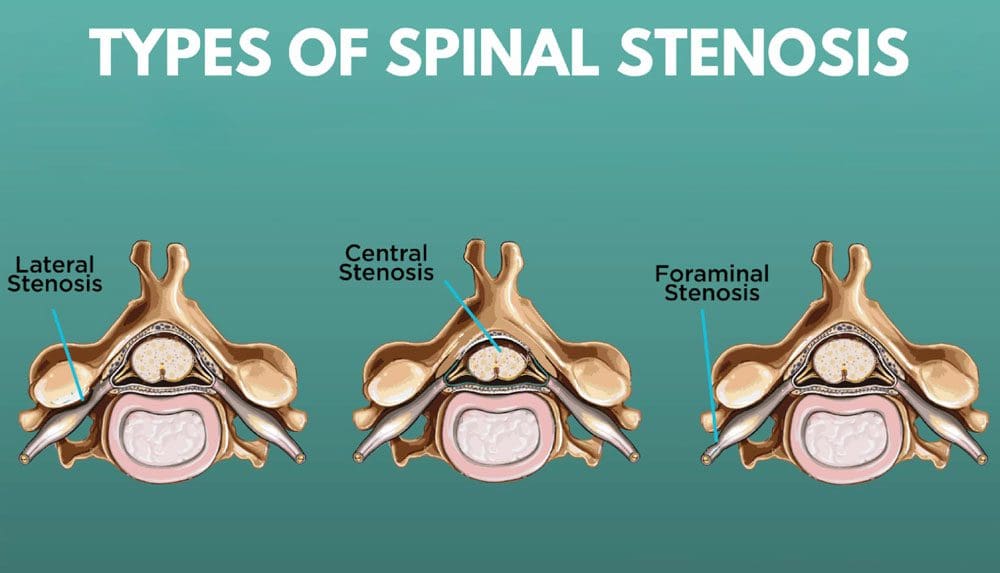
Lateral Recess Stenosis
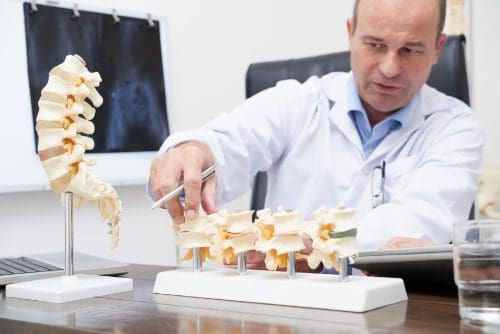
The spinal column provides a strong and flexible structure for the spinal cord. The nerves travel from the spinal cord through various openings and passageways to the rest of the body. One of the openings is known as the lateral recess. Stenosis means narrowing. When a lateral recess in a vertebra develops stenosis, the nerve in that area can get jammed/pinched with no room to move, causing varying symptoms and sensations.
Symptoms
Depending on where the stenosis is taking place (neck, middle or low back), common symptoms of lateral recess stenosis can include:
- Back pain that can spread out to other areas.
- Cramping that can spread out to other sites.
- Radiating pain that worsens with movement and eases with rest.
- Numbness or weakness of the legs or arms.
- Electrical tingling sensations down the leg or arm.
Causes
The National Institute of Health lists the major causes:
Natural Wear and Tear
- Natural aging with gradual degeneration remains the most common cause of stenosis.
Congenital – Born With Stenosis
- Scoliosis
- Achondroplasia – problems with bone formation.
Disease
- Rheumatoid arthritis
- Tumors
- Paget’s Disease
Natural Aging Process
- Herniated disc
- Spondylolisthesis – vertebra slips forward
- Spondylosis – spinal osteoarthritis
Traumatic Injury
- Automobile crashes and accidents
- Work Injuries
- Sports injuries
Treatment
Lateral recess stenosis has no current cure, but there are options to treat stenosis symptoms.
Chiropractic and Physical Therapy
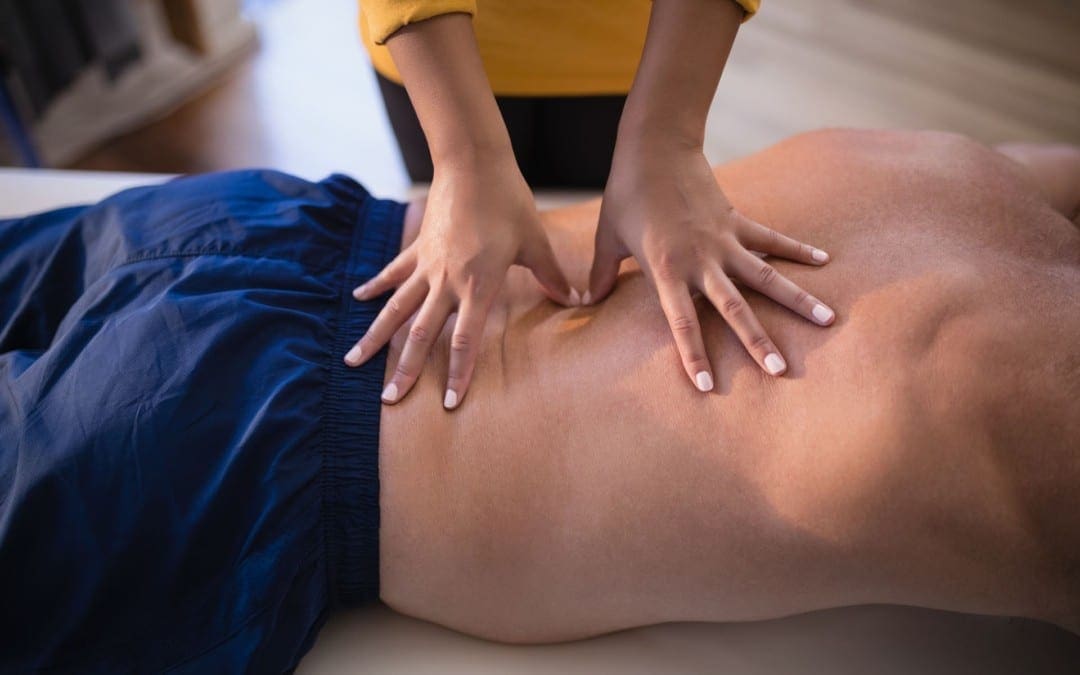
- A chiropractic physical therapy team can relieve symptoms, restore function, and strengthen the muscles.
- Muscle groups around the stenosis area are built up to take the pressure off of the area, alleviating symptoms.
Medications
- A doctor or spine specialist may recommend or prescribe medication to ease symptoms. These include:
- Tylenol – acetaminophen.
- NSAIDS – Advil/ibuprofen or Aleve/naproxen.
- Muscle relaxers
Steroid Injections
- According to a study, neurogenic claudication is the main reason for disability and loss of independence in the elderly.
- Neurogenic claudication describes pain and weakness in the buttocks and legs during physical activity that originates from the nerves, not the vessels.
- This can happen from inflammation and swelling around a compressed nerve.
- A steroid injection can decrease inflammation for several months.
Surgery
If activity modification, NSAIDs, bracing, and physical therapy don’t work or provide adequate relief, a doctor or specialist could recommend surgery.
- Lateral inter-body fusion provides indirect decompression.
- Endoscopic decompression is a new technique.
- Fusion is reserved when there is instability combined with the condition.
Back Problems Chiropractor
References
American College of Rheumatology (n.d.) “Spinal Stenosis” https://www.rheumatology.org/I-Am-A/Patient-Caregiver/Diseases-Conditions/Spinal-Stenosis
Arthritis Foundation (n.d.) “Corticosteroids” https://www.arthritis.org/drug-guide/corticosteroids/corticosteroids
Drug Design, Development and Therapy (2014) “Steroid for epidural injection in spinal stenosis: a systematic review and meta-analysis” https://doi.org/10.2147/DDDT.S78070
Lee, Seung Yeop, et al. “Lumbar Stenosis: A Recent Update by Review of Literature.” Asian spine journal vol. 9,5 (2015): 818-28. doi:10.4184/asj.2015.9.5.818
Liu, Kuan, et al. “Steroid for epidural injection in spinal stenosis: a systematic review and meta-analysis.” Drug design, development, and therapy vol. 9 707-16. Jan 30, 2015, doi:10.2147/DDDT.S78070
Medline Plus (n.d.) “Achondroplasia” https://medlineplus.gov/genetics/condition/achondroplasia/
Microspine (n.d.) “Endoscopic Decompression” https://www.microspinemd.com/microspine-surgery/endoscopic-decompression/
National Institutes of Health (n.d.) “Spinal Stenosis” https://www.niams.nih.gov/health-topics/spinal-stenosis
Northwest Medical Center (2022) “Lateral Recess/Foraminal Stenosis” https://nw-mc.com/lateral-recessforaminal-stenosis/
NSPC Brain and Spine Surgery (n.d.) Lateral Recess Stenosis https://nspc.com/lateral-recess-stenosis/
Raja A, Hoang S, Patel P, et al. Spinal Stenosis. [Updated 2022 Jul 17]. In: StatPearls [Internet]. Treasure Island (FL): StatPearls Publishing; 2022 Jan-. Available from: https://www.ncbi.nlm.nih.gov/books/NBK441989/