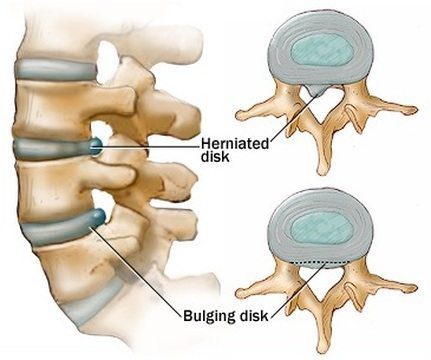
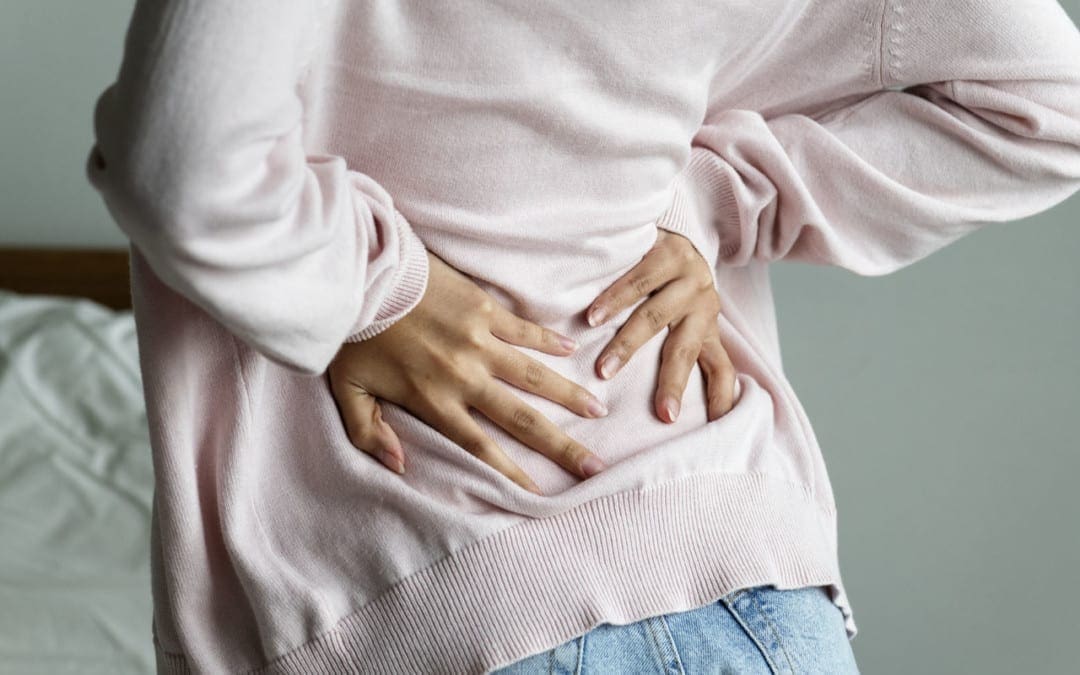
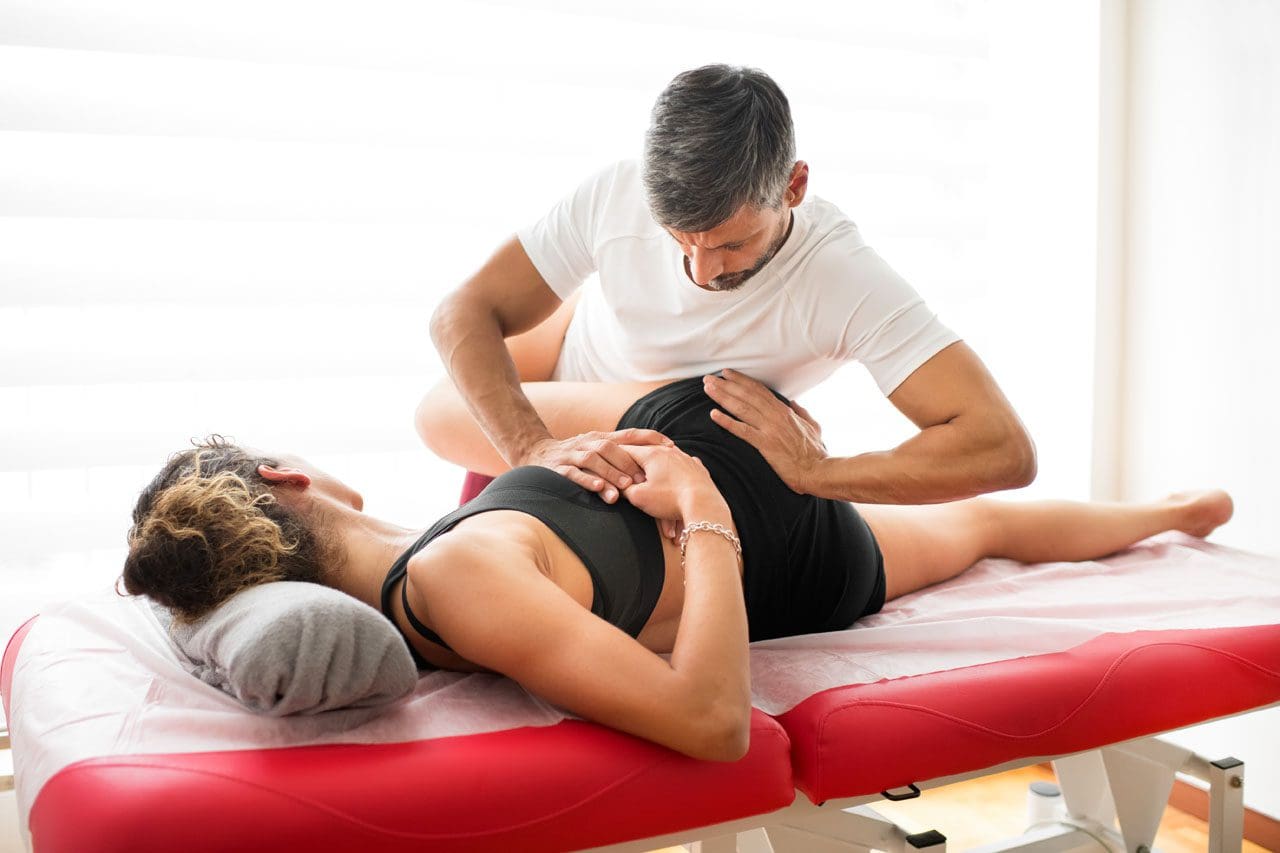
Bulging discs usually present in the lower back. Chiropractic studies have shown that the L4 and L5 segments are more susceptible to stressors that enable and cause the discs to bulge.
These vertebrae shift and become compressed with stress and time. The bulge eventually reaches a point that causes symptoms that include:
Pain
Limited range of motion
Mobility issues
Bulging discs are a common ailment that chiropractors specialize in treating and is one of the most common reasons individuals seek treatment. There is a surprise when individuals learn that spinal adjustments are only part of the solution for relief from bulging discs. Once a chiropractor realigns the vertebrae back into place, the individual must put in the work of preventing any re-bulging.
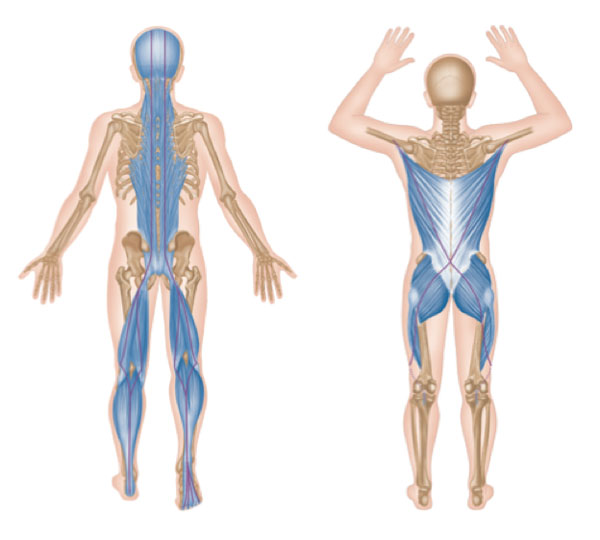
Once relief has been attained individuals can become hesitant when a chiropractor informs them of the need for posterior chain strengthening. Posterior chain adjustments along with strength exercises are very important for the prevention of further bulging discs and overall optimal spine health. Restoring the lower back's curvature and maintaining alignment requires strengthening the support system. Part of the chiropractic experience is educating patients on how to best maintain their spines.
Posterior chain Identification
A bulging low back disc is more than low back pain. A chiropractor will help an individual identify the posterior chain stimulus that is causing their bulging discs. An example to identify the posterior chain root that is causing the pain, a chiropractor will have an individual perform certain movements to figure out where along the chain the problems are occurring. It could be a weakness in the gluteal muscles or if the chiropractor asks the individual to touch their toes from a standing position and they are unable could show inflexibility.
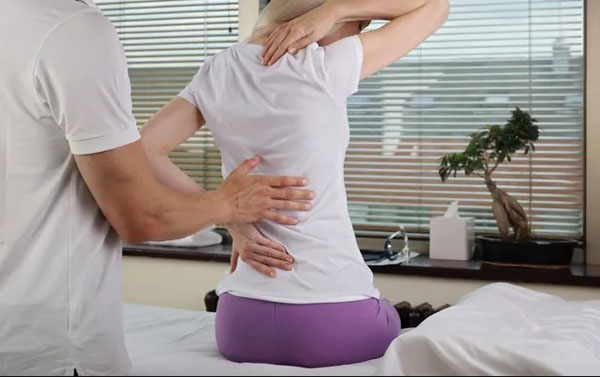
Chiropractic Adjustments
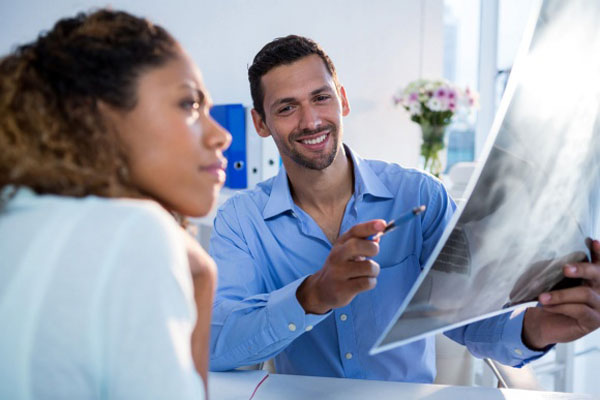
Bulging discs begin with proper chiropractic adjusting and re-alignment. Palpitation along with radiological imaging will allow a chiropractor to determine which lumbar disc/s is bulging and to what extent. This will determine the treatment protocol that the chiropractor will take.
It can include drop table adjustments that will help shift any misaligned vertebrae, and traction to alleviate compression and inflammation. Depending on age, the severity of the bulge, and the cause of the condition, a combination of adjustment techniques could be utilized.
Strengthening
Once the pain has been addressed, a chiropractor will recommend exercises and stretches to strengthen the posterior chain and its support system. The disc/s that are bulging will be able to realign properly while any further bulges can be avoided. Strengthening is focused on the:
Gluteal muscles
Hamstrings
Quadriceps
Hip flexors
Low back
Core strengthening will increase the strength of these muscle groups. This means enhanced support for the entire spine promoting the spine's ability to handle stressors and avoid bulging. Individuals have found benefits from yoga or a specific stretching regimen of the posterior chain. This helps reduce stress in overused/worked muscles that improve flexibility and mobility support systems.
Bulging disc relief
Bulging discs should not be ignored. If left untreated it could lead to more severe complications. To prevent recurring bulges along with low back pain, an individual needs to strengthen the posterior chain. Strengthening, and stretching are all crucial to the chiropractic adjustment process. A customized chiropractic treatment plan will ensure every individual gets the proper support their body needs.
Herniated Disc Treatment
��
Dr. Alex Jimenez�s Blog Post Disclaimer
The scope of our information is limited to chiropractic, musculoskeletal, physical medicines, wellness, and sensitive health issues and/or functional medicine articles, topics, and discussions. We use functional health & wellness protocols to treat and support care for injuries or disorders of the musculoskeletal system. Our posts, topics, subjects, and insights cover clinical matters, issues, and topics that relate and support directly or indirectly our clinical scope of practice.*
Our office has made a reasonable attempt to provide supportive citations and has identified the relevant research study or studies supporting our posts. We also make copies of supporting research studies available to the board and or the public upon request. We understand that we cover matters that require an additional explanation as to how it may assist in a particular care plan or treatment protocol; therefore, to further discuss the subject matter above, please feel free to ask Dr. Alex Jimenez or contact us at 915-850-0900. The provider(s) Licensed in Texas& New Mexico*
References
Djuric, N et al. �Lumbar disc extrusions reduce faster than bulging discs due to an active role of macrophages in sciatica.��Acta neurochirurgica�vol. 162,1 (2020): 79-85. doi:10.1007/s00701-019-04117-7
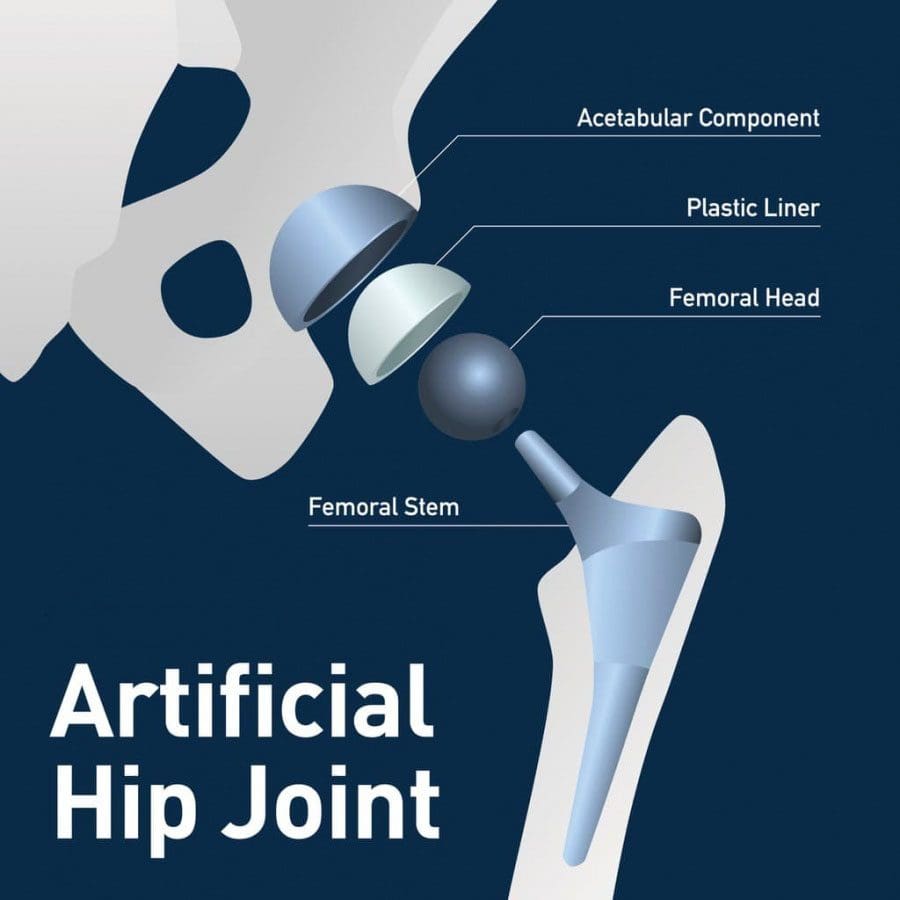
Back discomfort and pain could be caused by hip issues and could be resolved with hip replacement. According to a recent study, a total hip replacement solved back pain in four out of five individuals dealing with spinal discomfort and pain. When the hip/s are stiff or cannot move normally, this places added pressure on the spine. Studies show that low back pain was resolved in 82% of individuals after a total hip replacement known as total hip arthroplasty or THA. The body is designed as a fluid chain with fluid motion connecting the neck all the way down to the toes.
When a region like the hip tightens/stiffens, it generates added stress/pressure on the other areas of the body, which in this case happens to be the lower spine. Individuals with mild arthritis of the spine are able to experience increased pain reduction than individuals with severe arthritis. An insight into the relationship between the hips and low back that can lead to accurate diagnoses and optimal treatment plans.
Hip Issues
The hip/s move with the lower back during activities like walking, sitting, bending, etc. Tight muscles, normal wear-and-tear, and osteoarthritis can reduce hip movement, forcing the lower back to make awkward and poor posture causing adjustments. Individuals usually relieve the painful position by increasing the curve of their lower back.
If an individual has severe arthritis of the hip, they put a lot of stress and pressure on the low back that often results in low back pain. Advanced hip osteoarthritis is the breakdown of joint cartilage and the most common type of arthritis. Individuals with this type experience low back pain 50% of the time, and even higher depending on the individual's condition. 80% to 90% of individuals with hip or knee arthritis, unfortunately, develop low back arthritis.
There is not yet a clear reason as to why this occurs. It is theorized that some osteoarthritis risk factors like obesity and high-impact/force activities can be modified with lifestyle adjustments. Other risk factors that include injury, trauma, age, and congenital conditions like hip dysplasia, cannot be avoided. Hip osteoarthritis isn�t the only hip issue that can also cause lower back pain. Other hip issues.
Sacroiliac joint dysfunction
The sacroiliac joint connects the sacrum to the pelvis. It is a shock absorber between the upper body, the pelvis and can stiffen with time. Sacroiliac joint pain affects around 15% to 25% of individuals with low back pain. It worsens when climbing stairs, getting up from a seated position or running. Symptoms include:
Low back pain
Pain in buttock/s
Groin pain
Stiffness
Instability
Piriformis syndrome
About 200,000 individuals each year are affected with piriformis syndrome and is often misdiagnosed as symptoms resemble sciatica. What happens is the piriformis muscle, which connects the sacrum to the top of the femur, tightens/irritates the sciatic nerve. Symptoms are often mistaken for sciatica with pain in the buttocks, numbness, and tingling that travels down the back of the leg and into the feet.
Diagnosis
A doctor or chiropractor will use a combination of diagnostic tools. This typically includes a physical exam, X-rays with other specific tests to help identify the source of pain. What typically happens is a patient will undergo a hip and lumbar spine X-ray, but the thoracic spine, pelvis, and hip areas are missed. Getting the middle segment is critical to see how the spine and hips are working together. It is critical to understand the hip-spine connection. All spine patients should have X-rays of the hips to make sure any problems don't go undetected. The overlap of symptoms with these two areas could be overlooked.
If necessary a diagnostic injection into the hip joint can help precisely locate the pain source. This can be done at the clinic or doctor's office using ultrasound or X-ray to guide the needle. If no pain relief results from the injection, hip replacement is still not considered because the pain could be coming from the spine. A critical part of the diagnosis is not just imaging. One of the most important parts is getting a thorough history of symptoms. X-rays and MRI show what the problem could be, however, the symptoms could coming from another area.
Treatment Options
Before total hip replacement is considered there are nonsurgical approaches to be considered. All diagnoses should start with conservative treatment. Physical therapy, chiropractic, gait training, and core strengthening can optimize the spine to better manage hip issues and arthritis. Conservative therapies could also include:
Weight loss
Activity modification like walking instead of running
Anti-inflammatory medication
Cortisone injections
Total hip replacement is the last option for individuals experiencing pain, difficulty walking, and limited mobility. The procedure removes the damaged cartilage and bone from the hip joint. This includes the head of the thighbone along with the socket where it fits and replaces it with artificial parts.
Conclusion
Get a second opinion. Individuals are encouraged to educate themselves as much as possible on the condition. The hip and spine is a complex relationship. The most important information for patients is that they understand along with their doctor where the pain is coming from, the hip, spine, or both.
Reduce Plantar Fasciitis Foot Pain
Dr. Alex Jimenez�s Blog Post Disclaimer
The scope of our information is limited to chiropractic, musculoskeletal, physical medicines, wellness, and sensitive health issues and/or functional medicine articles, topics, and discussions. We use functional health & wellness protocols to treat and support care for injuries or disorders of the musculoskeletal system. Our posts, topics, subjects, and insights cover clinical matters, issues, and topics that relate and support directly or indirectly our clinical scope of practice.*
Our office has made a reasonable attempt to provide supportive citations and has identified the relevant research study or studies supporting our posts. We also make copies of supporting research studies available to the board and or the public upon request. We understand that we cover matters that require an additional explanation as to how it may assist in a particular care plan or treatment protocol; therefore, to further discuss the subject matter above, please feel free to ask Dr. Alex Jimenez or contact us at 915-850-0900. The provider(s) Licensed in Texas& New Mexico*
Individuals can develop a herniated, slipped or bulging disc in the neck or back.�Too much stress on the disc/s whether from poor posture, being overweight, injury, aging, and an unhealthy lifestyle can increase the risk for disc problems. Herniation can be caused by a combination of factors or physical injury. Several common questions about disc problems are answered.
Can Discs Slip
A slipped disc can mean a ruptured or herniated disc. We use the term slipped disc, however, the discs do not slip. Each disc is sandwiched between two vertebrae that are supported by a system of ligaments that hold the spine together. A bulging or herniated disc is the proper term.
Difference Between a Bulging and Herniated Disc
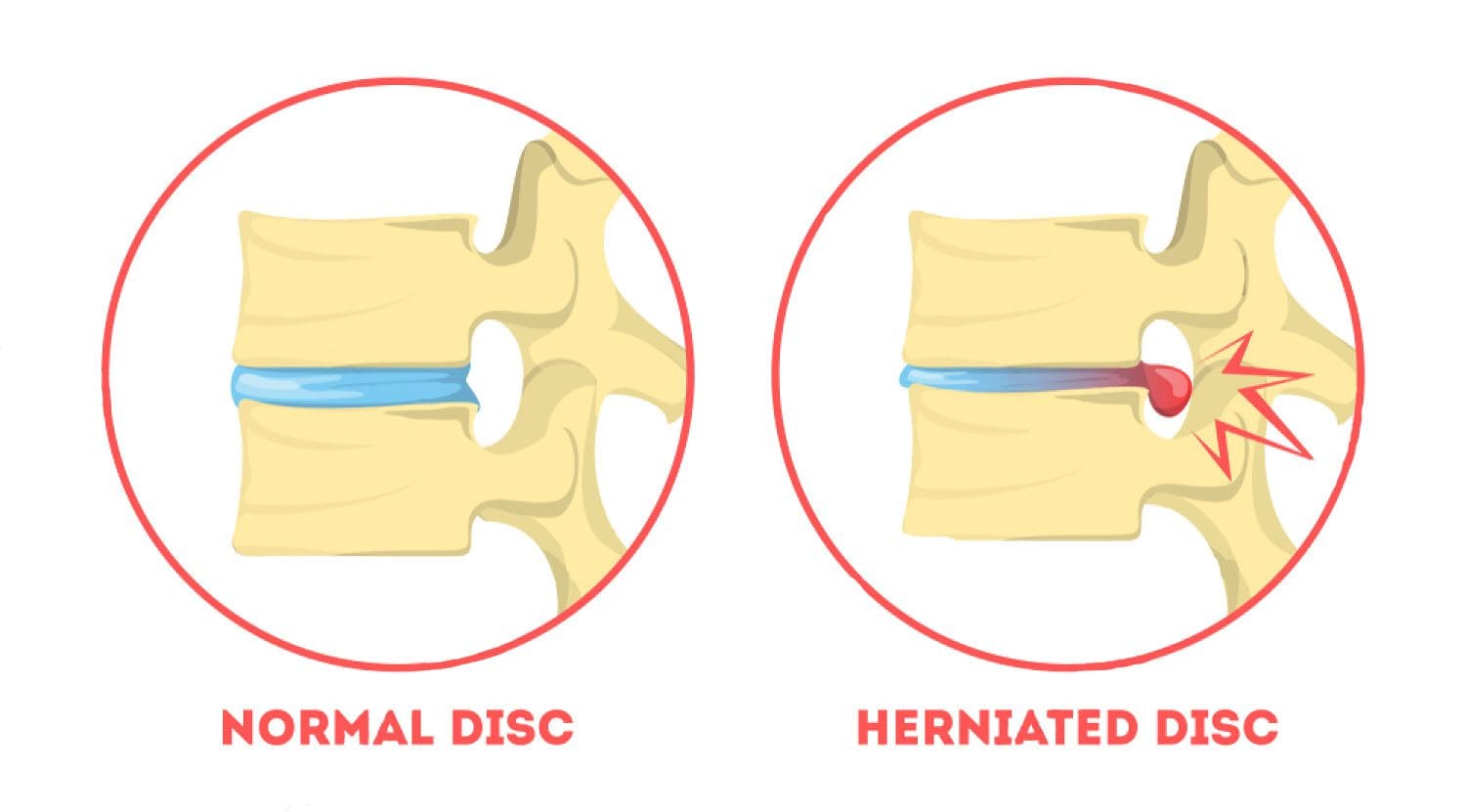
Disc disorders are categorized as contained or non-contained. Bulging disc is an example of a contained disc disorder.
Bulging
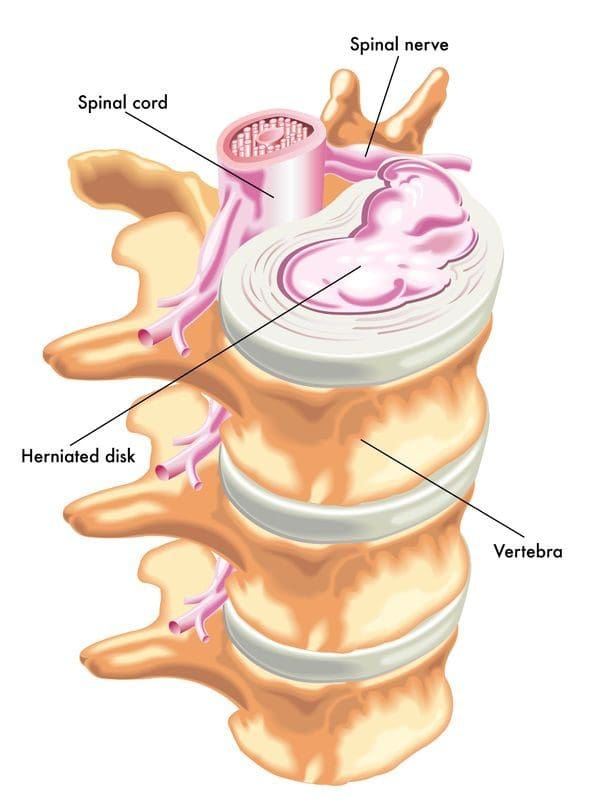
A bulging disc has not broken open meaning the nucleus is still contained inside the annulus fibrosus. The disc could protrude into the spinal canal without breaking open. The gel, the jelly interior does not leak out. The disc stays intact except a small bubble pops out.
Herniated/Ruptured
A non-contained disc has either partially or completely broken open, and that is a herniated/ruptured disc. Imagine a closed tube�being squeezed placed under pressure, which causes the contents to move wherever they can. If a portion of the tube is weak or there is too much pressure, the contents could leak or burst out. When a disc herniates the gel-like contents could spread out to the spinal cord and nerves.
Herniation Can Cause Pain
The disc’s gel-like nucleus has a chemical that irritates the nerves and causes them to become inflamed and swell. The chemical stays and continues to press on the irritated nerves. Sometimes fragments from the disc wall or the tube break off from the disc and drift into the spinal canal causing other nerves to inflame and swell. Based on the type of injury and condition of the discs, more than one disc could herniate, rupture, or bulge. Sometimes injury causes a combination of disc disorders.
Symptoms
Symptoms of a herniated disc can include:
Dull
Shooting pain
Muscle spasms
Cramping
Weakness
Tingling
Referred or radiating/traveling pain
Sometimes, however, a herniated disc does not cause any symptoms at all. When this happens it is called an asymptomatic herniated disc. Disc/s could be bulging or herniated, but if it or they are not applying pressure on the spinal nerve/sor the cord, symptoms like pain may not present. This makes a point about herniated disc symptoms that they are dependent on where you have a herniated disc.
Cervical Herniation Symptoms
With a herniated or bulging disc in the neck, then you could experience:
Neck soreness/pain
Muscle tightness
Cramping in the neck
Pain that travels down the arm/s
Tingling in the arm/s or hand/s
Weakness in the arm/s or hand/s
Lumbar Herniation Symptoms
With a herniated disc in the low back the following symptoms could happen:
Low back pain
Muscle tightness
Cramping in and around the low back
Radiating pain that travels down the leg/s
Tingling in your leg/s or foot/feet
Weakness in the leg/s or foot/feet
Referred Pain
Referred pain means that you have pain in another part of the body from the disc problem. An individual could have a bulging or herniated slipped disc in the low back and have pain in the leg. This is lumbar radiculopathy or sciatica. Usually, just one leg is affected. If you have a herniated disc in the neck, there could be referred pain going down the arm and into the hand.
Chiropractic Cares
A chiropractor can help relieve back pain and other herniated disc symptoms. A chiropractor will go through your medical history, do a physical exam, and perform orthopedic and neurological tests. They are looking at several things. Orthopedic and neurological exams can help the chiropractor figure out what’s going on.
Are reflexes functioning properly?�Meaning are your nerves sending messages correctly. An example is a reflex test is when a doctor taps the knee with a hammer and the leg kicks.
Is there a loss of muscle strength?
Signs of muscle/s wasting away?
Is there a loss of sensation, tingling or numbness along the nerve/s path?
They will carefully look at posture, and will probably order an X-ray or MRI to help with the diagnosis.
Chiropractors evaluate the entire spine. Even if you only have lower back pain, your chiropractor will examine your neck, too. They want to see how well your spine is functioning overall. Remember what happens to one area of your spine can influence another part of the spine and/or body.
Pain from a herniated disc can make it difficult to enjoy daily life. Walking, sitting, and sleeping normally/comfortably can become a nightmare. You should make an appointment with a doctor or chiropractor if your herniated slipped disc symptoms last for more than two weeks.
Herniated Disc Treatment
NCBI Resources
In the United States alone, acute cases of lower back pain are the fifth most frequent reason for doctor visits and cause 40% of missed days off work. What�s more, it is the leading cause of disability worldwide.
IFM's Find A Practitioner tool is the largest referral network in Functional Medicine, created to help patients locate Functional Medicine practitioners anywhere in the world. IFM Certified Practitioners are listed first in the search results, given their extensive education in Functional Medicine