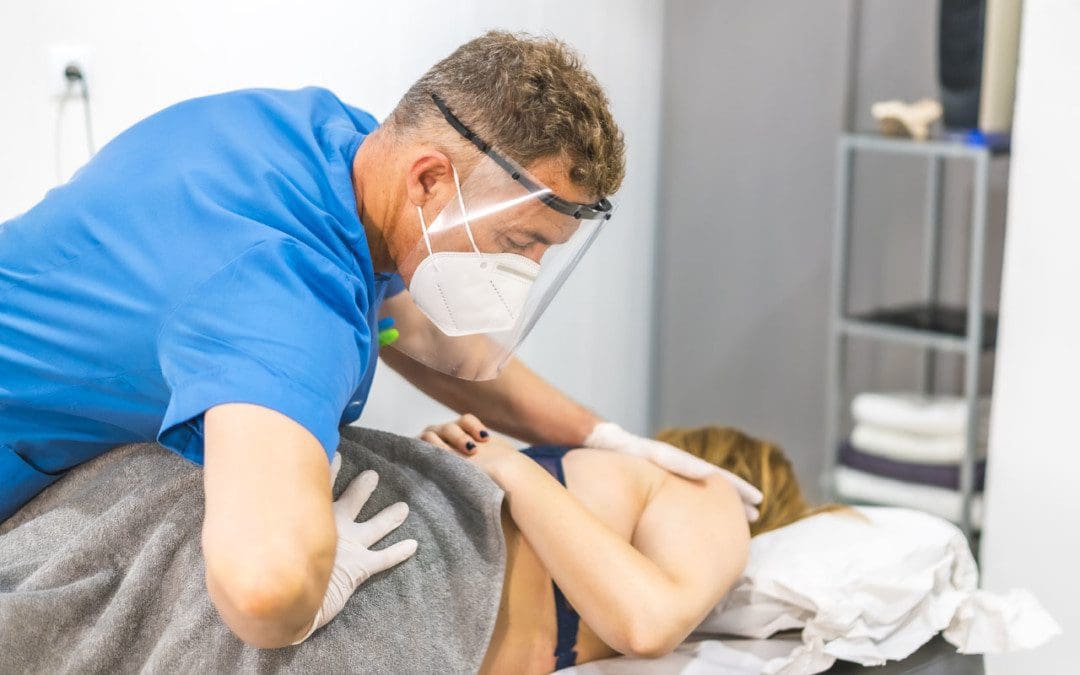
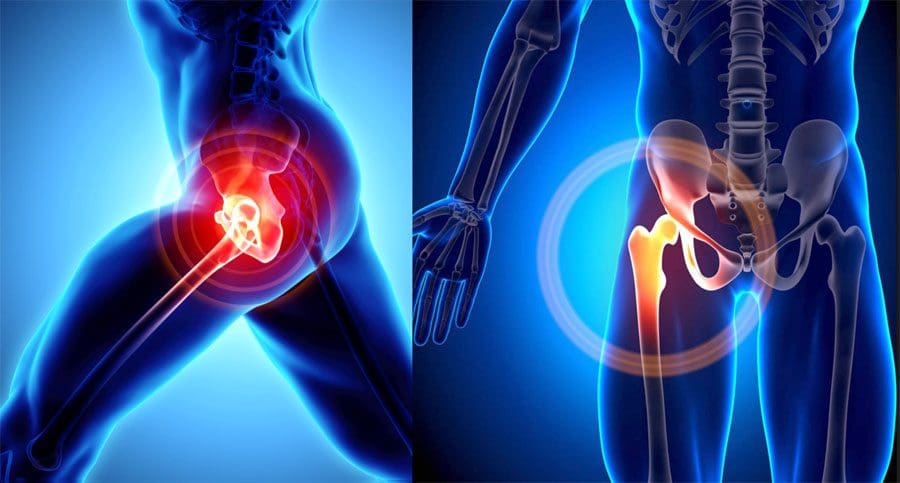
The hips are highly active joints. Hip sprains are rare but do occur. A hip sprain is caused by tearing or stretching the ligaments that surround the hip and join the bones to each other. This is different from a hip strain, which is an injury to the muscles and is generally caused by over-use of the hip flexor muscles and tendons, causing them to tear. Hip sprains usually happen after a fall or a sudden twisting motion, which can occur during sports or an accident.
Individuals involved in sports that require quick stops, body shifting, and sudden direction changes, like soccer, football, basketball, tennis, volleyball, etc., have an increased risk. Most hip sprains can be effectively treated with conservative treatments like self-massage, rest, ice, and nonsteroid anti-inflammatory medications. For more severe cases, physical therapy and chiropractic can treat the condition.
Hip Sprain Symptoms
Tenderness in the hip increases when lifting the thigh.
Cramping sensation/s in the muscles of the upper leg.
Swelling in the hip or thigh
Bruising in the hip or thigh.
Sudden pain in the hip or pelvis.
Sharp pain in the hip or pelvis.
Pain that worsens when walking, running, or stretching the hip muscles.
Loss of strength in the front of the groin.
Tugging or pulling sensation.
Limping.
Diagnosis
The doctor or chiropractor will:
Look into medical history.
Inquire about symptoms.
Inquire about activities that could cause symptoms.
Perform a physical examination.
Ask the individual to perform a variety of movements to determine what type of injury has been sustained.
Pain in one or both hips might not have anything to do with the hips but a pinched nerve root in the lower back.
Sciatica can develop when certain nerve roots in the lower back are irritated or compressed, causing symptoms to travel down the sciatic nerve and radiate around the pelvis and leg.
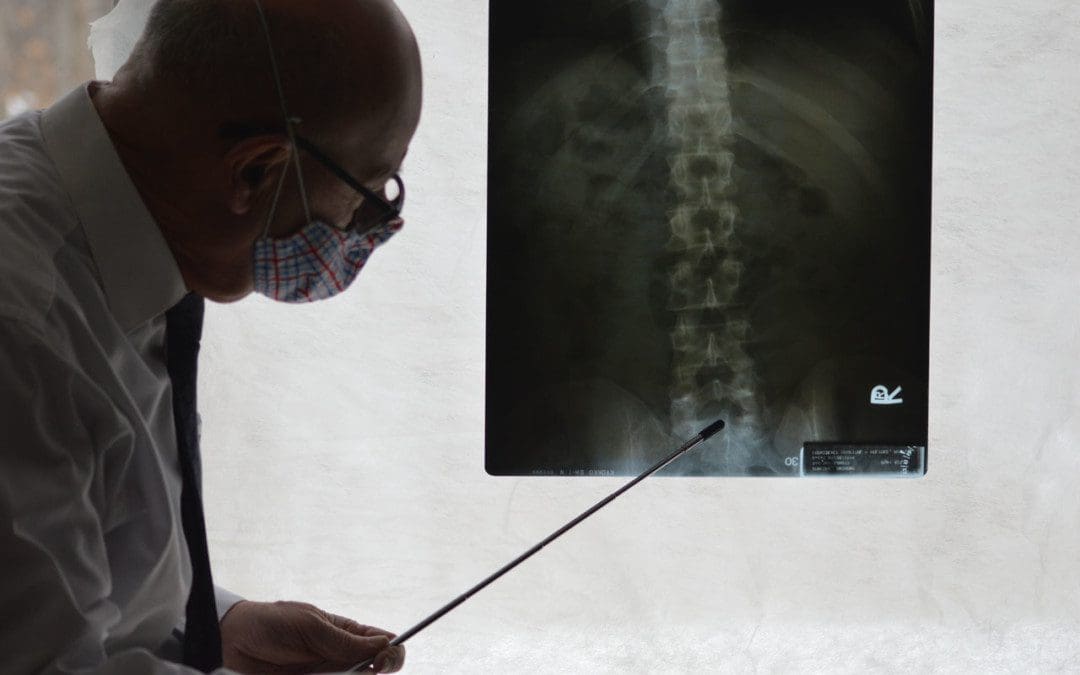
X-rays can help rule out hip stress fractures, which can have similar symptoms.
MRI or CT scans are used to see if any soft tissue damage has occurred.
Hip Sprain Treatment
Treatment usually begins with over-the-counter pain medications and anti-inflammatories to reduce swelling and relieve pain.
Resting the hip will help prevent further damage.
Applying ice will help prevent tissue damage and reduce swelling.
It is recommended to use an ice pack several times a day for the first 48 hours after an injury.
Once the swelling goes down, a chiropractor and physical therapy team will create a personalized treatment plan that includes:
Adjustments.
Exercise therapy.
Posture training.
Stretching.
Massage.
Treatment/Rehabilitation Objectives
Reduce inflammation.
Relax muscle spasms.
Strengthen weakened muscles.
Improve joint mobility.
Individuals will be shown how to prevent the risk of sprains in the future. This includes:
Avoiding exercising when the body is tired
Wearing proper footwear and protective equipment
Warming up properly before exercise/physical activities.
Depending on the severity of the sprain, surgery could be the last resort to repair the ruptured or torn ligaments.
Body Composition
Realistic Goals
Not seeing results after putting in the work through exercise and diet can be frustrating. Setting realistic goals can help when results are not showing.
Realistic Fat Loss
Do not expect actual fat loss without being in a caloric deficit.
The body needs to use more energy than the amount of food/energy taken in; otherwise, excess energy/food gets stored, primarily as adipose tissue.
There are caloric deficit variations, but most doctors, dieticians, trainers, and fitness experts agree that a caloric deficit of around 500 calories a day that equals to about 3,500 calories a week will result in a pound of fat loss per week.
One pound of fat a week lost might seem slow, but the one pound of fat is a real pound removed.
The long-term goal is not to fall back into unhealthy habits and develop and maintain new healthy ones.
References
Brantingham JW, Globe GA, Cassa TK, et al. A single-group pretest posttest design using full kinetic chain manipulative therapy with rehabilitation in the treatment of 18 patients with hip osteoarthritis. Journal of Manipulative and Physiological Therapy 2012; 33(6): 445-57.
Kamali, Fahimeh and Esmaeil Shokri. The effect of two manipulative therapy techniques and their outcome in patients with the sacroiliac joint syndrome. Journal of Bodywork and Movement Therapies. 2012; 16: 29-35.
McMorland G, Suter E, Casha S, du Plessis SJ, Hurlbert RJ. Manipulation or microdiscectomy for sciatica? A prospective randomized clinical study. Journal of Manipulative and Physiological Therapeutics. 2010; 33(8): 576-584.
Tibor, Lisa M, and Jon K Sekiya. “Differential diagnosis of pain around the hip joint.” Arthroscopy: the journal of arthroscopic & related surgery: official publication of the Arthroscopy Association of North America and the International Arthroscopy Association vol. 24,12 (2008): 1407-21. doi:10.1016/j.arthro.2008.06.019
Wedro, Benjamin. “Hip Pain: Causes, Symptoms, Treatment Information and Diagnosis-eMedicineHealth.” http://www.emedicinehealth.com/hip_pain/article_em.htm.
Anyone from young children, adults, and the elderly can get a spinal infection. Individuals can have an infection:
In vertebral bone tissue
An intervertebral disc
The spinal canal – space where the spinal cord runs through
The spinal cord’s protective lining
These types of infections can happen anywhere along the spine, from the atlas at the base of the neck to the coccyx all the way to the lowest part of the back. Individuals should expect unpredictability if dealing with a spinal infection. During testing, lab results could be misleading or inaccurate. What can happen is white blood cell counts are normal, X-rays might not show any abnormalities, and sensitive diagnostic tests like a CT or MRI scan might not show positivity of infection for a week or more. What to know about spinal infections.
Spinal Infection Types
They are classified according to the type of tissue they infect. The most common include:
Vertebral Osteomyelitis
This is a common infection type. Bacteria most often cause the cause. It can develop after trauma to the spine, post-surgery, or bacterial infections located in other body parts that travel via the blood to the vertebra. Symptoms include:
Persistent, chronic back pain that can become severe worsens at night and becomes aggravated from moving.
The pain radiates/spreads into the arms and legs
Tingling, numbness, and burning sensations
Inflammation
Fever
Weight loss
Vomiting
Post-surgery wound drainage, redness, and swelling near the surgical site
Treatment includes:
Intravenous antibiotics
Antibiotics
Over-the-counter analgesics like nonsteroidal anti-inflammatory meds for pain relief.
Prescription pain medications
Back brace
Surgery is recommended if antibiotic treatment fails, nerve damage develops, a spinal deformity develops, or to remove infected bone and/or soft tissues.
Discitis
This type of infection develops between the intervertebral discs. It is also rare, but it is more common in children and adolescents, but it can still happen in adults. Discitis can be potentially deadly, despite advanced treatment. The most common causes are bacterial and viral infections.
Symptoms
Individuals with discitis can present with minimal symptoms when the infection initializes, but it does worsen and can cause:
Abdominal pain and discomfort
Posture changes
Mobility issues
Difficulty performing everyday tasks
Fever
Severe back pain that worsens at night or by moving
Treatment options include:
Antibiotics
Anti-inflammatory medications
Supportive devices
Rest
Steroids to alleviate inflammation in chronic and severe cases
Severe cases could require surgery to restructure areas of the affected spine to improve function and mobility
Epidural Abscess
This is an infection that can develop in the spaces between the bones of the spine, the skull, or soft tissues surrounding the brain and spinal cord. This is a medical emergency that needs to be addressed immediately. The infection is often caused by a bacterial or fungal infection in or around the affected area. This is commonly a Staphylococcus aureus bacteria. In some cases, an abscess can develop from an infection in another part of the body. This could be a urinary tract infection that spreads out to the spine. Symptoms include:
Inflammation and swelling
Mid to low back pain
Headache
Fever
Nausea and/or vomiting
Neurological weakness, numbness in the arms and legs, bowel or bladder incontinence
Walking problems
Treatment consists of intravenous antibiotics to combat the infection that caused the abscess. In some cases, if there is difficulty moving around or are experiencing numbness, then surgery is required to drain the abscess or completely remove it.
Risk Factors
Spine infections can affect anyone. However, there are individuals with certain chronic health problems that have an increased risk. They include those with:
Kidney disease
Liver disease
Auto-immune diseases
Immune systems compromised like cancer and HIV
Individuals that have undergone a spinal surgical procedure are at greater risk post-surgery
Risk factors include:
Individuals that have had a spinal infection could be more susceptible to developing another.
Age – older adults
Malnutrition
Diabetes mellitus
Obesity
Smoking
Intravenous drug use
Certain areas of the back are more prone to infection. This includes the cervical/back of the neck and the lumbar/low back.
Surgical risk factors:
Long surgical procedure
Massive loss of blood
Multiple surgeries of the same area
Diagnosis
Early diagnosis can be the difference in treating the infection before damage to the spine develops or before the damage worsens. They are diagnosed through a variety of lab and imaging tests. These include:
Various lab tests
Blood work to examine white blood cell counts and markers for inflammation
X-Rays
CT scan
MRI
Outcome
These infections are rare, but they are serious and early treatment is recommended for optimal outcomes. Early diagnosis in the early stages can be successfully treated with antibiotics, rest, and spinal braces. Doctors, spine specialists, chiropractors, and physical therapists will work with the individual to provide a thorough diagnosis, personalized treatment plan, and long-term outcomes.
Body Composition
Practice Mindfulness
Practicing mindfulness can help identify triggers of negative thoughts and behavior. Mindfulness is unique to each individual. Sitting quietly and meditating for 20 minutes is not for everyone. Instead, try a five-minute guided meditation, writing, or music listening. The best time to meditate is in the morning after waking up. This helps set the day’s objectives, what’s important and what can wait in a clear fashion. Mindfulness practice has been shown to reduce stress and feelings of anxiety.
Journaling is a great way to find out about yourself. It can be done with pencil/pen and paper, on a computer, tablet, or phone. Take a few minutes to write some ideas, feelings, emotions that can help put things in perspective. Examples could be, writing something that makes you happy/proud, something that you want to improve, and a goal. There is also mindful listening that can help reduce stress by focusing attention. Instead of turning on the news or checking email first thing, listen to a favorite podcast or music. The same applies to over-phone use. During some downtime instead of scrolling through social media, etc, take a breath and listen to your mind and self.
References
American Association of Neurological Surgeons. Spinal Infections. http://www.aans.org/Patient%20Information/Conditions%20and%20Treatments/Spinal%20Infections.aspx. Published May 2016. Accessed December 29, 2016.
Stat Pearls. (2021). Diskitis. https://www.ncbi.nlm.nih.gov/books/NBK541047/
Stat Pearls. (2021). Spinal Epidural Abscess. https://www.ncbi.nlm.nih.gov/books/NBK441890/
Frontiers in Medicine. (2014). Surgical site infections following spine surgery: eliminating the controversies in the diagnosis. https://www.frontiersin.org/articles/10.3389/fmed.2014.00007/full
Microorganisms. (2020). Spinal Infections: An Update. https://www.ncbi.nlm.nih.gov/pmc/articles/PMC7232330/
The Spine Journal. (2021.) “Long term quality of life outcome after spondylodiscitis treatment.” https://www.thespinejournalonline.com/article/S1529-9430(21)00783-X/fulltext
Covid-19 has impacted everyone in so many ways. There is a possible connection between Covid-19 and a rare spinal disorder known as transverse myelitis. There have been three known cases of acute transverse myelitis brought on from covid-19. Although these case reports are not enough to prove that covid is the cause for transverse myelitis, researchers are delving into the possibility of a connection between the virus and this spinal condition.
Transverse Myelitis
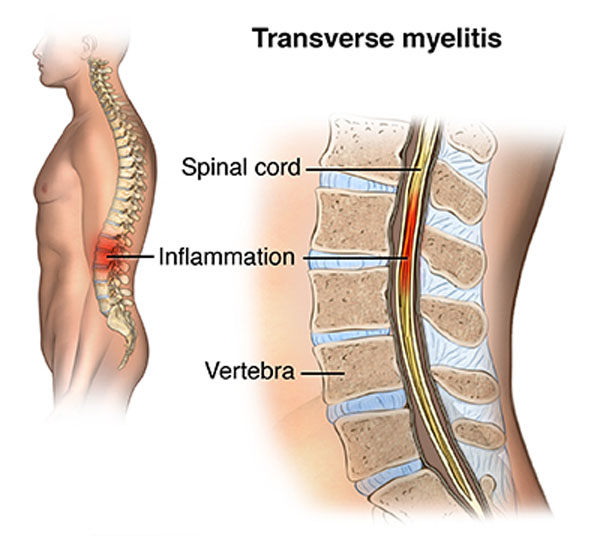
Transverse myelitis causes inflammation of the spinal cord. It can be caused by
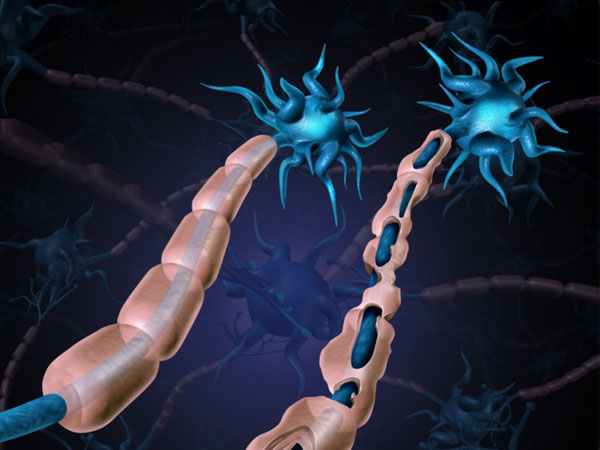
Myelin is the layer that forms around nerve cell axons or the wiring of the nervous system and insulates them. It consists of protein, fatty substances, and acts as a defensive sheath that allows electrical impulses to transmit properly. The insulation properties are essential for:
Proper motor function
Sensory function
Cognition
Without the insulation, the electrical impulses traveling through the spinal cord dissipate or weaken. The messages don't reach the nerves and can lead to:
Muscle spasms
Twitching
Numbness
The most common disorder that destroys the myelin known as demyelination is multiple sclerosis. Transverse myelitis can affect individuals of:
Any race
Gender
Age
There are treatments, but there is no cure. Treatments consist of corticosteroids and other therapies to suppress the immune system. However, their focus is on preventing and minimizing permanent neurological damage.
Recognizing and Identifying
Symptoms of transverse myelitis can include:
Pain that usually starts in the lower back and causes shooting pain/sensations down the legs, arm, and torso
Leg/s and arm/s weakness
Sensory changes in the legs, torso, and genital area
Bladder and Bowel dysfunction
Muscle spasms
General discomfort
Headaches
Fever
Loss of appetite
Depending on the segment of the spine where the damage is occurring will determine which parts of the body are affected. Diagnosis begins with a thorough medical evaluation. A doctor will utilize various methods. A thorough neurological exam will be performed to rule out any issues that require emergency intervention. If a doctor suspects transverse myelitis they will order diagnostic tests like:
Magnetic resonance imaging or an MRI
Blood tests
Lumbar puncture
Treatment
As previously stated, there is no cure for transverse myelitis, and treatment focuses on managing complications. Treatments can include:
The hard facts are that while most people with transverse myelitis have at least a partial recovery, for some, however, recovery can continue for up to two years and longer. A combination of medications, chiropractic, and physical therapy can help improve physical symptoms.
The National Institute of Neurological Disorders and Stroke is working to understand the process, as to how the immune system destroys or attacks myelin. Hopefully, this will lead to answers, improved treatment, and prevention. It is well-documented that Multiple sclerosis, bacterial infections, and other viruses can cause transverse myelitis, research must continue to see if there is a connection to covid-19.
Chiropractic Lower Back Pain Treatment
Dr. Alex Jimenez�s Blog Post Disclaimer
The scope of our information is limited to chiropractic, musculoskeletal, physical medicines, wellness, and sensitive health issues and/or functional medicine articles, topics, and discussions. We use functional health & wellness protocols to treat and support care for injuries or disorders of the musculoskeletal system. Our posts, topics, subjects, and insights cover clinical matters, issues, and topics that relate and support directly or indirectly our clinical scope of practice.*
Our office has made a reasonable attempt to provide supportive citations and has identified the relevant research study or studies supporting our posts. We also make copies of supporting research studies available to the board and or the public upon request. We understand that we cover matters that require an additional explanation as to how it may assist in a particular care plan or treatment protocol; therefore, to further discuss the subject matter above, please feel free to ask Dr. Alex Jimenez or contact us at 915-850-0900. The provider(s) Licensed in Texas& New Mexico*
References
Chakraborty, Uddalak et al. �COVID-19-associated acute transverse myelitis: a rare entity.��BMJ case reports�vol. 13,8 e238668. 25 Aug. 2020, doi:10.1136/bcr-2020-238668
IFM's Find A Practitioner tool is the largest referral network in Functional Medicine, created to help patients locate Functional Medicine practitioners anywhere in the world. IFM Certified Practitioners are listed first in the search results, given their extensive education in Functional Medicine